Outdoor Firewood Storage
Keep your firewood organized and easily accessible with our selection of outdoor firewood storage solutions. Whether you need a compact log rack for your patio or a large firewood shed for your backyard, we have options to suit every space and style. Our durable and weather-resistant storage units are designed to protect your firewood from the elements, keeping it dry and ready to use whenever you need it. Say goodbye to messy piles of logs and upgrade your outdoor space with our functional and stylish firewood storage solutions today.
Sort


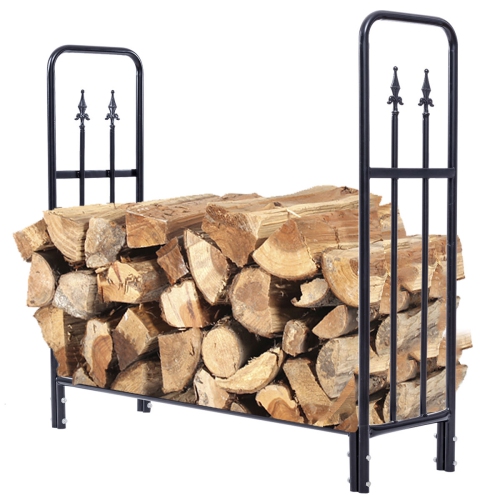
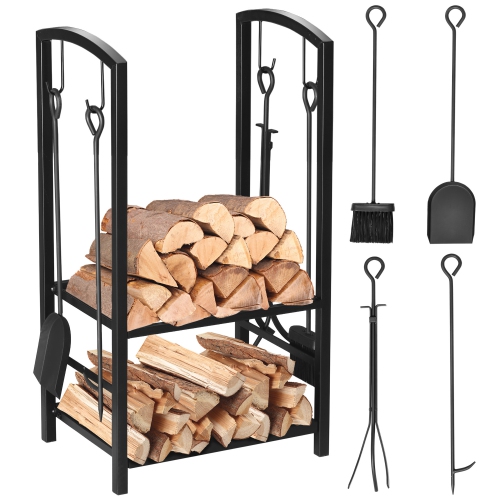
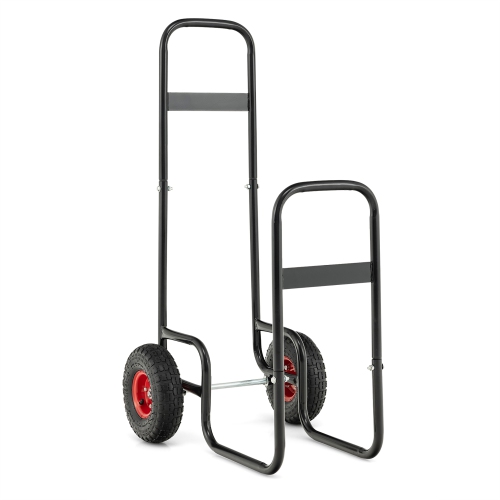
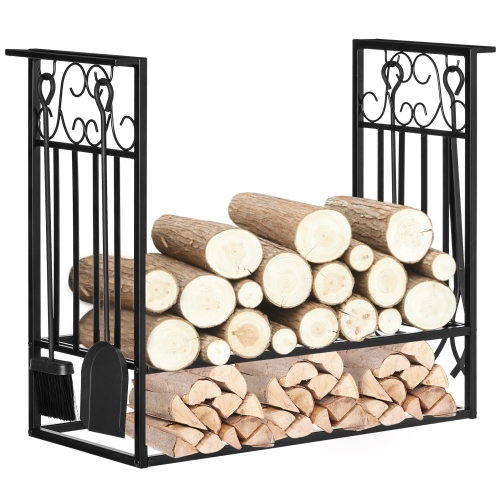
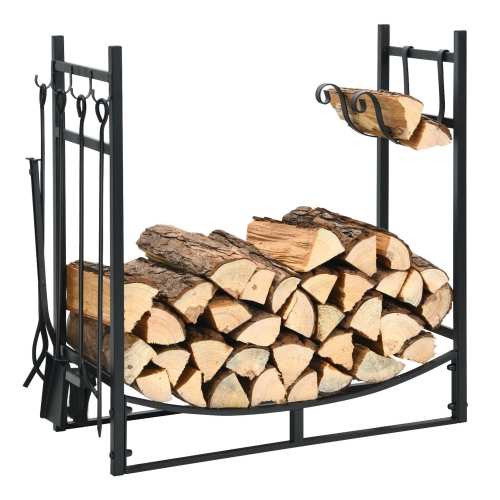

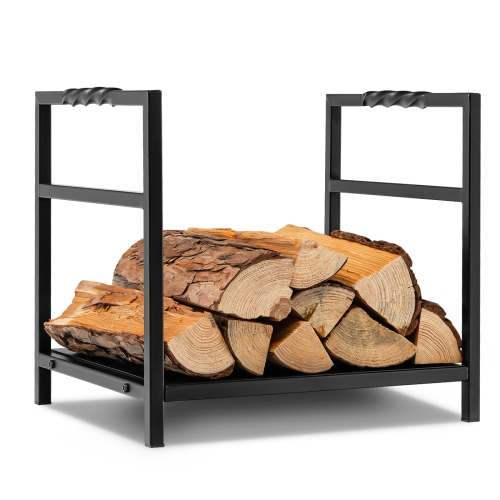
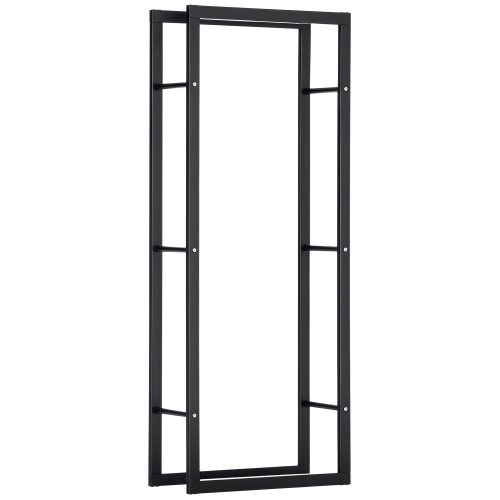
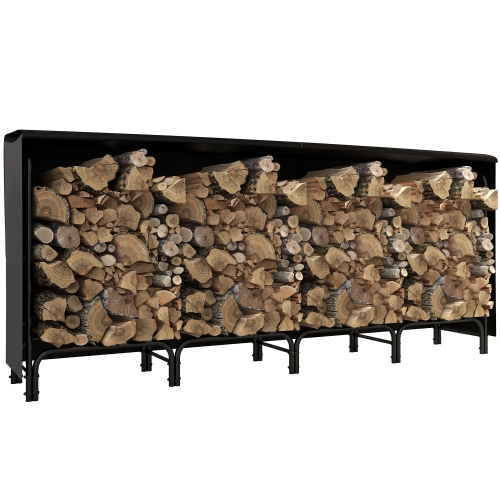




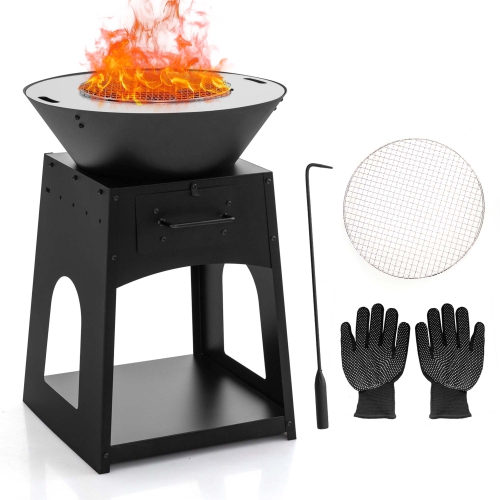
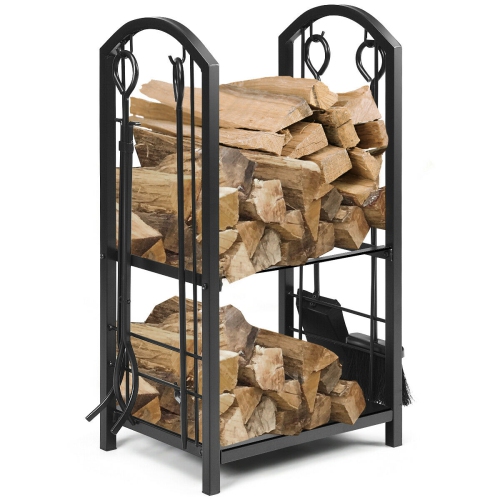

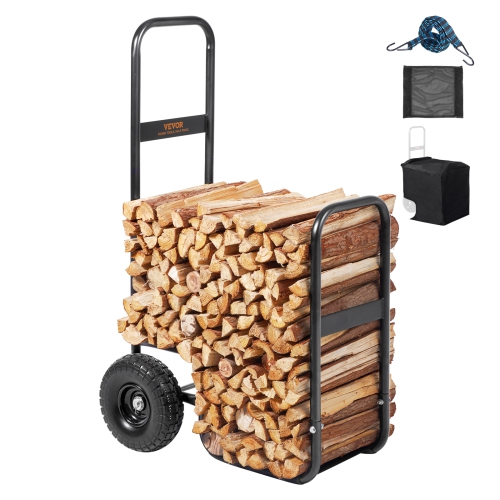
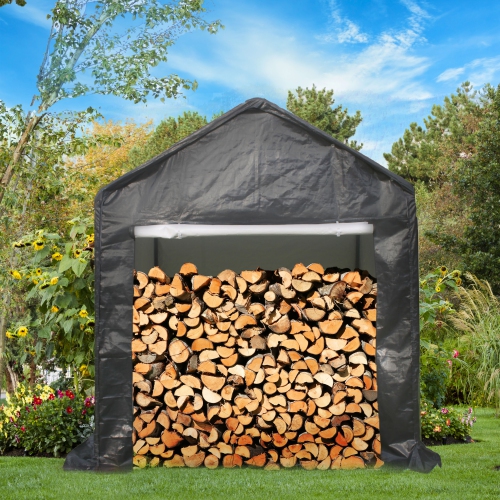

Well-stacked logs need airflow as much as shelter
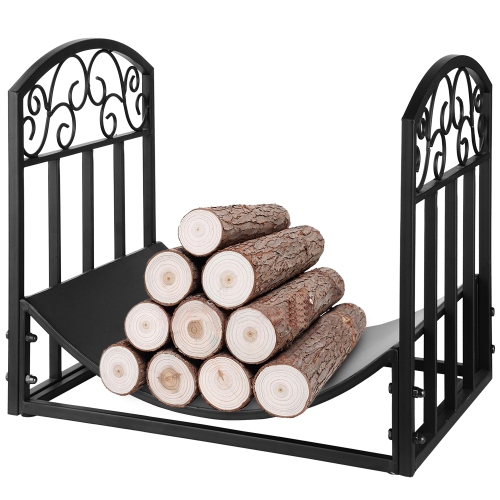
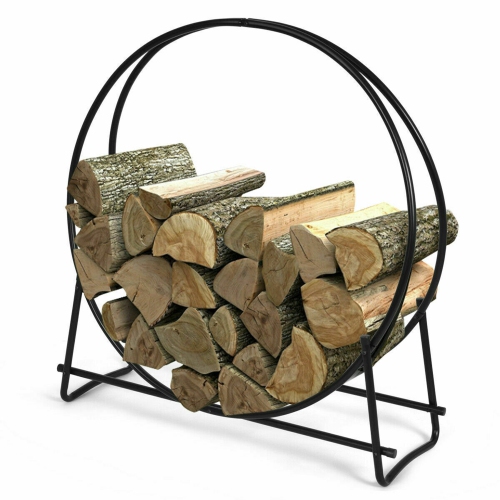
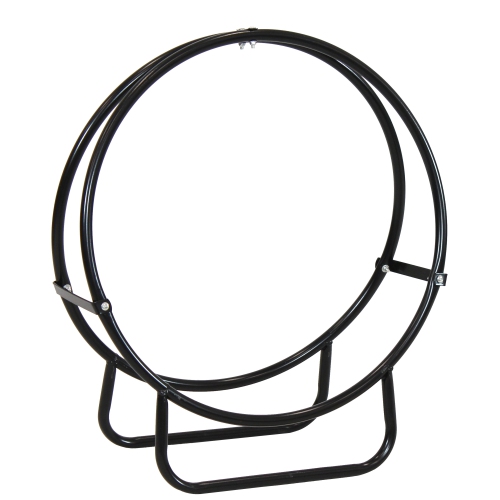
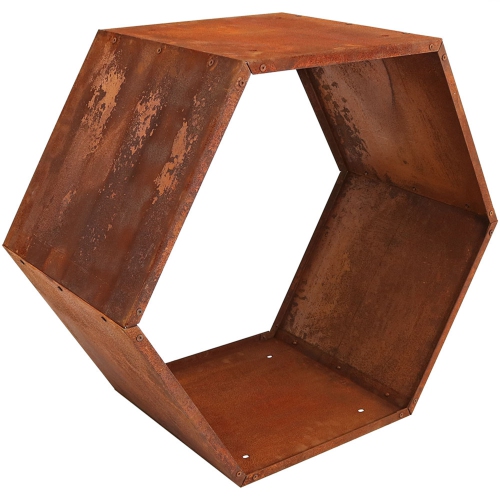
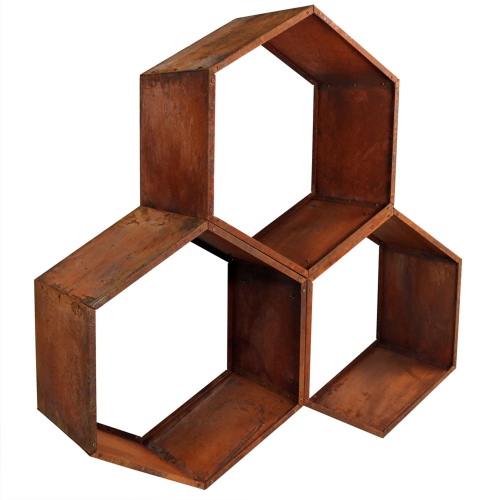
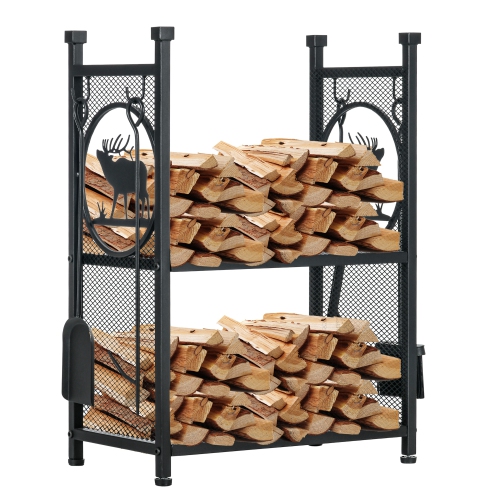
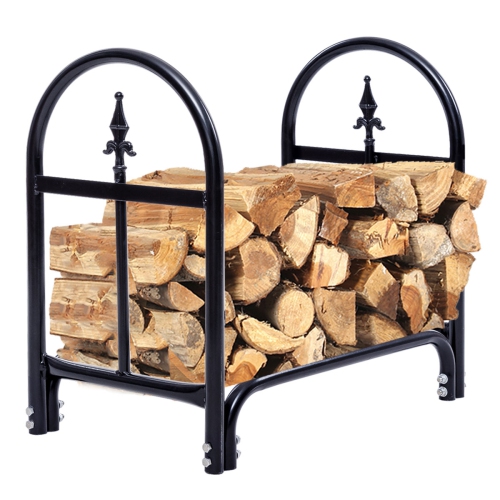
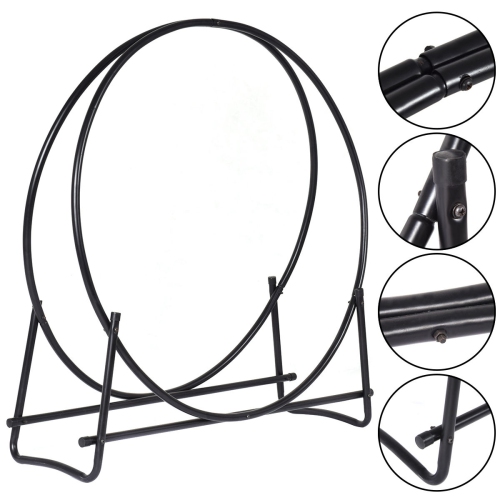
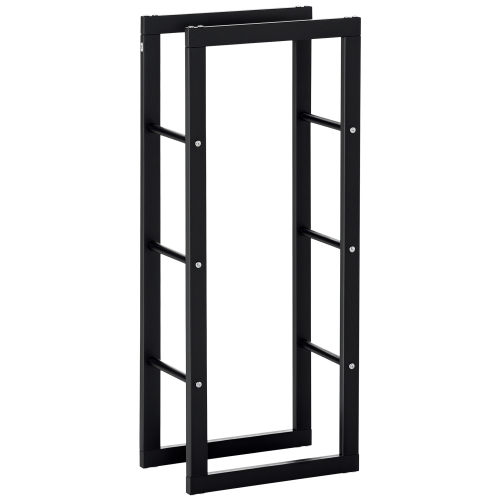
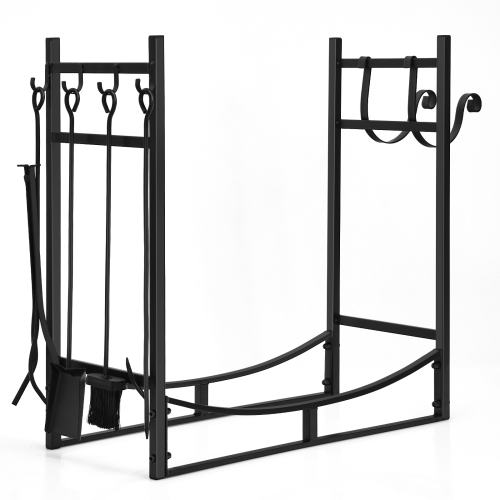
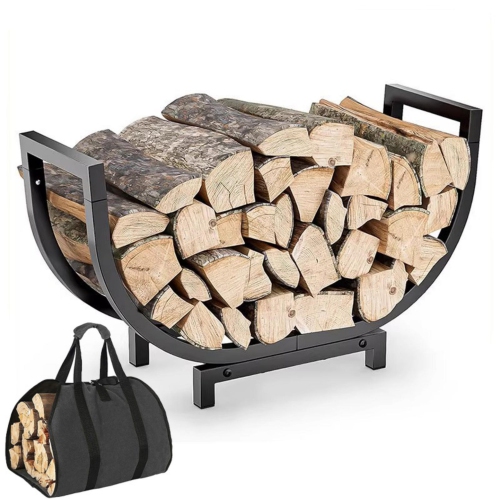
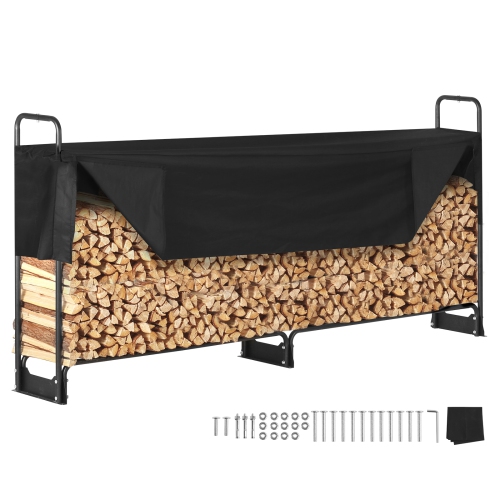
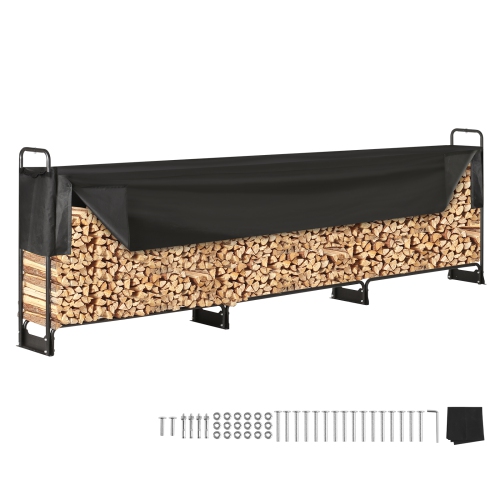
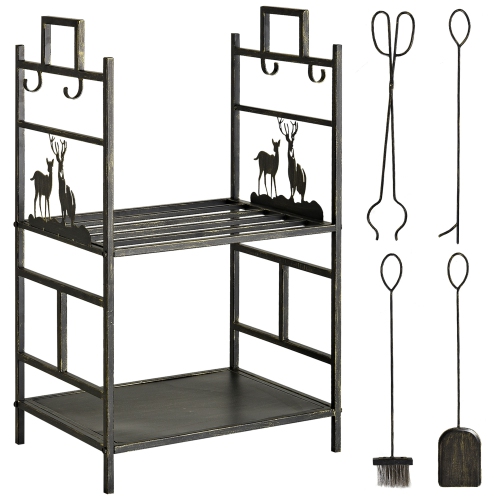
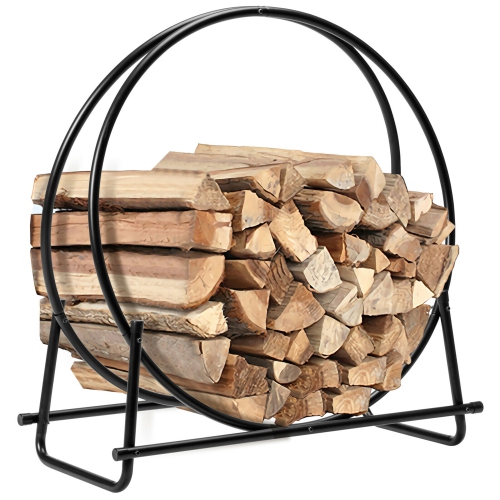
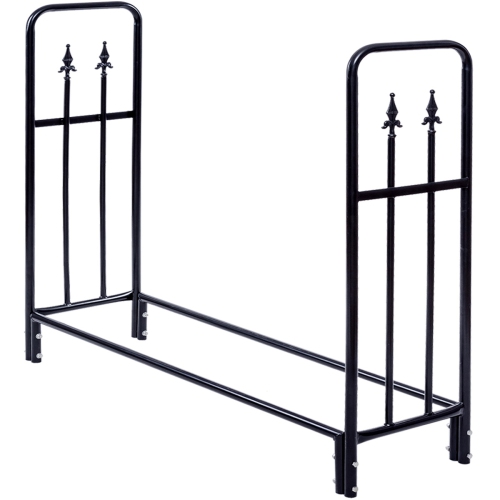
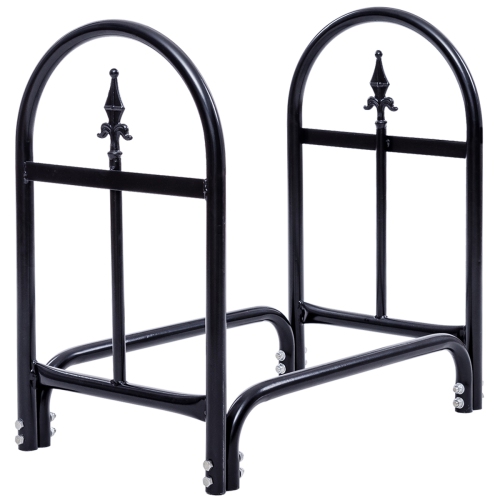
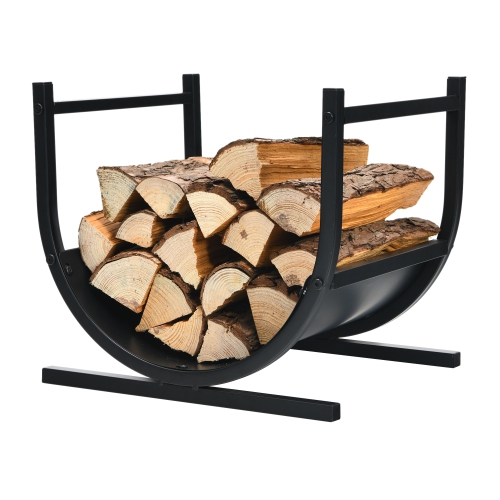
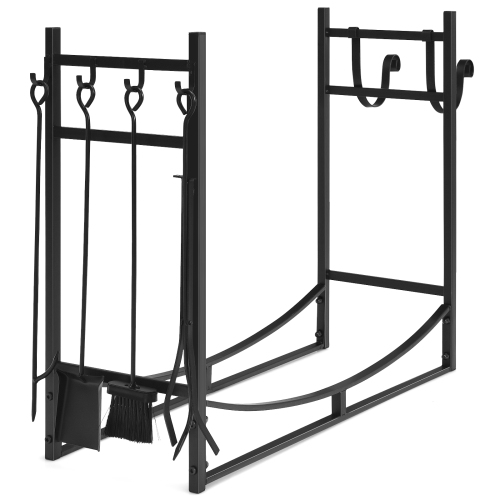
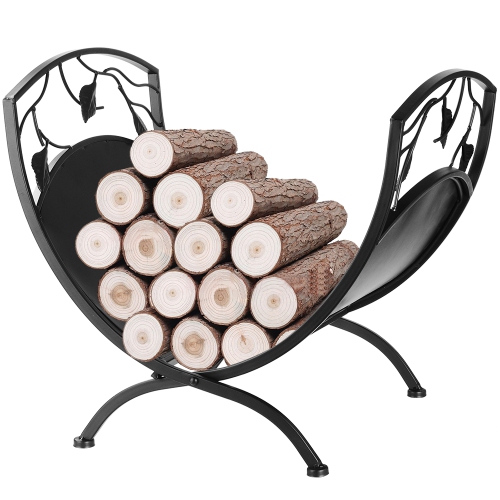
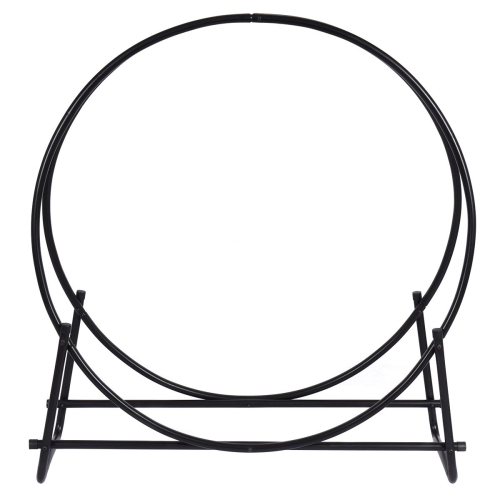
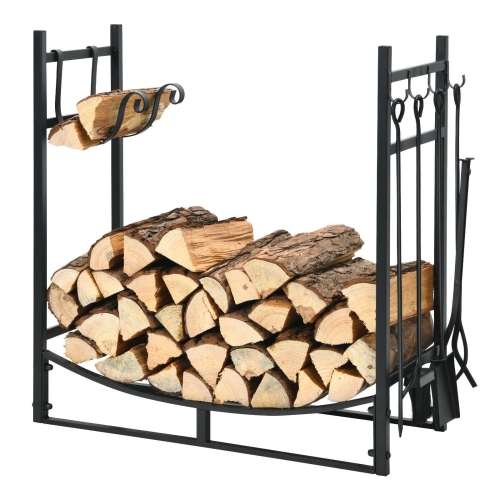
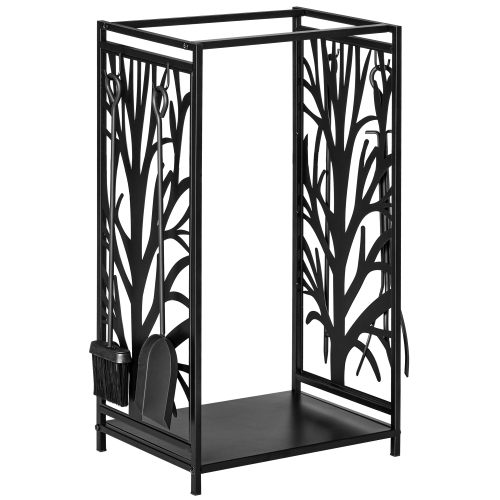
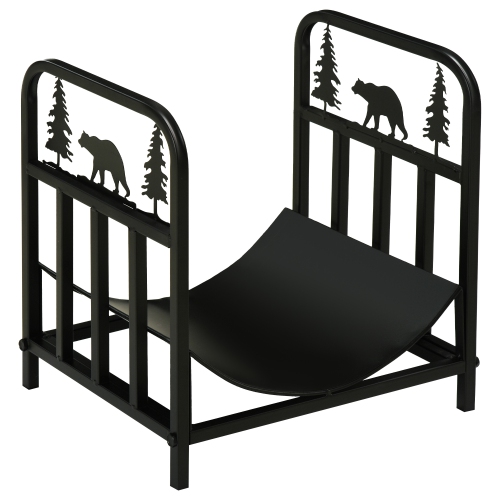
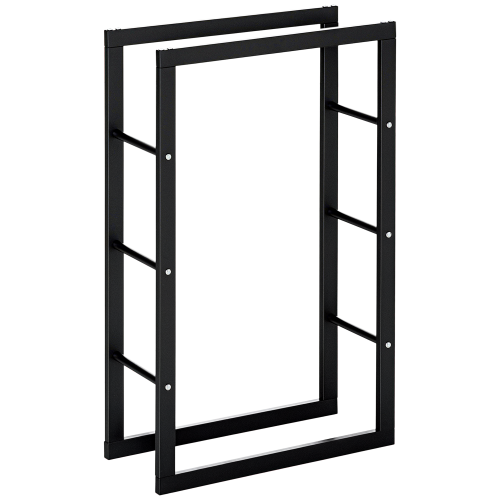
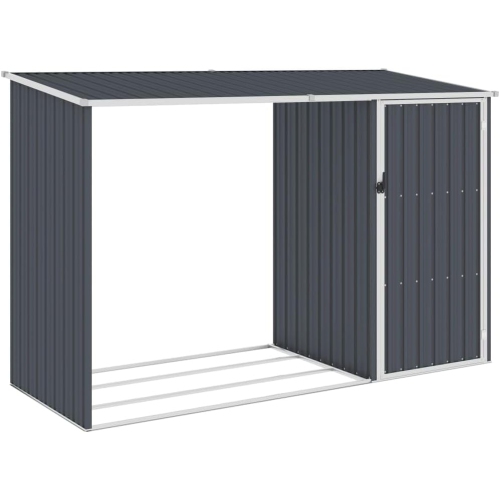
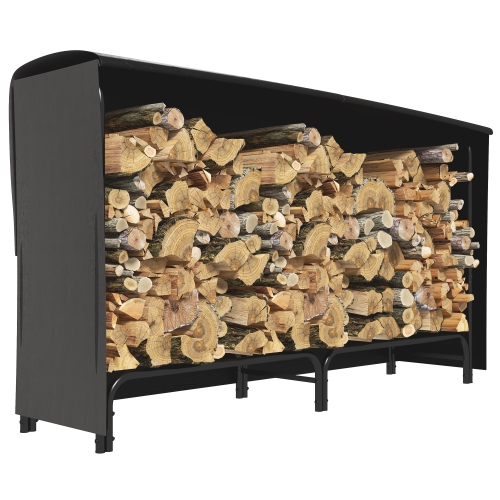
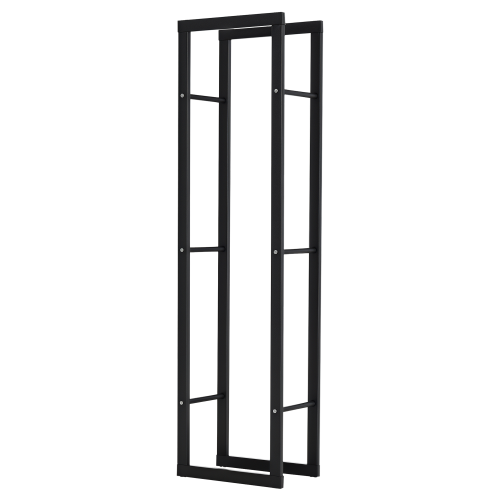
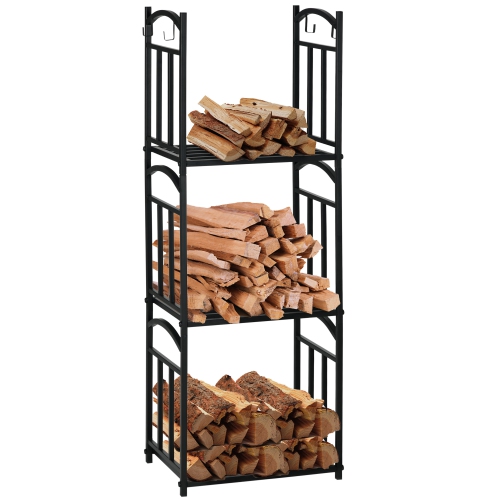
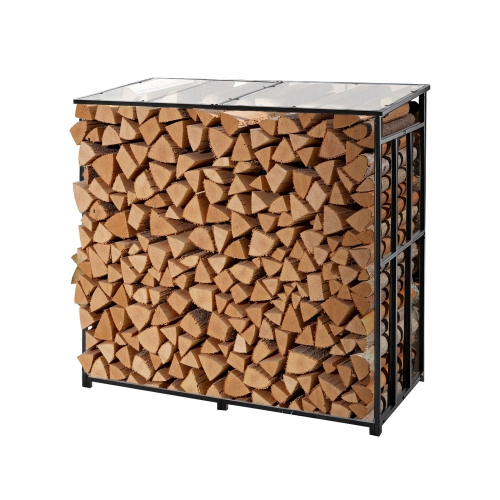
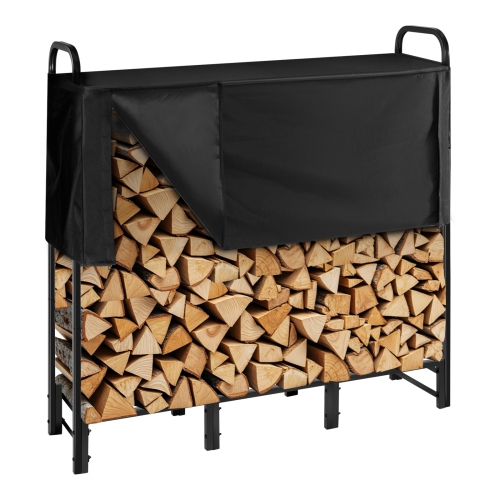
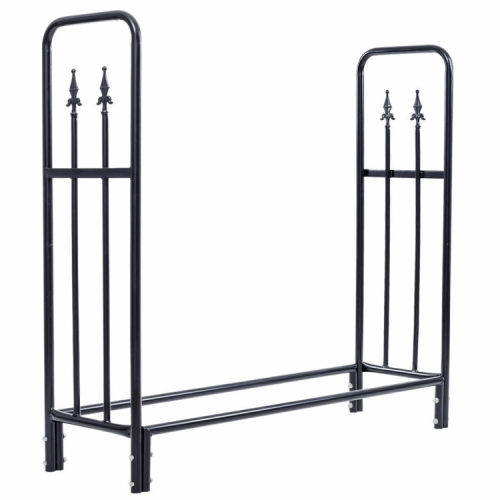
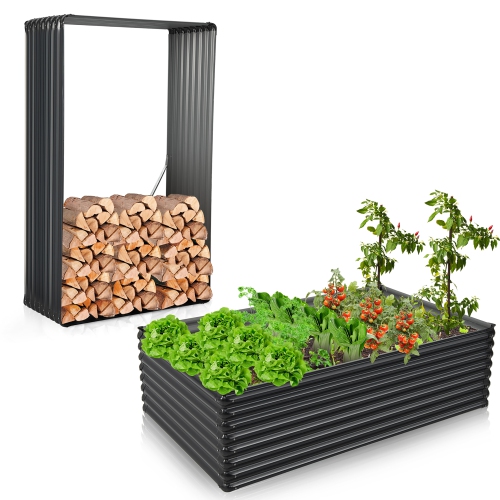
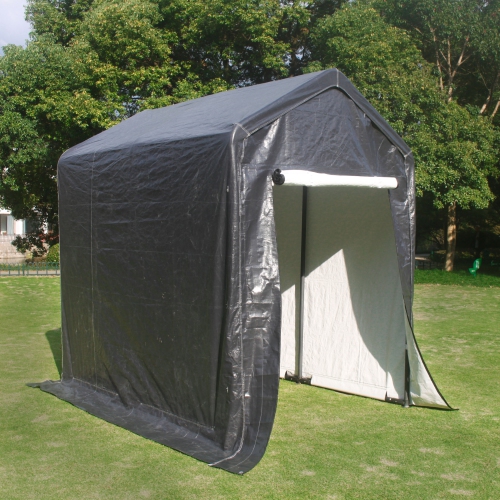
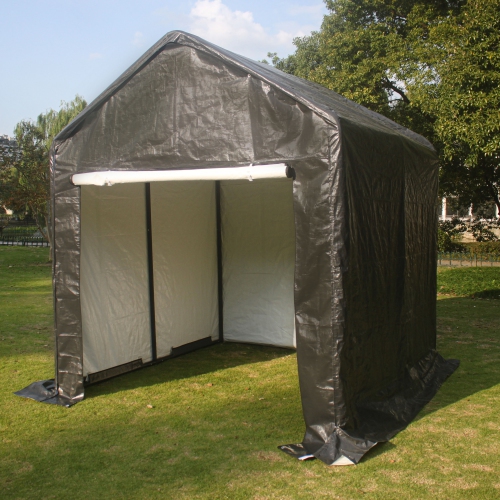
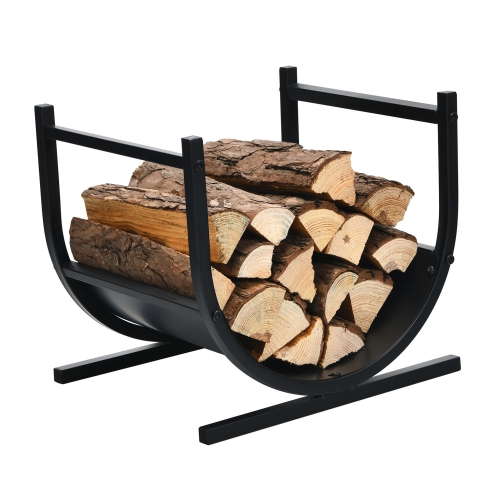
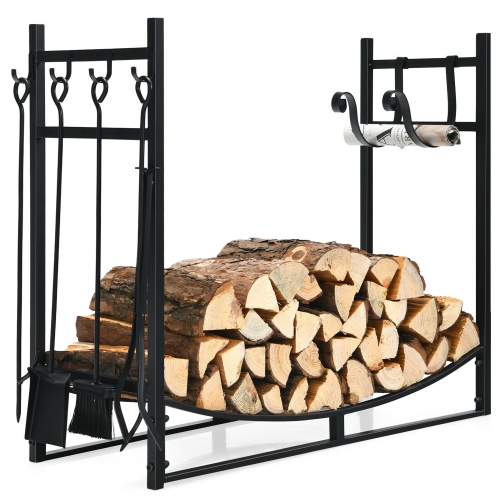
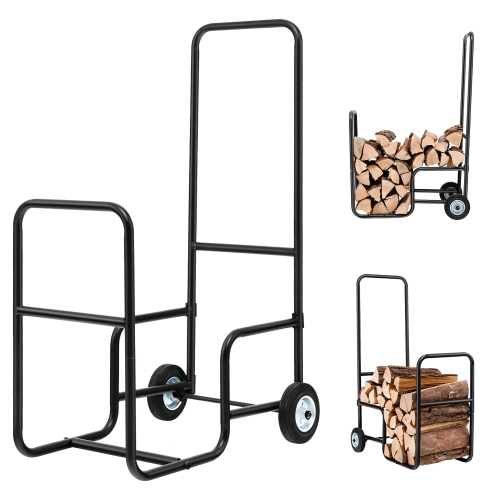
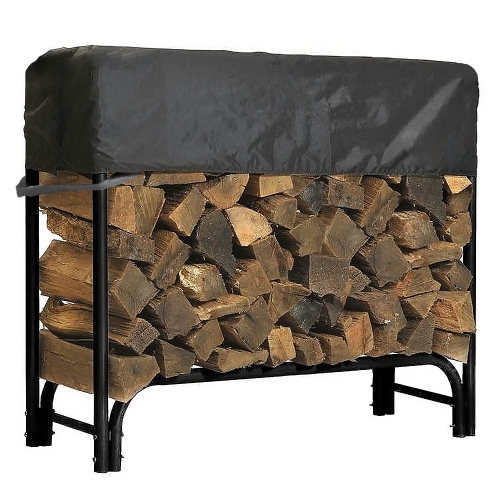
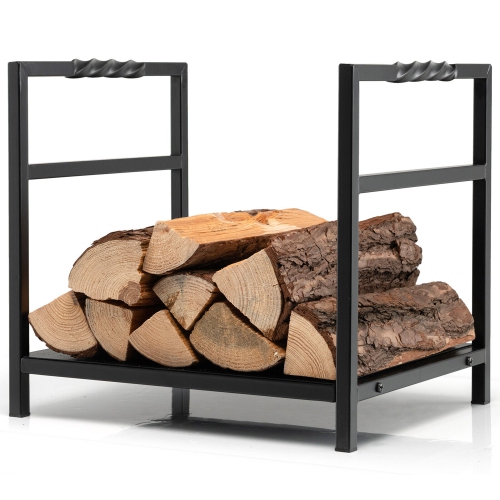
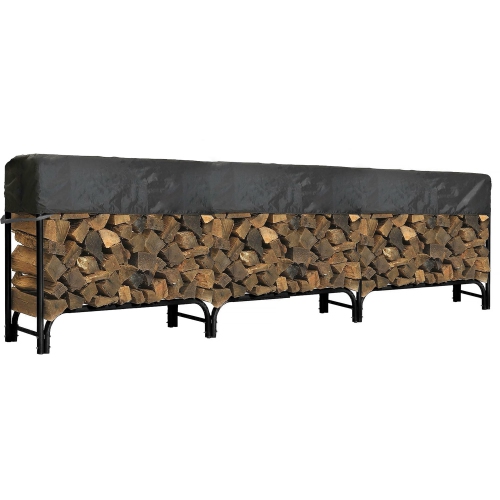
Outdoor firewood storage keeps logs organized, raised above damp ground, and accessible without turning a patio or backyard into a loose woodpile. A well-designed storage setup combines an elevated base, protection over the top, and open space around the sides so air can circulate. These features help limit contact with moisture while supporting the drying process; a cover alone cannot make freshly cut wood ready to burn. For households that use a wood-burning fireplace, stove, or outdoor fire pit, dedicated storage also makes it easier to separate seasoned logs from newer wood and keep the next armful within reach. Firewood Racks provide a defined footprint for this purpose, with raised supports and upright ends that help contain a neatly arranged stack. More enclosed storage structures can provide additional overhead shelter, though ventilation remains important wherever logs are kept. The right size depends on how much wood a household uses, the length of the split logs, and the space needed to load and remove them comfortably. A compact holder may suit occasional backyard fires, while a longer rack or roofed shelter can better accommodate regular fireplace use. Capacity descriptions deserve a close look: exterior dimensions do not necessarily indicate usable stacking space, and a stated volume depends on how closely the wood is stacked. A full cord measures 128 cubic feet when stacked, including the spaces between pieces, while terms such as face cord can vary with log length. Comparing the usable width, depth, and height gives a clearer sense of fit than relying on a photograph. Enough room to sort pieces by size is useful, too. Smaller splits and kindling serve a different purpose from larger logs, and keeping them in separate sections can spare someone from having to disturb an entire stack just to prepare one fire. For shared households, that simple organization also makes it easier for everyone to find dry, ready-to-use wood.
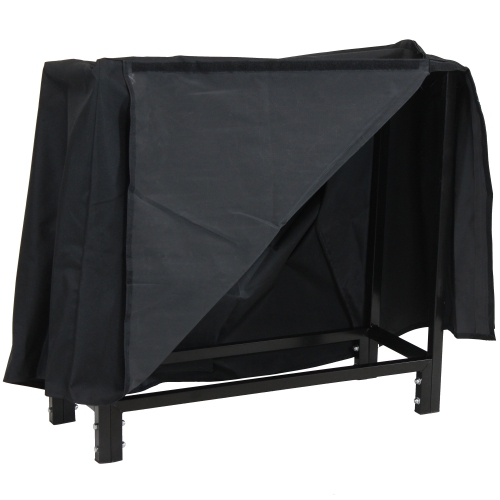
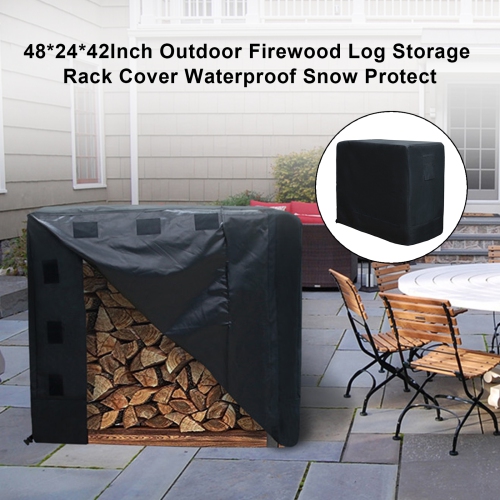
Materials and construction make a noticeable difference in how outdoor log storage handles a heavy load and repeated exposure to rain or snow. Steel frames can offer strong support in a relatively slim profile, but their suitability outdoors depends partly on the protective finish and the condition of joints, welds, and fasteners. Powder-coated surfaces help protect the metal underneath, although scratches and worn edges may need attention according to the manufacturer's care directions. Galvanized components offer another form of corrosion protection, but no finish removes the need for occasional inspection. Timber storage can blend naturally with fences, garden structures, and deck furniture, with durability depending on the wood species, treatment, joinery, and contact with moisture. Raised feet or a separate supporting base can help keep wooden components away from wet soil. Resin components are often easy to wipe clean, though their load limits and suitability for prolonged outdoor exposure still matter. Across materials, a sturdy base and adequate support beneath the logs are more important than decorative details alone. Short pieces should sit securely across the supports rather than slip between them, and end panels should contain the stack without being forced outward. A rack's stated weight capacity is also distinct from its volume capacity: wet wood can weigh considerably more than dry wood. Overhead protection works best when it sheds water away from the stack instead of collecting it in dips. A sloped roof, suitable overhang, or properly fitted top cover can help protect the upper rows while leaving air paths open. Covers that wrap tightly around every side may trap moisture unless their design includes appropriate ventilation. Useful details include secure attachment points, reinforced corners, and an opening that allows logs to be removed without uncovering the entire pile. Fit matters here as much as fabric thickness. A cover stretched over sharp log ends can wear prematurely, while excess loose material can flap, collect water, or obstruct a walkway. Storage with a compatible cover can simplify sizing, but its dimensions and intended coverage still deserve attention.
Placement brings together convenience, stability, and sensible separation from the home. A firm, level, well-drained surface helps keep a loaded rack upright; soft soil, uneven paving, and low spots where water collects can undermine even a substantial frame. The base should support the full loaded weight, and placement on a deck requires consideration of the deck's load capacity rather than the rack's footprint alone. Keeping the main woodpile away from exterior walls reduces opportunities for wood-associated insects to reach the building and leaves room for inspection and airflow. A separation of at least 10 feet, or approximately 3 metres, is a common starting point for pest management, not a universal fire-safety clearance; local fire guidance may call for a greater distance from structures. Storage should also remain clear of exits, utility equipment, and ignition sources, with the required clearances maintained around any fire pit or other burning appliance. Within those limits, everyday access matters. A route wide enough for a log carrier or wheelbarrow is more practical than a narrow gap that requires turning sideways with an armful of wood. For homes with children or pets, a contained stack positioned away from play areas helps reduce the chance of accidental disturbance. Logs should rest securely within the storage frame rather than project into a path or rise above the supports intended to hold them. Divided sections can make rotation easier, allowing older, dry wood to be used before a newer delivery. Routine care is generally straightforward: clearing bark and leaf debris from beneath the base, checking fasteners for looseness, inspecting the finish, and removing pooled water from covers as needed. Wood storage can also make a thoughtful practical gift for someone who regularly tends a fireplace or enjoys backyard fires, provided its dimensions and capacity suit their space. Whether placed along a garden path or in a dedicated utility area, a proportionate storage setup gives firewood a tidy home while keeping the work of stacking, carrying, and replenishing it manageable.
Materials and construction make a noticeable difference in how outdoor log storage handles a heavy load and repeated exposure to rain or snow. Steel frames can offer strong support in a relatively slim profile, but their suitability outdoors depends partly on the protective finish and the condition of joints, welds, and fasteners. Powder-coated surfaces help protect the metal underneath, although scratches and worn edges may need attention according to the manufacturer's care directions. Galvanized components offer another form of corrosion protection, but no finish removes the need for occasional inspection. Timber storage can blend naturally with fences, garden structures, and deck furniture, with durability depending on the wood species, treatment, joinery, and contact with moisture. Raised feet or a separate supporting base can help keep wooden components away from wet soil. Resin components are often easy to wipe clean, though their load limits and suitability for prolonged outdoor exposure still matter. Across materials, a sturdy base and adequate support beneath the logs are more important than decorative details alone. Short pieces should sit securely across the supports rather than slip between them, and end panels should contain the stack without being forced outward. A rack's stated weight capacity is also distinct from its volume capacity: wet wood can weigh considerably more than dry wood. Overhead protection works best when it sheds water away from the stack instead of collecting it in dips. A sloped roof, suitable overhang, or properly fitted top cover can help protect the upper rows while leaving air paths open. Covers that wrap tightly around every side may trap moisture unless their design includes appropriate ventilation. Useful details include secure attachment points, reinforced corners, and an opening that allows logs to be removed without uncovering the entire pile. Fit matters here as much as fabric thickness. A cover stretched over sharp log ends can wear prematurely, while excess loose material can flap, collect water, or obstruct a walkway. Storage with a compatible cover can simplify sizing, but its dimensions and intended coverage still deserve attention.
Placement brings together convenience, stability, and sensible separation from the home. A firm, level, well-drained surface helps keep a loaded rack upright; soft soil, uneven paving, and low spots where water collects can undermine even a substantial frame. The base should support the full loaded weight, and placement on a deck requires consideration of the deck's load capacity rather than the rack's footprint alone. Keeping the main woodpile away from exterior walls reduces opportunities for wood-associated insects to reach the building and leaves room for inspection and airflow. A separation of at least 10 feet, or approximately 3 metres, is a common starting point for pest management, not a universal fire-safety clearance; local fire guidance may call for a greater distance from structures. Storage should also remain clear of exits, utility equipment, and ignition sources, with the required clearances maintained around any fire pit or other burning appliance. Within those limits, everyday access matters. A route wide enough for a log carrier or wheelbarrow is more practical than a narrow gap that requires turning sideways with an armful of wood. For homes with children or pets, a contained stack positioned away from play areas helps reduce the chance of accidental disturbance. Logs should rest securely within the storage frame rather than project into a path or rise above the supports intended to hold them. Divided sections can make rotation easier, allowing older, dry wood to be used before a newer delivery. Routine care is generally straightforward: clearing bark and leaf debris from beneath the base, checking fasteners for looseness, inspecting the finish, and removing pooled water from covers as needed. Wood storage can also make a thoughtful practical gift for someone who regularly tends a fireplace or enjoys backyard fires, provided its dimensions and capacity suit their space. Whether placed along a garden path or in a dedicated utility area, a proportionate storage setup gives firewood a tidy home while keeping the work of stacking, carrying, and replenishing it manageable.
Top selling and popular products
-
 Your price for this item is $199
 -
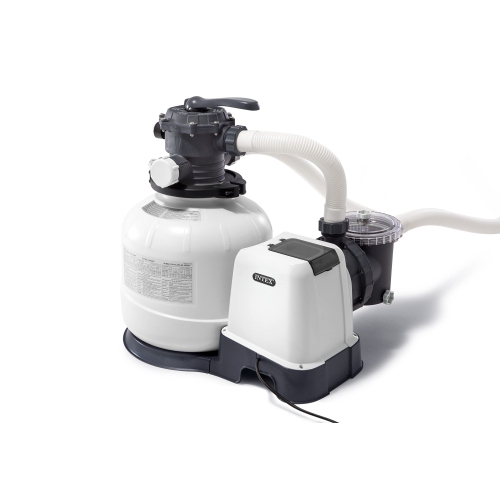 Your price for this item is $418.99
 -
 Your price for this item is $481.99
 -
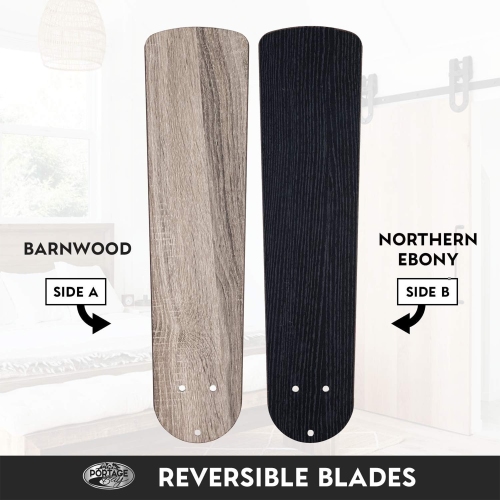 Your price for this item is $226.99
 -
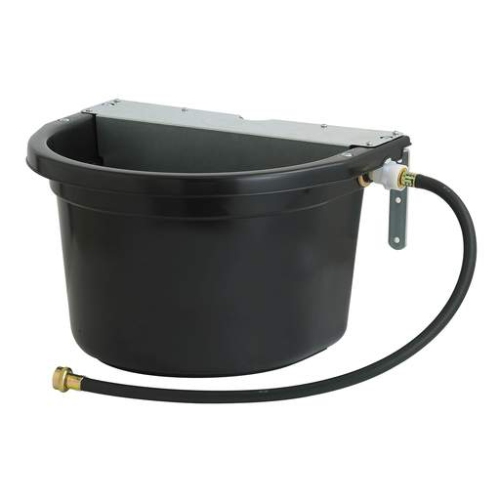 Your price for this item is $133.99
 -
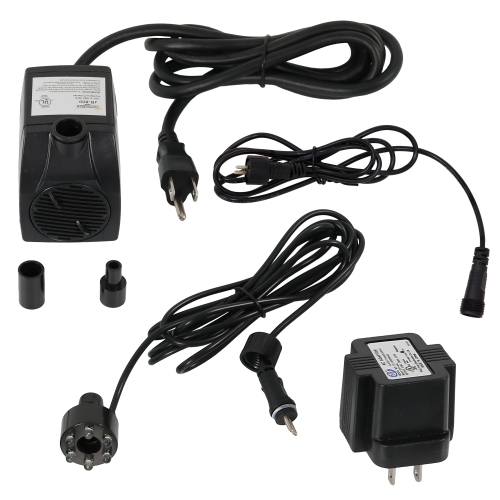 Your price for this item is $69.45
 -
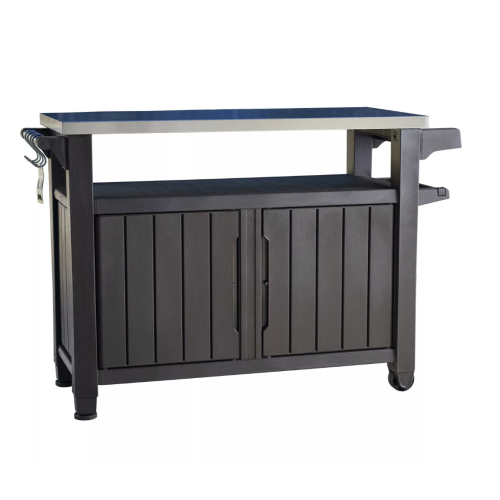 Your price for this item is $562.99
 -
 Your price for this item is $26.99
Discover more categories related to Outdoor Firewood Storage
Top Collections:
Pokemon Centers, Kindle Devices, Best Budget Office Chairs, Apple iPhones 16, Best Laptops for Writers, iPhone 15 Apple, Canon G7X Cameras, Refurbished Apple Laptops, Alarm Clock, Motorola Razr Phones
Some products may be subject to Environmental Handling Fees
(EHF) depending on your province.
Learn more about EHFs.