Outdoor Furniture Stackable Chairs
Stackable chairs are a great way to add extra seating to your outdoor space without taking up too much space. They're also easy to move when you need to make room for a party or other event. Here are some of the best stackable chairs for your outdoor space.
Sort

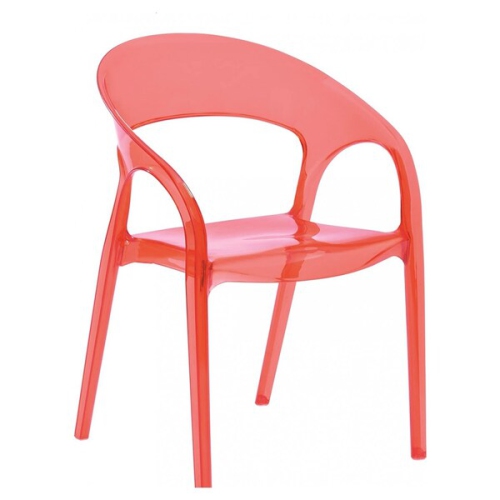
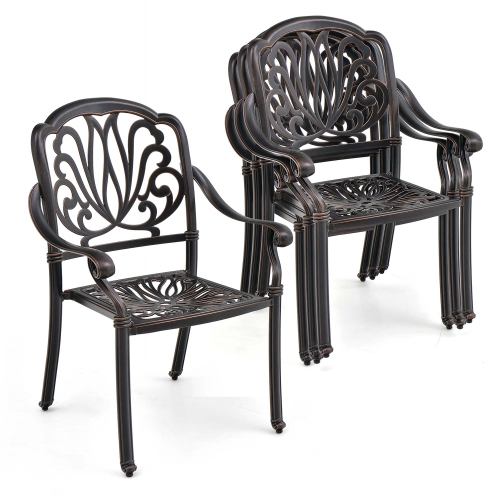
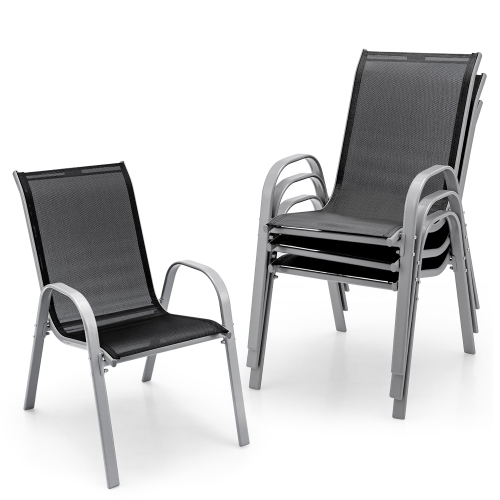
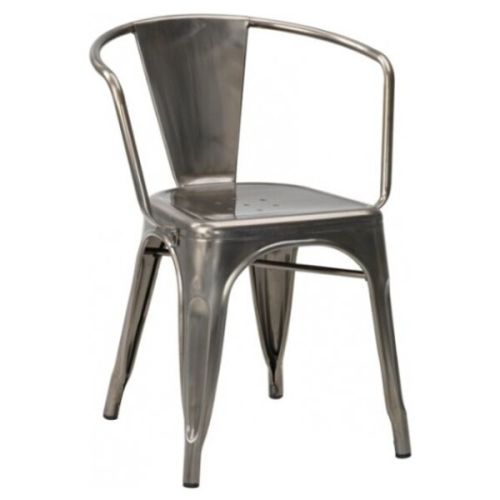
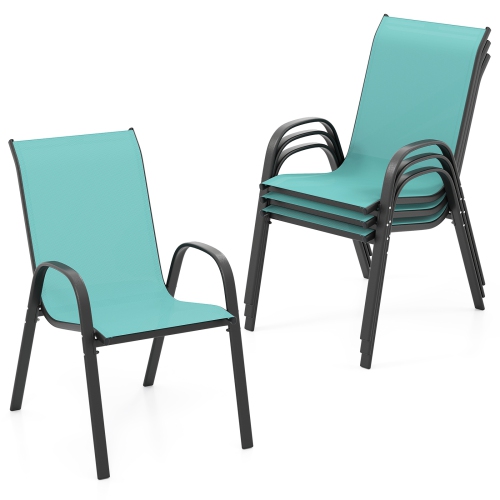
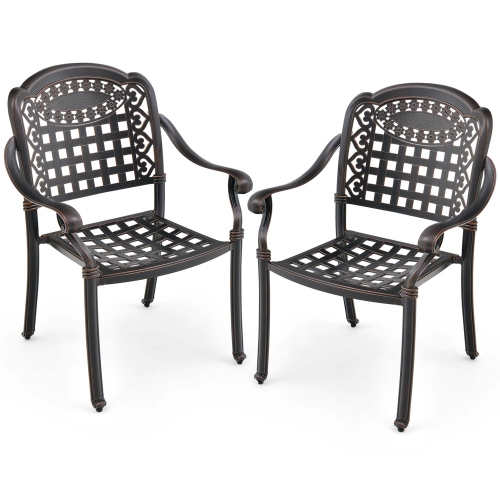
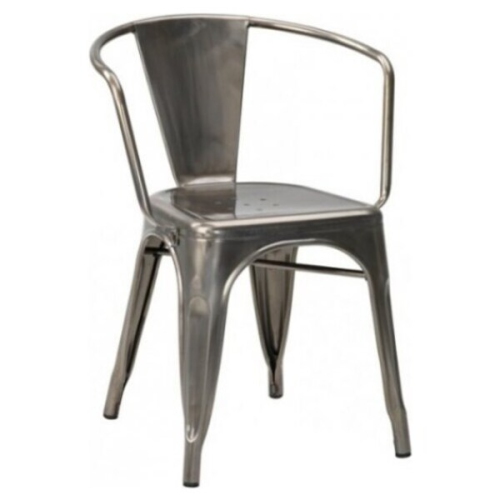
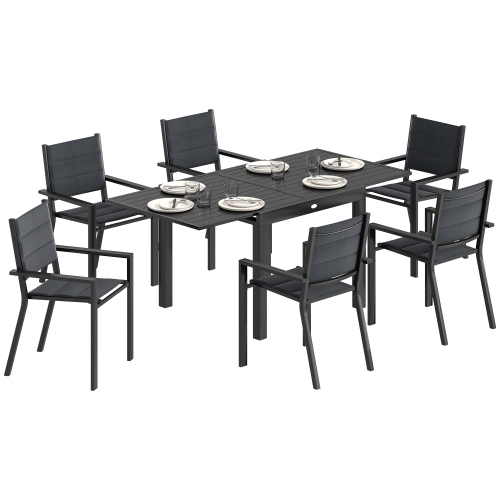
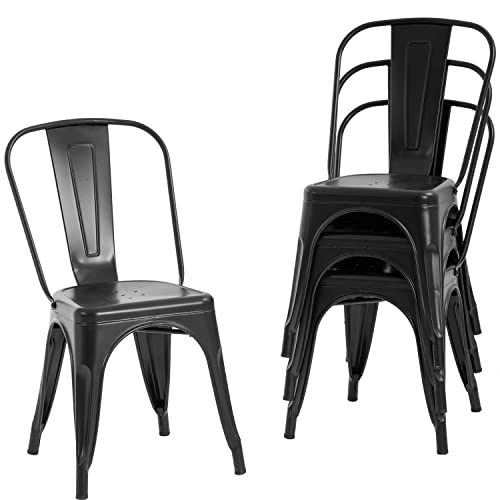
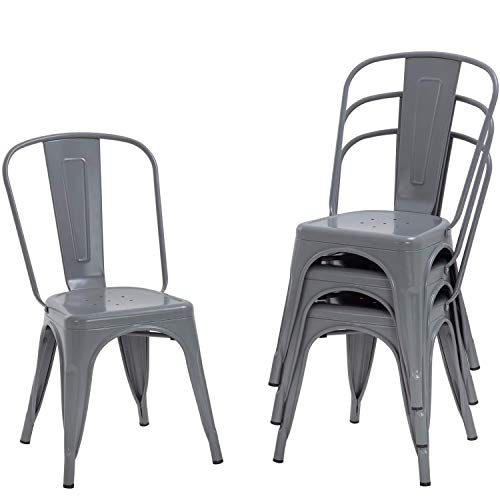
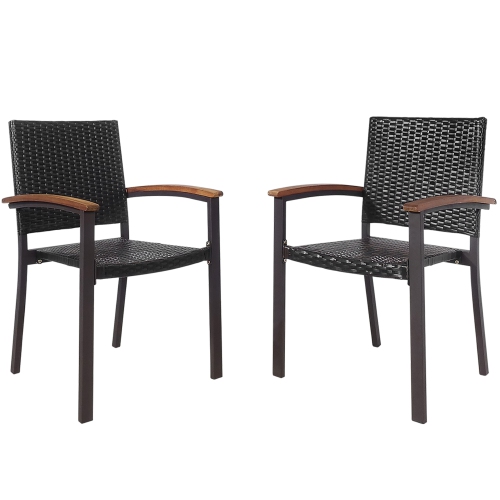
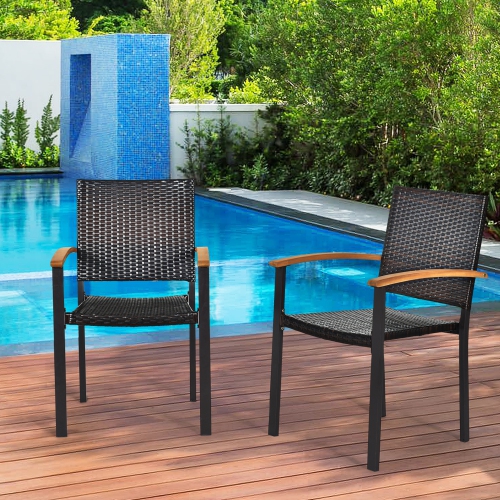
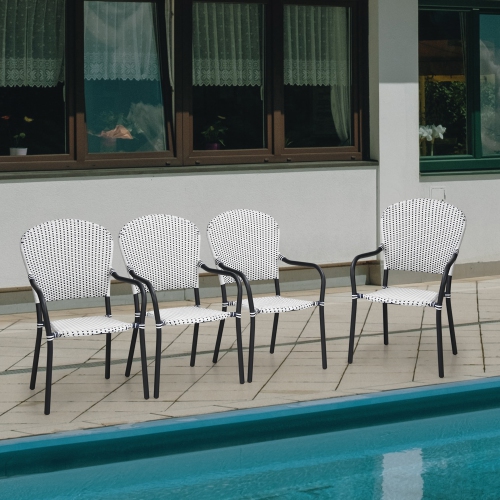
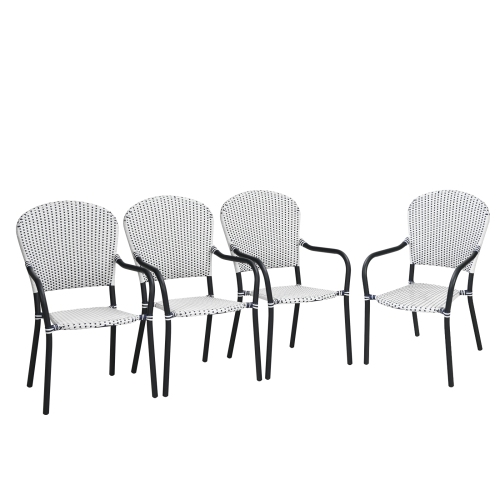
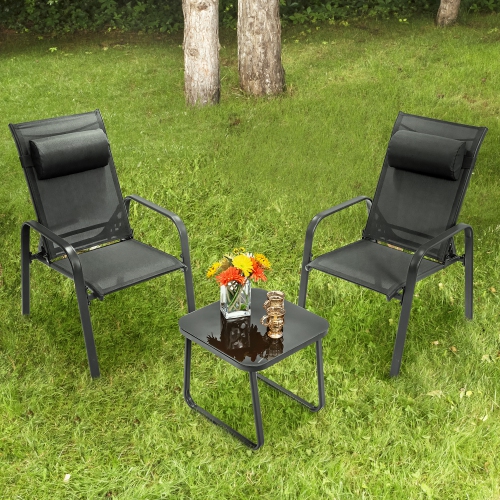
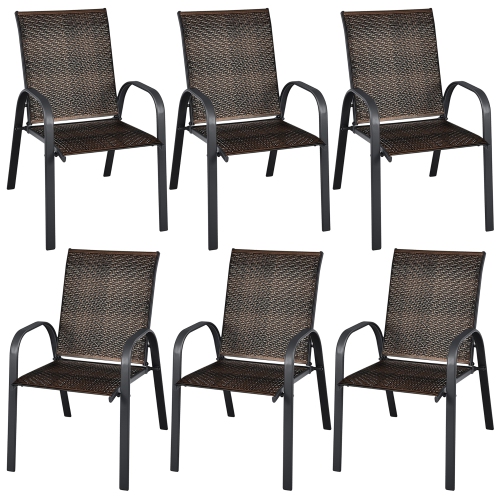

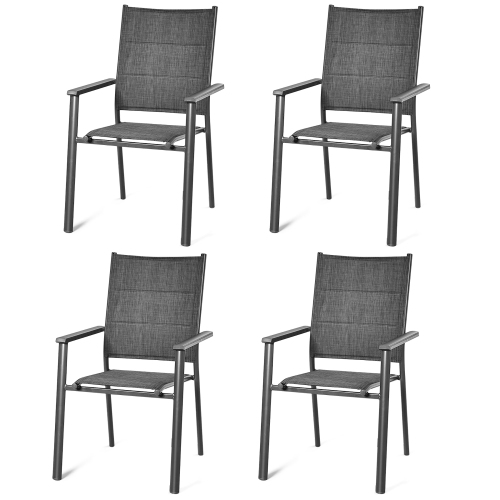
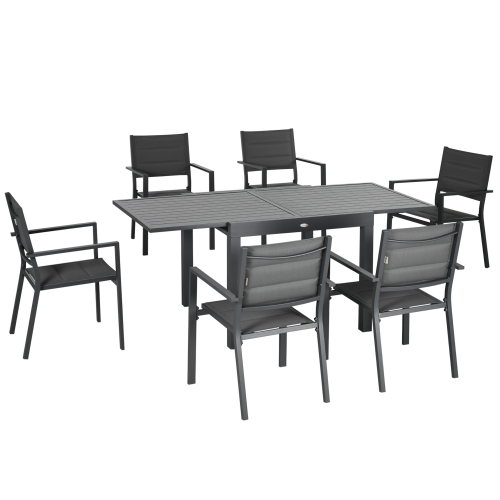
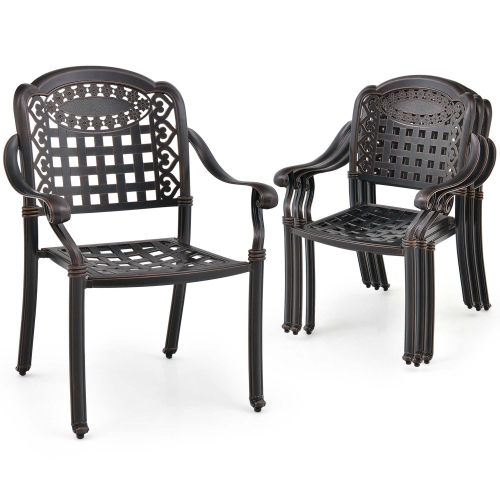
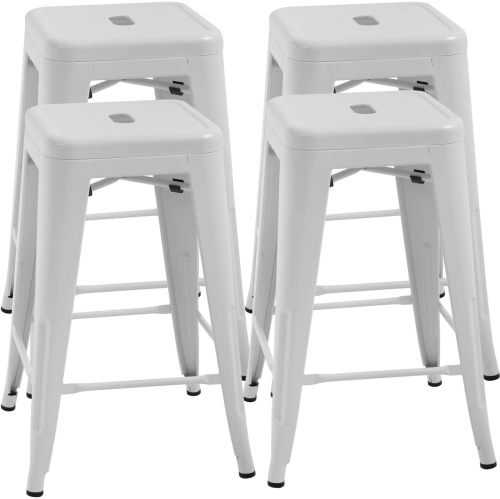
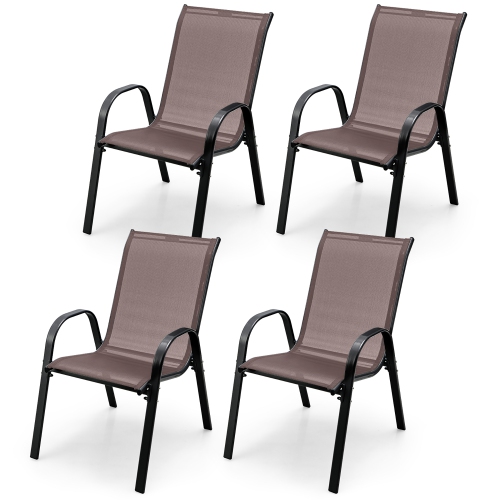
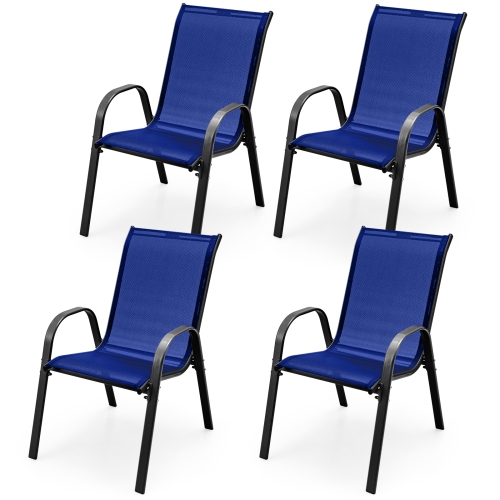
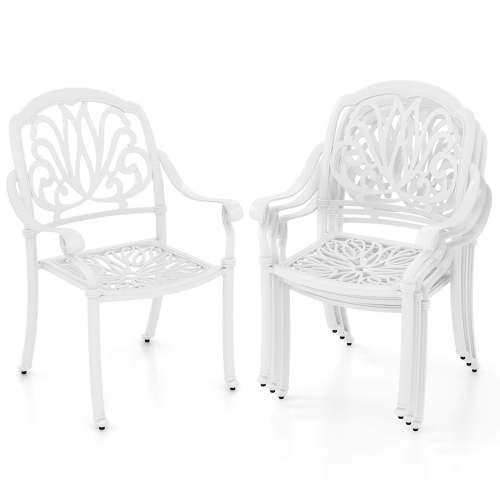
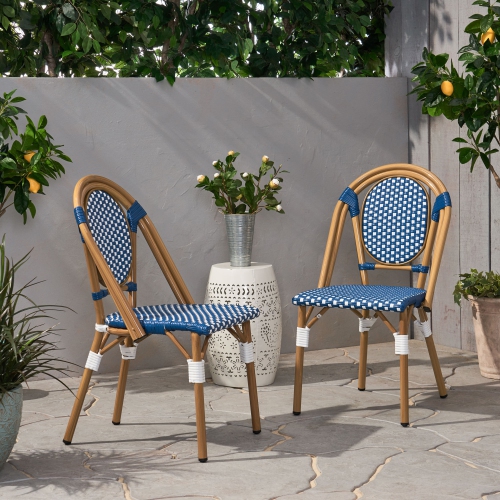
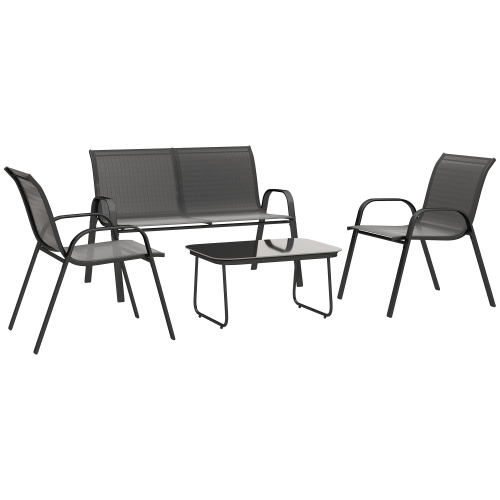
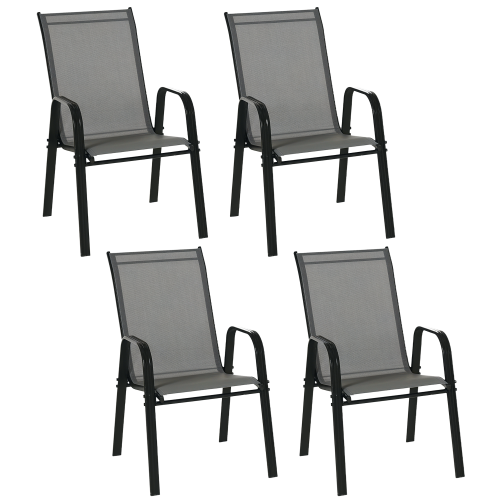
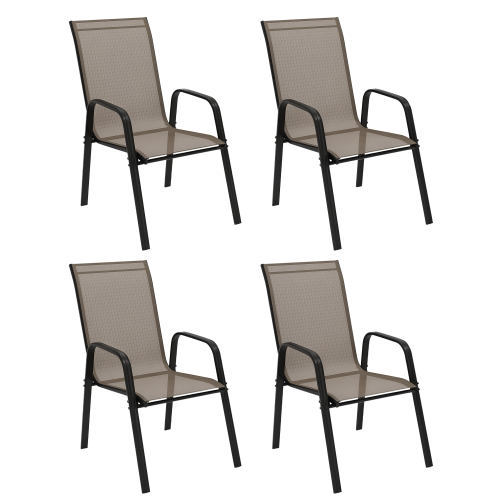
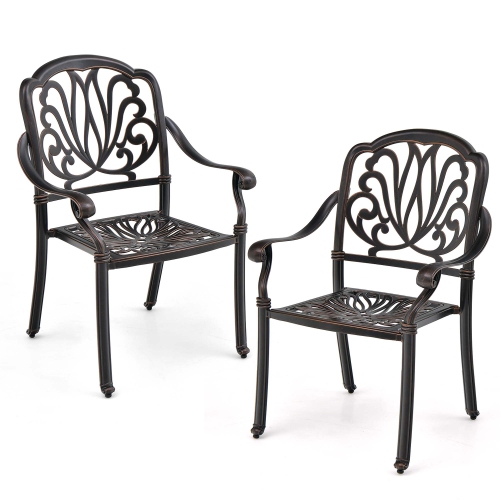
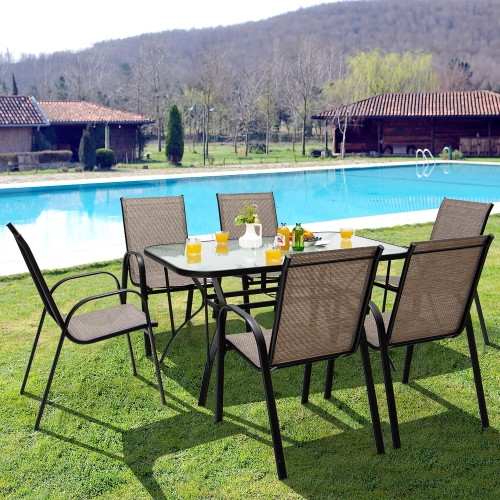
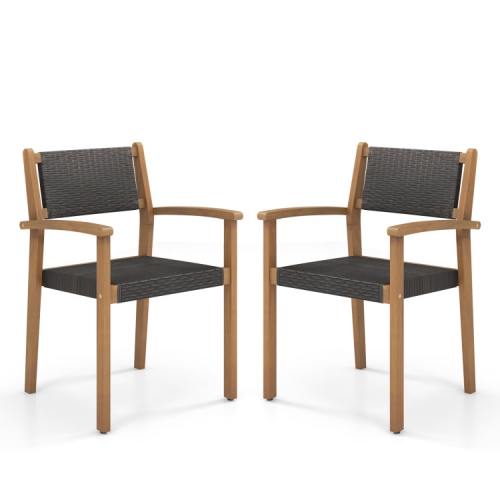

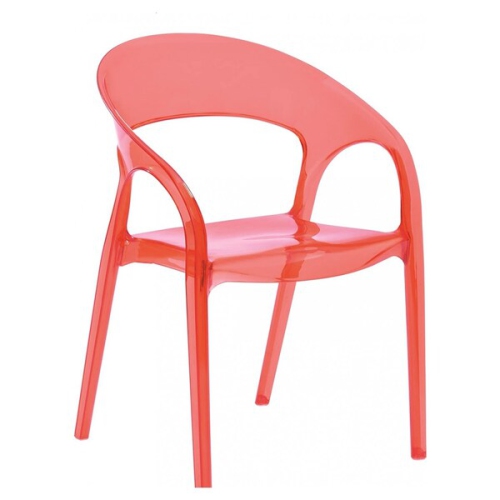
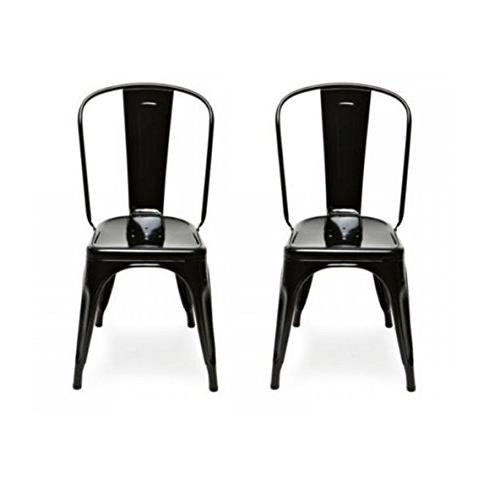

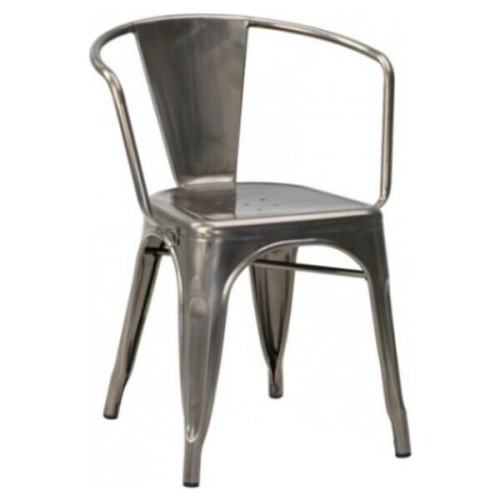
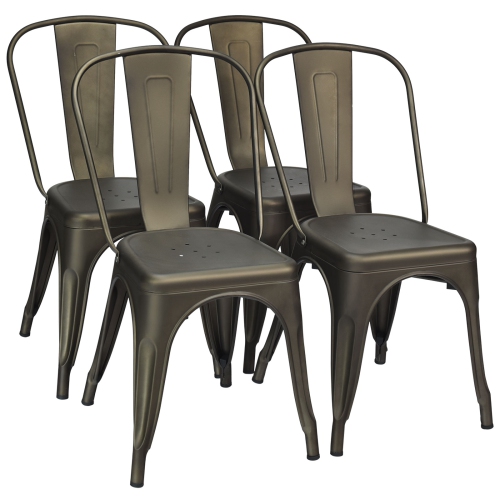
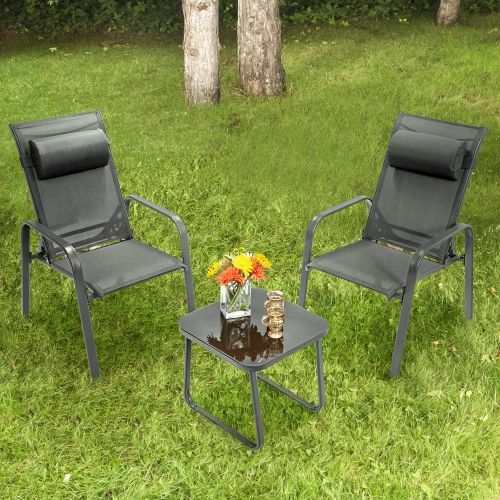
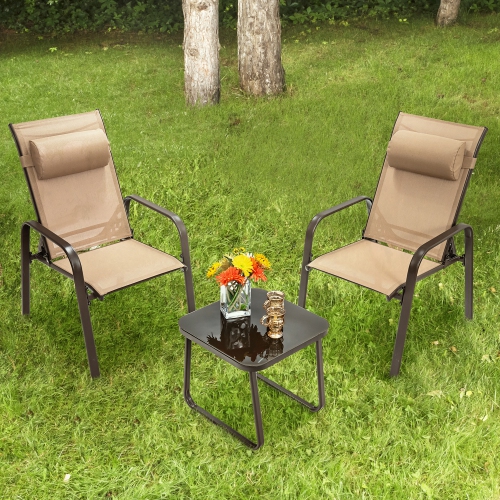
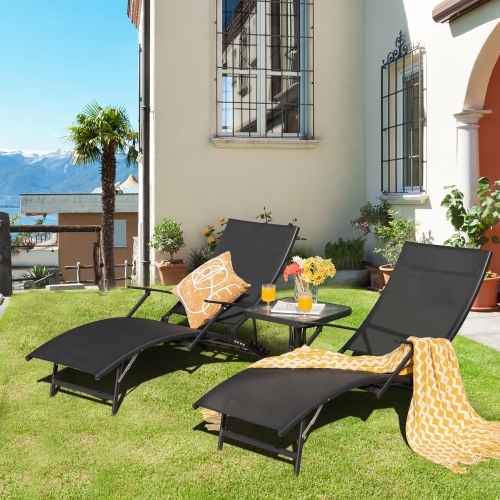
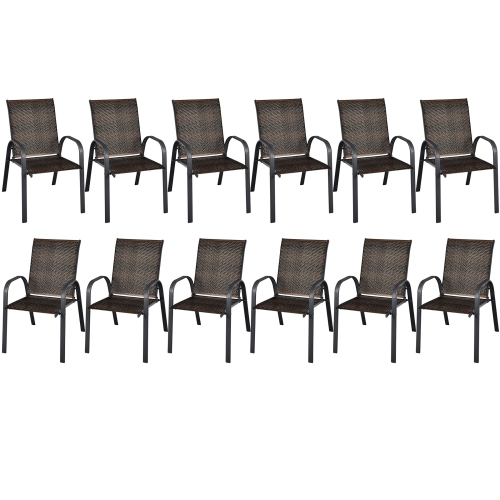
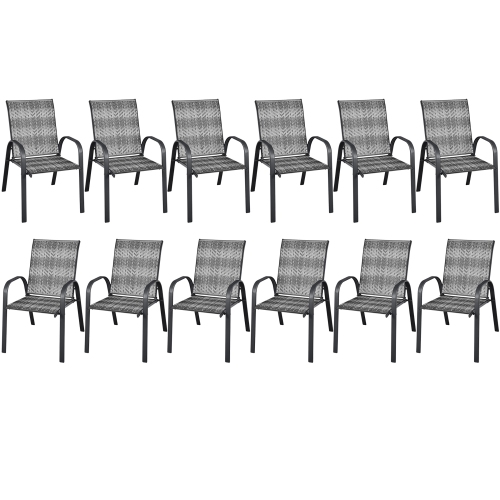
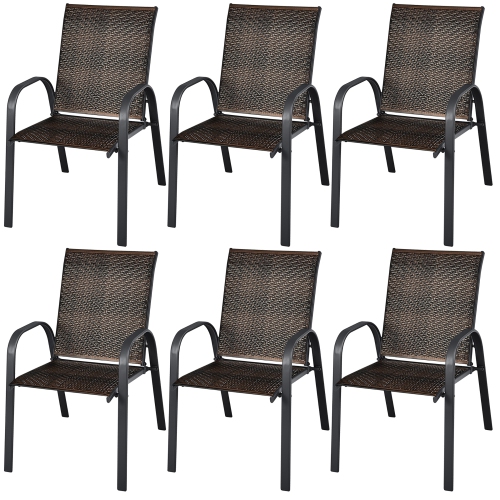
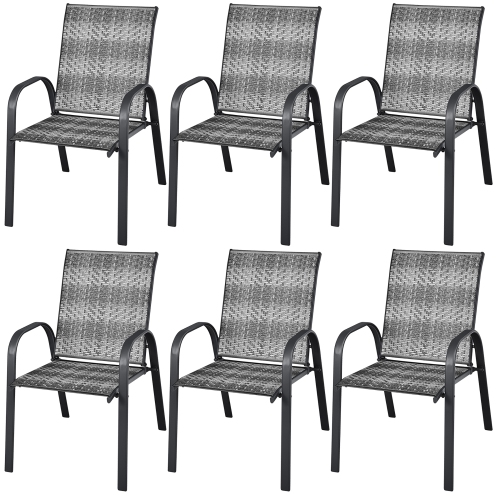
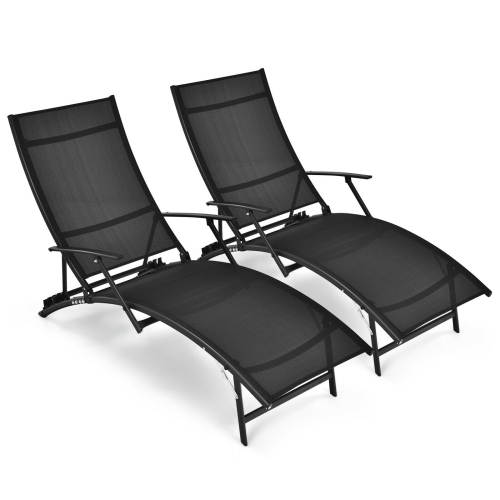
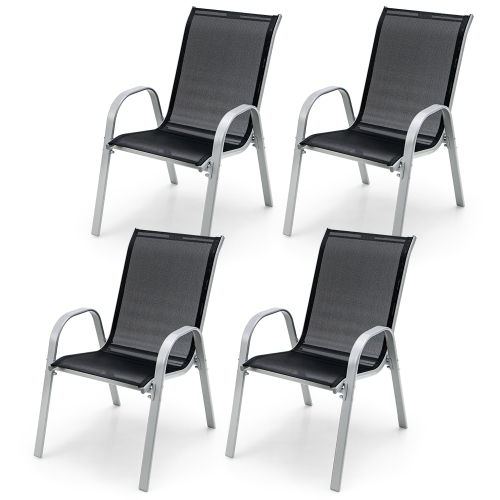
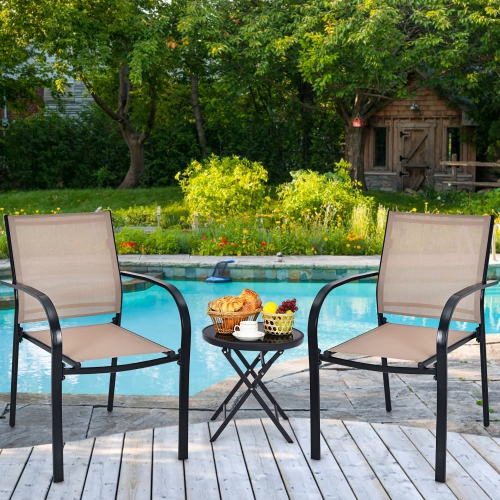
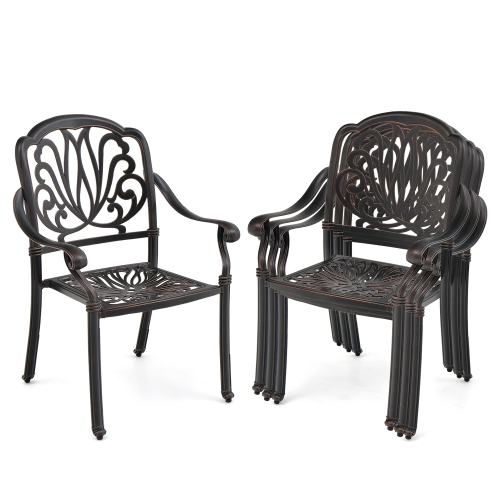
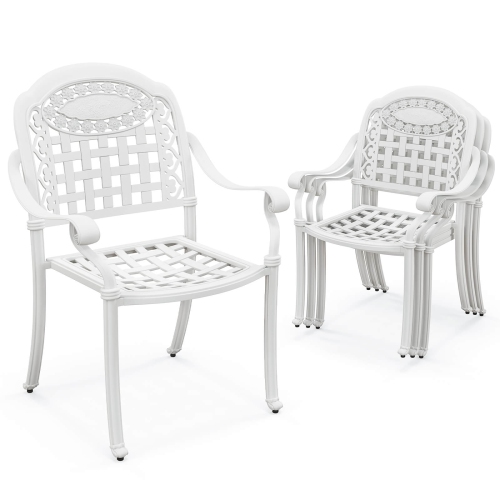
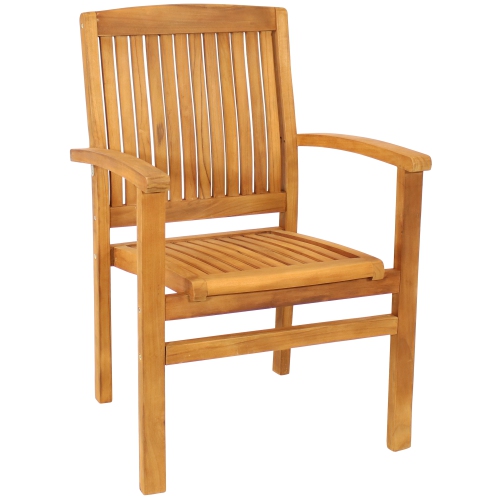
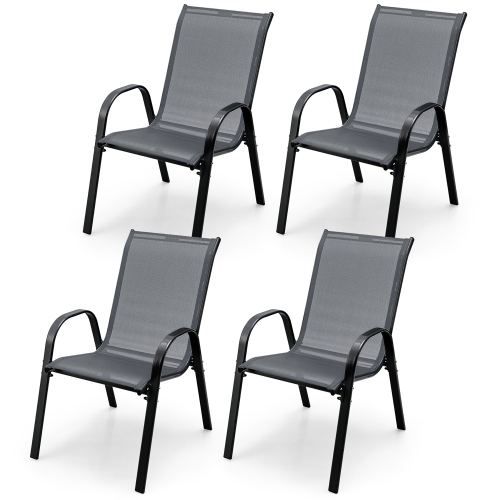
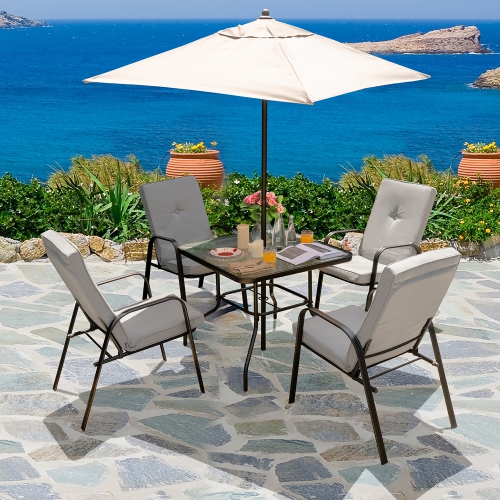
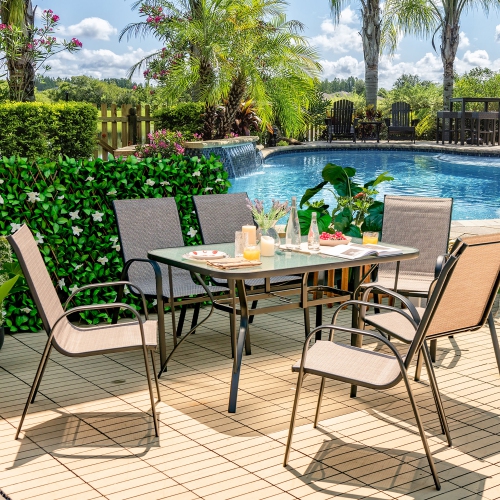
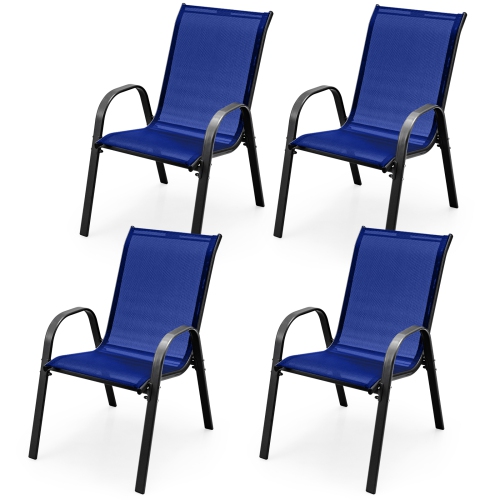
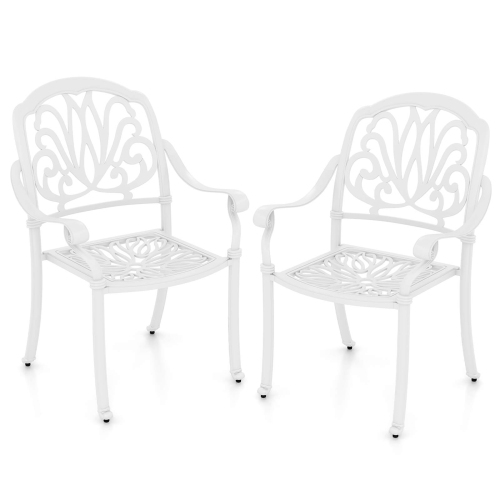
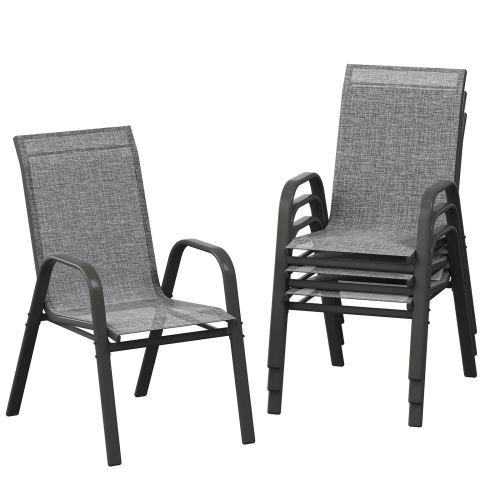
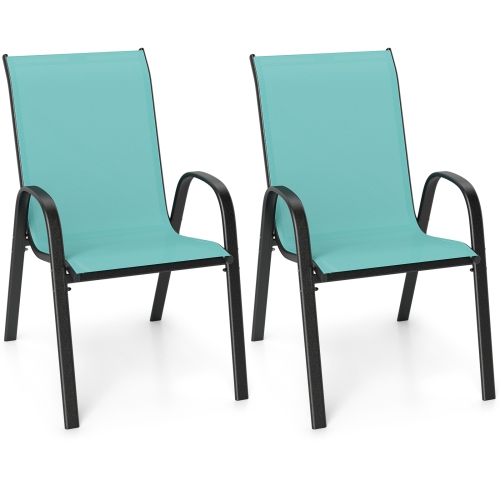
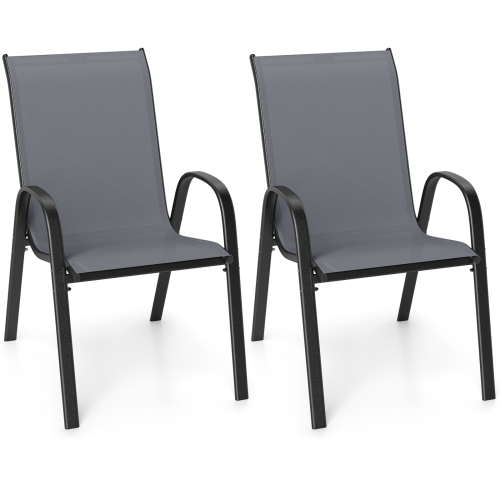
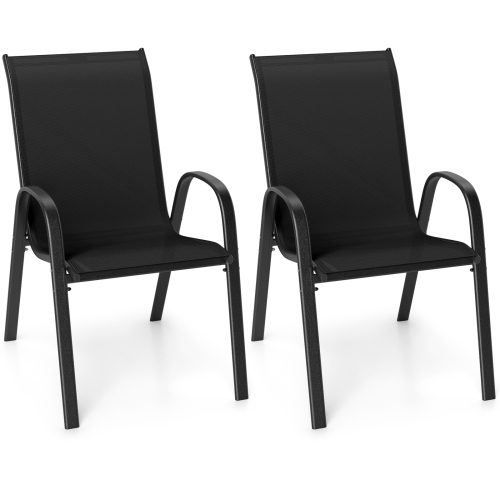
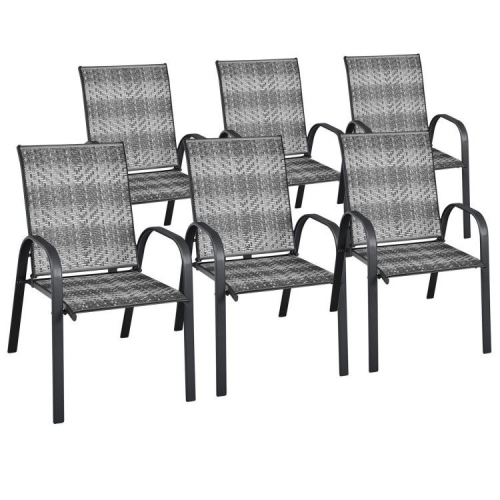
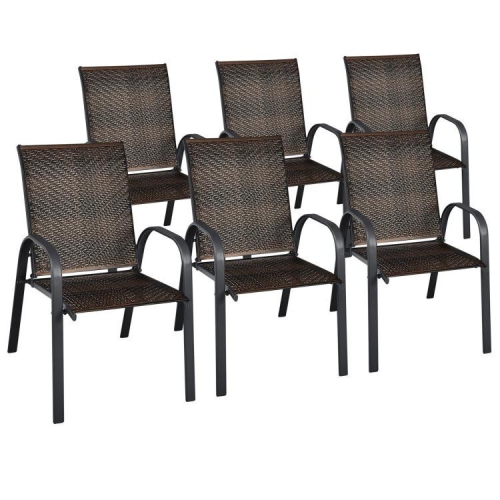
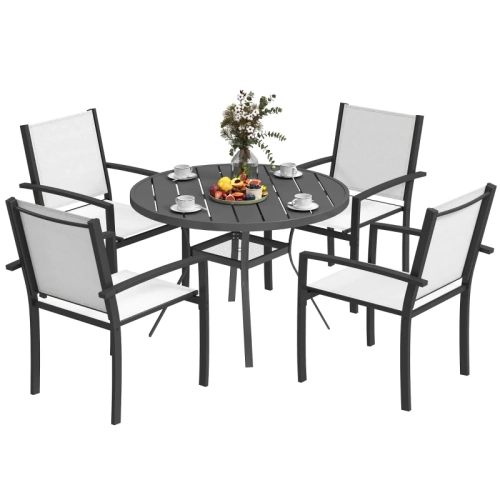
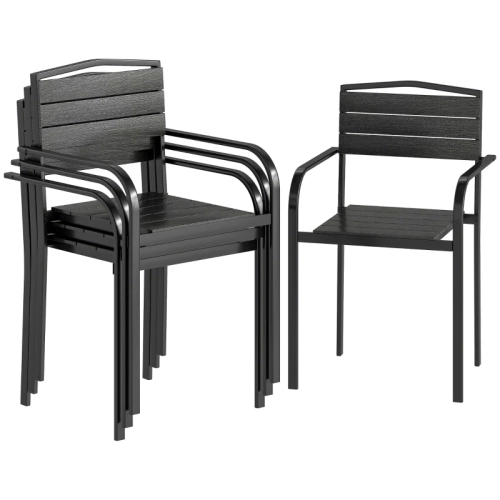
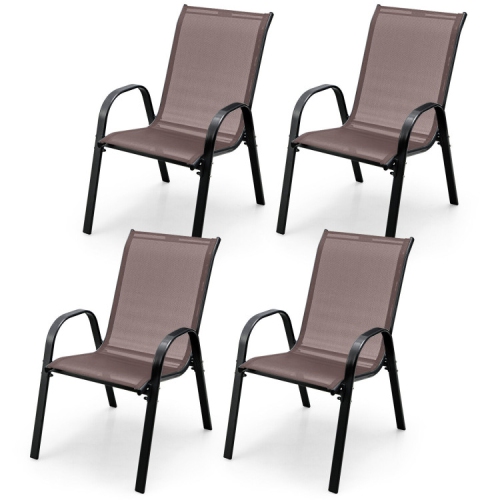
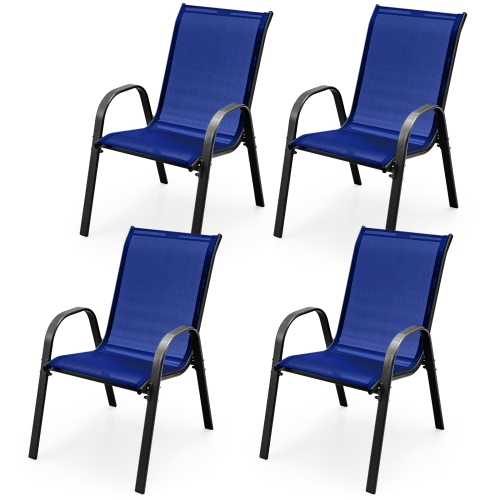
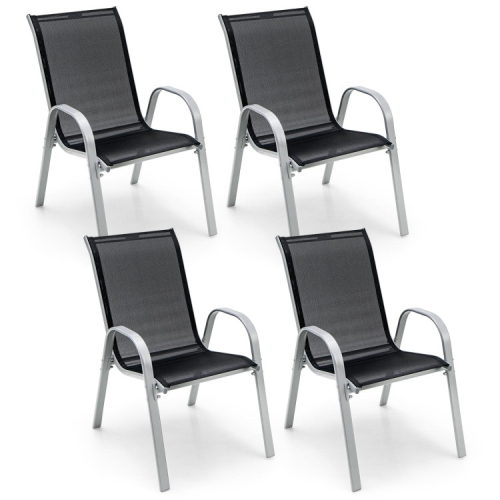
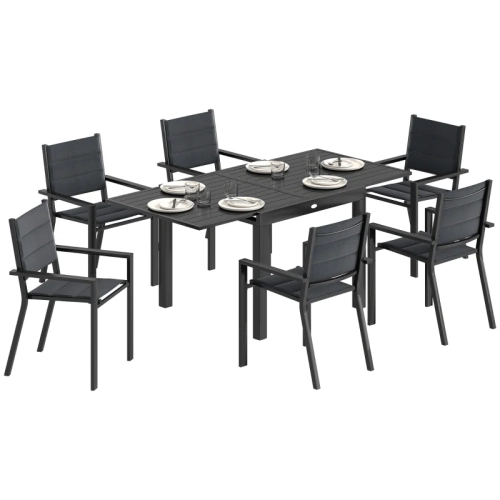
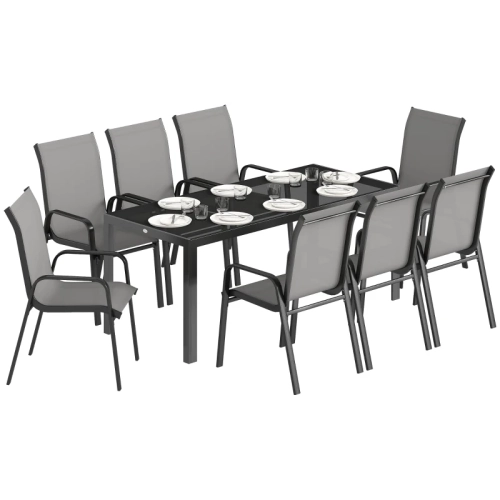
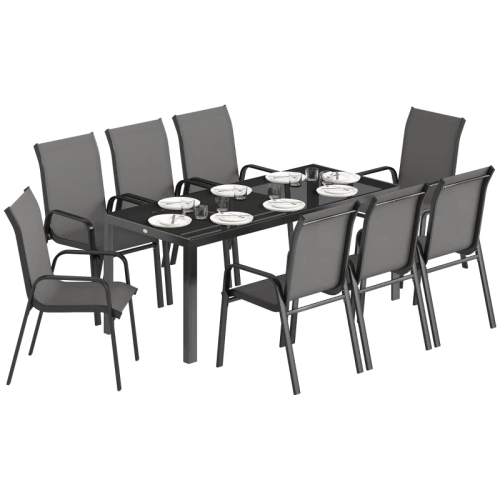
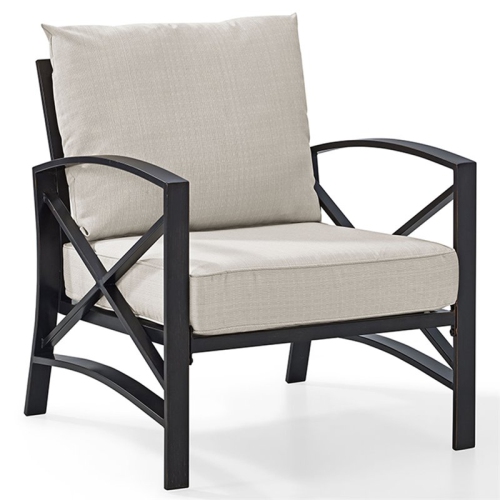
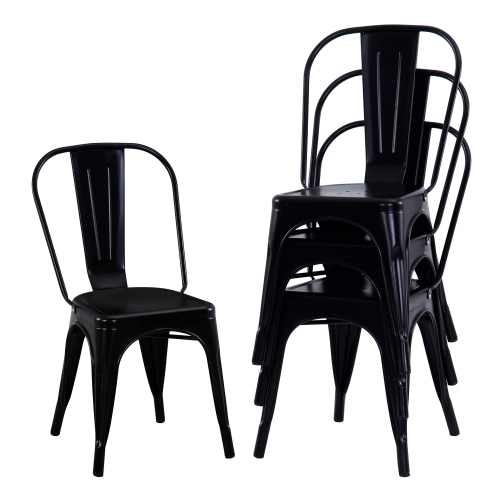

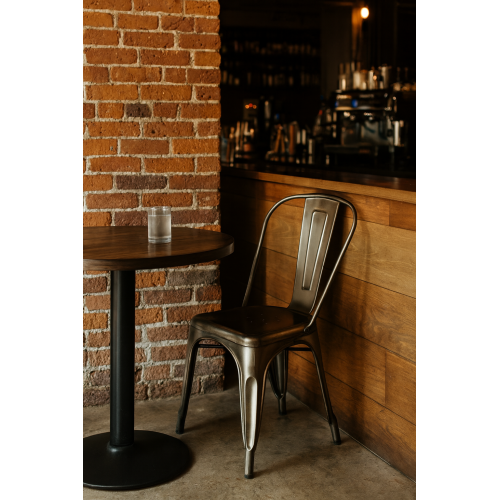
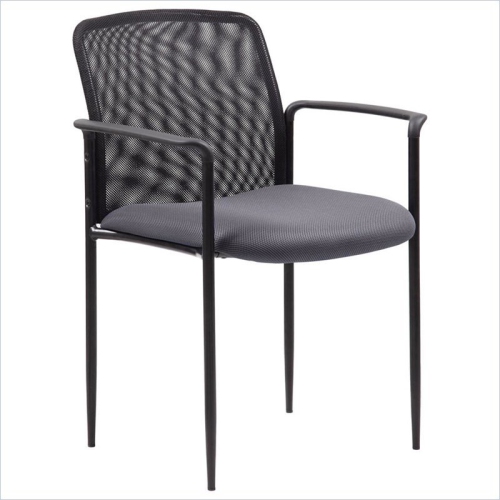
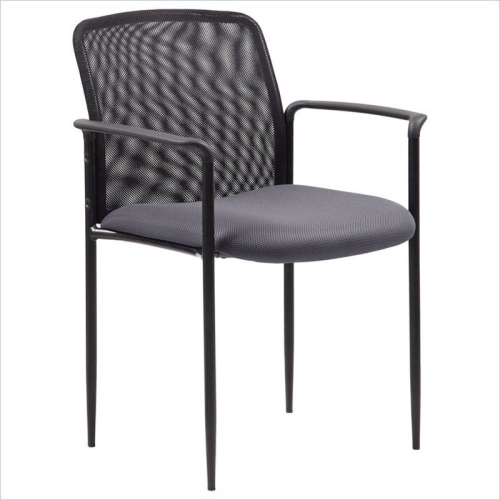
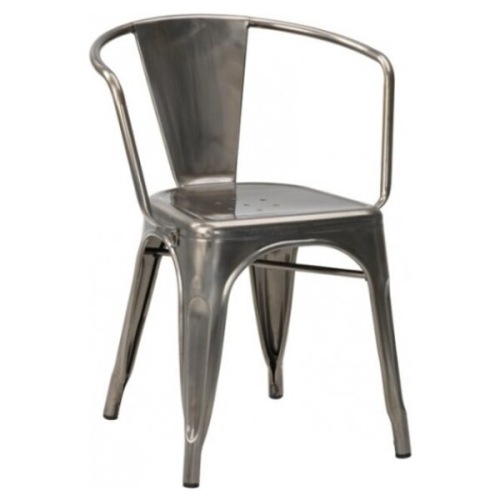
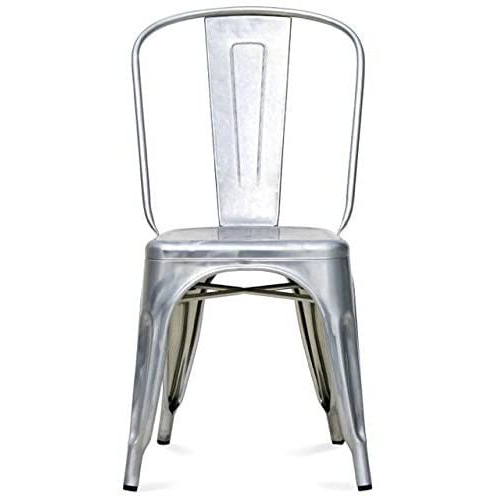
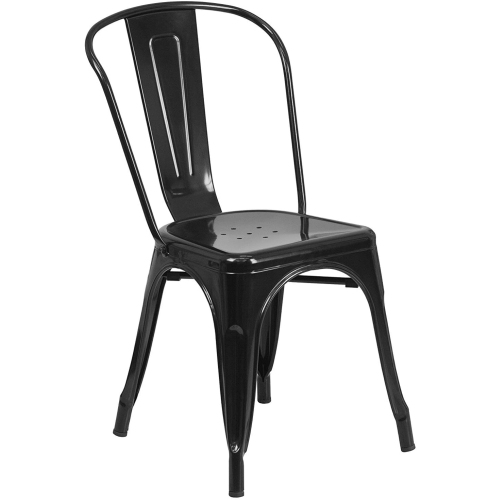
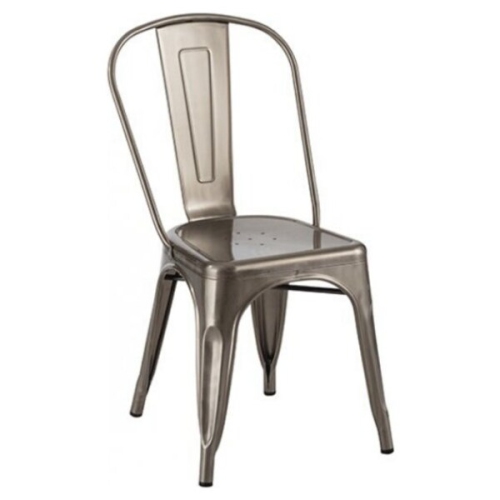
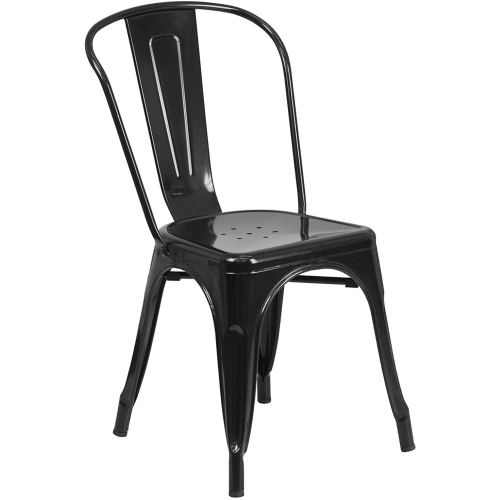
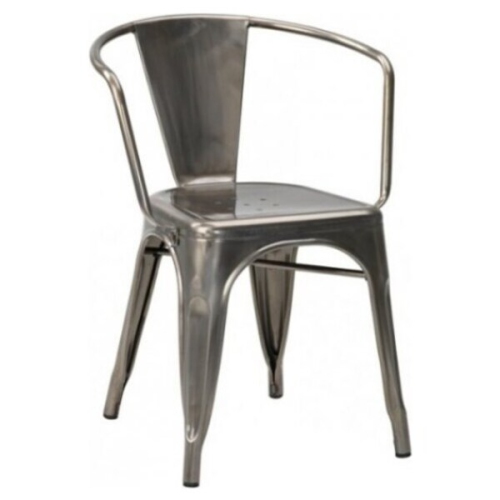
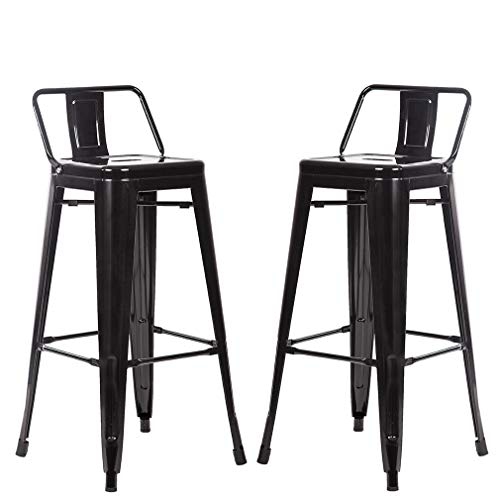
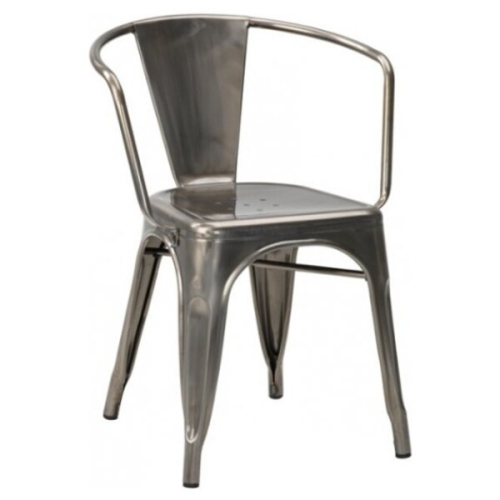
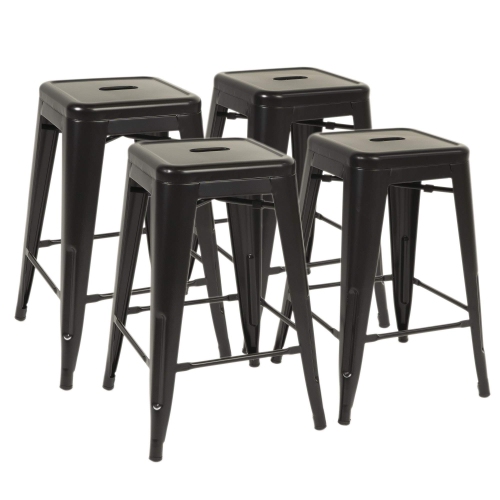
Patio seating that takes up less space between gatherings
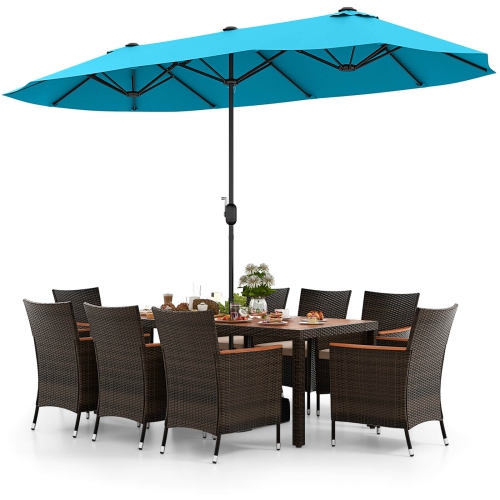
Outdoor stackable chairs provide seating for patios, decks, balconies, and backyard dining areas while taking up less floor space when stored together. Their frames are shaped so that matching chairs nest vertically, making it easier to clear a small balcony, open up a deck for another activity, or put extra seating away after guests leave. Unlike folding chairs, stacking chairs generally retain their full shape during storage, so the height and footprint of the assembled stack matter as much as the dimensions of a single seat. They suit households that need everyday outdoor seating as well as occasional room for visitors, from a pair of chairs beside a balcony table to a larger arrangement for family meals. Dining-style models usually support a more upright sitting position, while wider seats and angled backs can feel more relaxed beside a low table. For seating arranged around a meal, stackable outdoor dining chairs offer a useful starting point for matching chair proportions to an outdoor table. Seat height, arm height, and overall width all affect that fit. A chair may look compact on its own yet need more clearance than expected once its arms meet a table apron or its back extends into a walkway. Measuring the space beneath the tabletop helps establish whether armchairs can slide underneath, while allowing room behind each seat makes sitting down and getting up more comfortable. On a narrow balcony, armless designs can make it easier to move between the table and the railing. Around a larger patio table, armrests offer a place to rest forearms during a long conversation. The right balance depends on how the space is used: a breakfast spot for two has different needs from a dining area where people regularly pull up another chair.
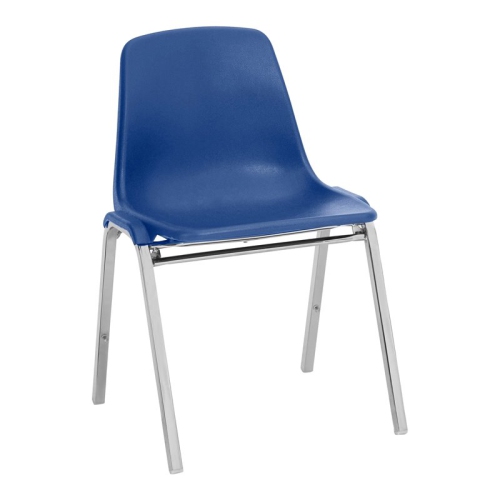
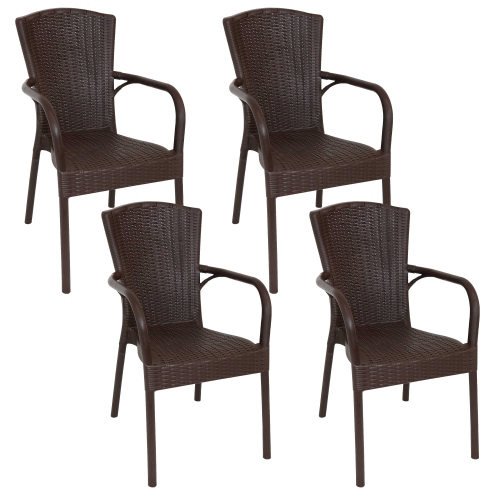
Materials influence the weight, feel, upkeep, and durability of stackable patio chairs. Aluminium frames are typically lighter than steel and resist rust, making them practical for chairs that move frequently between a deck and a storage area. Powder-coated steel can provide a substantial feel, although scratches or chips in the coating need attention because exposed steel may rust. Neither material is automatically the better choice; frame construction, finish quality, hardware, and the stated weight capacity also matter. Moulded resin or plastic chairs often have smooth surfaces that are straightforward to wipe down, and some are designed with openings that let water drain rather than collect on the seat. Resistance to fading and brittleness varies, so an outdoor-use designation and stated UV resistance are useful details to check. Synthetic woven seating adds texture and may feel more forgiving than a solid seat, but the durability of the weave and the supporting frame should both be considered. Natural wicker is not interchangeable with synthetic outdoor wicker, particularly where furniture will be exposed to rain. Wooden stacking chairs bring visible grain and a firmer seat, with care needs that depend on the wood species and finish. Some require periodic treatment to maintain their intended appearance. Sling seats use fabric stretched across a frame and can provide support without a separate cushion; their suitability for outdoor exposure depends on the fabric and construction. Across all these materials, comfort comes down to more than softness. A rounded front edge can reduce pressure behind the knees, a supportive back can make a leisurely lunch more comfortable, and sufficient seat depth helps avoid a perched feeling. Cushions can change both seat height and usable depth, especially on smaller chairs. Removable cushions also need somewhere dry to go when not in use, and they usually have to come off before chairs can be stacked. Colour and surface texture play a visual role too: smooth frames can sit quietly against a busy patterned table, while woven or slatted details add interest to a simple patio arrangement.
Practical details become especially noticeable when outdoor chairs are handled often. A lightweight chair is easier to carry across a yard, but a taller stack may still be awkward to move through a doorway or over a threshold. The manufacturer's maximum stacking height should guide storage rather than the number of chairs that appear to balance together. Chairs from different designs should not be assumed to stack safely, even when their dimensions look similar. Purpose-built contact points and protective spacers can help limit rubbing between frames, while intact feet help reduce scraping on suitable deck or patio surfaces. Chairs should sit level without rocking, and loose fasteners deserve attention before the seat is used again. For daily care, mild soap, water, and a soft cloth are often suitable, but the material-specific cleaning instructions take priority. Abrasive pads and harsh cleaners can damage coatings, woven finishes, or plastic surfaces. Food residue, pollen, and grit are easier to remove before they build up in joints and textured areas. Letting chairs dry before stacking them for an extended period helps avoid trapping moisture between seats, and checking drainage openings keeps water from lingering where it should run off. Weather resistance does not mean that every chair can remain uncovered through prolonged rain, snow, or freezing conditions. Covered storage and a properly fitted furniture cover can reduce exposure, provided ventilation allows moisture to escape. For a condo household, a short stack tucked into a permitted storage area may free up valuable balcony space. At a cottage, matching chairs can move between a dining table and a sheltered porch, then stack neatly when everyone heads home. They can also make a practical housewarming gift when the recipient's measurements, seating needs, and storage space are known. Whether used for quiet coffee breaks, outdoor meals, or an extra seat beside friends, stackable outdoor chairs work best when their comfort in use is matched by manageable dimensions and straightforward care between gatherings.
Materials influence the weight, feel, upkeep, and durability of stackable patio chairs. Aluminium frames are typically lighter than steel and resist rust, making them practical for chairs that move frequently between a deck and a storage area. Powder-coated steel can provide a substantial feel, although scratches or chips in the coating need attention because exposed steel may rust. Neither material is automatically the better choice; frame construction, finish quality, hardware, and the stated weight capacity also matter. Moulded resin or plastic chairs often have smooth surfaces that are straightforward to wipe down, and some are designed with openings that let water drain rather than collect on the seat. Resistance to fading and brittleness varies, so an outdoor-use designation and stated UV resistance are useful details to check. Synthetic woven seating adds texture and may feel more forgiving than a solid seat, but the durability of the weave and the supporting frame should both be considered. Natural wicker is not interchangeable with synthetic outdoor wicker, particularly where furniture will be exposed to rain. Wooden stacking chairs bring visible grain and a firmer seat, with care needs that depend on the wood species and finish. Some require periodic treatment to maintain their intended appearance. Sling seats use fabric stretched across a frame and can provide support without a separate cushion; their suitability for outdoor exposure depends on the fabric and construction. Across all these materials, comfort comes down to more than softness. A rounded front edge can reduce pressure behind the knees, a supportive back can make a leisurely lunch more comfortable, and sufficient seat depth helps avoid a perched feeling. Cushions can change both seat height and usable depth, especially on smaller chairs. Removable cushions also need somewhere dry to go when not in use, and they usually have to come off before chairs can be stacked. Colour and surface texture play a visual role too: smooth frames can sit quietly against a busy patterned table, while woven or slatted details add interest to a simple patio arrangement.
Practical details become especially noticeable when outdoor chairs are handled often. A lightweight chair is easier to carry across a yard, but a taller stack may still be awkward to move through a doorway or over a threshold. The manufacturer's maximum stacking height should guide storage rather than the number of chairs that appear to balance together. Chairs from different designs should not be assumed to stack safely, even when their dimensions look similar. Purpose-built contact points and protective spacers can help limit rubbing between frames, while intact feet help reduce scraping on suitable deck or patio surfaces. Chairs should sit level without rocking, and loose fasteners deserve attention before the seat is used again. For daily care, mild soap, water, and a soft cloth are often suitable, but the material-specific cleaning instructions take priority. Abrasive pads and harsh cleaners can damage coatings, woven finishes, or plastic surfaces. Food residue, pollen, and grit are easier to remove before they build up in joints and textured areas. Letting chairs dry before stacking them for an extended period helps avoid trapping moisture between seats, and checking drainage openings keeps water from lingering where it should run off. Weather resistance does not mean that every chair can remain uncovered through prolonged rain, snow, or freezing conditions. Covered storage and a properly fitted furniture cover can reduce exposure, provided ventilation allows moisture to escape. For a condo household, a short stack tucked into a permitted storage area may free up valuable balcony space. At a cottage, matching chairs can move between a dining table and a sheltered porch, then stack neatly when everyone heads home. They can also make a practical housewarming gift when the recipient's measurements, seating needs, and storage space are known. Whether used for quiet coffee breaks, outdoor meals, or an extra seat beside friends, stackable outdoor chairs work best when their comfort in use is matched by manageable dimensions and straightforward care between gatherings.
Top selling and popular products
-
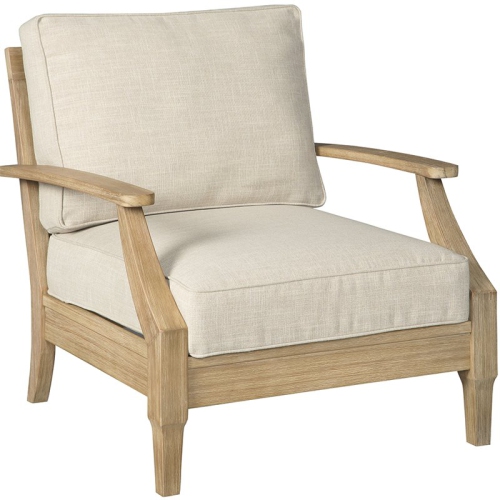 Your price for this item is $1227.67
 -
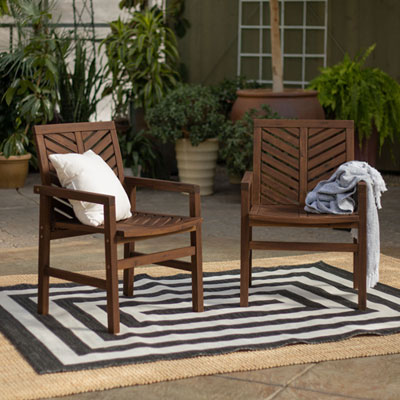 Your price for this item is $604.99
 -
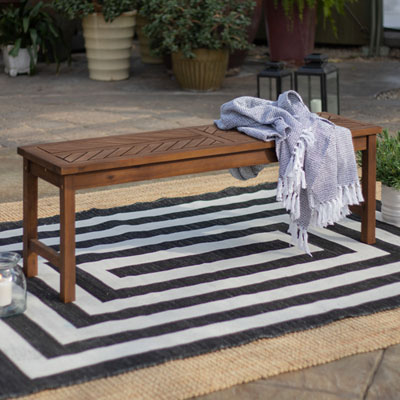 Your price for this item is $371.99
 -
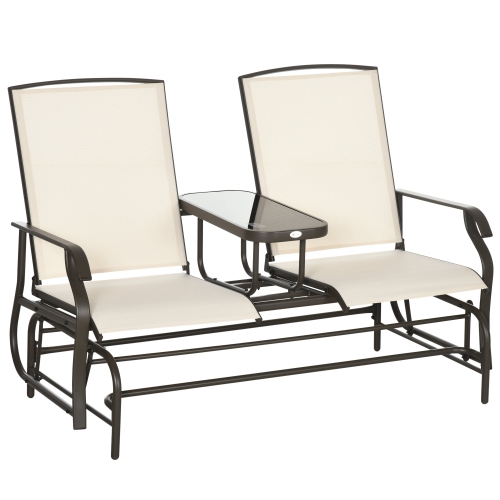 Your price for this item is $189.99
 -
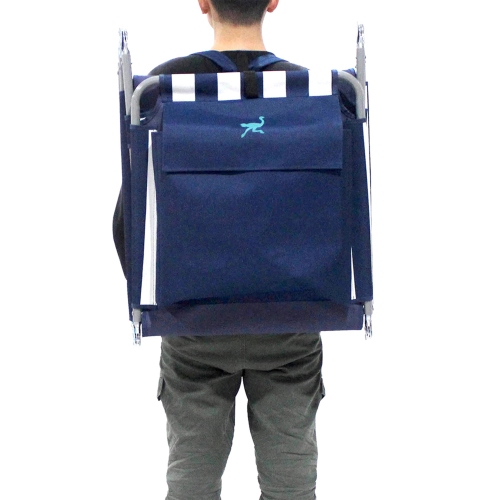 Your price for this item is $204.99
 -
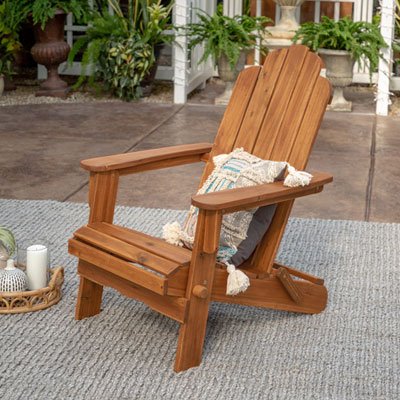 Your price for this item is $461.99
 -
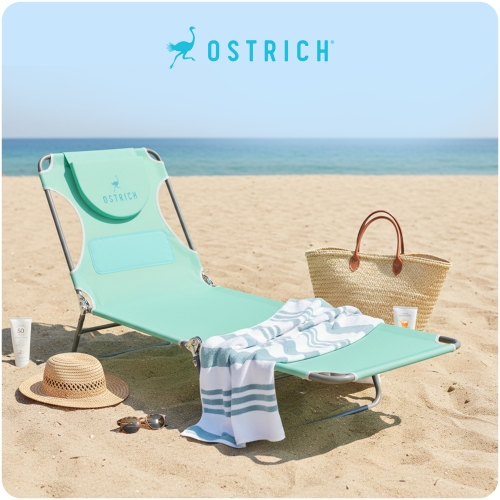 Your price for this item is $170.99
 -
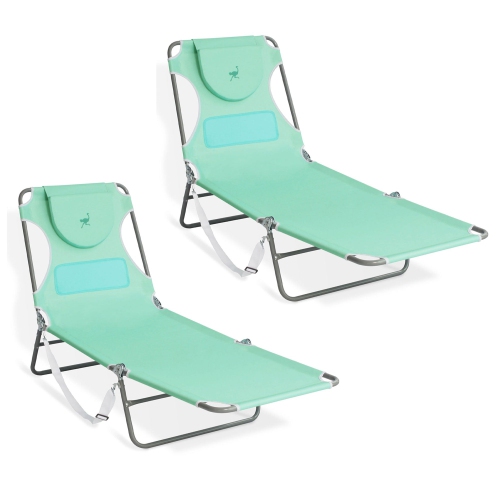 Your price for this item is $392.99
Discover more categories related to Outdoor Furniture Stackable Chairs
Top Collections:
Pokemon Centers, Kindle Devices, Best Budget Office Chairs, Apple iPhones 16, Best Laptops for Writers, iPhone 15 Apple, Canon G7X Cameras, Refurbished Apple Laptops, Alarm Clock, Motorola Razr Phones
Some products may be subject to Environmental Handling Fees
(EHF) depending on your province.
Learn more about EHFs.