Outdoor Holiday Decor Ideas
Transform your outdoor space into a winter wonderland with our curated selection of holiday decor ideas. From festive lighting to charming decorations, we have everything you need to create a magical ambiance for the holiday season. Whether you prefer a classic look or want to add a modern twist to your outdoor decor, explore our range of options to bring joy and cheer to your home exterior. Get ready to impress your neighbors and spread holiday cheer with our stylish and festive outdoor decor ideas.
Sort




![GENER [9Ft Ultra-Full Christmas Garland – 1200 Tips] Artificial Cypress Cedar Pine Needle Greenery Garland for Indoor/outdoor Holiday Decor –](https://multimedia.bbycastatic.ca/multimedia/products/500x500/195/19585/19585612.webp)

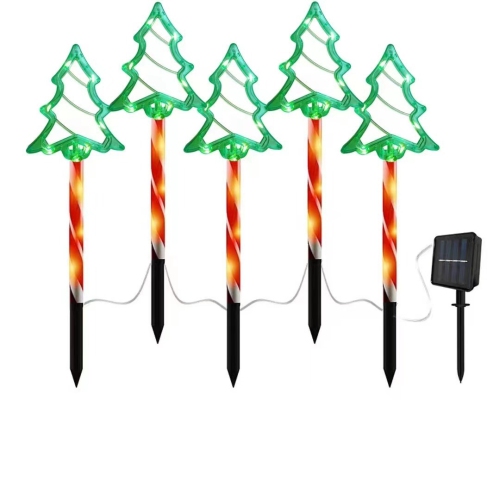

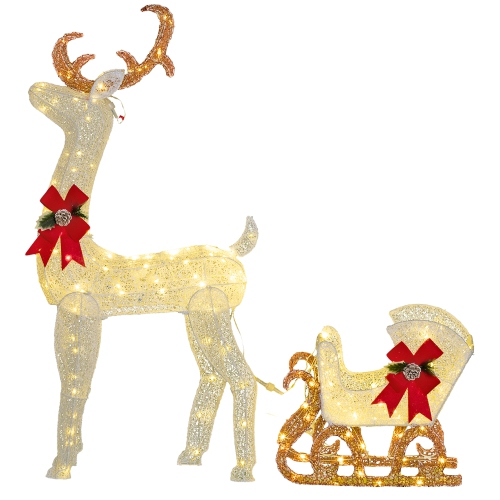
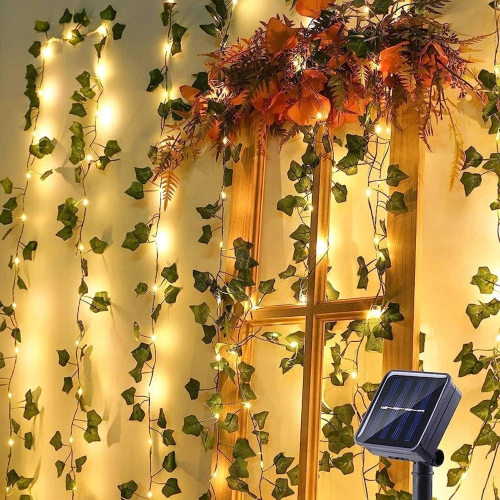
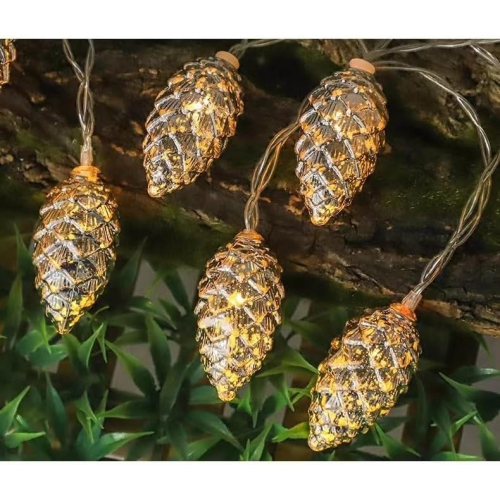
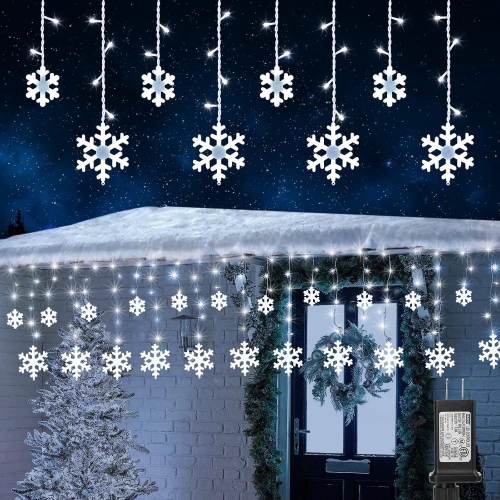
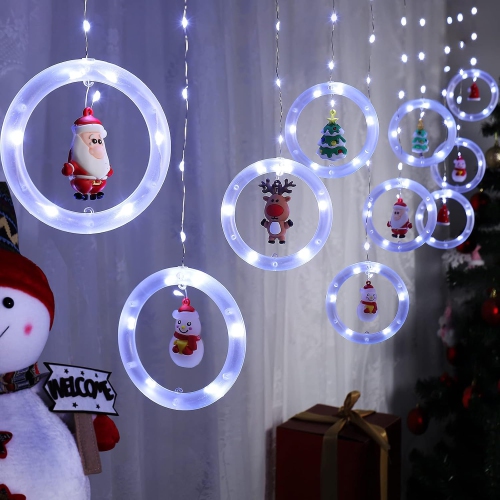

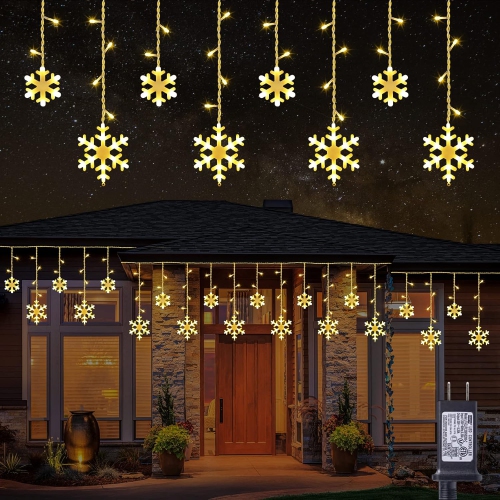
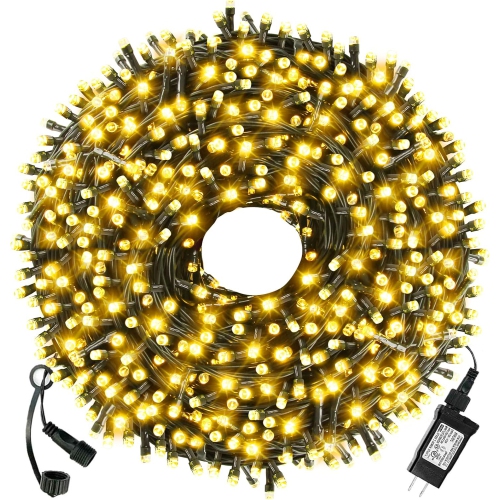
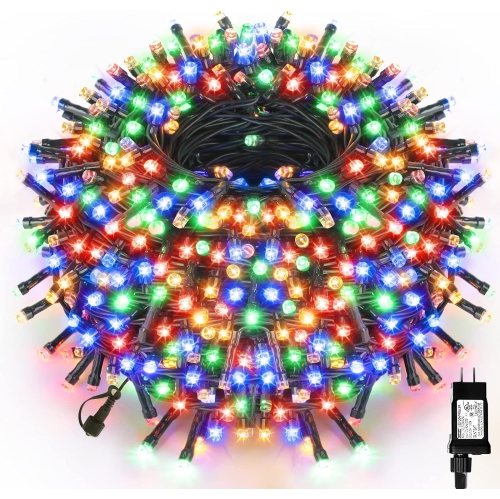
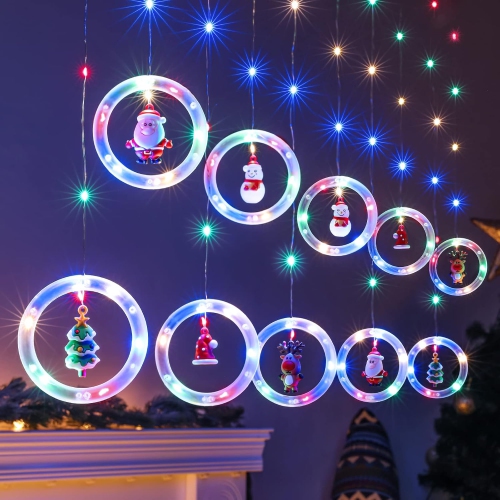
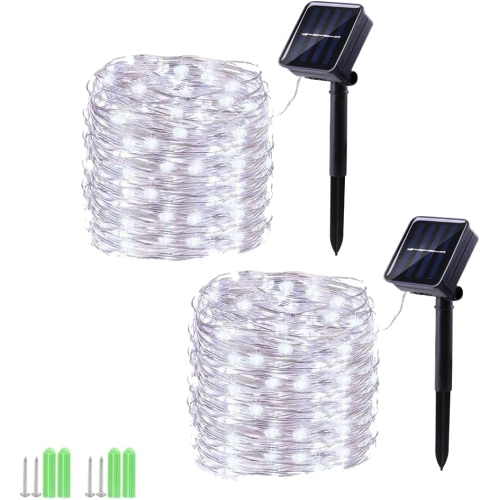
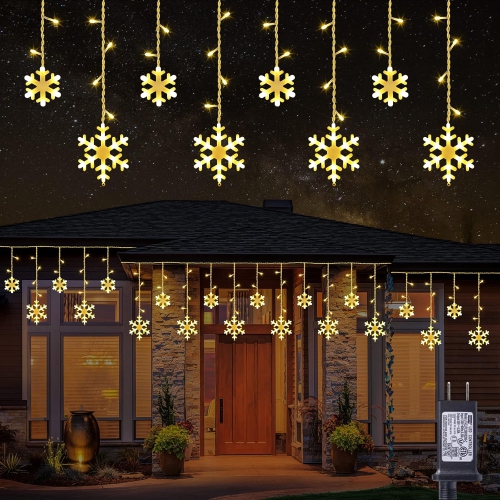

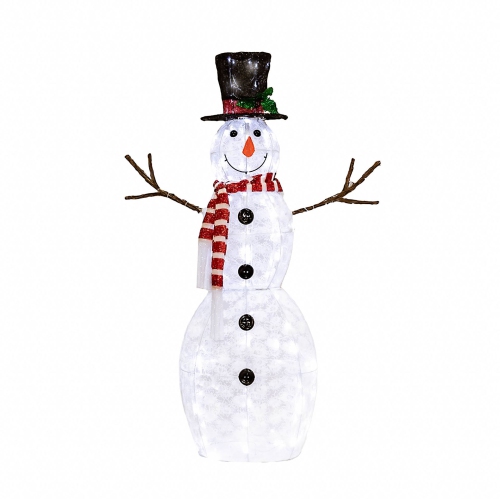
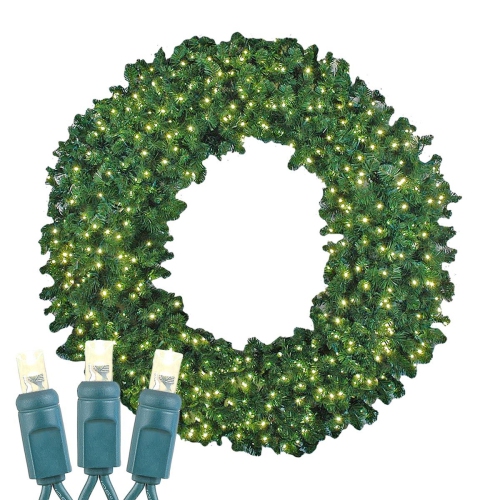
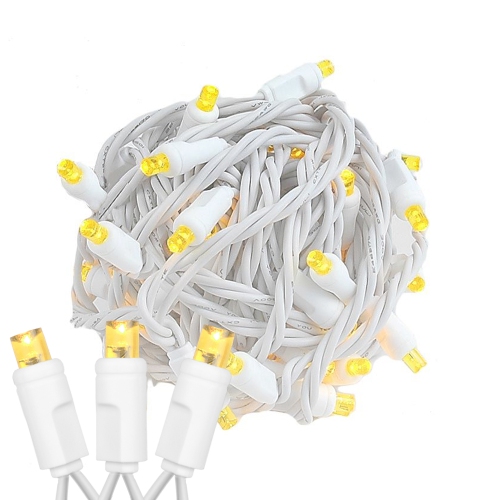
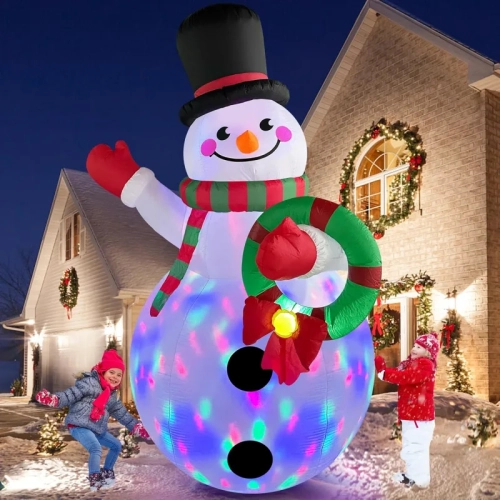
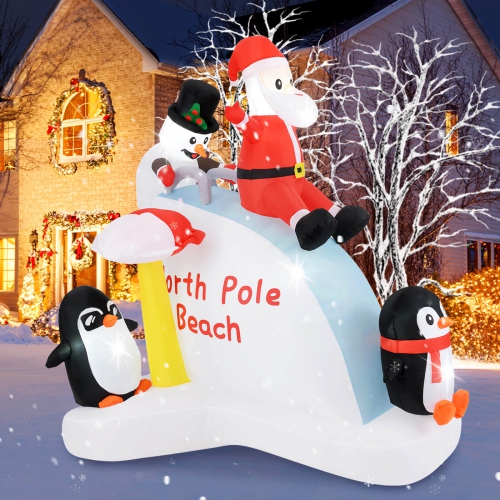
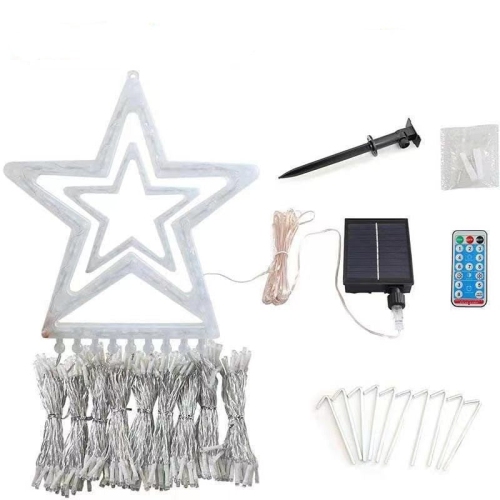

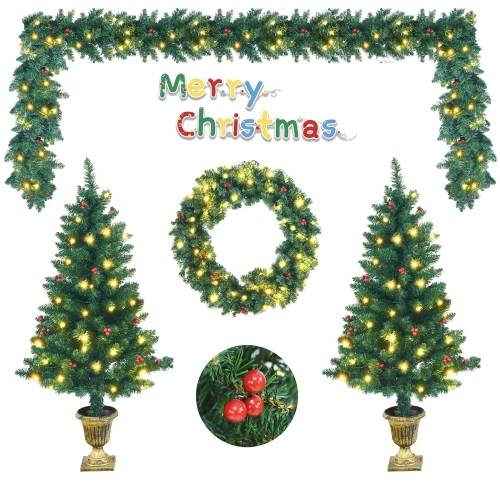
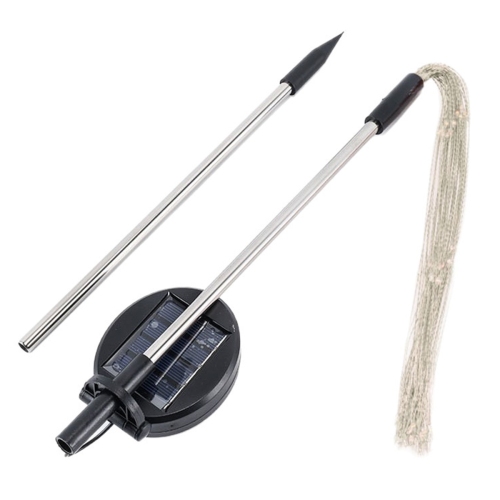
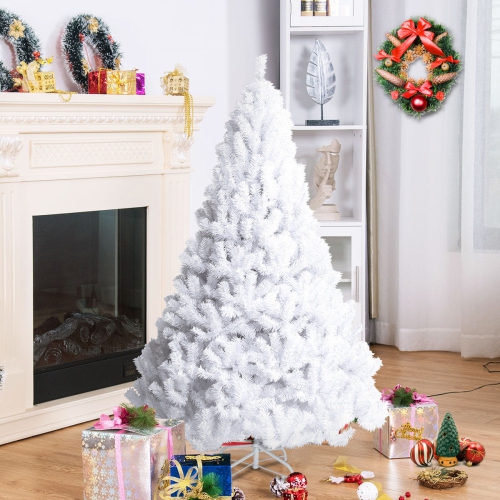

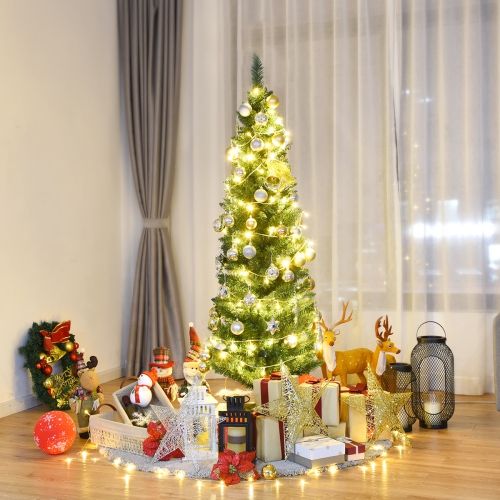
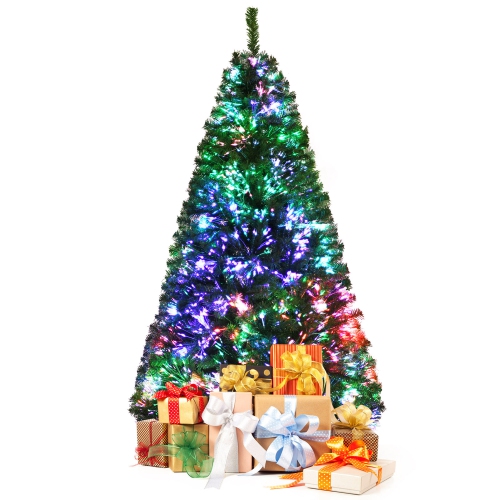
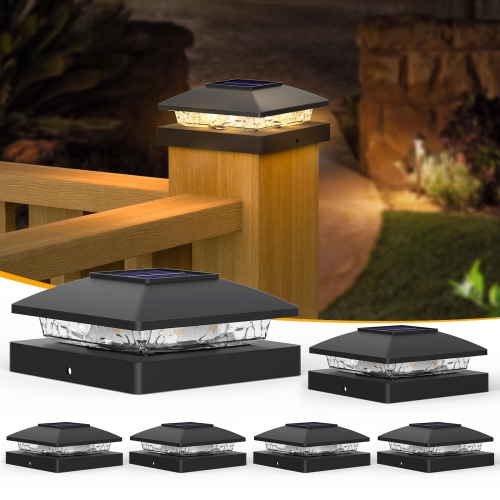
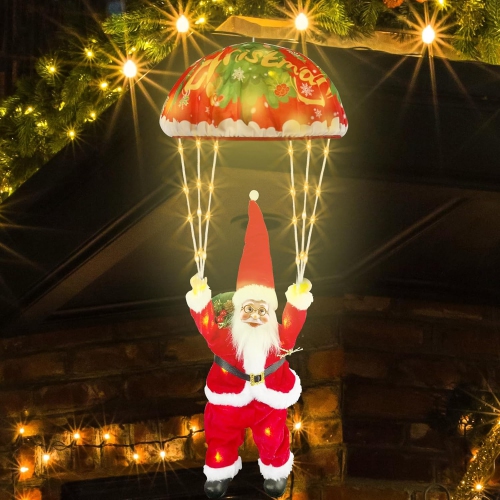
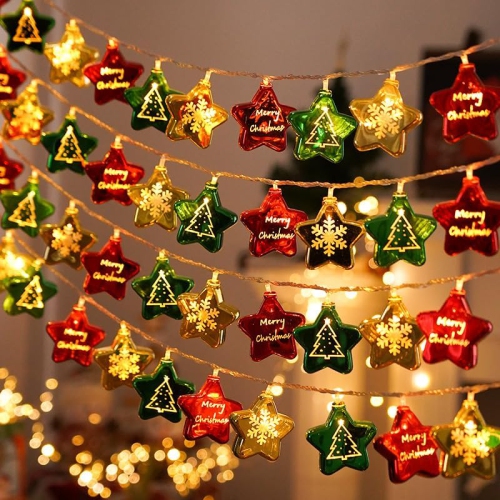
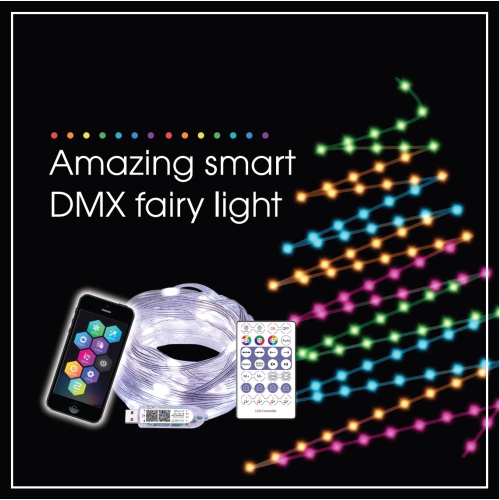
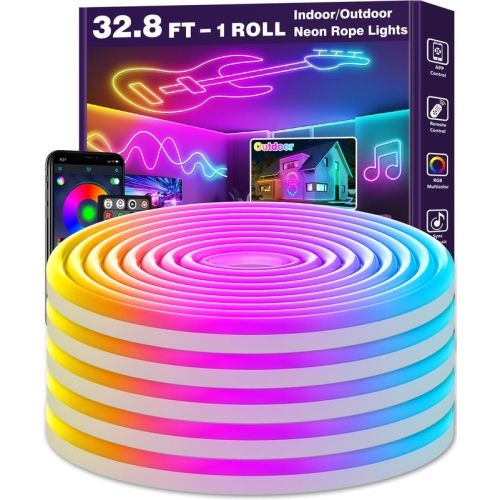
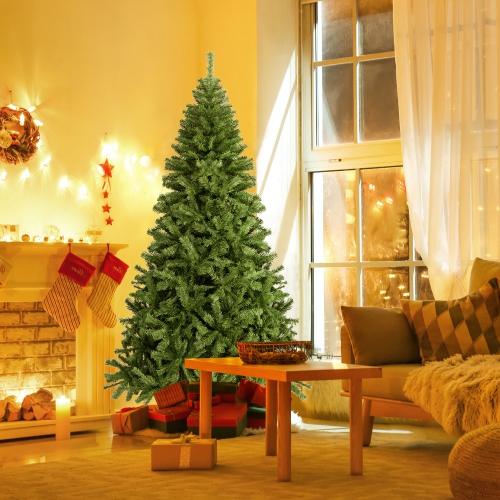
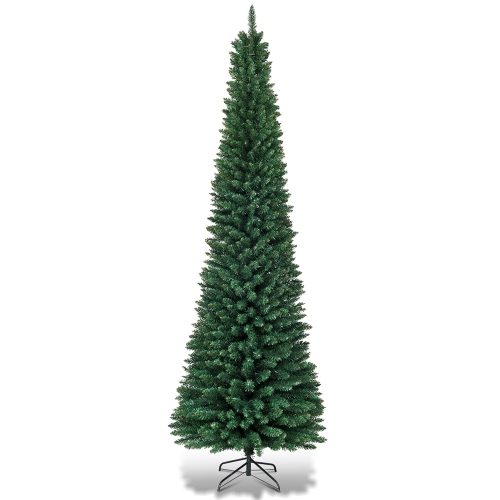
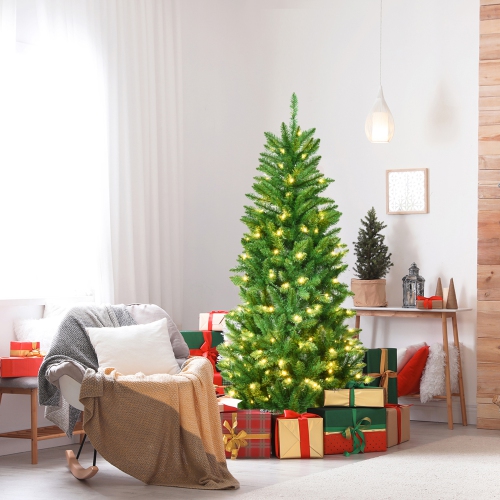
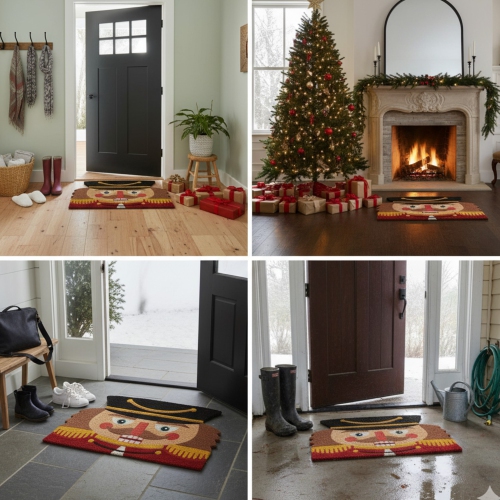
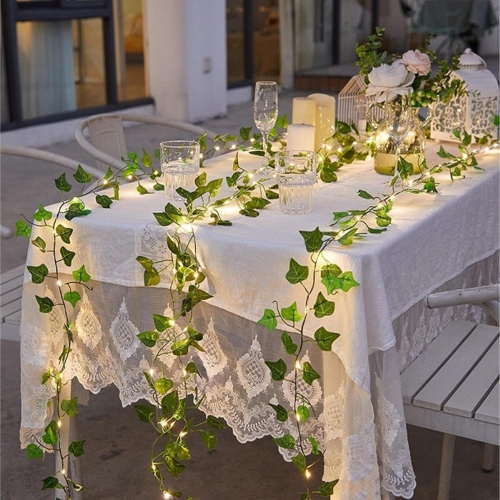
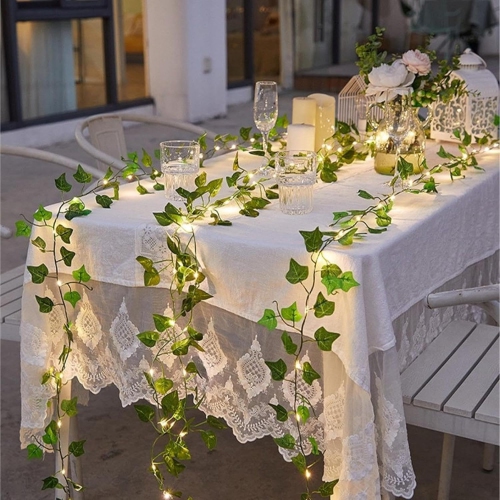
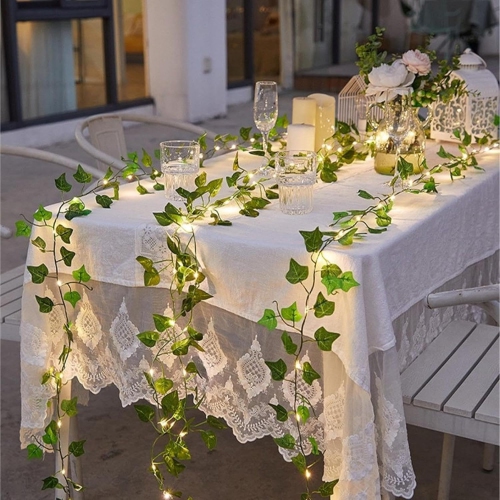




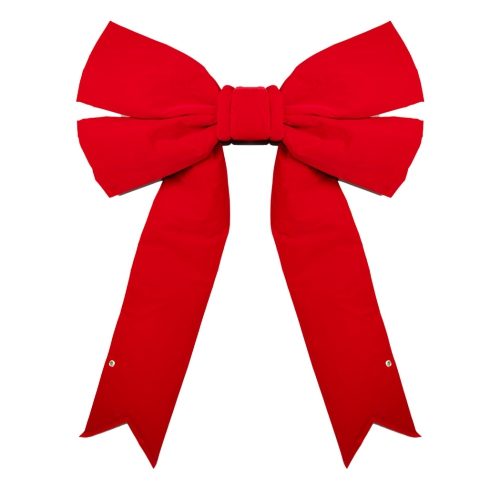



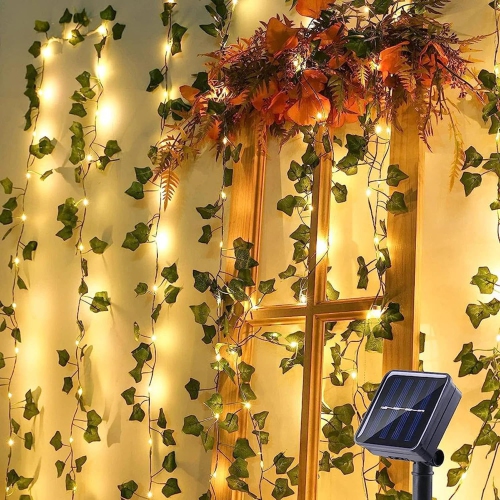
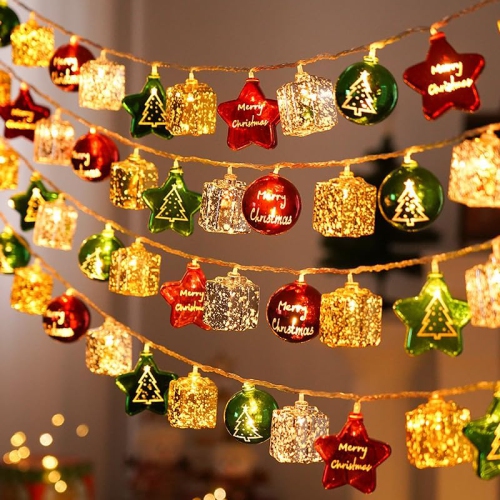
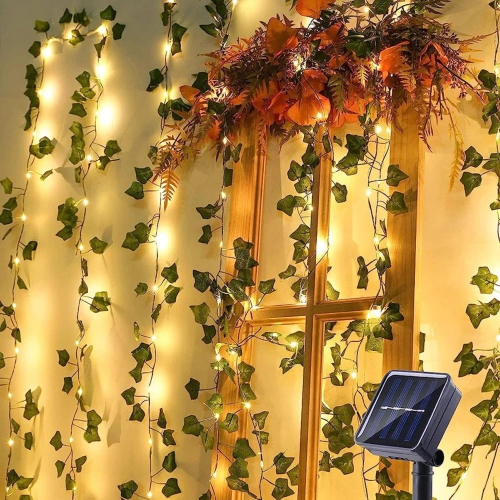
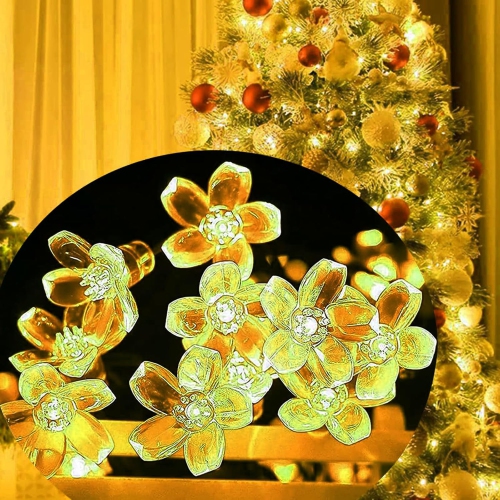
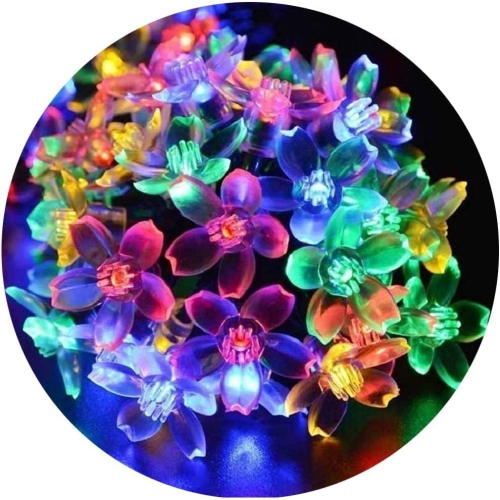

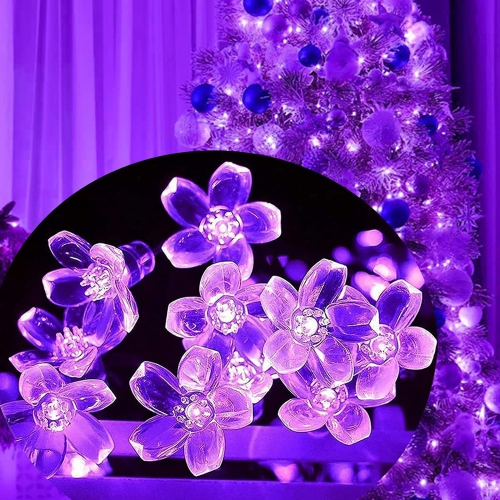
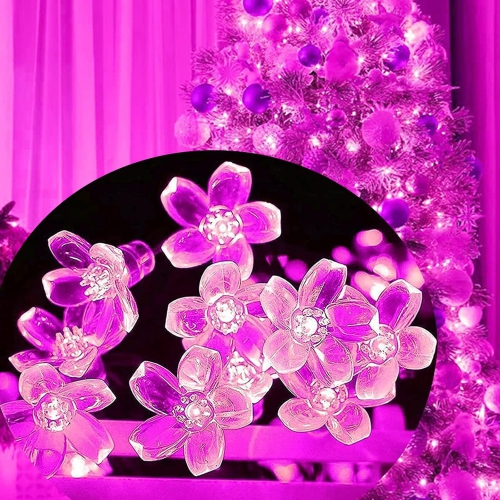
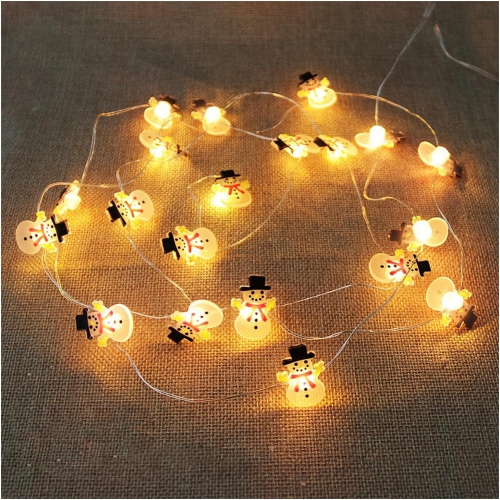
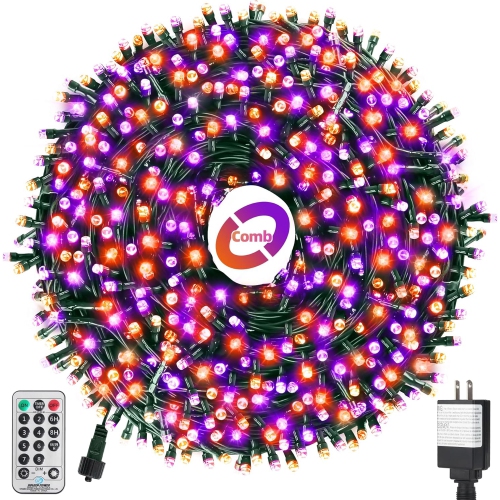
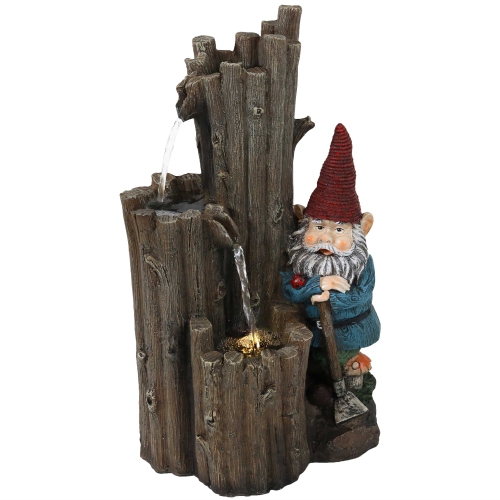
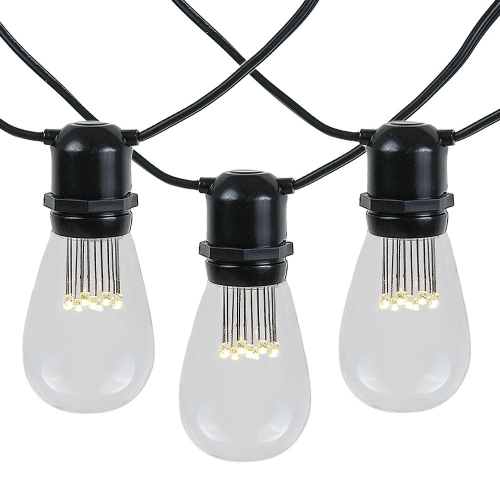
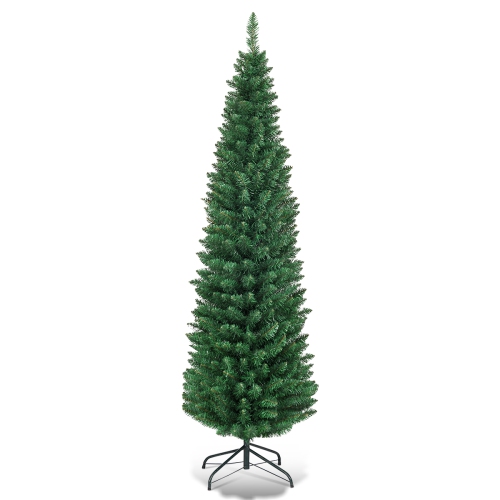
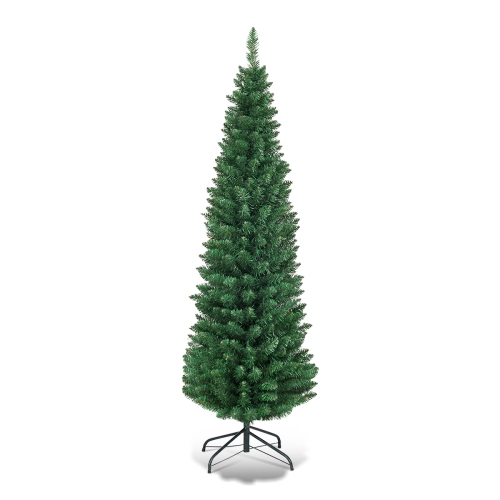
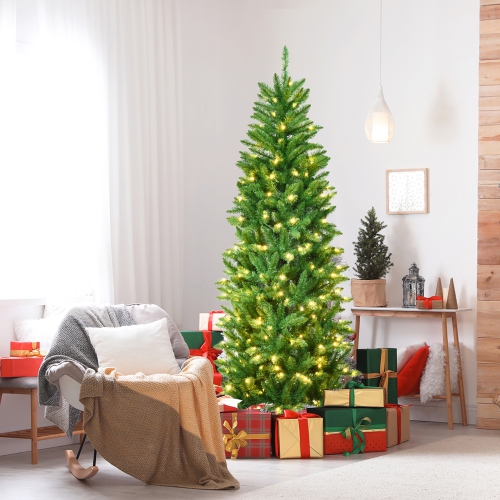
Holiday displays that suit your space and Canadian weather
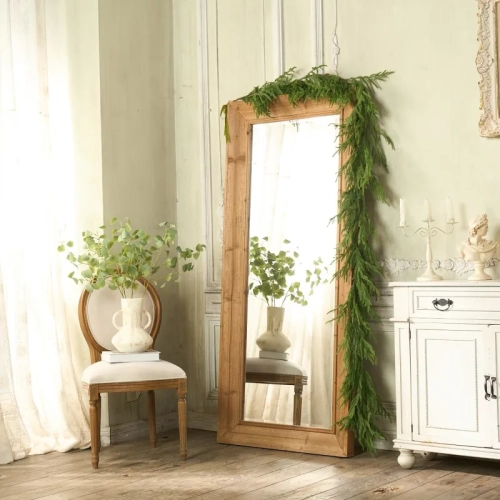
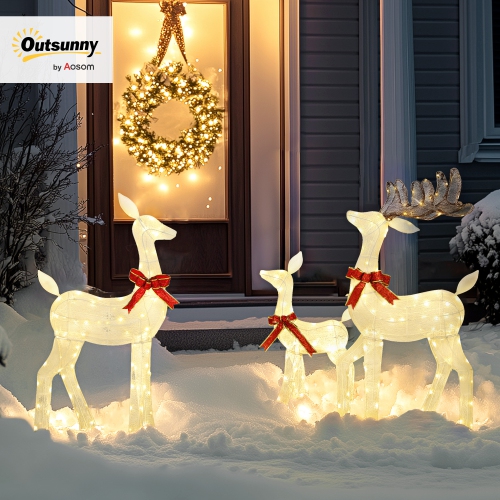
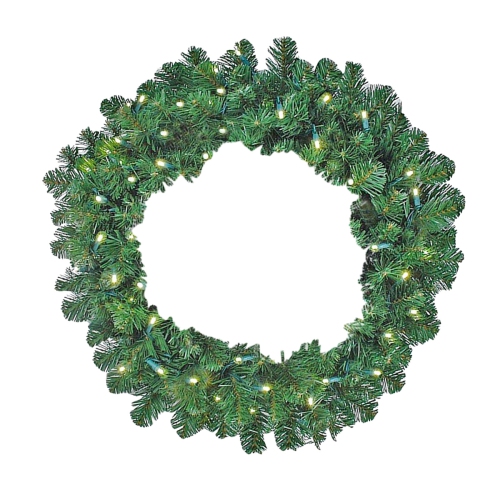
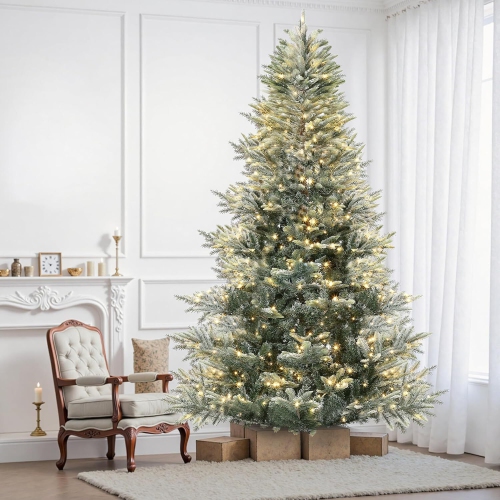
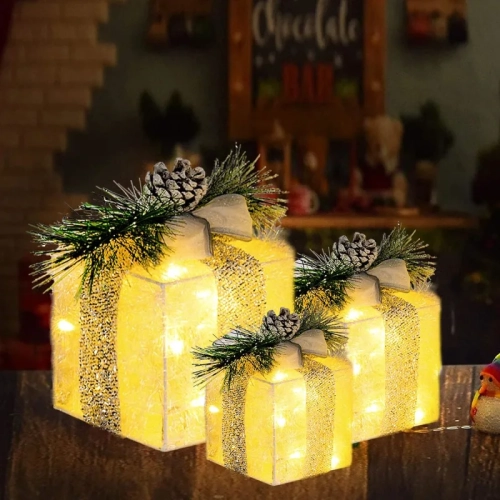
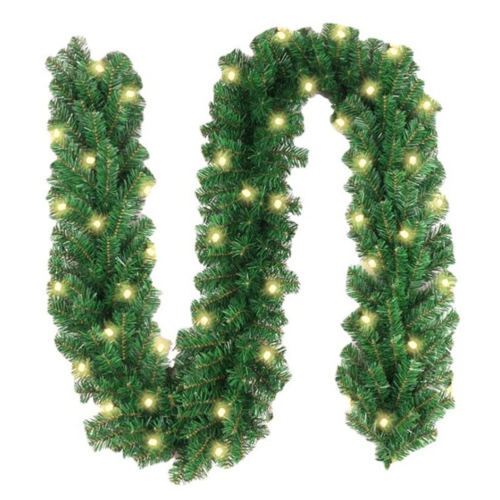
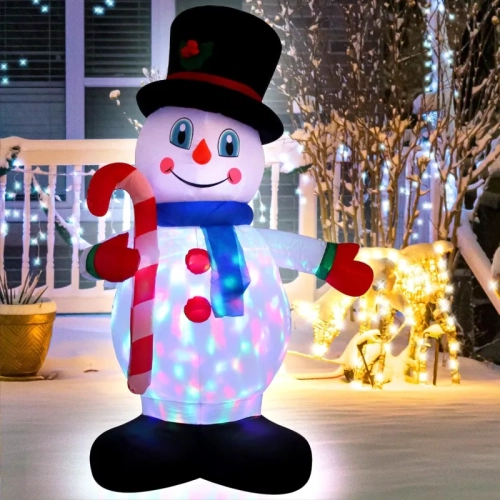
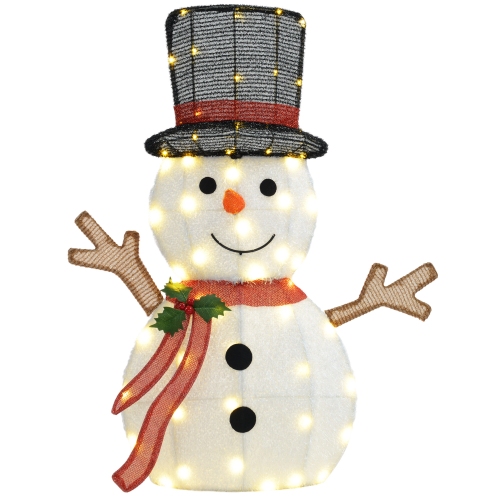
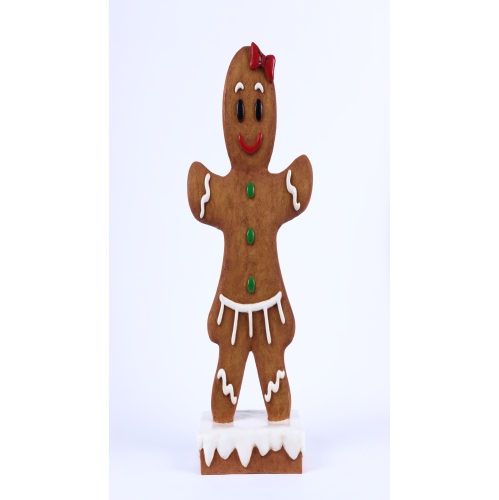
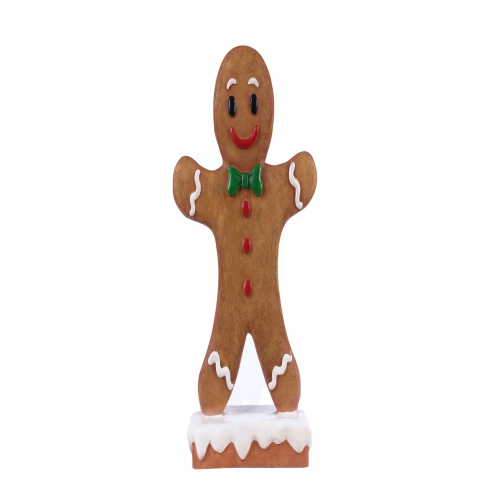
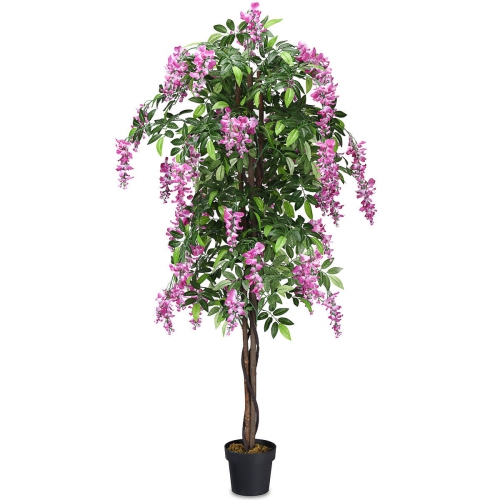
Outdoor holiday decor ideas bring together light, greenery, colour, and seasonal shapes to make a home feel welcoming before guests reach the door. From a small covered entrance to a wide front lawn, the most effective displays suit the space rather than filling every corner. A wreath can give a narrow doorway a clear focal point, while garlands frame porch railings and illuminated accents add depth farther from the house. Warm white lighting pairs naturally with deep green foliage, red ribbons, and wood textures for a traditional Christmas look. Cool white lighting, silver finishes, and simple geometric shapes create a crisper effect against brick, stone, or dark siding. Multicoloured lighting brings a playful feel that suits family gatherings and neighbourhood celebrations, particularly when the same colours repeat across the porch and yard. A coordinated selection of Holiday Outdoor Decorations can connect these areas without making every feature compete for attention. Scale matters just as much as colour: a substantial wreath may look balanced on a broad entry, while a compact arrangement leaves breathing room around a smaller door. On a balcony, railing greenery and a restrained line of lights can provide seasonal character without taking up much floor space. Larger properties offer room for freestanding figures or illuminated groupings, but open space around them helps their outlines remain visible from the street. Displays also have two distinct appearances to consider. During daylight, foliage density, ribbon texture, frame colour, and visible wiring shape the overall impression; after dark, light spacing and brightness become more prominent. For households that host through the cooler months, a welcoming entrance can feel festive for casual visits as well as larger celebrations. Greenery and understated white lighting offer a versatile foundation, while holiday-specific accents give the arrangement its personality. Repeating one colour or material across several areas often creates a more unified appearance than combining many unrelated themes.
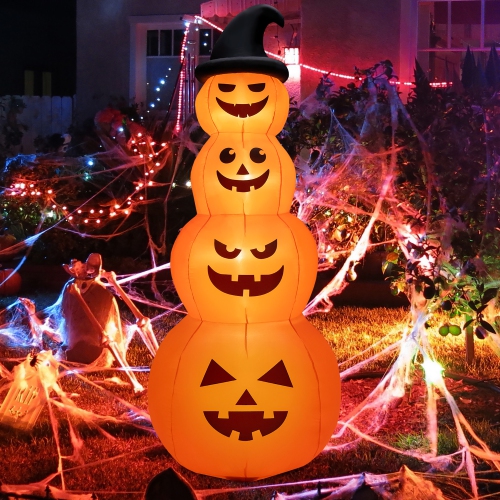
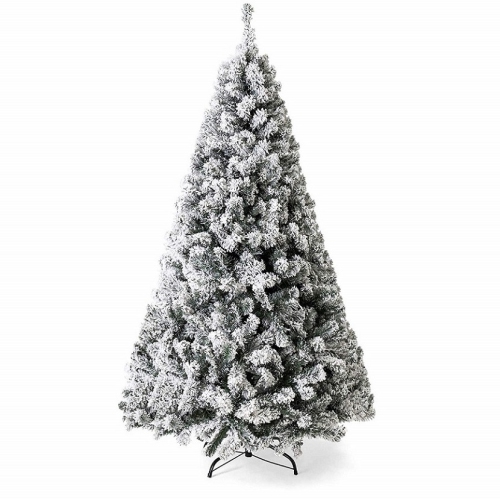
Materials and outdoor suitability influence how seasonal decorations look and hold up through Canadian weather. Artificial greenery commonly uses moulded plastic needles, cut synthetic foliage, or a combination of the two, with differences in texture, fullness, and flexibility. A flexible garland can follow a railing or curve around an entrance, while a more structured wreath maintains a defined shape against a door. Outdoor-rated ribbons and fabrics are better suited to exposed displays than accents intended only for indoor use, although a covered porch can still be subject to windblown rain and snow. Metal frames provide structure for illuminated shapes, and protective finishes help limit corrosion; scratches, joints, and fastening points still deserve attention during seasonal checks. Plastic components vary in their tolerance for cold and sunlight, making the manufacturer's stated temperature range and intended placement more useful than appearance alone. Wood accents add warmth and texture, but their finish and construction determine whether they belong under shelter or can tolerate direct exposure. Fit involves more than the dimensions of the decoration itself. Door-mounted accents need enough clearance for the door to open fully, and hanging hardware should suit the surface without interfering with seals or locks. Railings, steps, and landings need to remain usable when greenery or lighting is attached. For a lawn display, the footprint includes support stakes, tethers, cords, and any clearance required for moving fabric or an inflatable form. Ground conditions matter too: anchoring methods that work in soft soil may not be suitable once the ground is frozen, and balcony installations require secure mounting appropriate to the building's rules. Sheltered placement can reduce exposure, but it does not turn an indoor decoration into an outdoor one. Outdoor ratings, fastening instructions, and care information provide the clearest indication of intended use. Weight also deserves consideration, particularly for hanging displays and arrangements near a frequently used entrance. A decoration should stay stable without relying on a fragile branch, loose railing, or door fitting that was not designed to support it.
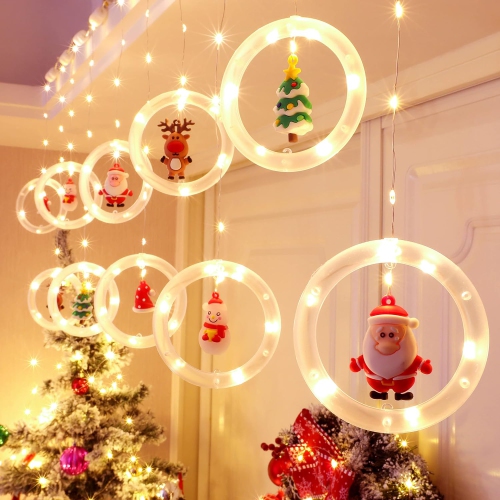
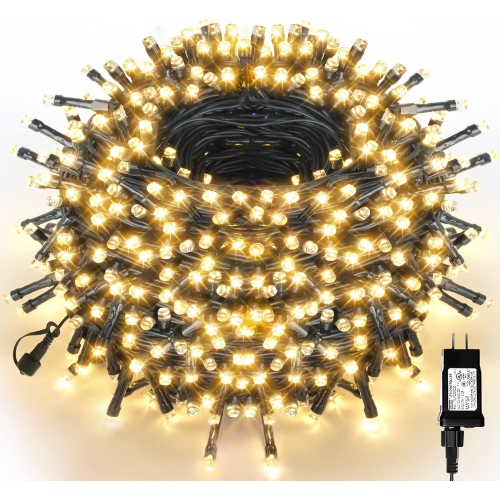
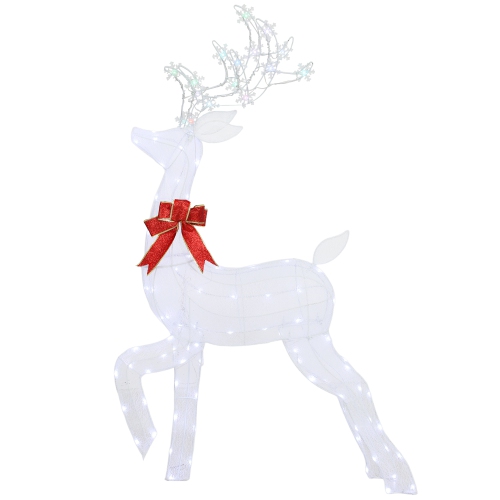
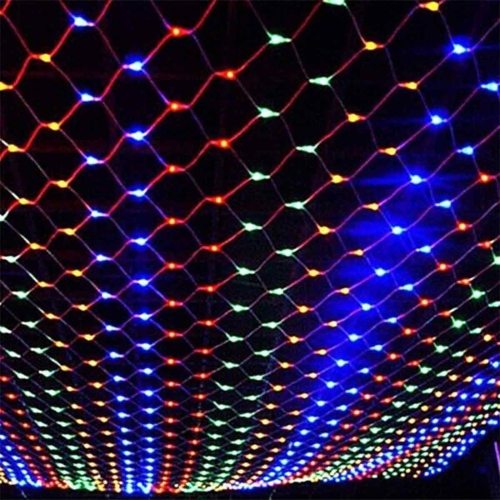
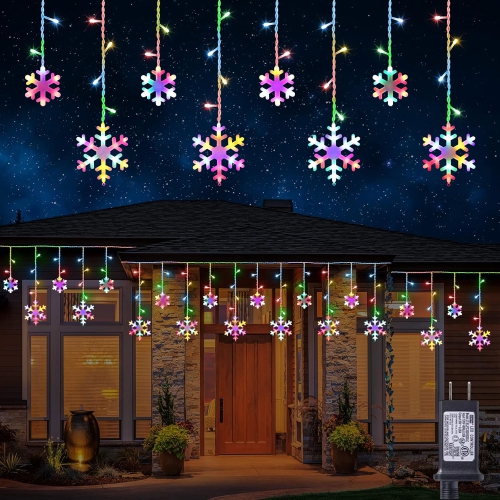
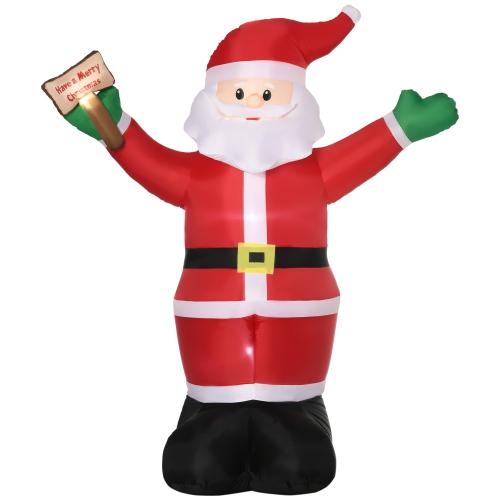
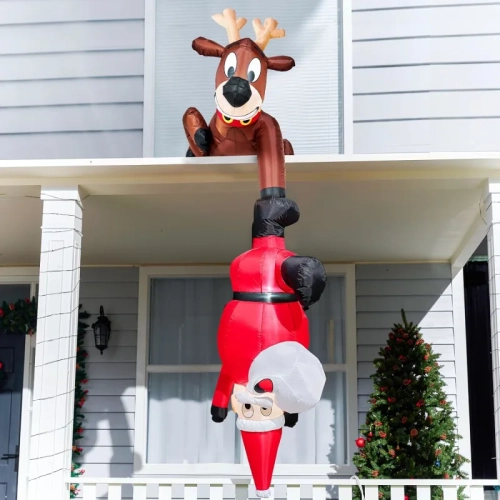
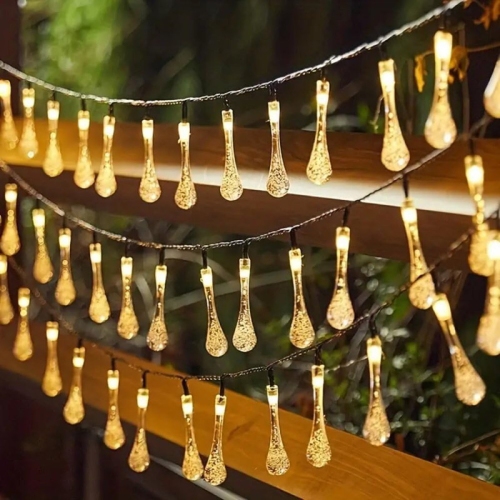
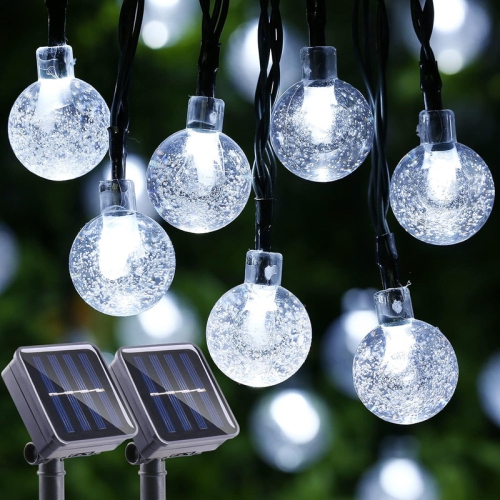
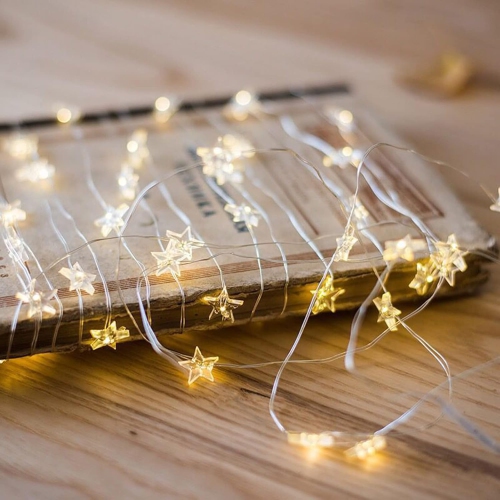
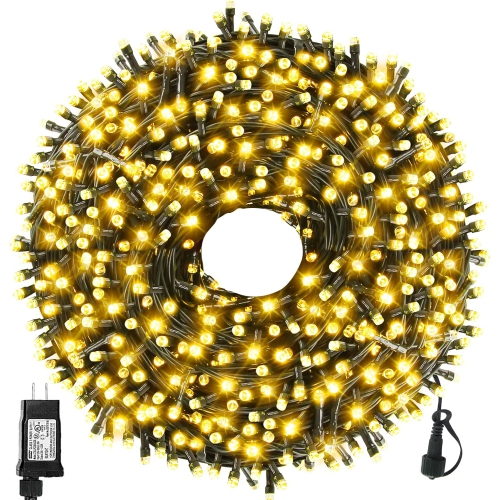
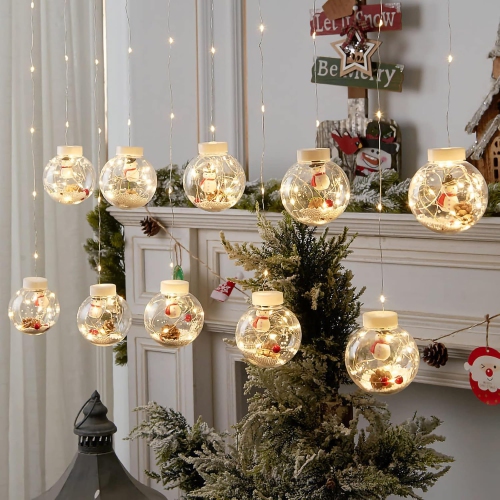
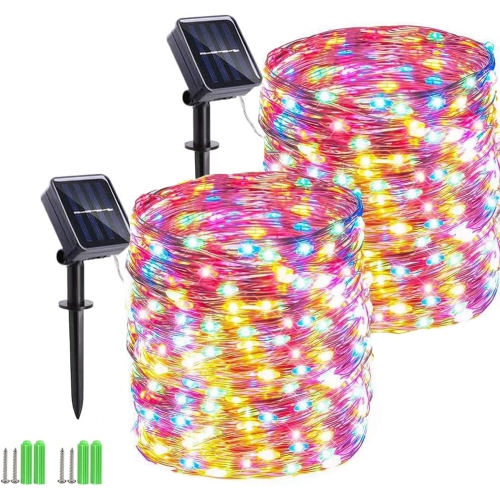
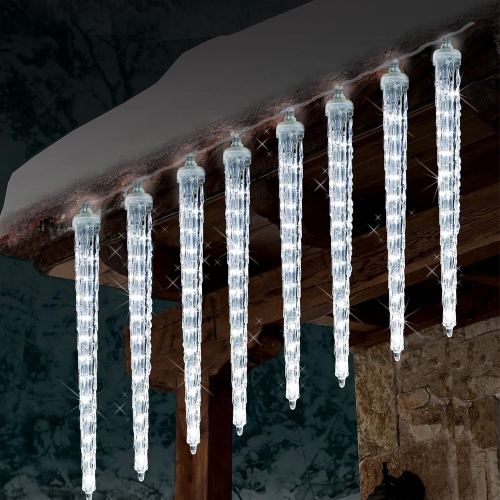
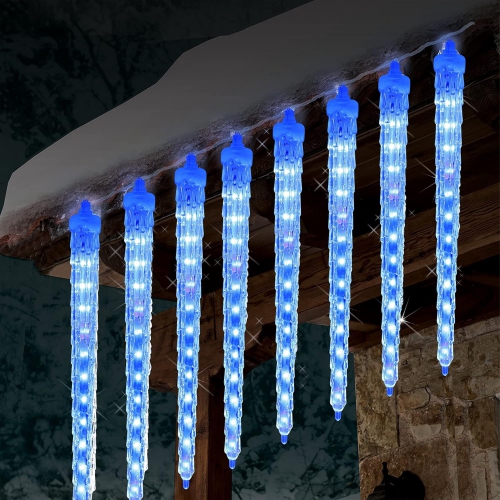
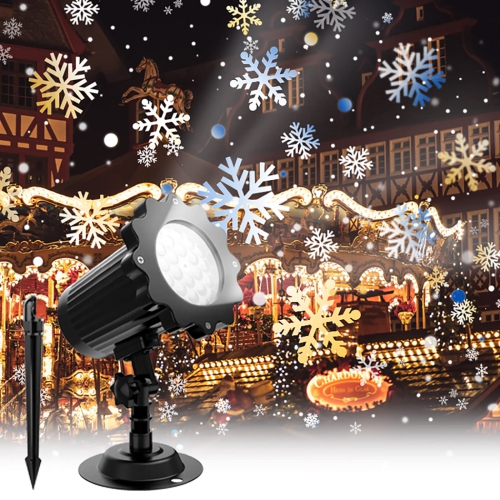
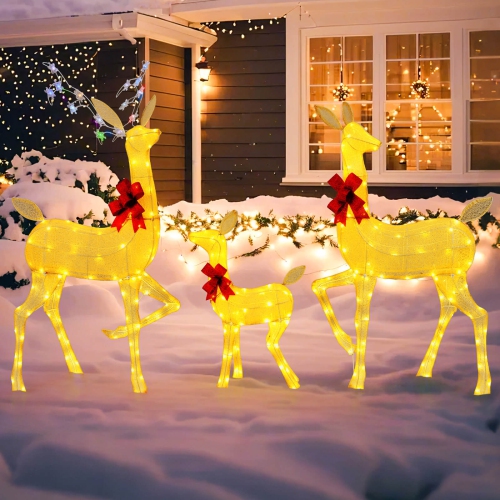
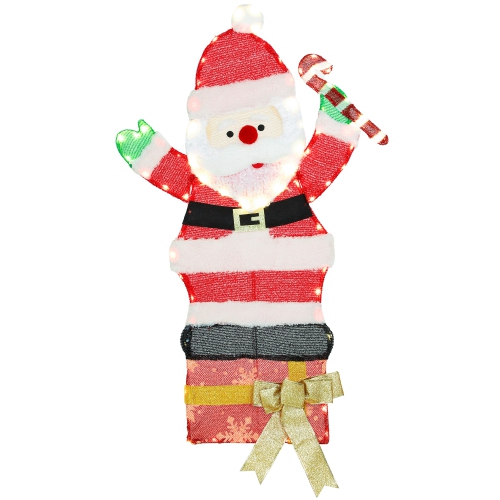
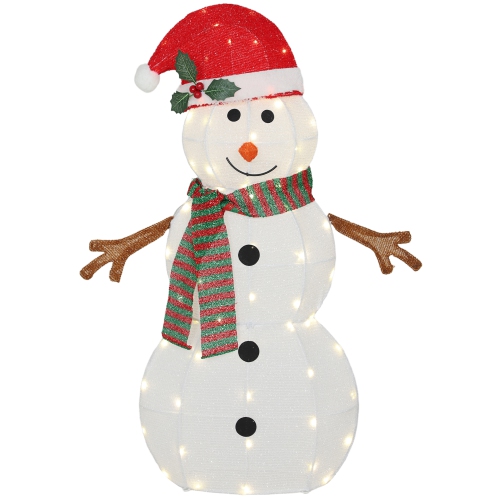
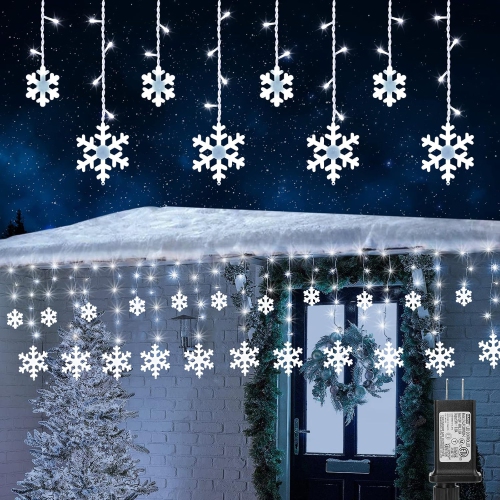
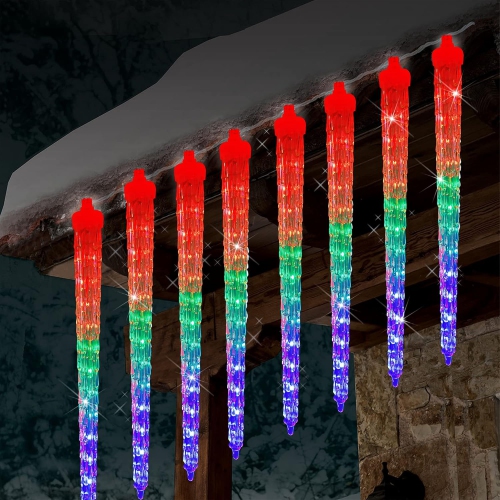
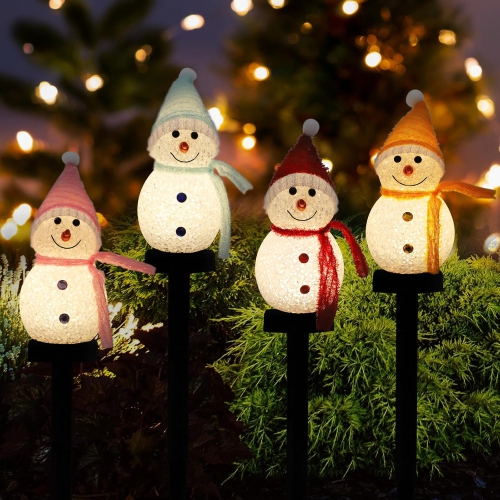
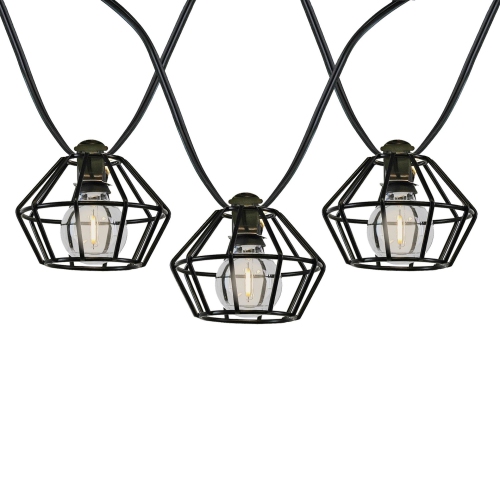
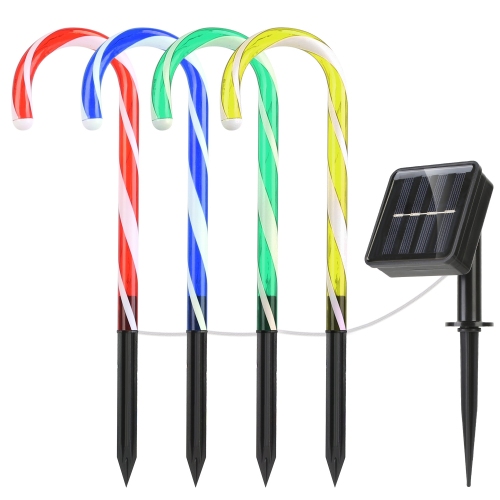
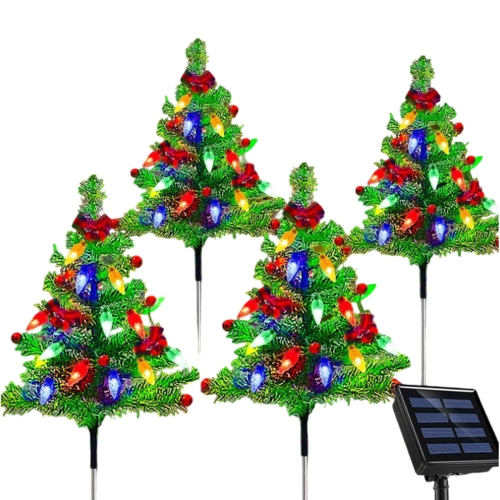
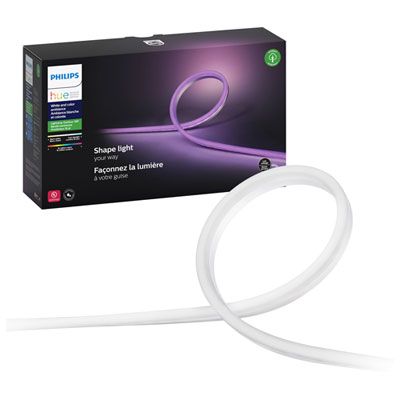
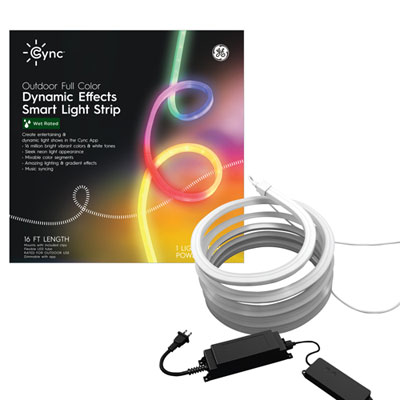
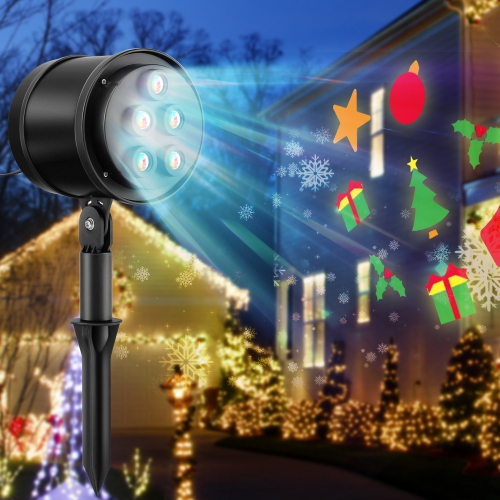
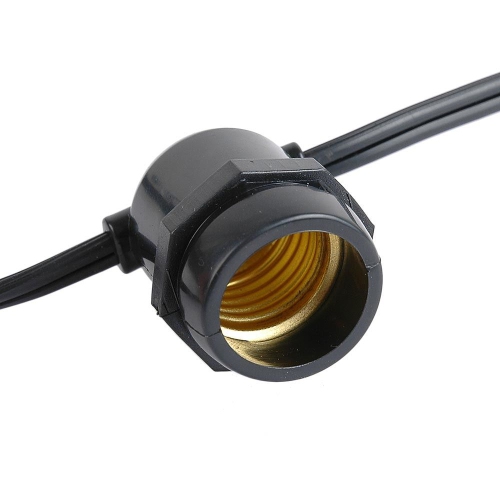
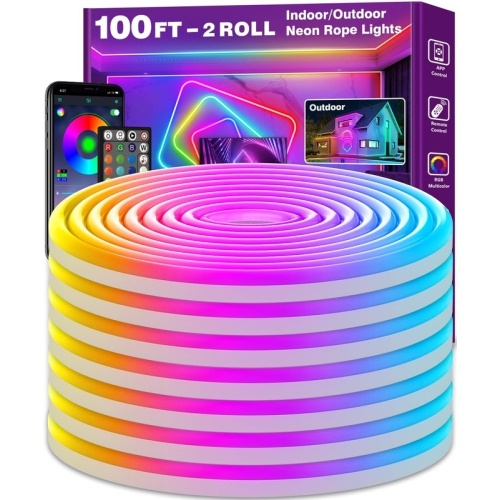
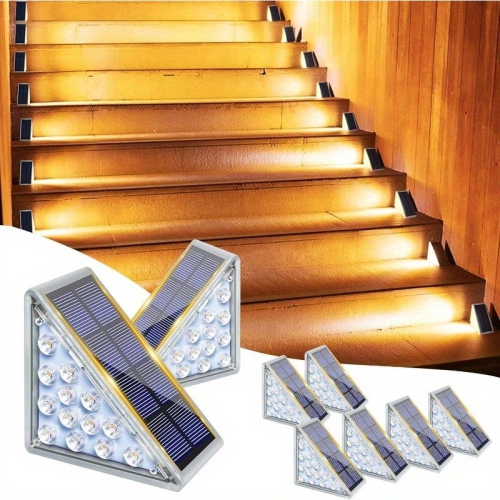
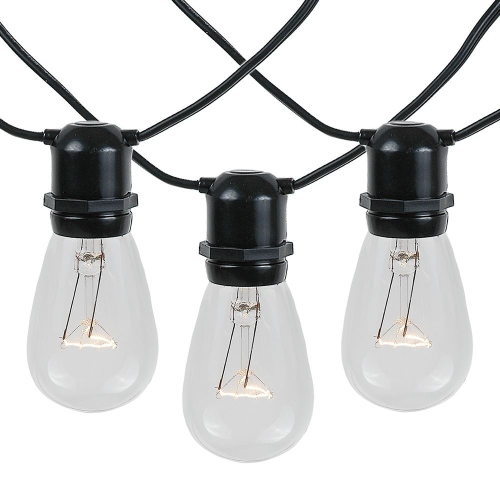
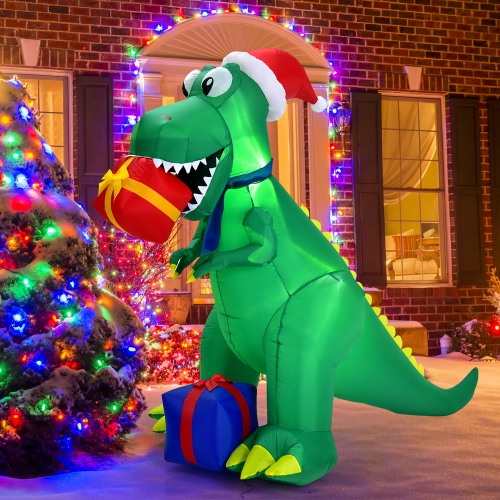
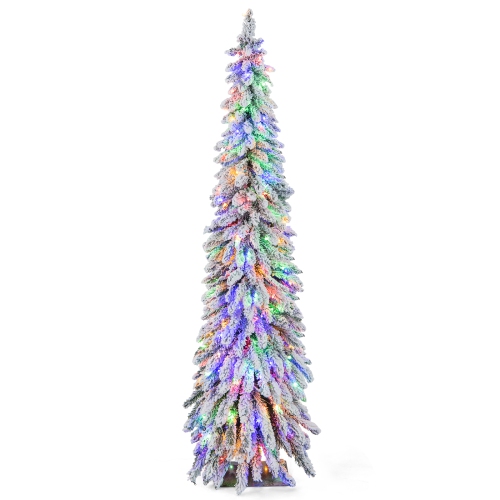
Lighting gives outdoor holiday displays much of their character, and different formats suit different parts of a property. String lights can trace architectural lines or weave through greenery, while net lights create an evenly spaced pattern over suitably sized shrubs. Stake-mounted accents define the edge of a path, and illuminated figures establish a focal point on a lawn or beside a porch. Decorative lighting adds atmosphere but should not replace lighting needed to see steps, changes in level, or icy surfaces. LED lighting is common in seasonal displays, with options ranging from a steady glow to colour changes and animated effects. A steady setting often suits entrances and seating areas, while more active effects can work in a separate yard display where they will not shine directly into a neighbour's windows. Consistent colour temperature helps different lighting elements look intentional, especially when they sit close together. Power arrangements affect placement: corded decorations need suitable outdoor electrical connections, battery-operated accents need accessible compartments, and solar-powered lighting depends on daylight exposure and may offer shorter illumination during darker weather. Outdoor-rated cords and accessories, GFCI-protected outlets, and adherence to connection limits are important considerations for powered displays. Cables should stay clear of walkways, door openings, and snow-clearing routes, with connections positioned and protected according to the manufacturer's directions. Everyday care is usually straightforward but varies by material. Loose debris can often be removed gently, while cleaning methods for fabrics, foliage, and electrical components should follow their individual care instructions. Damaged wiring, cracked housings, or unstable supports are reasons to stop using a decoration until it can be safely repaired or replaced. At the end of the season, thoroughly dry pieces are easier to pack away without trapped moisture, and separate storage for delicate finishes helps prevent scuffs. Labelled light strands, loosely coiled cords, and wreath storage that preserves the shape can make the next setup simpler. For a housewarming or host gift, a compact outdoor-rated accent in the recipient's preferred colours can be a thoughtful choice, especially when it fits their entrance and does not require elaborate installation.
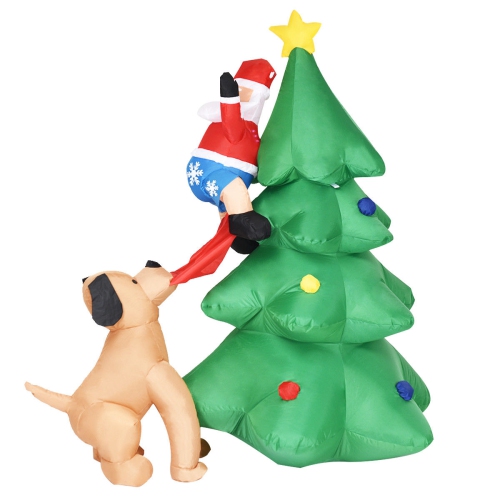
Materials and outdoor suitability influence how seasonal decorations look and hold up through Canadian weather. Artificial greenery commonly uses moulded plastic needles, cut synthetic foliage, or a combination of the two, with differences in texture, fullness, and flexibility. A flexible garland can follow a railing or curve around an entrance, while a more structured wreath maintains a defined shape against a door. Outdoor-rated ribbons and fabrics are better suited to exposed displays than accents intended only for indoor use, although a covered porch can still be subject to windblown rain and snow. Metal frames provide structure for illuminated shapes, and protective finishes help limit corrosion; scratches, joints, and fastening points still deserve attention during seasonal checks. Plastic components vary in their tolerance for cold and sunlight, making the manufacturer's stated temperature range and intended placement more useful than appearance alone. Wood accents add warmth and texture, but their finish and construction determine whether they belong under shelter or can tolerate direct exposure. Fit involves more than the dimensions of the decoration itself. Door-mounted accents need enough clearance for the door to open fully, and hanging hardware should suit the surface without interfering with seals or locks. Railings, steps, and landings need to remain usable when greenery or lighting is attached. For a lawn display, the footprint includes support stakes, tethers, cords, and any clearance required for moving fabric or an inflatable form. Ground conditions matter too: anchoring methods that work in soft soil may not be suitable once the ground is frozen, and balcony installations require secure mounting appropriate to the building's rules. Sheltered placement can reduce exposure, but it does not turn an indoor decoration into an outdoor one. Outdoor ratings, fastening instructions, and care information provide the clearest indication of intended use. Weight also deserves consideration, particularly for hanging displays and arrangements near a frequently used entrance. A decoration should stay stable without relying on a fragile branch, loose railing, or door fitting that was not designed to support it.
Lighting gives outdoor holiday displays much of their character, and different formats suit different parts of a property. String lights can trace architectural lines or weave through greenery, while net lights create an evenly spaced pattern over suitably sized shrubs. Stake-mounted accents define the edge of a path, and illuminated figures establish a focal point on a lawn or beside a porch. Decorative lighting adds atmosphere but should not replace lighting needed to see steps, changes in level, or icy surfaces. LED lighting is common in seasonal displays, with options ranging from a steady glow to colour changes and animated effects. A steady setting often suits entrances and seating areas, while more active effects can work in a separate yard display where they will not shine directly into a neighbour's windows. Consistent colour temperature helps different lighting elements look intentional, especially when they sit close together. Power arrangements affect placement: corded decorations need suitable outdoor electrical connections, battery-operated accents need accessible compartments, and solar-powered lighting depends on daylight exposure and may offer shorter illumination during darker weather. Outdoor-rated cords and accessories, GFCI-protected outlets, and adherence to connection limits are important considerations for powered displays. Cables should stay clear of walkways, door openings, and snow-clearing routes, with connections positioned and protected according to the manufacturer's directions. Everyday care is usually straightforward but varies by material. Loose debris can often be removed gently, while cleaning methods for fabrics, foliage, and electrical components should follow their individual care instructions. Damaged wiring, cracked housings, or unstable supports are reasons to stop using a decoration until it can be safely repaired or replaced. At the end of the season, thoroughly dry pieces are easier to pack away without trapped moisture, and separate storage for delicate finishes helps prevent scuffs. Labelled light strands, loosely coiled cords, and wreath storage that preserves the shape can make the next setup simpler. For a housewarming or host gift, a compact outdoor-rated accent in the recipient's preferred colours can be a thoughtful choice, especially when it fits their entrance and does not require elaborate installation.
Top selling and popular products
-
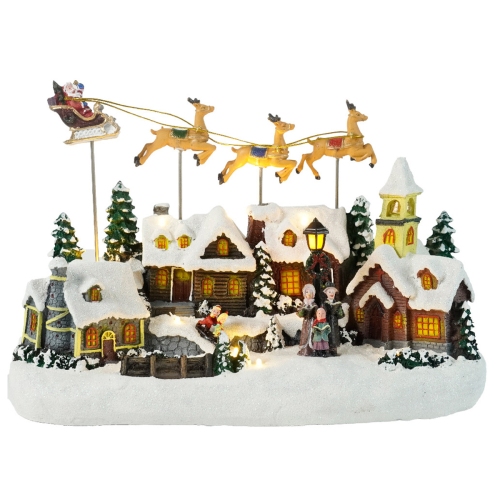
 Your price for this item is $49.99
 -
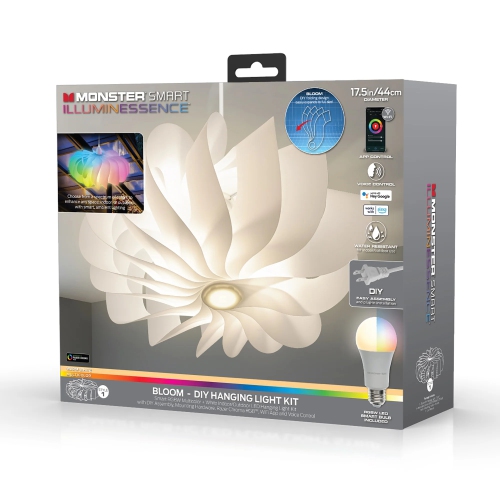
 Your price for this item is $274.99
 -
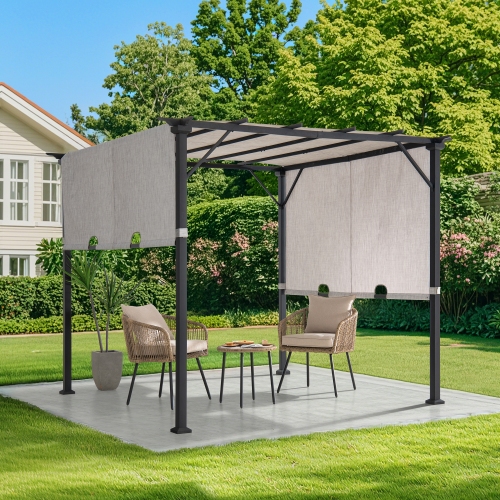
 Your price for this item is $48.2
 -
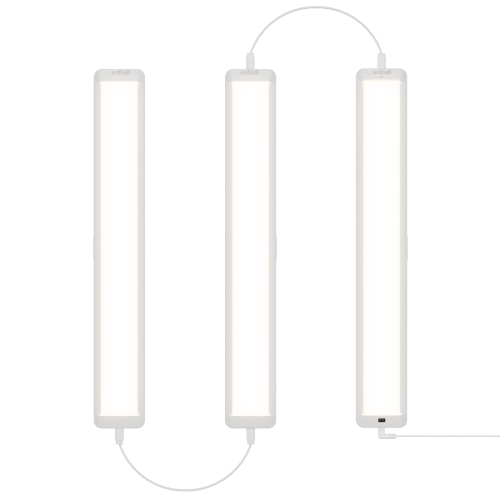 Your price for this item is $89.99
 -
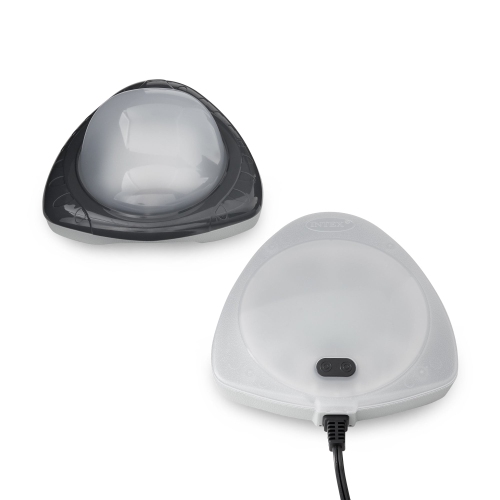 Your price for this item is $89.99
 -
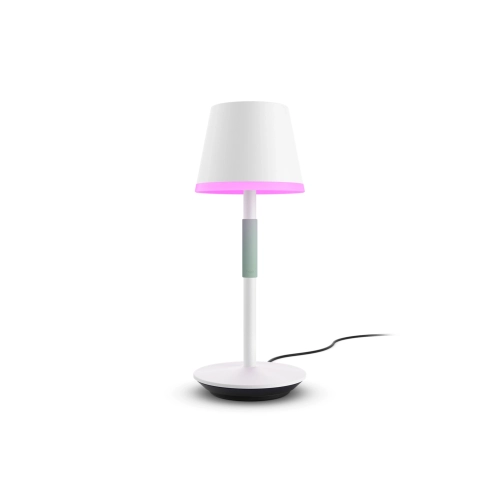 Your price for this item is $229.99
 -
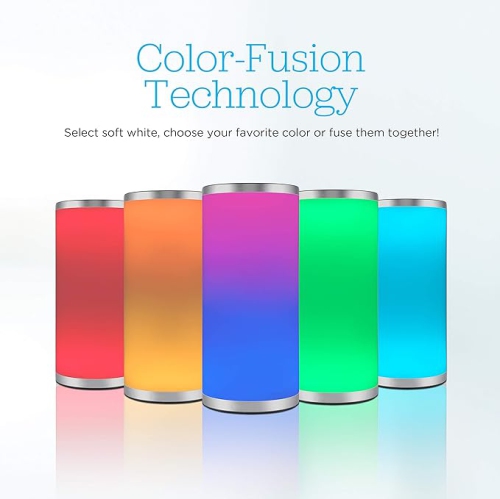 Your price for this item is $26.99
 -
 Your price for this item is $346.3
Discover more categories related to Outdoor Holiday Decor Ideas
Top Collections:
Pokemon Centers, Budget 4K TVs, Best Budget Office Chairs, Kindle Devices, Canon G7X Cameras, Apple iPhones 16, iPhone 15 Apple, Laptops for Business Work, Xiaomi Phones, Flip Phones
Some products may be subject to Environmental Handling Fees
(EHF) depending on your province.
Learn more about EHFs.