Outdoor Lawn Chairs
When it's time to soak up the sun or enjoy a breath of fresh air in your outdoor oasis, having the perfect lawn chair can make all the difference. Whether you're looking for a cozy spot to curl up with a book, host a backyard barbecue, or simply unwind after a long day, our selection of outdoor lawn chairs offers comfort, style, and durability to elevate your outdoor lounging experience. From classic folding chairs to sleek and modern designs, find the ideal seating option to suit your outdoor space and lifestyle needs. Explore our range of outdoor lawn chairs that combine functionality with fashion for the ultimate relaxation under the open sky.
Sort

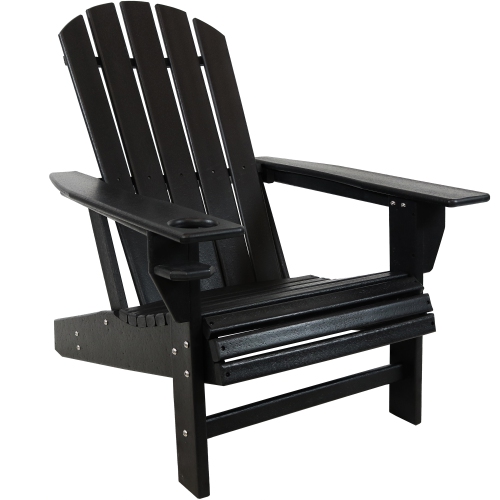
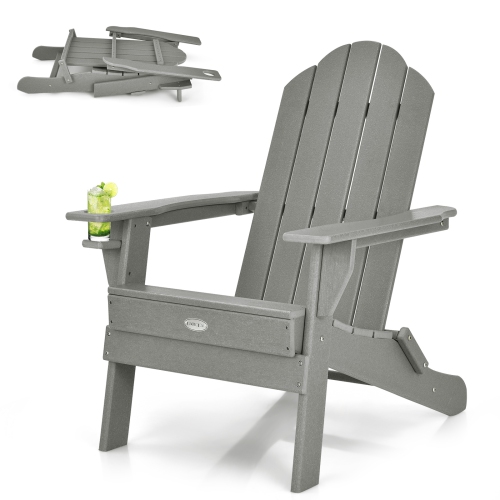

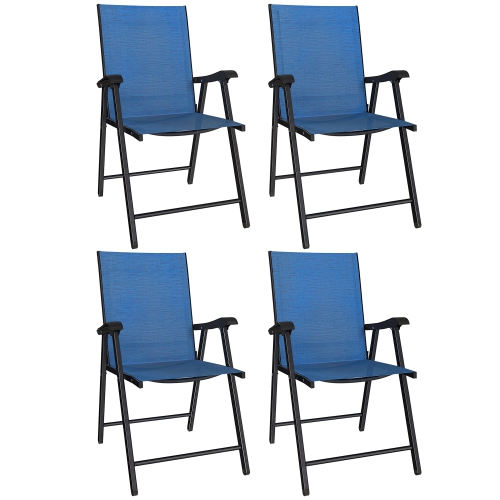
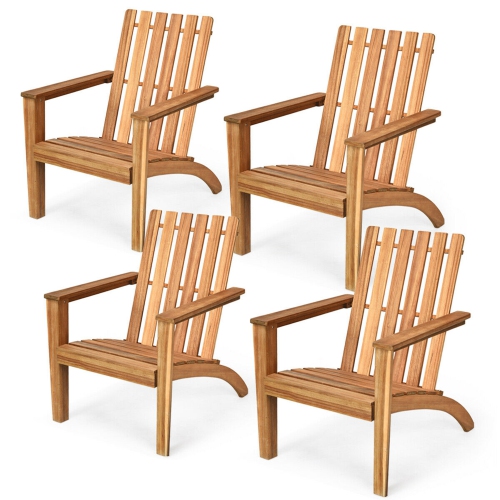
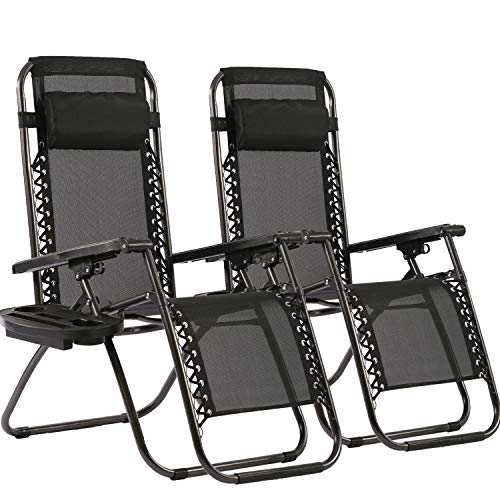
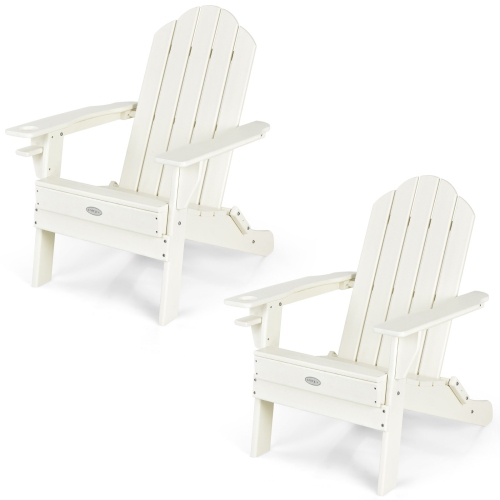
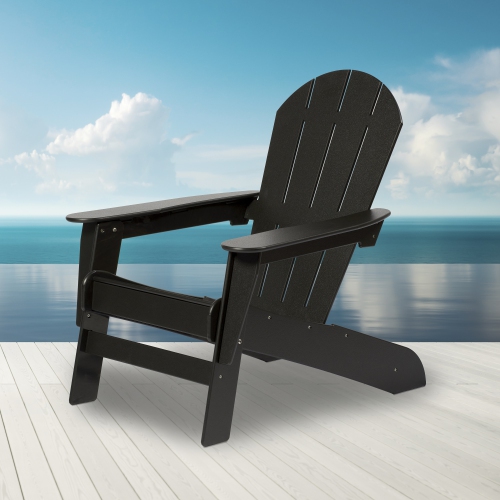
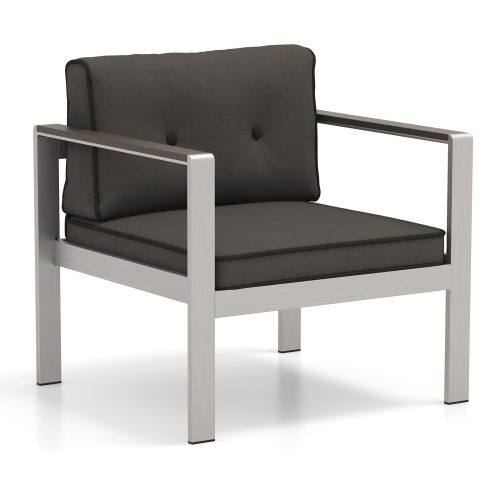
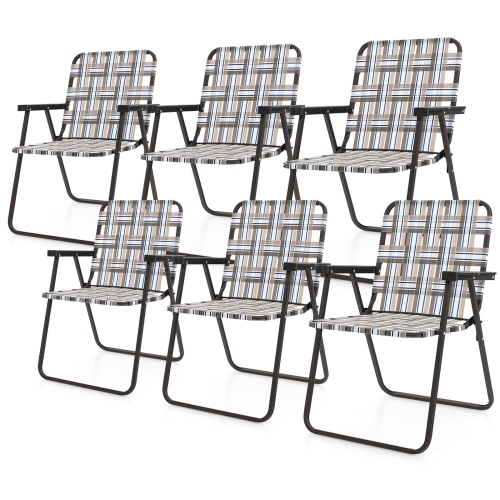
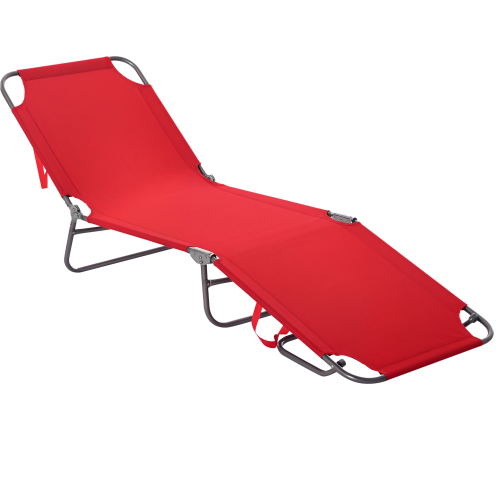
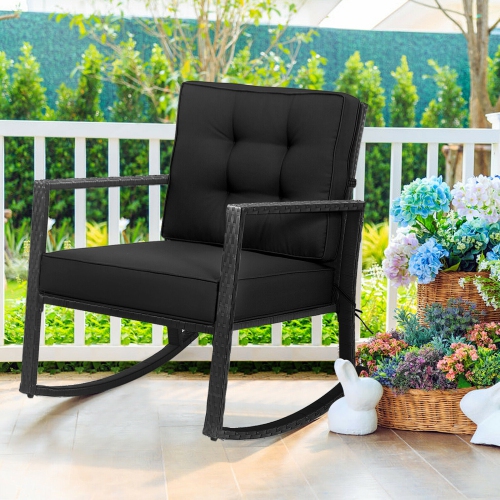
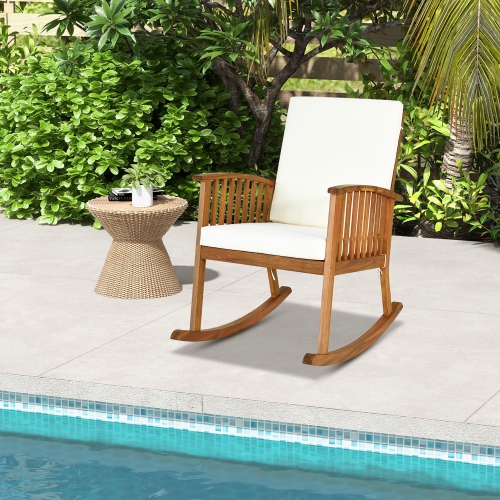
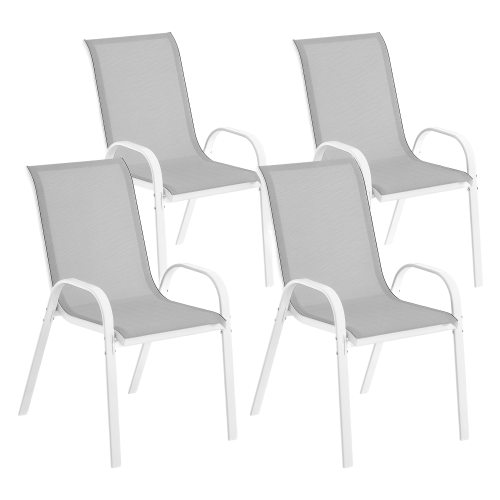
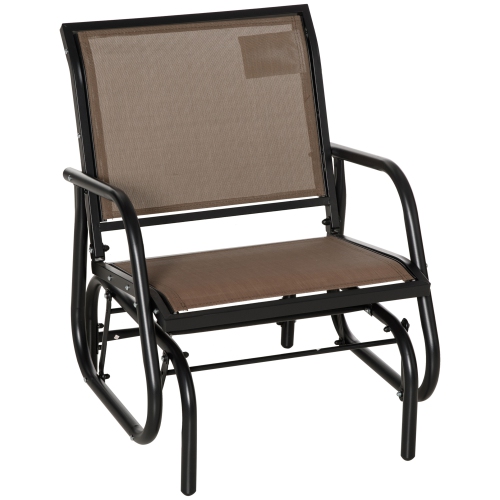
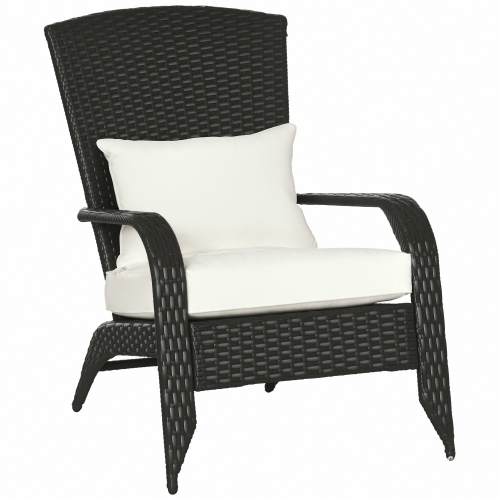
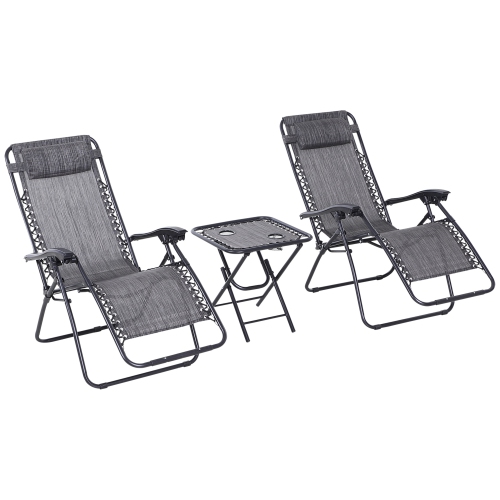
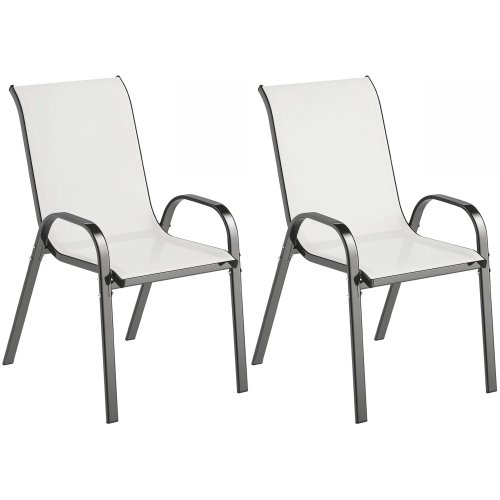
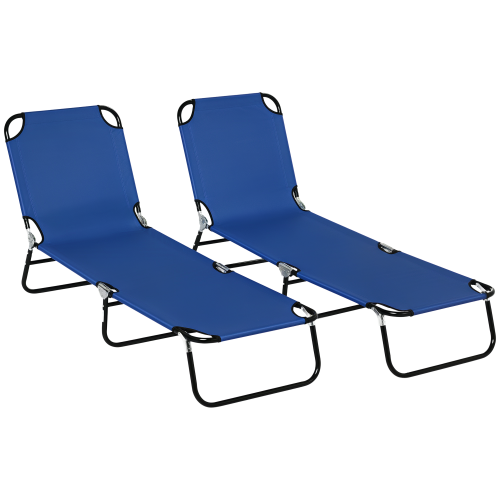
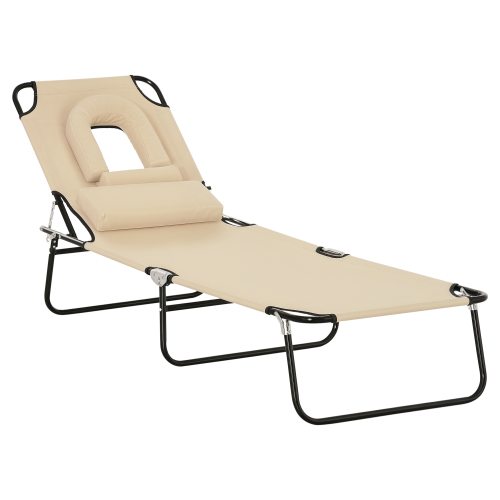
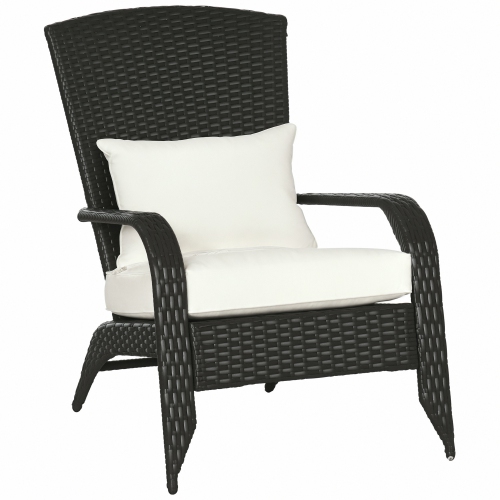
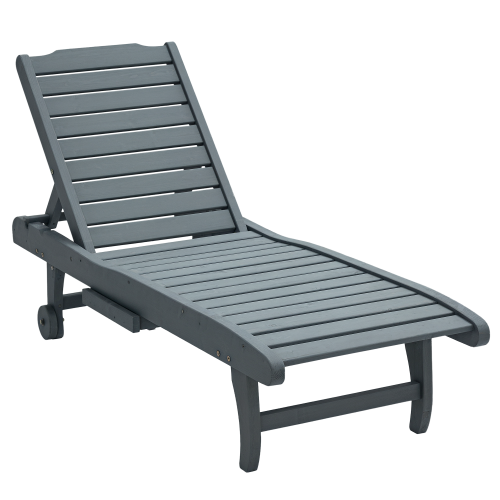
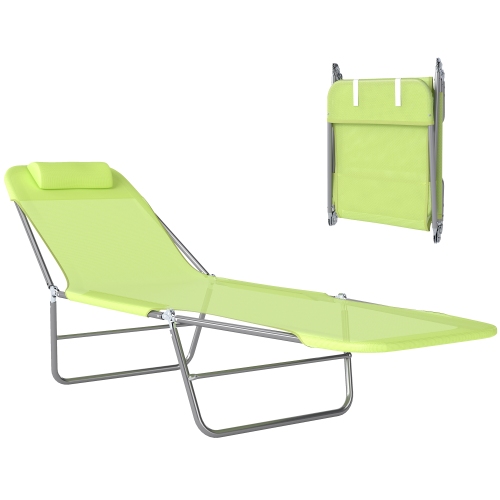
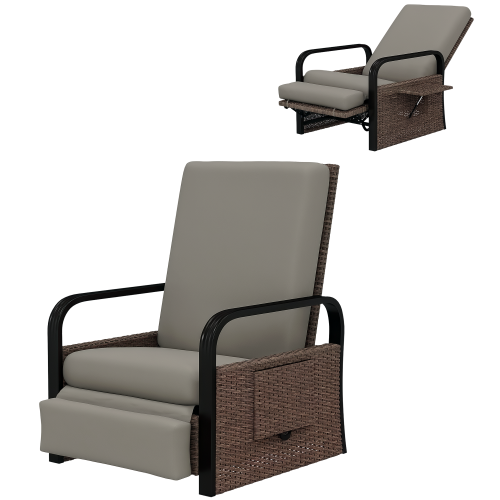
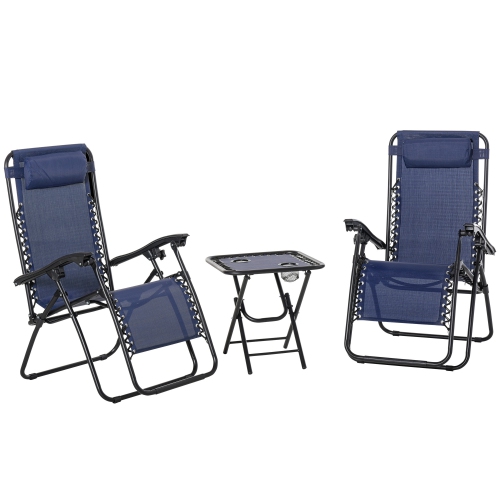
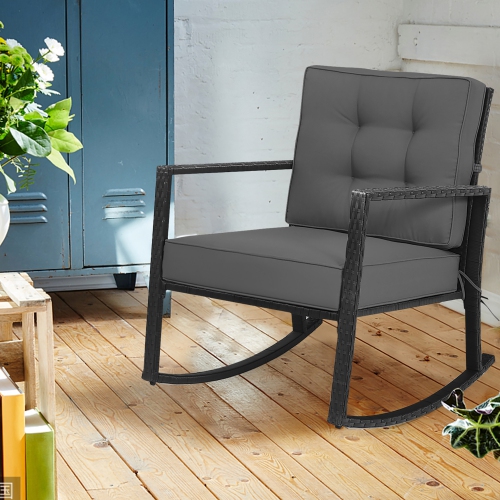
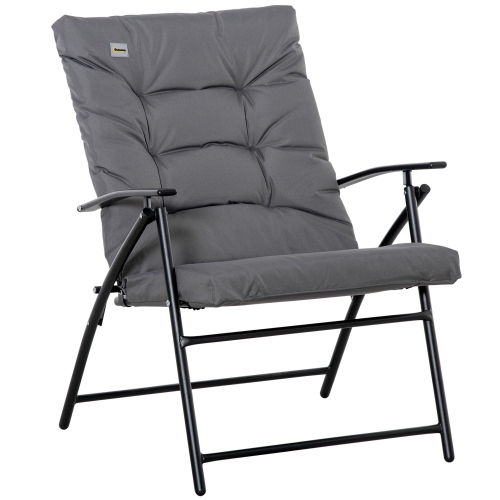
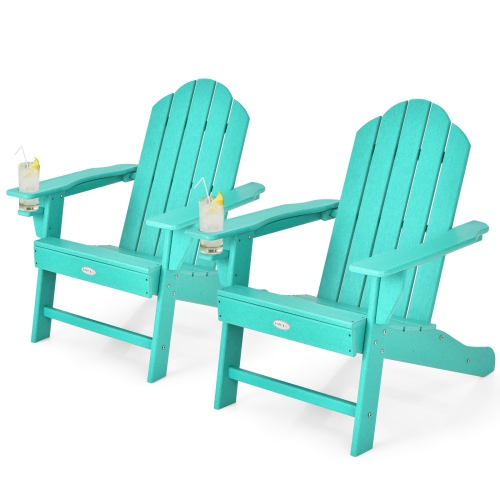
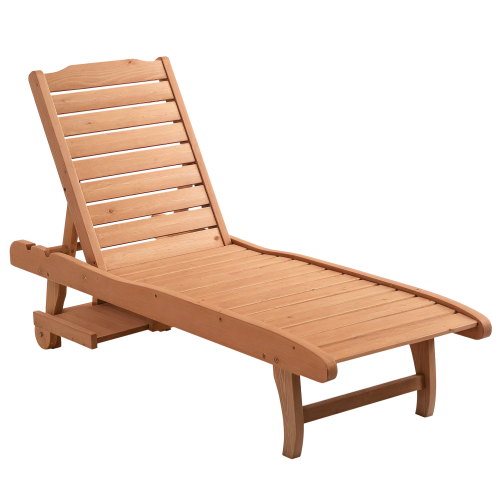
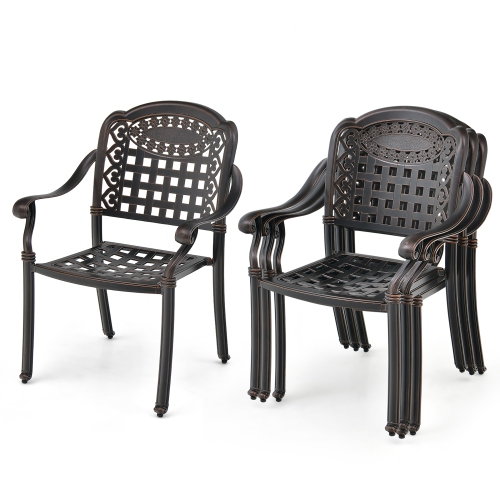
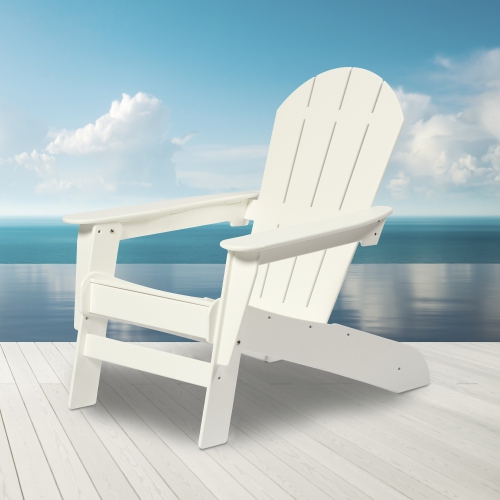
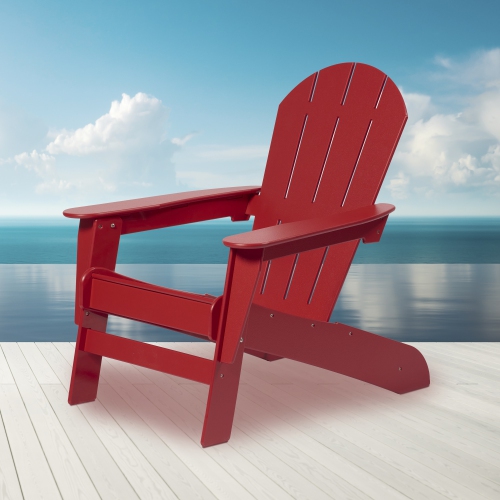
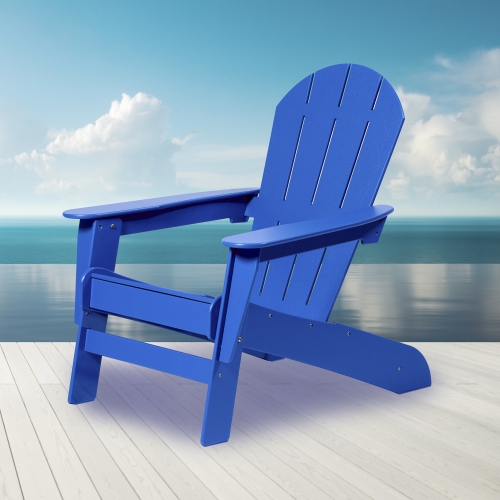
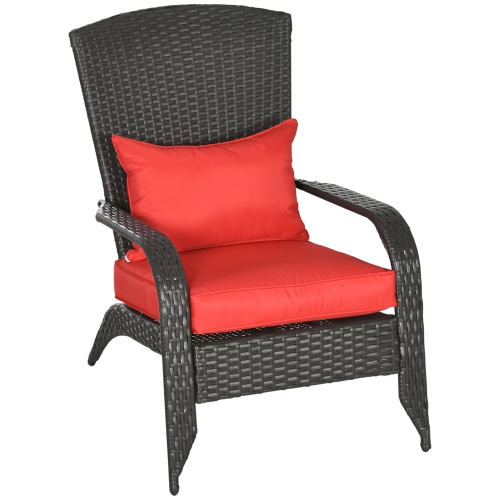
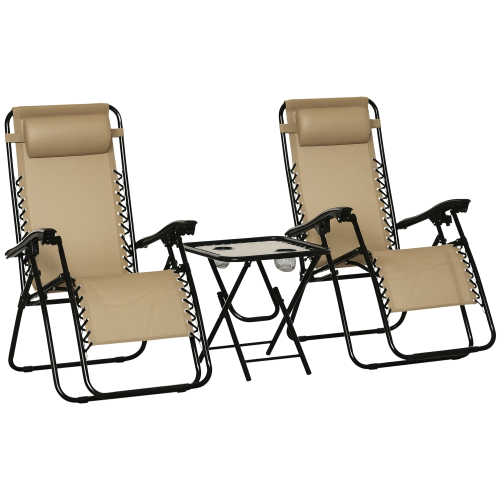
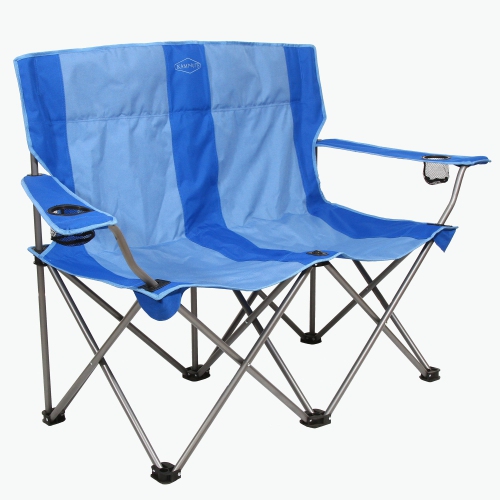
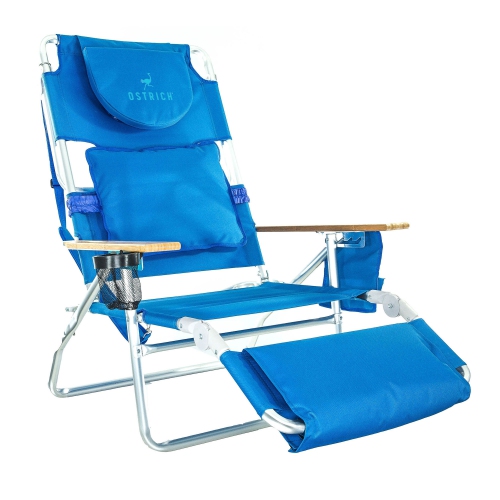
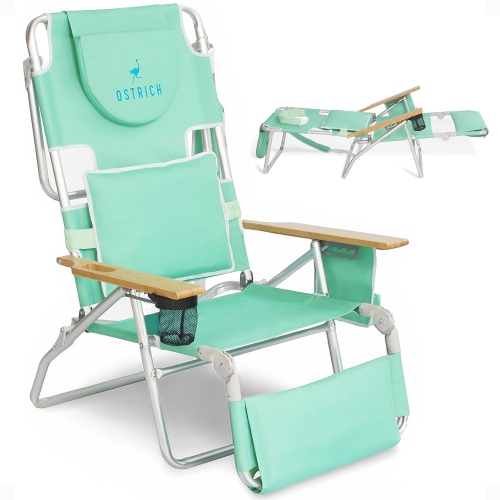
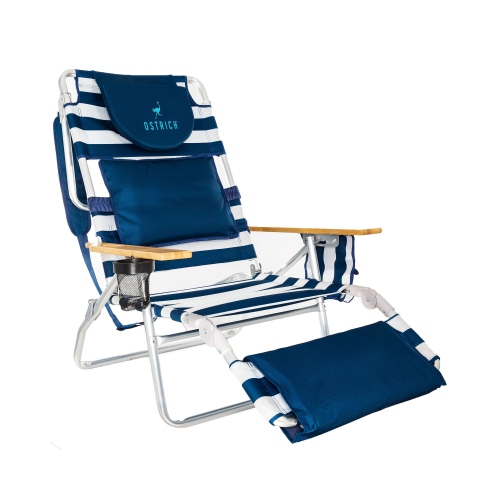
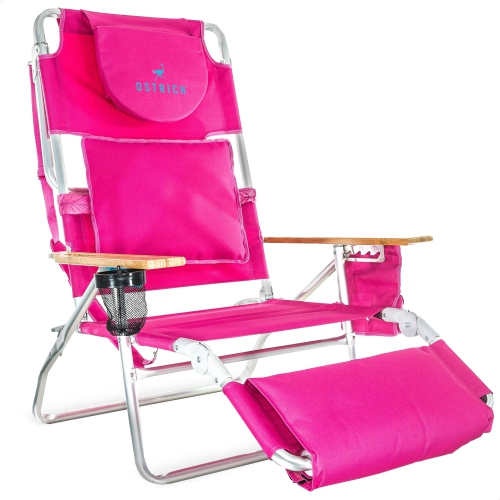
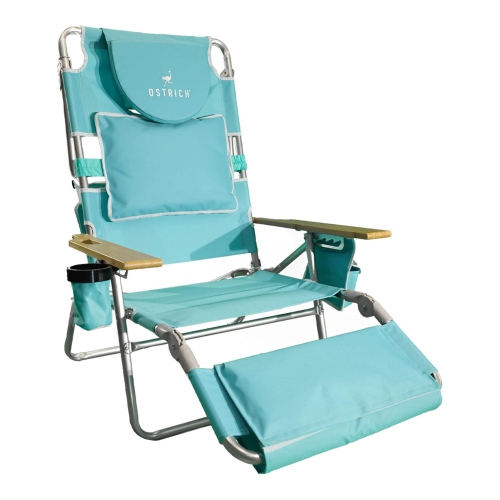
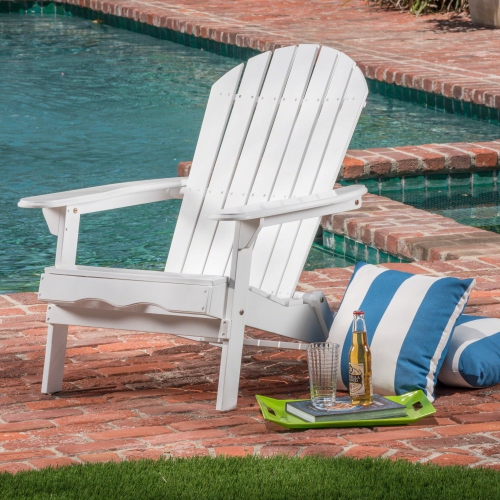
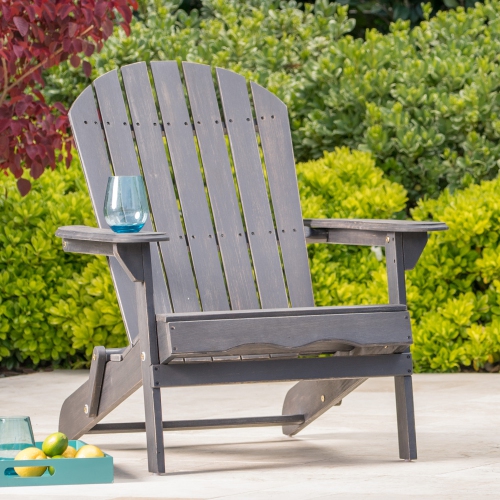
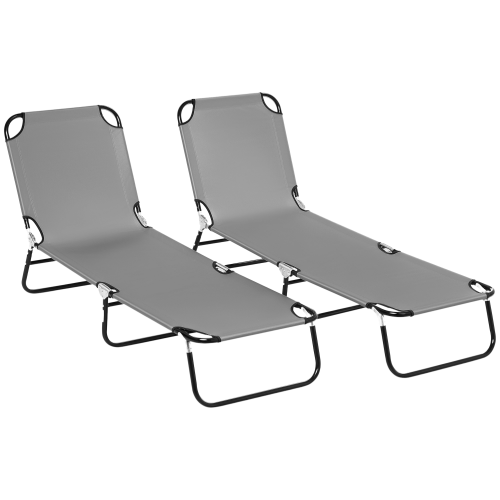
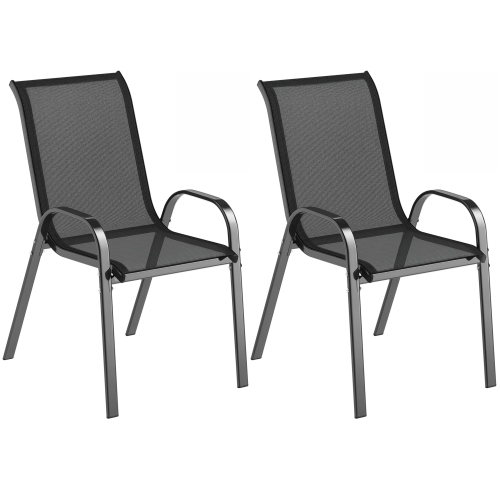
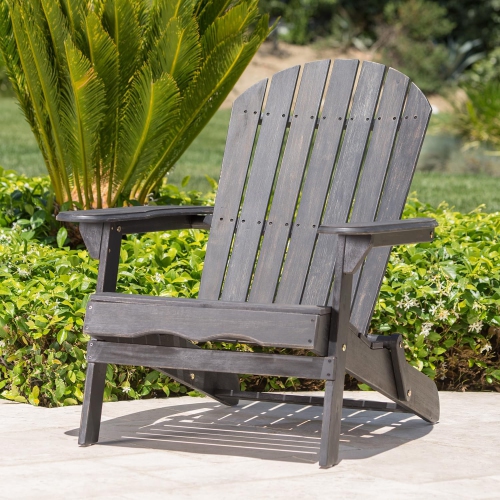
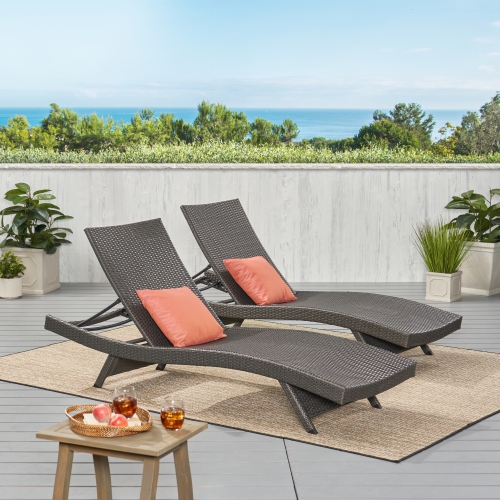
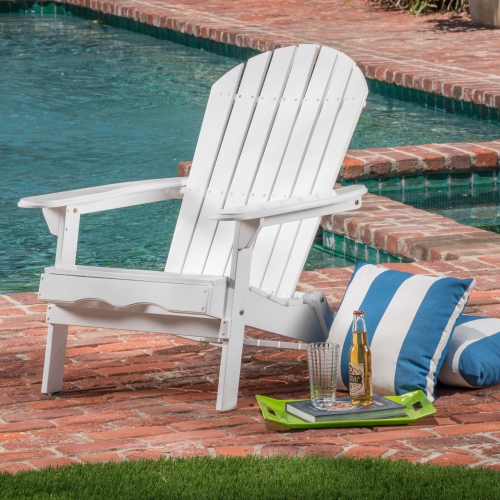
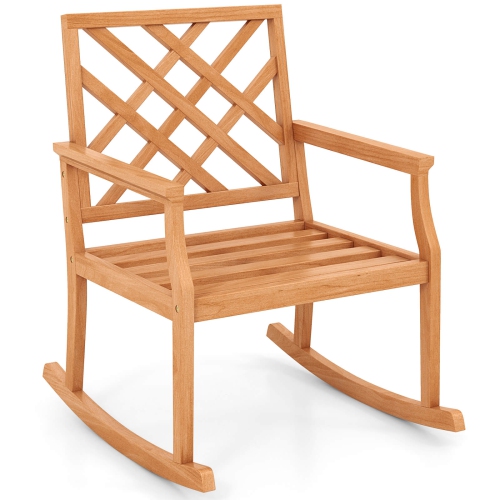
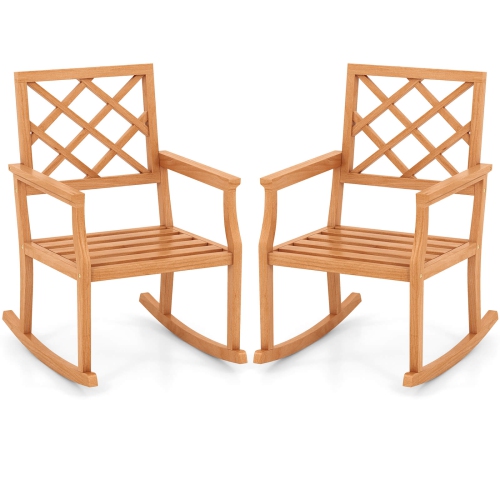
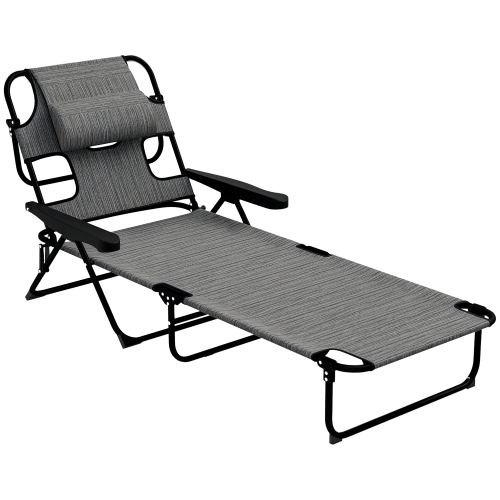
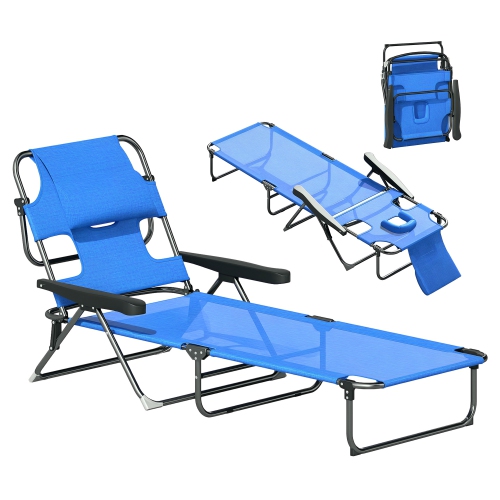
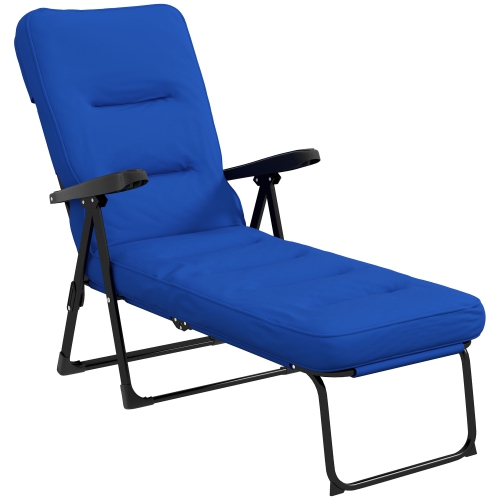
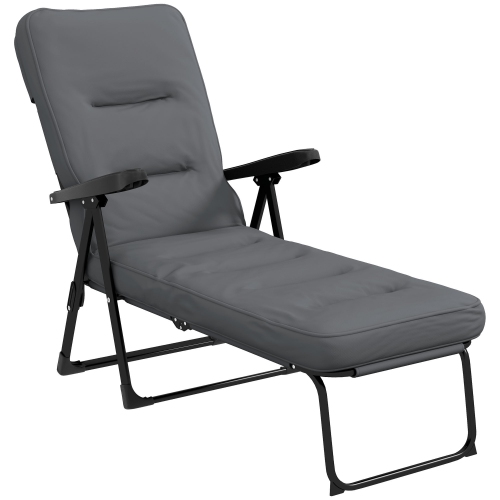
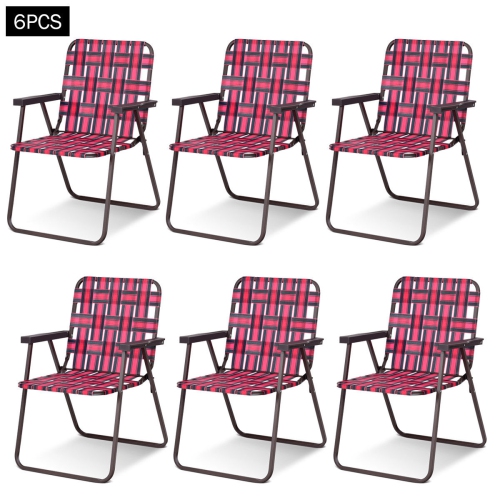
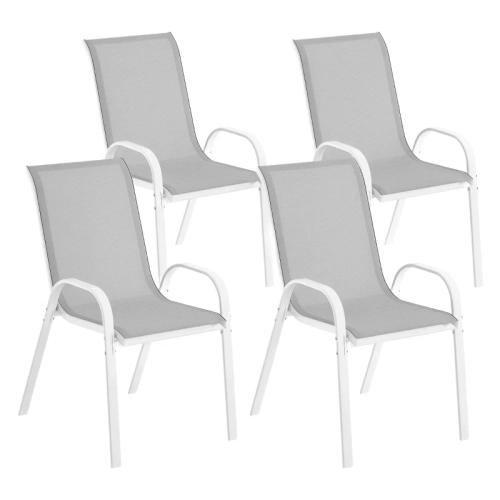
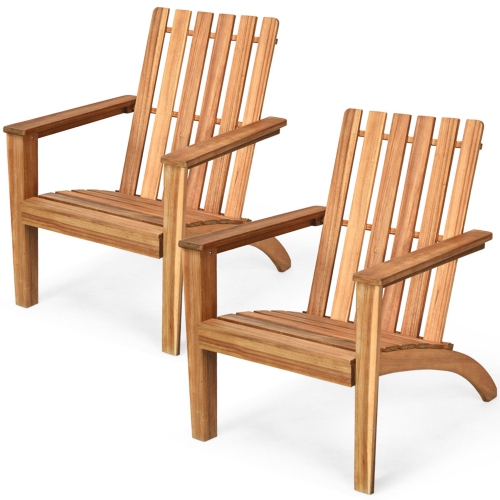
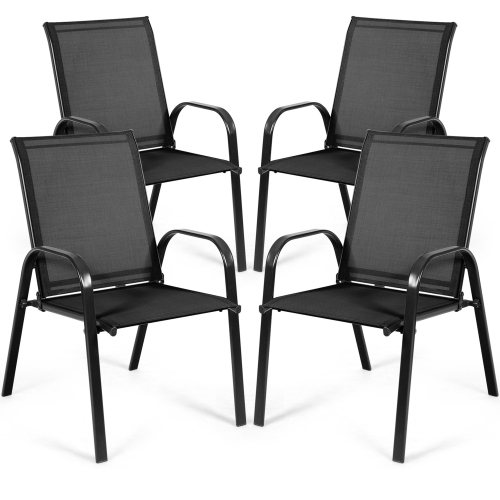
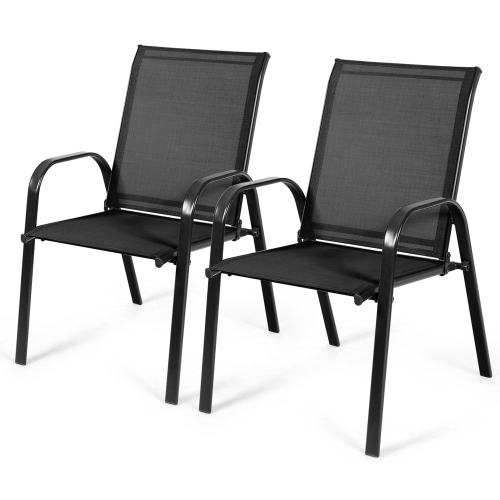
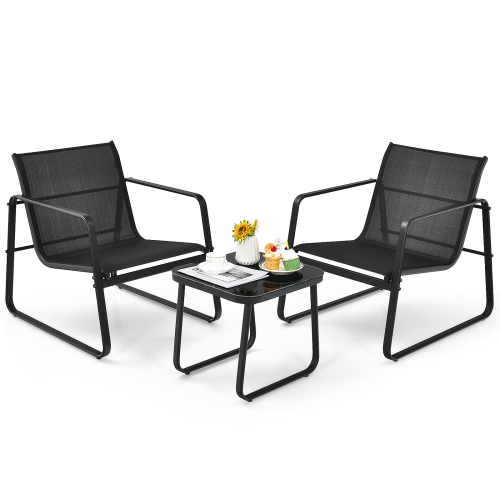
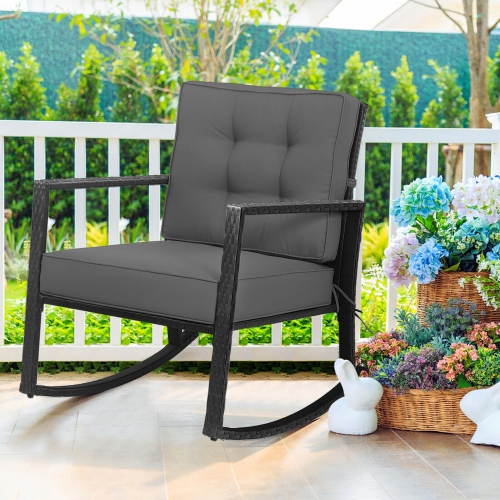
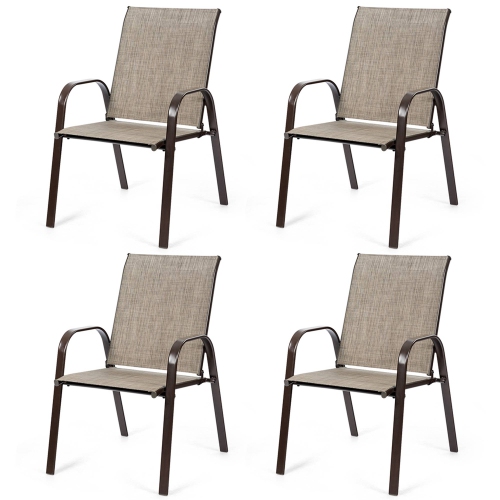
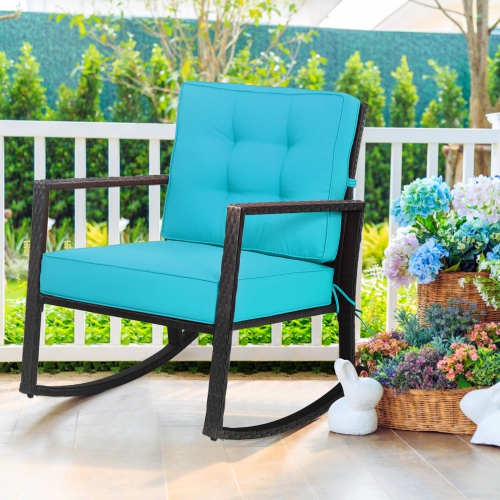

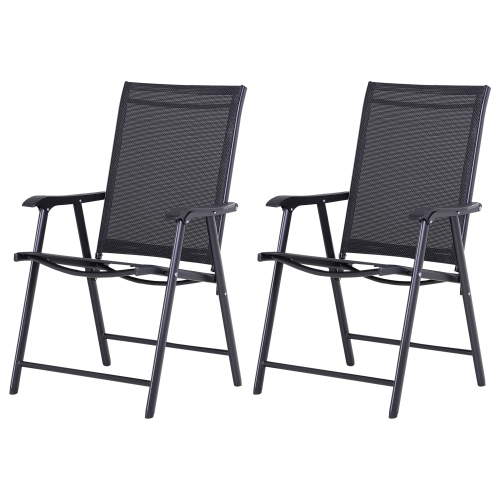
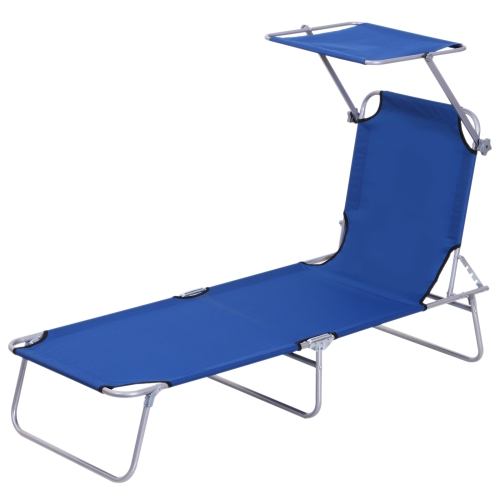
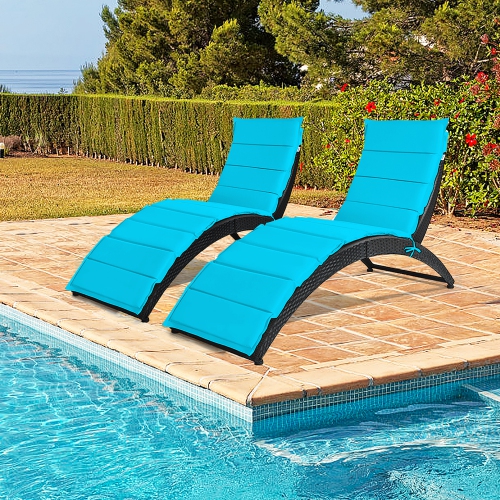
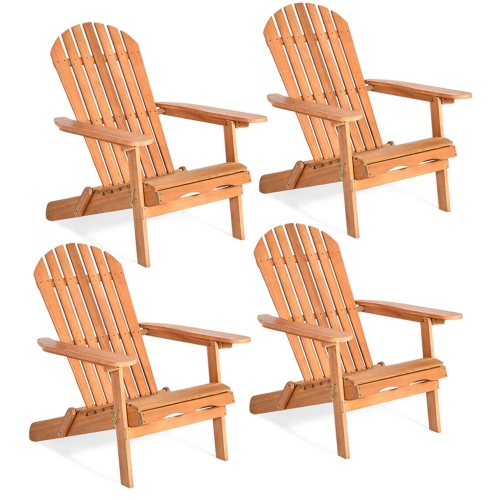
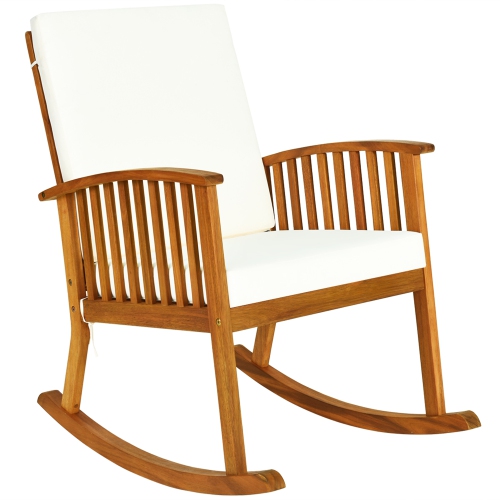
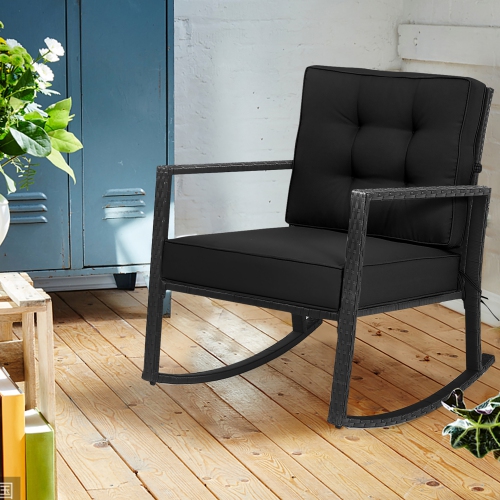
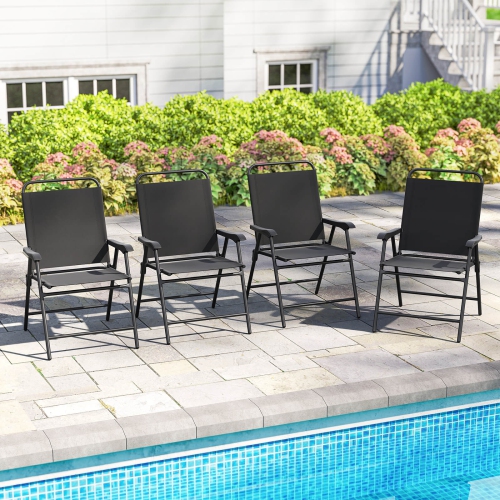
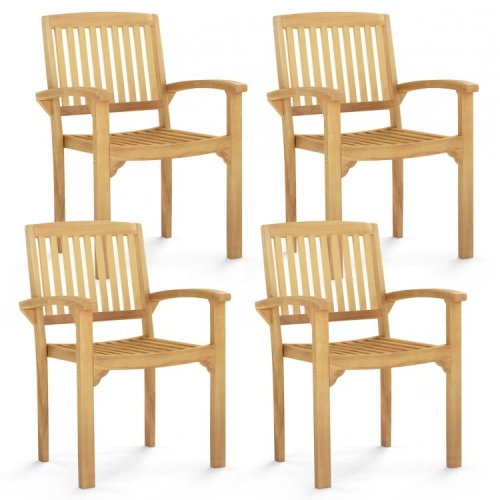
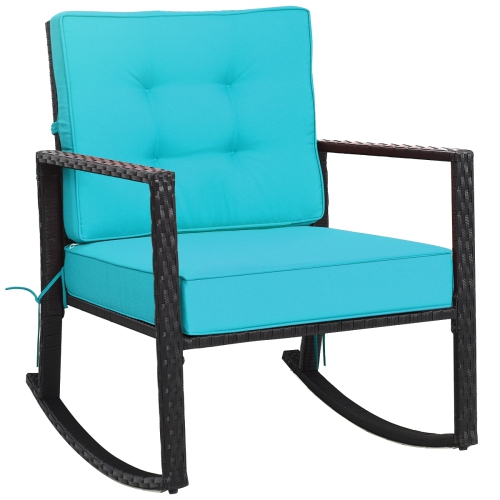
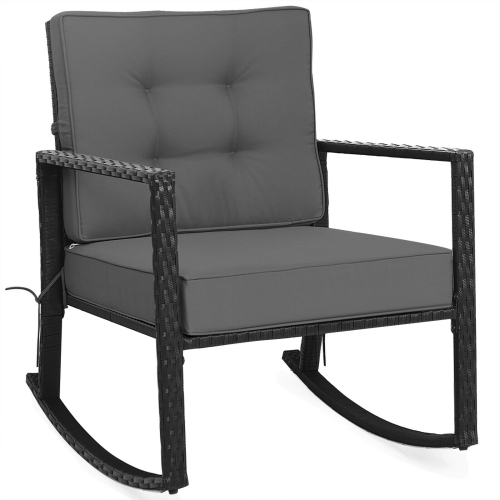
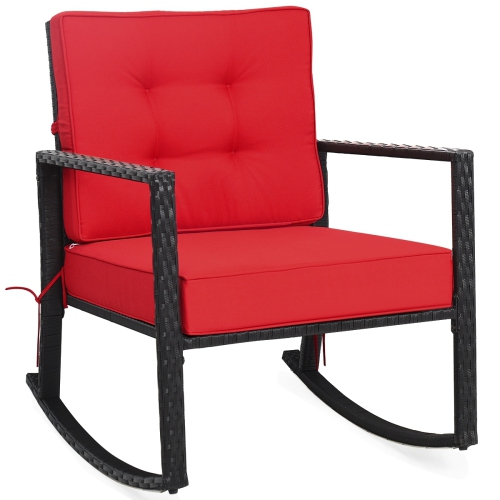
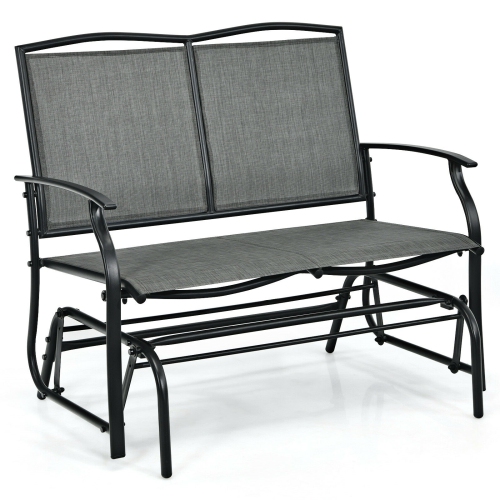
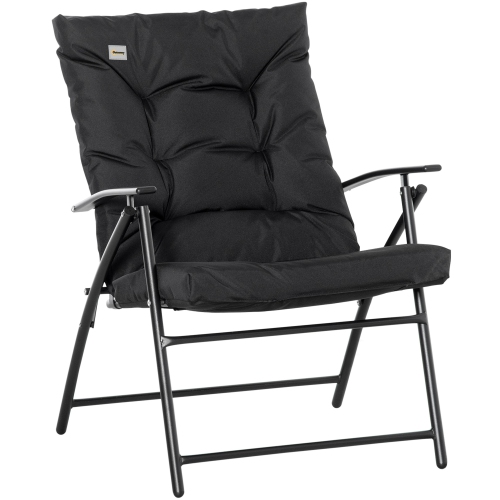
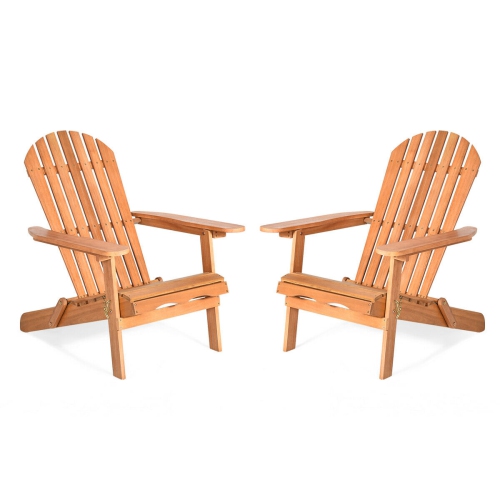
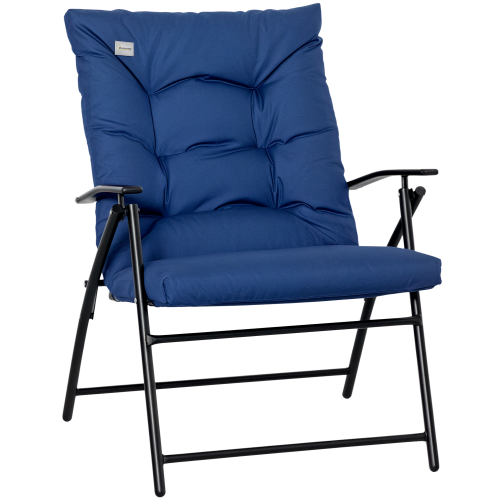

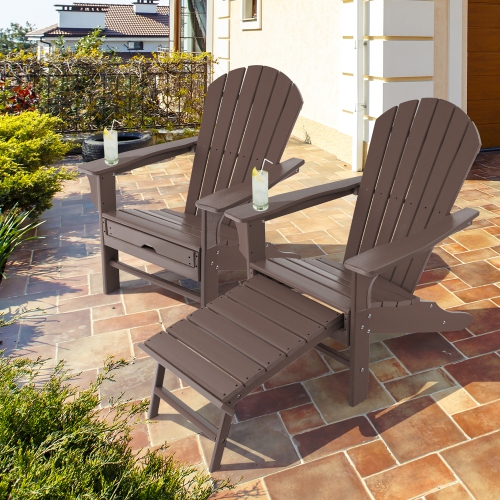

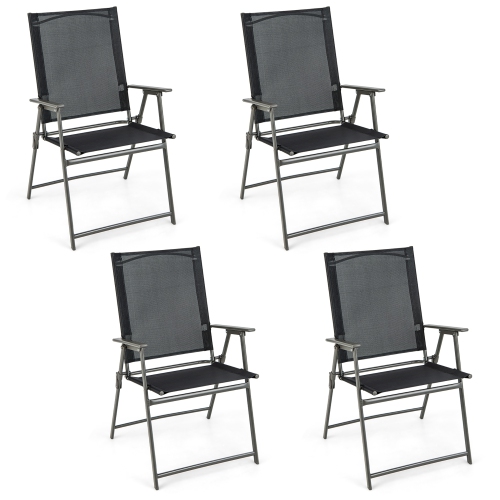
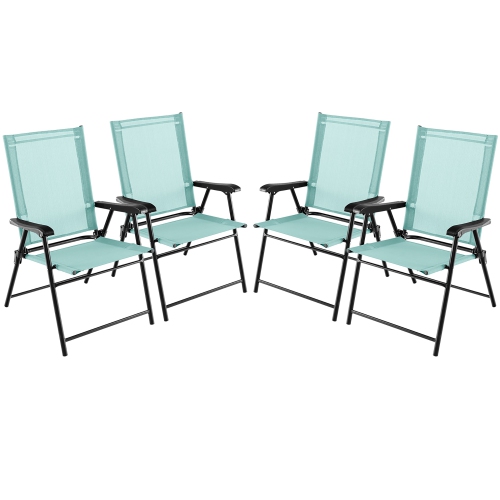
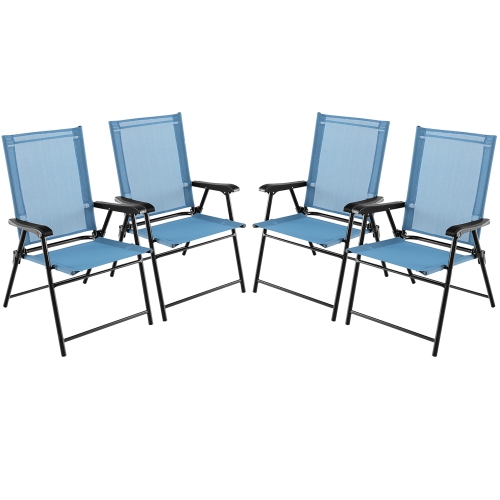
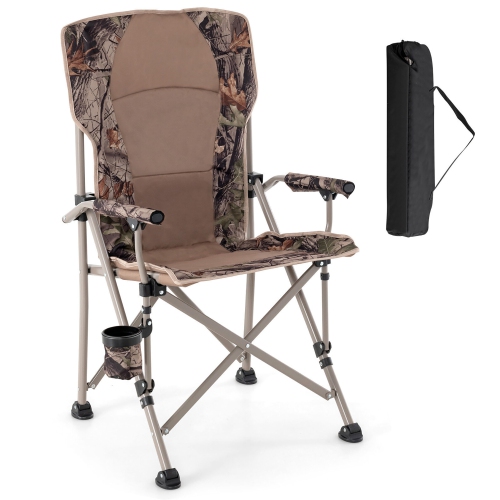
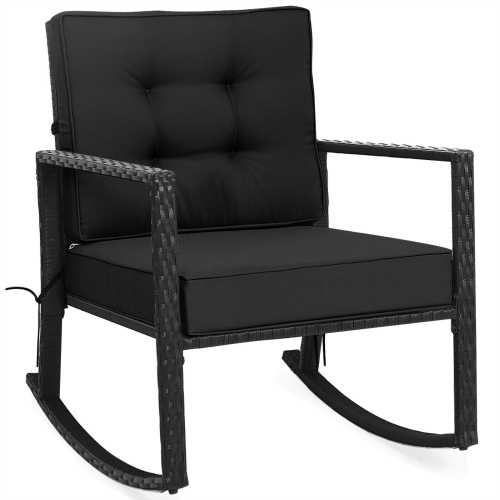
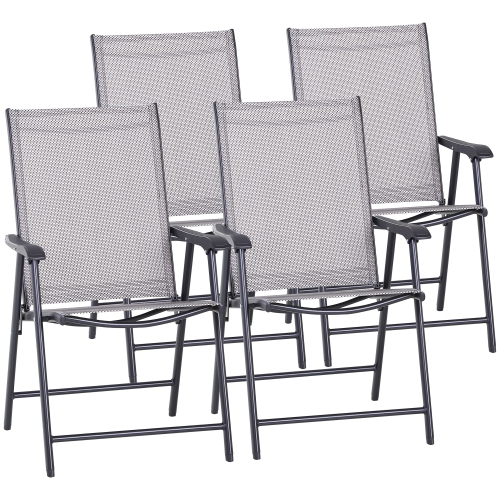
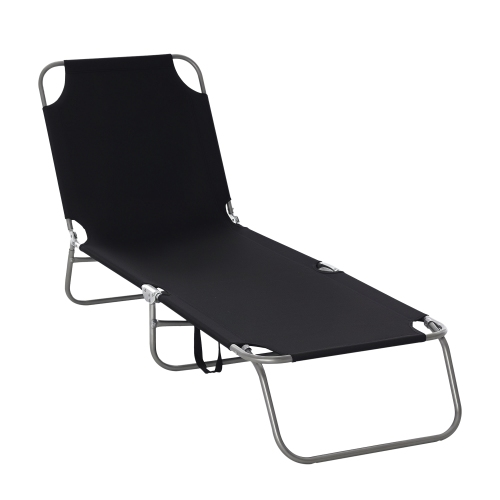
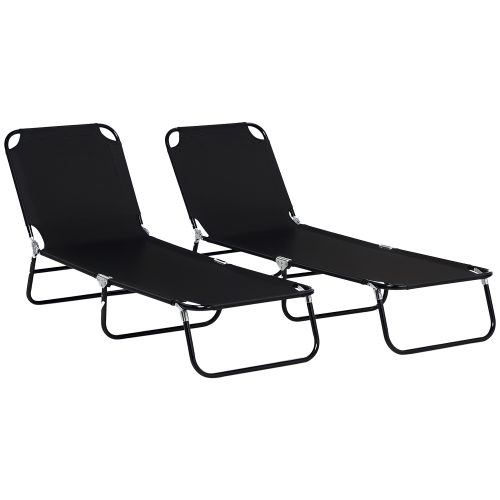
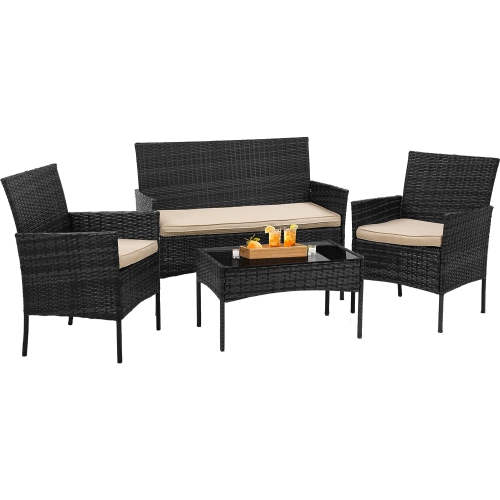
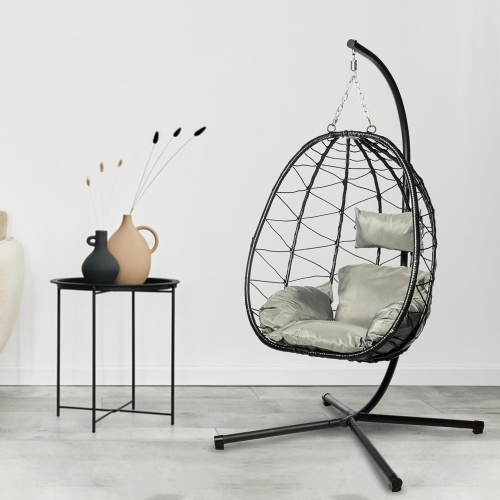
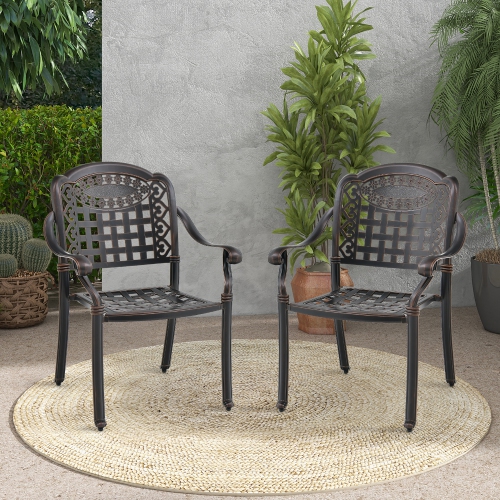

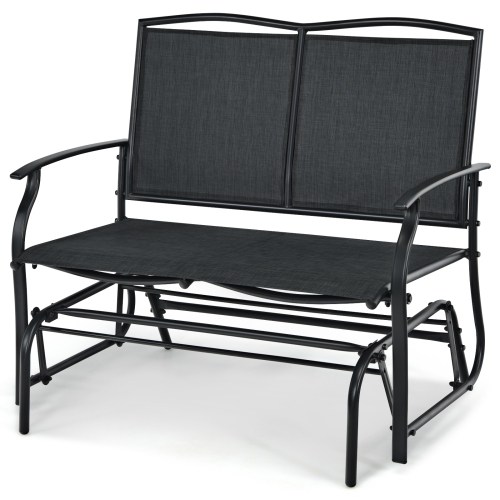
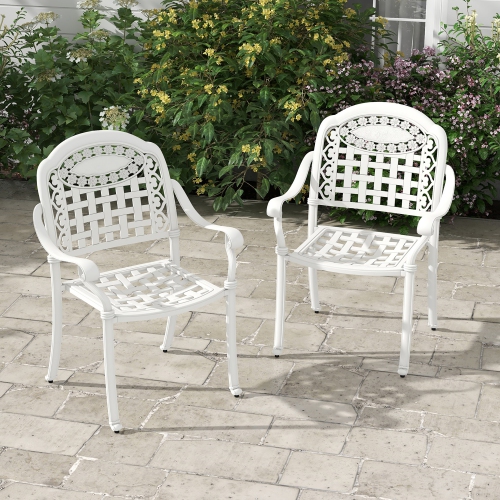
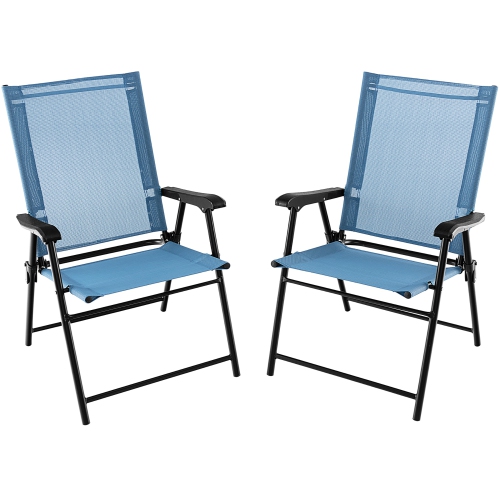
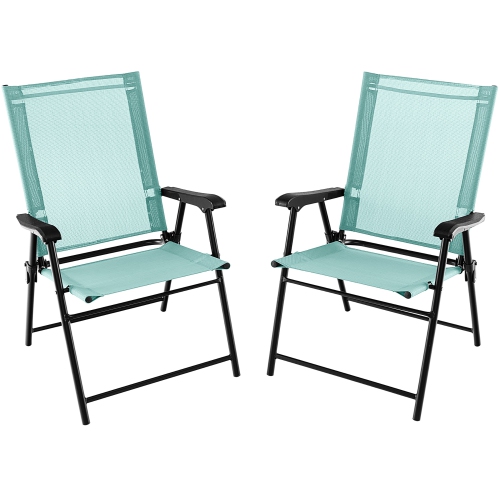
Comfortable seating for patio coffee and garden conversations
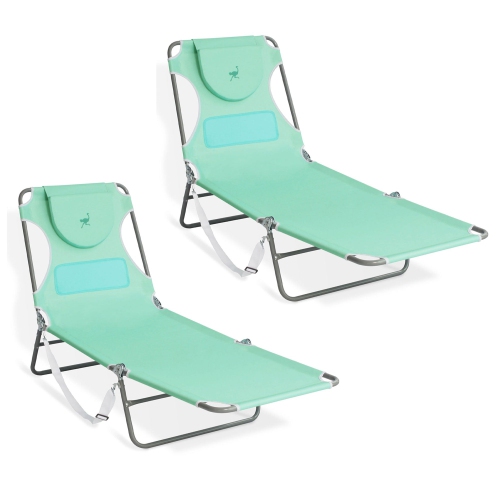
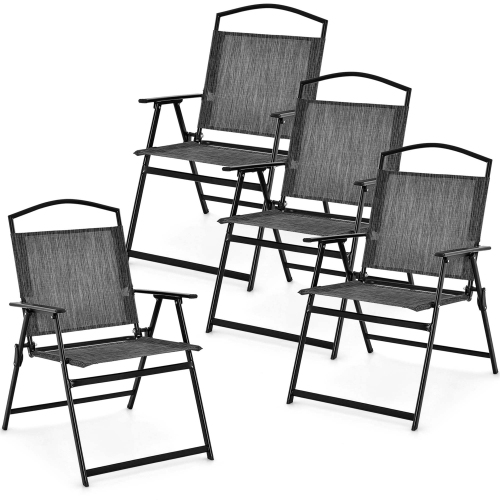
Outdoor lawn chairs make room for the everyday pleasures of spending time outside: a quiet cup of coffee on the patio, a conversation beside the garden, or a comfortable seat while children play in the yard. The category spans upright chairs for casual gatherings, low seats for stretching out close to the grass, and reclining designs that invite a longer break. The most useful shape depends on how the chair will become part of the space. An upright back and supportive armrests suit someone who likes to read, chat, or get up frequently, while a deeper seat and angled back encourage a more relaxed posture. Around a small patio table, chairs need enough clearance for elbows and room to move without catching neighbouring furniture. On a lawn, the base matters just as much as the silhouette: narrow feet can settle into soft ground, while broader contact points may distribute weight more evenly. A level, stable surface is important regardless of the design. For balconies and compact decks, the chair’s footprint should leave a clear path to doors, steps, and railings. Folding frames are practical when the same area serves several purposes, such as a place to sit in the afternoon and an open space for children’s activities later. Stackable designs can also make a shared storage corner easier to organize, provided the chairs are made to stack securely. People who want a seat for resting with their legs supported may find outdoor folding lounge chairs a closer match than a conventional upright lawn chair. Portability deserves attention when seating travels beyond the backyard. A manageable carrying weight, a comfortable handle, and a folded shape that fits into a vehicle can make the difference between a chair that regularly comes along and one that stays in storage. Lawn chairs can also be a thoughtful gift for cottage hosts, campers, or someone furnishing a first outdoor sitting area, especially when their preferred seat height and storage space are known.
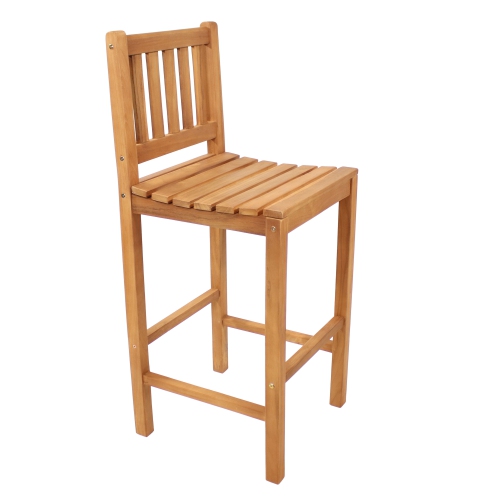
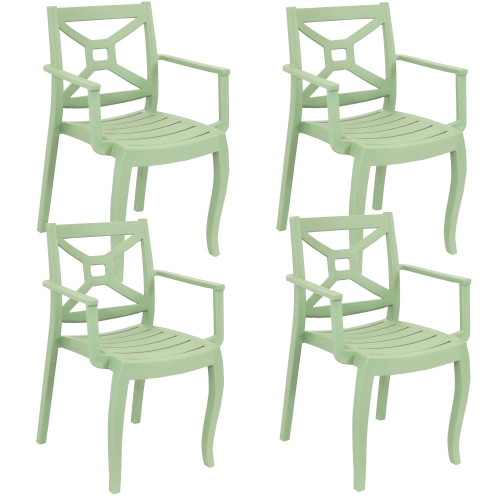
Materials influence how a lawn chair feels, how easily it moves, and how much attention it needs over time. Aluminum frames are often relatively light and resist rust, making them useful for seating that gets carried between a shed and a patio. Steel can provide a substantial feel, though its weight varies by construction, and damaged protective coatings may leave it vulnerable to corrosion. Wood brings visible grain and a warmer surface character, but care requirements differ by species and finish; some designs need periodic cleaning and refinishing to maintain their appearance. Moulded resin seating is generally straightforward to wipe down, although resistance to sunlight and temperature changes depends on the material and construction. Woven resin designs offer a textured look, with durability shaped by the quality of both the weave and the frame underneath. Fabric seats introduce another set of considerations. A taut sling provides support without a separate cushion, while mesh can allow air and water to pass through more readily than a densely padded seat. Cushions add softness, but removable covers, care labels, and a place to keep them dry are worth considering before making them part of an outdoor setup. Water-resistant fabric is not necessarily waterproof, and padding may remain damp after the surface feels dry. Fit is equally important. Seat width should allow a comfortable position without squeezing the hips, and seat depth should support the thighs without pressing firmly behind the knees. A chair that sits very low may appeal to someone who likes to lounge, but it can be awkward for anyone who has difficulty lowering themselves or standing up. Firm armrests and a suitable seat height can help with those movements, although a lawn chair should not be treated as a mobility aid. Published weight limits and dimensions offer a more reliable basis for comparison than appearance alone. For reclining chairs, the adjustment mechanism should be accessible from a seated position, with clearly defined settings and a secure locking arrangement where specified. Extra features such as cup holders, side pockets, and small attached tables are useful when their placement suits the way the chair will be used.
Durability depends on the details that receive repeated stress as well as the main frame material. Hinges, fasteners, stitching, armrest connections, and the points where fabric meets the frame all deserve attention. A chair that is folded and carried often faces different demands from one that stays in a sheltered patio corner. For portable seating, smooth folding action and a secure open position matter more than decorative details, while chairs left outdoors need materials and finishes suited to the exposure described by the manufacturer. Sunlight can fade fabrics and affect some plastics over time; rain can collect in seat folds, and moisture trapped under cushions can encourage mildew. Outdoor-rated construction does not automatically mean a chair is intended to remain outside through snow and freezing conditions. Dry, sheltered storage can reduce unnecessary wear when seating is not being used, especially for cushions and folding mechanisms. Routine care is usually simplest when dirt is removed before it becomes embedded: brush away loose debris, clean with products approved for the material, and let surfaces dry thoroughly before folding or covering them. Harsh cleaners and abrasive pads can damage finishes or fibres, so the care label should take priority over a general cleaning method. Covers should fit without creating pockets where water gathers, and ventilation helps limit trapped moisture. Before setting a chair out for guests, check that feet sit evenly, folding braces are fully engaged, and any adjustable back is secured. Loose hardware, split components, or fraying support fabric should be addressed according to the manufacturer’s guidance before further use. Keep fingers clear of hinges during setup, particularly when children are nearby, and place chairs away from fire pits or other heat sources at an appropriate distance. Thoughtful storage also protects the surrounding space: clean chair feet help keep grit off a deck, and dry cushions are more pleasant to bring indoors. With proportions that suit the people using them and construction suited to their setting, outdoor lawn chairs can turn a spare patch of patio or a quiet corner of the yard into a genuinely comfortable place to spend time.
Materials influence how a lawn chair feels, how easily it moves, and how much attention it needs over time. Aluminum frames are often relatively light and resist rust, making them useful for seating that gets carried between a shed and a patio. Steel can provide a substantial feel, though its weight varies by construction, and damaged protective coatings may leave it vulnerable to corrosion. Wood brings visible grain and a warmer surface character, but care requirements differ by species and finish; some designs need periodic cleaning and refinishing to maintain their appearance. Moulded resin seating is generally straightforward to wipe down, although resistance to sunlight and temperature changes depends on the material and construction. Woven resin designs offer a textured look, with durability shaped by the quality of both the weave and the frame underneath. Fabric seats introduce another set of considerations. A taut sling provides support without a separate cushion, while mesh can allow air and water to pass through more readily than a densely padded seat. Cushions add softness, but removable covers, care labels, and a place to keep them dry are worth considering before making them part of an outdoor setup. Water-resistant fabric is not necessarily waterproof, and padding may remain damp after the surface feels dry. Fit is equally important. Seat width should allow a comfortable position without squeezing the hips, and seat depth should support the thighs without pressing firmly behind the knees. A chair that sits very low may appeal to someone who likes to lounge, but it can be awkward for anyone who has difficulty lowering themselves or standing up. Firm armrests and a suitable seat height can help with those movements, although a lawn chair should not be treated as a mobility aid. Published weight limits and dimensions offer a more reliable basis for comparison than appearance alone. For reclining chairs, the adjustment mechanism should be accessible from a seated position, with clearly defined settings and a secure locking arrangement where specified. Extra features such as cup holders, side pockets, and small attached tables are useful when their placement suits the way the chair will be used.
Durability depends on the details that receive repeated stress as well as the main frame material. Hinges, fasteners, stitching, armrest connections, and the points where fabric meets the frame all deserve attention. A chair that is folded and carried often faces different demands from one that stays in a sheltered patio corner. For portable seating, smooth folding action and a secure open position matter more than decorative details, while chairs left outdoors need materials and finishes suited to the exposure described by the manufacturer. Sunlight can fade fabrics and affect some plastics over time; rain can collect in seat folds, and moisture trapped under cushions can encourage mildew. Outdoor-rated construction does not automatically mean a chair is intended to remain outside through snow and freezing conditions. Dry, sheltered storage can reduce unnecessary wear when seating is not being used, especially for cushions and folding mechanisms. Routine care is usually simplest when dirt is removed before it becomes embedded: brush away loose debris, clean with products approved for the material, and let surfaces dry thoroughly before folding or covering them. Harsh cleaners and abrasive pads can damage finishes or fibres, so the care label should take priority over a general cleaning method. Covers should fit without creating pockets where water gathers, and ventilation helps limit trapped moisture. Before setting a chair out for guests, check that feet sit evenly, folding braces are fully engaged, and any adjustable back is secured. Loose hardware, split components, or fraying support fabric should be addressed according to the manufacturer’s guidance before further use. Keep fingers clear of hinges during setup, particularly when children are nearby, and place chairs away from fire pits or other heat sources at an appropriate distance. Thoughtful storage also protects the surrounding space: clean chair feet help keep grit off a deck, and dry cushions are more pleasant to bring indoors. With proportions that suit the people using them and construction suited to their setting, outdoor lawn chairs can turn a spare patch of patio or a quiet corner of the yard into a genuinely comfortable place to spend time.
Top selling and popular products
-
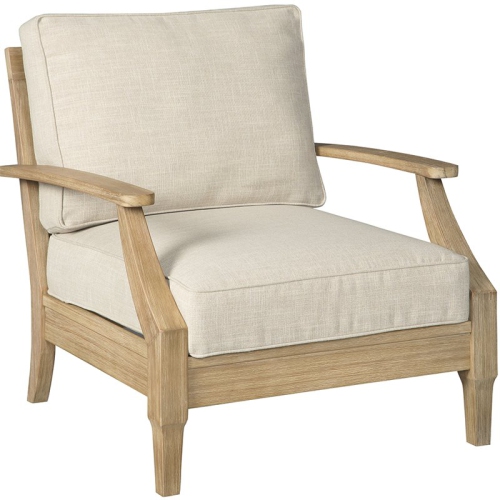 Your price for this item is $1227.67
 -
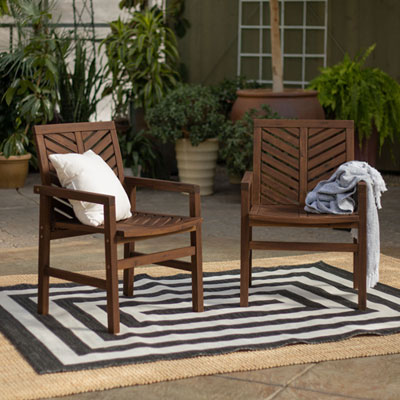 Your price for this item is $604.99
 -
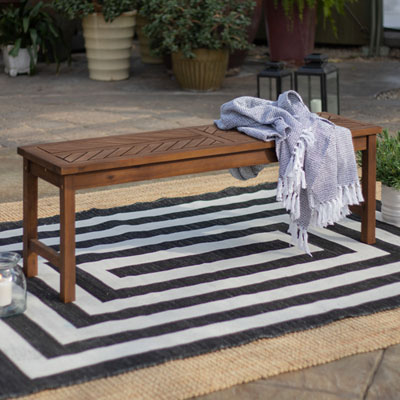 Your price for this item is $371.99
 -
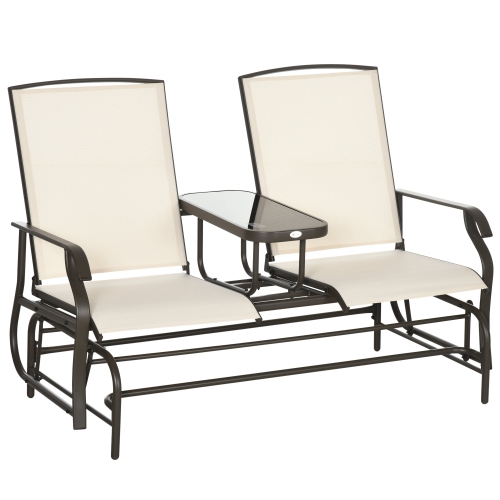 Your price for this item is $189.99
 -
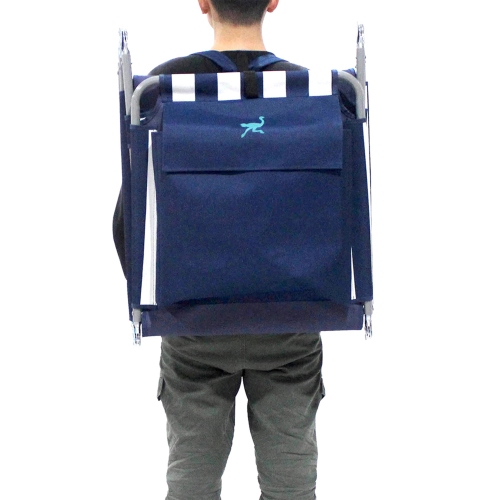 Your price for this item is $204.99
 -
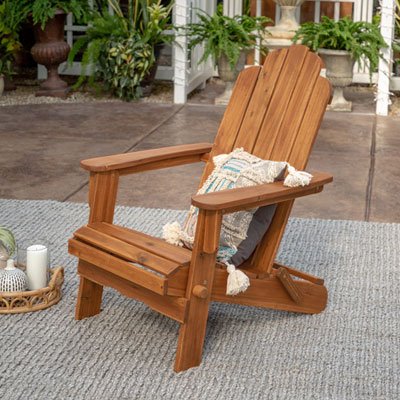 Your price for this item is $461.99
 -
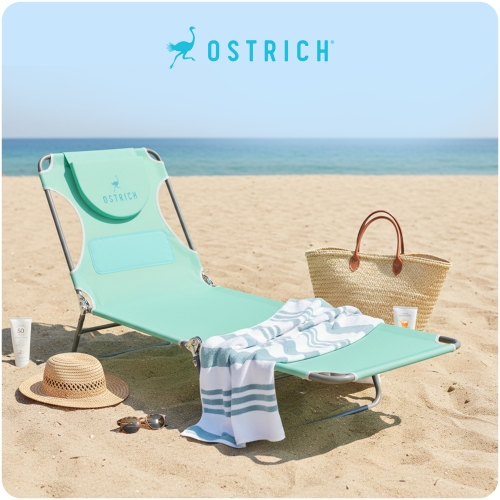 Your price for this item is $170.99
 -
 Your price for this item is $392.99
Discover more categories related to Outdoor Lawn Chairs
Top Collections:
Pokemon Centers, Kindle Devices, Best Budget Office Chairs, Apple iPhones 16, Best Laptops for Writers, iPhone 15 Apple, Canon G7X Cameras, Refurbished Apple Laptops, Alarm Clock, Motorola Razr Phones
Some products may be subject to Environmental Handling Fees
(EHF) depending on your province.
Learn more about EHFs.