Outdoor Panels
Transform your outdoor space with versatile and stylish outdoor panels, designed to enhance both aesthetics and functionality. Whether you're looking to create a private oasis, shield your patio from the elements, or add an artistic flair to your garden, these panels offer a myriad of possibilities. Crafted for durability and elegance, they seamlessly blend into any landscape while providing a customizable solution to suit your unique style. Discover how outdoor panels can redefine your exterior living areas, offering both practical benefits and a touch of sophistication.
Sort



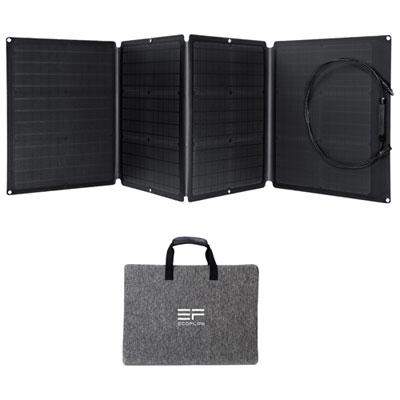
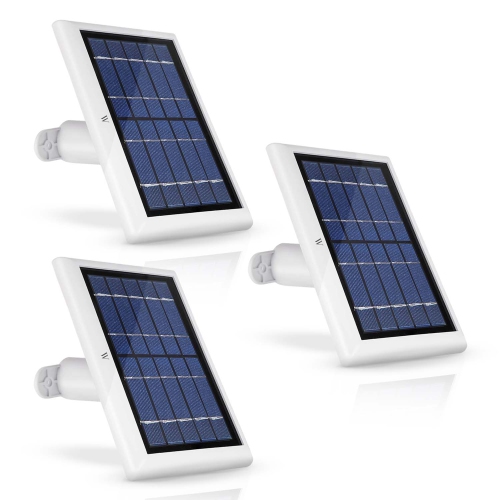
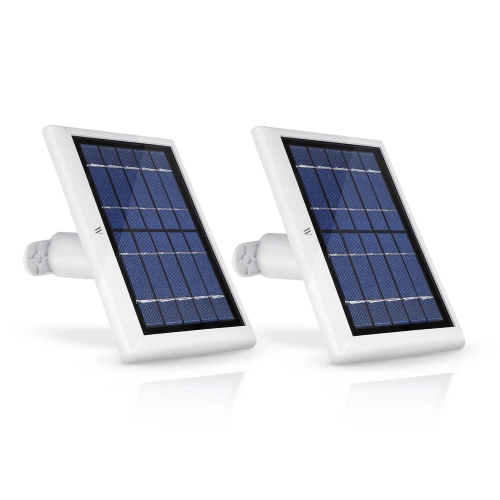
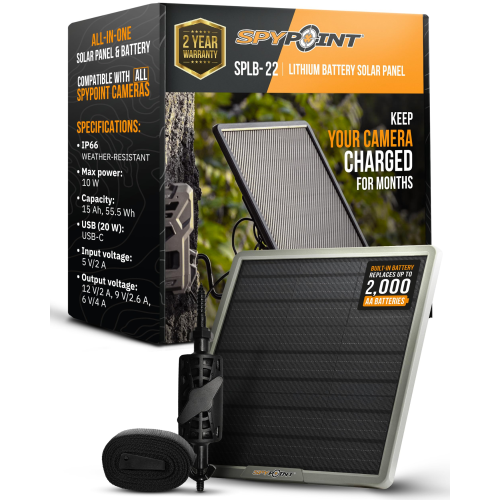
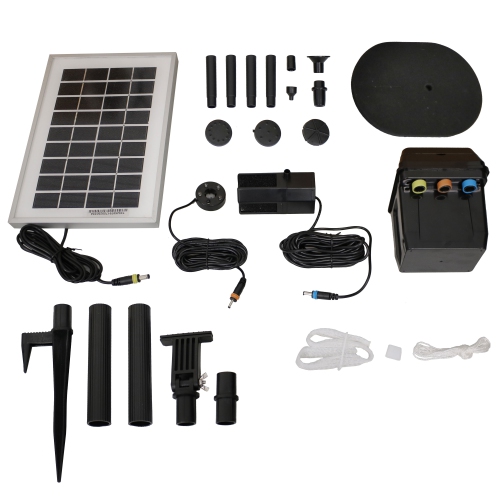
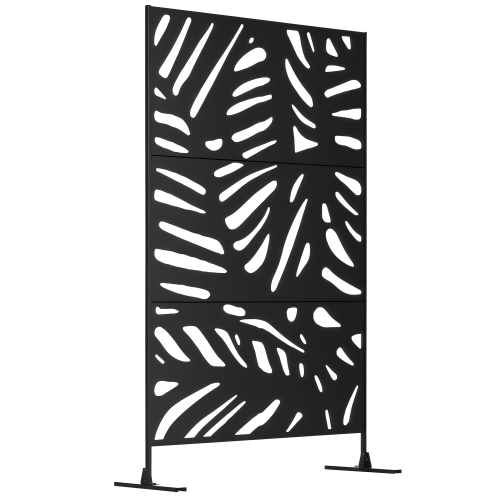
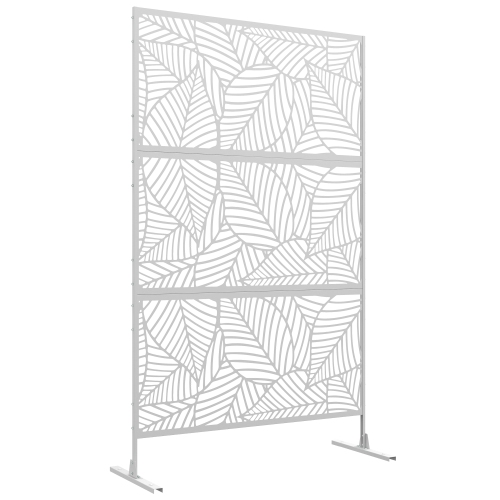
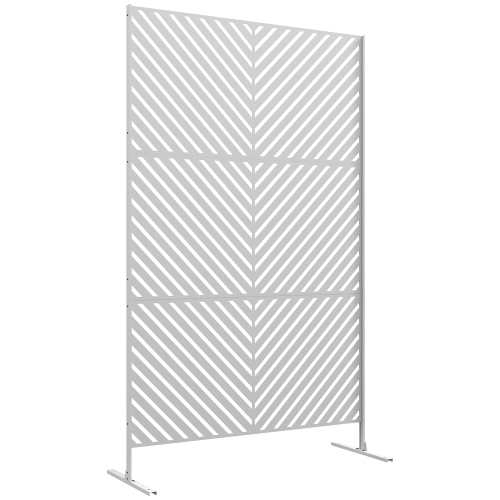
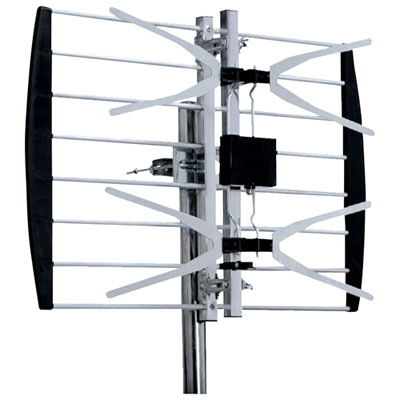



Electrical distribution and decorative screening require different considerations
Outdoor panels can refer to two very different types of products, so identifying the purpose of your project is the best place to begin. Electrical outdoor panels, also called outdoor load centres or sub-panels, are designed to distribute power outside a home, garage, workshop, pool area, detached building or other structure. They can house main circuit breakers or additional circuits for equipment that needs a dedicated power supply, including hot tubs, outdoor kitchens, sheds, workshops, seasonal lighting and standby generators. For outdoor electrical use, look for a weatherproof enclosure with a NEMA 3R rating or an equivalent rating that protects internal components from rain, sleet, ice, wind-driven moisture and falling dirt. The panel’s amperage, number of circuits, breaker compatibility and installation requirements should match the electrical system and the intended load. A homeowner may be replacing an outdated exterior load centre, adding capacity to a detached garage or preparing a property for a generator, while a contractor may be planning power distribution during a renovation or new build. Electrical panels are not decorative home-improvement accessories: installation, upgrades and connections should be planned and completed by a licensed electrician in accordance with the applicable Canadian Electrical Code and local requirements. An electrician can confirm whether a main panel, sub-panel, disconnect or transfer equipment is needed, assess available capacity and help position the enclosure where it remains accessible without being exposed to unnecessary impact, snow accumulation or standing water. During the cooler months, clear access around an exterior panel is particularly important, as packed snow and ice can make inspection or emergency shutoff difficult. Before purchasing, check the panel’s voltage and amp rating, indoor or outdoor approval, circuit capacity, breaker type, enclosure construction and any required accessories. Taking a photo of the existing label and recording the available service specifications can make it easier for an electrician to confirm compatibility, but the final selection should always be based on the complete electrical installation rather than appearance alone.
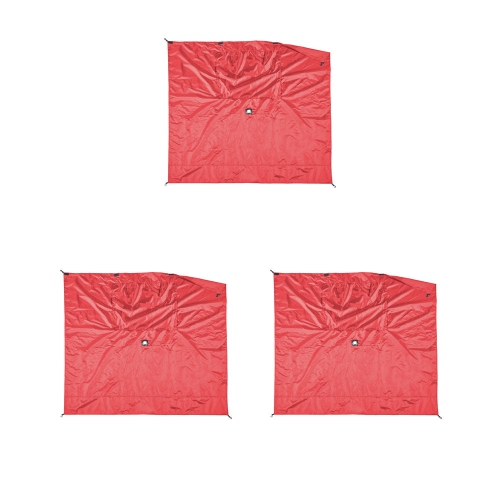
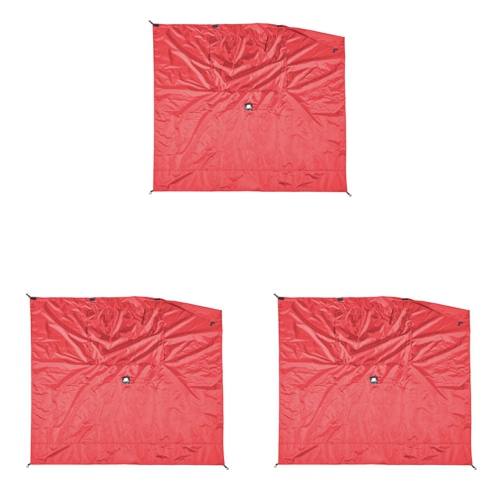
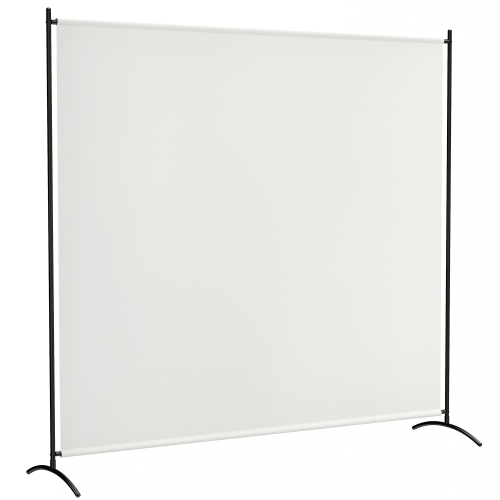
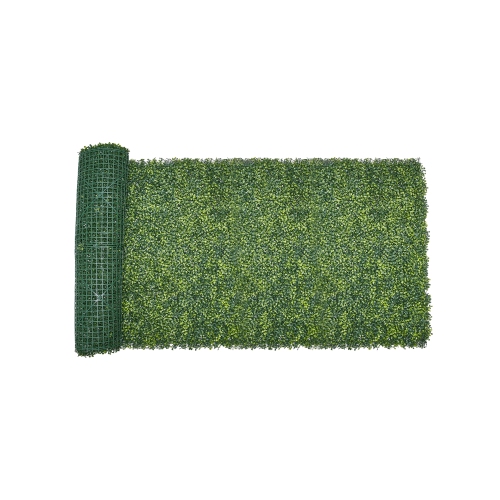
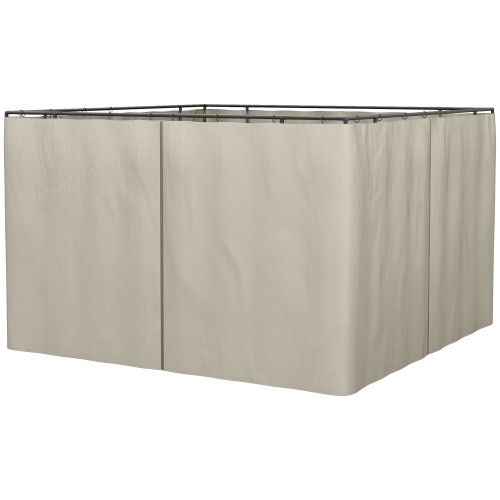
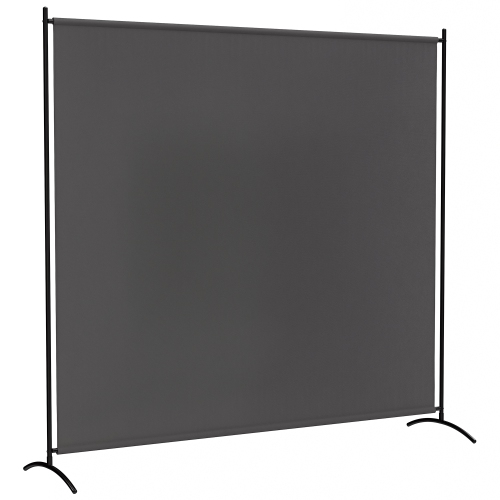
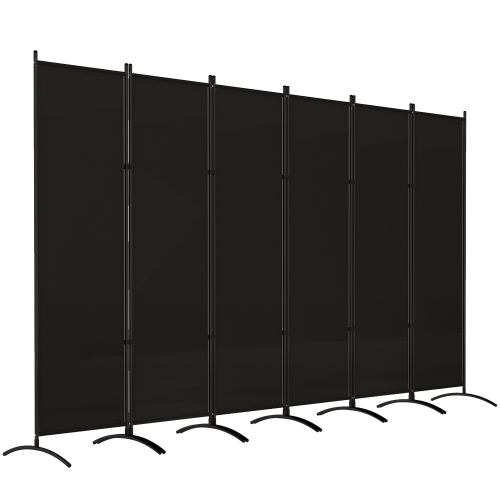
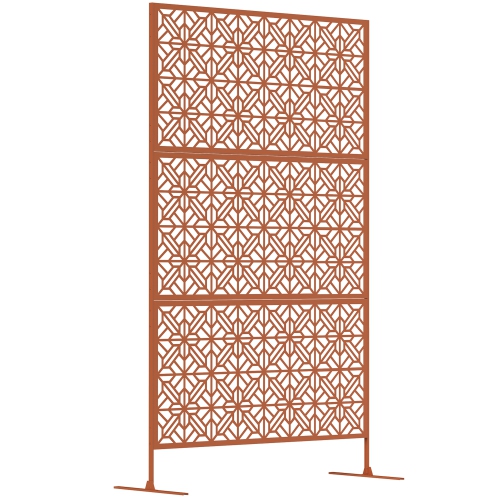
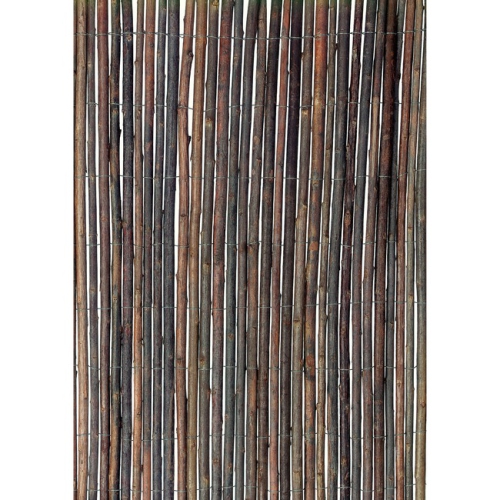
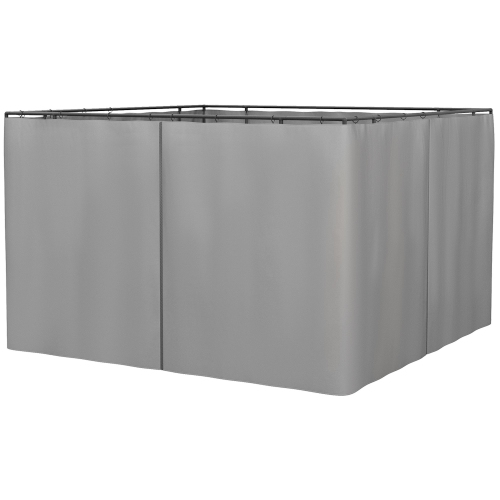
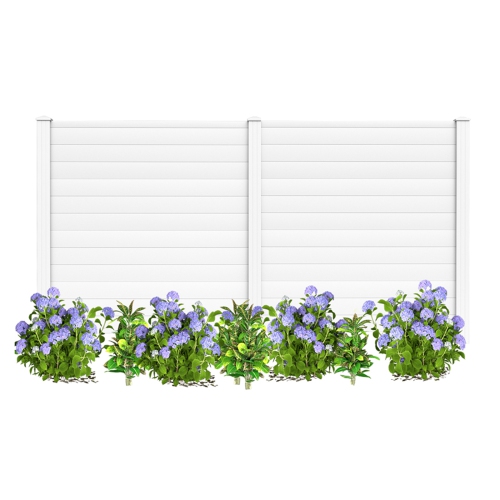
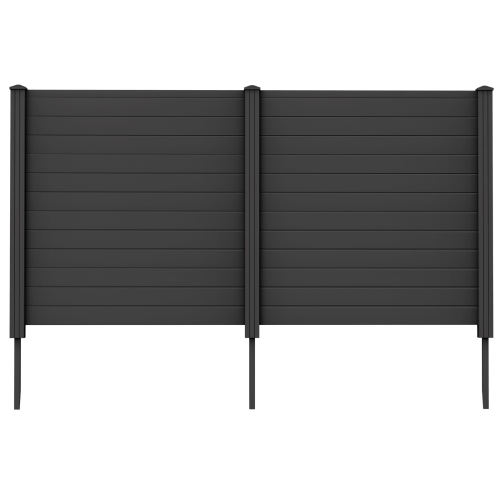
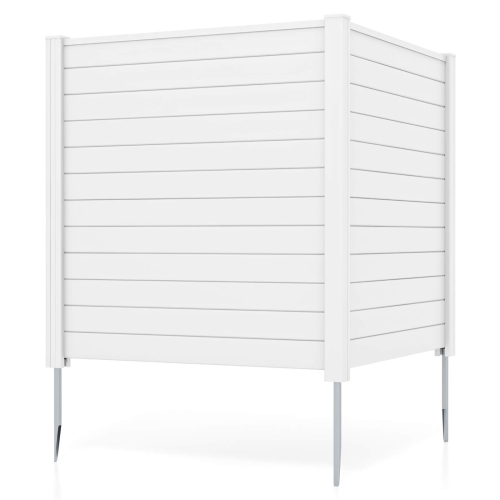
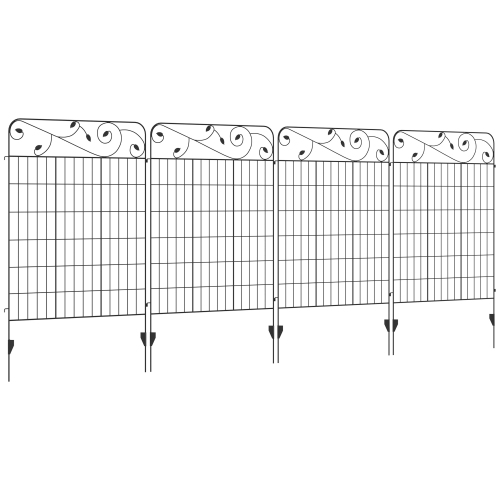
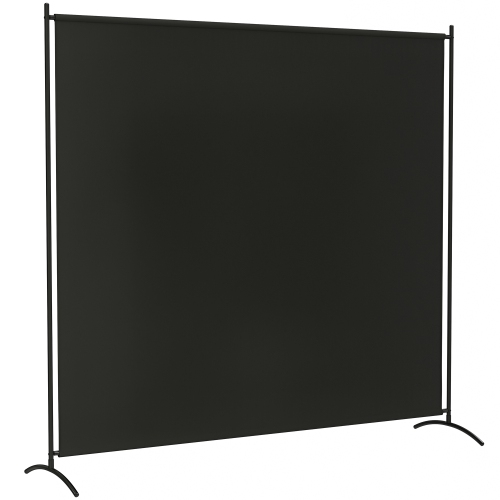
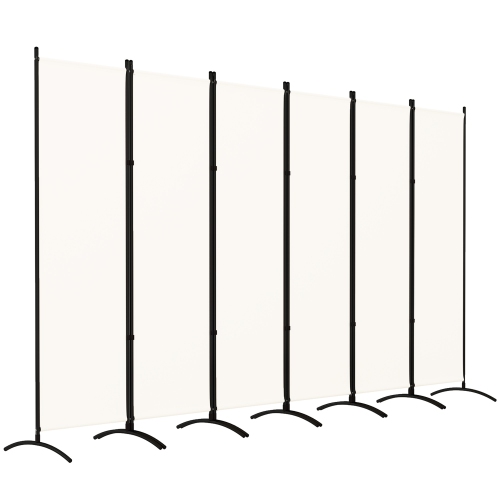
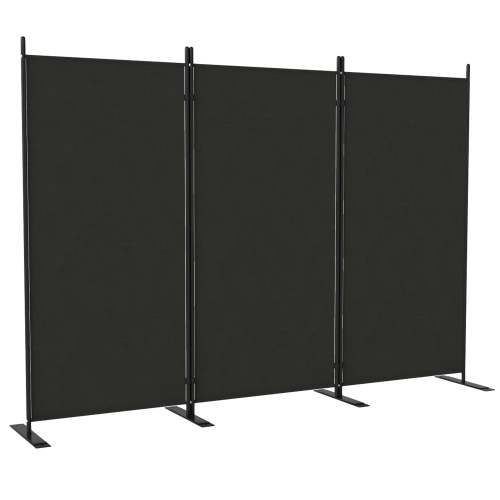
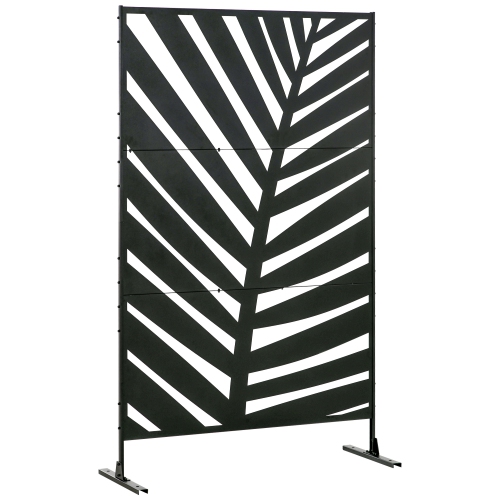
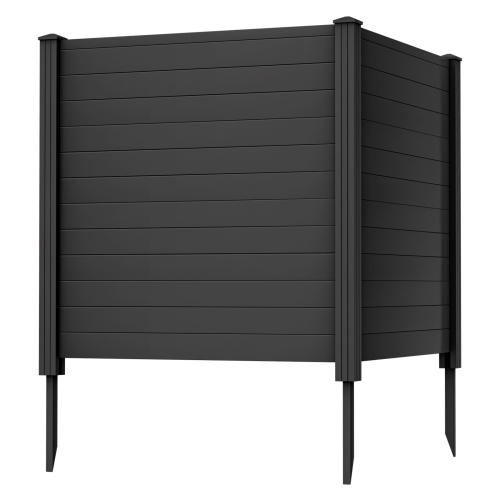
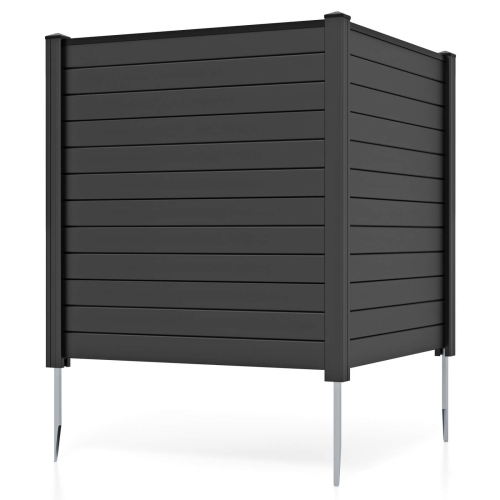
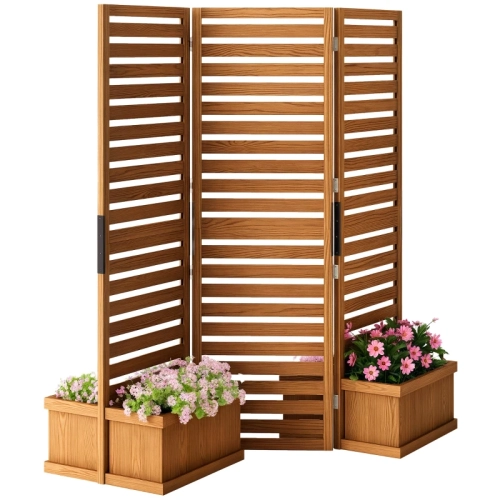
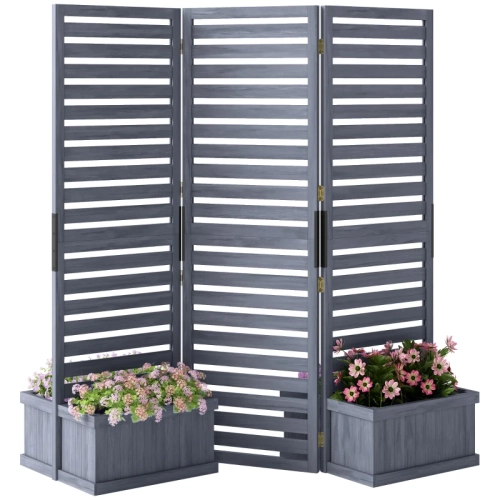
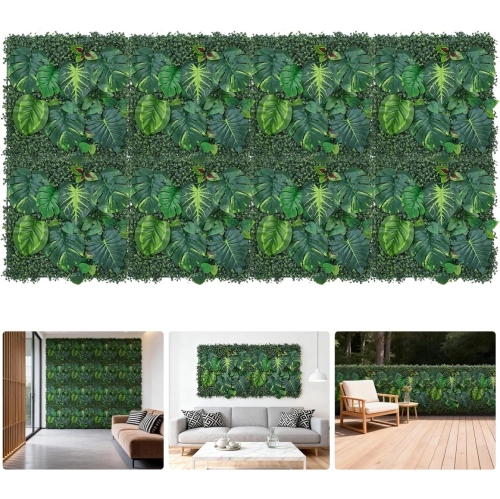
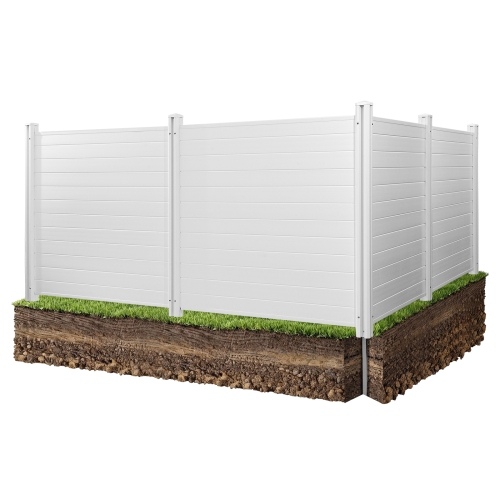
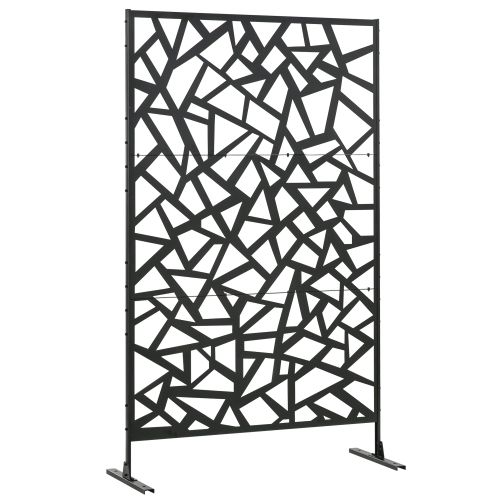
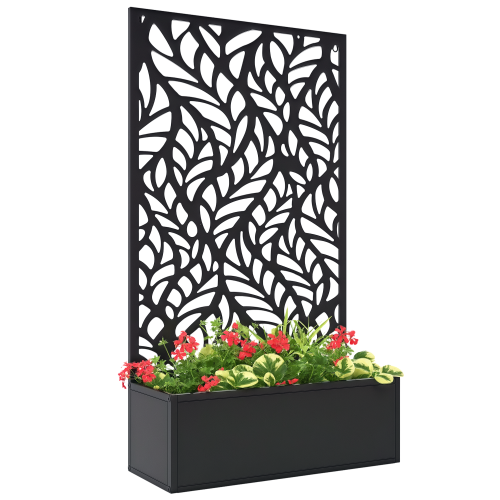
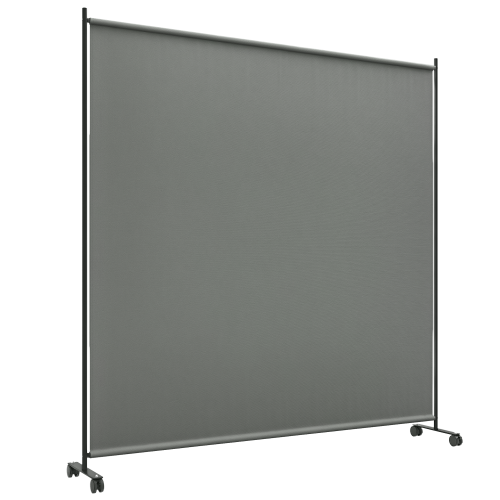
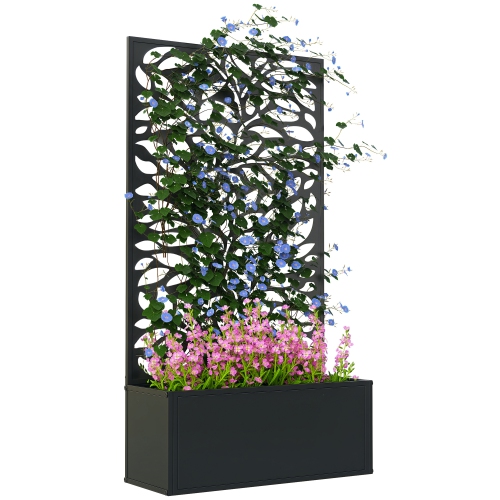
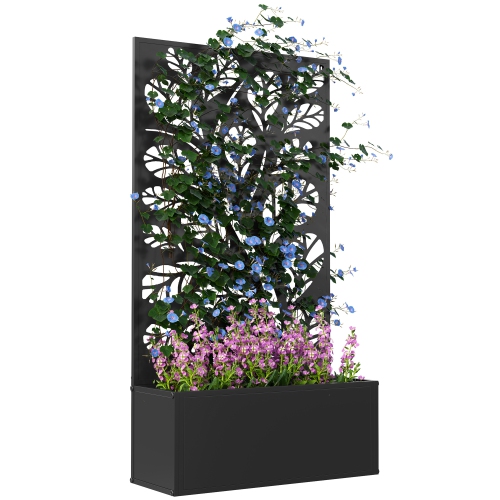
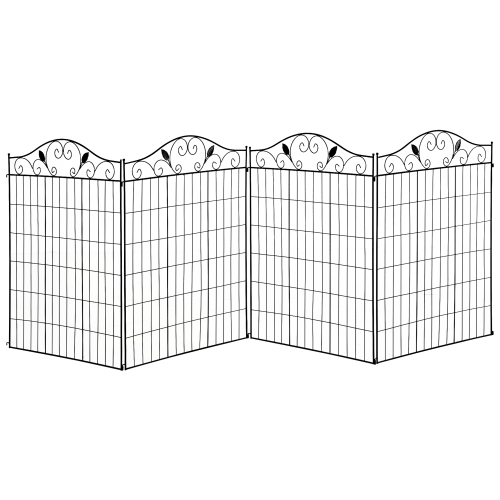
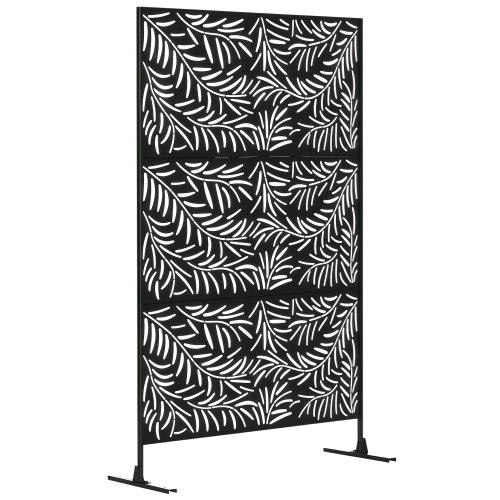
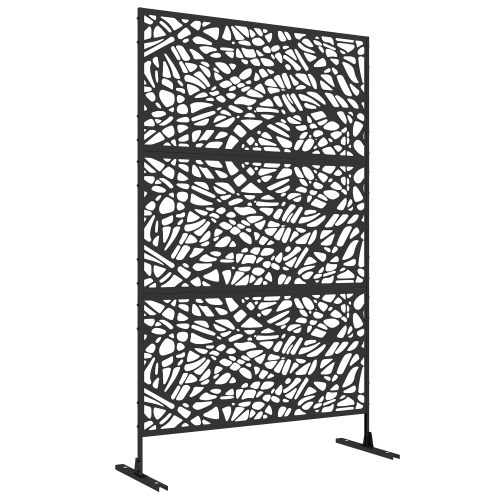
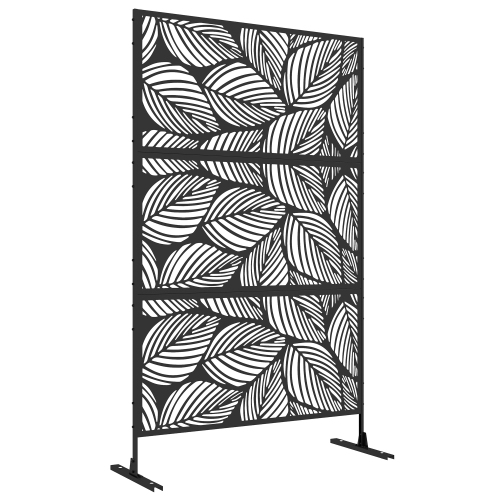
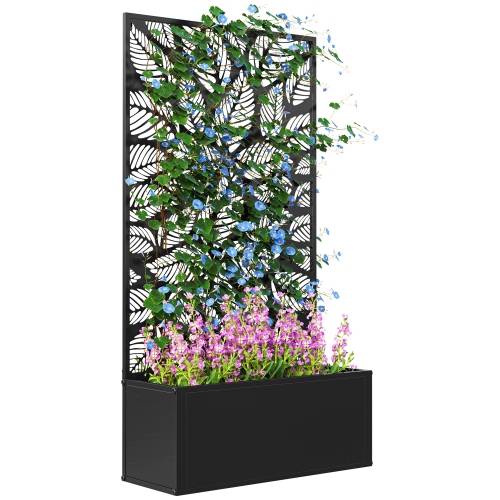
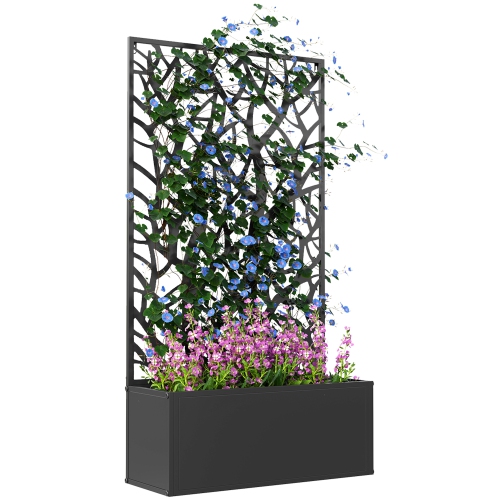
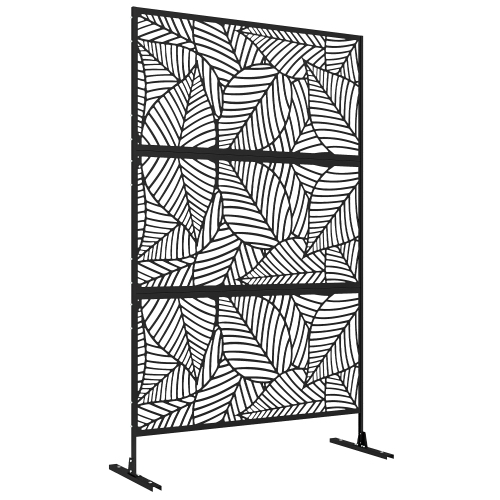
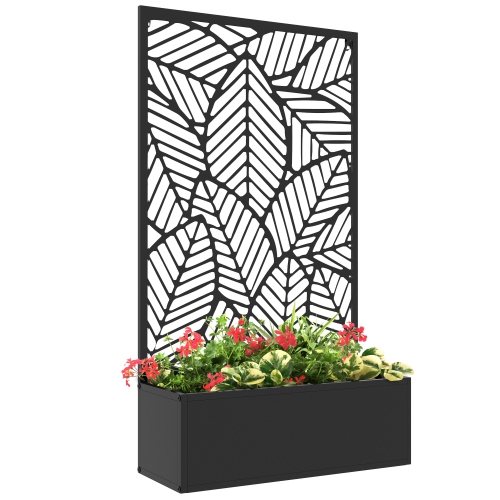
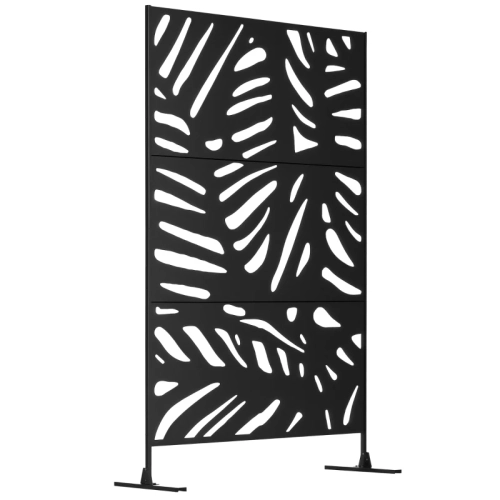
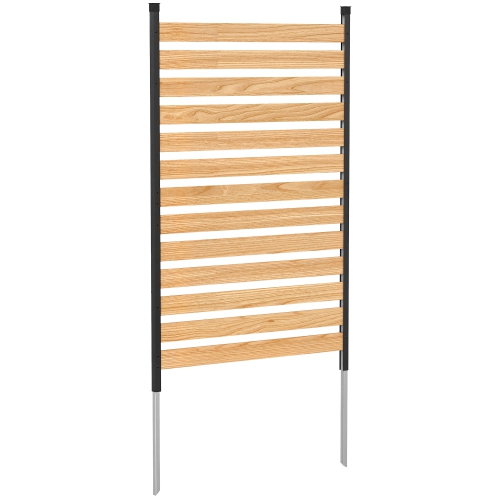
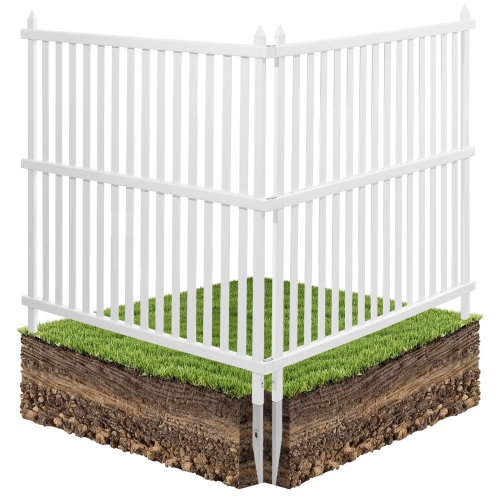
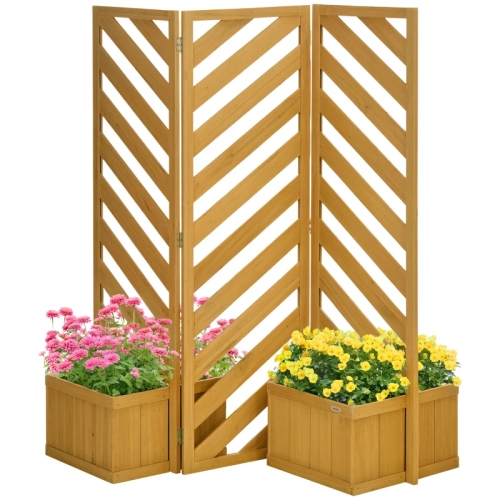
The other common meaning of outdoor panels is decorative privacy, screening or exterior wall paneling. These panels can divide a patio from a neighbouring yard, create a sheltered corner around a balcony, add definition beside a deck or provide a distinctive backdrop for seating, planters and outdoor entertaining areas. Some are used as freestanding garden dividers, while others are mounted to posts, fences, pergolas or exterior walls as architectural accents. Designs range from open geometric patterns that cast changing shadows across the ground to more solid screens that offer greater privacy and help soften views of bins, utility areas or neighbouring properties. Materials may include weather-resistant wood composite, laser-cut metal, heavy-duty plastic such as HDPE or other outdoor-rated construction, with each option offering a different balance of weight, texture, maintenance and visual character. When choosing a decorative panel, consider the dimensions of the area, the amount of privacy required, the direction of prevailing wind and the surface where it will be installed. A narrow balcony may call for a lightweight panel with a slim profile, while a broad backyard divider may need sturdy support and multiple sections. Measure the installation area in more than one place, especially where a wall, deck or fence is not perfectly square, and leave room for posts, brackets, fasteners and any required spacing from the ground. Outdoor-rated hardware is an important part of the project; ordinary interior screws or brackets may not be suitable for repeated exposure to moisture and temperature changes. A panel with a patterned cutout can make a small patio feel more open while still providing separation, whereas a denser design can create a quieter retreat for reading, dining or relaxing. During the transition from warmer weather into cooler conditions, panels can also help define a comfortable seating area when paired with a covered structure, outdoor lighting or patio furniture. If you are building a coordinated layout, browse complementary Outdoor Posts to help support screens, establish clean sightlines and create a finished look.
The right outdoor panel depends on the job, the installation surface and the conditions it will face throughout the year. For electrical applications, focus first on safety ratings, capacity and professional installation rather than selecting a panel based on size or price. For privacy and decorative applications, compare panel dimensions, material thickness, mounting method, pattern density and the level of upkeep you are comfortable with. A metal design may bring a crisp architectural look to a contemporary deck, while a wood-look composite can suit a garden setting with warmer textures; a rigid plastic panel may be useful where low weight and straightforward handling are priorities. Think about what will be visible from inside the home as well as from the yard, since a screen can become a prominent part of the view through a kitchen or living-room window. Consider how sunlight will move across the space, how shadows will change during the day and whether the pattern could affect nearby plants, pathways or exterior lights. If the panel is intended as a gift, decorative outdoor screening can be a thoughtful choice for someone moving into a new home, refreshing a balcony or creating a more private entertaining area, provided you know the recipient’s measurements and preferred style. It can also be a practical addition to a cottage, townhouse or apartment terrace when the building’s rules permit exterior installations. Keep packaging, assembly instructions and mounting hardware together until the project is complete, and inspect panels periodically for loose fasteners, movement, surface damage or moisture collecting at connection points. As weather shifts from mild afternoons to frost, wind and snow, secure installation becomes increasingly important, particularly for tall or freestanding designs. Whether the goal is dependable exterior power distribution or a more comfortable, polished outdoor space, reviewing the panel’s intended use, rating, materials, measurements and installation requirements will help you choose an option that fits the project from the start.
The other common meaning of outdoor panels is decorative privacy, screening or exterior wall paneling. These panels can divide a patio from a neighbouring yard, create a sheltered corner around a balcony, add definition beside a deck or provide a distinctive backdrop for seating, planters and outdoor entertaining areas. Some are used as freestanding garden dividers, while others are mounted to posts, fences, pergolas or exterior walls as architectural accents. Designs range from open geometric patterns that cast changing shadows across the ground to more solid screens that offer greater privacy and help soften views of bins, utility areas or neighbouring properties. Materials may include weather-resistant wood composite, laser-cut metal, heavy-duty plastic such as HDPE or other outdoor-rated construction, with each option offering a different balance of weight, texture, maintenance and visual character. When choosing a decorative panel, consider the dimensions of the area, the amount of privacy required, the direction of prevailing wind and the surface where it will be installed. A narrow balcony may call for a lightweight panel with a slim profile, while a broad backyard divider may need sturdy support and multiple sections. Measure the installation area in more than one place, especially where a wall, deck or fence is not perfectly square, and leave room for posts, brackets, fasteners and any required spacing from the ground. Outdoor-rated hardware is an important part of the project; ordinary interior screws or brackets may not be suitable for repeated exposure to moisture and temperature changes. A panel with a patterned cutout can make a small patio feel more open while still providing separation, whereas a denser design can create a quieter retreat for reading, dining or relaxing. During the transition from warmer weather into cooler conditions, panels can also help define a comfortable seating area when paired with a covered structure, outdoor lighting or patio furniture. If you are building a coordinated layout, browse complementary Outdoor Posts to help support screens, establish clean sightlines and create a finished look.
The right outdoor panel depends on the job, the installation surface and the conditions it will face throughout the year. For electrical applications, focus first on safety ratings, capacity and professional installation rather than selecting a panel based on size or price. For privacy and decorative applications, compare panel dimensions, material thickness, mounting method, pattern density and the level of upkeep you are comfortable with. A metal design may bring a crisp architectural look to a contemporary deck, while a wood-look composite can suit a garden setting with warmer textures; a rigid plastic panel may be useful where low weight and straightforward handling are priorities. Think about what will be visible from inside the home as well as from the yard, since a screen can become a prominent part of the view through a kitchen or living-room window. Consider how sunlight will move across the space, how shadows will change during the day and whether the pattern could affect nearby plants, pathways or exterior lights. If the panel is intended as a gift, decorative outdoor screening can be a thoughtful choice for someone moving into a new home, refreshing a balcony or creating a more private entertaining area, provided you know the recipient’s measurements and preferred style. It can also be a practical addition to a cottage, townhouse or apartment terrace when the building’s rules permit exterior installations. Keep packaging, assembly instructions and mounting hardware together until the project is complete, and inspect panels periodically for loose fasteners, movement, surface damage or moisture collecting at connection points. As weather shifts from mild afternoons to frost, wind and snow, secure installation becomes increasingly important, particularly for tall or freestanding designs. Whether the goal is dependable exterior power distribution or a more comfortable, polished outdoor space, reviewing the panel’s intended use, rating, materials, measurements and installation requirements will help you choose an option that fits the project from the start.
Top selling and popular products
-
 Your price for this item is $199
 -
 Your price for this item is $418.99
 -
 Your price for this item is $481.99
 -
 Your price for this item is $226.99
 -
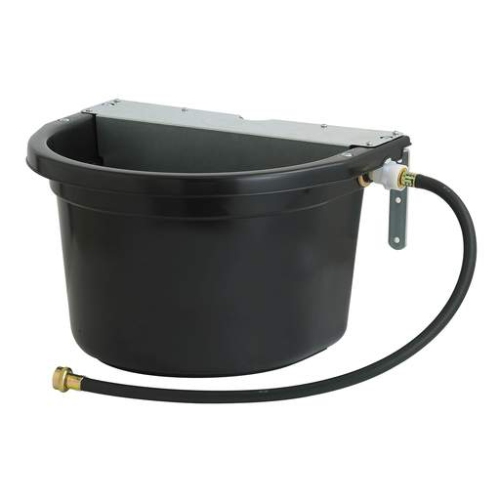 Your price for this item is $133.99
 -
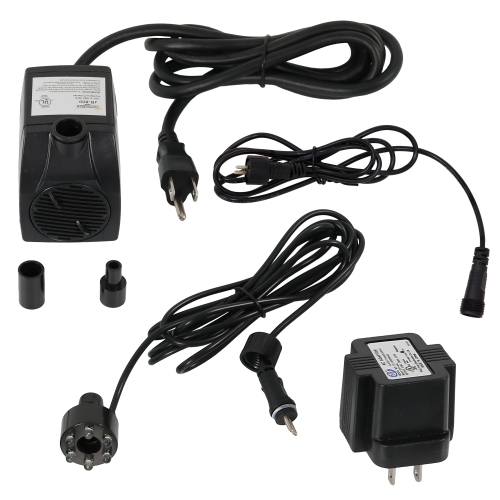 Your price for this item is $69.45
 -
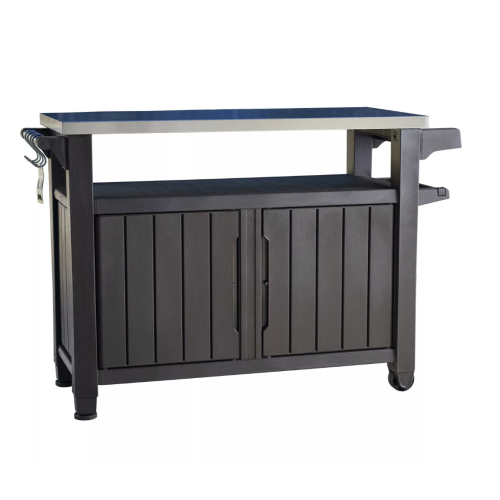 Your price for this item is $562.99
 -
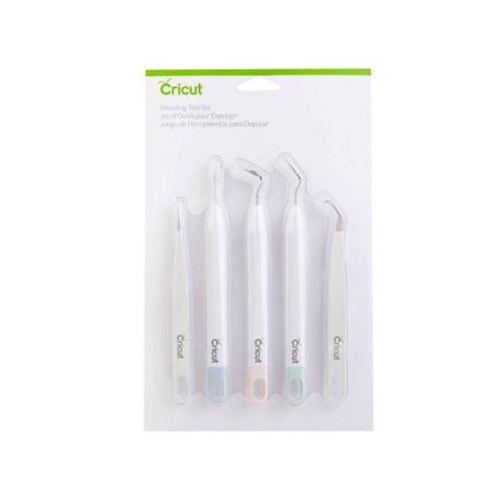 Your price for this item is $26.99
Discover more categories related to Outdoor Panels

Top Collections:
Pokemon Centers, Kindle Devices, Best Budget Office Chairs, Apple iPhones 16, Best Laptops for Writers, iPhone 15 Apple, Canon G7X Cameras, Refurbished Apple Laptops, Alarm Clock, Motorola Razr Phones
Some products may be subject to Environmental Handling Fees
(EHF) depending on your province.
Learn more about EHFs.