Outdoor Sound Barriers
Transform your outdoor space into a tranquil oasis with outdoor sound barriers. Whether you're looking to enjoy a peaceful backyard retreat or simply want to minimize noise from nearby traffic, these innovative solutions can help create a serene environment. Perfect for gardens, patios, and other open-air areas, outdoor sound barriers provide an effective way to reduce unwanted noise while enhancing the overall ambiance of your exterior spaces. Explore a variety of designs and materials that seamlessly blend with your landscape, offering both functionality and aesthetic appeal.
Sort
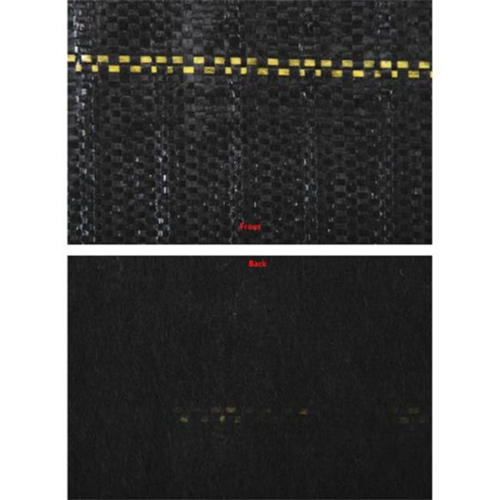
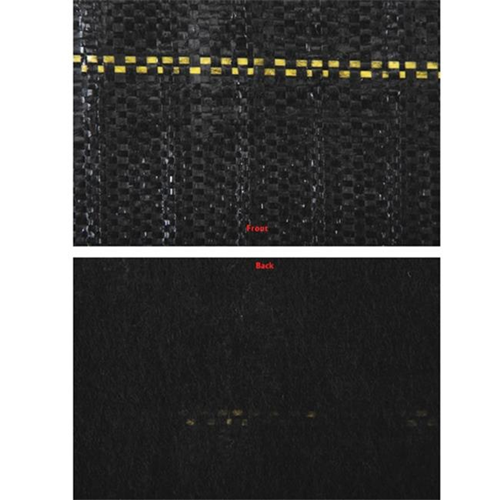
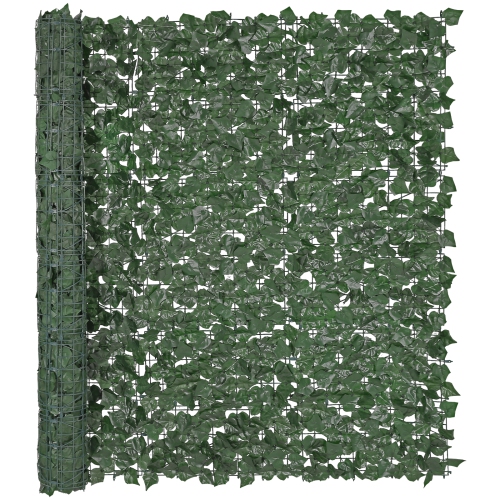
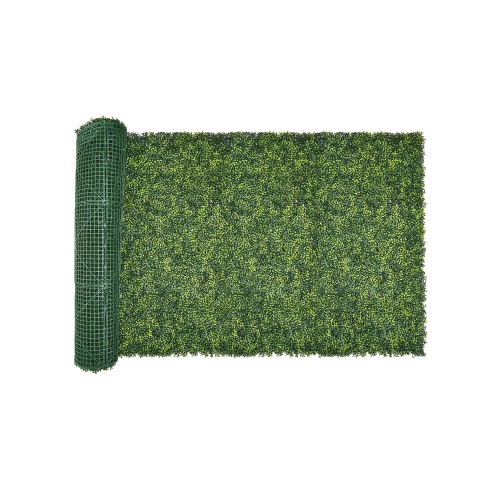
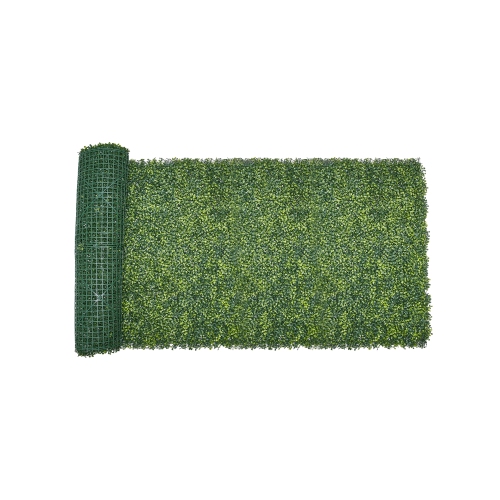
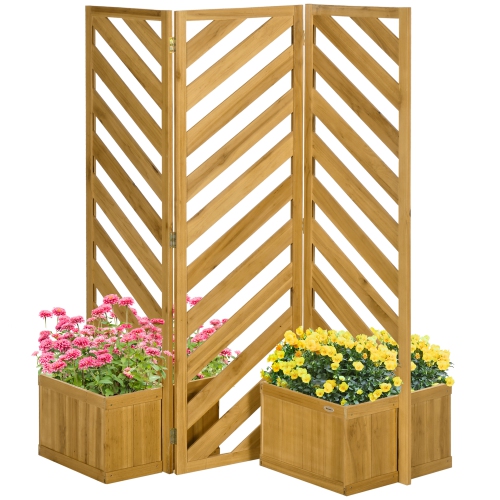
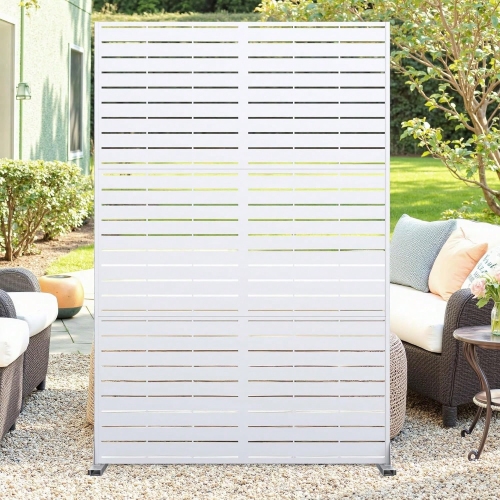
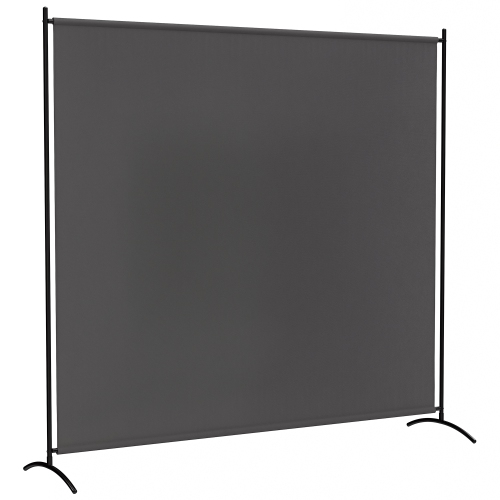
The factors that help block recurring noise outdoors
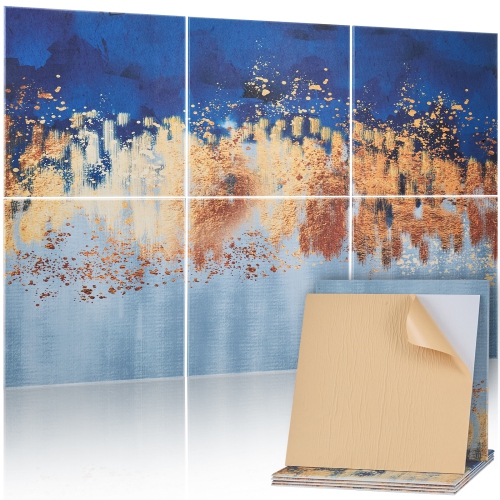
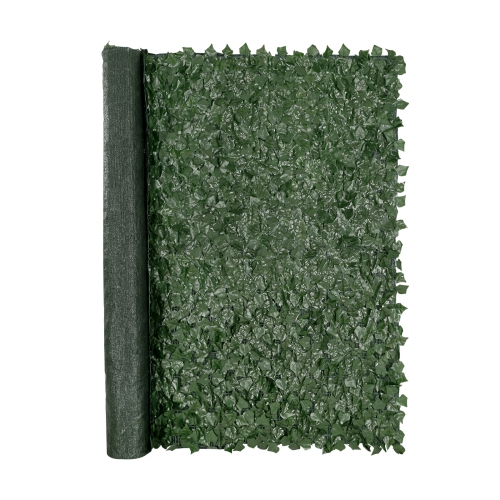
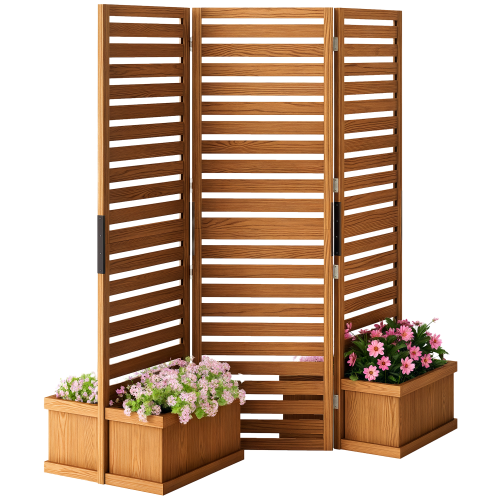
Outdoor sound barriers are designed to help reduce unwanted noise in outdoor areas by blocking, reflecting, or absorbing sound before it reaches a patio, balcony, garden, work area, or living space. They can be useful near busy roads, neighbouring properties, barking dogs, pool equipment, air conditioners, workshops, and other sources of recurring noise. The most effective barrier is usually solid, dense, tall enough to interrupt the direct line of sight between the noise source and the listener, and installed without open gaps. Sound can travel through small spaces beneath gates, between panels, around posts, and along uneven ground, so careful placement and a close fit are important. Lightweight mesh, open trellis, and decorative privacy screens may limit visibility or wind, but they generally offer limited noise reduction on their own because they do not provide enough mass. For stronger results, look for outdoor-rated acoustic blankets or curtains, dense flexible materials that can be added to an existing fence, and solid panels made from substantial wood or other rigid construction materials. Acoustic blankets can be practical for temporary work areas, event spaces, rental properties, construction zones, or seasonal setups because they can be hung from a fence, frame, or other sturdy support and stored when not needed. Flexible sound-dampening sheets may be useful when upgrading an existing fence or enclosure, particularly where a permanent masonry wall is not practical. Solid wood fencing with overlapping boards, tongue-and-groove construction, or a double-panel design can provide greater coverage than widely spaced boards. Masonry, concrete, brick, and stone-filled structures offer considerable mass and can help address lower-frequency noise, though they require a suitable foundation and careful planning. Browse related outdoor privacy and boundary solutions, including Garden Barriers, when planning how a sound barrier will fit into the overall layout of your space.
Before choosing an outdoor sound barrier, assess the source, direction, frequency, and pattern of the noise, then measure the area that needs coverage. A barrier placed close to the listener can be effective, while one positioned near the noise source may intercept more sound before it spreads; in either case, it should be high and wide enough to break the direct path. A barrier that ends several feet above the ground, stops short of a wall, or leaves a gap under a gate may allow noise to pass around it, reducing its overall performance. Consider the height of nearby decks, windows, balconies, and seating areas, since sound may travel over a barrier if it does not extend above the listening position. Dense materials are generally better for blocking sound, while textured or quilted surfaces can help reduce reflected noise within an enclosed area. Weather exposure is another important consideration. Look for materials intended for outdoor use, with construction that can handle moisture, sunlight, changing temperatures, and wind. Hanging products should be secured with suitable fasteners and supported by a structure strong enough to carry their weight, especially in exposed locations. Leave room for drainage and airflow where required, and inspect attachment points regularly during periods of strong wind or heavy precipitation. For a fence upgrade, confirm the available dimensions, post spacing, mounting surface, and total load before selecting a flexible sheet or curtain. For a new permanent structure, check local property rules, height restrictions, setback requirements, and any permissions that may apply. Outdoor sound barriers can make patios more comfortable for conversation, help create a calmer corner for reading or working, and reduce the intrusion of everyday neighbourhood or equipment noise during warmer weather and the cooler months. They may also be helpful for homeowners preparing a backyard entertaining area, renters seeking a removable solution, contractors managing temporary projects, or families creating a more restful outdoor retreat. Selecting the right combination of mass, height, coverage, placement, and weather resistance will help ensure the barrier suits the space and the type of noise it is intended to address.
Before choosing an outdoor sound barrier, assess the source, direction, frequency, and pattern of the noise, then measure the area that needs coverage. A barrier placed close to the listener can be effective, while one positioned near the noise source may intercept more sound before it spreads; in either case, it should be high and wide enough to break the direct path. A barrier that ends several feet above the ground, stops short of a wall, or leaves a gap under a gate may allow noise to pass around it, reducing its overall performance. Consider the height of nearby decks, windows, balconies, and seating areas, since sound may travel over a barrier if it does not extend above the listening position. Dense materials are generally better for blocking sound, while textured or quilted surfaces can help reduce reflected noise within an enclosed area. Weather exposure is another important consideration. Look for materials intended for outdoor use, with construction that can handle moisture, sunlight, changing temperatures, and wind. Hanging products should be secured with suitable fasteners and supported by a structure strong enough to carry their weight, especially in exposed locations. Leave room for drainage and airflow where required, and inspect attachment points regularly during periods of strong wind or heavy precipitation. For a fence upgrade, confirm the available dimensions, post spacing, mounting surface, and total load before selecting a flexible sheet or curtain. For a new permanent structure, check local property rules, height restrictions, setback requirements, and any permissions that may apply. Outdoor sound barriers can make patios more comfortable for conversation, help create a calmer corner for reading or working, and reduce the intrusion of everyday neighbourhood or equipment noise during warmer weather and the cooler months. They may also be helpful for homeowners preparing a backyard entertaining area, renters seeking a removable solution, contractors managing temporary projects, or families creating a more restful outdoor retreat. Selecting the right combination of mass, height, coverage, placement, and weather resistance will help ensure the barrier suits the space and the type of noise it is intended to address.
Top selling and popular products
-
 Your price for this item is $49.99
 -
 Your price for this item is $44.99
 -
 Your price for this item is $54.99
 -
 Your price for this item is $49.99
 -
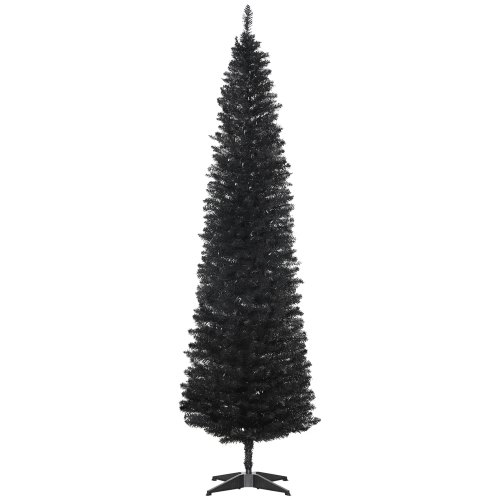 Your price for this item is $79
 -
 Your price for this item is $137.99
 -
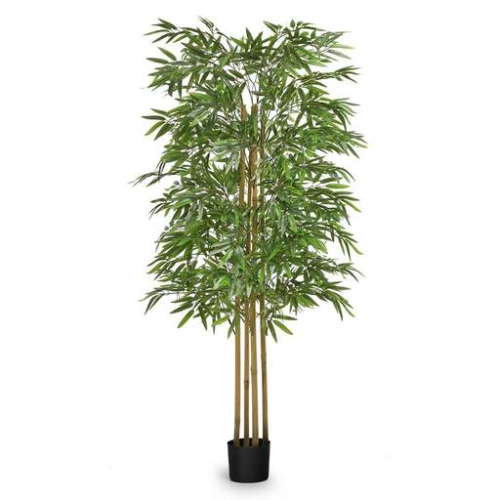 Your price for this item is $134.99
 -
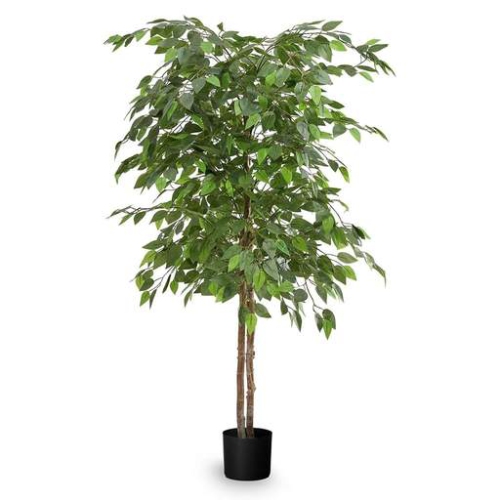 Your price for this item is $114.99
Discover more categories related to Outdoor Sound Barriers
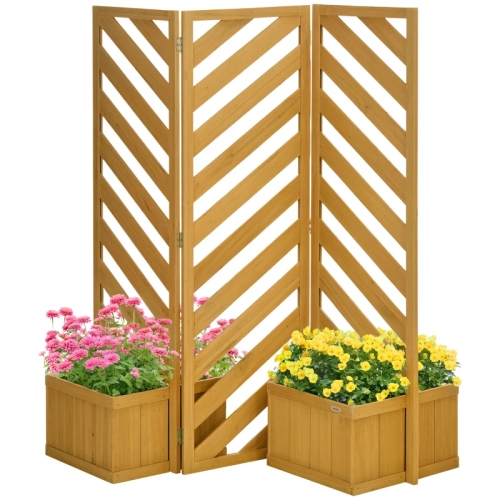

Top Collections:
Pokemon Centers, Kindle Devices, Best Budget Office Chairs, Apple iPhones 16, Canon G7X Cameras, iPhone 15 Apple, Alarm Clock, Refurbished Apple Laptops, Flip Phones, Best Laptops for Writers
Some products may be subject to Environmental Handling Fees
(EHF) depending on your province.
Learn more about EHFs.