Outdoor Swings
Create a relaxing oasis in your backyard with our selection of outdoor swings. Whether you're looking to unwind after a long day or simply enjoy the fresh air, an outdoor swing is the perfect addition to any outdoor space. From classic porch swings to modern hanging swings, we have a variety of styles and materials to suit your taste and needs. Swing into comfort and style with our range of outdoor swings designed to elevate your outdoor relaxation experience.
Sort
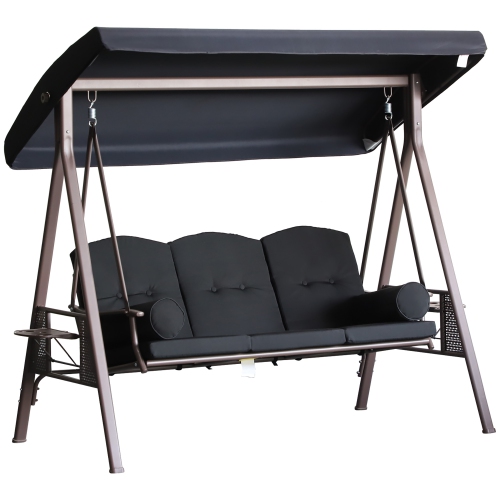
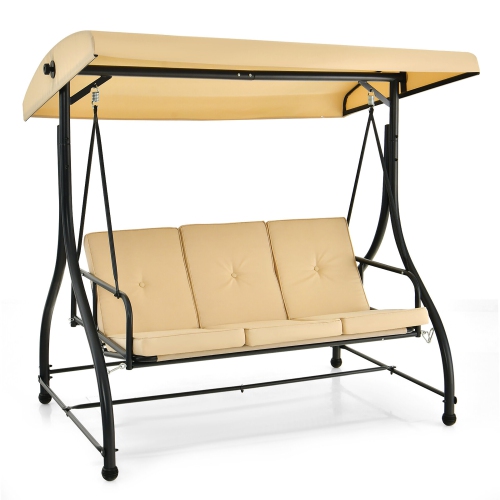
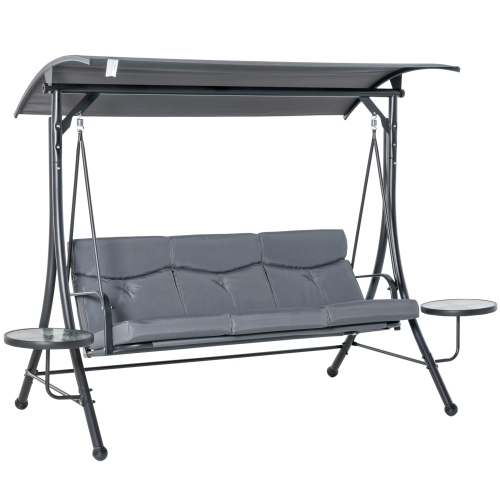
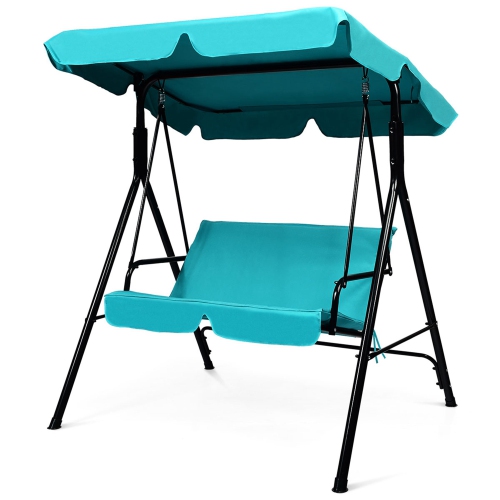

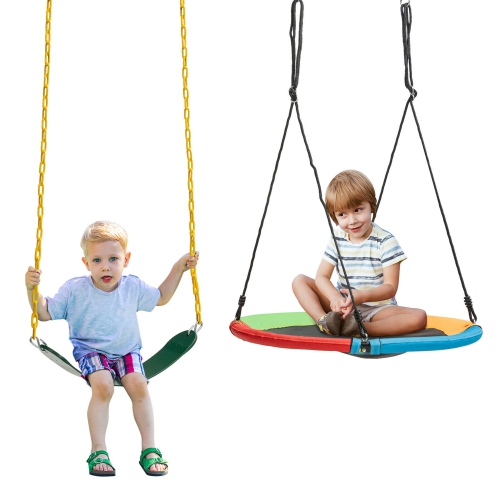
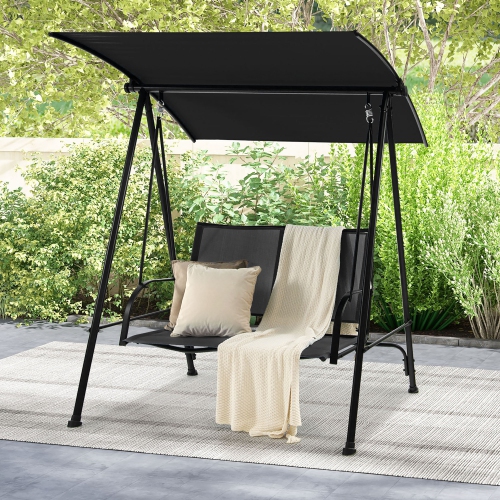
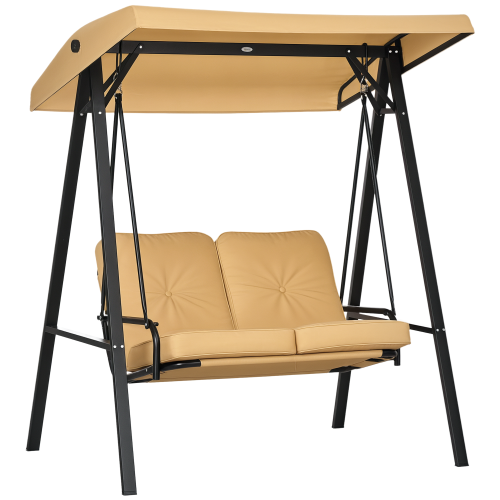
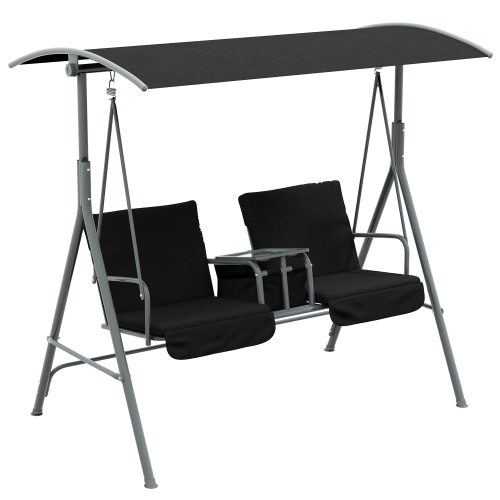
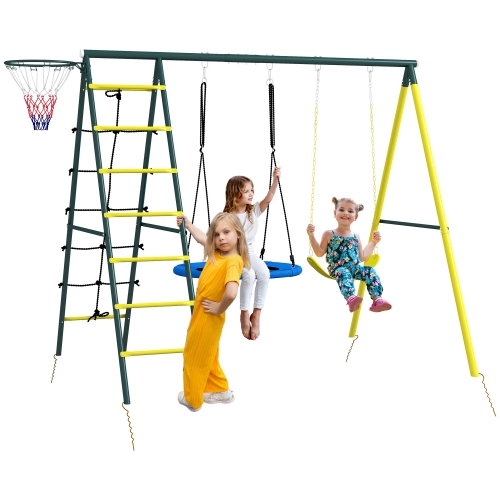
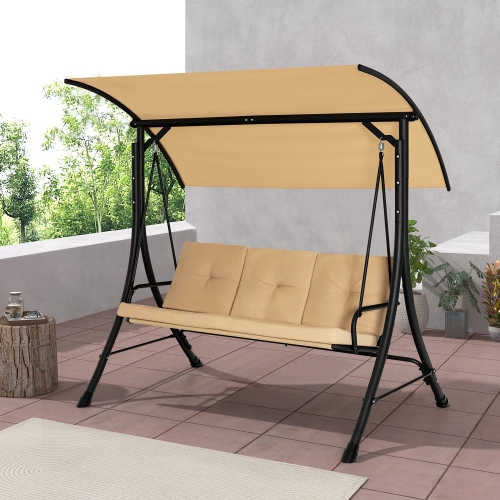
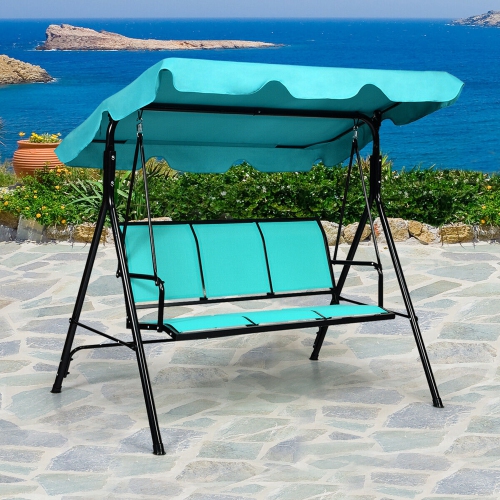
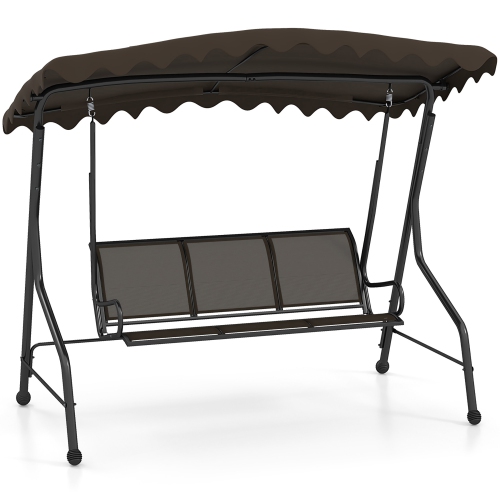
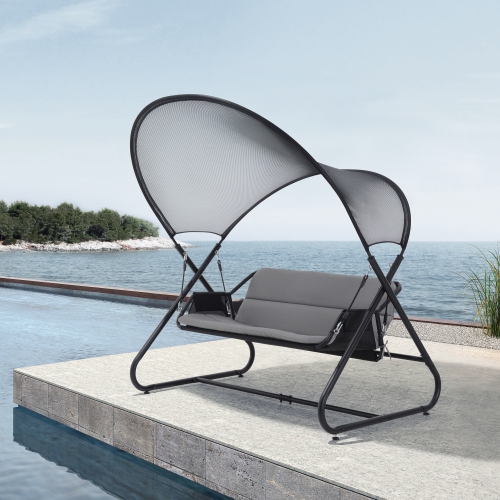
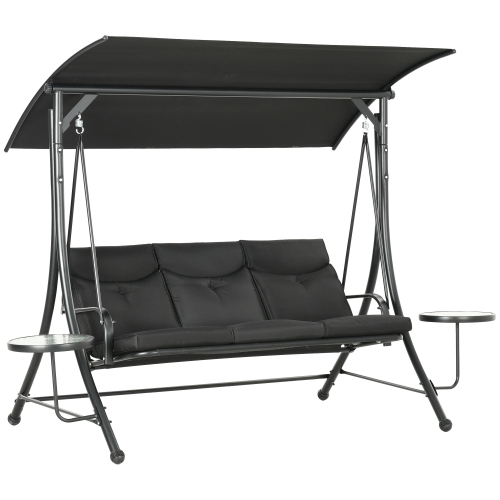
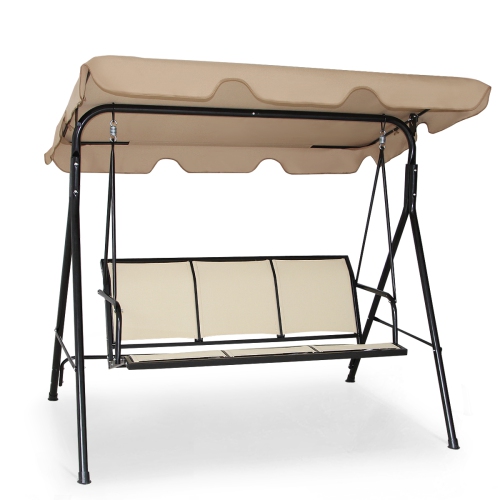
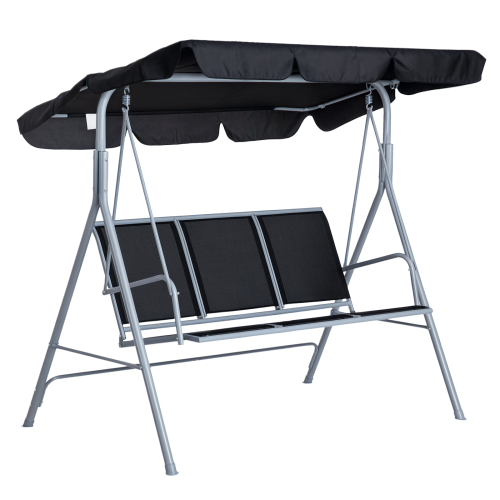
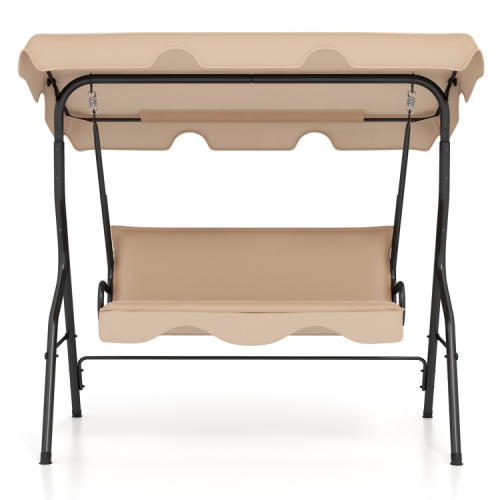


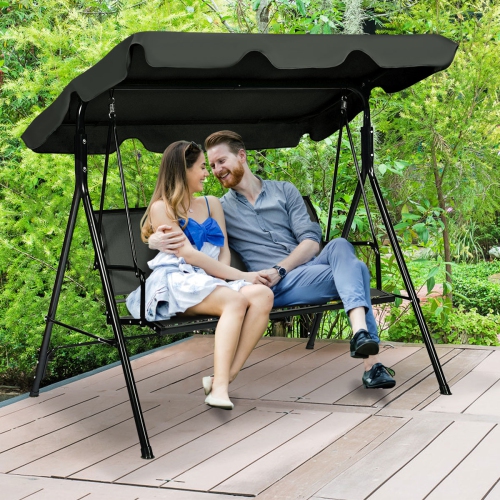
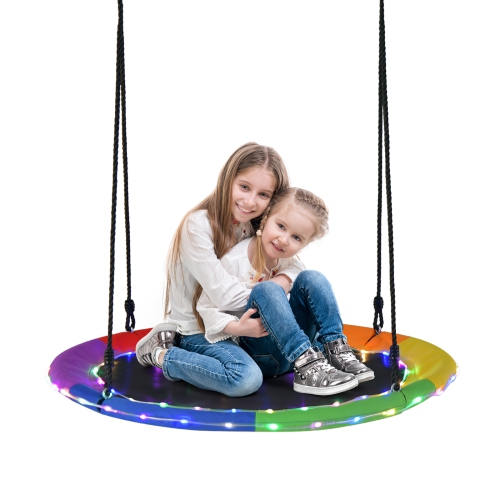
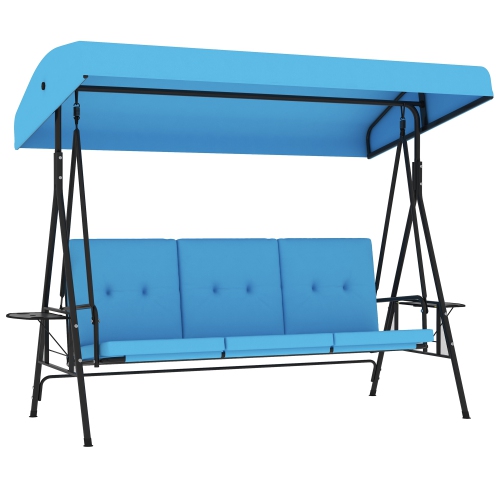
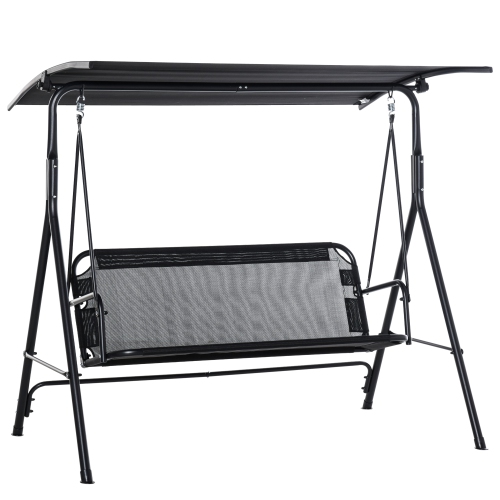

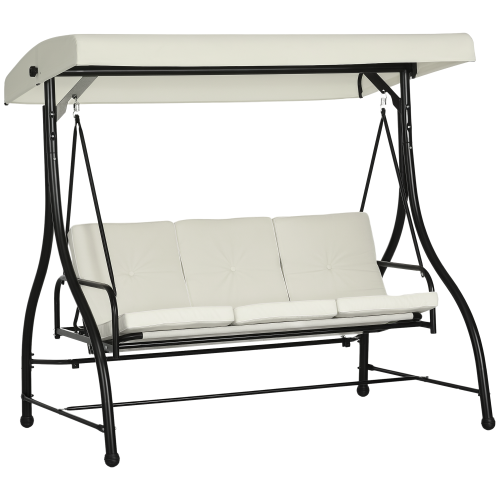
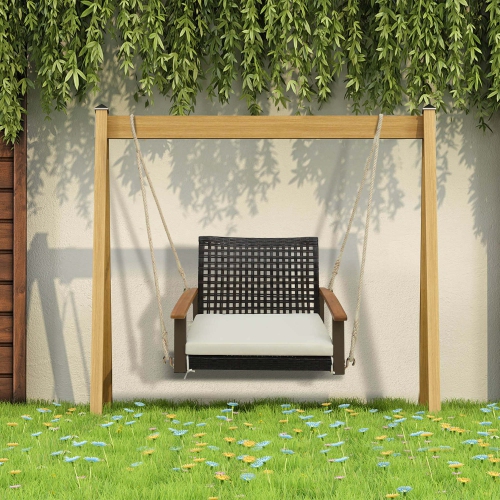
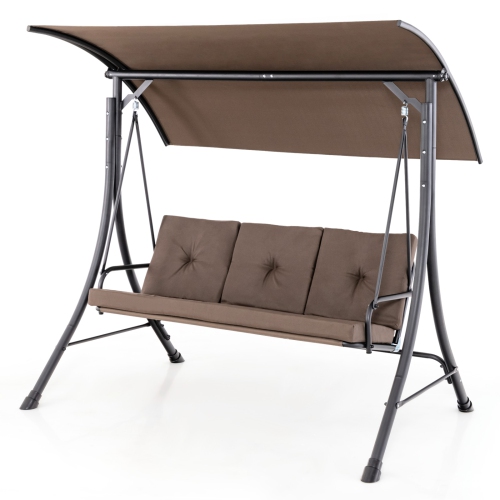
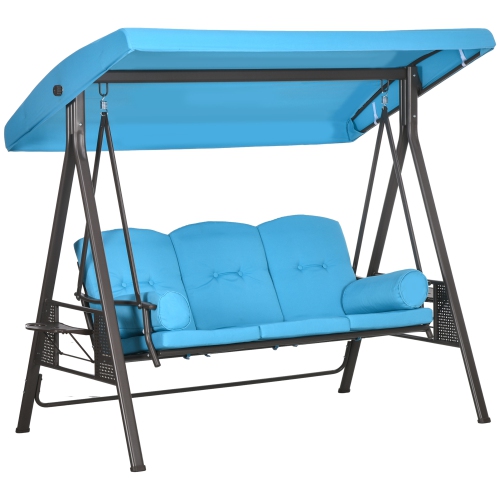
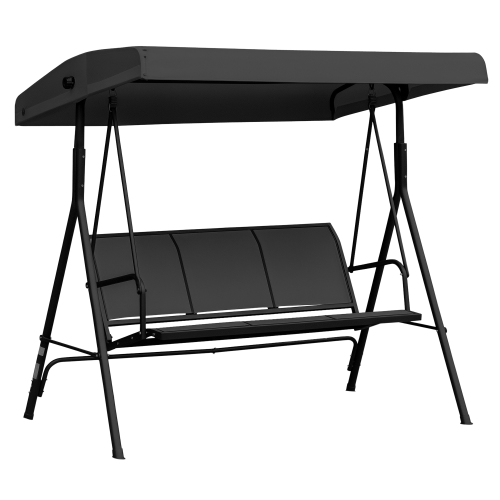
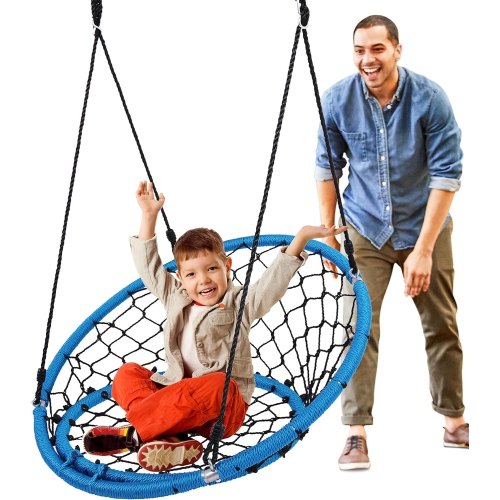
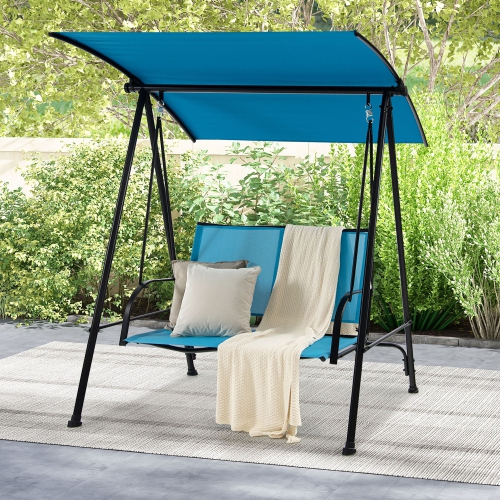
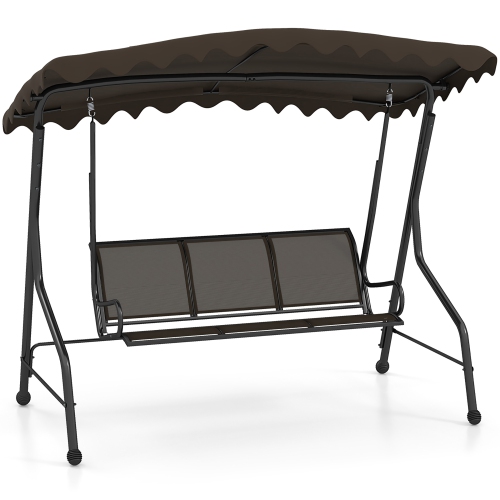
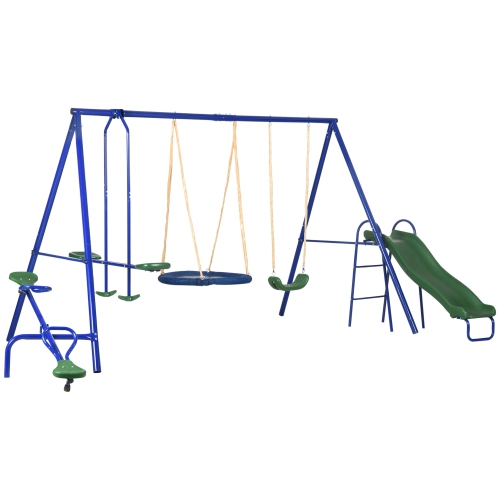

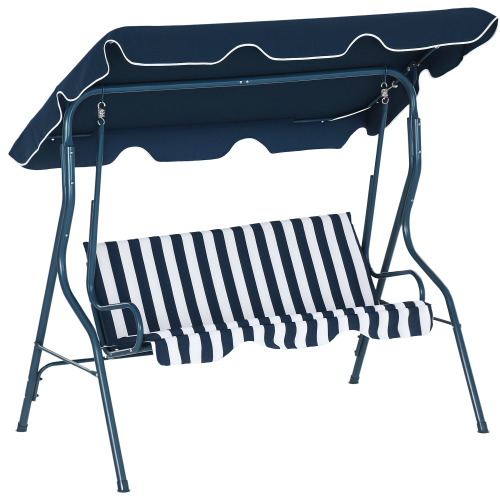
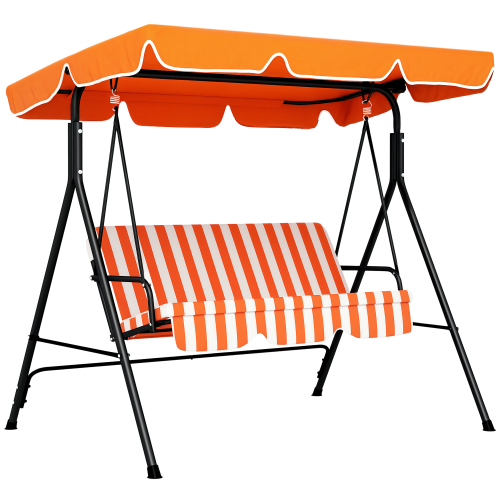
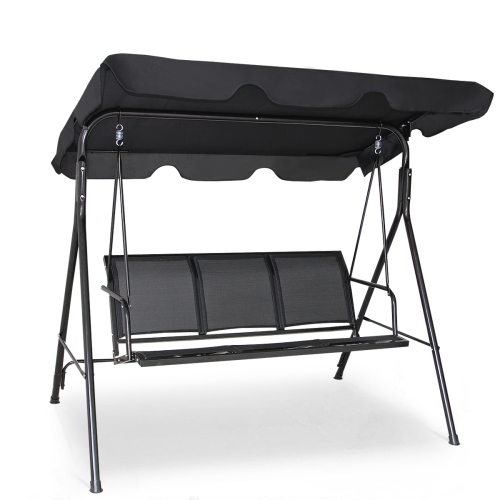
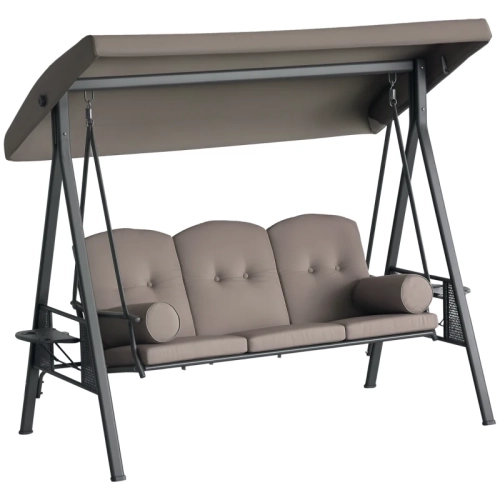
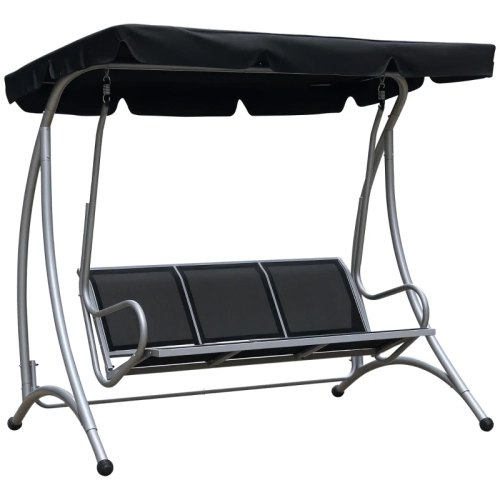
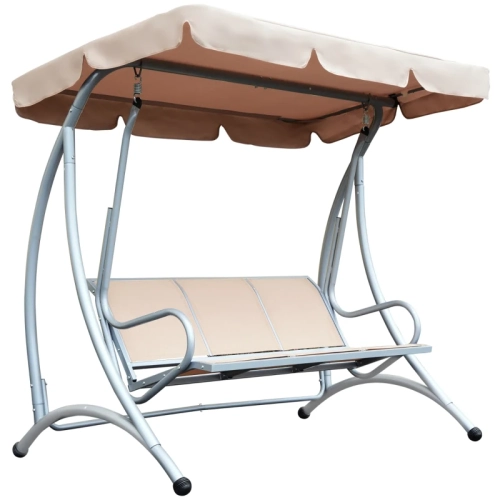
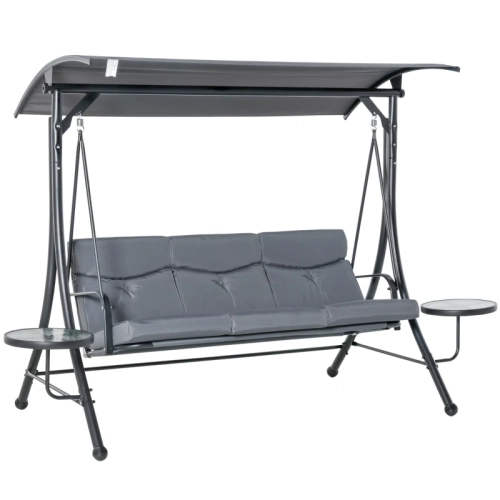
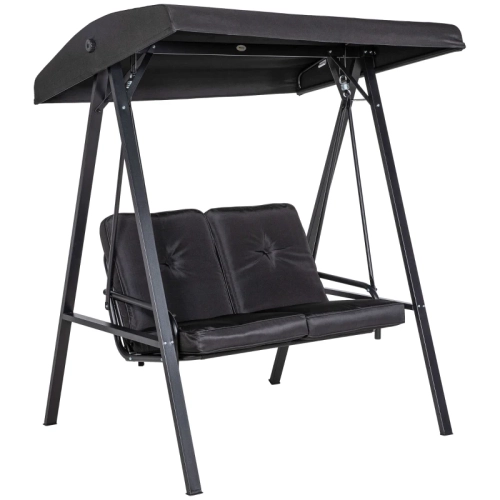
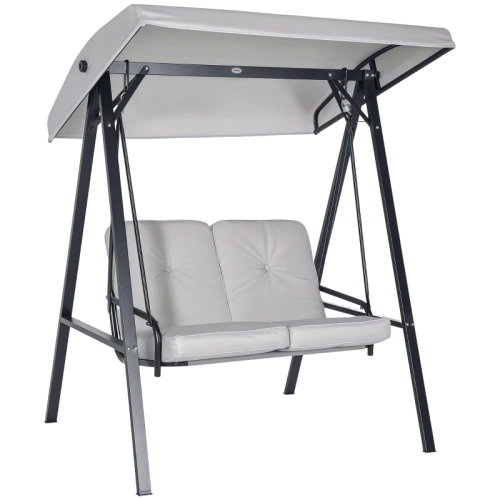
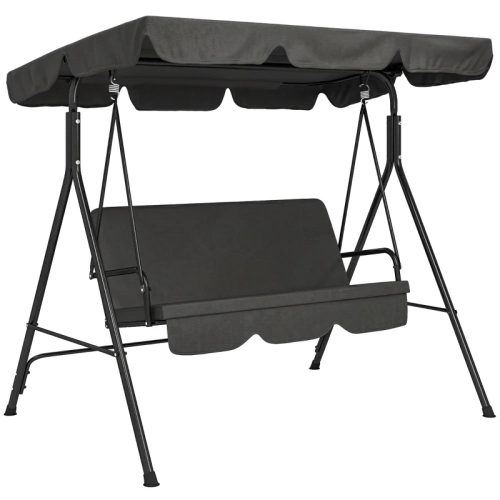
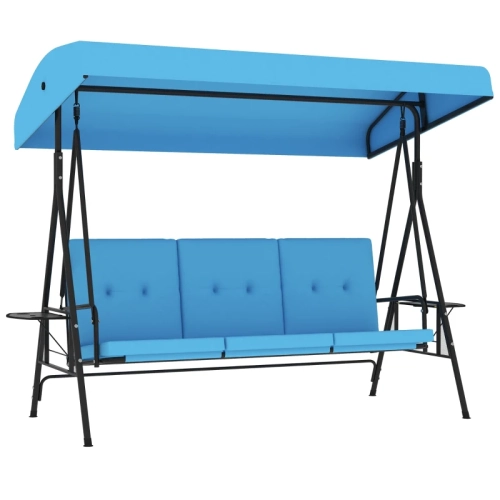
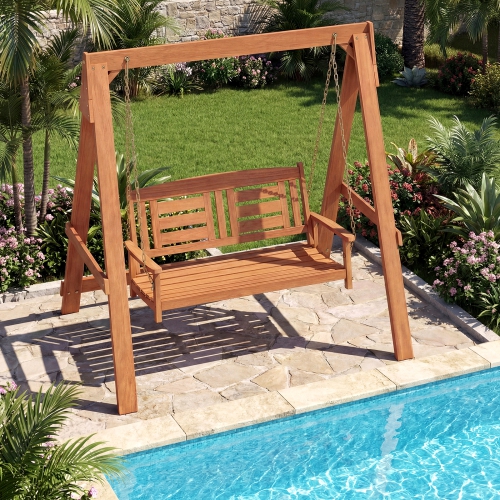
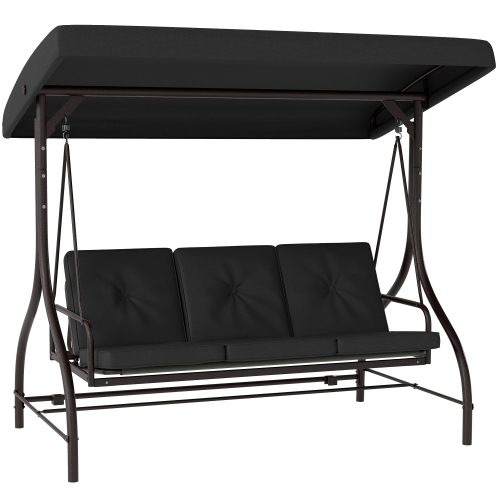
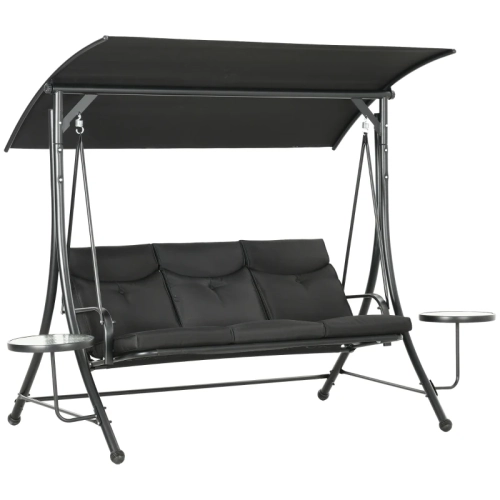
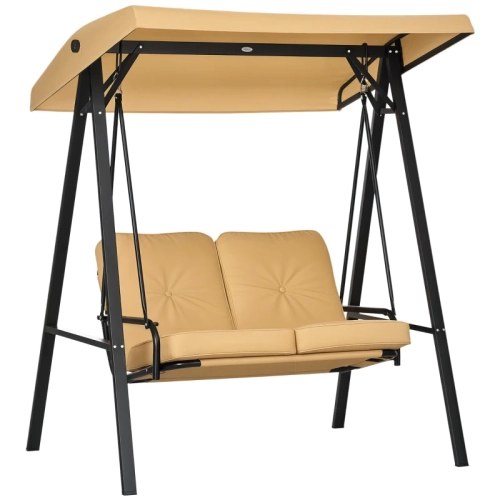
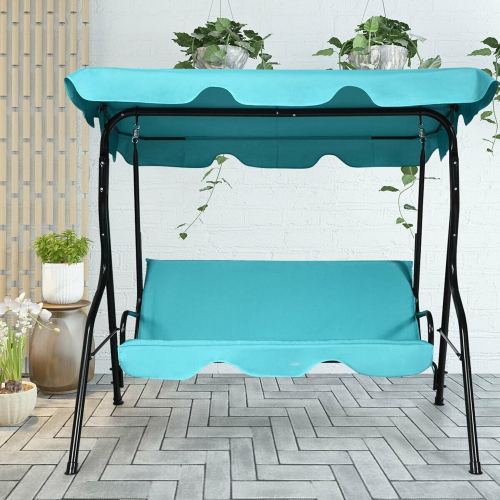

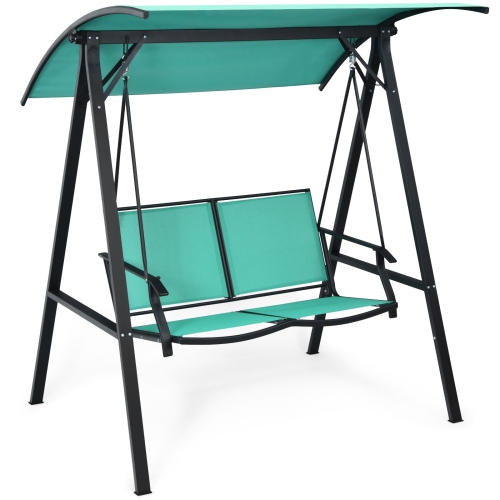
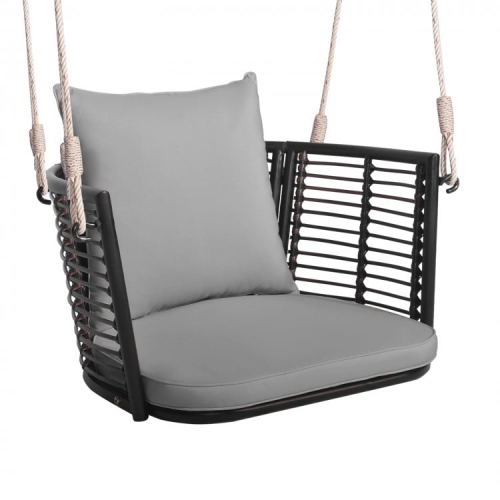
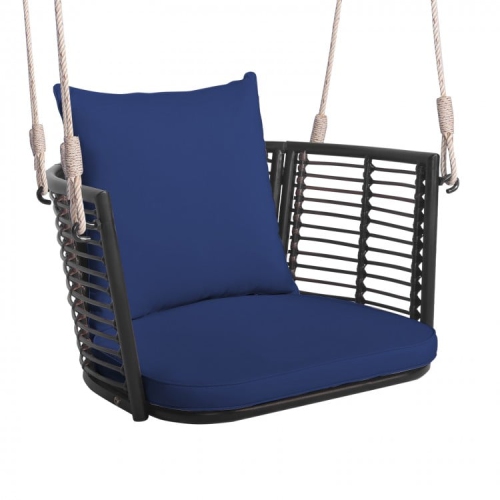
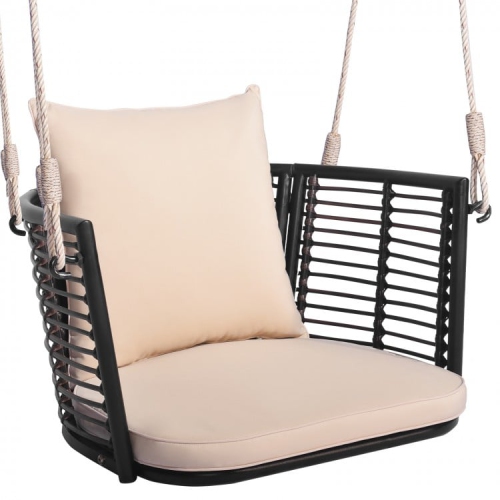
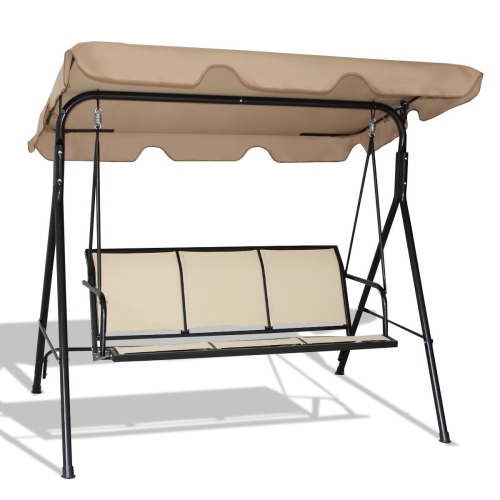
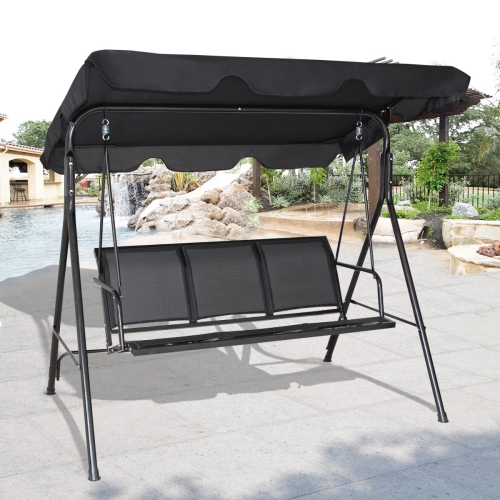
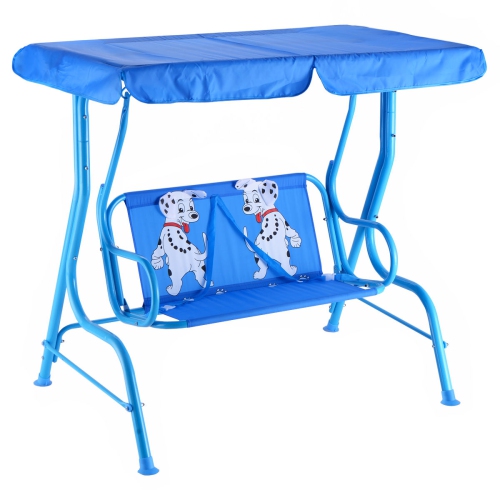
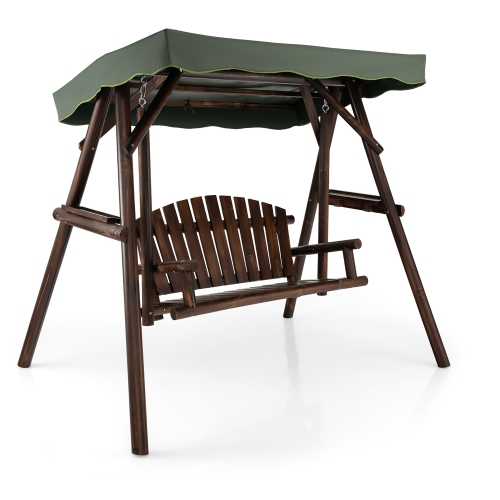
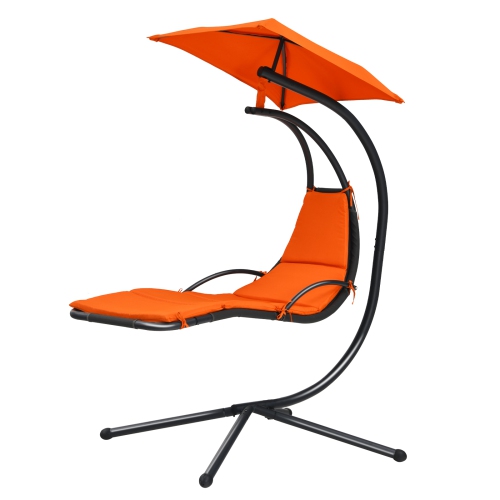
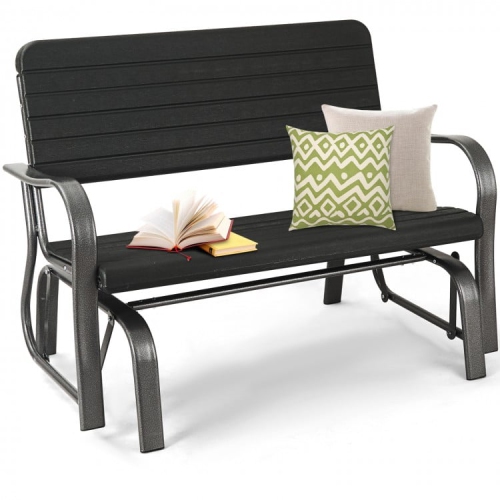
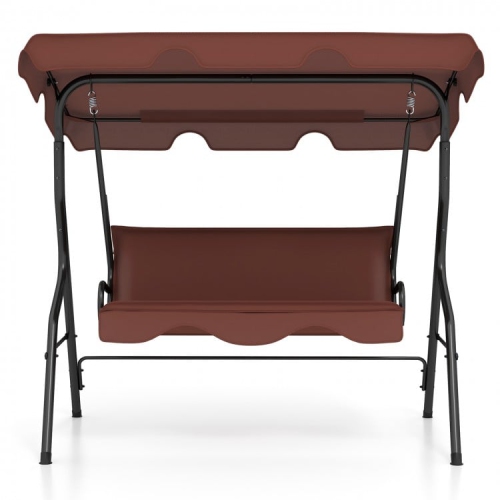
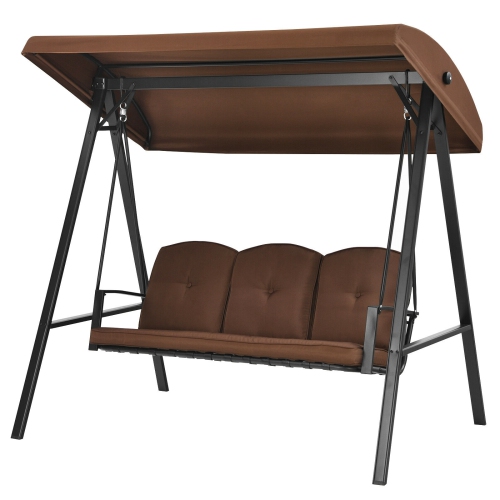
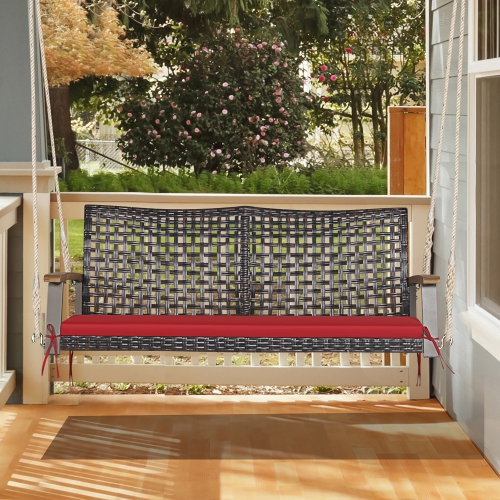
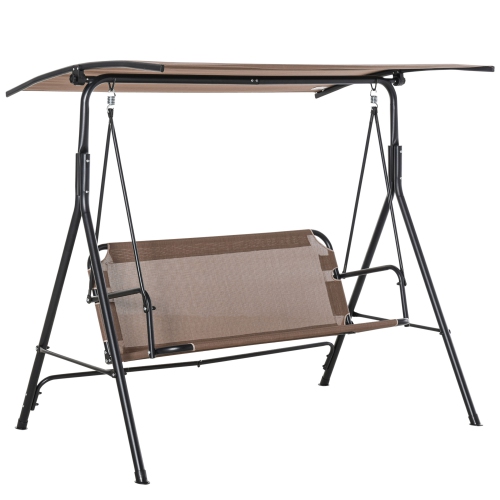
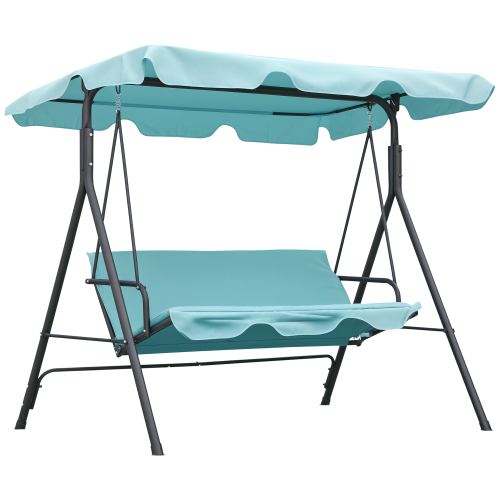
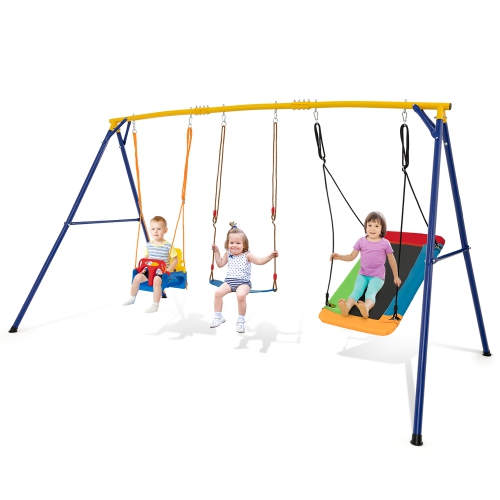
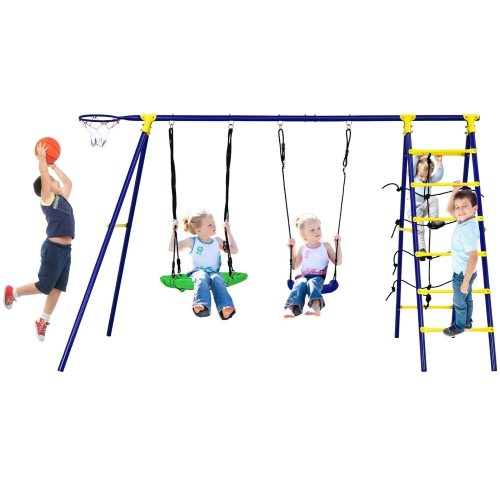
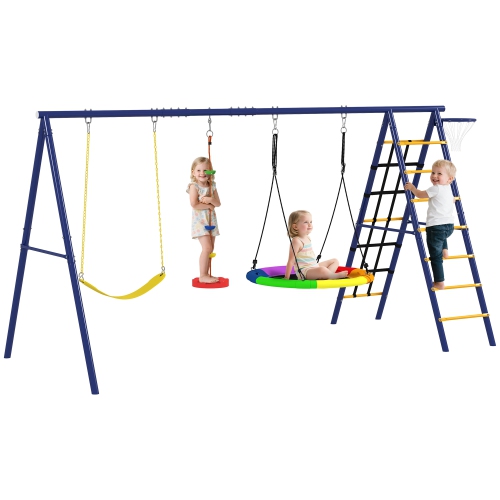
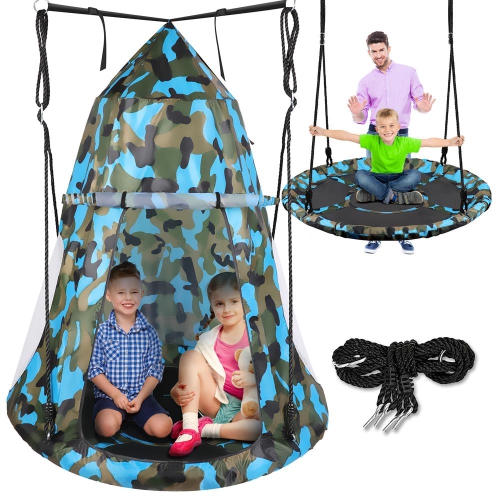
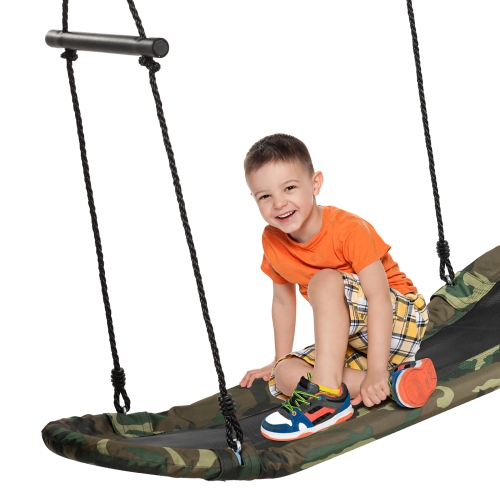
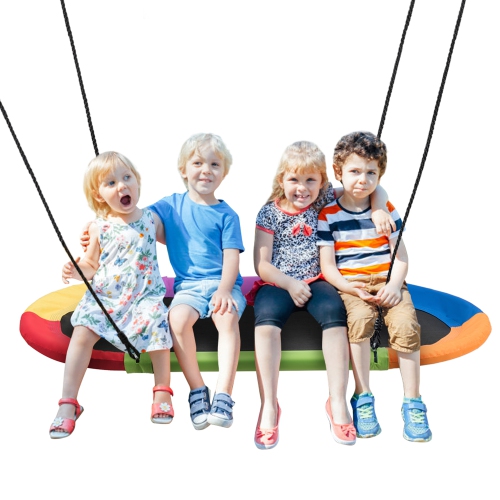
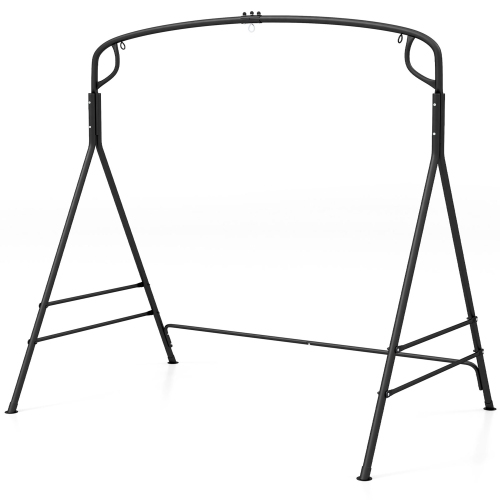
Gentle swaying for quiet reading or shared conversation
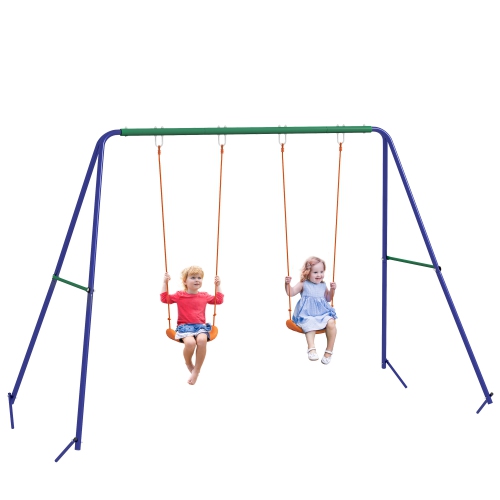
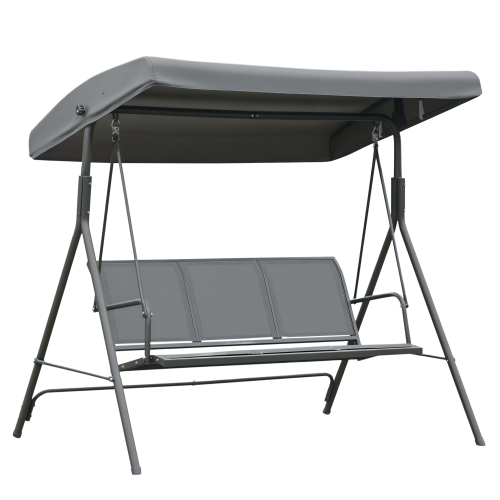
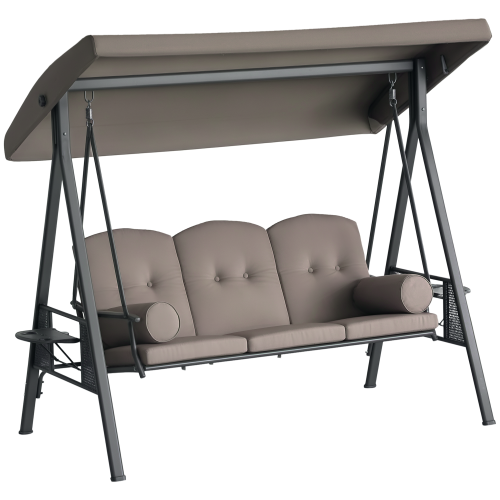
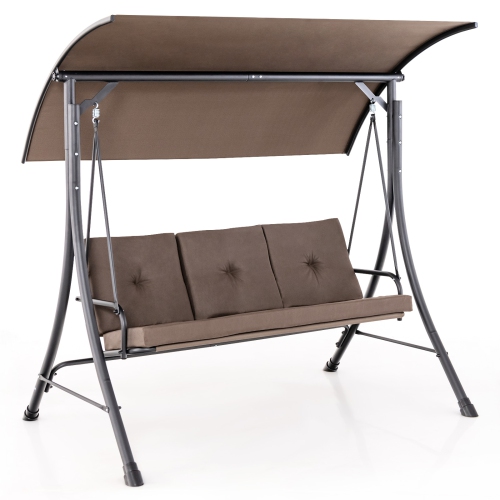
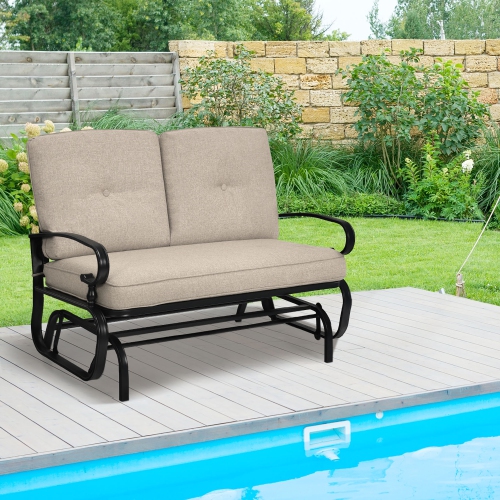
Outdoor swings bring gentle movement to outdoor seating, creating a comfortable place to read, share a conversation, or settle in with a warm drink. The main styles include freestanding patio swings, hanging porch swings, and single-person swing chairs. Each suits a different space and way of relaxing. A freestanding swing has its own supporting frame, making it a practical choice for a patio, deck, or suitable garden area without an overhead beam. Many canopy swings combine a bench-style seat with an adjustable fabric shade that helps soften direct sunlight, although a canopy is not a substitute for shelter from heavy rain or snow. Hanging porch swings suspend from a suitable load-bearing structure or a compatible stand, leaving the area beneath the seat open and giving a covered porch a familiar, welcoming feel. Single-person hanging chairs offer a more enclosed seat for quiet time, while wider bench swings let two or three people sit together when the stated capacity allows. Hammock-style chairs provide a softer, more flexible seat, but their posture and support differ from those of a firm-backed bench. For a household that spends time chatting outside, a shared seat can feel like a natural extension of the living room. For someone who prefers a book and a little space to themselves, an individual swing chair may be the better match. Seat shape matters as much as appearance: an upright back supports conversation and getting in and out, while a deeper seat encourages a more reclined position. Armrests, cushion thickness, and the height of the seat above the ground all influence everyday comfort. Outdoor swings can also make a thoughtful housewarming or anniversary gift when the recipient’s space, preferred seating style, and installation needs are known. Their appeal lies in making a familiar corner more inviting, whether that is a sheltered front porch or a quiet spot beside the garden.
The right fit for an outdoor swing involves more than measuring the frame. Its full range of movement needs clear space in front, behind, and, for some hanging chairs, to the sides. A swing that fits neatly between a railing and a patio table when stationary may feel cramped once someone starts moving. Doorways, steps, barbecue areas, and main walking routes should remain clear, with enough room for people to approach the seat without crossing its path. On a smaller balcony, even a single-person chair can require substantial clearance, and building rules or structural limits may affect whether a swing is suitable at all. A freestanding frame needs a level, stable surface approved by its manufacturer; soft ground, uneven paving, or a sloping deck can compromise stability. Hanging swings require particular attention to the support above them because movement creates forces beyond the seated weight alone. Decorative porch trim, an unverified branch, or an ordinary ceiling hook should not be assumed to provide adequate support. The swing, suspension hardware, and supporting structure must all be appropriate for the installation, with professional assessment where needed. Published weight capacity also deserves a close look: seating labels describe the intended number of occupants, but the stated load limit and usable seat width determine whether everyone can sit comfortably within the manufacturer’s requirements. A wide bench with a centre cushion may suit two adults who like extra room better than three people sitting shoulder to shoulder. For someone who finds low seating difficult, a firmer seat at a comfortable height may be easier to use than a deep, soft sling. A moving seat can still present challenges for anyone with balance or mobility concerns. Children need supervision around outdoor seating swings, which are different from playground swings designed for active play. In an exposed yard, wind is another consideration, particularly with broad canopies and suspended chairs; securing or storing components as directed helps prevent avoidable damage when conditions change.
Materials shape both the character of an outdoor swing and the care it needs over time. Wood brings visible grain and a substantial, traditional look that pairs naturally with porch railings, garden planting, and other timber furniture. Cedar, teak, and other woods differ in their natural resistance to moisture and decay, while the construction, finish, and upkeep also influence long-term durability. For a closer focus on this style, outdoor wooden swings offer the familiar appeal of timber seating, often with slatted seats and backs. Wood may change colour outdoors, and protective treatments should follow the manufacturer’s recommendations rather than a one-size-fits-all schedule. Metal frames offer another look, from simple tubular supports to more detailed profiles. Powder-coated steel can provide sturdy support, but scratches in the coating may leave the underlying metal vulnerable to rust. Aluminium is generally lighter and resists rust, although fittings, joints, and other components still need inspection. Woven resin seating can add texture without the same care requirements as natural wicker, but its suitability for prolonged outdoor exposure depends on its construction and rating. Cushions and canopies also deserve attention beyond colour. Outdoor-rated fabrics vary in resistance to fading and moisture, and water-resistant fabric is not necessarily waterproof. Removable covers can make cleaning easier when their care instructions permit washing, while cushions that dry readily are useful in spaces exposed to occasional dampness. After rain, allowing the seat, seams, and cushions to dry thoroughly helps prevent persistent moisture and mildew. During the cooler months, loose textiles are best stored clean and dry when the swing is not in use, and any protective cover should fit properly without trapping moisture against the furniture. Snow and ice should not be allowed to accumulate on a canopy or seat beyond the manufacturer’s guidance. Routine checks of bolts, chains, hooks, suspension points, and frame joints help identify wear or loosening before it affects use. With suitable placement and consistent care, an outdoor swing can remain a comfortable part of the home’s outdoor seating through changing conditions.
The right fit for an outdoor swing involves more than measuring the frame. Its full range of movement needs clear space in front, behind, and, for some hanging chairs, to the sides. A swing that fits neatly between a railing and a patio table when stationary may feel cramped once someone starts moving. Doorways, steps, barbecue areas, and main walking routes should remain clear, with enough room for people to approach the seat without crossing its path. On a smaller balcony, even a single-person chair can require substantial clearance, and building rules or structural limits may affect whether a swing is suitable at all. A freestanding frame needs a level, stable surface approved by its manufacturer; soft ground, uneven paving, or a sloping deck can compromise stability. Hanging swings require particular attention to the support above them because movement creates forces beyond the seated weight alone. Decorative porch trim, an unverified branch, or an ordinary ceiling hook should not be assumed to provide adequate support. The swing, suspension hardware, and supporting structure must all be appropriate for the installation, with professional assessment where needed. Published weight capacity also deserves a close look: seating labels describe the intended number of occupants, but the stated load limit and usable seat width determine whether everyone can sit comfortably within the manufacturer’s requirements. A wide bench with a centre cushion may suit two adults who like extra room better than three people sitting shoulder to shoulder. For someone who finds low seating difficult, a firmer seat at a comfortable height may be easier to use than a deep, soft sling. A moving seat can still present challenges for anyone with balance or mobility concerns. Children need supervision around outdoor seating swings, which are different from playground swings designed for active play. In an exposed yard, wind is another consideration, particularly with broad canopies and suspended chairs; securing or storing components as directed helps prevent avoidable damage when conditions change.
Materials shape both the character of an outdoor swing and the care it needs over time. Wood brings visible grain and a substantial, traditional look that pairs naturally with porch railings, garden planting, and other timber furniture. Cedar, teak, and other woods differ in their natural resistance to moisture and decay, while the construction, finish, and upkeep also influence long-term durability. For a closer focus on this style, outdoor wooden swings offer the familiar appeal of timber seating, often with slatted seats and backs. Wood may change colour outdoors, and protective treatments should follow the manufacturer’s recommendations rather than a one-size-fits-all schedule. Metal frames offer another look, from simple tubular supports to more detailed profiles. Powder-coated steel can provide sturdy support, but scratches in the coating may leave the underlying metal vulnerable to rust. Aluminium is generally lighter and resists rust, although fittings, joints, and other components still need inspection. Woven resin seating can add texture without the same care requirements as natural wicker, but its suitability for prolonged outdoor exposure depends on its construction and rating. Cushions and canopies also deserve attention beyond colour. Outdoor-rated fabrics vary in resistance to fading and moisture, and water-resistant fabric is not necessarily waterproof. Removable covers can make cleaning easier when their care instructions permit washing, while cushions that dry readily are useful in spaces exposed to occasional dampness. After rain, allowing the seat, seams, and cushions to dry thoroughly helps prevent persistent moisture and mildew. During the cooler months, loose textiles are best stored clean and dry when the swing is not in use, and any protective cover should fit properly without trapping moisture against the furniture. Snow and ice should not be allowed to accumulate on a canopy or seat beyond the manufacturer’s guidance. Routine checks of bolts, chains, hooks, suspension points, and frame joints help identify wear or loosening before it affects use. With suitable placement and consistent care, an outdoor swing can remain a comfortable part of the home’s outdoor seating through changing conditions.
Top selling and popular products
-
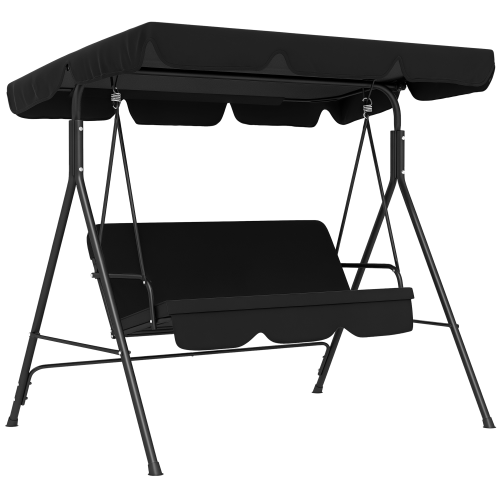 Your price for this item is $133
 -
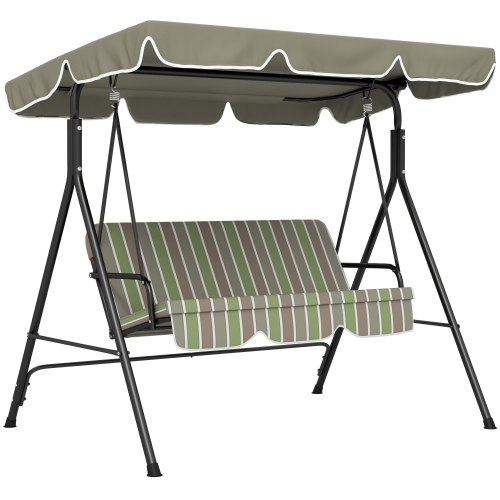 Your price for this item is $154.99
 -
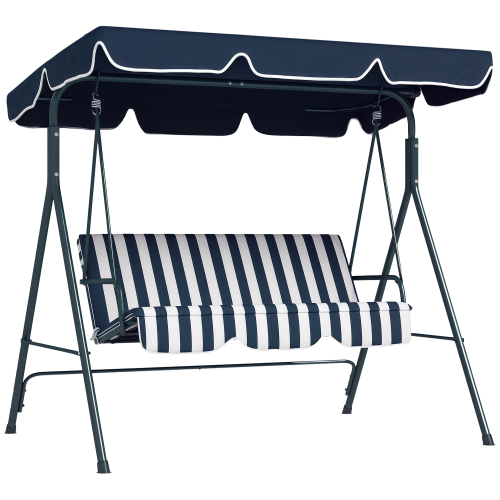 Your price for this item is $149.99
 -
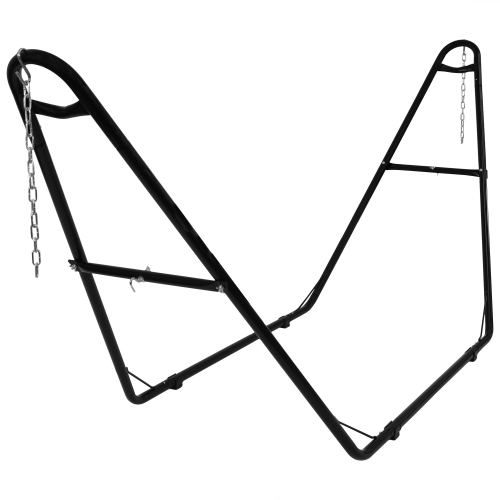 Your price for this item is $182.55
 -
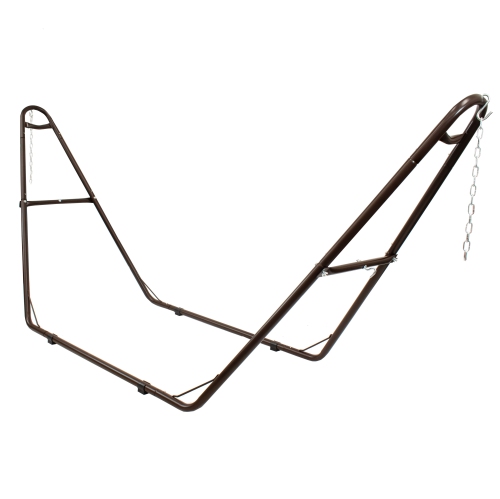 Your price for this item is $182.55
 -
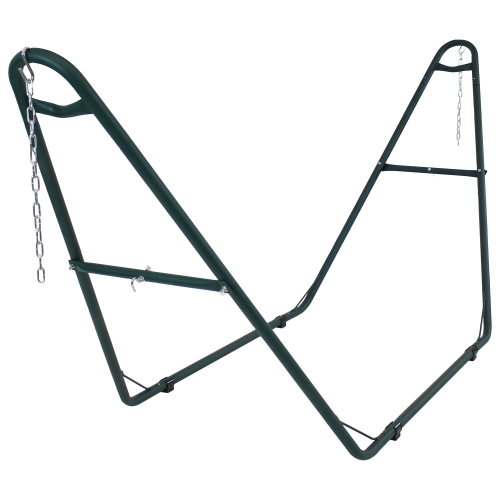 Your price for this item is $182.55
 -
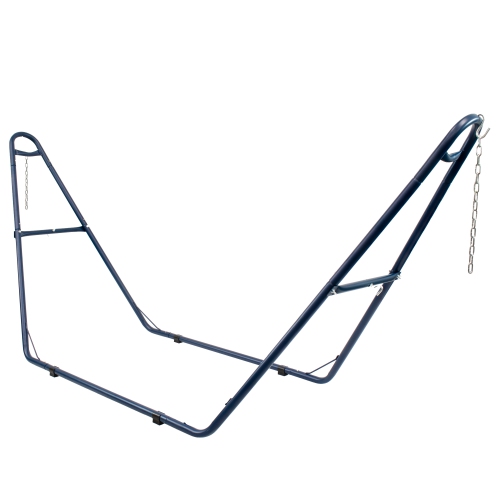 Your price for this item is $182.55
 -
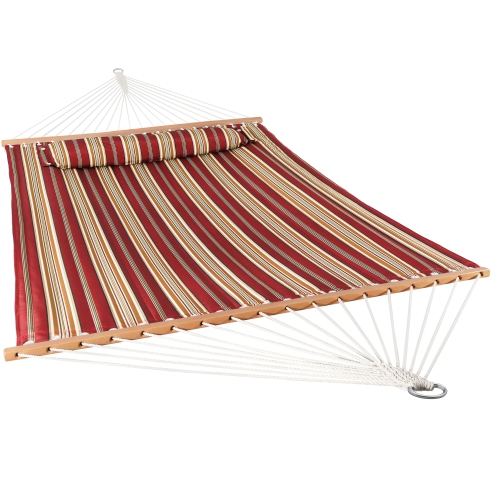 Your price for this item is $139.65
Discover more categories related to Outdoor Swings
Top Collections:
Pokemon Centers, Kindle Devices, Best Budget Office Chairs, Apple iPhones 16, Best Laptops for Writers, iPhone 15 Apple, Canon G7X Cameras, Refurbished Apple Laptops, Alarm Clock, Motorola Razr Phones
Some products may be subject to Environmental Handling Fees
(EHF) depending on your province.
Learn more about EHFs.