Outdoor Water Fountains
Transform your outdoor space into a tranquil oasis with our selection of outdoor water fountains. Whether you're looking to add a touch of elegance to your garden, patio, or backyard, these water features are sure to create a soothing ambiance and enhance the overall aesthetic of your outdoor living area. From classic designs to modern styles, our collection offers a variety of options to suit any taste and complement any outdoor decor. Explore our range of outdoor water fountains today and bring the calming sounds of flowing water to your outdoor retreat.
Sort
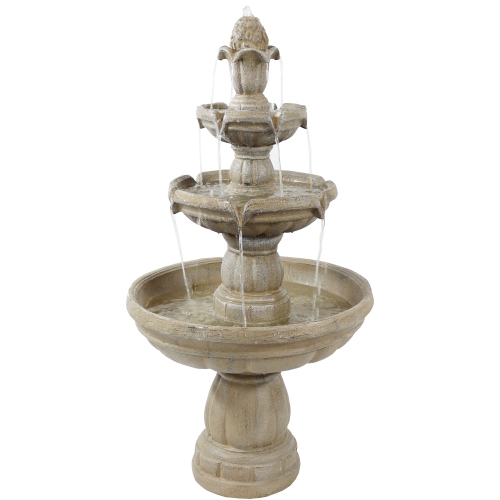
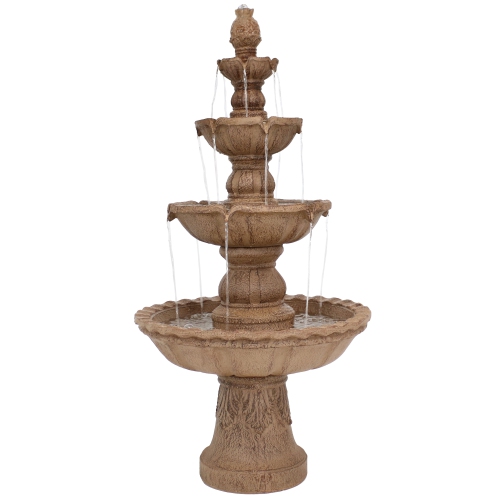
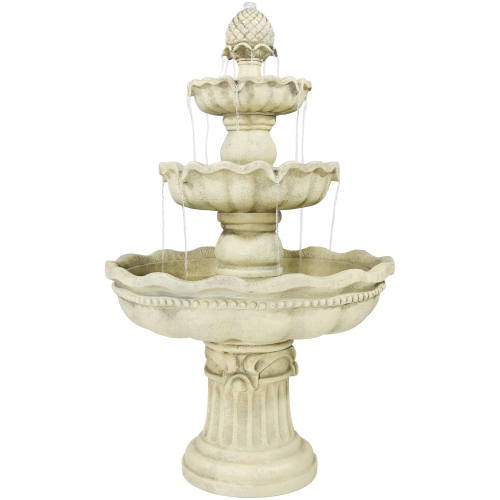
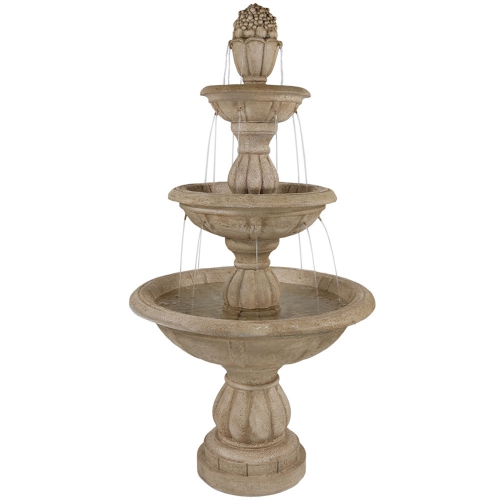
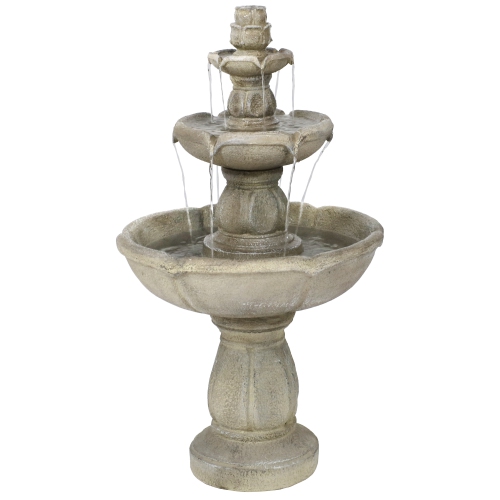
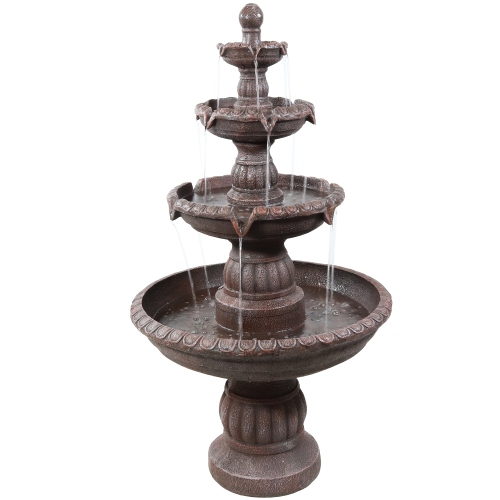
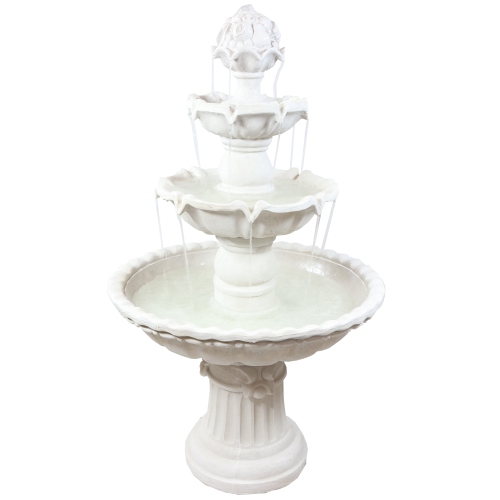
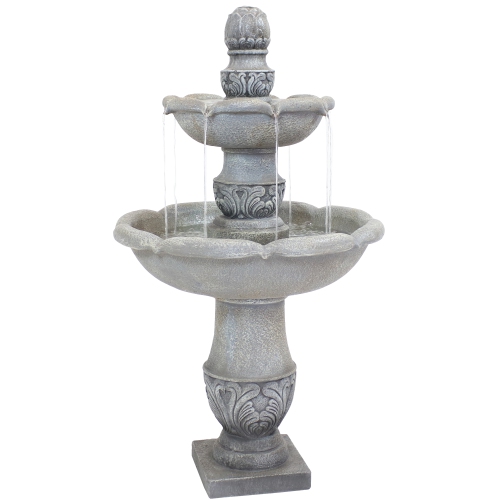
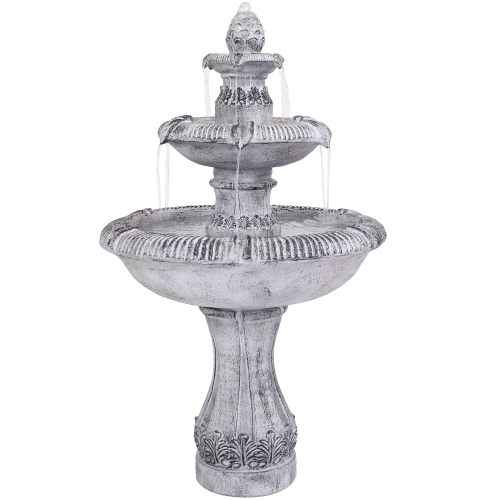

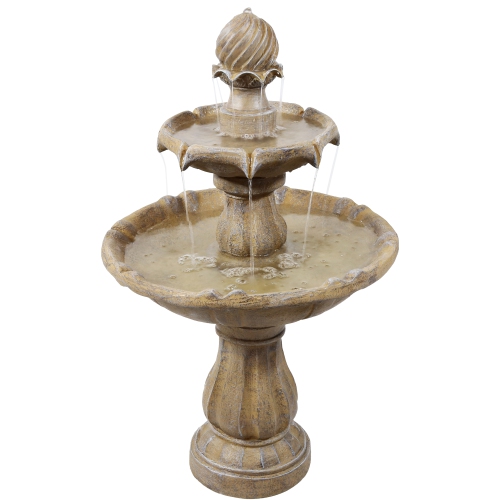
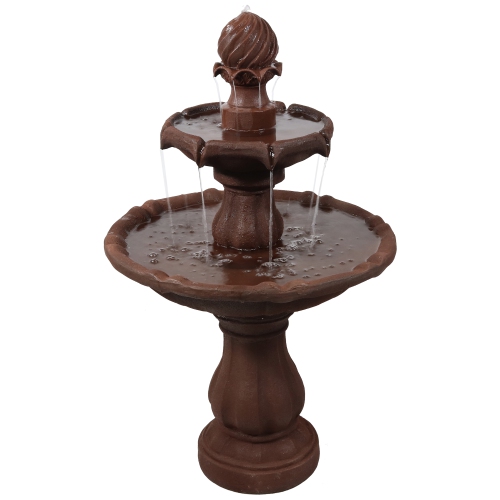
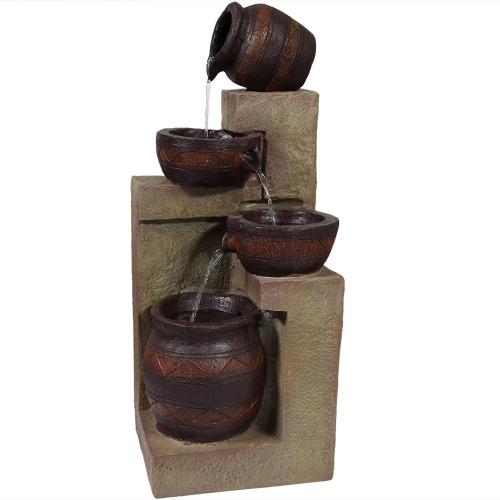
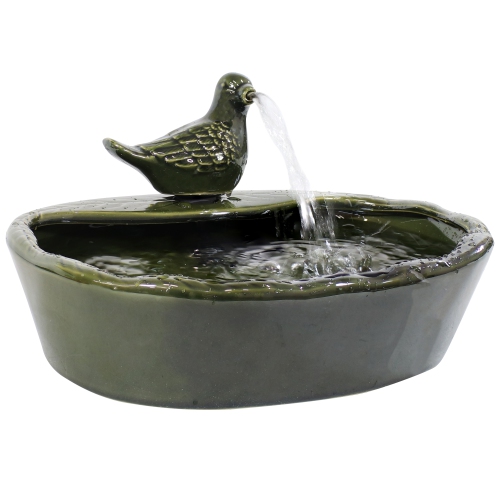
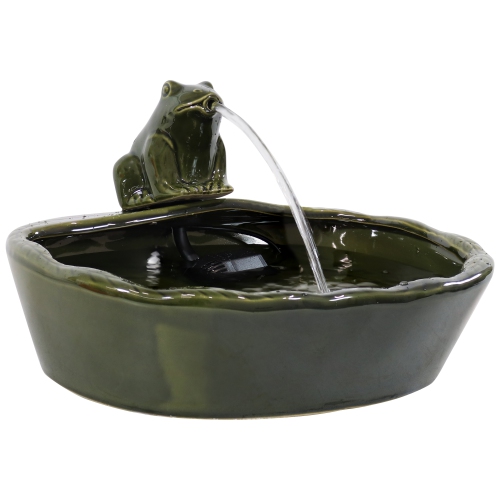
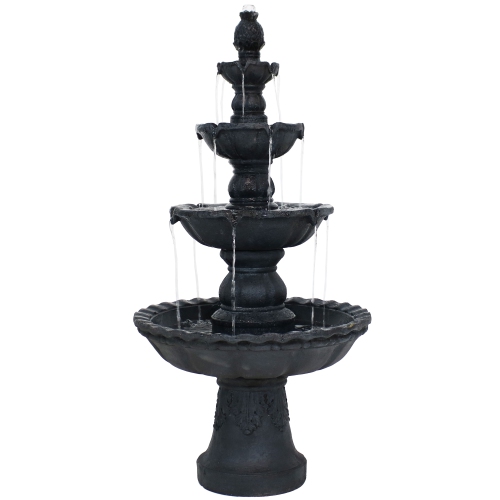
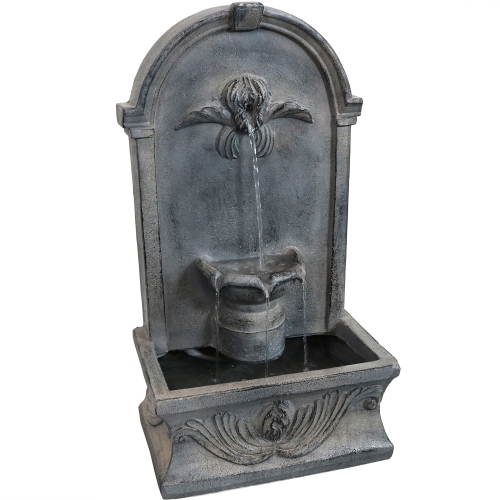
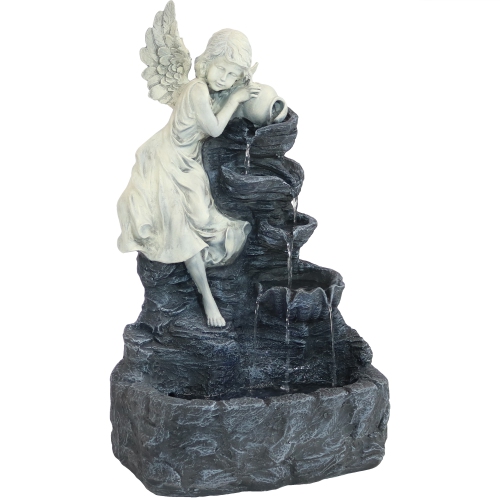
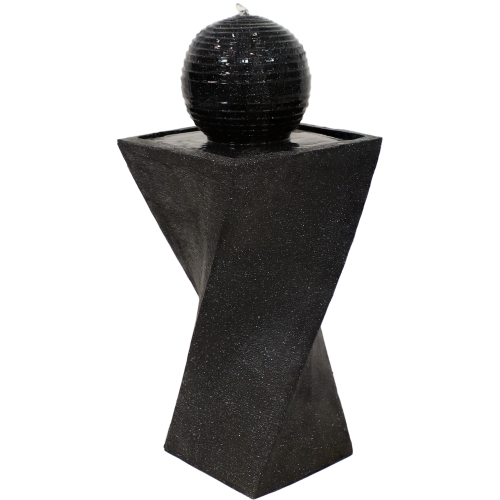
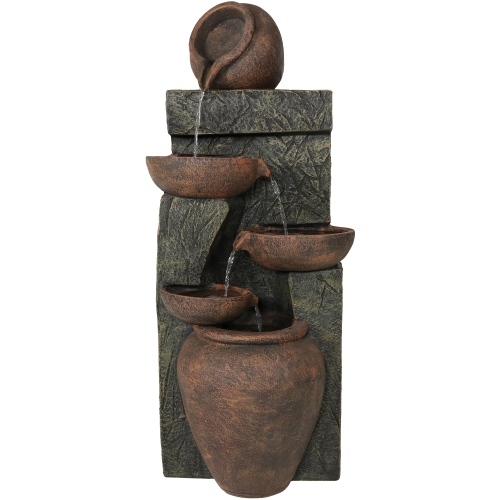
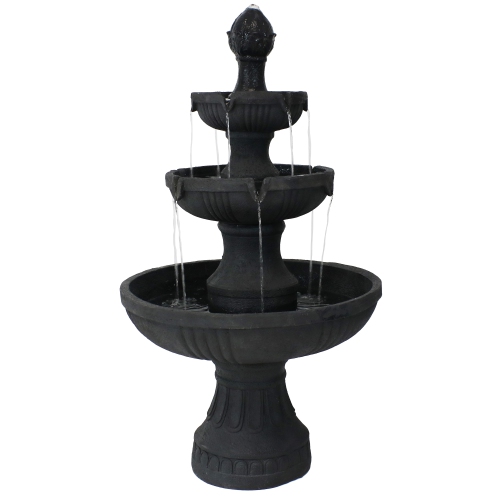
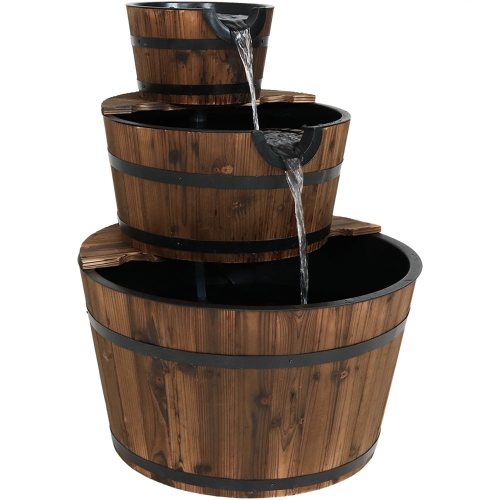
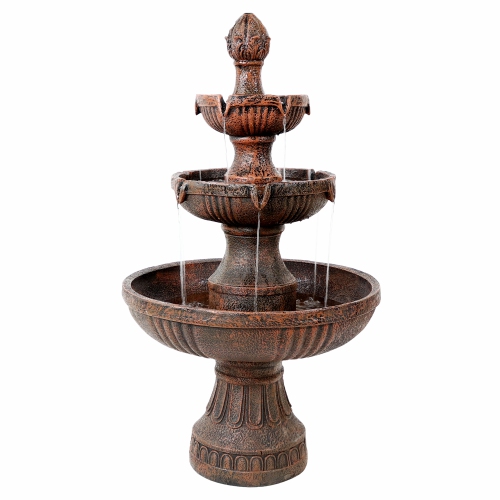
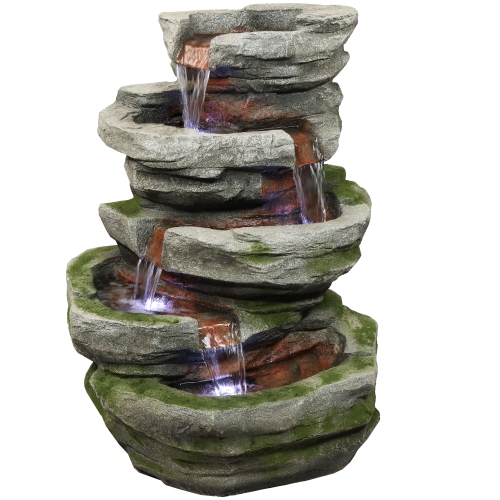
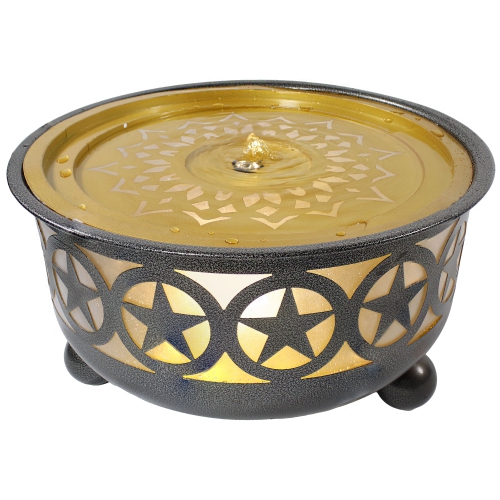
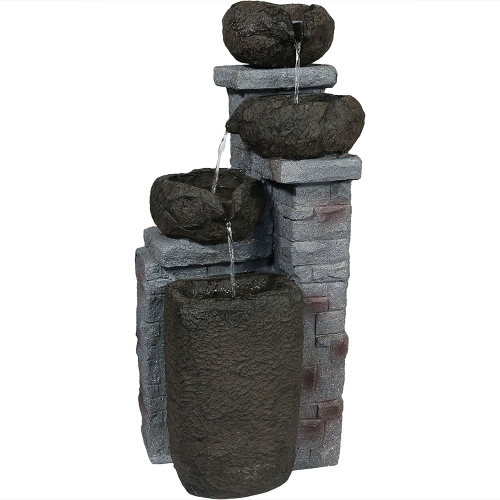
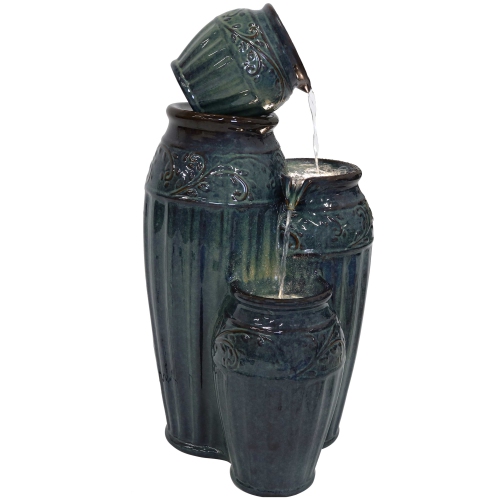
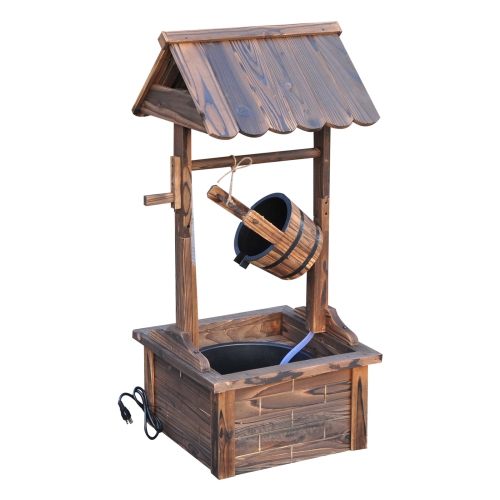
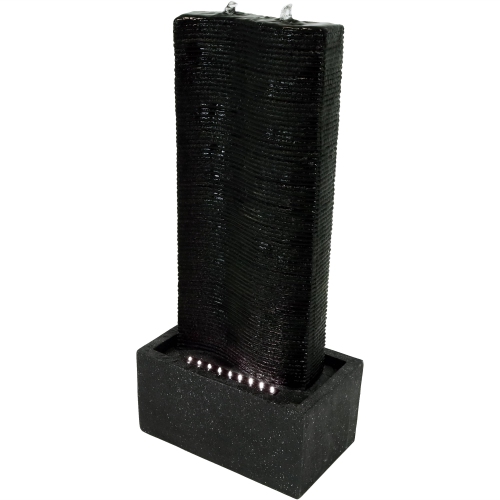
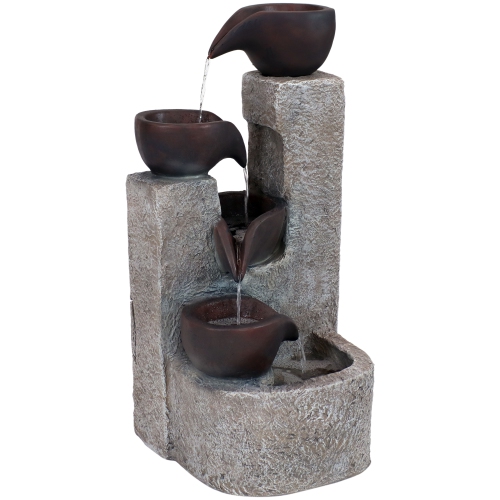
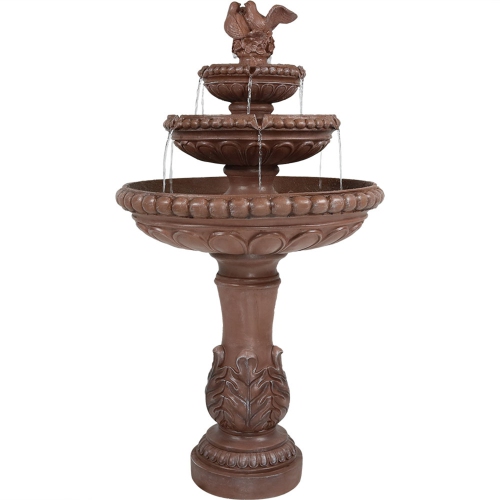
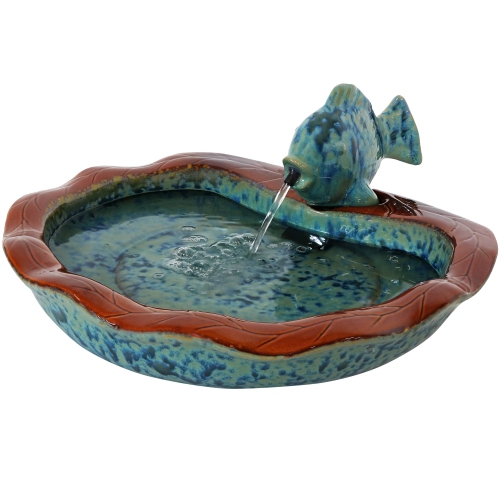
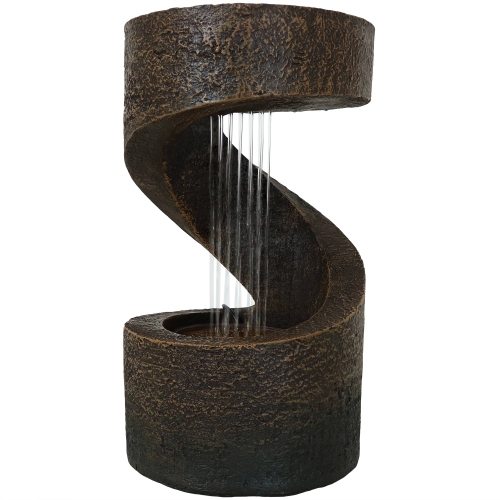
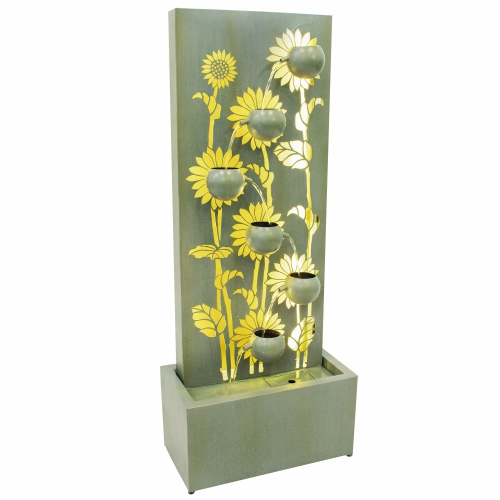
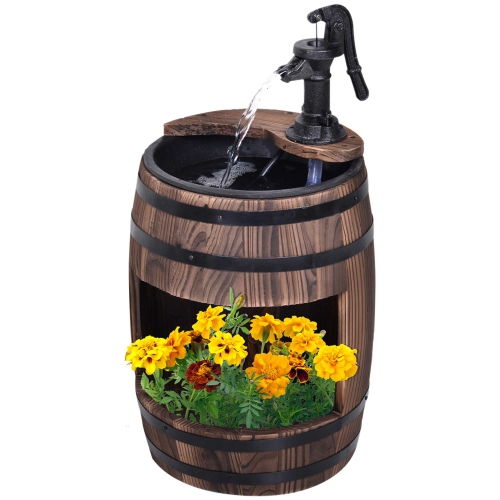
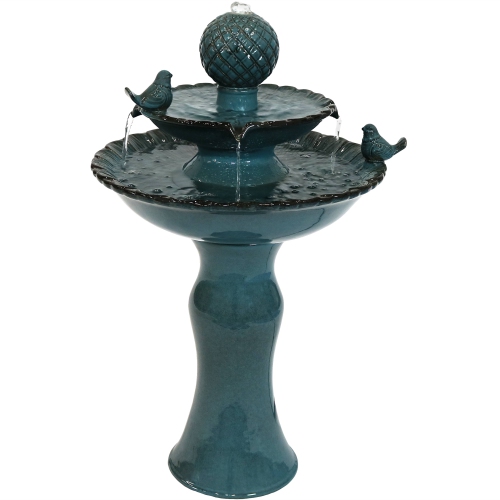
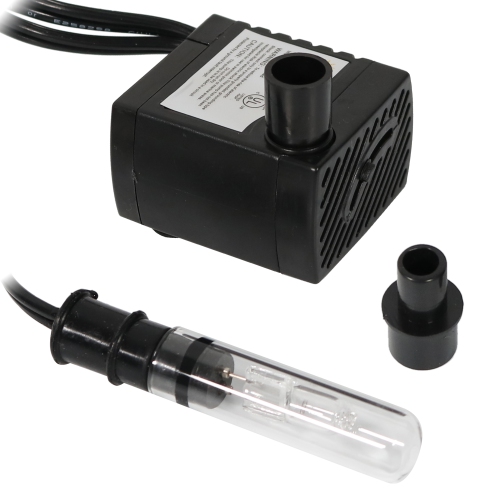
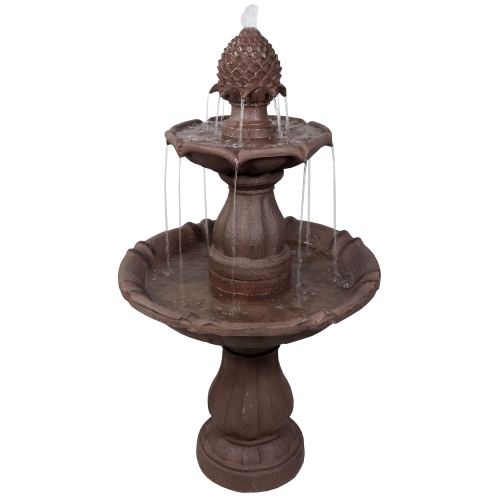
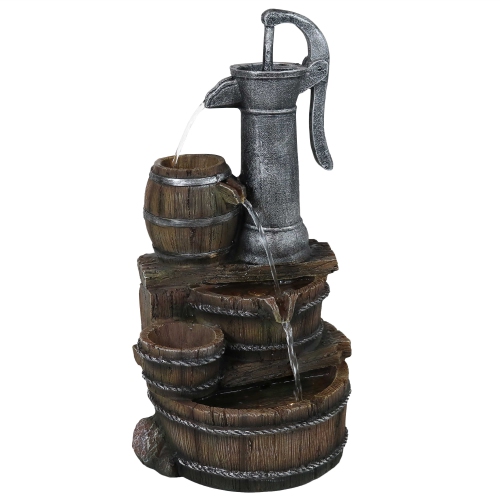
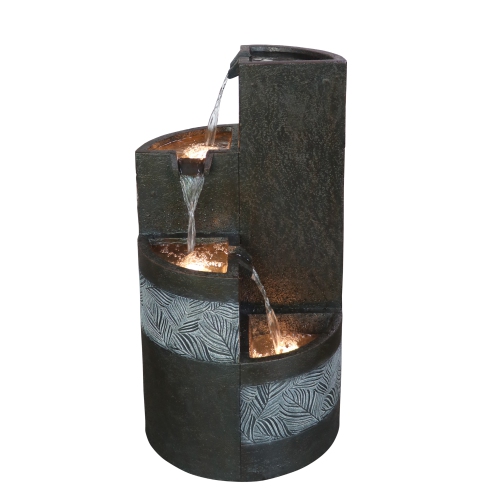
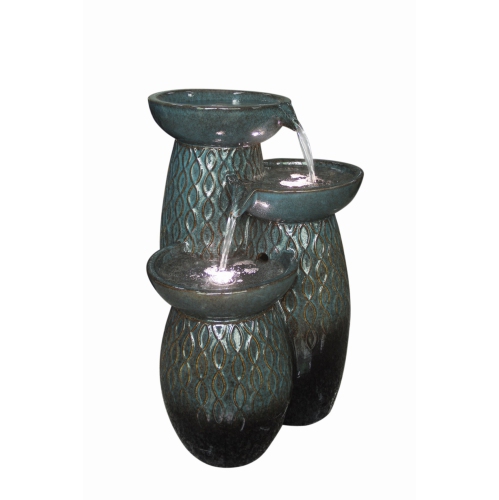
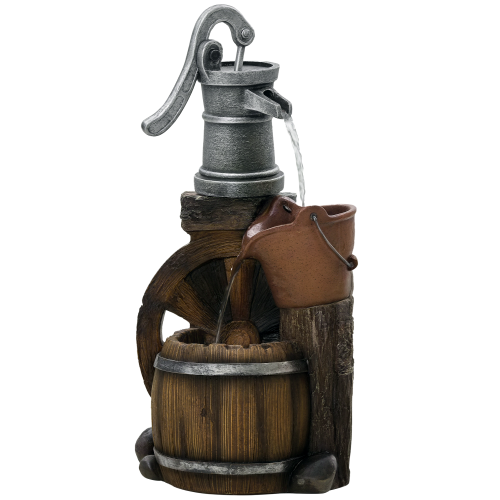
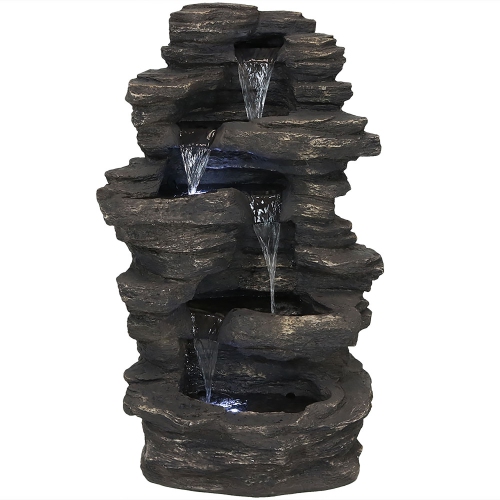
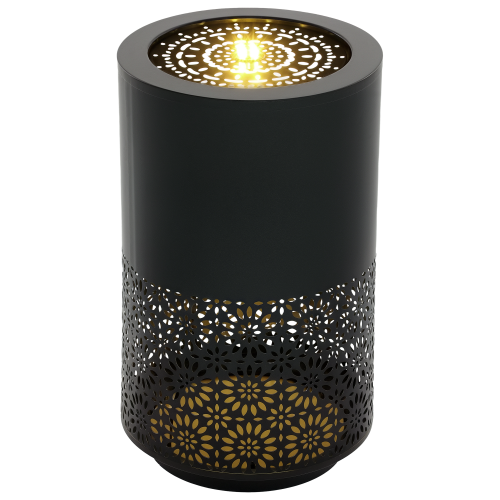
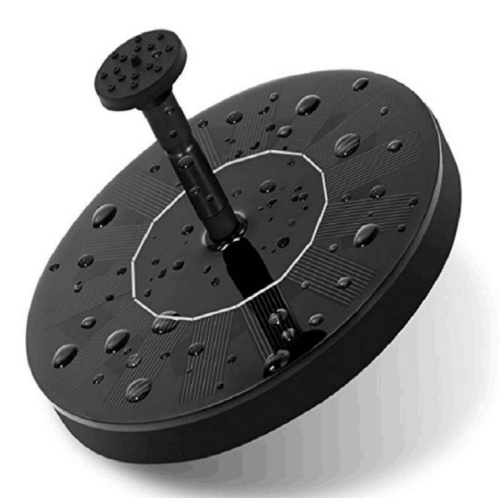
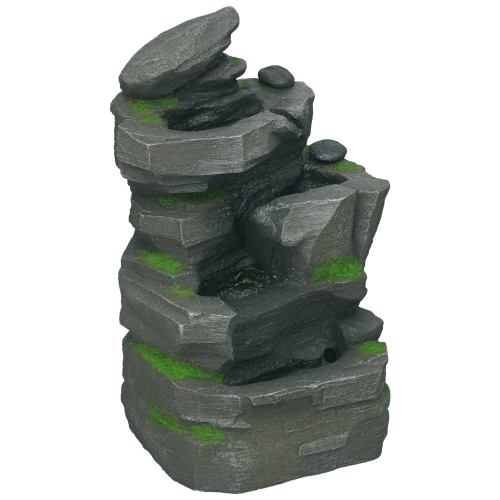
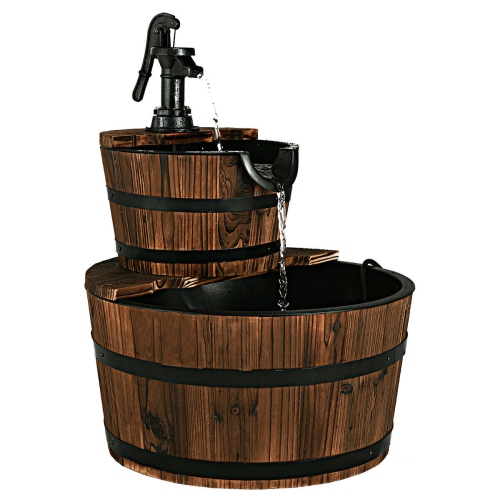

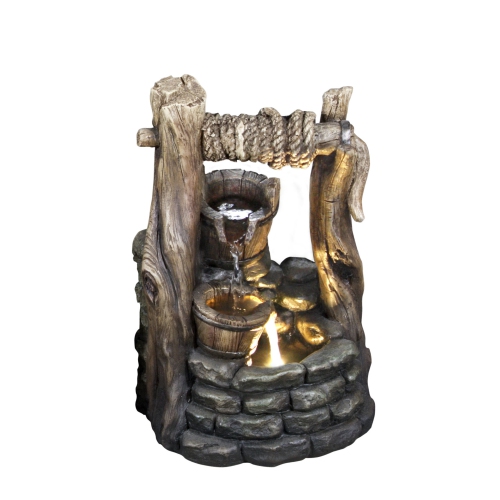
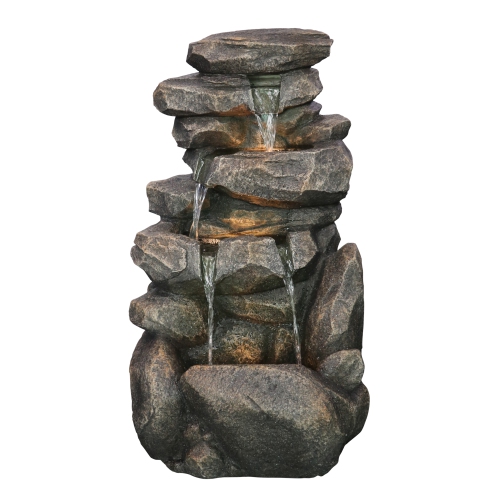
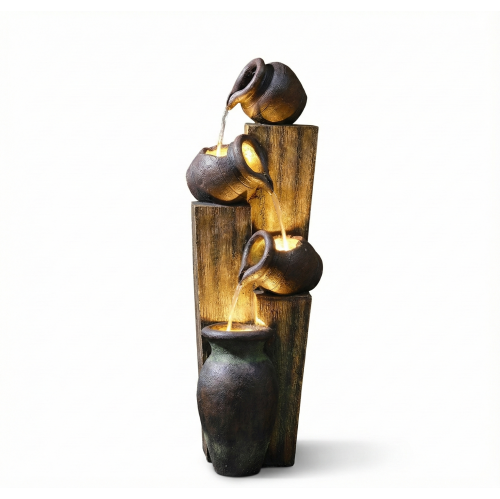
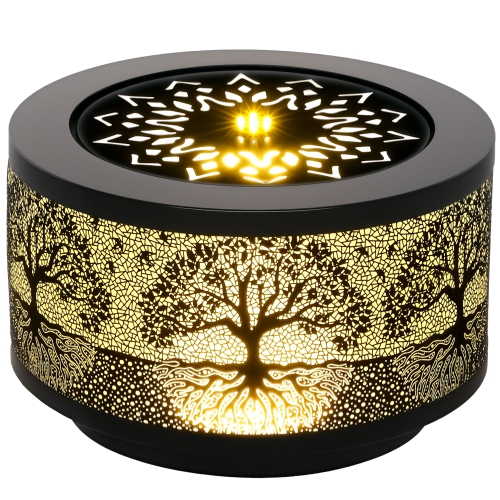
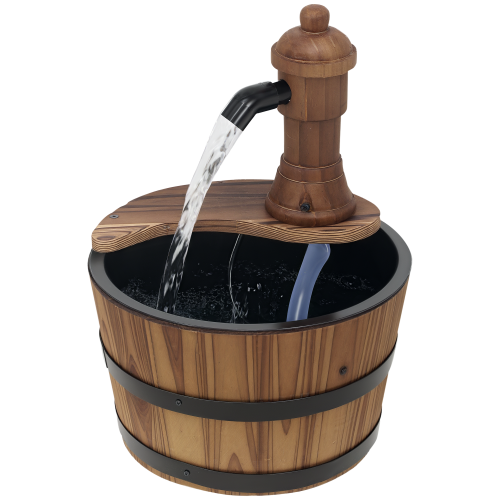
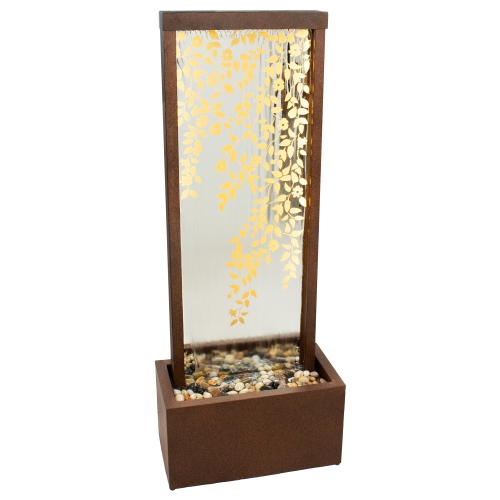
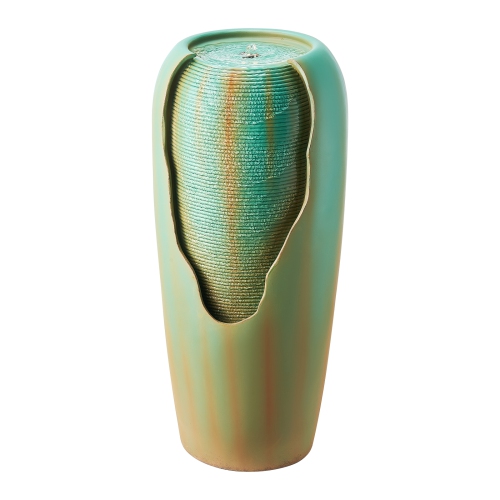
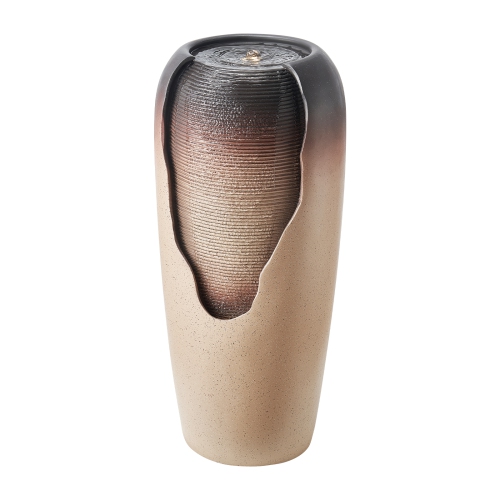
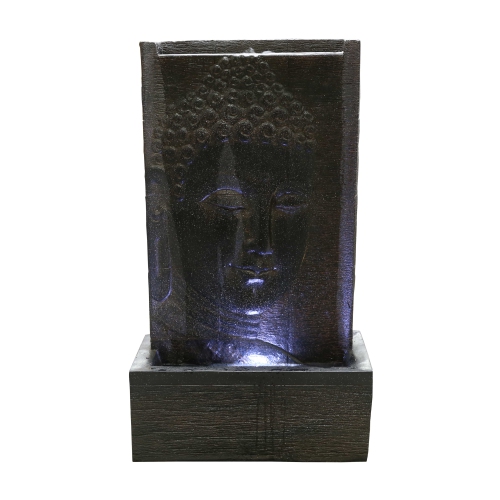
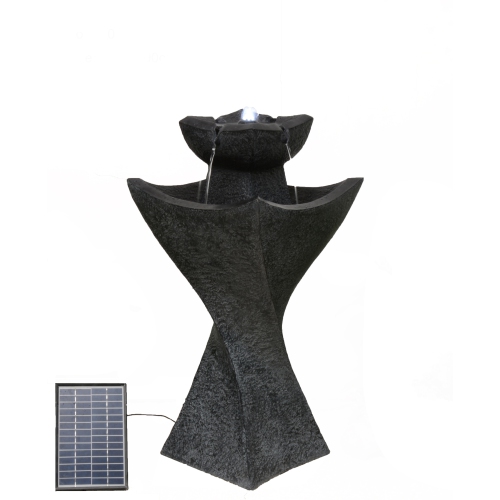
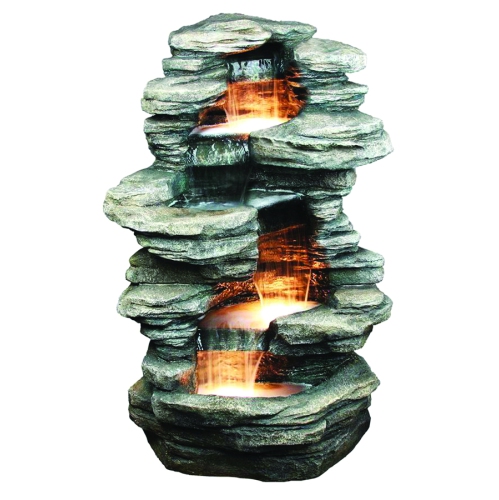
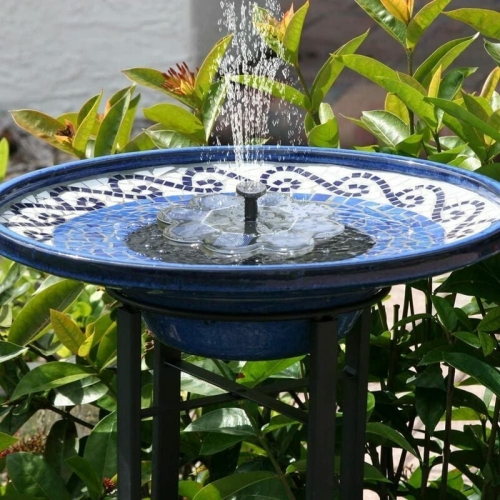
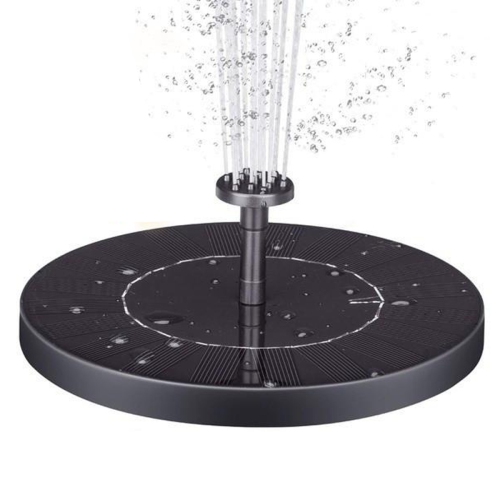
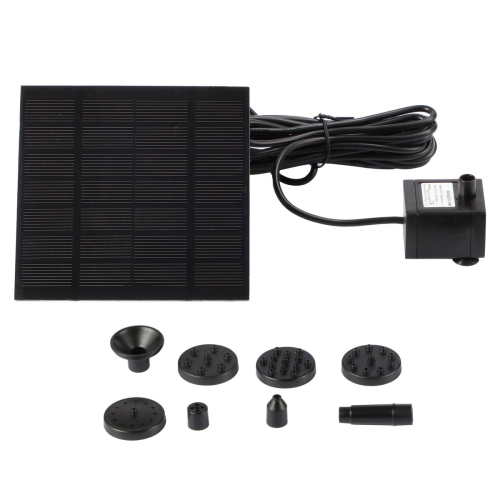
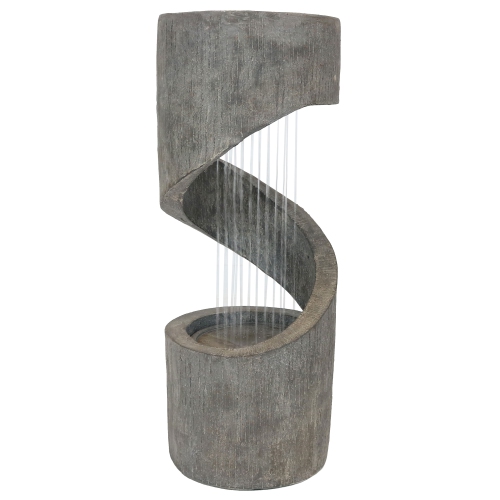
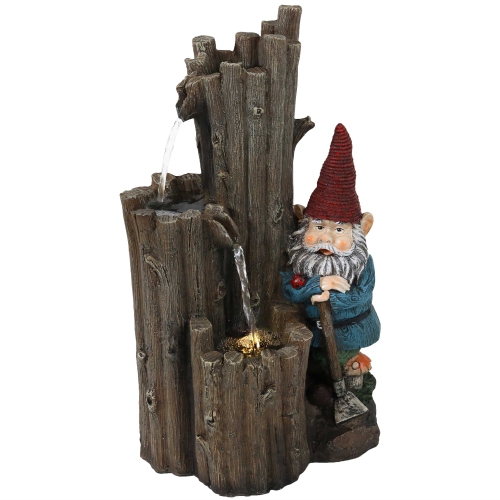
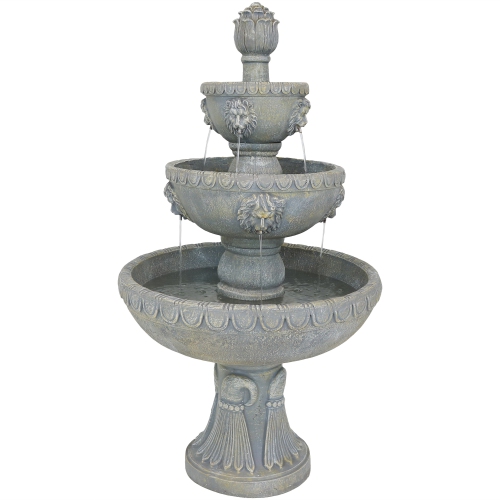
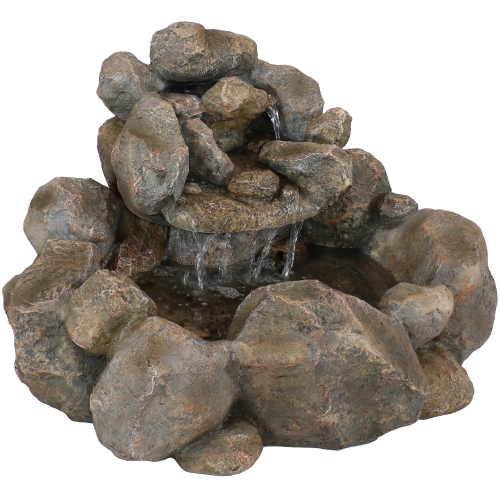
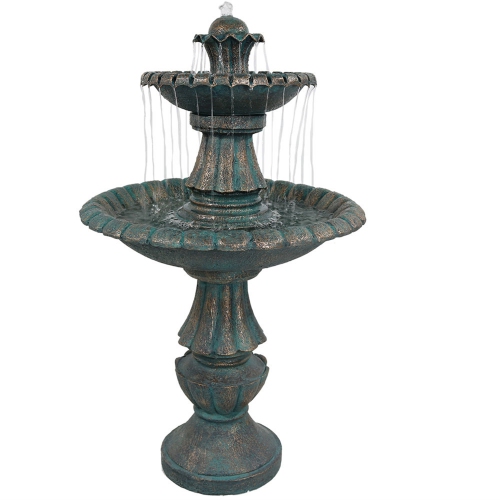
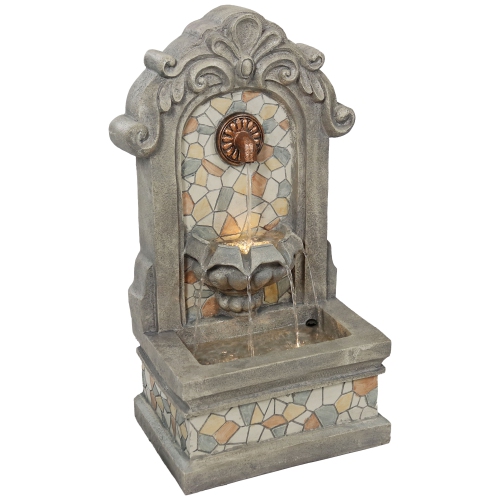
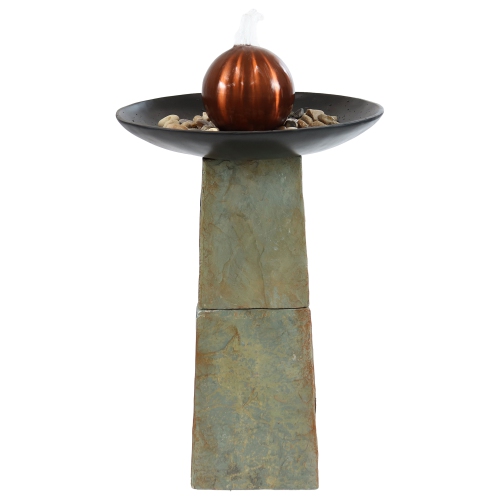
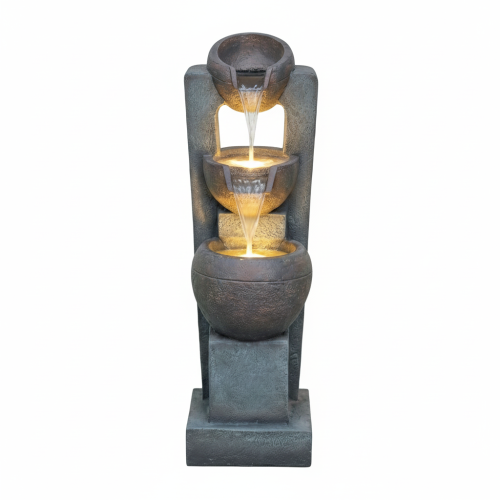
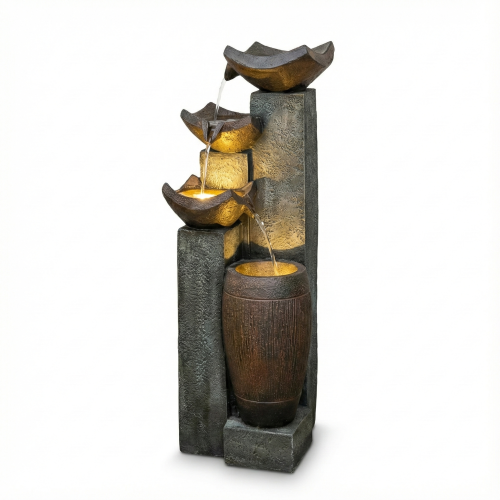
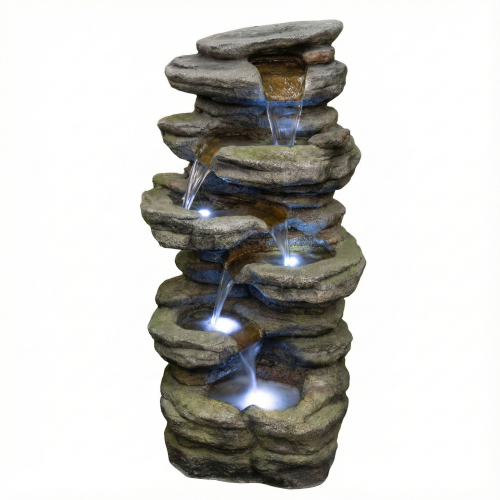
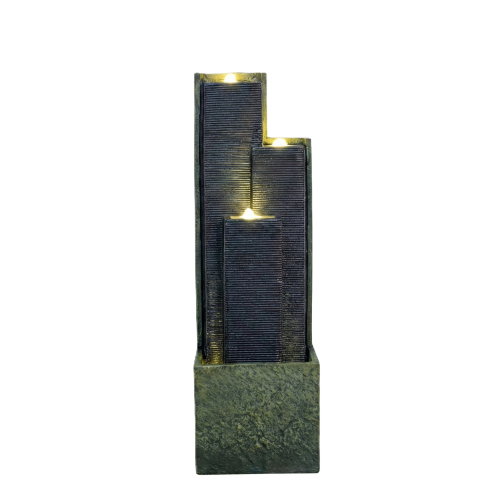
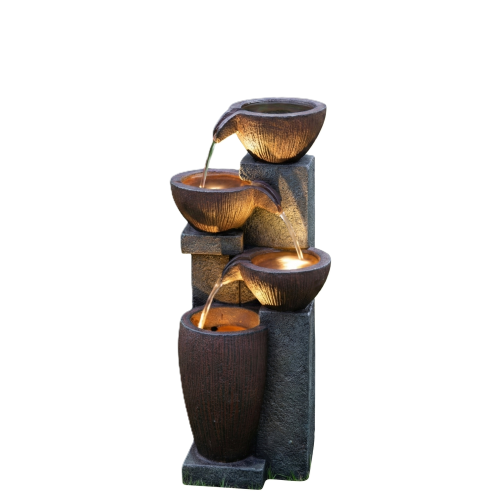
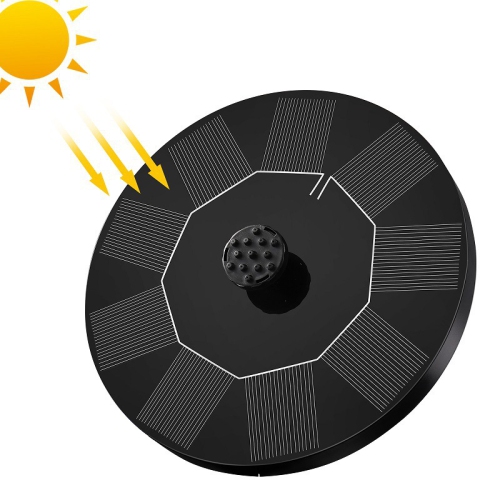
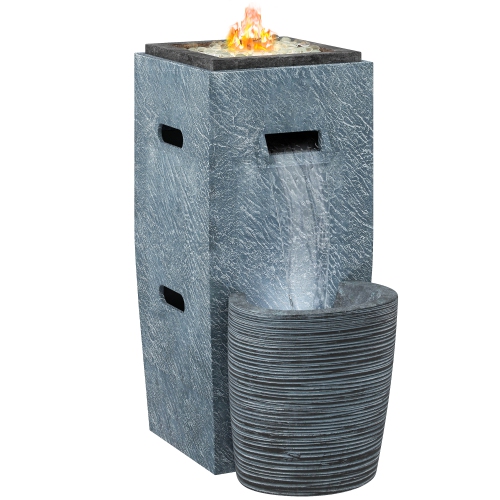
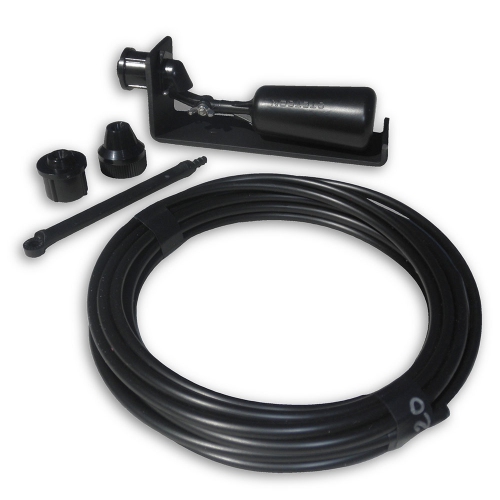
Gentle trickles or cascading splashes shape your outdoor space
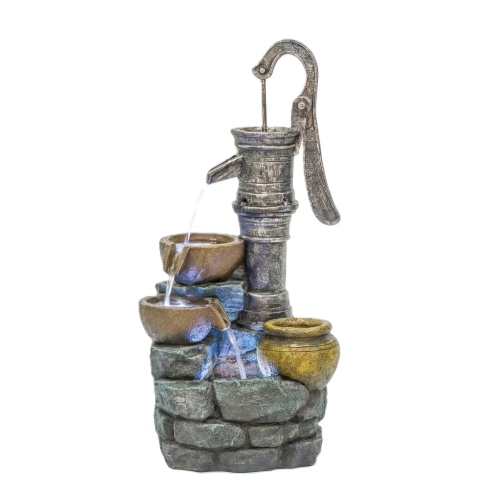
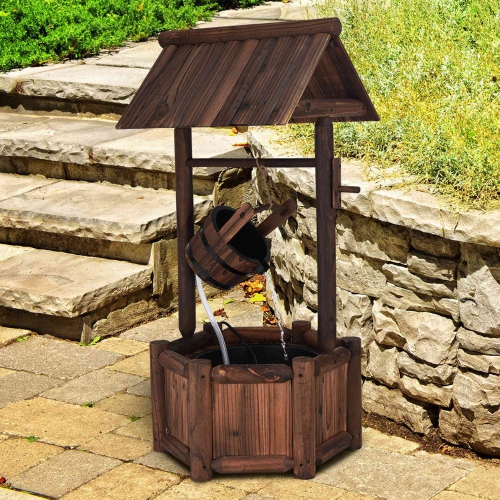
Outdoor water fountains bring moving water, gentle sound, and a focal point to gardens, patios, decks, and courtyards. Most self-contained designs circulate water from a reservoir through a pump and back into a basin, so they do not need a permanent water supply, although they do need regular topping up. Their character comes as much from the path of the water as from the shape of the fountain itself. A narrow stream spilling into a shallow bowl creates a different effect from several broad cascades falling over textured ledges. Tabletop fountains add a small accent beside a chair or on a sturdy outdoor table, while freestanding fountains can anchor a planting bed or give an open patio a clear centre of interest. Wall-mounted designs make use of vertical space, provided the mounting surface can support the filled weight and the installation follows the manufacturer’s requirements. Tiered bowls suit traditional garden layouts, smooth columns pair naturally with simple paving and clean-lined furniture, and rock-style forms sit comfortably among grasses and leafy plants. For a more pronounced cascading effect, outdoor waterfall fountains emphasize water flowing over a sequence of drops rather than a single spout. Sound deserves as much attention as appearance: the height of each drop, the flow rate, and the surface receiving the water all influence what is heard from a nearby seat. A soft trickle can complement a quiet reading corner, while a fuller splash may suit a larger gathering area. Moving water can help soften the perception of nearby activity, but a fountain should not be expected to block traffic or conversations. For a household that enjoys outdoor dining, gardening, or simply sitting outside, the best fit is often a fountain that feels proportionate to the space and pleasant to hear throughout an ordinary afternoon, not just striking at first glance.
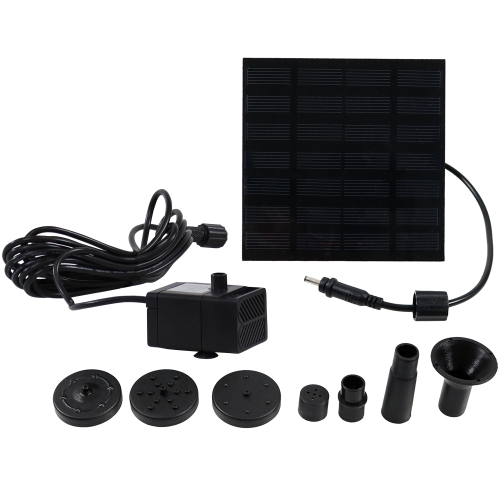
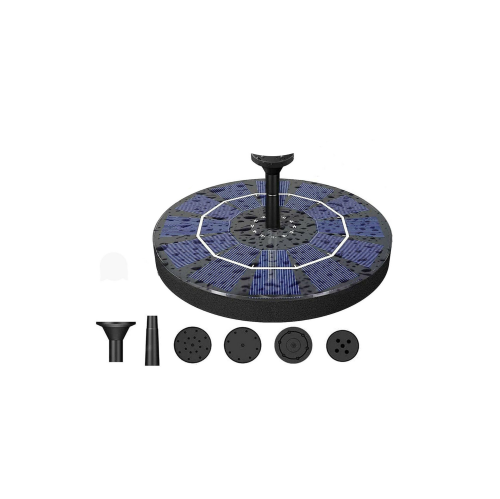
Materials, dimensions, and placement shape how an outdoor fountain looks and how practical it is to live with. Resin and fibreglass bodies can reproduce the appearance of stone while remaining comparatively easy to move, though their weight and finish vary by construction. Cast stone and concrete offer a substantial presence and usually call for a firm, stable base that can carry the fountain’s weight when filled. Ceramic adds colour and a glazed surface, but its resistance to chips and freezing depends on the material and the manufacturer’s rating. Metal designs range from polished surfaces to intentionally aged finishes; care requirements differ, and some finishes change in appearance with exposure. A textured surface can blend beautifully with planting, while a simpler basin may offer easier access for wiping away residue. Useful measurements include the full height and width, the base footprint, the reservoir capacity, and any clearance needed to reach the pump. On a compact deck, a tall, narrow form may preserve floor space better than a low fountain with a wide bowl. Beside a dining area, leaving room for chairs to pull out matters more than filling every corner. The support surface should be level so water follows its intended route rather than spilling unevenly over one edge. Splash also affects placement: nearby cushions, walking surfaces, and wooden structures should stay outside the normal splash area. An outdoor-rated electric fountain needs a suitable power connection, with ground-fault circuit interrupter protection and cords routed according to the manufacturer’s directions and local electrical requirements. Solar-powered designs depend on sufficient light reaching the panel, and operation in shade or after dark varies with battery storage and model specifications. Built-in lighting can highlight falling water and basin texture, but access to the light components is worth considering alongside access to the pump. In shared outdoor spaces, permission requirements, sound levels, drainage, and the safe use of electrical equipment may also influence which type of fountain is appropriate.
Routine care keeps an outdoor water fountain looking inviting and helps protect its pump and finish. Water is lost through evaporation and splashing, so the reservoir needs checking regularly rather than only when the flow becomes weak. Submersible pumps generally need to remain covered by water at the level specified by the manufacturer; running a pump dry can damage it. Leaves, petals, and other debris should be removed before they collect around the intake, particularly when a fountain sits beneath branches or close to planting beds. Easy access to the reservoir, intake screen, and tubing makes these small tasks less awkward. Disconnecting power before cleaning or handling the pump is an important part of maintenance. Gentle cleaning methods suited to the fountain’s material help remove film and mineral deposits without scratching a finish or damaging seals. Household cleaners and water treatments are not interchangeable, and only products approved for the fountain’s materials and components should be used. Where pets or wildlife might reach the water, treatment suitability needs particular attention; ornamental fountain water should not be treated as drinking water. Placement away from heavy leaf fall and prolonged direct sunlight can reduce debris and may help limit algae growth, although regular cleaning is still needed. In Canadian locations with freezing conditions, outdoor suitability does not necessarily mean a fountain can be left filled through winter. Trapped water can expand inside bowls, tubing, and pumps, causing cracks or other damage. Following the manufacturer’s winterization directions may involve draining and drying the fountain, removing the pump, and storing vulnerable components in a frost-free location. A cover can help keep debris out, but it does not replace proper drainage or make every material frost-resistant. For anyone considering a fountain as a housewarming or gardening gift, the recipient’s available space, access to power, and willingness to carry out this upkeep are useful considerations. A manageable reservoir and reachable pump can matter more over time than an elaborate silhouette. With a suitable location and straightforward care, a fountain becomes a familiar part of the outdoor setting: water slipping over a rim beside a bench, a softly lit cascade near the patio, or a sculptural bowl giving a garden path a natural stopping point.
Materials, dimensions, and placement shape how an outdoor fountain looks and how practical it is to live with. Resin and fibreglass bodies can reproduce the appearance of stone while remaining comparatively easy to move, though their weight and finish vary by construction. Cast stone and concrete offer a substantial presence and usually call for a firm, stable base that can carry the fountain’s weight when filled. Ceramic adds colour and a glazed surface, but its resistance to chips and freezing depends on the material and the manufacturer’s rating. Metal designs range from polished surfaces to intentionally aged finishes; care requirements differ, and some finishes change in appearance with exposure. A textured surface can blend beautifully with planting, while a simpler basin may offer easier access for wiping away residue. Useful measurements include the full height and width, the base footprint, the reservoir capacity, and any clearance needed to reach the pump. On a compact deck, a tall, narrow form may preserve floor space better than a low fountain with a wide bowl. Beside a dining area, leaving room for chairs to pull out matters more than filling every corner. The support surface should be level so water follows its intended route rather than spilling unevenly over one edge. Splash also affects placement: nearby cushions, walking surfaces, and wooden structures should stay outside the normal splash area. An outdoor-rated electric fountain needs a suitable power connection, with ground-fault circuit interrupter protection and cords routed according to the manufacturer’s directions and local electrical requirements. Solar-powered designs depend on sufficient light reaching the panel, and operation in shade or after dark varies with battery storage and model specifications. Built-in lighting can highlight falling water and basin texture, but access to the light components is worth considering alongside access to the pump. In shared outdoor spaces, permission requirements, sound levels, drainage, and the safe use of electrical equipment may also influence which type of fountain is appropriate.
Routine care keeps an outdoor water fountain looking inviting and helps protect its pump and finish. Water is lost through evaporation and splashing, so the reservoir needs checking regularly rather than only when the flow becomes weak. Submersible pumps generally need to remain covered by water at the level specified by the manufacturer; running a pump dry can damage it. Leaves, petals, and other debris should be removed before they collect around the intake, particularly when a fountain sits beneath branches or close to planting beds. Easy access to the reservoir, intake screen, and tubing makes these small tasks less awkward. Disconnecting power before cleaning or handling the pump is an important part of maintenance. Gentle cleaning methods suited to the fountain’s material help remove film and mineral deposits without scratching a finish or damaging seals. Household cleaners and water treatments are not interchangeable, and only products approved for the fountain’s materials and components should be used. Where pets or wildlife might reach the water, treatment suitability needs particular attention; ornamental fountain water should not be treated as drinking water. Placement away from heavy leaf fall and prolonged direct sunlight can reduce debris and may help limit algae growth, although regular cleaning is still needed. In Canadian locations with freezing conditions, outdoor suitability does not necessarily mean a fountain can be left filled through winter. Trapped water can expand inside bowls, tubing, and pumps, causing cracks or other damage. Following the manufacturer’s winterization directions may involve draining and drying the fountain, removing the pump, and storing vulnerable components in a frost-free location. A cover can help keep debris out, but it does not replace proper drainage or make every material frost-resistant. For anyone considering a fountain as a housewarming or gardening gift, the recipient’s available space, access to power, and willingness to carry out this upkeep are useful considerations. A manageable reservoir and reachable pump can matter more over time than an elaborate silhouette. With a suitable location and straightforward care, a fountain becomes a familiar part of the outdoor setting: water slipping over a rim beside a bench, a softly lit cascade near the patio, or a sculptural bowl giving a garden path a natural stopping point.
Top selling and popular products
-
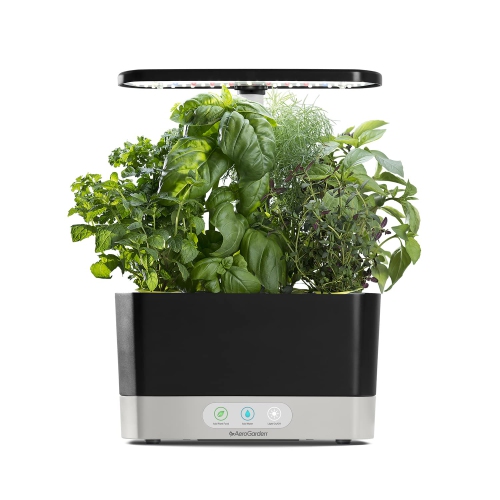 Your price for this item is $199
 -
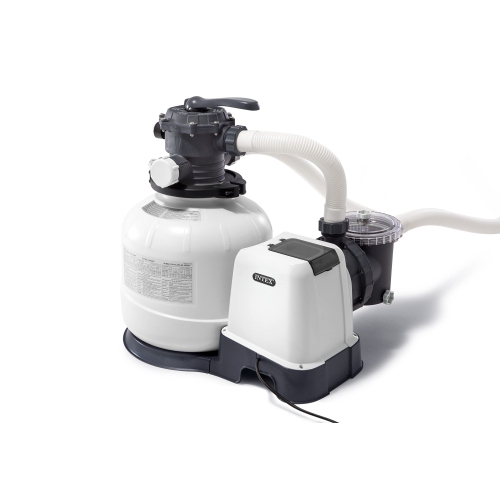 Your price for this item is $418.99
 -
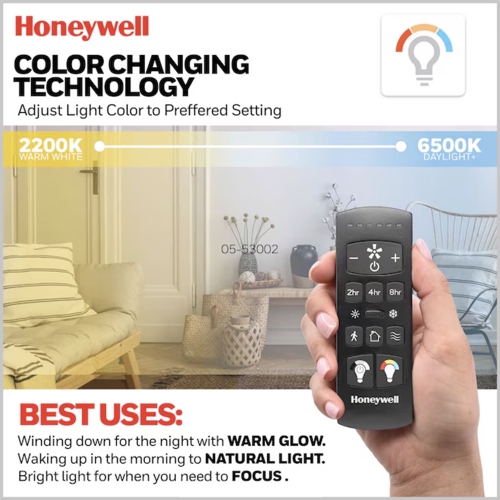 Your price for this item is $481.99
 -
 Your price for this item is $226.99
 -
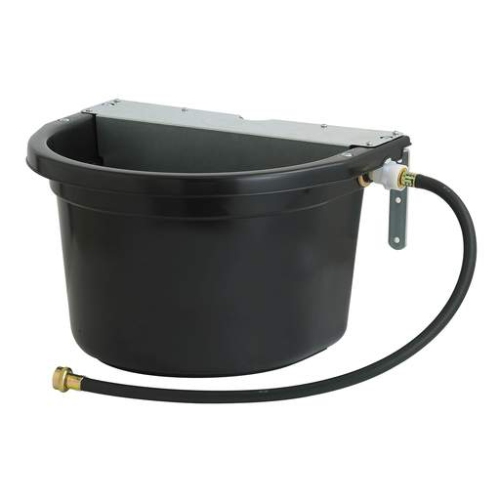 Your price for this item is $133.99
 -
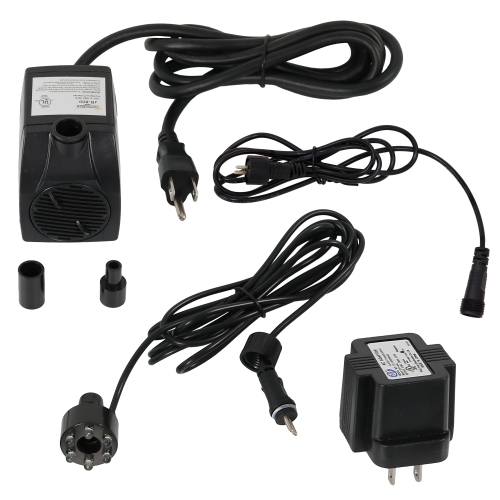 Your price for this item is $69.45
 -
 Your price for this item is $562.99
 -
 Your price for this item is $26.99
Discover more categories related to Outdoor Water Fountains
Top Collections:
Pokemon Centers, Kindle Devices, Best Budget Office Chairs, Apple iPhones 16, Best Laptops for Writers, iPhone 15 Apple, Canon G7X Cameras, Refurbished Apple Laptops, Alarm Clock, Motorola Razr Phones
Some products may be subject to Environmental Handling Fees
(EHF) depending on your province.
Learn more about EHFs.