Outdoor Wood Burning Fireplace
Transform your backyard into a cozy retreat with an outdoor wood burning fireplace. Perfect for gathering with family and friends, these fireplaces add warmth and ambiance to any outdoor space, making cool evenings more enjoyable. Whether you're hosting a lively party or enjoying a quiet night under the stars, an outdoor wood burning fireplace serves as a stunning focal point that enhances the atmosphere. Explore a variety of designs and styles that complement your patio or garden while providing a functional and stylish addition to your outdoor living area.
Sort
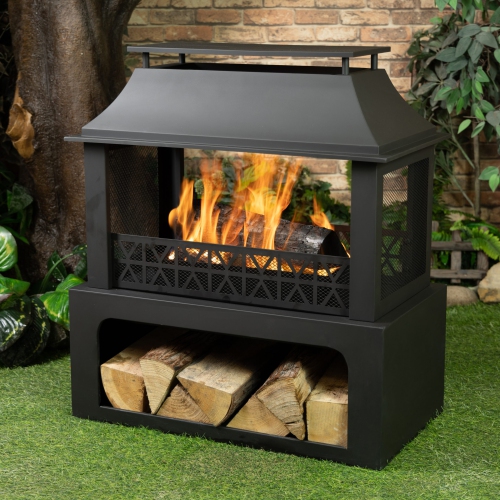
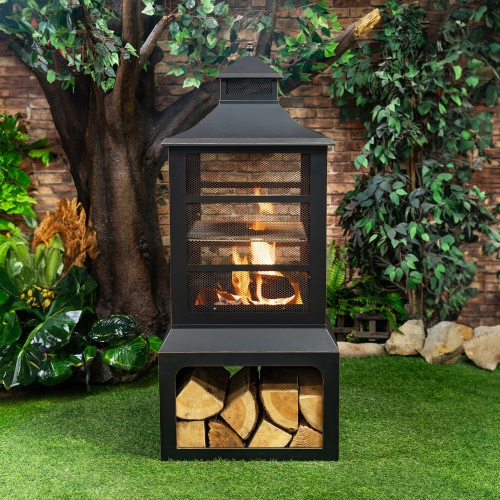
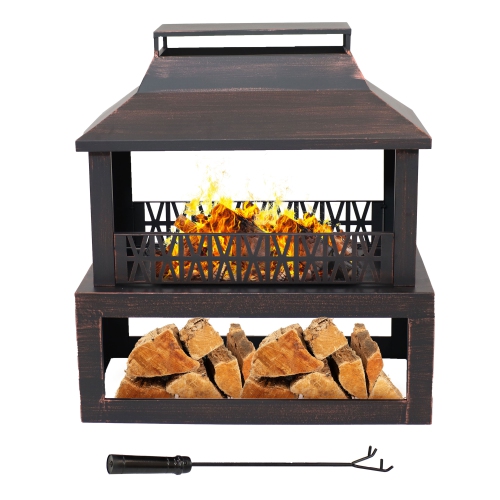

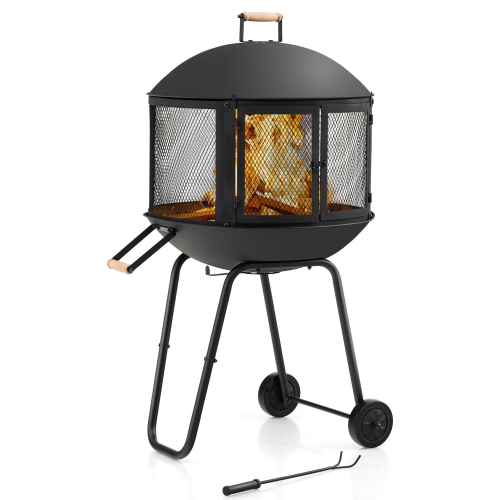
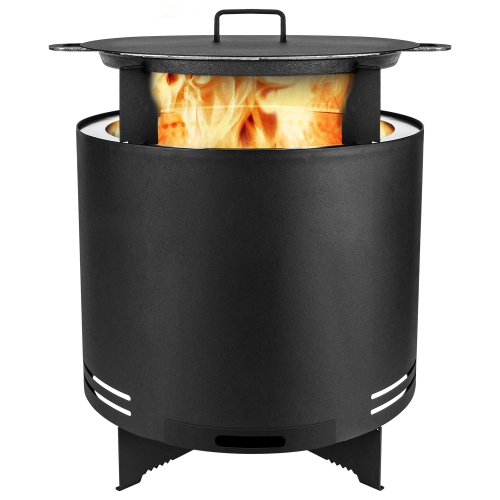
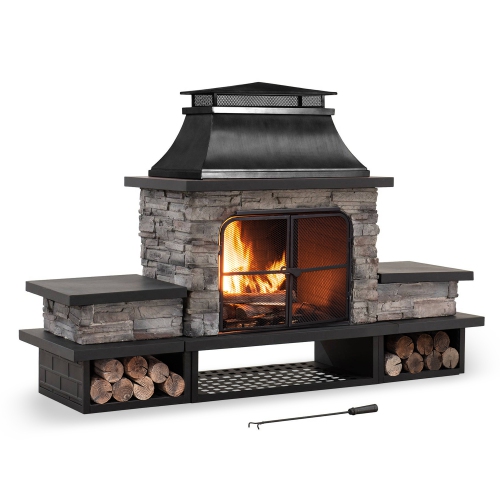
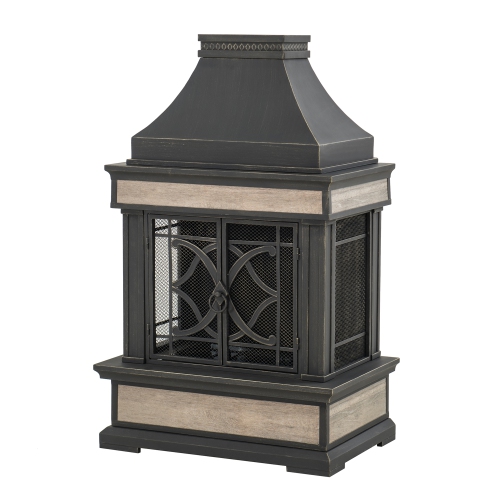
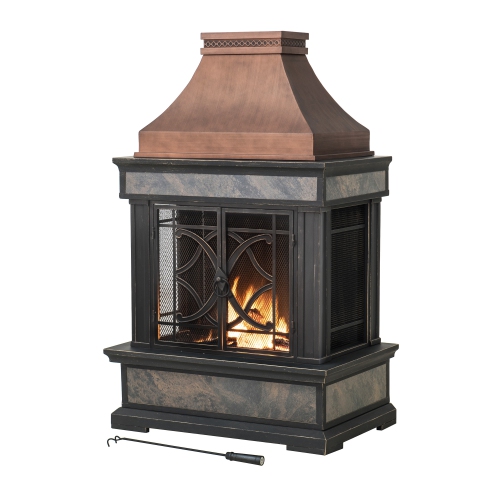
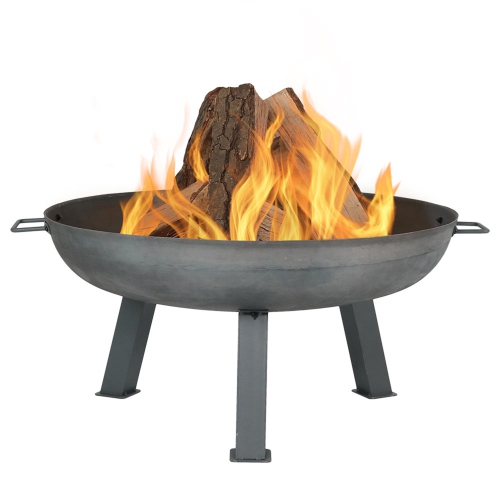
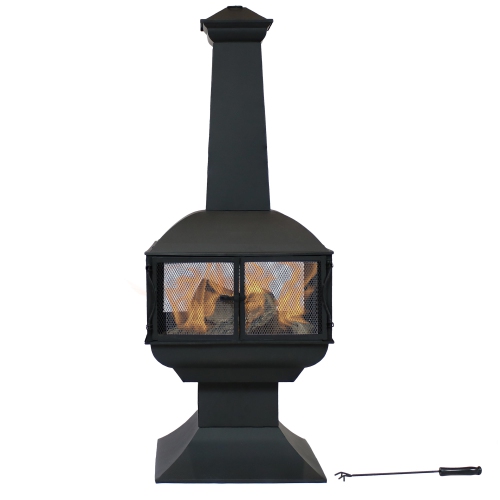
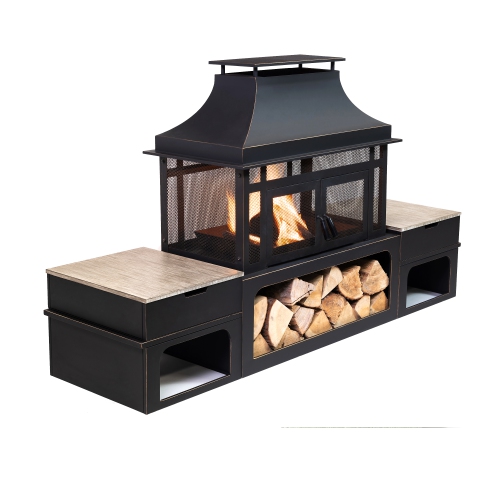
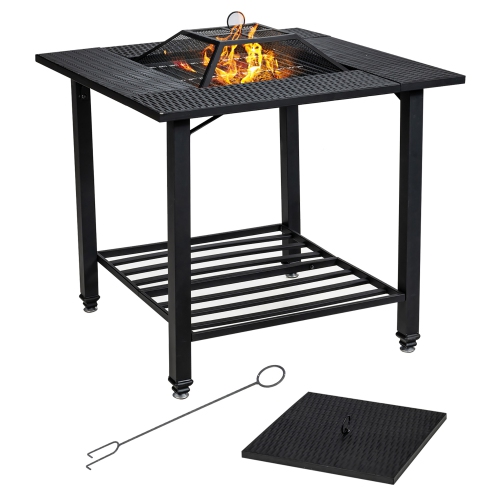
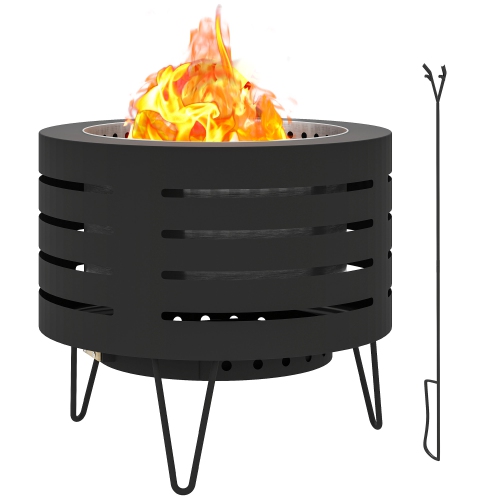
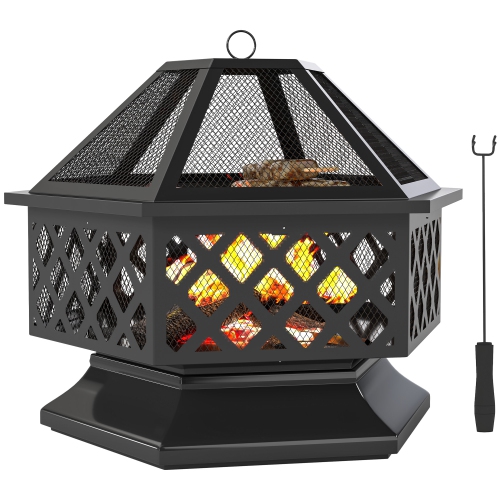
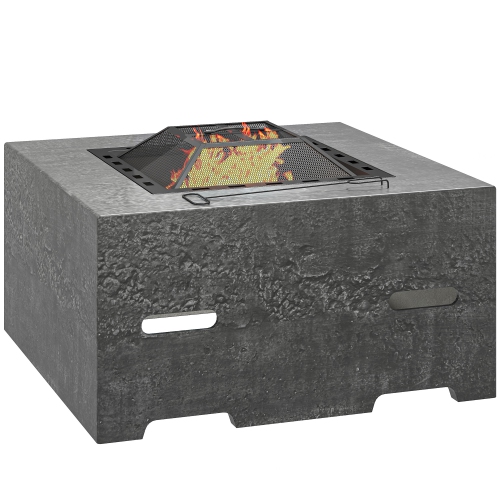
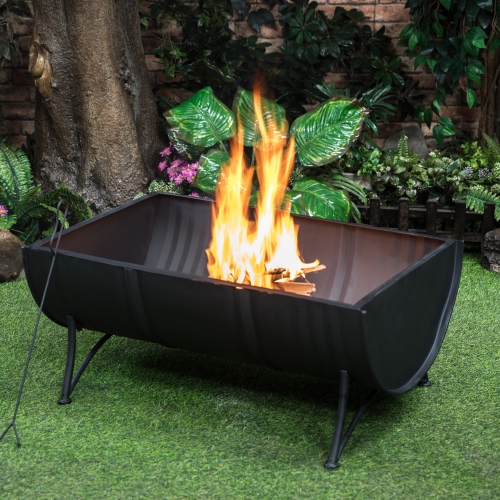
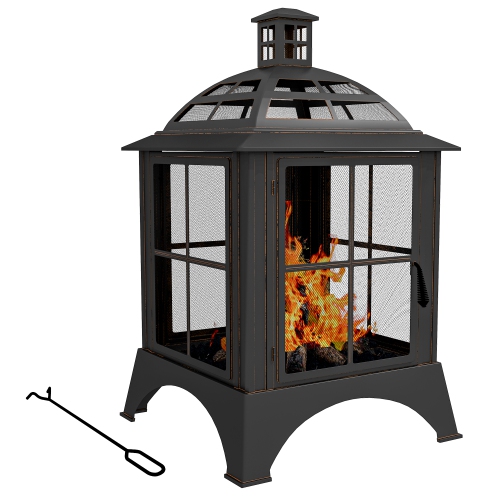
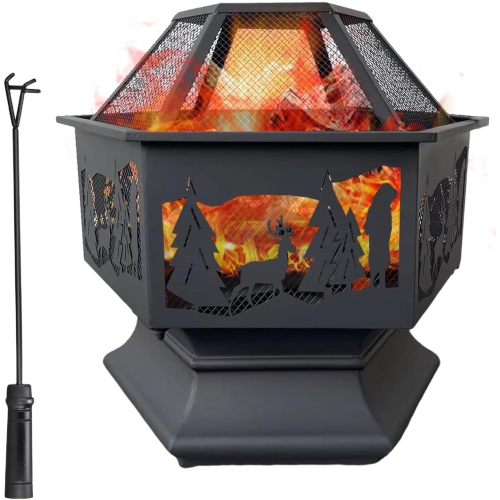
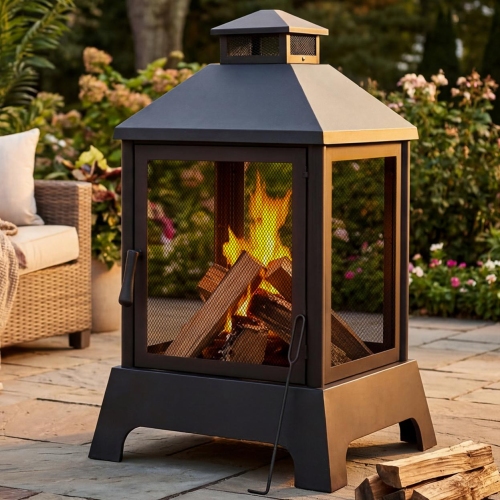
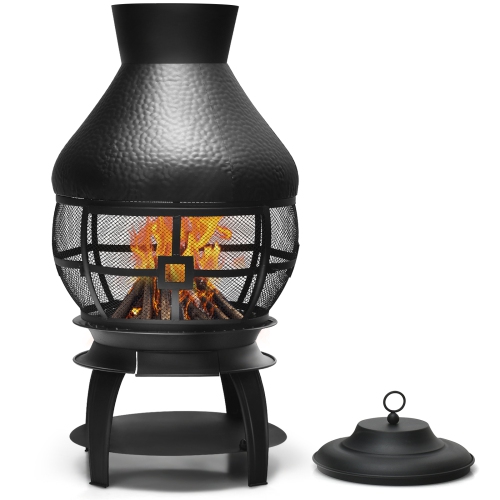
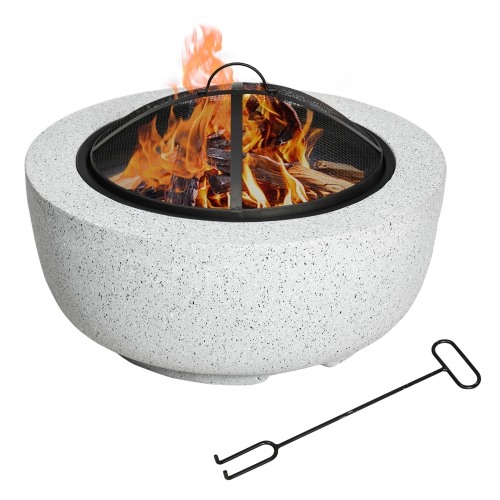
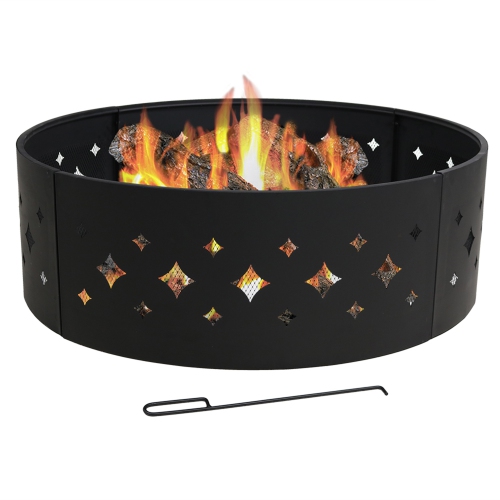
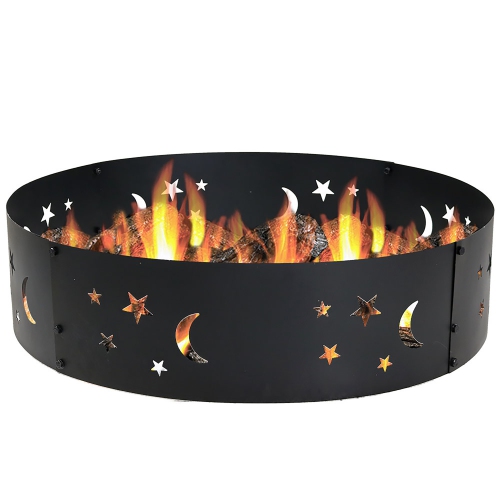
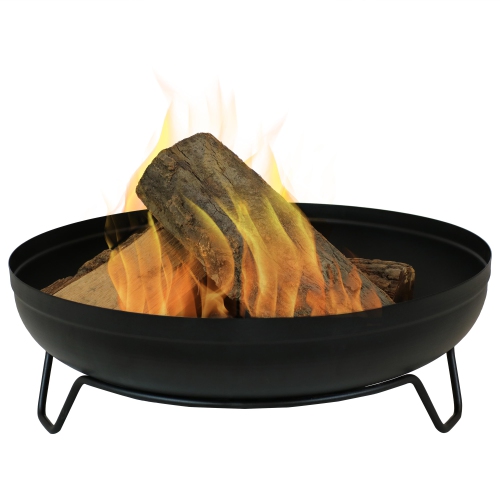
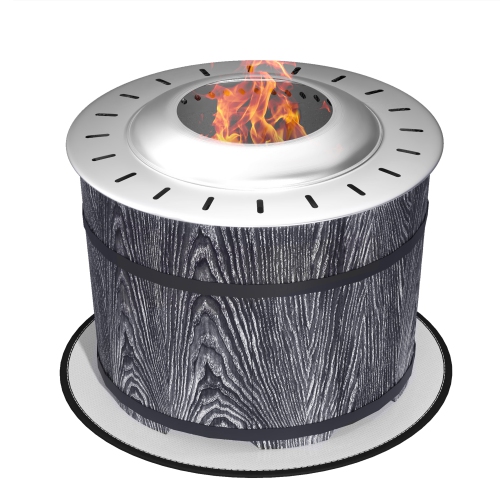
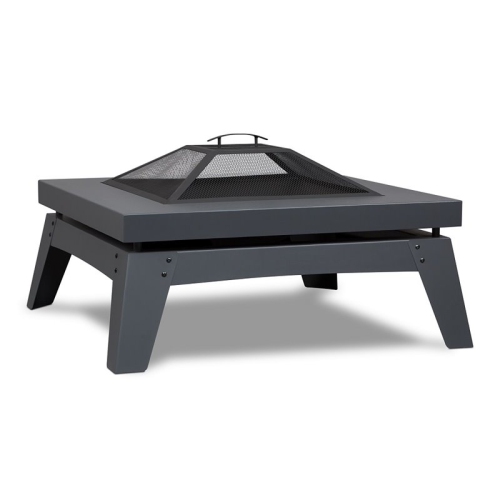
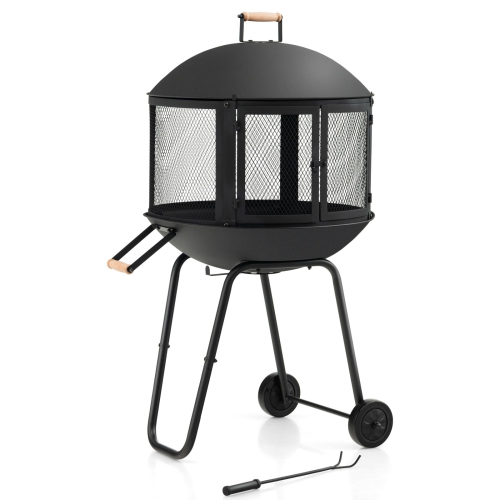
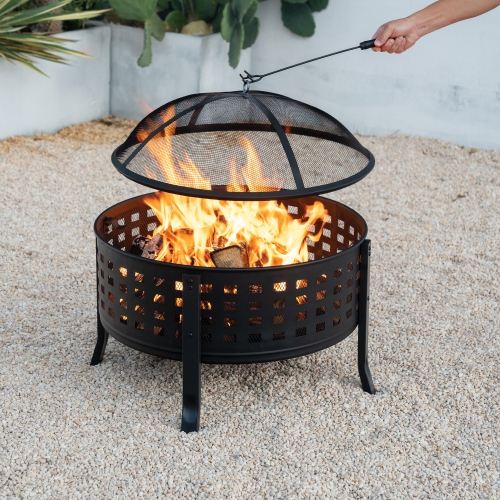
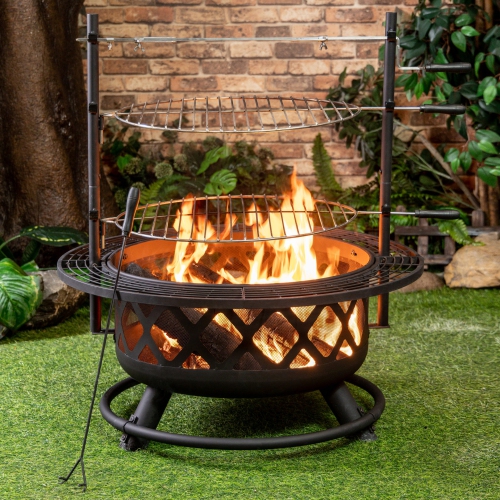
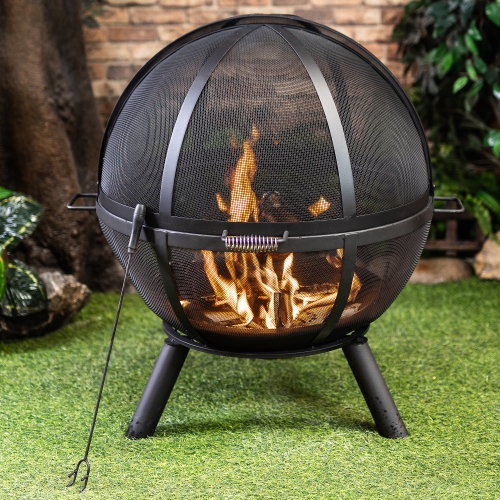
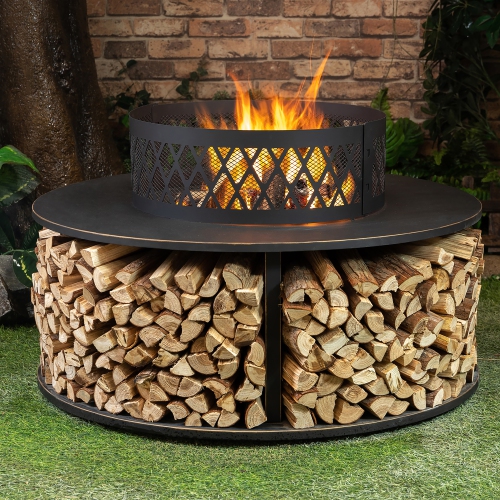
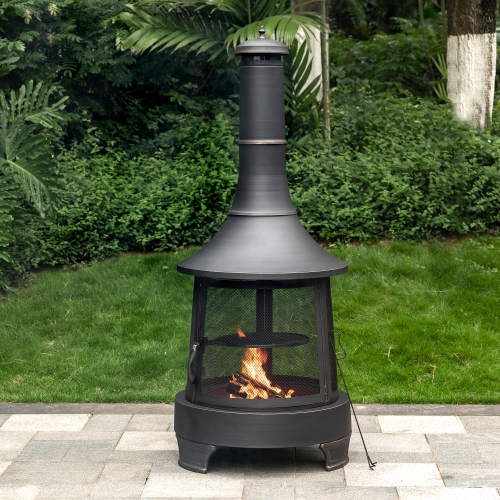
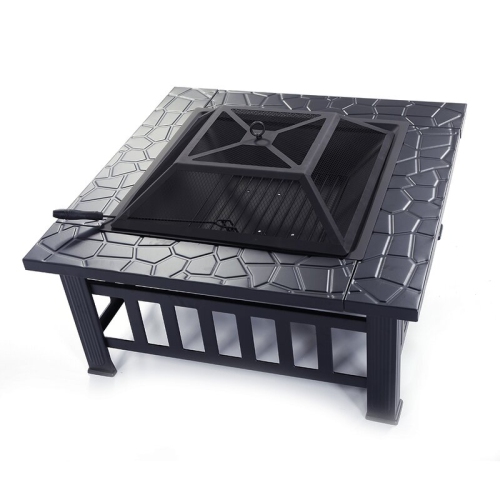
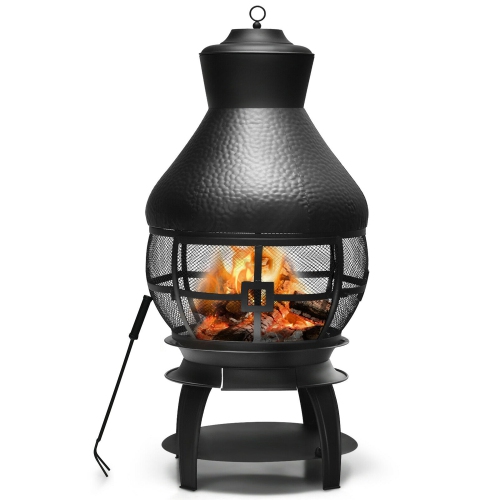
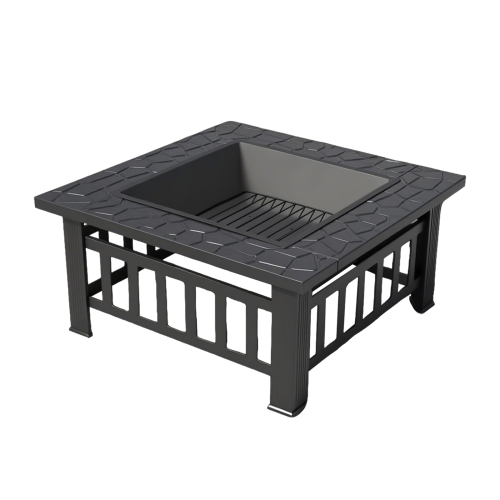

A real fire creates a warm outdoor gathering place
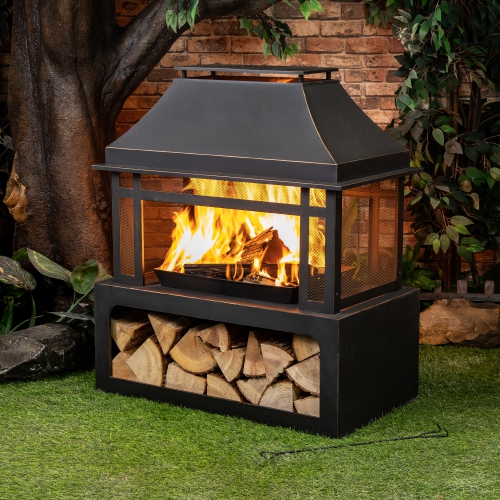
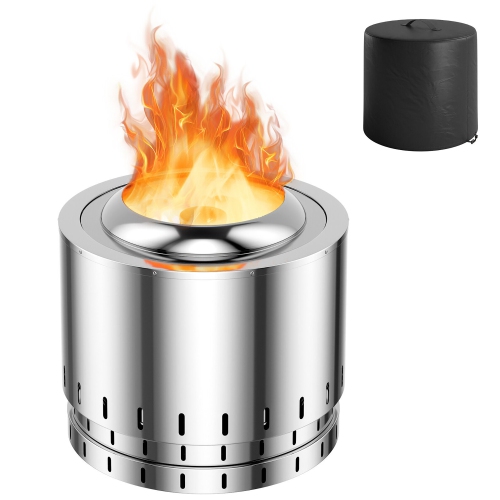
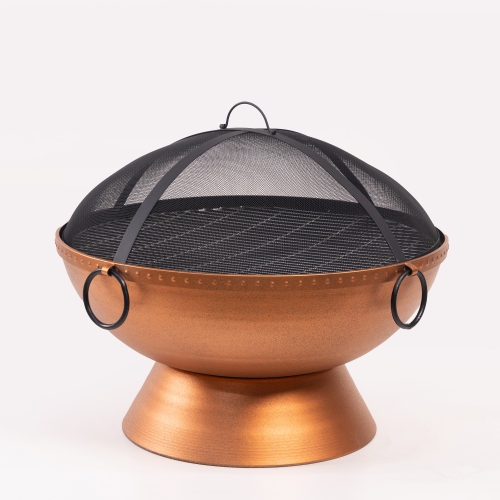
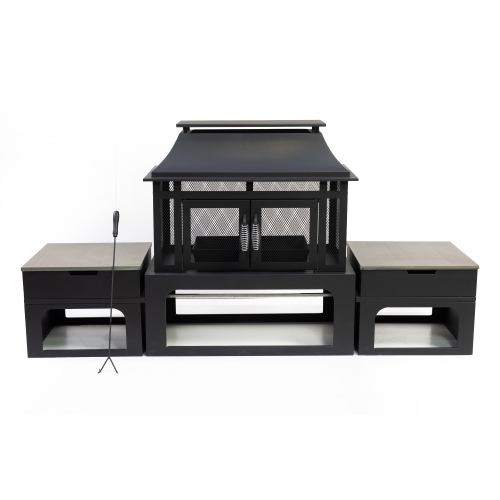
An outdoor wood-burning fireplace brings the atmosphere of a traditional hearth to a patio, deck, terrace, or backyard gathering area. Unlike an open fire pit, a fireplace typically has a defined firebox, a raised grate, and a chimney that helps direct smoke upward and away from the seating area. The result is a warm focal point with the familiar crackle of real logs, glowing embers, and a sheltered flame that can make outdoor time more comfortable during the cooler months. These fireplaces are available in several formats, from freestanding steel units designed for easier placement to substantial models with stone-look, brick-look, or masonry-style finishes that become a permanent feature of the yard. Basic metal fireplaces may start around $300, while larger, heavier designs with more substantial construction can cost $1,600 or more. Permanent hearths and built-in installations may begin at approximately $3,300 before site preparation, professional installation, or other project costs. When comparing options, consider the overall footprint, height, weight, firebox dimensions, chimney design, and the amount of open space around the unit. A compact fireplace may suit a smaller patio or townhouse yard, while a larger structure can provide a more commanding centrepiece for spacious outdoor entertaining. Measurements should include room for chairs, a clear path around the fireplace, and safe access for adding firewood or removing ash. It is also important to review local fire restrictions, building requirements, and property rules before choosing a wood-burning fireplace, since regulations can vary by municipality and may include requirements for placement, chimney height, fuel storage, or seasonal use.
Construction and fire-management features have a direct effect on everyday convenience. Steel fireplaces can offer a lighter, more accessible option, while heavier cast, stone-look, or masonry-style construction may provide a more substantial appearance and greater resistance to movement. Look for a stable base, durable firebox materials, heat-resistant components, and a chimney cap that helps keep rain and debris out when the fireplace is not in use. A spark screen or mesh door helps contain flying embers while still allowing heat and firelight to spread into the seating area. Some designs include a solid door, which can be useful when the fire needs to be contained more fully, particularly in breezy conditions. A raised grate improves airflow beneath the logs and can help produce a steadier fire, while a removable ash pan makes cleanup less laborious after the fire has cooled completely. Built-in log holders or an integrated wood storage area keep fuel close at hand and reduce the need to carry logs across the yard. Check whether the fireplace is supplied as a complete unit or requires separate components, and pay attention to assembly instructions, shipping weight, and the number of people needed for setup. Wood should be properly seasoned and kept dry in a covered, well-ventilated storage area away from the fireplace. Avoid burning treated, painted, or glued wood, which can release unwanted fumes and leave residue in the chimney. Place the fireplace on a level, non-combustible surface with the clearances specified by the manufacturer, and keep furniture, umbrellas, railings, branches, decorations, and other flammable items well away from the heat. A protective cover can help limit exposure to rain and snow between uses, but the fireplace should be completely cool and free of embers before it is covered.
An outdoor wood-burning fireplace can suit homeowners who enjoy hosting relaxed meals, evening conversations, or casual gatherings around a real fire. It can also be a thoughtful gift for someone who has recently moved into a home with a backyard, upgraded a patio, or enjoys creating a comfortable outdoor entertaining space. Families may use one as a setting for storytelling and toasted treats, while couples or friends may appreciate the quiet glow for lingering outdoors after dinner. For anyone considering other forms of outdoor flame features, an Outdoor Fire Pit can provide a more open, flexible layout, whereas a fireplace generally offers a taller structure and more directed smoke movement. Before purchasing, think about how often the fireplace will be used, how much wood can be stored conveniently, whether the unit will remain in one location, and how much maintenance is realistic. Freestanding models can sometimes be repositioned with suitable assistance, but heavier units may require careful delivery and a dedicated placement plan. Regular care includes removing cooled ash, checking the firebox and grate for wear, clearing the chimney and cap as recommended, and inspecting screens, doors, and fasteners before lighting a fire. Weather can affect outdoor use, so keep a source of dry kindling available and allow extra time for damp logs or cool conditions. A fireplace with a well-designed chimney, secure spark protection, practical ash handling, and an appropriate size for the space can make the backyard feel inviting from the first crisp evening through the colder part of the season. With thoughtful placement and attentive fire practices, it becomes more than a source of heat: it creates a natural gathering point where the glow of the logs gives an ordinary outdoor setting a warm, memorable character.
Construction and fire-management features have a direct effect on everyday convenience. Steel fireplaces can offer a lighter, more accessible option, while heavier cast, stone-look, or masonry-style construction may provide a more substantial appearance and greater resistance to movement. Look for a stable base, durable firebox materials, heat-resistant components, and a chimney cap that helps keep rain and debris out when the fireplace is not in use. A spark screen or mesh door helps contain flying embers while still allowing heat and firelight to spread into the seating area. Some designs include a solid door, which can be useful when the fire needs to be contained more fully, particularly in breezy conditions. A raised grate improves airflow beneath the logs and can help produce a steadier fire, while a removable ash pan makes cleanup less laborious after the fire has cooled completely. Built-in log holders or an integrated wood storage area keep fuel close at hand and reduce the need to carry logs across the yard. Check whether the fireplace is supplied as a complete unit or requires separate components, and pay attention to assembly instructions, shipping weight, and the number of people needed for setup. Wood should be properly seasoned and kept dry in a covered, well-ventilated storage area away from the fireplace. Avoid burning treated, painted, or glued wood, which can release unwanted fumes and leave residue in the chimney. Place the fireplace on a level, non-combustible surface with the clearances specified by the manufacturer, and keep furniture, umbrellas, railings, branches, decorations, and other flammable items well away from the heat. A protective cover can help limit exposure to rain and snow between uses, but the fireplace should be completely cool and free of embers before it is covered.
An outdoor wood-burning fireplace can suit homeowners who enjoy hosting relaxed meals, evening conversations, or casual gatherings around a real fire. It can also be a thoughtful gift for someone who has recently moved into a home with a backyard, upgraded a patio, or enjoys creating a comfortable outdoor entertaining space. Families may use one as a setting for storytelling and toasted treats, while couples or friends may appreciate the quiet glow for lingering outdoors after dinner. For anyone considering other forms of outdoor flame features, an Outdoor Fire Pit can provide a more open, flexible layout, whereas a fireplace generally offers a taller structure and more directed smoke movement. Before purchasing, think about how often the fireplace will be used, how much wood can be stored conveniently, whether the unit will remain in one location, and how much maintenance is realistic. Freestanding models can sometimes be repositioned with suitable assistance, but heavier units may require careful delivery and a dedicated placement plan. Regular care includes removing cooled ash, checking the firebox and grate for wear, clearing the chimney and cap as recommended, and inspecting screens, doors, and fasteners before lighting a fire. Weather can affect outdoor use, so keep a source of dry kindling available and allow extra time for damp logs or cool conditions. A fireplace with a well-designed chimney, secure spark protection, practical ash handling, and an appropriate size for the space can make the backyard feel inviting from the first crisp evening through the colder part of the season. With thoughtful placement and attentive fire practices, it becomes more than a source of heat: it creates a natural gathering point where the glow of the logs gives an ordinary outdoor setting a warm, memorable character.
Top selling and popular products
-
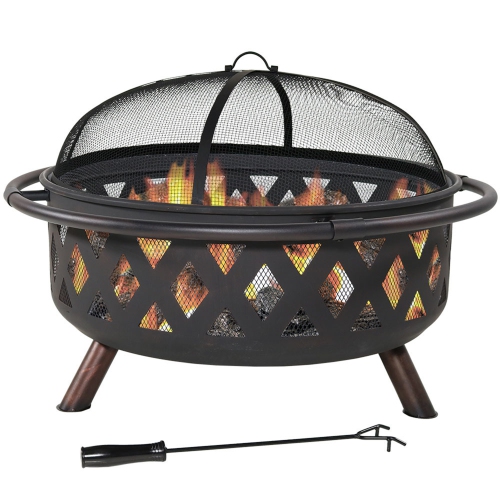 Your price for this item is $282.45
 -
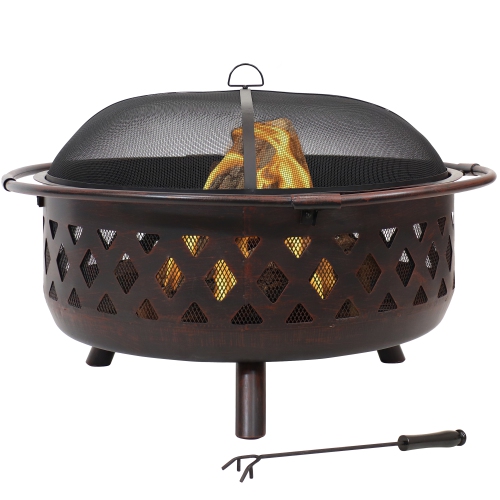 Your price for this item is $282.45
 -
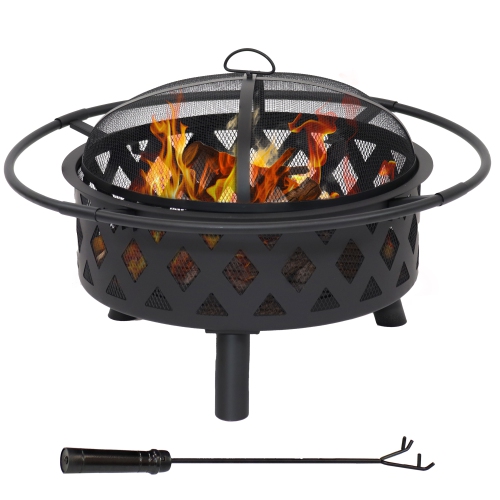 Your price for this item is $236.45
 -
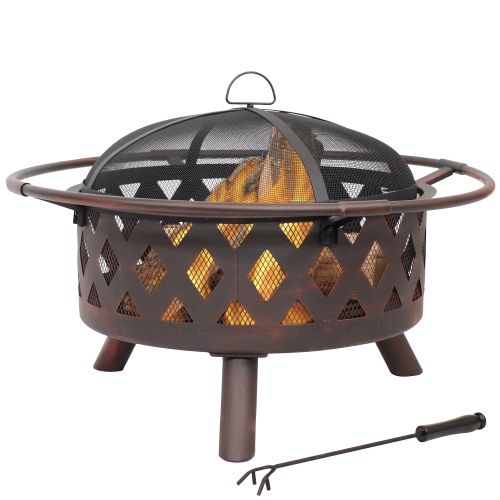 Your price for this item is $236.45
 -
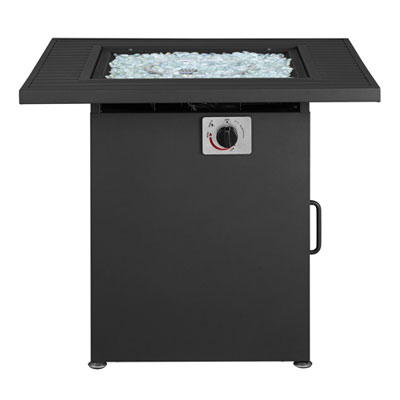 Your price for this item is $199.99
 -
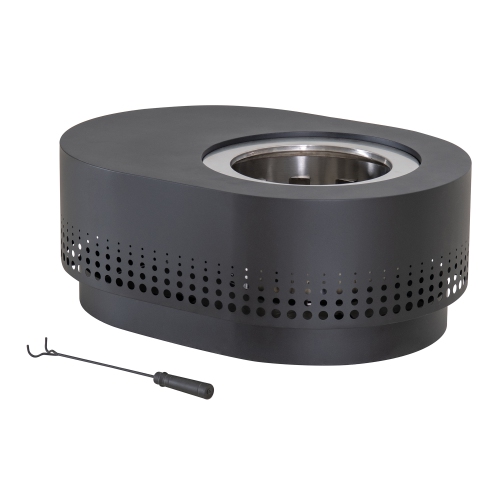 Your price for this item is $266.99
 -
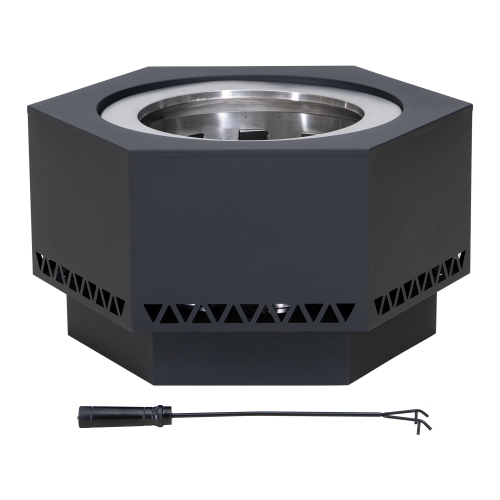 Your price for this item is $222.99
 -
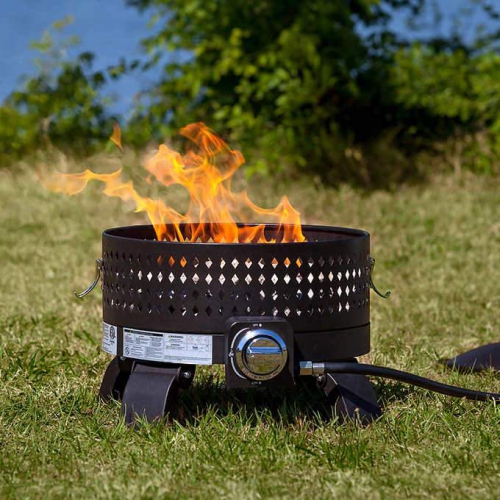 Your price for this item is $199.99
Discover more categories related to Outdoor Wood Burning Fireplace
Top Collections:
Pokemon Centers, Kindle Devices, Best Budget Office Chairs, Apple iPhones 16, Best Laptops for Writers, iPhone 15 Apple, Canon G7X Cameras, Refurbished Apple Laptops, Alarm Clock, Motorola Razr Phones
Some products may be subject to Environmental Handling Fees
(EHF) depending on your province.
Learn more about EHFs.