Padded Headboards for Queen Beds
Padded Headboards for Queen Beds add a touch of comfort and style to any bedroom, creating a cozy and inviting atmosphere. Whether you’re updating your space or completing a new setup, these headboards offer an elegant way to enhance your queen-sized bed. Discover a variety of designs, colors, and textures to complement your décor and personalize your sleep sanctuary. Find the perfect padded headboard to elevate your queen bed and enjoy a refreshed look in your room.
Sort
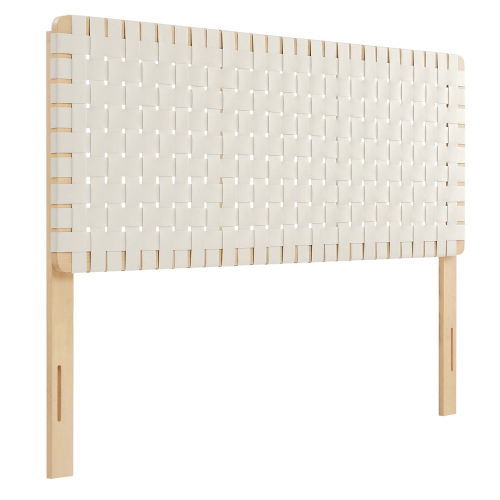
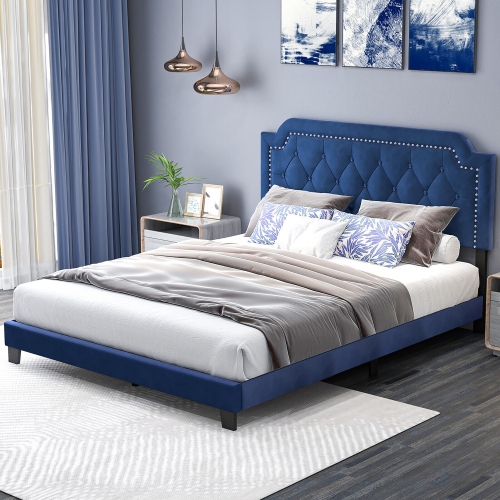
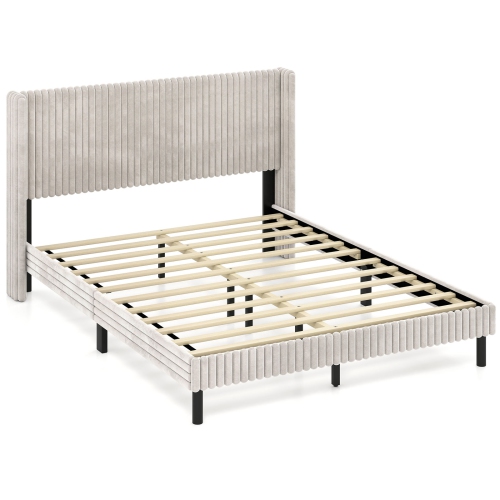
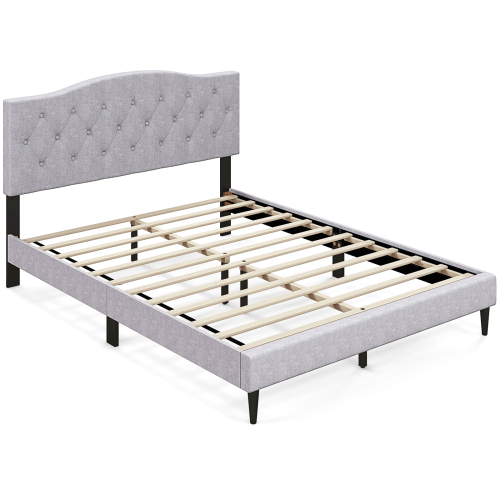
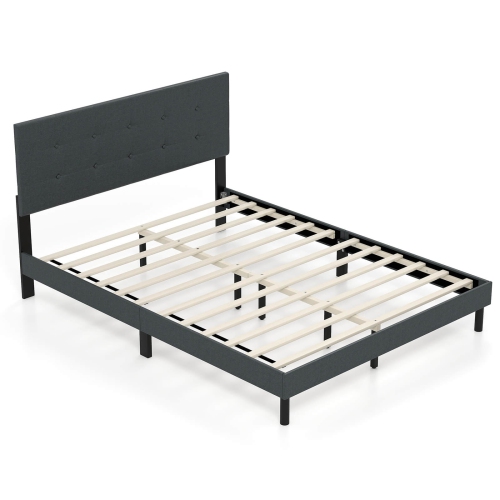
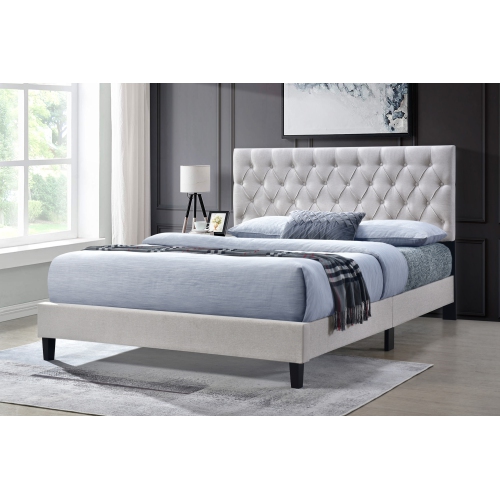
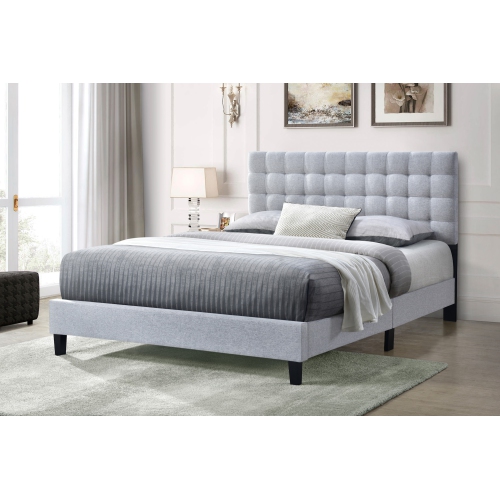
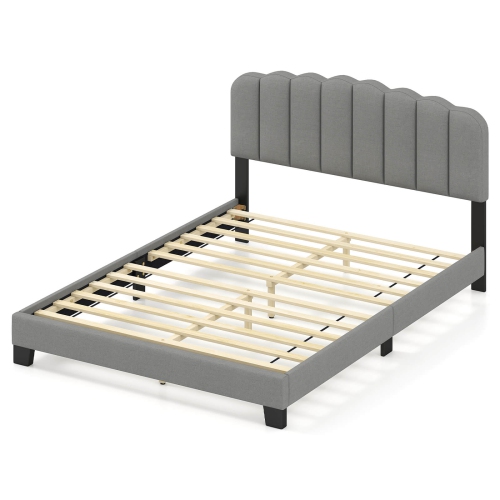
A softer place to lean while reading in bed
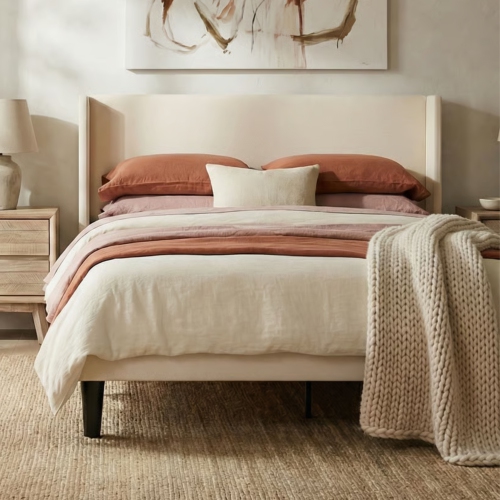
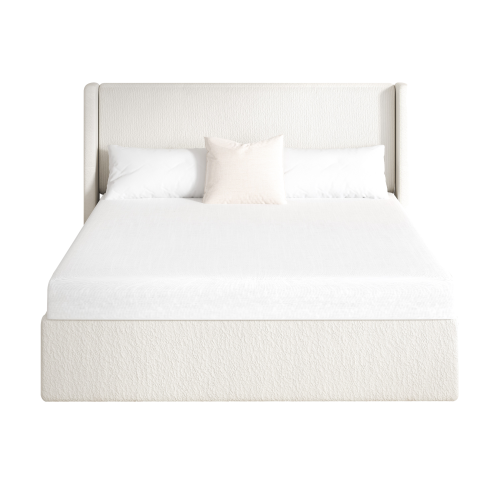
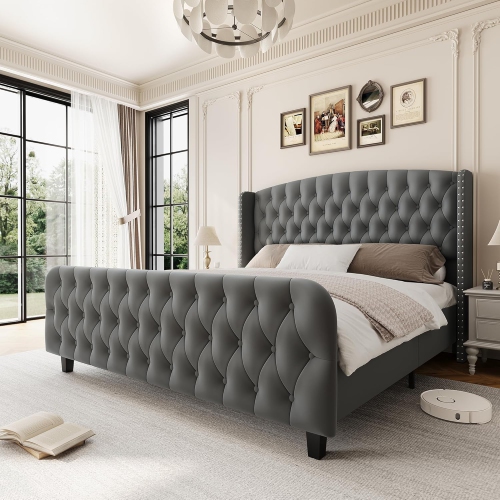
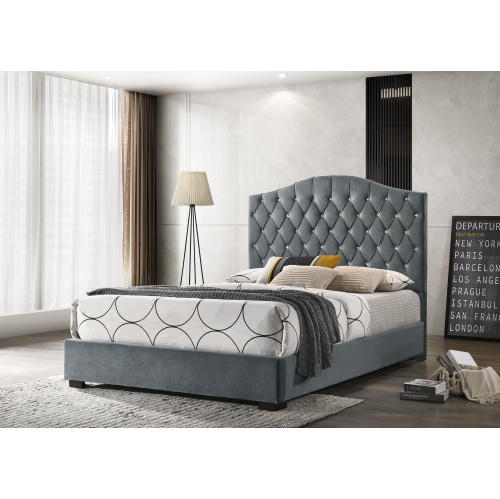
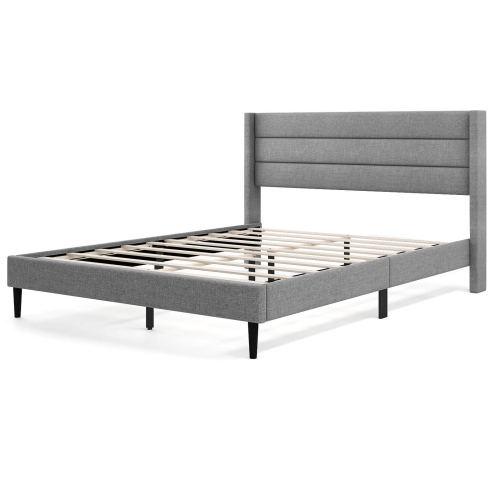
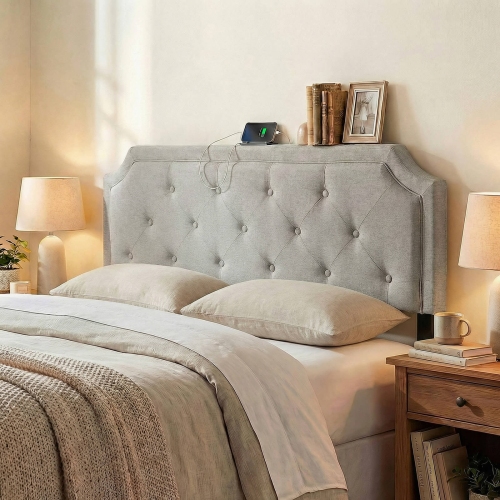
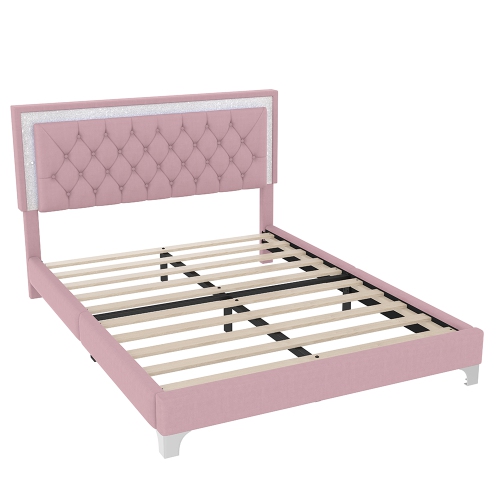
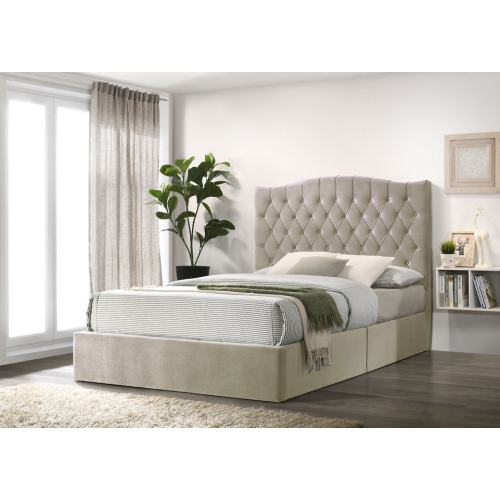
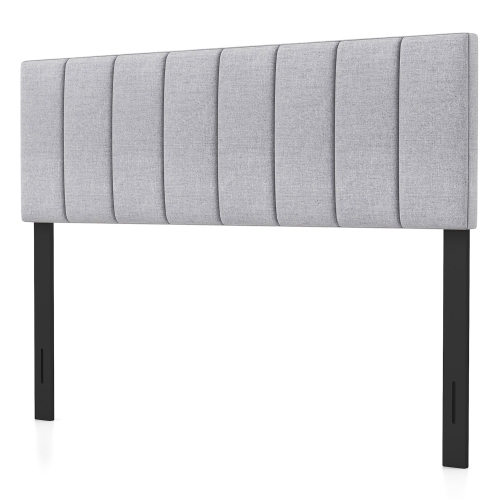
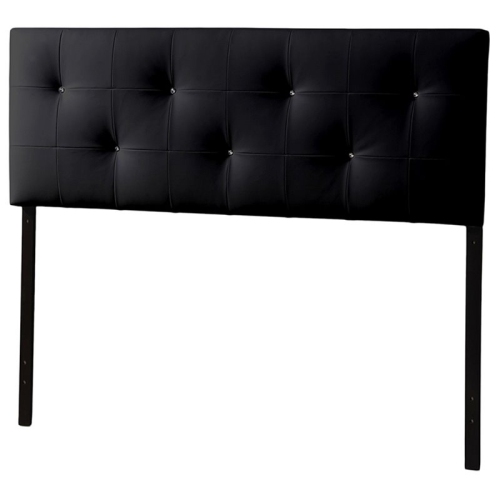
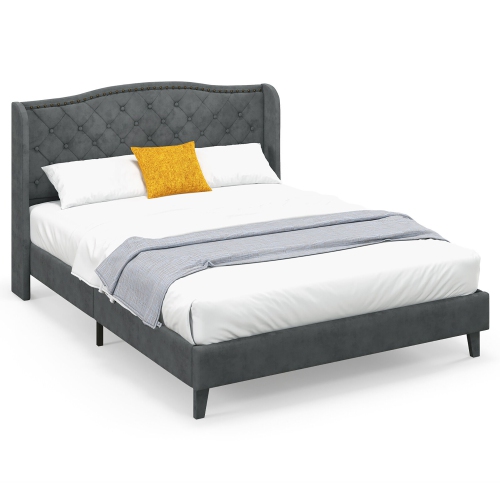
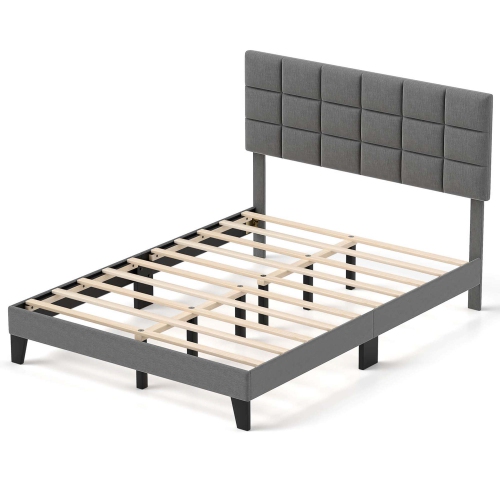
Padded headboards for queen beds bring a softer surface to the head of the bed while giving the bedroom a clear focal point. Most combine a rigid internal frame, a layer of foam or other cushioning, and an upholstered cover. The padding provides a more comfortable surface to lean against than exposed wood or metal, especially when sitting up with a book, watching television, or easing into the day. A pillow behind the lower back can add support, since a headboard is not shaped like a chair back. A standard queen mattress measures approximately 60 inches wide by 80 inches long, or 152 cm by 203 cm. Many queen headboards measure around 62 inches, or 157 cm, across, although winged edges, thick upholstery, and extended panels can make them considerably wider. The queen designation describes the intended bed size rather than a universal set of attachment measurements. Overall width, mounting points, and clearance around the bed still matter. In a smaller bedroom, a straight panel with a shallow profile can frame the mattress without taking much additional floor space. A taller, curved, or wingback shape creates a more pronounced outline and may suit a room where the bed is the main visual feature. Height also changes how the headboard feels in daily use: a low profile keeps the arrangement understated, while a taller padded section gives someone sitting upright more upholstered surface behind their shoulders. Mattress thickness, a foundation, and stacked pillows can conceal much of a shorter design, so the visible height above the mattress is more useful than the overall height alone. These headboards suit primary bedrooms, guest rooms, and shared homes where a queen bed serves more than one purpose throughout the day. They can also make a thoughtful housewarming gift when the recipient’s bed measurements, attachment requirements, and fabric preferences are known.
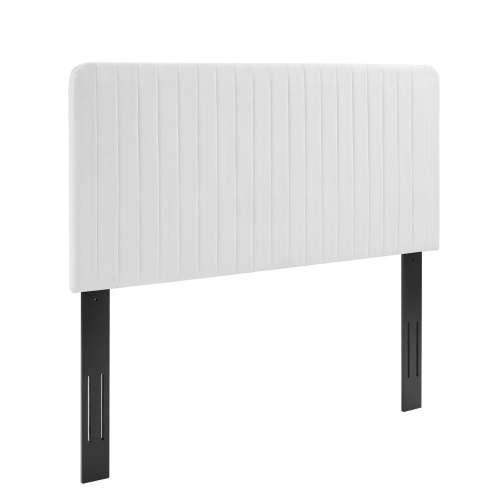
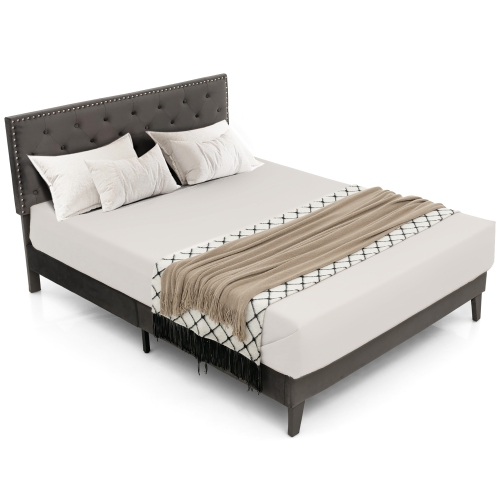
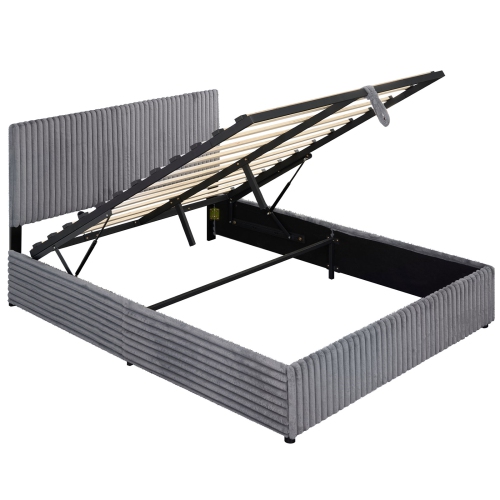
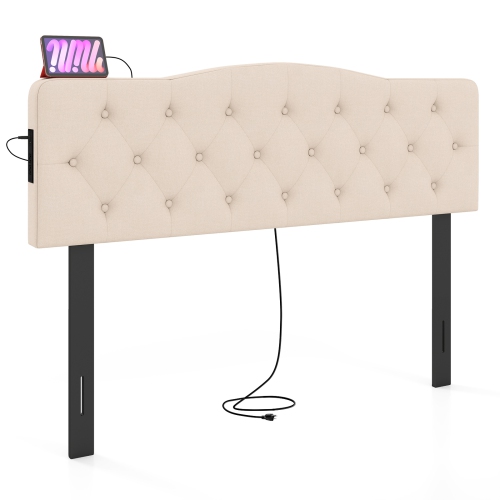
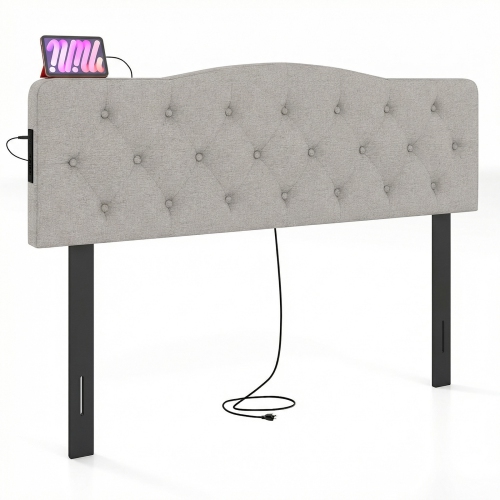
Upholstery influences both the appearance of a padded queen headboard and how it holds up to everyday contact. Linen and linen-look fabrics have a textured, relaxed appearance, but a linen-look label does not necessarily mean the fabric contains linen; fibre content should be listed separately. Polyester weaves can offer a similar effect with different care requirements. Velvet has a close pile that catches light, giving the same colour a lighter or darker appearance depending on the viewing angle and the direction of the fibres. Chenille adds a soft, textured finish, while faux leather offers a smoother surface that may be easier to wipe clean when its care instructions allow it. No covering is maintenance-free, and durability depends on the fabric construction, backing, seams, padding, and use rather than the material name alone. Regularly leaning against the same spot can gradually compress cushioning or leave marks from hair and skin oils. A tightly woven cover with securely finished seams is worth considering for a frequently used bed; a loose, raised weave may be more vulnerable to pulls from jewellery or pet claws. Button tufting creates small recesses and a traditional upholstered look, while vertical channels give the surface a more linear pattern. An unbroken padded panel has fewer creases where dust can collect and offers a relatively even surface behind pillows. Colour makes a practical difference, too. Pale upholstery creates a light visual effect but can show contact marks, while very dark fabric may make lint and pet hair more noticeable. Mid-tone shades and subtly varied weaves can be more forgiving, though they still need regular care. Beige, grey, cream, and deeper accent colours each work differently with wood finishes, bedding, and painted walls. For someone who changes duvet covers often, a simple silhouette and versatile fabric colour can keep the bed looking coordinated without requiring every textile in the room to match.
Fit and installation deserve as much attention as upholstery, particularly when adding a padded headboard to an existing queen bed. Frame-mounted designs usually attach through brackets or slots, but bolt spacing, bracket height, hardware size, and the bed frame’s construction must be compatible. A queen-size label alone does not confirm that two separate pieces will connect. Adjustable legs or multiple attachment positions can help with height alignment, but they do not make every headboard suitable for every frame. Wall-mounted versions attach independently of the bed and can offer more freedom over placement, provided the mounting method is appropriate for the wall construction and the manufacturer’s requirements. Baseboards, electrical outlets, window ledges, and bedside furniture can all affect positioning. Measuring from the floor to the top of the mattress helps establish where the padded section should begin, while checking the total depth shows how far the bed may sit from the wall. Side wings need particular attention because they can interfere with wide bed frames or closely placed nightstands. For an adjustable bed base, confirm compatibility and leave the clearances specified for moving sections rather than assuming a conventional attachment will work. Shoppers furnishing a bedroom from scratch may also consider Upholstered Headboard Beds when they want the headboard and bed structure designed as a coordinated unit. With either arrangement, a solid internal frame, secure connections, and evenly applied padding contribute to a stable feel during regular use. Care should follow the upholstery label: gentle vacuuming with a suitable attachment can remove dust from seams and tufting, while spills are best blotted promptly rather than rubbed into the fabric. Some coverings require solvent-based or professional cleaning, so water and household cleaners should not be used without checking the instructions. Avoid soaking the padding, and allow any permitted spot cleaning to dry fully before replacing pillows. Occasional checks of accessible fasteners, along with attention to loose threads or shifting brackets, help keep a padded queen headboard comfortable and secure over time.
Upholstery influences both the appearance of a padded queen headboard and how it holds up to everyday contact. Linen and linen-look fabrics have a textured, relaxed appearance, but a linen-look label does not necessarily mean the fabric contains linen; fibre content should be listed separately. Polyester weaves can offer a similar effect with different care requirements. Velvet has a close pile that catches light, giving the same colour a lighter or darker appearance depending on the viewing angle and the direction of the fibres. Chenille adds a soft, textured finish, while faux leather offers a smoother surface that may be easier to wipe clean when its care instructions allow it. No covering is maintenance-free, and durability depends on the fabric construction, backing, seams, padding, and use rather than the material name alone. Regularly leaning against the same spot can gradually compress cushioning or leave marks from hair and skin oils. A tightly woven cover with securely finished seams is worth considering for a frequently used bed; a loose, raised weave may be more vulnerable to pulls from jewellery or pet claws. Button tufting creates small recesses and a traditional upholstered look, while vertical channels give the surface a more linear pattern. An unbroken padded panel has fewer creases where dust can collect and offers a relatively even surface behind pillows. Colour makes a practical difference, too. Pale upholstery creates a light visual effect but can show contact marks, while very dark fabric may make lint and pet hair more noticeable. Mid-tone shades and subtly varied weaves can be more forgiving, though they still need regular care. Beige, grey, cream, and deeper accent colours each work differently with wood finishes, bedding, and painted walls. For someone who changes duvet covers often, a simple silhouette and versatile fabric colour can keep the bed looking coordinated without requiring every textile in the room to match.
Fit and installation deserve as much attention as upholstery, particularly when adding a padded headboard to an existing queen bed. Frame-mounted designs usually attach through brackets or slots, but bolt spacing, bracket height, hardware size, and the bed frame’s construction must be compatible. A queen-size label alone does not confirm that two separate pieces will connect. Adjustable legs or multiple attachment positions can help with height alignment, but they do not make every headboard suitable for every frame. Wall-mounted versions attach independently of the bed and can offer more freedom over placement, provided the mounting method is appropriate for the wall construction and the manufacturer’s requirements. Baseboards, electrical outlets, window ledges, and bedside furniture can all affect positioning. Measuring from the floor to the top of the mattress helps establish where the padded section should begin, while checking the total depth shows how far the bed may sit from the wall. Side wings need particular attention because they can interfere with wide bed frames or closely placed nightstands. For an adjustable bed base, confirm compatibility and leave the clearances specified for moving sections rather than assuming a conventional attachment will work. Shoppers furnishing a bedroom from scratch may also consider Upholstered Headboard Beds when they want the headboard and bed structure designed as a coordinated unit. With either arrangement, a solid internal frame, secure connections, and evenly applied padding contribute to a stable feel during regular use. Care should follow the upholstery label: gentle vacuuming with a suitable attachment can remove dust from seams and tufting, while spills are best blotted promptly rather than rubbed into the fabric. Some coverings require solvent-based or professional cleaning, so water and household cleaners should not be used without checking the instructions. Avoid soaking the padding, and allow any permitted spot cleaning to dry fully before replacing pillows. Occasional checks of accessible fasteners, along with attention to loose threads or shifting brackets, help keep a padded queen headboard comfortable and secure over time.
Top selling and popular products
-
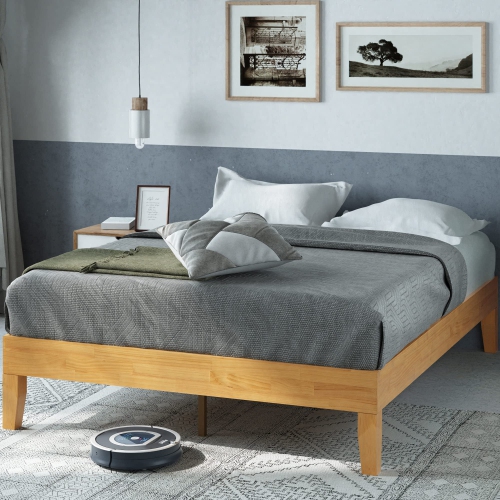 Your price for this item is $493.52
 -
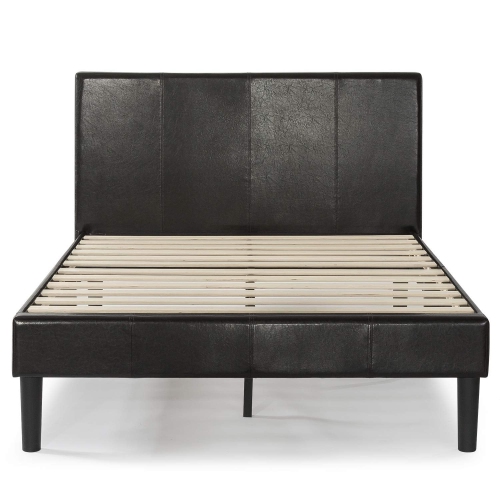 Your price for this item is $611.85
 -
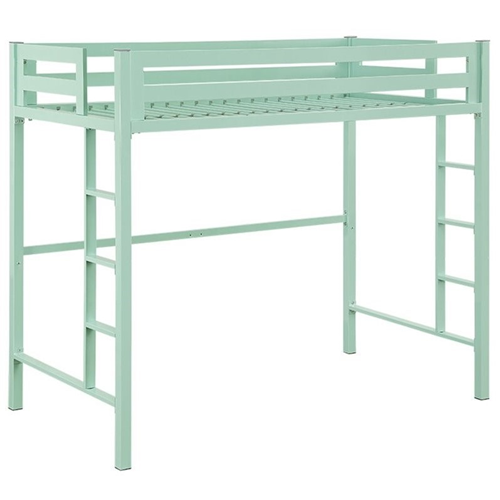 Your price for this item is $825.26
 -
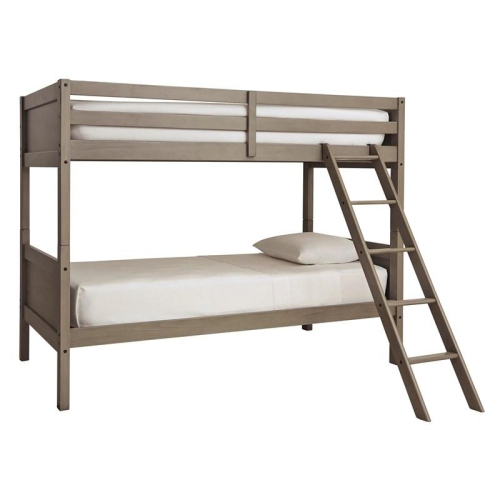 Your price for this item is $799.99
 -
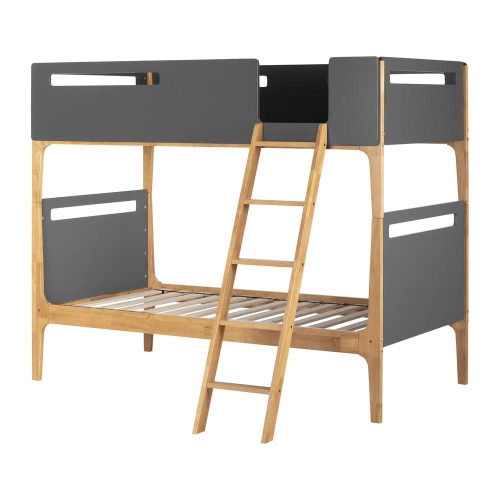 Your price for this item is $985.42
 -
 Your price for this item is $157.99
 -
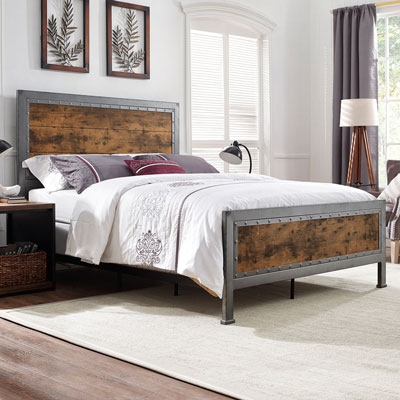 Your price for this item is $862.99
 -
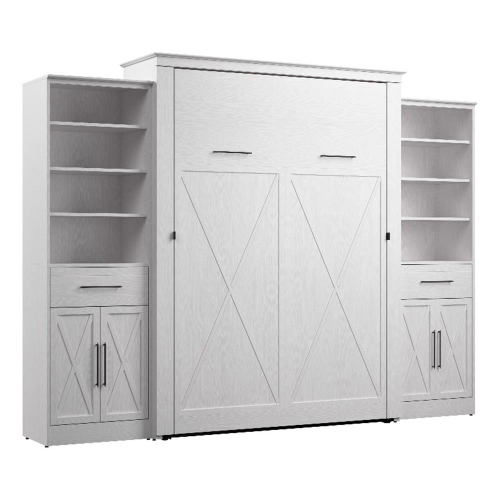 Your price for this item is $3519.99
Discover more categories related to Padded Headboards for Queen Beds

Top Collections:
Pokemon Centers, Kindle Devices, Best Budget Office Chairs, Apple iPhones 16, Canon G7X Cameras, iPhone 15 Apple, Alarm Clock, Refurbished Apple Laptops, Flip Phones, Best Laptops for Writers
Some products may be subject to Environmental Handling Fees
(EHF) depending on your province.
Learn more about EHFs.