Padded Patio Chairs
Create a comfortable and inviting outdoor oasis with our selection of padded patio chairs. Whether you're lounging by the pool, enjoying a sunny afternoon on the deck, or gathering with friends and family for a barbecue, our padded patio chairs offer the perfect blend of style and comfort. Here are some great options for you.
Sort
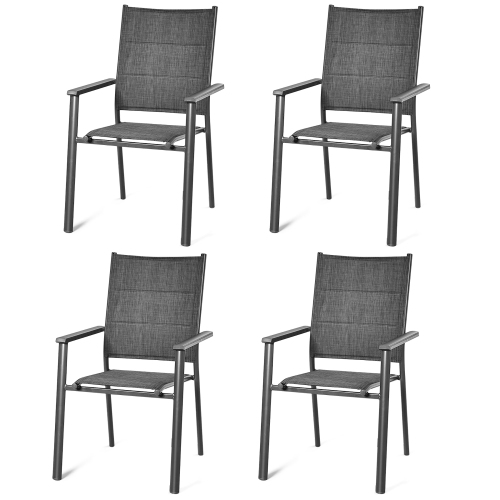
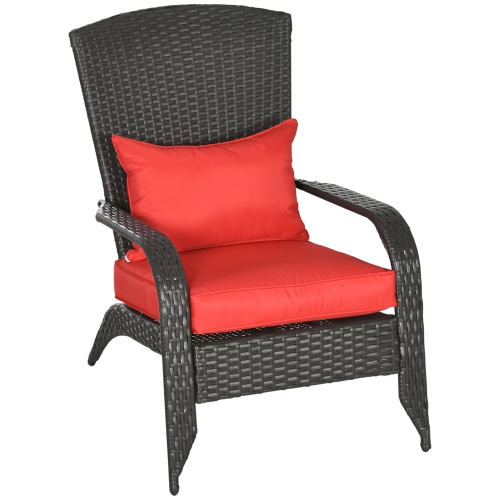
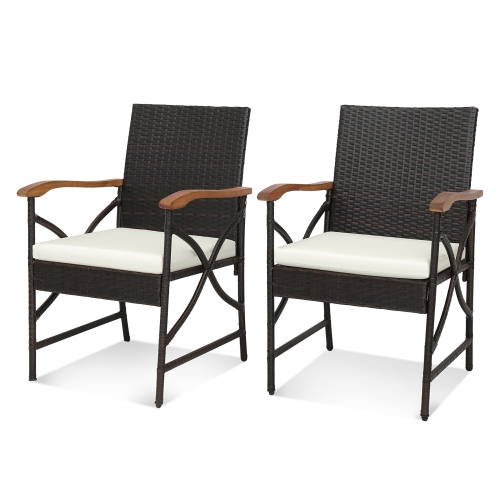
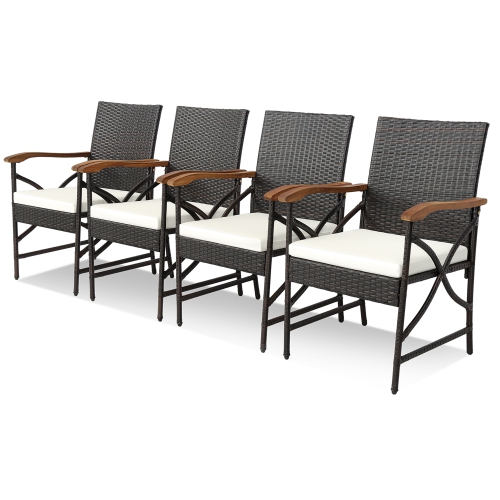
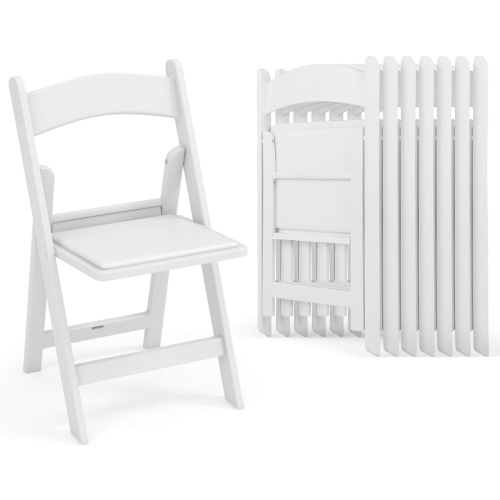
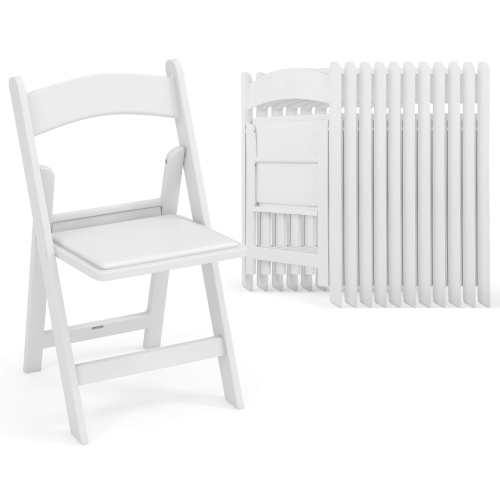
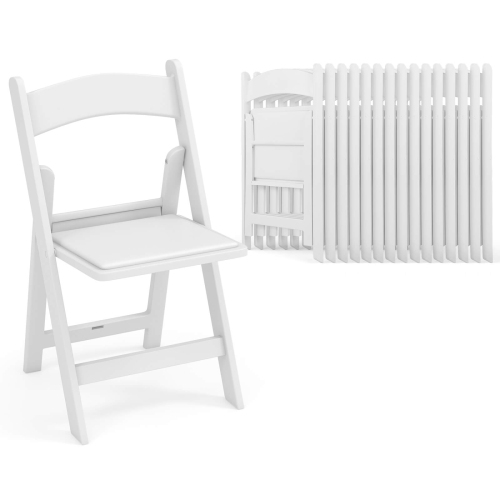
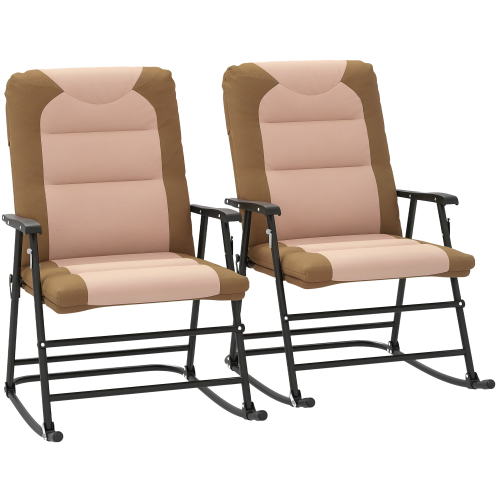
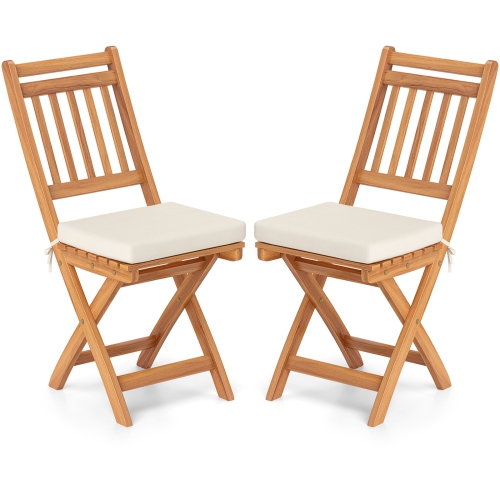
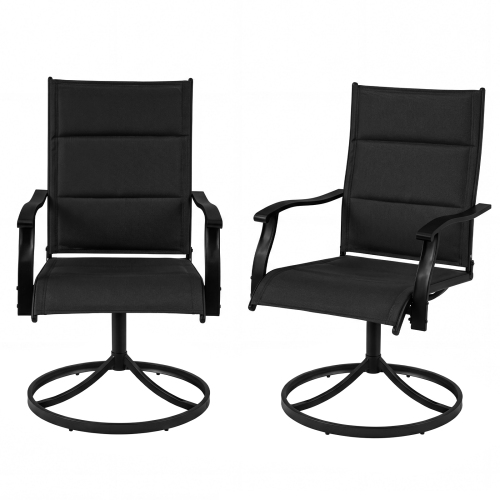
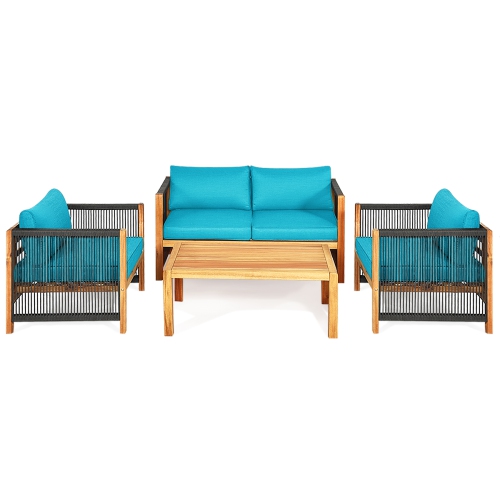
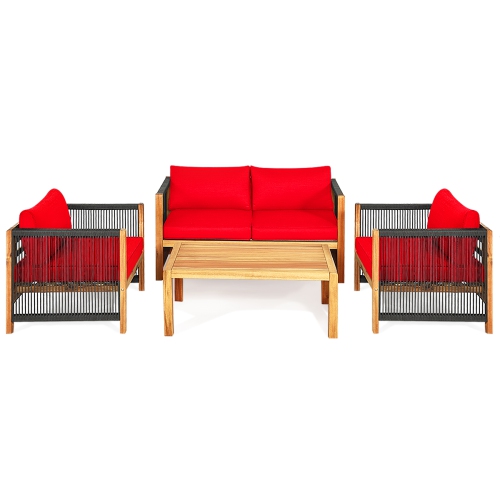
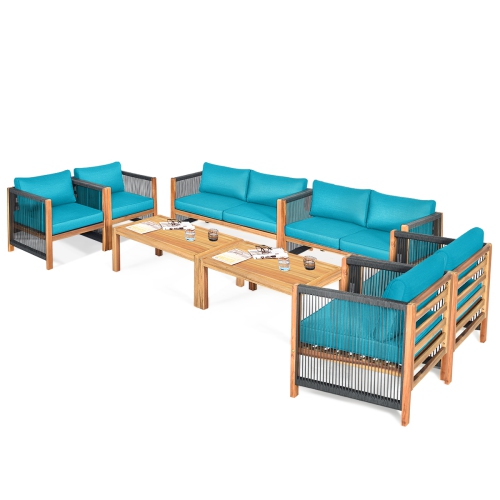
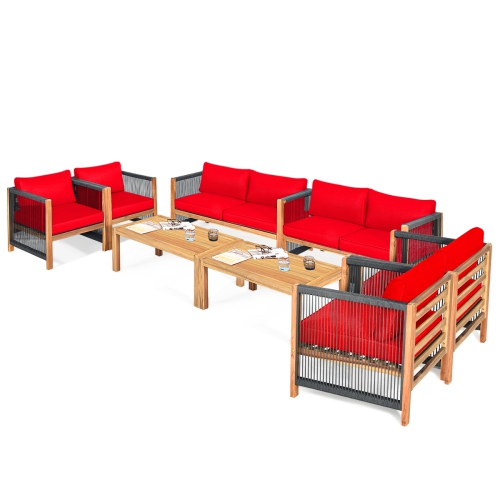
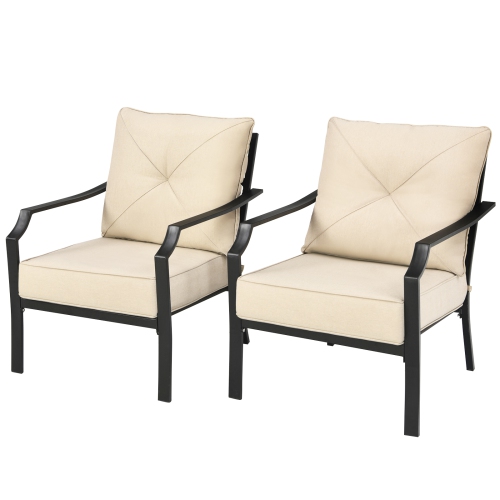

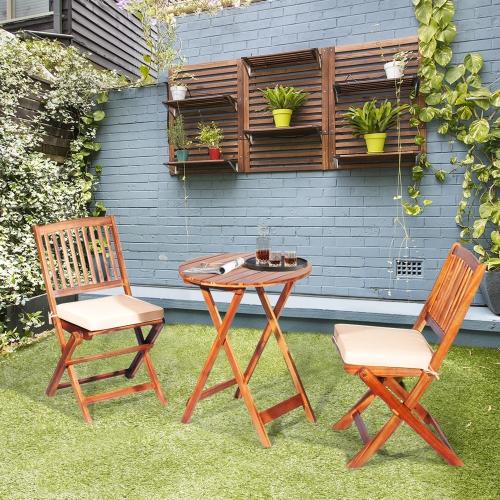
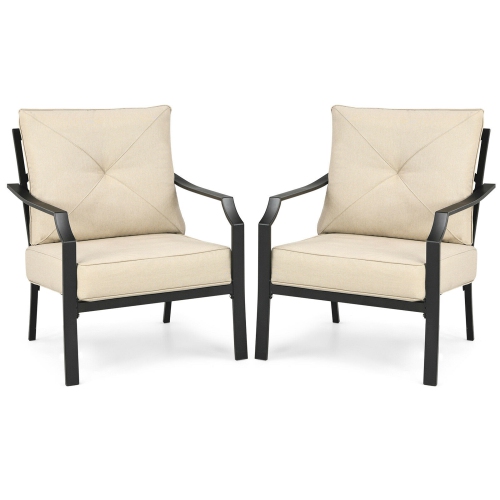
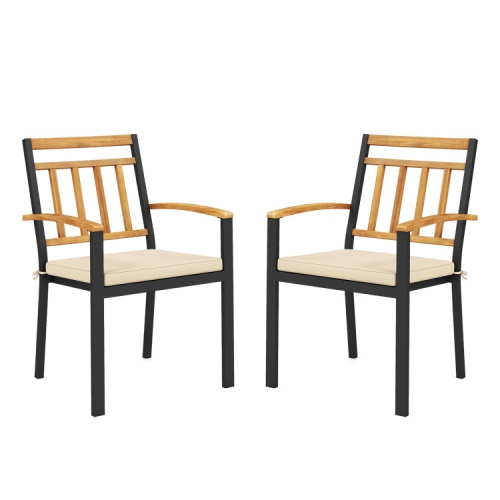
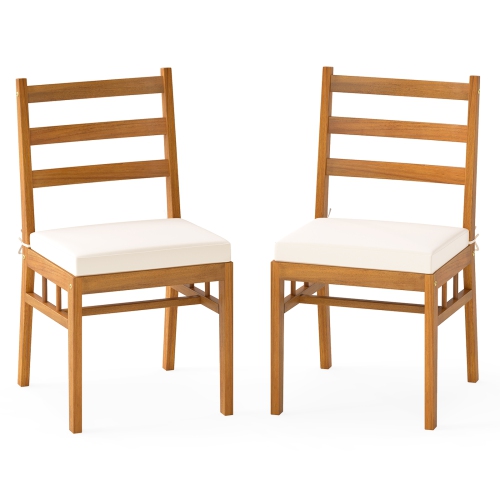
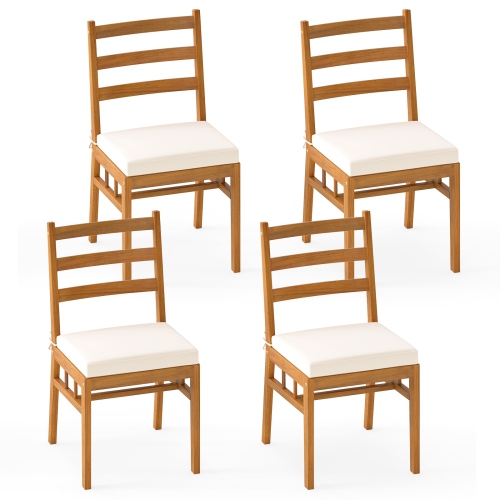


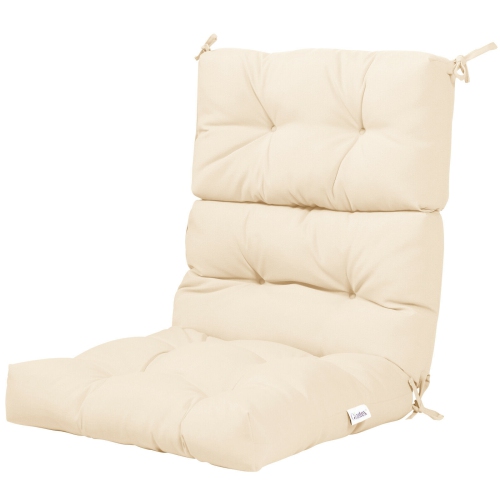
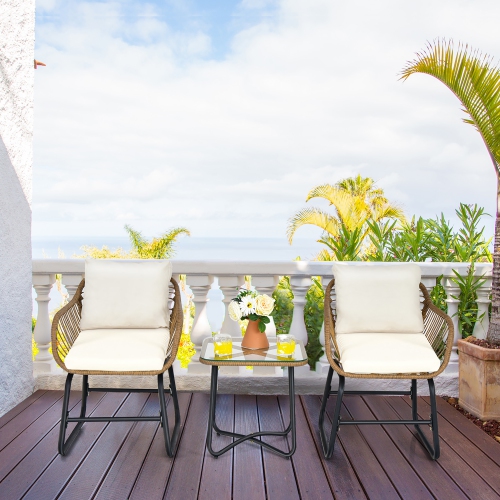
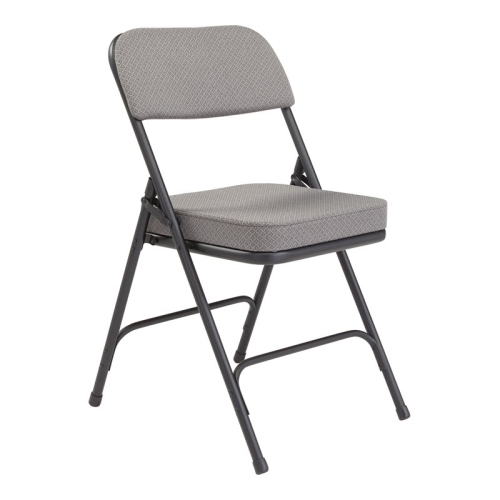
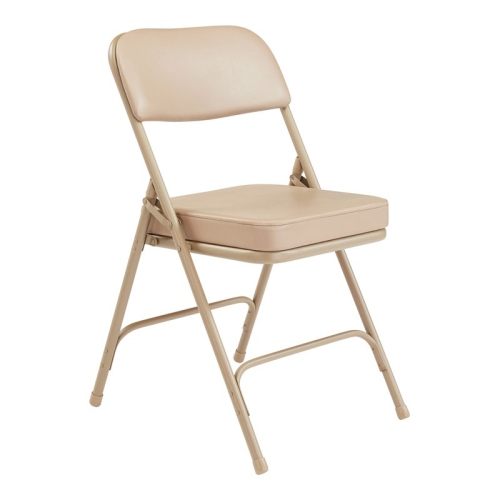
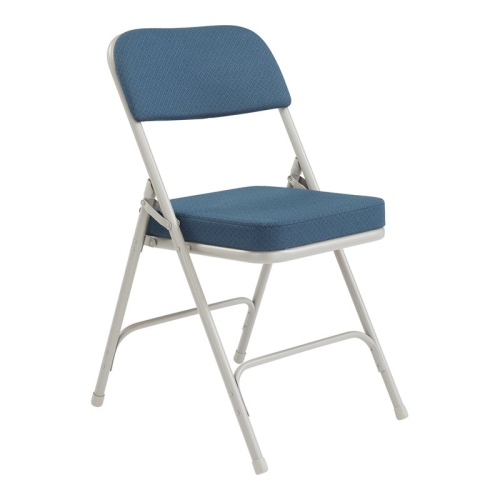
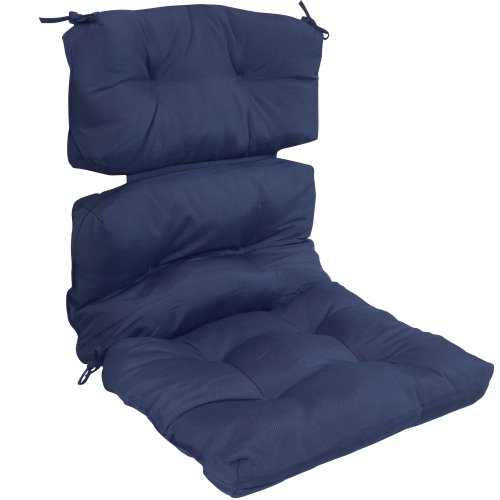
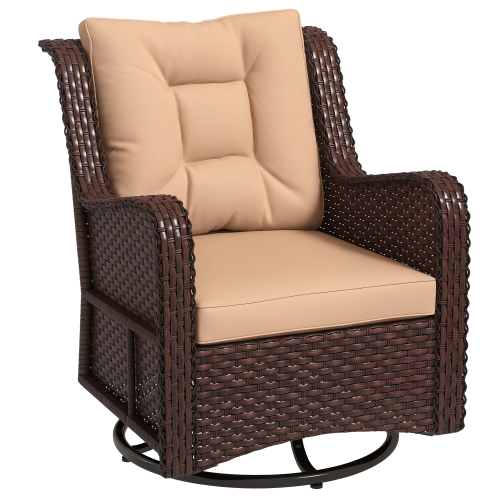
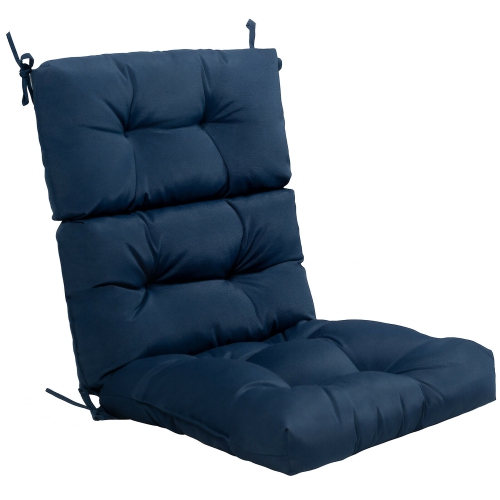
What to consider for comfort, materials, and care
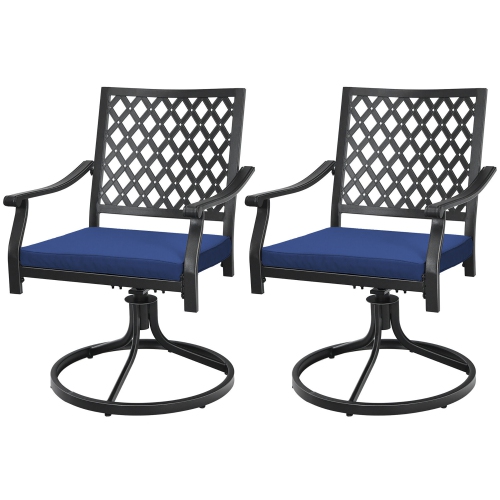
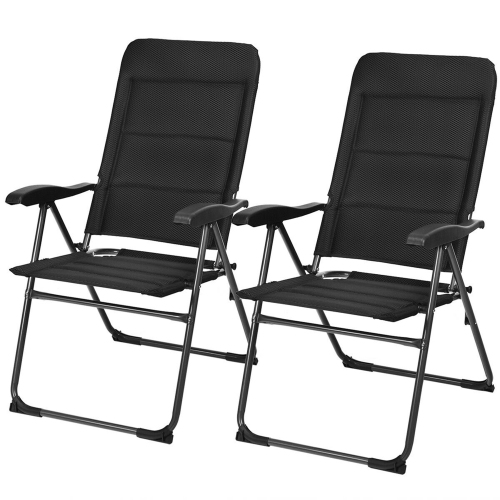
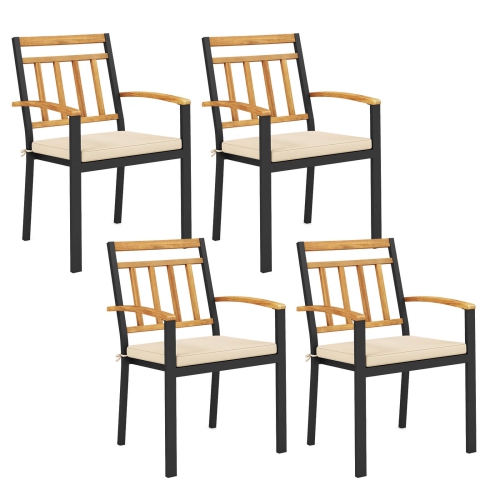
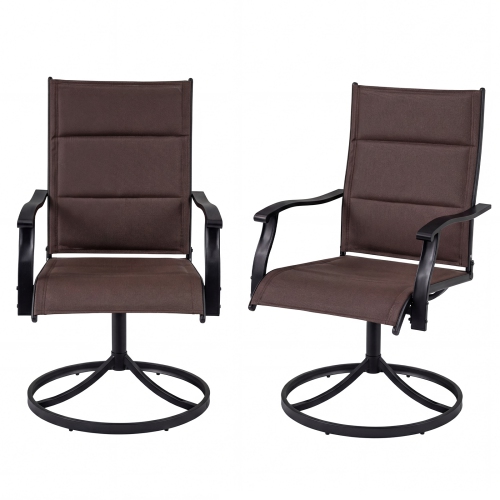
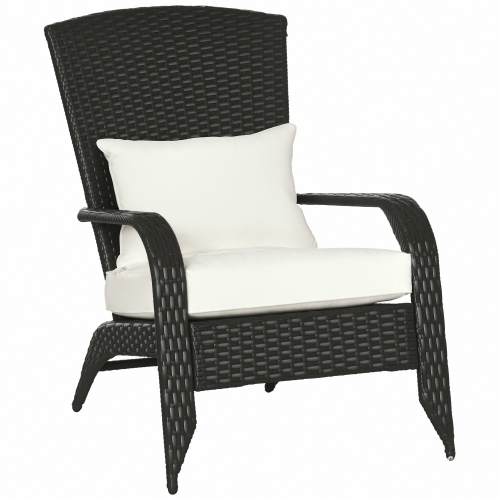
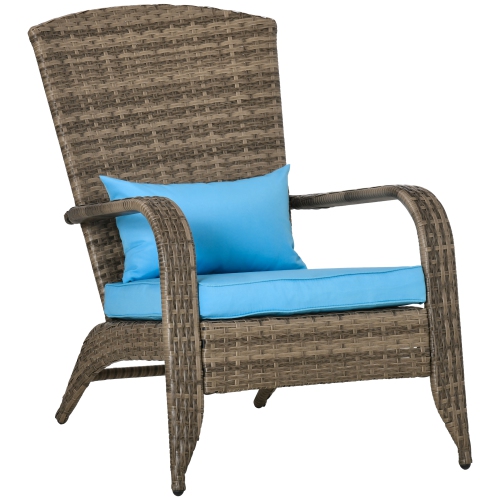
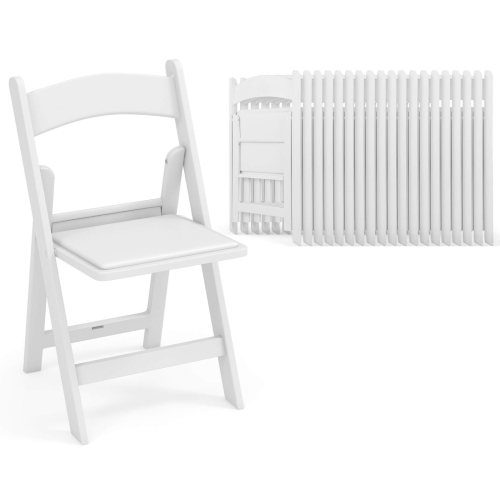
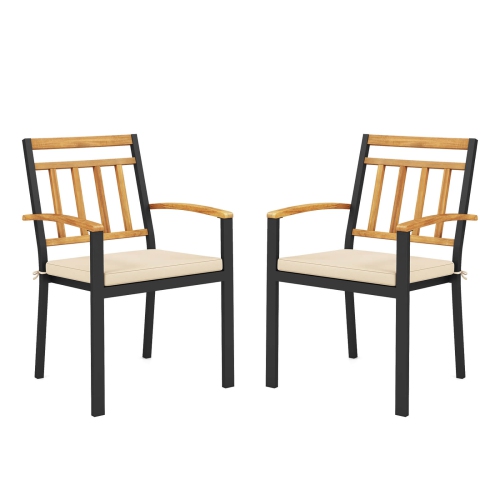
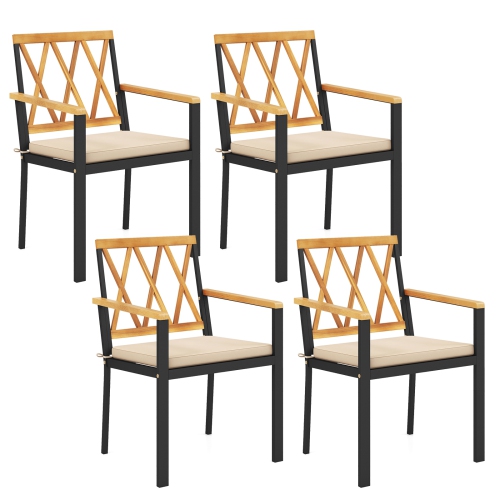
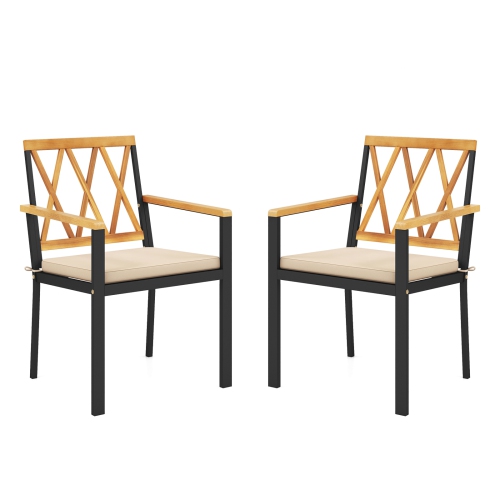
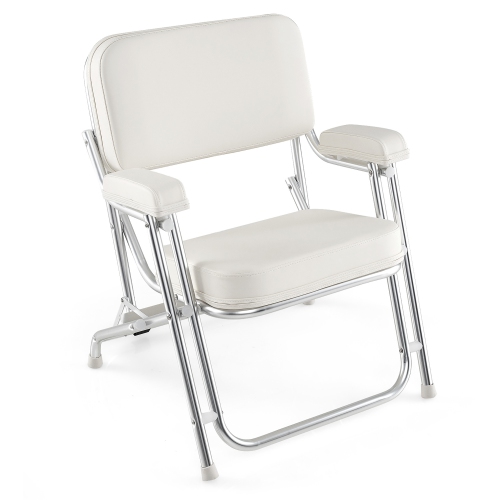
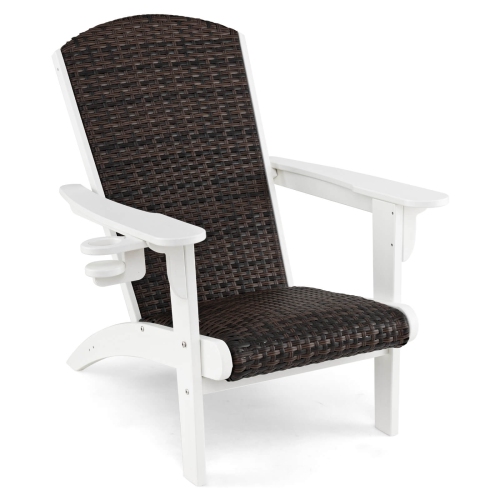
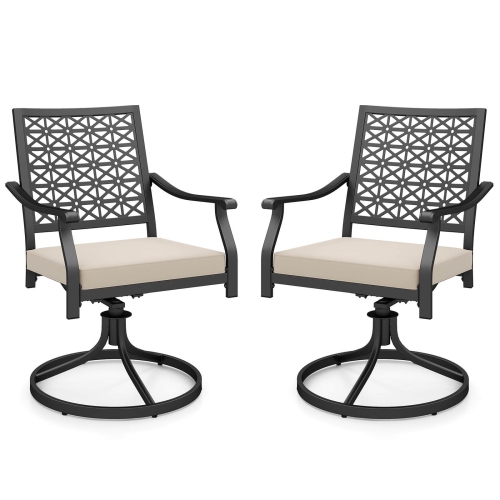
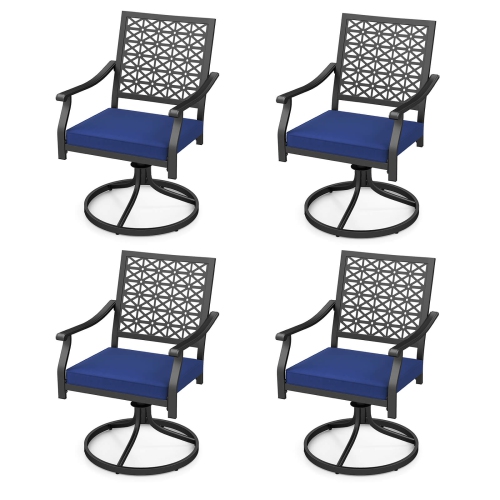
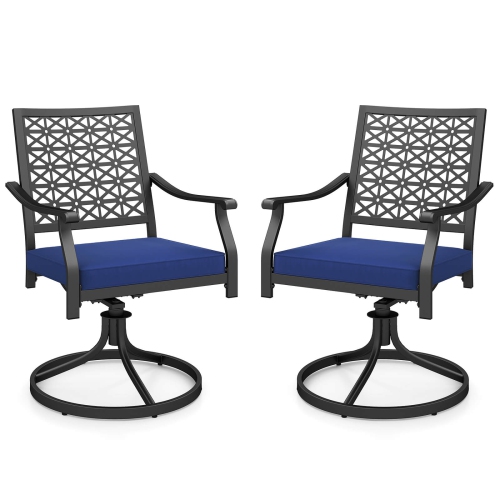
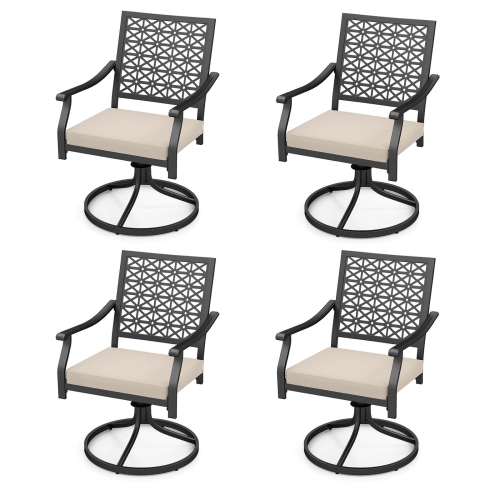
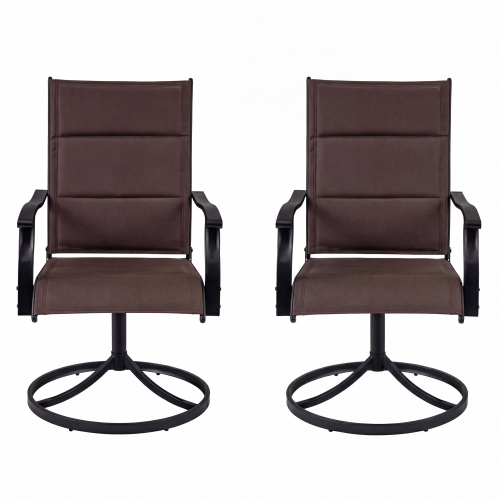
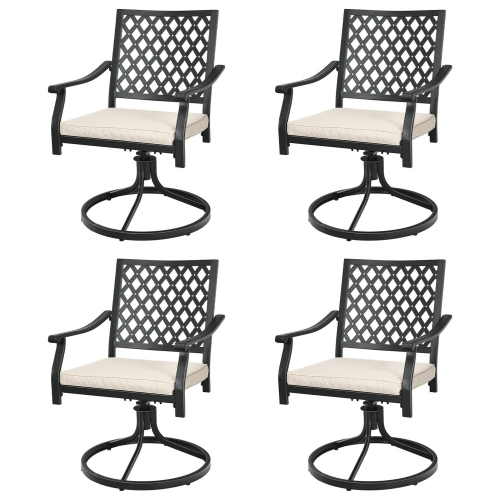
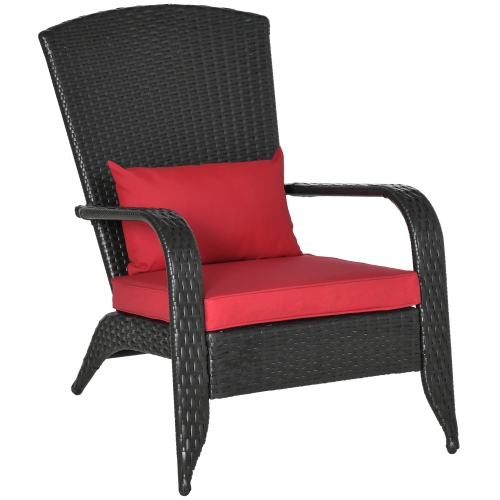
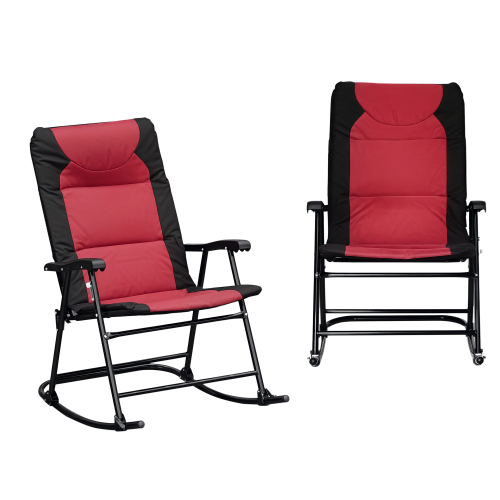
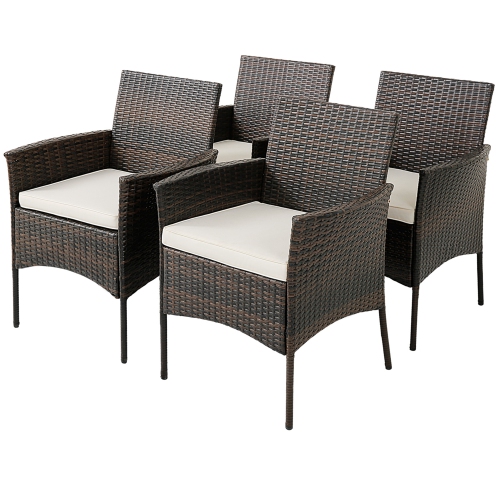
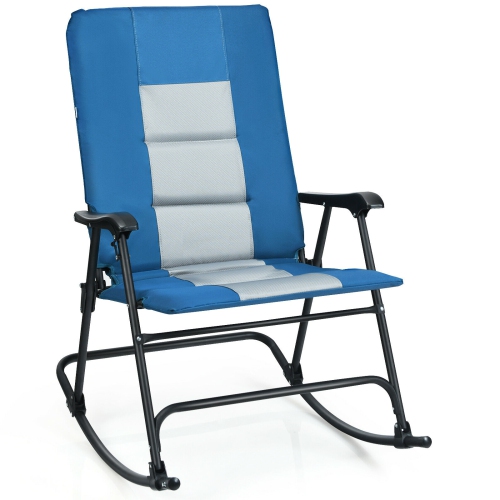
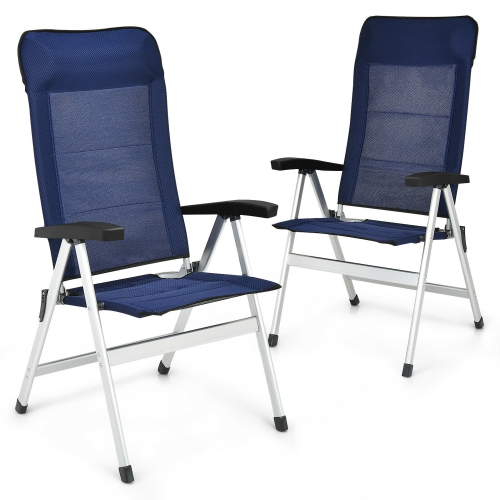
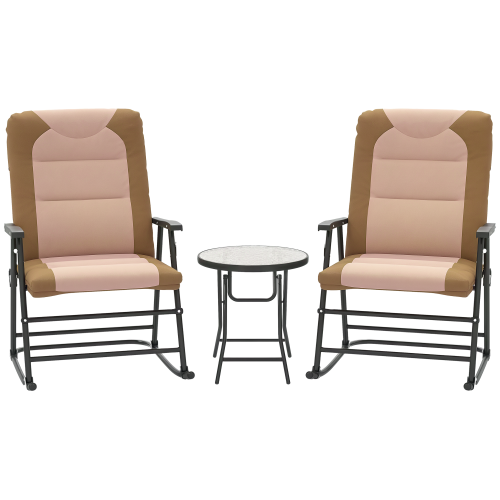
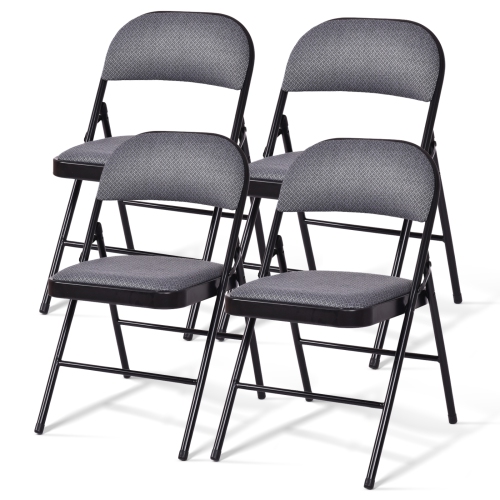
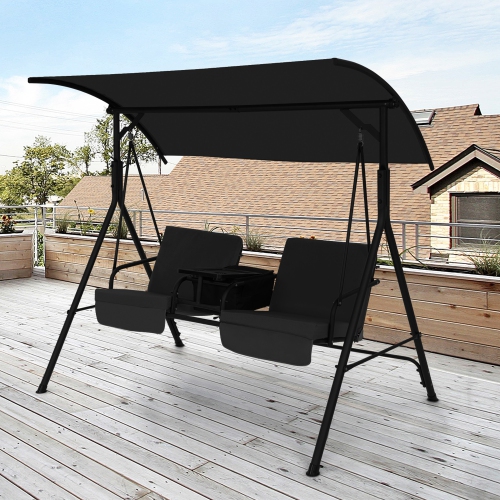
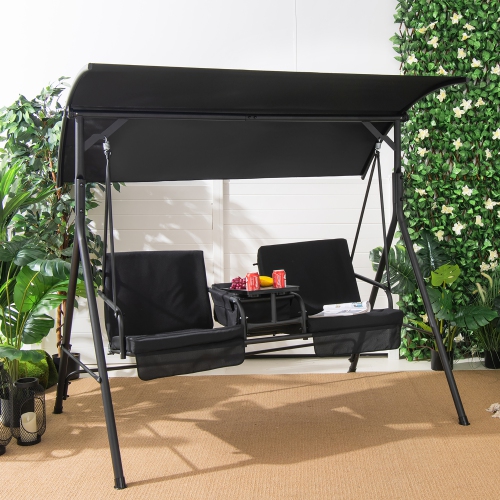
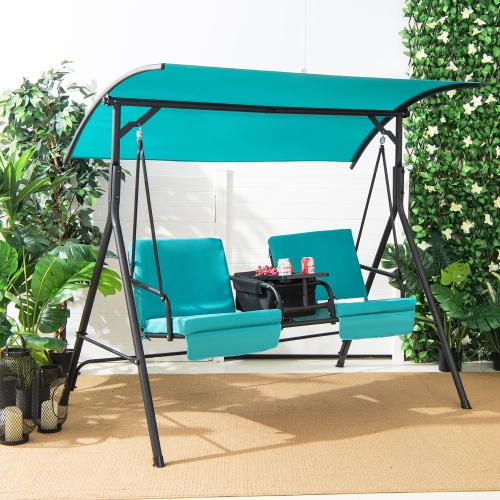
Padded patio chairs bring a more comfortable feel to outdoor seating areas by combining supportive frames with built-in cushioning. Unlike chairs that rely on separate loose cushions, padded patio chairs typically use foam, padded textilene, or upholstered outdoor fabric integrated into the seat and backrest, helping create a neat, ready-to-use place for relaxing, dining, reading, or visiting with guests. They can make a balcony feel more inviting, add comfort to a patio dining set, or provide extra seating around a fire table or outdoor conversation area. A chair with a high back and generous padding can be especially appealing for longer stretches of sitting, while a motion design with a gentle spring movement can add a relaxed, lounge-like feel without taking up the space of a full outdoor recliner. Consider how the chairs will fit into the way your household uses its outdoor space. A pair can frame a small bistro table, sit beside a garden entrance, or create a quiet spot for morning coffee, while several matching chairs can make a larger patio feel coordinated when friends and family gather. Padded patio chairs may also be a thoughtful housewarming, wedding, or new-home gift for someone who enjoys hosting, gardening, or spending time outdoors. They offer a practical way to refresh a deck or balcony while adding the comfort people appreciate when a meal, conversation, or afternoon outdoors lasts longer than expected.
The materials used in padded patio chairs have a direct effect on comfort, appearance, and care. Look for quick-dry foam or other cushioning designed for outdoor use, particularly if the chairs will be placed in an uncovered area where they may encounter morning dew or passing showers. PVC-coated polyester can provide a smooth, practical surface that is easy to wipe clean, while padded textilene may offer a breathable feel and a slight spring that helps air circulate around the body. Upholstered outdoor fabrics can create a softer, more refined appearance, but the fabric construction and care instructions should still be checked before purchase. Materials with UV-resistant properties are useful in spaces that receive strong sunlight, as repeated exposure can affect colours and fabric performance over time. The frame is just as important as the padding. Powder-coated iron can provide a sturdy, substantial feel, while aluminium frames are often easier to move when rearranging a patio or storing furniture during the cooler months. Check for stable feet and a well-balanced base, especially if the surface is made from uneven pavers, composite decking, or a sloped balcony. Armrests, seat width, back height, and the overall chair height can also influence everyday comfort. A wider seat may be preferable for relaxed lounging, while a more upright shape can suit outdoor dining. If you are matching chairs with an existing table, measure the available space beneath the tabletop and consider how the armrests will fit when the chairs are pushed in.
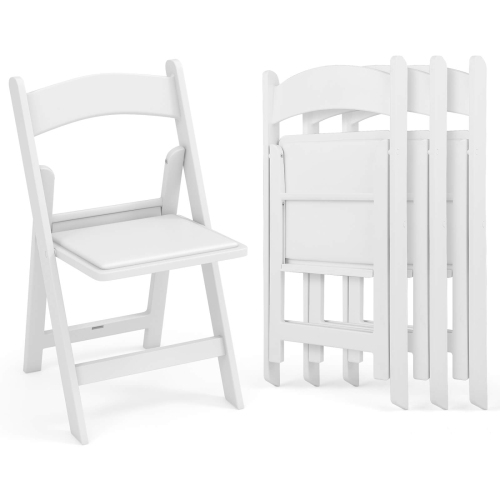
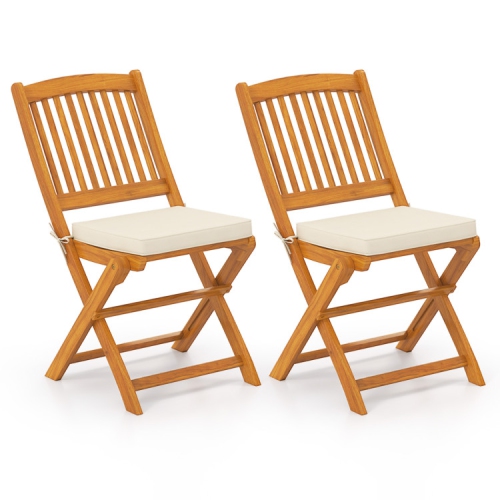
Care requirements are worth considering before bringing padded patio chairs into your outdoor routine. Removable covers with zippers can make spot cleaning and deeper washing more convenient, although every fabric should be cleaned according to the manufacturer’s instructions. For routine upkeep, brush away leaves and loose dirt, wipe spills promptly, and allow damp areas to dry thoroughly before covering or storing the chairs. Protective outdoor covers can help limit exposure to heavy rain, dust, and falling debris, while a dry storage area is preferable when the weather turns colder. If indoor storage is limited, choose a location that is sheltered from direct precipitation and avoid placing wet chairs tightly against one another, since trapped moisture can lead to lingering odours or marks. Folding or stackable seating can be especially useful for smaller homes, seasonal cottages, and balconies where floor space changes with the time of year. For another space-saving seating option, explore Padded Folding Chairs. Whether you are arranging a compact outdoor nook or furnishing a larger entertaining area, focus on the combination of padding, frame construction, fabric performance, dimensions, and storage needs that best suits your space. As the weather warms, padded patio chairs can be brought out for meals and gatherings, and during the cooler months they can be protected or stored so they are ready for comfortable outdoor use when the season returns.
The materials used in padded patio chairs have a direct effect on comfort, appearance, and care. Look for quick-dry foam or other cushioning designed for outdoor use, particularly if the chairs will be placed in an uncovered area where they may encounter morning dew or passing showers. PVC-coated polyester can provide a smooth, practical surface that is easy to wipe clean, while padded textilene may offer a breathable feel and a slight spring that helps air circulate around the body. Upholstered outdoor fabrics can create a softer, more refined appearance, but the fabric construction and care instructions should still be checked before purchase. Materials with UV-resistant properties are useful in spaces that receive strong sunlight, as repeated exposure can affect colours and fabric performance over time. The frame is just as important as the padding. Powder-coated iron can provide a sturdy, substantial feel, while aluminium frames are often easier to move when rearranging a patio or storing furniture during the cooler months. Check for stable feet and a well-balanced base, especially if the surface is made from uneven pavers, composite decking, or a sloped balcony. Armrests, seat width, back height, and the overall chair height can also influence everyday comfort. A wider seat may be preferable for relaxed lounging, while a more upright shape can suit outdoor dining. If you are matching chairs with an existing table, measure the available space beneath the tabletop and consider how the armrests will fit when the chairs are pushed in.
Care requirements are worth considering before bringing padded patio chairs into your outdoor routine. Removable covers with zippers can make spot cleaning and deeper washing more convenient, although every fabric should be cleaned according to the manufacturer’s instructions. For routine upkeep, brush away leaves and loose dirt, wipe spills promptly, and allow damp areas to dry thoroughly before covering or storing the chairs. Protective outdoor covers can help limit exposure to heavy rain, dust, and falling debris, while a dry storage area is preferable when the weather turns colder. If indoor storage is limited, choose a location that is sheltered from direct precipitation and avoid placing wet chairs tightly against one another, since trapped moisture can lead to lingering odours or marks. Folding or stackable seating can be especially useful for smaller homes, seasonal cottages, and balconies where floor space changes with the time of year. For another space-saving seating option, explore Padded Folding Chairs. Whether you are arranging a compact outdoor nook or furnishing a larger entertaining area, focus on the combination of padding, frame construction, fabric performance, dimensions, and storage needs that best suits your space. As the weather warms, padded patio chairs can be brought out for meals and gatherings, and during the cooler months they can be protected or stored so they are ready for comfortable outdoor use when the season returns.
Top selling and popular products
-
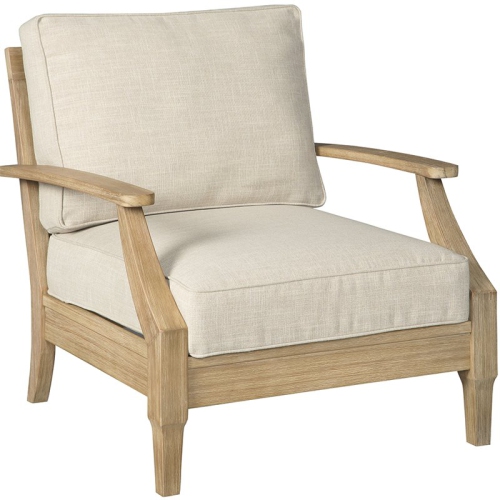 Your price for this item is $1227.67
 -
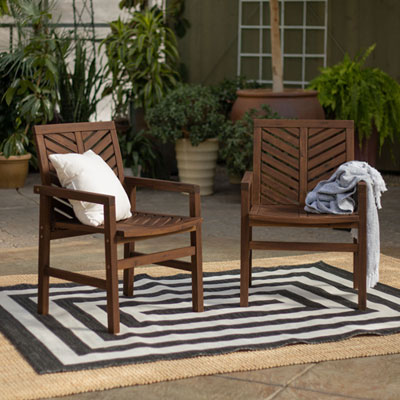 Your price for this item is $604.99
 -
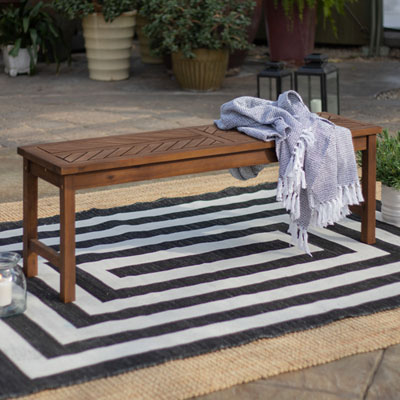 Your price for this item is $371.99
 -
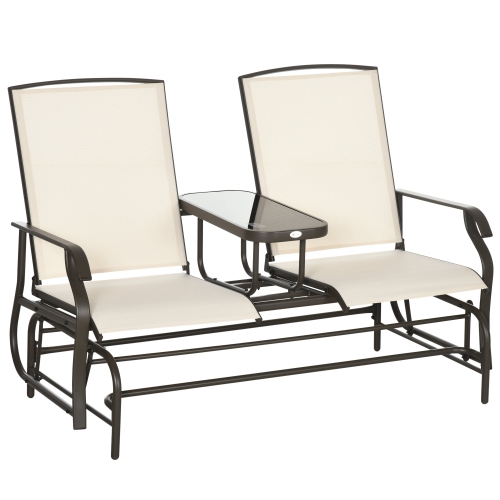 Your price for this item is $189.99
 -
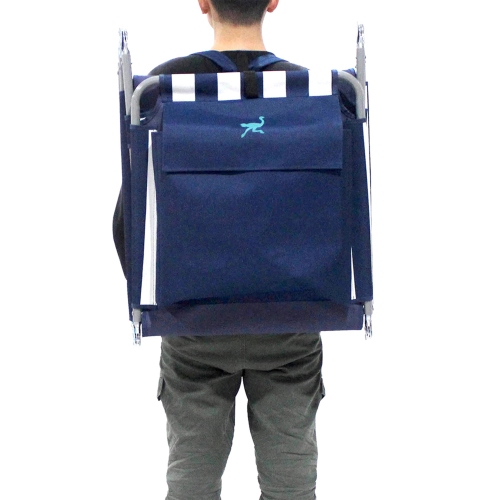 Your price for this item is $204.99
 -
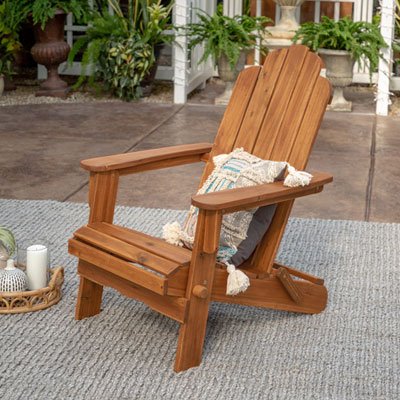 Your price for this item is $461.99
 -
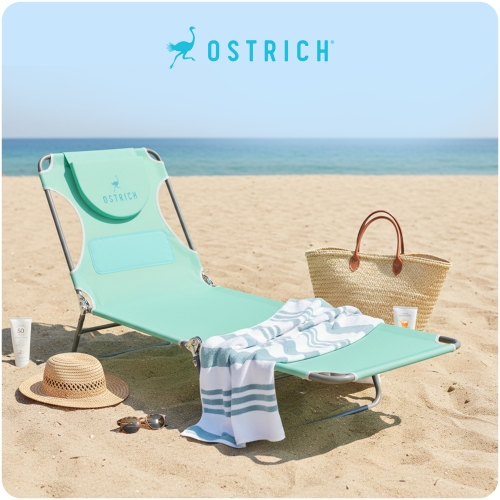 Your price for this item is $170.99
 -
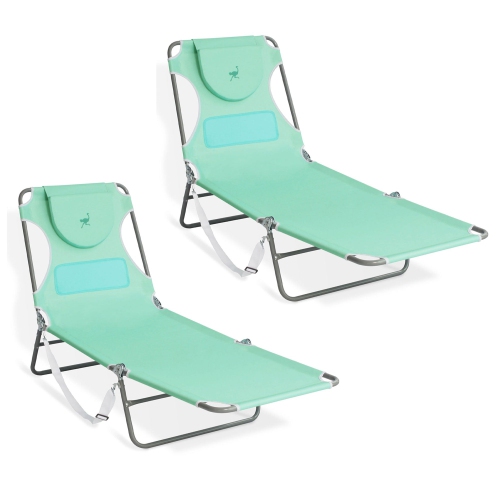 Your price for this item is $392.99
Discover more categories related to Padded Patio Chairs
Top Collections:
Pokemon Centers, Kindle Devices, Best Budget Office Chairs, Apple iPhones 16, Best Laptops for Writers, iPhone 15 Apple, Canon G7X Cameras, Refurbished Apple Laptops, Alarm Clock, Motorola Razr Phones
Some products may be subject to Environmental Handling Fees
(EHF) depending on your province.
Learn more about EHFs.