Padded Stack Chairs
Stack chairs are a great way to save space in your home. They're also a great way to add extra seating when you have guests over. These padded chairs are designed to be easily stacked and stored when not in use, making them an ideal choice for those who have limited space. If you're looking for a comfortable seating option, padded stack chairs are a great choice.
Sort
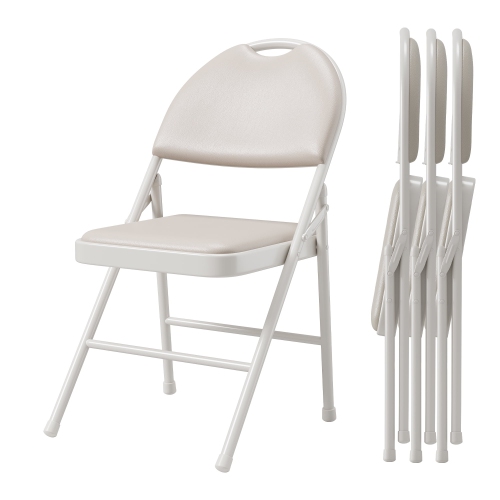
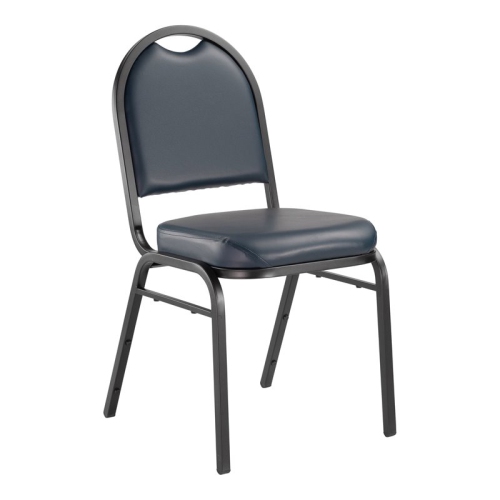
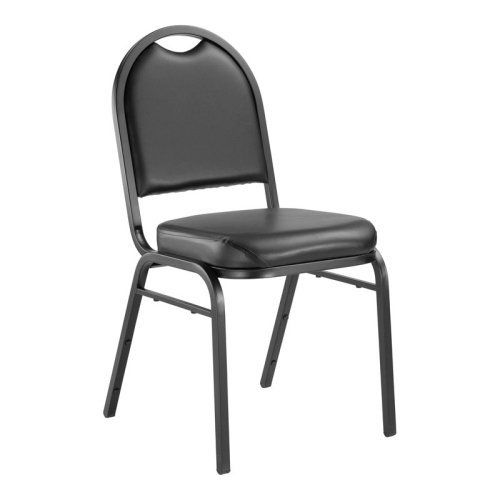
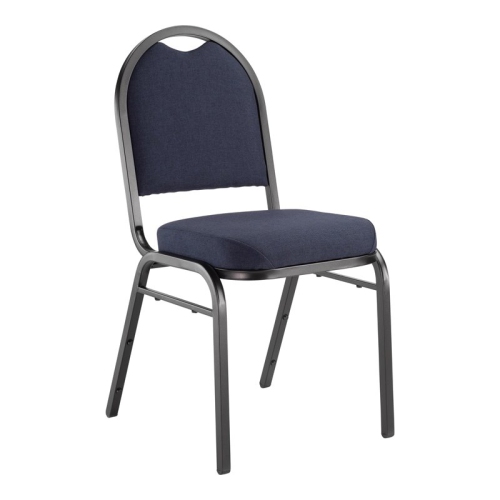
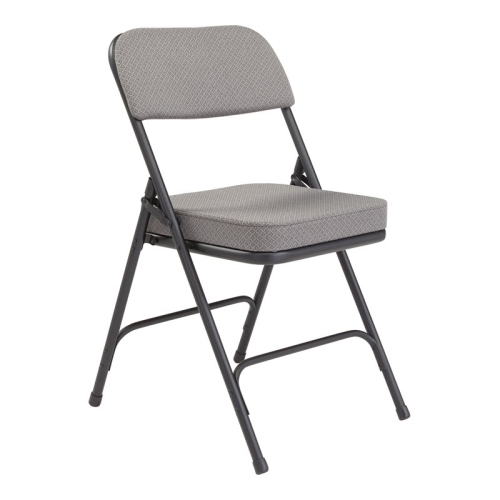
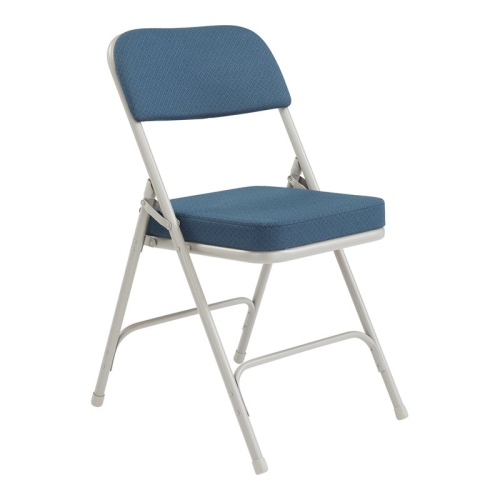
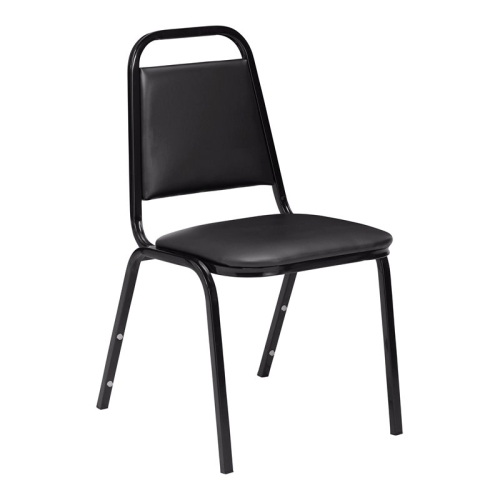
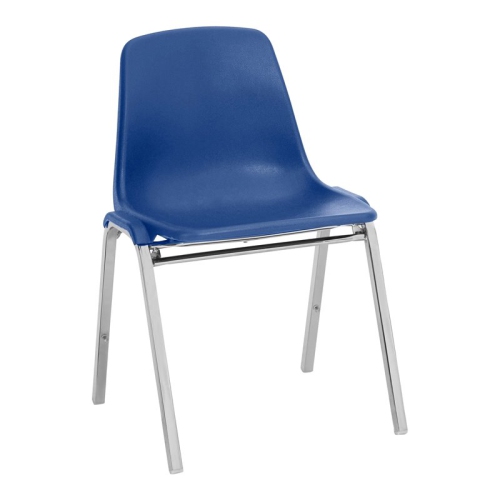
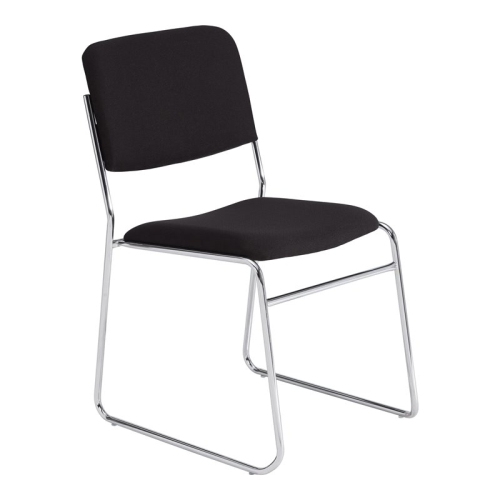
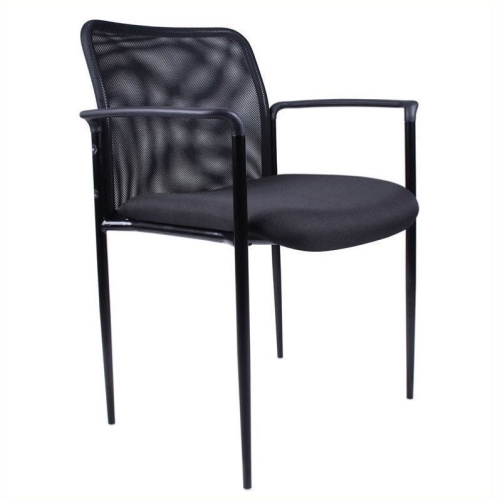
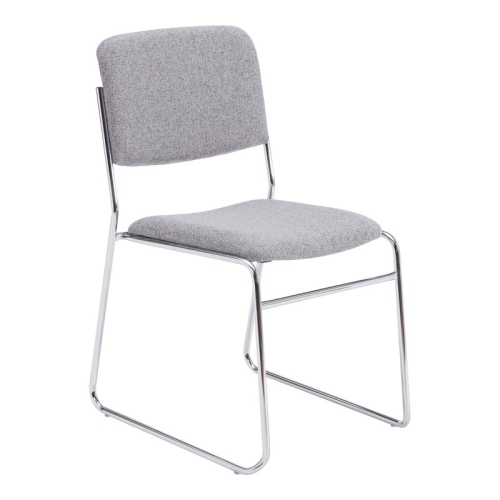
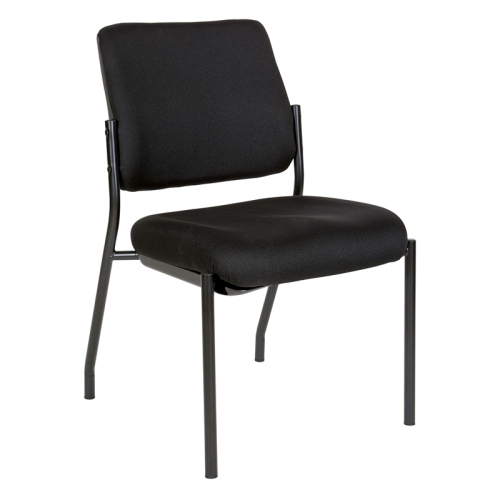
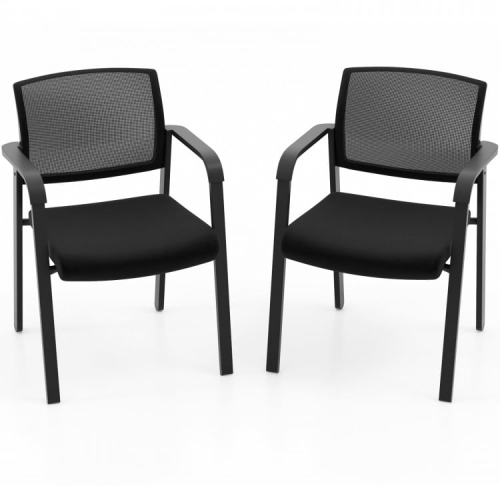
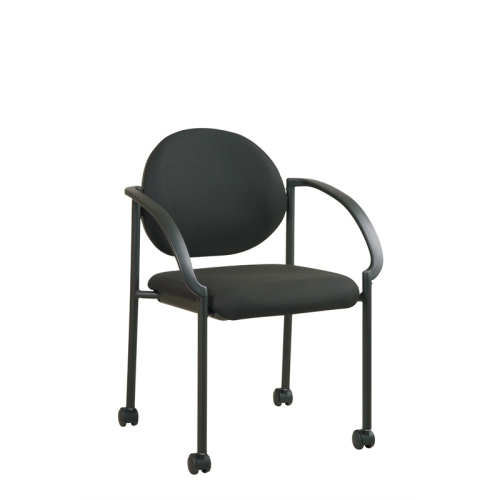
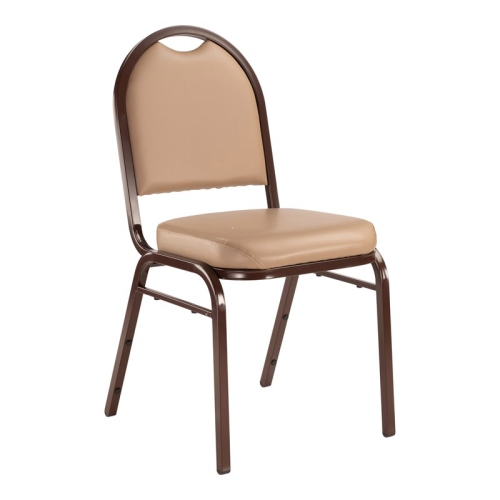
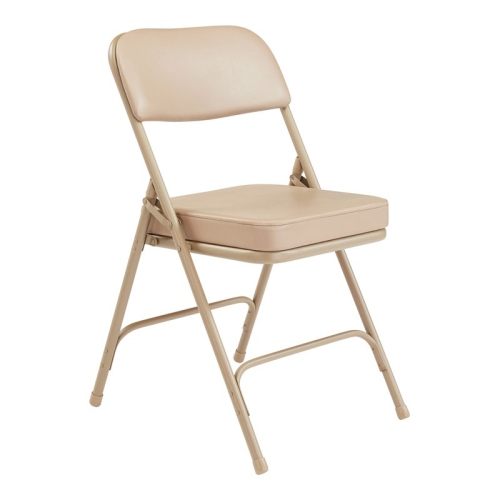

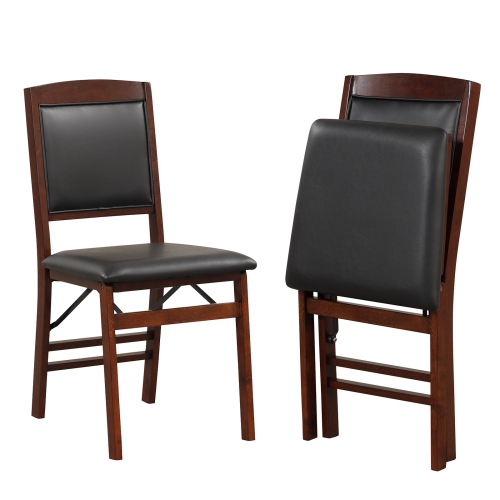
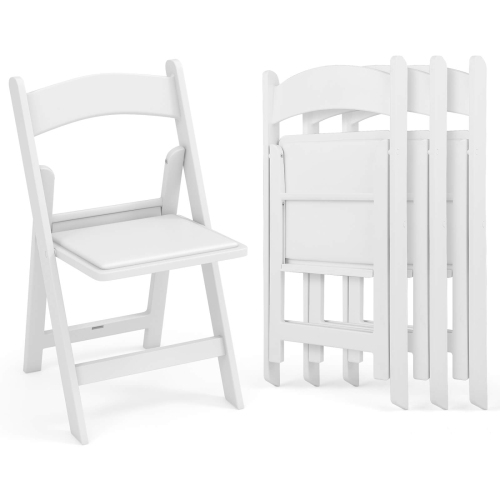
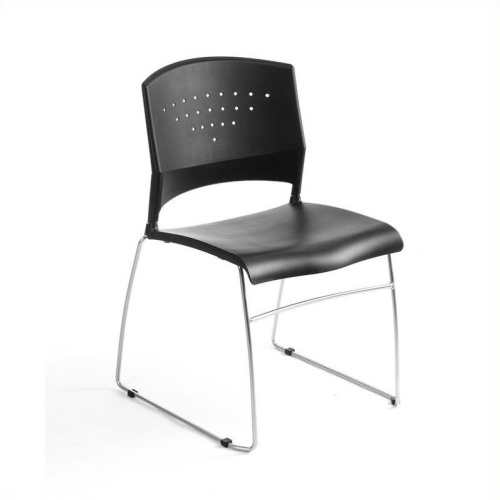
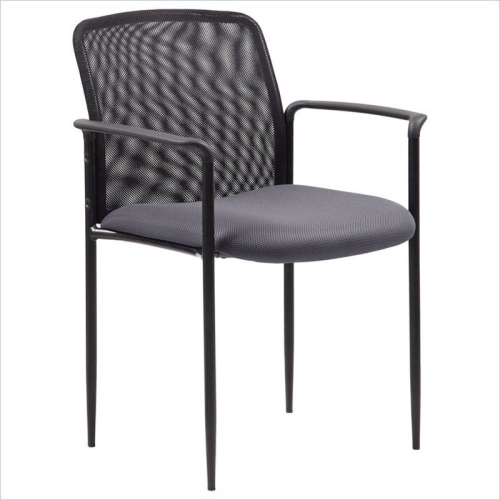
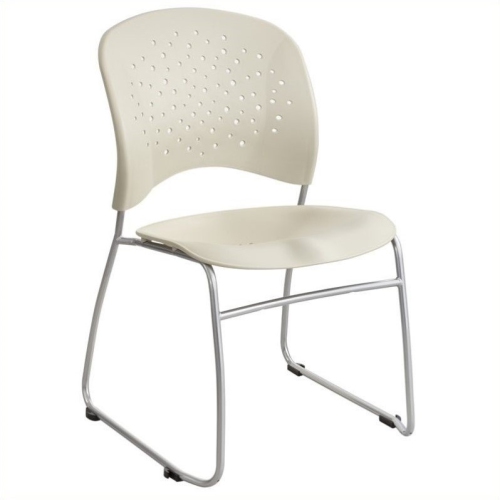
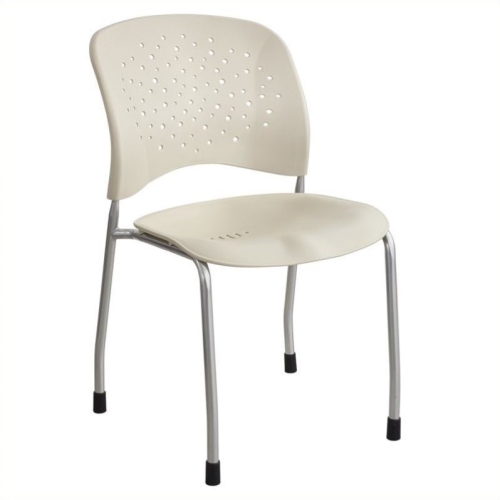
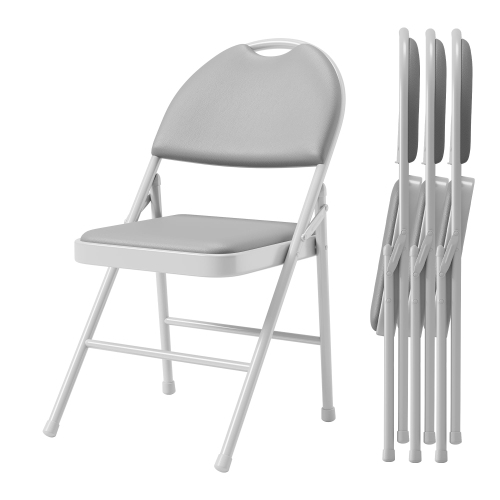
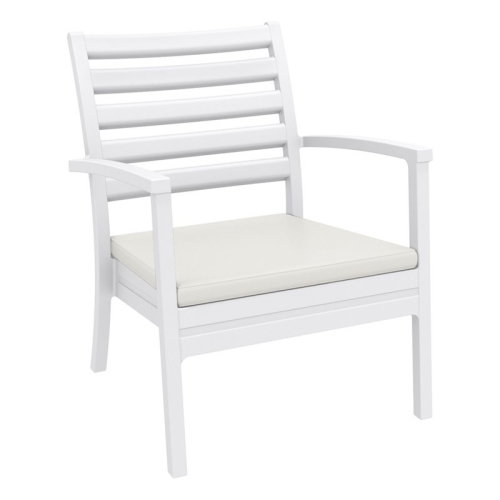
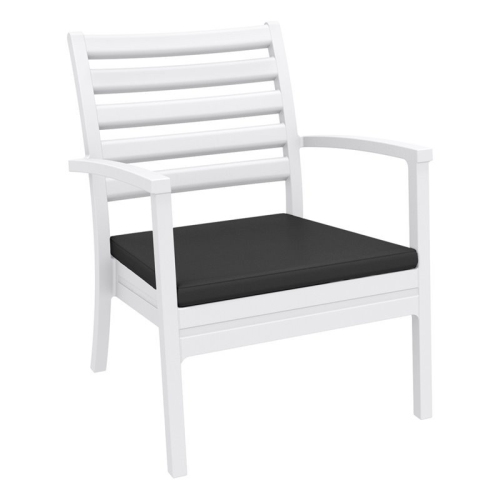
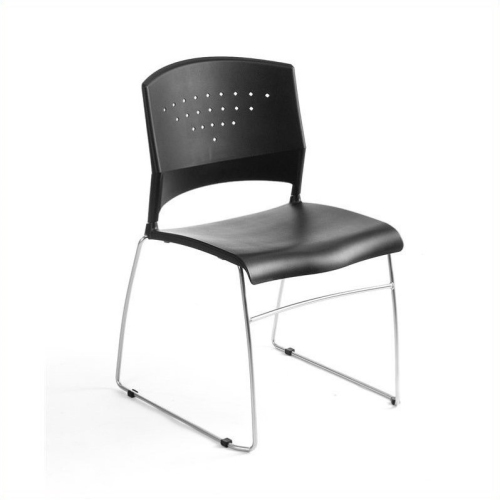
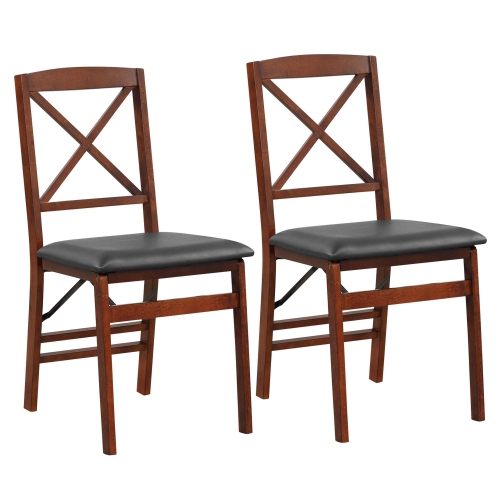
Cushioned seating that stacks when rooms change purpose
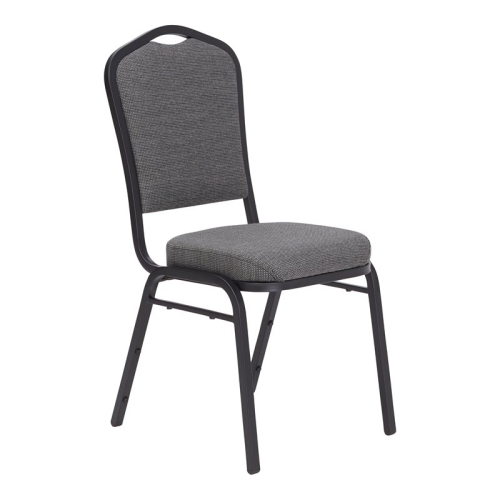
Padded stack chairs combine cushioned seating with frames designed to nest together when the chairs are not in use. They suit spaces that need to accommodate different activities without keeping every seat on the floor all day, from meeting rooms and reception areas to community halls, classrooms, and shared dining spaces. At home, they can provide extra seating for a full dinner table or a craft gathering, then move into a suitable storage area once the room returns to its everyday layout. Unlike folding chairs, stackable chairs generally retain their shape during storage, with each chair resting above another in a configuration determined by its frame. That distinction matters wherever storage height, doorway clearance, and the effort of moving furniture affect daily use. Padding adds a layer of cushioning between the sitter and the seat structure, while an upholstered back can provide a softer contact surface during meetings, meals, or presentations. Some designs have a padded seat with an unpadded back; others cushion both areas. Within the broader range of Padded Chairs, stacking designs are particularly useful where comfortable seating and flexible room layouts need to work together. Armless shapes can make it easier to place chairs around a table or arrange them in rows, while designs with arms require more room and may have different stacking limits. A shaped back, rounded seat front, and balanced proportions can influence how a chair feels just as much as the visible thickness of its cushion. For a short reception visit, straightforward cushioning may be sufficient; for a lengthy workshop, seat depth, back support, and freedom to shift position become more noticeable. These chairs are practical furnishings for households, workplaces, and organizations that regularly bring people together, particularly when a room must serve several purposes rather than remain arranged for a single activity.
Materials influence the appearance, upkeep, and everyday feel of padded stack chairs. Steel frames are common in shared seating spaces, with painted or powder-coated finishes providing a finished surface over the metal. Aluminium frames can offer a lighter alternative, although total chair weight also depends on the seat, back, and overall construction. Frame joints, leg alignment, and the way the seat attaches to its support all contribute to stability; a substantial-looking frame alone does not establish a chair’s weight capacity. The manufacturer’s stated capacity and intended setting provide more useful information, especially for seating that will be used frequently by different people. Upholstery brings its own trade-offs. Woven fabric offers texture and a softer feel against clothing, with patterned or subtly varied colours helping make minor marks less conspicuous. Vinyl and other coated upholstery surfaces can be easier to wipe after everyday spills, but their cleaning requirements vary, and seams still need attention. Neither a smooth covering nor thick padding automatically makes a chair suitable for demanding commercial use. Foam density and firmness also affect support: a deep cushion that compresses readily can feel quite different from a thinner, firmer seat. For dining and meeting tables, seat height needs to work with the underside of the tabletop, leaving room for legs without forcing the sitter too low or too close to the edge. Overall width matters when several people sit side by side, while usable seat width may be narrower than the chair’s outside dimensions. A deeper seat can suit some users but leave others without comfortable back contact when their feet are on the floor. In a training room, the space needed to pull out a chair and walk behind it can be as important as the number of chairs that fit along the table. Upholstery colour, back shape, and frame finish help the seating fit the room visually, whether the surrounding furniture is understated and professional or more relaxed and residential.
The stacking design deserves as much attention as the seating surface, particularly when chairs will be moved and stored often. Maximum stack height is specific to the chair and should follow the manufacturer’s directions rather than the amount of vertical space in a cupboard. A tall stack can become difficult to control even when individual chairs feel manageable, and some designs require a compatible trolley for transport. Dedicated stacking bumpers or protective contact points can help keep frames from rubbing directly against upholstery, although their presence and placement differ between designs. Storage also requires enough floor area for the stack’s full footprint, which may extend beyond the dimensions of a single chair. In a multipurpose hall, that can mean leaving a clear route between the seating area and storage room; in a home, it may mean confirming that the stack can pass through a doorway without scraping the frame or wall. Floor glides help separate chair legs from the floor, but their suitability depends on the flooring material and their condition. Grit caught beneath a glide can still leave marks, so clean contact surfaces and periodic checks are worthwhile. Routine care usually involves removing loose dust and crumbs, addressing spills promptly, and using only cleaning methods approved for the upholstery and frame finish. Fabric may need gentle vacuuming and an appropriate spot-cleaning method, while coated upholstery may call for a soft cloth and a specified mild cleaner. Excess moisture around seams or beneath cushions can be difficult to remove, making careful cleaning preferable to soaking. Loose fasteners, worn glides, damaged stitching, and any wobble should be addressed before further use, following the manufacturer’s maintenance directions. Unless expressly rated otherwise, upholstered stack chairs are best treated as indoor furniture rather than seating for uncovered outdoor areas. With dimensions suited to the people and tables using them, manageable stacking arrangements, and materials appropriate to the setting, padded stack chairs can support everything from a quiet consultation to a busy shared meal without making a flexible room feel permanently crowded.
Materials influence the appearance, upkeep, and everyday feel of padded stack chairs. Steel frames are common in shared seating spaces, with painted or powder-coated finishes providing a finished surface over the metal. Aluminium frames can offer a lighter alternative, although total chair weight also depends on the seat, back, and overall construction. Frame joints, leg alignment, and the way the seat attaches to its support all contribute to stability; a substantial-looking frame alone does not establish a chair’s weight capacity. The manufacturer’s stated capacity and intended setting provide more useful information, especially for seating that will be used frequently by different people. Upholstery brings its own trade-offs. Woven fabric offers texture and a softer feel against clothing, with patterned or subtly varied colours helping make minor marks less conspicuous. Vinyl and other coated upholstery surfaces can be easier to wipe after everyday spills, but their cleaning requirements vary, and seams still need attention. Neither a smooth covering nor thick padding automatically makes a chair suitable for demanding commercial use. Foam density and firmness also affect support: a deep cushion that compresses readily can feel quite different from a thinner, firmer seat. For dining and meeting tables, seat height needs to work with the underside of the tabletop, leaving room for legs without forcing the sitter too low or too close to the edge. Overall width matters when several people sit side by side, while usable seat width may be narrower than the chair’s outside dimensions. A deeper seat can suit some users but leave others without comfortable back contact when their feet are on the floor. In a training room, the space needed to pull out a chair and walk behind it can be as important as the number of chairs that fit along the table. Upholstery colour, back shape, and frame finish help the seating fit the room visually, whether the surrounding furniture is understated and professional or more relaxed and residential.
The stacking design deserves as much attention as the seating surface, particularly when chairs will be moved and stored often. Maximum stack height is specific to the chair and should follow the manufacturer’s directions rather than the amount of vertical space in a cupboard. A tall stack can become difficult to control even when individual chairs feel manageable, and some designs require a compatible trolley for transport. Dedicated stacking bumpers or protective contact points can help keep frames from rubbing directly against upholstery, although their presence and placement differ between designs. Storage also requires enough floor area for the stack’s full footprint, which may extend beyond the dimensions of a single chair. In a multipurpose hall, that can mean leaving a clear route between the seating area and storage room; in a home, it may mean confirming that the stack can pass through a doorway without scraping the frame or wall. Floor glides help separate chair legs from the floor, but their suitability depends on the flooring material and their condition. Grit caught beneath a glide can still leave marks, so clean contact surfaces and periodic checks are worthwhile. Routine care usually involves removing loose dust and crumbs, addressing spills promptly, and using only cleaning methods approved for the upholstery and frame finish. Fabric may need gentle vacuuming and an appropriate spot-cleaning method, while coated upholstery may call for a soft cloth and a specified mild cleaner. Excess moisture around seams or beneath cushions can be difficult to remove, making careful cleaning preferable to soaking. Loose fasteners, worn glides, damaged stitching, and any wobble should be addressed before further use, following the manufacturer’s maintenance directions. Unless expressly rated otherwise, upholstered stack chairs are best treated as indoor furniture rather than seating for uncovered outdoor areas. With dimensions suited to the people and tables using them, manageable stacking arrangements, and materials appropriate to the setting, padded stack chairs can support everything from a quiet consultation to a busy shared meal without making a flexible room feel permanently crowded.
Top selling and popular products
-
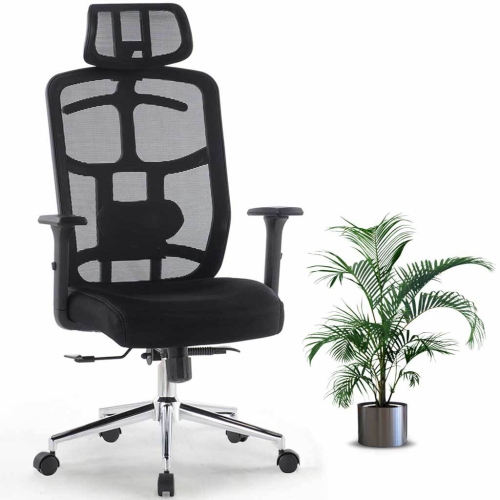 Your price for this item is $114.99
 -
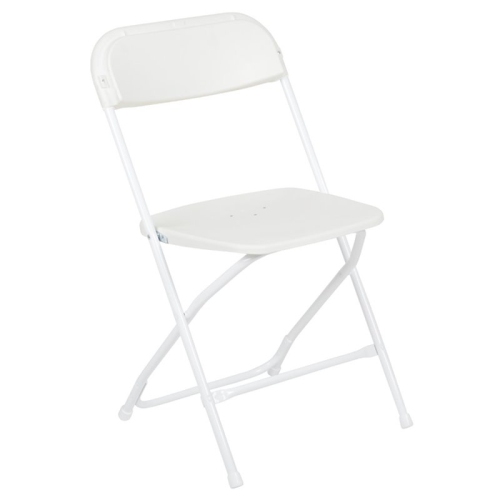 Your price for this item is $123
 -
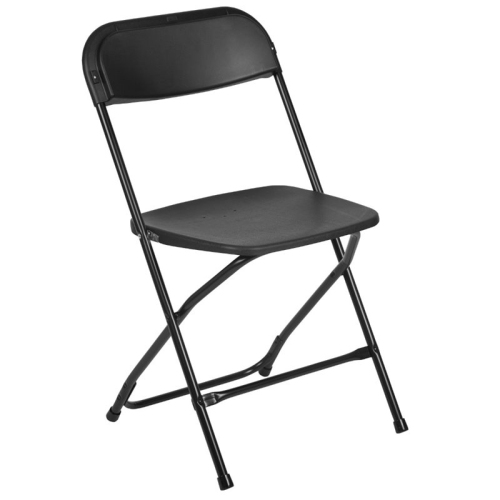 Your price for this item is $139.99
 -
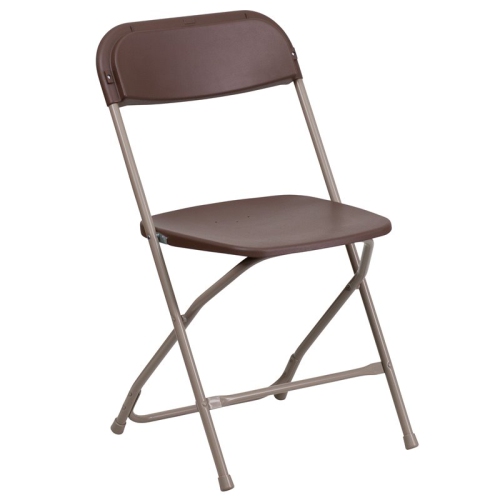 Your price for this item is $139.99
 -
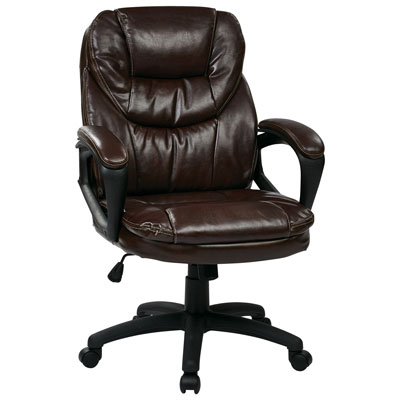 Your price for this item is $203.98
 -
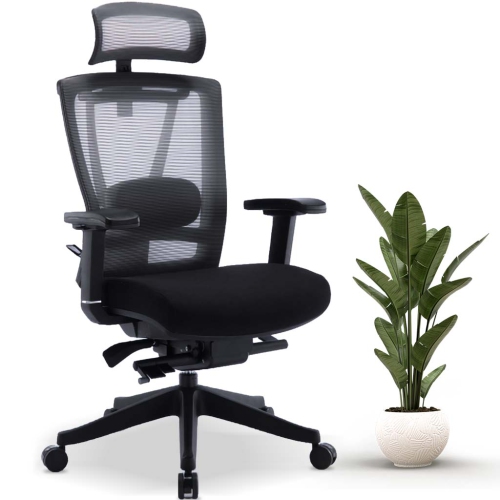 Your price for this item is $379.99
 -
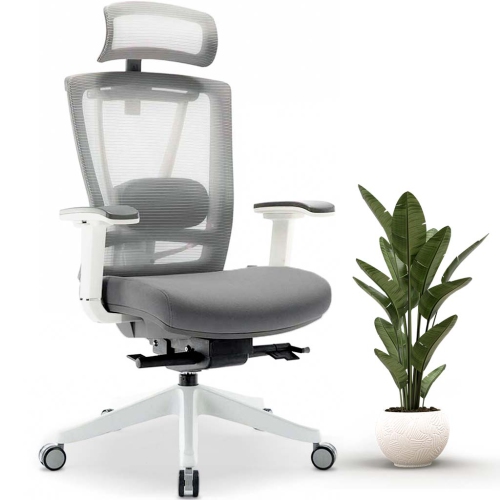 Your price for this item is $379.99
 -
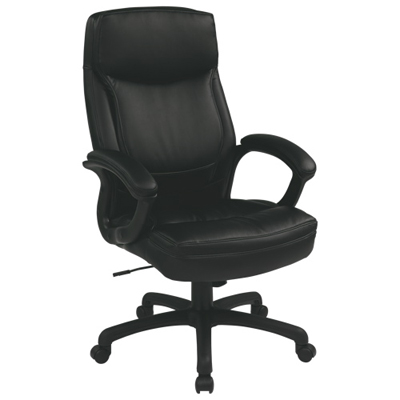 Your price for this item is $594.99
Discover more categories related to Padded Stack Chairs
Top Collections:
Pokemon Centers, Kindle Devices, Best Budget Office Chairs, Apple iPhones 16, Best Laptops for Writers, iPhone 15 Apple, Canon G7X Cameras, Refurbished Apple Laptops, Alarm Clock, Motorola Razr Phones
Some products may be subject to Environmental Handling Fees
(EHF) depending on your province.
Learn more about EHFs.