Pasta Cooking Utensils
Cooking pasta has never been easier with our wide selection of pasta cooking utensils. Whether you're a seasoned chef or a beginner in the kitchen, having the right tools can make all the difference in creating perfect al dente pasta every time. Shop from our range of quality utensils designed to enhance your cooking experience and elevate your pasta cooking to new heights.
Sort

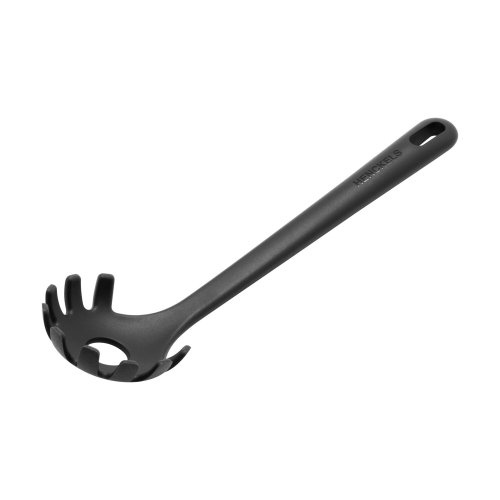
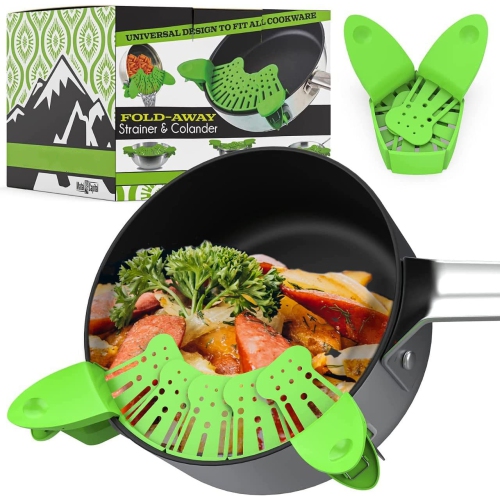
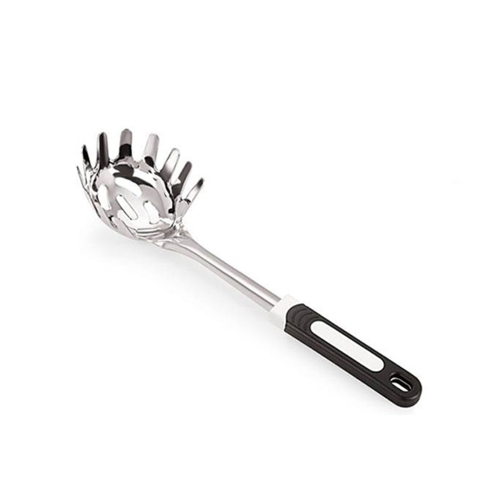
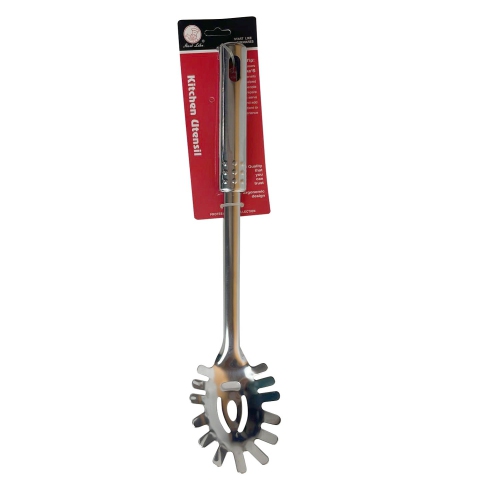


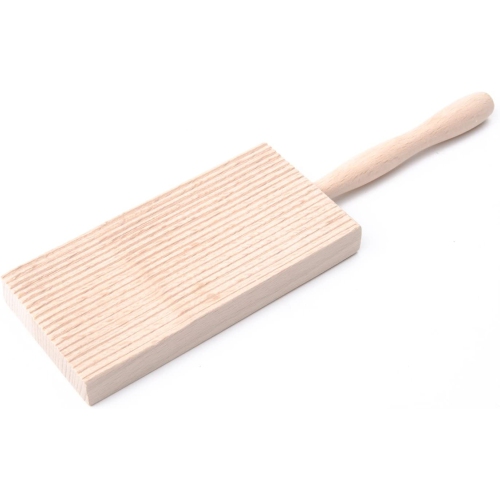
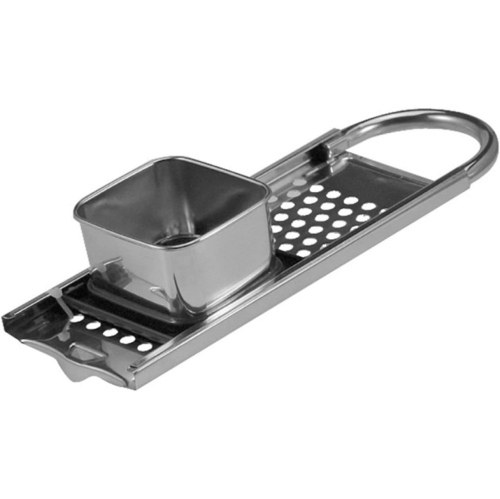
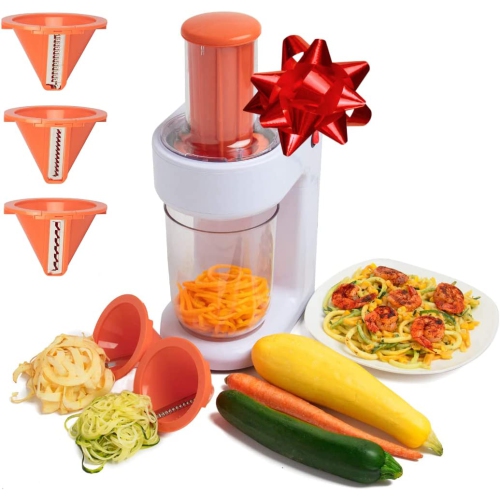
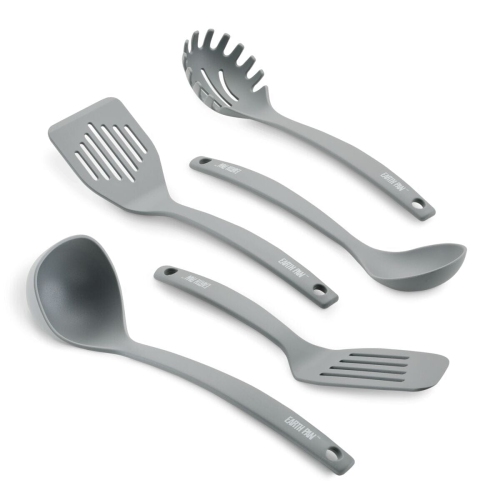
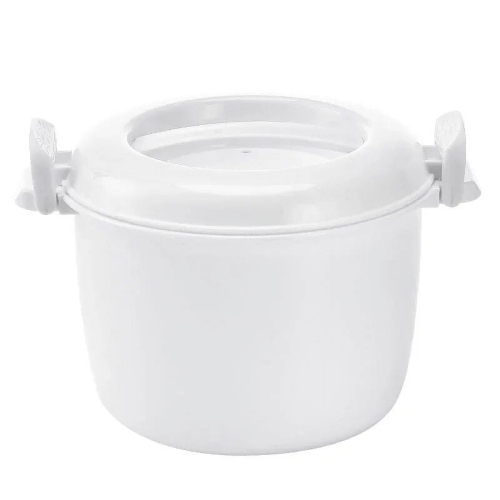
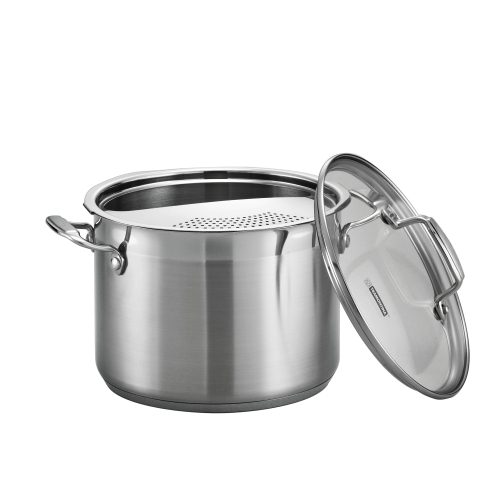
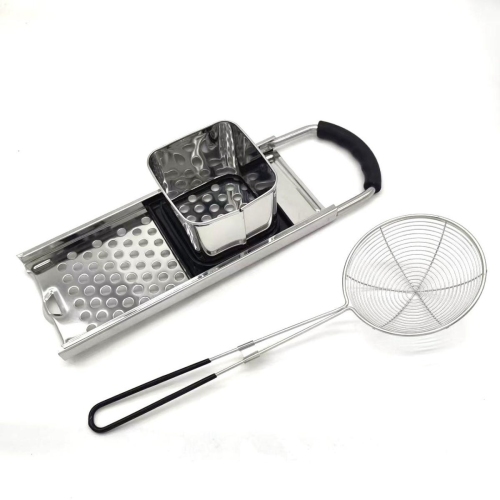
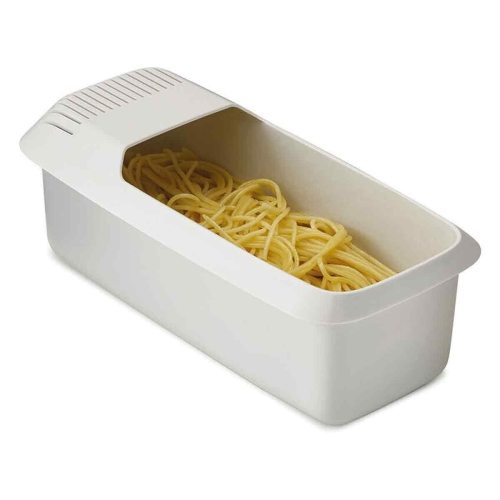
Why utensil shape matters from pot to plate
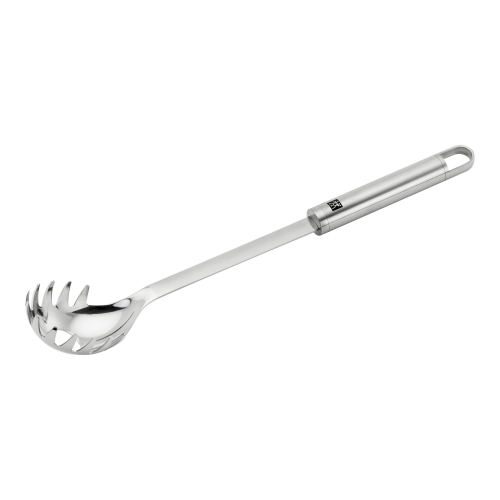
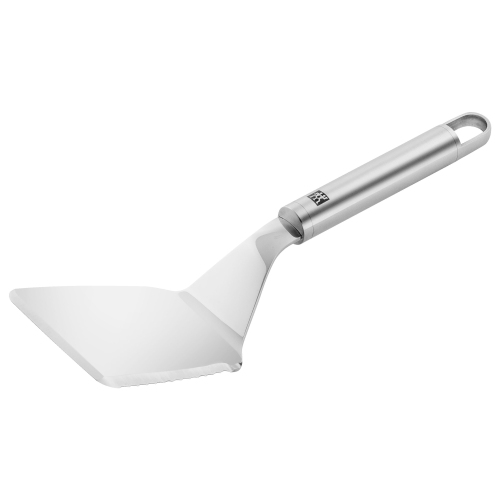
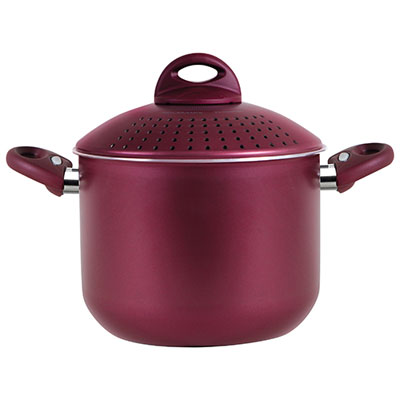
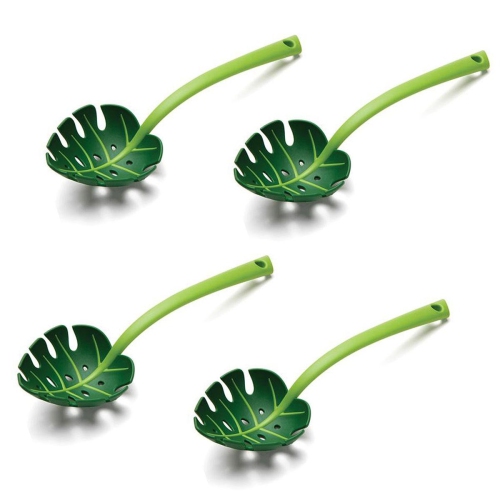
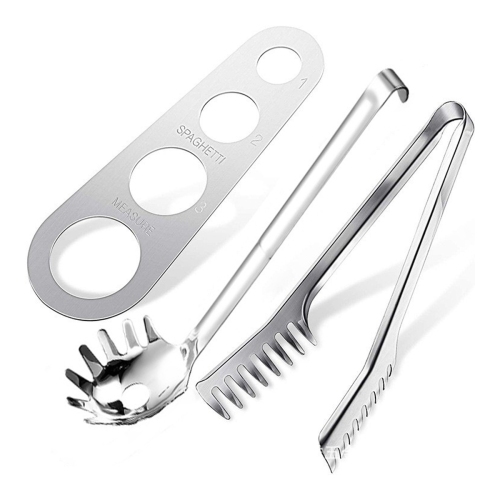
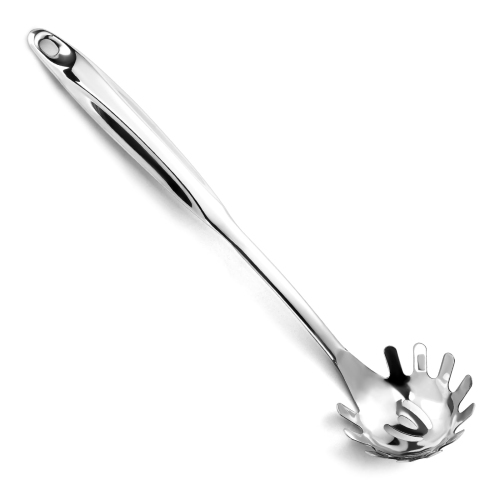
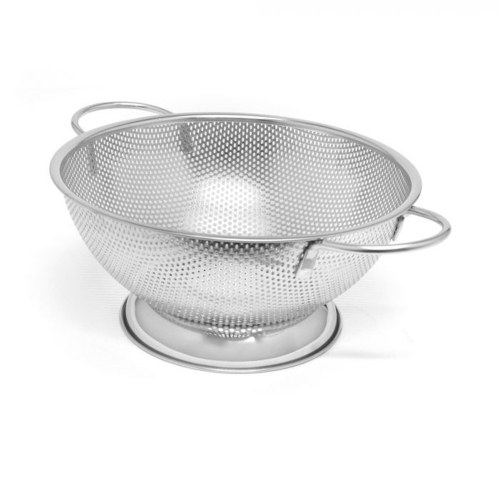
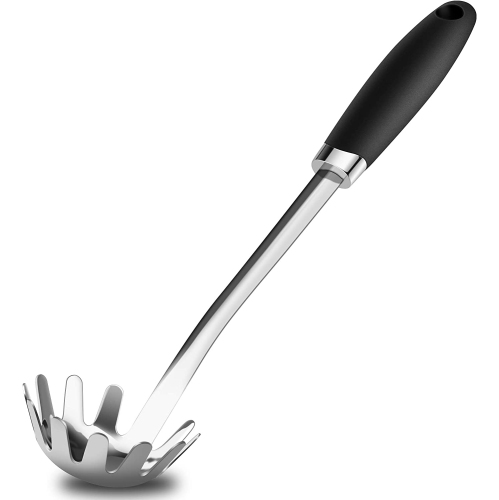
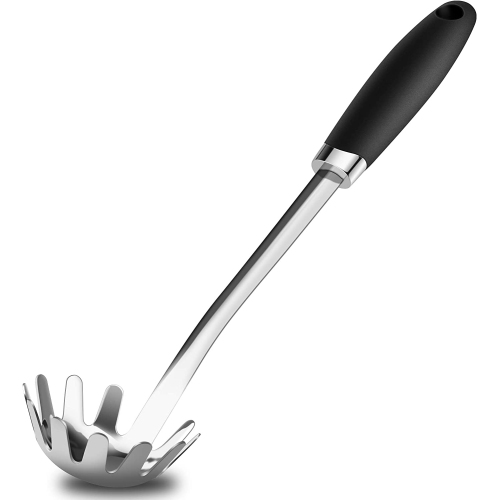
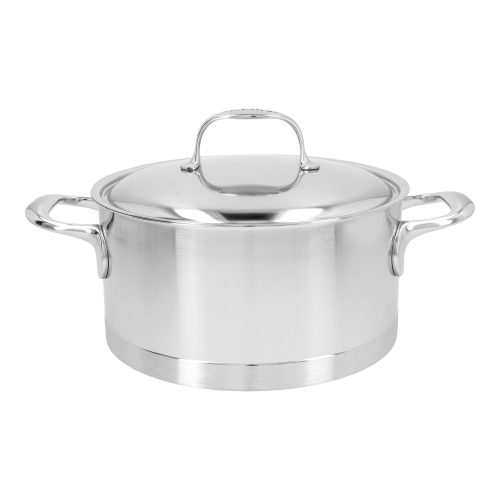
Pasta cooking utensils support the work of preparing dough, handling noodles, draining cooking water, and bringing pasta and sauce together before serving. The category includes pasta servers, tongs, strainers, colanders, stirring spoons, and tools for making fresh pasta, such as bench scrapers, rolling pins, cutters, and manual or electric rollers. Each has a different role in the kitchen: a toothed pasta server lifts spaghetti from a pot, a fine-mesh strainer catches small shapes, and broad-ended tongs help turn long noodles through sauce without cutting them into shorter pieces. For everyday dried pasta, the most useful utensils are often those that move comfortably between boiling, draining, tossing, and plating. A slotted spoon can lift ravioli gently, while a ladle makes it easier to transfer a little starchy cooking water into a sauce. That water helps loosen a thick sauce and, with stirring or tossing, encourages it to coat the pasta more evenly. Utensil shape matters as much as the name on the handle. Closely spaced openings can retain small pasta shapes, while larger slots let water drain quickly from heavier portions. Rounded edges are useful around delicate filled pasta, and a sufficiently deep server holds noodles more securely during the trip from pot to plate. The cookware used alongside these tools also affects how comfortable they are to handle. Deep pots call for enough handle length to reach the bottom without bringing a hand close to steam, while wide pans leave room for tossing pasta with sauce. For a coordinated cooking setup, Stainless Steel Pasta Pots complement utensils suited to boiling, lifting, and draining. Matching the tool to the task can mean less splashing at the sink, fewer broken noodles, and a more controlled transfer into the serving bowl, whether dinner is a single portion of penne or a large dish of linguine shared at the table.
Materials, construction, and fit influence how pasta utensils feel in use and how well they hold up to repeated cooking and washing. Stainless steel is valued for its strength, resistance to corrosion, and relatively slim working edges, which can make lifting, scraping, and portioning easier. It is well suited to many uncoated pots and pans, although metal edges may scratch non-stick finishes. Silicone-covered tools offer a softer contact surface for coated cookware, provided their stated heat limits suit the intended use. Nylon utensils can also be appropriate for non-stick surfaces, but heat tolerance varies, and resting them against a hot pan rim can damage the working end. Wooden spoons bring a firm, comfortable feel to stirring thick sauces, though they generally need handwashing and thorough drying rather than soaking. With any material, the connection between the handle and working end deserves attention: a secure joint should not wobble when lifting wet pasta, and smooth seams are easier to keep clean. A slightly textured handle can improve grip when hands are damp, while an overly heavy utensil may feel tiring during repeated stirring or serving. Length and width should suit both the cookware and the person using it. Long tongs offer reach into a deep pot, but shorter ones may give better control when arranging individual portions. Colanders need enough capacity for the usual batch size, stable feet or supports, and handles that remain accessible when full. Small drainage holes help keep orzo and broken strands from slipping through, while generous spacing beneath the base lets water escape rather than pool around the pasta. Care requirements are equally practical. Dishwasher suitability should be confirmed for each utensil, especially where different materials meet. Rinsing away starch before it dries makes cleanup easier, and allowing strainers, hollow handles, and joints to dry fully helps prevent trapped moisture. Hanging loops, nesting shapes, and locking tongs can make a noticeable difference in a kitchen where drawer space is limited.
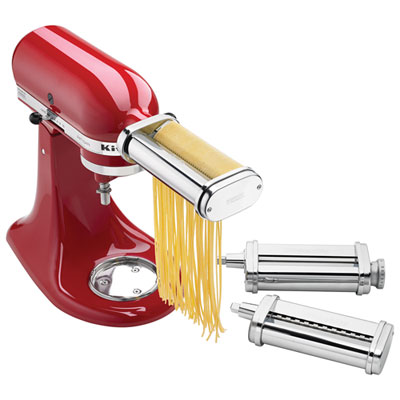
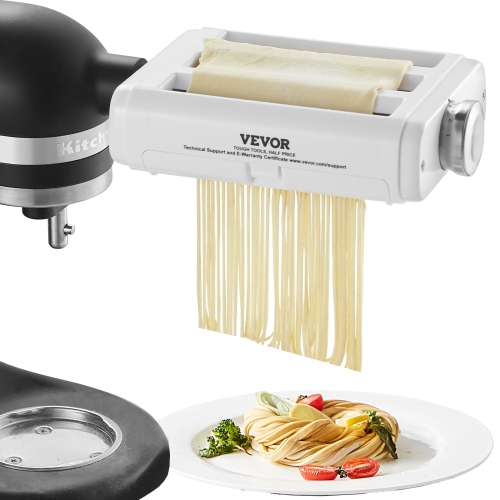
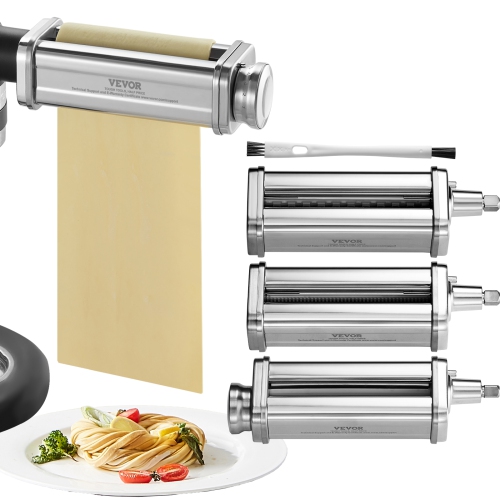
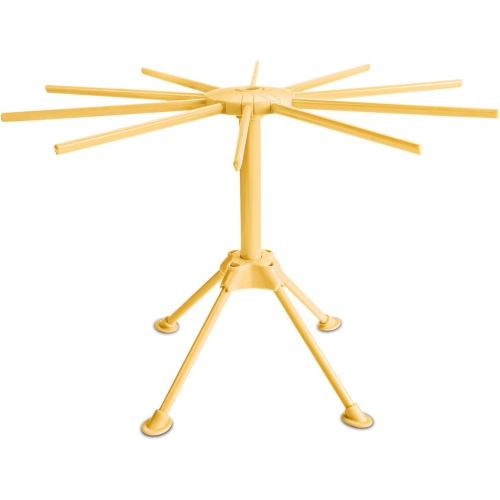
Fresh pasta tools extend the category beyond the boiling pot to dough mixing, rolling, shaping, and portioning. A digital kitchen scale measures flour and other ingredients consistently, while a bench scraper gathers loose flour, divides dough, and clears a work surface without relying on a knife blade. A rolling pin offers direct control over the dough, and a pasta roller produces sheets at adjustable thicknesses for noodles, lasagna, or filled shapes. Manual rollers require a suitable mounting surface and enough clearance to turn the handle; electric models need a stable position, access to power, and space to feed and receive the dough. These fit considerations matter in compact kitchens, where a machine may need to be put away between uses rather than left on the counter. Cutting wheels, stamps, and shaped cutters serve different purposes, from trimming straight edges to defining filled portions. Comfortable grips and clean cutting edges help with repeated movements, particularly when making enough ravioli for several people. For filled pasta, consistent sheet thickness and tidy edges make sealing easier, although a tool alone cannot compensate for overfilling or dough that has dried out. Drying racks provide separation for cut strands when the recipe calls for a brief rest before cooking; their footprint and storage shape are worth considering alongside the rolling equipment. Fresh dough can lodge in cutters and roller openings, so cleaning methods should follow the manufacturer's directions. Many rollers are not designed for immersion, and accessible surfaces or removable components can simplify maintenance. The right assortment depends on the cooking habits it will support. Someone who regularly prepares dried spaghetti may get more use from comfortable tongs and a sturdy colander than from shaping equipment, while a home cook who enjoys making dough may value precise measuring and rolling tools. Pasta utensils can also make thoughtful gifts for a new household, an enthusiastic cook, or someone developing a fresh-pasta routine. A useful selection reflects the recipient's cookware, available space, and preferred dishes, with durable construction and straightforward care helping the tools earn a regular place in the kitchen.
Materials, construction, and fit influence how pasta utensils feel in use and how well they hold up to repeated cooking and washing. Stainless steel is valued for its strength, resistance to corrosion, and relatively slim working edges, which can make lifting, scraping, and portioning easier. It is well suited to many uncoated pots and pans, although metal edges may scratch non-stick finishes. Silicone-covered tools offer a softer contact surface for coated cookware, provided their stated heat limits suit the intended use. Nylon utensils can also be appropriate for non-stick surfaces, but heat tolerance varies, and resting them against a hot pan rim can damage the working end. Wooden spoons bring a firm, comfortable feel to stirring thick sauces, though they generally need handwashing and thorough drying rather than soaking. With any material, the connection between the handle and working end deserves attention: a secure joint should not wobble when lifting wet pasta, and smooth seams are easier to keep clean. A slightly textured handle can improve grip when hands are damp, while an overly heavy utensil may feel tiring during repeated stirring or serving. Length and width should suit both the cookware and the person using it. Long tongs offer reach into a deep pot, but shorter ones may give better control when arranging individual portions. Colanders need enough capacity for the usual batch size, stable feet or supports, and handles that remain accessible when full. Small drainage holes help keep orzo and broken strands from slipping through, while generous spacing beneath the base lets water escape rather than pool around the pasta. Care requirements are equally practical. Dishwasher suitability should be confirmed for each utensil, especially where different materials meet. Rinsing away starch before it dries makes cleanup easier, and allowing strainers, hollow handles, and joints to dry fully helps prevent trapped moisture. Hanging loops, nesting shapes, and locking tongs can make a noticeable difference in a kitchen where drawer space is limited.
Fresh pasta tools extend the category beyond the boiling pot to dough mixing, rolling, shaping, and portioning. A digital kitchen scale measures flour and other ingredients consistently, while a bench scraper gathers loose flour, divides dough, and clears a work surface without relying on a knife blade. A rolling pin offers direct control over the dough, and a pasta roller produces sheets at adjustable thicknesses for noodles, lasagna, or filled shapes. Manual rollers require a suitable mounting surface and enough clearance to turn the handle; electric models need a stable position, access to power, and space to feed and receive the dough. These fit considerations matter in compact kitchens, where a machine may need to be put away between uses rather than left on the counter. Cutting wheels, stamps, and shaped cutters serve different purposes, from trimming straight edges to defining filled portions. Comfortable grips and clean cutting edges help with repeated movements, particularly when making enough ravioli for several people. For filled pasta, consistent sheet thickness and tidy edges make sealing easier, although a tool alone cannot compensate for overfilling or dough that has dried out. Drying racks provide separation for cut strands when the recipe calls for a brief rest before cooking; their footprint and storage shape are worth considering alongside the rolling equipment. Fresh dough can lodge in cutters and roller openings, so cleaning methods should follow the manufacturer's directions. Many rollers are not designed for immersion, and accessible surfaces or removable components can simplify maintenance. The right assortment depends on the cooking habits it will support. Someone who regularly prepares dried spaghetti may get more use from comfortable tongs and a sturdy colander than from shaping equipment, while a home cook who enjoys making dough may value precise measuring and rolling tools. Pasta utensils can also make thoughtful gifts for a new household, an enthusiastic cook, or someone developing a fresh-pasta routine. A useful selection reflects the recipient's cookware, available space, and preferred dishes, with durable construction and straightforward care helping the tools earn a regular place in the kitchen.
Top selling and popular products
-
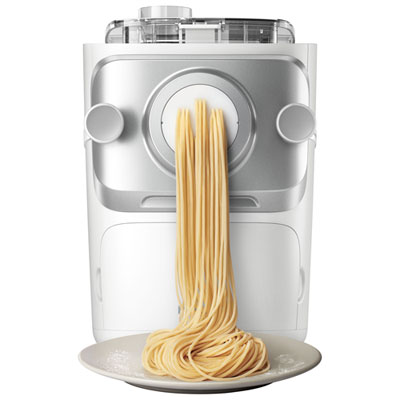 Your price for this item is $349.99
 -
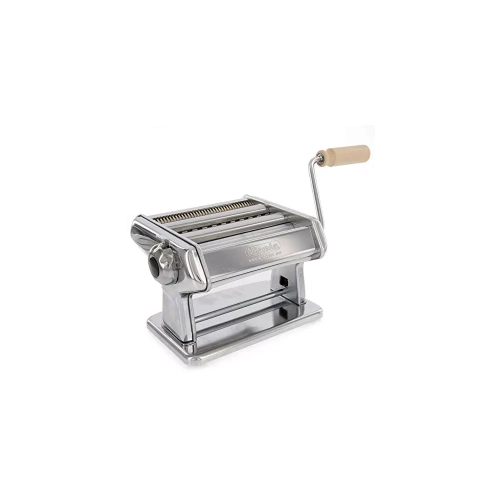 Your price for this item is $143.87
 -
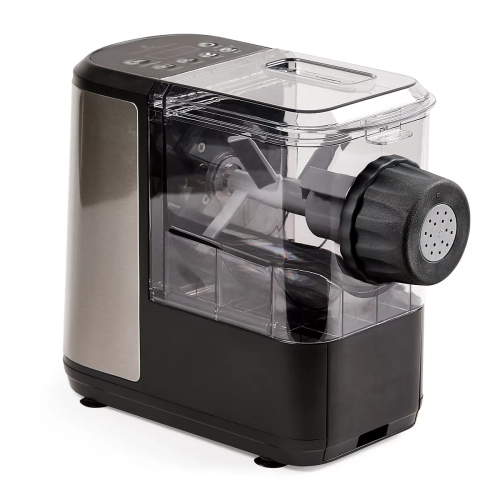 Your price for this item is $719.39
 -
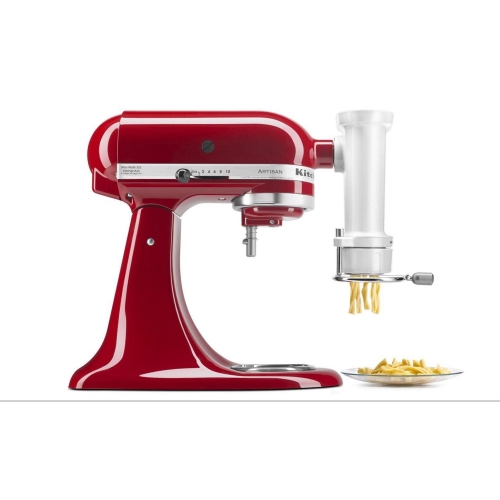 Your price for this item is $313.92
 -
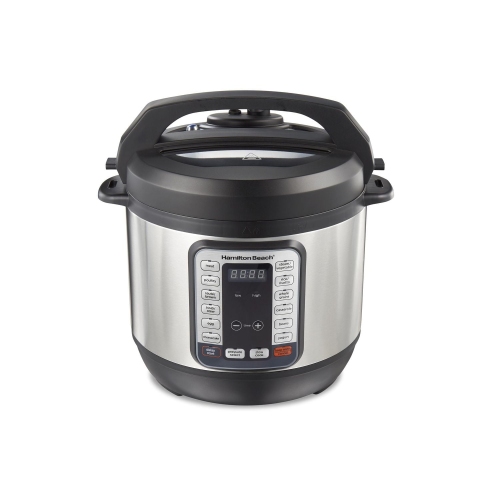 Your price for this item is $170.54
 -
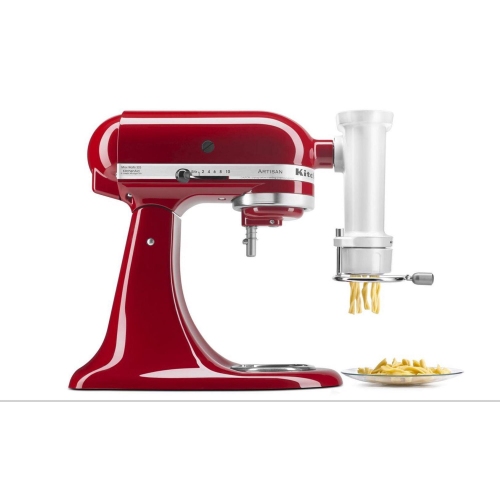 Your price for this item is $313.92
 -
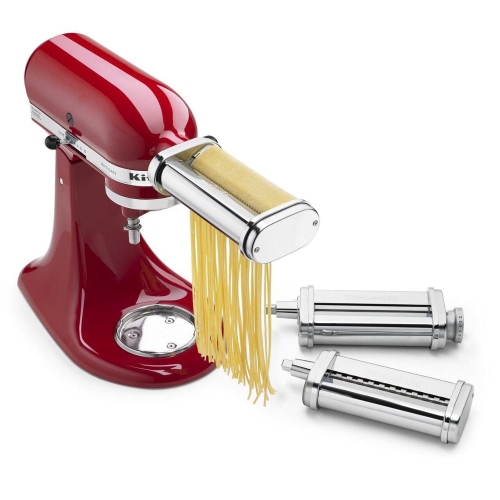 Your price for this item is $313.92
 -
 Your price for this item is $15.4
Discover more categories related to Pasta Cooking Utensils
Top Collections:
Pokemon Centers, Kindle Devices, Best Budget Office Chairs, Apple iPhones 16, Canon G7X Cameras, iPhone 15 Apple, Alarm Clock, Refurbished Apple Laptops, Flip Phones, Best Laptops for Writers
Some products may be subject to Environmental Handling Fees
(EHF) depending on your province.
Learn more about EHFs.