Pedestal File Cabinets
Looking for a stylish and functional storage solution for your office or home workspace? Look no further than our selection of pedestal file cabinets. These versatile cabinets are designed to keep your important documents organized and easily accessible while also adding a touch of sophistication to almost any room. Whether you need a compact option for a small office or a larger cabinet with multiple drawers for ample storage space, we have the perfect pedestal file cabinet to suit your needs. Here are some great options available.
Sort
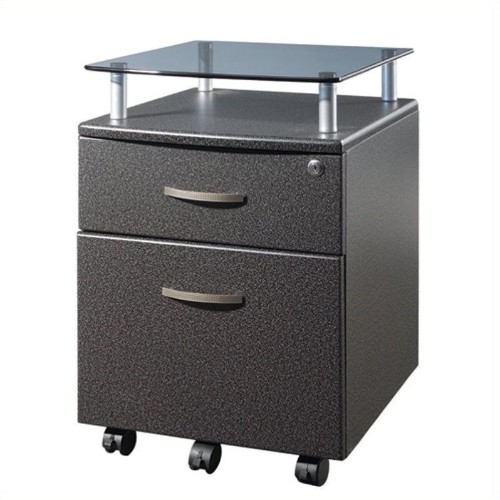
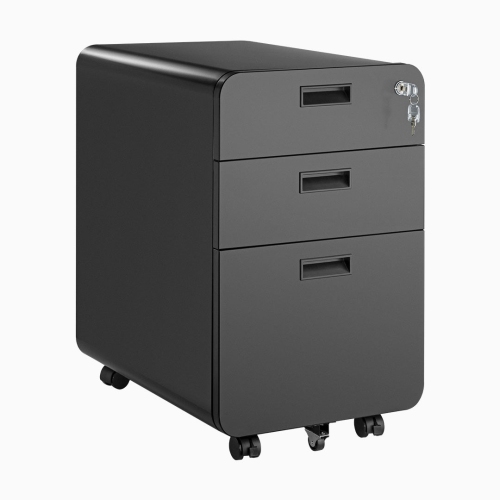
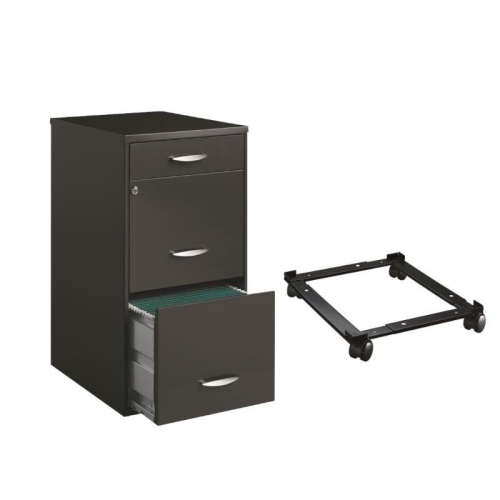
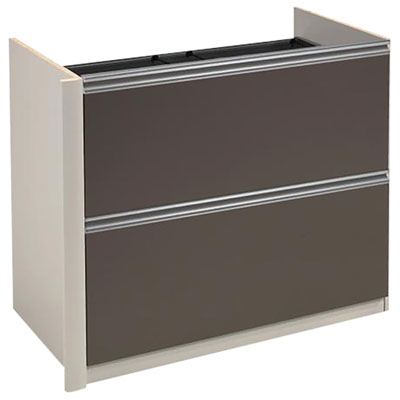

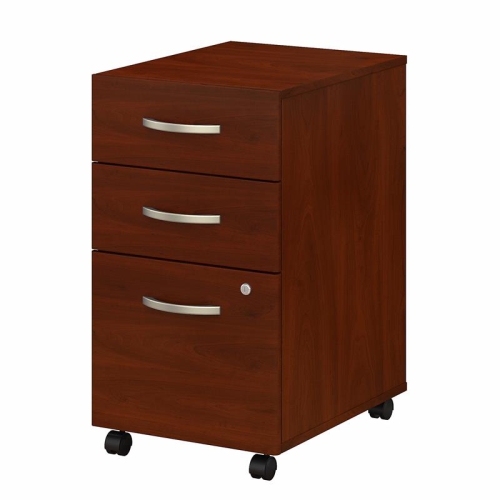
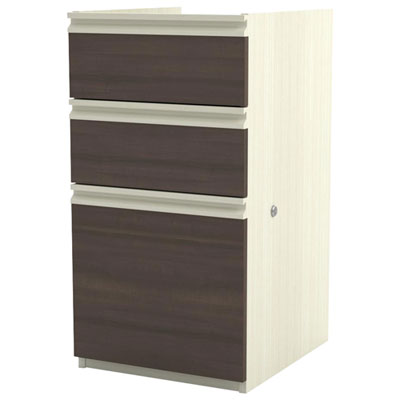
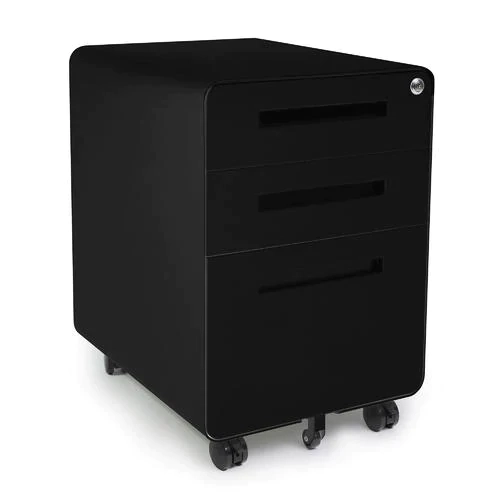
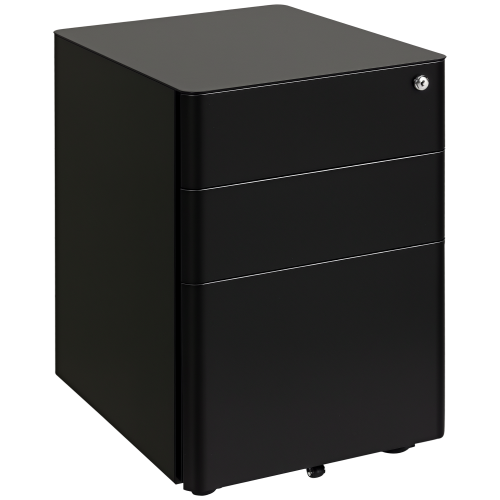

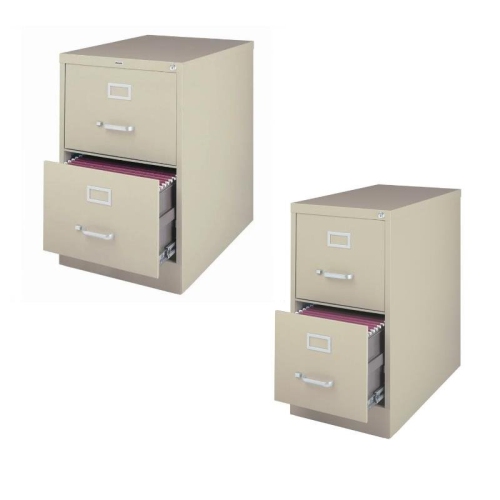
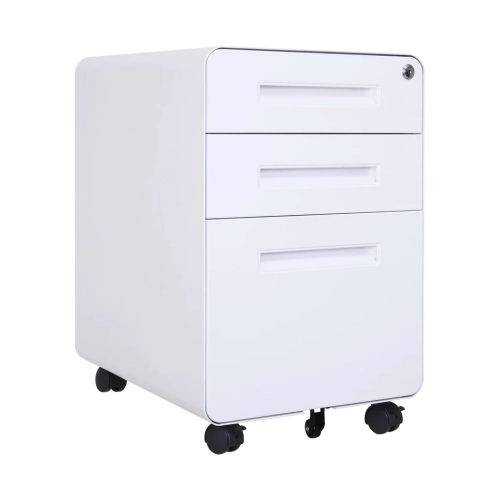
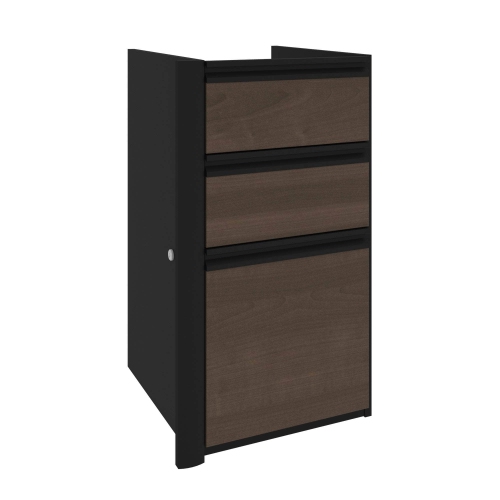
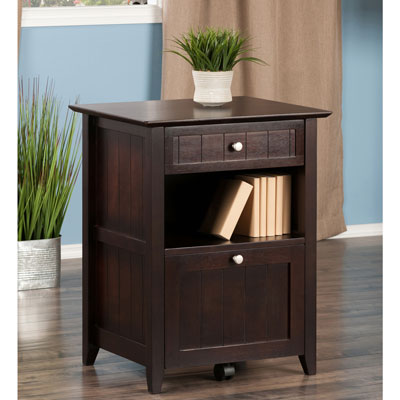
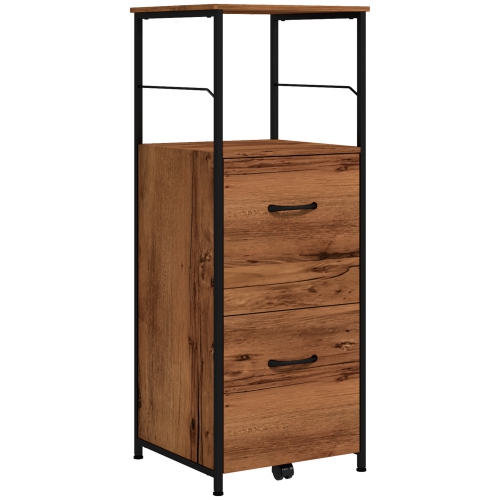
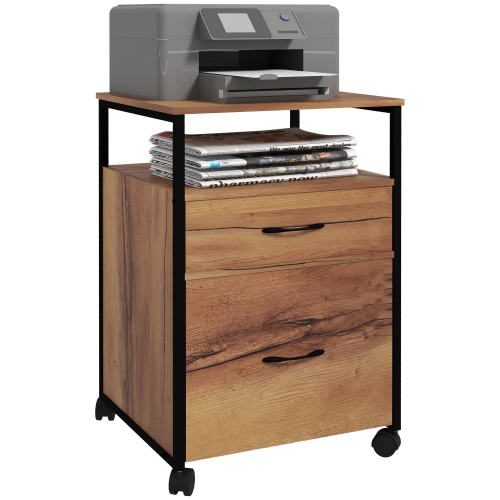
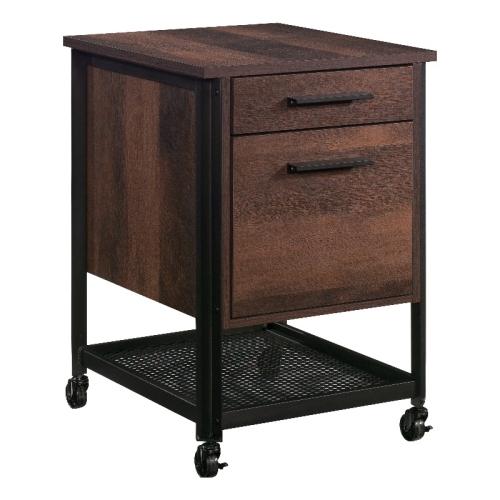


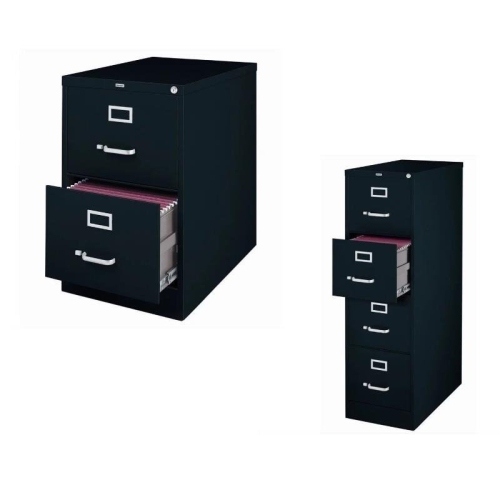
Compact storage that keeps paperwork and supplies within reach
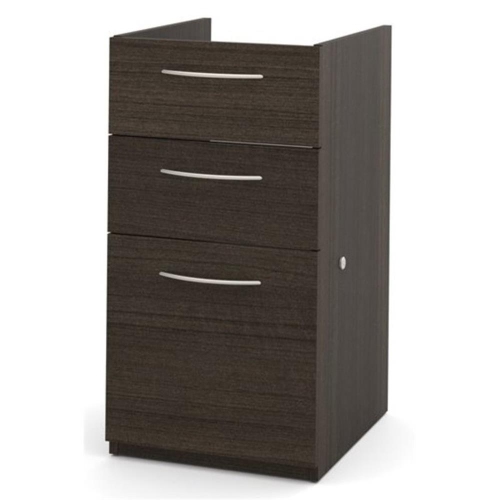
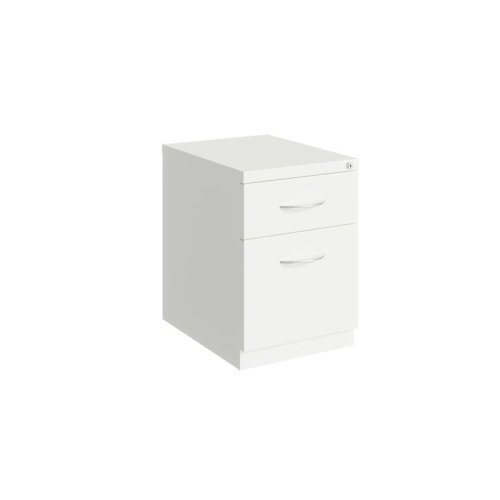
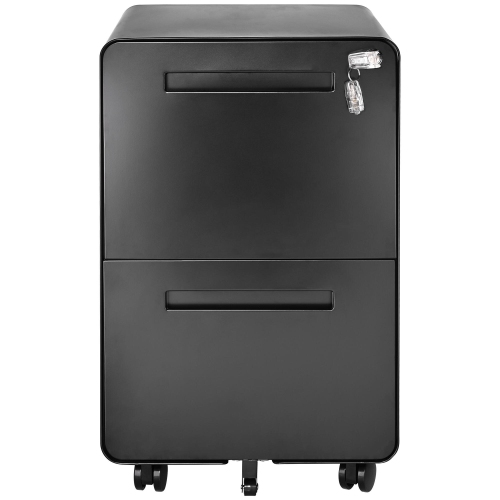
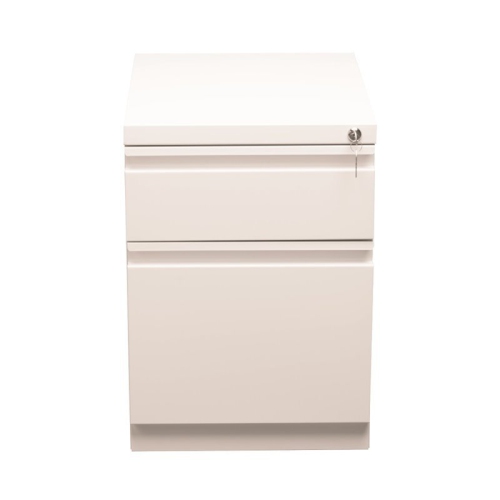
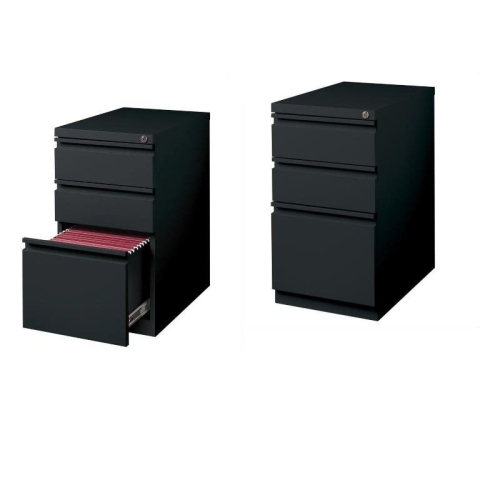
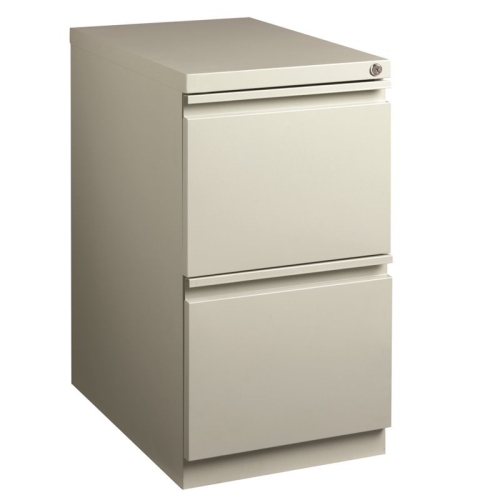
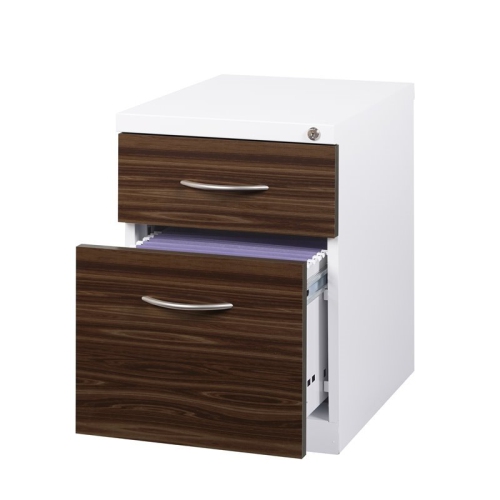
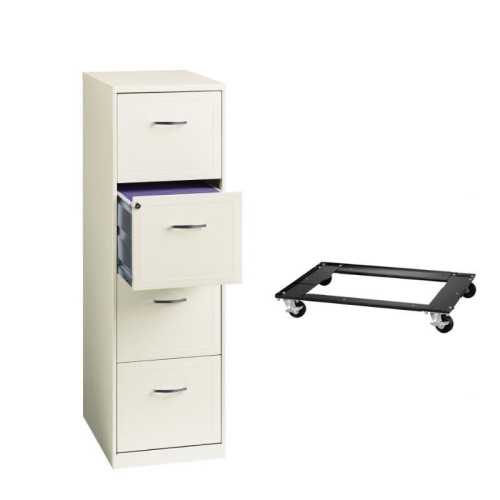
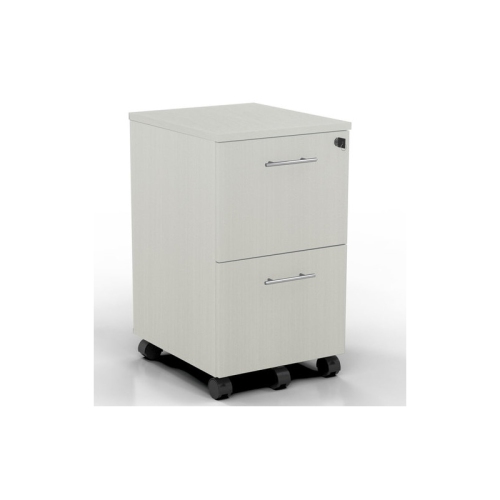
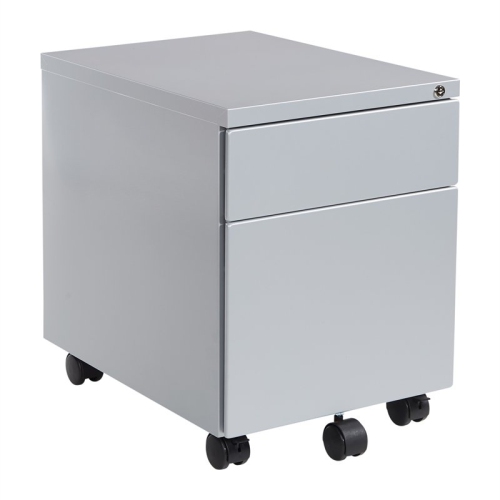
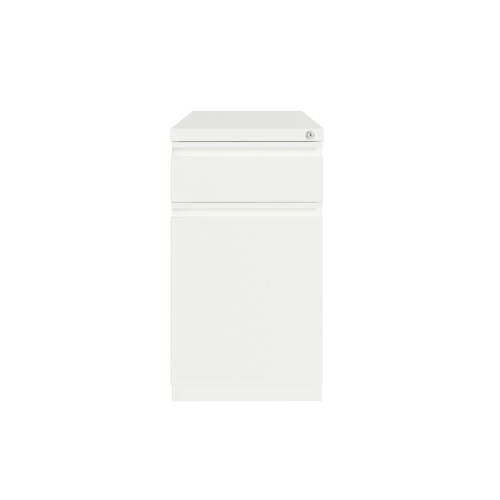
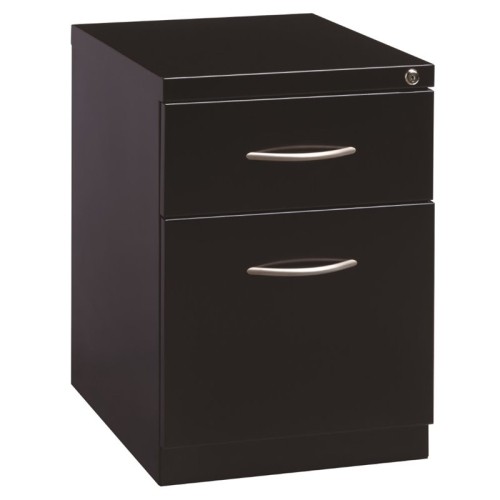
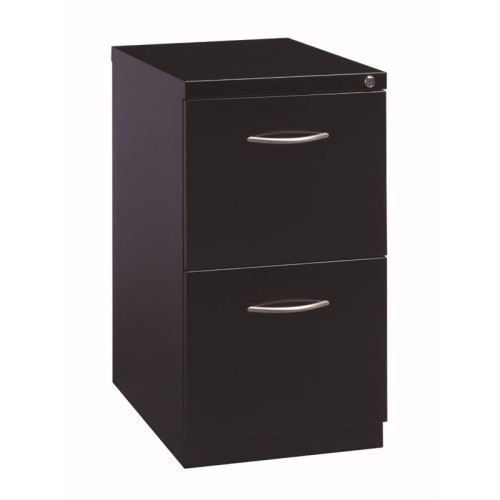
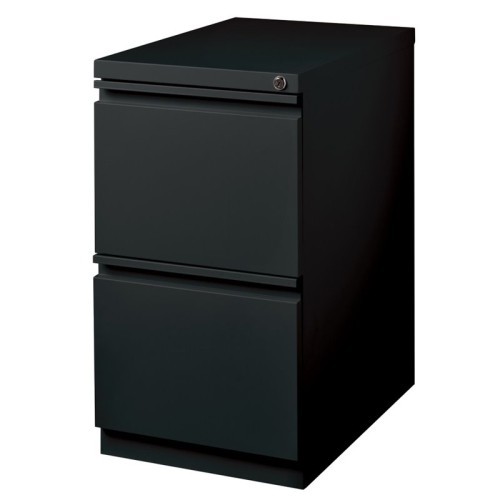
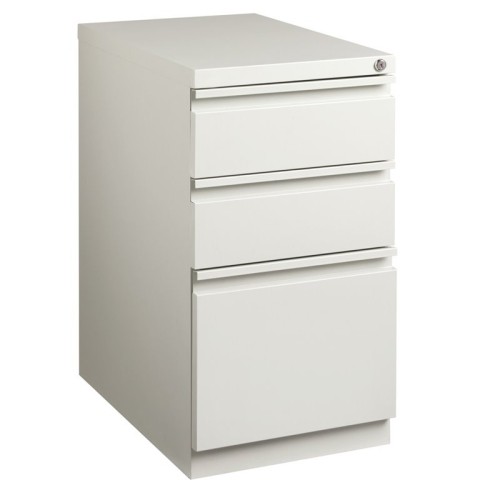
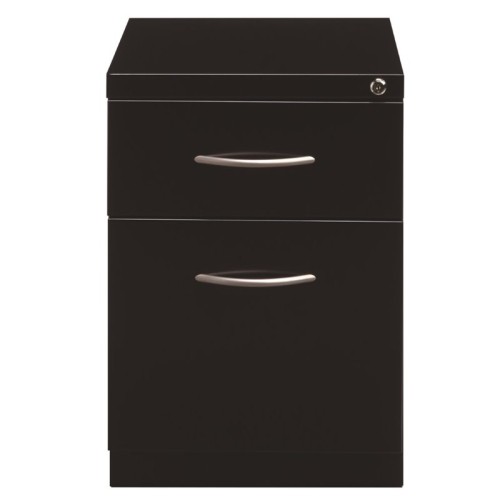
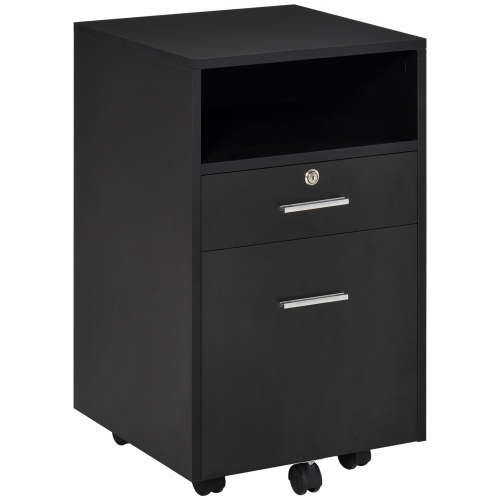
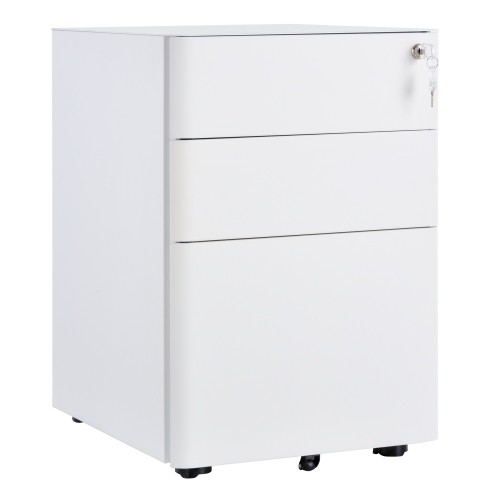
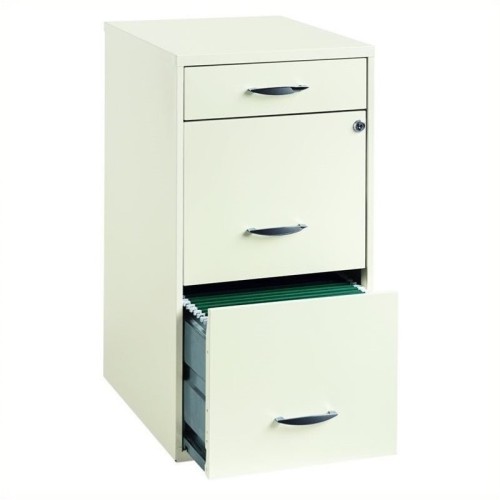
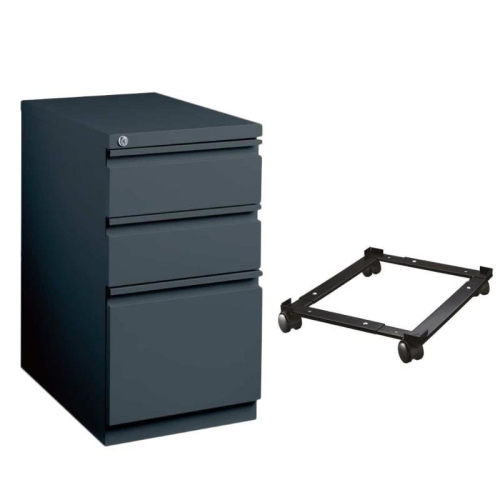
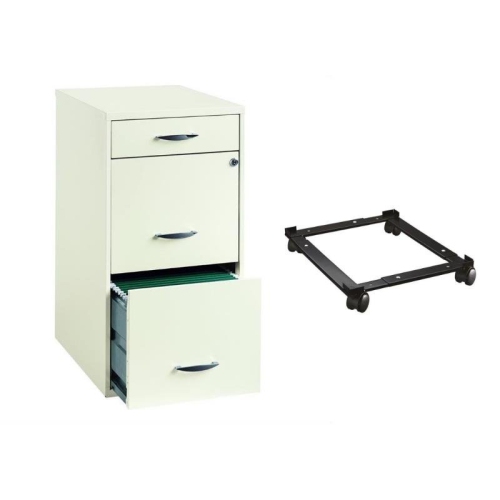
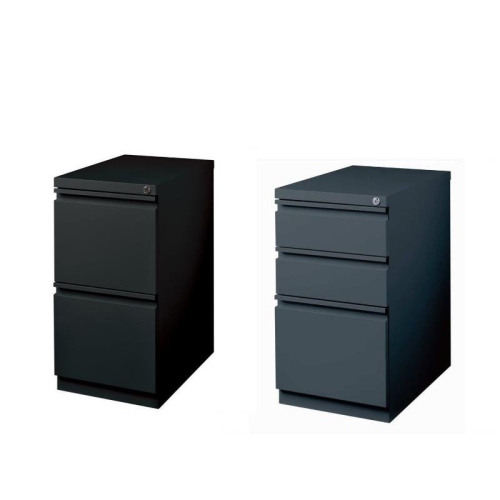
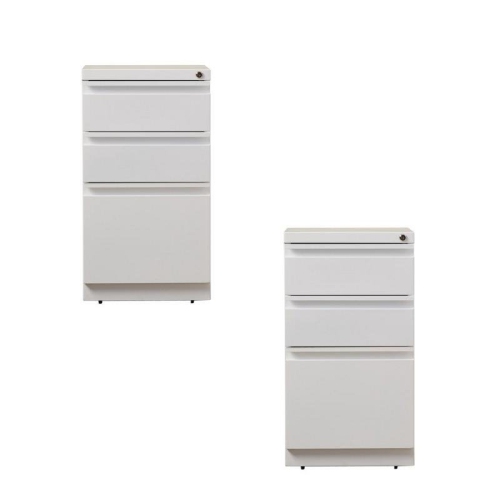
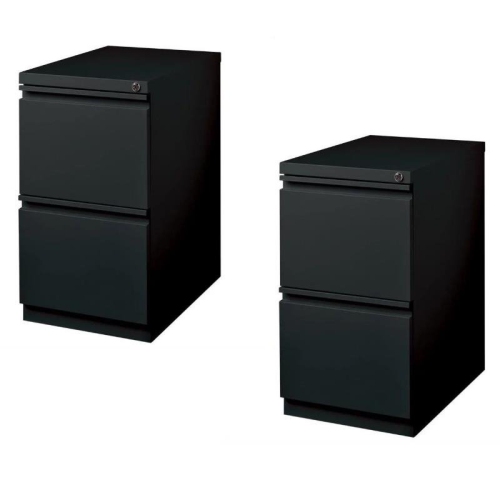
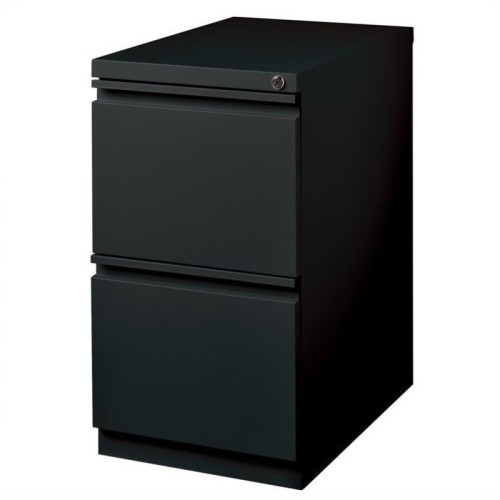
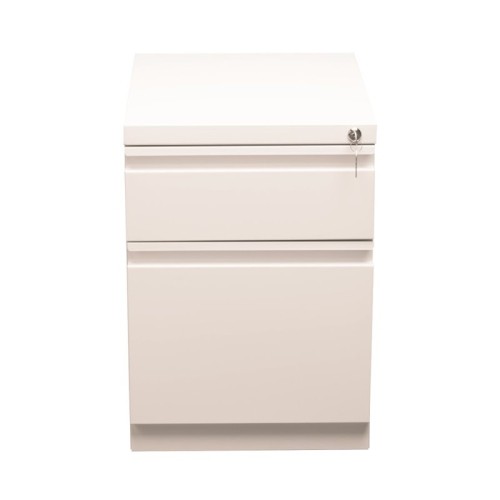
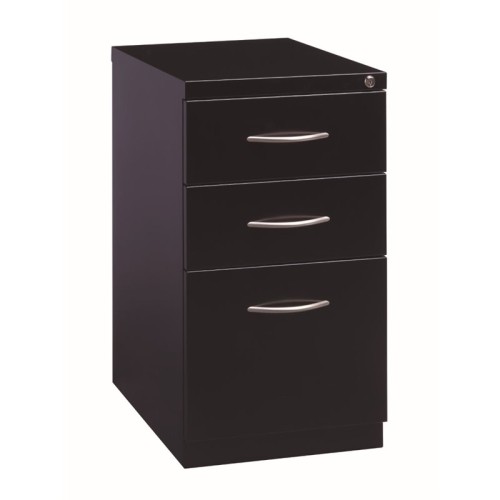
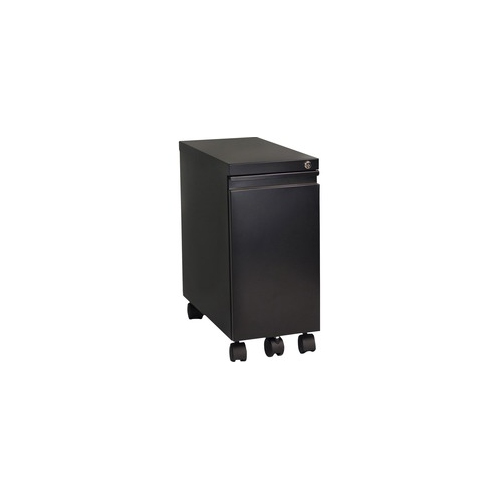
Pedestal file cabinets are compact storage units designed to keep important papers, office supplies, and everyday work materials close at hand without taking over the room. Their low-profile shape is particularly useful in home offices, shared workspaces, reception areas, classrooms, and professional offices where floor space is limited. Many are designed to fit beneath a standard desk, allowing you to make use of space that might otherwise collect cables, spare boxes, or dust. A pedestal cabinet can hold frequently used documents within arm’s reach, so you can stay focused instead of walking across the room every time you need a folder. For a broader selection of similar space-saving storage solutions, explore Under Desk File Cabinets. When choosing a cabinet, start by considering the available clearance beneath your desk. Measure the height, width, and depth of the opening, allowing extra room for drawers to open fully and for your chair or legs to move comfortably. A cabinet that fits neatly under a desk should support an orderly work area without making the space feel cramped. It is also helpful to consider whether the unit will sit beside a desk, beneath a work surface, or in a separate storage area, since each placement can call for a different size and configuration.
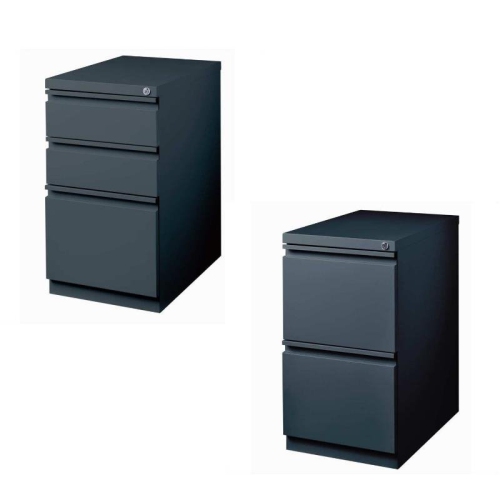
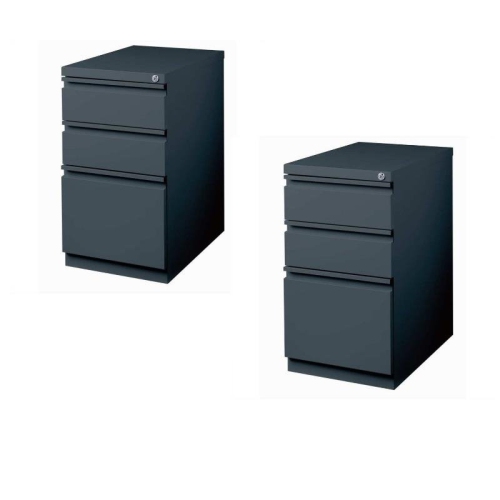
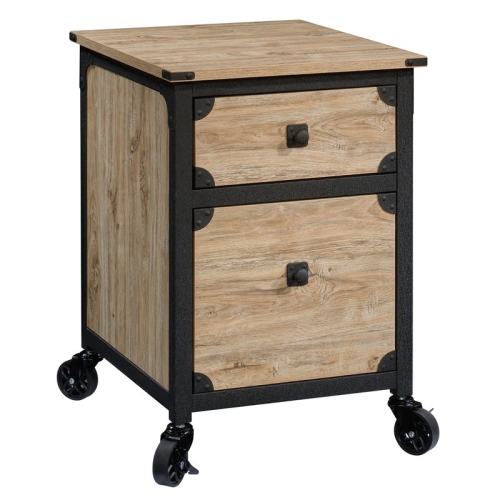
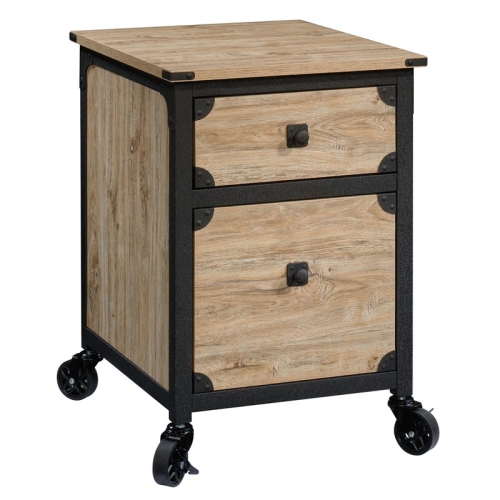
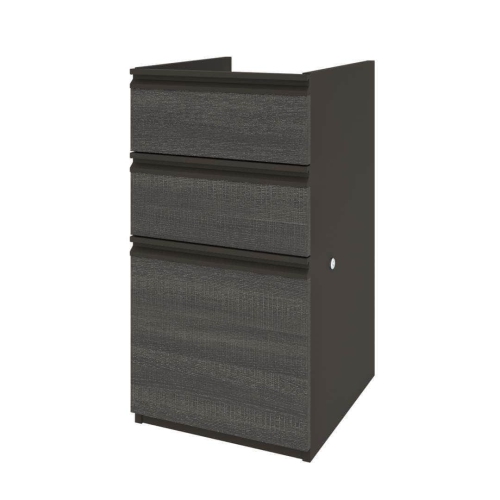
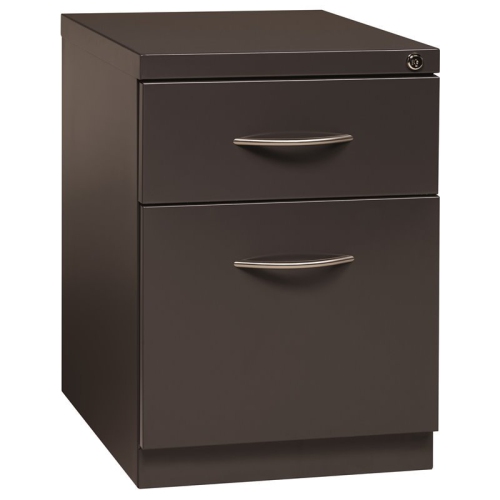
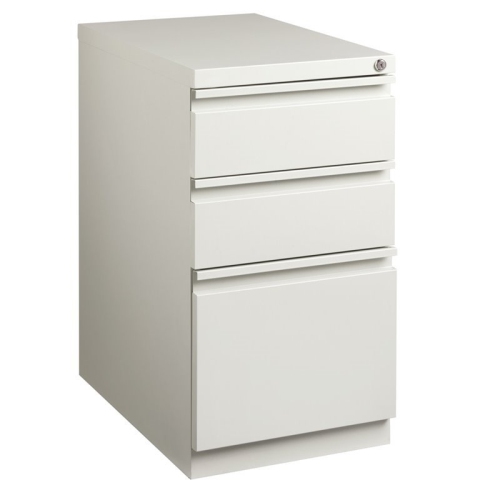
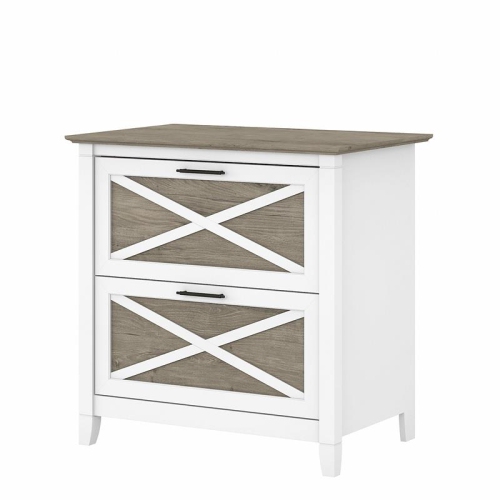
Drawer layout is one of the most important details to compare. Box drawers are useful for pens, notebooks, envelopes, calculators, chargers, and other smaller supplies, while file drawers are designed for folders and paperwork. A two-drawer box/file configuration offers a practical balance for many home offices, with supplies in one drawer and documents in the other. File/file models provide more room for paperwork, making them suitable for people who manage client records, invoices, school materials, insurance documents, or household files. Three-drawer box/box/file configurations add flexible storage without taking up the space of a full-height filing cabinet. Check whether the drawers are sized for letter files, legal files, or both, and look at how folders are positioned inside. Letter-size storage is common for everyday office paperwork, while legal-size storage is useful for contracts, property documents, drawings, and other longer forms. Full-extension drawer slides can make it easier to see and reach items at the back, especially when a drawer is filled with hanging folders. A locking pedestal file cabinet can add another layer of privacy for tax records, personnel paperwork, medical information, client files, or personal documents. Some people use the lock for confidential records, while others simply appreciate being able to secure important papers when leaving a shared workspace. If several people use the office, a lock can also help keep supplies and files in their proper place.
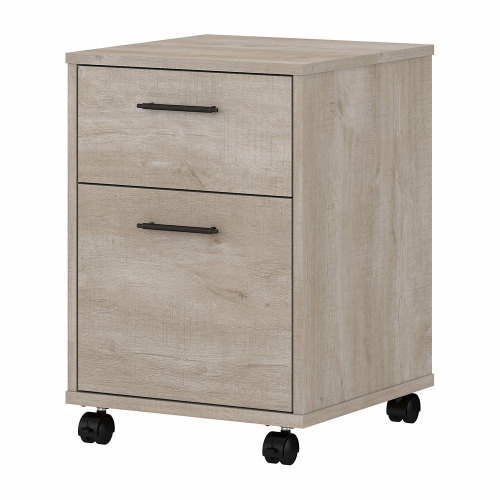
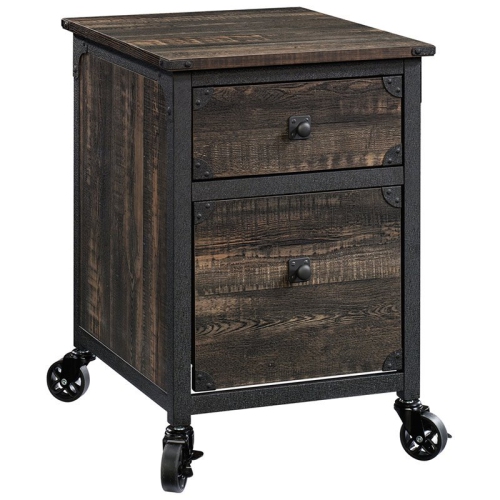
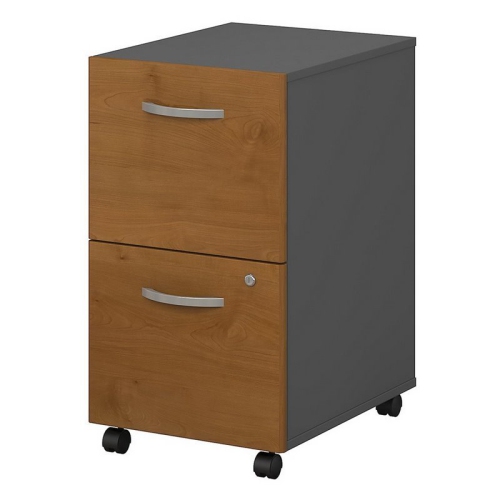
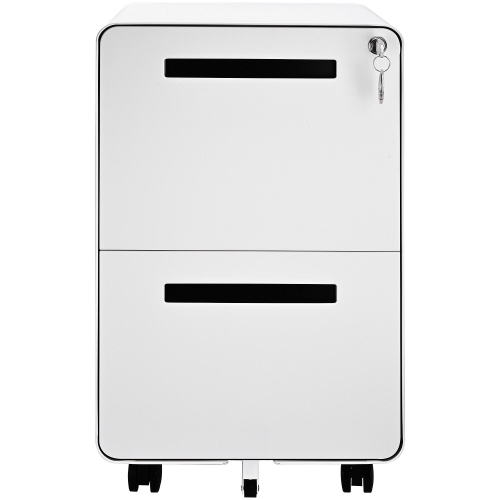
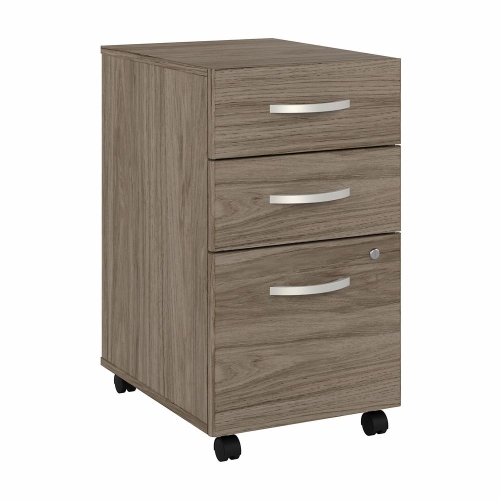
Mobility and construction affect how a cabinet feels in everyday use. Mobile pedestal file cabinets often include casters, allowing them to move with you around a workstation or be repositioned when cleaning and reorganizing. Casters with locking mechanisms can provide a useful combination of flexibility and stability: the unit can roll when needed but remain steady while a drawer is open. Stationary models may be a better choice when the cabinet will stay in one location or be placed beneath a desk with limited clearance. Steel construction is commonly selected for its sturdy feel and resistance to the knocks that come with busy office routines, while wood laminate finishes can coordinate more easily with desks, shelving, and home décor. Pay attention to drawer capacity, weight limits, handles, edge finishes, and the smoothness of the slides. A cabinet that opens quietly and closes securely is more pleasant to use during a long workday than one that catches or wobbles. Stability is especially important when drawers are extended, so look for designs that help prevent tipping and avoid placing all heavy items in one drawer. Before loading the cabinet, sort paperwork by category and remove outdated duplicates. Labelled folders for finances, projects, clients, warranties, or schoolwork can turn a small cabinet into a dependable filing system. Keep the supplies used most often in the top drawer and reserve deeper file drawers for records that need to be retained but are not accessed every day. In a home office, a pedestal file cabinet can help separate work documents from household paperwork; in a small business, it can give each workstation its own nearby filing space; and in a classroom or studio, it can keep forms, tools, and materials organized without requiring a large storage wall. These cabinets are generally more practical as workspace furnishings than as gifts, but they can be a thoughtful choice for someone setting up a first home office, starting a small business, returning to school, or creating a dedicated study area. Consider the recipient’s desk dimensions, filing habits, preferred finish, and need for mobility before selecting one. With the right combination of size, drawer configuration, security, and accessibility, a pedestal file cabinet can make paperwork feel less scattered and help a busy workspace stay calm through changing routines and the cooler months ahead.
Drawer layout is one of the most important details to compare. Box drawers are useful for pens, notebooks, envelopes, calculators, chargers, and other smaller supplies, while file drawers are designed for folders and paperwork. A two-drawer box/file configuration offers a practical balance for many home offices, with supplies in one drawer and documents in the other. File/file models provide more room for paperwork, making them suitable for people who manage client records, invoices, school materials, insurance documents, or household files. Three-drawer box/box/file configurations add flexible storage without taking up the space of a full-height filing cabinet. Check whether the drawers are sized for letter files, legal files, or both, and look at how folders are positioned inside. Letter-size storage is common for everyday office paperwork, while legal-size storage is useful for contracts, property documents, drawings, and other longer forms. Full-extension drawer slides can make it easier to see and reach items at the back, especially when a drawer is filled with hanging folders. A locking pedestal file cabinet can add another layer of privacy for tax records, personnel paperwork, medical information, client files, or personal documents. Some people use the lock for confidential records, while others simply appreciate being able to secure important papers when leaving a shared workspace. If several people use the office, a lock can also help keep supplies and files in their proper place.
Mobility and construction affect how a cabinet feels in everyday use. Mobile pedestal file cabinets often include casters, allowing them to move with you around a workstation or be repositioned when cleaning and reorganizing. Casters with locking mechanisms can provide a useful combination of flexibility and stability: the unit can roll when needed but remain steady while a drawer is open. Stationary models may be a better choice when the cabinet will stay in one location or be placed beneath a desk with limited clearance. Steel construction is commonly selected for its sturdy feel and resistance to the knocks that come with busy office routines, while wood laminate finishes can coordinate more easily with desks, shelving, and home décor. Pay attention to drawer capacity, weight limits, handles, edge finishes, and the smoothness of the slides. A cabinet that opens quietly and closes securely is more pleasant to use during a long workday than one that catches or wobbles. Stability is especially important when drawers are extended, so look for designs that help prevent tipping and avoid placing all heavy items in one drawer. Before loading the cabinet, sort paperwork by category and remove outdated duplicates. Labelled folders for finances, projects, clients, warranties, or schoolwork can turn a small cabinet into a dependable filing system. Keep the supplies used most often in the top drawer and reserve deeper file drawers for records that need to be retained but are not accessed every day. In a home office, a pedestal file cabinet can help separate work documents from household paperwork; in a small business, it can give each workstation its own nearby filing space; and in a classroom or studio, it can keep forms, tools, and materials organized without requiring a large storage wall. These cabinets are generally more practical as workspace furnishings than as gifts, but they can be a thoughtful choice for someone setting up a first home office, starting a small business, returning to school, or creating a dedicated study area. Consider the recipient’s desk dimensions, filing habits, preferred finish, and need for mobility before selecting one. With the right combination of size, drawer configuration, security, and accessibility, a pedestal file cabinet can make paperwork feel less scattered and help a busy workspace stay calm through changing routines and the cooler months ahead.
Top selling and popular products
-
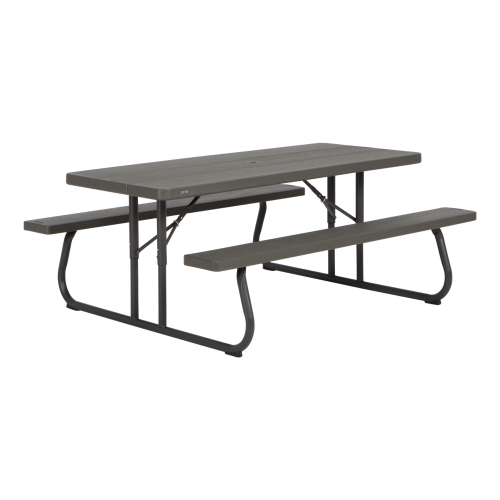 Your price for this item is $599.99
 -
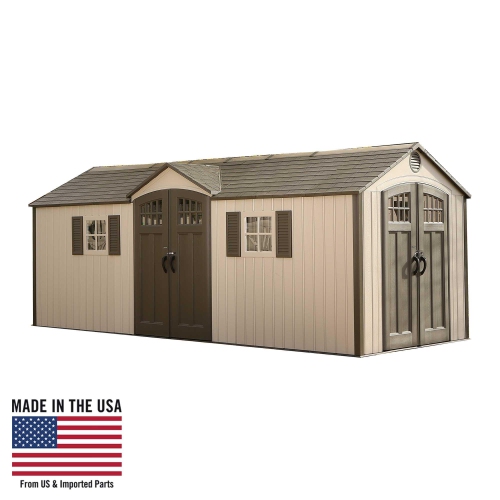 Your price for this item is $5799.99
 -
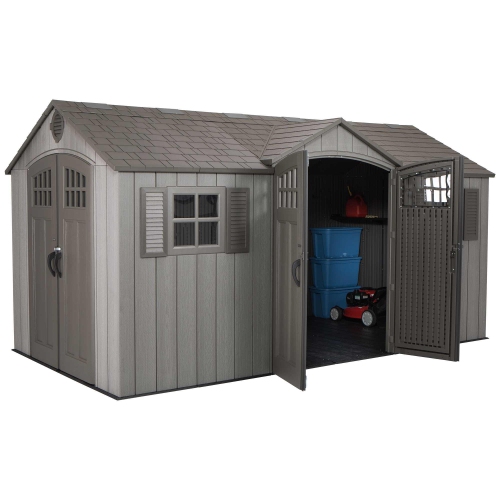 Your price for this item is $4199.99
 -
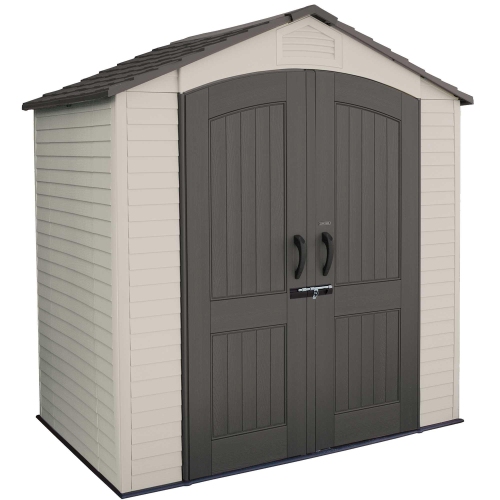 Your price for this item is $1899.99
 -
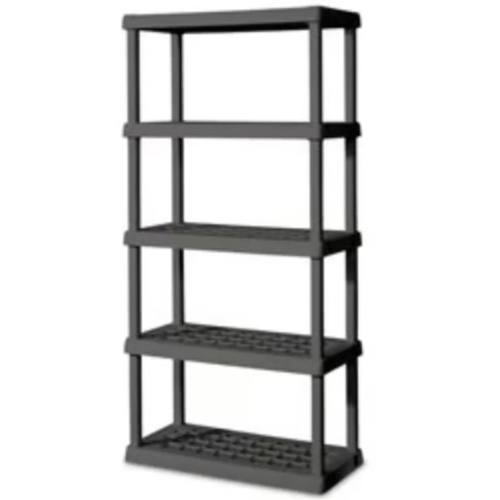 Your price for this item is $929.99
 -
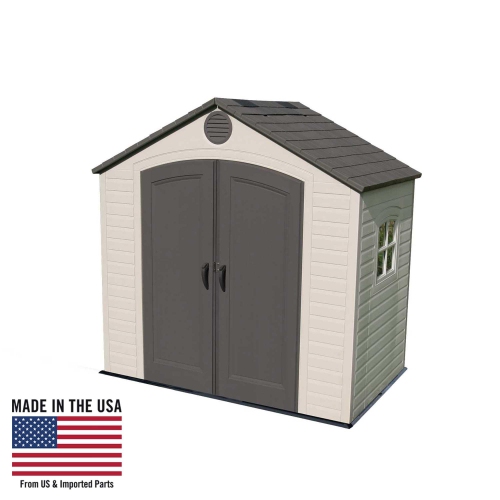 Your price for this item is $2399.99
 -
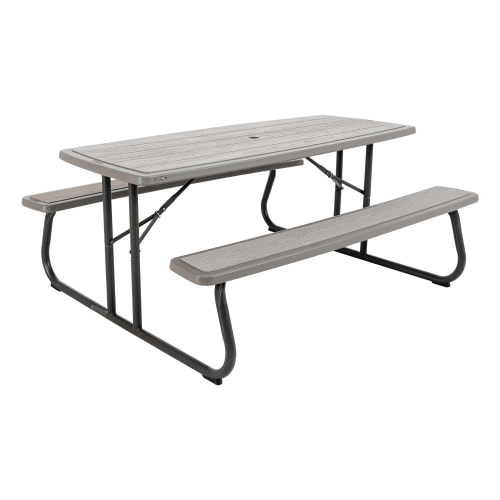 Your price for this item is $429.99
 -
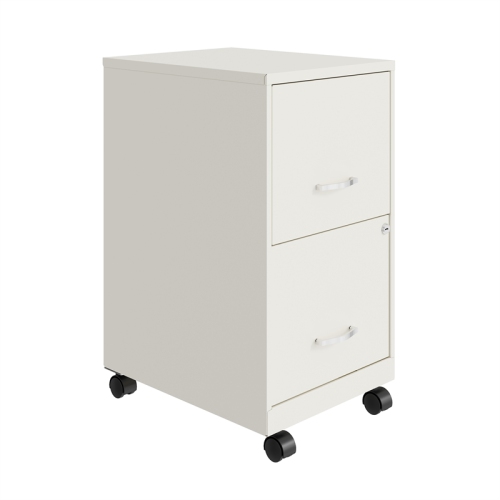 Your price for this item is $391.31
Discover more categories related to Pedestal File Cabinets
Top Collections:
Best Laptops for Video Editing, Pokemon Centers, Best Budget Office Chairs, Budget 4K TVs, Kindle Devices, Best Laptops for Writers, Apple iPhones 16, iPhone 15 Apple, Alarm Clock, Best Cell Phones Under $500
Some products may be subject to Environmental Handling Fees
(EHF) depending on your province.
Learn more about EHFs.