Pet Combs
Keep your furry friends looking their best with our selection of pet combs. Designed to help you manage your pet's grooming needs, these combs are perfect for maintaining a healthy coat and reducing shedding. Whether you have a playful puppy or a majestic cat, our range of pet combs ensures that grooming becomes an enjoyable experience for both you and your pet. Explore the variety of options available to find the ideal tool for your pet's specific needs.
Sort
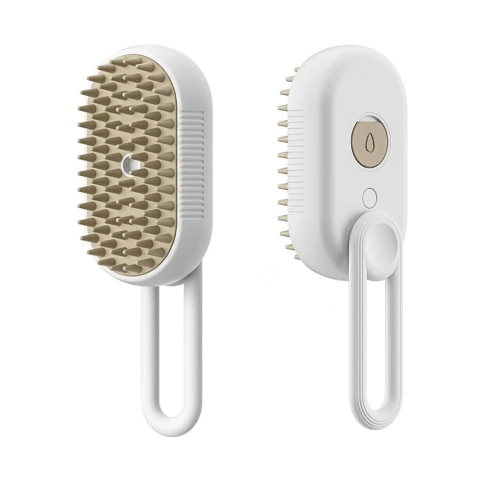
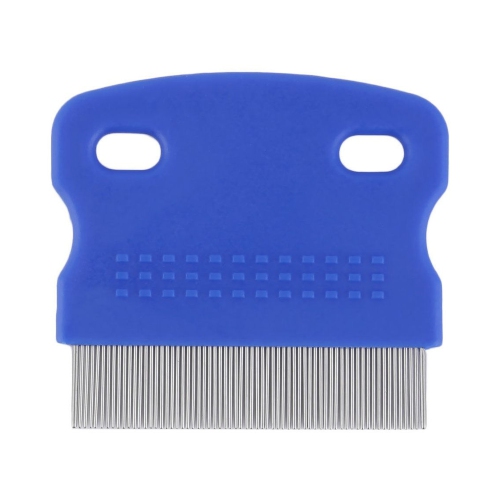
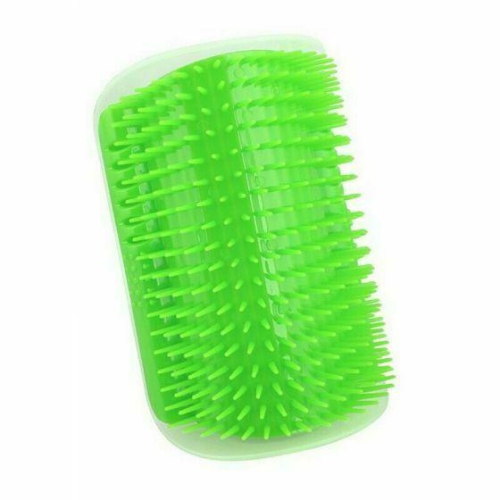
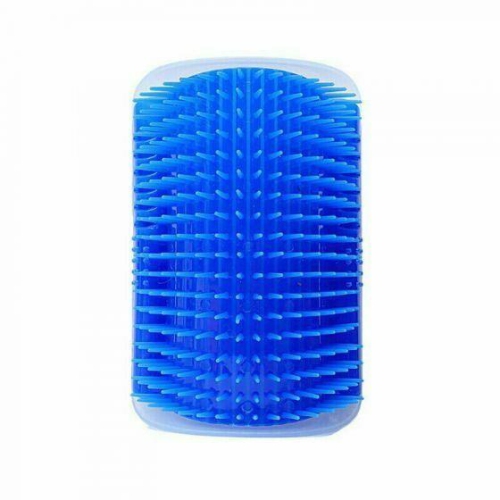
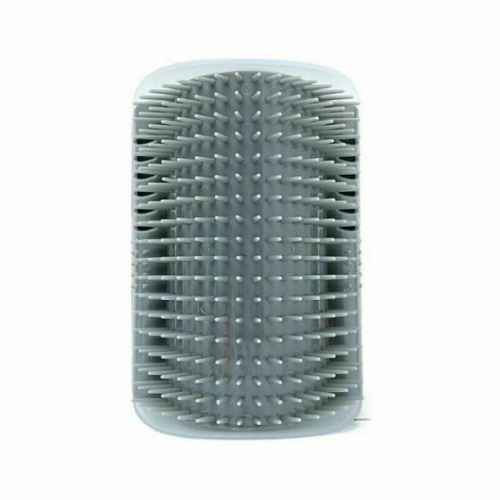
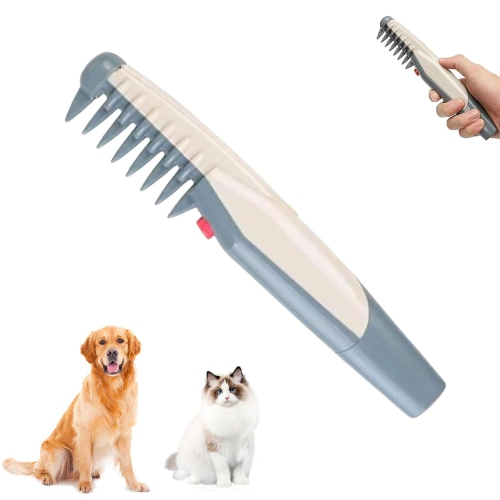
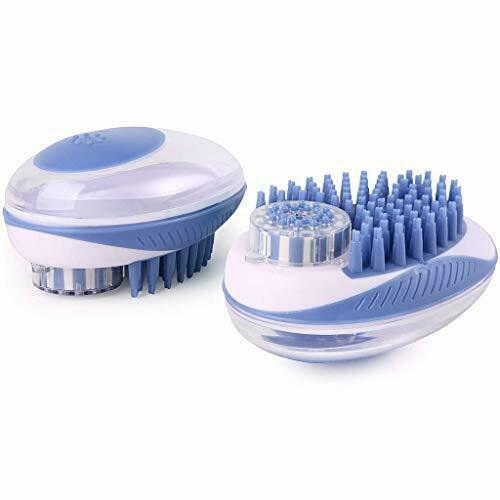
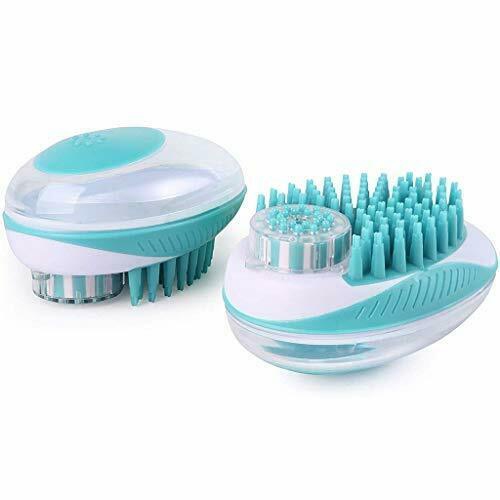
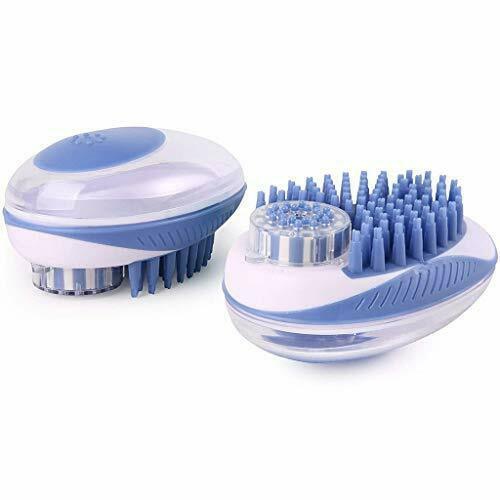
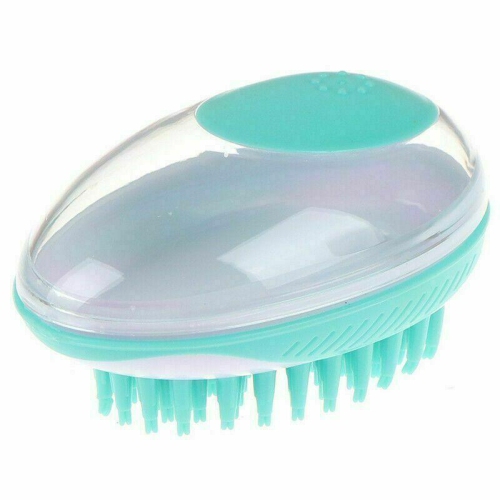
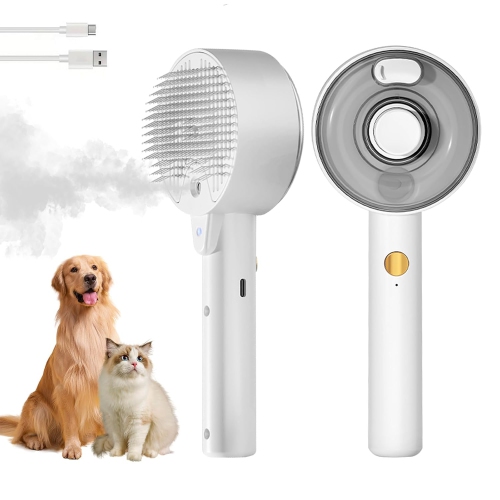
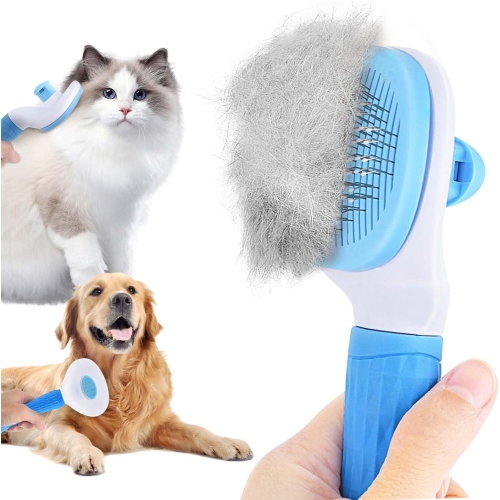
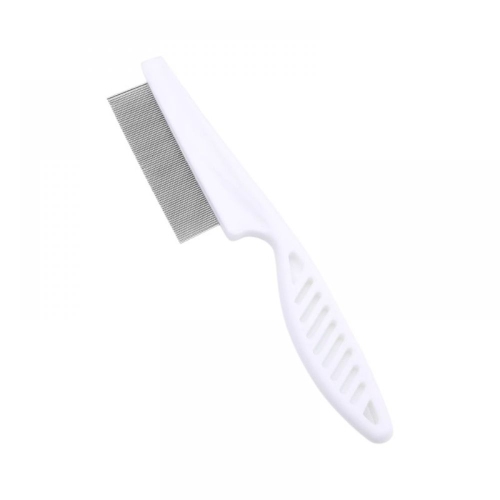
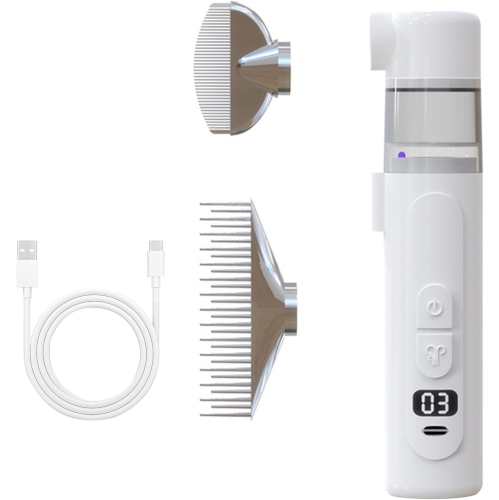
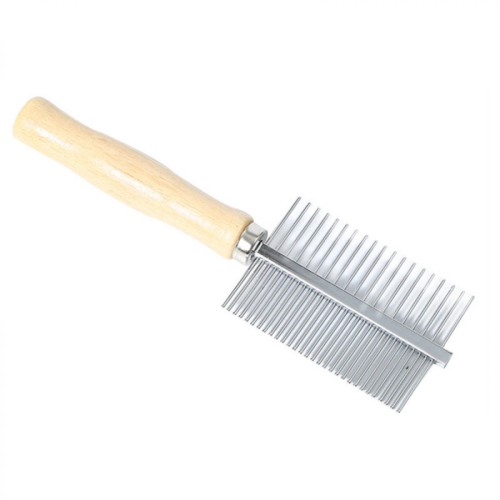
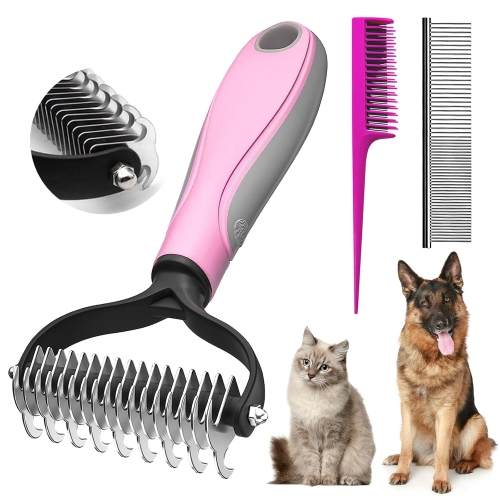
Gentle grooming helps manage tangles, shedding, and coat care
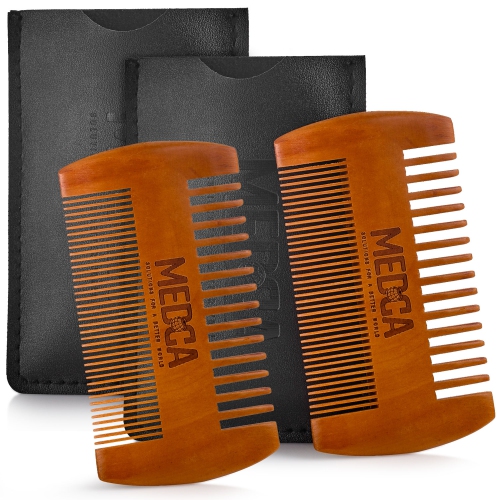
Pet combs are practical grooming tools for removing loose fur, checking for tangles, and keeping a pet’s coat looking neat between baths or professional appointments. They can be useful for dogs and cats with many different coat types, from short, smooth fur that benefits from a quick finishing pass to long, flowing hair that needs regular attention to prevent knots. A sturdy comb with smooth, well-finished teeth can help lift away shed hair while allowing you to inspect the coat closely for mats, dirt, burrs, or small bits of debris picked up outdoors. Many standard steel or stainless steel combs use a combination of wide and fine teeth, making them versatile for everyday care. The wider teeth can help work through longer or denser sections gently, while the finer teeth are useful for finishing, smoothing, and checking areas where loose fur or small tangles may remain. Rotating teeth can be helpful for pets with thick or double coats because the teeth move with the fur rather than dragging rigidly through it, which may reduce pulling and friction when used with a light touch. For stubborn knots or compacted areas, a dematting rake may be more suitable than a regular comb. These tools often use inner blades or cutting edges with rounded outer tips to break apart mats, but they should be handled slowly and carefully, especially near the skin. A comb is not intended to replace veterinary care, and painful, tightly packed mats or irritated skin are best assessed by a veterinarian or experienced professional groomer. Choose a comb based on your pet’s coat length, texture, density, and tolerance for grooming rather than appearance alone. A small, fine-tooth comb may suit a short-haired cat or small dog, while a longer, wider-tooth design may be more comfortable for a large dog with a thick coat. Handle shape matters as well: a wooden or contoured handle can provide a secure grip during longer grooming sessions, while a compact design may be convenient for touch-ups, travel, or keeping in a grooming kit.
Using a pet comb successfully is mostly about patience, timing, and technique. Begin when your pet is relaxed, perhaps after a walk, play session, or quiet rest, and let them sniff the tool before it touches their coat. Work in small sections, starting at the outer ends of the fur and gradually moving closer to the skin as tangles loosen. Avoid pulling directly on a knot, since that can make grooming uncomfortable and cause a pet to become wary of future sessions. Instead, support the fur near the roots with one hand and use short, gentle strokes with the other. Areas behind the ears, under the collar, around the legs, beneath the tail, and along the belly often need extra attention because friction and moisture can encourage tangling. For a long-haired pet, dividing the coat into manageable layers can make it easier to see what has already been groomed and what still needs attention. A wide-tooth side can loosen the coat before the finer side smooths it, while a dematting tool should be reserved for specific problem areas rather than passed repeatedly over the entire body. Short-haired pets may not need lengthy grooming sessions, but a comb can still help remove loose hair and provide a close look at the skin. Gentle, regular sessions are usually easier for both the pet and the person grooming them than an occasional attempt to deal with a heavily tangled coat. Keep the comb clean by removing fur after use and following the care instructions for its material. Inspect the teeth periodically for bends, sharp edges, rust, or rough spots that could scratch the skin. If your pet shows signs of pain, persistent scratching, redness, swelling, hair loss, or unusual sensitivity, pause grooming and seek professional advice. Pairing a comb with other grooming essentials can help create a routine suited to your pet’s needs; explore Pet Grooming Brushes for additional ways to manage loose fur and maintain a tidy coat.
Pet combs can be a thoughtful and useful gift for a new pet parent, someone preparing for a newly adopted dog or cat, or a household that enjoys caring for its companion at home. They are small enough to fit in a grooming drawer, overnight bag, or travel carrier and can be useful during visits to family, cottage stays, and road trips when coats may collect dust, leaves, or other outdoor debris. As the weather warms, pets may spend more time outside and return with seeds, grass, or loose material caught in their fur; during the cooler months, indoor heating, wet walks, blankets, and seasonal shedding can also make regular coat checks worthwhile. A comb can become part of a calm bonding ritual, especially when grooming is paired with praise and brief breaks. For a pet that is nervous about grooming, start with only a few strokes and gradually extend the session as their comfort improves. Children may enjoy helping with simple grooming under adult supervision, although an adult should handle mats, sensitive areas, and any tool with cutting edges. When selecting a comb as a gift, consider the recipient’s pet size and coat type if known, as well as whether they prefer a basic everyday tool or a more specialized design for dense or long hair. Wide and fine tooth spacing provides flexibility, while rotating teeth may be helpful for thicker coats and a dematting design may suit pets prone to knots. The most useful option is one that feels comfortable in the hand, has smooth teeth, and matches the grooming routine the pet can realistically tolerate. With consistent, gentle use, pet combs can help keep coats more manageable, make shedding easier to handle around the home, and give owners a simple way to notice changes in their pet’s skin or fur.
Using a pet comb successfully is mostly about patience, timing, and technique. Begin when your pet is relaxed, perhaps after a walk, play session, or quiet rest, and let them sniff the tool before it touches their coat. Work in small sections, starting at the outer ends of the fur and gradually moving closer to the skin as tangles loosen. Avoid pulling directly on a knot, since that can make grooming uncomfortable and cause a pet to become wary of future sessions. Instead, support the fur near the roots with one hand and use short, gentle strokes with the other. Areas behind the ears, under the collar, around the legs, beneath the tail, and along the belly often need extra attention because friction and moisture can encourage tangling. For a long-haired pet, dividing the coat into manageable layers can make it easier to see what has already been groomed and what still needs attention. A wide-tooth side can loosen the coat before the finer side smooths it, while a dematting tool should be reserved for specific problem areas rather than passed repeatedly over the entire body. Short-haired pets may not need lengthy grooming sessions, but a comb can still help remove loose hair and provide a close look at the skin. Gentle, regular sessions are usually easier for both the pet and the person grooming them than an occasional attempt to deal with a heavily tangled coat. Keep the comb clean by removing fur after use and following the care instructions for its material. Inspect the teeth periodically for bends, sharp edges, rust, or rough spots that could scratch the skin. If your pet shows signs of pain, persistent scratching, redness, swelling, hair loss, or unusual sensitivity, pause grooming and seek professional advice. Pairing a comb with other grooming essentials can help create a routine suited to your pet’s needs; explore Pet Grooming Brushes for additional ways to manage loose fur and maintain a tidy coat.
Pet combs can be a thoughtful and useful gift for a new pet parent, someone preparing for a newly adopted dog or cat, or a household that enjoys caring for its companion at home. They are small enough to fit in a grooming drawer, overnight bag, or travel carrier and can be useful during visits to family, cottage stays, and road trips when coats may collect dust, leaves, or other outdoor debris. As the weather warms, pets may spend more time outside and return with seeds, grass, or loose material caught in their fur; during the cooler months, indoor heating, wet walks, blankets, and seasonal shedding can also make regular coat checks worthwhile. A comb can become part of a calm bonding ritual, especially when grooming is paired with praise and brief breaks. For a pet that is nervous about grooming, start with only a few strokes and gradually extend the session as their comfort improves. Children may enjoy helping with simple grooming under adult supervision, although an adult should handle mats, sensitive areas, and any tool with cutting edges. When selecting a comb as a gift, consider the recipient’s pet size and coat type if known, as well as whether they prefer a basic everyday tool or a more specialized design for dense or long hair. Wide and fine tooth spacing provides flexibility, while rotating teeth may be helpful for thicker coats and a dematting design may suit pets prone to knots. The most useful option is one that feels comfortable in the hand, has smooth teeth, and matches the grooming routine the pet can realistically tolerate. With consistent, gentle use, pet combs can help keep coats more manageable, make shedding easier to handle around the home, and give owners a simple way to notice changes in their pet’s skin or fur.
Top selling and popular products
-
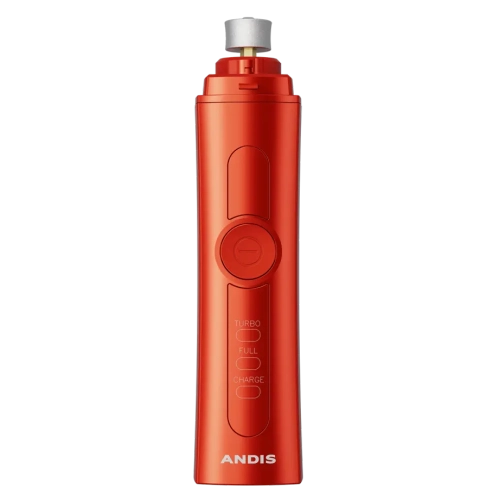 Your price for this item is $54.99
 -
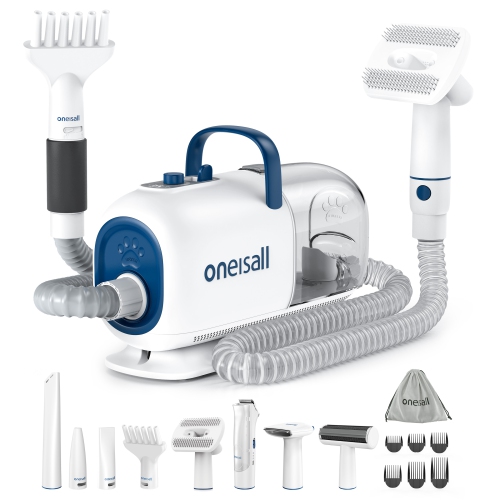 Your price for this item is $159.99
 -
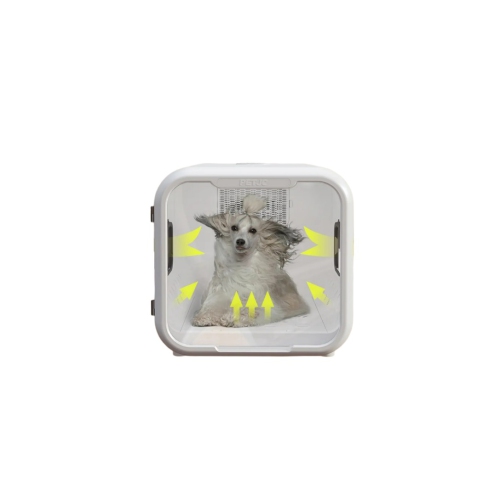 Your price for this item is $299.99
 -
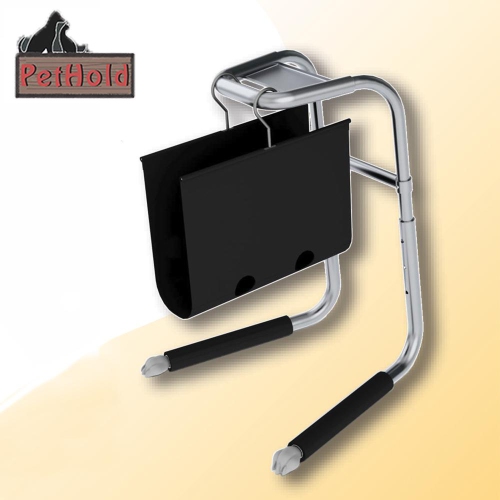 Your price for this item is $115
 -
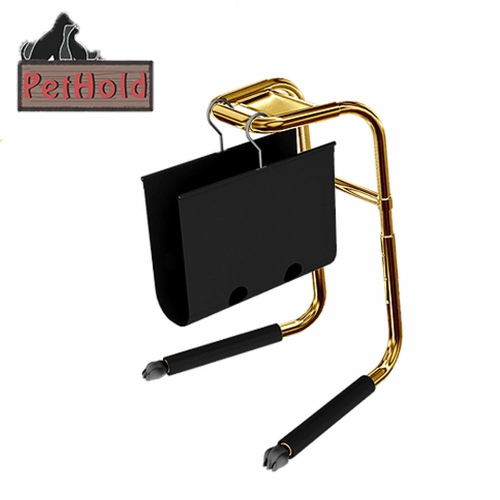 Your price for this item is $125
 -
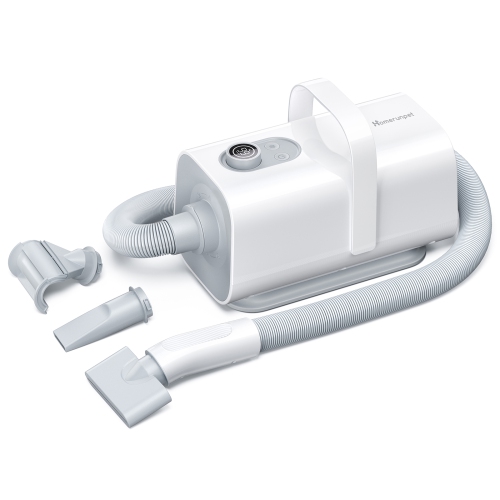 Your price for this item is $189.99
 -
 Your price for this item is $46.99
 -
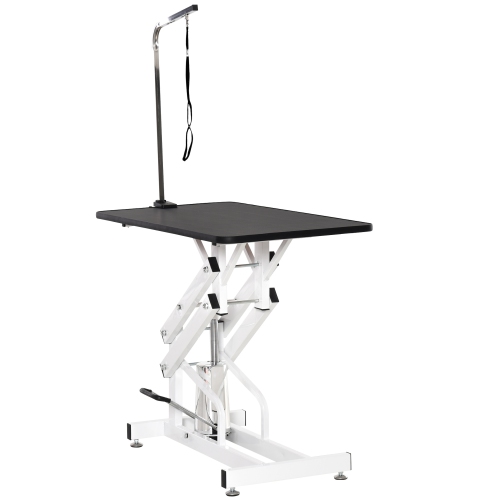 Your price for this item is $329.99
Discover more categories related to Pet Combs
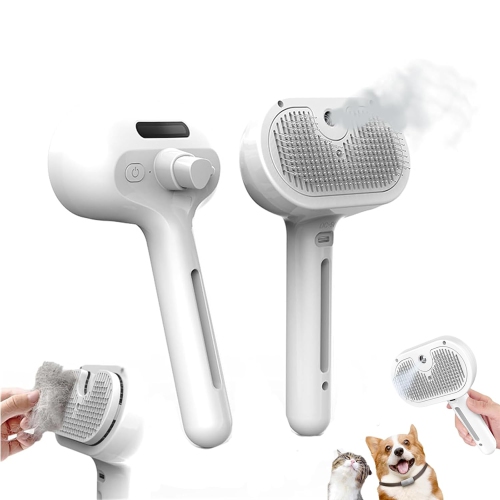
Top Collections:
Pokemon Centers, Kindle Devices, Best Budget Office Chairs, Apple iPhones 16, Canon G7X Cameras, iPhone 15 Apple, Alarm Clock, Refurbished Apple Laptops, Flip Phones, Best Laptops for Writers
Some products may be subject to Environmental Handling Fees
(EHF) depending on your province.
Learn more about EHFs.