Picnic Tablecloths
Transform your outdoor dining experience with our selection of picnic tablecloths. Perfect for family gatherings, casual lunches in the park, or festive backyard barbecues, these tablecloths add a touch of style and practicality to any setting. Designed to fit various table sizes and shapes, our picnic tablecloths are both functional and fashionable, ensuring that your outdoor meals are as enjoyable as they are memorable. Explore the variety of colors, patterns, and materials available to find the perfect match for your next picnic adventure.
Sort
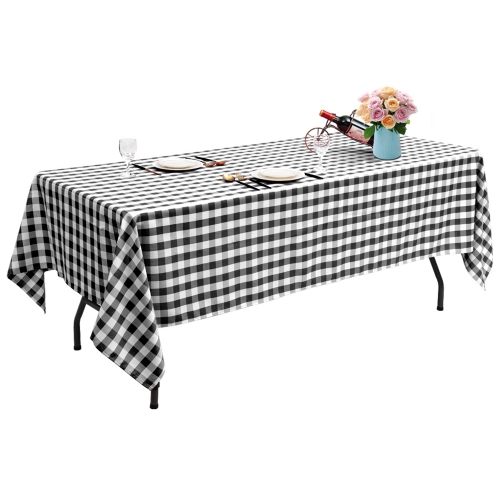
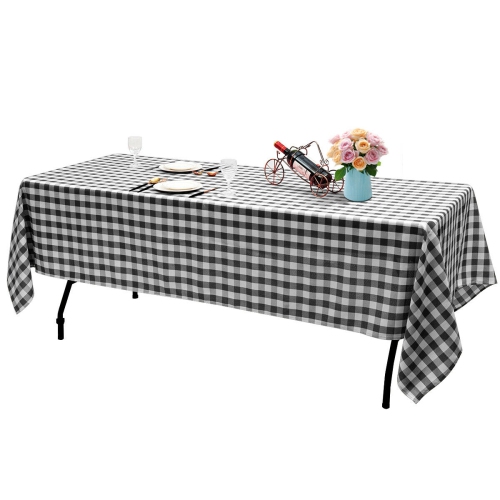
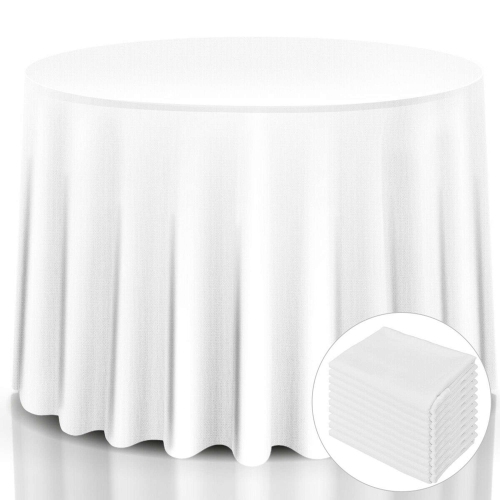
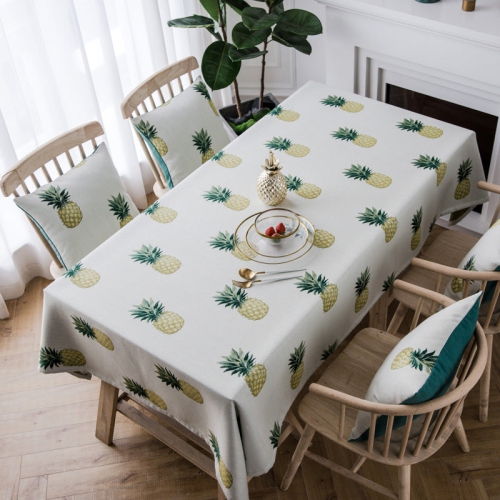
A well-fitted cover sets the scene for outdoor meals
Picnic tablecloths give outdoor meals a more inviting setting while creating a practical layer between food, place settings, and a well-used tabletop. Spread over a park table, a folding camping table, or a backyard dining surface, a cover brings together everything from sandwiches in lunch containers to a shared potluck supper. The most useful styles balance coverage, easy cleanup, and a fit that stays manageable when people slide onto benches or move around the table. Materials commonly include vinyl, polyethylene, PEVA, polyester, and cotton, each with a different feel and approach to care. Vinyl and PEVA surfaces are often wipe-clean, making spilled juice, crumbs, and sauce easier to deal with during a meal. Lightweight polyethylene covers fold into a small space, while woven fabrics offer a softer drape that suits casual gatherings on a covered patio as well as indoor use. Some picnic table covers have a flannel backing that cushions the surface and can help reduce sliding, although it does not replace a secure fit in breezy conditions. Red-and-white checks are a familiar picnic pattern, but solid colours, stripes, and other prints work just as well with everyday dishes and serving pieces. A darker pattern may make small marks less noticeable between cleanups, while a lighter cover can brighten a shaded eating area. For families, a wipeable surface is especially practical when children are sharing snacks or working on a craft after lunch. Campers may place more value on a cover that packs neatly and dries readily before the next move. Hosts using a picnic table for a buffet often prefer a smooth, stable surface with enough coverage for serving bowls and plates, without long corners hanging near the ground. Across these uses, a tablecloth helps define a comfortable place to gather, whether the meal is a quick stop during a road trip or a leisurely lunch outside during the cooler months.
Size and shape determine how well a picnic tablecloth works once the table is set. Rectangular covers suit many traditional picnic tables, while round and square styles are better matched to similarly shaped patio or portable tables. A nominal table length alone does not establish the right cloth size: tabletop width, thickness, corner shape, and the desired overhang all matter. A 54 by 72 inch tablecloth is a common picnic size, but on a tabletop measuring 72 inches long, it reaches the ends without providing an end overhang. On a shorter table, the same cover will hang farther down. For a rectangular cloth, the overhang on each side is half the difference between the cloth dimension and the corresponding tabletop dimension, assuming the cover is centred. That distinction is useful with fixed benches, where a generous drop can bunch against knees or catch as someone sits down. A shorter drop often keeps the eating area easier to navigate, particularly when children are getting on and off the seats. Elasticized picnic tablecloths wrap around the tabletop edge for a closer fit, reducing loose fabric that can lift in a breeze. Their stated fit range matters because an elastic edge must accommodate both the tabletop dimensions and its thickness. Rounded corners, deep edges, and supports beneath the table may also affect how securely a fitted cover sits. Tablecloth clips provide another way to hold a loose cover in place, provided their opening fits the table edge and they can attach without interfering with seating. Neither clips nor elastic should be treated as a guarantee against strong wind, especially on exposed campsites or waterfront picnic areas. Coordinating bench covers can add a fabric layer over the seats, but they need their own measurements and secure placement so they do not shift underneath someone. For gatherings that move between a picnic table, a patio table, and an indoor dining space, the broader range of Table Cloths offers context for different shapes, fabrics, and styles. A good match leaves the tabletop covered while keeping edges clear of feet, bags, and the path around the meal.
Care and durability become particularly noticeable after a few outdoor meals, when a tablecloth has been folded into a tote, spread across weathered timber, and packed away again. A smooth wipe-clean surface is convenient for everyday spills, but water resistance at the top does not necessarily mean the backing, seams, or entire cover can tolerate soaking. Flannel-backed styles may hold moisture underneath, so both sides need to be dry before storage. Woven cotton and polyester covers may be machine washable, depending on their construction and finish; the care label determines suitable wash temperatures, drying methods, and whether ironing is appropriate. Prompt attention to berry juice, tomato sauce, and other strongly coloured spills can help limit staining, although stain resistance varies by material. Abrasive scrubbers and harsh cleaners can damage some coatings, making gentle cleaning a better starting point when permitted by the care instructions. Durability also depends on what sits beneath and above the cloth. Rough boards, exposed fasteners, and sharp table edges can snag fabric or puncture thin plastic, while hot cookware can damage a cover even when its surface repels water. Trivets or heat-safe mats remain important beneath hot dishes, and food preparation is better kept on a suitable cutting board rather than directly on the tablecloth. Heavier materials may drape more steadily, but thickness alone does not establish resistance to tearing, fading, or prolonged outdoor exposure. Finished edges and reinforced attachment points can be useful for frequent handling, while a compact, flexible cover is easier to tuck beside dishes in a camping bin. Bringing the cloth indoors after use and storing it clean and dry helps keep it ready for another outing. For cottage visitors, frequent campers, or households that enjoy relaxed outdoor meals, a washable picnic tablecloth can also be a thoughtful addition to a practical gift of dining accessories. Its appeal lies in a simple everyday improvement: a tidy surface for a thermos of soup, a plate of sandwiches, and a little more comfort around a shared table.
Size and shape determine how well a picnic tablecloth works once the table is set. Rectangular covers suit many traditional picnic tables, while round and square styles are better matched to similarly shaped patio or portable tables. A nominal table length alone does not establish the right cloth size: tabletop width, thickness, corner shape, and the desired overhang all matter. A 54 by 72 inch tablecloth is a common picnic size, but on a tabletop measuring 72 inches long, it reaches the ends without providing an end overhang. On a shorter table, the same cover will hang farther down. For a rectangular cloth, the overhang on each side is half the difference between the cloth dimension and the corresponding tabletop dimension, assuming the cover is centred. That distinction is useful with fixed benches, where a generous drop can bunch against knees or catch as someone sits down. A shorter drop often keeps the eating area easier to navigate, particularly when children are getting on and off the seats. Elasticized picnic tablecloths wrap around the tabletop edge for a closer fit, reducing loose fabric that can lift in a breeze. Their stated fit range matters because an elastic edge must accommodate both the tabletop dimensions and its thickness. Rounded corners, deep edges, and supports beneath the table may also affect how securely a fitted cover sits. Tablecloth clips provide another way to hold a loose cover in place, provided their opening fits the table edge and they can attach without interfering with seating. Neither clips nor elastic should be treated as a guarantee against strong wind, especially on exposed campsites or waterfront picnic areas. Coordinating bench covers can add a fabric layer over the seats, but they need their own measurements and secure placement so they do not shift underneath someone. For gatherings that move between a picnic table, a patio table, and an indoor dining space, the broader range of Table Cloths offers context for different shapes, fabrics, and styles. A good match leaves the tabletop covered while keeping edges clear of feet, bags, and the path around the meal.
Care and durability become particularly noticeable after a few outdoor meals, when a tablecloth has been folded into a tote, spread across weathered timber, and packed away again. A smooth wipe-clean surface is convenient for everyday spills, but water resistance at the top does not necessarily mean the backing, seams, or entire cover can tolerate soaking. Flannel-backed styles may hold moisture underneath, so both sides need to be dry before storage. Woven cotton and polyester covers may be machine washable, depending on their construction and finish; the care label determines suitable wash temperatures, drying methods, and whether ironing is appropriate. Prompt attention to berry juice, tomato sauce, and other strongly coloured spills can help limit staining, although stain resistance varies by material. Abrasive scrubbers and harsh cleaners can damage some coatings, making gentle cleaning a better starting point when permitted by the care instructions. Durability also depends on what sits beneath and above the cloth. Rough boards, exposed fasteners, and sharp table edges can snag fabric or puncture thin plastic, while hot cookware can damage a cover even when its surface repels water. Trivets or heat-safe mats remain important beneath hot dishes, and food preparation is better kept on a suitable cutting board rather than directly on the tablecloth. Heavier materials may drape more steadily, but thickness alone does not establish resistance to tearing, fading, or prolonged outdoor exposure. Finished edges and reinforced attachment points can be useful for frequent handling, while a compact, flexible cover is easier to tuck beside dishes in a camping bin. Bringing the cloth indoors after use and storing it clean and dry helps keep it ready for another outing. For cottage visitors, frequent campers, or households that enjoy relaxed outdoor meals, a washable picnic tablecloth can also be a thoughtful addition to a practical gift of dining accessories. Its appeal lies in a simple everyday improvement: a tidy surface for a thermos of soup, a plate of sandwiches, and a little more comfort around a shared table.
Top selling and popular products
-
 Your price for this item is $1459.99
 -
 Your price for this item is $79.34
 -
 Your price for this item is $40.99
 -
 Your price for this item is $41.9
 -
 Your price for this item is $96.9
 -
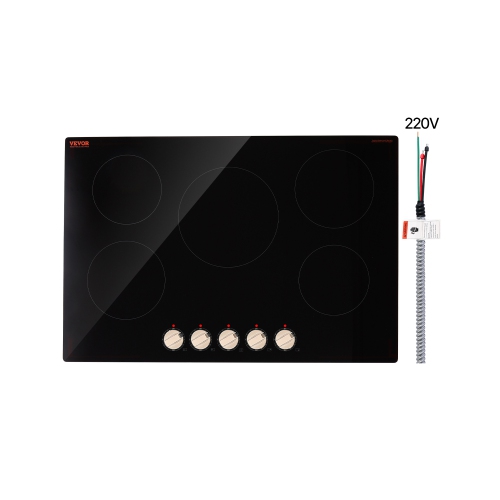 Your price for this item is $435.2
 -
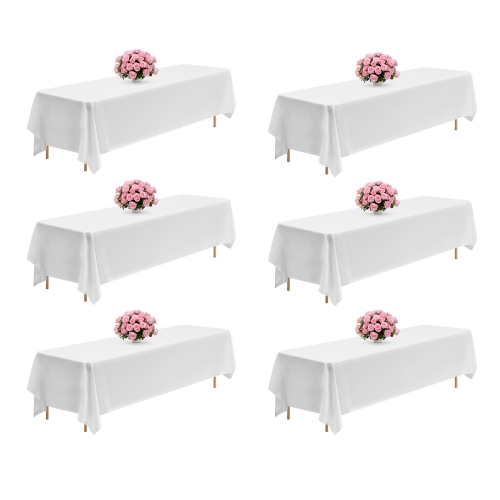 Your price for this item is $72.9
 -
 Your price for this item is $29.4
Discover more categories related to Picnic Tablecloths
Top Collections:
Pokemon Centers, Kindle Devices, Best Budget Office Chairs, Apple iPhones 16, Best Laptops for Writers, iPhone 15 Apple, Canon G7X Cameras, Refurbished Apple Laptops, Alarm Clock, Motorola Razr Phones
Some products may be subject to Environmental Handling Fees
(EHF) depending on your province.
Learn more about EHFs.