Picnic Umbrellas
Stay shaded and stylish on sunny days with our selection of picnic umbrellas. Whether you're heading to the beach, park, or enjoying a backyard barbecue, these umbrellas are perfect for creating a cool oasis outdoors. With a variety of sizes, colors, and designs to choose from, you can find the perfect picnic umbrella to suit your style and keep you protected from the sun's rays. Enjoy your outdoor adventures in comfort and convenience with these versatile and durable picnic umbrellas.
Sort
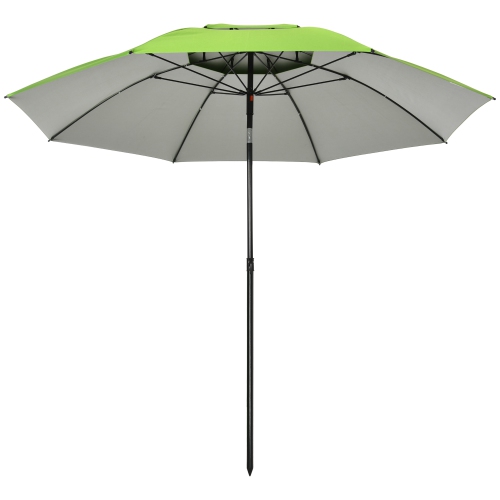
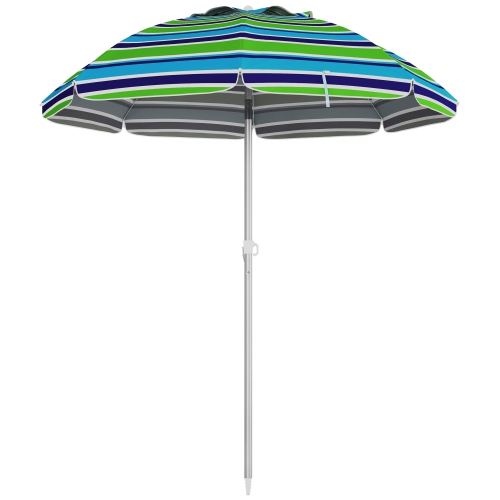
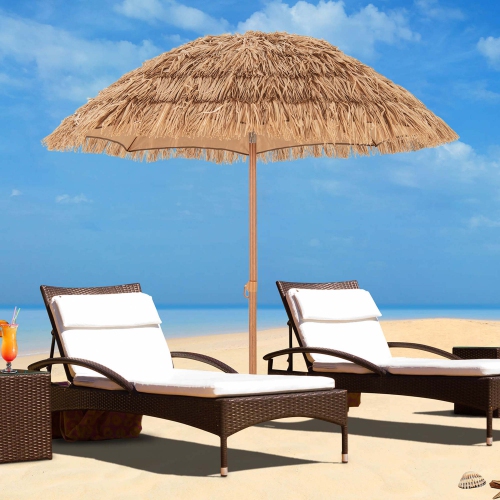
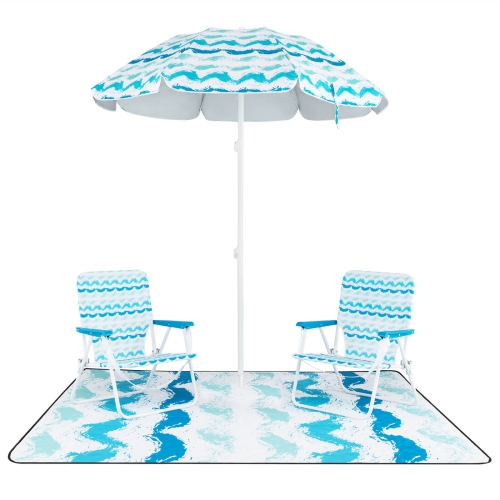
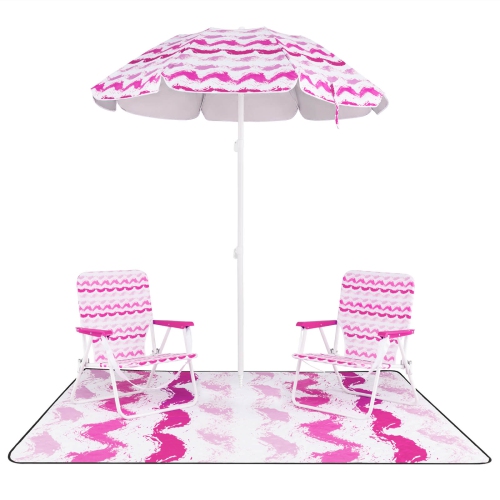
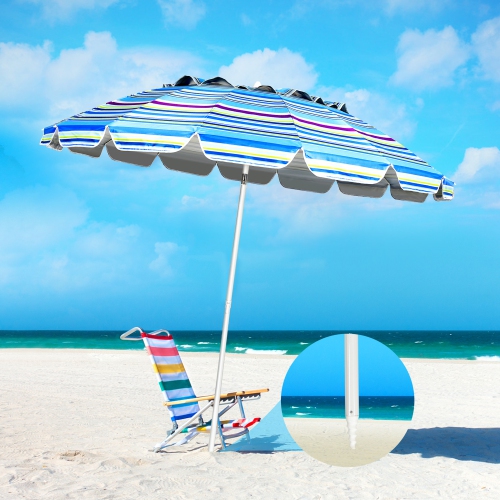
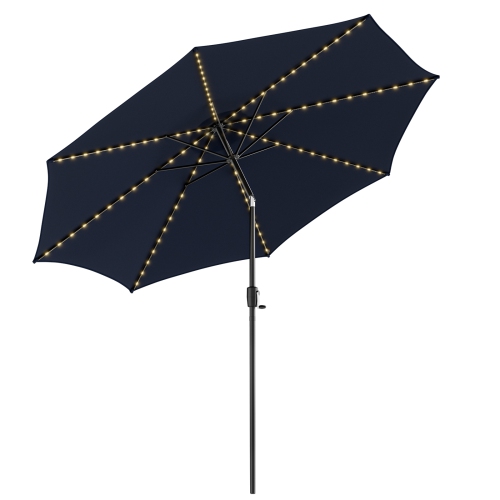
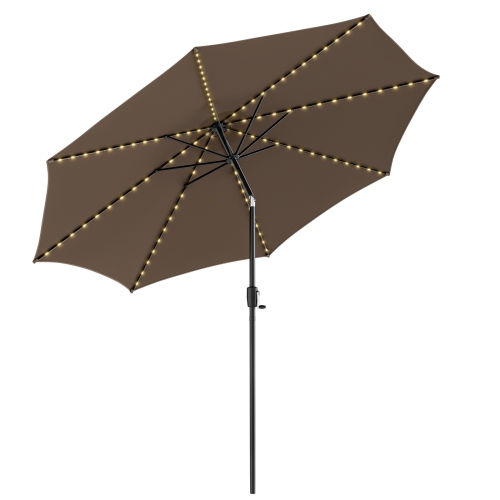
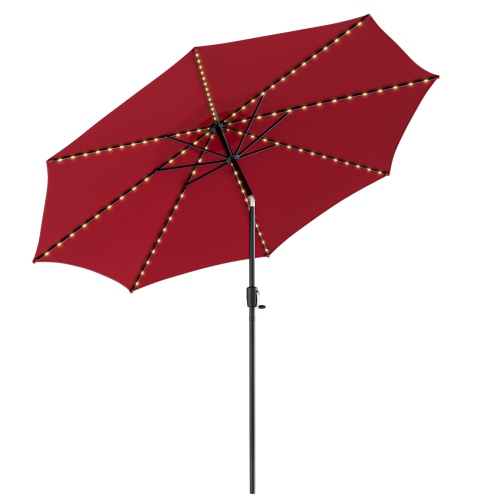
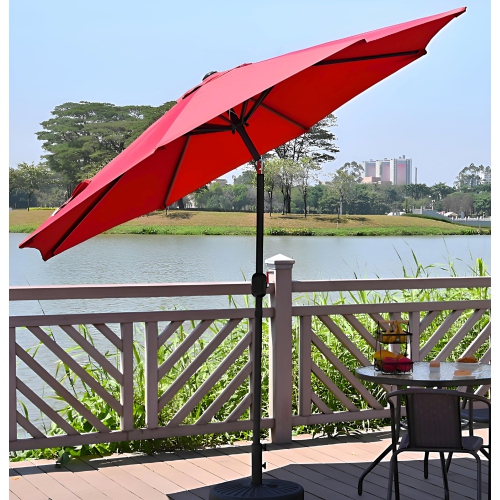
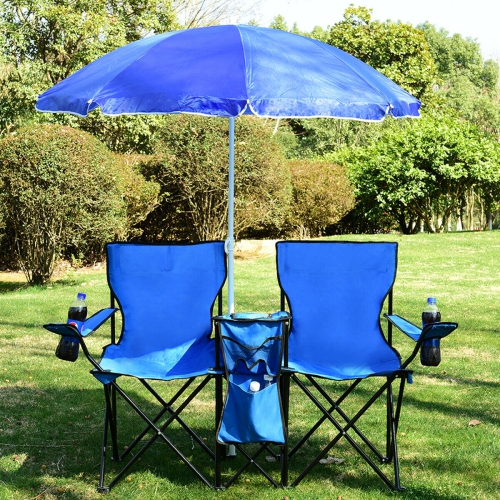
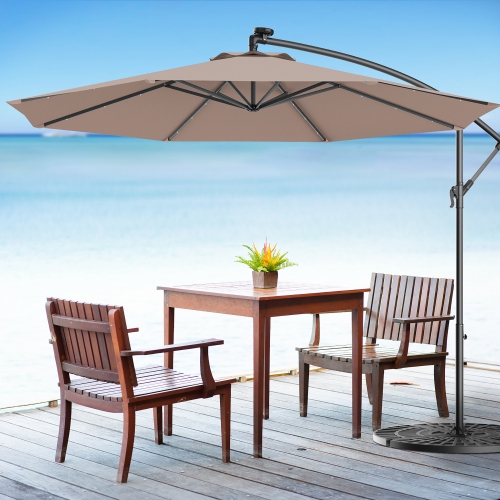
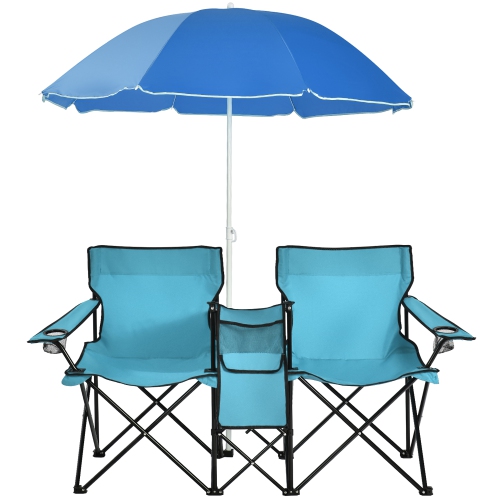
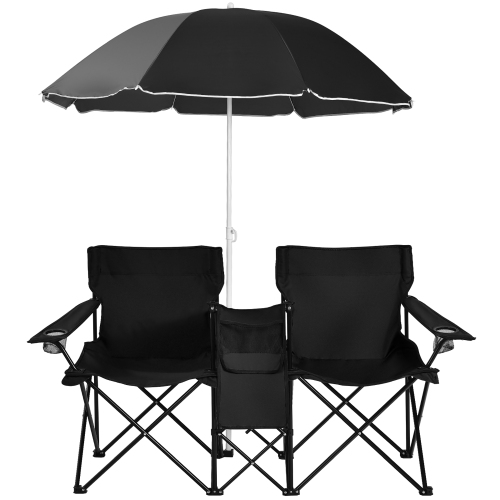
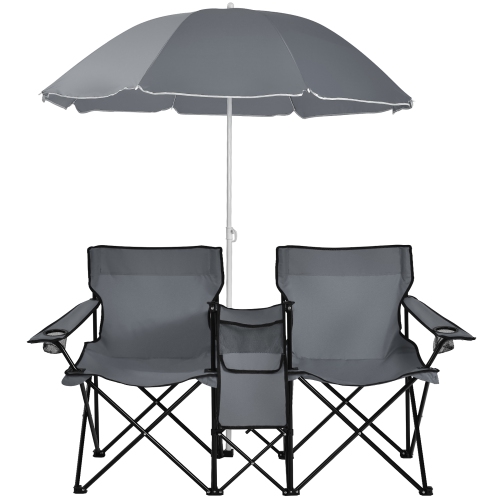
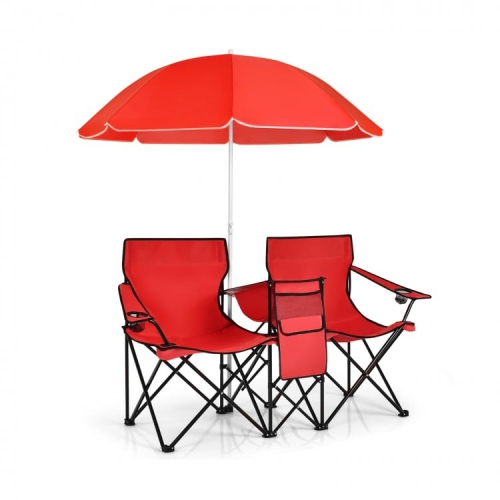
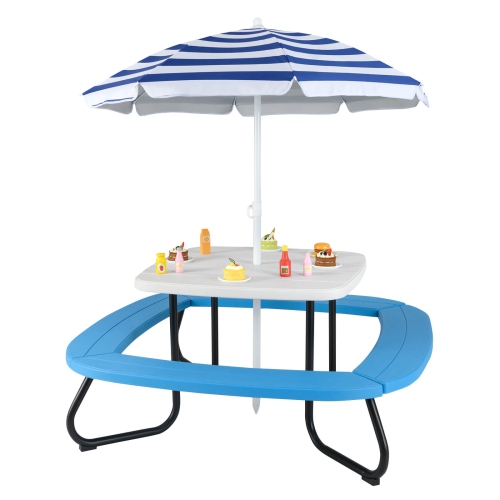
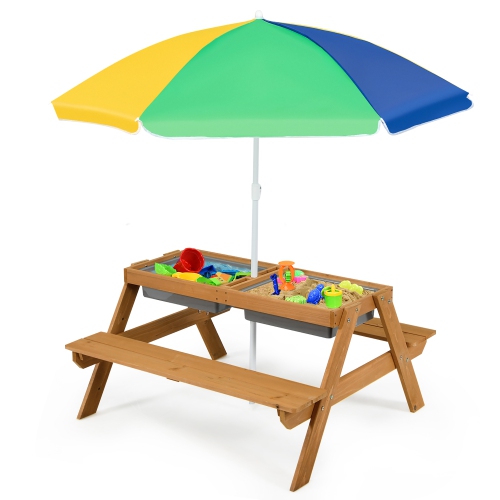
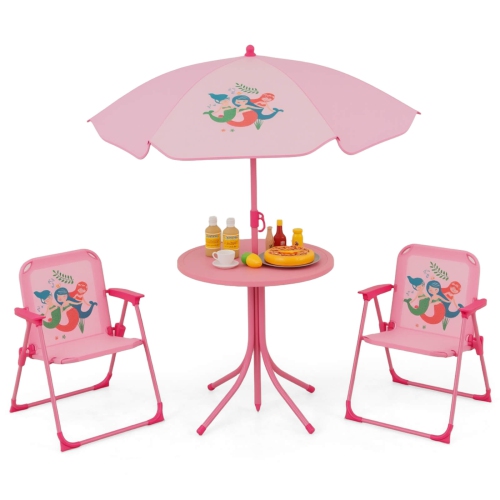
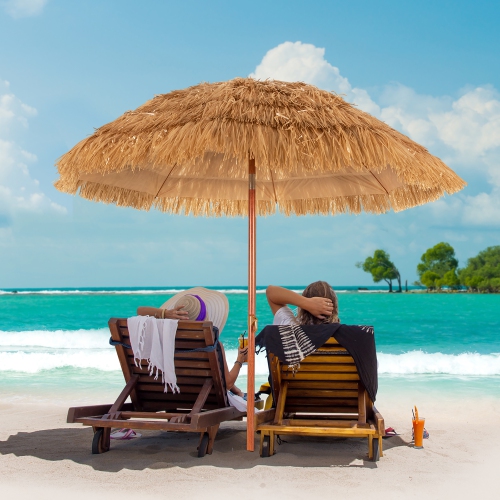
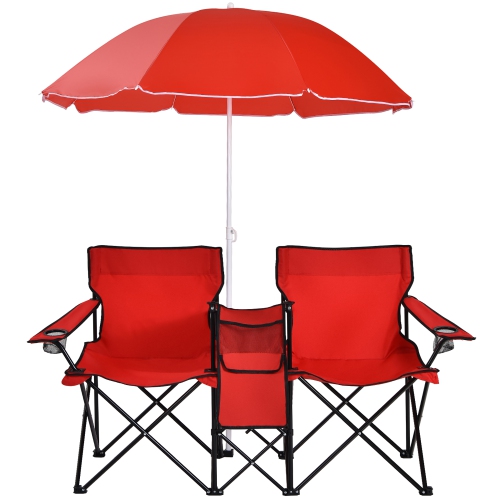

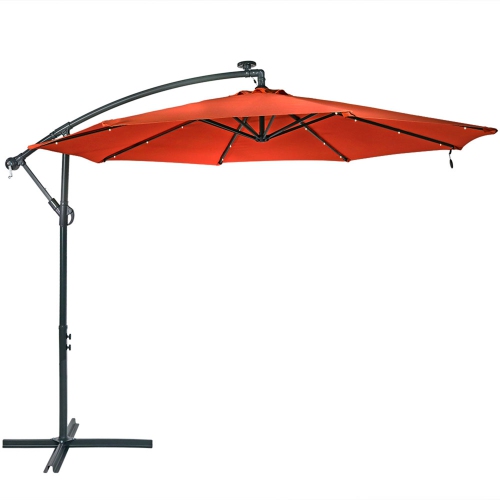
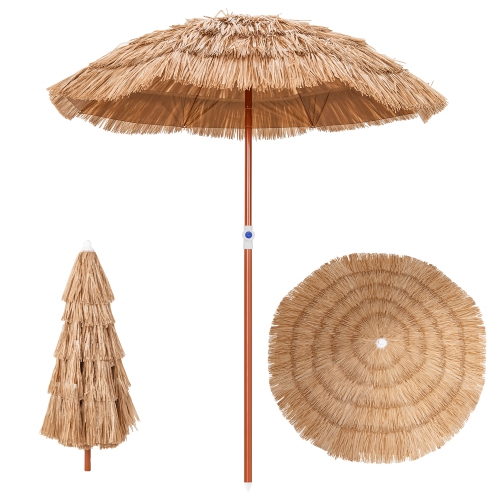
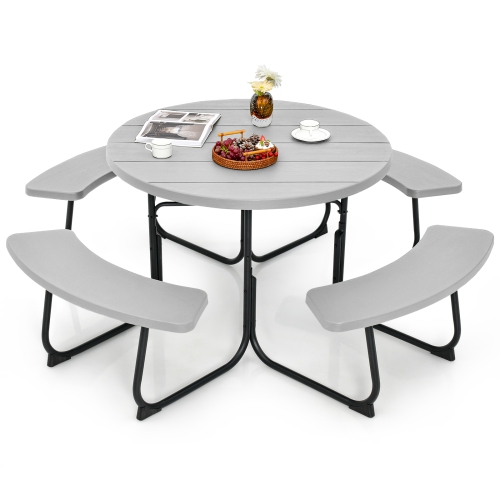
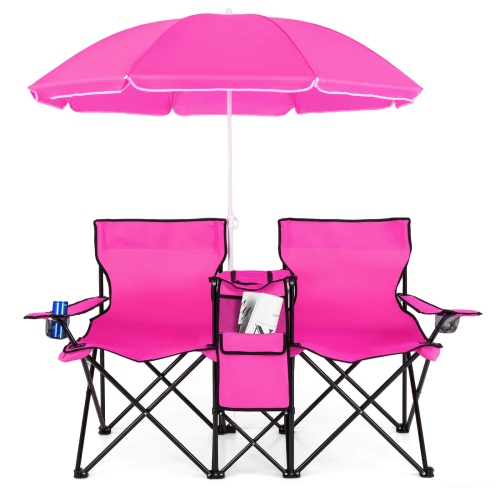
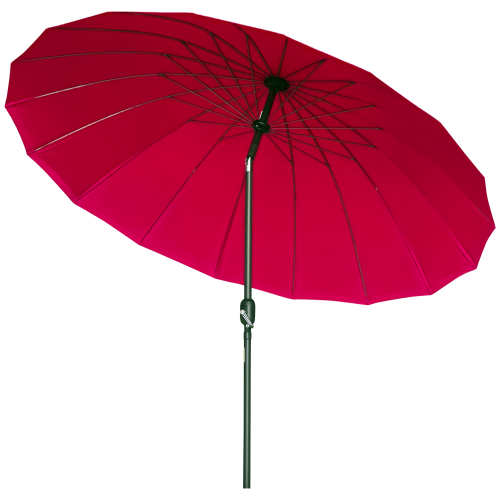
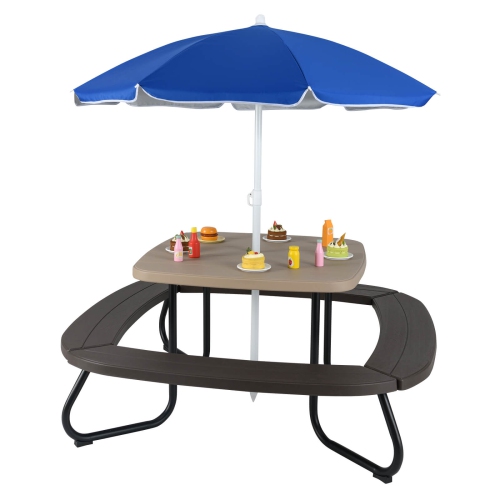
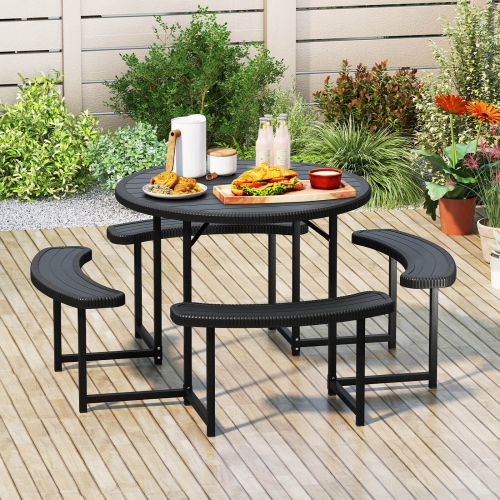

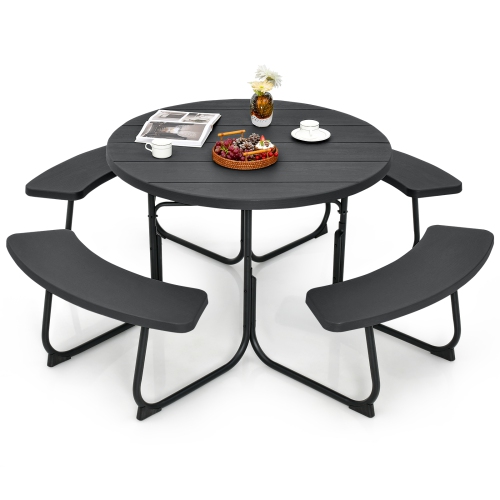
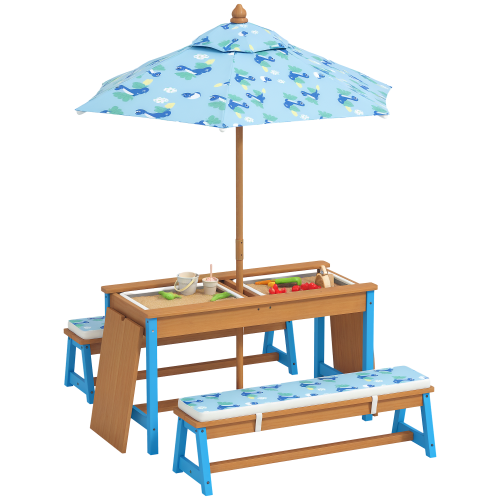

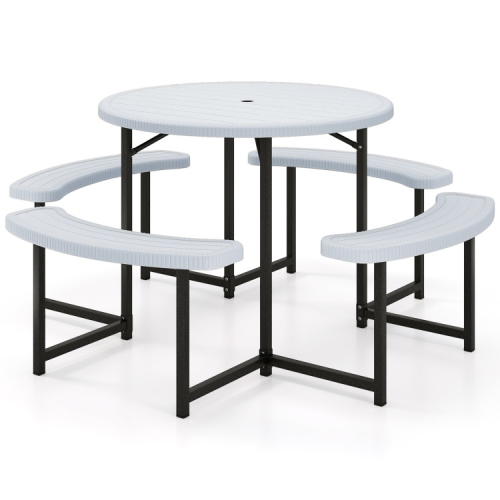
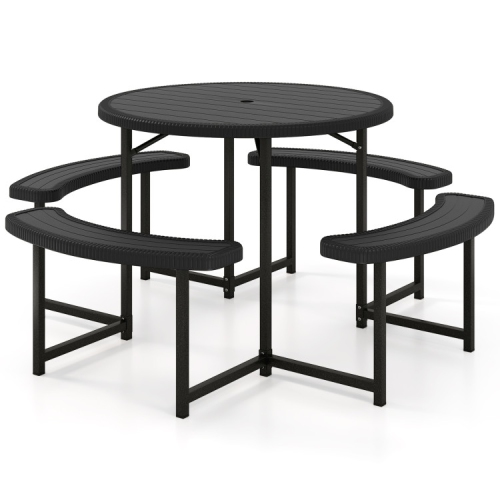
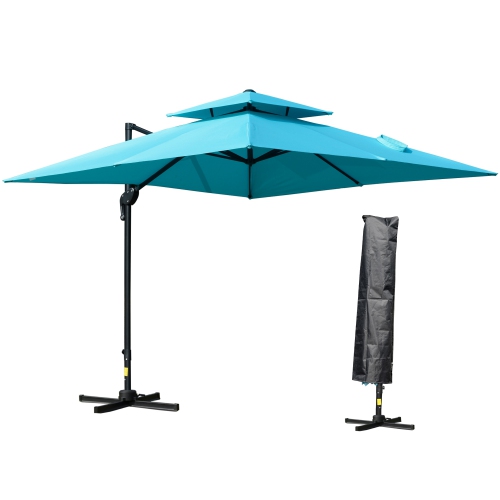
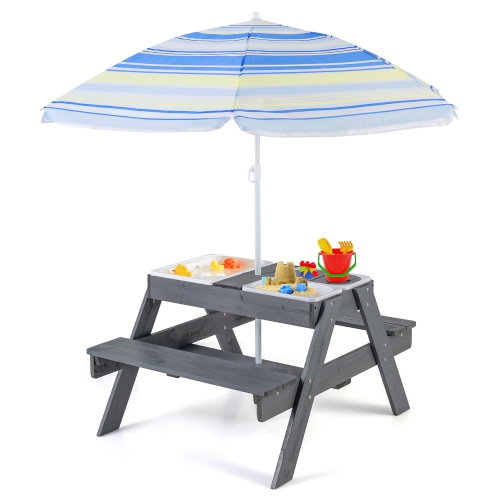
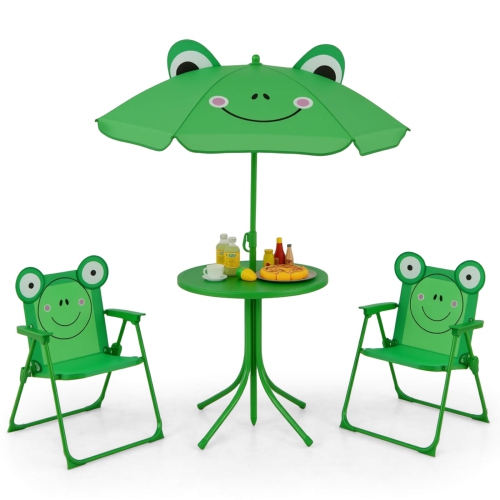
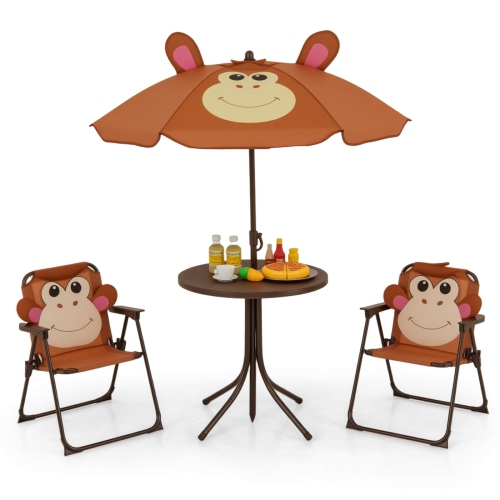
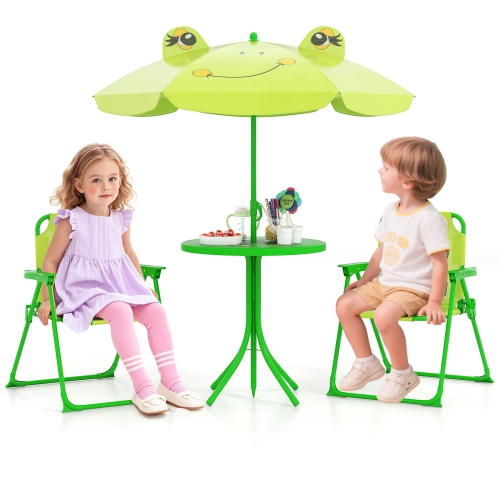
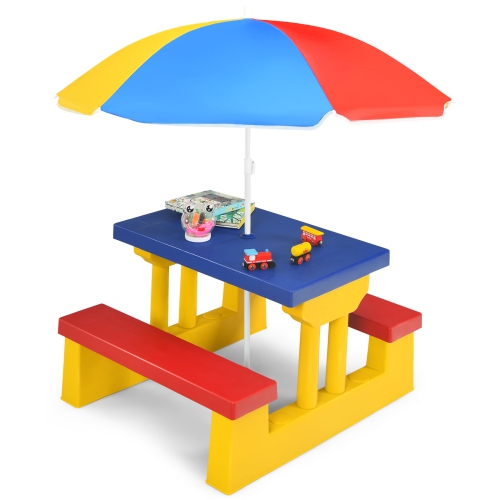
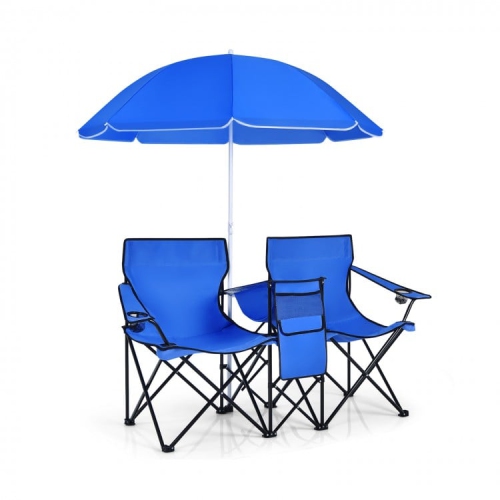
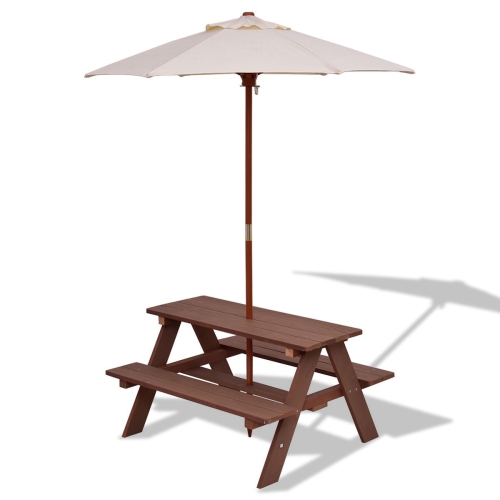
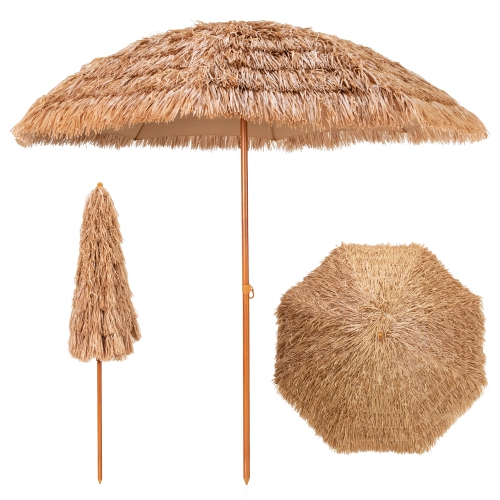
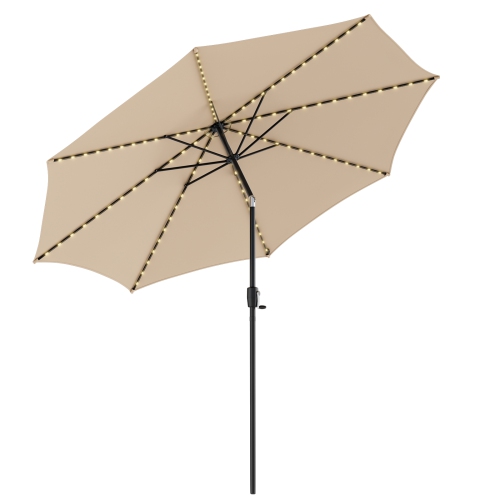
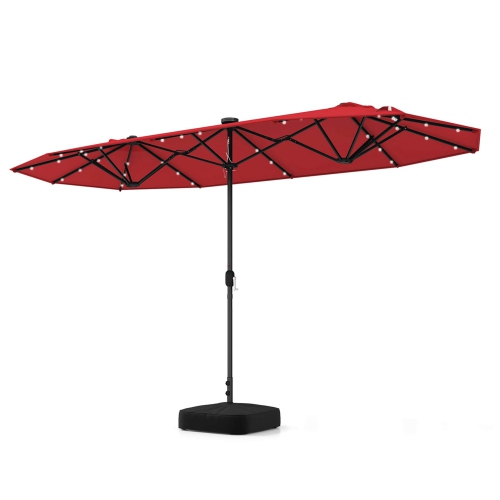
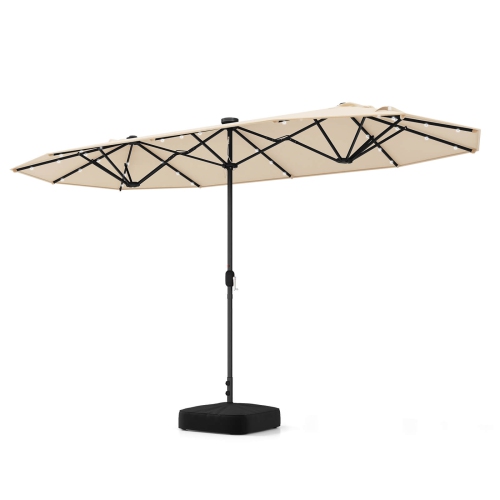
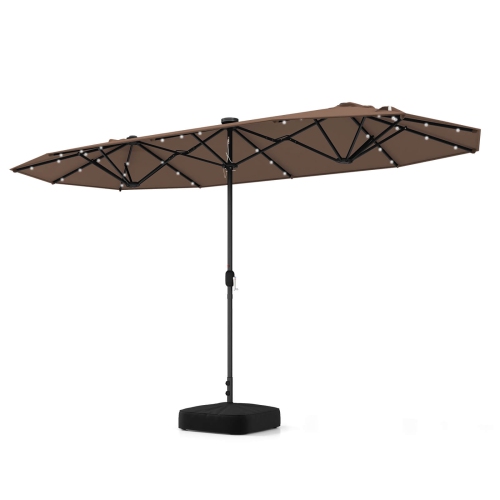
Portable shade that fits the way you picnic
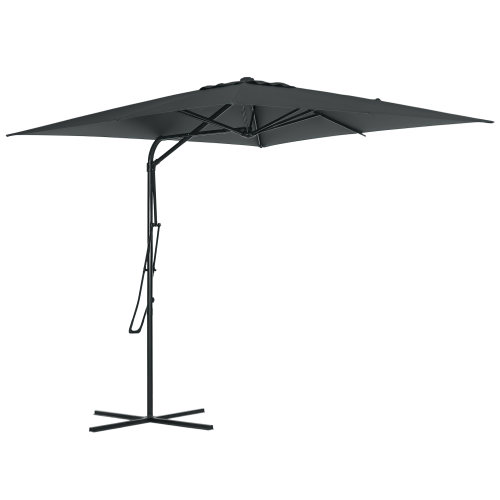
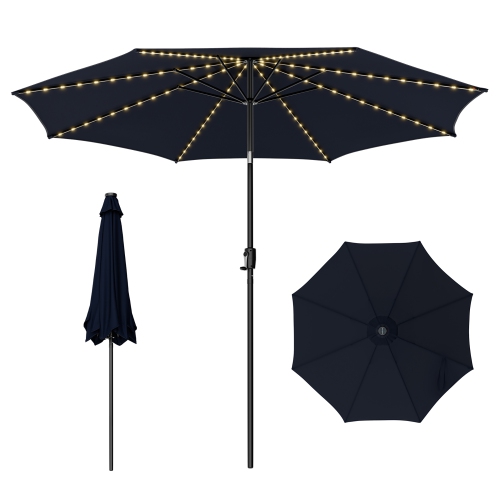
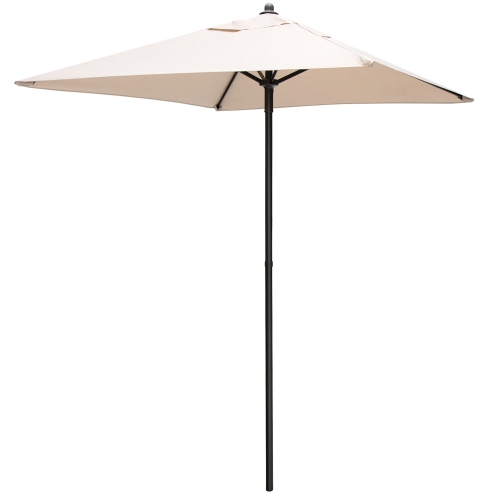
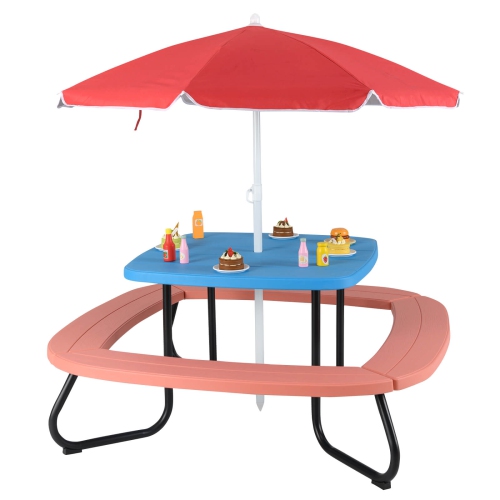
Picnic umbrellas are portable outdoor umbrellas designed to shade a picnic table, a chair, or a small seating area during meals and outings. They range from compact clamp-on styles for individual seats to freestanding canopies supported by poles and suitable anchors or bases. Unlike a handheld rain umbrella, a picnic umbrella is generally intended to stay secured in place, leaving hands free for sandwiches, drinks, and a game of cards. The most useful shape and size depend on where everyone sits and how the umbrella will be supported. A smaller canopy can suit a solo lunch beside the water, while a wider canopy may offer coverage over the centre of a table shared by family or friends. Canopy width does not tell the whole story, though: the shaded footprint changes as the sun moves, and a low afternoon angle can leave seats exposed even beneath a generous umbrella. Tilt mechanisms and adjustable poles help position shade where it is needed, particularly when a table or bench cannot easily be moved. Clearance matters just as much as coverage, with enough room beneath the canopy for people to sit comfortably and stand without brushing against the ribs. For a coordinated seating setup, Picnic Chairs can be paired with an umbrella whose attachment method suits the chair frame or the surrounding ground. Portable shade can be useful for cottage lunches, campground meals, park visits, and watching an outdoor game from the sidelines. During cooler weather, a clear sky can still make shade welcome, although a picnic umbrella is not a substitute for shelter from cold, strong wind, or winter precipitation. For households that often eat outdoors, the appeal is straightforward: a comfortable patch of shade that can travel with the rest of the picnic setup rather than staying fixed to one spot in the backyard.
Materials and construction influence how a picnic umbrella carries, opens, and holds up to repeated use. Polyester is a common canopy fabric because it can be relatively light and practical for folding, while other outdoor fabrics may emphasize colour retention or resistance to everyday wear. Fabric thickness, stitching, reinforced rib pockets, and securely finished edges all deserve attention, especially when an umbrella will be packed and unpacked frequently. Shade and ultraviolet protection are not interchangeable claims. A canopy with a stated ultraviolet protection factor, or UPF rating, provides more specific information about the fabric’s UV protection than its colour or apparent thickness alone. Even with a rated canopy, sunlight can reach the seating area from the sides or reflect off nearby surfaces, so sunscreen, protective clothing, and other sun precautions remain important. Water resistance is another separate feature: some fabrics can shed a brief, light shower, but an open-sided sun umbrella should not be treated as dependable rain shelter unless its specifications support that use. Pole materials also bring different practical benefits. Aluminum can help keep carrying weight manageable, while steel often adds weight and sturdiness; corrosion resistance depends on the material, finish, and care. Fibreglass ribs may offer useful flexibility, but no rib material makes an umbrella safe in every wind condition. A vented canopy can allow some airflow, yet it still needs the correct support and should be closed when conditions exceed the manufacturer’s guidance. Opening systems vary from simple push-up arrangements to crank-operated mechanisms, with locking collars or buttons keeping adjustable sections in place. Smooth operation is particularly helpful when one person is setting up lunch while another unloads a cooler. For grandparents, parents, or anyone who prefers less lifting and reaching, manageable weight and easy-to-use controls can matter more than extra canopy width. Handles, pinch points, and the height of the opening mechanism are worth considering alongside the umbrella’s appearance, especially when it will be shared by several people.
The right support depends on the surface, and a pole that works on a sandy shoreline may need a different arrangement beside a paved picnic area. A pointed pole end can assist with positioning, but it does not by itself establish secure anchoring. Sand anchors, ground stakes, and weighted bases serve different purposes and must be compatible with the umbrella and permitted at the location. A picnic table’s centre hole usually helps locate the pole rather than replacing a suitable base beneath it. Pole diameter, table-hole dimensions, and the space below the tabletop all affect fit. With clamp-on umbrellas, the clamp opening and the shape of the attachment surface are equally important: a rounded chair tube, a flat tabletop edge, and a broad armrest are not automatically interchangeable mounting points. The chair or table must also be stable enough to support the attachment without tipping. For outings that involve a walk from the parking area, folded length and carrying weight can make a noticeable difference. A two-piece pole or compact folding design may fit more easily beside a picnic basket, while a carrying bag helps keep the canopy contained and its hardware together. Packing convenience also makes these umbrellas a thoughtful gift for campers, cottage visitors, or friends who enjoy relaxed outdoor meals, provided the size and mounting style suit how they spend their time outside. After an outing, brushing away loose dirt and cleaning the fabric according to its care instructions helps keep it ready for another use. Sand should be cleared from joints and clamps, and the canopy should dry fully before being folded for storage. Checking fasteners, ribs, and locking parts periodically can reveal wear before the next trip. When outdoor meals become less frequent, a dry, sheltered storage space helps protect fabric and fittings; leaving a picnic umbrella open beneath snow or unattended in gusty weather can damage both the umbrella and nearby belongings.
Materials and construction influence how a picnic umbrella carries, opens, and holds up to repeated use. Polyester is a common canopy fabric because it can be relatively light and practical for folding, while other outdoor fabrics may emphasize colour retention or resistance to everyday wear. Fabric thickness, stitching, reinforced rib pockets, and securely finished edges all deserve attention, especially when an umbrella will be packed and unpacked frequently. Shade and ultraviolet protection are not interchangeable claims. A canopy with a stated ultraviolet protection factor, or UPF rating, provides more specific information about the fabric’s UV protection than its colour or apparent thickness alone. Even with a rated canopy, sunlight can reach the seating area from the sides or reflect off nearby surfaces, so sunscreen, protective clothing, and other sun precautions remain important. Water resistance is another separate feature: some fabrics can shed a brief, light shower, but an open-sided sun umbrella should not be treated as dependable rain shelter unless its specifications support that use. Pole materials also bring different practical benefits. Aluminum can help keep carrying weight manageable, while steel often adds weight and sturdiness; corrosion resistance depends on the material, finish, and care. Fibreglass ribs may offer useful flexibility, but no rib material makes an umbrella safe in every wind condition. A vented canopy can allow some airflow, yet it still needs the correct support and should be closed when conditions exceed the manufacturer’s guidance. Opening systems vary from simple push-up arrangements to crank-operated mechanisms, with locking collars or buttons keeping adjustable sections in place. Smooth operation is particularly helpful when one person is setting up lunch while another unloads a cooler. For grandparents, parents, or anyone who prefers less lifting and reaching, manageable weight and easy-to-use controls can matter more than extra canopy width. Handles, pinch points, and the height of the opening mechanism are worth considering alongside the umbrella’s appearance, especially when it will be shared by several people.
The right support depends on the surface, and a pole that works on a sandy shoreline may need a different arrangement beside a paved picnic area. A pointed pole end can assist with positioning, but it does not by itself establish secure anchoring. Sand anchors, ground stakes, and weighted bases serve different purposes and must be compatible with the umbrella and permitted at the location. A picnic table’s centre hole usually helps locate the pole rather than replacing a suitable base beneath it. Pole diameter, table-hole dimensions, and the space below the tabletop all affect fit. With clamp-on umbrellas, the clamp opening and the shape of the attachment surface are equally important: a rounded chair tube, a flat tabletop edge, and a broad armrest are not automatically interchangeable mounting points. The chair or table must also be stable enough to support the attachment without tipping. For outings that involve a walk from the parking area, folded length and carrying weight can make a noticeable difference. A two-piece pole or compact folding design may fit more easily beside a picnic basket, while a carrying bag helps keep the canopy contained and its hardware together. Packing convenience also makes these umbrellas a thoughtful gift for campers, cottage visitors, or friends who enjoy relaxed outdoor meals, provided the size and mounting style suit how they spend their time outside. After an outing, brushing away loose dirt and cleaning the fabric according to its care instructions helps keep it ready for another use. Sand should be cleared from joints and clamps, and the canopy should dry fully before being folded for storage. Checking fasteners, ribs, and locking parts periodically can reveal wear before the next trip. When outdoor meals become less frequent, a dry, sheltered storage space helps protect fabric and fittings; leaving a picnic umbrella open beneath snow or unattended in gusty weather can damage both the umbrella and nearby belongings.
Top selling and popular products
-
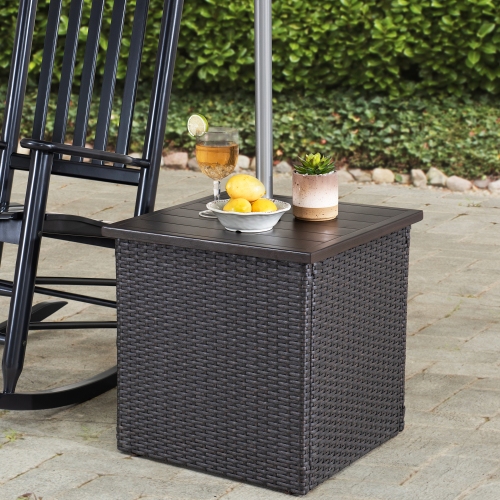 Your price for this item is $160.99
 -
 Your price for this item is $146.95
 -
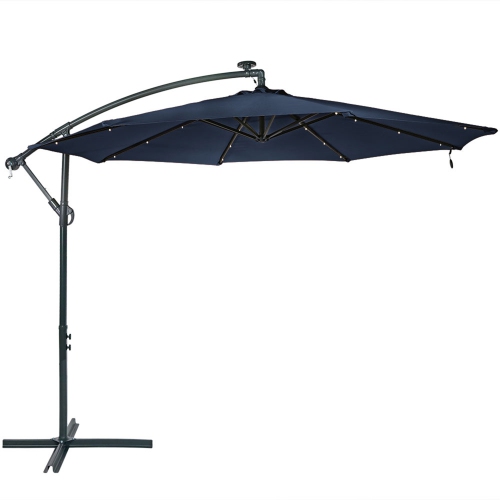 Your price for this item is $248.55
 -
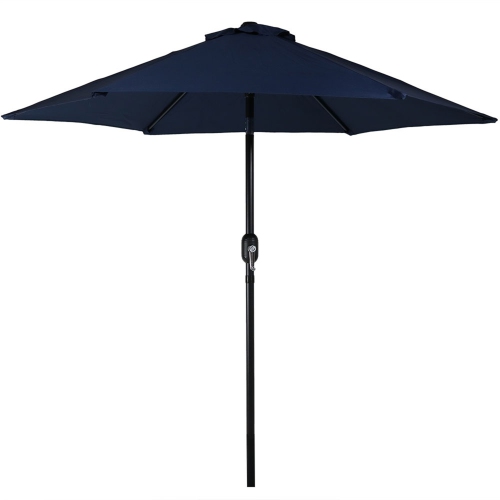 Your price for this item is $146.95
 -
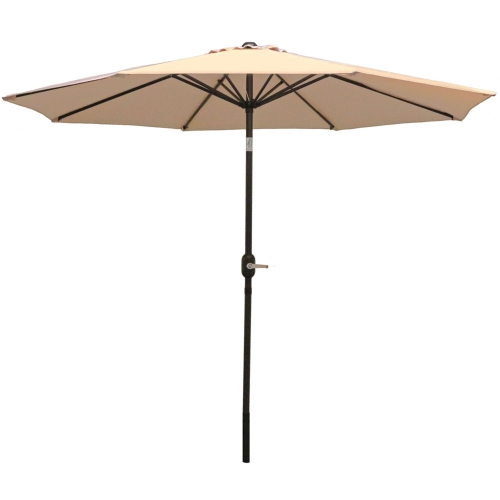 Your price for this item is $146.95
 -
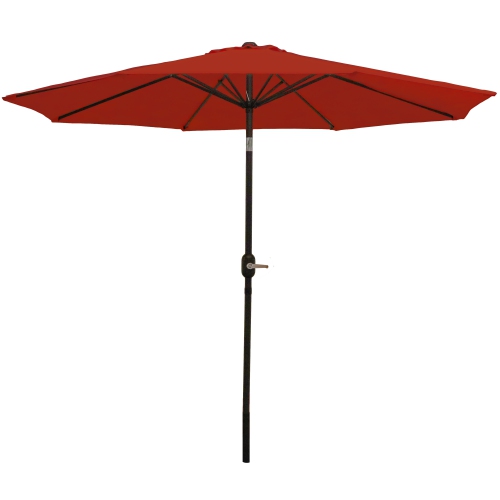 Your price for this item is $146.95
 -
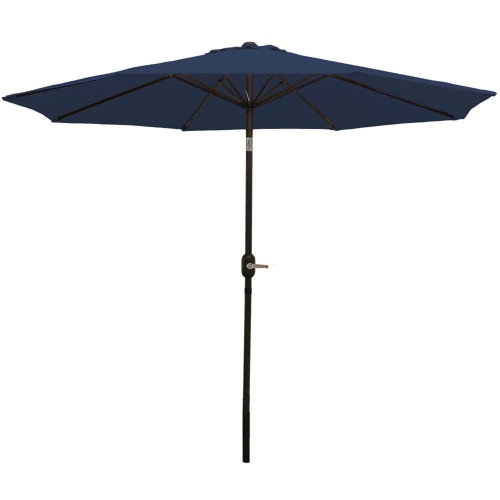 Your price for this item is $146.95
 -
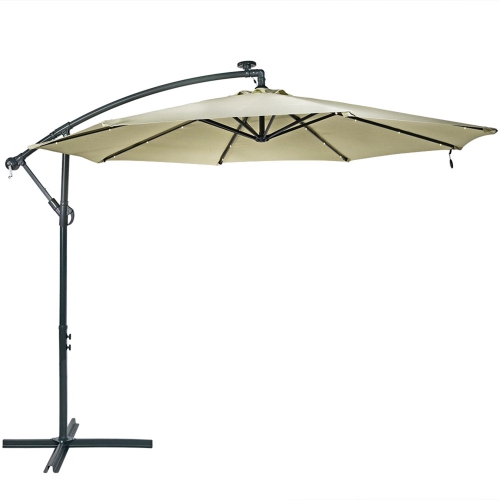 Your price for this item is $248.55
Discover more categories related to Picnic Umbrellas
Top Collections:
Pokemon Centers, Kindle Devices, Best Budget Office Chairs, Apple iPhones 16, Best Laptops for Writers, iPhone 15 Apple, Canon G7X Cameras, Refurbished Apple Laptops, Alarm Clock, Motorola Razr Phones
Some products may be subject to Environmental Handling Fees
(EHF) depending on your province.
Learn more about EHFs.