Plant Covers
Plant covers offer an easy way to help protect your garden and indoor greenery throughout the seasons. Whether you're looking to shield delicate blooms from changing weather or simply want to create a cozy environment for your favourite plants, plant covers provide versatile solutions for every space. Discover options designed to fit a variety of plant sizes and styles, making it simple to care for your foliage all year round. Find the perfect plant covers to help keep your plants thriving in any environment.
Sort

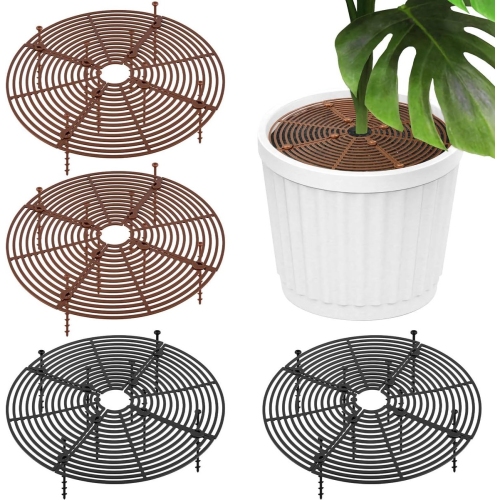
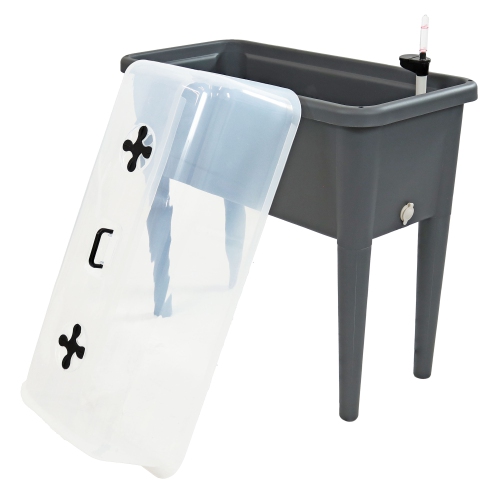
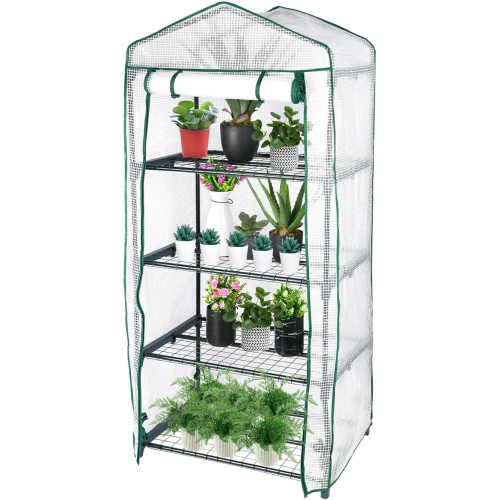
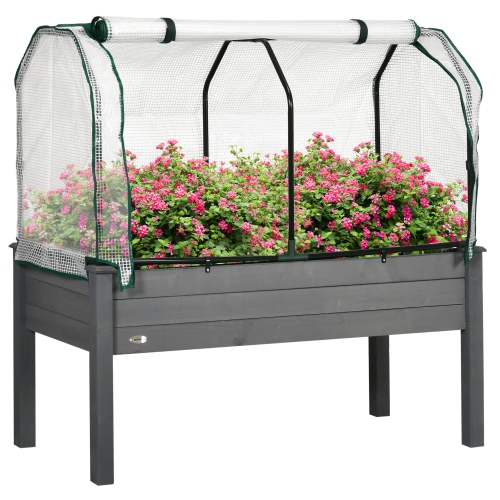
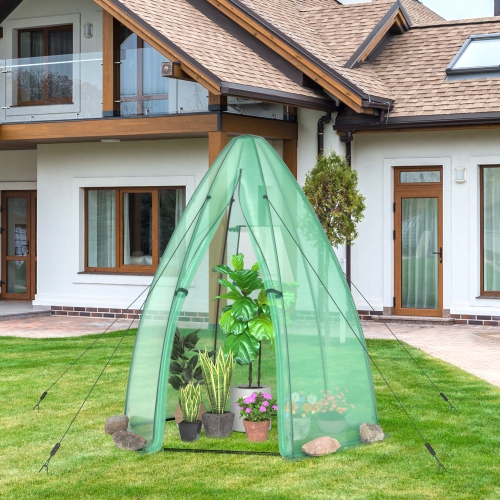
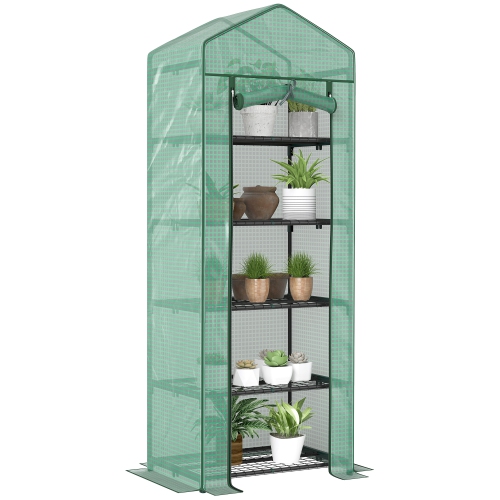
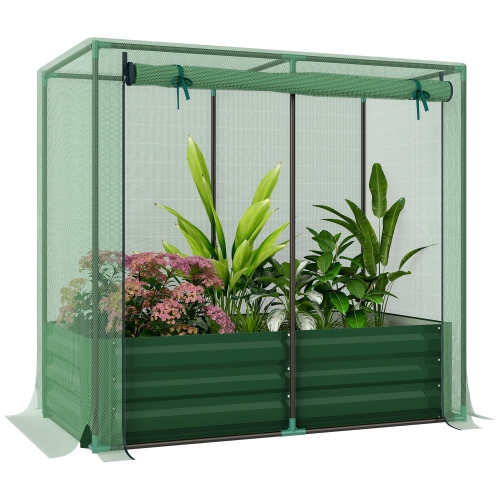
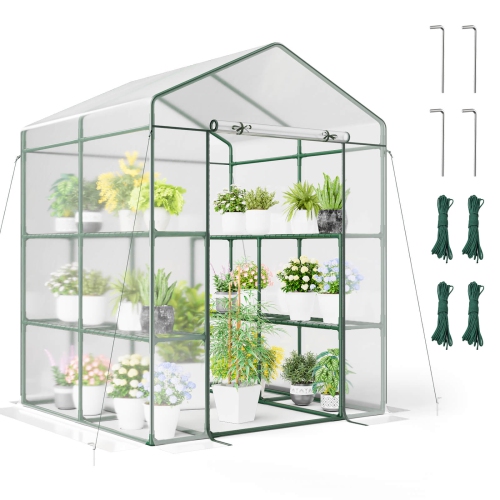
Why frost protection and insect barriers work differently
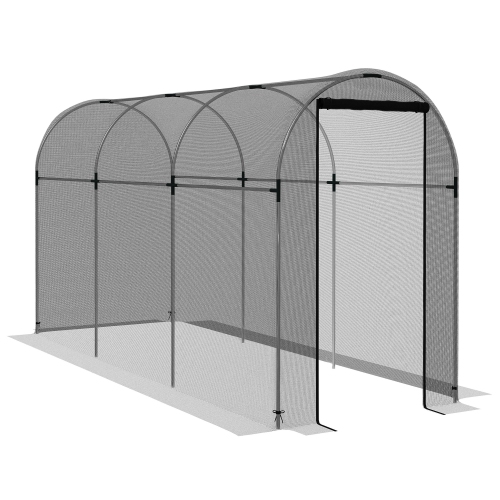
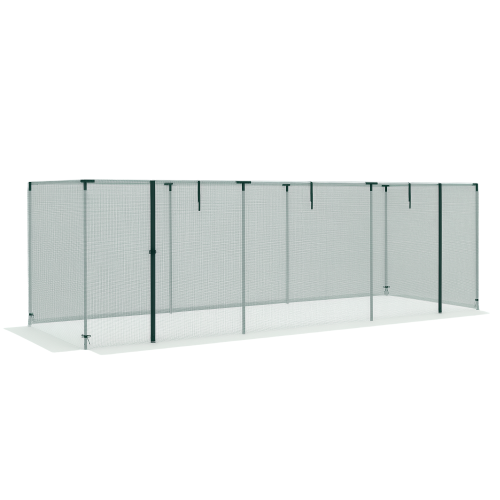
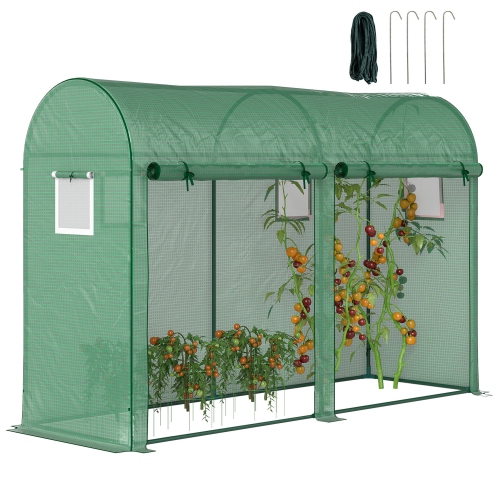
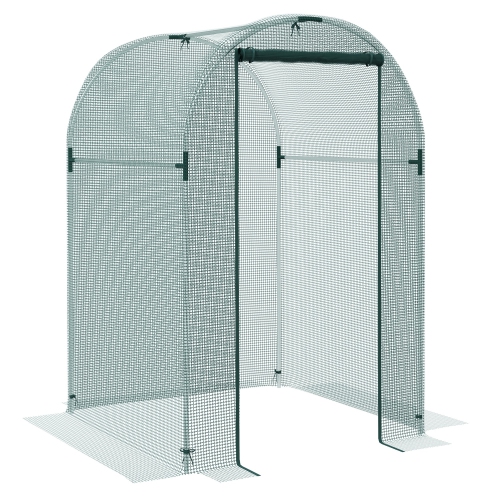
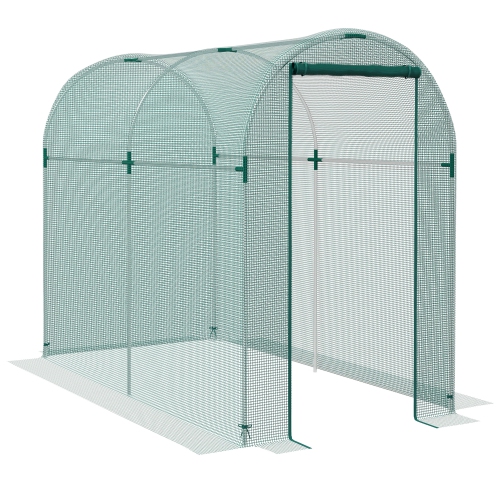
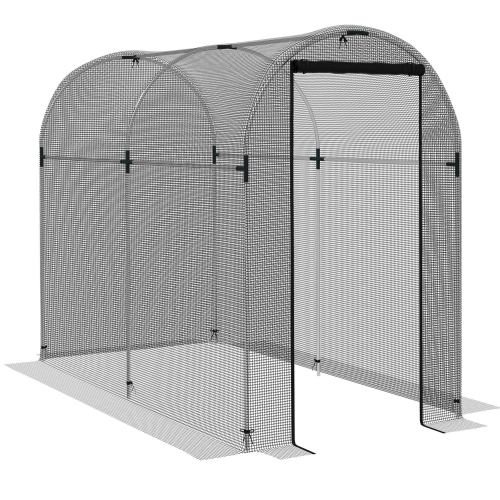
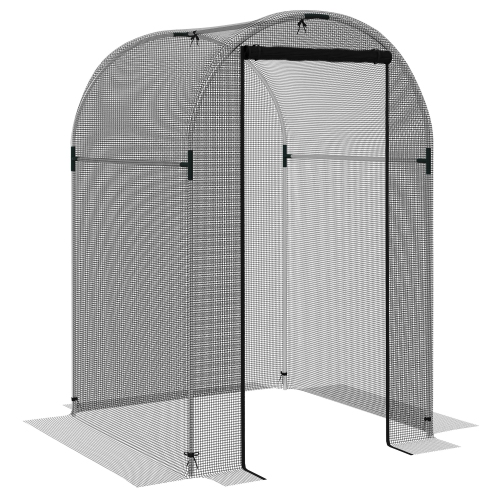
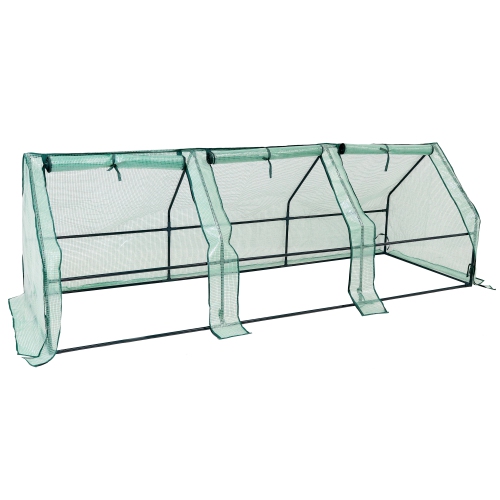
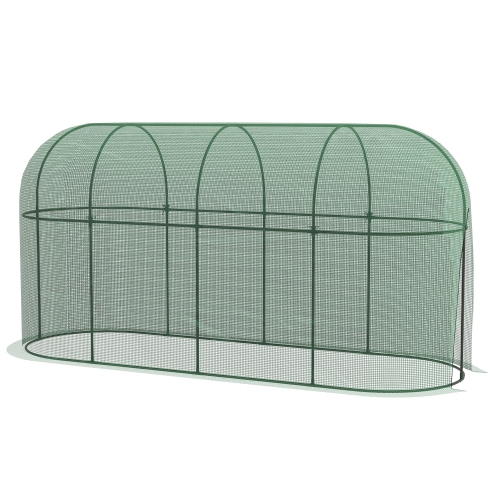
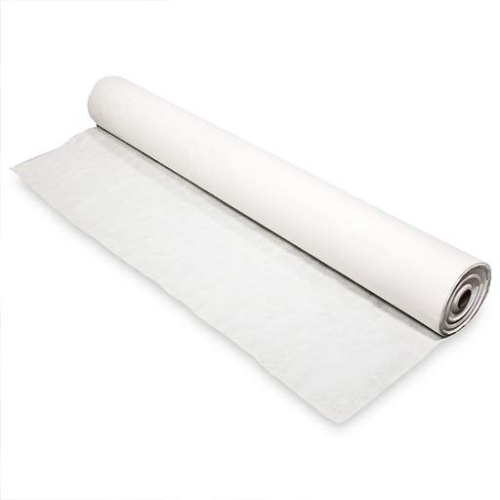
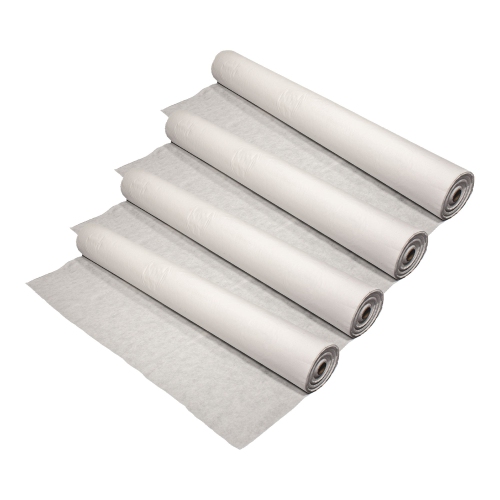
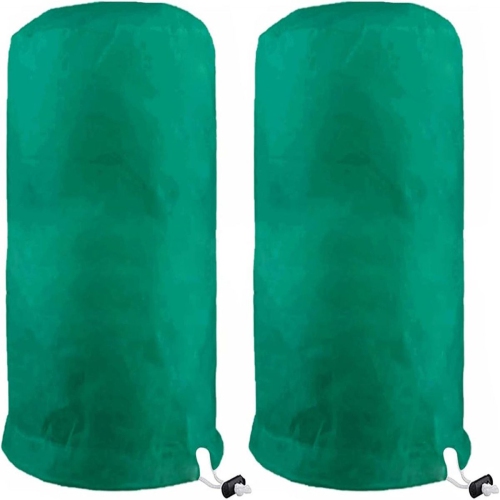
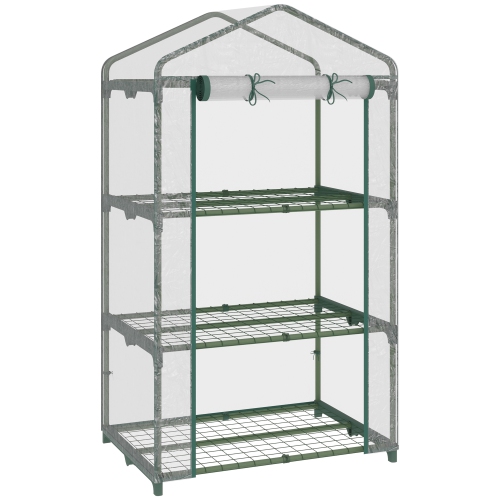
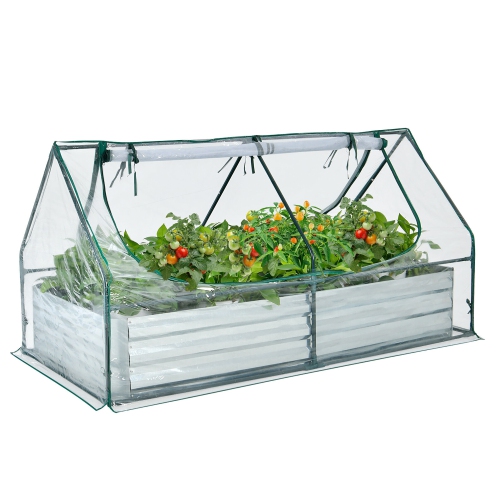
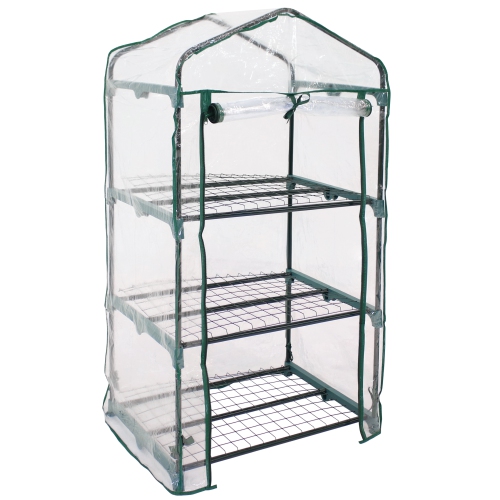
Plant covers provide a protective barrier around garden plants, helping reduce exposure to frost, drying winds, insects, birds, and other outdoor stresses, depending on the material and design. The category includes lightweight frost cloth, fitted shrub covers, burlap wraps, fine insect mesh, and clear covers supported by hoops or frames. Each serves a different purpose: a breathable fabric draped over a vegetable bed offers different protection from a mesh enclosure around leafy greens or a windscreen beside an evergreen shrub. Frost covers work mainly by slowing heat loss and retaining some warmth released by the soil; they do not generate heat or make a tender plant fully winter-hardy. Their effectiveness depends on fabric weight, coverage, wind, moisture, and the duration and severity of freezing conditions. Lightweight agricultural fabric generally allows some light, air, and water through, making it useful where plants need protection without a solid enclosure. Heavier frost fabrics may provide greater insulation but transmit less light, so the balance between protection and daily growing needs matters. Fine mesh is intended primarily to keep particular pests away while maintaining airflow, rather than to provide meaningful frost protection. Clear plastic can retain warmth and shelter plants from precipitation, but it needs ventilation because sunlight can quickly raise the temperature inside. Burlap is often used as a screen around shrubs to reduce exposure to wind and winter sun, with supports keeping the material from pressing tightly against foliage. These differences make plant covers useful for a range of spaces, from a small patio with a few containers to raised vegetable beds and established garden borders. A gardener protecting young seedlings may value light transmission and easy access, while someone sheltering a broad shrub may need generous dimensions, sturdy seams, and secure anchoring. Matching the cover to the plant and the intended task is more useful than treating every protective fabric as interchangeable.
Materials, shape, and fit determine how comfortably a plant cover works within an everyday gardening routine. Non-woven polypropylene and polyester fabrics are common choices for frost protection because they can combine low weight with breathability, although performance varies with construction and fabric density. Woven burlap has a more open texture and is suited to screening applications, while polyethylene film forms a less breathable barrier that requires deliberate airflow management. Mesh opening size matters when the aim is pest exclusion: openings must be small enough for the target insect, and gaps around the base can undermine the enclosure. For crops that depend on insect pollination, access during flowering also needs consideration. Flat sheets offer flexibility across rows and irregular beds, while fitted bags, sleeves, and framed covers can be easier to position around individual plants. Width alone does not establish a good fit. A cover needs enough material to pass over the plant or its supports, reach the intended anchoring point, and leave room for foliage without compressing stems. On a tall container plant, measuring from the soil surface over the crown and down the other side gives a more useful sense of coverage than measuring the pot alone. Ground-level frost protection generally works best when the cover reaches the soil and its edges are secured, helping limit drafts and retain warmth beneath it. Drawstrings, zips, ties, and reinforced hems can make fitting and access easier, but closures should not cinch tightly around delicate growth. Hoops, stakes, or cages help prevent heavier fabric, wet material, or accumulated snow from bearing down on leaves and branches. Some lightweight row covers are designed to rest loosely on suitable crops; plastic should be kept away from foliage, especially during freezing conditions. For patio arrangements, plant stands can help organize containers, but a cover still needs its own secure fit, and elevated pots may have more exposed roots. Above-ground protection does not replace suitable insulation around a container or a sheltered location when the plant requires it.
Durability becomes especially important when plant covers are handled repeatedly, stretched over supports, or used in exposed garden spaces. Reinforced edges and well-finished seams help withstand the pulling that happens during installation and removal, while fabric intended for outdoor exposure is better suited to prolonged sunlight than improvised household materials. A heavier cover is not automatically the right choice: excess weight can flatten soft growth, and a tightly enclosed plant may stay damp longer than intended. Practical details often make the greatest difference. A wide zipped opening provides access for watering and checking foliage without removing the whole enclosure; a manageable sheet size is easier to fold neatly after uncovering a bed. Anchors need to suit the setting, whether that means ground pegs in soil or appropriately secured weights around a hard-surface container arrangement. Sharp corners and rough support ends can wear holes in fabric, so smooth contact points help preserve the barrier. Covers also need periodic checks after strong wind, rain, or snowfall, since shifted edges, pooled water, and sagging material can compromise both protection and plant health. Ventilation remains important beneath clear or less breathable materials, and soil moisture still needs attention even when a plant is sheltered. For cleaning, the care label should determine whether the material can be rinsed, gently washed, or simply brushed free of loose soil. Letting covers dry completely before storage helps prevent mildew, while folding them away from sharp tools reduces accidental tears. Inspecting mesh, seams, and closures before reuse makes small weaknesses easier to spot. For home gardeners, these practical features support tasks such as protecting a short row of lettuce, shielding a newly planted shrub, or keeping birds away from ripening fruit with a suitably secured barrier. Plant covers can also make a thoughtful, practical gift for someone who enjoys tending raised beds or patio plants, particularly when the dimensions and intended use match their space. The most useful choice offers the right combination of protection, access, and room for growth without placing unnecessary weight or restriction on the plant.
Materials, shape, and fit determine how comfortably a plant cover works within an everyday gardening routine. Non-woven polypropylene and polyester fabrics are common choices for frost protection because they can combine low weight with breathability, although performance varies with construction and fabric density. Woven burlap has a more open texture and is suited to screening applications, while polyethylene film forms a less breathable barrier that requires deliberate airflow management. Mesh opening size matters when the aim is pest exclusion: openings must be small enough for the target insect, and gaps around the base can undermine the enclosure. For crops that depend on insect pollination, access during flowering also needs consideration. Flat sheets offer flexibility across rows and irregular beds, while fitted bags, sleeves, and framed covers can be easier to position around individual plants. Width alone does not establish a good fit. A cover needs enough material to pass over the plant or its supports, reach the intended anchoring point, and leave room for foliage without compressing stems. On a tall container plant, measuring from the soil surface over the crown and down the other side gives a more useful sense of coverage than measuring the pot alone. Ground-level frost protection generally works best when the cover reaches the soil and its edges are secured, helping limit drafts and retain warmth beneath it. Drawstrings, zips, ties, and reinforced hems can make fitting and access easier, but closures should not cinch tightly around delicate growth. Hoops, stakes, or cages help prevent heavier fabric, wet material, or accumulated snow from bearing down on leaves and branches. Some lightweight row covers are designed to rest loosely on suitable crops; plastic should be kept away from foliage, especially during freezing conditions. For patio arrangements, plant stands can help organize containers, but a cover still needs its own secure fit, and elevated pots may have more exposed roots. Above-ground protection does not replace suitable insulation around a container or a sheltered location when the plant requires it.
Durability becomes especially important when plant covers are handled repeatedly, stretched over supports, or used in exposed garden spaces. Reinforced edges and well-finished seams help withstand the pulling that happens during installation and removal, while fabric intended for outdoor exposure is better suited to prolonged sunlight than improvised household materials. A heavier cover is not automatically the right choice: excess weight can flatten soft growth, and a tightly enclosed plant may stay damp longer than intended. Practical details often make the greatest difference. A wide zipped opening provides access for watering and checking foliage without removing the whole enclosure; a manageable sheet size is easier to fold neatly after uncovering a bed. Anchors need to suit the setting, whether that means ground pegs in soil or appropriately secured weights around a hard-surface container arrangement. Sharp corners and rough support ends can wear holes in fabric, so smooth contact points help preserve the barrier. Covers also need periodic checks after strong wind, rain, or snowfall, since shifted edges, pooled water, and sagging material can compromise both protection and plant health. Ventilation remains important beneath clear or less breathable materials, and soil moisture still needs attention even when a plant is sheltered. For cleaning, the care label should determine whether the material can be rinsed, gently washed, or simply brushed free of loose soil. Letting covers dry completely before storage helps prevent mildew, while folding them away from sharp tools reduces accidental tears. Inspecting mesh, seams, and closures before reuse makes small weaknesses easier to spot. For home gardeners, these practical features support tasks such as protecting a short row of lettuce, shielding a newly planted shrub, or keeping birds away from ripening fruit with a suitably secured barrier. Plant covers can also make a thoughtful, practical gift for someone who enjoys tending raised beds or patio plants, particularly when the dimensions and intended use match their space. The most useful choice offers the right combination of protection, access, and room for growth without placing unnecessary weight or restriction on the plant.
Top selling and popular products
-
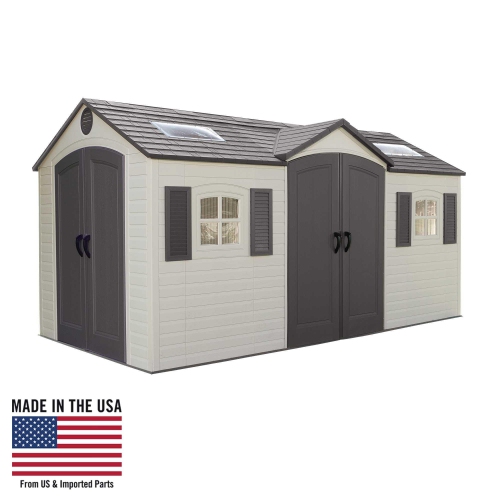 Your price for this item is $3999
 -
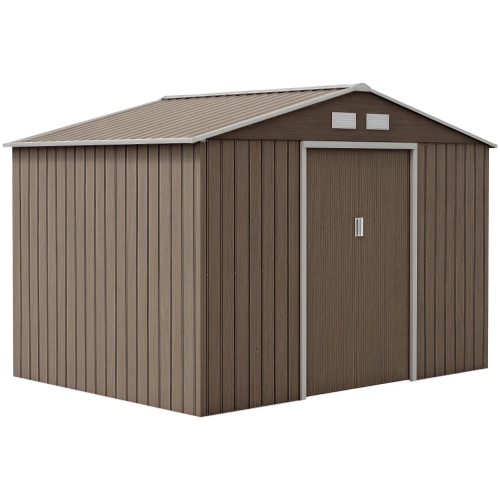 Your price for this item is $554.99
 -
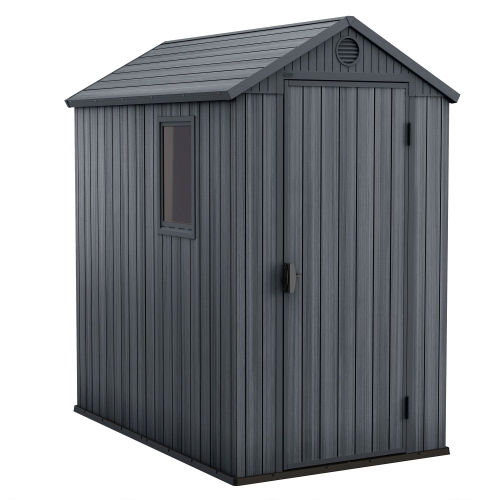 Your price for this item is $1204.99
 -
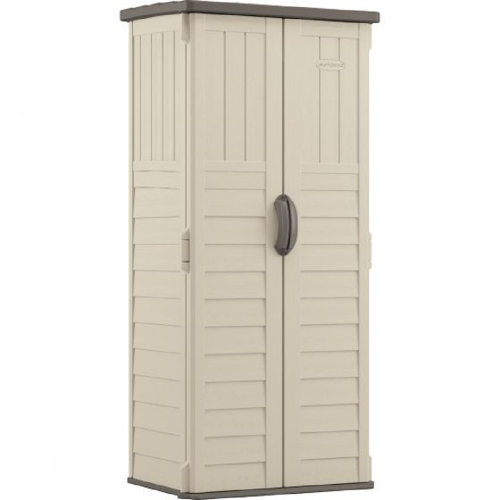 Your price for this item is $385.99
 -
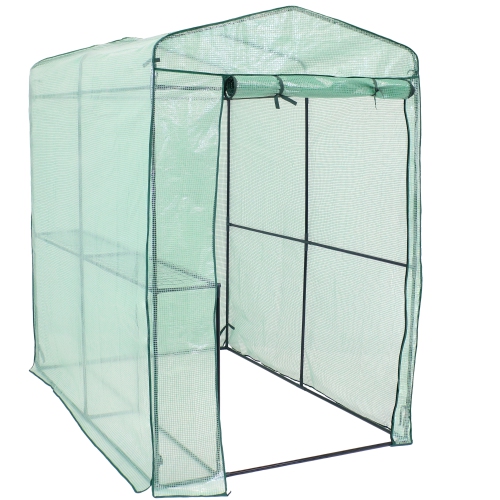 Your price for this item is $113.35
 -
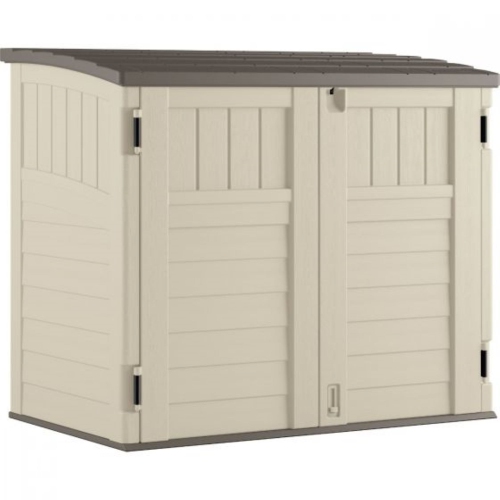 Your price for this item is $459.99
 -
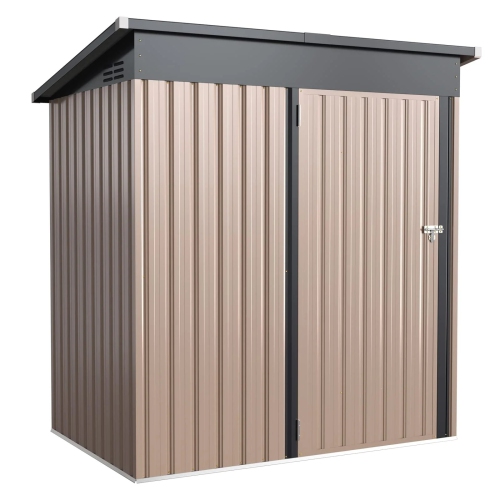 Your price for this item is $189.99
 -
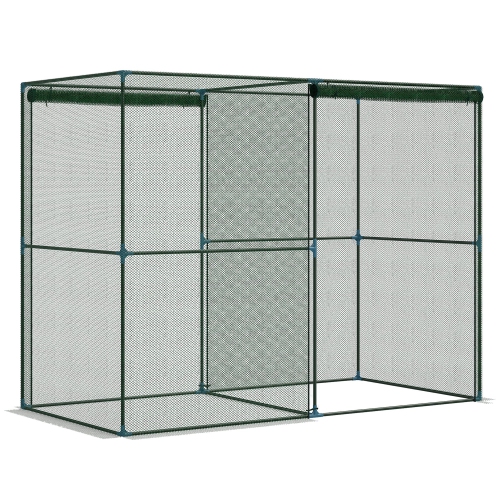 Your price for this item is $89.99
Discover more categories related to Plant Covers

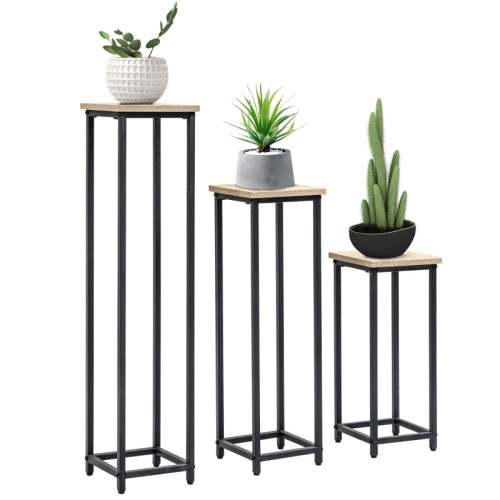
Top Collections:
Pokemon Centers, Budget 4K TVs, Best Budget Office Chairs, Kindle Devices, Canon G7X Cameras, Apple iPhones 16, iPhone 15 Apple, Laptops for Business Work, Xiaomi Phones, Flip Phones
Some products may be subject to Environmental Handling Fees
(EHF) depending on your province.
Learn more about EHFs.