Plastic Bags for Sandwiches
If you're looking for a convenient and eco-friendly way to pack your sandwiches, look no further than these plastic bags for sandwiches. These versatile bags are designed to keep your sandwiches fresh and delicious, whether you're packing them for lunch at the office, a picnic in the park, or a road trip with friends. Made from durable and food-safe materials, these bags provide a secure seal to prevent any leaks or spills.
Sort


Practical ways to pack, portion, and organize food
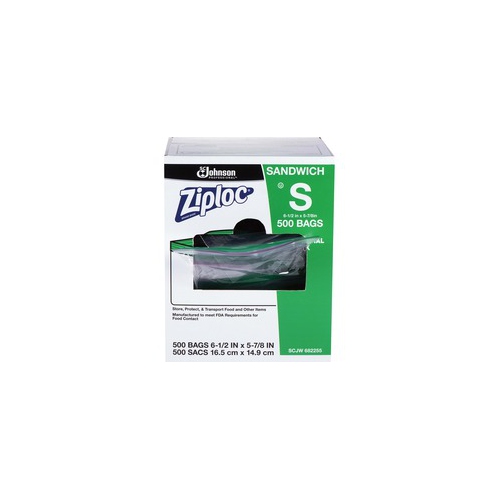
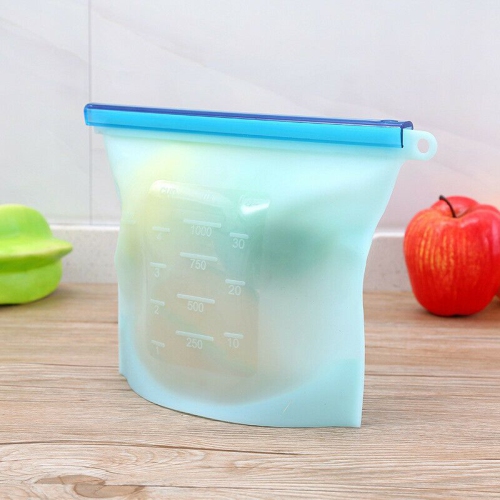
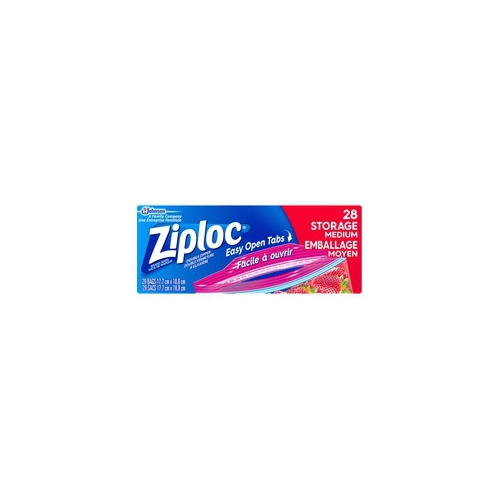
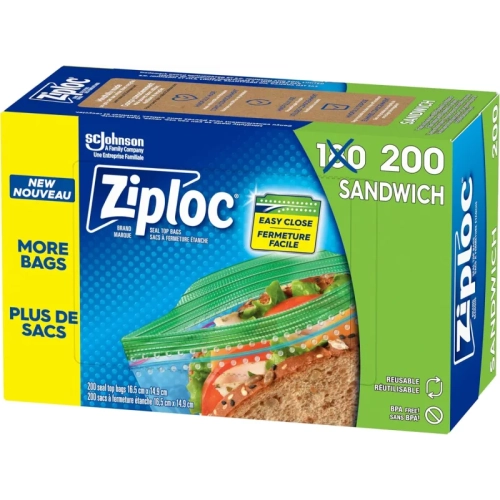
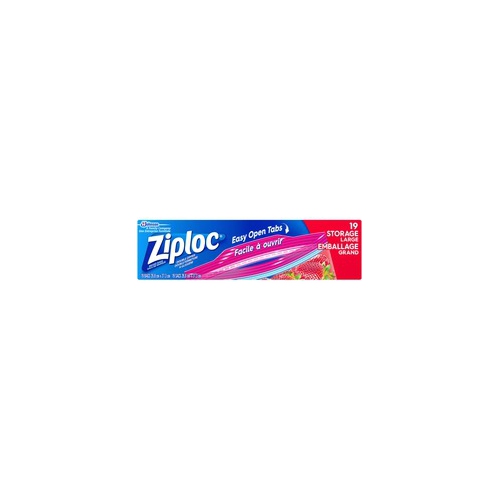
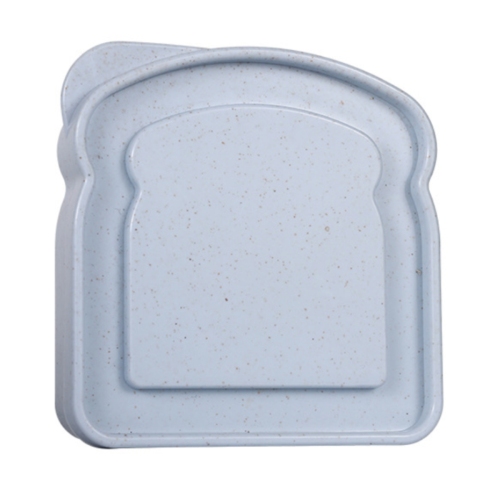
Plastic bags for sandwiches are a practical way to portion, carry, and organize everyday foods at home, at school, at work, or on the go. These clear, lightweight pouches are generally designed to hold a single sandwich, snack, or small serving without taking up much room in a lunch bag, backpack, kitchen drawer, or pantry. Many sandwich bags measure approximately 16.5 cm by 14.9 cm, although dimensions can vary by design and pack. When comparing options, consider the foods you usually pack and how much space they need. A simple ham-and-cheese sandwich may fit comfortably in a standard size, while a generously filled wrap, a thick bagel, or several pieces of fruit may need a larger format. Transparent plastic makes it easy to identify the contents at a glance, which can be especially helpful when several lunches are prepared together. For a broader selection of closure styles and sizes, explore Sealable Plastic Bags. Pack counts also vary, from smaller boxes suited to occasional use to larger packages for busy households, classrooms, offices, and shared kitchen spaces. A well-organized supply can make weekday mornings smoother: bread can be packed before the rush, snack portions can be separated in advance, and small items can be kept together rather than scattered through a lunch bag. These bags are useful beyond sandwiches, too. They can hold crackers, granola bars, cookies, grapes, berries, sliced vegetables, pretzels, and other dry or lightly prepared foods. For food contact, choose packaging that is clearly identified for that purpose and follow any instructions printed on the package.
The closure is one of the most important features to consider. Zipper-seal styles have a plastic track along the opening that closes when pressed together, making them convenient for lunches that may be carried upright, placed in a backpack, or moved between home and work. A firm seal can help keep crumbs contained and can reduce the chance of an opening during transport, although no small food bag should be treated as leakproof unless the packaging specifically says so. Fold-top bags have an open top that folds over to help keep contents in place. They can be quick to open when packing several lunches and are well suited to dry snacks, baked goods, and foods that do not need a tight closure. Some shoppers prefer the immediate visibility and easy access of a fold-top opening, while others value the extra security of a press-to-close track. Look at the thickness of the plastic as well. Thinner bags can be convenient for everyday sandwiches and light snacks, while sturdier construction may be preferable for foods with firmer edges or for carrying portions that need a little more support. Check the stated capacity, dimensions, and intended use rather than relying on appearance alone. A bag that looks roomy when empty may feel crowded once filled, particularly with a sandwich layered with lettuce, tomato, cheese, and condiments. For packed lunches, it is also worth considering how easily the bag opens and closes with one hand, especially for younger children. Bright labels or a clear front can help identify whose lunch belongs to whom, while a generous opening makes it easier to place food inside without crushing soft bread or delicate fruit.
Plastic sandwich bags can fit a wide range of routines and households. Parents may use them to separate school lunch components, prepare after-school snacks, or portion small treats for a day at the park. Students can pack a sandwich and a few crackers without carrying a bulky container, while commuters may appreciate a quick way to bring breakfast, a mid-day snack, or cut fruit to the office. They can also help when preparing food for road trips, sports practices, picnics, and family outings during warmer weather, as well as for packed meals during the cooler months. In a kitchen, these bags can organize small baking ingredients, keep sandwich toppings together, or separate individual portions before they are placed in a lunch bag. Around the home, a few clean bags can hold crayons, stickers, beads, puzzle pieces, hair accessories, or other small craft supplies, provided they are kept away from young children who may not be ready to handle plastic packaging safely. They may also be handy for sorting travel essentials such as charging cables, cards, or small accessories, though food-use bags should be selected and handled according to the package directions. When choosing a pack for a household, think about frequency of use, preferred closure, storage space, and the kinds of foods or small items you typically need to organize. A compact box can fit neatly in a drawer beside lunch supplies, while a larger count may be more convenient for a busy family or shared workplace kitchen. With the right size and opening style, sandwich bags provide a simple, visible way to keep everyday portions together from the moment they leave the kitchen until they are ready to enjoy.
The closure is one of the most important features to consider. Zipper-seal styles have a plastic track along the opening that closes when pressed together, making them convenient for lunches that may be carried upright, placed in a backpack, or moved between home and work. A firm seal can help keep crumbs contained and can reduce the chance of an opening during transport, although no small food bag should be treated as leakproof unless the packaging specifically says so. Fold-top bags have an open top that folds over to help keep contents in place. They can be quick to open when packing several lunches and are well suited to dry snacks, baked goods, and foods that do not need a tight closure. Some shoppers prefer the immediate visibility and easy access of a fold-top opening, while others value the extra security of a press-to-close track. Look at the thickness of the plastic as well. Thinner bags can be convenient for everyday sandwiches and light snacks, while sturdier construction may be preferable for foods with firmer edges or for carrying portions that need a little more support. Check the stated capacity, dimensions, and intended use rather than relying on appearance alone. A bag that looks roomy when empty may feel crowded once filled, particularly with a sandwich layered with lettuce, tomato, cheese, and condiments. For packed lunches, it is also worth considering how easily the bag opens and closes with one hand, especially for younger children. Bright labels or a clear front can help identify whose lunch belongs to whom, while a generous opening makes it easier to place food inside without crushing soft bread or delicate fruit.
Plastic sandwich bags can fit a wide range of routines and households. Parents may use them to separate school lunch components, prepare after-school snacks, or portion small treats for a day at the park. Students can pack a sandwich and a few crackers without carrying a bulky container, while commuters may appreciate a quick way to bring breakfast, a mid-day snack, or cut fruit to the office. They can also help when preparing food for road trips, sports practices, picnics, and family outings during warmer weather, as well as for packed meals during the cooler months. In a kitchen, these bags can organize small baking ingredients, keep sandwich toppings together, or separate individual portions before they are placed in a lunch bag. Around the home, a few clean bags can hold crayons, stickers, beads, puzzle pieces, hair accessories, or other small craft supplies, provided they are kept away from young children who may not be ready to handle plastic packaging safely. They may also be handy for sorting travel essentials such as charging cables, cards, or small accessories, though food-use bags should be selected and handled according to the package directions. When choosing a pack for a household, think about frequency of use, preferred closure, storage space, and the kinds of foods or small items you typically need to organize. A compact box can fit neatly in a drawer beside lunch supplies, while a larger count may be more convenient for a busy family or shared workplace kitchen. With the right size and opening style, sandwich bags provide a simple, visible way to keep everyday portions together from the moment they leave the kitchen until they are ready to enjoy.
Top selling and popular products
-
 Your price for this item is $5.99
 -
 Your price for this item is $9.99
 -
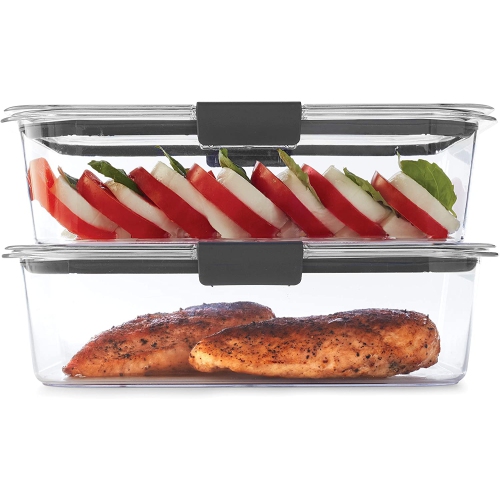 Your price for this item is $108.25
 -
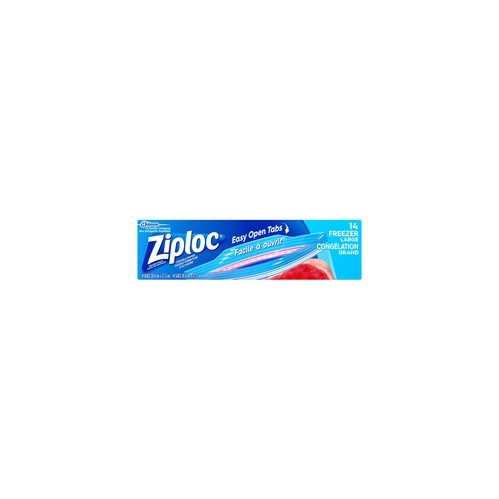 Your price for this item is $7.99
 -
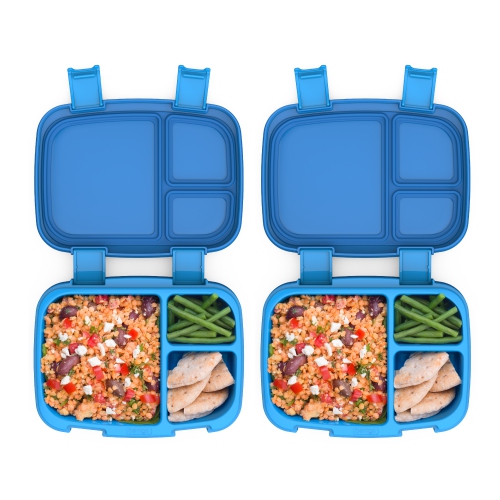 Your price for this item is $44.99
 -
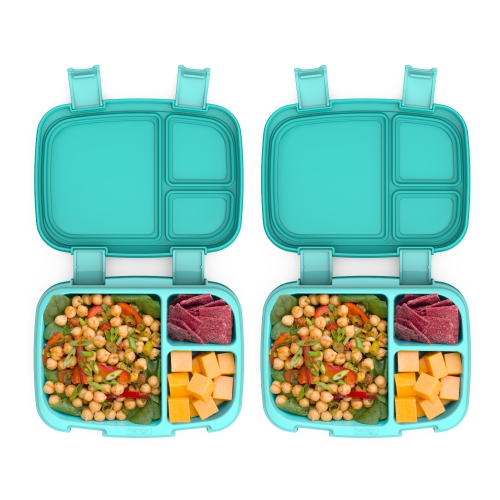 Your price for this item is $44.99
 -
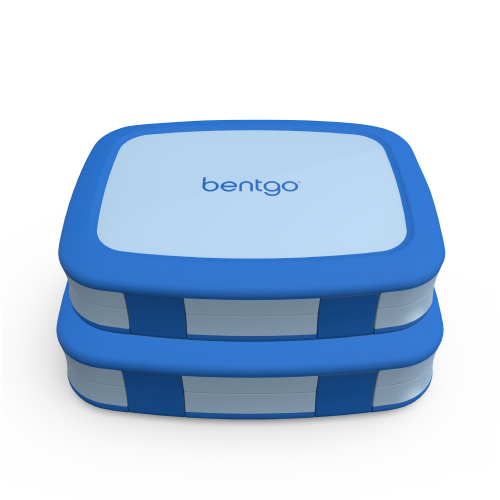 Your price for this item is $59.99
 -
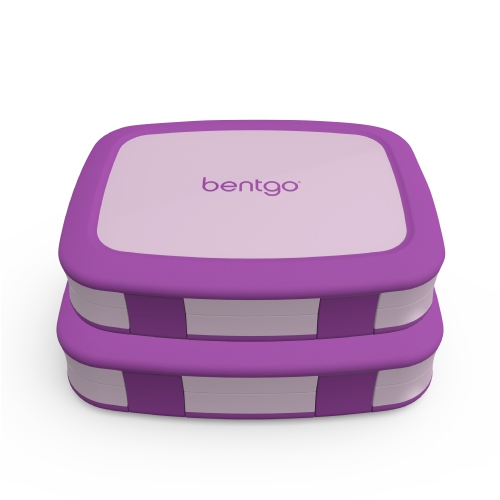 Your price for this item is $59.99
Discover more categories related to Plastic Bags for Sandwiches
Top Collections:
Pokemon Centers, Kindle Devices, Best Budget Office Chairs, Apple iPhones 16, Canon G7X Cameras, iPhone 15 Apple, Alarm Clock, Refurbished Apple Laptops, Flip Phones, Best Laptops for Writers
Some products may be subject to Environmental Handling Fees
(EHF) depending on your province.
Learn more about EHFs.