Plastic Garbage Bins
Looking for a practical and reliable solution to keep your space clean and organized? Look no further than our collection of plastic garbage bins. These versatile bins are designed to handle all your waste management needs, whether it's in your kitchen, office, garage, or outdoor area. With a range of sizes and styles available, you can easily find the perfect bin to suit your specific requirements. Made from durable materials, these bins are built to withstand everyday use and are easy to clean, making them an essential addition to any home or workspace. Say goodbye to clutter and hello to a tidier environment with our selection of plastic garbage bins.
Sort

Why bin size is only part of the fit
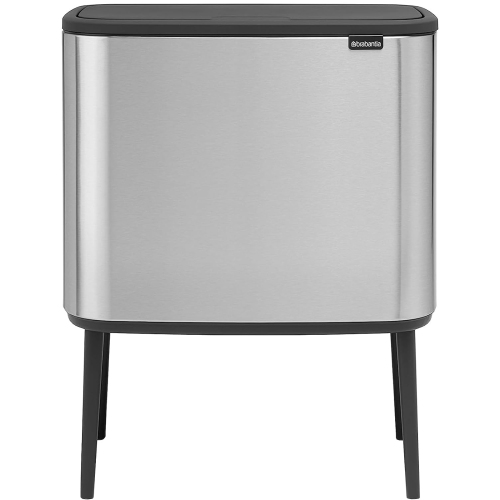
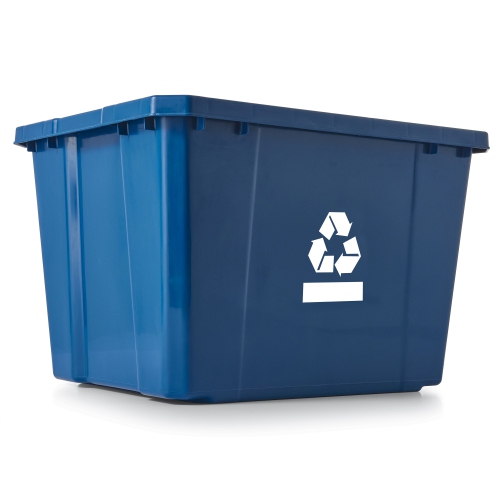
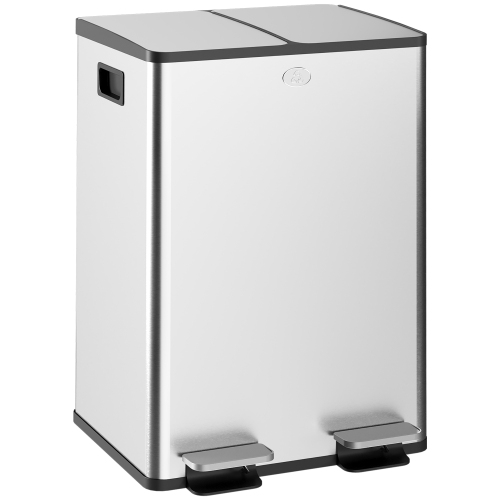
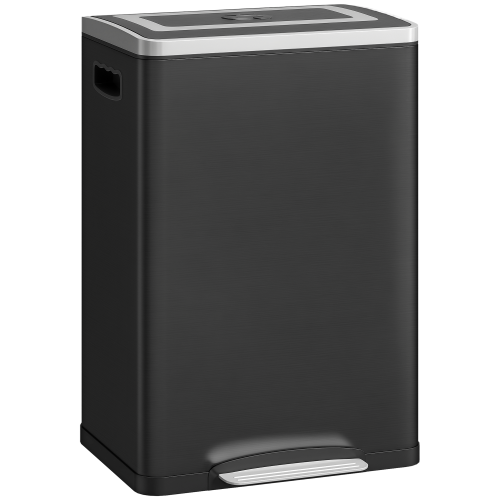
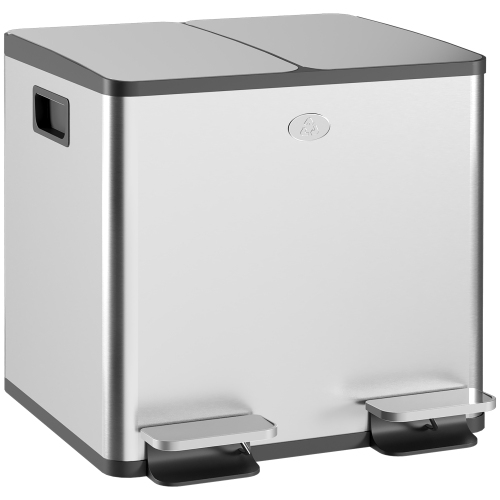
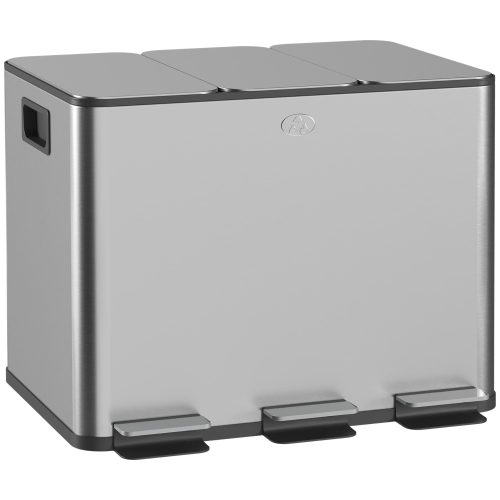
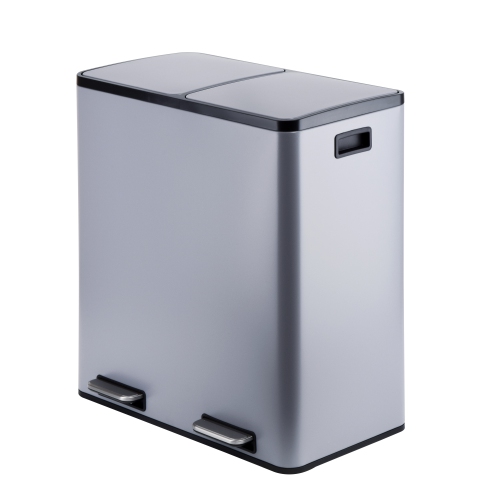
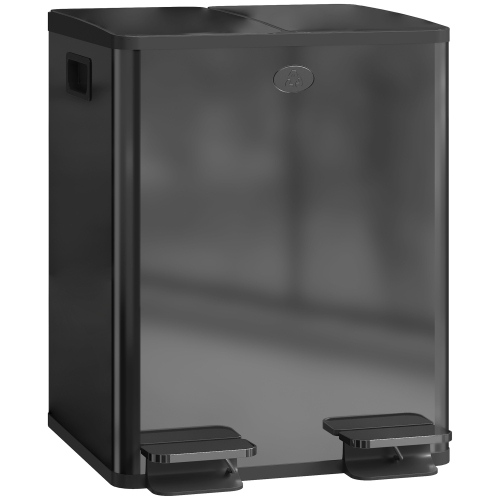
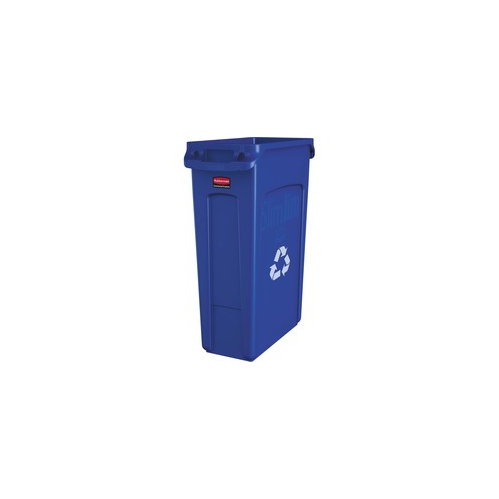
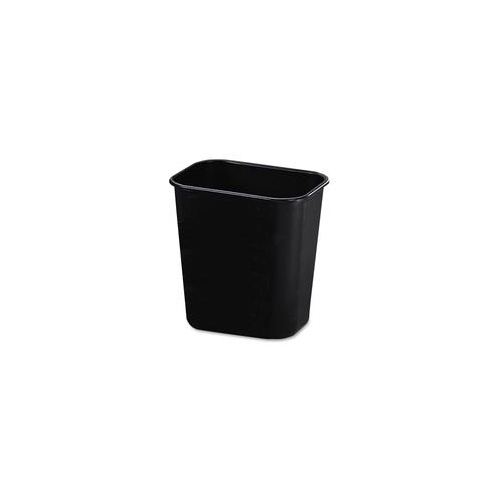
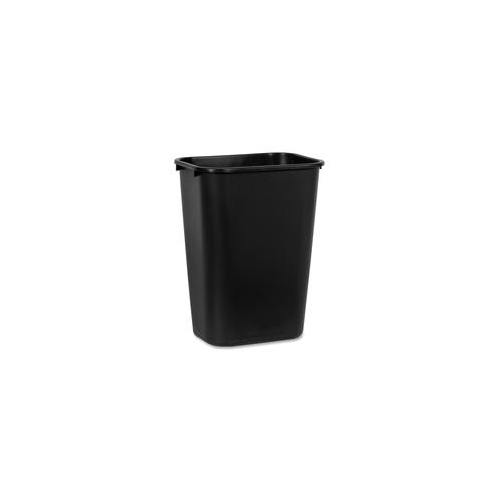
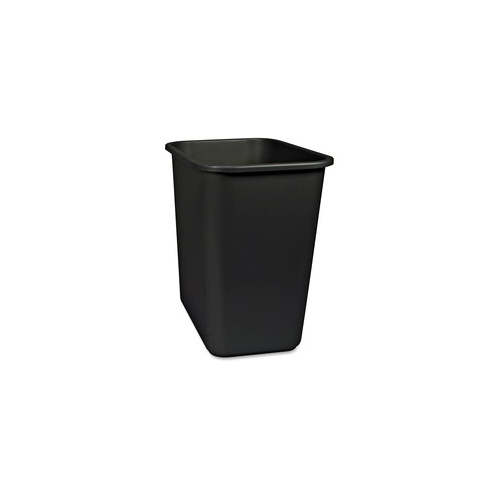
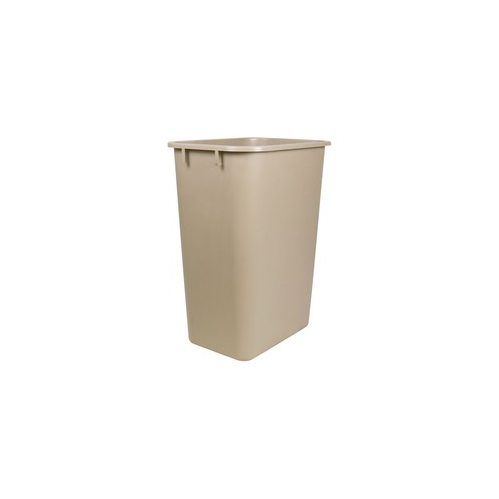
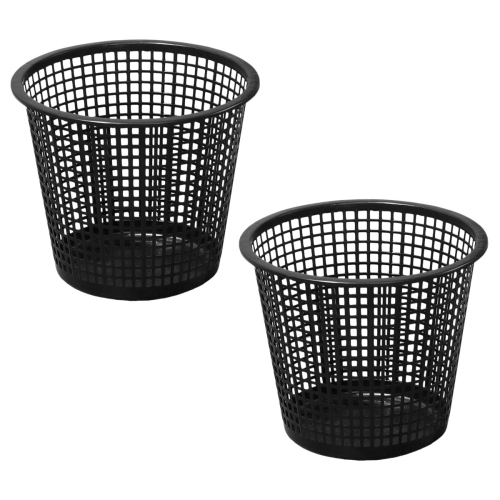
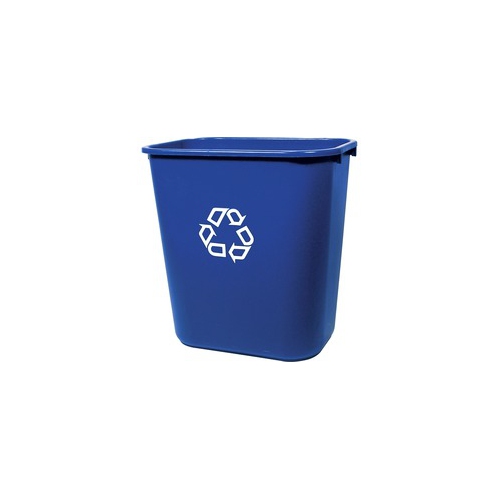
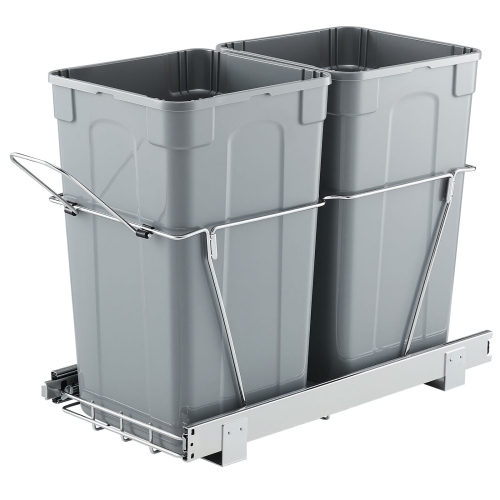
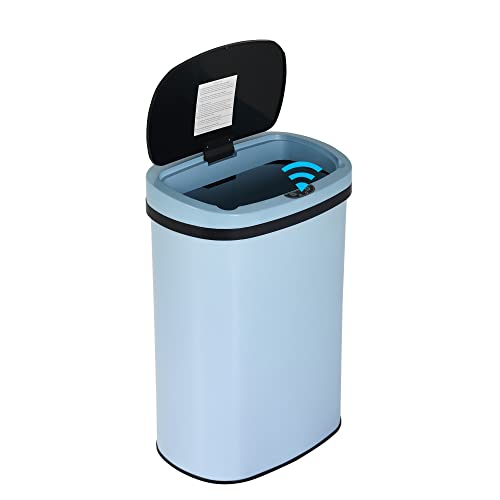
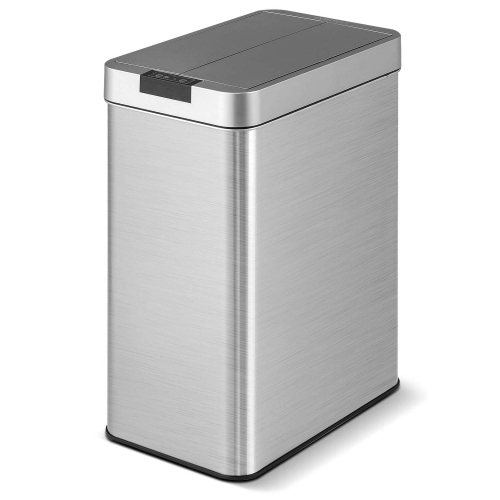
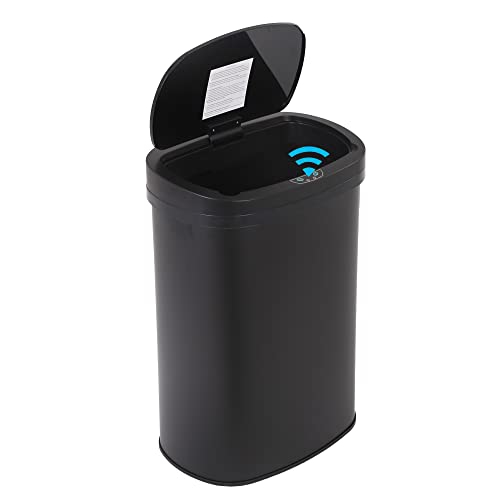
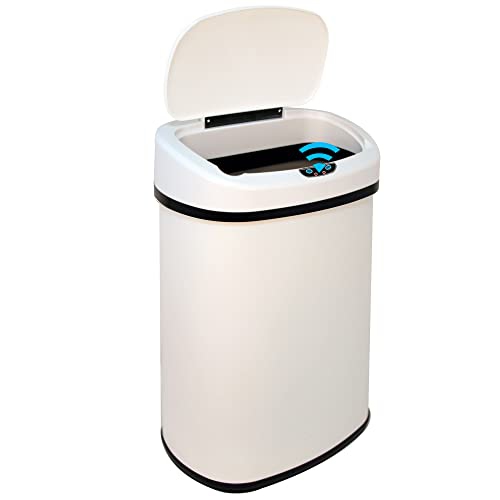
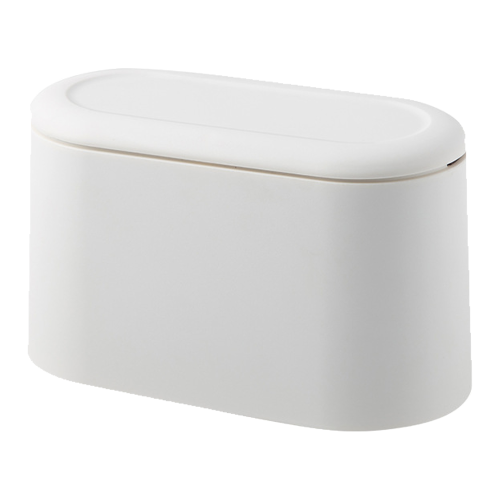
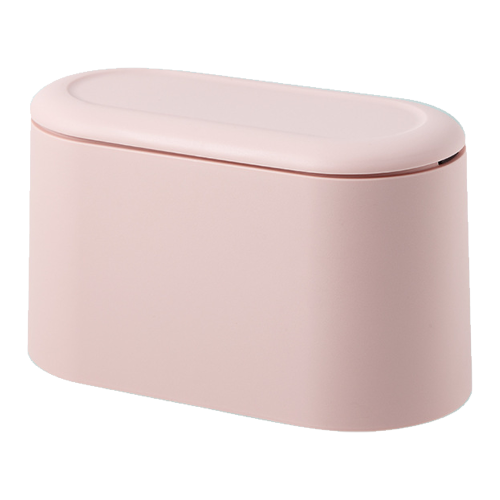
Plastic garbage bins are lightweight waste containers used to collect everyday rubbish in kitchens, bathrooms, bedrooms, offices, garages, and outdoor areas. Available in compact wastebasket shapes, slim rectangular designs, lidded containers, and larger wheeled formats, they make it easier to keep waste close to where it is generated without letting it take over the room. The most useful size depends on both the amount of rubbish a space produces and how often you want to empty the bag. A small bin of roughly 5 to 15 litres can suit a bathroom or the space beside a desk, while a bin around 20 to 50 litres may be more practical for a kitchen, shared workspace, or busy family room. Larger containers, including sizes around 75 to 120 litres or more, can provide room for bagged household waste in a garage or designated outdoor storage area. These are general size ranges rather than fixed rules: a smaller kitchen bin emptied frequently may be preferable to a large one that holds food scraps for several days. Capacity is only part of the fit, too. Check the bin’s exterior width, depth, and height against the space where it will sit, allowing clearance for the lid and enough room to lift out a full bag. The narrow gap beside a kitchen cabinet can be a useful spot, but not if the lid catches the worktop every time it opens. Rounded bins can be easy to position in open corners, while rectangular shapes often make better use of space along a wall. For room-by-room options, Indoor Garbage Bins offer a useful starting point when comparing containers for household spaces. A quiet bedroom, a busy lunch area, and a bathroom shared by several people each place different demands on a bin, so matching the shape and capacity to the routine matters more than choosing the largest container available.
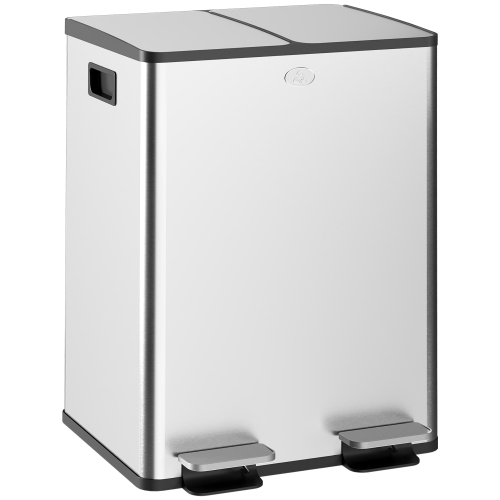
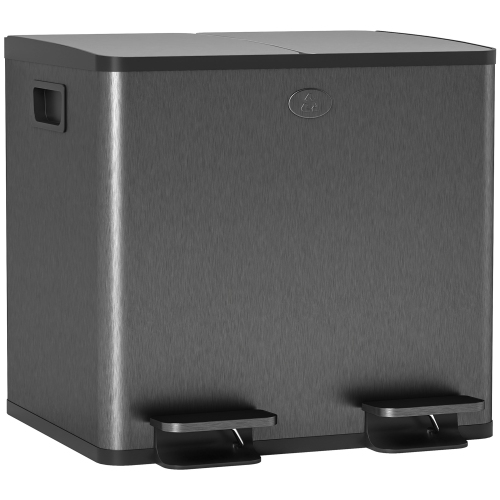
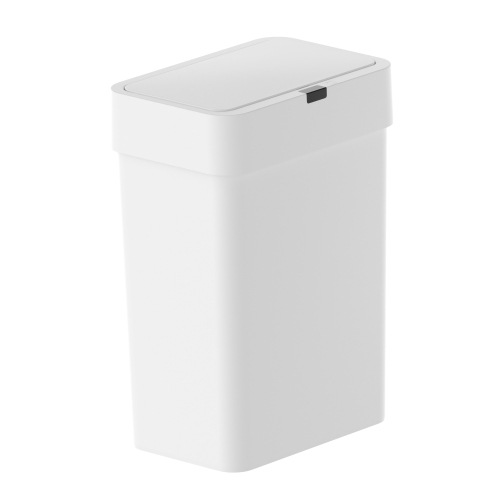
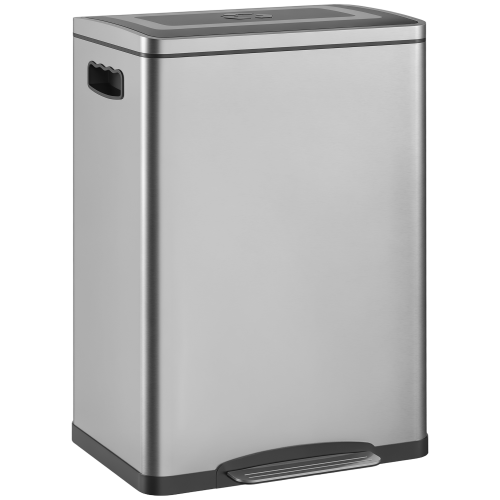
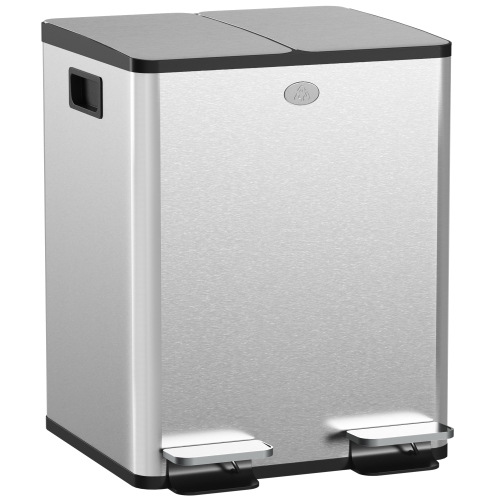
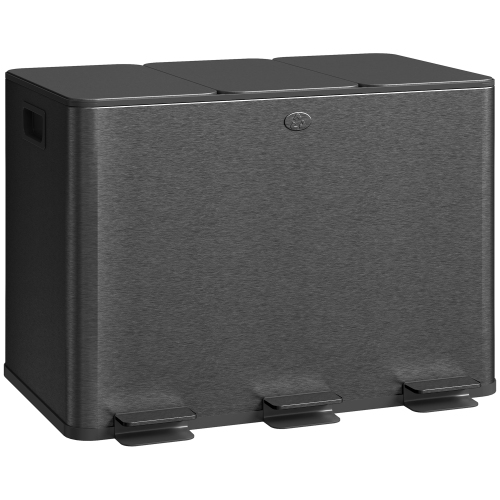
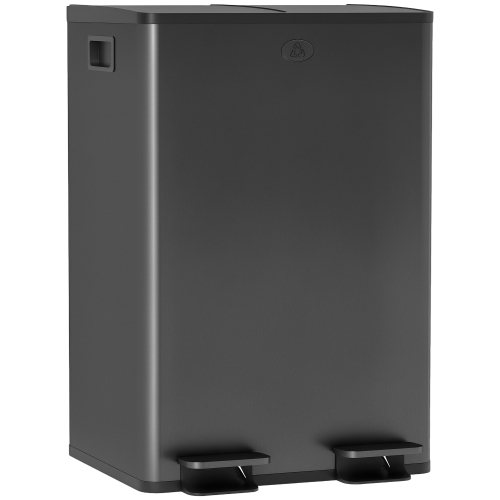
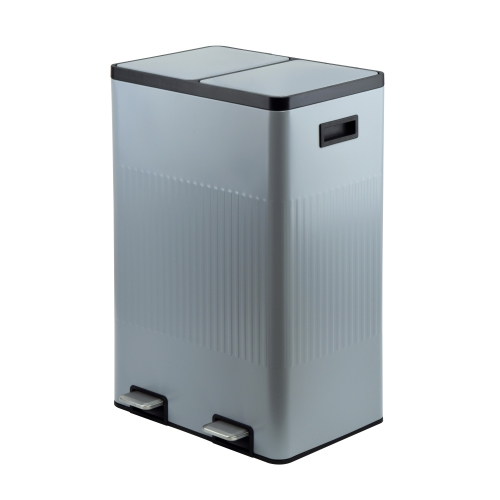
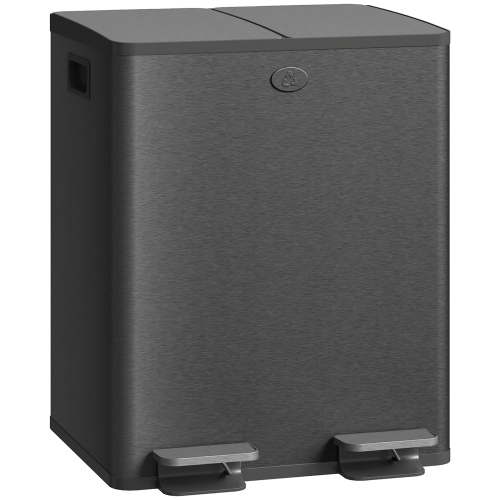
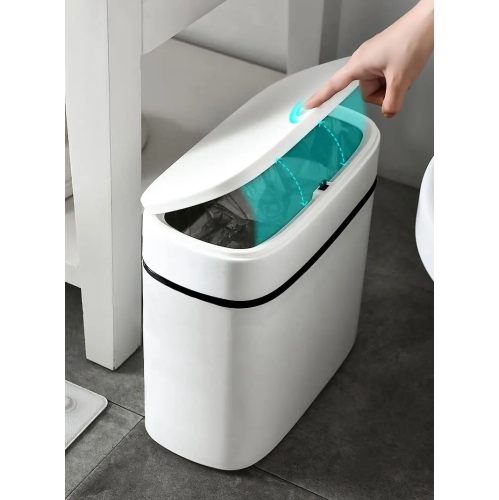
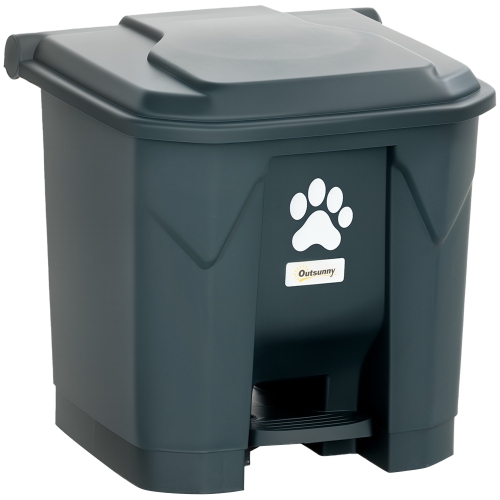
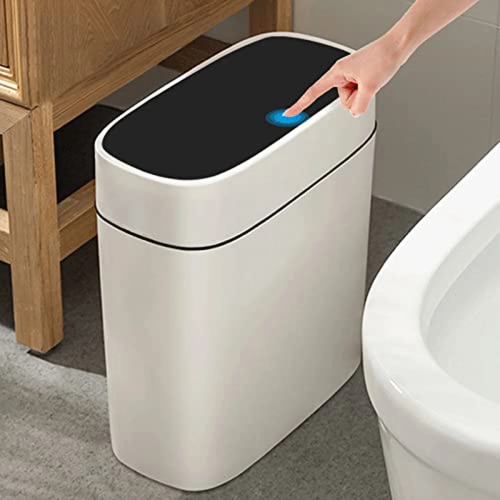
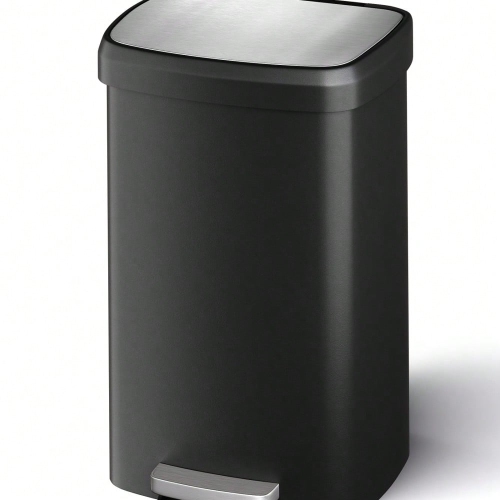
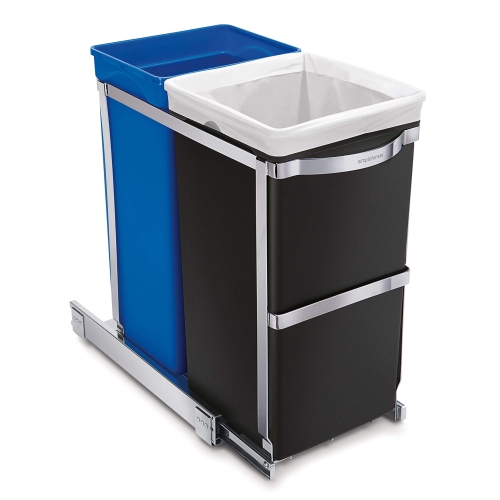
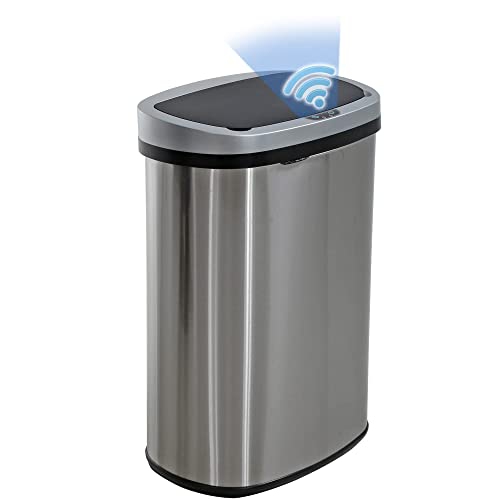
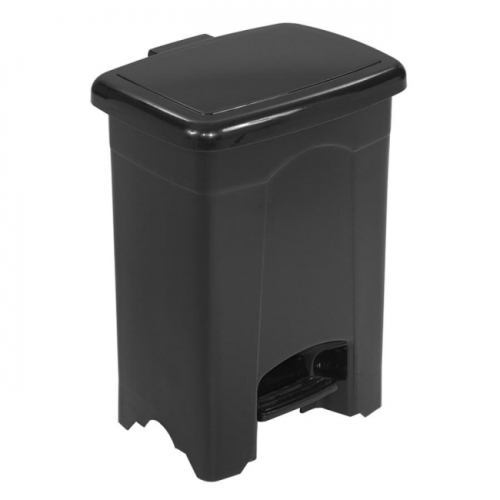
Lid style is one of the details you notice most in daily use. An open-top plastic wastebasket gives easy access for dry, non-food rubbish such as tissues and small pieces of packaging, making it a straightforward choice beside a desk or dressing table. A covered bin keeps the contents out of sight and can help limit escaping odours, although an ordinary lid should not be assumed to provide an airtight seal. Swing lids allow quick disposal but need space to move freely and may require wiping where rubbish touches the opening. Press-top lids offer a tidy profile, while pedal-operated bins let you open the lid without using your hands—a useful feature when you are clearing plates or holding a dripping food wrapper. With any mechanism, consider how much effort it takes to operate and whether the bin stays steady during use. Children, older adults, and anyone with limited hand strength may find some opening styles easier than others. A foot pedal is not automatically the best fit for everyone, particularly where balance or floor space is a concern. Bag compatibility deserves just as much attention. A liner should fold securely over the rim or fit the retaining system without slipping into the container under the weight of everyday rubbish. Compare the recommended bag dimensions as well as the stated capacity, since two bins holding the same volume can have quite different proportions. A removable inner bucket can make emptying and cleaning more manageable, while handles or a comfortable rim can help when carrying a small bin to a larger collection point. Smooth interiors and gently rounded corners are easier to wipe than deep grooves and tight creases. Colour and finish also affect how the bin sits within a room: neutral shades can blend with cabinetry, while a contrasting colour can make the container easier to spot in a shared space. For a first apartment, student residence, or newly arranged home office, these practical details help a modest household purchase earn its place from the first day.
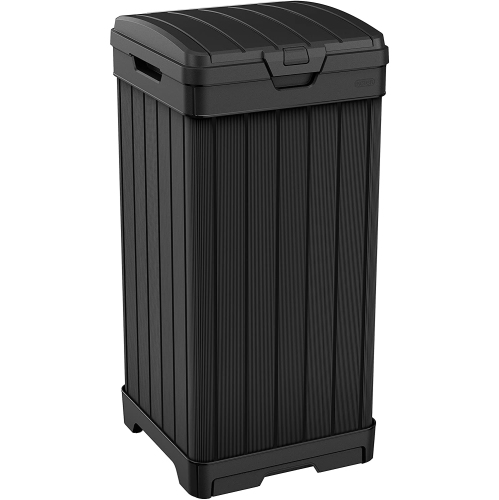
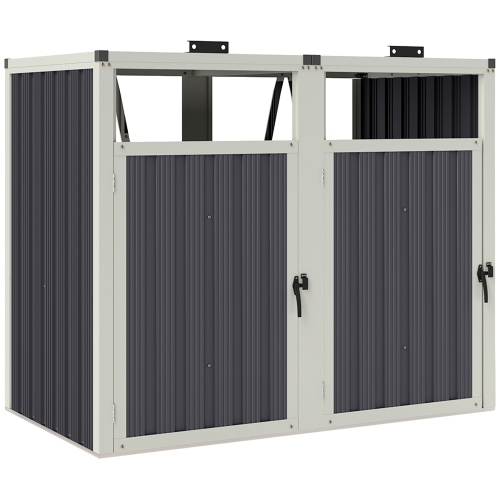
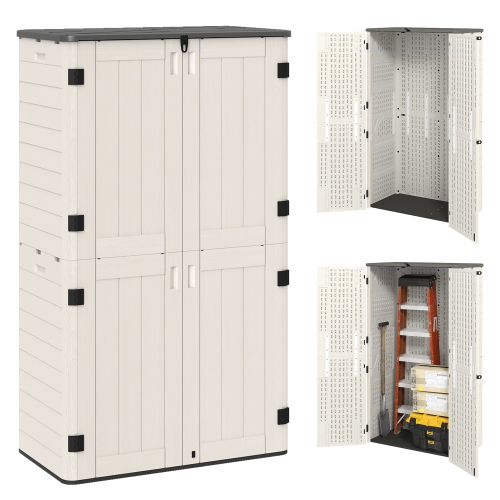
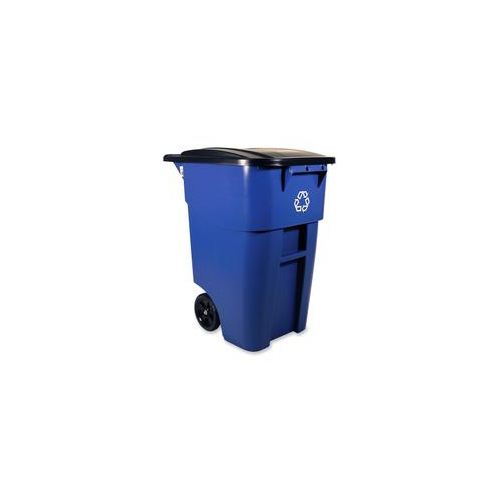
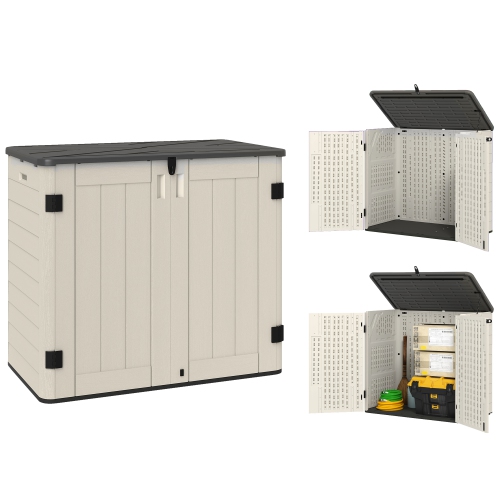
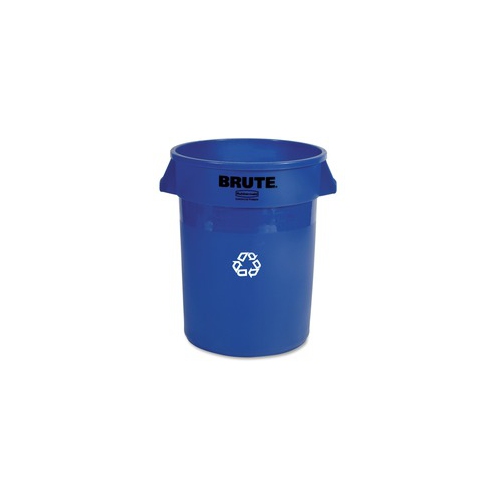
For garages, utility areas, and outdoor spaces, plastic garbage bins need to suit heavier loads and more demanding conditions. Plastic does not rust, but that does not mean every plastic container is designed to stay outside. Look for an explicit outdoor-use rating and check the manufacturer’s information on exposure to sunlight and cold temperatures. Some plastics can become brittle in freezing conditions, and a bin that works well in a sheltered garage may not be suitable for an exposed driveway throughout the cooler months. Wall thickness, a reinforced rim, and a sturdy base can all contribute to durability, but stated load limits remain important, especially when the contents are dense or damp. Large bins with wheels reduce the need to carry a full container; wheel size, axle construction, and handle position influence how easily it moves over paving joints, uneven ground, or a small threshold. Picture the actual route from storage to collection rather than judging mobility on a smooth floor alone. A secure lid helps keep rain out and loose rubbish contained, though a standard fitted lid is not necessarily animal-resistant. Where wildlife is a concern, look for purpose-designed features and follow local storage requirements. Municipal collection rules should also shape the purchase, as accepted container sizes, maximum weights, and lifting arrangements vary across Canada. Some collection systems require municipally supplied carts rather than privately purchased bins. Whatever the setting, routine care makes a noticeable difference. Empty food-related waste regularly, wipe spills before they dry, and wash the container with mild detergent according to its care instructions. Let it dry before adding a fresh liner so moisture is not trapped underneath. Avoid putting hot ashes, sharp unwrapped objects, or incompatible chemicals into an everyday plastic bin. A well-chosen container should make the ordinary tasks—dropping in rubbish, replacing a liner, cleaning the base, and moving a full load—feel simple, whether it serves one person in a compact condo or a household with a busy kitchen and several rooms to keep tidy.
Lid style is one of the details you notice most in daily use. An open-top plastic wastebasket gives easy access for dry, non-food rubbish such as tissues and small pieces of packaging, making it a straightforward choice beside a desk or dressing table. A covered bin keeps the contents out of sight and can help limit escaping odours, although an ordinary lid should not be assumed to provide an airtight seal. Swing lids allow quick disposal but need space to move freely and may require wiping where rubbish touches the opening. Press-top lids offer a tidy profile, while pedal-operated bins let you open the lid without using your hands—a useful feature when you are clearing plates or holding a dripping food wrapper. With any mechanism, consider how much effort it takes to operate and whether the bin stays steady during use. Children, older adults, and anyone with limited hand strength may find some opening styles easier than others. A foot pedal is not automatically the best fit for everyone, particularly where balance or floor space is a concern. Bag compatibility deserves just as much attention. A liner should fold securely over the rim or fit the retaining system without slipping into the container under the weight of everyday rubbish. Compare the recommended bag dimensions as well as the stated capacity, since two bins holding the same volume can have quite different proportions. A removable inner bucket can make emptying and cleaning more manageable, while handles or a comfortable rim can help when carrying a small bin to a larger collection point. Smooth interiors and gently rounded corners are easier to wipe than deep grooves and tight creases. Colour and finish also affect how the bin sits within a room: neutral shades can blend with cabinetry, while a contrasting colour can make the container easier to spot in a shared space. For a first apartment, student residence, or newly arranged home office, these practical details help a modest household purchase earn its place from the first day.
For garages, utility areas, and outdoor spaces, plastic garbage bins need to suit heavier loads and more demanding conditions. Plastic does not rust, but that does not mean every plastic container is designed to stay outside. Look for an explicit outdoor-use rating and check the manufacturer’s information on exposure to sunlight and cold temperatures. Some plastics can become brittle in freezing conditions, and a bin that works well in a sheltered garage may not be suitable for an exposed driveway throughout the cooler months. Wall thickness, a reinforced rim, and a sturdy base can all contribute to durability, but stated load limits remain important, especially when the contents are dense or damp. Large bins with wheels reduce the need to carry a full container; wheel size, axle construction, and handle position influence how easily it moves over paving joints, uneven ground, or a small threshold. Picture the actual route from storage to collection rather than judging mobility on a smooth floor alone. A secure lid helps keep rain out and loose rubbish contained, though a standard fitted lid is not necessarily animal-resistant. Where wildlife is a concern, look for purpose-designed features and follow local storage requirements. Municipal collection rules should also shape the purchase, as accepted container sizes, maximum weights, and lifting arrangements vary across Canada. Some collection systems require municipally supplied carts rather than privately purchased bins. Whatever the setting, routine care makes a noticeable difference. Empty food-related waste regularly, wipe spills before they dry, and wash the container with mild detergent according to its care instructions. Let it dry before adding a fresh liner so moisture is not trapped underneath. Avoid putting hot ashes, sharp unwrapped objects, or incompatible chemicals into an everyday plastic bin. A well-chosen container should make the ordinary tasks—dropping in rubbish, replacing a liner, cleaning the base, and moving a full load—feel simple, whether it serves one person in a compact condo or a household with a busy kitchen and several rooms to keep tidy.
Top selling and popular products
-
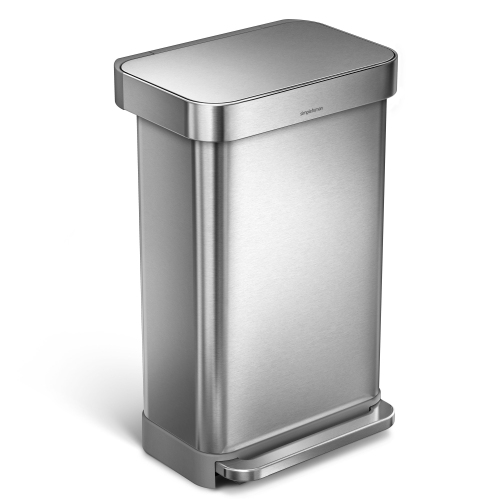 Your price for this item is $200
 -
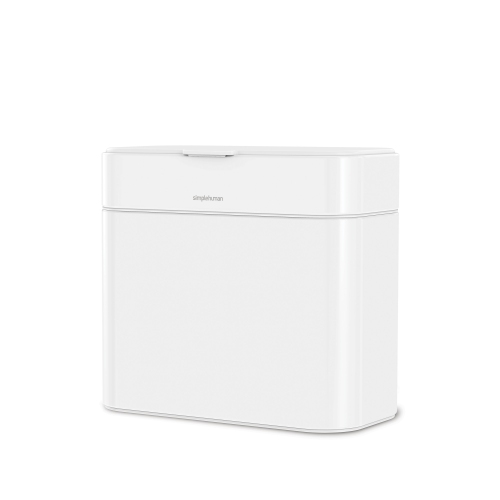 Your price for this item is $80
 -
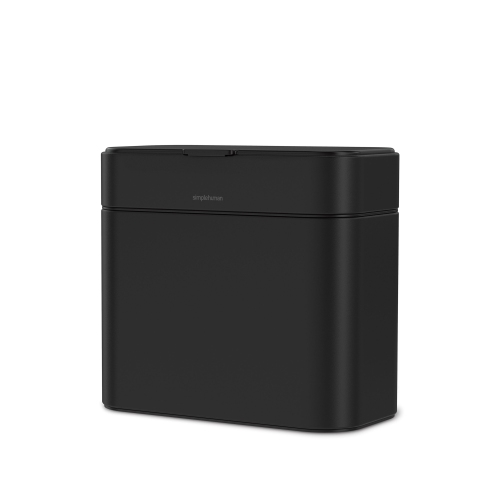 Your price for this item is $80
 -
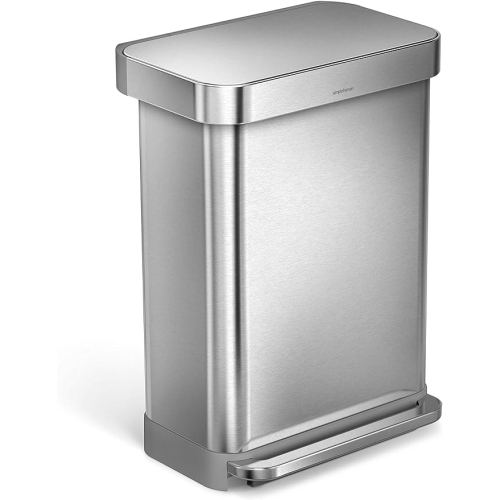 Your price for this item is $250
 -
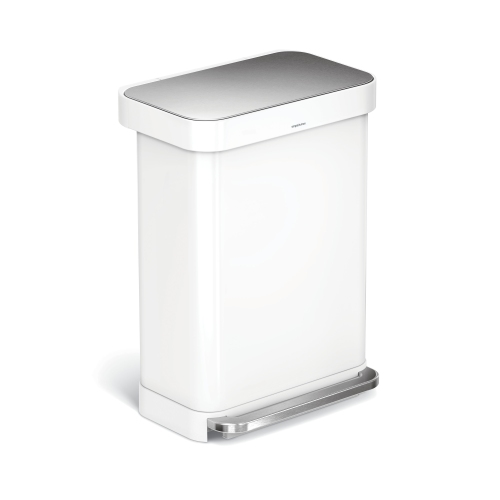 Your price for this item is $270
 -
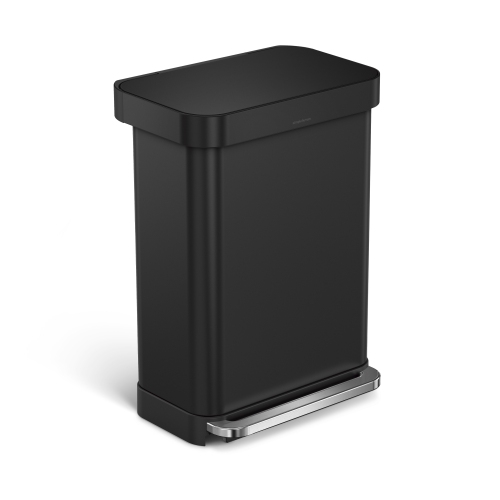 Your price for this item is $270
 -
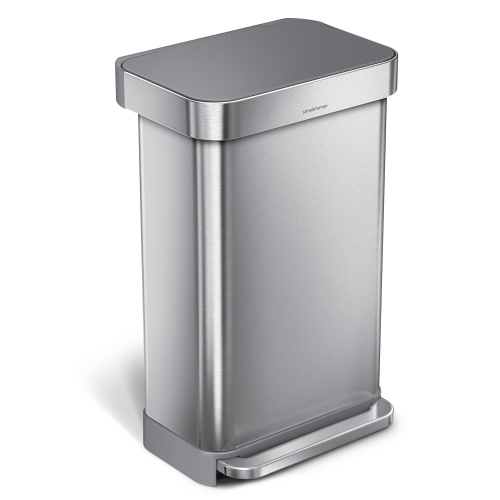 Your price for this item is $140
 -
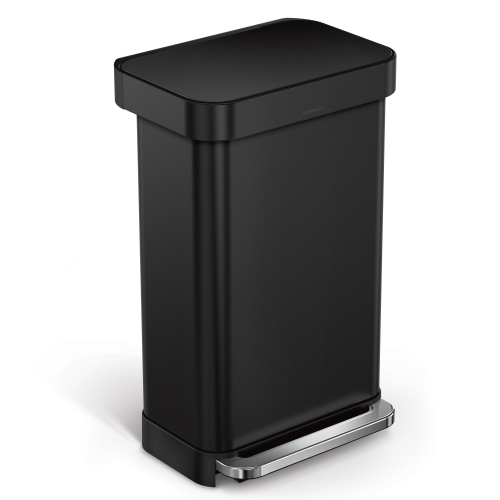 Your price for this item is $220
Discover more categories related to Plastic Garbage Bins
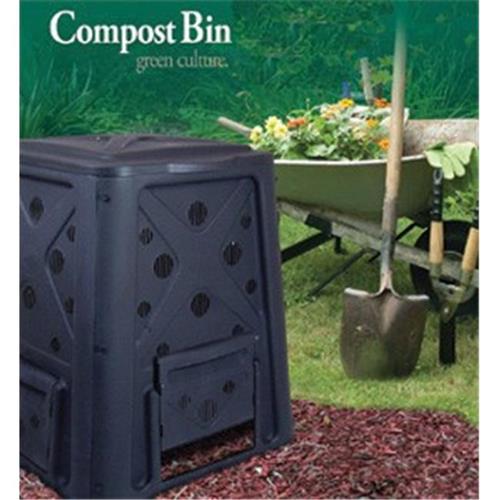
Top Collections:
Pokemon Centers, Kindle Devices, Best Budget Office Chairs, Apple iPhones 16, Best Laptops for Writers, iPhone 15 Apple, Canon G7X Cameras, Refurbished Apple Laptops, Alarm Clock, Motorola Razr Phones
Some products may be subject to Environmental Handling Fees
(EHF) depending on your province.
Learn more about EHFs.