Playground Swings
Transform your backyard into a fun-filled oasis with our selection of playground swings. Whether you're looking to add excitement to your children's playtime or create a relaxing spot for unwinding outdoors, our range of swings offers something for everyone. From classic belt swings to cozy hammock swings, explore our collection to find the perfect addition to your outdoor space. With durable materials and sturdy construction, these playground swings are designed to provide hours of entertainment for the whole family.
Sort
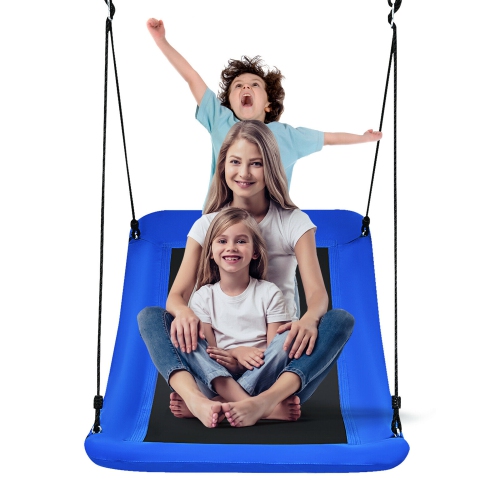
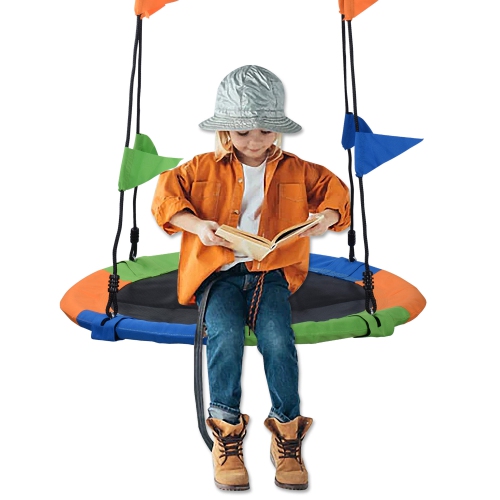
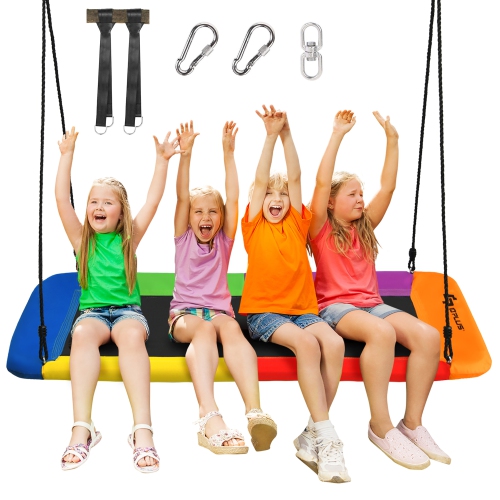
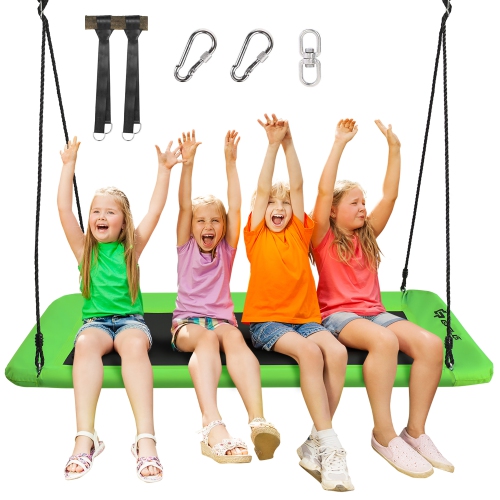
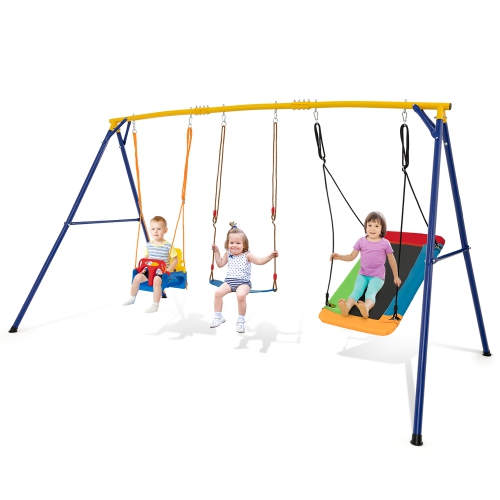
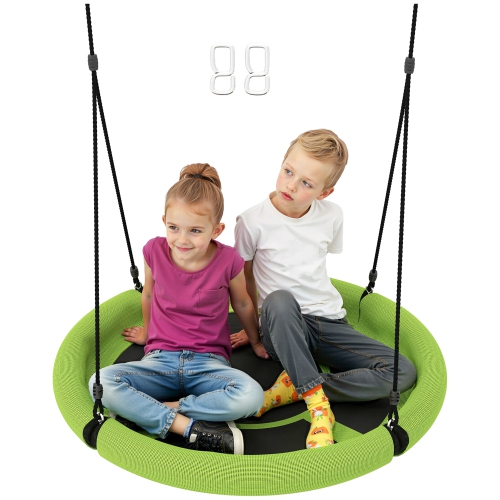
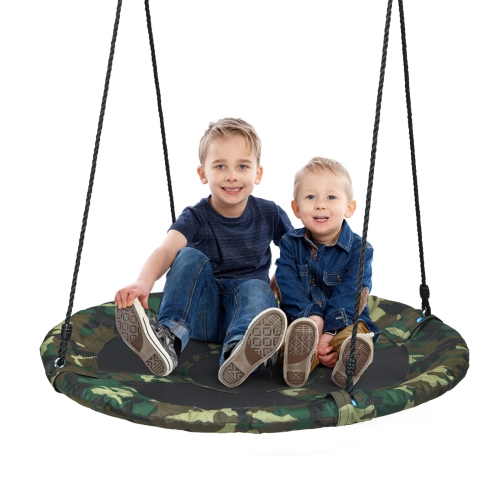
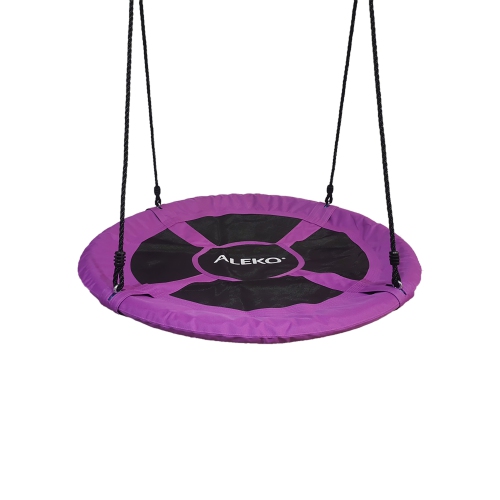
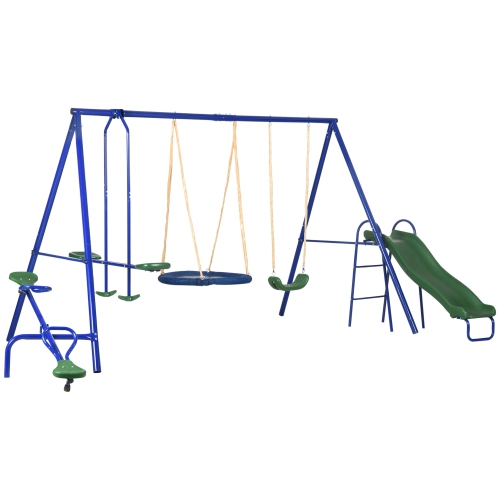

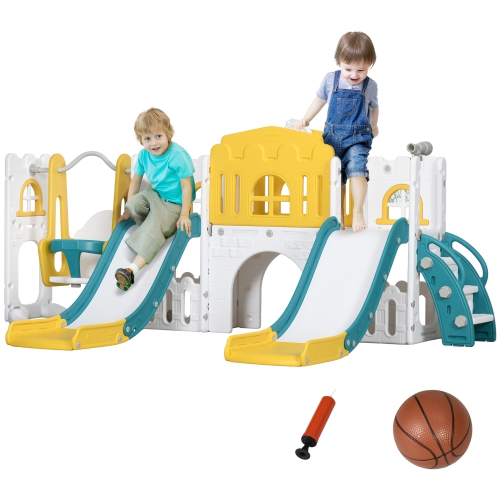
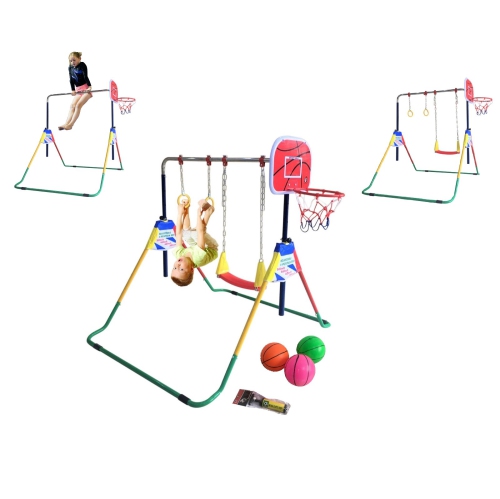
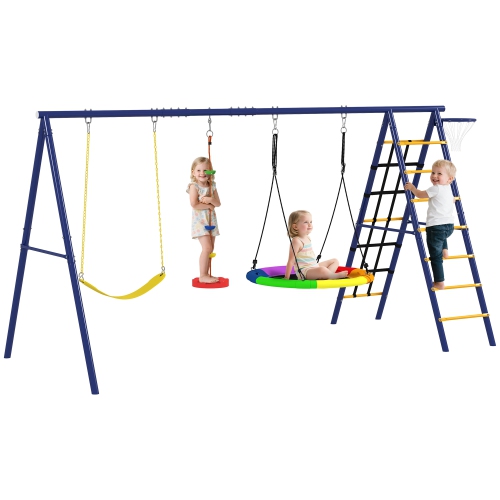
Why swing seat fit matters at every age
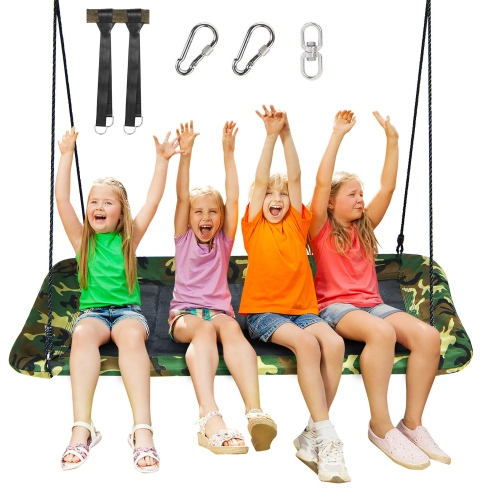
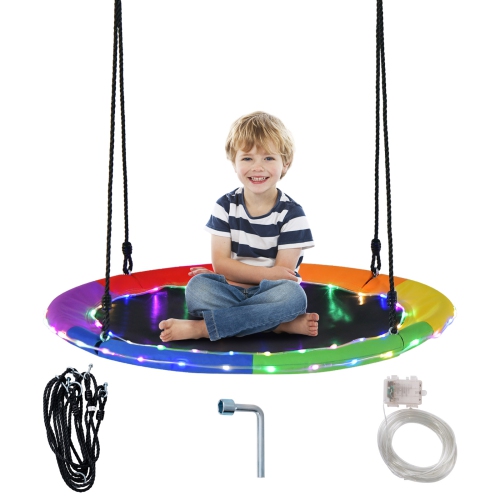
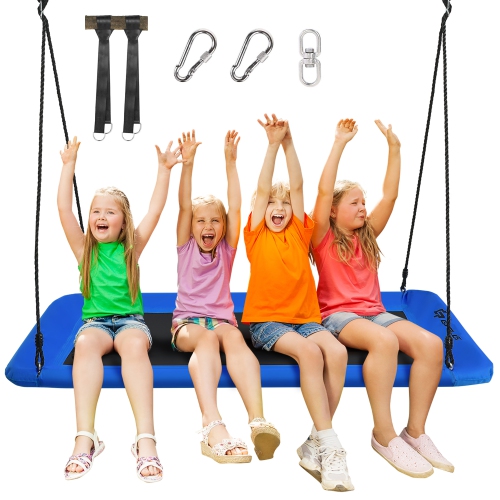
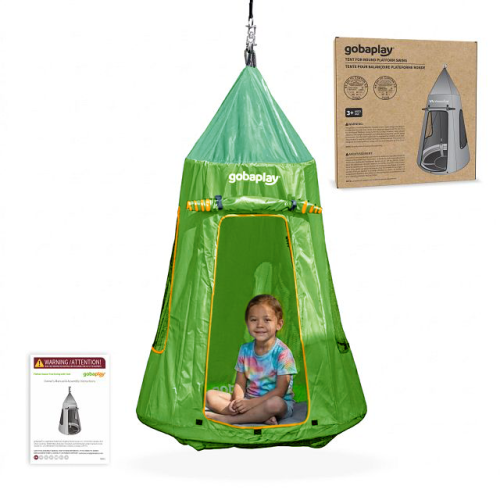
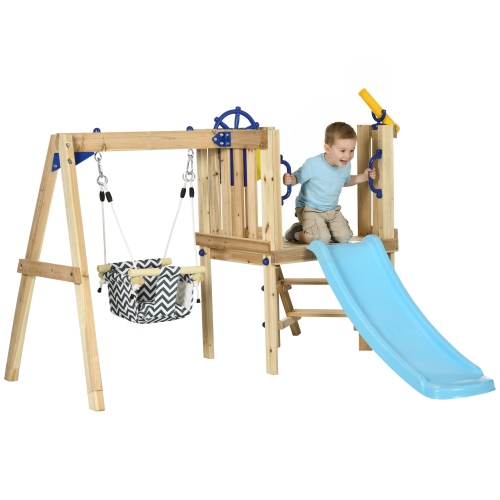
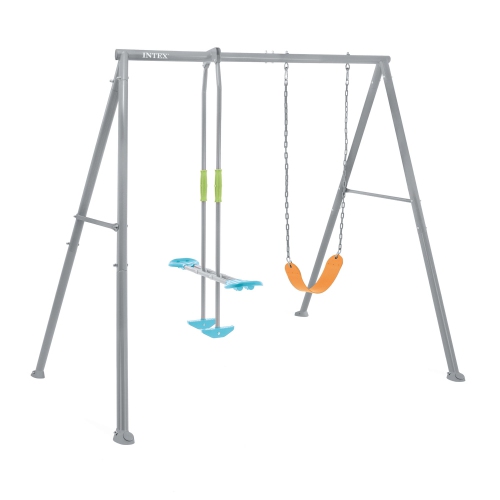
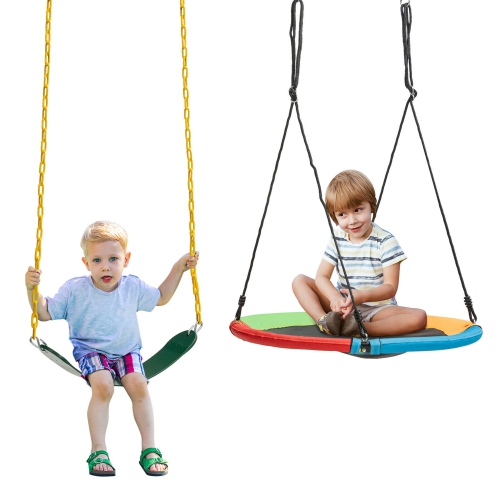
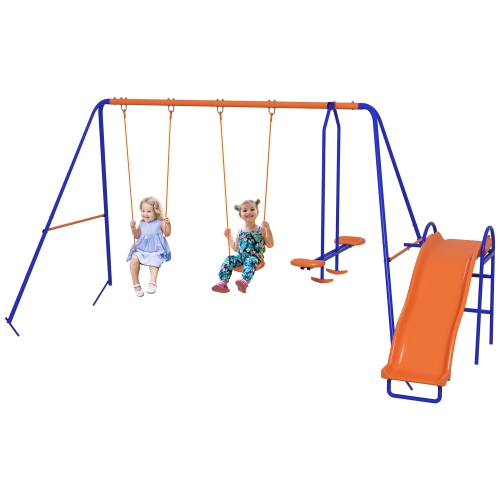
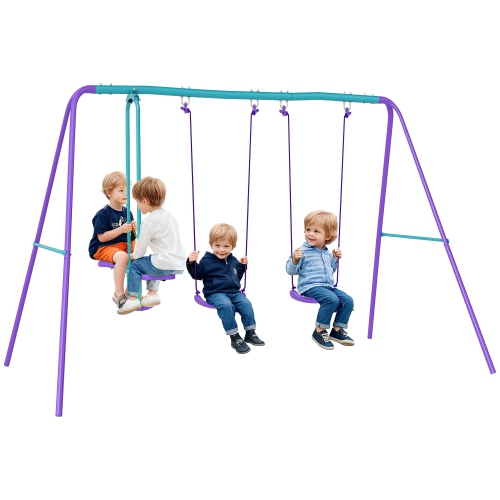
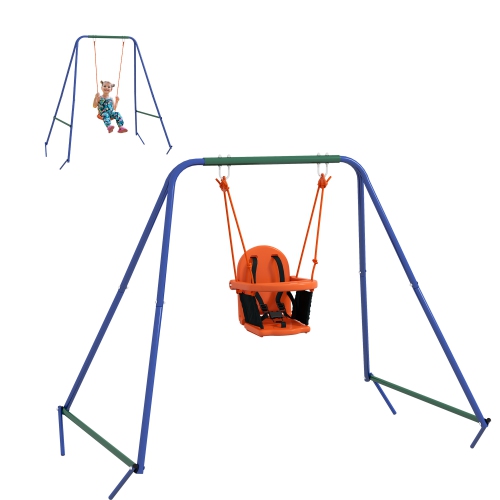
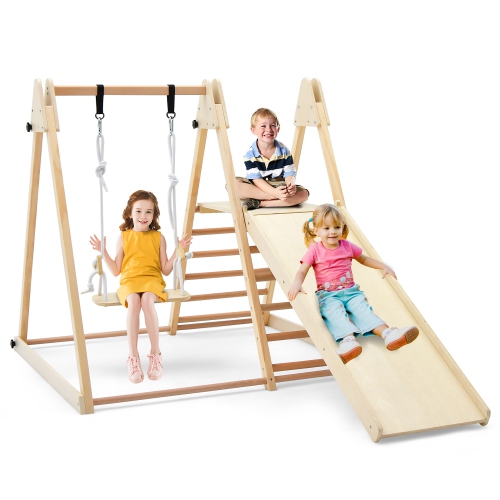
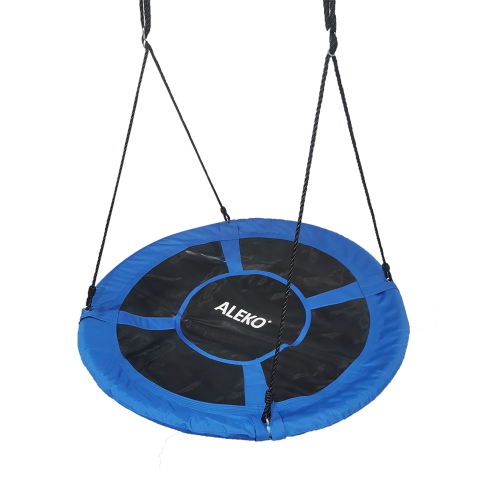
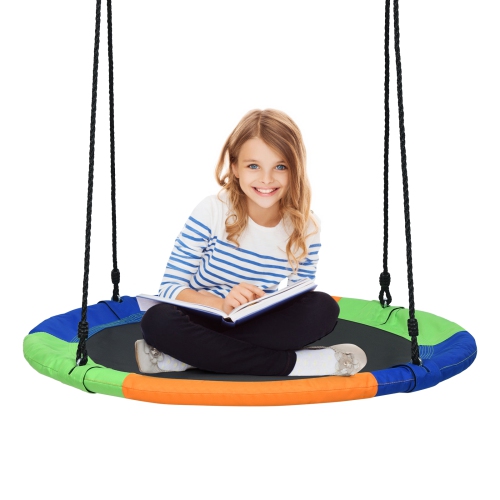
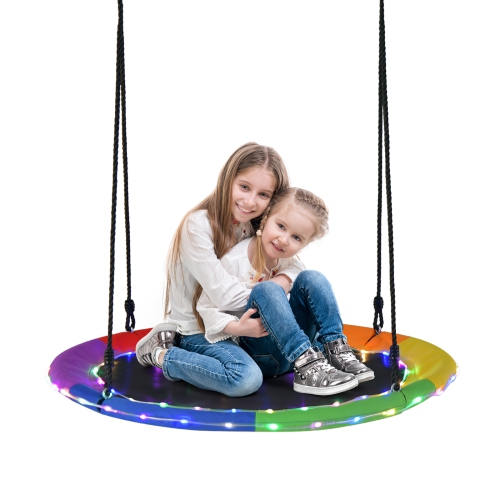
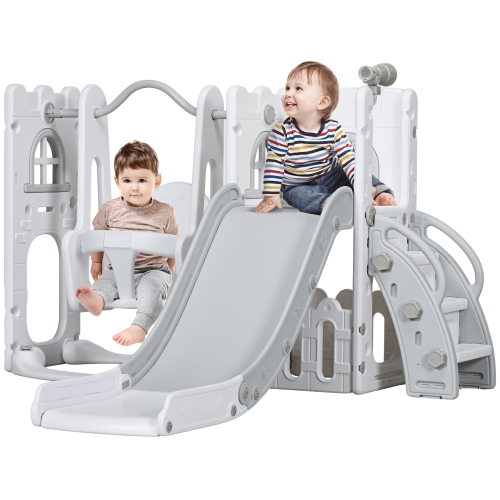
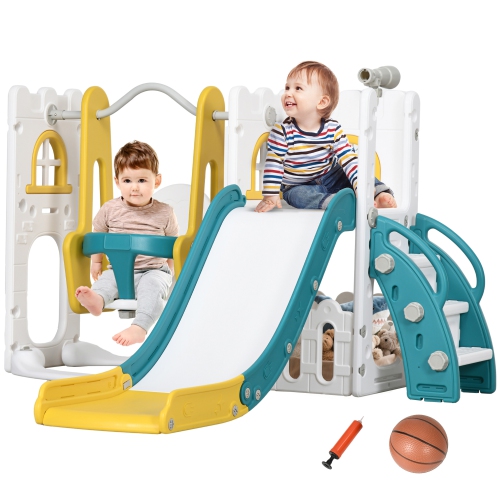
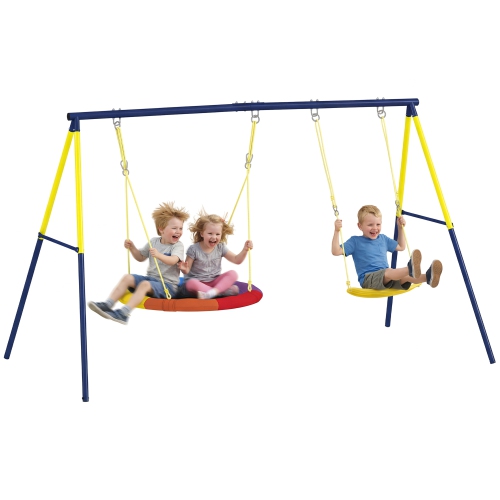
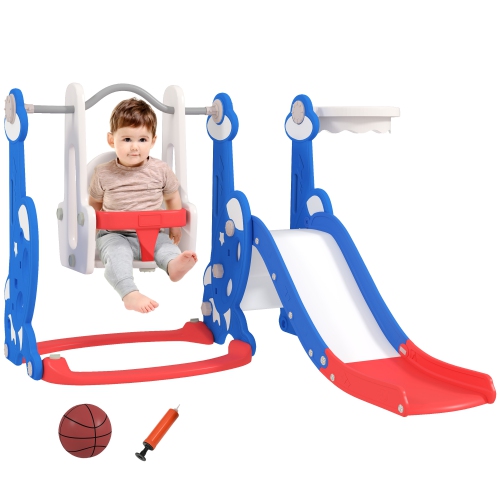
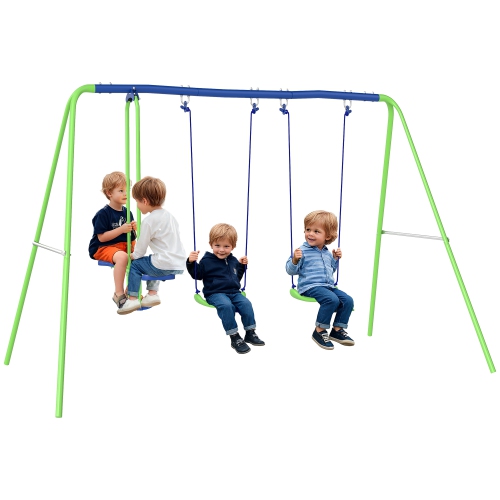
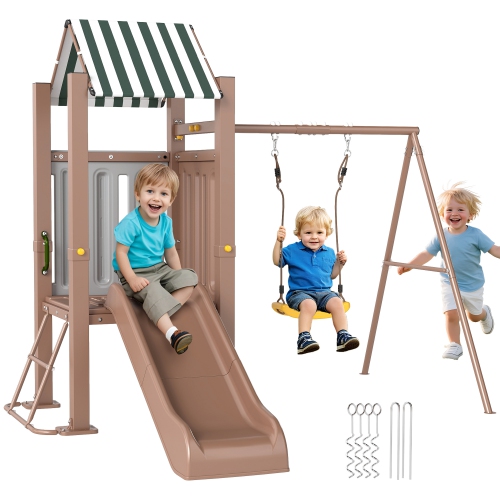
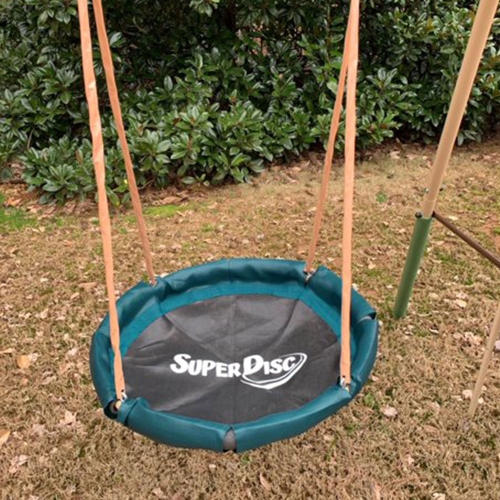
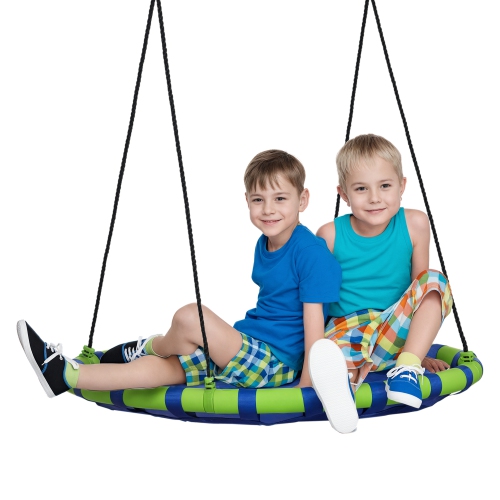
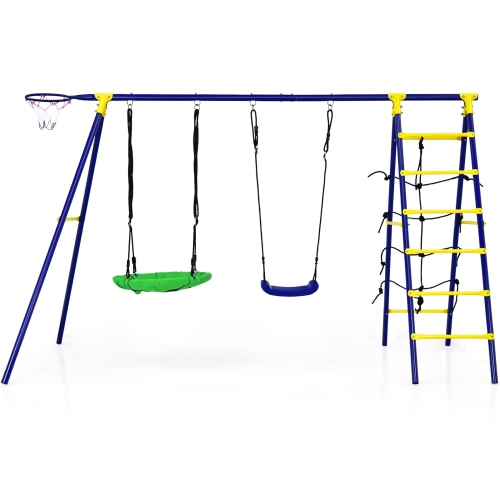
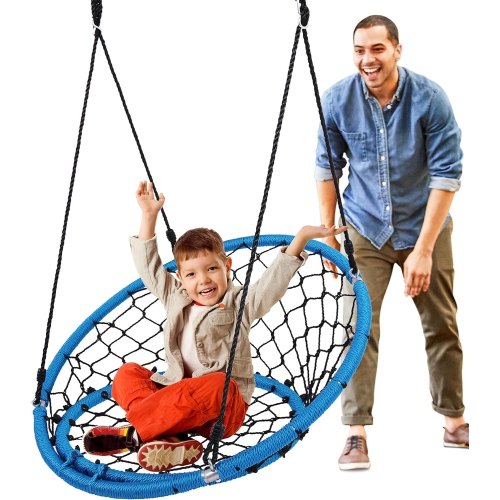
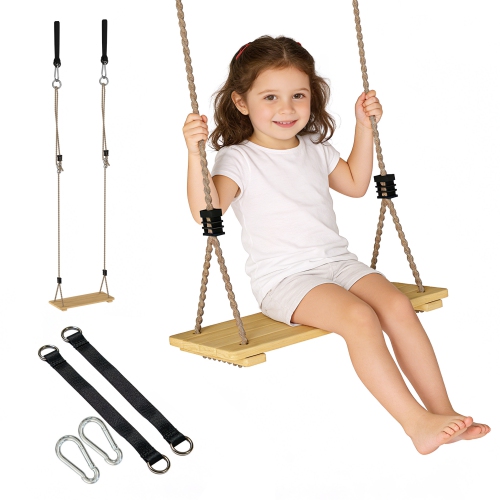
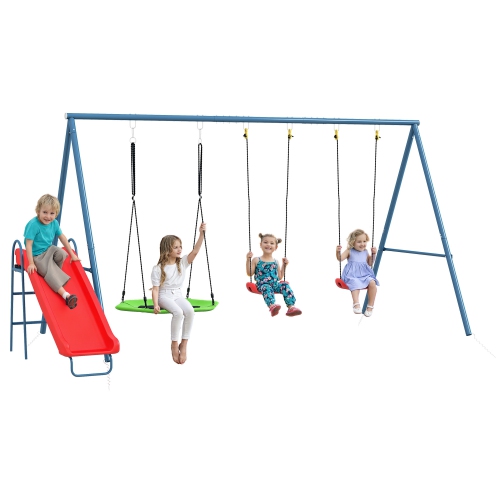
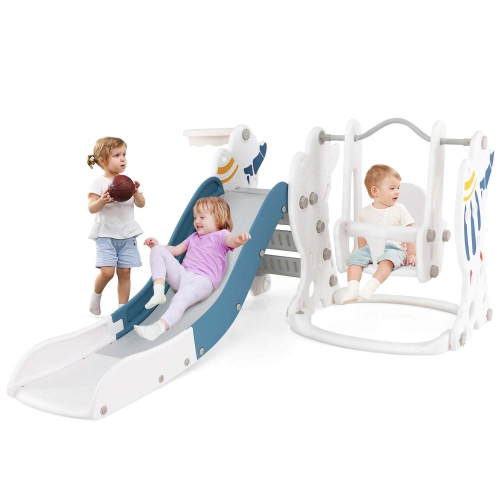
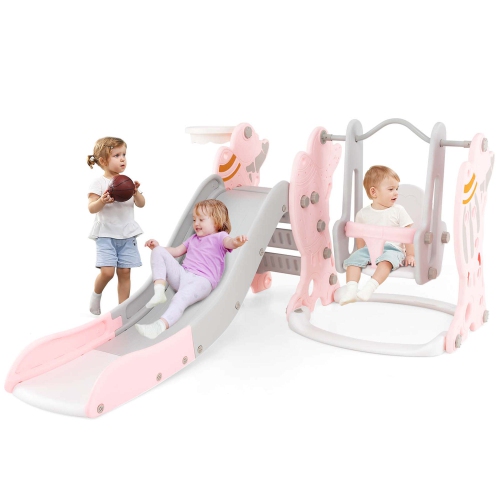
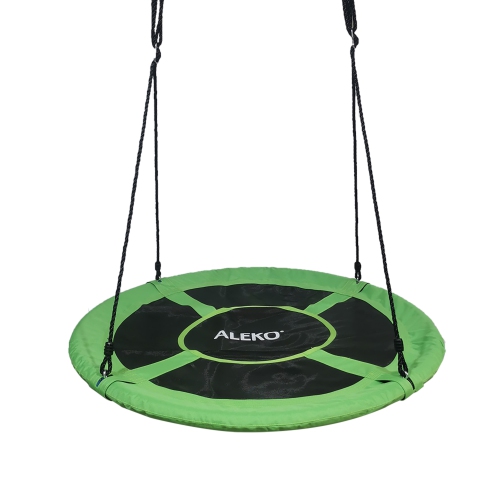
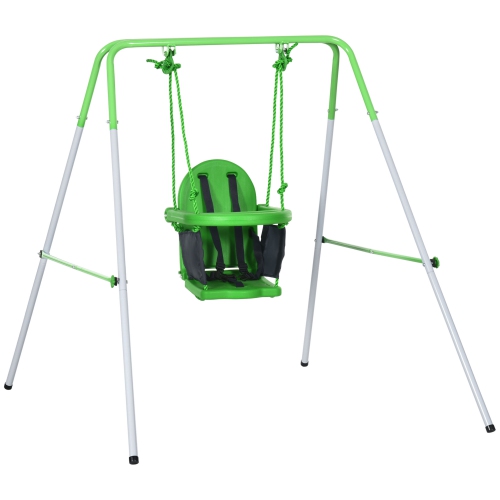
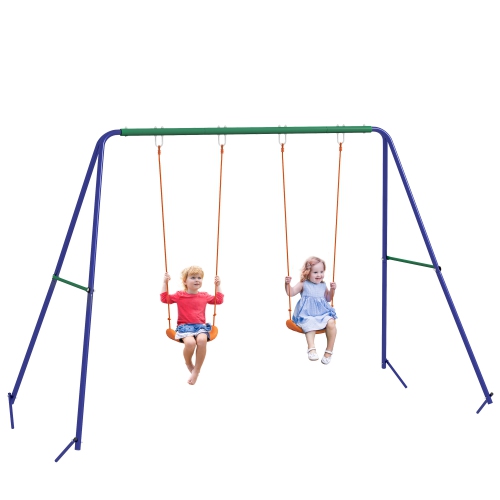
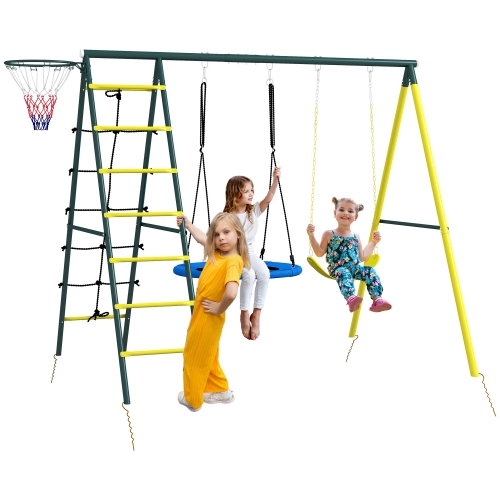
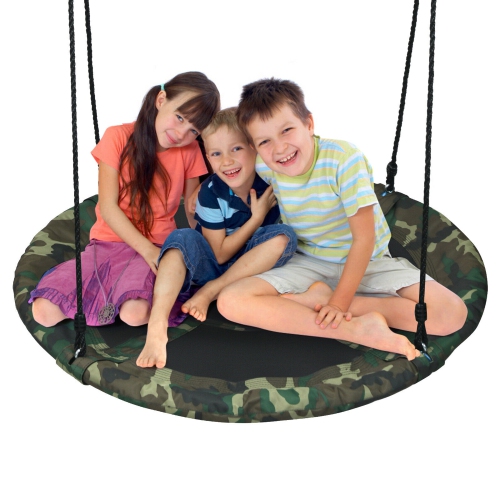
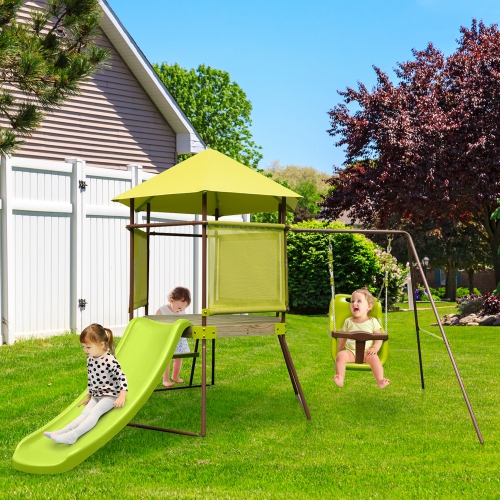
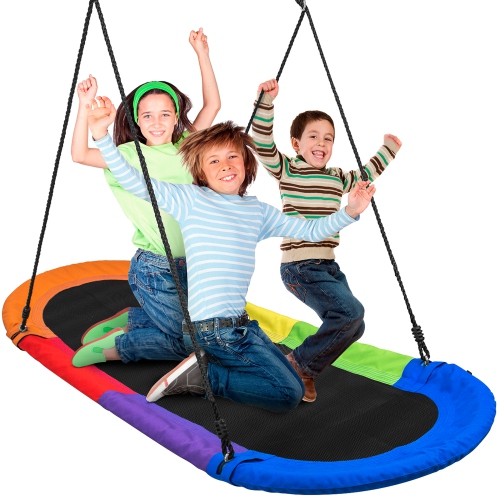
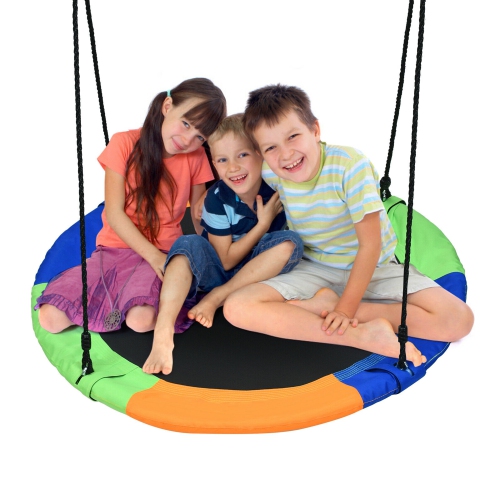
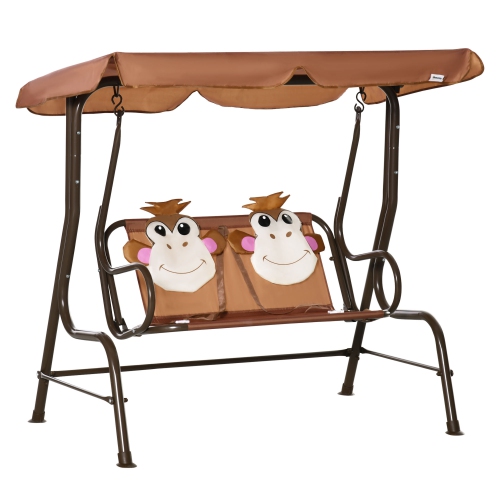
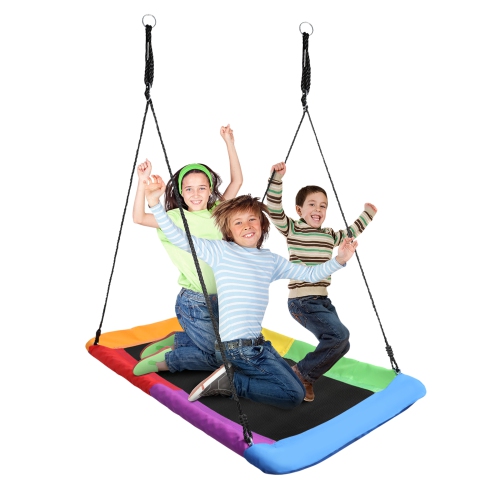
Playground swings bring a familiar rhythm to active play, from a toddler’s gentle push to an older child learning to pump their legs and build momentum. The category includes individual swing seats, replacement hanging assemblies, freestanding swing sets, and swings incorporated into larger play structures. Traditional belt swings have flexible seats that curve around the rider and are generally intended for children who can sit upright and hold on independently. Flat seats provide a firmer sitting surface, while bucket-style seats offer a more enclosed shape for younger children within the stated age and weight limits. A high back, leg openings, or a restraint can serve different purposes, so the seat’s appearance alone does not establish whether it suits a particular child. Saucer and nest swings offer a broad seating area, but their size does not automatically mean that several children can ride together; the permitted number of users and total load depend on the design. Adaptive playground swings may include added trunk support, harnesses, or transfer features to accommodate particular mobility and positioning needs. These features vary considerably, making the fit between rider and seat especially important. Swinging gives children opportunities to practise balance, grip, coordination, and spatial awareness as they learn how their movements affect the seat. Shared play also creates everyday moments for taking turns, asking for a push, and leaving room for another rider to slow down. For families comparing options for a private outdoor play area, backyard swings offer a closely related category to explore. A residential swing and equipment intended for a school, childcare centre, or public playground serve different demands, however. Public-use settings call for equipment, installation, and inspection practices appropriate to that setting, rather than an assumption that any sturdy-looking frame will do. Age ranges, user capacities, and intended locations help distinguish between those uses and keep the focus on how the swing will actually be enjoyed.
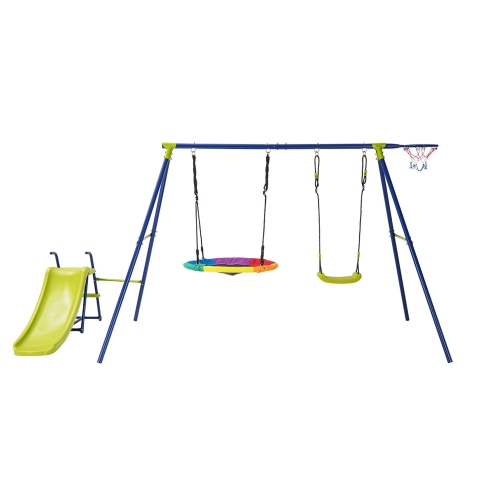
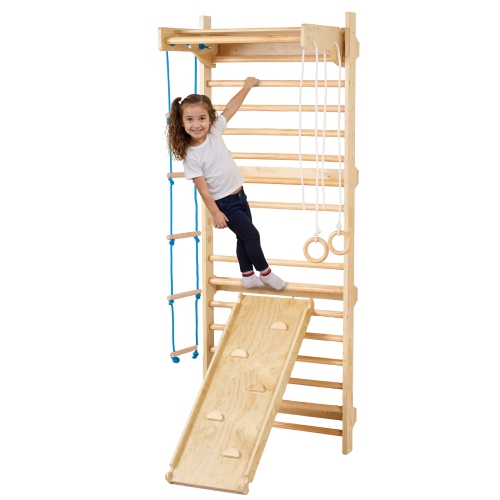
Materials influence how playground swings feel, how they are maintained, and how well their parts hold up to repeated movement. Moulded plastic seats can have rounded edges and shaped backs, while rubber or polymer belt seats flex around the rider. Neither material name alone establishes strength or longevity; construction, reinforcement, attachment points, and the manufacturer’s load rating all matter. A seat should offer enough room for comfortable positioning without leaving a younger rider poorly supported. Bucket openings need to accommodate the child’s legs without pinching, and an adaptive seat’s supports should match the rider’s positioning needs rather than simply their age. Chains are common on playground swings, sometimes with a protective coating over the gripping area. That covering can make the handhold more comfortable, but it still needs inspection for splits or loose sections. Rope hangers offer a different feel and require checks for fraying, abrasion, and damage where the rope meets a fitting. Frame choices often include wood and steel. Wooden swing sets can combine swings with platforms or climbing features, although the timber and joints need attention for splinters, cracks, and loosened fasteners. Steel frames need checks around bolts, welds, and protective finishes, with any corrosion assessed according to the manufacturer’s instructions. For replacement seats, compatibility involves more than finding a similar shape or colour. The hanger type, connection hardware, suspension length, beam spacing, and permitted load must all suit the existing structure. A wider nest seat, for example, can require a different hanging arrangement and more clearance than a single belt swing. Unless the equipment is specifically designed for interchangeable seats, swapping one style for another may change how forces act on the frame. Complete swing sets also differ in what is included: ground anchors, seats, connectors, and assembly hardware should be checked against the package details. Clear assembly instructions and access to suitable replacement parts are useful ownership considerations, particularly for families planning to use the structure across several stages of childhood.
The space around playground swings is as important as the footprint of the frame. A swing travels through an arc, so a compact structure can still need substantial clear space in front, behind, and beside it. The required use zone depends on the equipment and its instructions; a fence, shed, tree trunk, or busy walkway should not intrude into that area. A practical layout also separates swinging from other play routes, keeping children walking towards a slide or climbing platform out of a rider’s path. Underfoot, impact-absorbing playground surfacing must be appropriate for the equipment’s fall height and installed at the specified depth or thickness. Grass and ordinary soil are not reliable substitutes for suitable protective surfacing. Engineered wood fibre, playground-rated rubber loose fill, and unitary rubber surfaces each have their own installation and maintenance needs, and no surface removes the possibility of injury. Ground conditions, levelling, and anchoring also affect stability; a frame that rocks or lifts during use needs attention before play continues. Once installed, regular checks help catch wear that is easy to miss during a quick glance. Seats should be checked for cracks or exposed reinforcement, connectors for wear or opening, and fasteners for looseness. Loose-fill surfacing can shift away from the landing area beneath the seat and needs its depth maintained. Cleaning should follow the material-specific instructions, using methods that do not damage coatings, ropes, or restraints. Children benefit from simple, consistent habits: sitting as intended, holding the designated grips, keeping clear of moving seats, and waiting until the swing has stopped before getting off. Adult supervision remains important, especially when younger children are learning these routines or riders have different abilities. For a birthday or family gift, a playground swing is best planned with the receiving household rather than chosen as a surprise. Confirming space, rider fit, installation responsibilities, and ongoing care helps turn an appealing play idea into equipment that suits daily family life. The most useful choice is one that fits both the children who will ride it and the adults responsible for keeping the play area ready for them.
Materials influence how playground swings feel, how they are maintained, and how well their parts hold up to repeated movement. Moulded plastic seats can have rounded edges and shaped backs, while rubber or polymer belt seats flex around the rider. Neither material name alone establishes strength or longevity; construction, reinforcement, attachment points, and the manufacturer’s load rating all matter. A seat should offer enough room for comfortable positioning without leaving a younger rider poorly supported. Bucket openings need to accommodate the child’s legs without pinching, and an adaptive seat’s supports should match the rider’s positioning needs rather than simply their age. Chains are common on playground swings, sometimes with a protective coating over the gripping area. That covering can make the handhold more comfortable, but it still needs inspection for splits or loose sections. Rope hangers offer a different feel and require checks for fraying, abrasion, and damage where the rope meets a fitting. Frame choices often include wood and steel. Wooden swing sets can combine swings with platforms or climbing features, although the timber and joints need attention for splinters, cracks, and loosened fasteners. Steel frames need checks around bolts, welds, and protective finishes, with any corrosion assessed according to the manufacturer’s instructions. For replacement seats, compatibility involves more than finding a similar shape or colour. The hanger type, connection hardware, suspension length, beam spacing, and permitted load must all suit the existing structure. A wider nest seat, for example, can require a different hanging arrangement and more clearance than a single belt swing. Unless the equipment is specifically designed for interchangeable seats, swapping one style for another may change how forces act on the frame. Complete swing sets also differ in what is included: ground anchors, seats, connectors, and assembly hardware should be checked against the package details. Clear assembly instructions and access to suitable replacement parts are useful ownership considerations, particularly for families planning to use the structure across several stages of childhood.
The space around playground swings is as important as the footprint of the frame. A swing travels through an arc, so a compact structure can still need substantial clear space in front, behind, and beside it. The required use zone depends on the equipment and its instructions; a fence, shed, tree trunk, or busy walkway should not intrude into that area. A practical layout also separates swinging from other play routes, keeping children walking towards a slide or climbing platform out of a rider’s path. Underfoot, impact-absorbing playground surfacing must be appropriate for the equipment’s fall height and installed at the specified depth or thickness. Grass and ordinary soil are not reliable substitutes for suitable protective surfacing. Engineered wood fibre, playground-rated rubber loose fill, and unitary rubber surfaces each have their own installation and maintenance needs, and no surface removes the possibility of injury. Ground conditions, levelling, and anchoring also affect stability; a frame that rocks or lifts during use needs attention before play continues. Once installed, regular checks help catch wear that is easy to miss during a quick glance. Seats should be checked for cracks or exposed reinforcement, connectors for wear or opening, and fasteners for looseness. Loose-fill surfacing can shift away from the landing area beneath the seat and needs its depth maintained. Cleaning should follow the material-specific instructions, using methods that do not damage coatings, ropes, or restraints. Children benefit from simple, consistent habits: sitting as intended, holding the designated grips, keeping clear of moving seats, and waiting until the swing has stopped before getting off. Adult supervision remains important, especially when younger children are learning these routines or riders have different abilities. For a birthday or family gift, a playground swing is best planned with the receiving household rather than chosen as a surprise. Confirming space, rider fit, installation responsibilities, and ongoing care helps turn an appealing play idea into equipment that suits daily family life. The most useful choice is one that fits both the children who will ride it and the adults responsible for keeping the play area ready for them.
Top selling and popular products
-
 Your price for this item is $279.99
 -
 Your price for this item is $339.99
 -
 Your price for this item is $339.99
 -
 Your price for this item is $339.99
 -
 Your price for this item is $249.99
 -
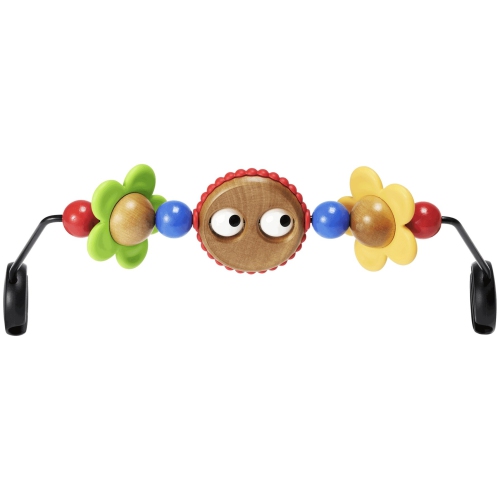 Your price for this item is $78.49
 -
 Your price for this item is $78.49
 -
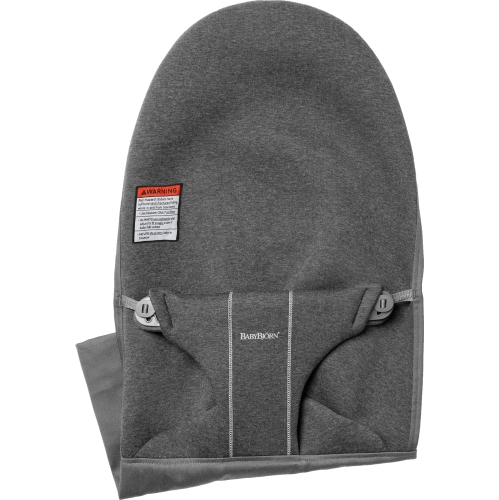 Your price for this item is $139.99
Discover more categories related to Playground Swings
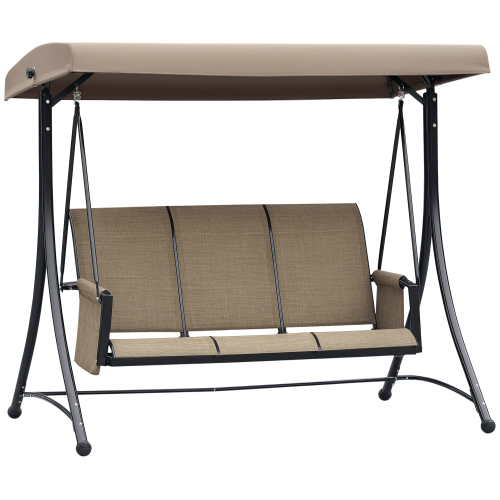
Top Collections:
Pokemon Centers, Kindle Devices, Best Budget Office Chairs, Apple iPhones 16, Best Laptops for Writers, iPhone 15 Apple, Canon G7X Cameras, Refurbished Apple Laptops, Alarm Clock, Motorola Razr Phones
Some products may be subject to Environmental Handling Fees
(EHF) depending on your province.
Learn more about EHFs.