Polypropylene Jute Look Rugs
Polypropylene jute look rugs bring the timeless appeal of natural fiber styles to any room with added durability and easy maintenance. Perfect for high-traffic areas, these rugs offer a versatile foundation that complements a wide range of décor themes, from modern to traditional. Enhance your living space, bedroom, or office with the texture and warmth of polypropylene jute look rugs, designed for effortless style and everyday comfort. Explore options in various sizes, colors, and patterns to find the ideal accent for your home.
Sort
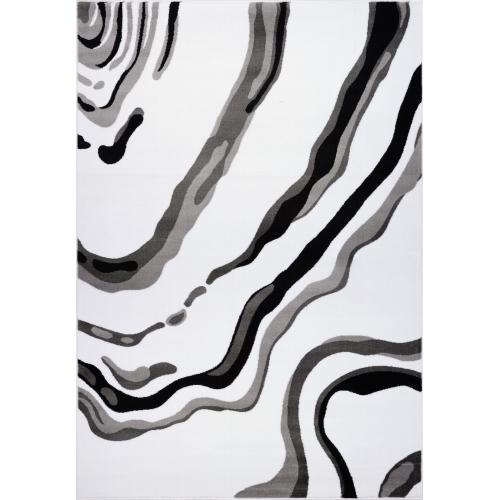
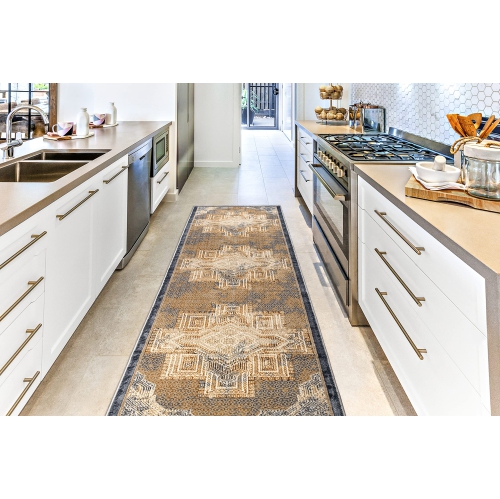
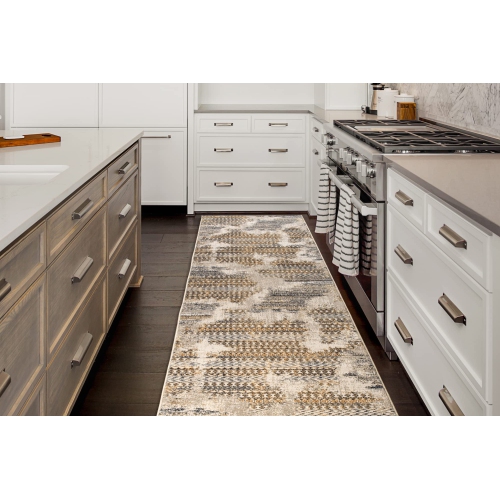
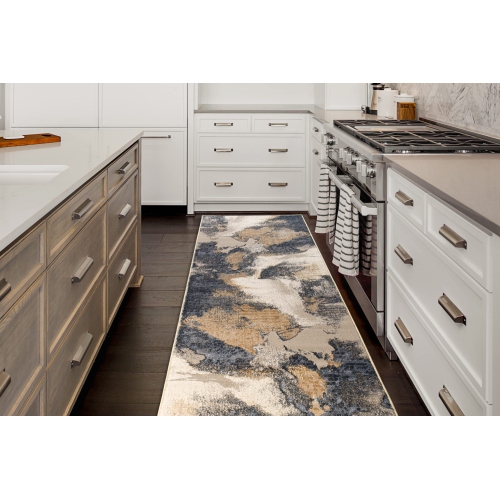
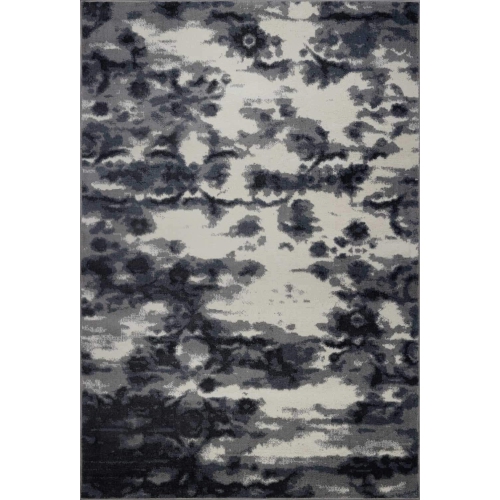


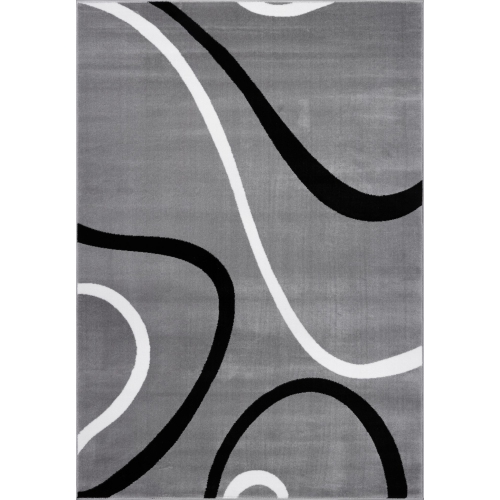

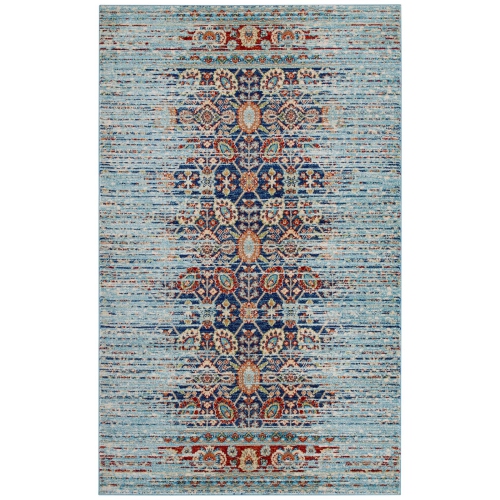
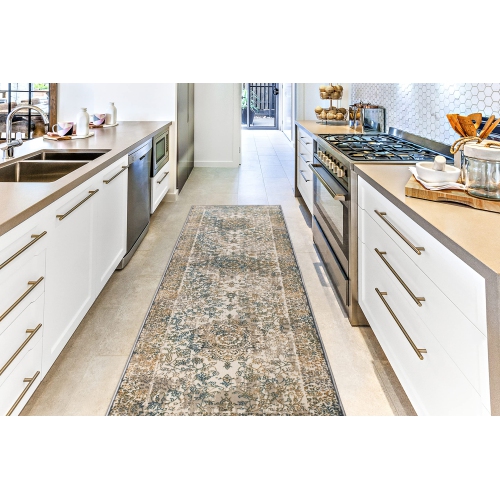
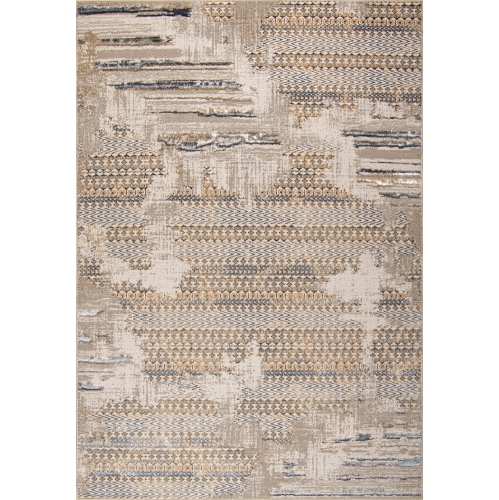
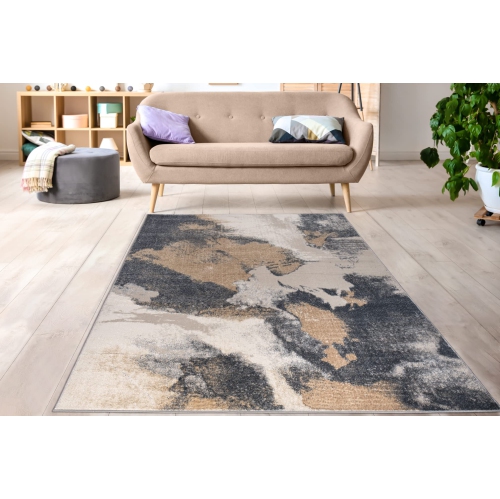
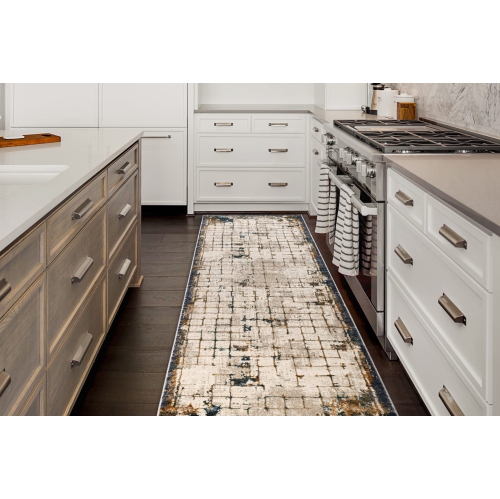

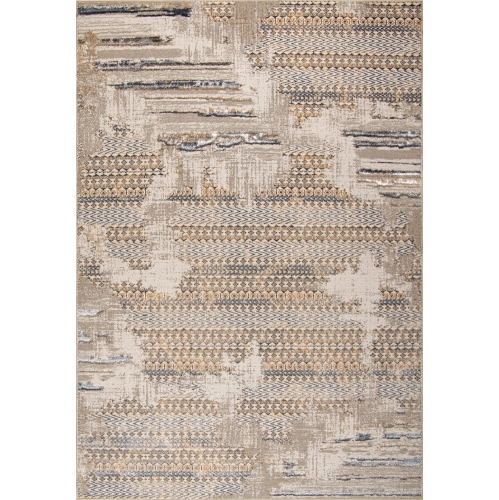
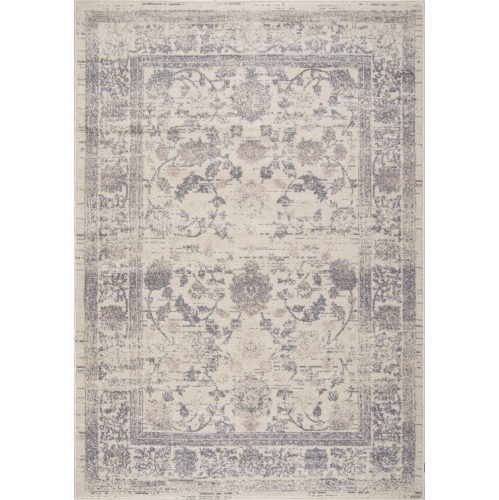
The woven look of jute with easier everyday care
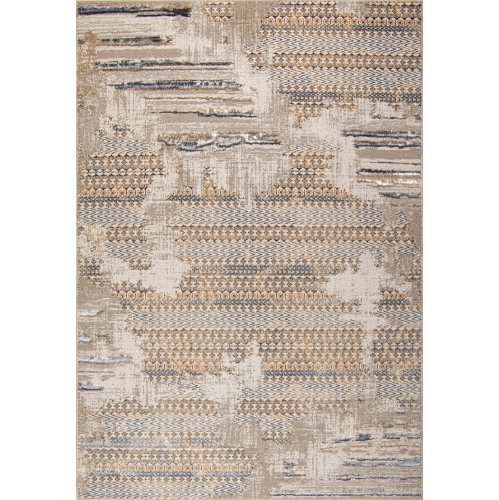
Polypropylene jute-look rugs recreate the earthy colour and woven character of jute using synthetic polypropylene fibres. Their appeal lies in that combination: the relaxed appearance of a natural-fibre rug with a material that generally absorbs very little water and is straightforward to maintain. A jute-look rug is not necessarily made with jute; the description usually refers to its appearance, so the fibre content is worth checking when comparing constructions. Shades of oatmeal, sand, tan, and brown create a textured foundation without demanding attention from the rest of a room. Flecked yarns, alternating weave patterns, and subtle borders can give a seemingly plain rug depth, particularly beside smooth wood flooring or a solid-colour sofa. The result suits a range of interiors, from rooms with linen upholstery and pale wood furniture to spaces with darker cabinetry and black metal accents. Underfoot feel varies with the weave, yarn thickness, and pile height. Some polypropylene versions feel smoother and less coarse than traditional jute, while tightly woven flatweaves can still have a firm, textured surface rather than the cushioning of a plush rug. That distinction matters beside a bed, beneath a reading chair, or anywhere bare feet regularly meet the floor. Many jute-inspired designs fall within the broader category of Machine Woven Polypropylene Rugs, where consistent construction can support a clearly defined woven pattern. Polypropylene fibres are generally resistant to moisture absorption and tend to shed less than many natural-fibre constructions, although a rug’s overall performance also depends on its backing, edges, and quality of manufacture. These are useful qualities for households that want a textured, understated floor covering without treating it as a delicate accent. A simple flatweave can sit quietly beneath busy furnishings, while a diamond pattern or contrasting border adds definition to an otherwise minimal room. The material gives the jute-inspired look a practical role in everyday spaces, but neither softness nor durability should be assumed from the fibre name alone.
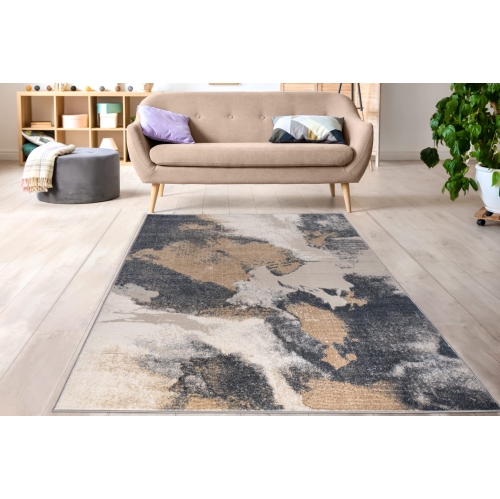
Size, shape, and placement determine how comfortably a polypropylene jute-look rug fits into daily life. In a living room, a rug large enough to sit beneath the front legs of the main seating pieces helps connect a sofa, chairs, and coffee table into one arrangement. A smaller rug placed only under the coffee table can leave the surrounding seating feeling disconnected, particularly in an open-plan space. Beneath a dining table, the rug should extend far enough for chairs to remain on it when pulled back for someone to sit down. A low-profile weave makes that movement easier than a deep pile, although the rug’s edges still need to lie flat. In a bedroom, extending the rug beyond the sides of the bed gives feet a comfortable landing spot, while runners offer a narrower option where floor space is limited. Hallways and entrances call for a closer look at door clearance, walking paths, and the distance between the rug edge and nearby steps. A tightly woven surface can be practical where shoes, bags, and everyday foot traffic are part of the routine, but tracked-in grit still needs regular removal. A suitable rug pad can reduce movement, add some cushioning, and help protect the floor beneath; the pad should be compatible with both the rug backing and the flooring manufacturer’s recommendations. Polypropylene jute-look rugs can also work in kitchens, dining areas, and other spaces where occasional spills are likely, provided the intended use and care instructions support that placement. For balconies and patios, an indoor/outdoor designation matters more than a jute-like appearance or polypropylene content alone. The complete rug, including its backing and edge finish, needs to be suitable for outdoor use. Water-resistant fibres do not make every rug waterproof, and they do not prevent moisture from collecting underneath. Households with children or pets may appreciate a low-profile, easy-to-access surface for routine cleaning, while checking that exposed loops, fringe, and edges suit the way the space is used.
Routine care helps preserve both the appearance and the structure of a polypropylene jute-look rug. Vacuuming removes dust, crumbs, and fine grit before they settle between the woven yarns, with frequency depending on how much traffic the area receives. The recommended vacuum setting varies by construction; suction-only cleaning or a raised brush setting may be preferable for textured weaves that could catch on a rotating brush. Fringe and bound edges deserve particular care because repeated pulling can loosen them even when the main surface remains intact. For a fresh spill, lifting solids gently and blotting liquid with a clean cloth is usually a better starting point than rubbing, which can spread the mark and push it farther into the weave. A small amount of mild cleaning solution may be suitable when permitted by the care label, but it should first be tested in an inconspicuous area. Polypropylene’s resistance to absorbing moisture makes many everyday spills easier to address, yet it does not make the rug stain-proof: oily substances and residue can still cling to the fibres. Cleaning methods should account for the backing as well as the visible surface. Some indoor/outdoor rugs can be rinsed, while others require spot cleaning, so hosing down a rug is appropriate only when the manufacturer allows it. After wet cleaning, the rug and the surface beneath it should dry fully before furniture is replaced. Leaving a damp rug flat against a floor can trap moisture, even if the face fibres feel nearly dry. Rotating the rug occasionally helps distribute foot traffic and the pressure of furniture legs, while broad furniture pads can reduce concentrated marks beneath heavier pieces. A runner beside a busy kitchen counter, a rug under a dining table, and a bedroom rug will each experience different kinds of wear, so construction and care requirements are as important as colour. With a size that suits the furniture arrangement and a weave matched to everyday use, a polypropylene jute-look rug brings warmth and visual texture to a room without needing a bold pattern or a deep pile.
Size, shape, and placement determine how comfortably a polypropylene jute-look rug fits into daily life. In a living room, a rug large enough to sit beneath the front legs of the main seating pieces helps connect a sofa, chairs, and coffee table into one arrangement. A smaller rug placed only under the coffee table can leave the surrounding seating feeling disconnected, particularly in an open-plan space. Beneath a dining table, the rug should extend far enough for chairs to remain on it when pulled back for someone to sit down. A low-profile weave makes that movement easier than a deep pile, although the rug’s edges still need to lie flat. In a bedroom, extending the rug beyond the sides of the bed gives feet a comfortable landing spot, while runners offer a narrower option where floor space is limited. Hallways and entrances call for a closer look at door clearance, walking paths, and the distance between the rug edge and nearby steps. A tightly woven surface can be practical where shoes, bags, and everyday foot traffic are part of the routine, but tracked-in grit still needs regular removal. A suitable rug pad can reduce movement, add some cushioning, and help protect the floor beneath; the pad should be compatible with both the rug backing and the flooring manufacturer’s recommendations. Polypropylene jute-look rugs can also work in kitchens, dining areas, and other spaces where occasional spills are likely, provided the intended use and care instructions support that placement. For balconies and patios, an indoor/outdoor designation matters more than a jute-like appearance or polypropylene content alone. The complete rug, including its backing and edge finish, needs to be suitable for outdoor use. Water-resistant fibres do not make every rug waterproof, and they do not prevent moisture from collecting underneath. Households with children or pets may appreciate a low-profile, easy-to-access surface for routine cleaning, while checking that exposed loops, fringe, and edges suit the way the space is used.
Routine care helps preserve both the appearance and the structure of a polypropylene jute-look rug. Vacuuming removes dust, crumbs, and fine grit before they settle between the woven yarns, with frequency depending on how much traffic the area receives. The recommended vacuum setting varies by construction; suction-only cleaning or a raised brush setting may be preferable for textured weaves that could catch on a rotating brush. Fringe and bound edges deserve particular care because repeated pulling can loosen them even when the main surface remains intact. For a fresh spill, lifting solids gently and blotting liquid with a clean cloth is usually a better starting point than rubbing, which can spread the mark and push it farther into the weave. A small amount of mild cleaning solution may be suitable when permitted by the care label, but it should first be tested in an inconspicuous area. Polypropylene’s resistance to absorbing moisture makes many everyday spills easier to address, yet it does not make the rug stain-proof: oily substances and residue can still cling to the fibres. Cleaning methods should account for the backing as well as the visible surface. Some indoor/outdoor rugs can be rinsed, while others require spot cleaning, so hosing down a rug is appropriate only when the manufacturer allows it. After wet cleaning, the rug and the surface beneath it should dry fully before furniture is replaced. Leaving a damp rug flat against a floor can trap moisture, even if the face fibres feel nearly dry. Rotating the rug occasionally helps distribute foot traffic and the pressure of furniture legs, while broad furniture pads can reduce concentrated marks beneath heavier pieces. A runner beside a busy kitchen counter, a rug under a dining table, and a bedroom rug will each experience different kinds of wear, so construction and care requirements are as important as colour. With a size that suits the furniture arrangement and a weave matched to everyday use, a polypropylene jute-look rug brings warmth and visual texture to a room without needing a bold pattern or a deep pile.
Top selling and popular products
-
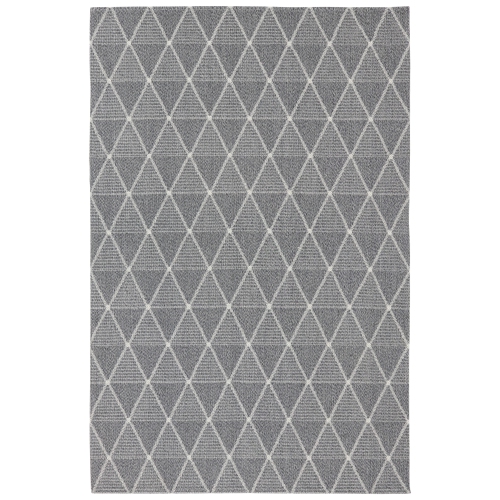 Your price for this item is $130.55
 -
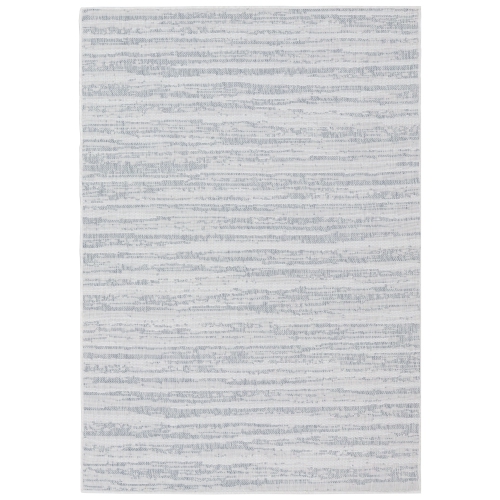 Your price for this item is $129.15
 -
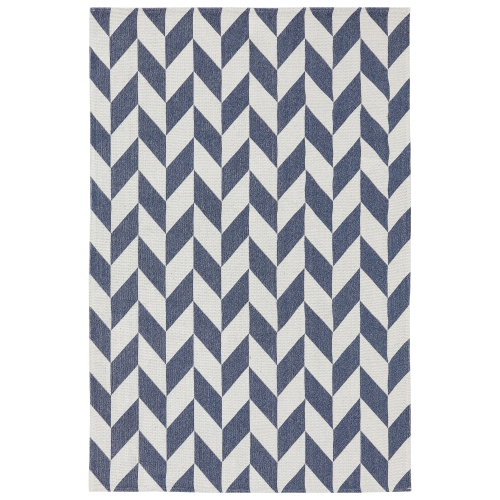 Your price for this item is $130.55
 -
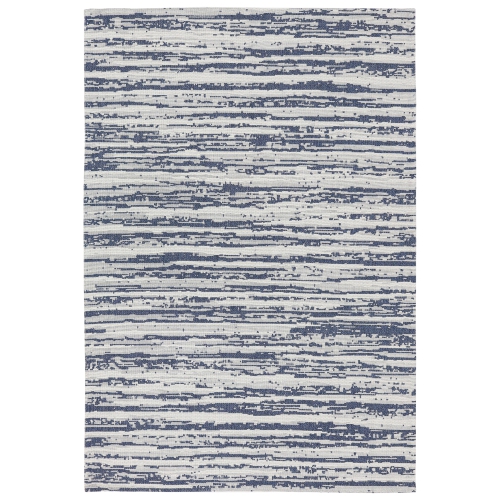 Your price for this item is $130.55
 -
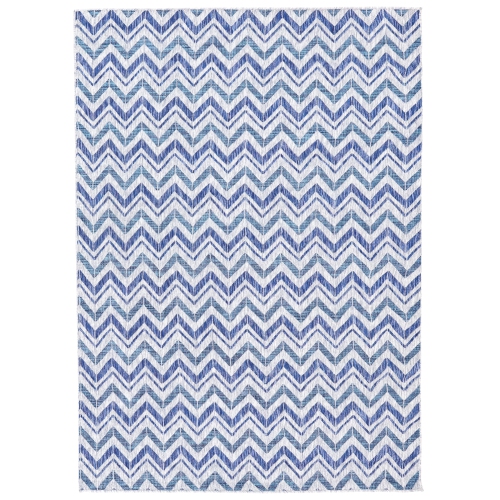 Your price for this item is $129.15
 -
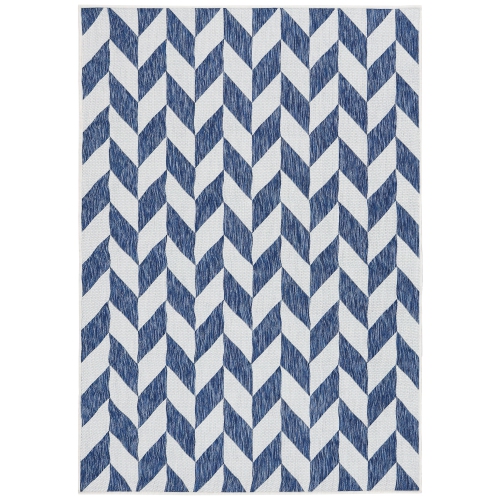 Your price for this item is $129.15
 -
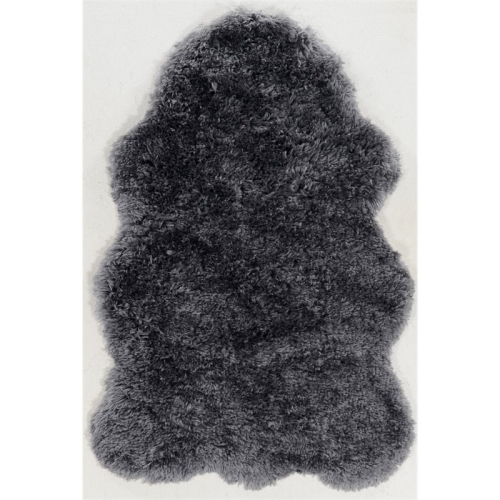 Your price for this item is $269.49
 -
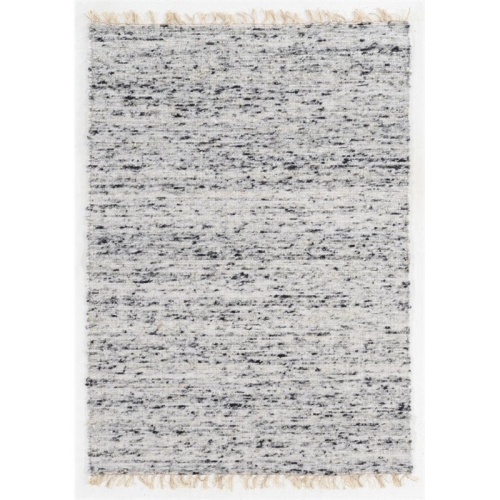 Your price for this item is $249.71
Discover more categories related to Polypropylene Jute Look Rugs
Top Collections:
Pokemon Centers, Kindle Devices, Best Budget Office Chairs, Apple iPhones 16, Canon G7X Cameras, iPhone 15 Apple, Alarm Clock, Refurbished Apple Laptops, Flip Phones, Best Laptops for Writers
Some products may be subject to Environmental Handling Fees
(EHF) depending on your province.
Learn more about EHFs.