Pool Filter Hoses
When it comes to keeping your pool water clean and crystal clear, having the right pool filter hoses is essential. These hoses are designed to efficiently connect your pool pump to the filter, allowing water to flow through for effective filtration. Whether you are setting up a new pool system or replacing old hoses, finding durable and flexible options is key to maintaining optimal circulation and ensuring a sparkling swimming experience. Explore our selection of pool filter hoses to find the perfect fit for your pool setup.
Sort


What to know about sizing, fitting, and hose care
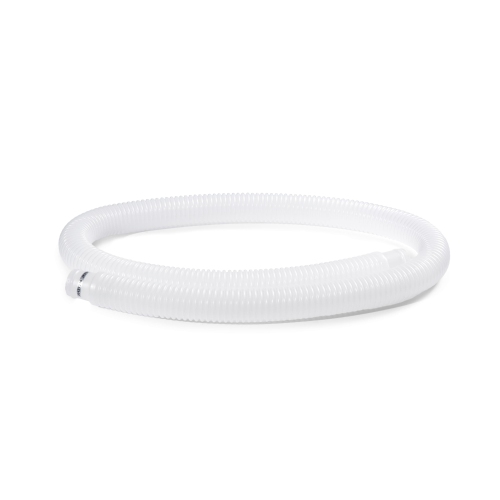
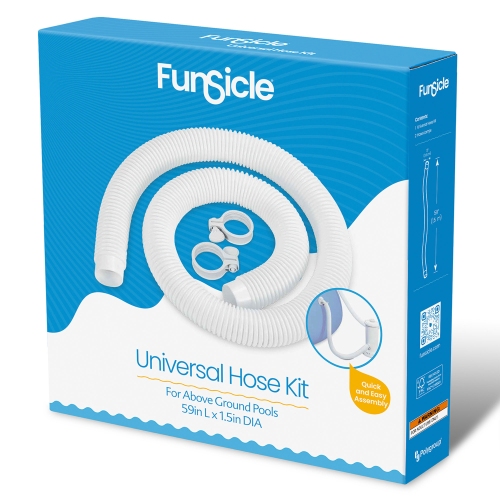
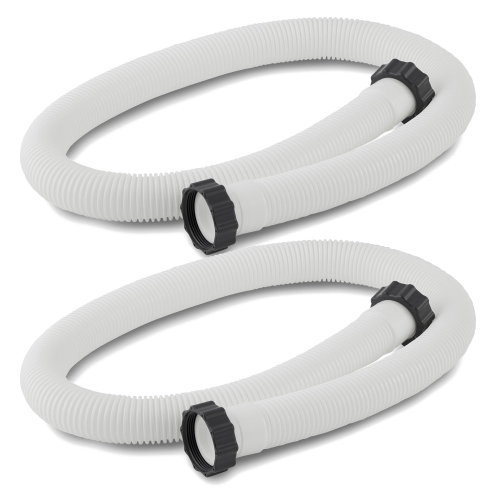
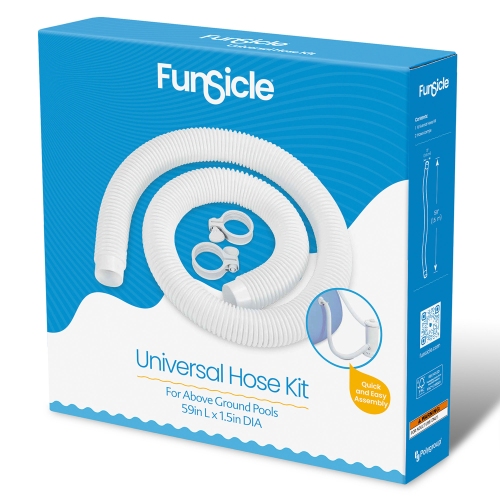
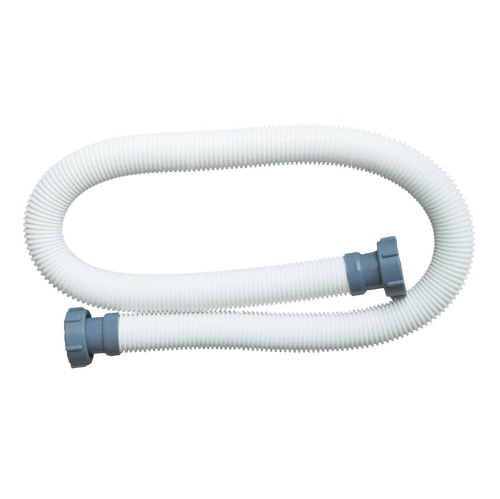
Pool filter hoses are essential connections in an above-ground swimming pool’s circulation system, linking the pool wall, pump, filter, and return outlet so water can move through the system for cleaning and recirculation. A hose that looks like a simple accessory can have a noticeable effect on how smoothly the equipment operates, especially when it is kinked, stretched too tightly, or attached to fittings with the wrong diameter. When shopping, begin by checking the specifications for the existing pump and filter, along with the size of the pool wall connections. Hoses with a 1.25-inch diameter are commonly used with smaller above-ground cartridge filter pumps, while 1.5-inch hoses are often suited to larger pumps, sand filter systems, and some saltwater pool setups. The correct fit matters because an oversized or undersized connection may leak, restrict water flow, or require adapters that add extra points for water to escape. It is also useful to measure the distance between each piece of equipment before choosing a replacement. Short hoses measuring about 3 to 4 feet are often used to connect a pump directly to a nearby filter, while longer corrugated or spiral hoses can span 6, 12, 18, 25, or more feet between a pool wall skimmer or outlet and equipment positioned farther away. A little extra length can make installation easier, but an overly long hose may be more difficult to position neatly and can place unnecessary bends in the circulation path. Those comparing options in this category may also wish to browse Pool Hoses for additional sizes and styles suited to different pool layouts.
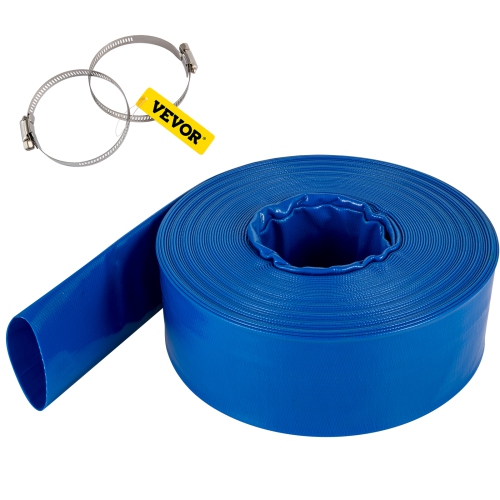
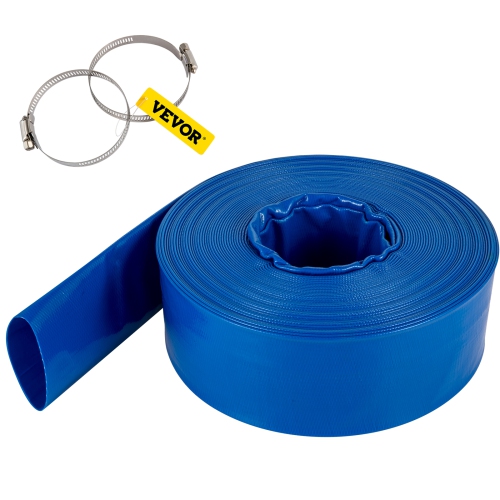
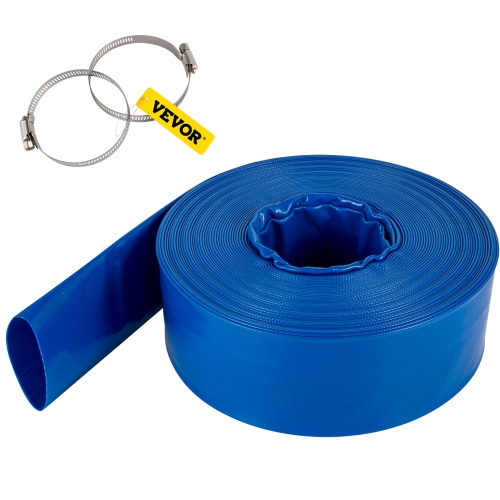
Before purchasing, look closely at what is included with the hose. Some options are supplied as individual replacement lengths, while others may include cuffs, adapters, or clamps intended to simplify installation. A compatible clamp is particularly important for creating a secure seal around a smooth fitting. Worm-gear or screw clamps should sit over the hose cuff and be tightened gently and evenly with a flathead screwdriver; overtightening can damage the hose material or distort the connection, while insufficient tightening may lead to a slow drip that is easy to miss. Flexible corrugated construction can be helpful when equipment needs to be positioned around a corner or on an uneven surface, although the hose should still follow a relaxed path without sharp folds. Before inspecting or changing any pool filter hose, turn off the pump and disconnect its power according to the equipment instructions. Shut-off valves should be closed where available, and pool wall openings may need to be plugged or capped to limit water loss while a connection is open. After installation, restore water flow gradually and check each joint for drips, dampness, or a faint spray before running the system for a longer period. A properly fitted hose helps the pump maintain consistent circulation and can make routine maintenance less frustrating, particularly when the pool is being used frequently during warm weather or prepared for reduced use during cooler months. Prices commonly range from about $15 to $50, depending on length, diameter, construction, and whether the package includes connection hardware, so comparing the full contents of each option is more useful than judging by hose length alone.
Pool filter hoses are practical purchases for homeowners, renters with portable or above-ground pools, property managers, and anyone responsible for maintaining a seasonal swimming area. They can also be a thoughtful gift for a new pool owner, particularly when paired with other maintenance essentials, because replacement hoses are easy to overlook until a connection becomes brittle or starts leaking. Regular inspection is worthwhile throughout the swimming season and when equipment is being stored or prepared for cooler conditions. Look for cloudy or hardened sections, surface cracks, soft spots, stretched cuffs, loose fittings, and unexplained drops in water level around the pump or filter. Even when a hose appears intact, repeated exposure to water treatment chemicals, sunlight, pressure, and temperature changes can gradually reduce its flexibility. Replacement is generally sensible every few seasons or sooner if damage is visible, water loss is suspected, or the hose no longer holds firmly to its fittings. When storing equipment, drain the hose completely, allow it to dry, and avoid folding it into a tight crease that could become a weak point. Keep the circulation layout in mind when selecting a replacement: the hose should reach without pulling on the pump or filter, remain clear of walkways where it could be stepped on, and avoid unnecessary loops that collect air or interfere with water flow. With the right diameter, length, clamps, and connection style, a pool filter hose can support dependable circulation and help keep routine pool care straightforward from the warmer part of the season through the cooler months.
Before purchasing, look closely at what is included with the hose. Some options are supplied as individual replacement lengths, while others may include cuffs, adapters, or clamps intended to simplify installation. A compatible clamp is particularly important for creating a secure seal around a smooth fitting. Worm-gear or screw clamps should sit over the hose cuff and be tightened gently and evenly with a flathead screwdriver; overtightening can damage the hose material or distort the connection, while insufficient tightening may lead to a slow drip that is easy to miss. Flexible corrugated construction can be helpful when equipment needs to be positioned around a corner or on an uneven surface, although the hose should still follow a relaxed path without sharp folds. Before inspecting or changing any pool filter hose, turn off the pump and disconnect its power according to the equipment instructions. Shut-off valves should be closed where available, and pool wall openings may need to be plugged or capped to limit water loss while a connection is open. After installation, restore water flow gradually and check each joint for drips, dampness, or a faint spray before running the system for a longer period. A properly fitted hose helps the pump maintain consistent circulation and can make routine maintenance less frustrating, particularly when the pool is being used frequently during warm weather or prepared for reduced use during cooler months. Prices commonly range from about $15 to $50, depending on length, diameter, construction, and whether the package includes connection hardware, so comparing the full contents of each option is more useful than judging by hose length alone.
Pool filter hoses are practical purchases for homeowners, renters with portable or above-ground pools, property managers, and anyone responsible for maintaining a seasonal swimming area. They can also be a thoughtful gift for a new pool owner, particularly when paired with other maintenance essentials, because replacement hoses are easy to overlook until a connection becomes brittle or starts leaking. Regular inspection is worthwhile throughout the swimming season and when equipment is being stored or prepared for cooler conditions. Look for cloudy or hardened sections, surface cracks, soft spots, stretched cuffs, loose fittings, and unexplained drops in water level around the pump or filter. Even when a hose appears intact, repeated exposure to water treatment chemicals, sunlight, pressure, and temperature changes can gradually reduce its flexibility. Replacement is generally sensible every few seasons or sooner if damage is visible, water loss is suspected, or the hose no longer holds firmly to its fittings. When storing equipment, drain the hose completely, allow it to dry, and avoid folding it into a tight crease that could become a weak point. Keep the circulation layout in mind when selecting a replacement: the hose should reach without pulling on the pump or filter, remain clear of walkways where it could be stepped on, and avoid unnecessary loops that collect air or interfere with water flow. With the right diameter, length, clamps, and connection style, a pool filter hose can support dependable circulation and help keep routine pool care straightforward from the warmer part of the season through the cooler months.
Top selling and popular products
-
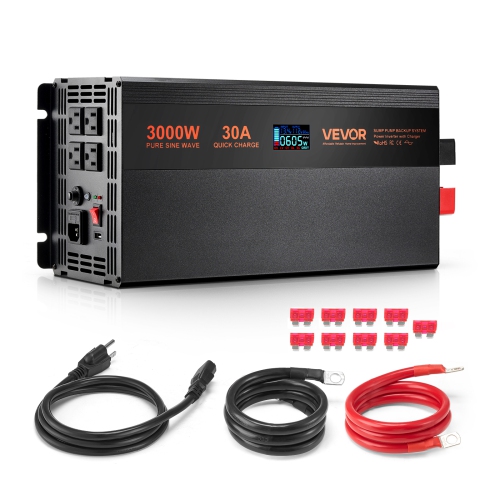 Your price for this item is $364.9
 -
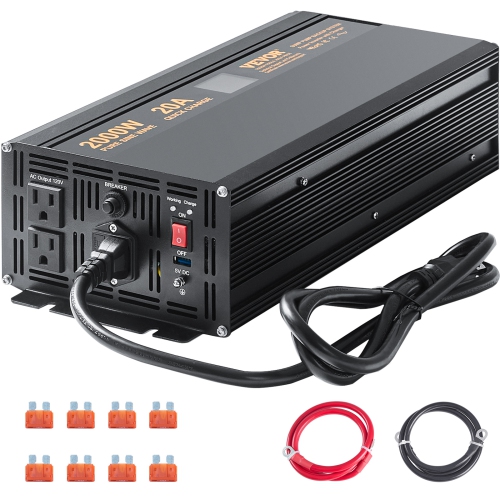 Your price for this item is $265.99
 -
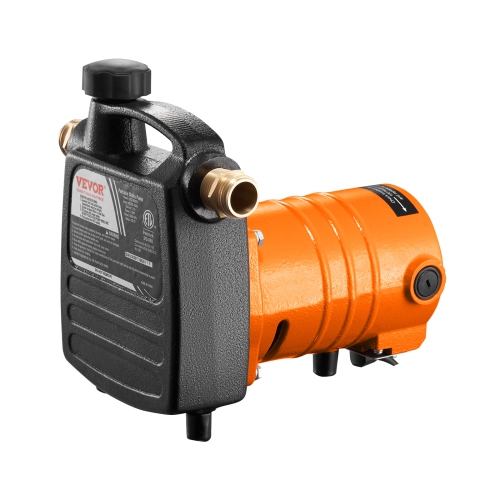 Your price for this item is $164.99
 -
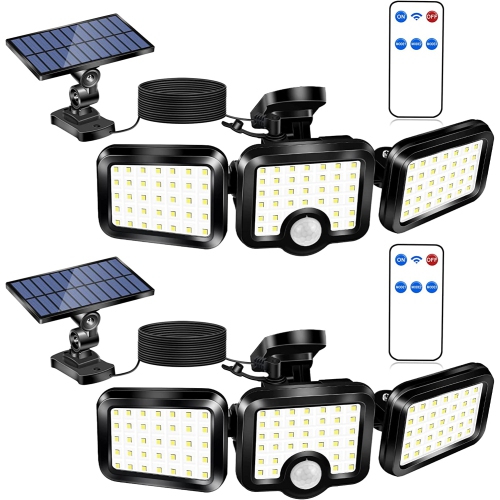 Your price for this item is $39.99
 -
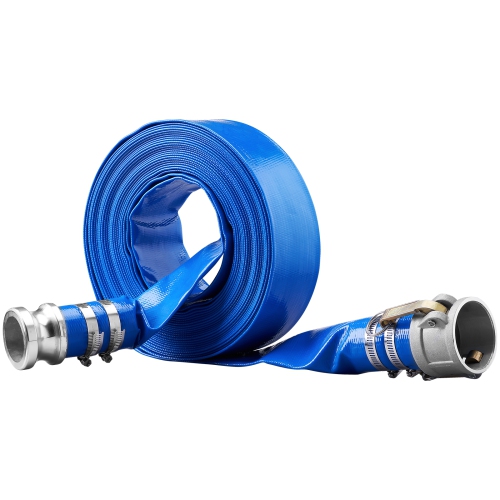 Your price for this item is $52.9
 -
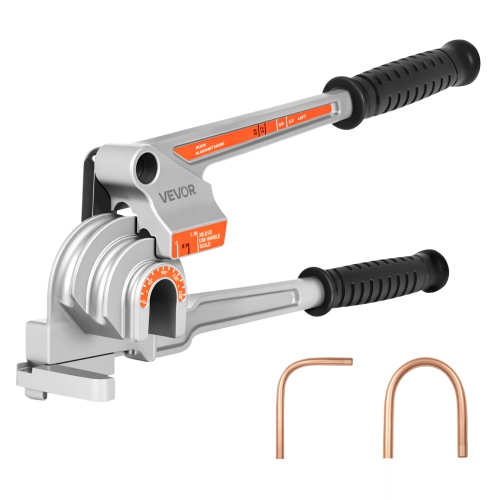 Your price for this item is $34.9
 -
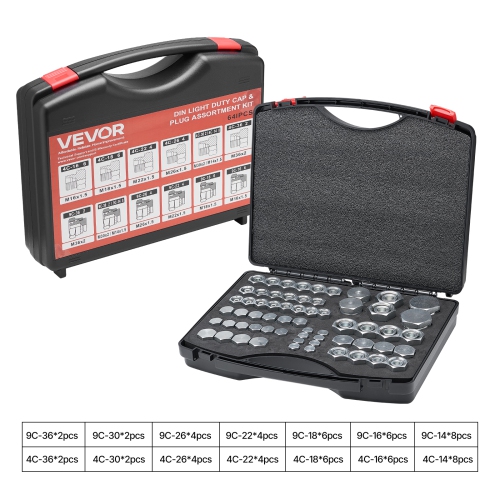 Your price for this item is $79.9
 -
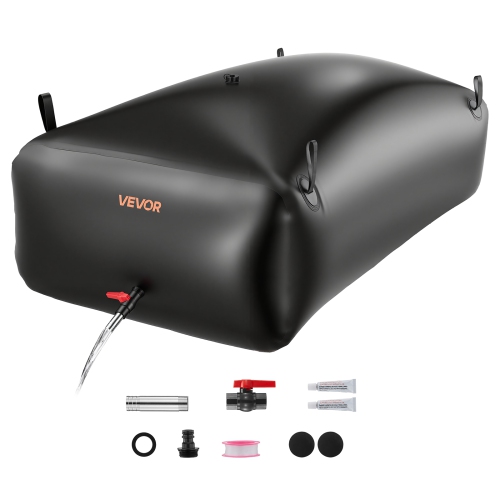 Your price for this item is $72.9
Discover more categories related to Pool Filter Hoses
Top Collections:
Pokemon Centers, Kindle Devices, Best Budget Office Chairs, Apple iPhones 16, Best Laptops for Writers, iPhone 15 Apple, Canon G7X Cameras, Refurbished Apple Laptops, Alarm Clock, Motorola Razr Phones
Some products may be subject to Environmental Handling Fees
(EHF) depending on your province.
Learn more about EHFs.