Pop-Up Tent
Transform your outdoor adventures with the convenience and ease of a pop-up tent. Ideal for camping trips, festivals, or spontaneous backyard sleepovers, these tents offer quick setup and portability. Crafted to provide shelter and comfort in various environments, they are perfect for both seasoned adventurers and occasional campers. Discover a range of options that cater to different group sizes and weather conditions, ensuring you find the perfect fit for your next escapade. Embrace the outdoors with confidence, knowing your pop-up tent is ready to enhance your experience with minimal effort.
Sort




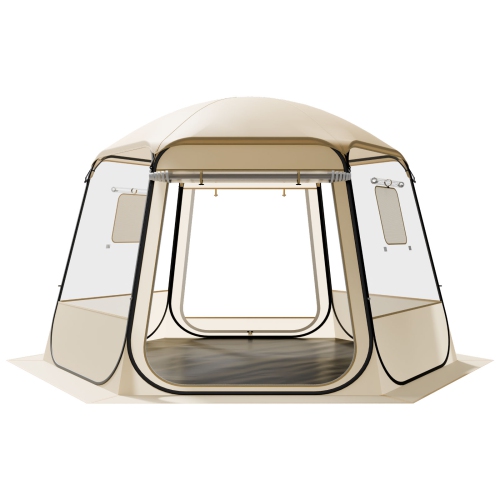
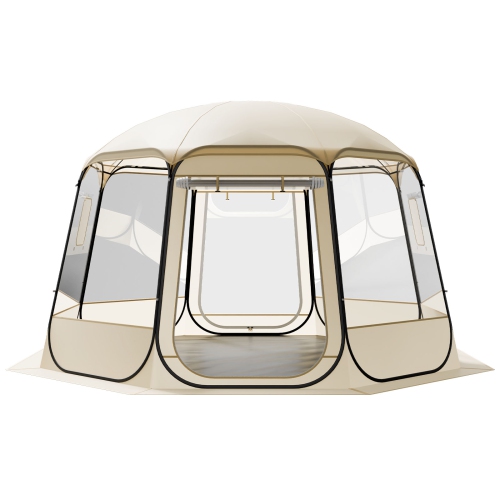
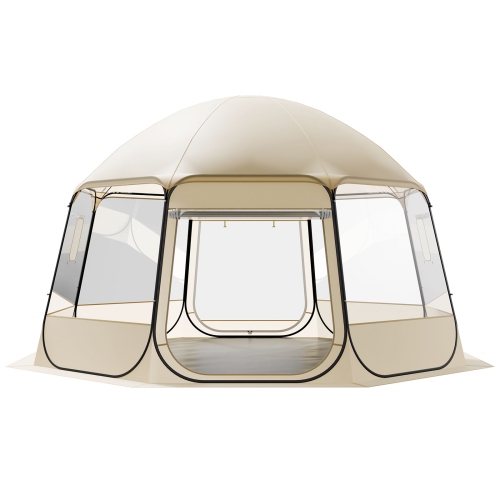
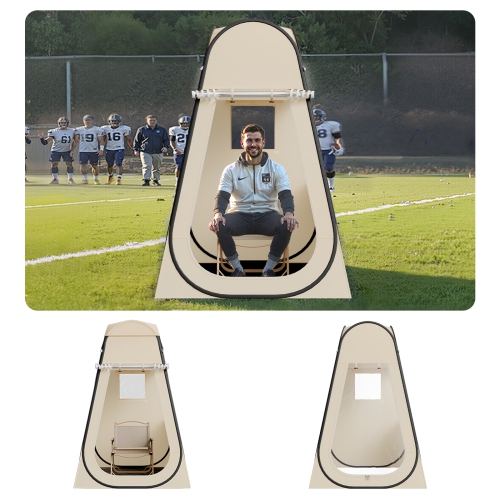




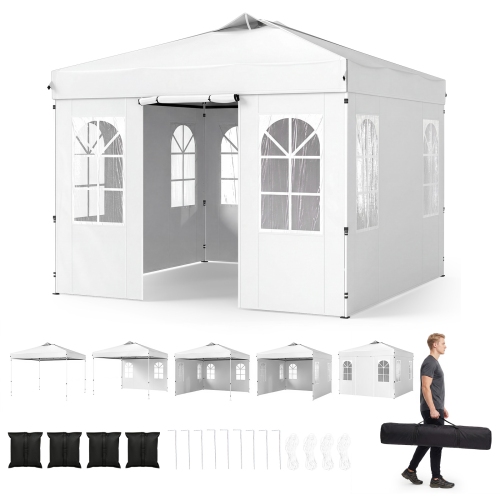

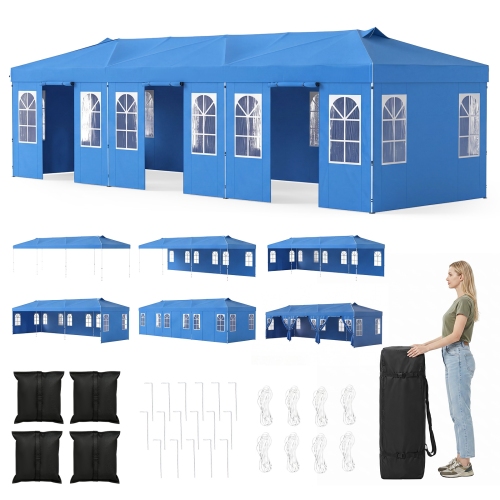

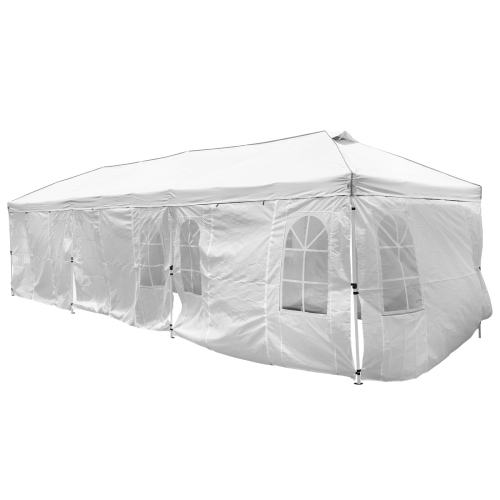
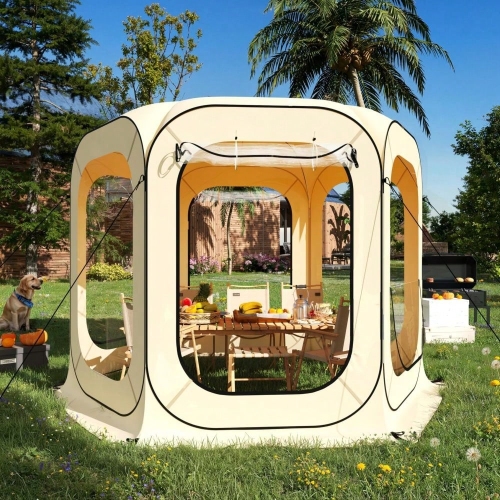
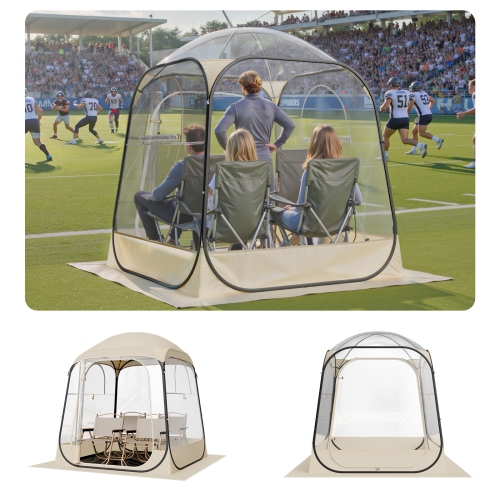
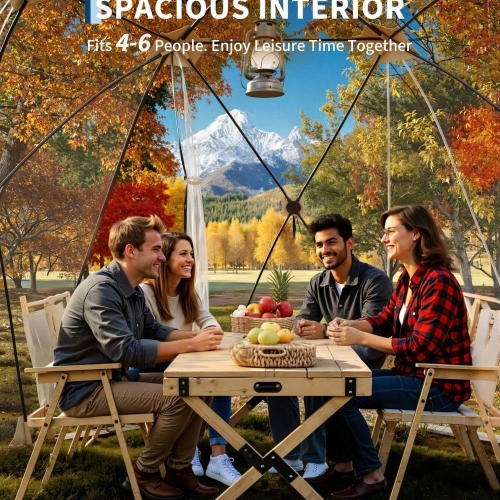
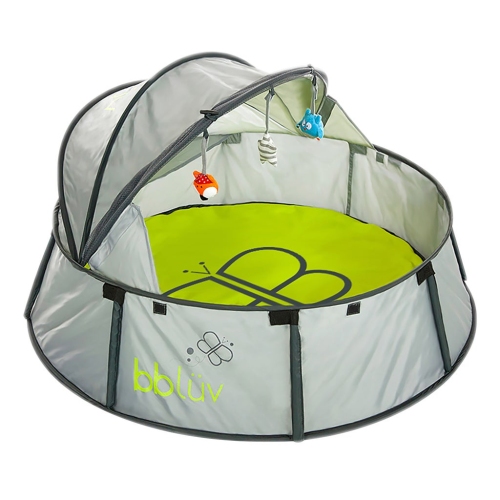
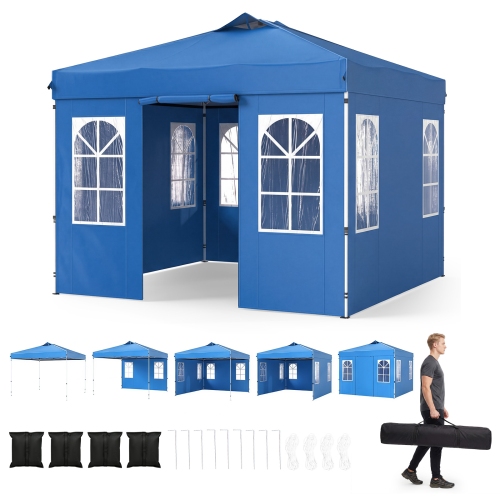
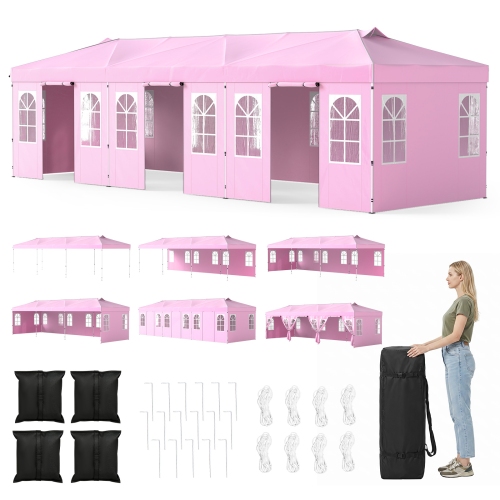
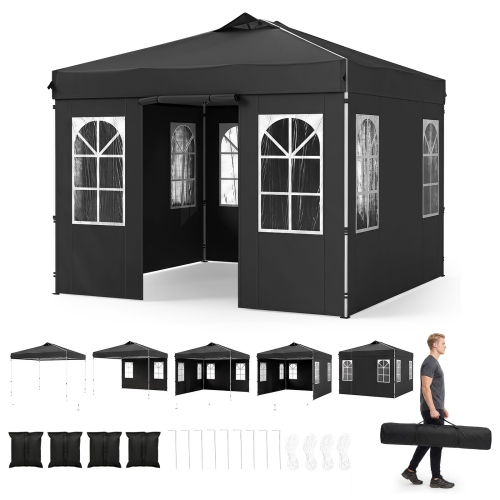
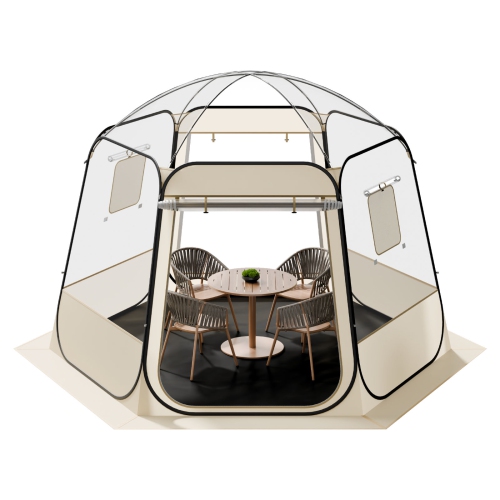
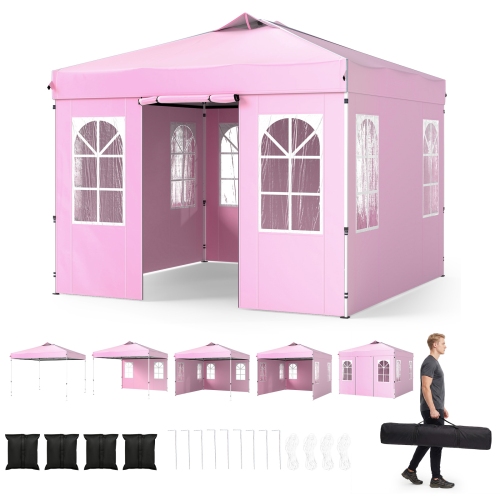
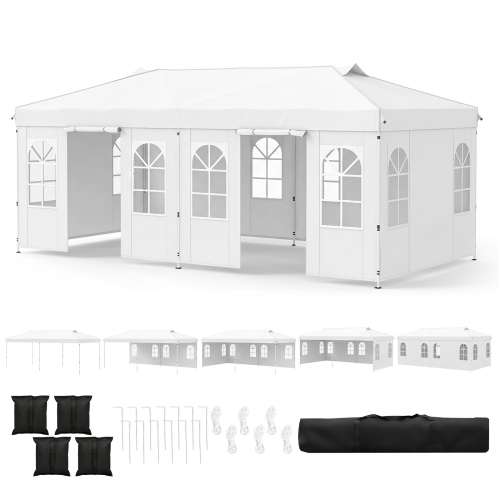


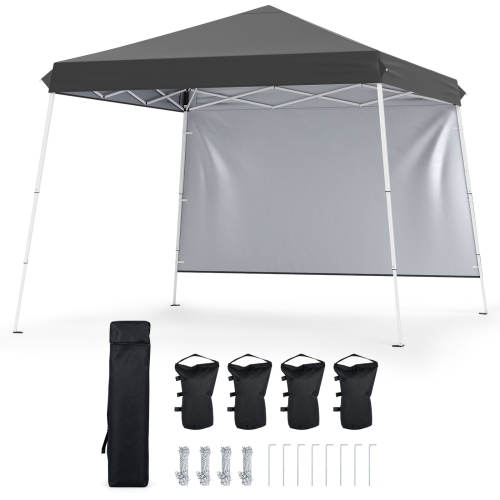


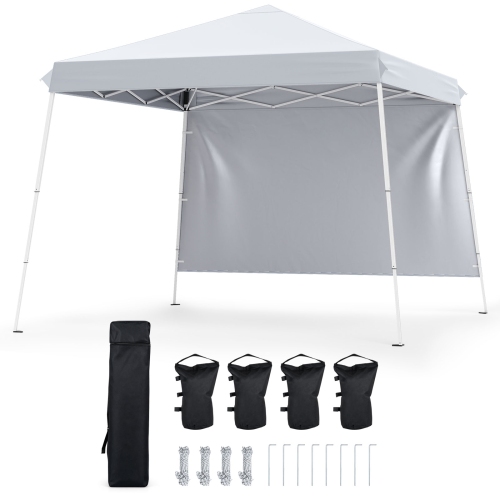
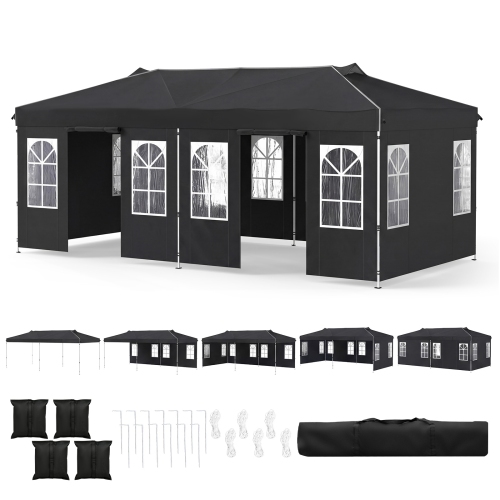
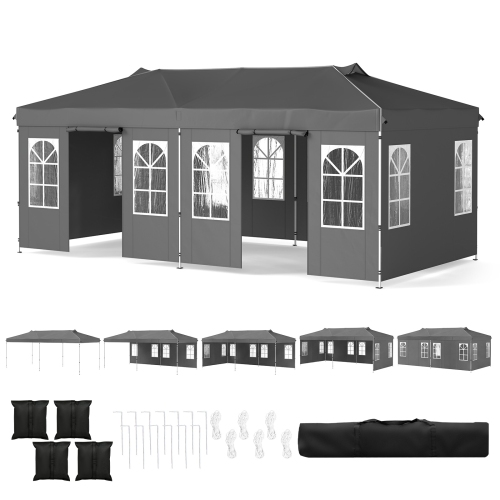
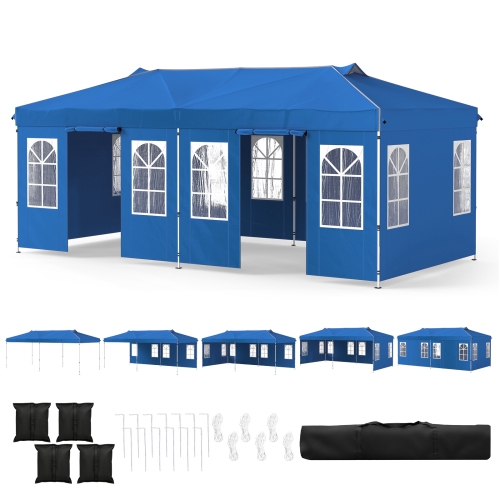
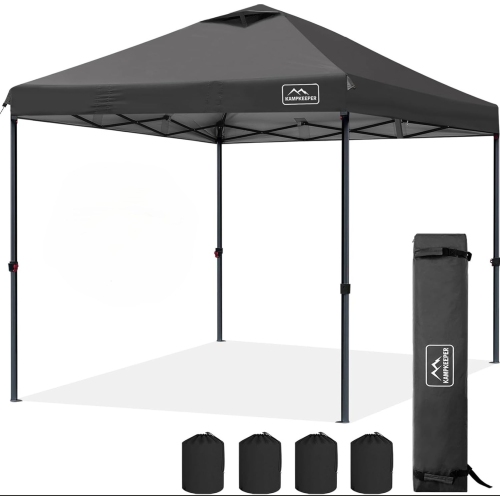


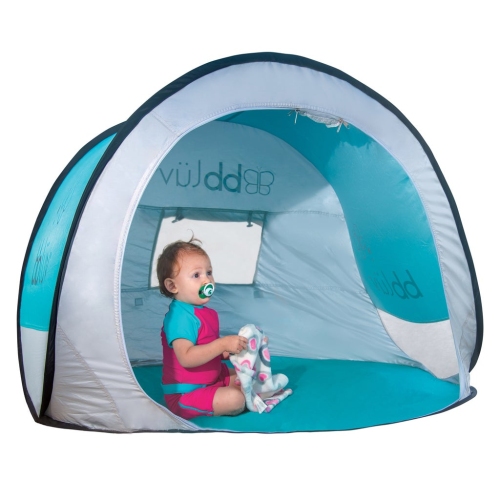
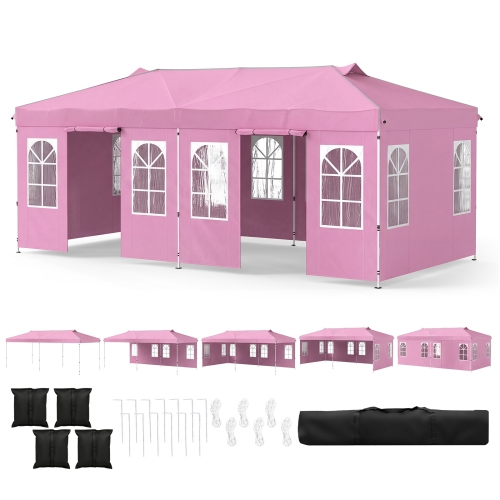


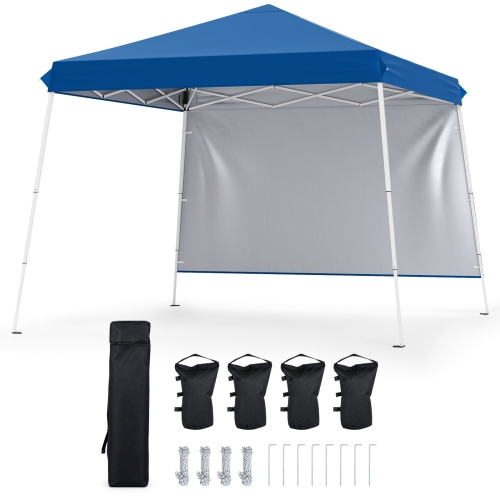


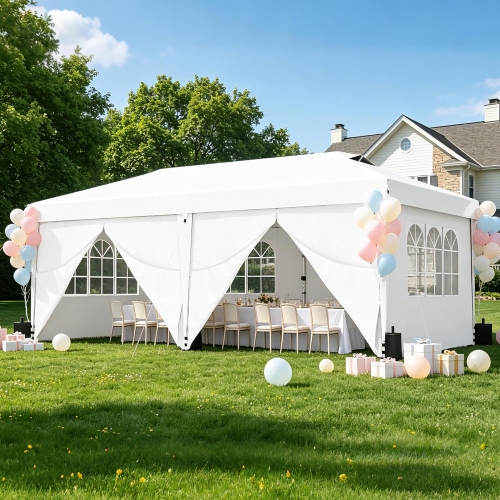
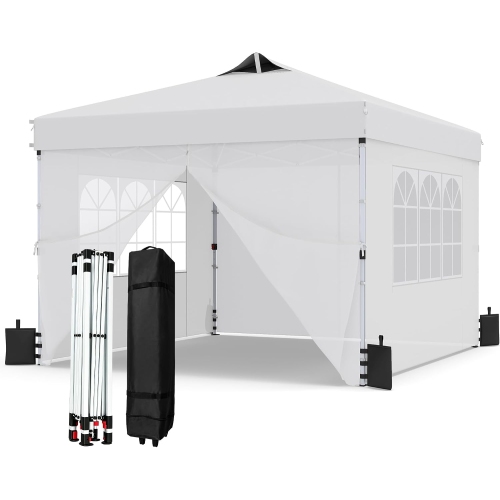
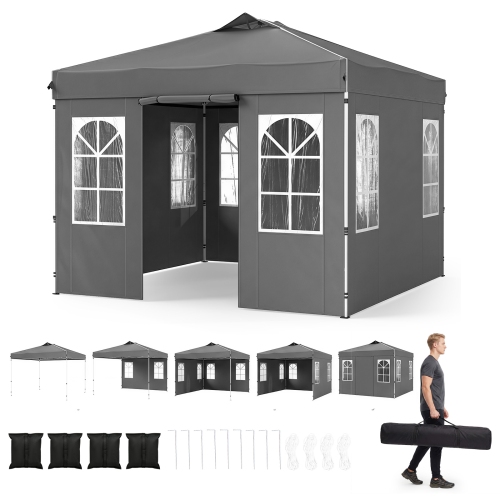


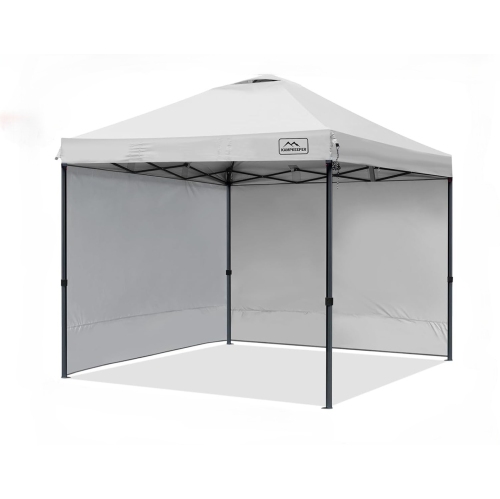


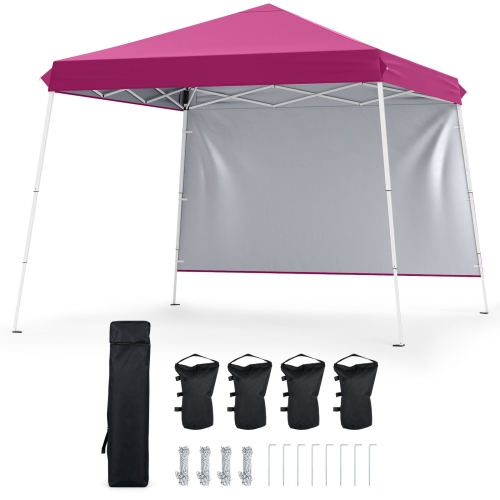


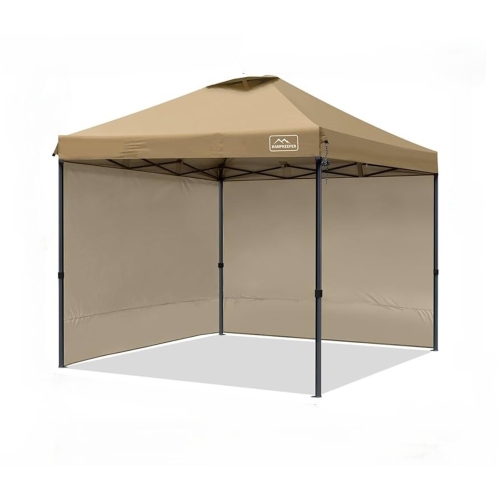


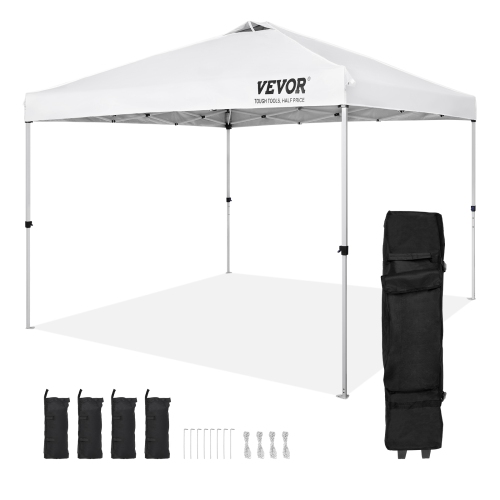
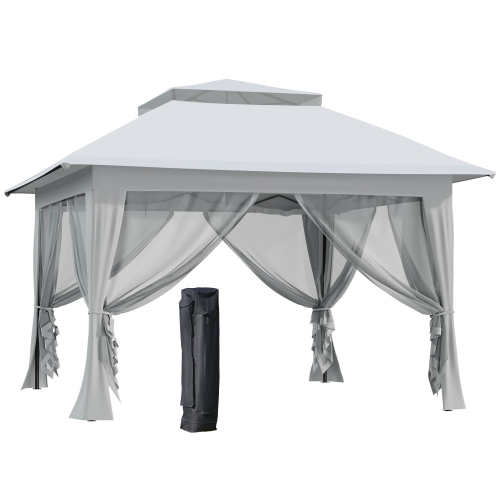


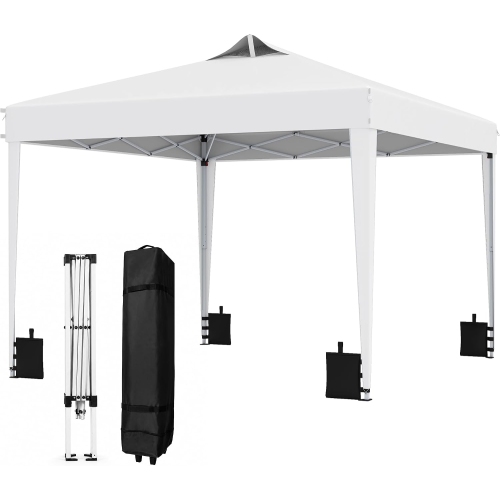


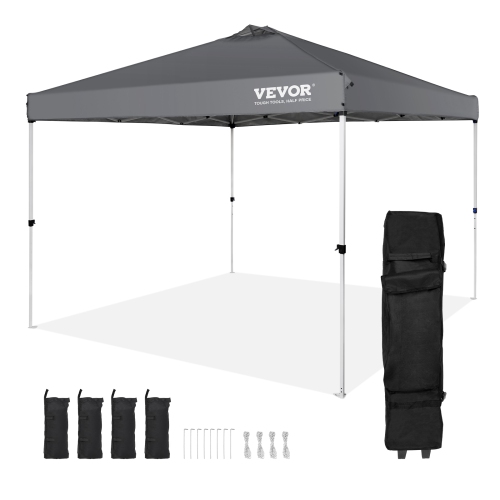



























Quick setup is only part of camping comfort
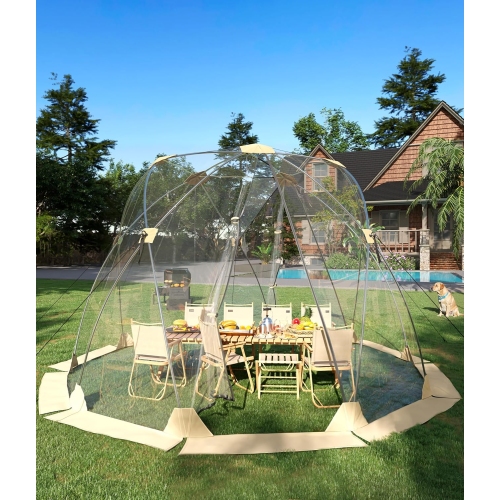
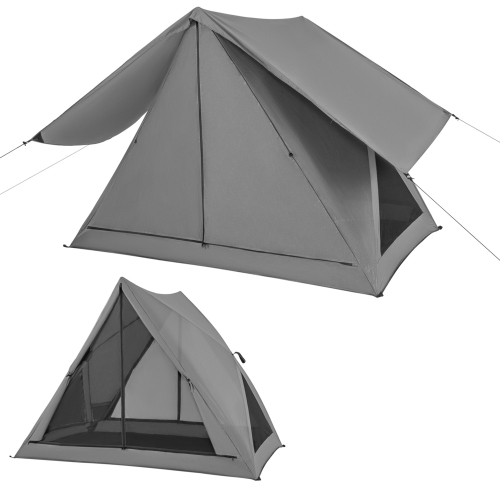
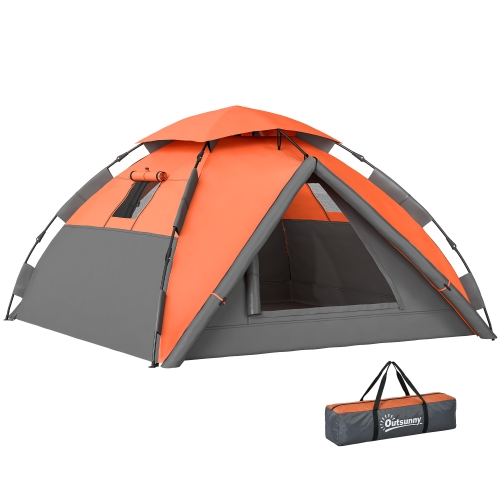
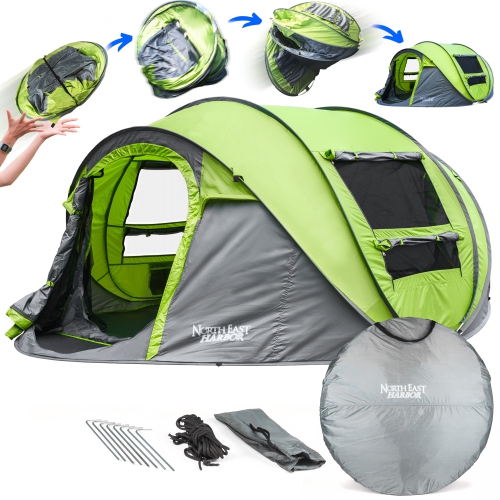
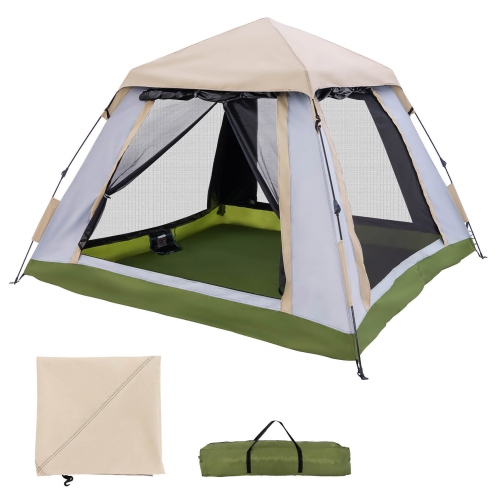
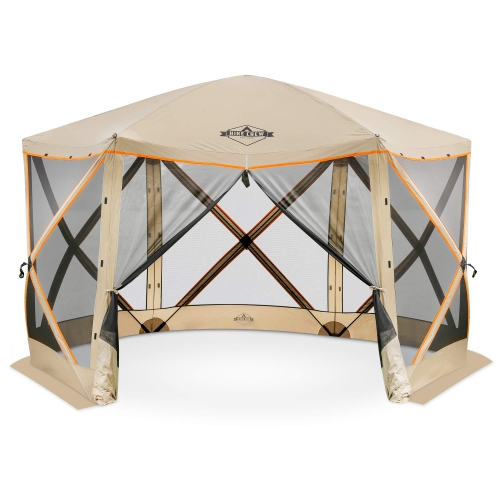
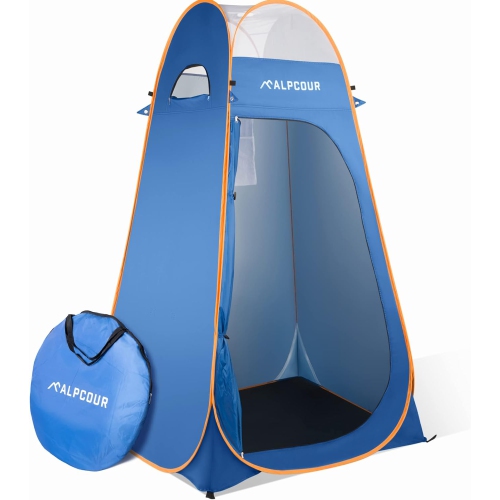
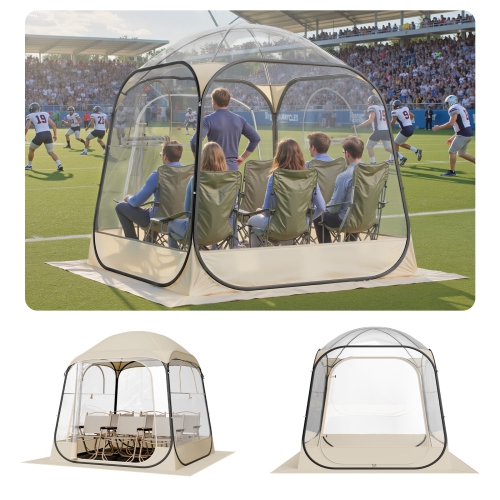
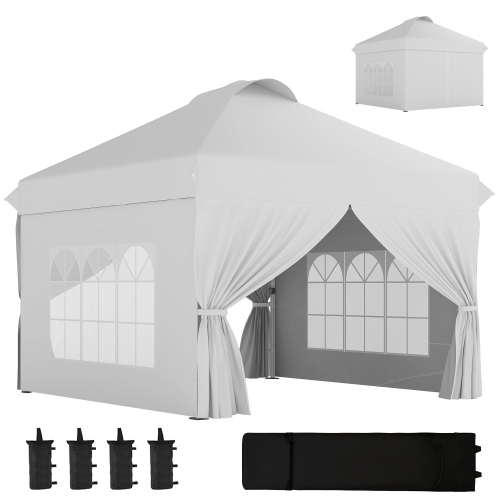
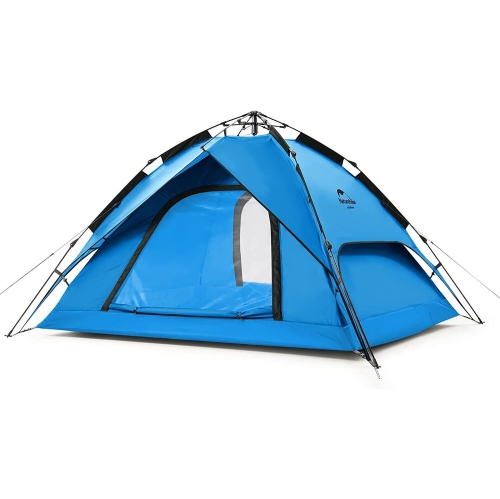
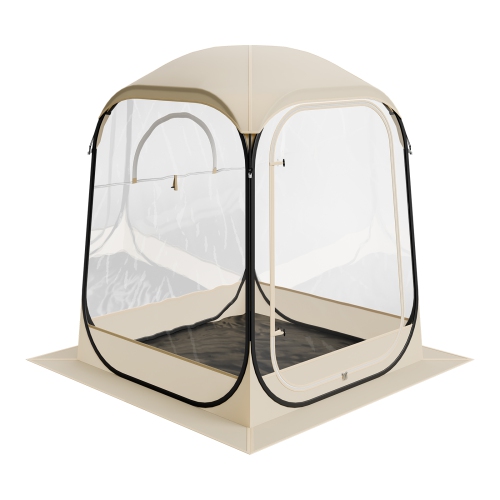
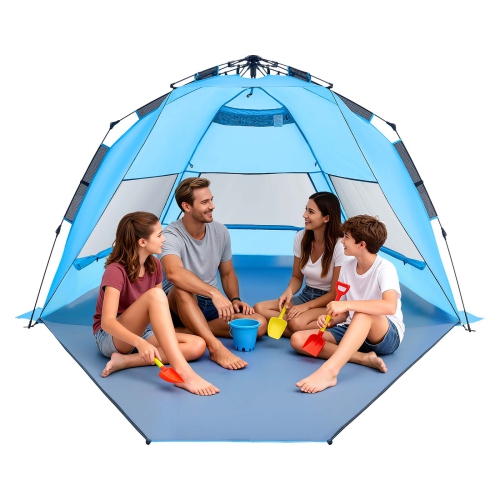
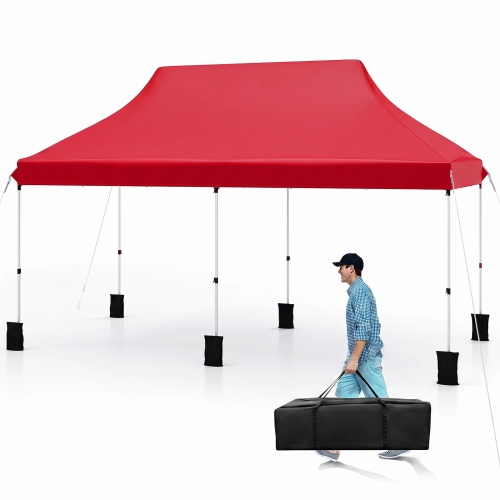
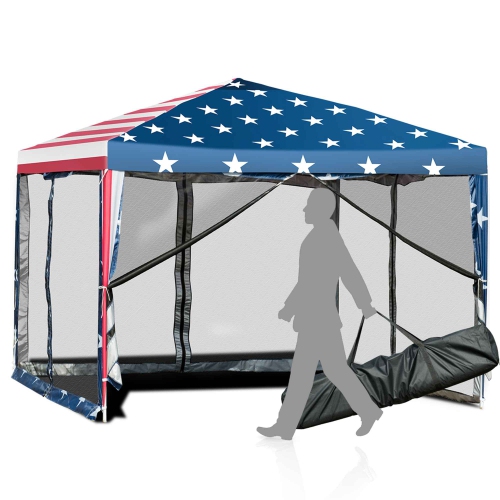
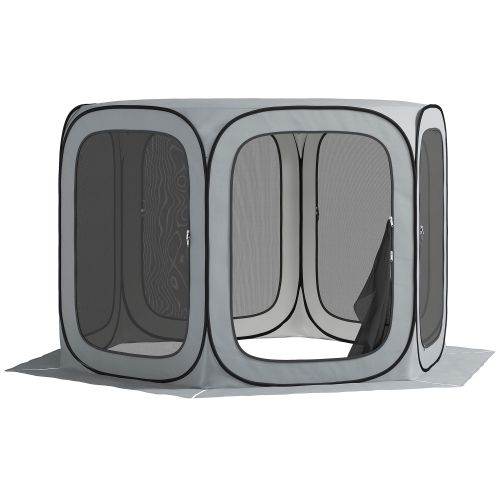
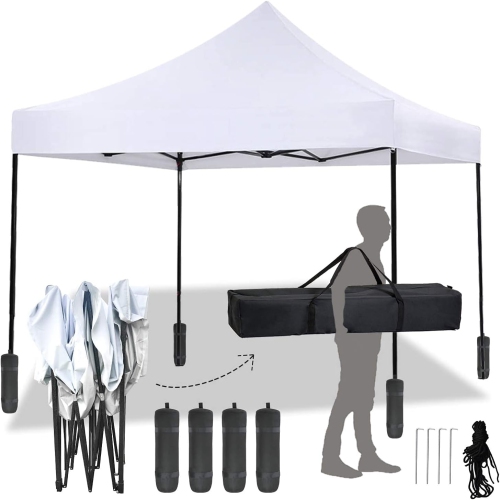
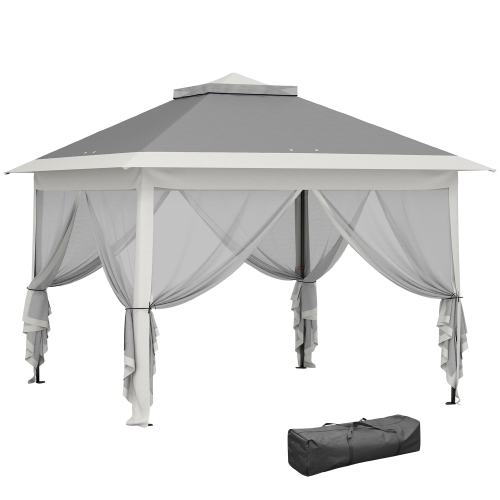
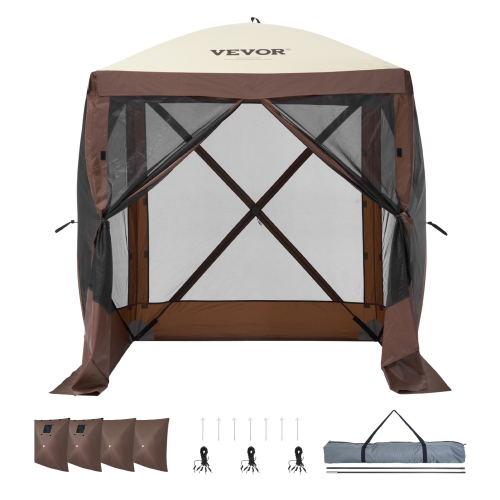
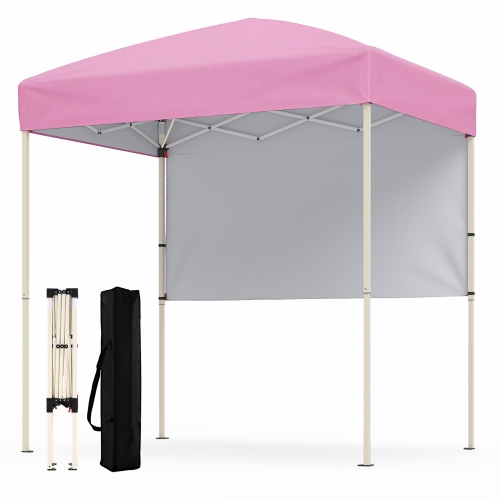
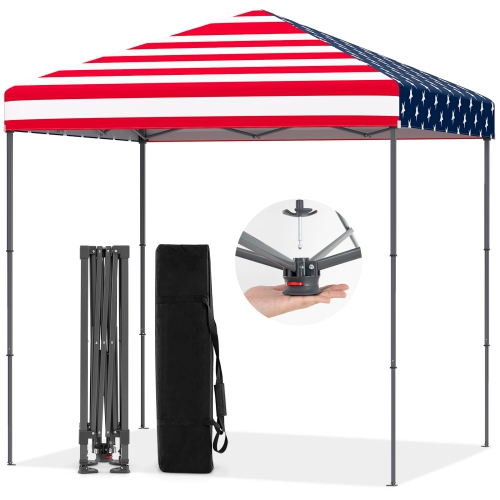
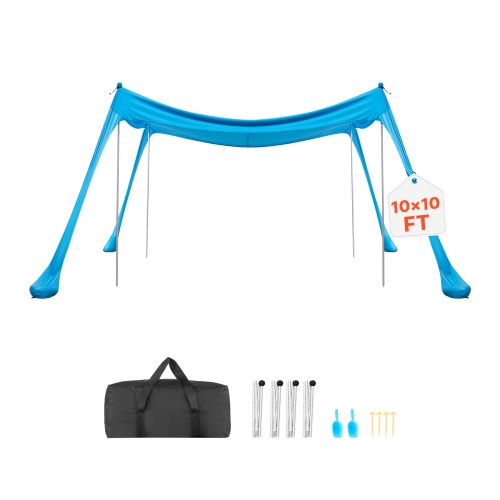
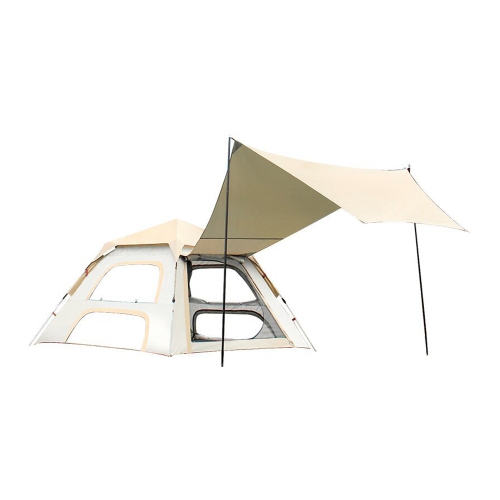
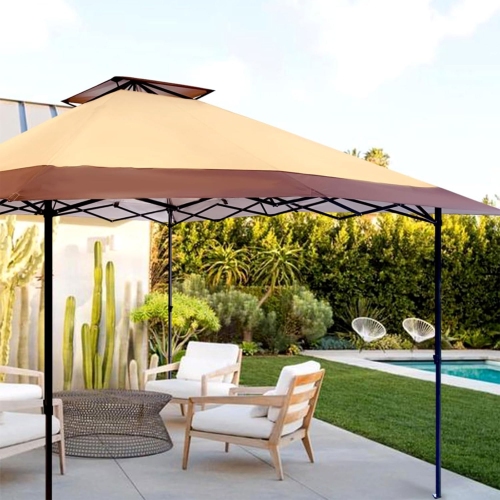
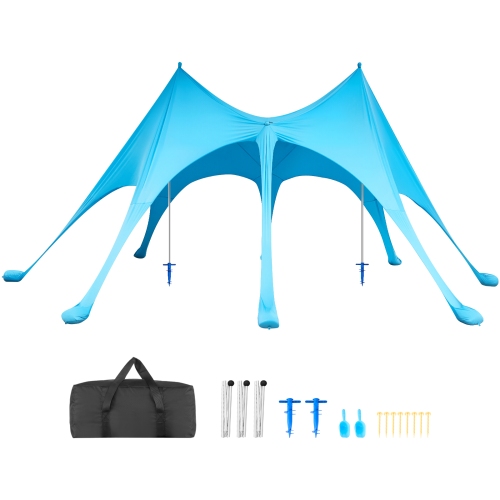
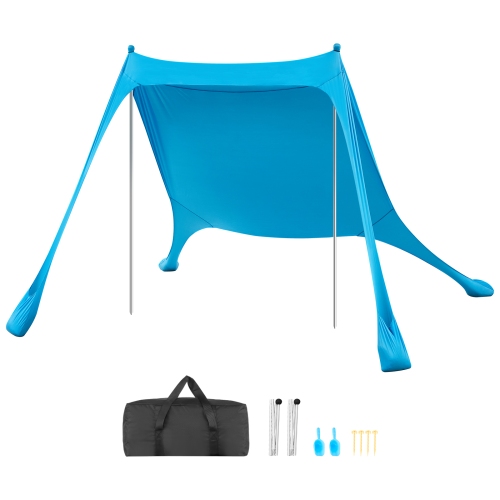
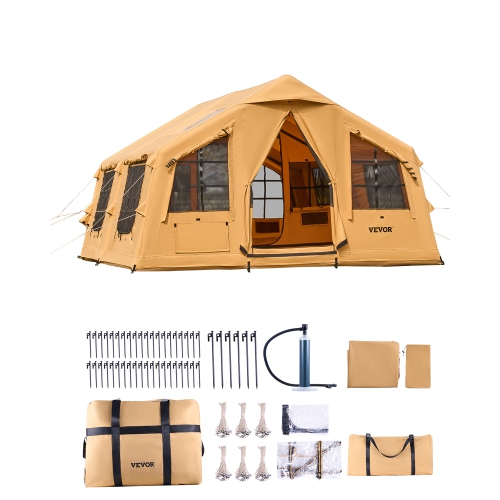
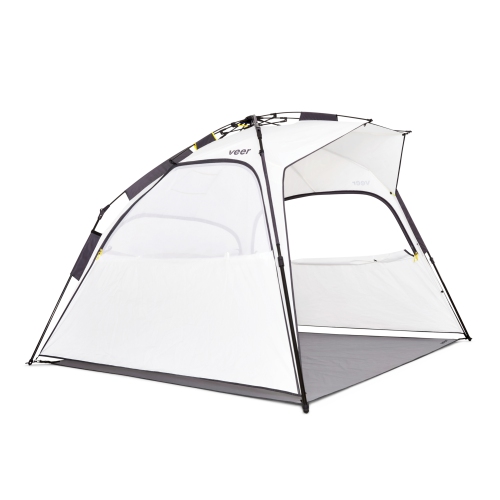
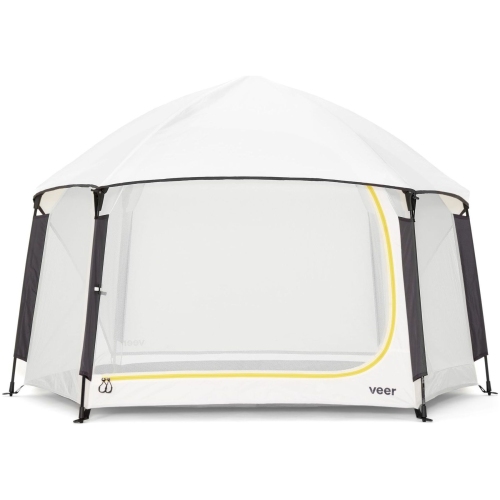
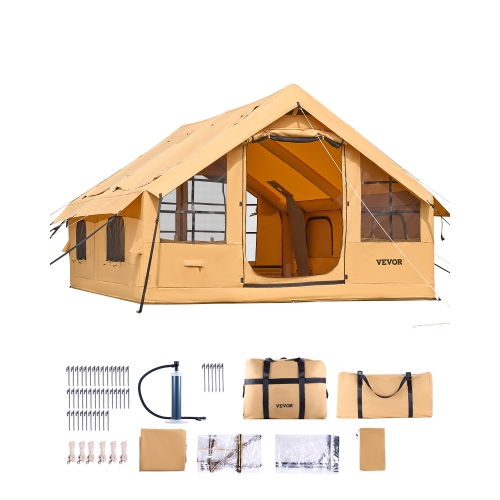
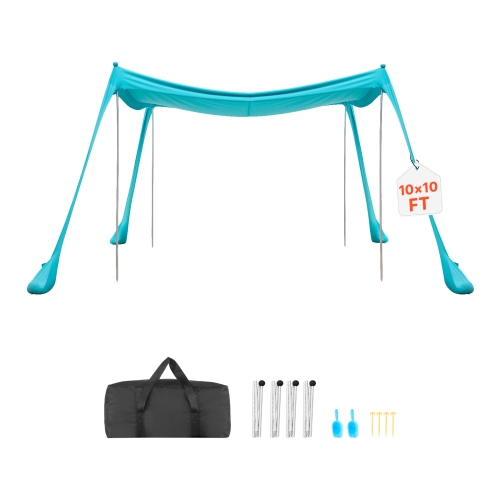
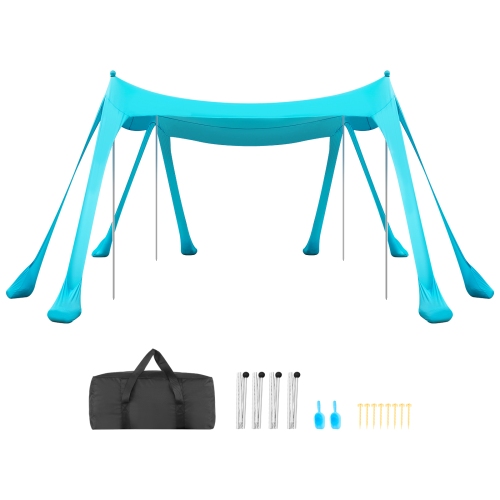
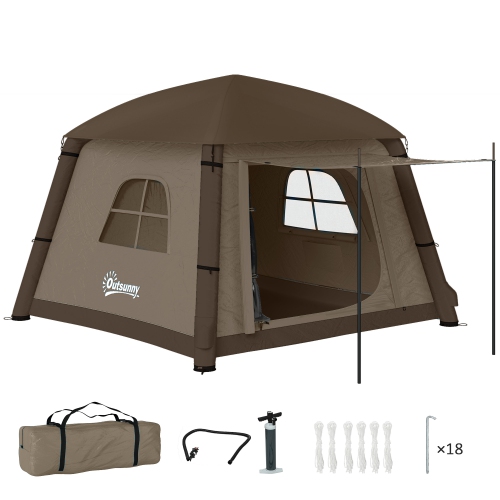
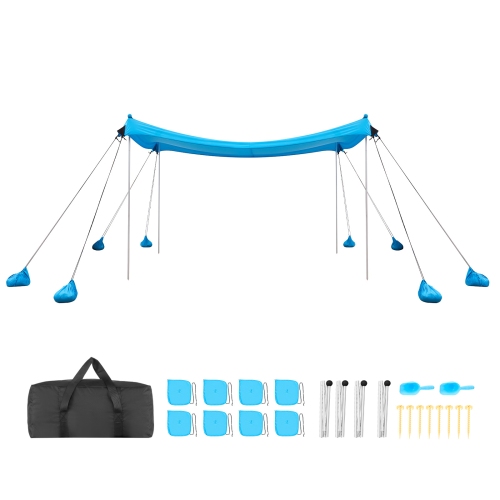
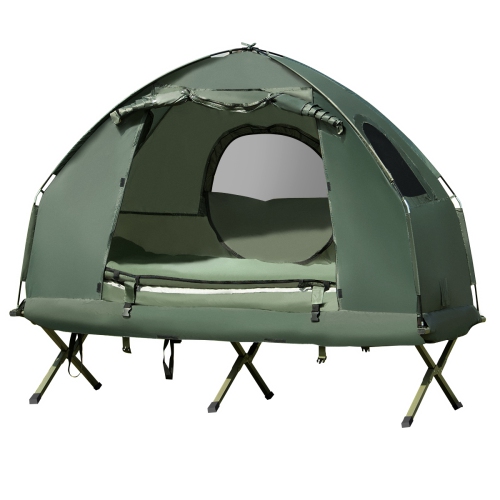
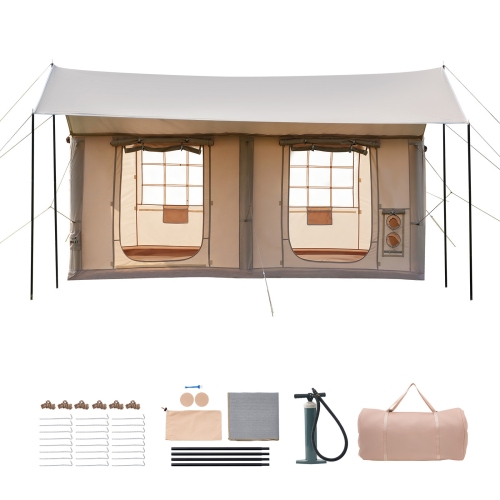
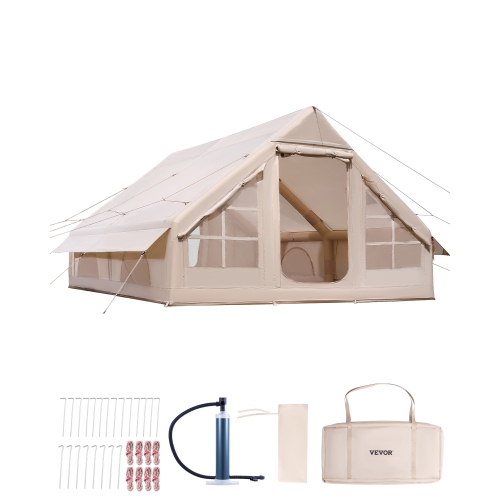
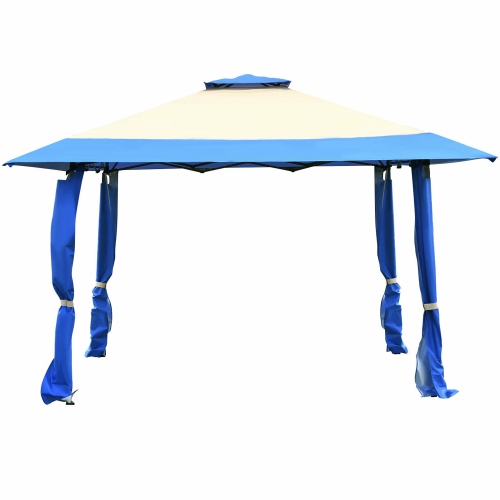
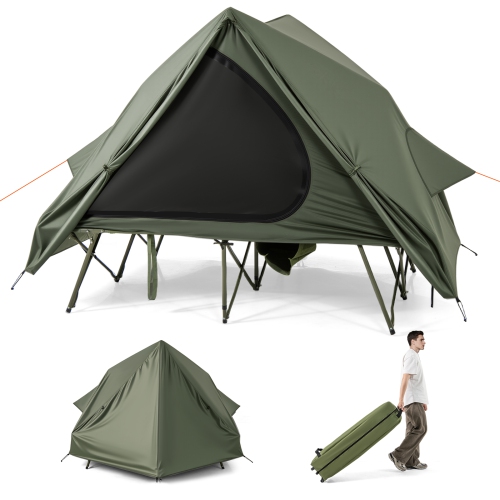
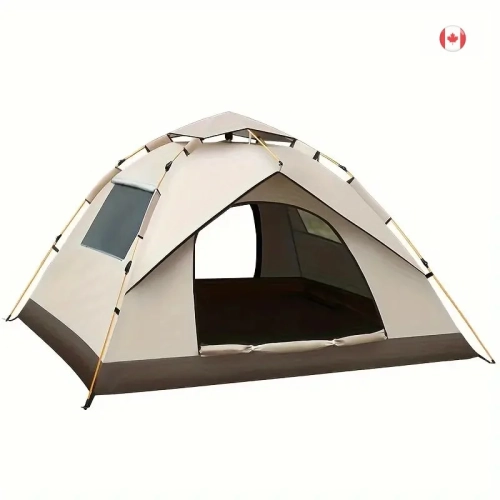
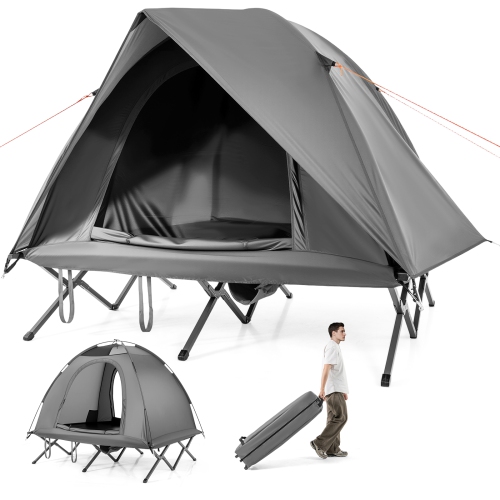
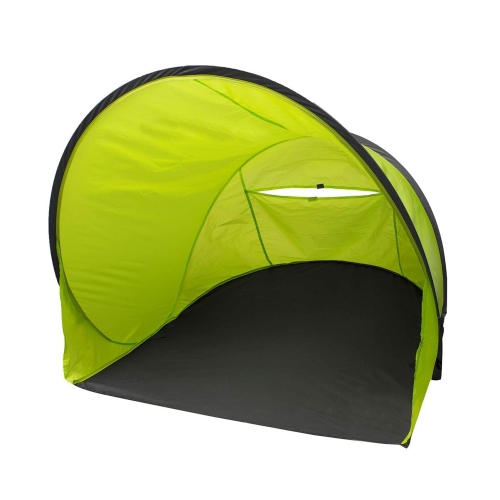
A pop-up tent is a portable shelter with a built-in frame that opens quickly, reducing the pole assembly associated with a traditional camping tent. The term covers a few different designs: true pop-up tents use flexible, tensioned frames that spring into shape when released, while instant tents generally have pre-attached poles that unfold or extend into position. Both can make setting up camp simpler, although securing the shelter, attaching a separate rainfly, and adjusting guy lines still take time. That convenience suits casual campers, families arriving at a campsite near dusk, and anyone who prefers less assembly before settling into a camp chair. Smaller pop-up shelters can also provide shade or a place to change at the beach, but an open-front beach tent is not the same as an enclosed tent intended for overnight sleeping. For camping, a closable entrance, a fitted floor, insect-screened ventilation, and weather protection suited to the trip matter more than opening speed alone. For daytime use, the priorities may shift towards shade coverage, airflow, and room for chairs or a picnic blanket. An open-sided Pop Up Canopy serves a different purpose, providing overhead coverage for a gathering or outdoor activity rather than an enclosed sleeping space. Keeping that distinction in mind makes it easier to match a shelter to a weekend away, a backyard sleepover, or a sheltered spot beside a playing field. Pop-up camping tents are often most practical for car camping, where their packed shape is less of a concern than it would be on a long trail. They can also make thoughtful gifts for occasional campers or families who enjoy short outdoor trips, provided the sleeping capacity, packed dimensions, and intended conditions suit the people using them. Fast opening is a useful feature, but it works best alongside enough space and the right level of protection.
Materials and construction influence how comfortable a pop-up tent feels once the initial setup is finished. Polyester and nylon are common tent fabrics, often paired with coatings that help resist water penetration. A fabric’s waterproof rating, usually expressed in millimetres, describes its resistance to water pressure under test conditions; it does not, on its own, establish how well the complete tent will handle prolonged rain. Sealed seams, covered zippers, a well-fitted rainfly, and a raised bathtub-style floor all contribute to keeping moisture outside. A full-coverage fly generally offers more protection against wind-driven rain than a small roof cap, while a vestibule can create a sheltered place for muddy boots without bringing them into the sleeping area. Even with these features, bedding pressed against a damp tent wall may pick up moisture. Ventilation is equally important, particularly during cooler nights when warm breath meets cold fabric. Mesh panels and adjustable vents help moisture escape, and a double-wall design separates the inner sleeping compartment from the outer fly. Some condensation can still occur, so airflow remains useful even when the air feels chilly. For daytime shade, a stated ultraviolet protection factor offers more meaningful information than fabric colour alone, and an open entrance can leave occupants exposed to angled sunlight. Frame materials vary by design, with flexible steel, fibreglass, or aluminium components offering different balances of weight, rigidity, and flexibility. Reinforced attachment points, smooth-running zippers, and sturdy stitching are useful signs of construction designed for repeated handling. Weather suitability should always match the tent’s stated use: quick setup does not imply protection against strong winds, heavy snowfall, or winter camping conditions. A three-season tent is generally intended for spring-through-fall use within its specified limits, not substantial snow loading. As temperatures drop, suitable sleeping bags and insulated sleeping pads remain essential because a tent provides shelter rather than meaningful warmth on its own.
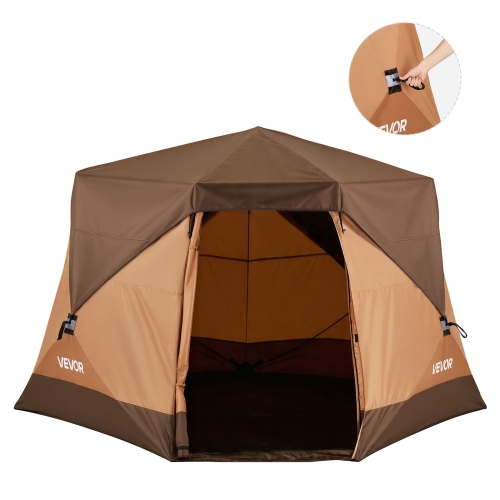
Size and packed form can make as much difference as fabric specifications in everyday use. A tent’s person rating typically describes sleeping capacity with limited spare room, so a two-person design may feel close-fitting once two sleeping pads and overnight bags are inside. Floor length matters for taller campers, while floor width determines whether wider pads can lie flat without overlapping. Peak height is useful for judging sitting or standing room, but sloping walls can reduce usable space around the edges. A cabin-style shape often feels roomier for changing clothes or helping a child into a sleeping bag, whereas a lower profile may present less surface area to the wind, depending on the design and how it is secured. Two entrances can make overnight exits less disruptive, and interior pockets help keep glasses, a torch, or a phone away from bedding. For travel, many spring-frame tents pack into broad, flat circular bags; these may slide neatly into a vehicle’s boot but prove awkward to attach to a backpack. Instant-frame designs commonly fold into longer carry bags, with larger shelters adding both weight and bulk. Checking packed dimensions against the space in a vehicle or storage cupboard helps avoid an inconvenient fit. Folding technique also matters: a spring-frame tent may open almost immediately yet require a particular sequence of twists to return to its bag. A practice run at home makes packing up in damp grass much less frustrating. On site, clear away sharp stones and use a correctly sized footprint if appropriate, keeping its edges beneath the tent so they do not collect runoff. Secure the tent using the supplied anchoring system and any surface-appropriate accessories specified by the manufacturer, even on a calm afternoon. After a trip, shake out grit, gently clean marks according to the care instructions, and allow the fabric, floor, and carry bag to dry completely before storage. Avoid forcing stiff zippers or bending frame sections beyond their intended movement. Stored dry and loosely enough to prevent unnecessary strain, a well-matched pop-up tent can remain a convenient companion for relaxed camping trips and everyday outdoor breaks.
Top selling and popular products
-
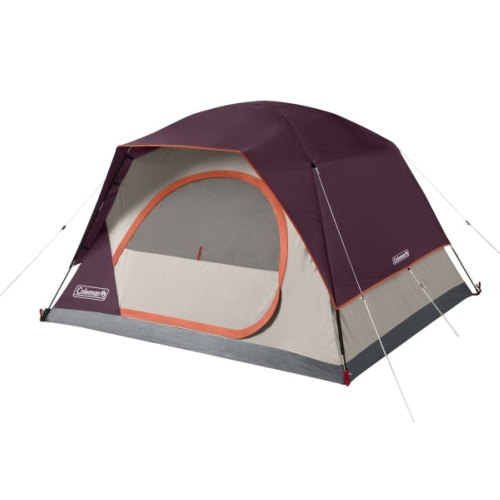 Your price for this item is $240.99
-
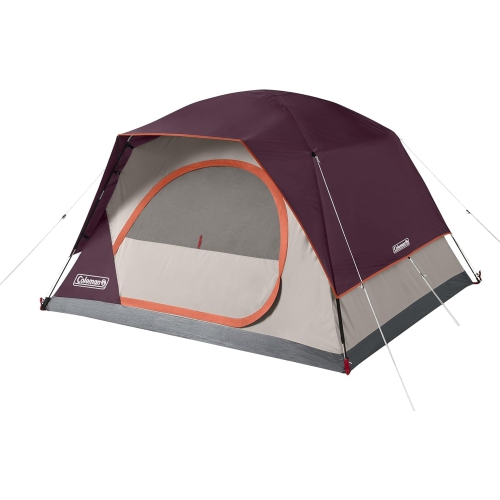 Your price for this item is $239.97
-
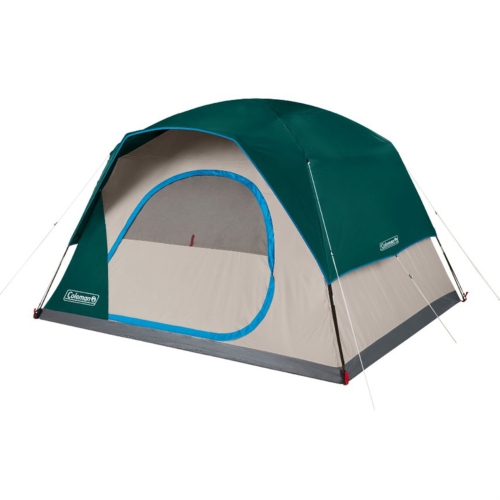 Your price for this item is $242.58
-
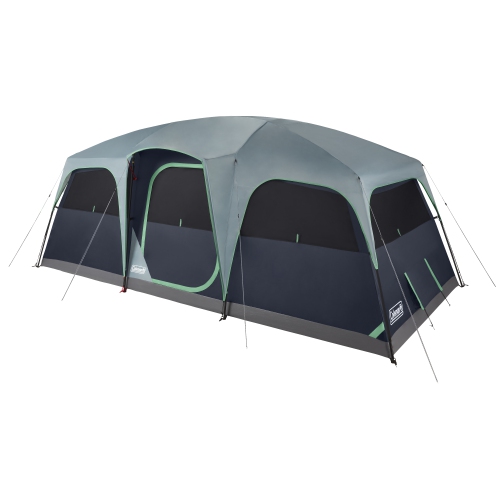 Your price for this item is $509.99
-
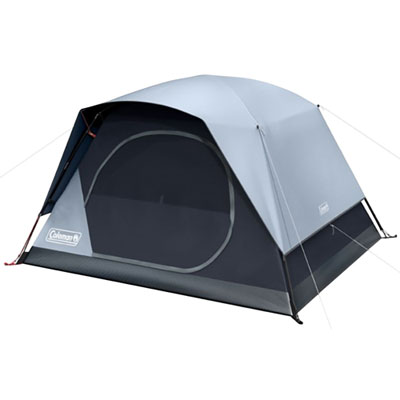 Your price for this item is $199.99
-
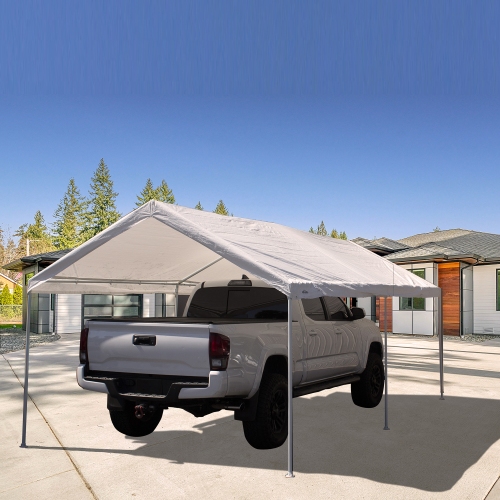 Your price for this item is $455.99
-
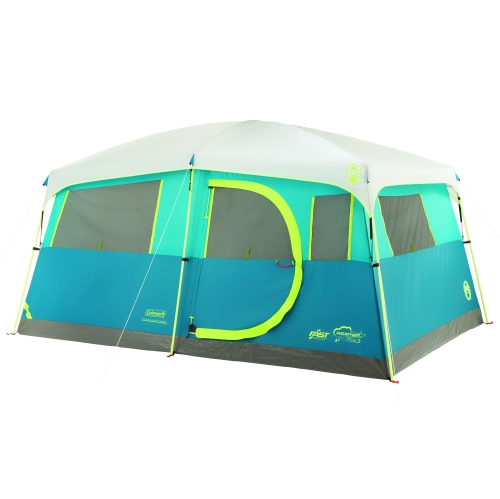 Your price for this item is $427.99
-
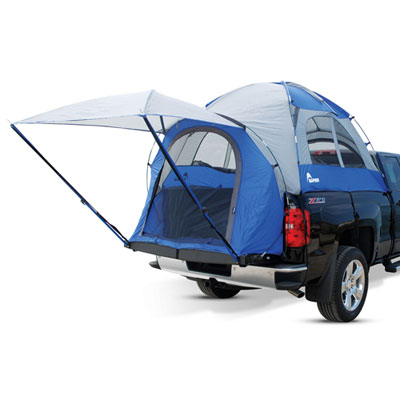 Your price for this item is $299.99
Discover more categories related to Pop-Up Tent
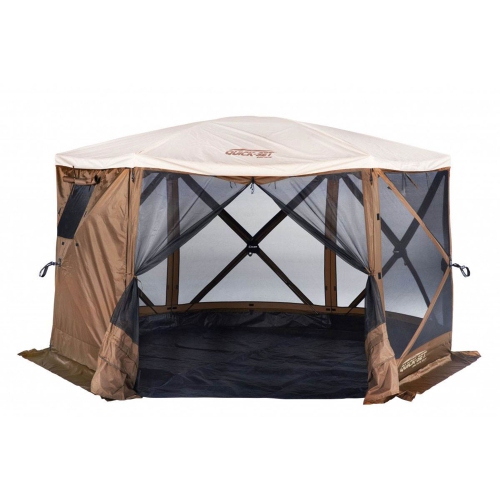
Top Collections:
Pokemon Centers, Kindle Devices, Best Budget Office Chairs, Canon G7X Cameras, Apple iPhones 16, Samsung Galaxy Phones, Refurbished Apple Laptops, Laptops for Students, iPhone 15 Apple, Budget Smartphones
Some products may be subject to Environmental Handling Fees
(EHF) depending on your province.
Learn more about EHFs.