Porch Benches
Porch Benches add a touch of charm and comfort to any outdoor space, making them a popular choice for relaxing, entertaining, or simply enjoying the view. Whether you're looking to create a cozy spot for morning coffee or provide extra seating for guests, these versatile benches are designed to complement a variety of porch styles. Explore options that blend seamlessly with your décor and enhance the appeal of your home’s entryway or patio. Discover how Porch Benches can transform your outdoor area into an inviting retreat.
Sort
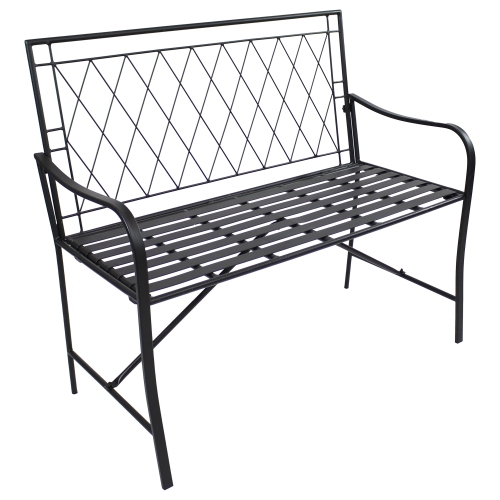
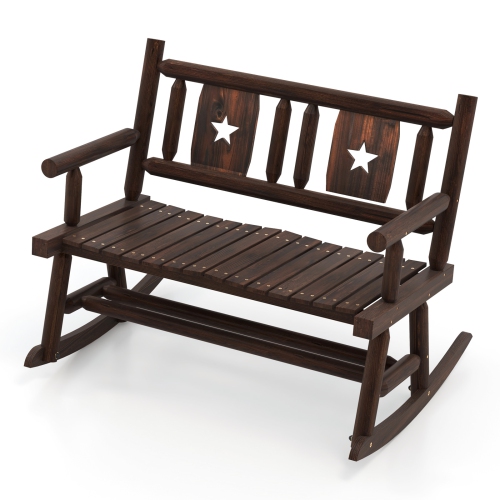
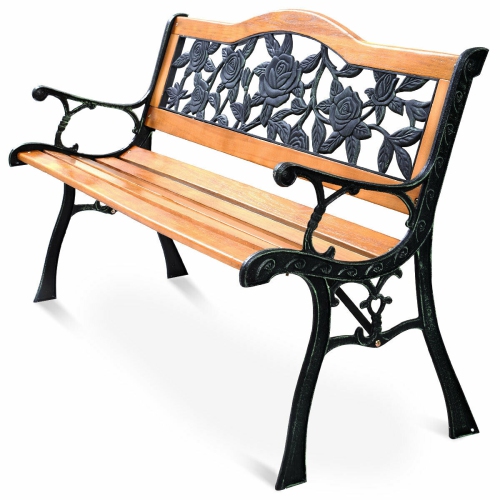
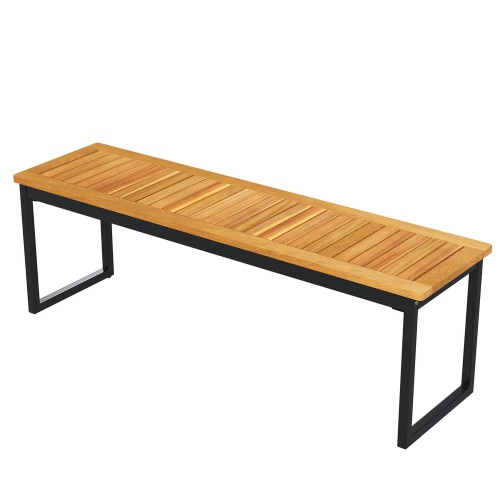
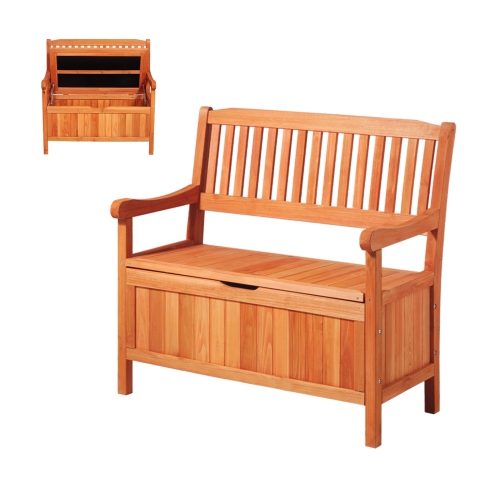
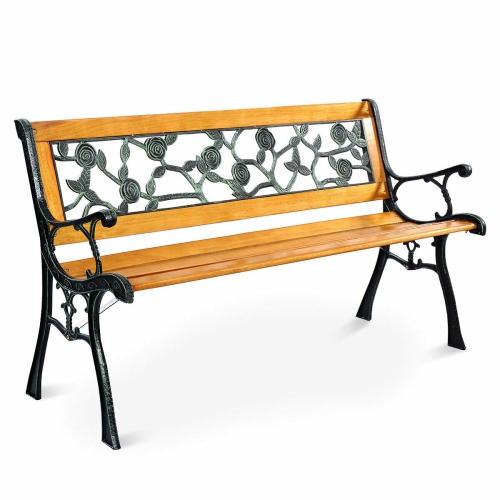
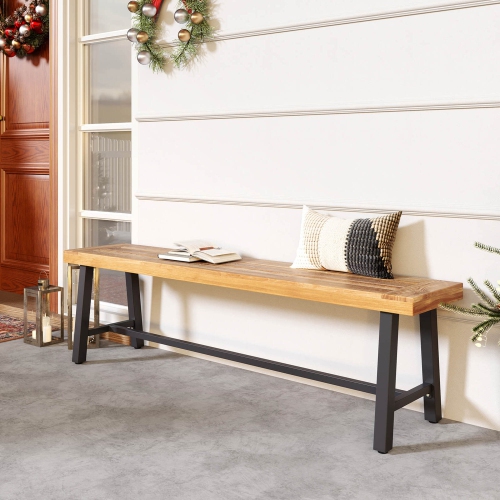
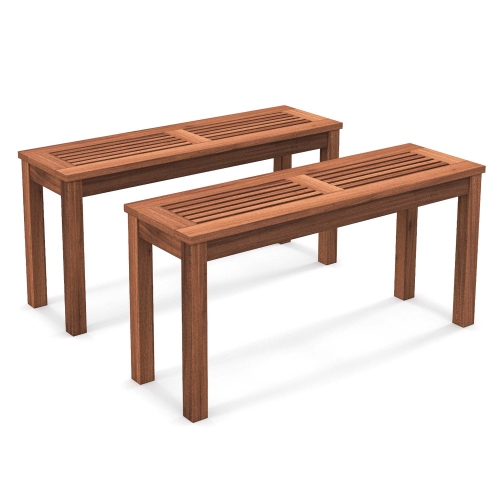
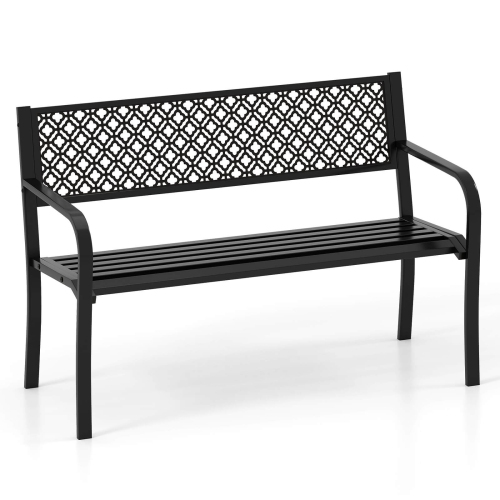
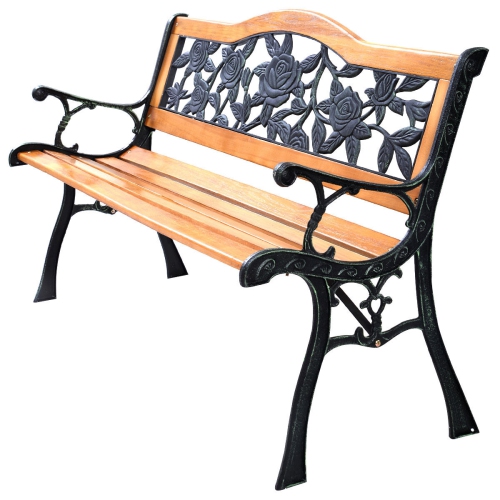
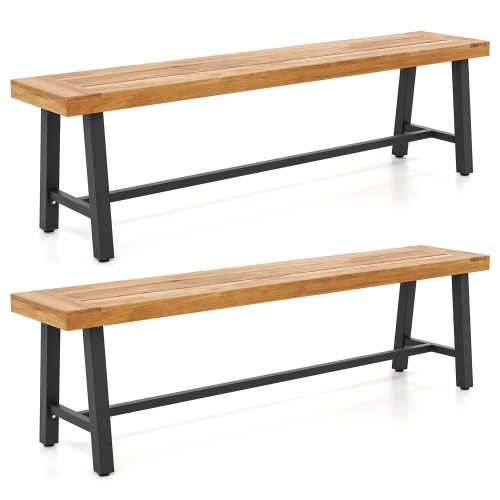
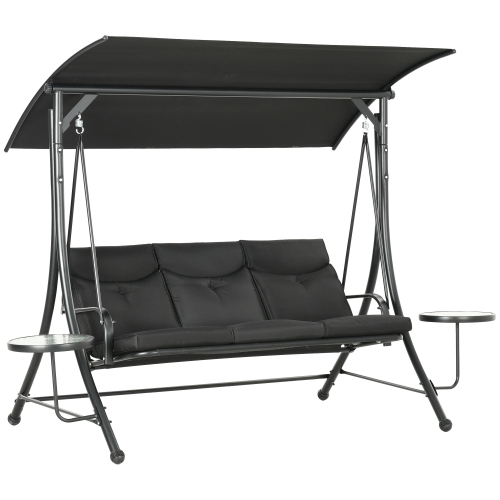
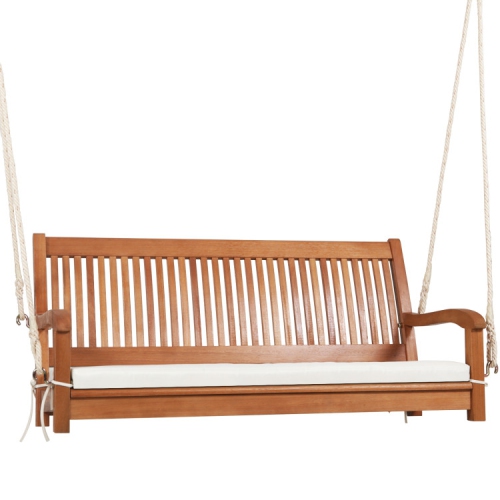
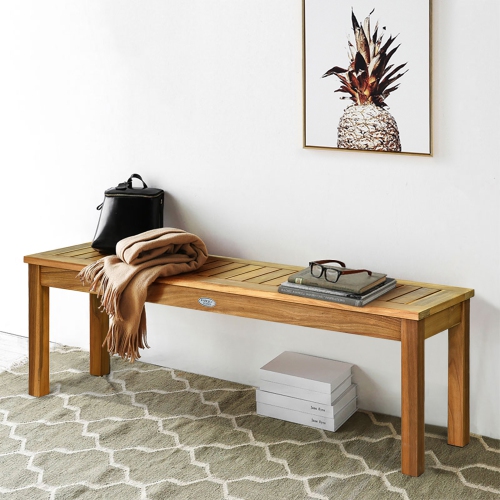
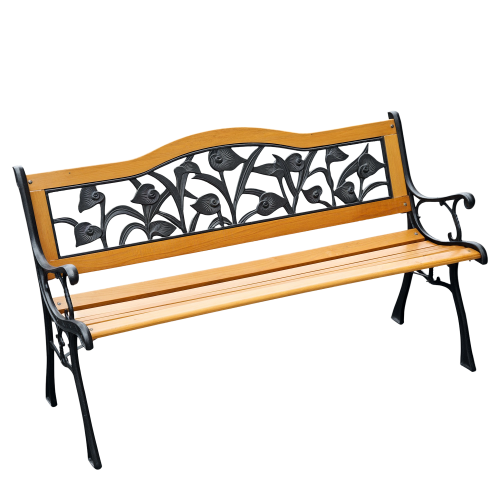
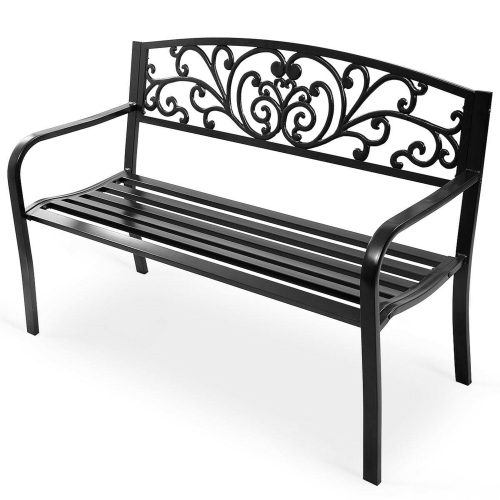
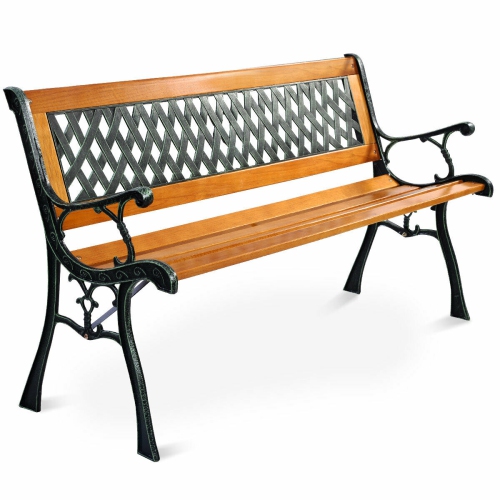
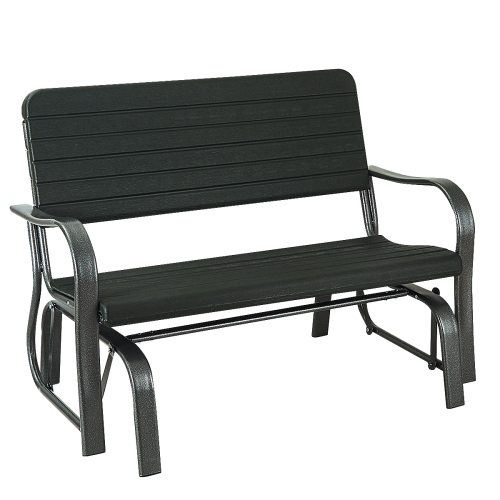
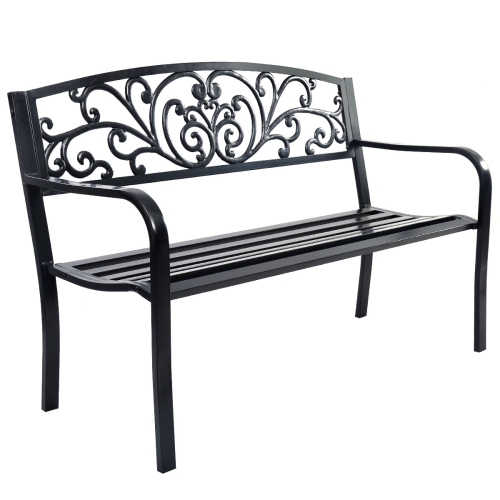
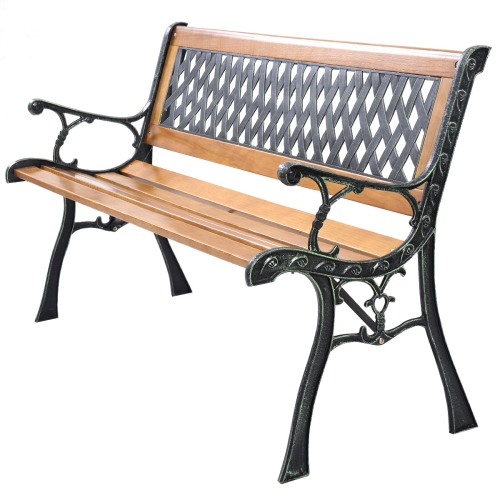
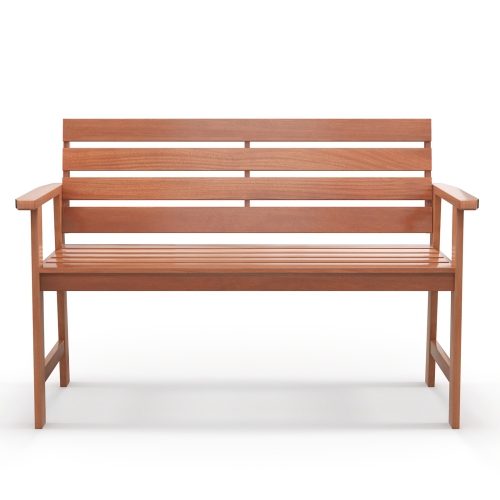
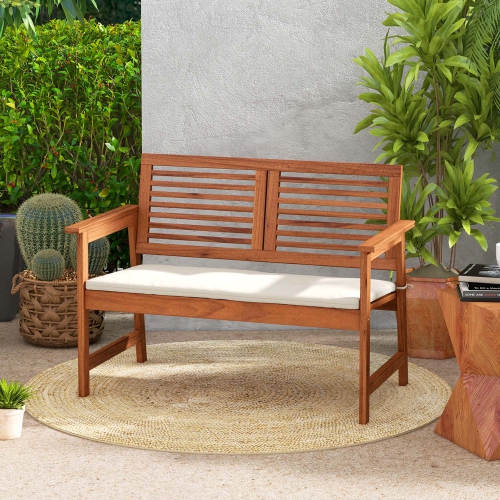
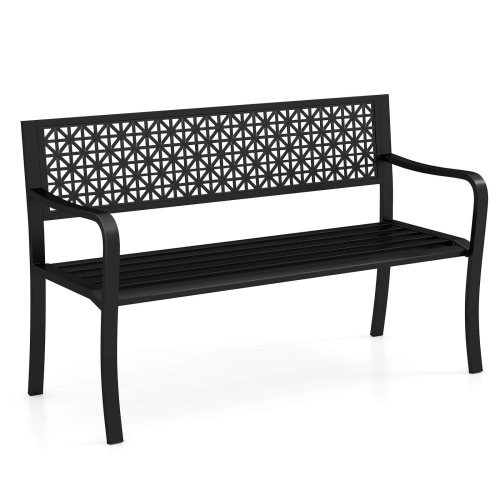
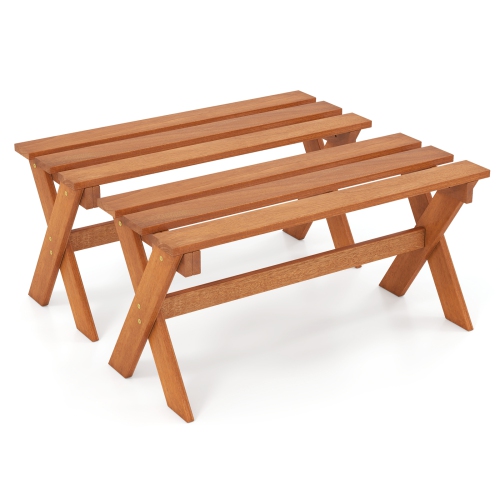
Comfortable seating for everyday arrivals and unhurried conversations
Porch benches bring comfortable seating to the space between home and the outdoors, giving an entrance a more welcoming feel without filling it with separate chairs. A bench beside the front door offers a place to set down a tote while finding keys, sit while tying shoes, or share a quiet conversation with someone stopping by. On a larger porch, it can anchor a seating area with a small table nearby; on a narrow landing, a compact design can make practical use of an otherwise empty wall. The right proportions matter as much as the style. Overall width determines whether a bench fits the space, but seat depth, back height, and arm placement affect how it feels to use. A deeper seat may suit relaxed lounging with cushions, while a shallower, more upright seat can be easier for brief rests and everyday arrivals. A supportive backrest and sturdy armrests may be helpful for someone who prefers extra support when sitting down or standing up, although suitability depends on the individual and the bench’s construction. Backless benches have a lighter visual presence and can tuck beneath a window without blocking the view. When comparing dimensions, leave room for the door to open fully and for people to pass comfortably with grocery bags, a stroller, or a mobility aid. Door handles, railings, steps, and outward-opening screen doors all affect usable space. A bench that fits neatly against a wall still needs enough clearance in front for knees and feet. Seating capacity and the manufacturer’s weight limit also deserve attention, particularly when the bench will be shared. For a coordinated entrance, consider how its lines and finish sit alongside other Porch Furniture, from side tables to chairs. Matching every piece is not necessary: a simple slatted bench can sit comfortably beside a woven chair when the colours, scale, and overall shapes work together.
Materials give porch benches much of their character and influence how much upkeep they need. Wood brings visible grain and a familiar, substantial feel, with finishes ranging from light natural tones to painted colours. Its performance depends on the wood species, construction, protective finish, and placement, so a wooden bench intended for outdoor use is a better fit than an indoor bench moved outside. Some wood surfaces develop a grey patina with exposure, while others need periodic refinishing to maintain their appearance and protection. Metal benches can look delicate or architectural, depending on the frame and detailing. Aluminum is generally lighter to reposition and resists rust, while steel and cast iron tend to add weight and a more grounded feel. Protective coatings on metal need care, since scratches or worn areas may leave the underlying material vulnerable to corrosion. Resin and plastic designs are often straightforward to wipe clean, though their resistance to fading, surface wear, and cracking varies by formulation and construction. Woven styles offer texture, but the weave alone does not tell the whole story: the frame material, attachment points, and outdoor-use rating are equally important. Across materials, look closely at the details people touch and the joints that carry weight. Smooth edges, securely fastened slats, stable legs, and well-fitted hardware contribute to everyday comfort and dependable use. Slatted seats can allow water to drain, but gaps should still feel comfortable beneath the legs. A solid seat offers a different look and feel and may need more attention to prevent water from pooling. Cushions soften firmer surfaces and introduce colour or pattern, provided their dimensions suit the seat rather than hanging over the edges. Outdoor-rated cushion fabrics and removable covers can simplify care, but water-resistant fabric is not the same as a fully waterproof cushion. Ties or other secure attachments help keep cushions in place, and a dry storage spot helps protect them between uses. For any bench, check whether assembly is required and whether it can be moved into position through gates, doorways, or other tight access points.
The most useful porch bench is one that suits the household’s actual routines. For a busy entrance, a straightforward seat with an easy-to-clean surface may be more practical than deep cushioning that needs to be moved before every use. For reading or lingering over a cup of tea, a shaped back, comfortable arm height, and room for a cushion may matter more. A storage bench can combine seating with a place for small outdoor accessories, but its interior dimensions, ventilation, lid support, and stated resistance to water should be checked before anything is stored inside. An enclosed compartment is not automatically dry storage, and cushions or fabric accessories should be clean and thoroughly dry before being put away. Households with children may appreciate rounded corners and a stable base; hinged storage designs call for particular attention to the manufacturer’s safety information. Placement also affects comfort and longevity. Set the bench on a firm, level surface, keep the route to the door clear, and avoid positioning legs so close to a step that they could slip over the edge. Follow any anchoring instructions supplied with the design, and do not treat a freestanding bench as a guardrail or climbing surface. Routine care can be simple when it matches the material: remove grit before wiping, use the recommended mild cleaner, and allow surfaces to dry rather than leaving moisture trapped beneath cushions. Hardware may need occasional checking and tightening according to the assembly instructions, especially after the bench has been moved. Protective covers should fit securely and allow appropriate ventilation, and outdoor furniture should be stored or protected as its manufacturer recommends. For a housewarming gift or a thoughtful addition to a family member’s entrance, a porch bench works best when measurements, seating preferences, and care expectations are known beforehand. A well-chosen design feels like part of the home rather than an obstacle at the door, offering a dependable spot for everyday pauses, shared conversations, and the small rituals of coming and going.
Materials give porch benches much of their character and influence how much upkeep they need. Wood brings visible grain and a familiar, substantial feel, with finishes ranging from light natural tones to painted colours. Its performance depends on the wood species, construction, protective finish, and placement, so a wooden bench intended for outdoor use is a better fit than an indoor bench moved outside. Some wood surfaces develop a grey patina with exposure, while others need periodic refinishing to maintain their appearance and protection. Metal benches can look delicate or architectural, depending on the frame and detailing. Aluminum is generally lighter to reposition and resists rust, while steel and cast iron tend to add weight and a more grounded feel. Protective coatings on metal need care, since scratches or worn areas may leave the underlying material vulnerable to corrosion. Resin and plastic designs are often straightforward to wipe clean, though their resistance to fading, surface wear, and cracking varies by formulation and construction. Woven styles offer texture, but the weave alone does not tell the whole story: the frame material, attachment points, and outdoor-use rating are equally important. Across materials, look closely at the details people touch and the joints that carry weight. Smooth edges, securely fastened slats, stable legs, and well-fitted hardware contribute to everyday comfort and dependable use. Slatted seats can allow water to drain, but gaps should still feel comfortable beneath the legs. A solid seat offers a different look and feel and may need more attention to prevent water from pooling. Cushions soften firmer surfaces and introduce colour or pattern, provided their dimensions suit the seat rather than hanging over the edges. Outdoor-rated cushion fabrics and removable covers can simplify care, but water-resistant fabric is not the same as a fully waterproof cushion. Ties or other secure attachments help keep cushions in place, and a dry storage spot helps protect them between uses. For any bench, check whether assembly is required and whether it can be moved into position through gates, doorways, or other tight access points.
The most useful porch bench is one that suits the household’s actual routines. For a busy entrance, a straightforward seat with an easy-to-clean surface may be more practical than deep cushioning that needs to be moved before every use. For reading or lingering over a cup of tea, a shaped back, comfortable arm height, and room for a cushion may matter more. A storage bench can combine seating with a place for small outdoor accessories, but its interior dimensions, ventilation, lid support, and stated resistance to water should be checked before anything is stored inside. An enclosed compartment is not automatically dry storage, and cushions or fabric accessories should be clean and thoroughly dry before being put away. Households with children may appreciate rounded corners and a stable base; hinged storage designs call for particular attention to the manufacturer’s safety information. Placement also affects comfort and longevity. Set the bench on a firm, level surface, keep the route to the door clear, and avoid positioning legs so close to a step that they could slip over the edge. Follow any anchoring instructions supplied with the design, and do not treat a freestanding bench as a guardrail or climbing surface. Routine care can be simple when it matches the material: remove grit before wiping, use the recommended mild cleaner, and allow surfaces to dry rather than leaving moisture trapped beneath cushions. Hardware may need occasional checking and tightening according to the assembly instructions, especially after the bench has been moved. Protective covers should fit securely and allow appropriate ventilation, and outdoor furniture should be stored or protected as its manufacturer recommends. For a housewarming gift or a thoughtful addition to a family member’s entrance, a porch bench works best when measurements, seating preferences, and care expectations are known beforehand. A well-chosen design feels like part of the home rather than an obstacle at the door, offering a dependable spot for everyday pauses, shared conversations, and the small rituals of coming and going.
Top selling and popular products
-
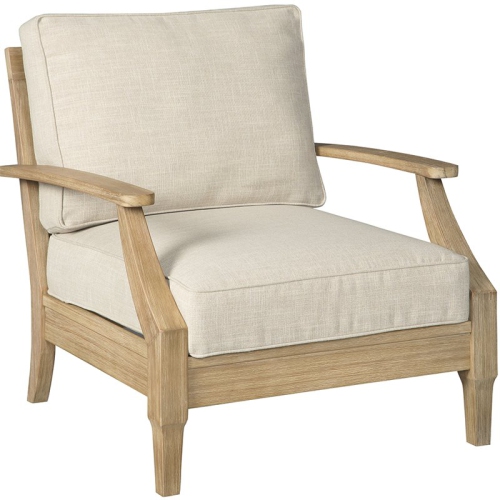 Your price for this item is $1227.67
 -
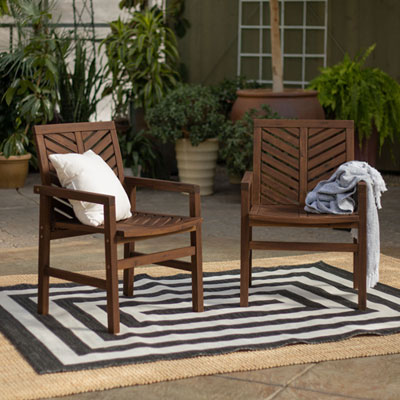 Your price for this item is $604.99
 -
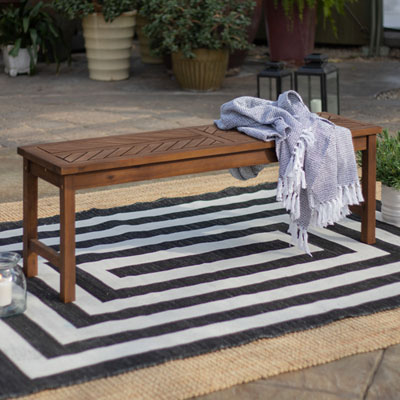 Your price for this item is $371.99
 -
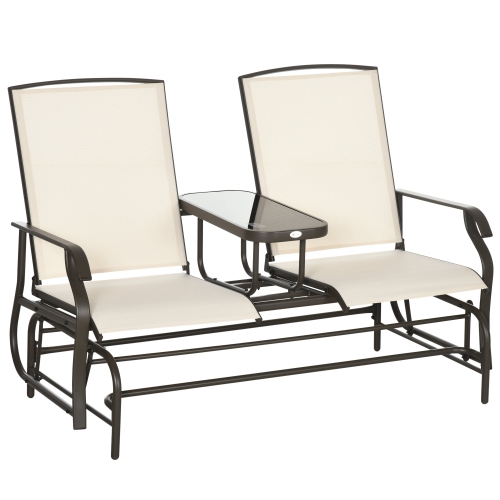 Your price for this item is $189.99
 -
 Your price for this item is $204.99
 -
 Your price for this item is $461.99
 -
 Your price for this item is $170.99
 -
 Your price for this item is $392.99
Discover more categories related to Porch Benches

Top Collections:
Pokemon Centers, Kindle Devices, Best Budget Office Chairs, Apple iPhones 16, Best Laptops for Writers, iPhone 15 Apple, Canon G7X Cameras, Refurbished Apple Laptops, Alarm Clock, Motorola Razr Phones
Some products may be subject to Environmental Handling Fees
(EHF) depending on your province.
Learn more about EHFs.