Poster Stands
A poster stand is an essential display solution for showcasing announcements, advertisements, artwork, or event information in a wide range of settings. Perfect for businesses, schools, trade shows, and public spaces, these stands help professionally capture attention and present materials. With various sizes and styles available, finding the right poster stand can enhance visibility and make a strong impression wherever you need to share important messages. Explore options designed to suit different environments and presentation needs.
Sort
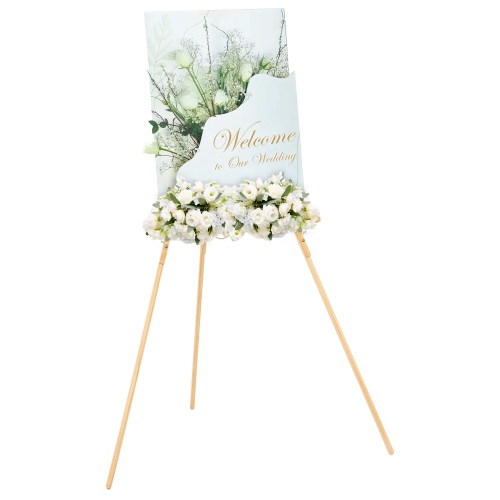
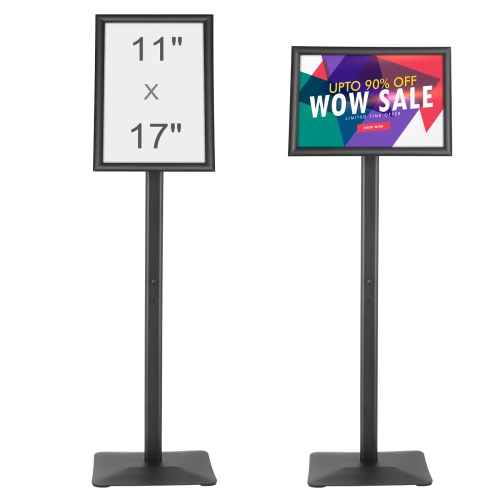
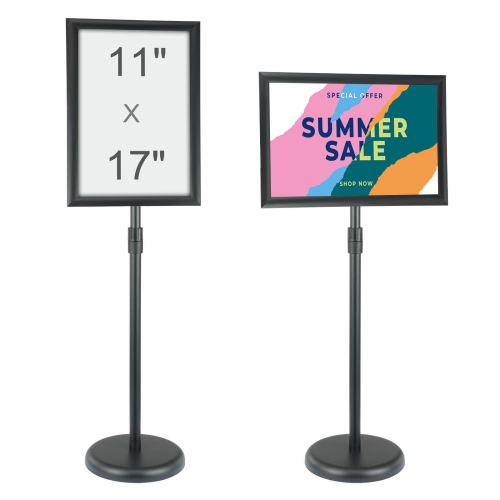
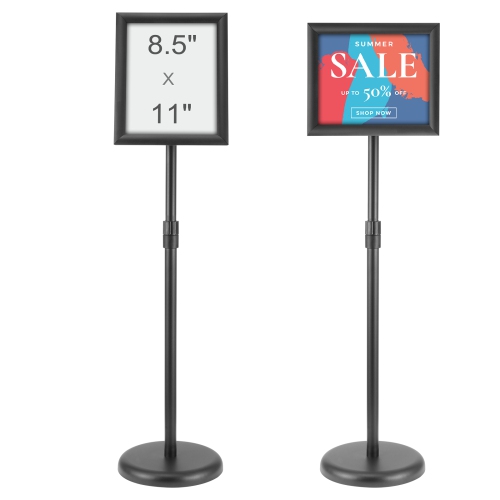
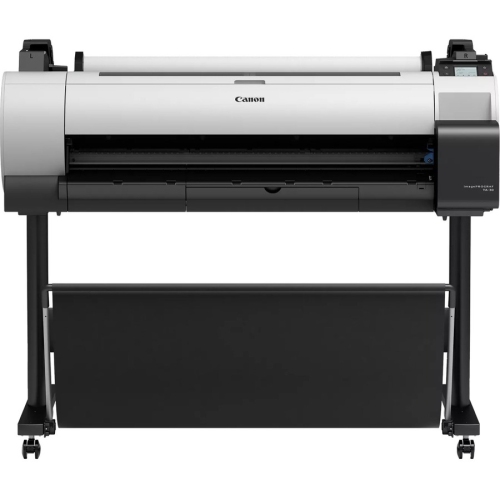
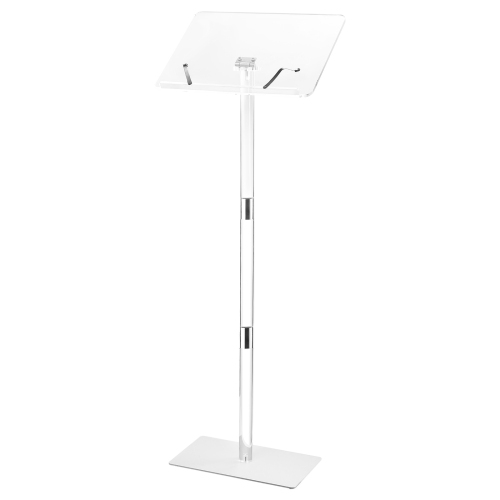
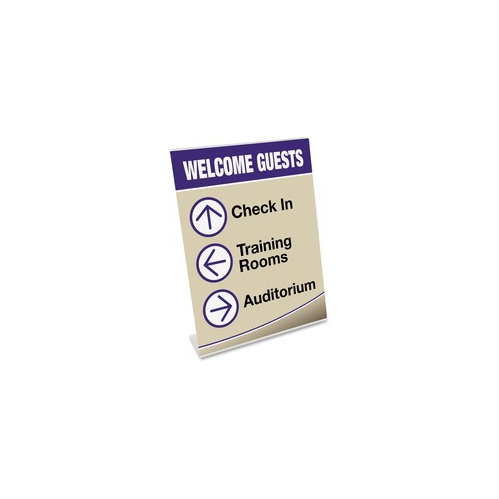
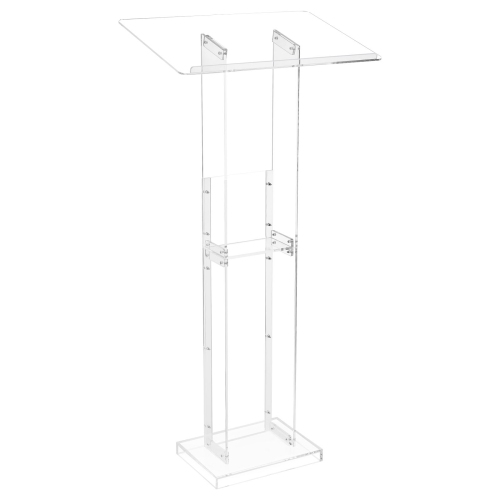
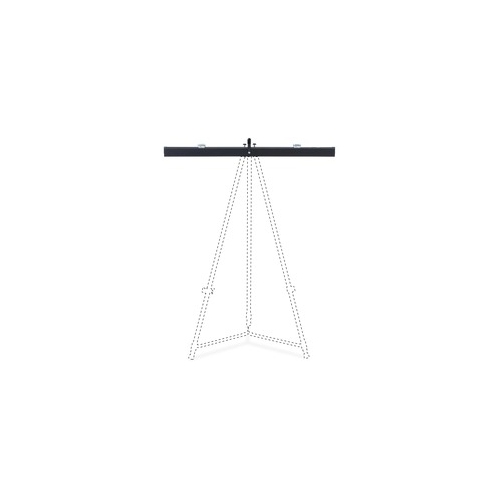
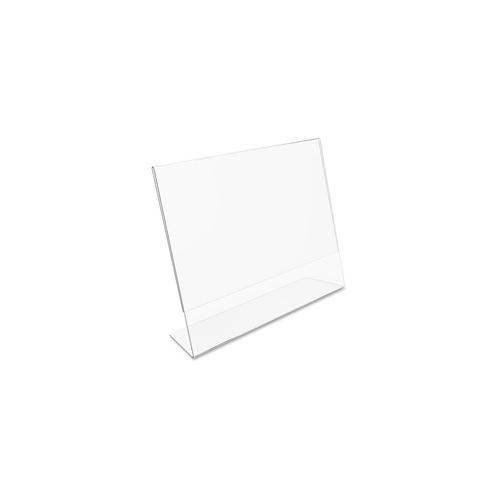
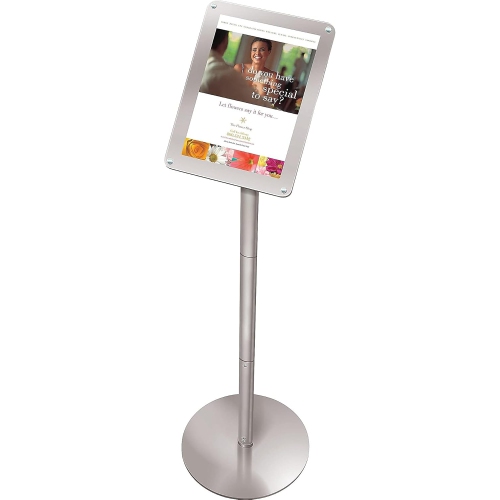
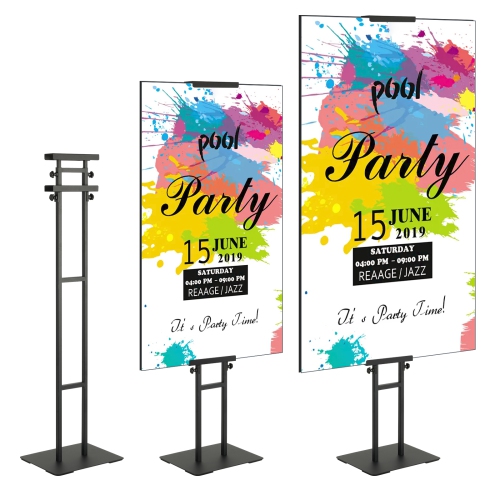
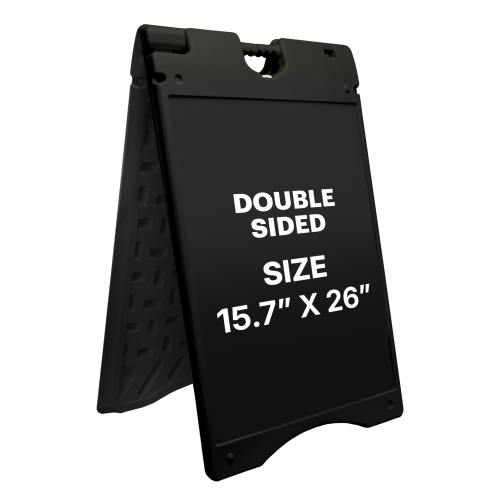

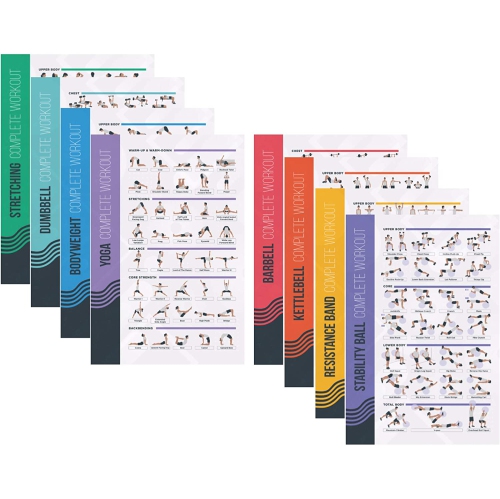
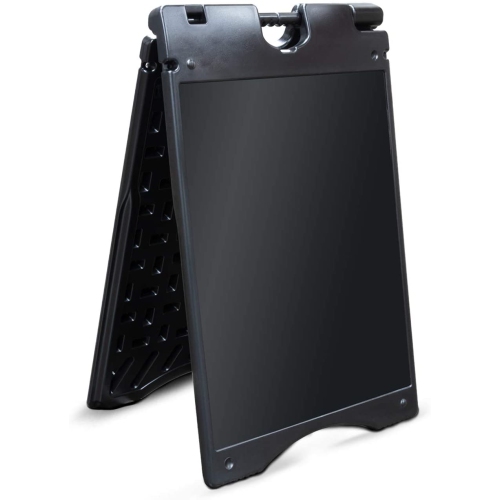
Printed messages that stand out without wall space
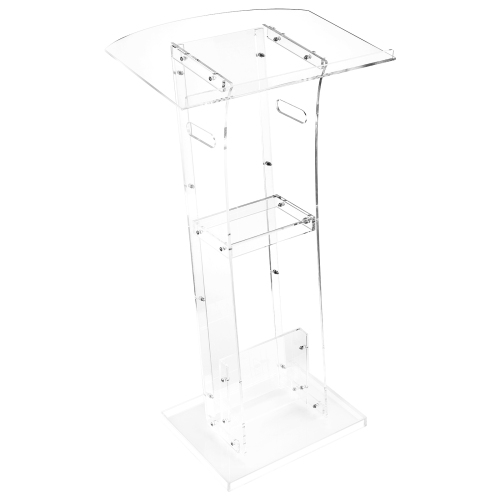
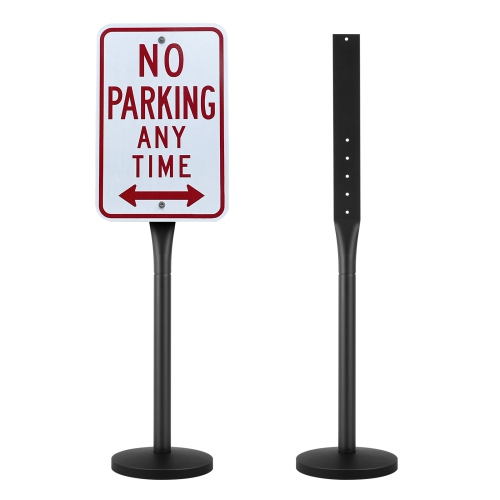
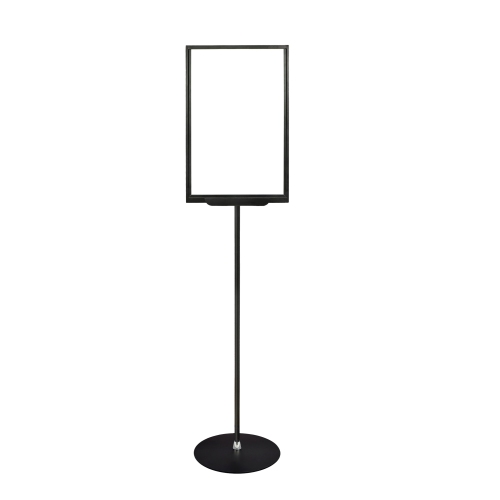
Poster stands give printed messages a defined place in a room without relying on wall space. A clearly positioned display can direct visitors towards a registration desk, introduce an exhibition, identify a meeting room, or present a menu beside a café counter. In shops, offices, schools, community centres, and event venues, these freestanding fixtures help make information visible where people naturally pause or pass through. Their usefulness comes from the combination of the printed piece and the structure holding it: the poster carries the message, while the stand establishes its height, angle, and position. A floor-standing display near an entrance serves a different purpose from a compact tabletop holder at a reception desk, even when both contain the same information. Tall, upright formats can help visitors spot a destination across an open room, while smaller displays suit details meant to be read at close range. Single-sided stands work well against a wall or at the end of a corridor, where most readers approach from one direction. Double-sided designs can serve spaces with foot traffic moving both ways, provided each face remains easy to see. Adjustable-height models offer flexibility when the same display moves between seated presentations and standing receptions, and rotating frames may accommodate either portrait or landscape artwork when their design allows it. For a wedding welcome sign, a gallery caption, or a workshop schedule, appearance matters alongside readability. A slim frame can keep attention on the artwork, whereas a broader surround gives the display a stronger visual boundary. The most suitable format fits the setting without competing with nearby furniture, doorways, or other signs. Placement also affects how useful a poster becomes: a directional message belongs before the point where someone needs to turn, while a detailed programme is better positioned where visitors can stop and read without blocking the route behind them.
Materials, construction, and poster fit shape how a stand looks and performs in everyday use. Aluminium frames are often chosen for their relatively light weight and clean finish, while steel components can add weight and rigidity, depending on the construction. Wood and wood-look finishes may suit studios, reception areas, or hospitality spaces where the display needs to sit comfortably alongside furniture. Clear acrylic holders put the printed sheet in view with little visual interruption, though their surfaces need careful handling to limit scratches. Material alone does not determine stability; the base dimensions, overall height, fastening points, and weight distribution all matter. A broad base or a properly secured weighted base can help support an upright display, but any stand still needs a level surface and placement away from accidental contact. Fit deserves equally close attention. The stated poster size is not always the same as the frame’s outer dimensions or visible opening, so all three measurements are useful when matching a printed design to its holder. Artwork with text close to the edge may be partly covered by a frame lip, and thicker mounted prints may not fit a slot designed for a single sheet of paper. A backing panel can help keep lightweight prints flat, while a clear cover can limit direct handling of the printed surface. Glare-reducing covers may improve readability under overhead lighting, although placement and viewing angle still make a difference. Front-opening snap frames can simplify frequent updates, while slide-in holders need enough clearance to insert and remove the poster. For displays that combine freestanding signs with wall-mounted artwork, Poster Frames Canada provides a related option for considering the surrounding presentation. Keeping frame colours, proportions, and artwork margins consistent can bring a reception area or exhibition together without requiring every display to have an identical shape. A practical match leaves the message fully visible, holds the print securely, and allows changes without unnecessary handling.
Day-to-day use often reveals which details matter most in a poster stand. A business that changes its opening information or event schedule regularly benefits from a holder that opens easily and closes securely, while a long-term lobby display may place greater emphasis on a stable base and a finish that is easy to wipe clean. For teachers, event organizers, exhibitors, and volunteer teams who move displays between locations, manageable weight and straightforward assembly can be just as important as appearance. Collapsible supports and detachable components may make transport easier, but repeated setup calls for sound joints, secure fasteners, and a sensible way to keep small parts together. Wheeled bases can help with repositioning larger displays; where fitted, locking castors should be engaged once the stand is in place. Carrying a stand by its intended grip points rather than pulling on the poster frame helps avoid unnecessary strain on its connections. Care is usually simple but should follow the material and manufacturer’s instructions. A soft cloth removes dust from frames and covers, while a suitable mild cleaner can address fingerprints without damaging the finish. Abrasive pads and incompatible solvents may scratch clear panels or affect painted surfaces. Removing the poster before cleaning around the opening helps keep moisture away from the paper, and allowing all parts to dry before reassembly helps maintain a tidy presentation. During poster changes, checking corners, clips, screws, and adjustment knobs can catch looseness before the stand returns to a busy area. Spare prints store best flat or supported appropriately for their paper type, away from anything that could crease their edges. In shared spaces, the stand should leave accessible routes, door swings, and essential signs unobstructed, with its base easy for approaching visitors to notice. A neat cable-free display can still become an obstacle if placed too close to a doorway or queue. With suitable proportions, legible artwork, and thoughtful positioning, poster stands offer a straightforward way to keep useful information visible while allowing a room’s layout and displays to change as needed.
Materials, construction, and poster fit shape how a stand looks and performs in everyday use. Aluminium frames are often chosen for their relatively light weight and clean finish, while steel components can add weight and rigidity, depending on the construction. Wood and wood-look finishes may suit studios, reception areas, or hospitality spaces where the display needs to sit comfortably alongside furniture. Clear acrylic holders put the printed sheet in view with little visual interruption, though their surfaces need careful handling to limit scratches. Material alone does not determine stability; the base dimensions, overall height, fastening points, and weight distribution all matter. A broad base or a properly secured weighted base can help support an upright display, but any stand still needs a level surface and placement away from accidental contact. Fit deserves equally close attention. The stated poster size is not always the same as the frame’s outer dimensions or visible opening, so all three measurements are useful when matching a printed design to its holder. Artwork with text close to the edge may be partly covered by a frame lip, and thicker mounted prints may not fit a slot designed for a single sheet of paper. A backing panel can help keep lightweight prints flat, while a clear cover can limit direct handling of the printed surface. Glare-reducing covers may improve readability under overhead lighting, although placement and viewing angle still make a difference. Front-opening snap frames can simplify frequent updates, while slide-in holders need enough clearance to insert and remove the poster. For displays that combine freestanding signs with wall-mounted artwork, Poster Frames Canada provides a related option for considering the surrounding presentation. Keeping frame colours, proportions, and artwork margins consistent can bring a reception area or exhibition together without requiring every display to have an identical shape. A practical match leaves the message fully visible, holds the print securely, and allows changes without unnecessary handling.
Day-to-day use often reveals which details matter most in a poster stand. A business that changes its opening information or event schedule regularly benefits from a holder that opens easily and closes securely, while a long-term lobby display may place greater emphasis on a stable base and a finish that is easy to wipe clean. For teachers, event organizers, exhibitors, and volunteer teams who move displays between locations, manageable weight and straightforward assembly can be just as important as appearance. Collapsible supports and detachable components may make transport easier, but repeated setup calls for sound joints, secure fasteners, and a sensible way to keep small parts together. Wheeled bases can help with repositioning larger displays; where fitted, locking castors should be engaged once the stand is in place. Carrying a stand by its intended grip points rather than pulling on the poster frame helps avoid unnecessary strain on its connections. Care is usually simple but should follow the material and manufacturer’s instructions. A soft cloth removes dust from frames and covers, while a suitable mild cleaner can address fingerprints without damaging the finish. Abrasive pads and incompatible solvents may scratch clear panels or affect painted surfaces. Removing the poster before cleaning around the opening helps keep moisture away from the paper, and allowing all parts to dry before reassembly helps maintain a tidy presentation. During poster changes, checking corners, clips, screws, and adjustment knobs can catch looseness before the stand returns to a busy area. Spare prints store best flat or supported appropriately for their paper type, away from anything that could crease their edges. In shared spaces, the stand should leave accessible routes, door swings, and essential signs unobstructed, with its base easy for approaching visitors to notice. A neat cable-free display can still become an obstacle if placed too close to a doorway or queue. With suitable proportions, legible artwork, and thoughtful positioning, poster stands offer a straightforward way to keep useful information visible while allowing a room’s layout and displays to change as needed.
Top selling and popular products
-
 Your price for this item is $175.99
 -
 Your price for this item is $54.99
 -
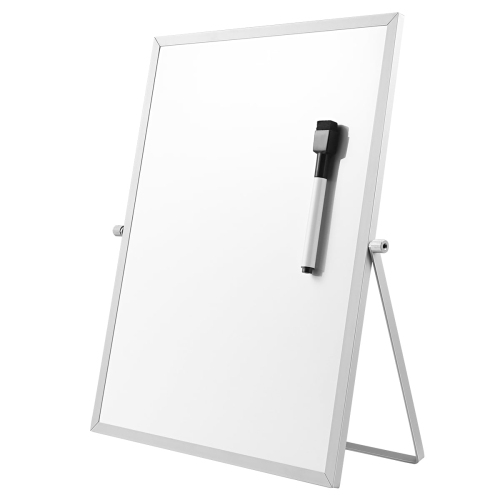 Your price for this item is $35.65
 -
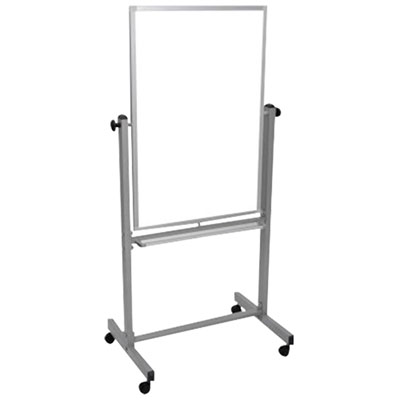 Your price for this item is $359.99
 -
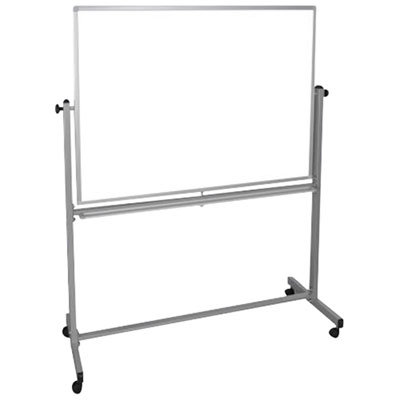 Your price for this item is $429.99
 -
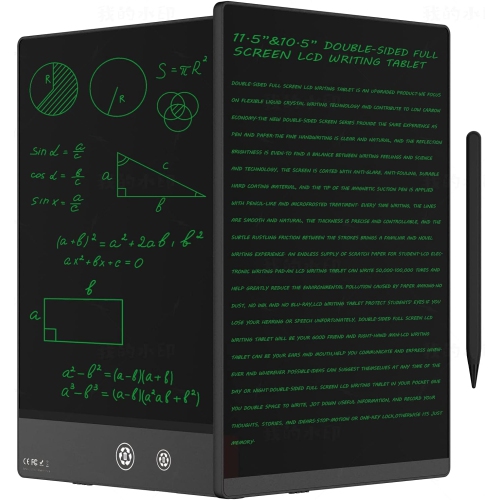 Your price for this item is $30.28
 -
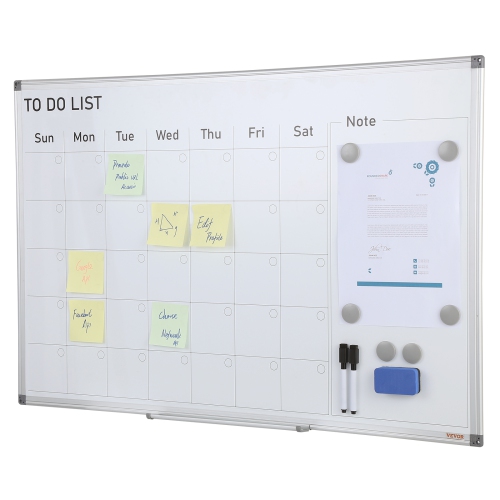 Your price for this item is $51.99
 -
 Your price for this item is $69.99
Discover more categories related to Poster Stands
Top Collections:
Pokemon Centers, Kindle Devices, Best Budget Office Chairs, Apple iPhones 16, Canon G7X Cameras, iPhone 15 Apple, Alarm Clock, Refurbished Apple Laptops, Flip Phones, Best Laptops for Writers
Some products may be subject to Environmental Handling Fees
(EHF) depending on your province.
Learn more about EHFs.