Potted Palm Trees
Enhance your living space with the natural beauty and tropical charm of potted palm trees. Perfect for adding a touch of greenery and a relaxing ambiance to any room, these lush and elegant plants are a versatile décor option for both homes and offices. Whether you're looking to create a serene oasis in your living room or bring a touch of paradise to your workspace, potted palm trees are an excellent choice. With their iconic fronds and easy-care nature, these plants are sure to elevate your space with their timeless appeal.
Sort
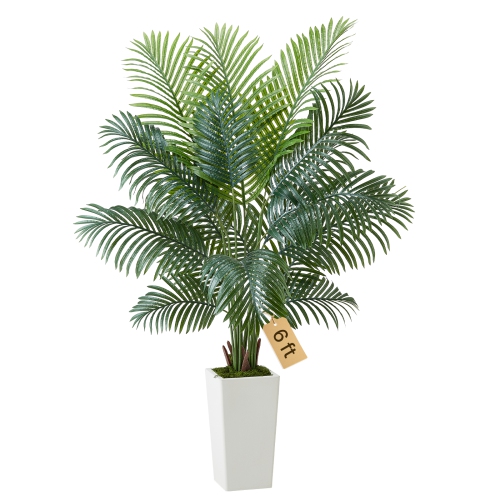
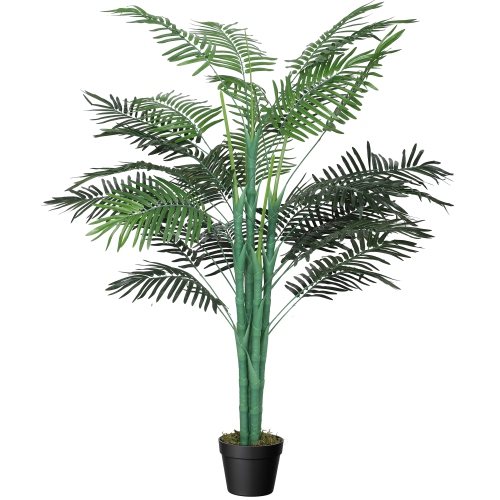
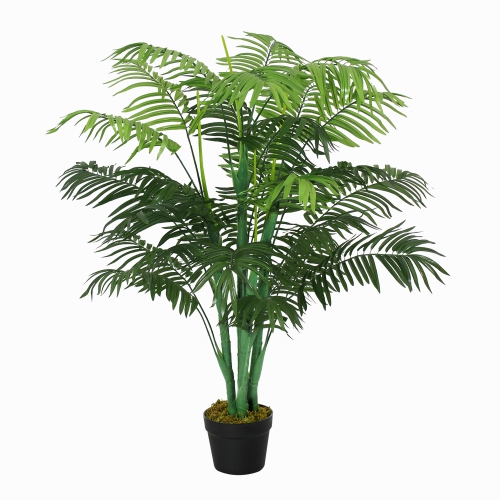
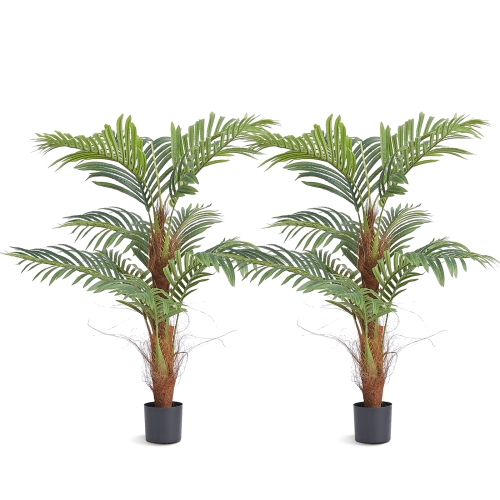
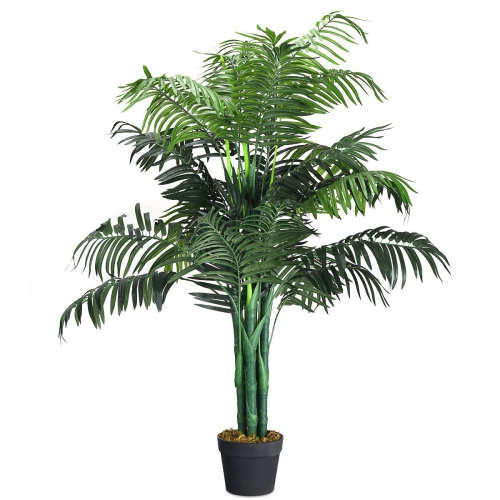
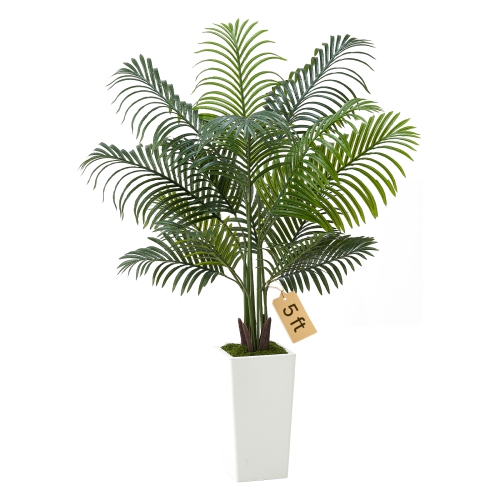
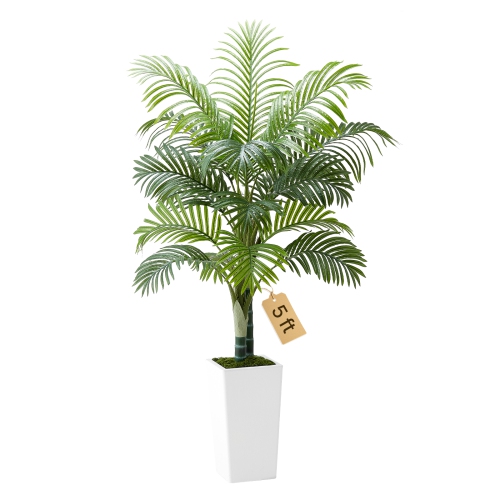
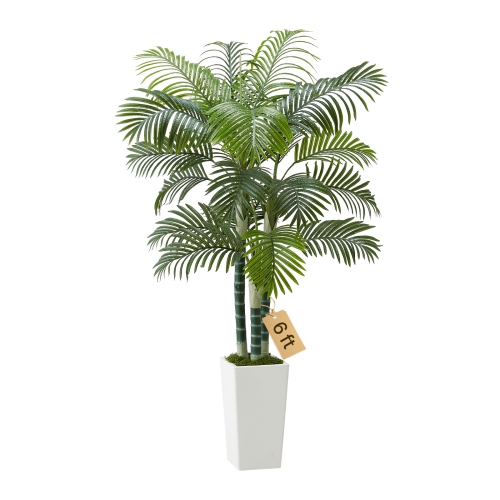
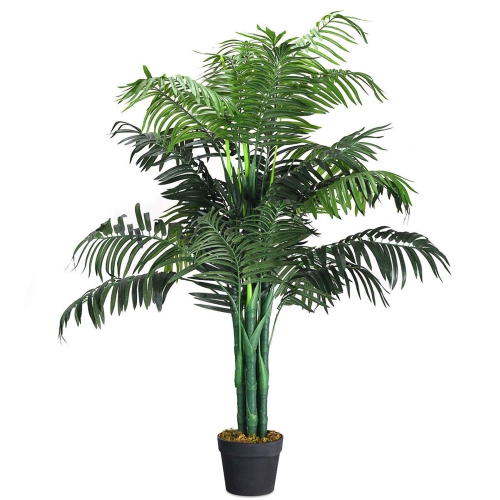
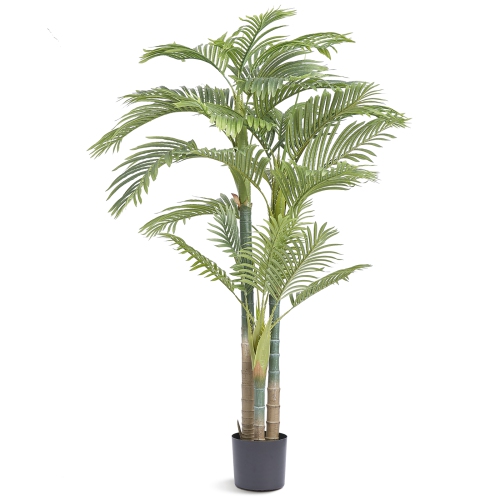
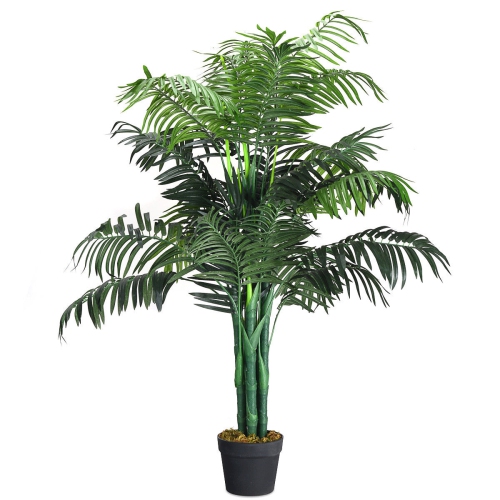
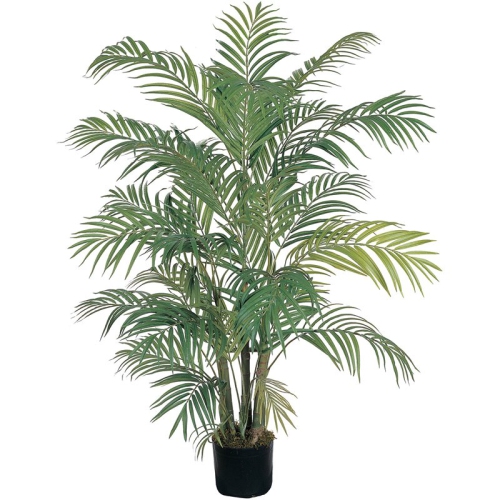

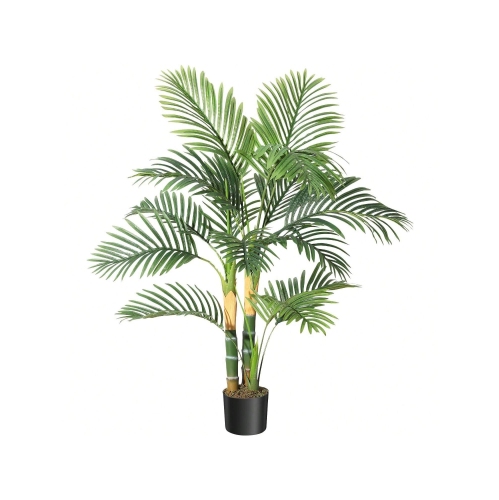
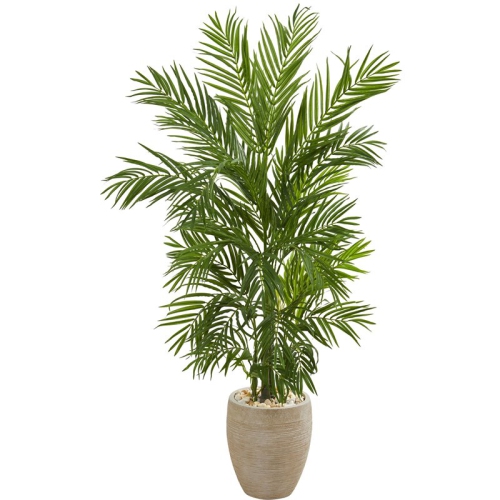
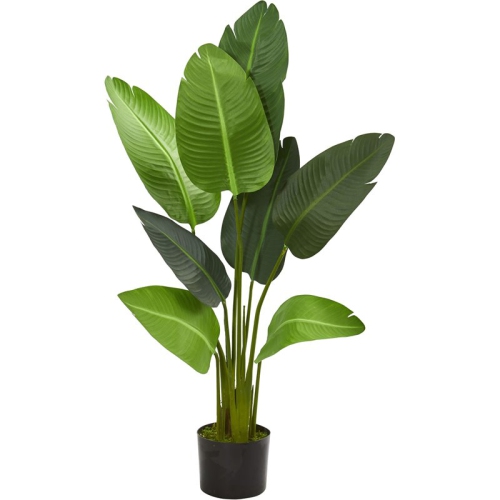
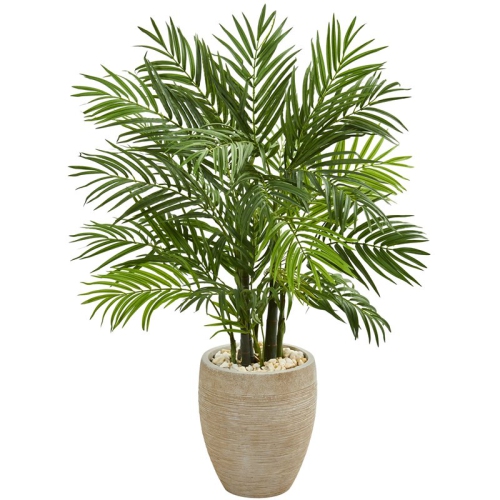
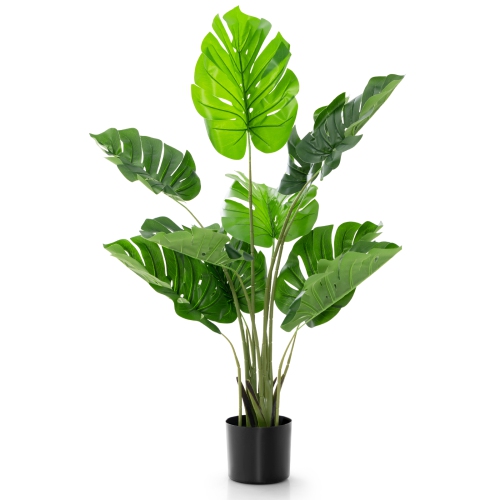
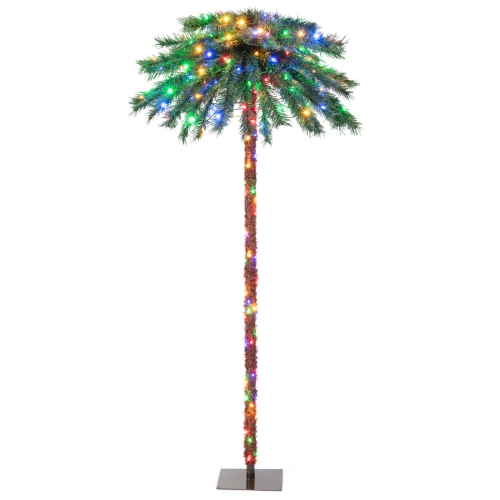
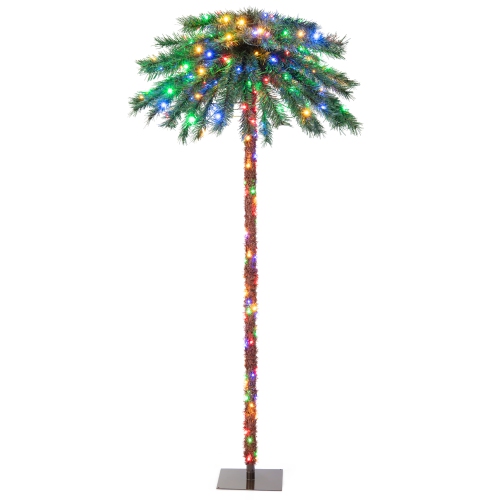
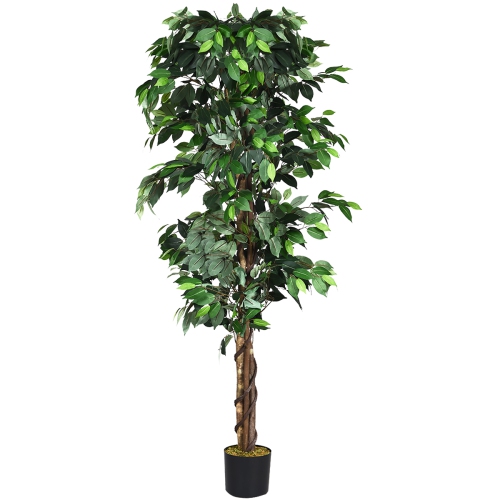
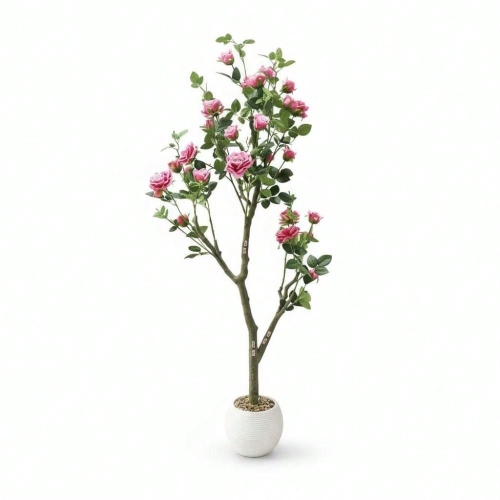
The right light and care support lasting tropical appeal
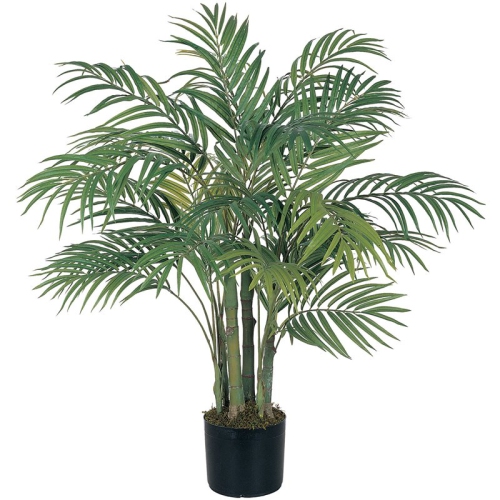
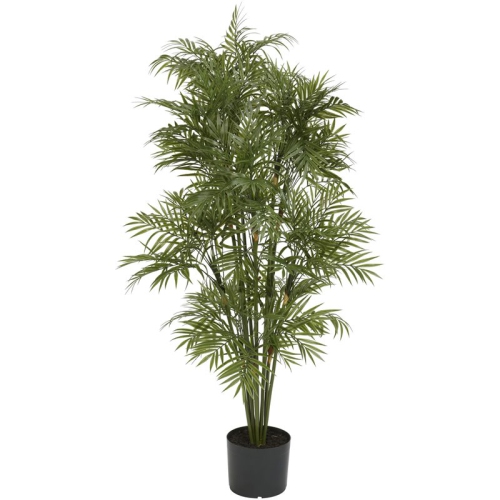
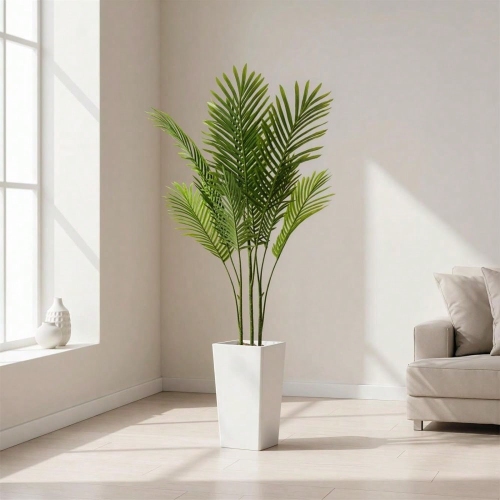
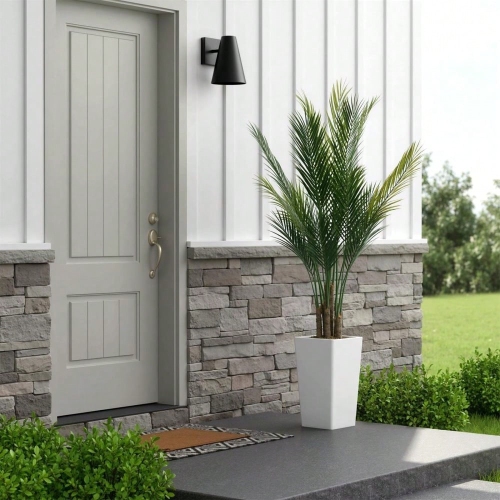
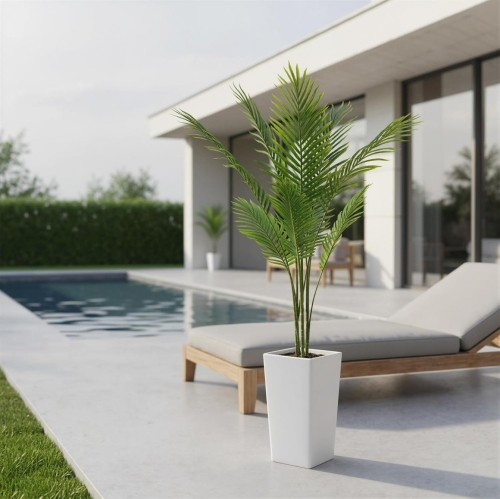
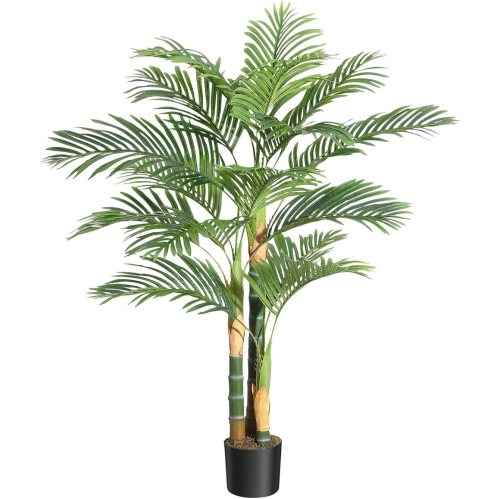
Potted palm trees bring an easy sense of warmth and movement to a room, with arching fronds that soften sharp furniture lines and add height without overwhelming the space. They can suit many settings, from a compact apartment or home office to a bright family room, enclosed balcony, entryway, or covered patio. Smaller palms work well on shelves, plant stands, and side tables, while taller options can fill an empty corner beside a sofa or create a welcoming focal point near a window. Different palm varieties offer distinct appearances and care needs: parlor palms are compact and adaptable, ponytail palms have a distinctive swollen base and tolerate periods of dryness, areca palms grow in graceful clusters with feathery fronds, and majesty palms offer a fuller, more dramatic silhouette when provided with sufficient light and humidity. When choosing a potted palm tree, consider the mature height and width as well as the plant’s current size. A young palm may look modest in a shop or online listing but can eventually need room for spreading leaves and a stable container. Measure the intended space, including the distance from the floor to nearby shelves or ceilings, and check that the pot will fit comfortably without blocking walkways, vents, doors, or window coverings. Container weight also matters: a wide, sturdy pot is less likely to tip when a palm becomes top-heavy, especially in a busy home with children or pets. Look for a container with drainage holes, since excess water collected around the roots can lead to root problems. Decorative cachepots can be attractive, but they should either have drainage or be used as an outer cover around a properly draining nursery pot. Potted palms also make thoughtful housewarming, birthday, graduation, and office gifts because they add personality without requiring a permanent fixture or a major decorating change. A smaller palm can brighten a student’s room or first apartment, while a taller plant can make a new home feel settled and inviting. For a gift, consider the recipient’s available light, ceiling height, travel schedule, and comfort with plant care so the choice feels personal rather than purely decorative.
Most potted palm trees prefer bright, indirect light, although the ideal amount varies by variety. A spot near a sunny window covered by a sheer curtain can provide gentle illumination, while a darker corner may be better suited to a more tolerant palm or supported with a suitable grow light. Strong, direct rays through glass can scorch fronds, particularly when a plant is moved suddenly from lower light, so gradual adjustments are helpful. Rotate the container from time to time to encourage balanced growth, and leave enough space around the leaves for air circulation. Watering is best guided by the soil rather than by a rigid calendar. Check the top inch of soil with a finger; when it feels dry, water thoroughly until a little excess drains from the bottom, then empty any water collected in the saucer or outer pot. Many palms prefer evenly moist soil during active growth, but they should not sit in standing water. During cooler months, indoor growth may slow and the plant may need less frequent watering, especially in a room with lower light. Dry indoor air from heating can cause brown tips or crisp leaf edges, so placing the palm away from heat registers and cold drafts can help. A humidifier, a naturally humid room, or grouping plants together may provide more consistent moisture than occasional misting. Use a loose, fast-draining tropical or palm potting mix, and repot only when roots are crowded or water passes through unusually quickly. Choose a new container only modestly larger than the existing one; an oversized pot can hold more moisture than the roots can use. Gently loosen the root ball, keep the main stem at the same depth, and water lightly after repotting while the plant settles. Wipe dust from broad fronds with a soft, damp cloth so the leaves remain attractive and can make effective use of available light, and inspect occasionally for small insects or fine webbing. Outdoor placement can work during warmer weather when the variety and conditions are suitable, but acclimate the palm gradually and protect it from strong wind, harsh afternoon sun, and sudden temperature changes. Before cool nights arrive, bring tender outdoor palms indoors; many perform best when moved inside before temperatures fall below approximately 10–13°C (50–55°F). For more options suited to exterior spaces, browse Outdoor Palm Trees. With an appropriately sized container, dependable drainage, suitable light, and attentive watering, a potted palm tree can provide a leafy, tropical accent through the cooler months and continue complementing the home as the weather warms.
Most potted palm trees prefer bright, indirect light, although the ideal amount varies by variety. A spot near a sunny window covered by a sheer curtain can provide gentle illumination, while a darker corner may be better suited to a more tolerant palm or supported with a suitable grow light. Strong, direct rays through glass can scorch fronds, particularly when a plant is moved suddenly from lower light, so gradual adjustments are helpful. Rotate the container from time to time to encourage balanced growth, and leave enough space around the leaves for air circulation. Watering is best guided by the soil rather than by a rigid calendar. Check the top inch of soil with a finger; when it feels dry, water thoroughly until a little excess drains from the bottom, then empty any water collected in the saucer or outer pot. Many palms prefer evenly moist soil during active growth, but they should not sit in standing water. During cooler months, indoor growth may slow and the plant may need less frequent watering, especially in a room with lower light. Dry indoor air from heating can cause brown tips or crisp leaf edges, so placing the palm away from heat registers and cold drafts can help. A humidifier, a naturally humid room, or grouping plants together may provide more consistent moisture than occasional misting. Use a loose, fast-draining tropical or palm potting mix, and repot only when roots are crowded or water passes through unusually quickly. Choose a new container only modestly larger than the existing one; an oversized pot can hold more moisture than the roots can use. Gently loosen the root ball, keep the main stem at the same depth, and water lightly after repotting while the plant settles. Wipe dust from broad fronds with a soft, damp cloth so the leaves remain attractive and can make effective use of available light, and inspect occasionally for small insects or fine webbing. Outdoor placement can work during warmer weather when the variety and conditions are suitable, but acclimate the palm gradually and protect it from strong wind, harsh afternoon sun, and sudden temperature changes. Before cool nights arrive, bring tender outdoor palms indoors; many perform best when moved inside before temperatures fall below approximately 10–13°C (50–55°F). For more options suited to exterior spaces, browse Outdoor Palm Trees. With an appropriately sized container, dependable drainage, suitable light, and attentive watering, a potted palm tree can provide a leafy, tropical accent through the cooler months and continue complementing the home as the weather warms.
Top selling and popular products
-
 Your price for this item is $79
 -
 Your price for this item is $52
 -
 Your price for this item is $49.99
 -
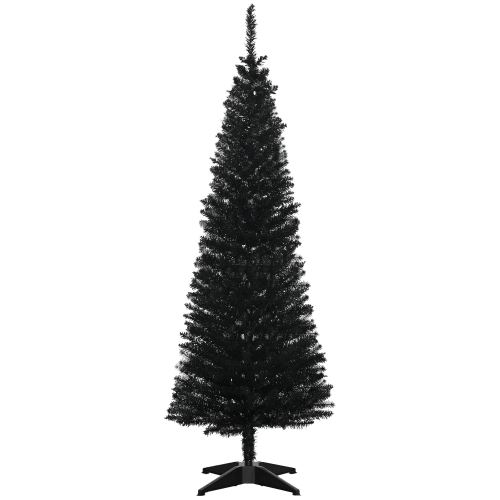 Your price for this item is $54.99
 -
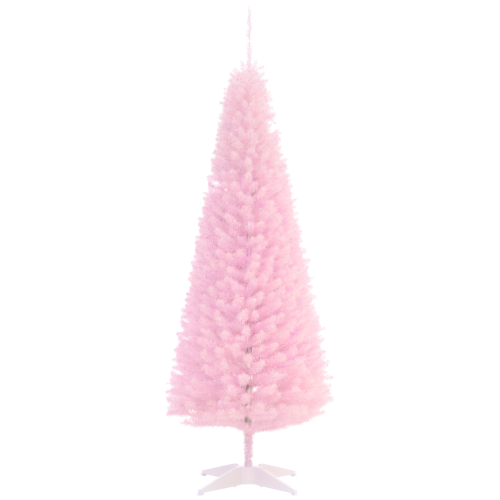 Your price for this item is $49.99
 -
 Your price for this item is $137.99
 -
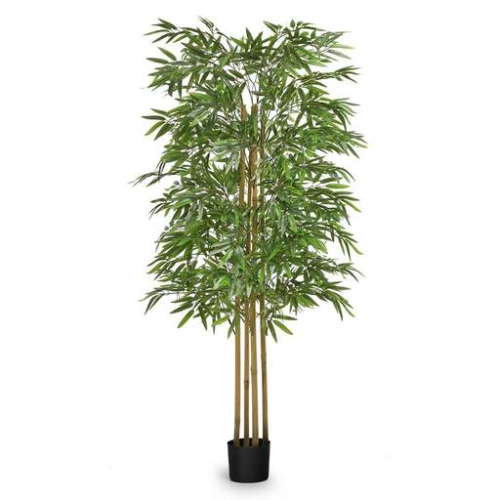 Your price for this item is $146.99
 -
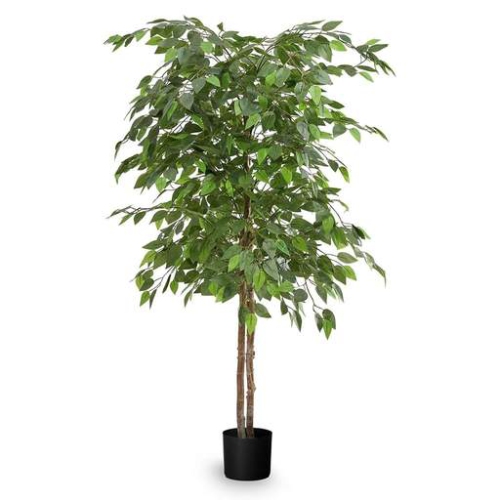 Your price for this item is $127.99
Discover more categories related to Potted Palm Trees
Top Collections:
Best Laptops for Video Editing, Pokemon Centers, Samsung Z Fold, Kindle Devices, Best Cell Phones Under $300, Best Laptops for Writers, Best Budget Office Chairs, Best Cell Phones Under $500, Best Laptop Computers for Students, iPhone 15 Apple
Some products may be subject to Environmental Handling Fees
(EHF) depending on your province.
Learn more about EHFs.