Pouf Exterieur
Pouf Exterieur brings comfort and style to your outdoor spaces, offering a versatile seating solution that enhances any patio, balcony, or garden. Perfect for relaxing with friends or enjoying some quiet time outdoors, these poufs effortlessly blend functionality with modern design. Explore a variety of colors, shapes, and sizes to find the ideal Pouf Exterieur to complement your exterior décor and create a cozy atmosphere for every occasion.
Sort
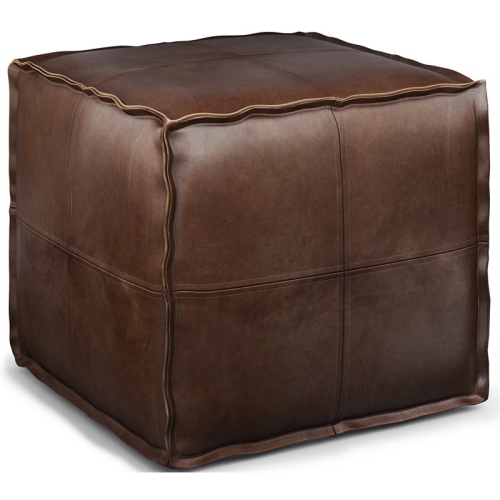
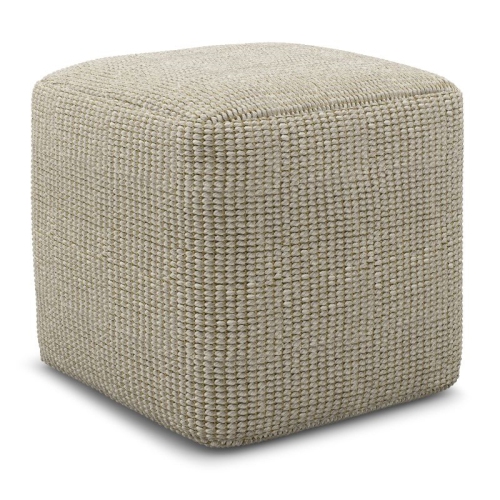
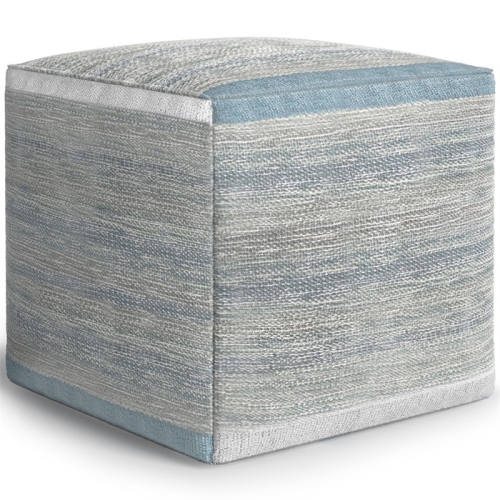
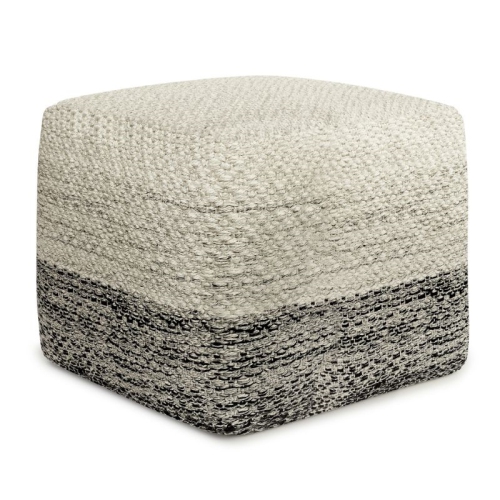
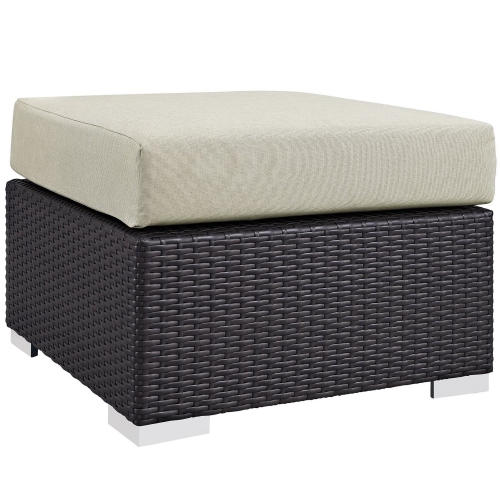
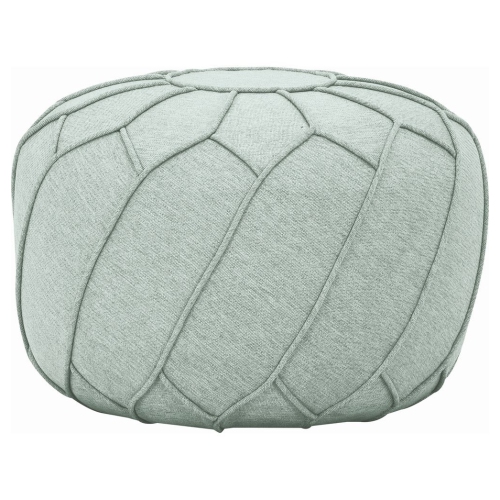
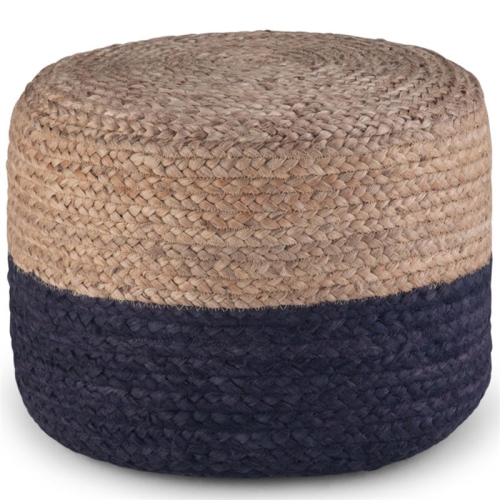
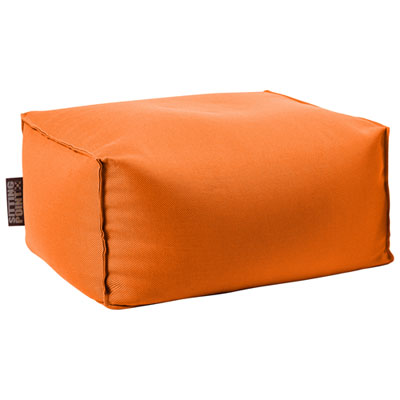
Small outdoor spaces with more room for comfort
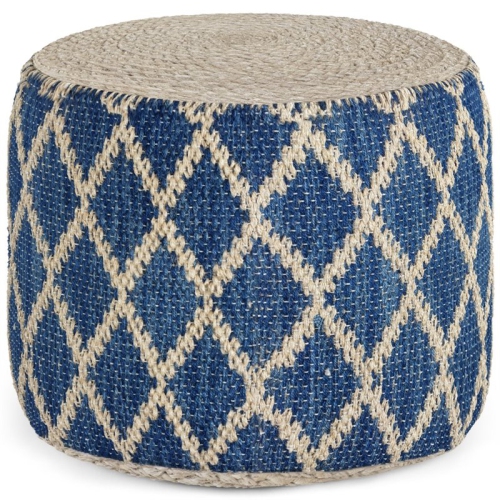
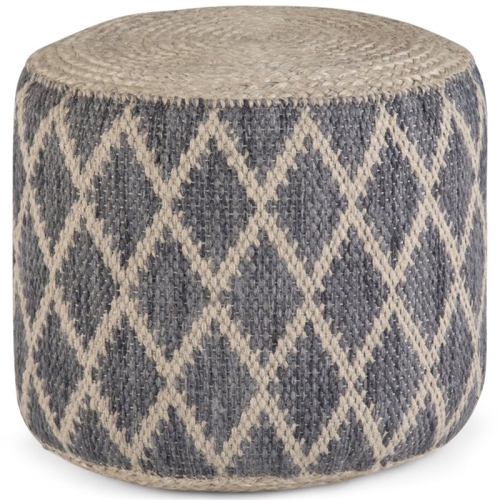
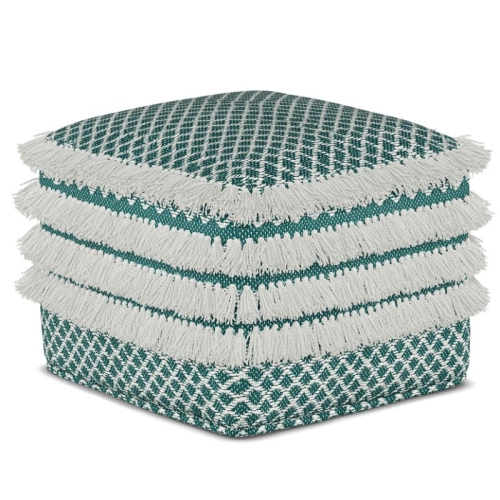
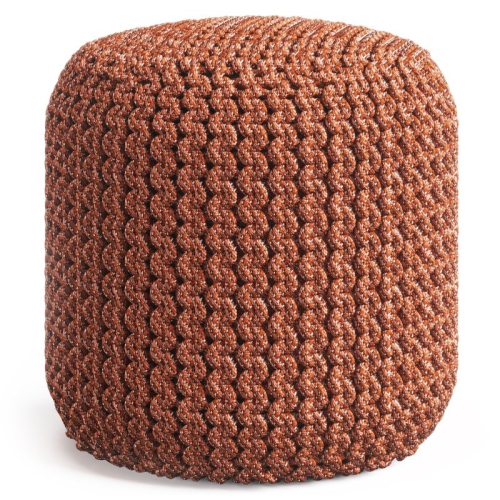
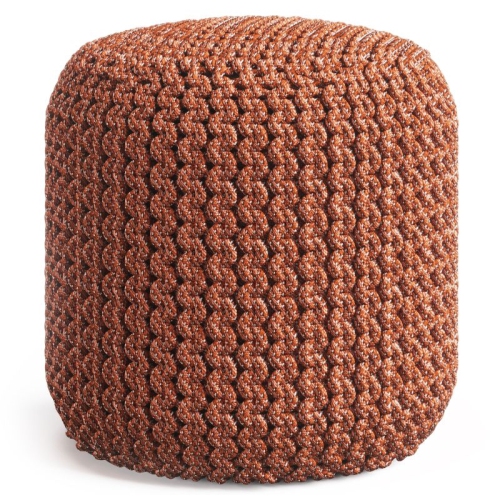
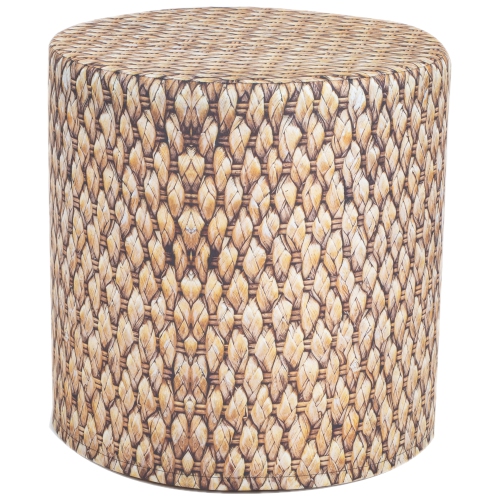
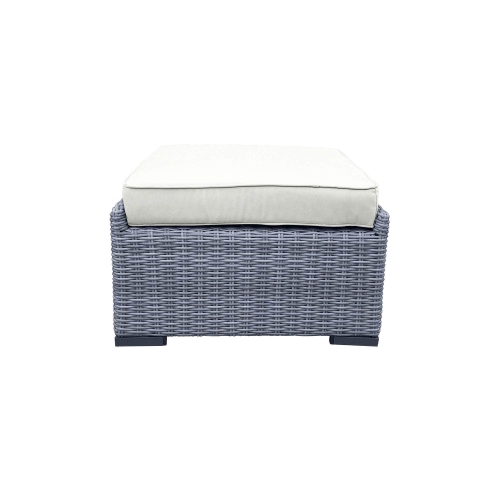
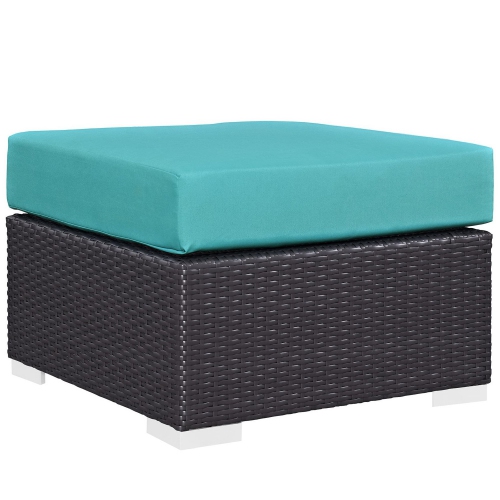
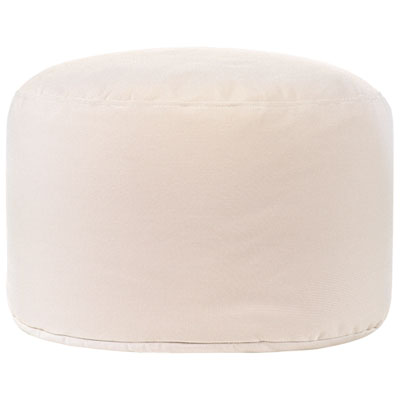
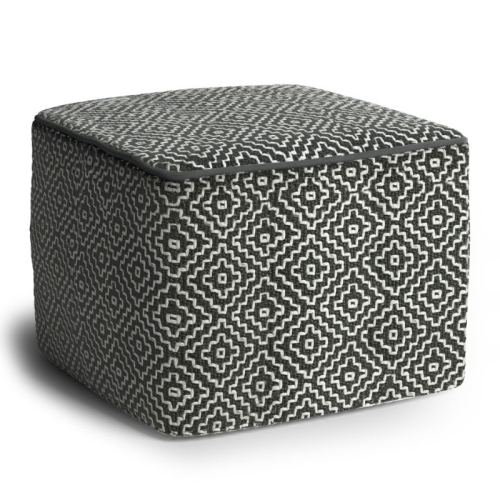
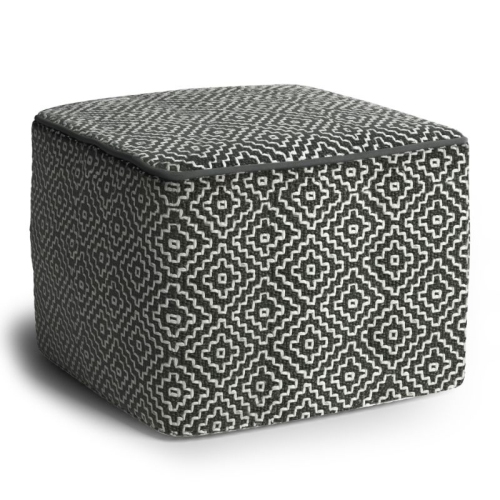
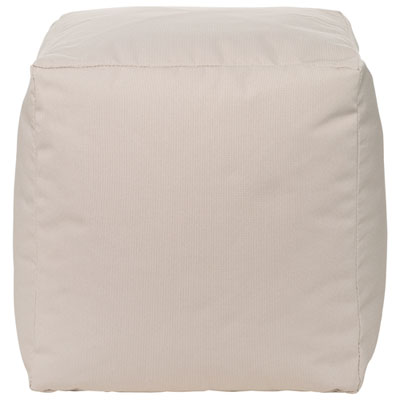
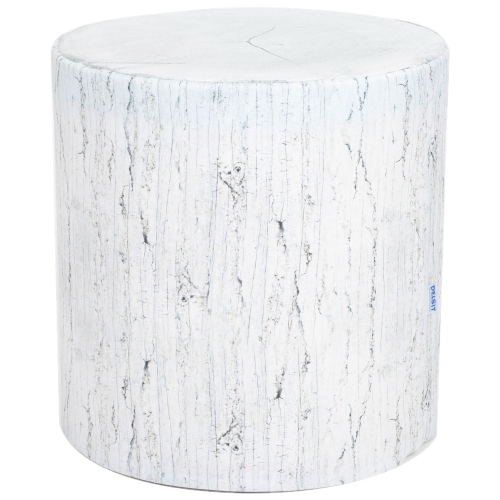
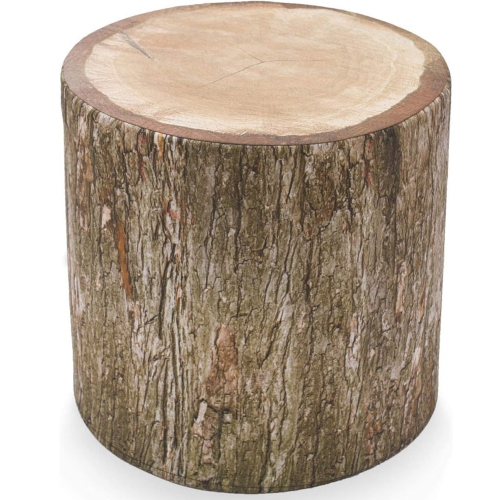
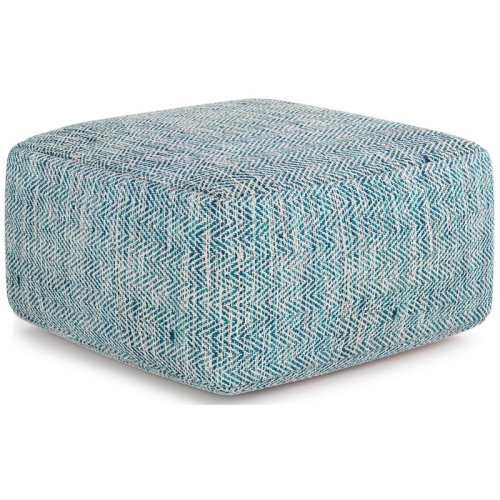
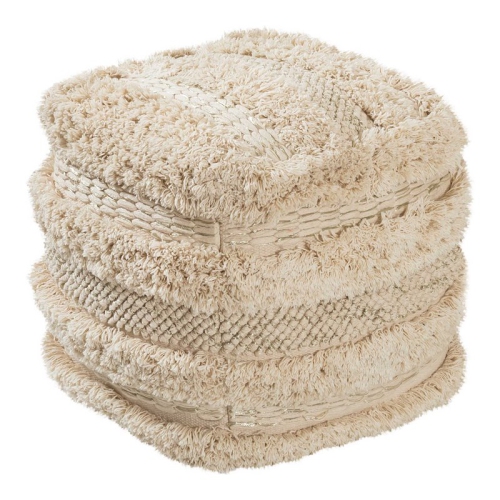
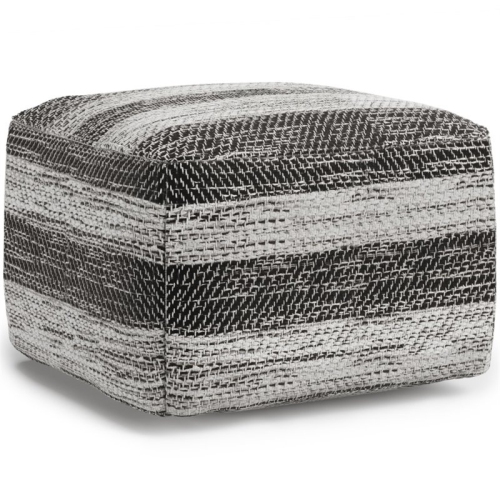
Outdoor poufs are compact, upholstered seats or footrests designed to bring casual comfort to patios, balconies, decks, and other outdoor living spaces. Their low profile and movable design make them a useful complement to lounge chairs, outdoor sofas, and small conversation sets, especially where a full-size ottoman would take up too much room. A round pouf can soften the straight lines of a sectional, while a square or rectangular shape fits neatly beside a chair or along the edge of a seating area. Some styles have a firm, structured surface suited to occasional seating; others have a softer, bean-filled shape that settles around the feet or body. That difference matters in everyday use: a pouf intended mainly as a footrest may not provide the support or weight capacity needed for an extra seat. Its dimensions also affect how comfortably it works with existing furniture. A footrest generally feels more natural when its top sits level with, or slightly below, the chair’s seat cushion, although soft filling will compress under pressure. On a narrow balcony, a smaller footprint leaves space to walk around furniture and open the door fully. In a larger seating arrangement, a pair of poufs can create flexible places to rest tired feet without adding the visual bulk of more chairs. Flat, supportive designs may also hold a suitable tray, provided the manufacturer permits that use and the surface stays stable; soft, rounded tops are less dependable for drinks. For households that move between indoor and outdoor lounging, a portable pouf can shift from a covered patio to a casual sitting room when clean and dry. Related seating styles such as Soft Pouves offer another point of comparison for shape and cushioning, but suitability for outdoor use depends on the stated materials and construction rather than appearance alone. The most useful outdoor pouf is one whose size, support, and intended function match the way the space is actually used.
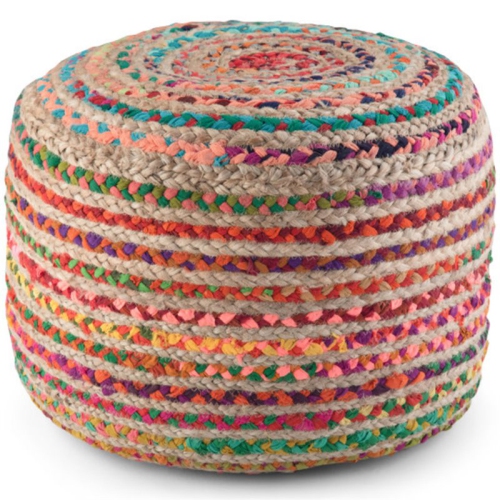
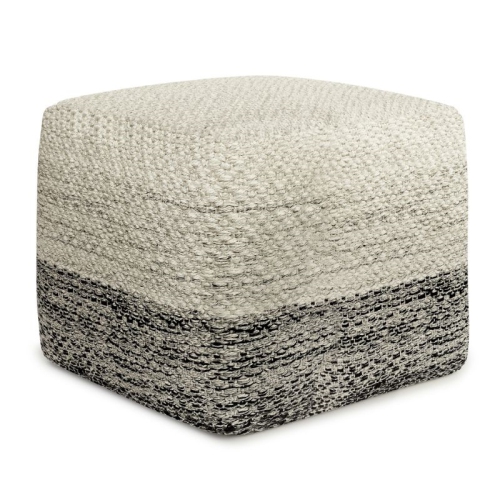
Materials play a large part in how an outdoor pouf feels, wears, and handles exposure. Olefin and polyester are common outdoor upholstery choices, with performance depending on the fibre, weave, finish, and construction. Olefin is often chosen for its resistance to moisture and staining, while outdoor polyester may have treatments that help it shed light splashes and resist fading. These qualities are not interchangeable: a water-repellent cover can help droplets bead on the surface without making the whole pouf waterproof, and a fabric described as UV-resistant can still fade over time. Seams, zippers, and the underside can let moisture reach the filling even when the top looks dry. A tightly woven cover tends to offer a smoother surface that is easier to brush free of crumbs and dust, while chunky knitted or textured covers bring a softer visual effect but may catch grit, pet claws, or jewellery. Filling changes both comfort and upkeep. Foam can provide a more defined shape and steady support, though drying performance varies considerably between standard foam and constructions specifically designed to drain and dry more readily. Lightweight bead filling creates a yielding feel and makes larger poufs easier to move, but it can settle with use and may need topping up if the design allows it. Any refill opening should stay securely closed, particularly around children and pets. A separate inner liner helps keep loose filling contained when an outer cover is removed. Reinforced stitching, securely attached handles, and a durable base are practical details for a piece that gets shifted across the deck or carried indoors. The underside deserves attention on rough paving or timber boards, where repeated dragging can wear through fabric. Lifting the pouf instead helps protect both its base and the surface beneath it. Weight capacity, recommended use, and whether a cover is removable or washable are more reliable indicators of suitability than a photograph. These details distinguish a decorative accent from a pouf built for regular footrest or seating duties.
Outdoor poufs work especially well in spaces where seating needs change throughout the day. A lightweight style can sit beside a reading chair, move closer to a sofa when guests arrive, or provide a low perch for someone taking off garden shoes, as long as it is rated for seating. People who prefer firmer support may find a structured pouf more comfortable than a deep, sinking design, while those who have difficulty rising from low furniture may be better served by a conventional chair with arms. Families can appreciate rounded shapes and portable seating, but a pouf is not a climbing step, play structure, or infant sleep surface. Near a pool or hot tub, splash resistance is useful, though prolonged contact with wet towels, treated water, or damp paving can still affect fabric and filling. A sheltered spot with good airflow is generally more forgiving than an exposed corner where rain collects. Colour and texture help connect the piece to its setting: sandy neutrals sit quietly against pale cushions and timber furniture, deeper shades create contrast, and patterned fabrics can make minor marks less noticeable. Care remains important regardless of colour. Routine brushing or vacuuming, where permitted, removes grit before it works into the weave, and prompt blotting helps limit the spread of spills. Cleaning should follow the care label, since strong detergents, bleach, machine washing, and tumble drying are not suitable for every cover. A removable cover is not automatically machine washable, and both the cover and filling need to dry thoroughly before reassembly or storage. During the cooler months, keeping the pouf in a dry, sheltered storage area when not in use helps protect it from repeated soaking, frost, and snow. A fitted cover can reduce exposure between uses, but it should not trap moisture against already damp upholstery. For a housewarming gift or a thoughtful addition to someone’s balcony, an outdoor pouf is most useful when its measurements, care requirements, and storage needs suit the recipient’s space. Those practical details allow its relaxed look to translate into genuine everyday comfort.
Materials play a large part in how an outdoor pouf feels, wears, and handles exposure. Olefin and polyester are common outdoor upholstery choices, with performance depending on the fibre, weave, finish, and construction. Olefin is often chosen for its resistance to moisture and staining, while outdoor polyester may have treatments that help it shed light splashes and resist fading. These qualities are not interchangeable: a water-repellent cover can help droplets bead on the surface without making the whole pouf waterproof, and a fabric described as UV-resistant can still fade over time. Seams, zippers, and the underside can let moisture reach the filling even when the top looks dry. A tightly woven cover tends to offer a smoother surface that is easier to brush free of crumbs and dust, while chunky knitted or textured covers bring a softer visual effect but may catch grit, pet claws, or jewellery. Filling changes both comfort and upkeep. Foam can provide a more defined shape and steady support, though drying performance varies considerably between standard foam and constructions specifically designed to drain and dry more readily. Lightweight bead filling creates a yielding feel and makes larger poufs easier to move, but it can settle with use and may need topping up if the design allows it. Any refill opening should stay securely closed, particularly around children and pets. A separate inner liner helps keep loose filling contained when an outer cover is removed. Reinforced stitching, securely attached handles, and a durable base are practical details for a piece that gets shifted across the deck or carried indoors. The underside deserves attention on rough paving or timber boards, where repeated dragging can wear through fabric. Lifting the pouf instead helps protect both its base and the surface beneath it. Weight capacity, recommended use, and whether a cover is removable or washable are more reliable indicators of suitability than a photograph. These details distinguish a decorative accent from a pouf built for regular footrest or seating duties.
Outdoor poufs work especially well in spaces where seating needs change throughout the day. A lightweight style can sit beside a reading chair, move closer to a sofa when guests arrive, or provide a low perch for someone taking off garden shoes, as long as it is rated for seating. People who prefer firmer support may find a structured pouf more comfortable than a deep, sinking design, while those who have difficulty rising from low furniture may be better served by a conventional chair with arms. Families can appreciate rounded shapes and portable seating, but a pouf is not a climbing step, play structure, or infant sleep surface. Near a pool or hot tub, splash resistance is useful, though prolonged contact with wet towels, treated water, or damp paving can still affect fabric and filling. A sheltered spot with good airflow is generally more forgiving than an exposed corner where rain collects. Colour and texture help connect the piece to its setting: sandy neutrals sit quietly against pale cushions and timber furniture, deeper shades create contrast, and patterned fabrics can make minor marks less noticeable. Care remains important regardless of colour. Routine brushing or vacuuming, where permitted, removes grit before it works into the weave, and prompt blotting helps limit the spread of spills. Cleaning should follow the care label, since strong detergents, bleach, machine washing, and tumble drying are not suitable for every cover. A removable cover is not automatically machine washable, and both the cover and filling need to dry thoroughly before reassembly or storage. During the cooler months, keeping the pouf in a dry, sheltered storage area when not in use helps protect it from repeated soaking, frost, and snow. A fitted cover can reduce exposure between uses, but it should not trap moisture against already damp upholstery. For a housewarming gift or a thoughtful addition to someone’s balcony, an outdoor pouf is most useful when its measurements, care requirements, and storage needs suit the recipient’s space. Those practical details allow its relaxed look to translate into genuine everyday comfort.
Top selling and popular products
-
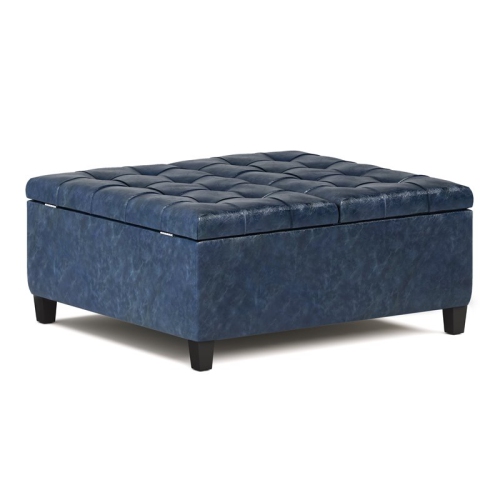 Your price for this item is $1017.95
 -
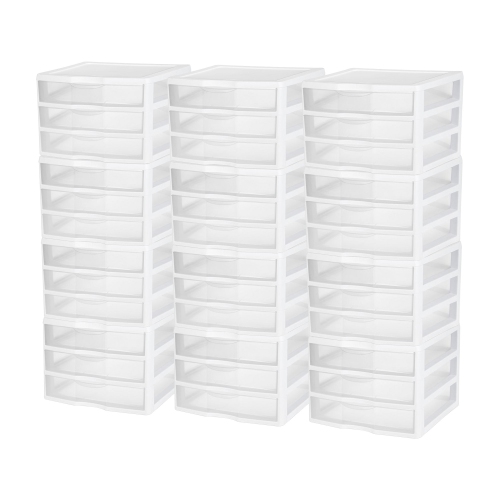 Your price for this item is $529.99
 -
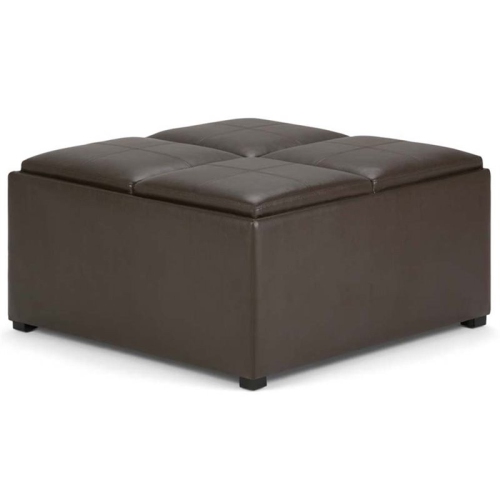 Your price for this item is $1110.04
 -
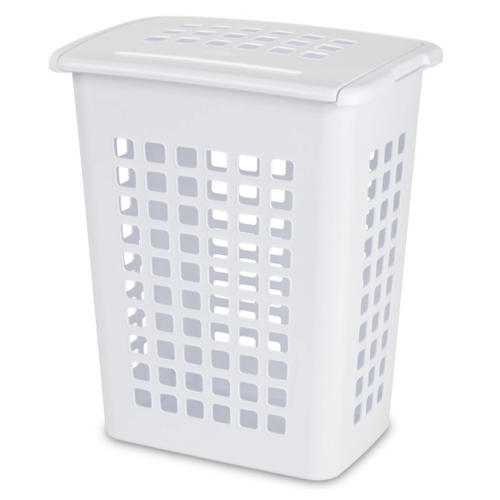 Your price for this item is $1399.99
 -
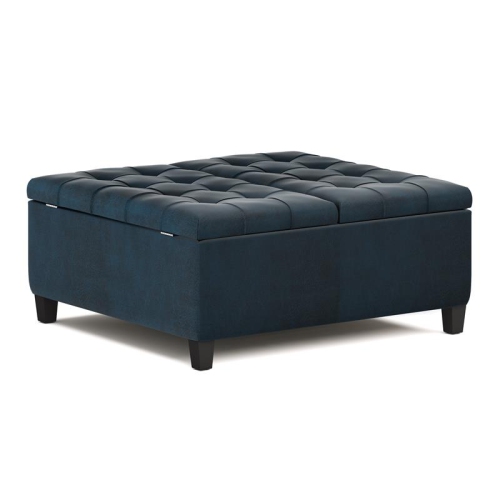 Your price for this item is $1020.01
 -
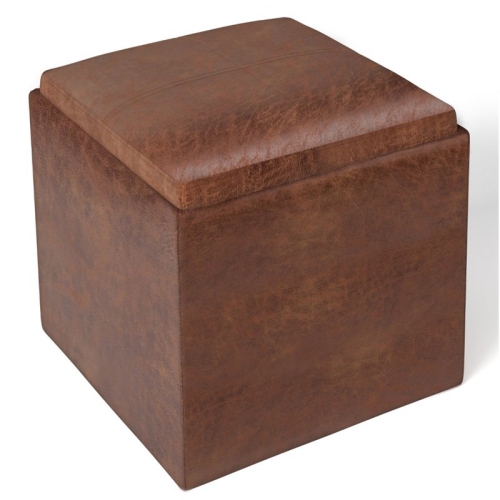 Your price for this item is $339.24
 -
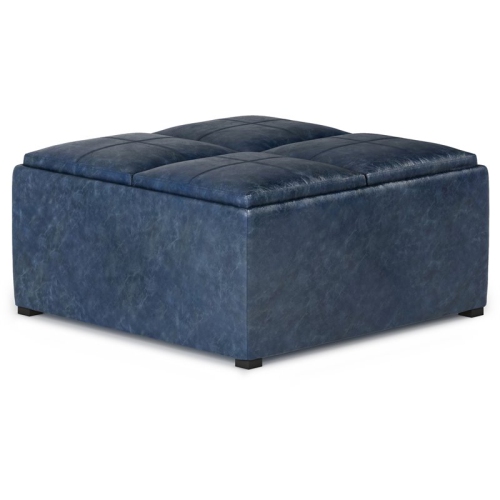 Your price for this item is $1174.3
 -
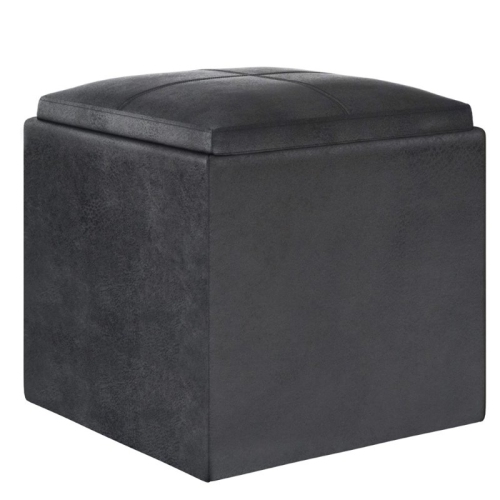 Your price for this item is $346.6
Discover more categories related to Pouf Exterieur
Top Collections:
Pokemon Centers, Kindle Devices, Best Budget Office Chairs, Apple iPhones 16, Canon G7X Cameras, iPhone 15 Apple, Alarm Clock, Refurbished Apple Laptops, Flip Phones, Best Laptops for Writers
Some products may be subject to Environmental Handling Fees
(EHF) depending on your province.
Learn more about EHFs.