Power Headrest Recliners
Upgrade your relaxation game with power headrest recliners that offer the ultimate combination of comfort and convenience. Whether you're unwinding after a long day at work or catching up on your favorite TV shows, these innovative recliners provide customizable support for your head and neck with just the touch of a button. Experience unparalleled luxury as you sink into plush cushions and effortlessly adjust the headrest to your preferred position for hours of blissful lounging.
Sort
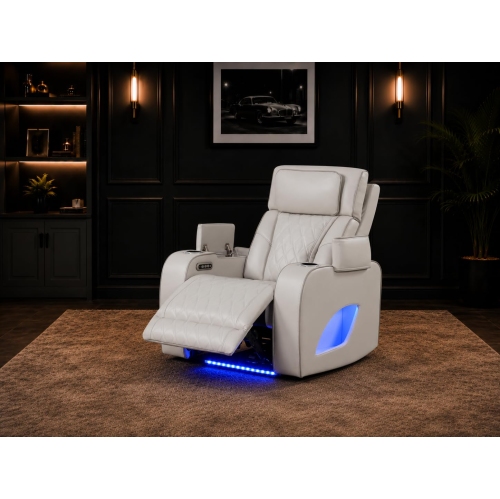
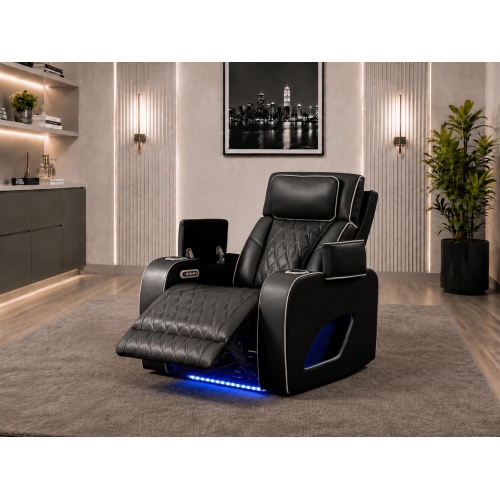
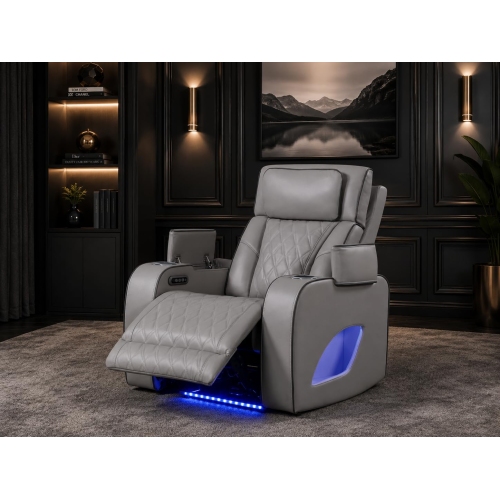


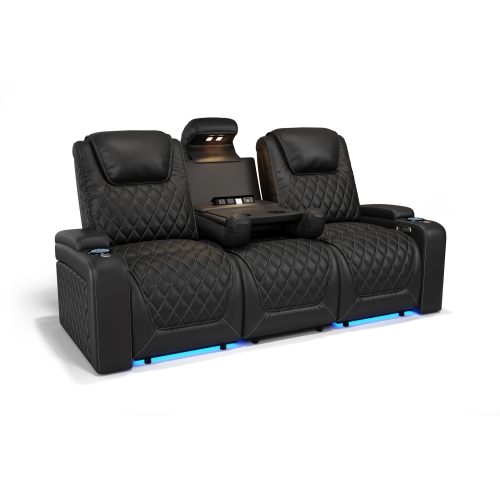

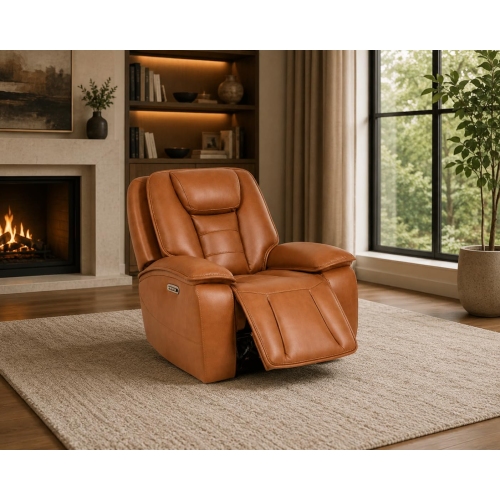


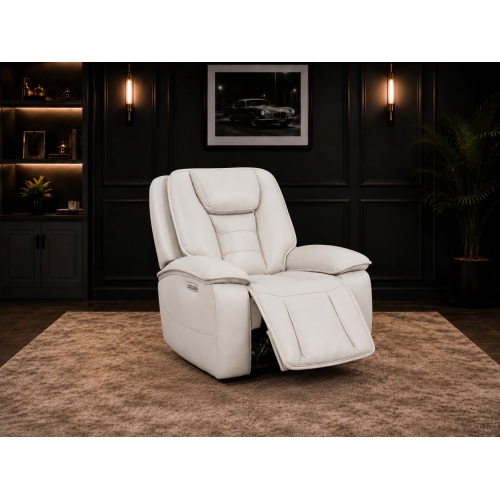


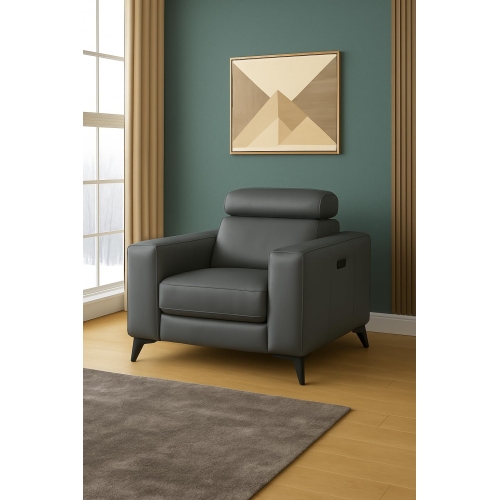

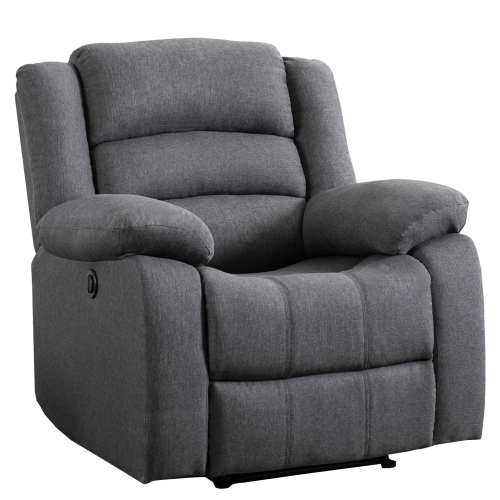

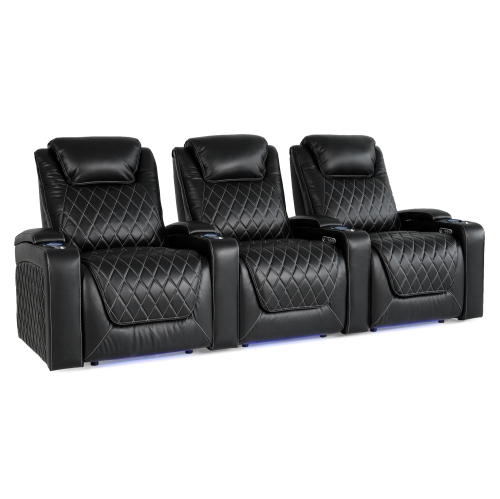


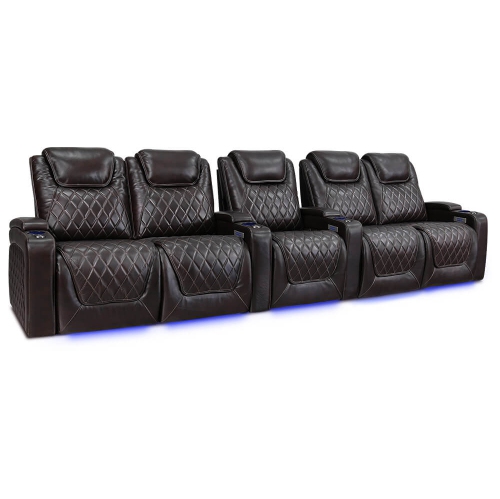
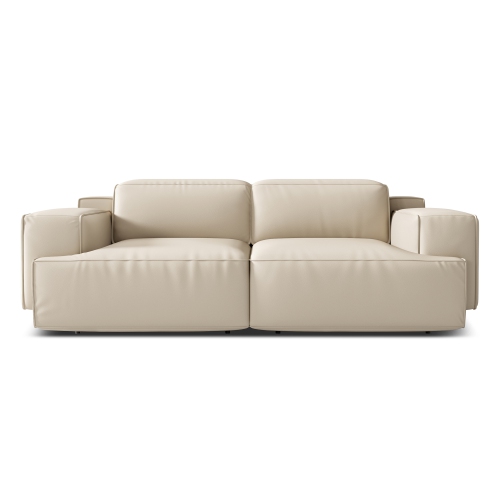
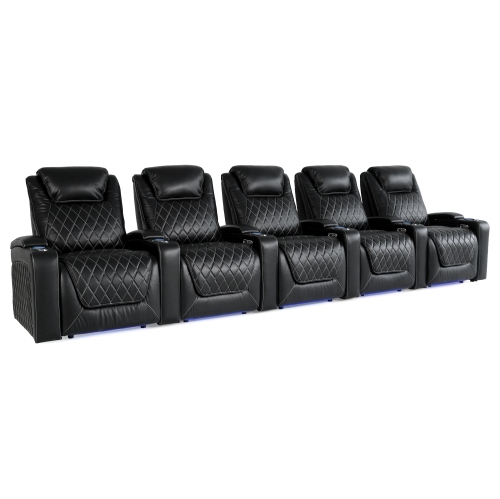


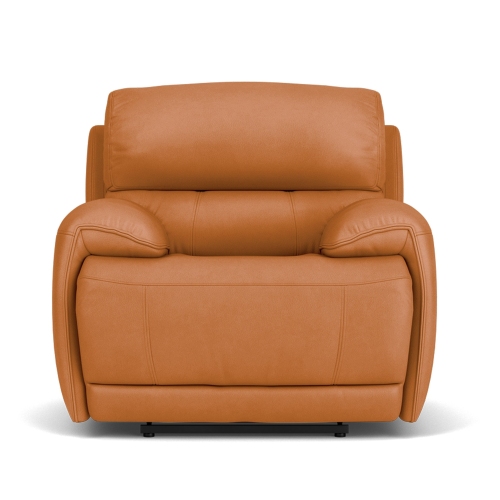
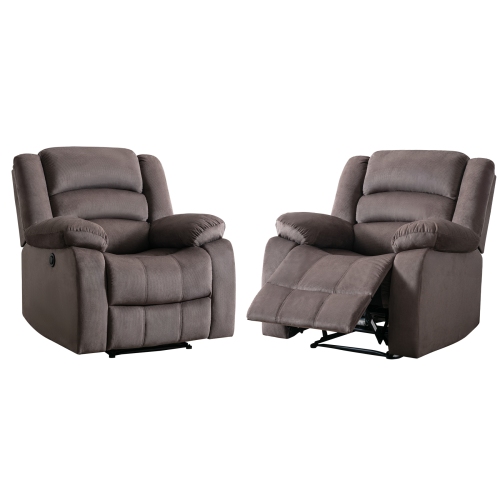


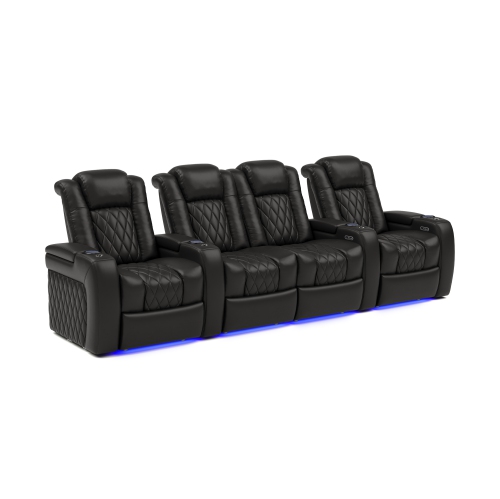

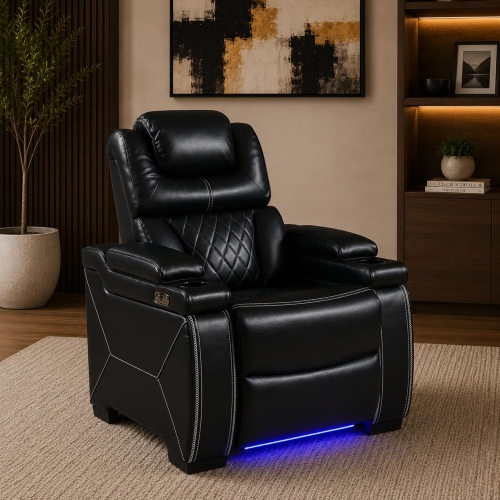
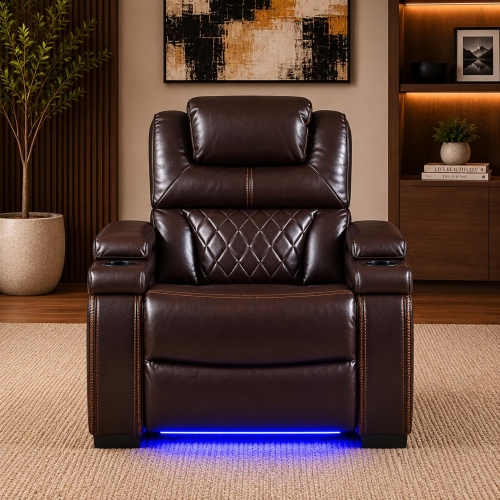


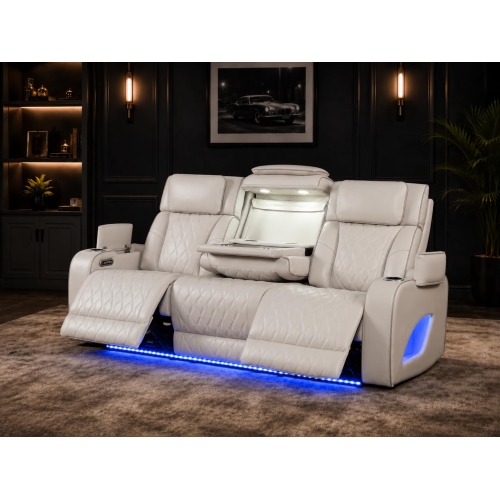

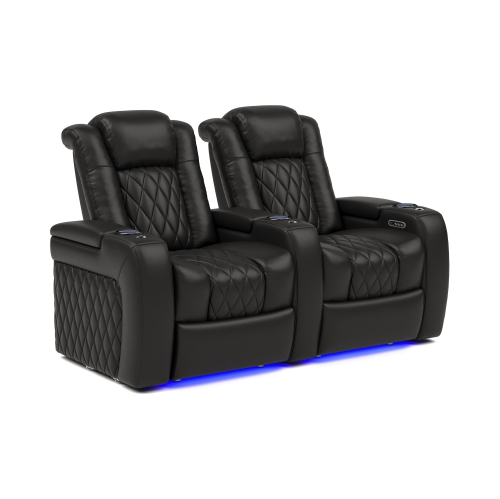
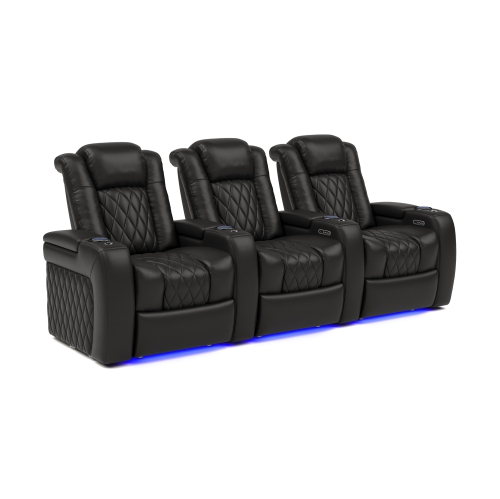
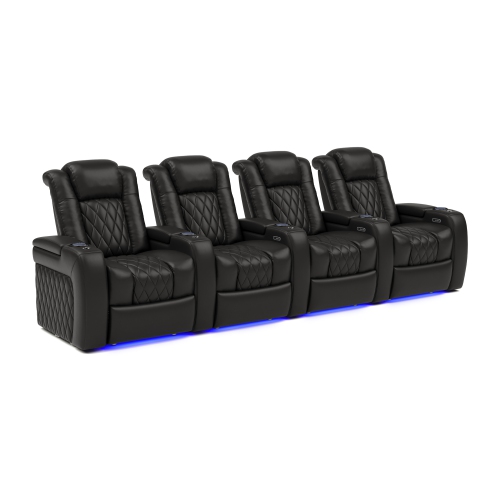
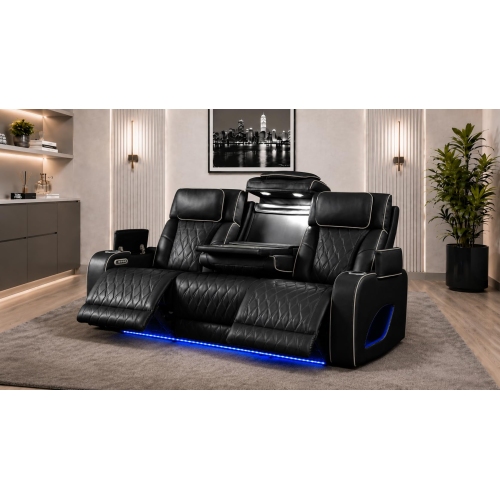
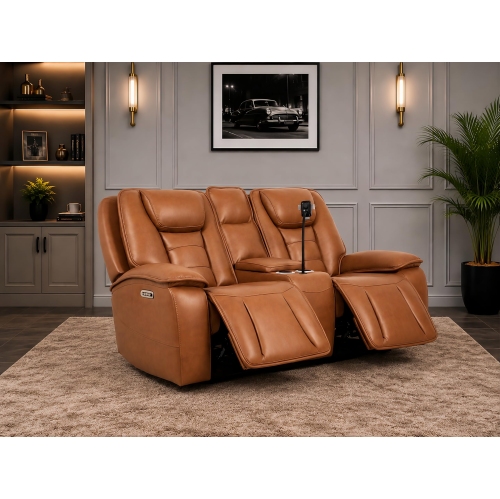

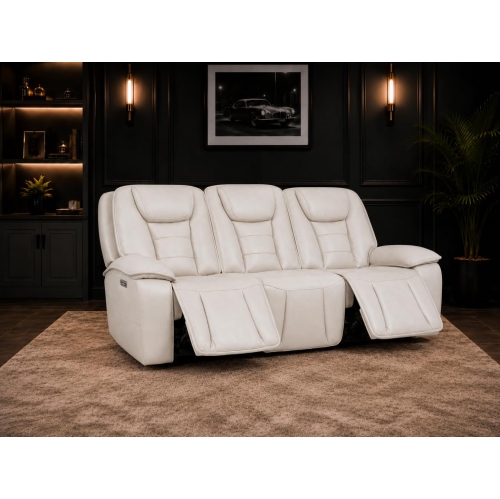


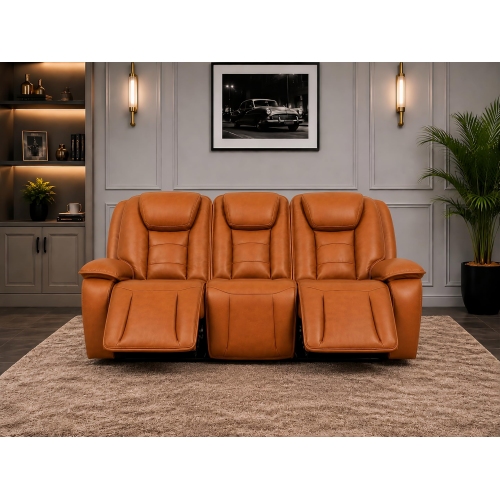


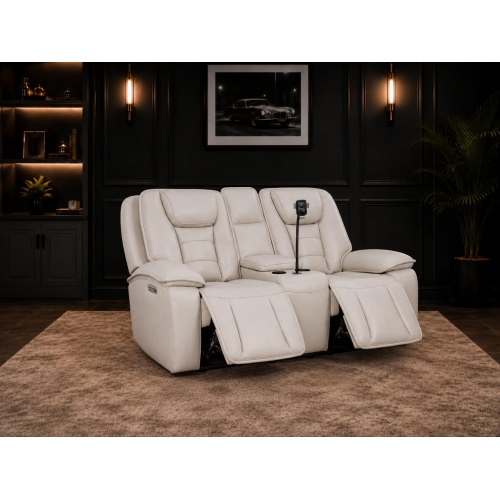

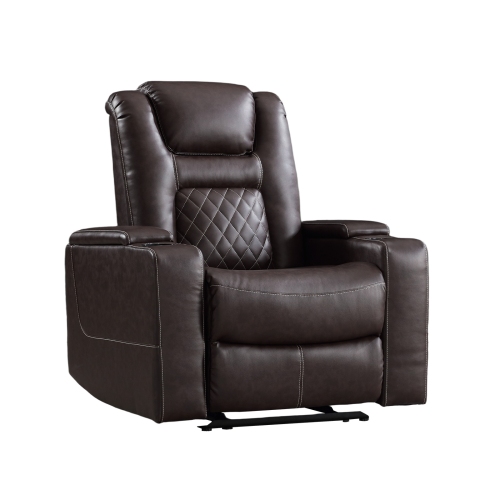
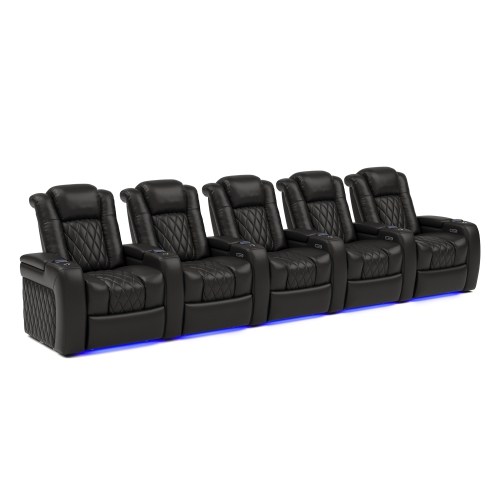


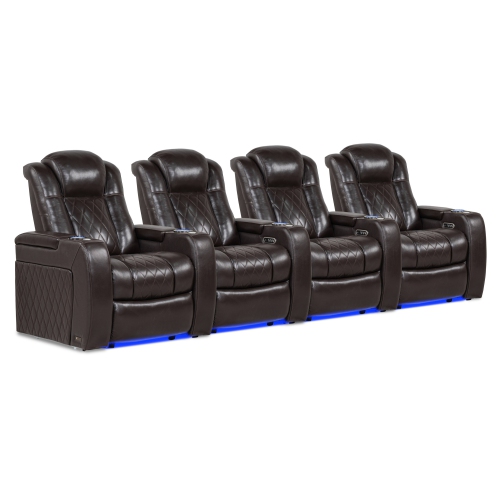
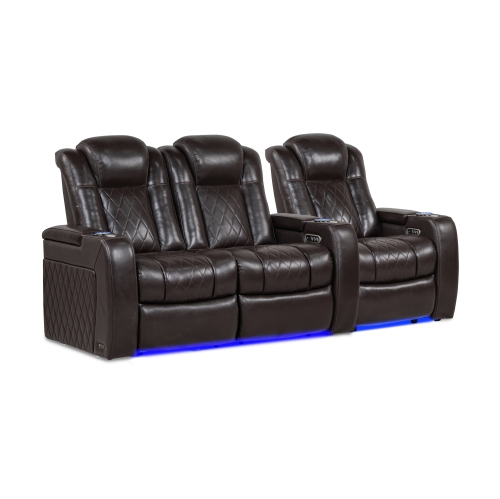

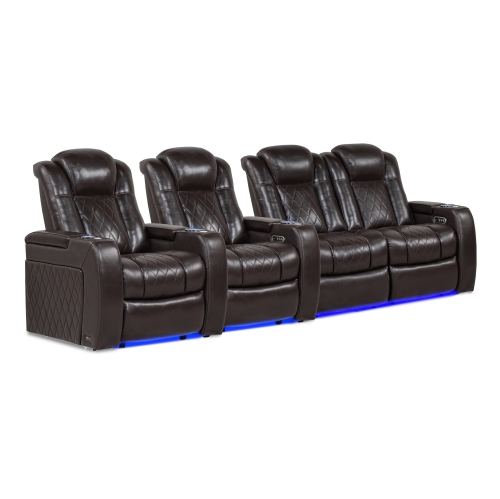


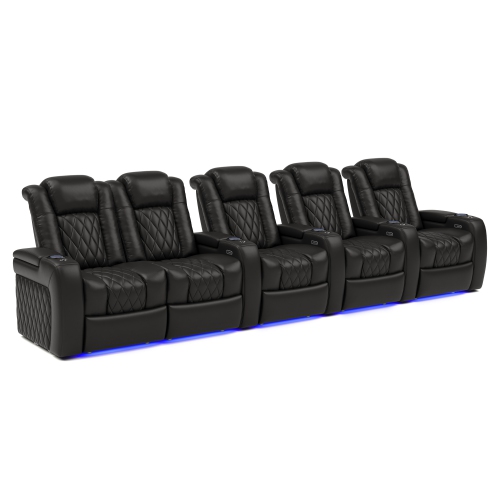


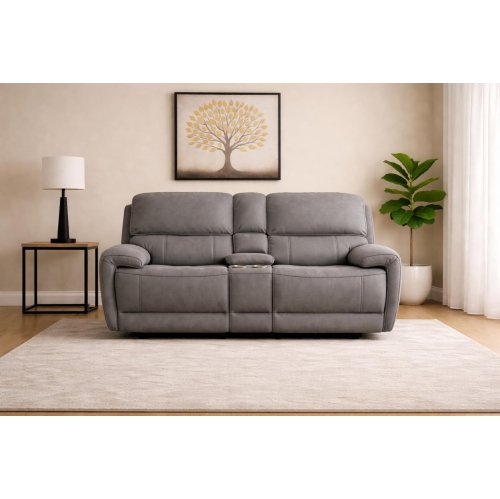
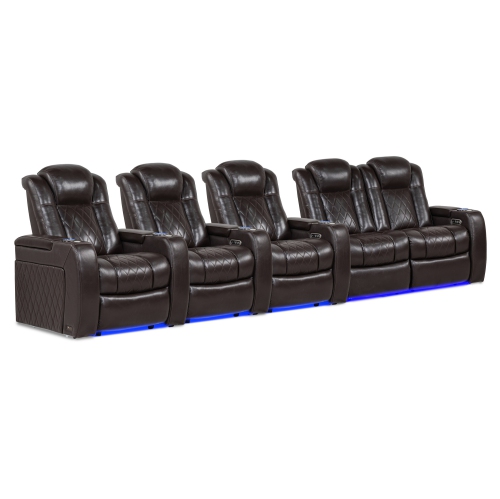


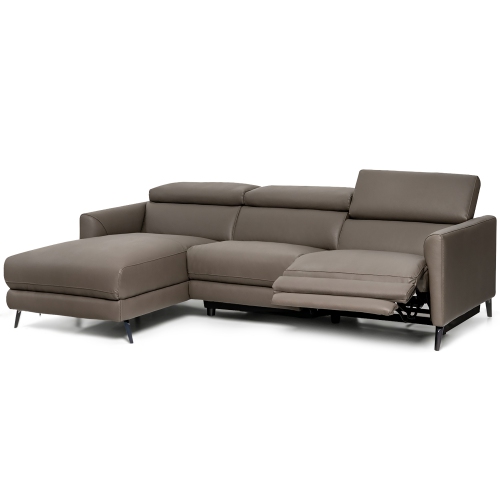
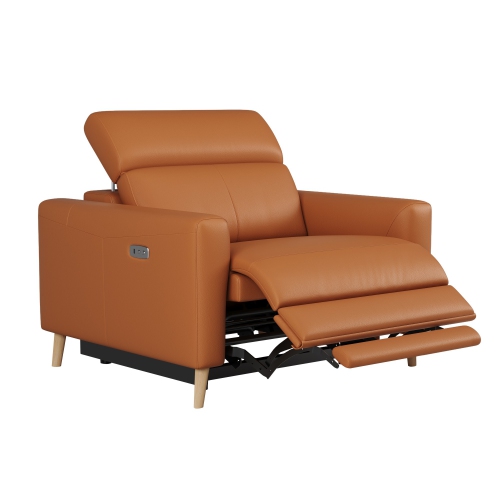


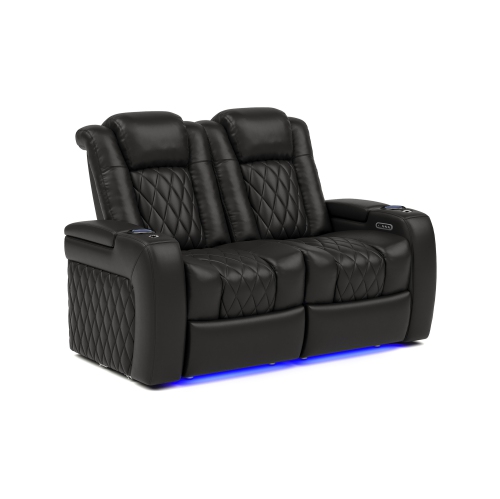
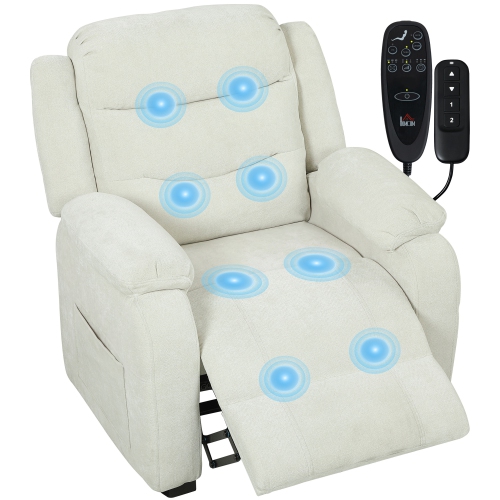
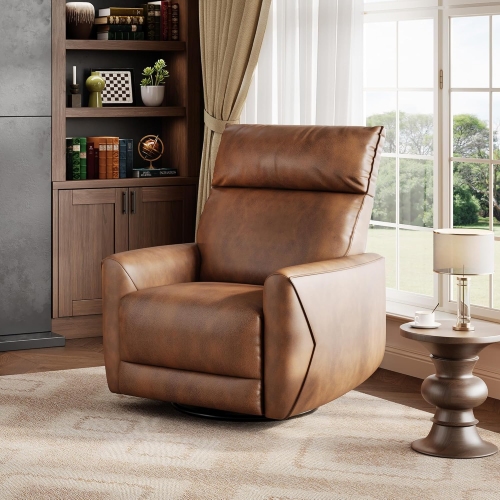
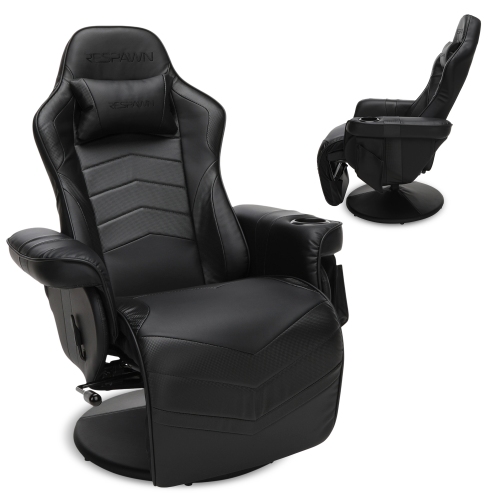
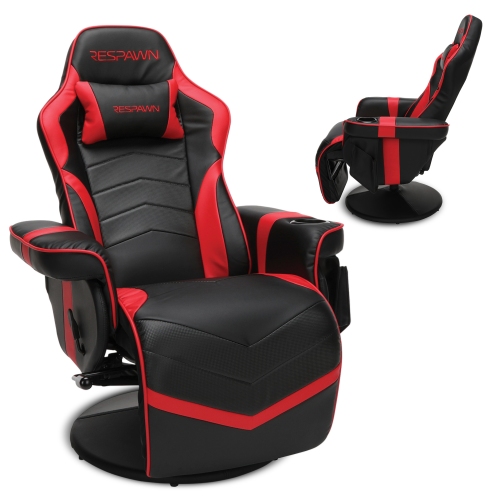
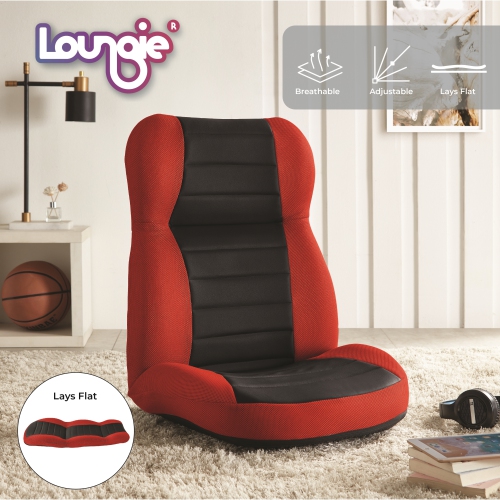
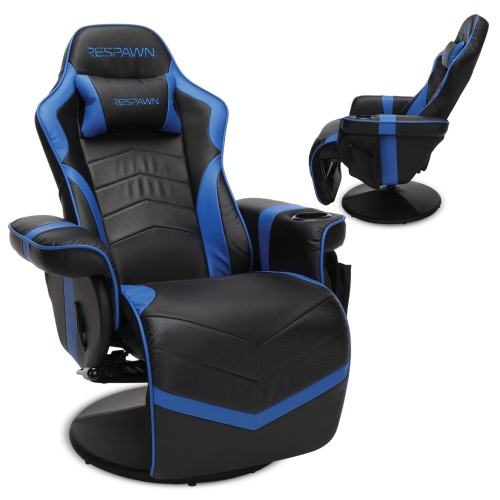
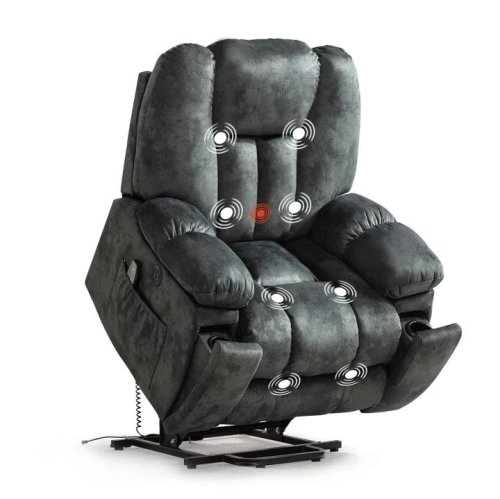


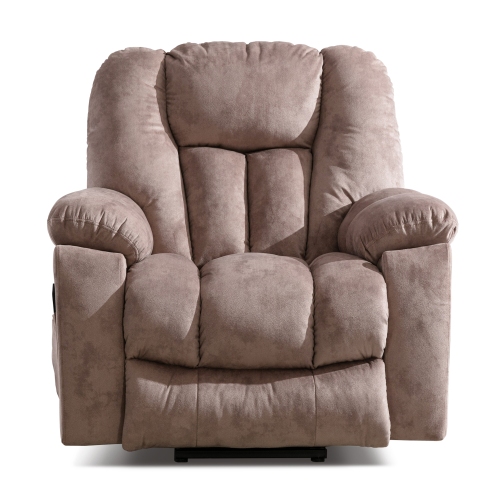
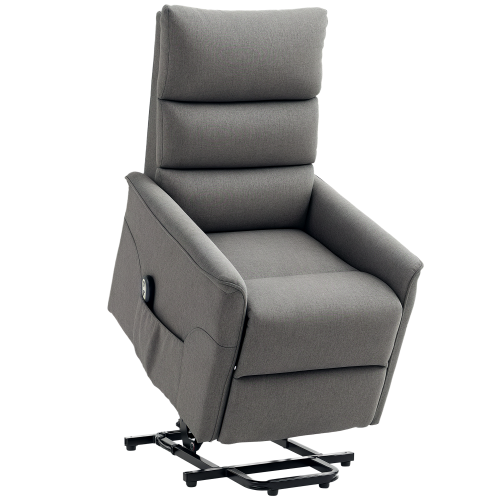
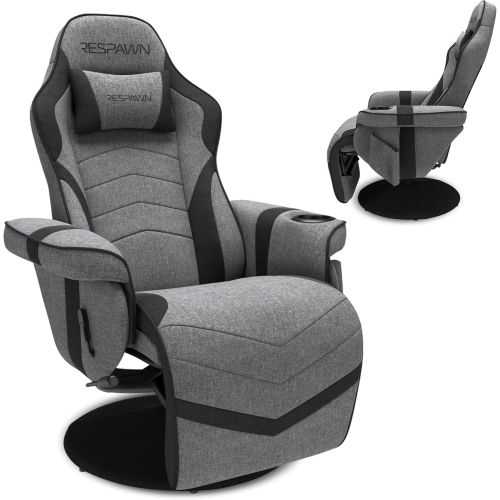
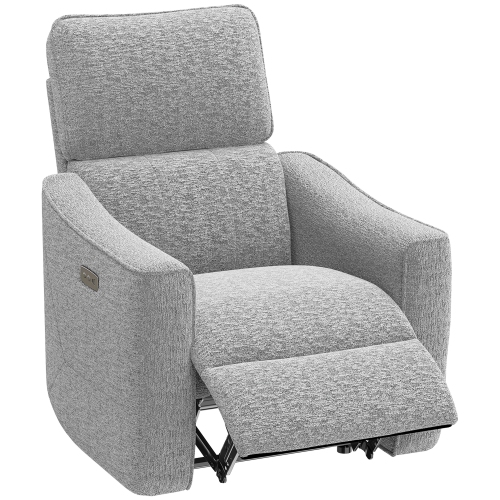

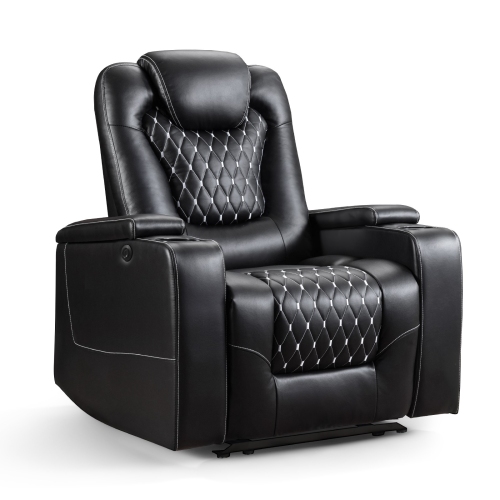


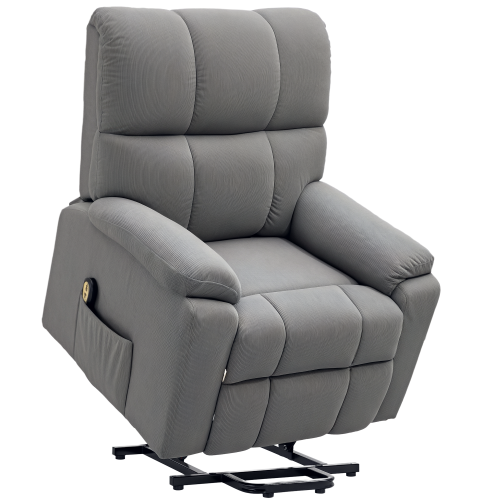
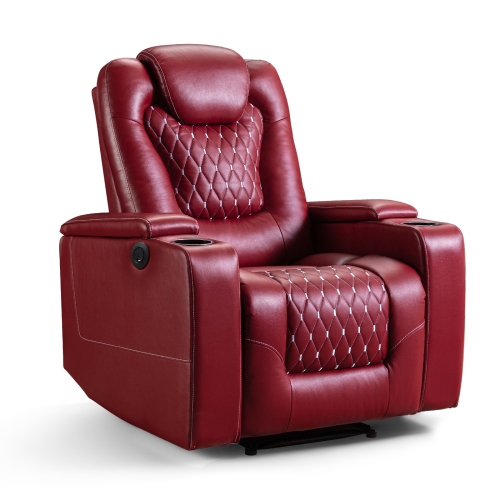


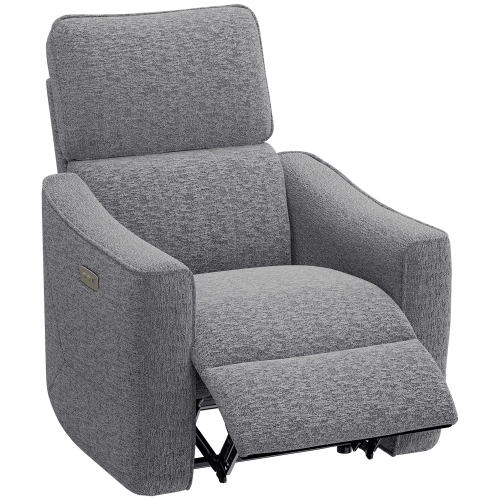

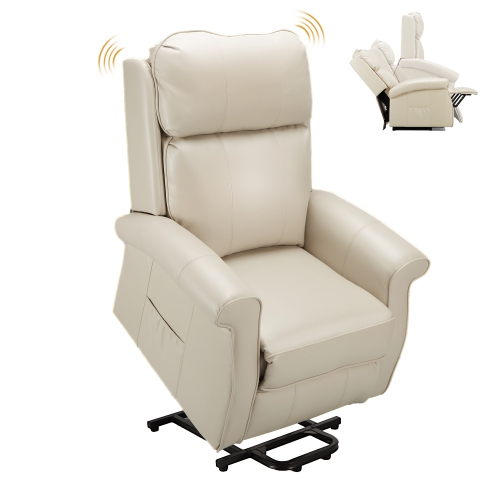


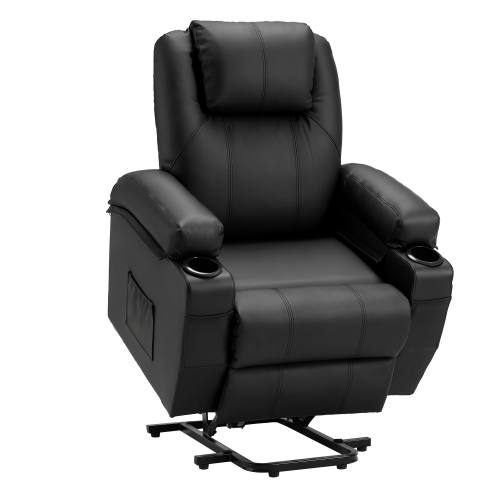
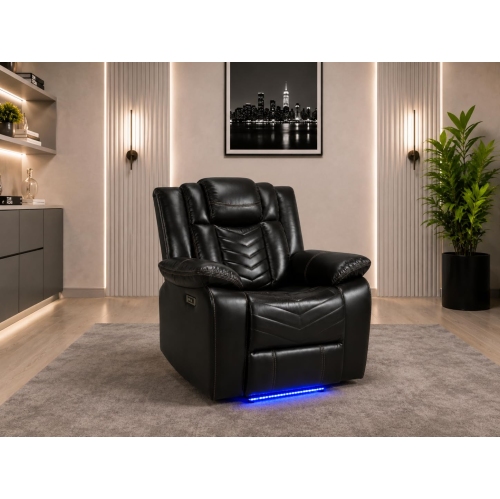


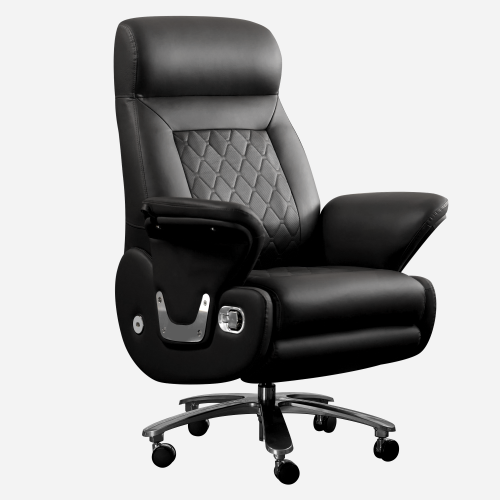


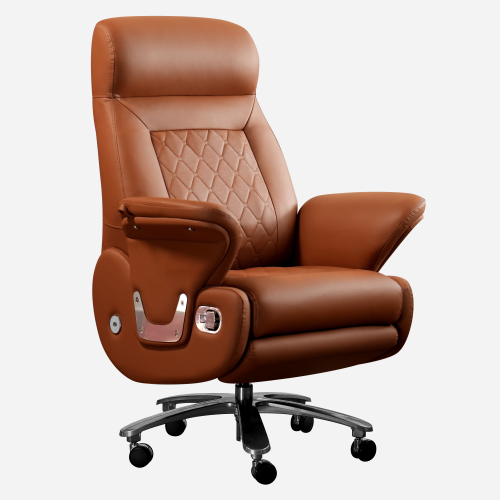
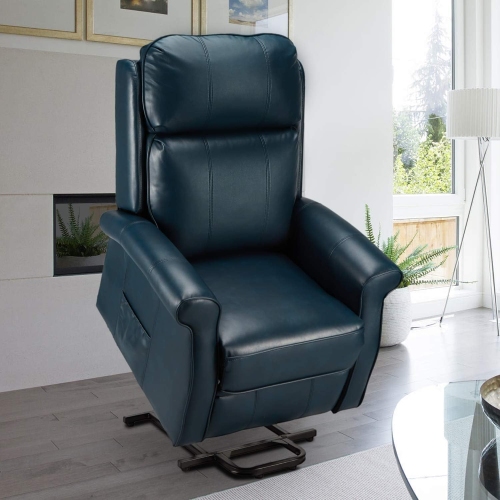
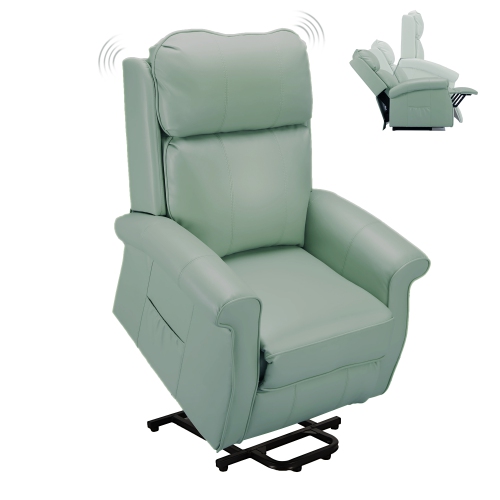

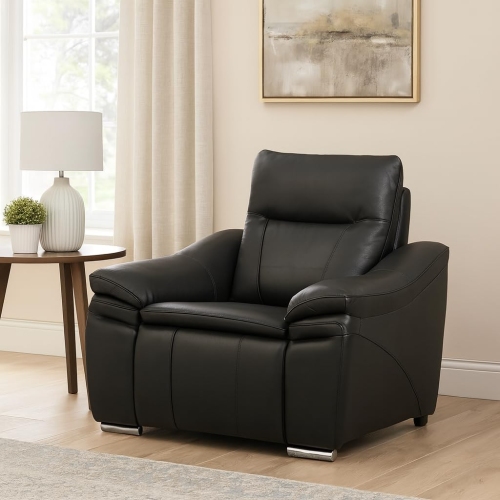
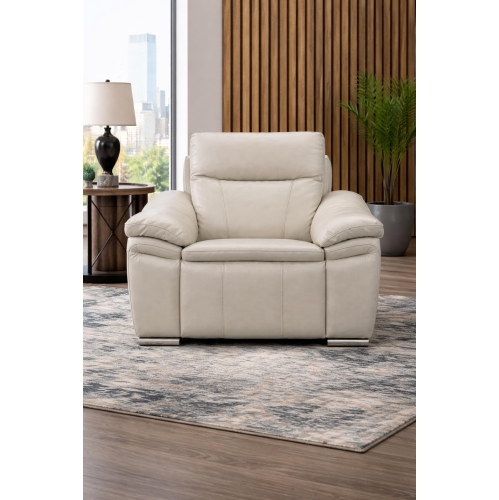
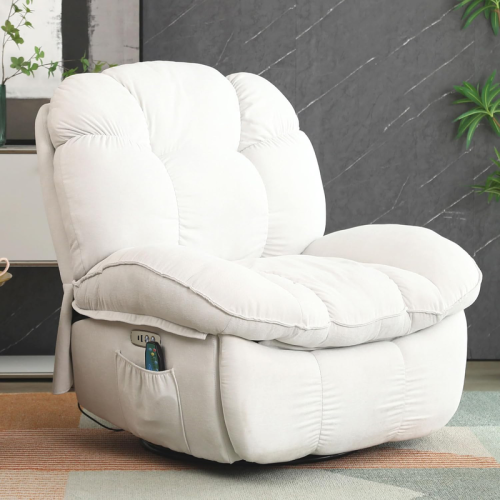
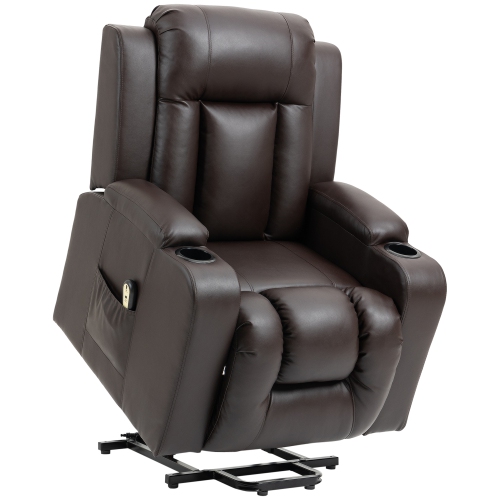
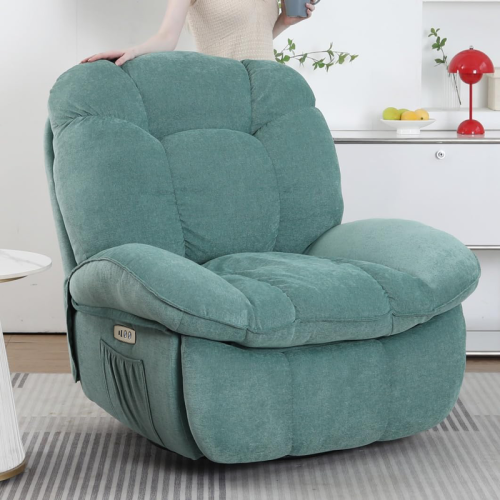
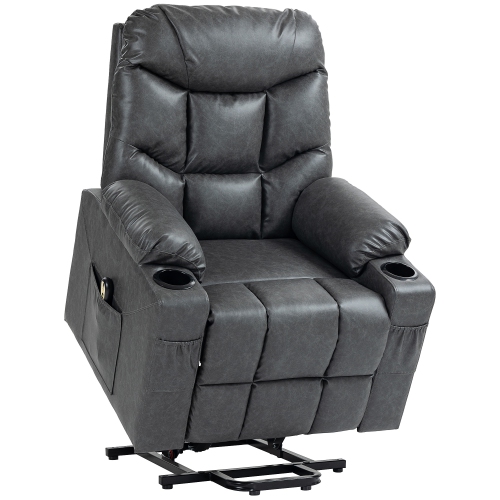
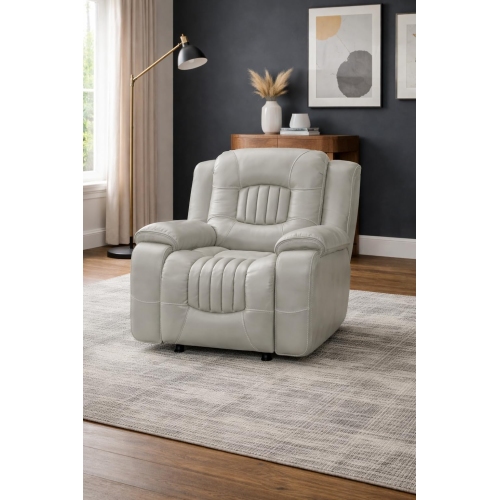
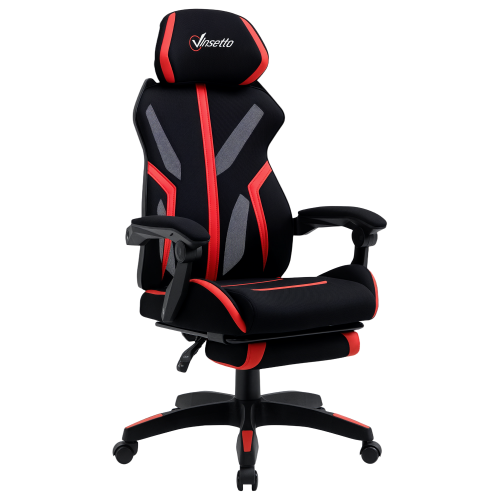
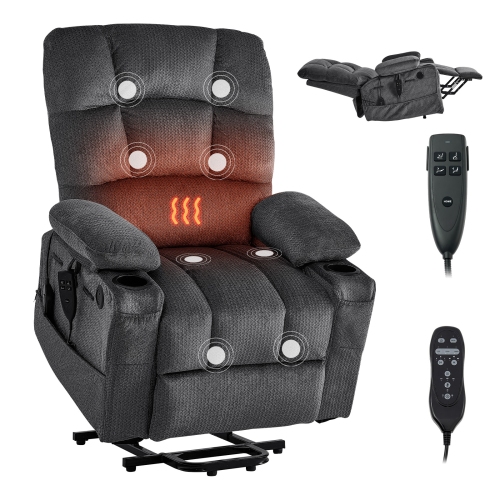

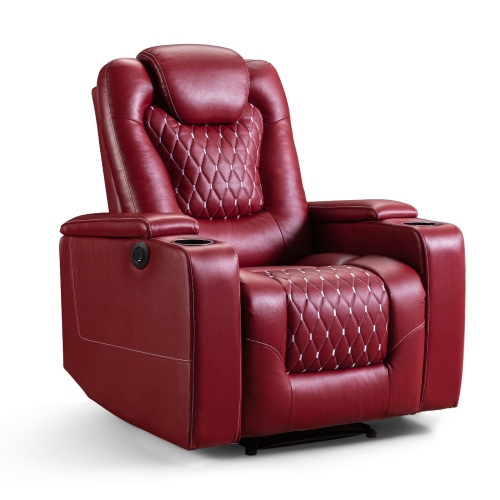


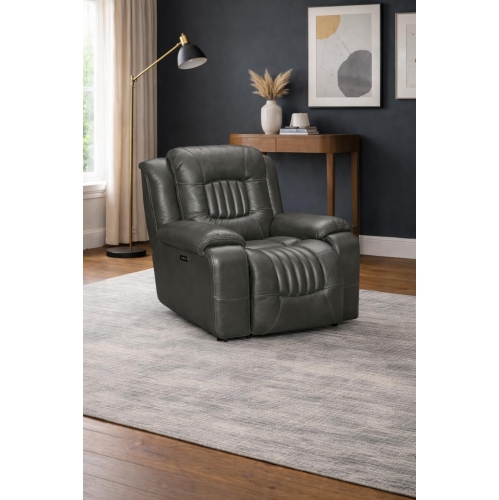
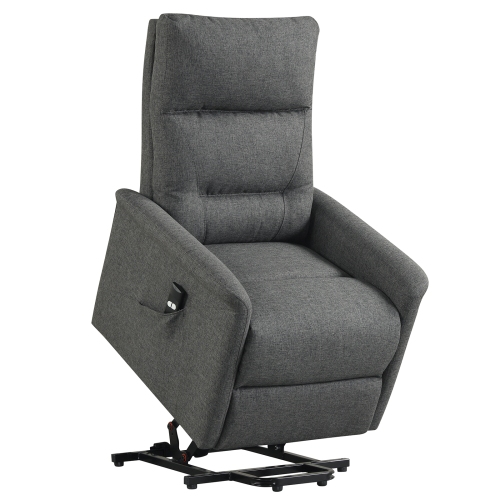
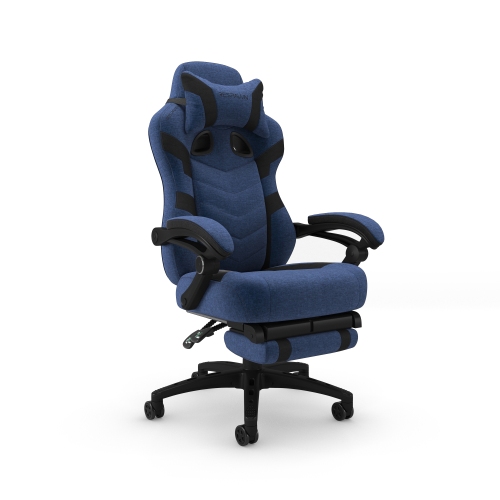


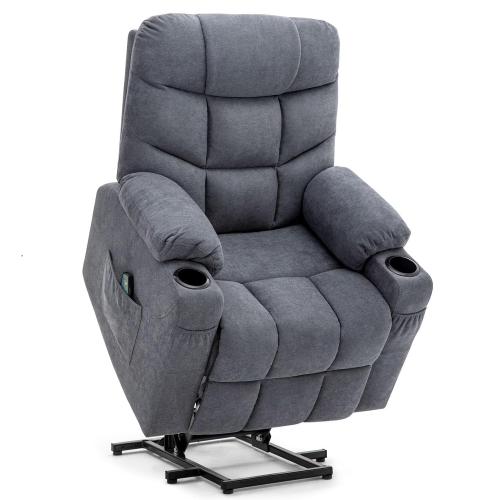
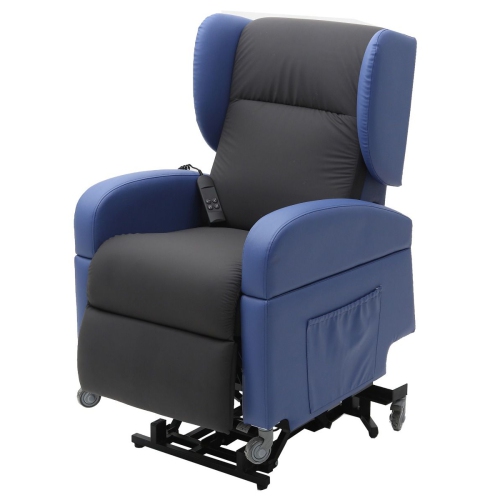
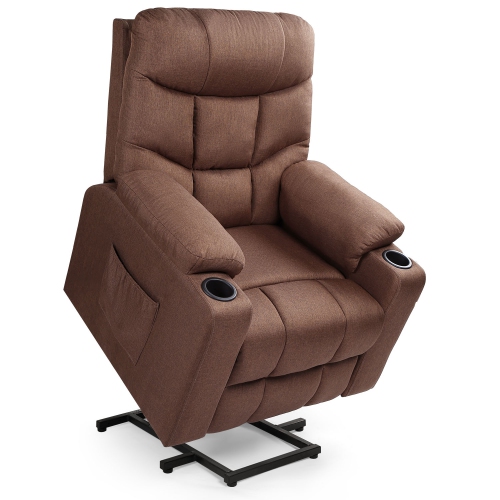

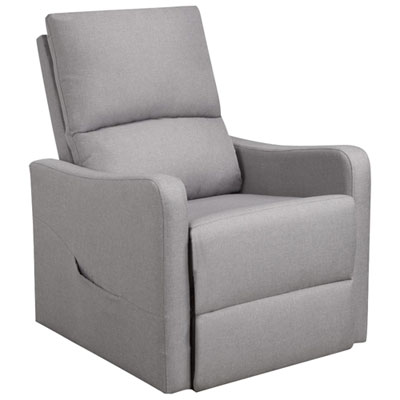


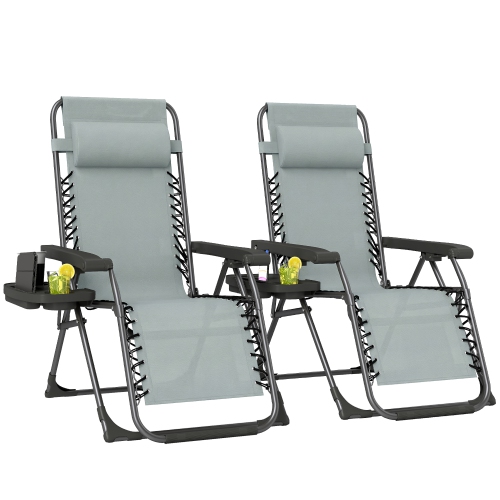

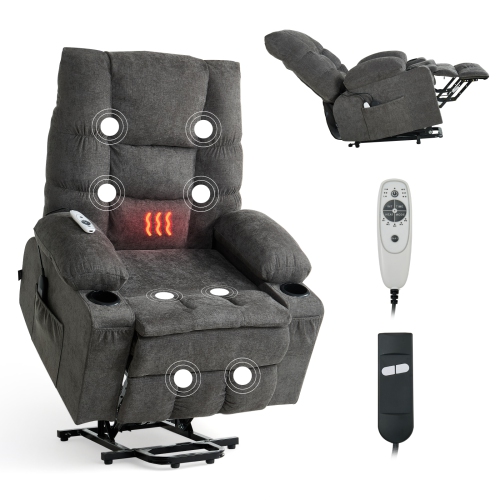


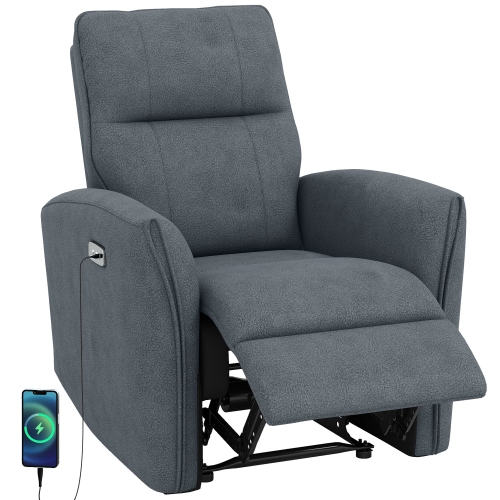
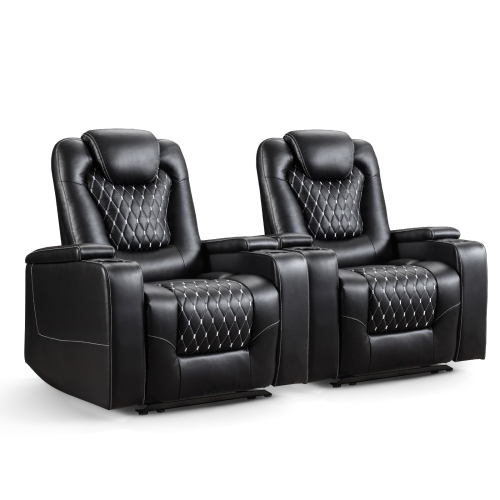
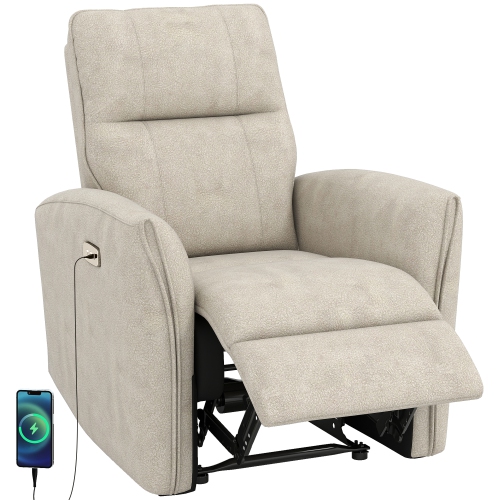
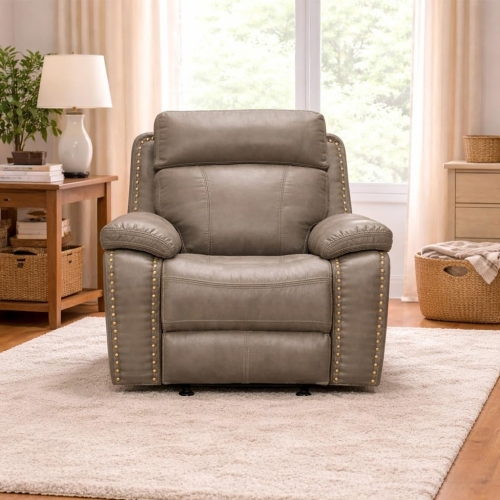
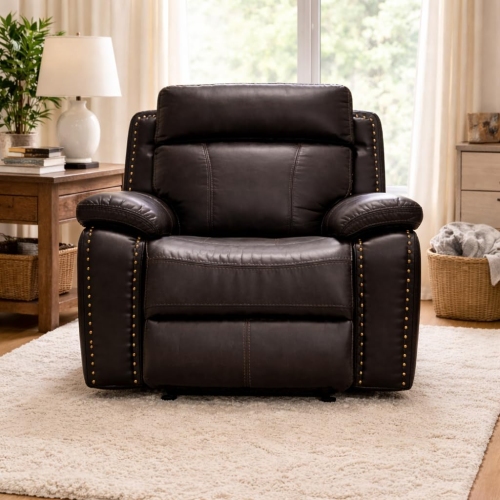
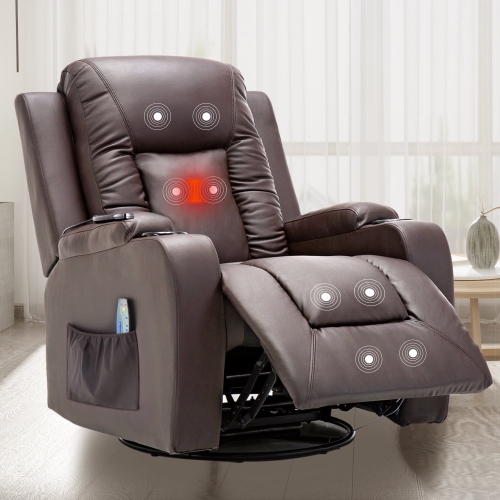


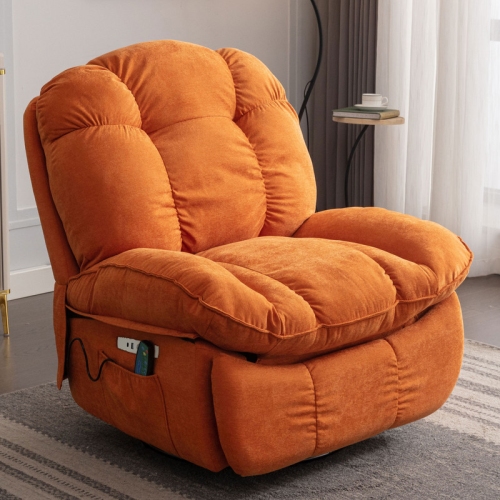


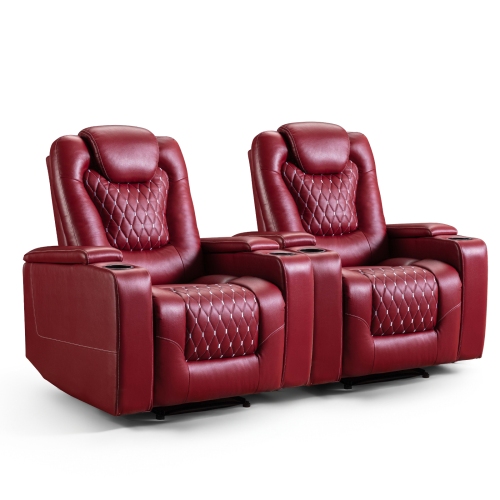

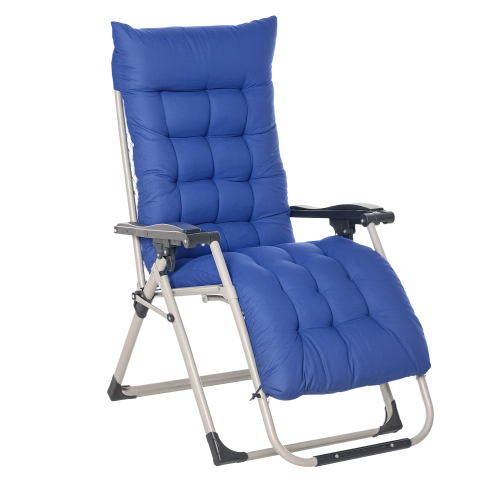


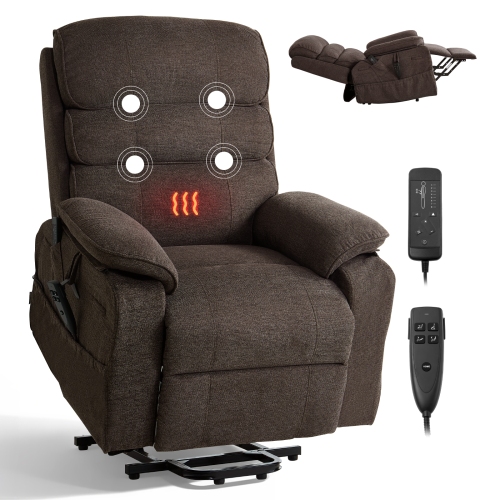


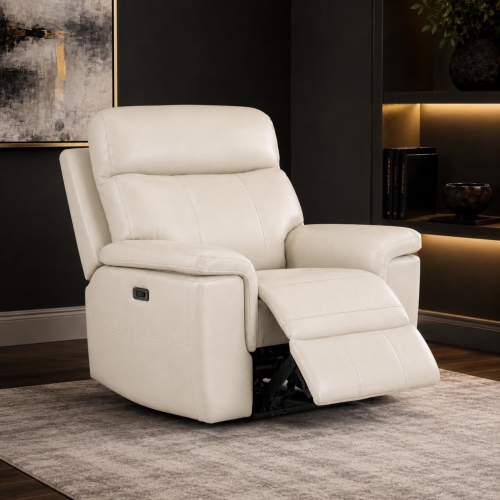
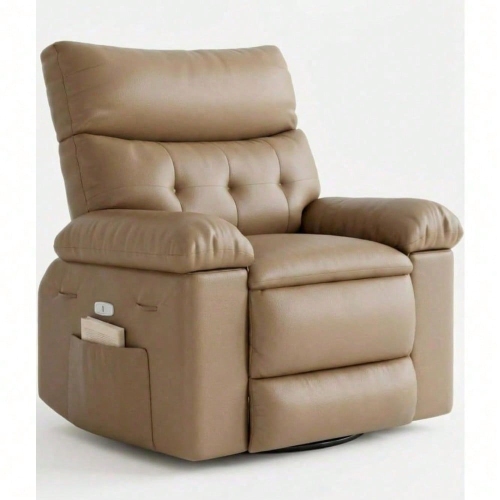


Head and neck support while your feet stay up
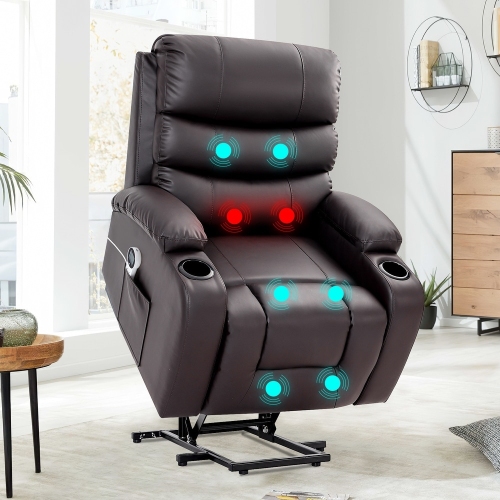
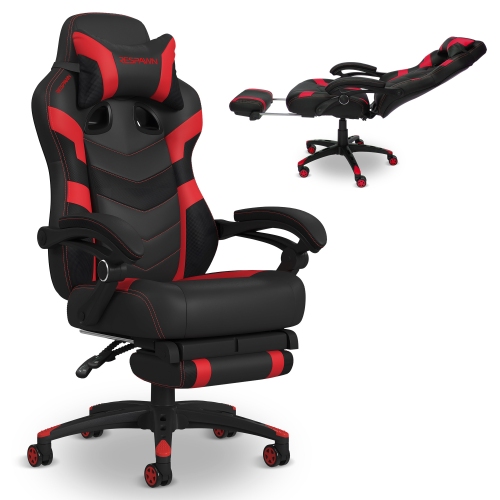
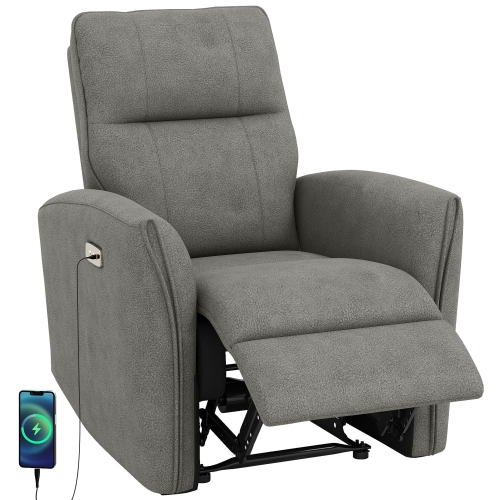
Power headrest recliners use an electric motor to adjust the angle of the headrest, allowing the head and neck to remain supported as the chair reclines. This adjustment is especially useful for watching television, reading, or talking with someone across the room while the footrest is raised. Rather than settling into a deeply reclined position and lifting the head away from the back cushion to see the screen, the user can bring the headrest forward to suit the viewing angle. Many designs allow headrest movement to be controlled separately from the reclining mechanism, although the number of motors and the available adjustments vary. A power headrest is different from a manually adjustable headrest: its position changes through a button or control rather than being repositioned by hand. It is also distinct from power lumbar support, which adjusts support around the lower back. These features can complement one another, but one does not necessarily include the other. For everyday use, the appeal lies in making small changes without repeatedly getting up or rearranging cushions. Someone reading a paperback may prefer a different headrest angle from someone watching a film, and the same person may want a more upright position for conversation. Control placement matters as much as the range of movement. Buttons on the outside of an armrest, controls tucked inside the arm, and handheld remotes offer different levels of reach and visibility. Clear symbols and easily accessible controls can make adjustments more convenient, particularly when the chair is positioned beside a sofa or end table. Some designs include a return-to-home function that brings the moving sections back to their starting positions. Built-in USB charging may also be offered, but the connection type and supported charging output should match the device being used. These conveniences help a power headrest recliner serve as a comfortable everyday seat in a living room, a dedicated television chair, or a place to unwind with a book, without making every reclining chair identical in function.
The right fit depends on both the person using the recliner and the space around it. Seat height, seat depth, cushion firmness, and back height influence how naturally the body settles into the chair. In an upright position, the feet should rest comfortably on the floor without the front edge of the cushion pressing into the backs of the knees. A seat that is too deep can make it difficult to sit against the backrest, while a shallow seat may provide less thigh support than desired. The headrest should meet the head and neck at a useful height throughout its adjustment range rather than pushing against the shoulders. Taller users may also need to pay attention to the footrest length and the overall reclined dimensions. A broad, generously padded chair can feel inviting, but its arm width and seat width should still suit the intended user. Room measurements need to account for the chair when fully extended, not just when closed. Space in front of the footrest, clearance behind the back, and access to nearby walkways all affect placement. Wall-hugging mechanisms can reduce the rear clearance needed, but the required distance depends on the design. Swivel or gliding functions, where included, introduce additional movement to consider around tables and other furniture. Upholstery adds another layer of practical choice. Leather can develop a lived-in appearance with use and generally requires care suited to its finish. Fabric offers varied textures and colours, with tightly woven surfaces often appealing for frequently used seating. Faux leather provides a leather-like appearance, though its composition and care requirements differ from genuine leather. Seam placement, cushion construction, arm padding, and the quality of the reclining mechanism contribute to long-term comfort and durability. Published weight limits should suit the intended user, while delivery planning should include doorways, hallways, stair turns, and whether the back separates from the base for moving. A recliner should fit the route into the room as comfortably as it fits the room itself.
Care for a power headrest recliner involves both its upholstery and its moving components. Regularly removing crumbs and dust from seams and cushion gaps helps keep the seating surface tidy, while spills are best addressed promptly using the cleaning method specified for the upholstery. Fabric cleaning codes can distinguish between materials that tolerate water-based cleaning and those that require other methods. Leather and faux leather should not automatically be treated with the same cleaner, and a product intended for one finish may be unsuitable for another. Testing an approved cleaner in an inconspicuous area helps avoid visible changes to colour or texture. Positioning the chair away from prolonged direct sunlight and strong heat sources can help protect its finish. Around the mechanism, cables should remain clear of moving parts and should not be stretched tight as the chair changes position. Access to a suitable electrical outlet is part of the setup, and any backup battery capability should be confirmed rather than assumed. Children and pets should be kept clear while the footrest, backrest, or headrest is moving. Extra functions deserve the same attention as the main reclining action. Headrest adjustment and heat serve different purposes. Heated Recliners add a warming function, with the heated area, settings, and shut-off features varying by design. Massage functions, cup holders, storage compartments, and lift assistance are also separate features, not standard parts of every power headrest recliner. Lift assistance is particularly important to distinguish from reclining: an adjustable headrest alone does not help raise a person to a standing position. For a shared household, straightforward controls and an easily adjusted headrest can accommodate different seating preferences. As a gift for a parent, partner, or another adult, this type of recliner is most thoughtful when the recipient’s preferred fit, upholstery, room layout, and ability to use the controls are understood beforehand. The lasting value is a chair that suits familiar routines, supports a comfortable viewing position, and remains practical to operate and care for.
Top selling and popular products
-
 Your price for this item is $465.99
-
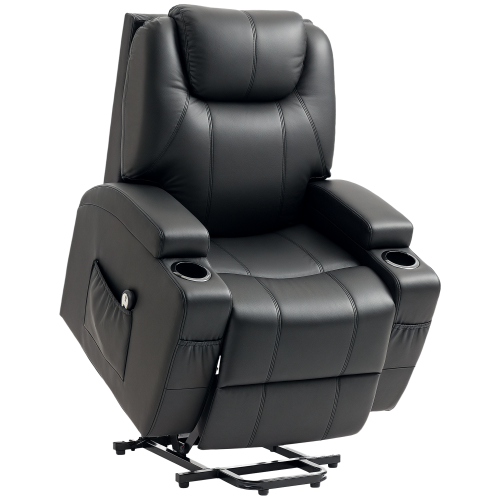 Your price for this item is $559.99
-
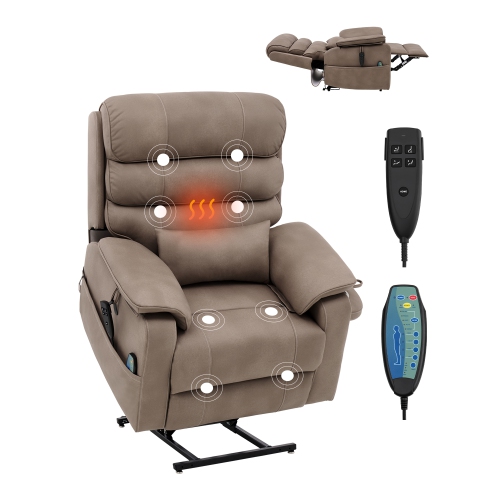 Your price for this item is $770.86
-
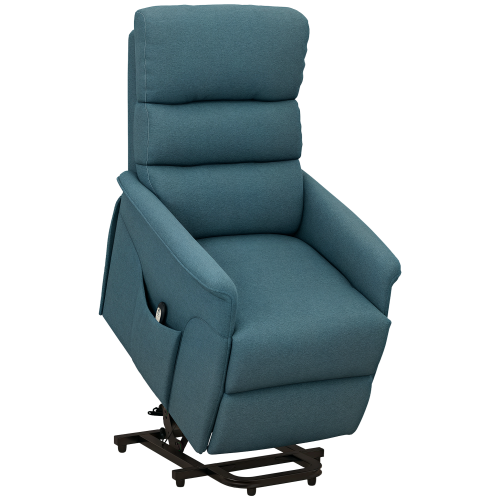 Your price for this item is $449.99
-
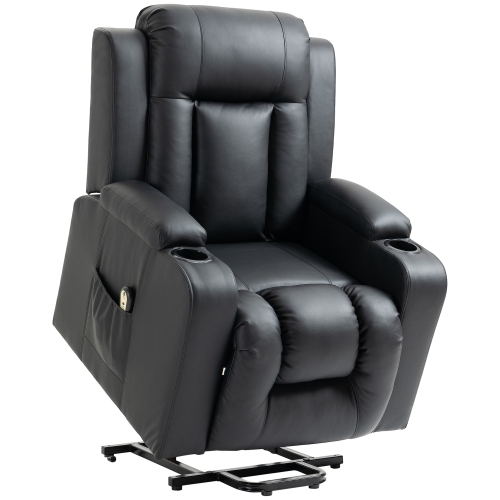 Your price for this item is $549.99
-
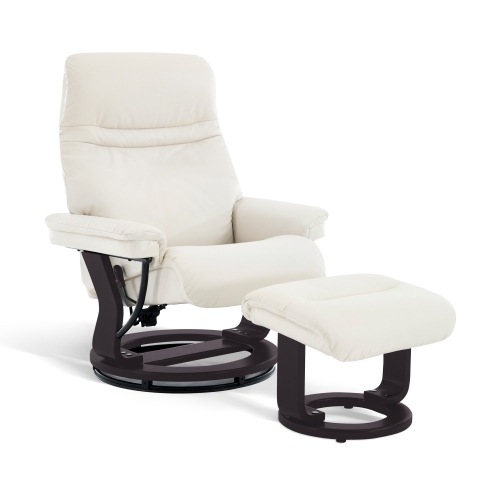 Your price for this item is $1449.99
-
 Your price for this item is $374.99
-
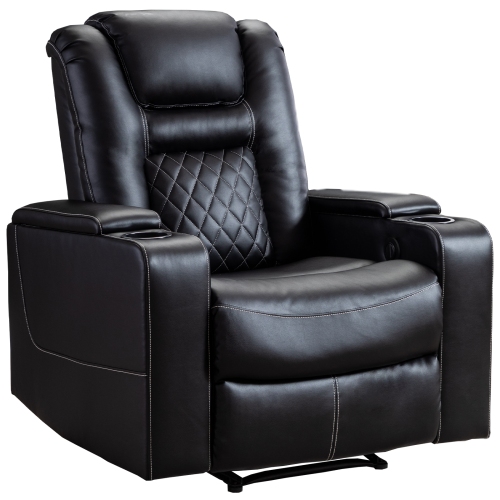 Your price for this item is $489.99
Discover more categories related to Power Headrest Recliners
Top Collections:
Pokemon Centers, Kindle Devices, Best Budget Office Chairs, Canon G7X Cameras, Apple iPhones 16, Samsung Galaxy Phones, Refurbished Apple Laptops, Laptops for Students, iPhone 15 Apple, Budget Smartphones
Some products may be subject to Environmental Handling Fees
(EHF) depending on your province.
Learn more about EHFs.