Precision Pliers
Our collection of precision pliers is here to meet your needs. Whether you're a professional craftsman or a DIY enthusiast, these versatile tools are designed to provide you with the accuracy and control you require. From delicate electronics repairs to intricate jewelry making, our precision pliers are crafted with high-quality materials and ergonomic handles to ensure comfortable use over extended periods. Explore our wide range of options and find the perfect pair of pliers to enhance your precision and efficiency in any task at hand.
Sort
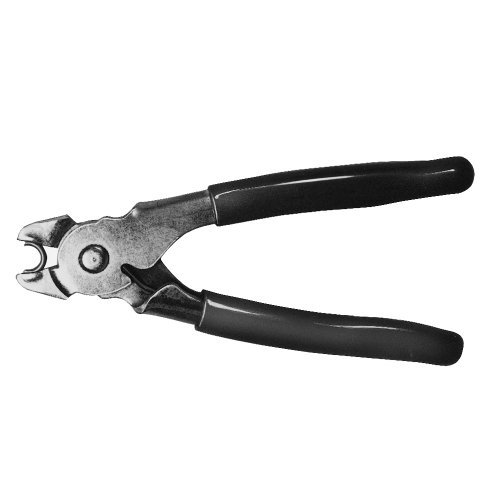
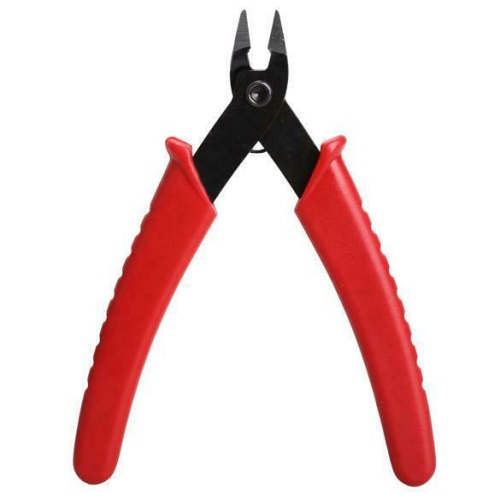
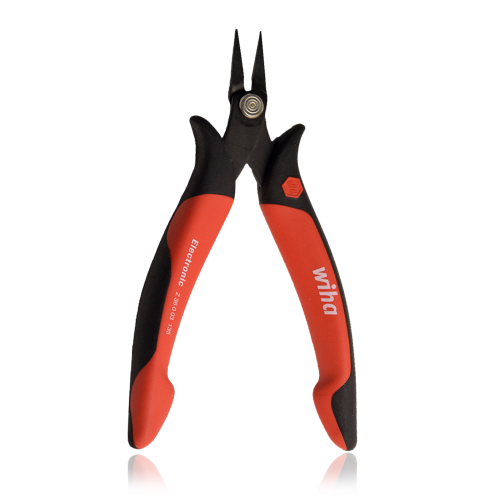
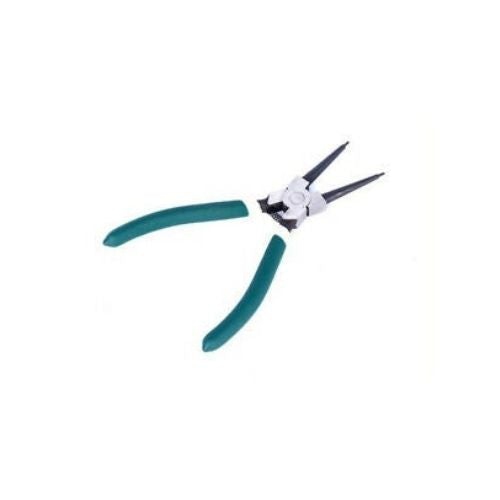
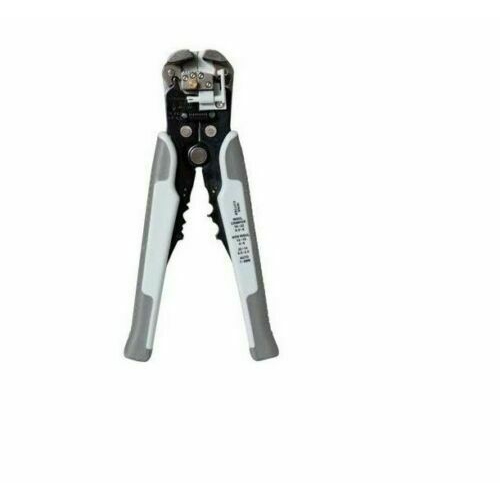
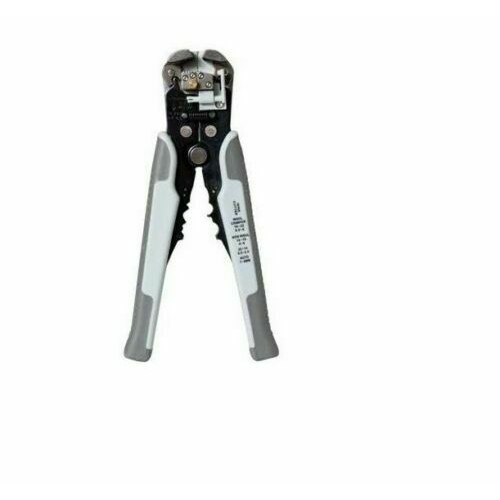
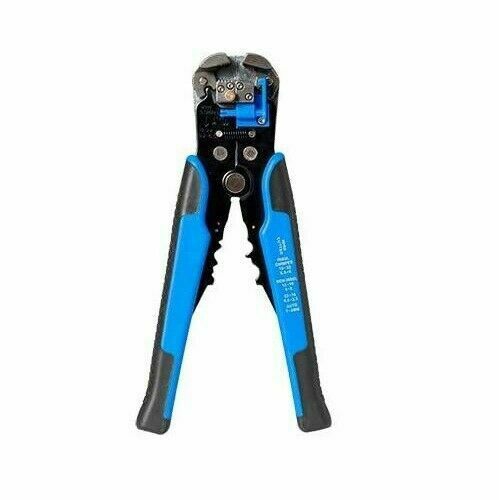
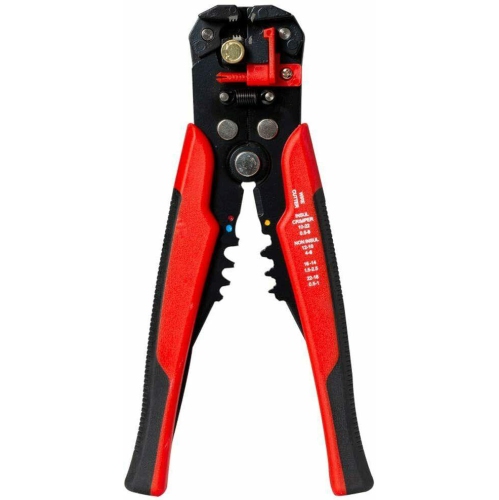
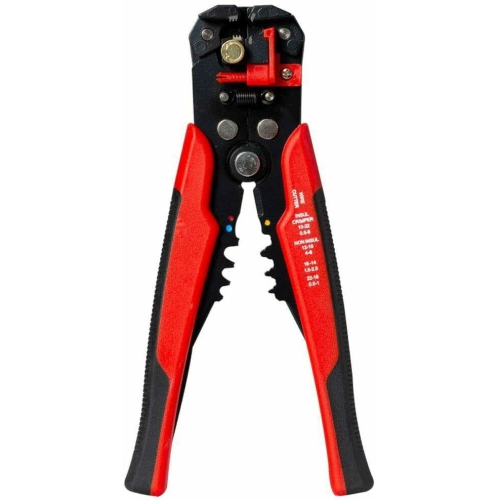
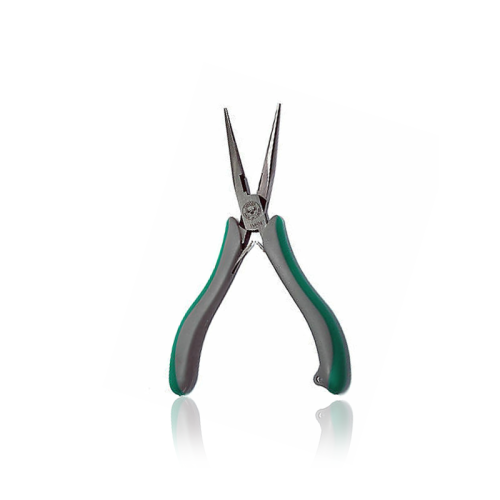
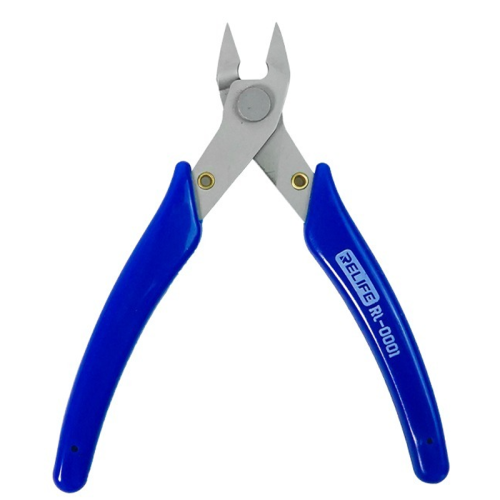
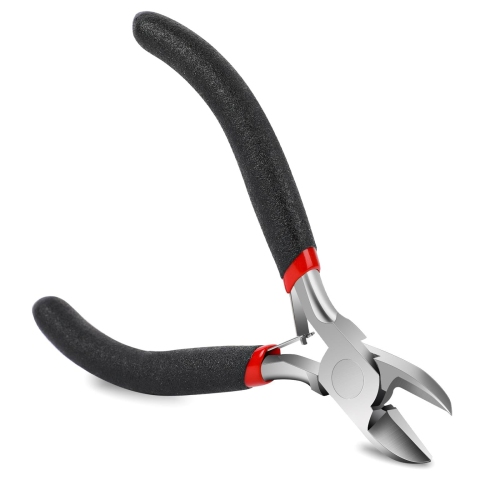
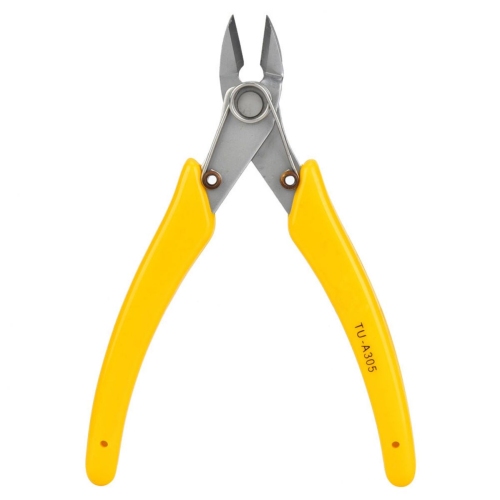
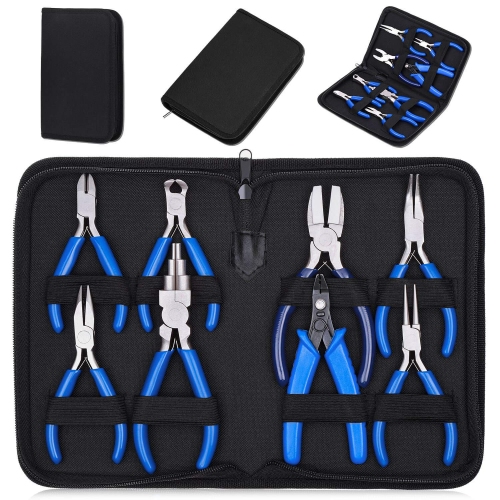
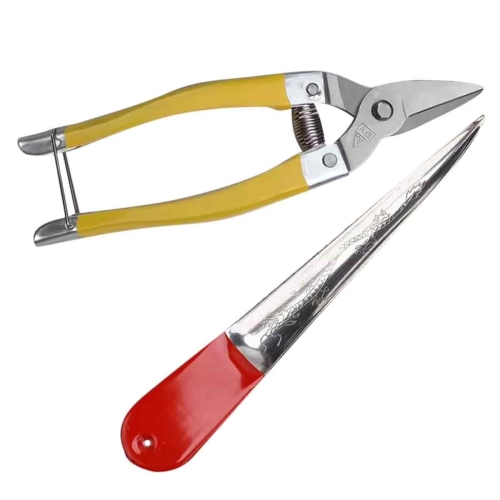
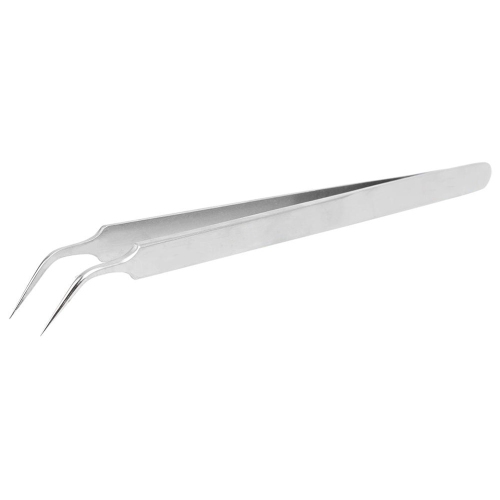
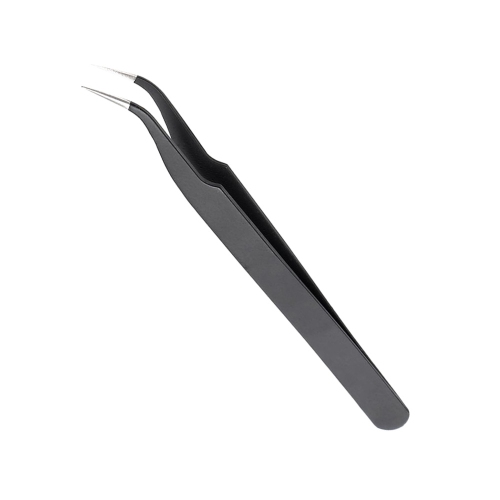
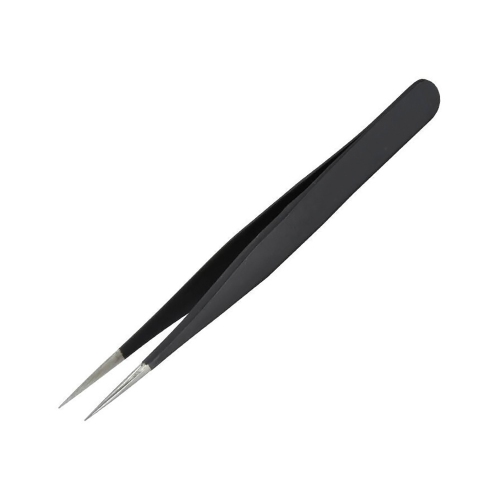
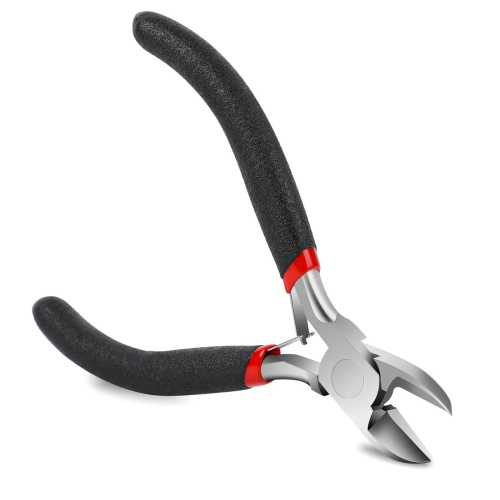
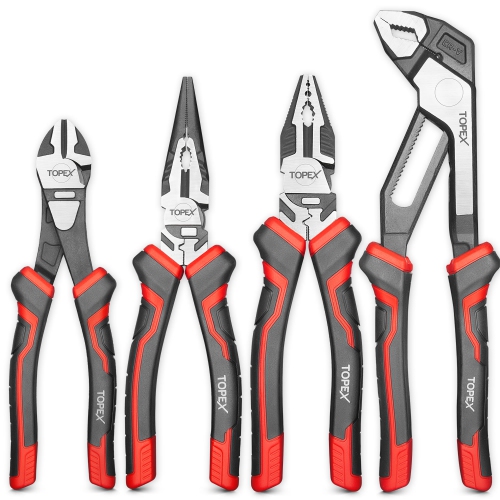
How jaw shape affects control over tiny components
Precision pliers bring a controlled touch to tasks where a full-sized tool can feel bulky or hide the part being held. Their narrow jaws and compact proportions suit the small details of electronics assembly, jewellery making, model building, and other hands-on work involving fine wire or miniature components. Holding a tiny spacer while a screw is positioned, shaping a loop in craft wire, or reaching a connector tucked beside a housing all call for slightly different combinations of reach, grip, and visibility. Jaw shape makes a noticeable difference in how a pair handles these jobs. Long, tapered jaws reach into confined spaces and hold slender parts, while shorter jaws generally feel firmer when grasping something close to the pivot. Bent noses can approach a component from the side, leaving a clearer view of the work. Flat jaws provide a broader contact surface for straightening or holding, and round jaws help form curves and loops without introducing a sharp corner. Smooth gripping faces are useful where surface appearance matters, such as on soft jewellery wire or decorative findings. Serrated faces offer more purchase on parts that might otherwise slip, though their teeth can leave impressions on delicate finishes. These differences matter more than simply choosing the smallest tool: the best fit leaves enough room to see the contact point while keeping the work securely supported. For someone assembling a miniature hinge or closing a small metal loop, jaws that meet evenly at the tip can be more useful than extra handle length. Precision pliers are intended for controlled manipulation rather than heavy twisting, prying, or loosening seized hardware. Matching the jaw profile to the task helps protect both the tool and the material, whether the project is a detailed model, a handmade accessory, or a careful repair on an unpowered device.
The feel of precision pliers depends on their construction as much as their size. Tool steels are commonly used for strength and wear resistance, with heat treatment helping gripping surfaces and cutting edges withstand repeated use. Chrome-vanadium steel, high-carbon steel, and stainless steel each appear in small hand tools, but the material name alone does not establish overall quality. Jaw alignment, pivot fit, surface finish, and the suitability of the steel treatment all contribute to reliable handling. Protective finishes can help limit corrosion, while exposed steel still benefits from being kept clean and dry. At the pivot, a well-fitted joint should allow an easy opening motion without obvious sideways movement that lets the tips shift out of line. A return spring can reduce the effort of repeatedly opening the jaws during work such as bending a series of wire loops or positioning small components. Spring tension is a matter of comfort as well as function: too much resistance can make a long session tiring, while a light, consistent return can support a steadier rhythm. Handle shape deserves similar attention. Cushioned grips may spread pressure across the fingers and palm, while slim handles can offer a direct feel for subtle movements. A comfortable fit allows the fingers to operate the tool without stretching excessively when the jaws are open or crowding together when they close. Overall length is only part of that fit; handle spacing, grip thickness, and the location of the pivot also affect leverage and control. For fine work, more force is not always better. Excessive squeezing can flatten soft wire, crack a brittle component, or mark a finished surface. Good lighting and a supported workpiece make it easier to apply only the pressure needed. A small bench vise or suitable holder can also free a hand, allowing the pliers to position a part rather than carry the entire load of keeping a project steady.
Intended use is especially important when precision pliers become part of an electronics or craft toolkit. A fine gripping tip is not necessarily designed to cut, and a built-in cutter may be rated only for particular wire materials and diameters. Hardened wire, spring steel, and thicker cable can damage an edge intended for soft copper or craft wire. Where trimming is a regular part of the job, wire cutter pliers can complement a gripping pair, keeping shaping and cutting tasks separate. For jewellery work, smooth, clean jaws help preserve polished surfaces; for model making, narrow tips can position pins and brackets without blocking the surrounding detail. Electronics hobbyists may also need tools with specified electrostatic discharge protection when handling sensitive components, used as part of an appropriate static-control setup. ESD-safe grips are not electrical insulation, and ordinary coated handles should never be treated as protection against electric shock. Electrical work calls for properly rated equipment and suitable expertise, and devices should be disconnected from power before handling their internal parts. Care between projects is straightforward but worthwhile. Wiping away dust, filings, oils, and adhesive residue helps keep the gripping faces predictable and prevents debris from scratching the next piece. Cleaning methods should suit the handle material and finish, with aggressive solvents avoided unless the manufacturer permits them. A small amount of suitable lubricant at the joint, applied according to the care instructions and wiped free of excess, can help maintain a smooth action. Dry storage with the tips protected keeps fine jaws from being knocked against heavier tools. Checking occasionally for chipped edges, bent tips, loose pivots, or damaged grips helps identify tools that no longer provide dependable control. For a gift recipient who enjoys beadwork, miniature builds, or small mechanical projects, precision pliers can be a thoughtful addition to a workbench when the jaw shapes match the person’s interests. A few well-chosen profiles can cover distinct tasks without unnecessary duplication, offering the reach, touch, and accuracy that make detailed work feel more manageable.
The feel of precision pliers depends on their construction as much as their size. Tool steels are commonly used for strength and wear resistance, with heat treatment helping gripping surfaces and cutting edges withstand repeated use. Chrome-vanadium steel, high-carbon steel, and stainless steel each appear in small hand tools, but the material name alone does not establish overall quality. Jaw alignment, pivot fit, surface finish, and the suitability of the steel treatment all contribute to reliable handling. Protective finishes can help limit corrosion, while exposed steel still benefits from being kept clean and dry. At the pivot, a well-fitted joint should allow an easy opening motion without obvious sideways movement that lets the tips shift out of line. A return spring can reduce the effort of repeatedly opening the jaws during work such as bending a series of wire loops or positioning small components. Spring tension is a matter of comfort as well as function: too much resistance can make a long session tiring, while a light, consistent return can support a steadier rhythm. Handle shape deserves similar attention. Cushioned grips may spread pressure across the fingers and palm, while slim handles can offer a direct feel for subtle movements. A comfortable fit allows the fingers to operate the tool without stretching excessively when the jaws are open or crowding together when they close. Overall length is only part of that fit; handle spacing, grip thickness, and the location of the pivot also affect leverage and control. For fine work, more force is not always better. Excessive squeezing can flatten soft wire, crack a brittle component, or mark a finished surface. Good lighting and a supported workpiece make it easier to apply only the pressure needed. A small bench vise or suitable holder can also free a hand, allowing the pliers to position a part rather than carry the entire load of keeping a project steady.
Intended use is especially important when precision pliers become part of an electronics or craft toolkit. A fine gripping tip is not necessarily designed to cut, and a built-in cutter may be rated only for particular wire materials and diameters. Hardened wire, spring steel, and thicker cable can damage an edge intended for soft copper or craft wire. Where trimming is a regular part of the job, wire cutter pliers can complement a gripping pair, keeping shaping and cutting tasks separate. For jewellery work, smooth, clean jaws help preserve polished surfaces; for model making, narrow tips can position pins and brackets without blocking the surrounding detail. Electronics hobbyists may also need tools with specified electrostatic discharge protection when handling sensitive components, used as part of an appropriate static-control setup. ESD-safe grips are not electrical insulation, and ordinary coated handles should never be treated as protection against electric shock. Electrical work calls for properly rated equipment and suitable expertise, and devices should be disconnected from power before handling their internal parts. Care between projects is straightforward but worthwhile. Wiping away dust, filings, oils, and adhesive residue helps keep the gripping faces predictable and prevents debris from scratching the next piece. Cleaning methods should suit the handle material and finish, with aggressive solvents avoided unless the manufacturer permits them. A small amount of suitable lubricant at the joint, applied according to the care instructions and wiped free of excess, can help maintain a smooth action. Dry storage with the tips protected keeps fine jaws from being knocked against heavier tools. Checking occasionally for chipped edges, bent tips, loose pivots, or damaged grips helps identify tools that no longer provide dependable control. For a gift recipient who enjoys beadwork, miniature builds, or small mechanical projects, precision pliers can be a thoughtful addition to a workbench when the jaw shapes match the person’s interests. A few well-chosen profiles can cover distinct tasks without unnecessary duplication, offering the reach, touch, and accuracy that make detailed work feel more manageable.
Top selling and popular products
-
 Your price for this item is $299
 -
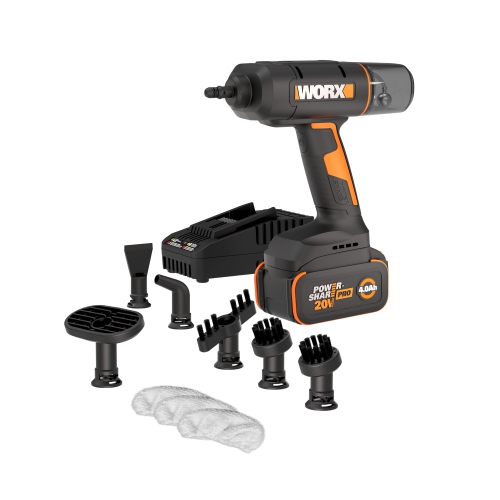 Your price for this item is $229.99
 -
![VIRGIN PUBLISHING Enigma - Mcmxc A.d. - [CD]](https://multimedia.bbycastatic.ca/multimedia/products/500x500/192/19214/19214728.jpeg) Your price for this item is $6.99
Your price for this item is $6.99 -
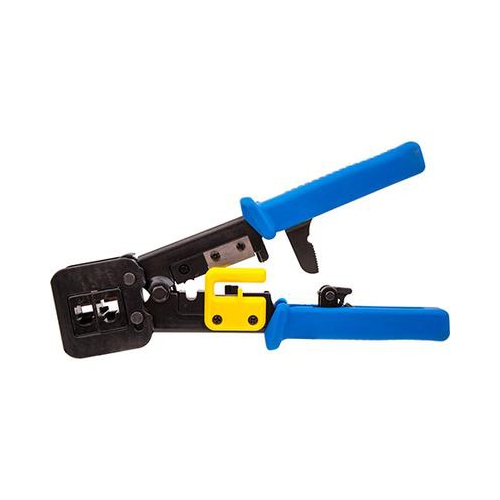 Your price for this item is $64.99
 -
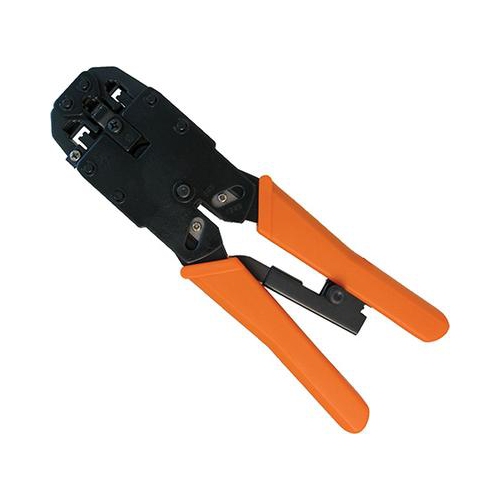 Your price for this item is $37.99
 -
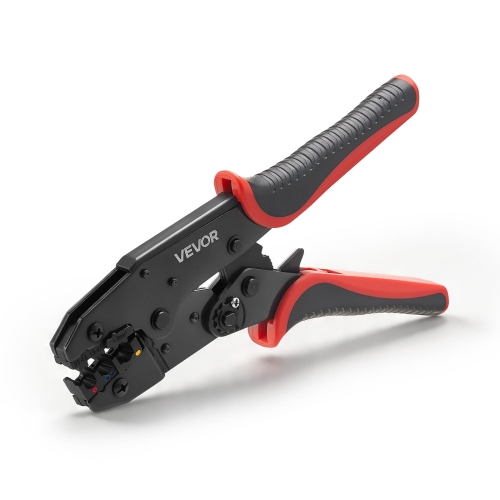 Your price for this item is $20.99
 -
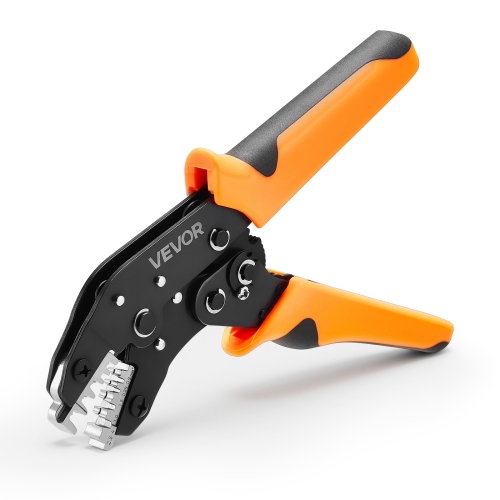 Your price for this item is $15.99
 -
 Your price for this item is $150.99
Discover more categories related to Precision Pliers
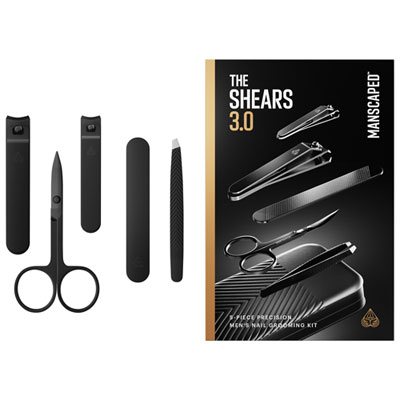

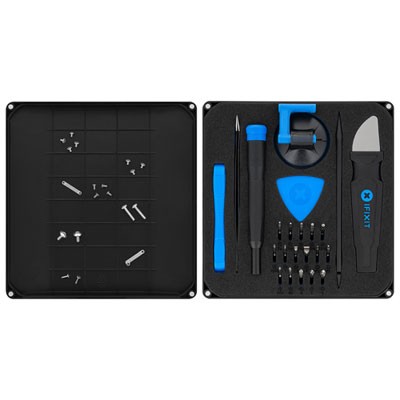
Top Collections:
Pokemon Centers, Kindle Devices, Best Budget Office Chairs, Apple iPhones 16, Best Laptops for Writers, iPhone 15 Apple, Canon G7X Cameras, Refurbished Apple Laptops, Alarm Clock, Motorola Razr Phones
Some products may be subject to Environmental Handling Fees
(EHF) depending on your province.
Learn more about EHFs.