Premium Mattresses
Upgrade your sleep experience with our selection of premium mattresses. Whether you're looking for a luxurious memory foam mattress, a supportive hybrid, or a cooling gel-infused option, we have the perfect mattress to suit your needs. Designed with the latest sleep technology and crafted with superior materials, premium mattresses offer exceptional comfort and durability.
Sort
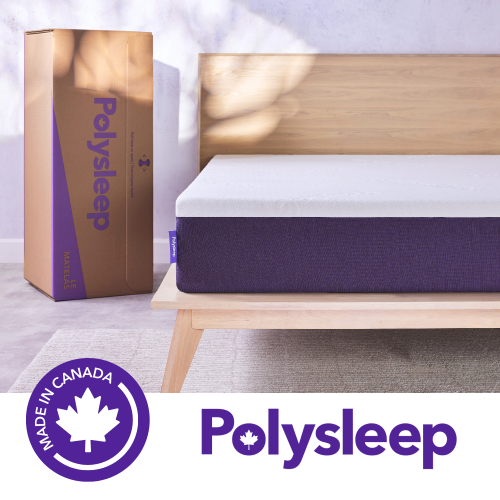
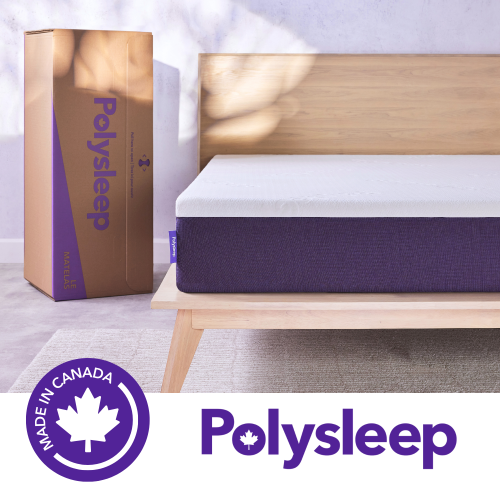
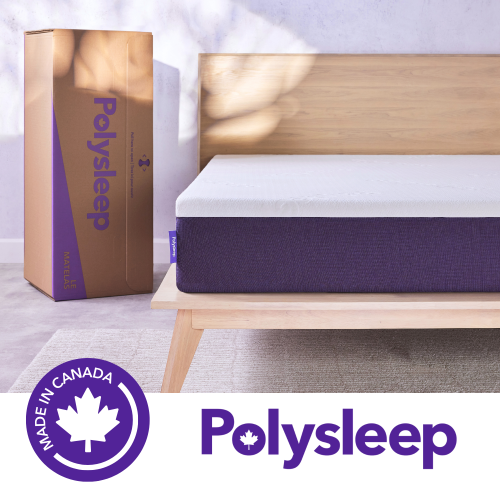
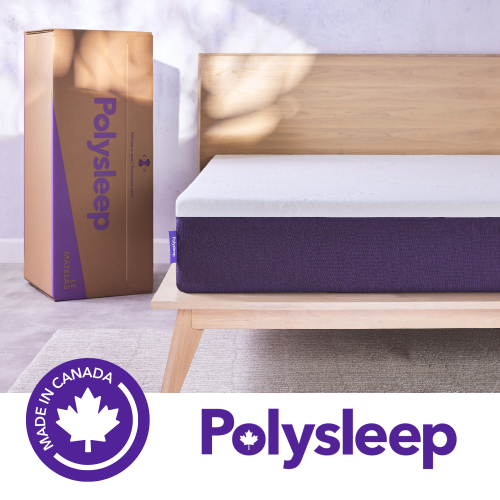
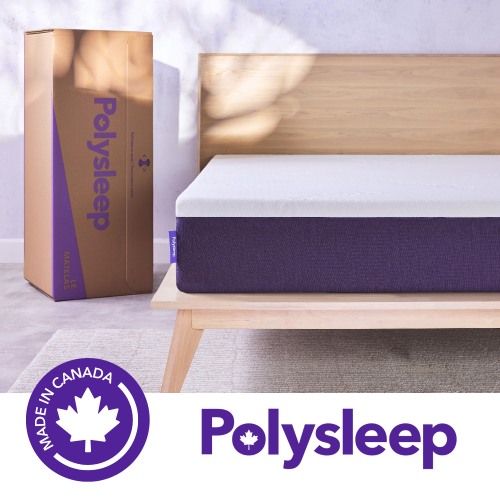
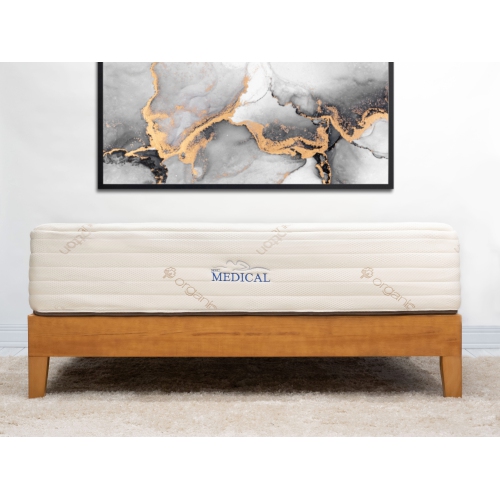
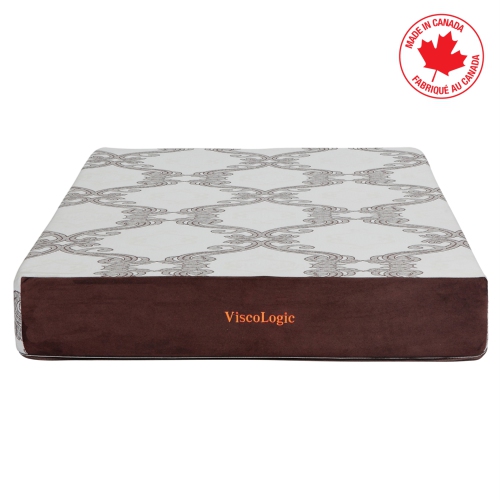
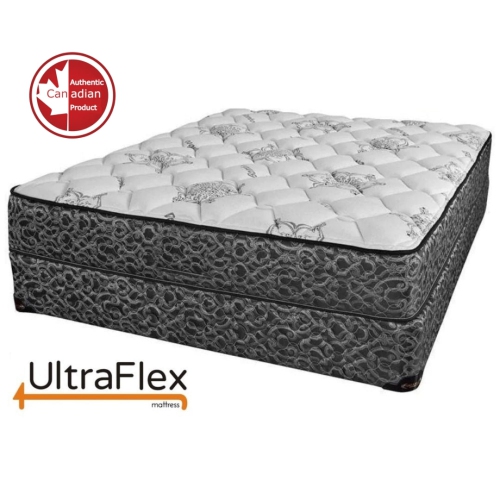
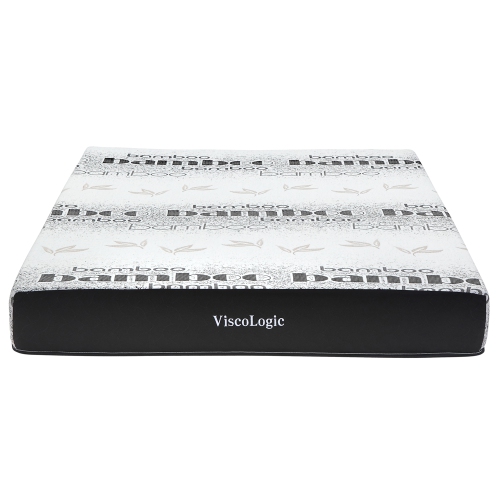
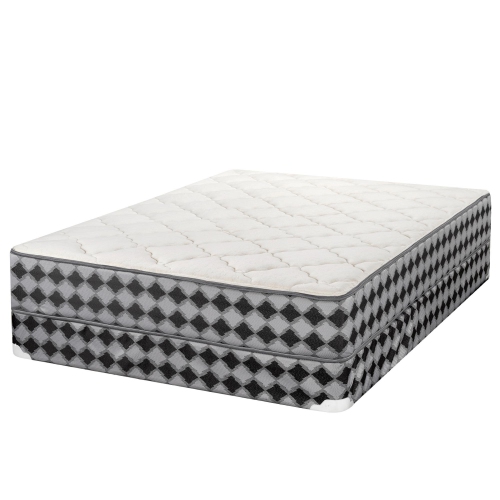
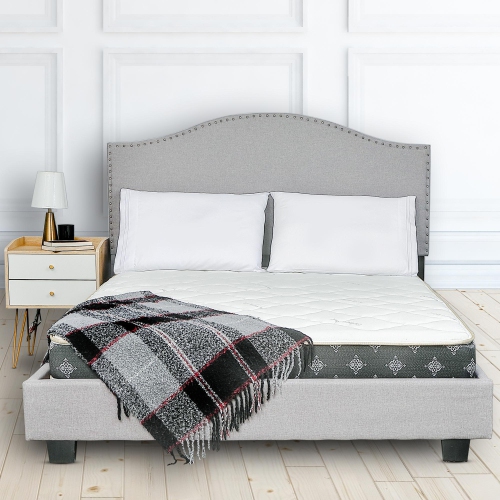
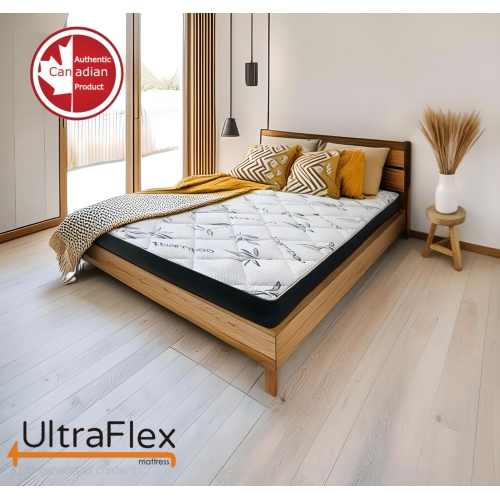

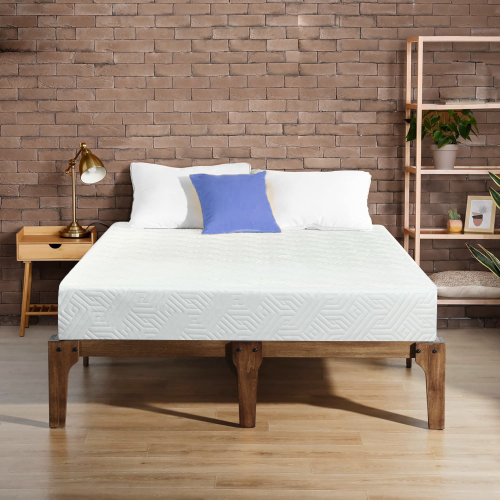
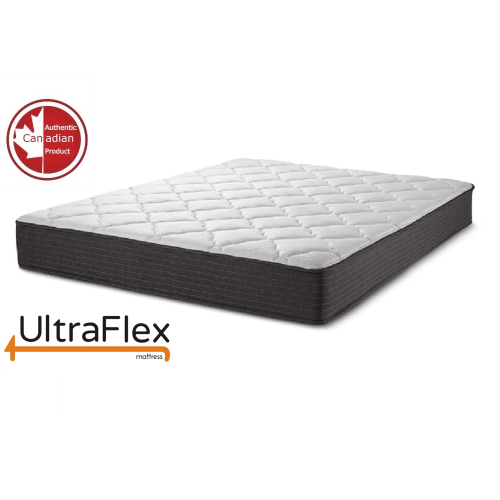
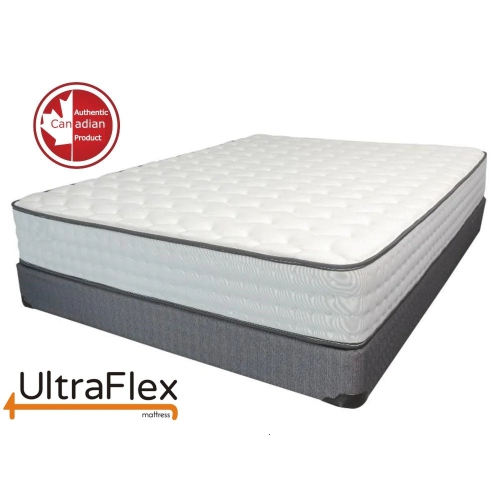
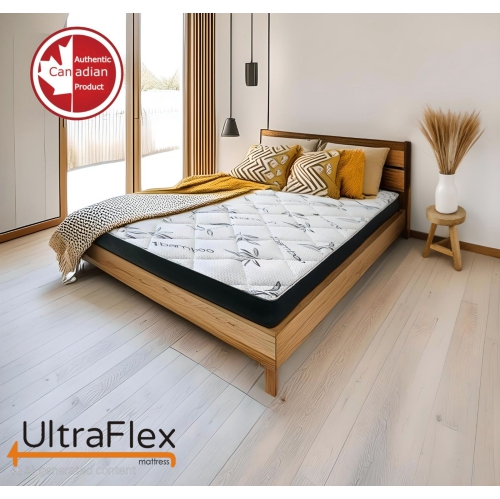
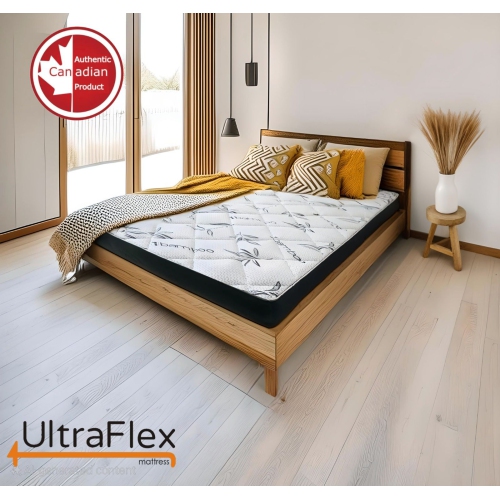
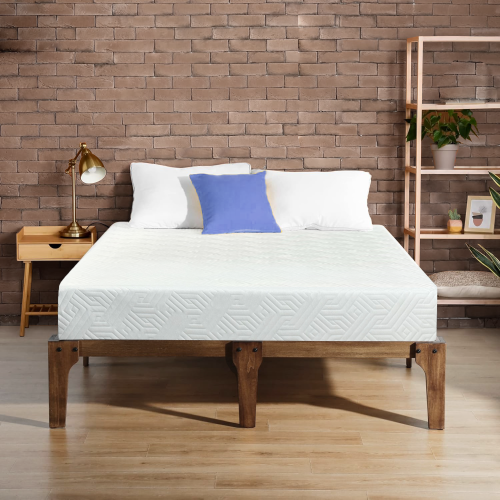
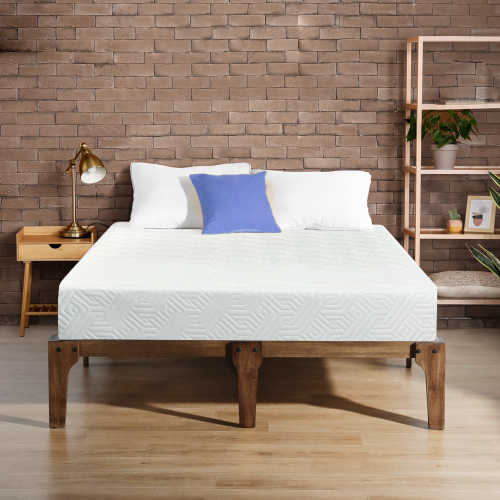
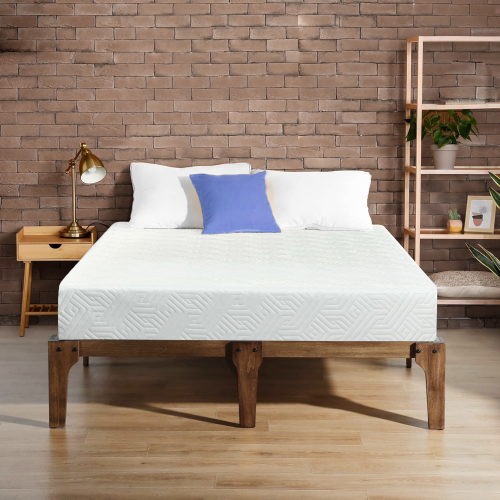
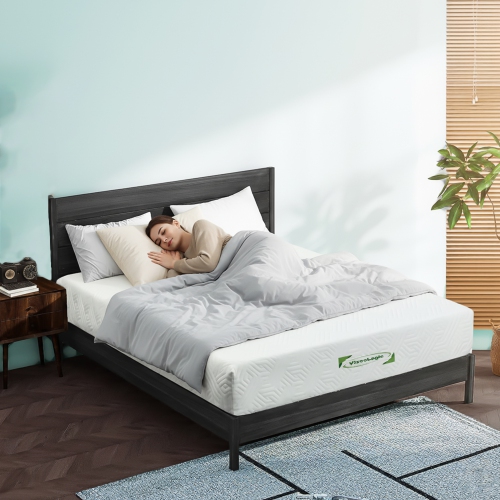
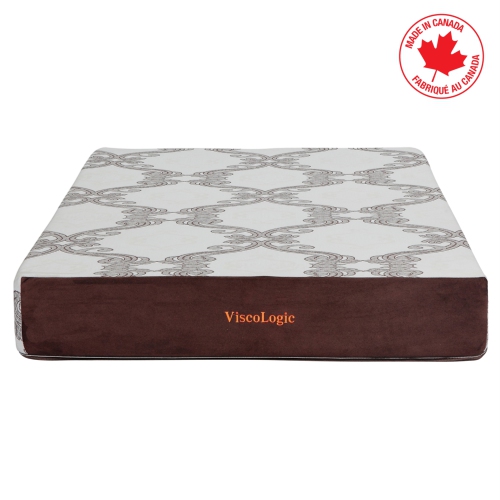
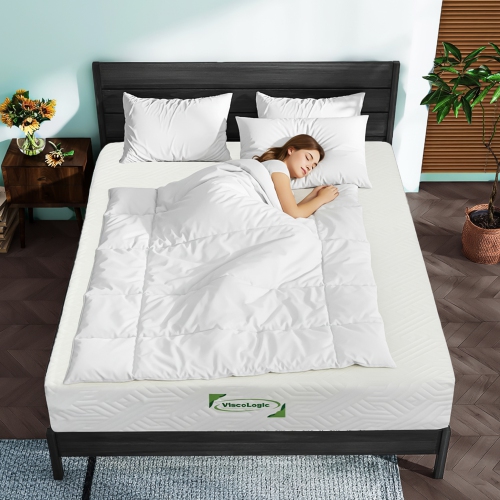
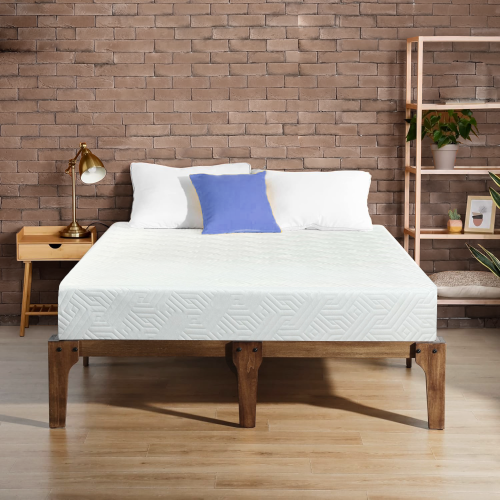
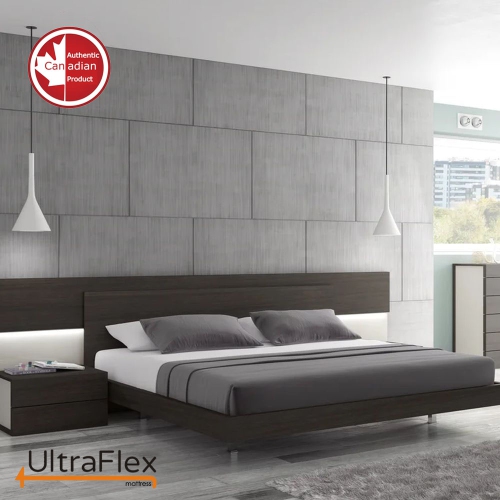
![VISCOLOGIC Hamilton [ ] 11" Orthopedic 5-Zone Pocket Coil Foam Encased Euro Top Eco-Friendly Hybrid Mattress - King Size](https://multimedia.bbycastatic.ca/multimedia/products/500x500/155/15588/15588120.jpeg)
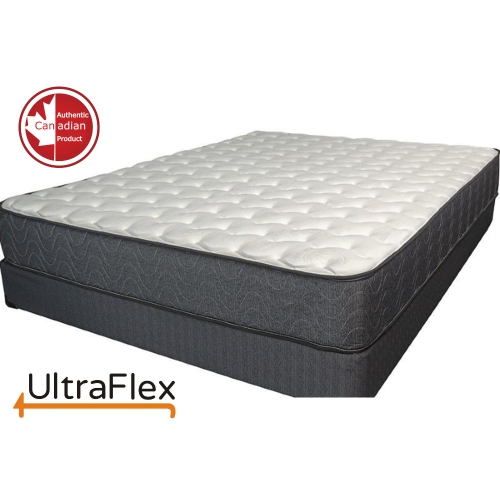


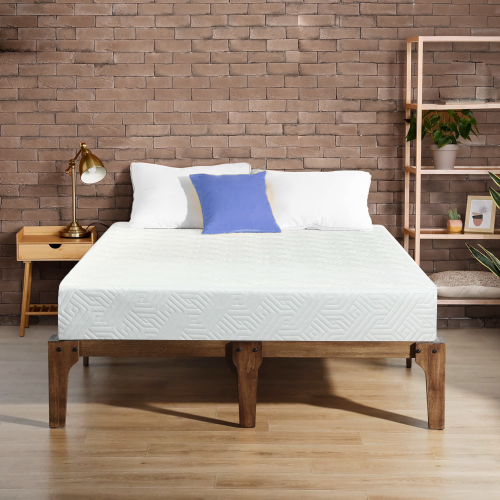
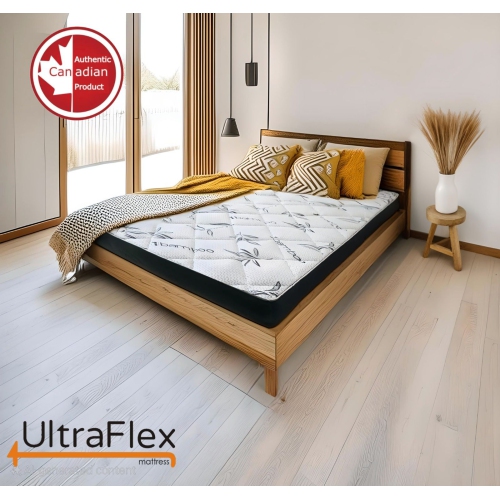
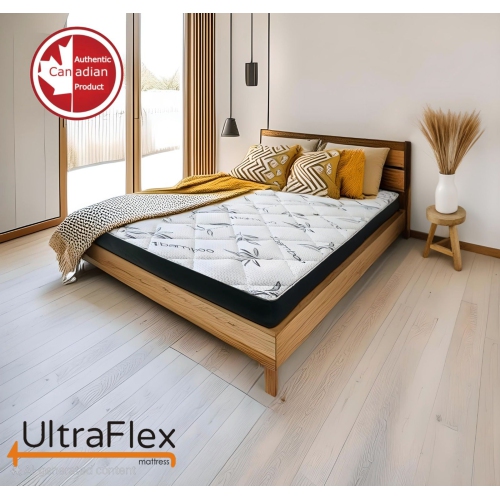
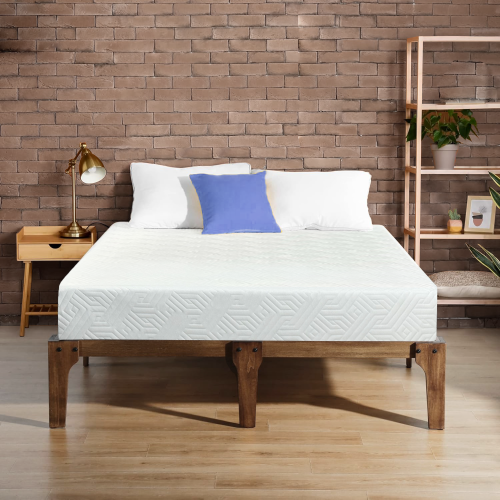
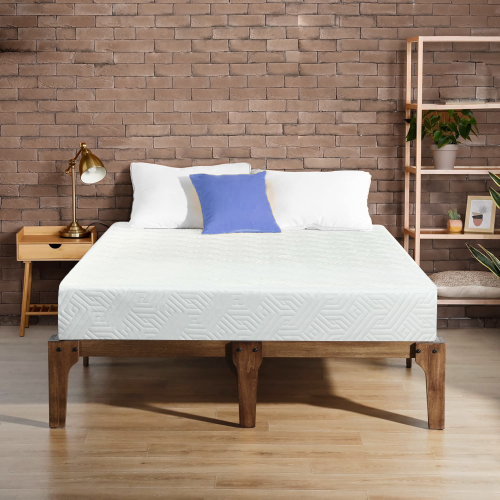

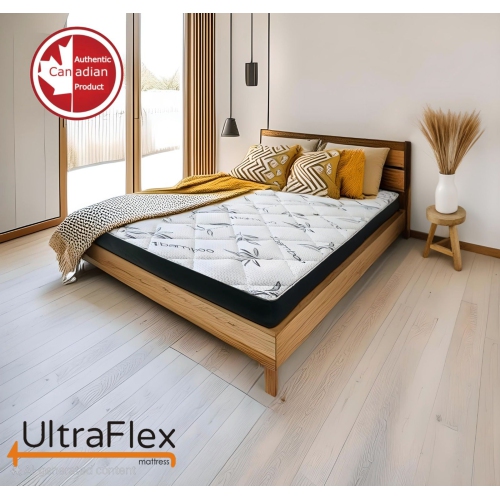
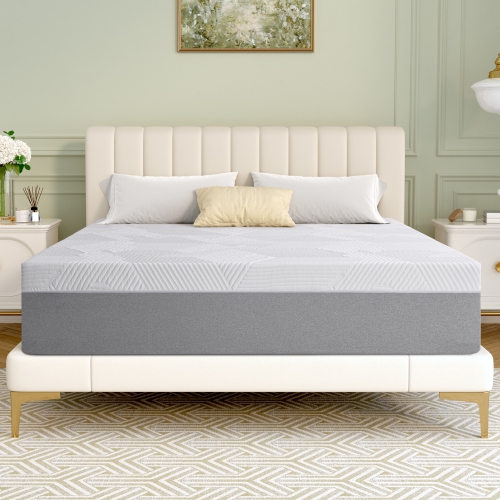
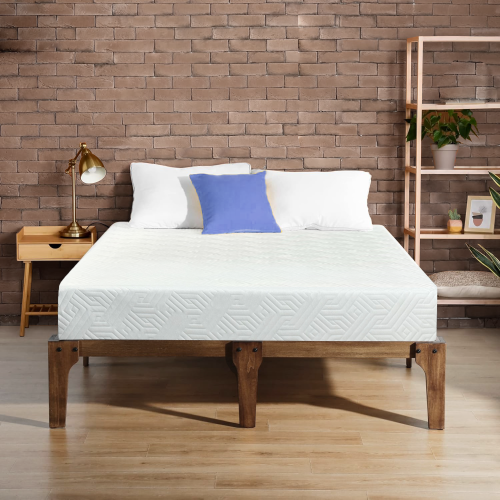
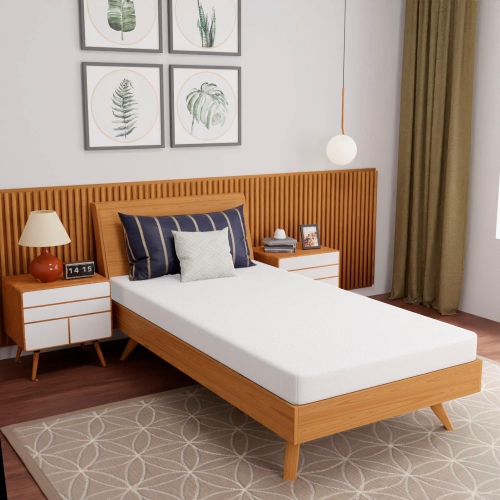
![VISCOLOGIC Hamilton [ ] 11" Orthopedic 5-Zone Pocket Coil Foam Encased Euro Top Eco-Friendly Hybrid Mattress - Twin / Single Size](https://multimedia.bbycastatic.ca/multimedia/products/500x500/155/15588/15588117.jpeg)
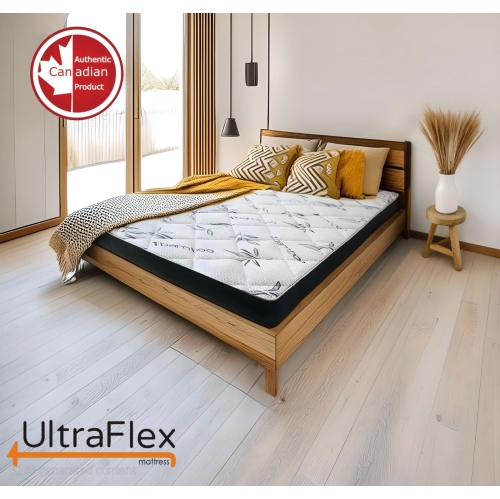
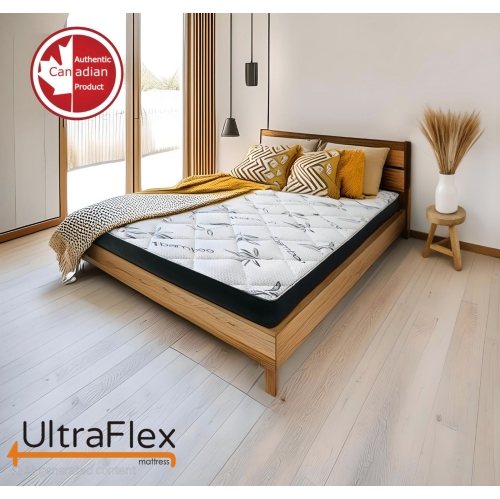
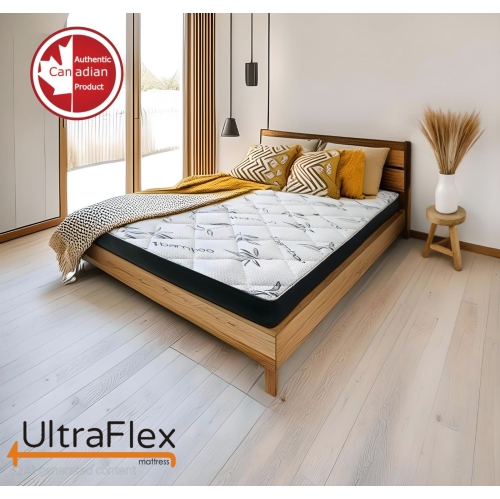
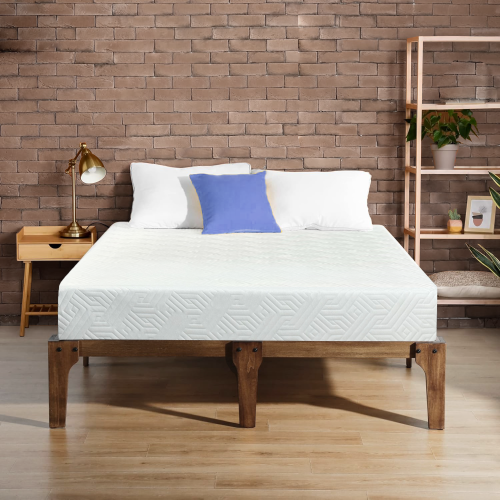
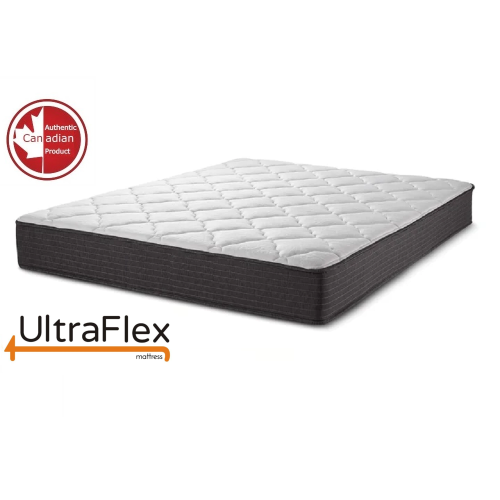
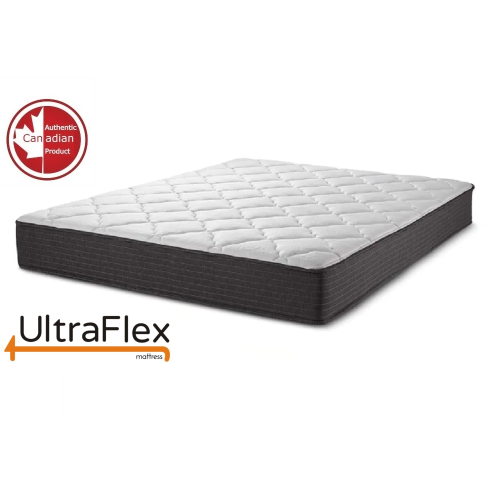
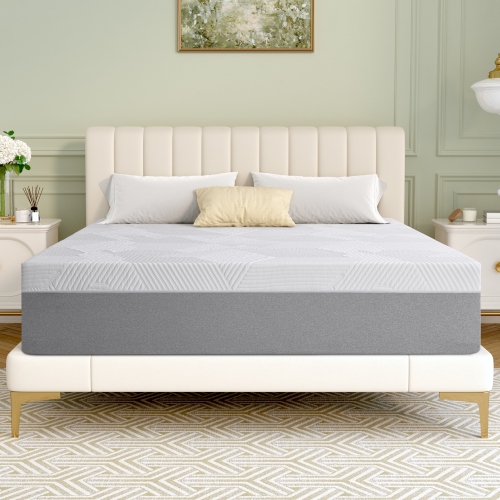
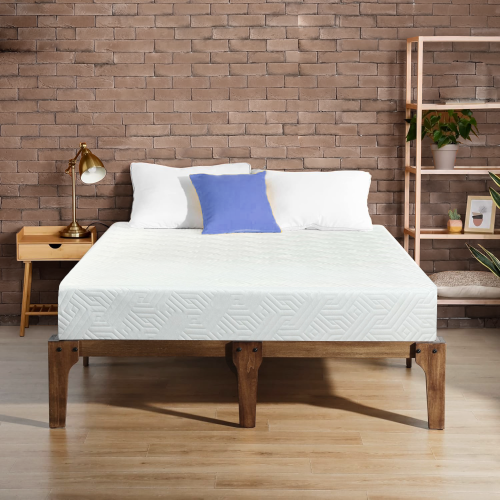
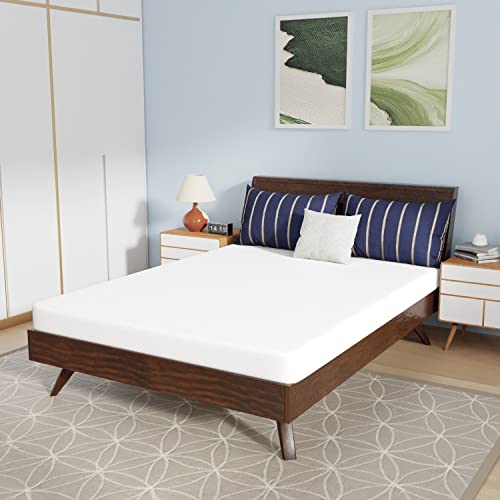
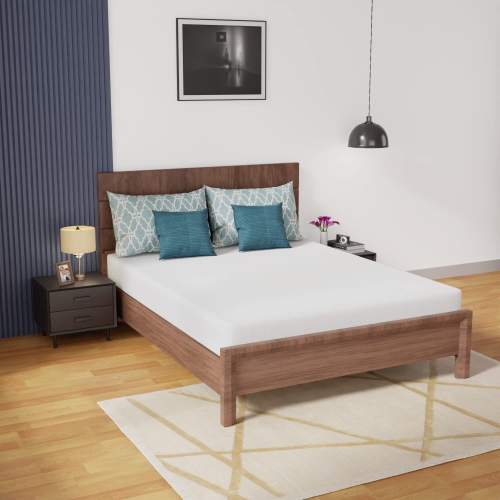
![VISCOLOGIC Hamilton [ ] 11" Orthopedic 5-Zone Pocket Coil Foam Encased Euro Top Eco-Friendly Hybrid Mattress - Full / Double Size](https://multimedia.bbycastatic.ca/multimedia/products/500x500/155/15588/15588119.jpeg)
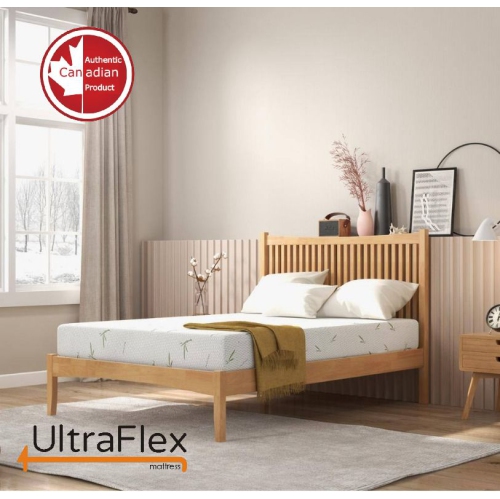
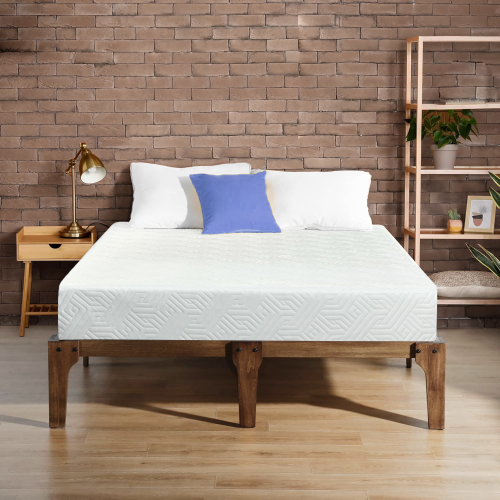

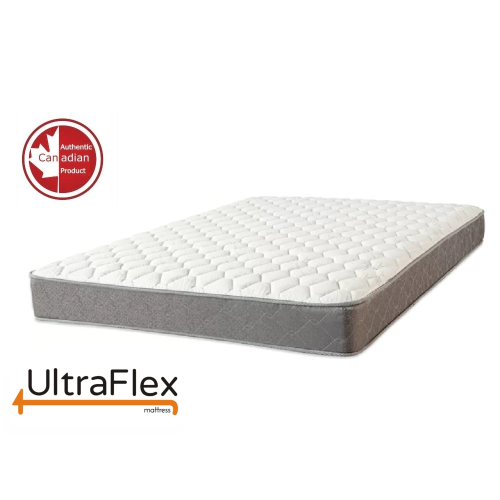
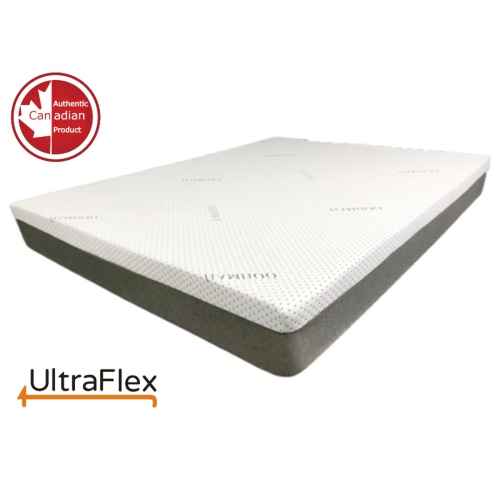
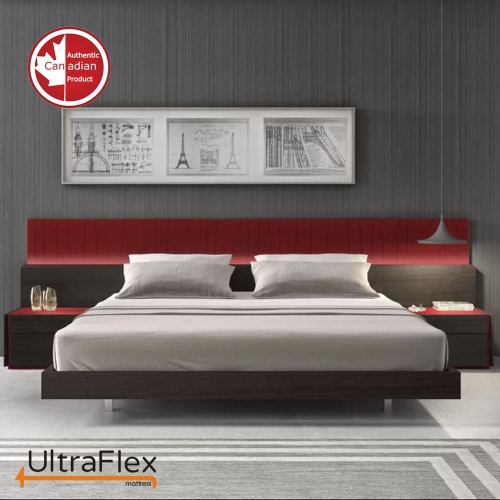

Lasting mattress comfort starts beneath the cover
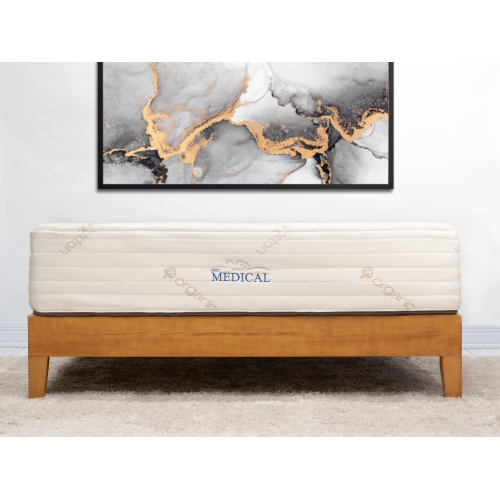
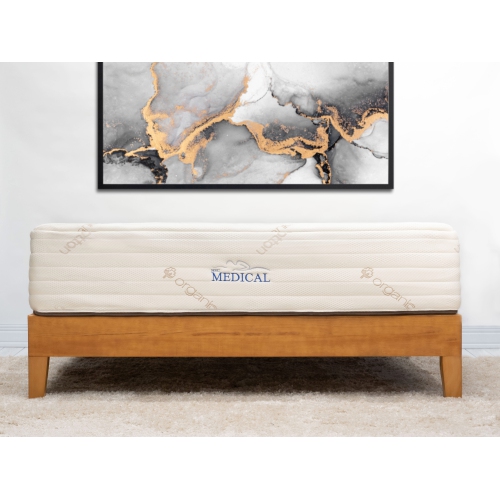
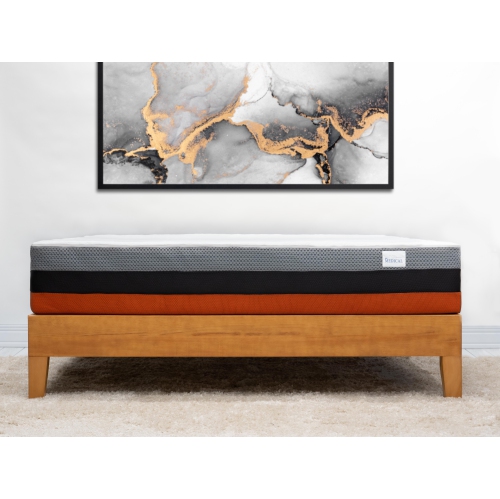
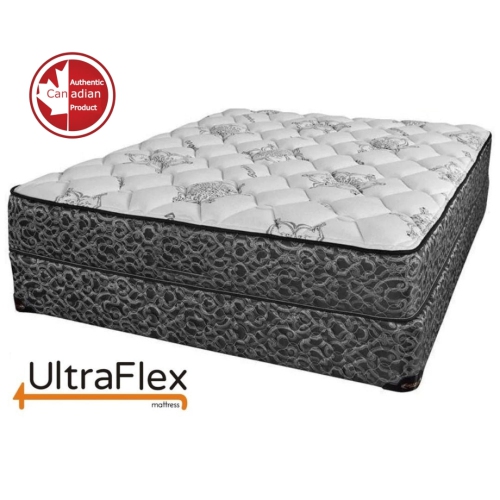
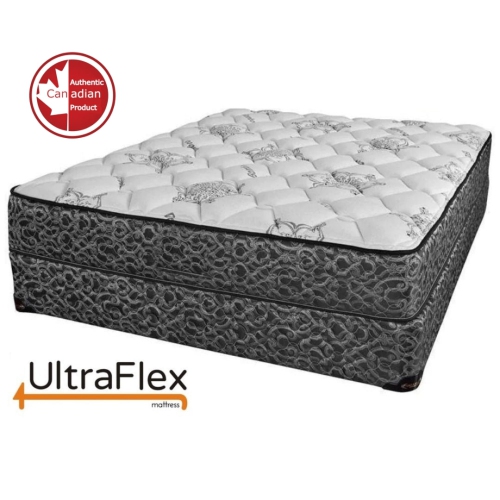
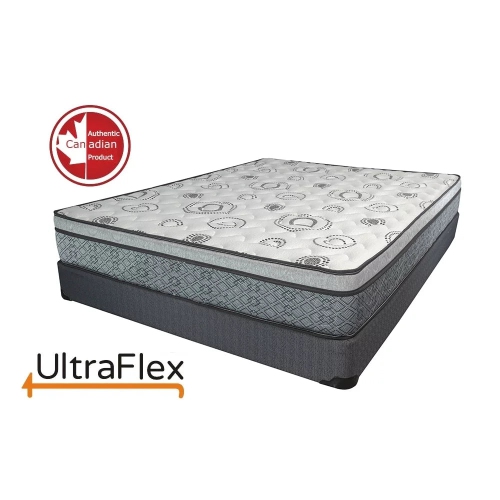
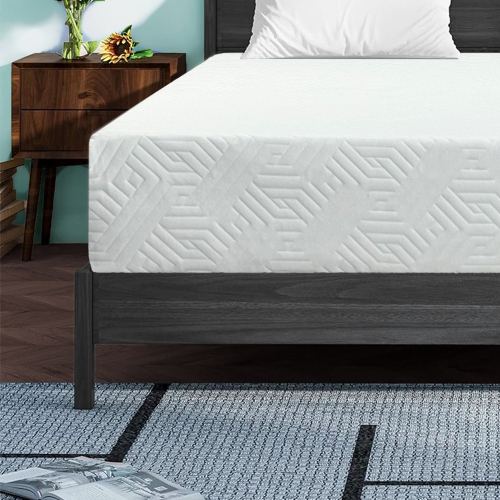
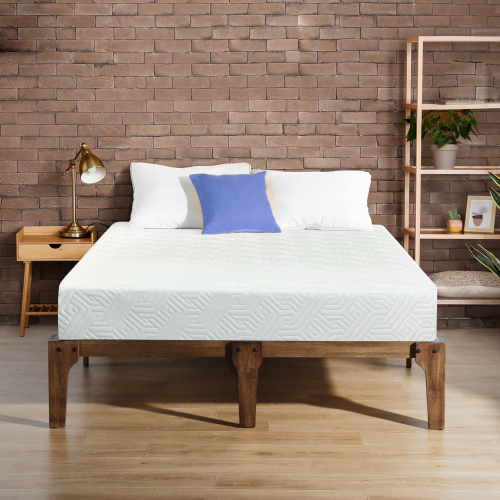
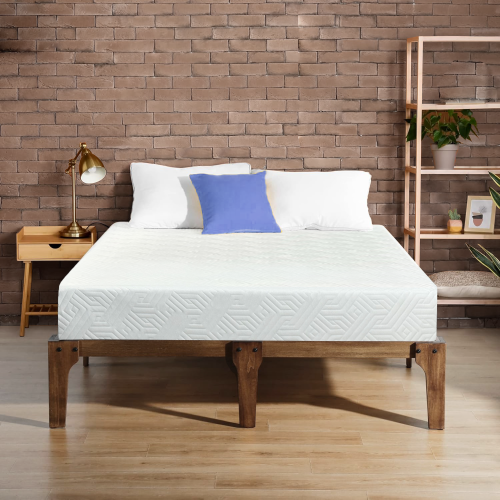
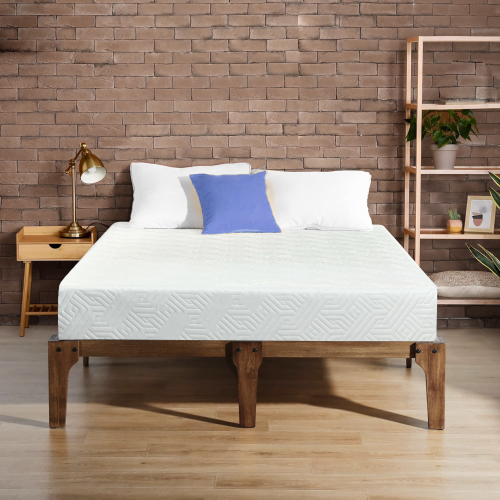
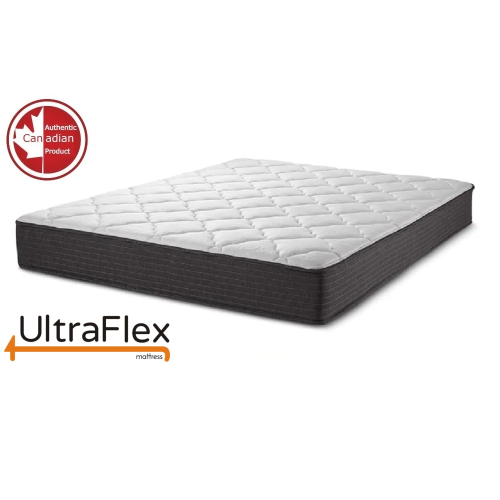
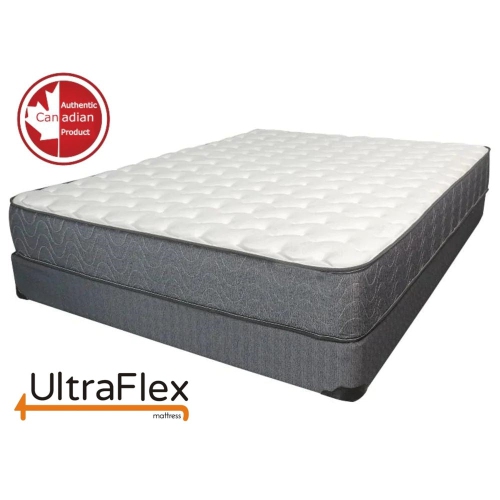
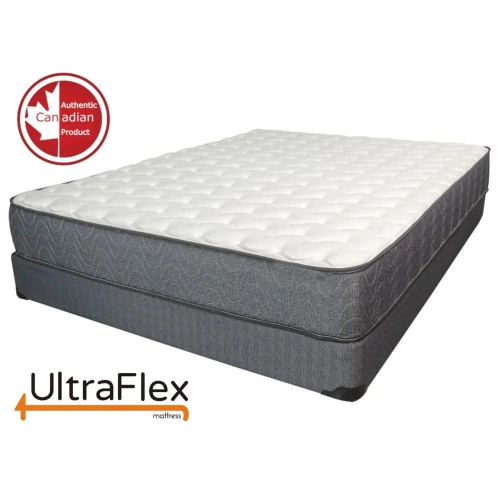
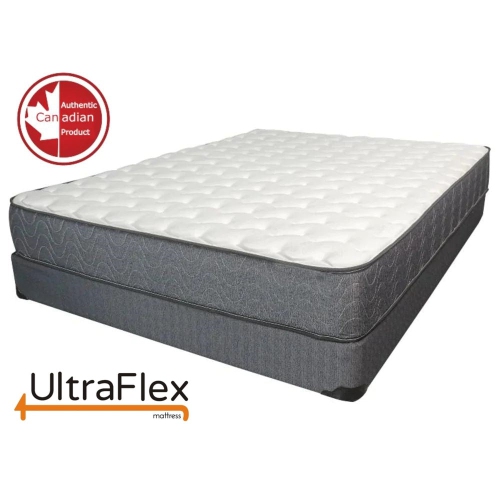
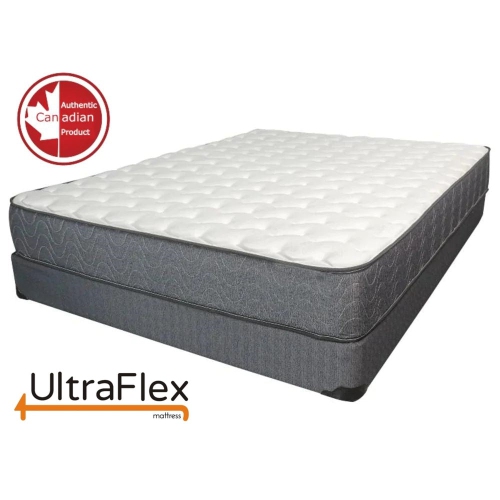
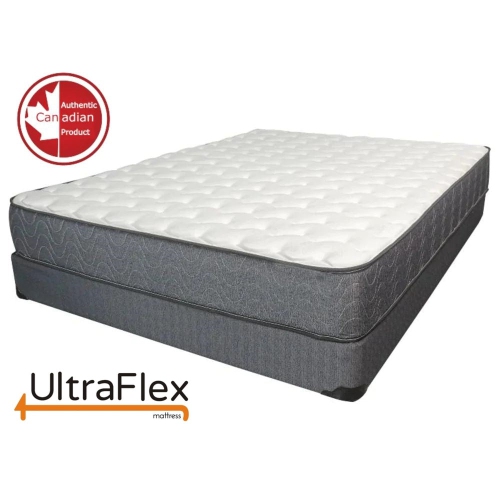
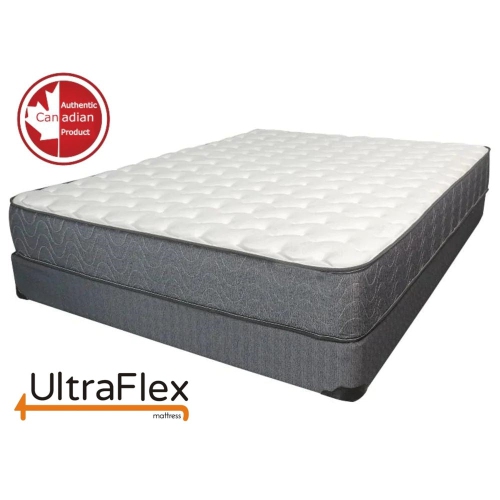
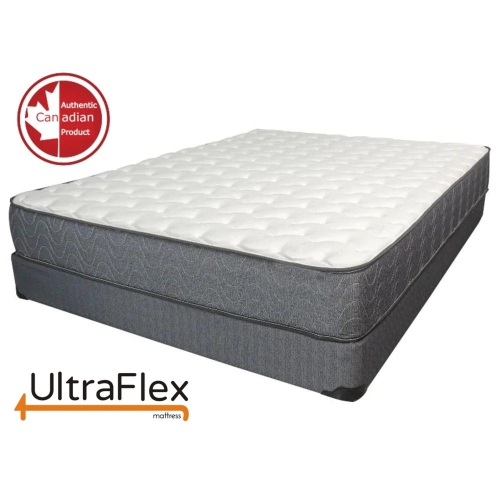
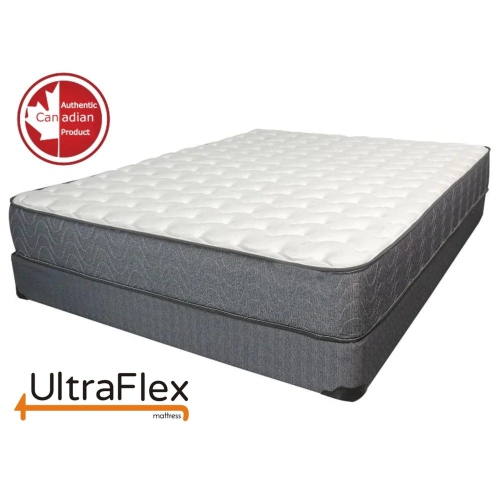
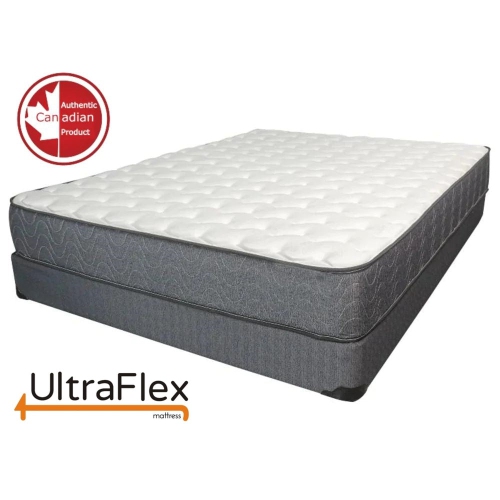
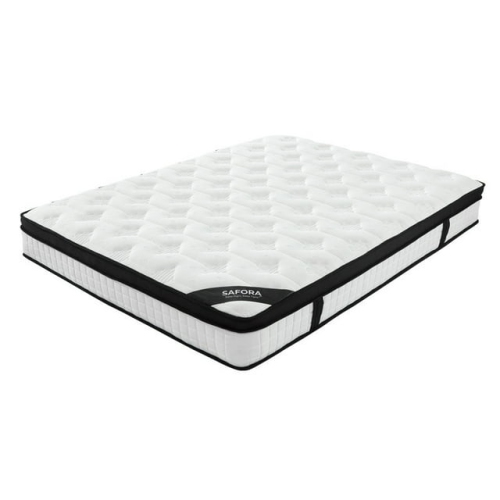
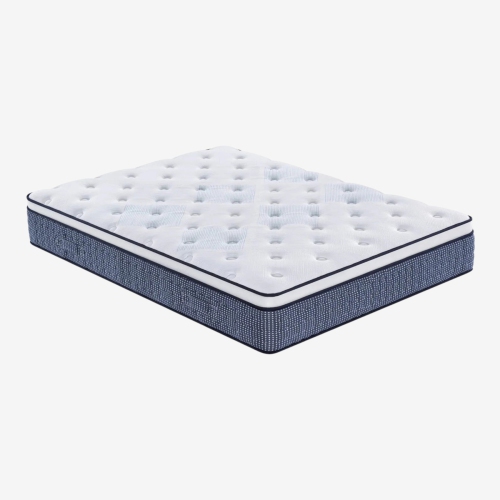
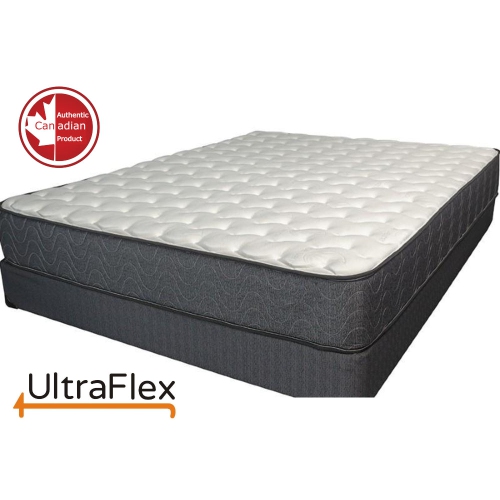
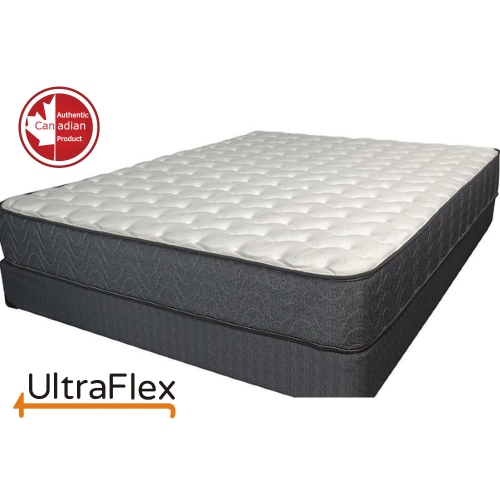
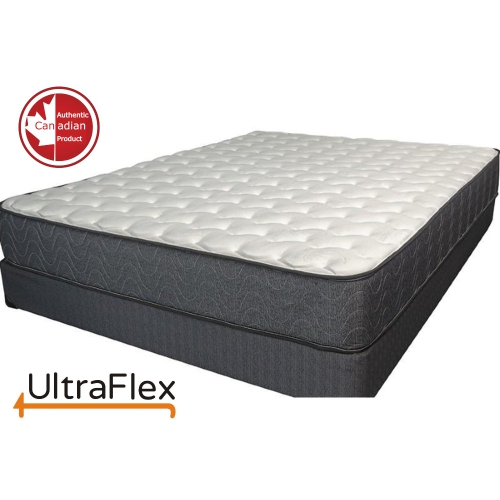
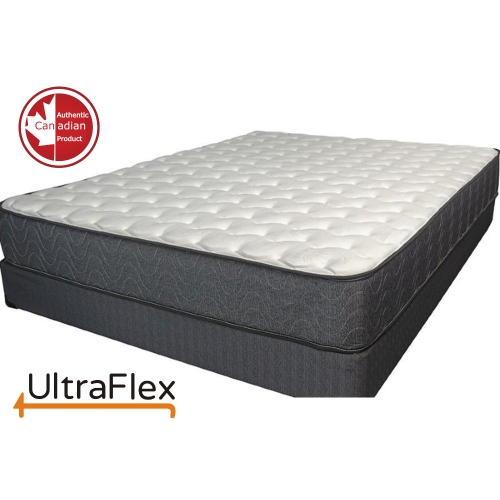
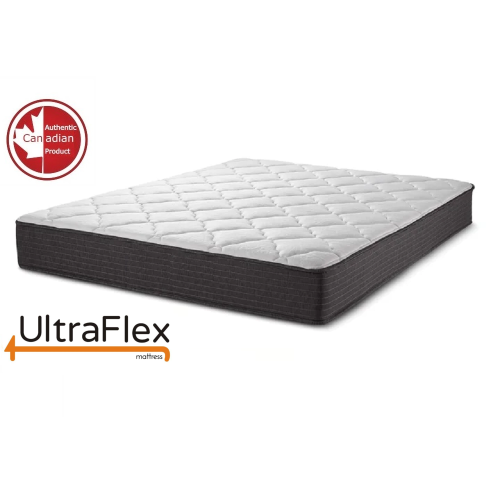
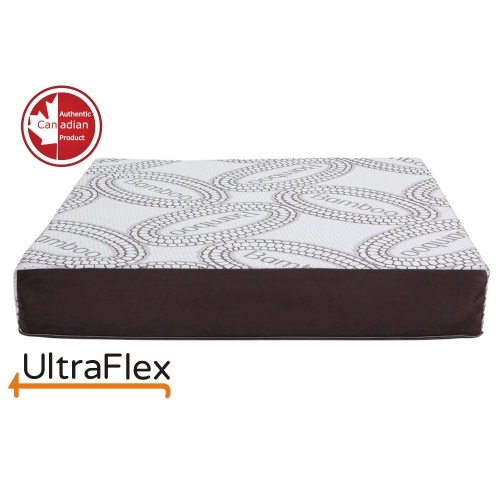
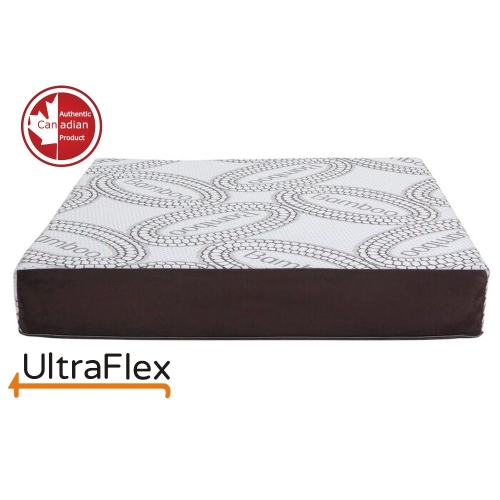
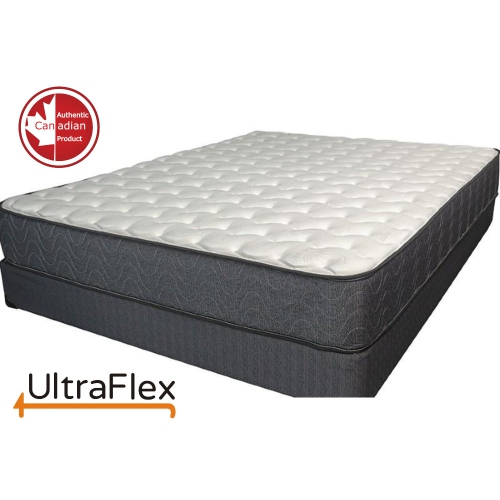
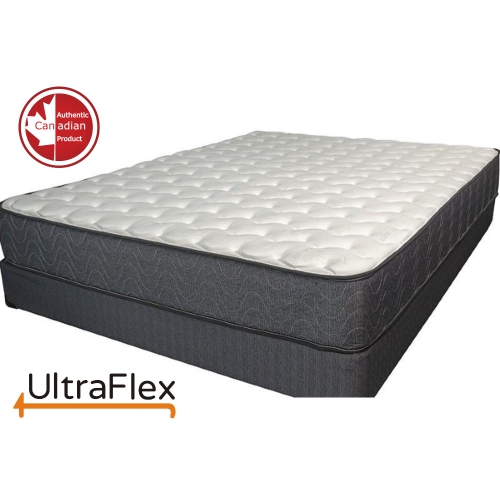
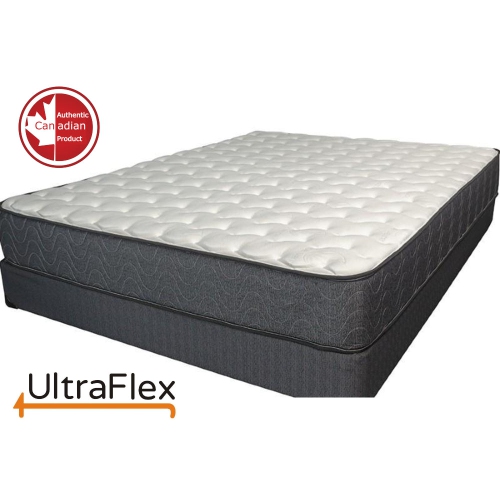
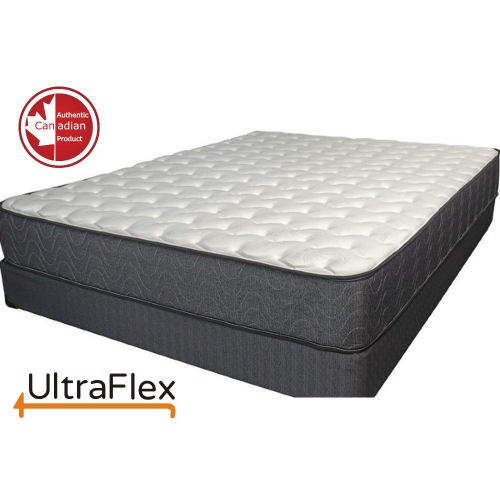
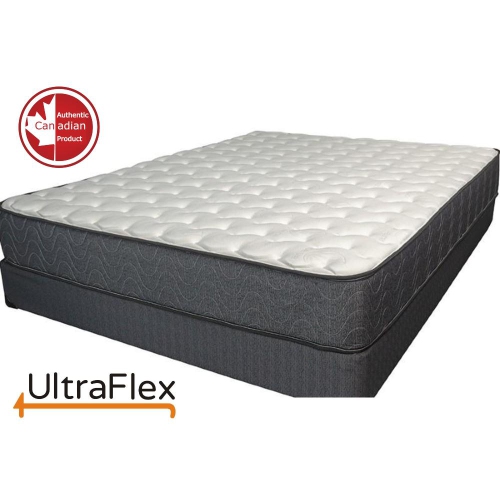
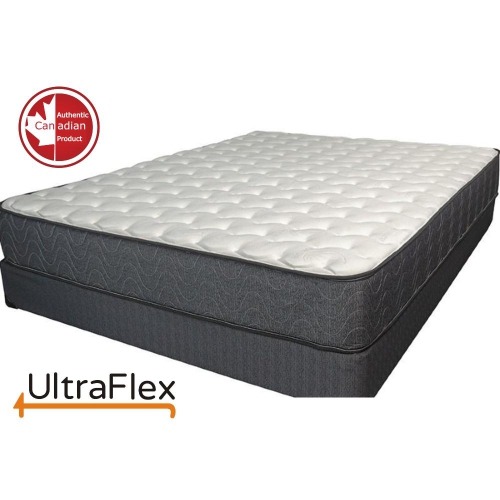
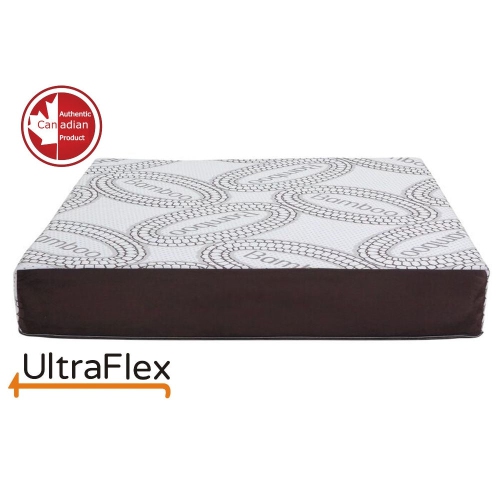
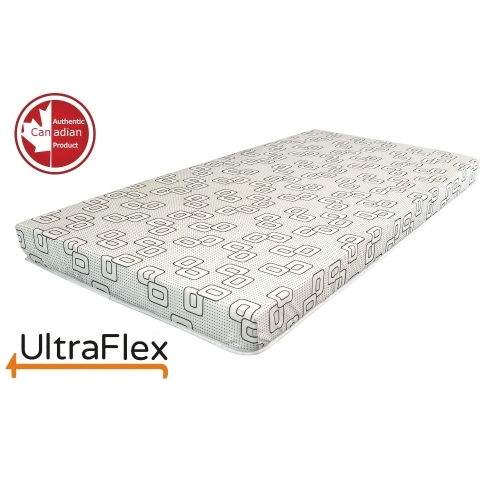
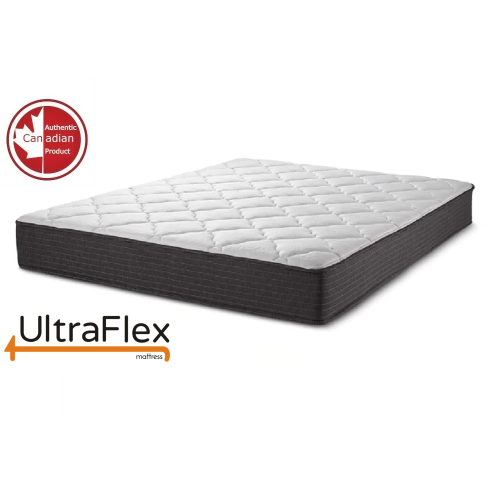
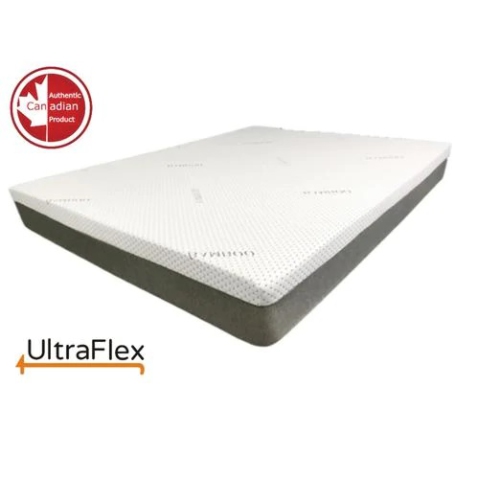
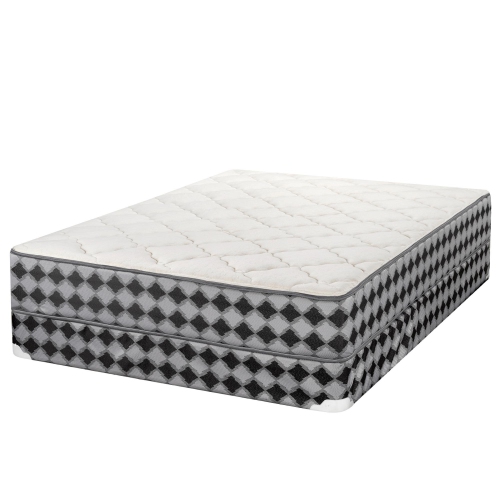
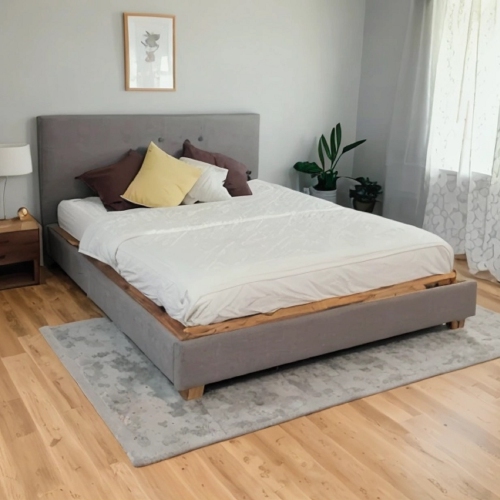
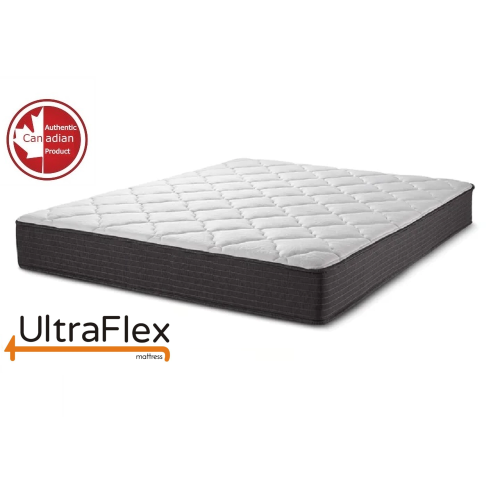
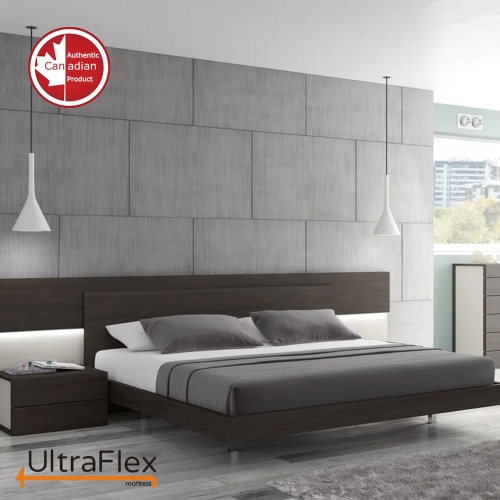
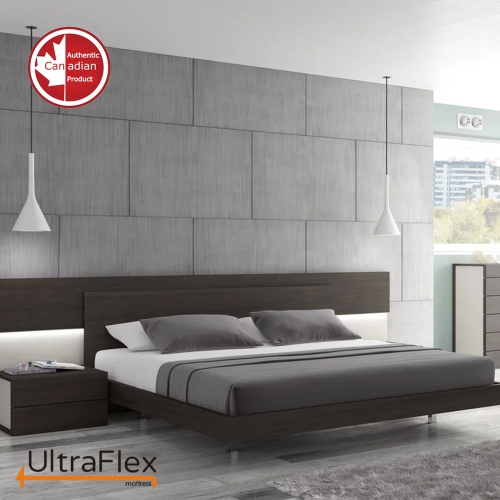
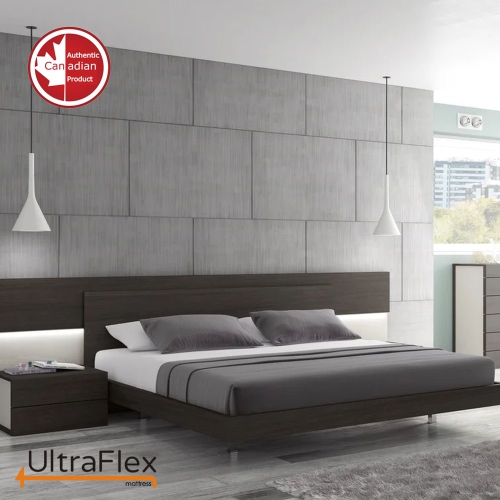
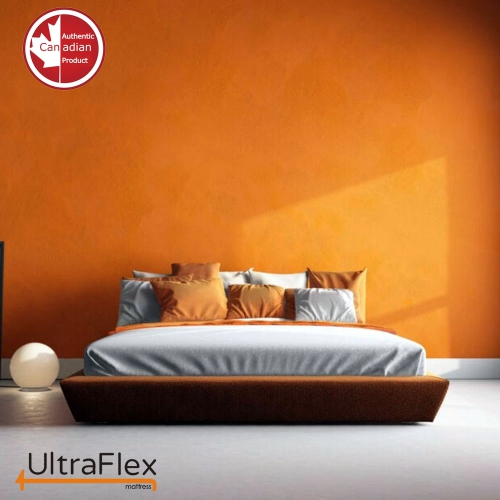
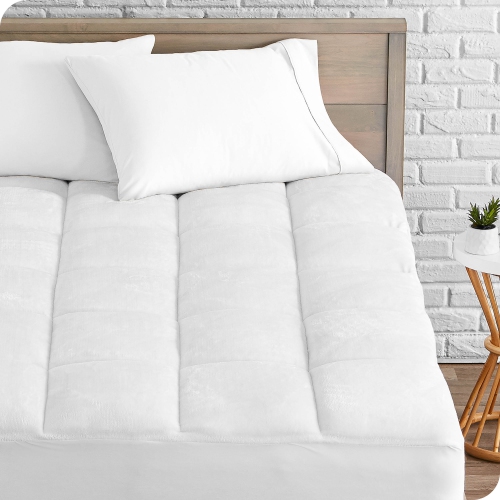
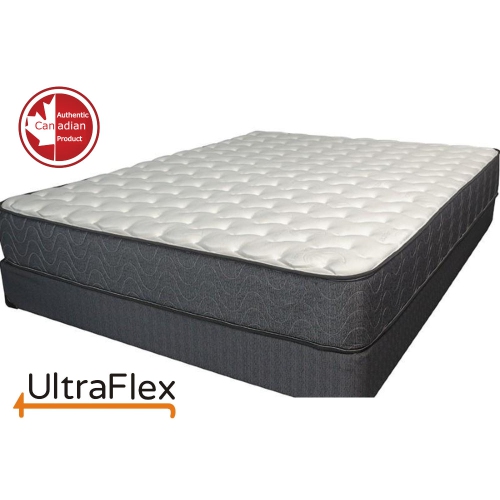
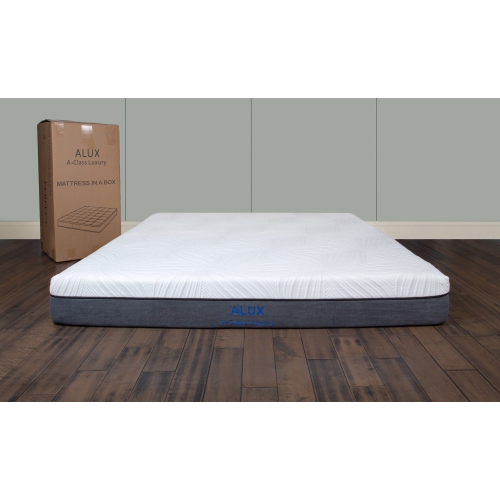
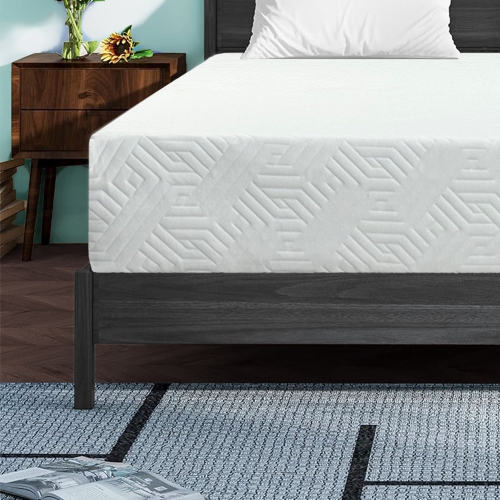
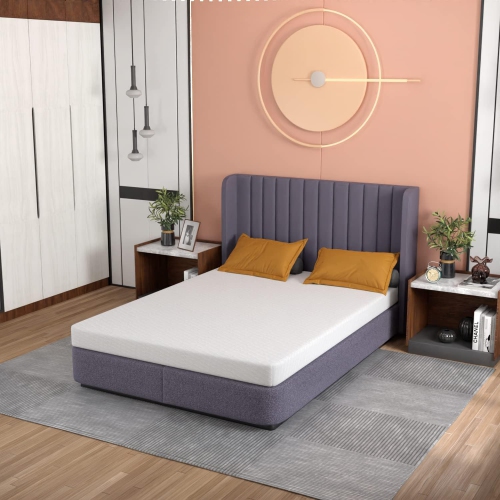
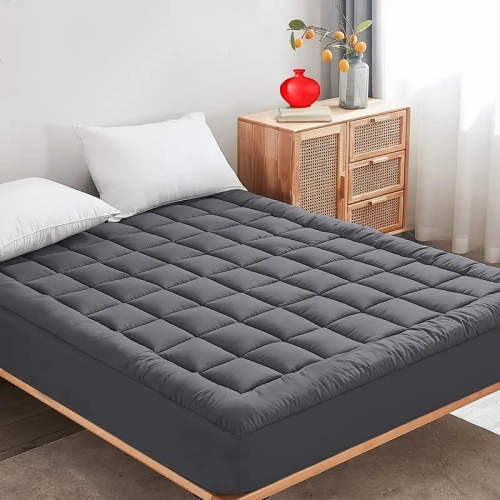
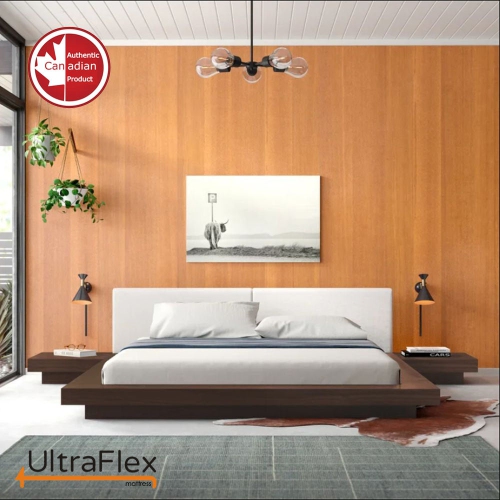
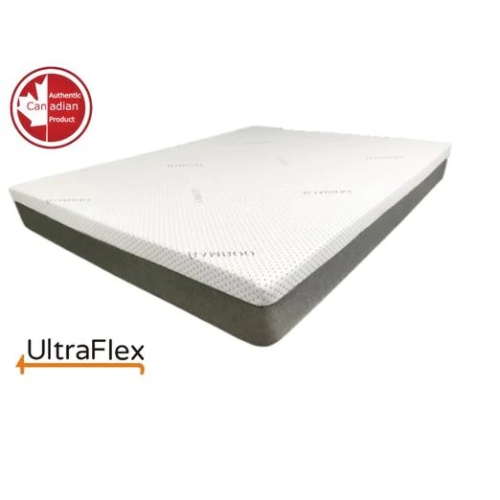
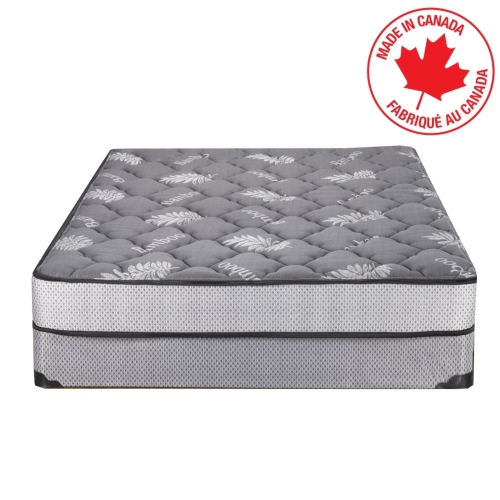
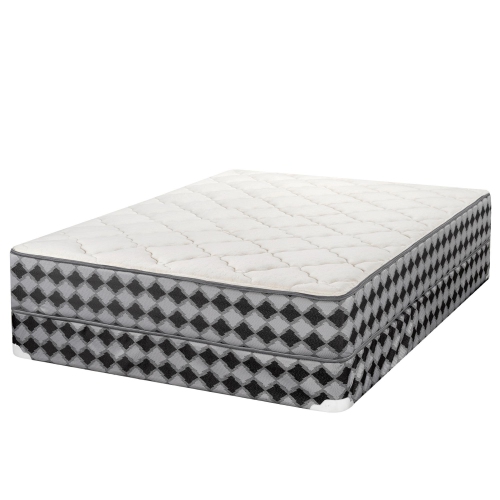
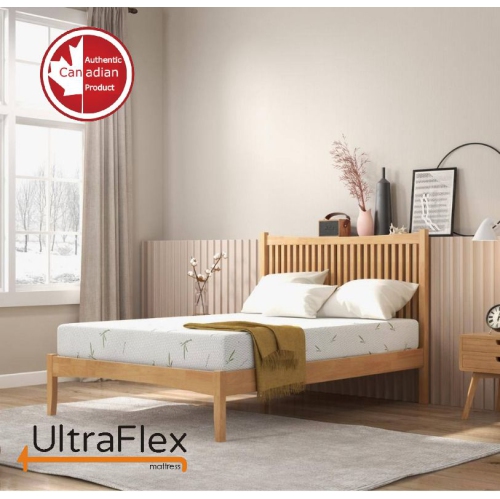
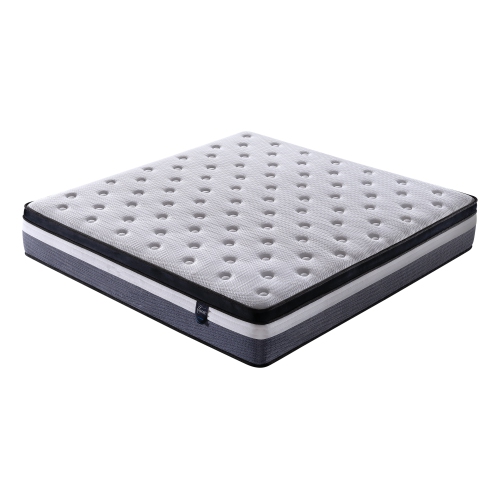
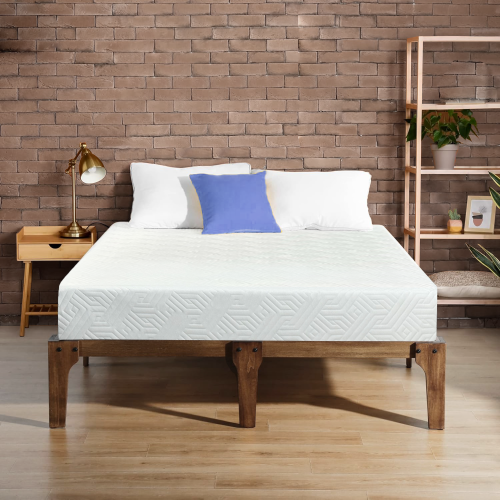
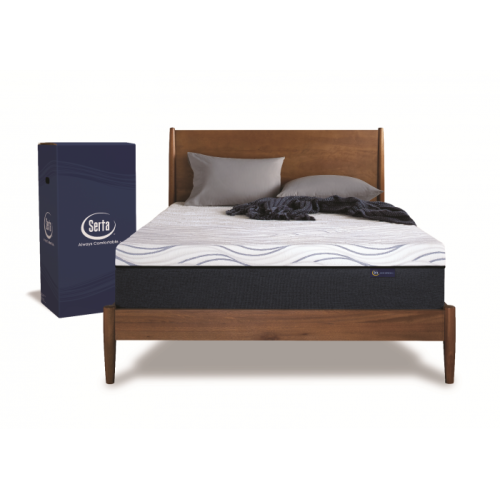
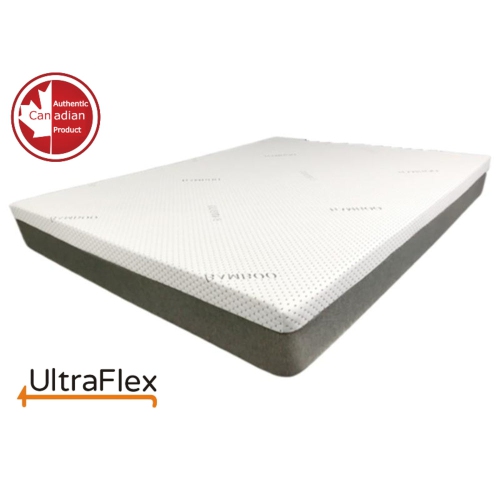
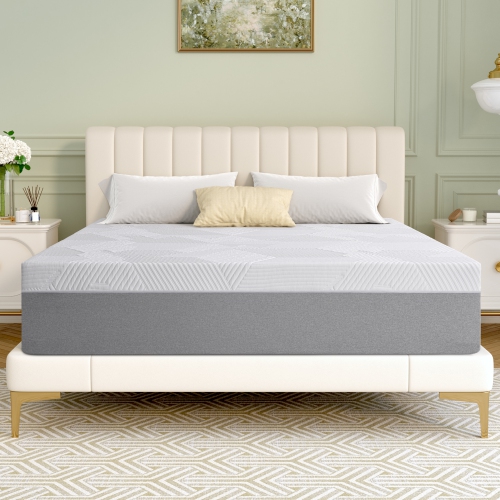
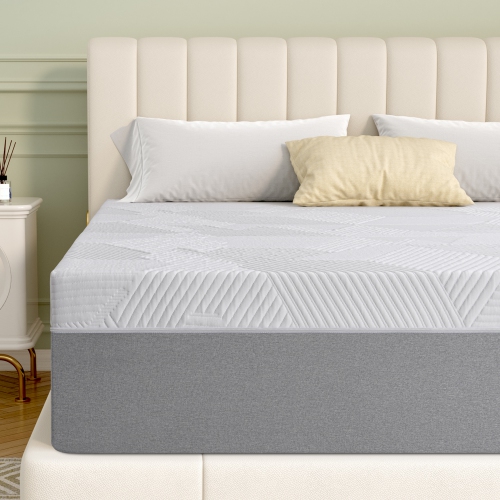
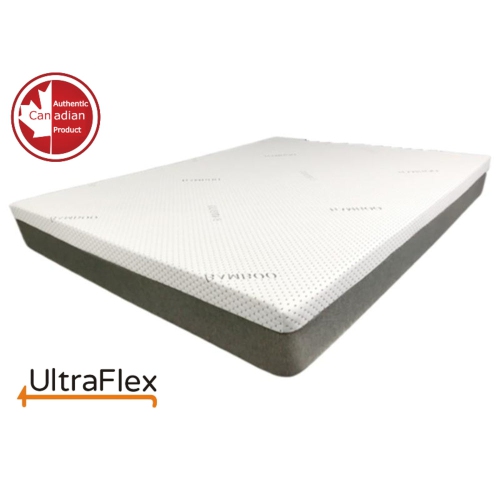
Premium mattresses bring together carefully layered materials, supportive construction, and finishing details designed to make a bed feel comfortable night after night. The term “premium” is not a standardized mattress grade; its value lies in the construction beneath the cover and how well that construction suits the person sleeping on it. A thick quilted surface may create an inviting first impression, but lasting comfort also depends on the support core, the resilience of the cushioning, and the way those layers work together. Common designs include memory foam, latex, innerspring, and hybrid mattresses, each with a distinct feel. Memory foam contours gradually around the body, cushioning areas such as shoulders and hips while helping to limit the transfer of movement across the bed. Latex generally feels more buoyant, responding quickly when a sleeper rolls over rather than holding a deep impression. Innerspring mattresses use a coil support system beneath their comfort layers, while hybrids pair coils with more substantial layers of foam, latex, or both. Individually wrapped coils can respond to weight independently, although the overall feel depends on the entire mattress rather than the springs alone. Pillow-top and Euro-top finishes add surface cushioning; a pillow-top has a visibly separate upholstered layer, while a Euro-top sits more flush with the mattress edges. Neither finish automatically means that a mattress is soft throughout, since a plush surface can sit above a firm support core. Covers made with cotton, wool, or performance fabrics can also influence the feel against bedding and how moisture is managed. For shoppers exploring different comfort profiles, Comfort Mattresses offers another way to browse around the feel of the sleep surface. Whether furnishing a primary bedroom, refreshing a guest room, or replacing a mattress that no longer feels supportive, the most meaningful premium features are those that suit the sleeper’s habits rather than simply adding height or decorative detail.
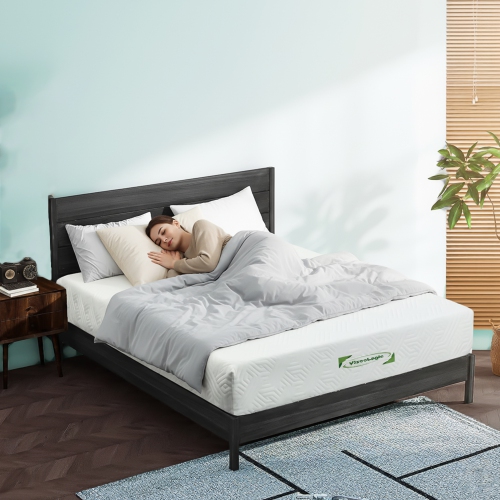
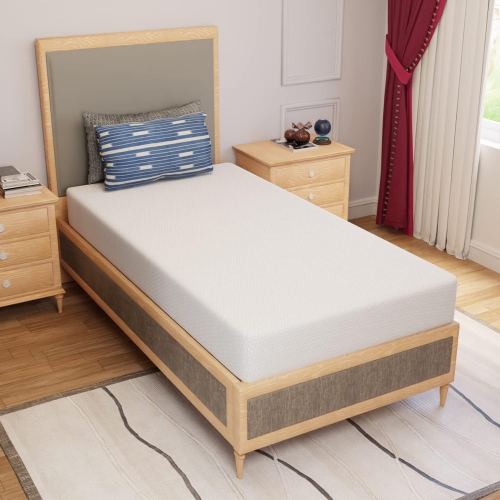
Comfort and support are related, but they are not interchangeable. Comfort describes the immediate sensation of the surface, from gently cushioned to closely contouring, while support describes how the mattress carries the body’s weight. Side sleepers often appreciate enough cushioning for the shoulder and hip to settle without feeling pressed against a hard surface. Back sleepers may prefer a balance that supports the lower back without allowing the pelvis to sink too deeply, and stomach sleepers often favour a firmer feel that limits sinking through the middle. These are starting points rather than fixed rules: body size, proportions, and personal preference can make the same mattress feel quite different to two people. Someone who changes position frequently may enjoy the easier movement of responsive latex or a spring-based design, while a sleeper who prefers a gently cradled sensation may favour memory foam. For couples, motion isolation becomes especially noticeable when one person gets into bed later or rises earlier. Reinforced edges can make the perimeter feel steadier when sitting to put on socks or sleeping near the side, though edge performance varies by construction. Temperature comfort deserves similar attention. Air can circulate through a coil core, and breathable covers may help moisture move away from the surface, but cooling claims do not mean a mattress will remain cold all night. Sheets, mattress protectors, duvets, room temperature, and individual preferences all affect warmth. During the cooler months, a breathable sleep surface can still be useful beneath heavier bedding. Size also shapes everyday comfort: a queen mattress suits many shared bedrooms, while a king gives partners more room to stretch out. A twin or twin XL can suit a smaller bedroom or a single sleeper, with the extra length of a twin XL useful for taller people. Actual mattress dimensions, bed-frame measurements, and walking space around the bed matter more than the size name alone, particularly in rooms with bedside tables, dressers, or doors that open close to the bed.
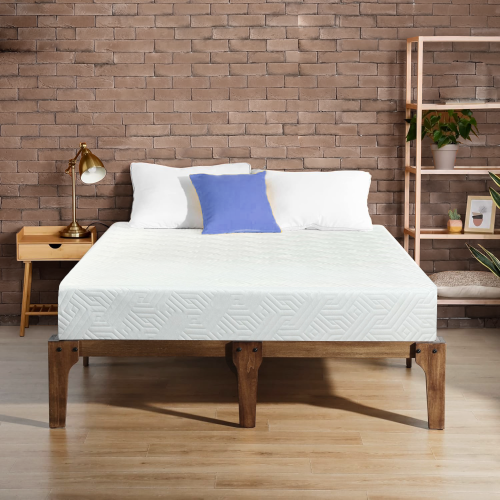
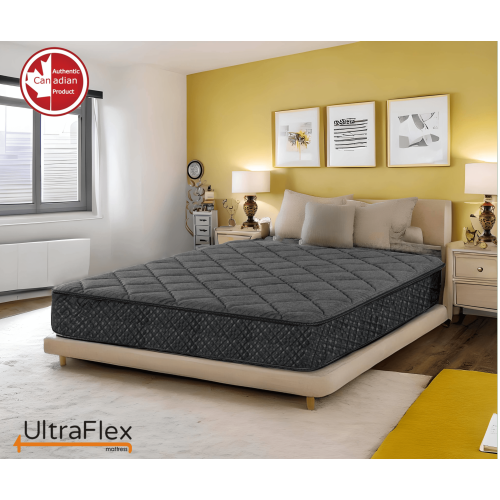
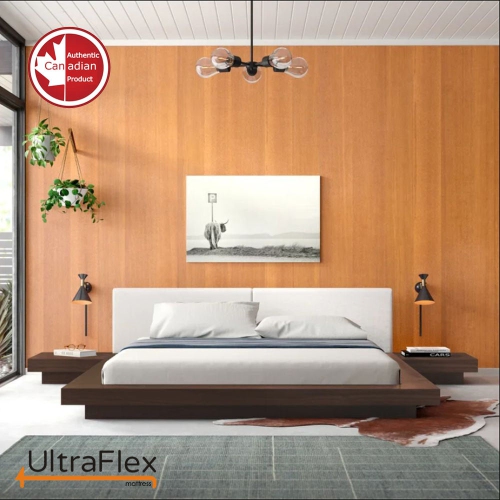
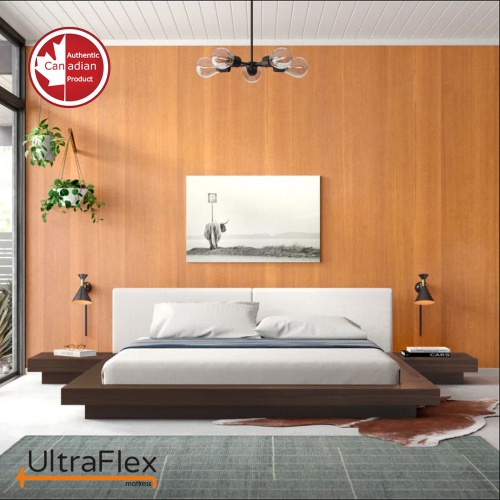
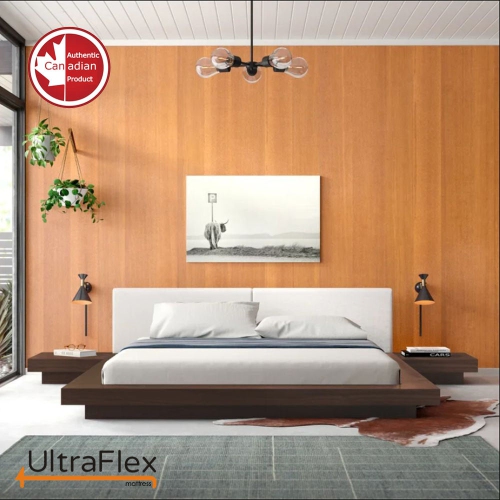
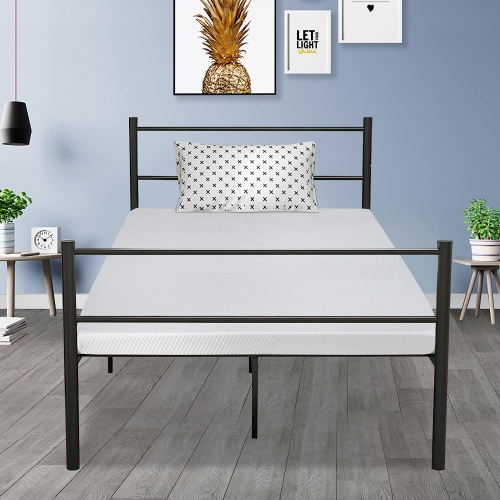
The fit between a premium mattress and its base is just as important as the feel of its top layer. Platform beds, slatted frames, foundations, and adjustable bases have different support requirements, and compatibility should be confirmed for the mattress’s construction. Slats spaced too far apart may allow uneven support, while a frame without adequate centre support may not properly carry a larger mattress and its sleepers. An adjustable base also requires a mattress designed to bend with it; not every spring or foam construction is suitable. Mattress depth affects practical details throughout the bedroom, including whether fitted sheets have deep enough pockets and whether the finished bed is easy to get into and out of. A tall mattress on a high frame can feel awkward for a shorter person, while a very low bed may make standing up more difficult for someone with limited mobility. Delivery access matters too, especially with narrow staircases, tight landings, and heavier latex or hybrid constructions. Once in place, regular care helps preserve the mattress’s condition. A washable protector can shield the surface from spills and everyday moisture, although a thick or less breathable protector may change its feel. Cleaning methods should follow the care label, with minimal moisture during spot cleaning and enough drying time before bedding goes back on. Rotation can help distribute wear where the manufacturer permits it; flipping is appropriate only for mattresses specifically designed with two sleeping surfaces. Durability depends on factors such as foam density, latex quality, coil construction, sleeper weight, and the support underneath, so thickness alone is not a reliable measure of lifespan. Some settling in the comfort layers can occur with use, while persistent sagging, unevenness, or a noticeable loss of support deserves attention. For a frequently used guest room, balanced cushioning and support may accommodate a wider range of preferences than an exceptionally soft or firm surface. For an everyday bed, a well-matched premium mattress provides a foundation for comfortable rest through quiet evenings, unhurried mornings, and the ordinary changes in sleeping position that happen throughout the night.
Comfort and support are related, but they are not interchangeable. Comfort describes the immediate sensation of the surface, from gently cushioned to closely contouring, while support describes how the mattress carries the body’s weight. Side sleepers often appreciate enough cushioning for the shoulder and hip to settle without feeling pressed against a hard surface. Back sleepers may prefer a balance that supports the lower back without allowing the pelvis to sink too deeply, and stomach sleepers often favour a firmer feel that limits sinking through the middle. These are starting points rather than fixed rules: body size, proportions, and personal preference can make the same mattress feel quite different to two people. Someone who changes position frequently may enjoy the easier movement of responsive latex or a spring-based design, while a sleeper who prefers a gently cradled sensation may favour memory foam. For couples, motion isolation becomes especially noticeable when one person gets into bed later or rises earlier. Reinforced edges can make the perimeter feel steadier when sitting to put on socks or sleeping near the side, though edge performance varies by construction. Temperature comfort deserves similar attention. Air can circulate through a coil core, and breathable covers may help moisture move away from the surface, but cooling claims do not mean a mattress will remain cold all night. Sheets, mattress protectors, duvets, room temperature, and individual preferences all affect warmth. During the cooler months, a breathable sleep surface can still be useful beneath heavier bedding. Size also shapes everyday comfort: a queen mattress suits many shared bedrooms, while a king gives partners more room to stretch out. A twin or twin XL can suit a smaller bedroom or a single sleeper, with the extra length of a twin XL useful for taller people. Actual mattress dimensions, bed-frame measurements, and walking space around the bed matter more than the size name alone, particularly in rooms with bedside tables, dressers, or doors that open close to the bed.
The fit between a premium mattress and its base is just as important as the feel of its top layer. Platform beds, slatted frames, foundations, and adjustable bases have different support requirements, and compatibility should be confirmed for the mattress’s construction. Slats spaced too far apart may allow uneven support, while a frame without adequate centre support may not properly carry a larger mattress and its sleepers. An adjustable base also requires a mattress designed to bend with it; not every spring or foam construction is suitable. Mattress depth affects practical details throughout the bedroom, including whether fitted sheets have deep enough pockets and whether the finished bed is easy to get into and out of. A tall mattress on a high frame can feel awkward for a shorter person, while a very low bed may make standing up more difficult for someone with limited mobility. Delivery access matters too, especially with narrow staircases, tight landings, and heavier latex or hybrid constructions. Once in place, regular care helps preserve the mattress’s condition. A washable protector can shield the surface from spills and everyday moisture, although a thick or less breathable protector may change its feel. Cleaning methods should follow the care label, with minimal moisture during spot cleaning and enough drying time before bedding goes back on. Rotation can help distribute wear where the manufacturer permits it; flipping is appropriate only for mattresses specifically designed with two sleeping surfaces. Durability depends on factors such as foam density, latex quality, coil construction, sleeper weight, and the support underneath, so thickness alone is not a reliable measure of lifespan. Some settling in the comfort layers can occur with use, while persistent sagging, unevenness, or a noticeable loss of support deserves attention. For a frequently used guest room, balanced cushioning and support may accommodate a wider range of preferences than an exceptionally soft or firm surface. For an everyday bed, a well-matched premium mattress provides a foundation for comfortable rest through quiet evenings, unhurried mornings, and the ordinary changes in sleeping position that happen throughout the night.
Top selling and popular products
-
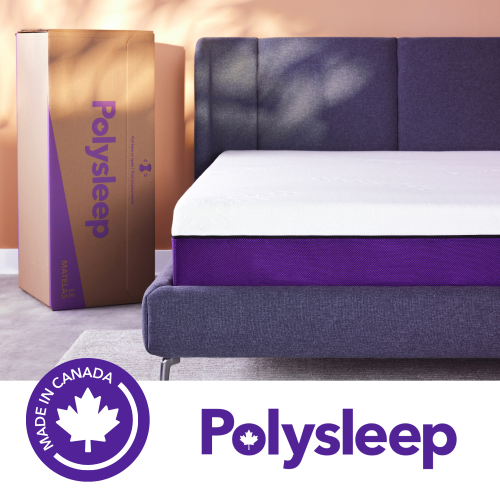 Your price for this item is $1195
 -
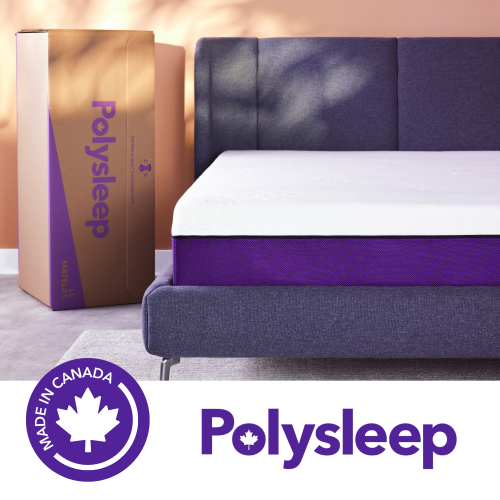 Your price for this item is $1395
 -
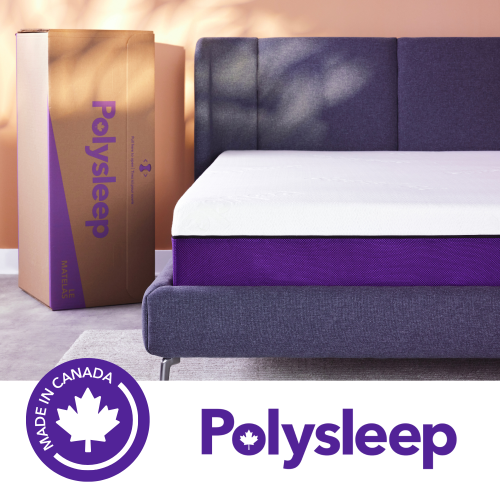 Your price for this item is $1095
 -
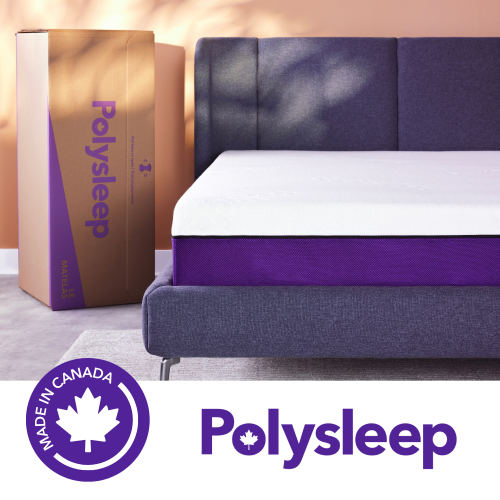 Your price for this item is $945
 -
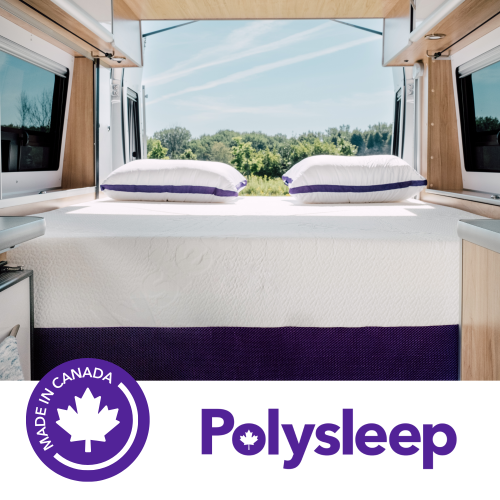 Your price for this item is $1199
 -
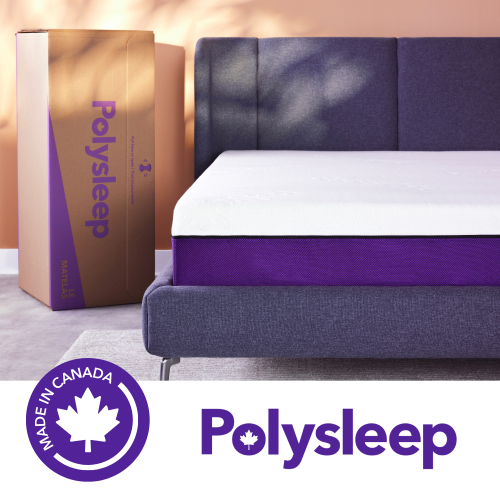 Your price for this item is $1395
 -
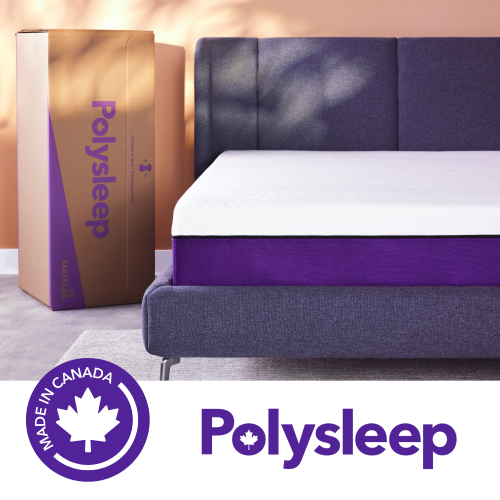 Your price for this item is $895
 -
 Your price for this item is $920
Discover more categories related to Premium Mattresses
Top Collections:
Pokemon Centers, Kindle Devices, Best Budget Office Chairs, Apple iPhones 16, Best Laptops for Writers, iPhone 15 Apple, Canon G7X Cameras, Refurbished Apple Laptops, Alarm Clock, Motorola Razr Phones
Some products may be subject to Environmental Handling Fees
(EHF) depending on your province.
Learn more about EHFs.