Pull Out Kitchen Cabinet Shelves
Pull Out Kitchen Cabinet Shelves offer a smart solution for maximizing storage space and enhancing organization in any kitchen. Designed to help you access items with ease, these shelves fit seamlessly into your existing cabinets, making it simple to keep everything neat and within reach. Discover a variety of styles and sizes to suit your home, making kitchen tasks more convenient every day. Explore the selection of Pull Out Kitchen Cabinet Shelves to find the perfect fit for your needs.
Sort
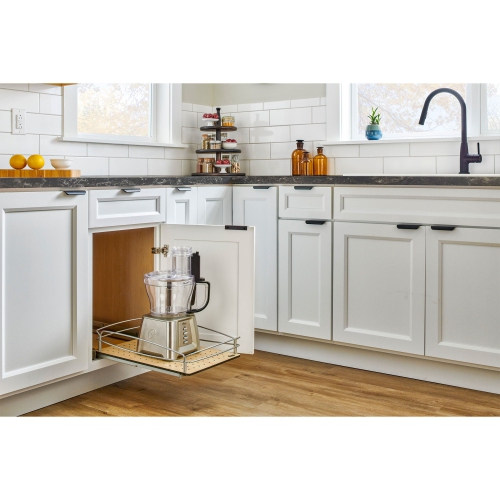
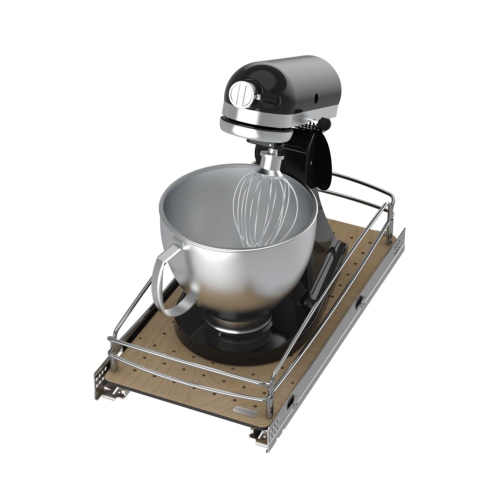
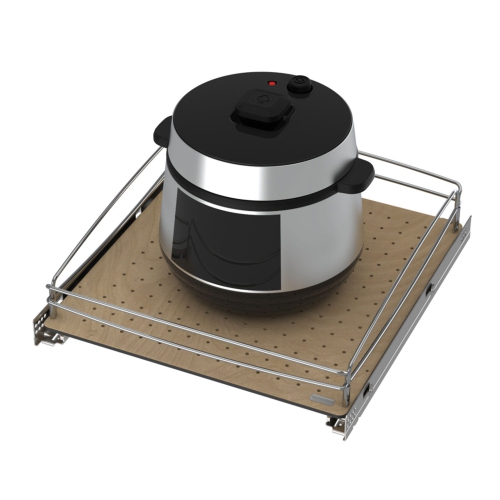
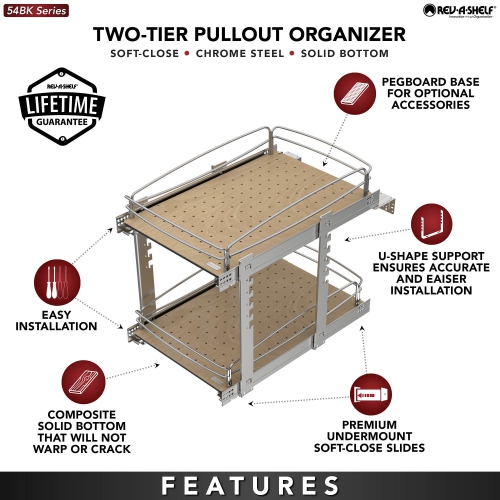
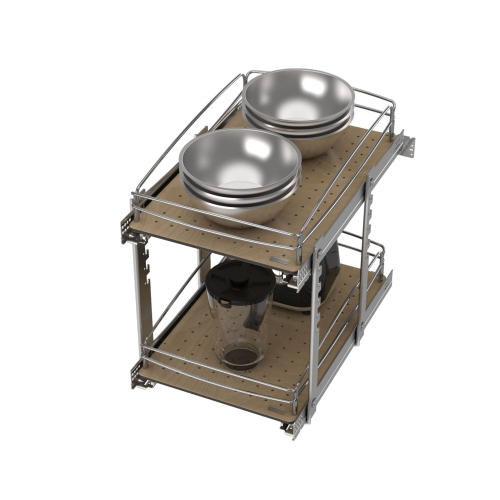
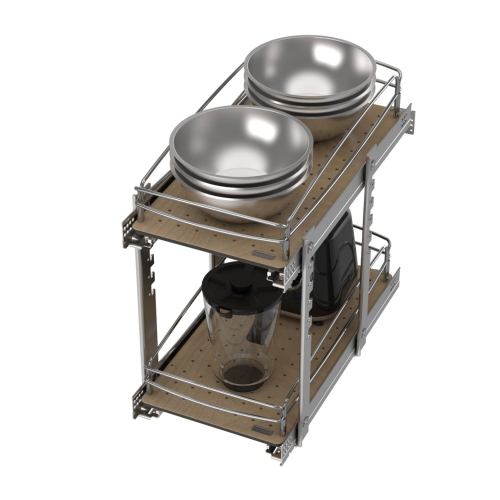
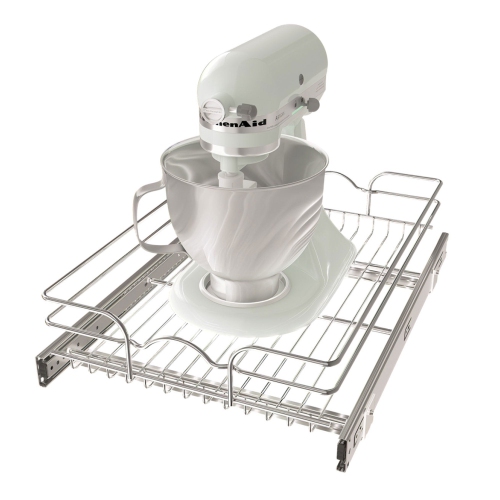
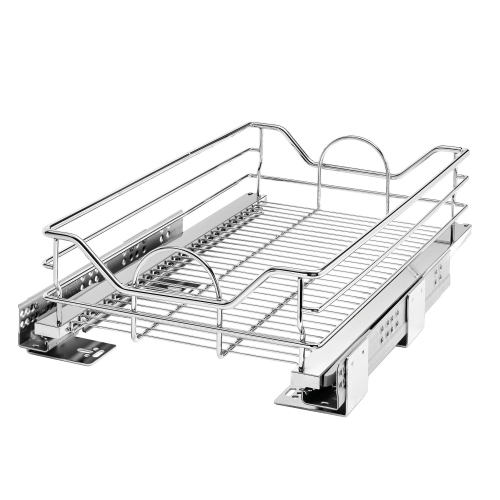
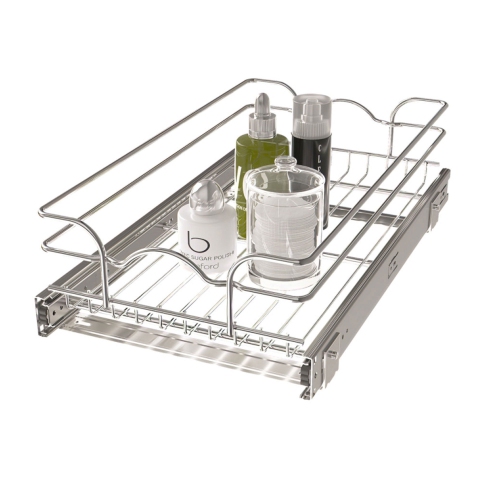
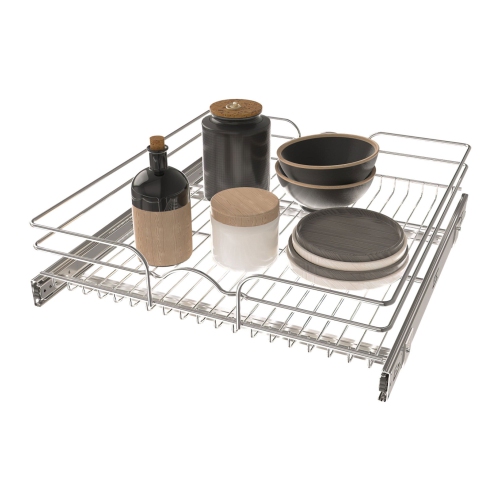
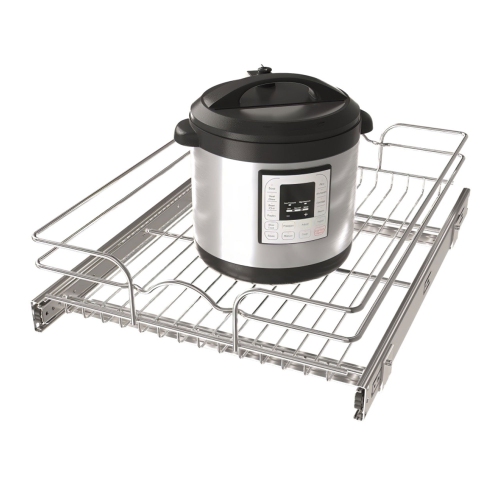
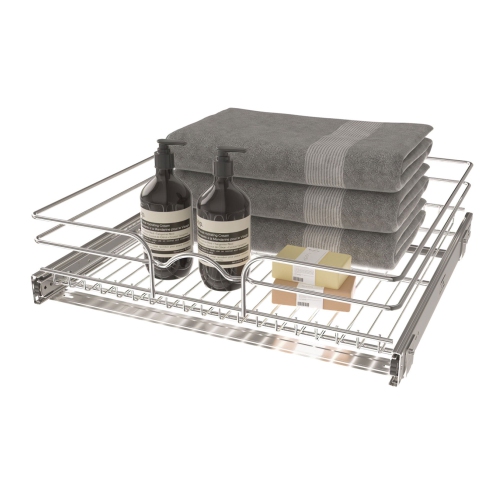
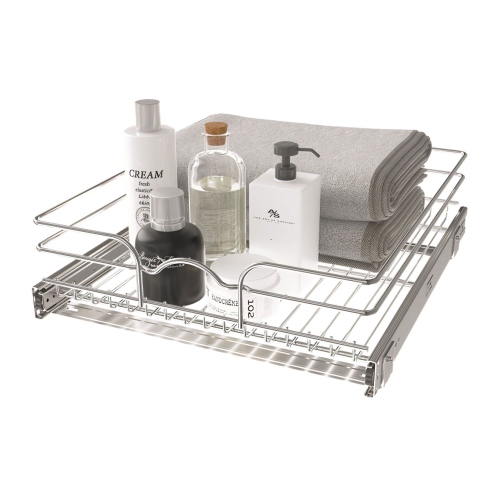
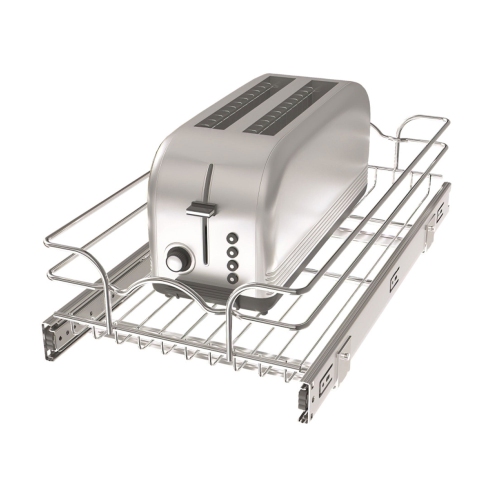
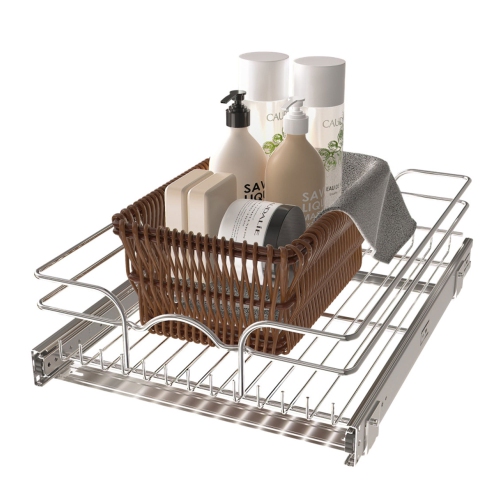
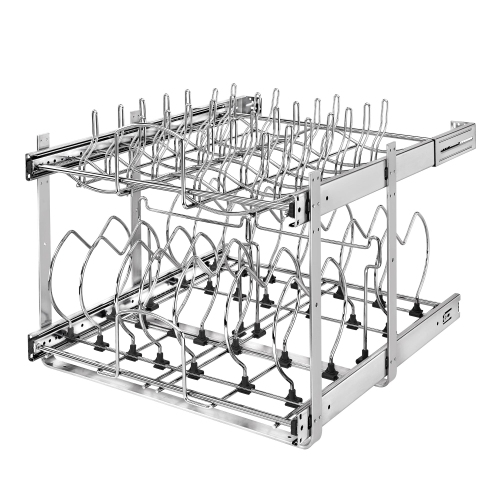

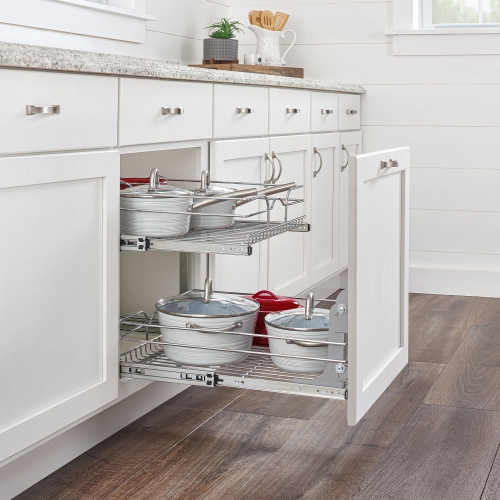
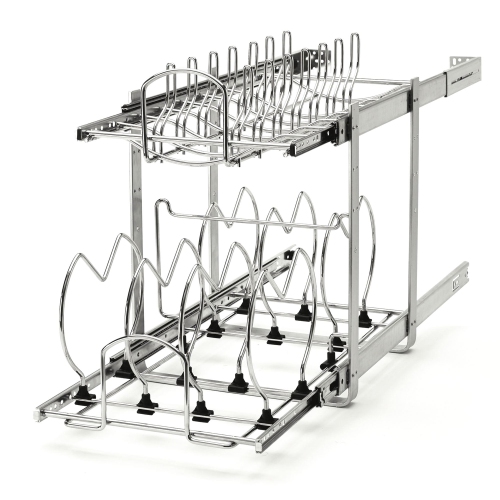
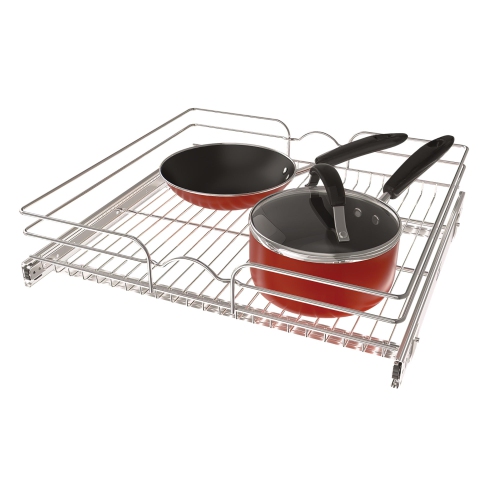
Even the back of the cupboard comes within reach
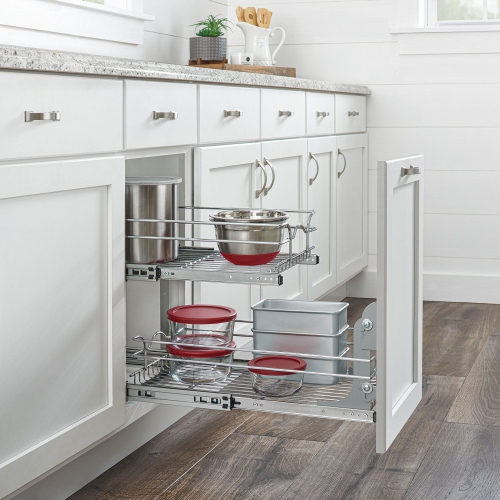
Pull-out kitchen cabinet shelves bring stored contents forward on sliding runners, making the back of a cupboard easier to see and reach. Also called roll-out shelves, slide-out trays, or sliding cabinet organizers, they add drawer-like access behind an existing cabinet door. Instead of shifting several saucepans to find a roasting dish, a sliding shelf lets the whole row move into view. That makes these organizers useful in deep base cabinets, narrow pantry cupboards, and other spaces where everyday essentials can disappear behind taller containers. Their main benefit is access rather than extra cabinet volume: a well-fitted tray helps make better use of the space already there, although its frame and runners occupy some room. Full-extension slides allow the tray to travel farther out of the cabinet, helping expose contents at the rear, while partial-extension designs leave part of the shelf inside. Raised edges help contain loose contents as the shelf moves, and taller basket sides can support upright packages or bottles. Low-sided trays are often convenient for lifting out cookware without having to clear a deep rim. For households that cook frequently, separate sliding shelves can keep pots, lids, baking supplies, and food-storage containers from becoming one crowded stack. In a smaller kitchen, the same approach can make a single cupboard serve several purposes without hiding frequently used essentials. People who find deep cupboards awkward to reach may appreciate the reduced need to lean into the cabinet, though the shelf height and effort needed to operate it still matter. Beyond the kitchen, Pull Out Cabinet Shelves can suit compatible cupboards in a laundry room or utility area. The most practical arrangement is one that matches what is stored, how often it is used, and the space needed to lift it out comfortably.
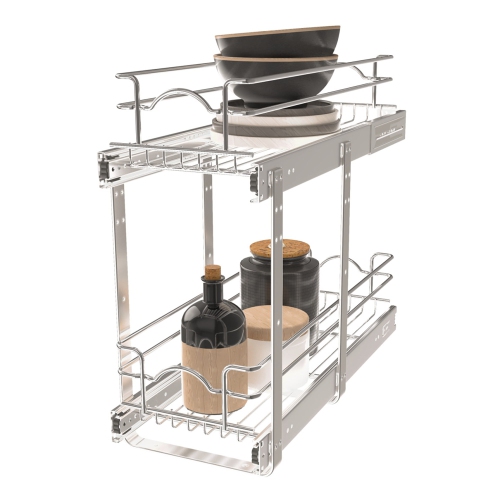
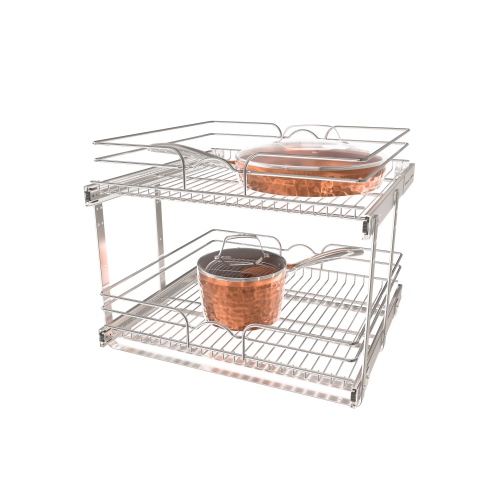
Materials and construction influence how a pull-out shelf feels in daily use, as well as what it can hold comfortably. Steel wire baskets provide an open view of their contents, so a small jar tucked behind a cereal container is less likely to go unnoticed. The gaps between wires can also let crumbs fall through, and narrow containers or small lids may sit unevenly unless the design includes a suitable base or liner. Solid metal trays offer a continuous surface that supports smaller objects, while wood and engineered-wood roll-out shelves can blend visually with cabinet interiors. A smooth, well-sealed wooden surface is easier to wipe than exposed edges, but standing water can damage wood-based materials. Metal finishes deserve attention too: protective coatings help shield the underlying surface, but chips and scratches may leave it more vulnerable to corrosion, particularly near plumbing. Stainless steel can be a practical choice where occasional splashes are likely, although it still benefits from cleaning and drying. Shelf construction matters just as much as the material name. Secure corners, a rigid base, and firmly attached runners help a tray remain steady as it moves under load. Published weight limits should be checked for the complete shelf assembly, with the understanding that mounting quality and cabinet condition also affect support. Heavy cookware is best kept within the stated capacity and distributed evenly rather than concentrated at one edge. Ball-bearing slides can provide smooth movement, while soft-close mechanisms, where included, slow the final part of closing to reduce abrupt contact. Neither feature replaces proper alignment or careful loading. A shelf used for lightweight snack packets has different demands from one carrying cast-iron cookware or several countertop appliances. Tiered designs can separate shorter supplies, but the upper basket reduces clearance for taller contents below. Single-level trays leave more vertical room for large mixing bowls, stockpots, and upright bottles. Matching the shelf style to those everyday shapes helps prevent an organized-looking cupboard from becoming awkward to use.
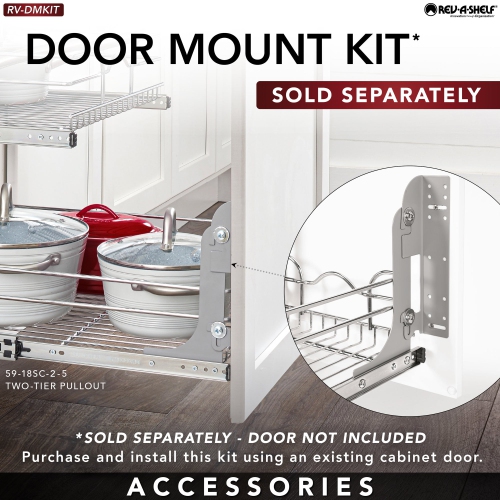
Fit depends on the usable cabinet opening, not just the width printed on a cabinet plan. Door hinges, a centre stile, an inset frame, or a door that does not swing fully clear can all narrow the path a shelf needs to travel. Width, depth, and height measurements therefore need to account for these obstructions, along with clearance for the runners and mounting brackets. Interior tray dimensions matter separately from overall dimensions: a unit may fit the cupboard while its storage surface is too narrow for a favourite baking dish. In base cabinets, pipes, shut-off valves, and the sink bowl can limit where a sliding organizer will sit. Under-sink designs with cut-outs or offset baskets may work around some plumbing layouts, but compatibility depends on the actual space, and valves should remain accessible. Adjustable-width organizers offer flexibility within their specified range; they do not automatically solve depth, hinge, or mounting restrictions. Installation methods also vary. Some shelves fasten to the cabinet floor or an existing shelf, while others require side mounting and may need spacers to clear a face frame. Screw-mounted runners need a sound surface and the correct hardware. Adhesive-mounted designs avoid drilling in suitable applications, but their load limits, surface requirements, and curing directions are especially important, and removal may affect the finish. Everyday care is generally straightforward: wipe spills promptly, remove crumbs from tray corners, and keep the slide paths free of packaging or loose contents. A soft cloth and a cleaner approved for the shelf material help protect its surface; abrasive pads and excess water can damage certain finishes. Runners should be maintained according to their instructions rather than treated with an all-purpose lubricant by default. If a shelf starts rubbing, sagging, or resisting movement, the load, alignment, and fasteners deserve attention before it is used further. With an appropriate fit and sensible loading, pull-out cabinet shelving can make ordinary kitchen routines less cumbersome, whether that means reaching a colander during dinner preparation or putting away a stack of containers without emptying half the cupboard.
Materials and construction influence how a pull-out shelf feels in daily use, as well as what it can hold comfortably. Steel wire baskets provide an open view of their contents, so a small jar tucked behind a cereal container is less likely to go unnoticed. The gaps between wires can also let crumbs fall through, and narrow containers or small lids may sit unevenly unless the design includes a suitable base or liner. Solid metal trays offer a continuous surface that supports smaller objects, while wood and engineered-wood roll-out shelves can blend visually with cabinet interiors. A smooth, well-sealed wooden surface is easier to wipe than exposed edges, but standing water can damage wood-based materials. Metal finishes deserve attention too: protective coatings help shield the underlying surface, but chips and scratches may leave it more vulnerable to corrosion, particularly near plumbing. Stainless steel can be a practical choice where occasional splashes are likely, although it still benefits from cleaning and drying. Shelf construction matters just as much as the material name. Secure corners, a rigid base, and firmly attached runners help a tray remain steady as it moves under load. Published weight limits should be checked for the complete shelf assembly, with the understanding that mounting quality and cabinet condition also affect support. Heavy cookware is best kept within the stated capacity and distributed evenly rather than concentrated at one edge. Ball-bearing slides can provide smooth movement, while soft-close mechanisms, where included, slow the final part of closing to reduce abrupt contact. Neither feature replaces proper alignment or careful loading. A shelf used for lightweight snack packets has different demands from one carrying cast-iron cookware or several countertop appliances. Tiered designs can separate shorter supplies, but the upper basket reduces clearance for taller contents below. Single-level trays leave more vertical room for large mixing bowls, stockpots, and upright bottles. Matching the shelf style to those everyday shapes helps prevent an organized-looking cupboard from becoming awkward to use.
Fit depends on the usable cabinet opening, not just the width printed on a cabinet plan. Door hinges, a centre stile, an inset frame, or a door that does not swing fully clear can all narrow the path a shelf needs to travel. Width, depth, and height measurements therefore need to account for these obstructions, along with clearance for the runners and mounting brackets. Interior tray dimensions matter separately from overall dimensions: a unit may fit the cupboard while its storage surface is too narrow for a favourite baking dish. In base cabinets, pipes, shut-off valves, and the sink bowl can limit where a sliding organizer will sit. Under-sink designs with cut-outs or offset baskets may work around some plumbing layouts, but compatibility depends on the actual space, and valves should remain accessible. Adjustable-width organizers offer flexibility within their specified range; they do not automatically solve depth, hinge, or mounting restrictions. Installation methods also vary. Some shelves fasten to the cabinet floor or an existing shelf, while others require side mounting and may need spacers to clear a face frame. Screw-mounted runners need a sound surface and the correct hardware. Adhesive-mounted designs avoid drilling in suitable applications, but their load limits, surface requirements, and curing directions are especially important, and removal may affect the finish. Everyday care is generally straightforward: wipe spills promptly, remove crumbs from tray corners, and keep the slide paths free of packaging or loose contents. A soft cloth and a cleaner approved for the shelf material help protect its surface; abrasive pads and excess water can damage certain finishes. Runners should be maintained according to their instructions rather than treated with an all-purpose lubricant by default. If a shelf starts rubbing, sagging, or resisting movement, the load, alignment, and fasteners deserve attention before it is used further. With an appropriate fit and sensible loading, pull-out cabinet shelving can make ordinary kitchen routines less cumbersome, whether that means reaching a colander during dinner preparation or putting away a stack of containers without emptying half the cupboard.
Top selling and popular products
-
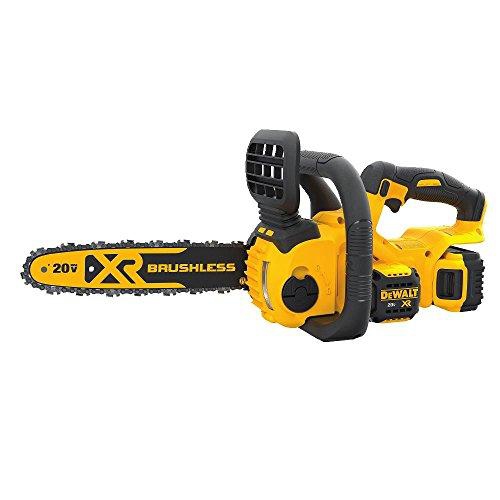 Your price for this item is $537.55
 -
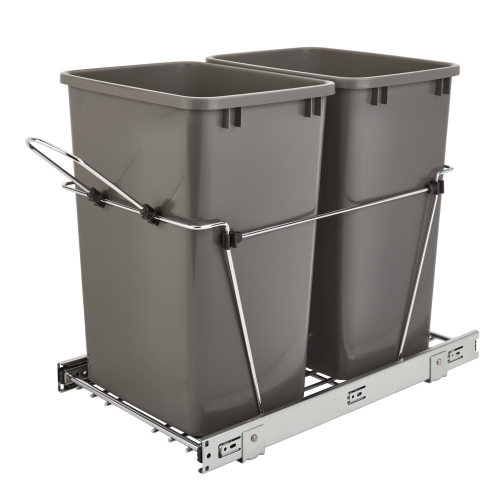 Your price for this item is $250.99
 -
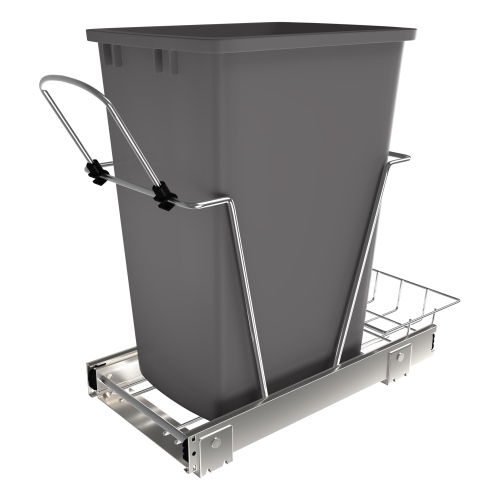 Your price for this item is $186.99
 -
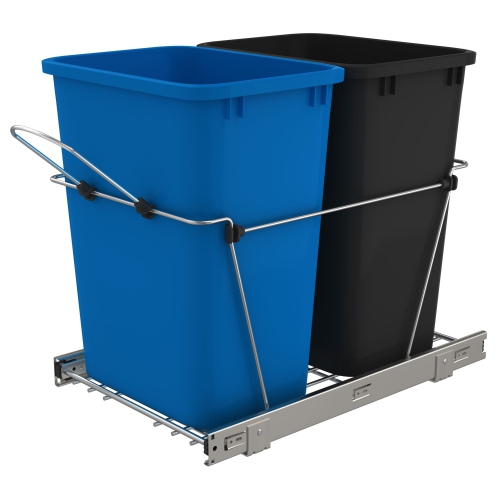 Your price for this item is $238.99
 -
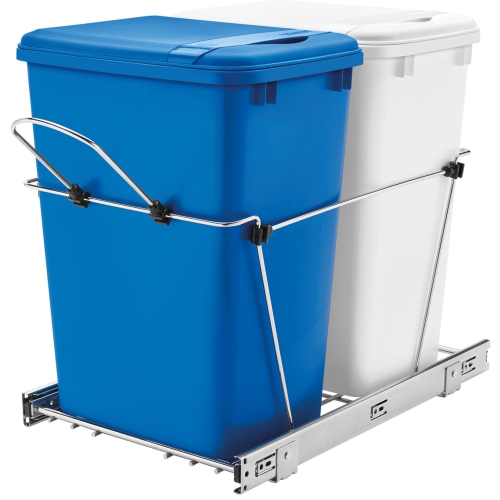 Your price for this item is $226.99
 -
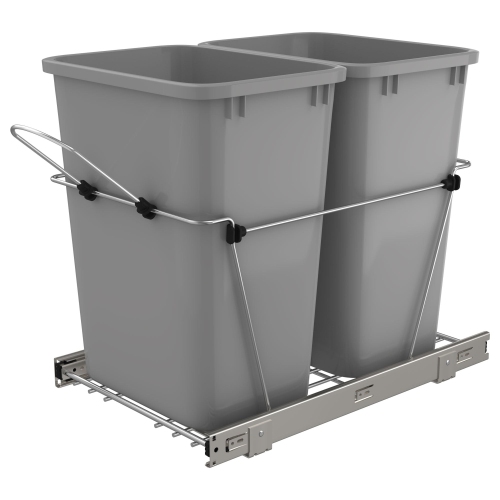 Your price for this item is $231.99
 -
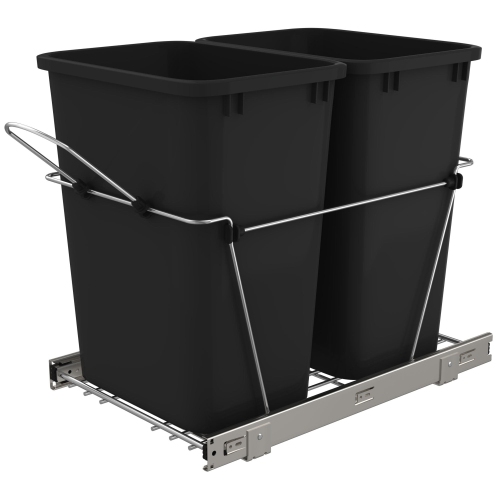 Your price for this item is $230.99
 -
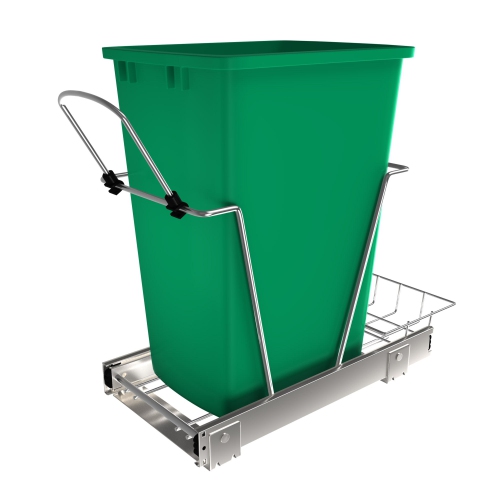 Your price for this item is $193.99
Discover more categories related to Pull Out Kitchen Cabinet Shelves
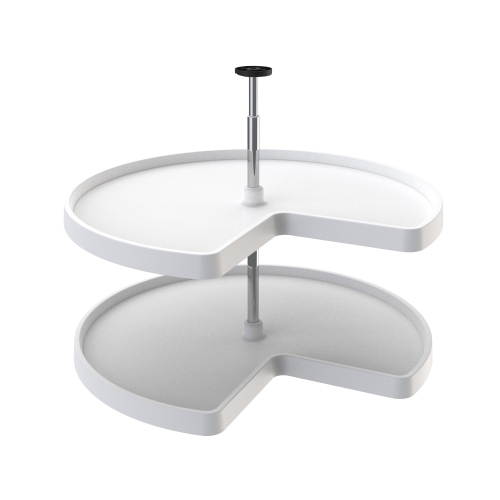
Top Collections:
Pokemon Centers, Kindle Devices, Best Budget Office Chairs, Apple iPhones 16, Best Laptops for Writers, iPhone 15 Apple, Canon G7X Cameras, Refurbished Apple Laptops, Alarm Clock, Motorola Razr Phones
Some products may be subject to Environmental Handling Fees
(EHF) depending on your province.
Learn more about EHFs.