Puppy Pads
Puppy pads are an essential tool for pet owners looking to simplify the process of housetraining their furry friends. Whether you're welcoming a new puppy into your home or need a reliable solution for older dogs, these pads offer a convenient and hygienic way to manage indoor bathroom needs. Designed to be absorbent and easy to use, they help protect your floors while providing a designated spot for your pet. Explore the variety of options available to find the perfect fit for your lifestyle and ensure a clean, stress-free environment for you and your pup.
Sort
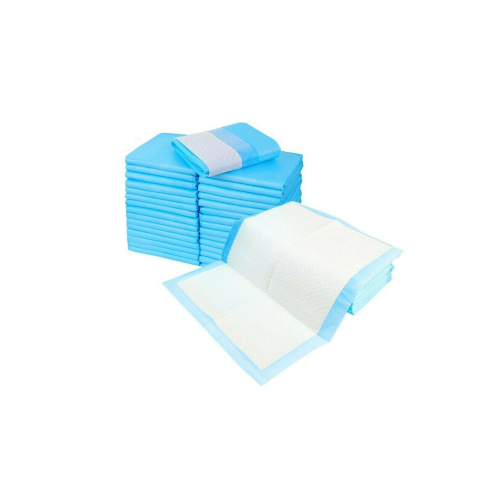
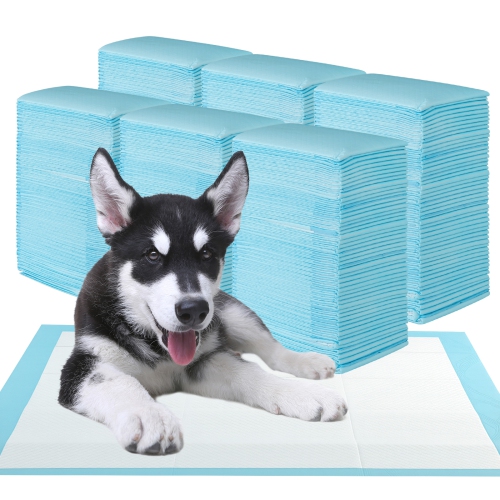
![POLOOLS [100-Pack] X-Large Puppy Pads 34"x28" – Leak-Proof Quick-Dry Pee Pads for Dogs, 6-Layer Absorbent Training Pads for Large & Small Dogs](https://multimedia.bbycastatic.ca/multimedia/products/500x500/195/19586/19586987.webp)
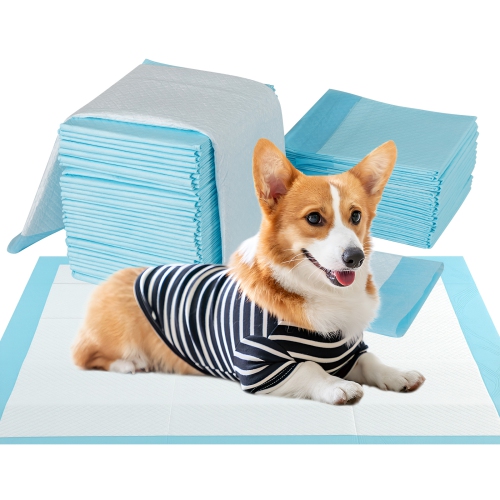
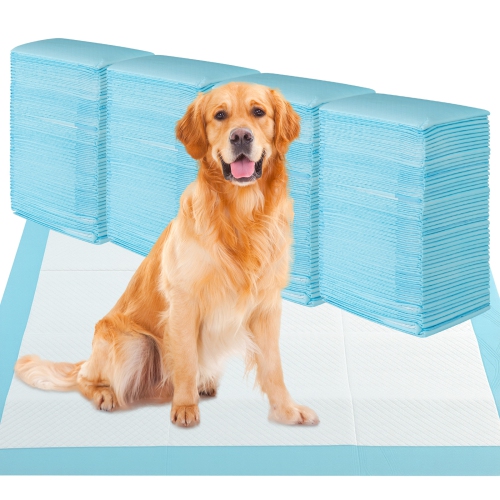
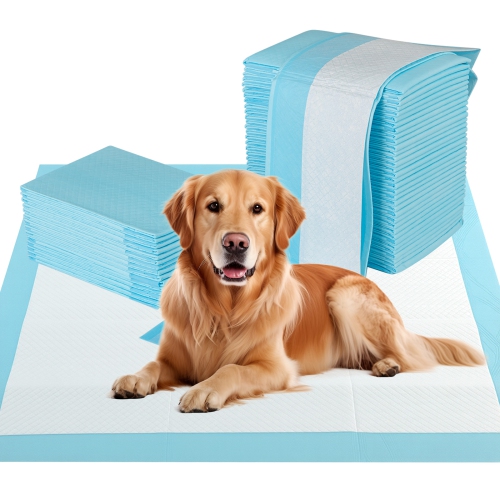
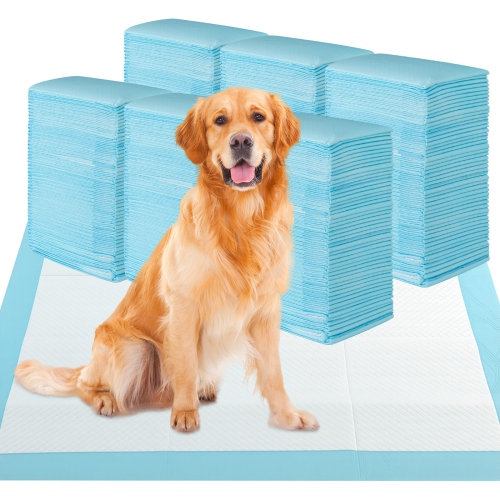
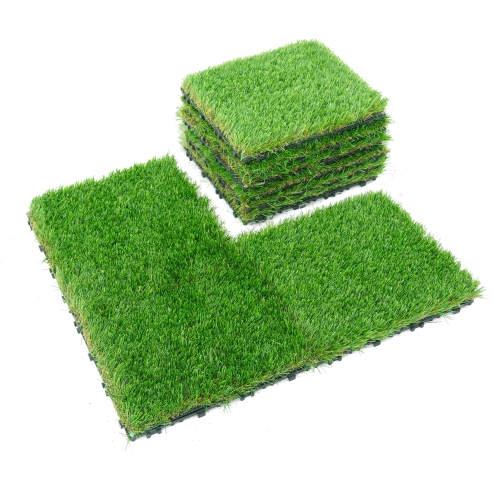
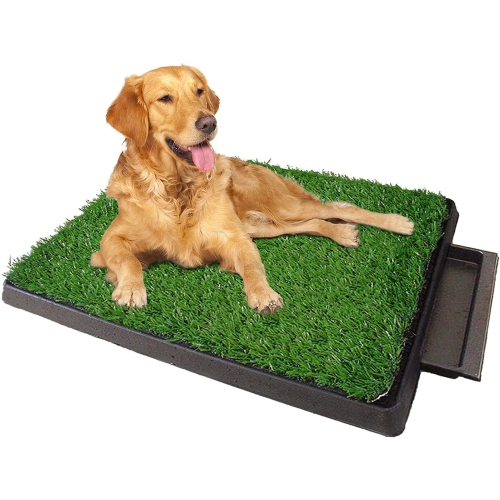
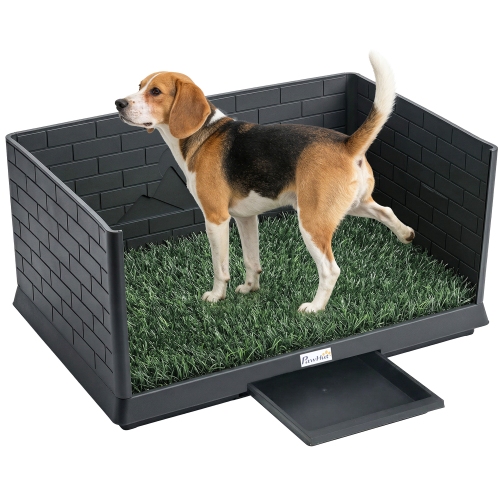
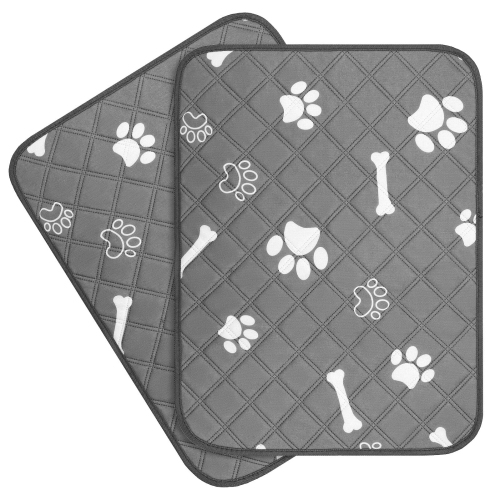
Indoor support for house training and changing routines
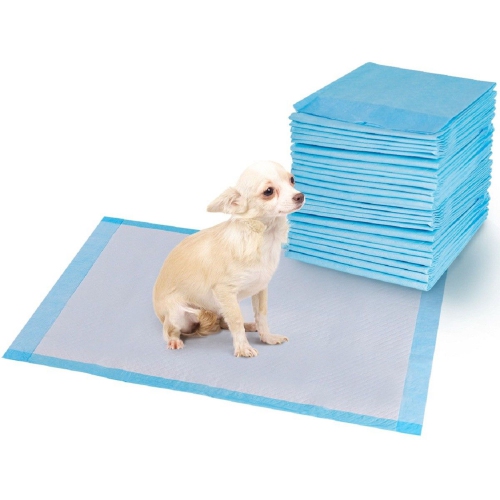
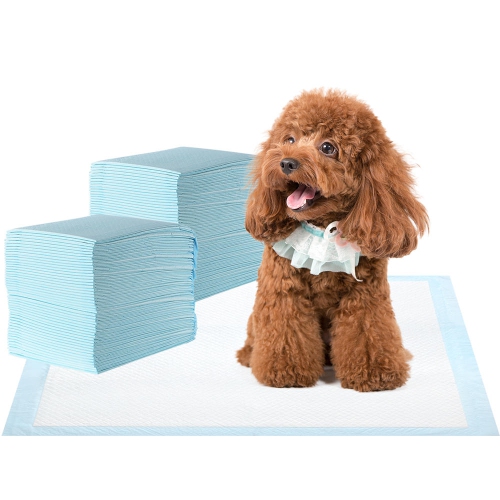
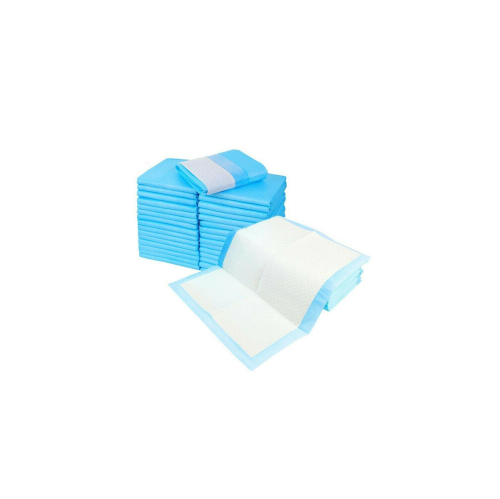
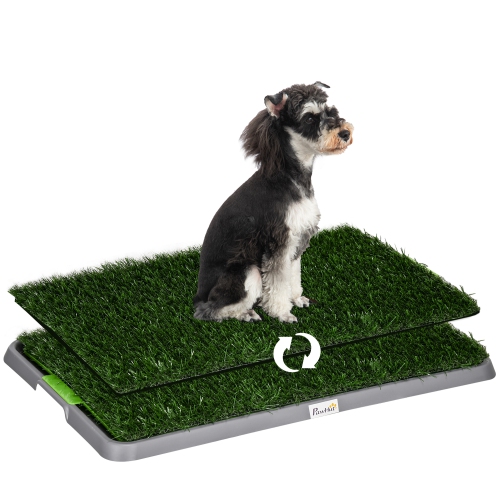
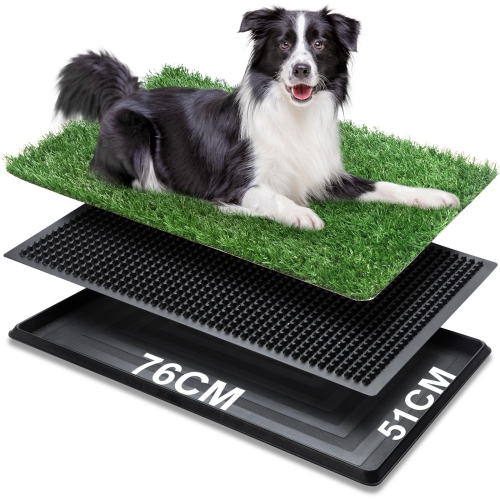
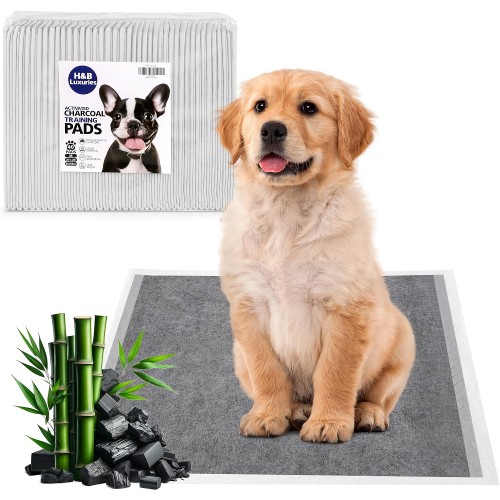
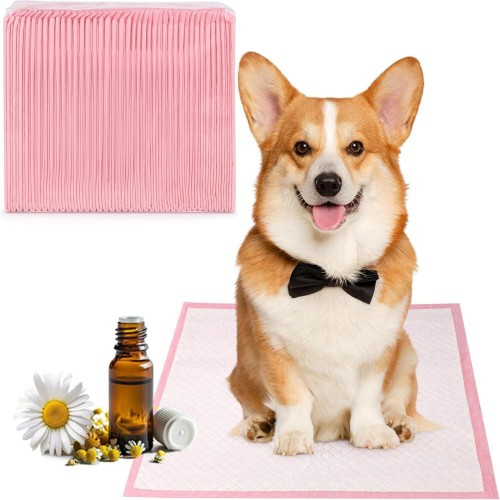
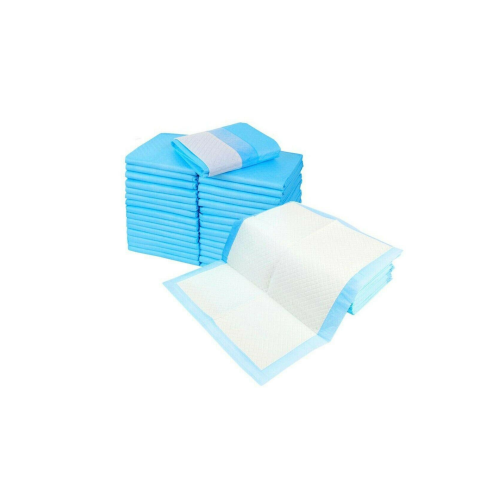
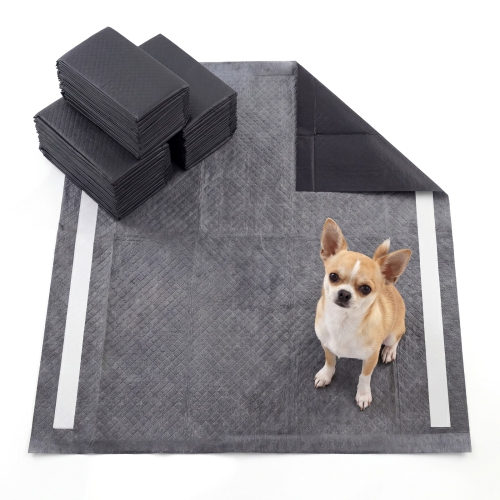
Puppy pads provide dogs with a designated indoor place to urinate when going outside is not practical. They can be especially useful during the first stages of house training, when a young puppy is still developing bladder control and may need frequent bathroom breaks. They may also suit people living in apartments or high-rise buildings, households without immediate outdoor access, and families caring for a puppy that has not completed its vaccinations. During cooler months, indoor pads can offer a convenient backup when heavy rain, snow, strong wind, or icy walkways make a quick outdoor trip difficult. They can also help senior dogs, dogs recovering from surgery, or pets with limited mobility, although changes in bathroom habits should be discussed with a veterinarian. Explore Puppy Toilet Training Pads to compare options for different routines and living spaces. Pads are commonly made with an absorbent inner layer and a moisture-resistant backing designed to help protect flooring. When choosing, consider the pad’s overall size, absorbency, leak-resistant edges, surface texture, and how easily it can be replaced or cleaned. A small puppy may manage well with a compact pad, while a larger dog or a pet that tends to circle before settling may need a more generous surface area. Place the pad on a flat, stable floor in a quiet location that is easy for the puppy to reach, while keeping it well away from food, water, and bedding. A consistent location helps build recognition, particularly when a new puppy is still learning the layout of the home.
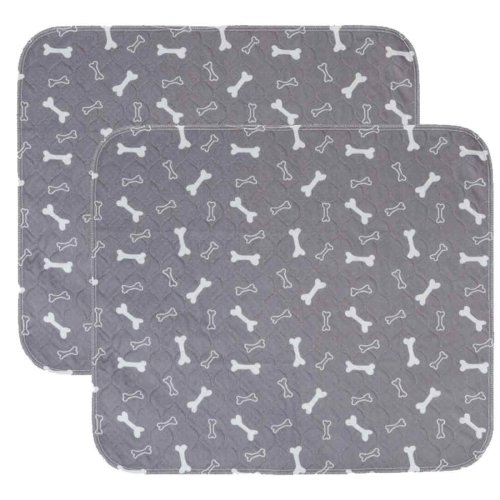
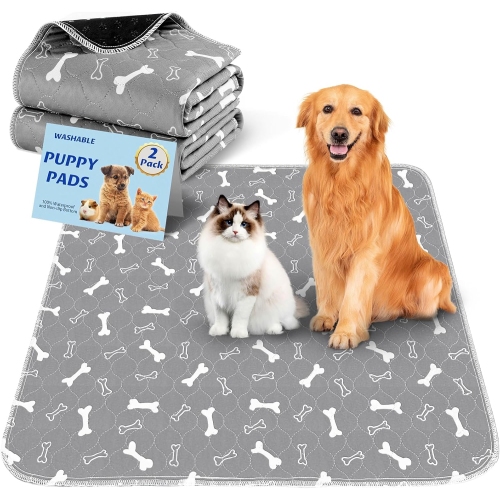
A simple routine can make puppy pads easier for a dog to understand. Bring the puppy to the pad after waking, eating, drinking, playing, or taking a nap, as these are common times when they may need to relieve themselves. Stay nearby without creating too much excitement, and allow a few calm minutes for the puppy to investigate and use the designated area. Immediate praise, gentle affection, or a small suitable treat can help reinforce the connection between using the pad and receiving a positive response. Accidents are a normal part of early training, so clean them promptly with a pet-safe cleaner and avoid scolding, which can make a puppy nervous about eliminating in front of people. Keep the pad in the same place whenever possible, and make the route to it clear by moving away toys, bags, and other obstacles. If the puppy repeatedly misses the edge, a larger pad or a second pad positioned beside the first may provide more room while the routine develops. Disposable pads can be convenient for busy households, travel, visitors, or situations where quick replacement matters. Washable pads may fit households that prefer a reusable option and have access to regular laundry, but they should be changed and washed according to the care instructions so the area remains fresh and comfortable. For either style, check the pad regularly and replace it when it is wet, heavily soiled, torn, or no longer staying securely in place.
Puppy pads are best used as part of a broader bathroom routine rather than as the only training method. Some families use them as a temporary indoor solution, gradually moving the pad closer to the door and then transitioning to outdoor trips as the puppy gains control and confidence. Others continue using pads as a backup for long workdays, overnight needs, bad weather, travel, or homes where outdoor access is limited. The most effective approach depends on the dog’s age, health, temperament, vaccination status, and living arrangement. Puppies may need more frequent opportunities than owners expect, and a pad should never be treated as a substitute for regular exercise, fresh air, play, and supervised outdoor time when those activities are safe and appropriate. During the transition between indoor and outdoor routines, keep the schedule predictable and watch for signs such as sniffing, circling, restlessness, or suddenly moving away from play. Accidents may also happen when a puppy is tired, excited, distracted, or adjusting to a new home. Guests, furniture changes, travel, and unfamiliar noises can interrupt a developing routine, so keeping a familiar pad location and offering calm reminders can be helpful. Puppy pads may also be a practical gift for someone welcoming a new dog, preparing an apartment for a puppy, or caring for a pet with temporary indoor needs. A thoughtful selection includes enough coverage for the dog’s size, a placement area that is easy to reach, and a routine that allows for frequent checks. With patience, clear repetition, prompt rewards, and a clean designated space, puppy pads can support a more manageable home routine while a dog learns where bathroom breaks belong.
A simple routine can make puppy pads easier for a dog to understand. Bring the puppy to the pad after waking, eating, drinking, playing, or taking a nap, as these are common times when they may need to relieve themselves. Stay nearby without creating too much excitement, and allow a few calm minutes for the puppy to investigate and use the designated area. Immediate praise, gentle affection, or a small suitable treat can help reinforce the connection between using the pad and receiving a positive response. Accidents are a normal part of early training, so clean them promptly with a pet-safe cleaner and avoid scolding, which can make a puppy nervous about eliminating in front of people. Keep the pad in the same place whenever possible, and make the route to it clear by moving away toys, bags, and other obstacles. If the puppy repeatedly misses the edge, a larger pad or a second pad positioned beside the first may provide more room while the routine develops. Disposable pads can be convenient for busy households, travel, visitors, or situations where quick replacement matters. Washable pads may fit households that prefer a reusable option and have access to regular laundry, but they should be changed and washed according to the care instructions so the area remains fresh and comfortable. For either style, check the pad regularly and replace it when it is wet, heavily soiled, torn, or no longer staying securely in place.
Puppy pads are best used as part of a broader bathroom routine rather than as the only training method. Some families use them as a temporary indoor solution, gradually moving the pad closer to the door and then transitioning to outdoor trips as the puppy gains control and confidence. Others continue using pads as a backup for long workdays, overnight needs, bad weather, travel, or homes where outdoor access is limited. The most effective approach depends on the dog’s age, health, temperament, vaccination status, and living arrangement. Puppies may need more frequent opportunities than owners expect, and a pad should never be treated as a substitute for regular exercise, fresh air, play, and supervised outdoor time when those activities are safe and appropriate. During the transition between indoor and outdoor routines, keep the schedule predictable and watch for signs such as sniffing, circling, restlessness, or suddenly moving away from play. Accidents may also happen when a puppy is tired, excited, distracted, or adjusting to a new home. Guests, furniture changes, travel, and unfamiliar noises can interrupt a developing routine, so keeping a familiar pad location and offering calm reminders can be helpful. Puppy pads may also be a practical gift for someone welcoming a new dog, preparing an apartment for a puppy, or caring for a pet with temporary indoor needs. A thoughtful selection includes enough coverage for the dog’s size, a placement area that is easy to reach, and a routine that allows for frequent checks. With patience, clear repetition, prompt rewards, and a clean designated space, puppy pads can support a more manageable home routine while a dog learns where bathroom breaks belong.
Top selling and popular products
-
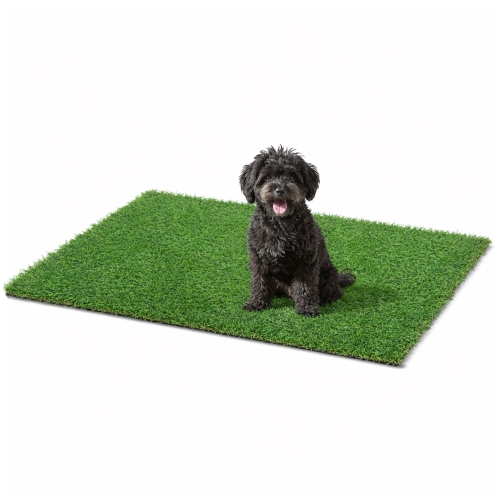 Your price for this item is $103.99
 -
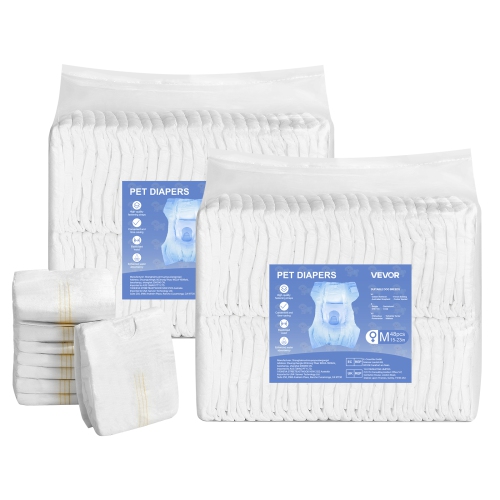 Your price for this item is $31.98
 -
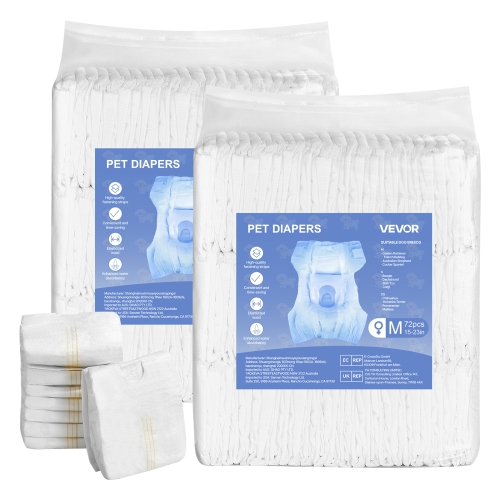 Your price for this item is $52.77
 -
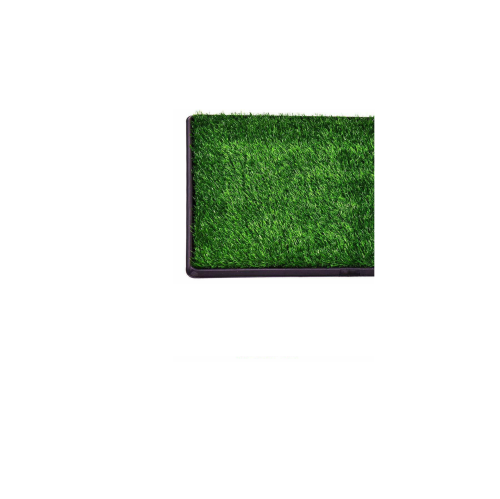 Your price for this item is $170
 -
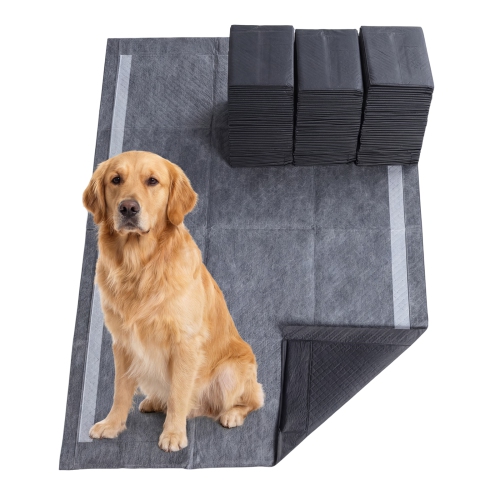 Your price for this item is $79.99
 -
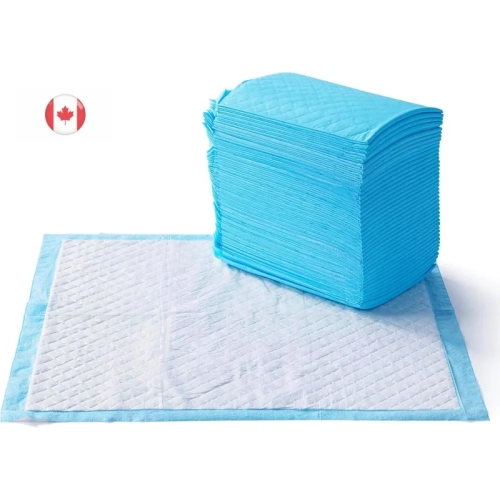 Your price for this item is $39.99
 -
 Your price for this item is $200
 -
 Your price for this item is $68
Discover more categories related to Puppy Pads
Top Collections:
Pokemon Centers, Kindle Devices, Best Budget Office Chairs, Apple iPhones 16, Canon G7X Cameras, iPhone 15 Apple, Alarm Clock, Refurbished Apple Laptops, Flip Phones, Best Laptops for Writers
Some products may be subject to Environmental Handling Fees
(EHF) depending on your province.
Learn more about EHFs.