Purple Area Rugs for Bedrooms
Purple Area Rugs for Bedrooms add a vibrant touch to any sleeping space, creating a cozy and inviting atmosphere. With a variety of shades and patterns available, these rugs are designed to complement both modern and classic bedroom décor. Whether you're looking to make a bold statement or add a subtle accent, Purple Area Rugs for Bedrooms offer versatile options to suit your style. Refresh your room with a pop of color and enjoy the comfort these rugs bring to your personal retreat.
Sort
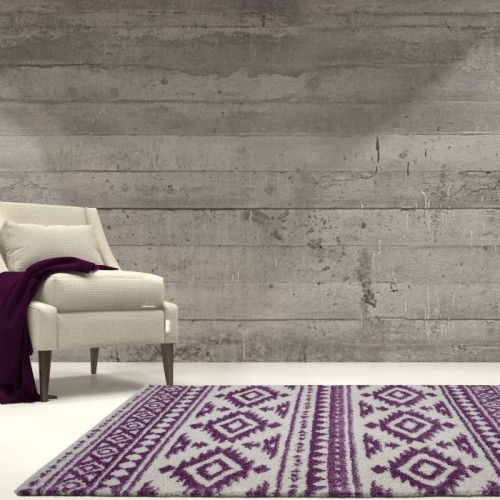
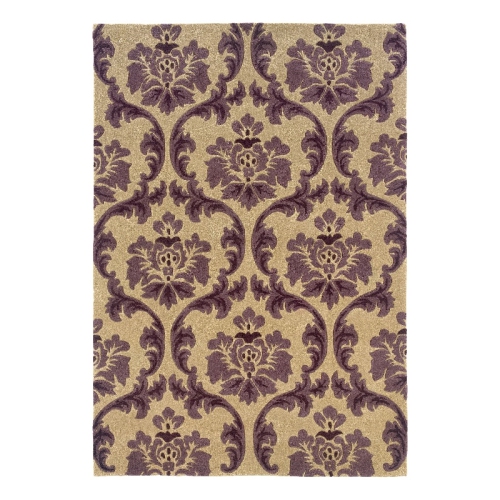
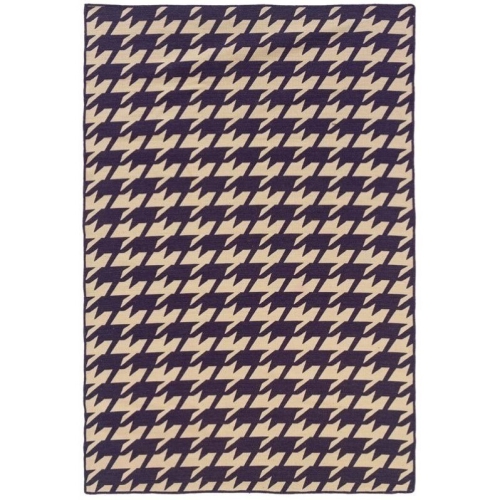
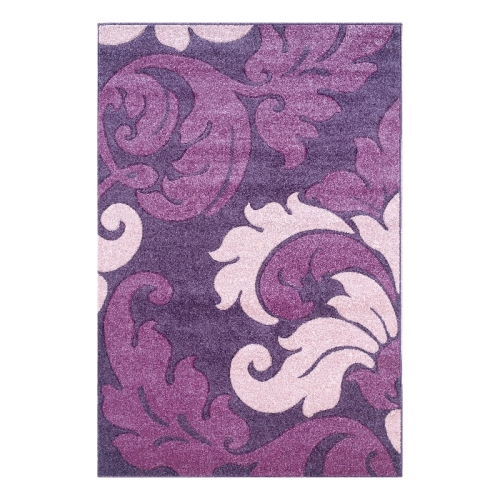

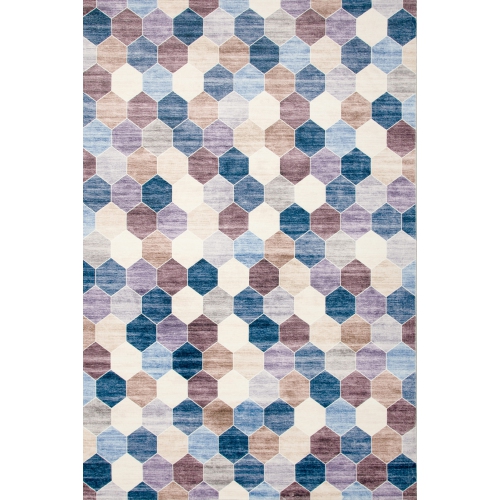
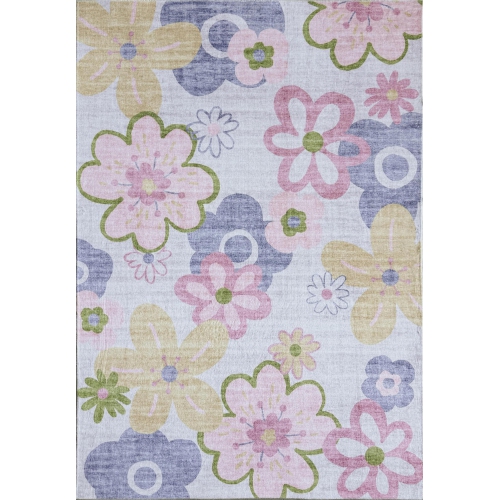
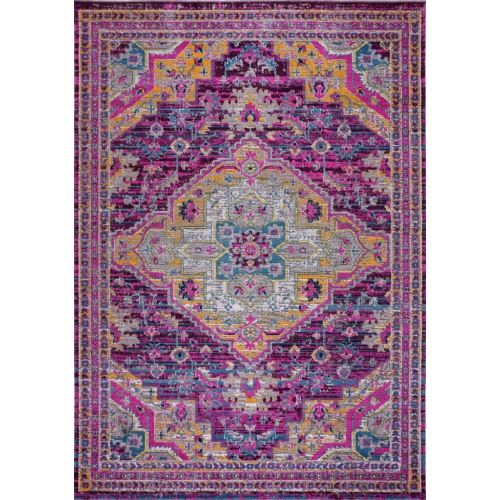
How purple shades shape the feel of your bedroom
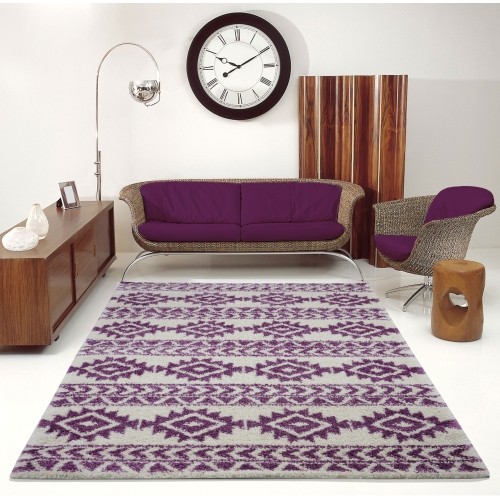
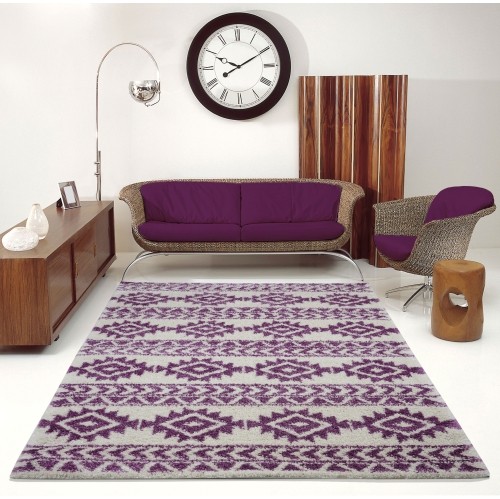
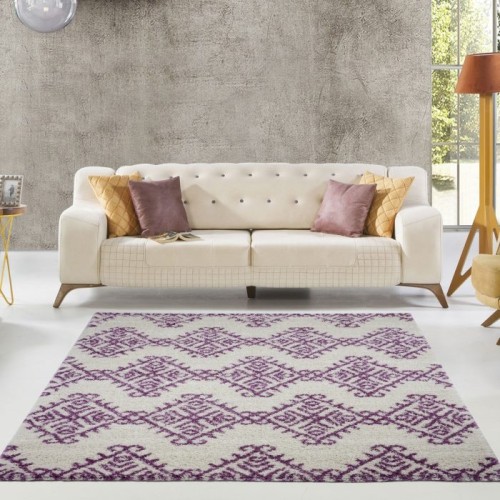
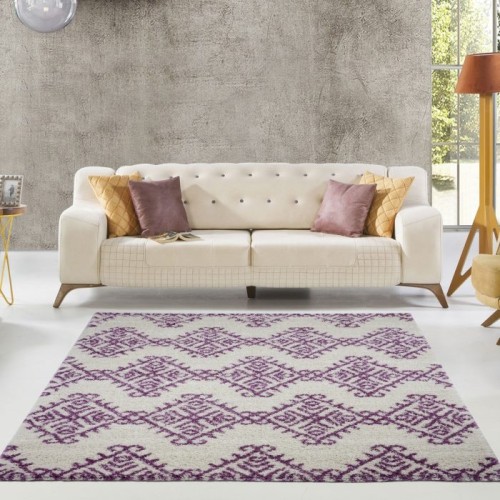
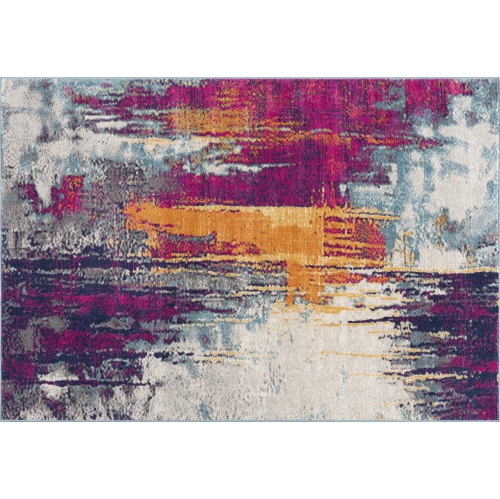
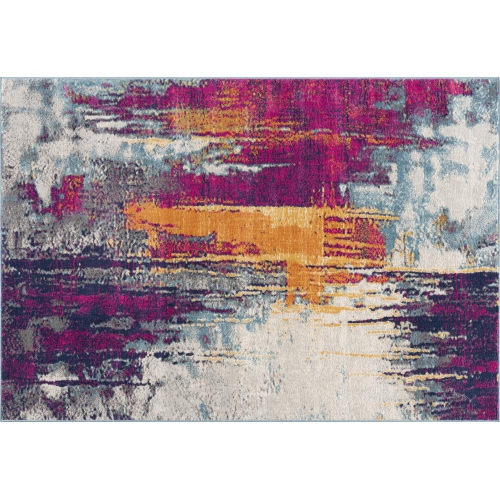
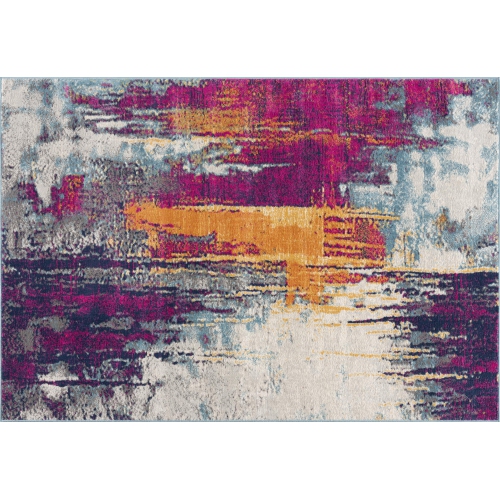
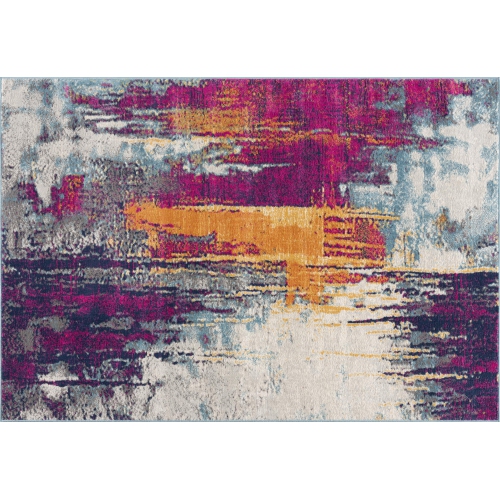
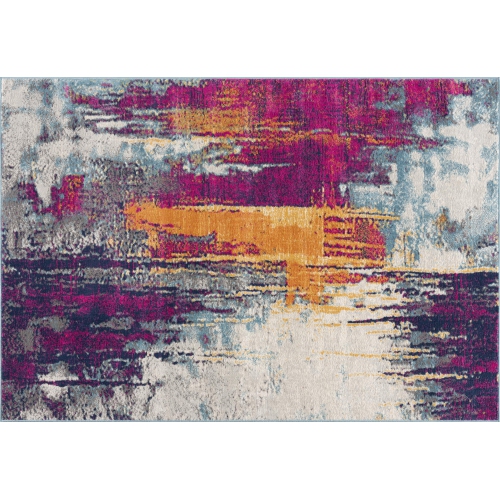
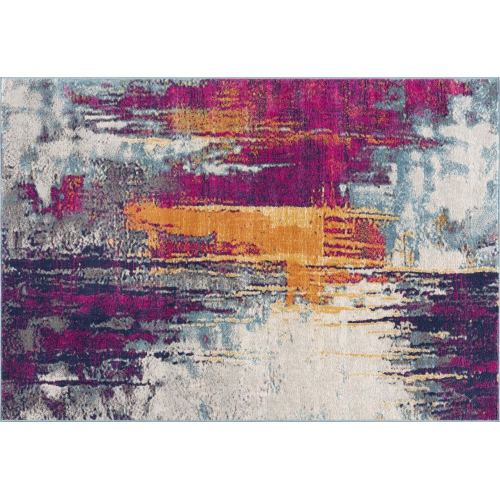
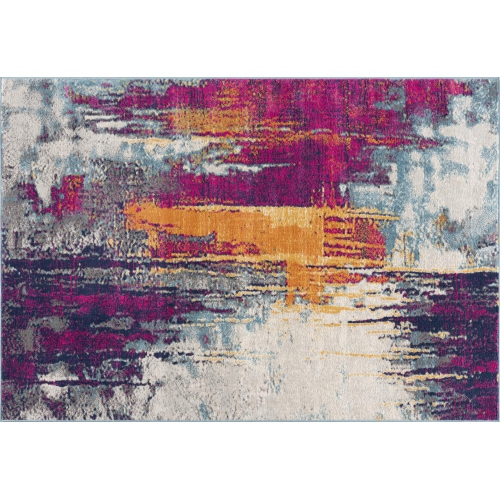
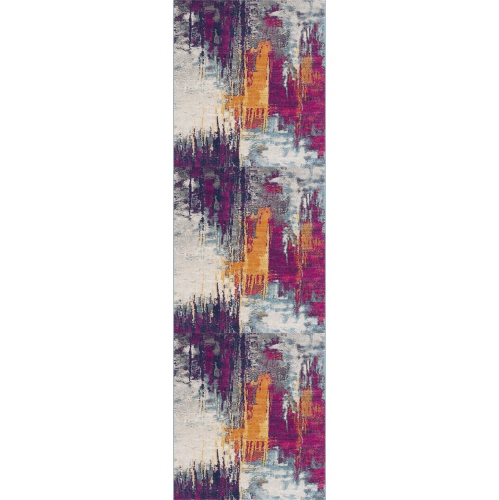
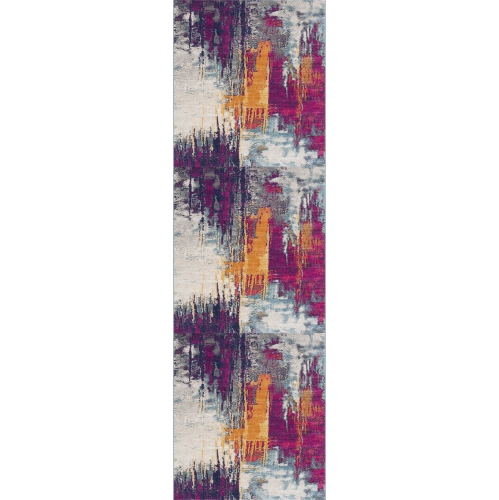
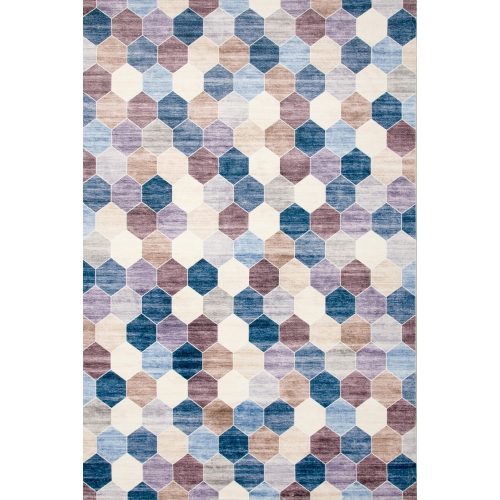
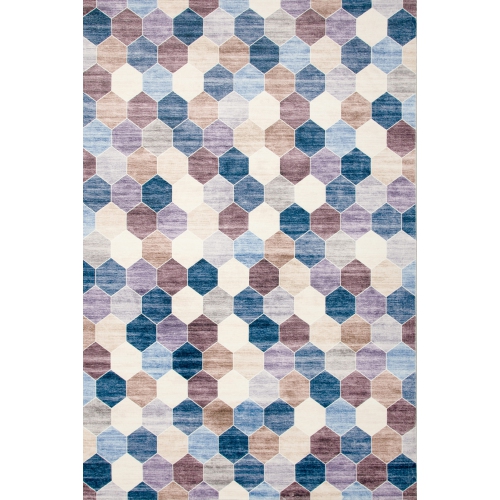
Purple area rugs for bedrooms bring colour, texture, and a softer surface to the space beside and beneath a bed. The effect depends as much on the shade as on the size of the rug: pale lavender can feel light and understated, dusty mauve pairs easily with muted furnishings, and deep plum or aubergine creates a more pronounced focal point. A lilac rug against white bedding and pale wood furniture gives a room a gentle wash of colour, while a dark purple rug alongside charcoal upholstery and brass accents feels richer and more defined. Grey, cream, beige, and natural wood tones help balance purple without competing with it. For a coordinated bedroom, a small repetition of the rug’s colour in a cushion, throw, or piece of wall art is often enough; matching every accessory can make the room feel less relaxed. Solid-colour rugs put the emphasis on shade and texture, whereas floral, geometric, abstract, and traditional patterns introduce more movement. A pattern with several purple tones can also bridge different finishes, such as a painted bed frame and a wood dresser. In a compact bedroom, a light-toned rug with a subtle design can keep the floor from looking visually busy. In a larger room with simple furniture, a bolder pattern can help define the sleeping area. Purple works in primary bedrooms, guest rooms, and children’s or teens’ rooms, with the overall style shaped by the surrounding furniture rather than the colour alone. Soft lavender paired with rounded furniture has a different character from violet paired with clean lines and black accents. Lighting matters, too: a purple that looks pinkish in one room may appear more blue in another. Product photography offers a useful starting point, but the listed colour description and images showing the pile from different angles can help clarify the intended finish. For a neighbouring room or a different colour direction, Blue Rugs for Bedrooms offers another way to explore colour beneath bedroom furniture.
Size and placement determine whether a bedroom area rug feels connected to the furniture or sits like an isolated patch on the floor. Common dimensions such as 3 by 5 feet, 5 by 8 feet, and 8 by 10 feet serve different layouts, but the right fit depends on the bed’s footprint, the room’s proportions, and the position of doors and storage. A small rug can create a soft landing beside a single bed or define a reading corner with a chair and footstool. A larger rectangular rug placed beneath the lower portion of a bed can extend beyond both sides and the foot, leaving a visible border where bare feet naturally touch down. For many layouts, roughly 18 to 24 inches of exposed rug along the sides provides useful stepping space, though narrow rooms may need a different arrangement. An 8-by-10-foot rug is a common starting point for a queen-bed layout, not a guarantee of fit; a wide bed frame, bedside tables, or a nearby dresser can change the proportions. Measuring the actual furniture and marking the proposed rug edges with painter’s tape makes those relationships easier to picture. Side runners are another option when a full-size rug would disappear beneath the bed or interfere with drawers. In a shared bedroom, separate bedside rugs can give each sleeping area its own colour accent while keeping the centre of the room open. Round rugs suit some reading nooks and open floor areas, particularly where their curved outline contrasts with rectangular furniture. Clearance deserves attention wherever a door swings over the rug or a drawer opens close to the floor. A thick pile that feels pleasant underfoot can become inconvenient if it catches beneath a closet door. Underlay adds height as well, so the combined thickness matters. A suitably sized rug pad, compatible with both the rug backing and the flooring, can help reduce shifting and add cushioning. On carpet, an underlay designed specifically for that surface may help limit movement, though it is still important to check that edges remain flat.
Materials and construction influence how a purple bedroom rug feels, how it wears, and how much care it needs. Wool offers a cushioned feel and natural resilience, making it well suited to bedrooms where comfort and lasting texture matter, although some shedding can occur and cleaning requirements vary. Polypropylene is commonly used for rugs intended to handle everyday wear and resist many household stains; it can be practical in children’s rooms or spaces shared with pets. Polyester can provide softness and clear colour, while cotton often appears in lighter woven designs that are easier to move. Washability should always be confirmed in the care instructions rather than assumed from the fibre alone. A large washable rug may also need more machine capacity than a household washer provides. Pile height is just as important as material. A plush or shag rug creates a deeply textured bedside surface, but its longer fibres can hold crumbs, lint, and small objects, making it less convenient where children play with small building pieces or where pets shed heavily. Low-pile and flatwoven rugs offer a smoother surface that is generally easier to vacuum and better suited to a bedroom desk chair, though chair movement still depends on the weave, pad, and castors. Dense construction, secure edges, and a backing suited to the intended floor are useful details to check for durability. Pattern and tone affect upkeep visually as well: a varied mauve design may disguise everyday lint better than a very dark, solid plum surface, while pale lavender can make muddy marks more noticeable. Regular vacuuming with a setting appropriate to the construction helps remove grit before it settles into the fibres. Spills are best blotted promptly rather than rubbed, using only cleaning methods permitted by the care label. Rotating a rug periodically can help distribute foot traffic and light exposure more evenly, especially beside a frequently used bed. For guest rooms, easy maintenance may take priority; for a quiet bedside spot, softness may matter most. The most useful choice brings together the preferred purple shade, a comfortable texture, and dimensions that make sense for everyday movement through the room.
Size and placement determine whether a bedroom area rug feels connected to the furniture or sits like an isolated patch on the floor. Common dimensions such as 3 by 5 feet, 5 by 8 feet, and 8 by 10 feet serve different layouts, but the right fit depends on the bed’s footprint, the room’s proportions, and the position of doors and storage. A small rug can create a soft landing beside a single bed or define a reading corner with a chair and footstool. A larger rectangular rug placed beneath the lower portion of a bed can extend beyond both sides and the foot, leaving a visible border where bare feet naturally touch down. For many layouts, roughly 18 to 24 inches of exposed rug along the sides provides useful stepping space, though narrow rooms may need a different arrangement. An 8-by-10-foot rug is a common starting point for a queen-bed layout, not a guarantee of fit; a wide bed frame, bedside tables, or a nearby dresser can change the proportions. Measuring the actual furniture and marking the proposed rug edges with painter’s tape makes those relationships easier to picture. Side runners are another option when a full-size rug would disappear beneath the bed or interfere with drawers. In a shared bedroom, separate bedside rugs can give each sleeping area its own colour accent while keeping the centre of the room open. Round rugs suit some reading nooks and open floor areas, particularly where their curved outline contrasts with rectangular furniture. Clearance deserves attention wherever a door swings over the rug or a drawer opens close to the floor. A thick pile that feels pleasant underfoot can become inconvenient if it catches beneath a closet door. Underlay adds height as well, so the combined thickness matters. A suitably sized rug pad, compatible with both the rug backing and the flooring, can help reduce shifting and add cushioning. On carpet, an underlay designed specifically for that surface may help limit movement, though it is still important to check that edges remain flat.
Materials and construction influence how a purple bedroom rug feels, how it wears, and how much care it needs. Wool offers a cushioned feel and natural resilience, making it well suited to bedrooms where comfort and lasting texture matter, although some shedding can occur and cleaning requirements vary. Polypropylene is commonly used for rugs intended to handle everyday wear and resist many household stains; it can be practical in children’s rooms or spaces shared with pets. Polyester can provide softness and clear colour, while cotton often appears in lighter woven designs that are easier to move. Washability should always be confirmed in the care instructions rather than assumed from the fibre alone. A large washable rug may also need more machine capacity than a household washer provides. Pile height is just as important as material. A plush or shag rug creates a deeply textured bedside surface, but its longer fibres can hold crumbs, lint, and small objects, making it less convenient where children play with small building pieces or where pets shed heavily. Low-pile and flatwoven rugs offer a smoother surface that is generally easier to vacuum and better suited to a bedroom desk chair, though chair movement still depends on the weave, pad, and castors. Dense construction, secure edges, and a backing suited to the intended floor are useful details to check for durability. Pattern and tone affect upkeep visually as well: a varied mauve design may disguise everyday lint better than a very dark, solid plum surface, while pale lavender can make muddy marks more noticeable. Regular vacuuming with a setting appropriate to the construction helps remove grit before it settles into the fibres. Spills are best blotted promptly rather than rubbed, using only cleaning methods permitted by the care label. Rotating a rug periodically can help distribute foot traffic and light exposure more evenly, especially beside a frequently used bed. For guest rooms, easy maintenance may take priority; for a quiet bedside spot, softness may matter most. The most useful choice brings together the preferred purple shade, a comfortable texture, and dimensions that make sense for everyday movement through the room.
Top selling and popular products
-
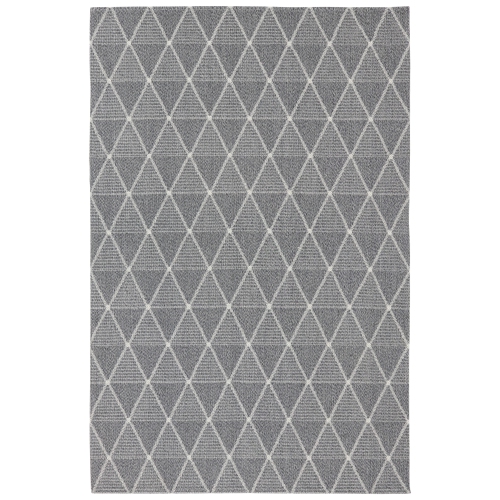 Your price for this item is $130.55
 -
 Your price for this item is $129.15
 -
 Your price for this item is $130.55
 -
 Your price for this item is $130.55
 -
 Your price for this item is $129.15
 -
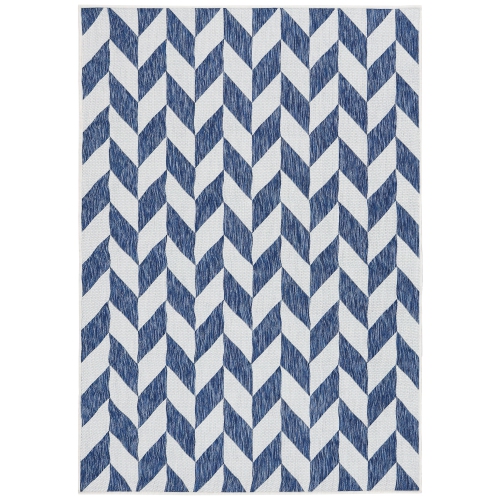 Your price for this item is $129.15
 -
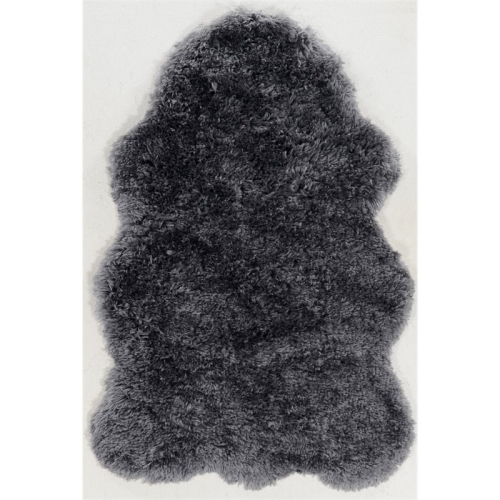 Your price for this item is $269.46
 -
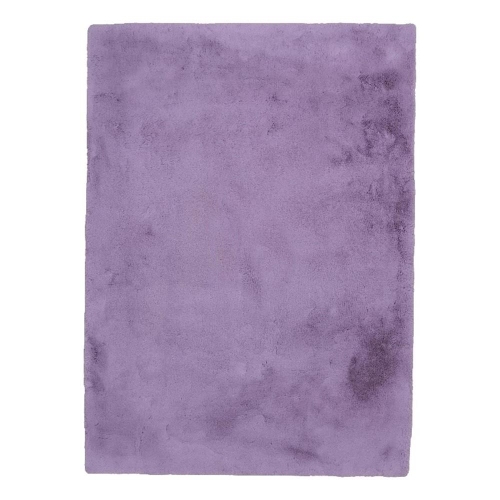 Your price for this item is $219.8
Discover more categories related to Purple Area Rugs for Bedrooms
Top Collections:
Pokemon Centers, Kindle Devices, Best Budget Office Chairs, Apple iPhones 16, Best Laptops for Writers, iPhone 15 Apple, Canon G7X Cameras, Refurbished Apple Laptops, Alarm Clock, Motorola Razr Phones
Some products may be subject to Environmental Handling Fees
(EHF) depending on your province.
Learn more about EHFs.