Quiet Pool Pumps
Dive into the serene world of quiet pool pumps, where tranquility meets efficiency. Ideal for maintaining a peaceful backyard oasis, these innovative devices ensure your pool stays sparkling clean without disrupting the ambiance of your outdoor sanctuary. Engineered to deliver powerful performance with minimal noise, quiet pool pumps are perfect for those who value both functionality and peace of mind. Whether you're hosting a lively gathering or enjoying a solo swim under the stars, these pumps work tirelessly in the background, allowing you to relish the soothing sounds of nature. Explore our selection and find the perfect match to keep your pool pristine and your environment calm.
Sort
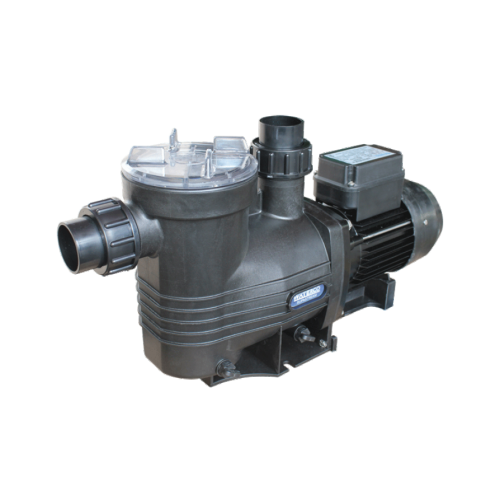
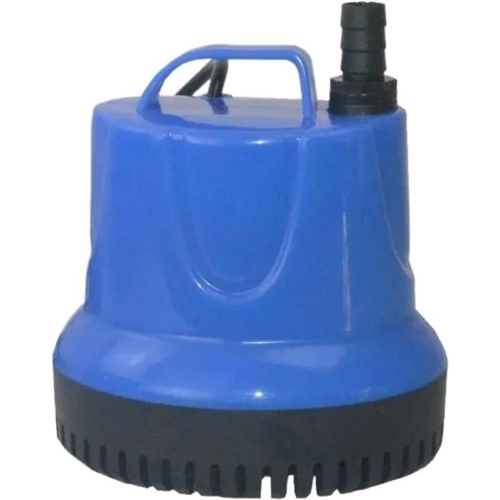
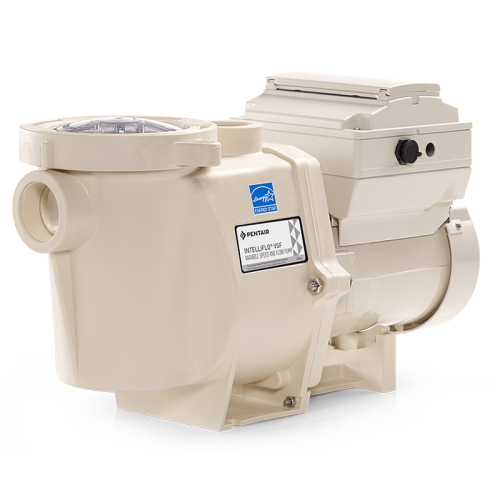
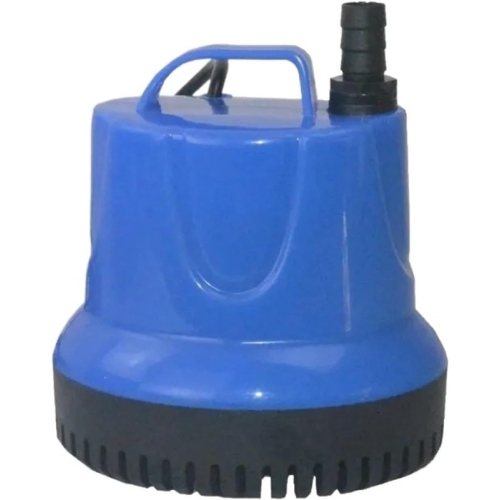
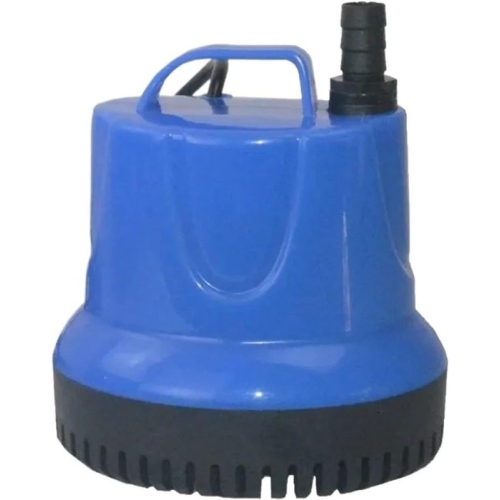

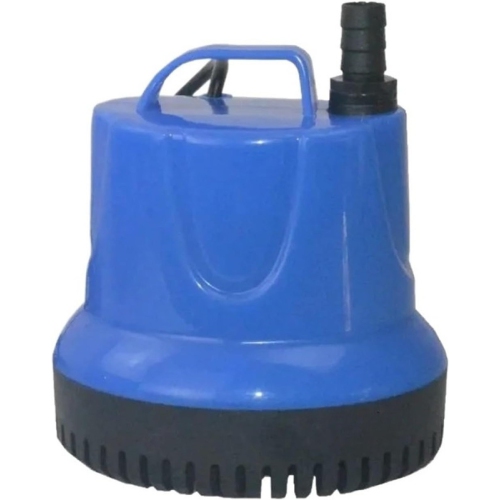
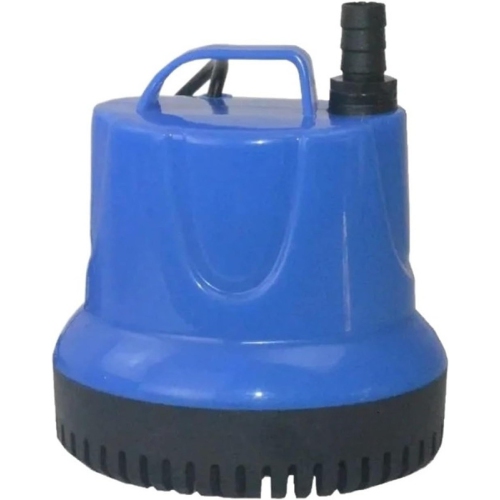


How pump speed shapes backyard noise and water flow
Quiet pool pumps keep water circulating while helping reduce the motor hum, mechanical vibration, and rushing-water sounds that can carry across a backyard. That makes them a practical choice for pools near a patio, a bedroom window, or a neighbouring property, where steady equipment noise can interrupt conversation or compete with the sound of the water itself. Variable-speed pool pumps are often quieter during routine filtration because they can run at a lower motor speed rather than operating at full output whenever they are switched on. Lower revolutions per minute generally mean less motor noise and less turbulence through the plumbing, although the actual sound depends on the pump, its installation, and the demands of the circulation system. Quiet does not mean silent, and a pump’s highest setting can sound noticeably different from its everyday filtration setting. Published decibel ratings are most useful when they include the operating speed, measurement distance, and test conditions; a number measured several metres away is not directly comparable with one measured beside the motor. For a household that uses the pool for relaxed swimming, the benefit may be a less intrusive background sound during long filtration cycles. For someone with a compact backyard, it may be less vibration travelling from the equipment pad towards a seating area. Permanent-magnet motors and speed controls can support quieter operation, but the motor design alone does not establish how loud the complete installation will be. Fan noise, bearings, water flow, and the surface beneath the pump all contribute to what people hear. A well-matched quiet pool pump balances unobtrusive operation with enough circulation for the pool’s filter and connected equipment. The aim is not simply the lowest possible speed: water still needs to move at a rate that supports filtration, treatment, and any accessories operating at the same time. This balance is especially important when a heater, saltwater chlorinator, or suction-side cleaner has a minimum flow requirement that must be met even during a quieter scheduled cycle.
Fit is as much about the circulation system as it is about the space on the equipment pad. Above-ground and inground pools can have different pump requirements, including whether the pump sits below the water level or needs a self-priming design suited to its position. Pool volume matters, but it is only part of the sizing picture. Pipe diameter, plumbing length, changes in elevation, elbows, valves, and resistance through the filter all affect the flow a pump can deliver once installed. Horsepower alone is therefore a poor way to judge either suitability or noise. An unnecessarily powerful pump running against restrictive plumbing may create more sound without improving the way the pool operates. Pump performance curves, which show flow at different levels of system resistance, provide a more meaningful basis for matching a pump to an existing setup. Variable-speed controls offer flexibility when different tasks need different flow rates: routine filtration may use a lower setting, while vacuuming or running certain water features may call for a higher one. Those settings still need to remain within the limits specified for the filter, heater, and other connected equipment. Larger pools and more demanding circulation systems may also warrant a look at Heavy Duty Pool Pumps, with acoustic performance considered alongside flow capability and equipment compatibility. Physical details deserve equal attention. Inlet and outlet sizes, connection positions, overall dimensions, and clearance above the strainer lid can determine whether a replacement fits neatly or requires plumbing changes. Electrical voltage, circuit requirements, and compatibility with existing automation controls also need to match the installation, with electrical work completed by a qualified professional in accordance with applicable requirements. An accessible control panel is useful when adjusting schedules, while a readable display makes checking the operating speed simpler. For an equipment area beside a narrow walkway, enough room to remove the basket and service the motor can matter just as much as a compact footprint.
Materials, construction, and ongoing care help a quiet pool pump stay dependable rather than merely sound good when first installed. Reinforced thermoplastic housings are common because they resist corrosion, while seals, gaskets, and internal components need to be compatible with the pool’s water treatment system. Saltwater suitability should be confirmed in the manufacturer’s specifications rather than assumed from the housing material. A clear strainer lid makes accumulated leaves and debris easier to spot, and a removable basket with a comfortable handle simplifies regular cleaning. Keeping that basket clear and maintaining the filter help prevent flow restrictions that can change the pump’s sound and performance. Air leaks at fittings or the lid seal can lead to bubbles, uneven flow, and unusual noise; a gravel-like rattling sound may indicate cavitation or another fault that deserves investigation rather than a higher speed setting. A stable, level mounting surface also matters, since even a well-designed motor can transmit vibration through loose fixings or strained plumbing. Manufacturer-approved vibration isolation may help in suitable installations, but improvised padding should not compromise secure mounting, drainage, or service access. Enclosing a pump to muffle it is not a substitute for proper equipment selection: the motor needs the ventilation and clearances specified by its manufacturer, and an unsuitable enclosure can trap heat. Durability also includes access to replacement seals, baskets, lids, and other service parts, particularly when a pump is expected to remain part of the pool system for years. For outdoor pools that are shut down for freezing conditions, proper draining and winterization according to the equipment instructions help protect the housing and connected plumbing. In everyday use, the most satisfying quiet pool pump is one that suits the pool’s actual workload, is straightforward to maintain, and blends into the background. Beside a table where people are talking or a lounger where someone is reading, that difference is less about an impressive label and more about steady circulation without an unnecessarily intrusive soundtrack.
Fit is as much about the circulation system as it is about the space on the equipment pad. Above-ground and inground pools can have different pump requirements, including whether the pump sits below the water level or needs a self-priming design suited to its position. Pool volume matters, but it is only part of the sizing picture. Pipe diameter, plumbing length, changes in elevation, elbows, valves, and resistance through the filter all affect the flow a pump can deliver once installed. Horsepower alone is therefore a poor way to judge either suitability or noise. An unnecessarily powerful pump running against restrictive plumbing may create more sound without improving the way the pool operates. Pump performance curves, which show flow at different levels of system resistance, provide a more meaningful basis for matching a pump to an existing setup. Variable-speed controls offer flexibility when different tasks need different flow rates: routine filtration may use a lower setting, while vacuuming or running certain water features may call for a higher one. Those settings still need to remain within the limits specified for the filter, heater, and other connected equipment. Larger pools and more demanding circulation systems may also warrant a look at Heavy Duty Pool Pumps, with acoustic performance considered alongside flow capability and equipment compatibility. Physical details deserve equal attention. Inlet and outlet sizes, connection positions, overall dimensions, and clearance above the strainer lid can determine whether a replacement fits neatly or requires plumbing changes. Electrical voltage, circuit requirements, and compatibility with existing automation controls also need to match the installation, with electrical work completed by a qualified professional in accordance with applicable requirements. An accessible control panel is useful when adjusting schedules, while a readable display makes checking the operating speed simpler. For an equipment area beside a narrow walkway, enough room to remove the basket and service the motor can matter just as much as a compact footprint.
Materials, construction, and ongoing care help a quiet pool pump stay dependable rather than merely sound good when first installed. Reinforced thermoplastic housings are common because they resist corrosion, while seals, gaskets, and internal components need to be compatible with the pool’s water treatment system. Saltwater suitability should be confirmed in the manufacturer’s specifications rather than assumed from the housing material. A clear strainer lid makes accumulated leaves and debris easier to spot, and a removable basket with a comfortable handle simplifies regular cleaning. Keeping that basket clear and maintaining the filter help prevent flow restrictions that can change the pump’s sound and performance. Air leaks at fittings or the lid seal can lead to bubbles, uneven flow, and unusual noise; a gravel-like rattling sound may indicate cavitation or another fault that deserves investigation rather than a higher speed setting. A stable, level mounting surface also matters, since even a well-designed motor can transmit vibration through loose fixings or strained plumbing. Manufacturer-approved vibration isolation may help in suitable installations, but improvised padding should not compromise secure mounting, drainage, or service access. Enclosing a pump to muffle it is not a substitute for proper equipment selection: the motor needs the ventilation and clearances specified by its manufacturer, and an unsuitable enclosure can trap heat. Durability also includes access to replacement seals, baskets, lids, and other service parts, particularly when a pump is expected to remain part of the pool system for years. For outdoor pools that are shut down for freezing conditions, proper draining and winterization according to the equipment instructions help protect the housing and connected plumbing. In everyday use, the most satisfying quiet pool pump is one that suits the pool’s actual workload, is straightforward to maintain, and blends into the background. Beside a table where people are talking or a lounger where someone is reading, that difference is less about an impressive label and more about steady circulation without an unnecessarily intrusive soundtrack.
Top selling and popular products
-
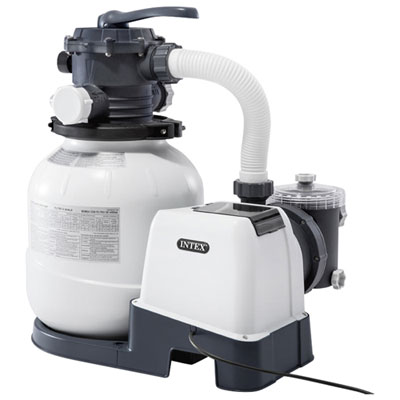 Your price for this item is $291.98
 -
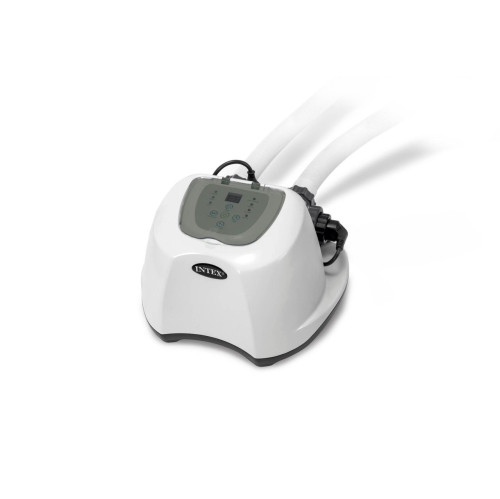 Your price for this item is $269.99
 -
 Your price for this item is $214.99
 -
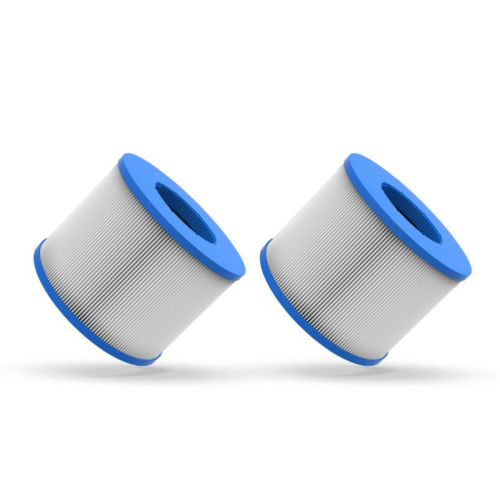 Your price for this item is $39
 -
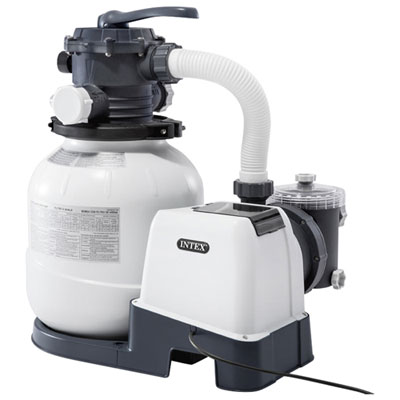 Your price for this item is $229.98
 -
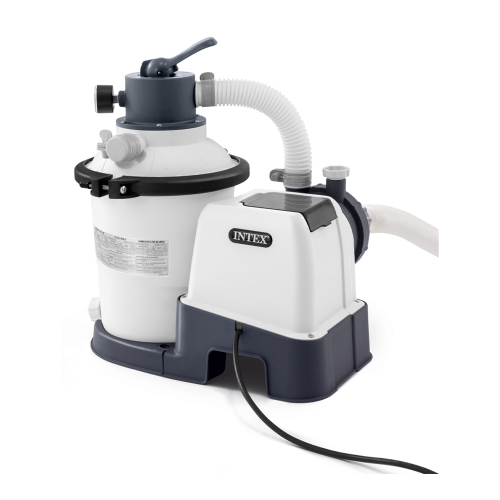 Your price for this item is $206.99
 -
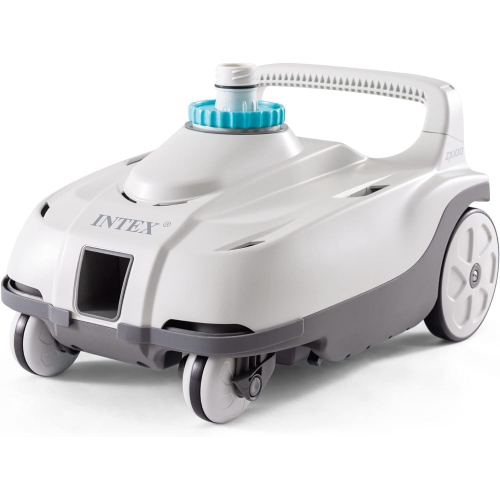 Your price for this item is $150.99
 -
 Your price for this item is $101.99
Discover more categories related to Quiet Pool Pumps
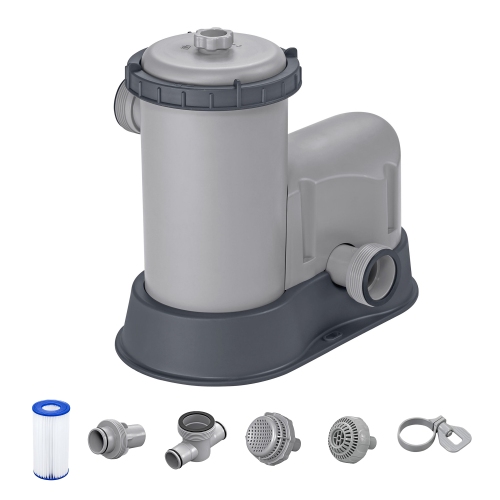
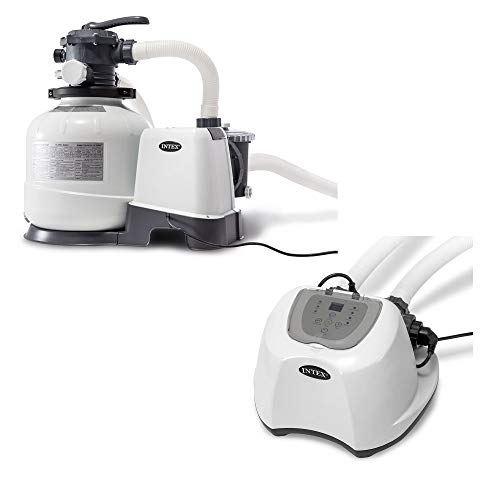
Top Collections:
Pokemon Centers, Kindle Devices, Best Budget Office Chairs, Apple iPhones 16, Canon G7X Cameras, iPhone 15 Apple, Alarm Clock, Refurbished Apple Laptops, Flip Phones, Best Laptops for Writers
Some products may be subject to Environmental Handling Fees
(EHF) depending on your province.
Learn more about EHFs.