Rechargeable Closet Lights
Illuminate your closet with convenience and style using rechargeable closet lights. Say goodbye to fumbling in the dark for your favorite outfit or struggling to find matching shoes. These versatile lights are easy to install, energy-efficient, and provide the perfect solution for adding brightness to any closet space. With a rechargeable design, you can enjoy long-lasting illumination without the need for constant battery replacements. Explore our selection of rechargeable closet lights to bring a new level of organization and visibility to your wardrobe.
Sort

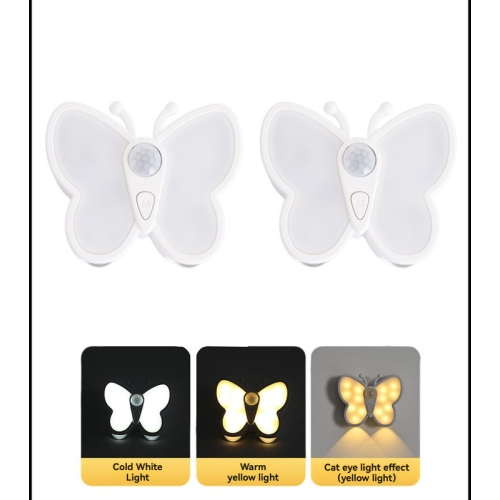
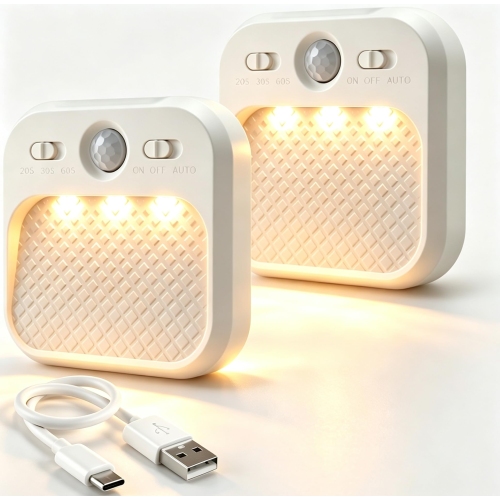
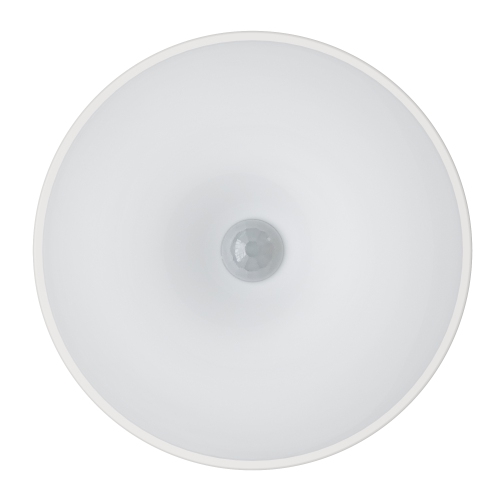
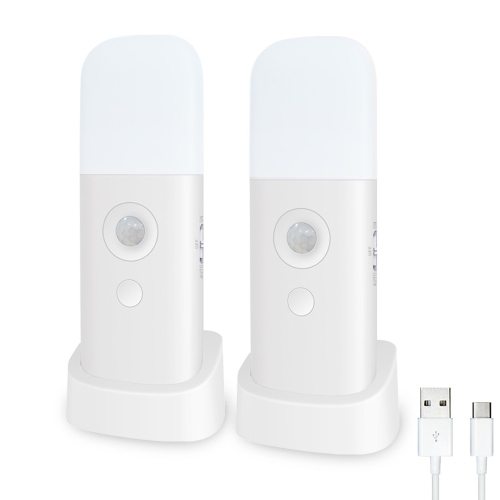
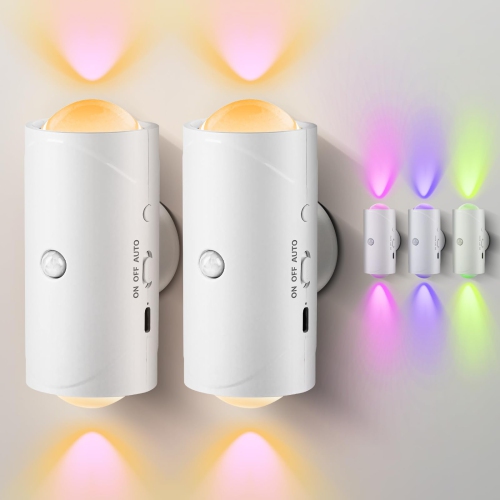
![YOULIGHTS Rechargeable Night Lights w Motion Sensors - [2 Pack] Wireless Stick On Motion Detection Lights w Warm & Soft Glow, Ideal for Bathroom](https://multimedia.bbycastatic.ca/multimedia/products/500x500/185/18588/18588679.jpeg)


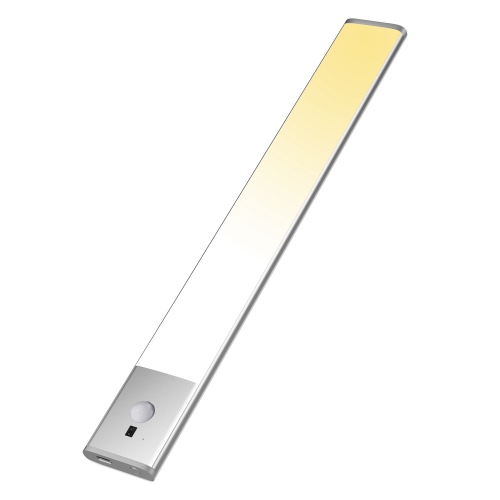
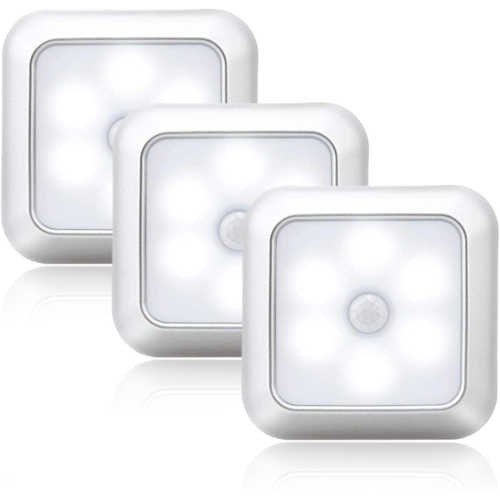
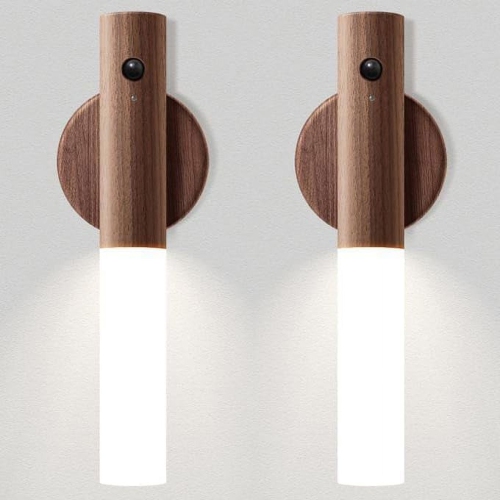
![SYMLIS Rechargeable Led Motion Sensor Night Light, [3 Pack] Stick-On Night Light, Stair Sensor Lights Indoors, Auto/on/off Light for Toilet, Hallway](https://multimedia.bbycastatic.ca/multimedia/products/500x500/197/19748/19748428.jpeg)
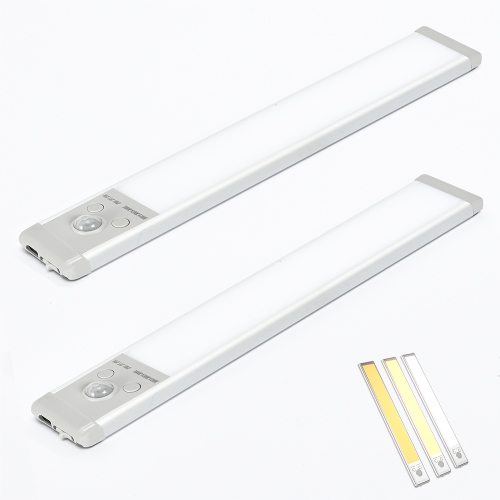

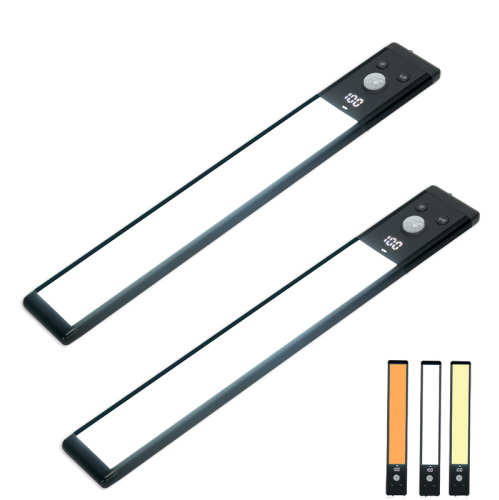
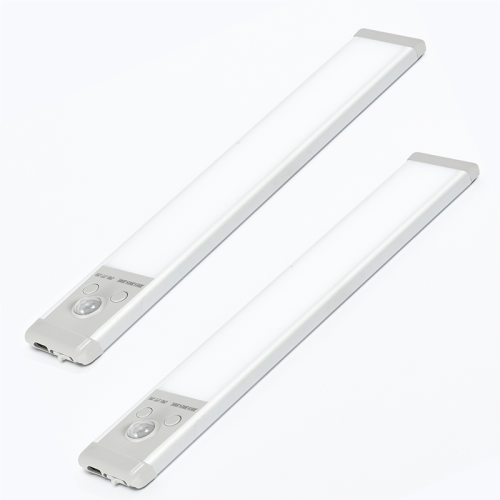
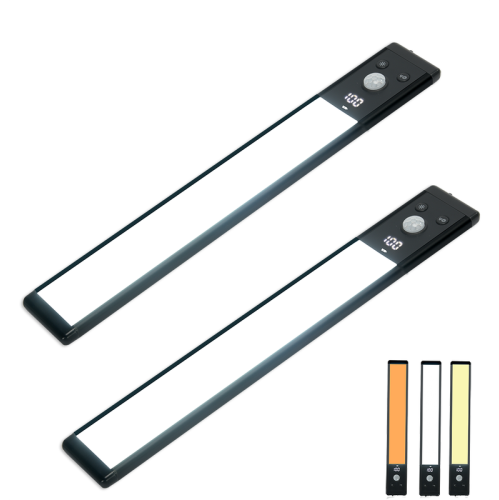
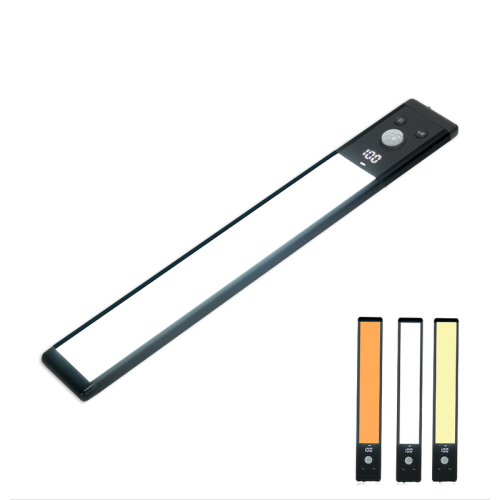
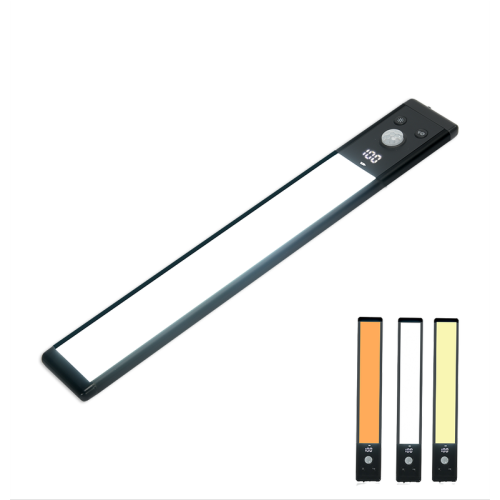
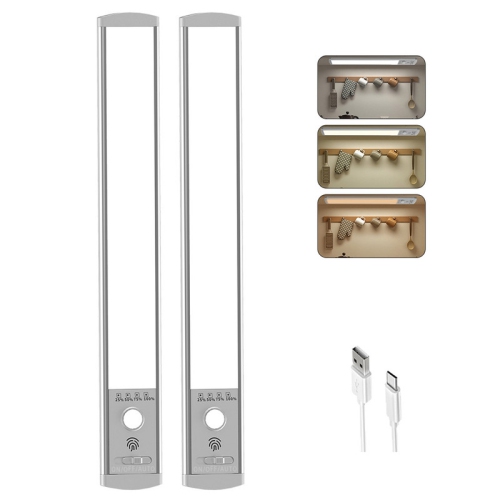
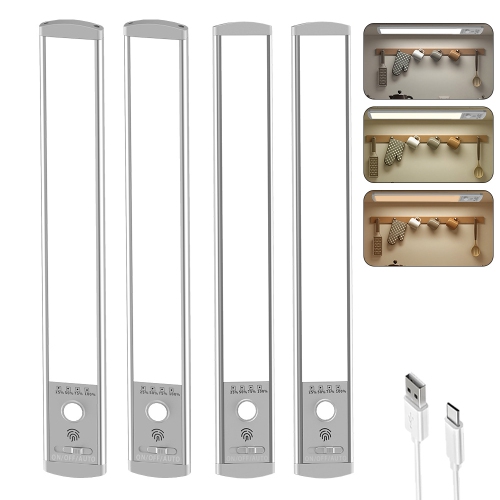
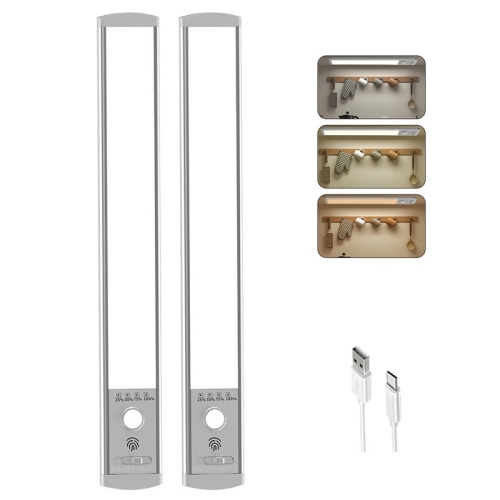
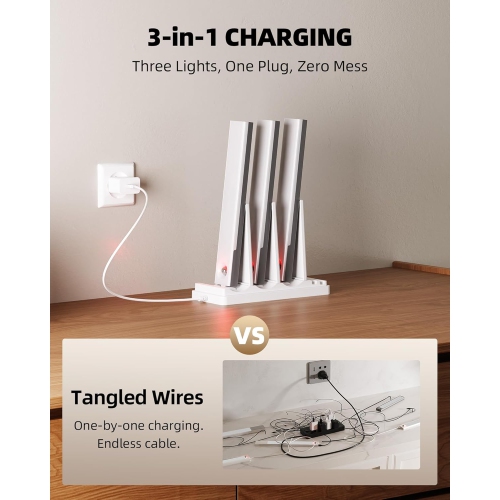
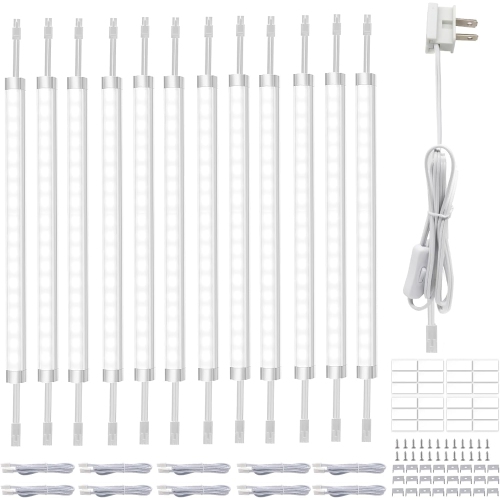
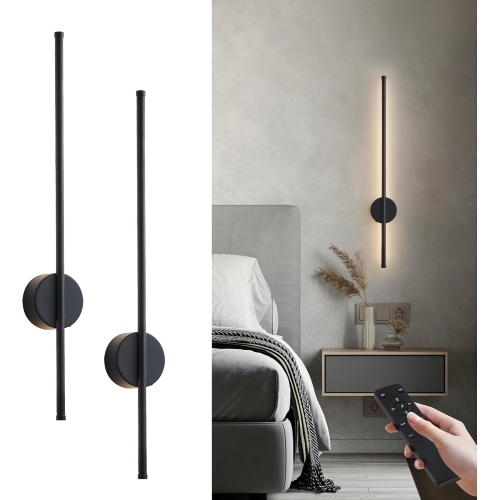
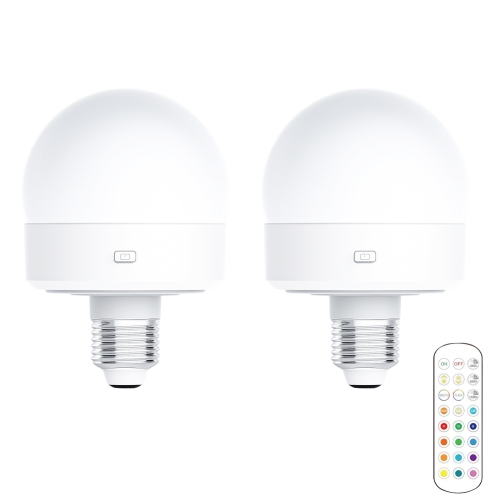
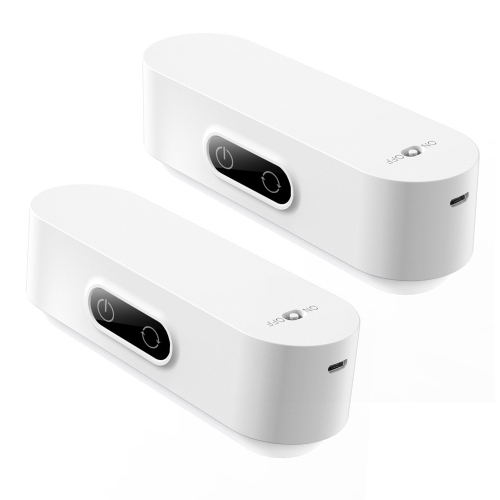
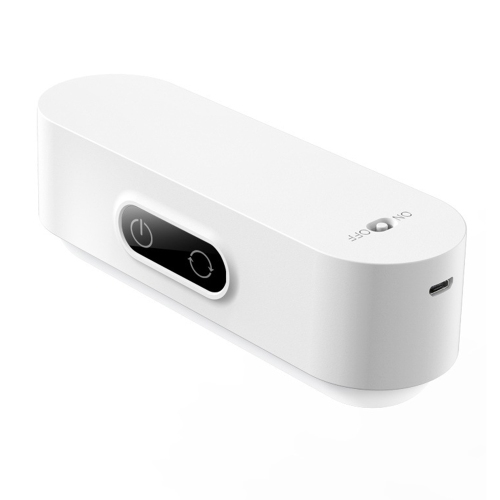
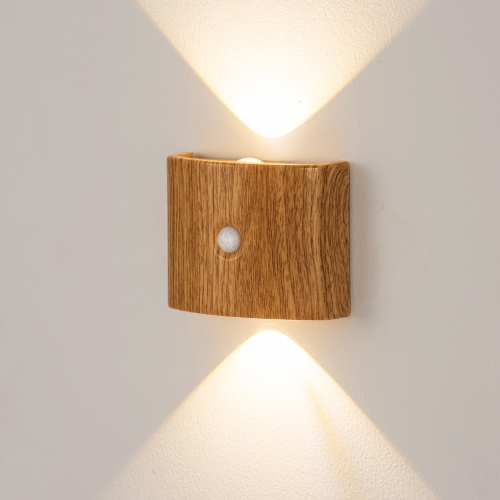
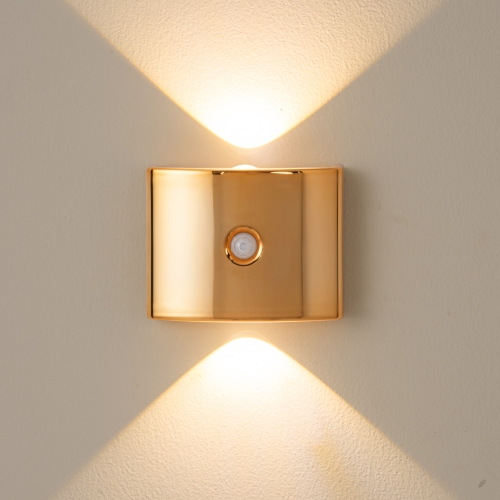
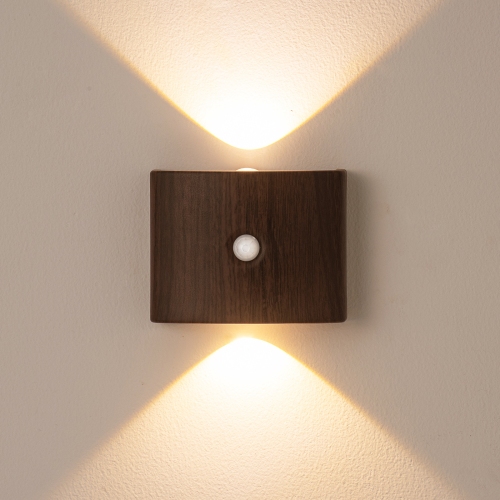
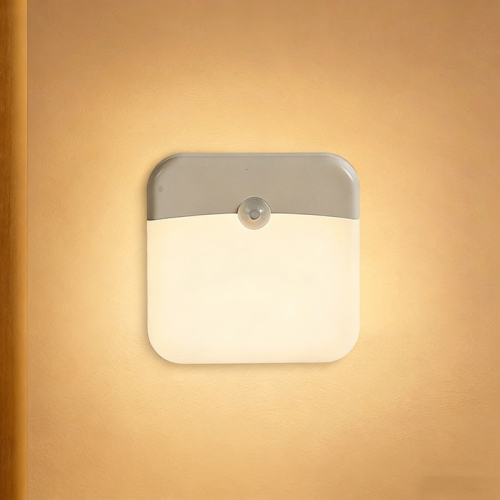
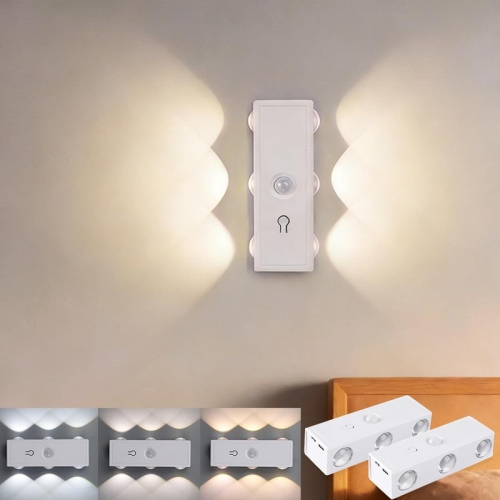
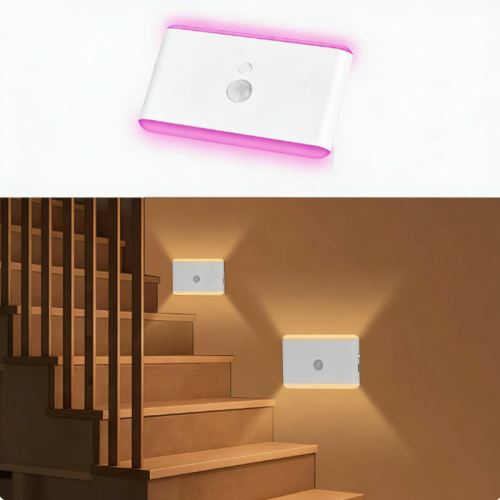
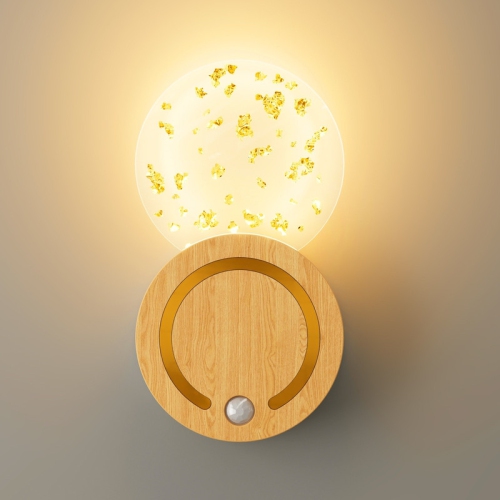
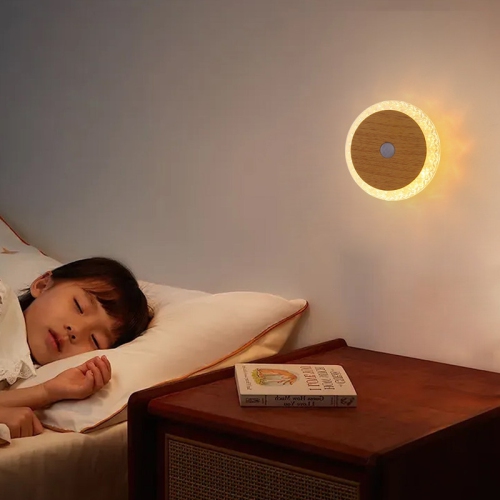
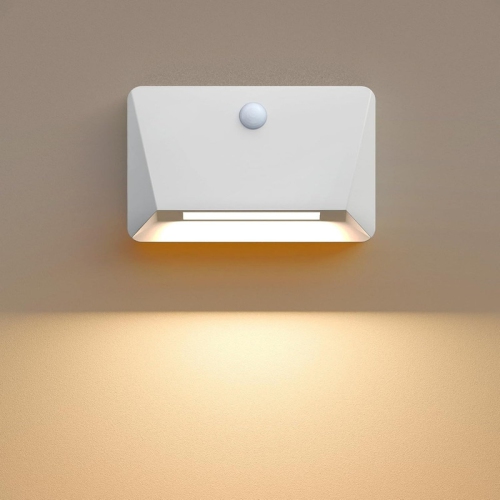
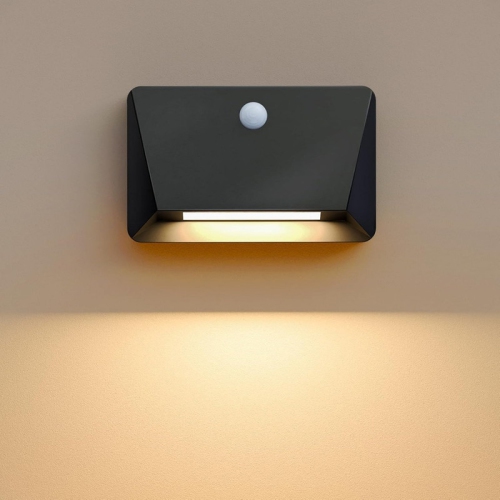
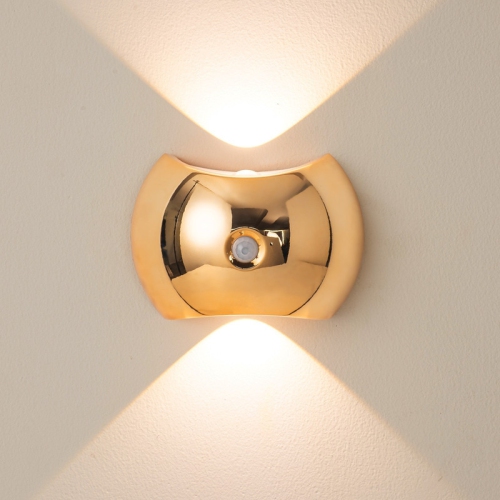
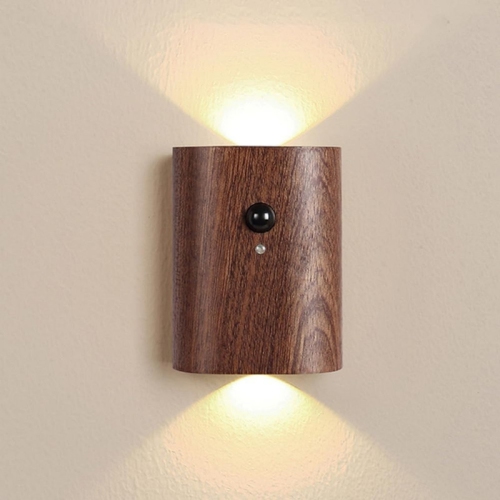
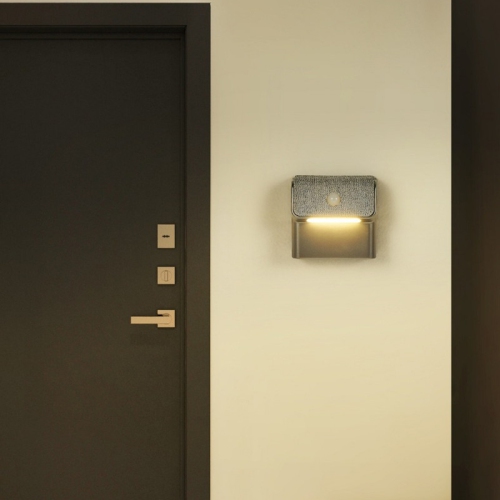
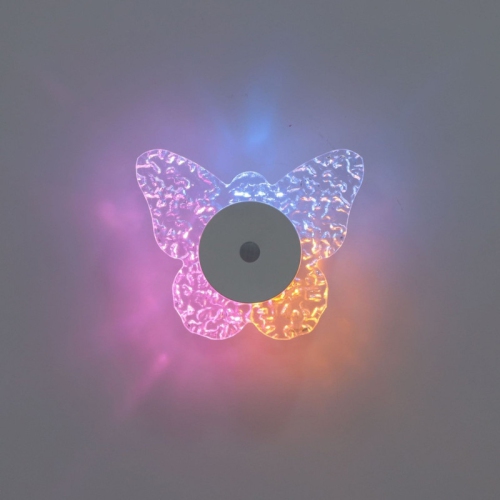
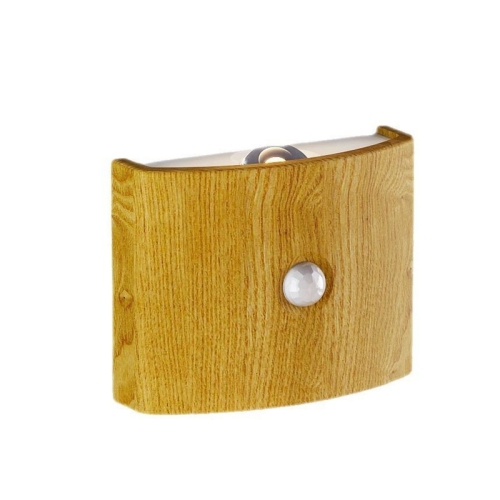
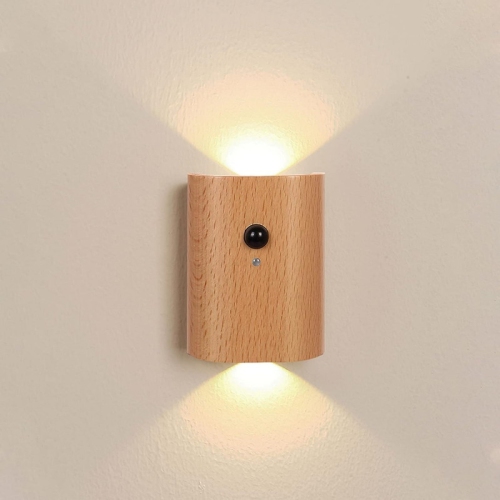
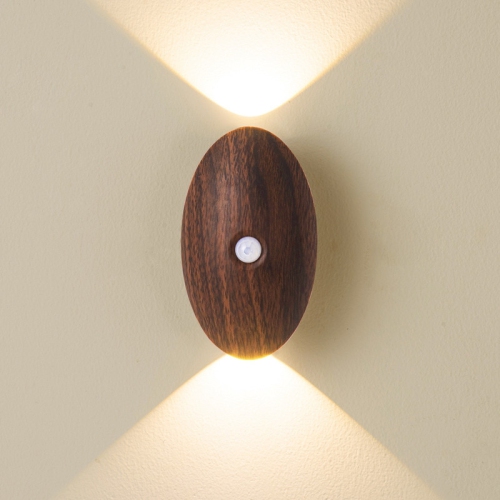
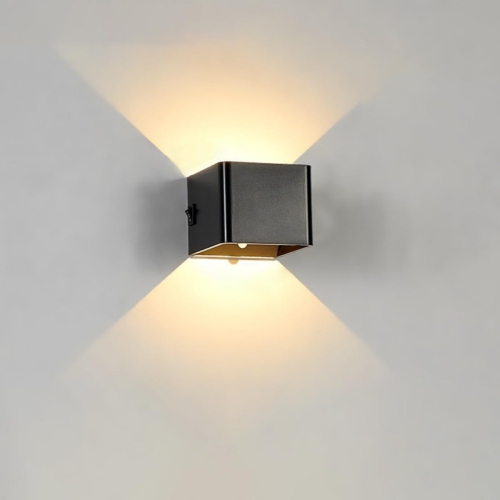
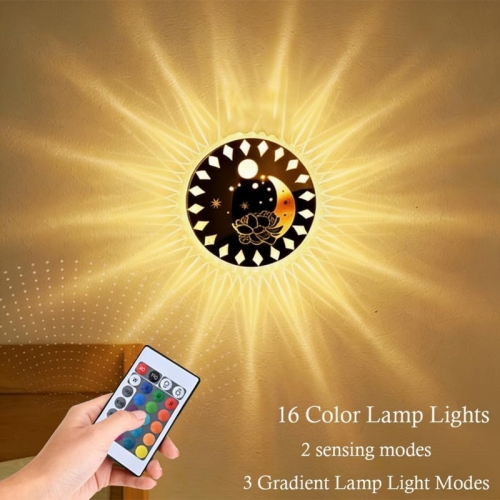
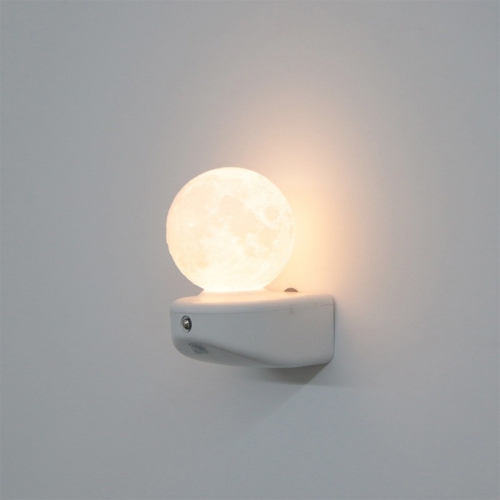
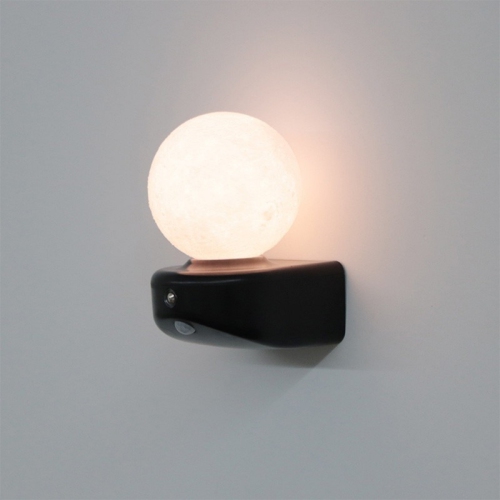
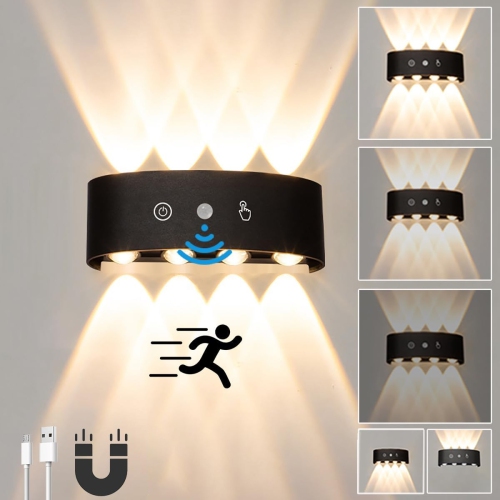
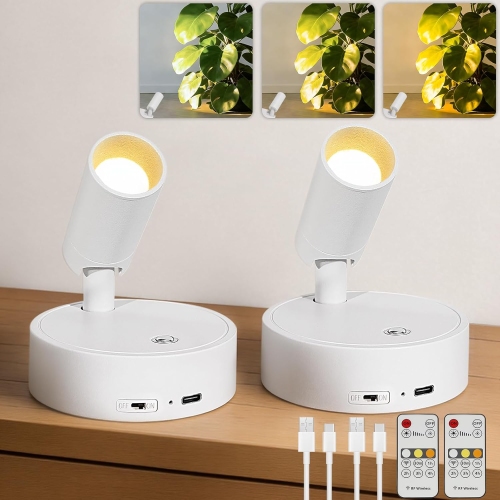
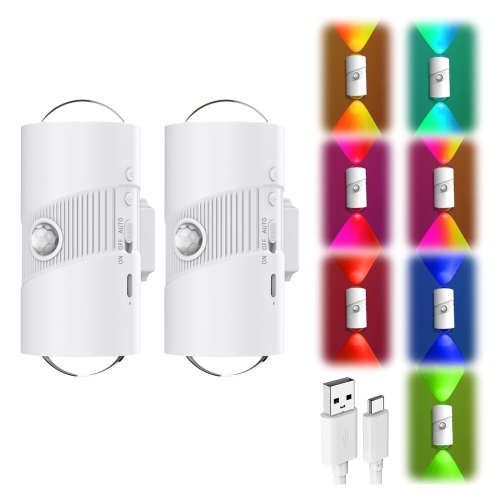
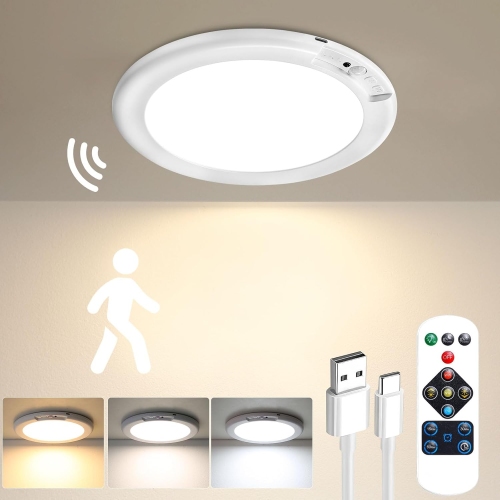
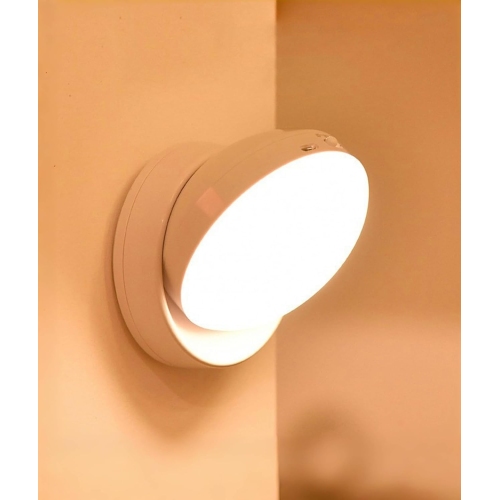
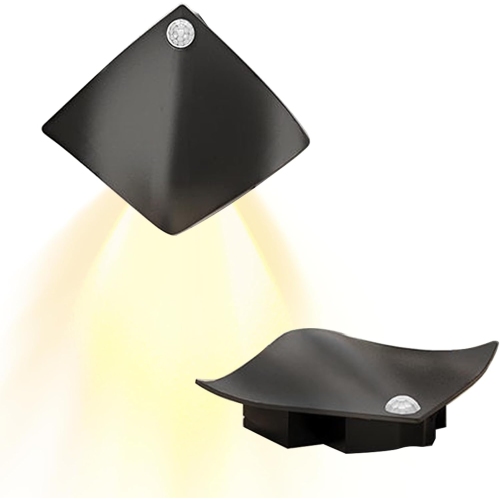
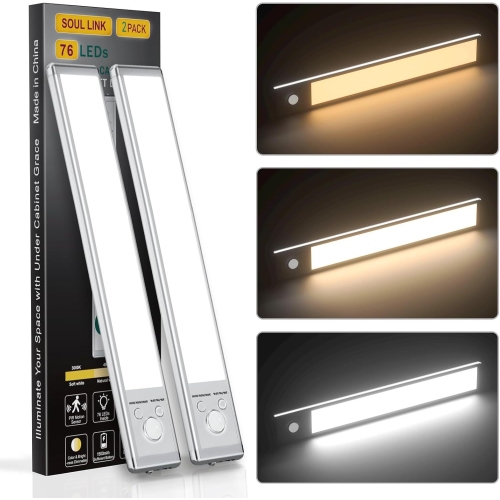
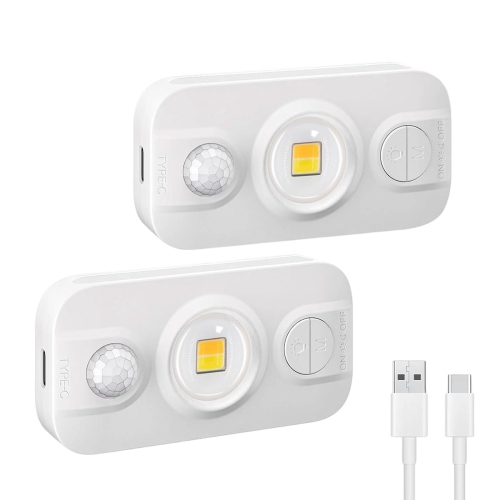
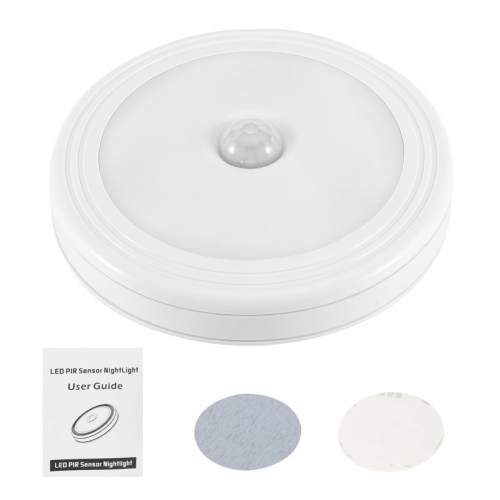
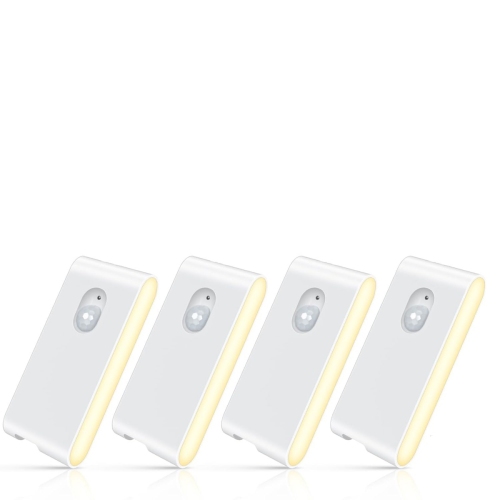
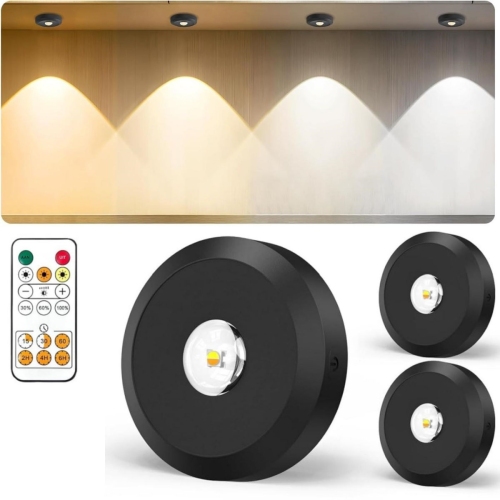
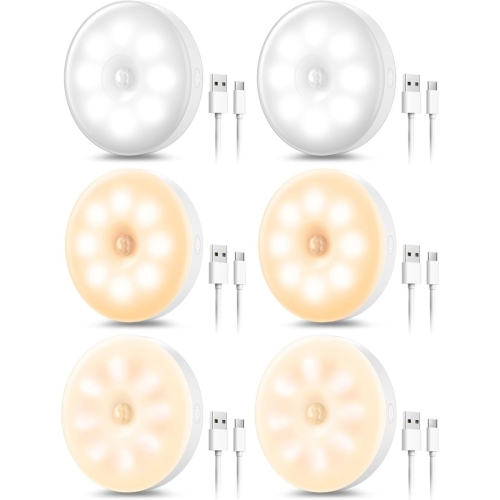
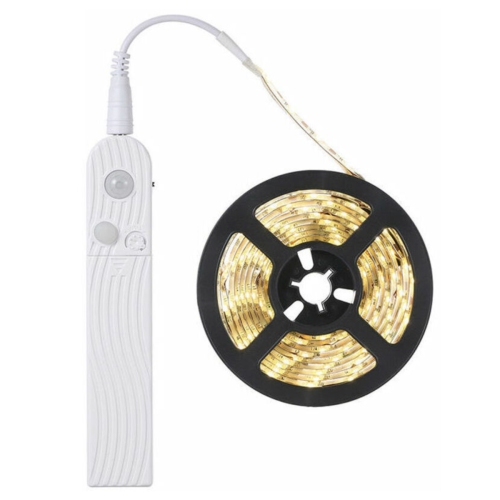
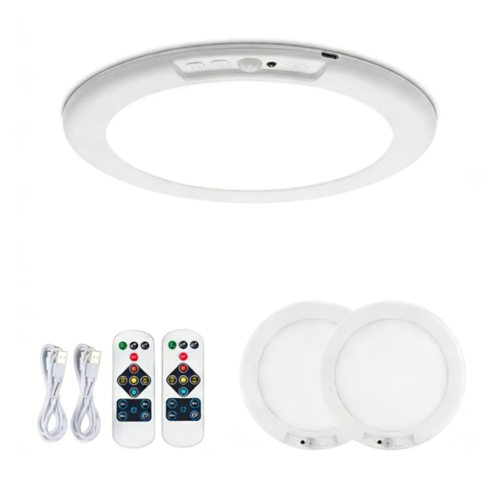
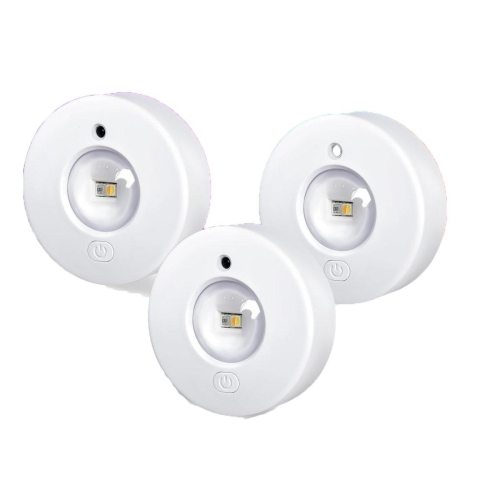
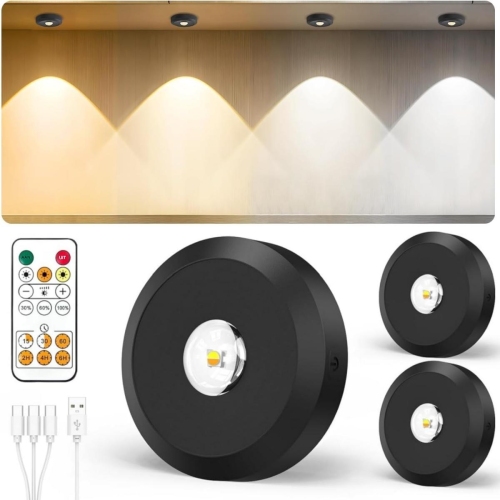
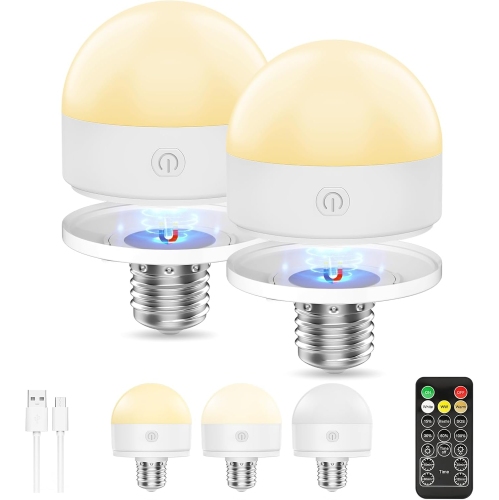
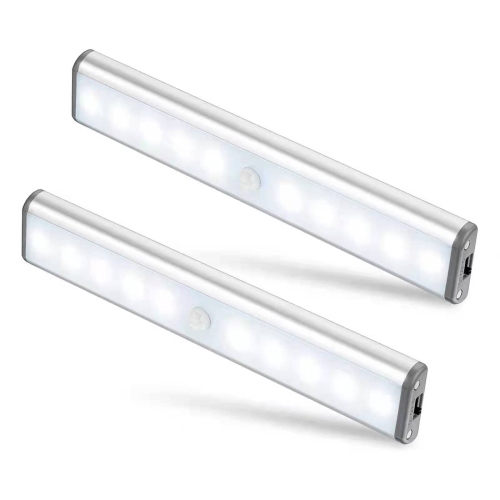
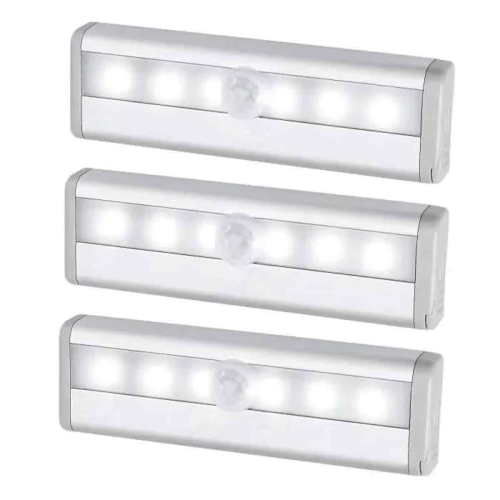
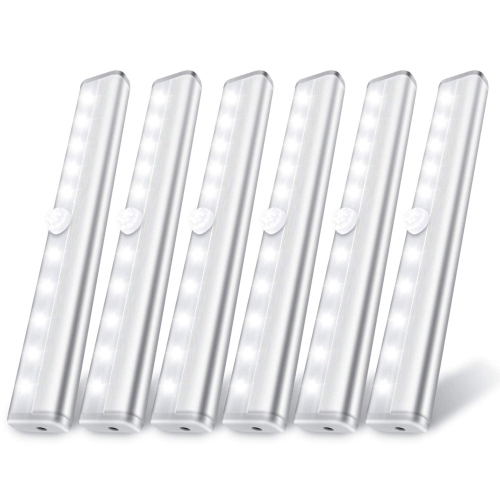
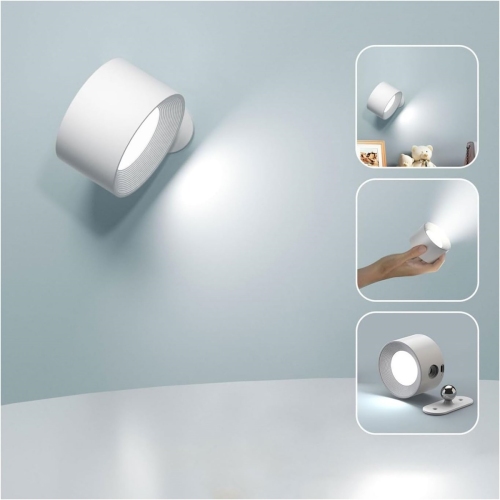
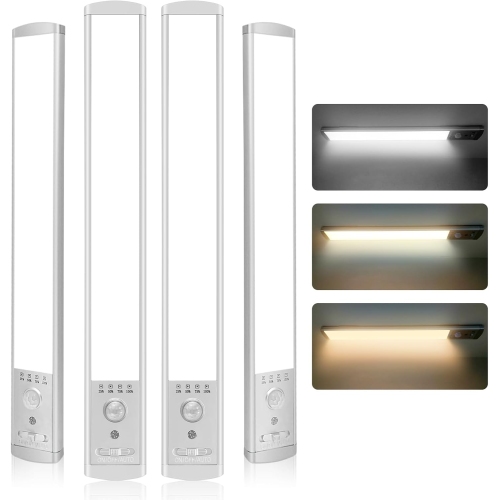
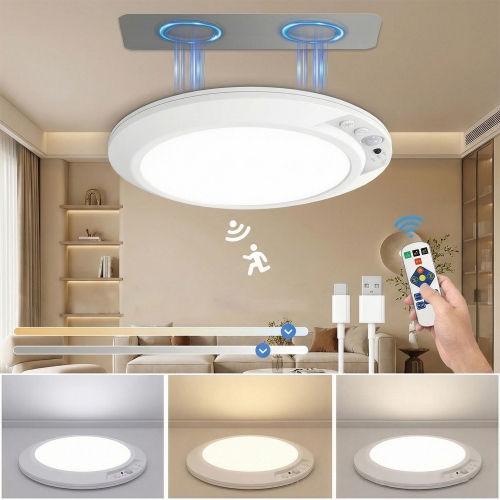
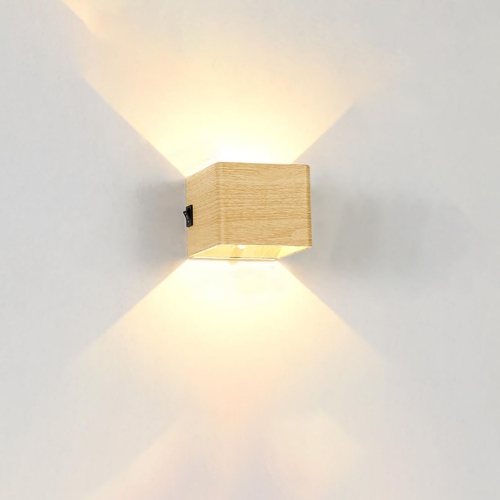
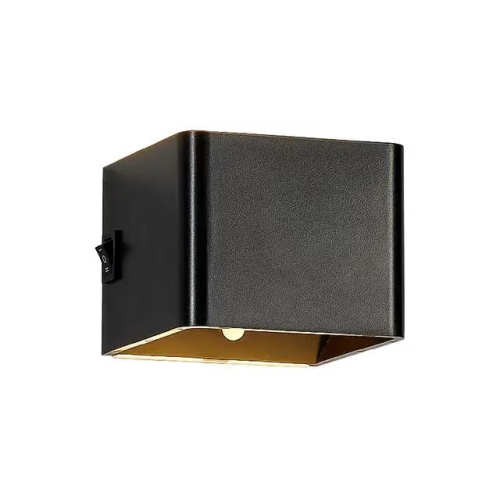
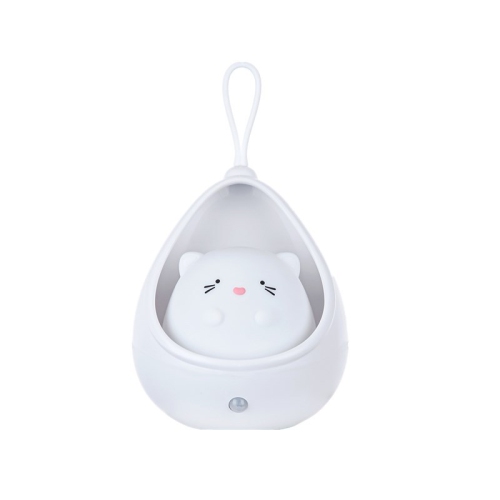
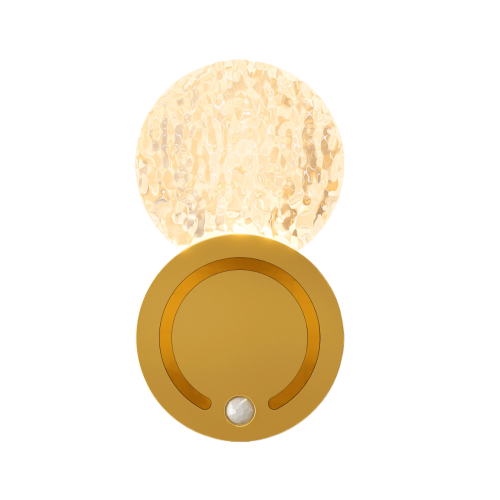
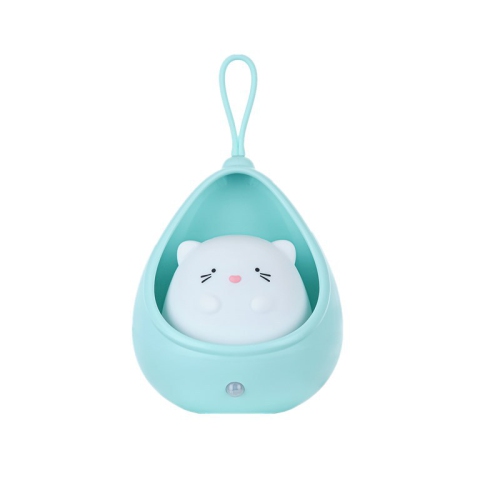
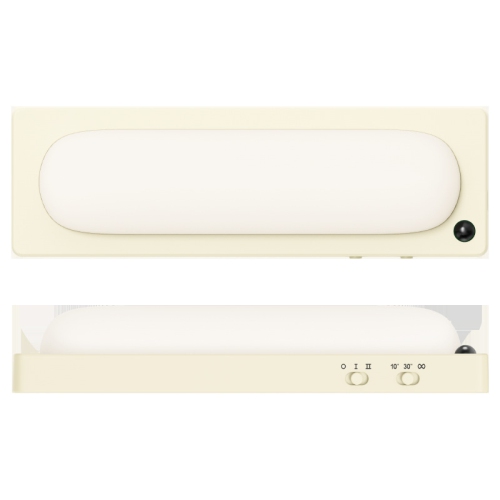
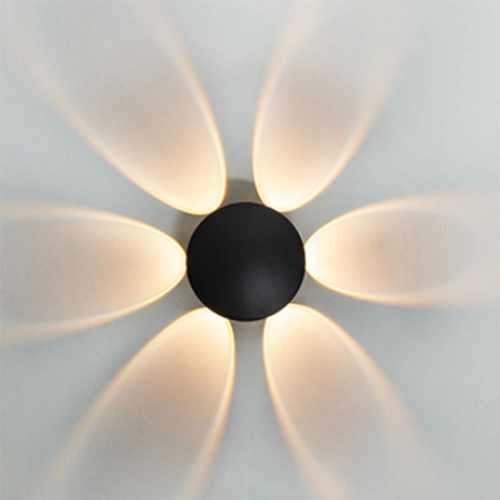
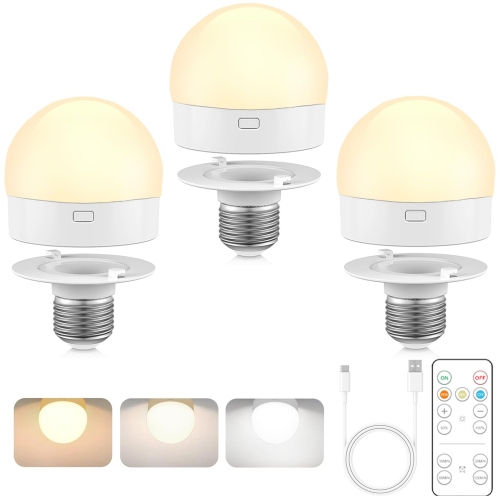
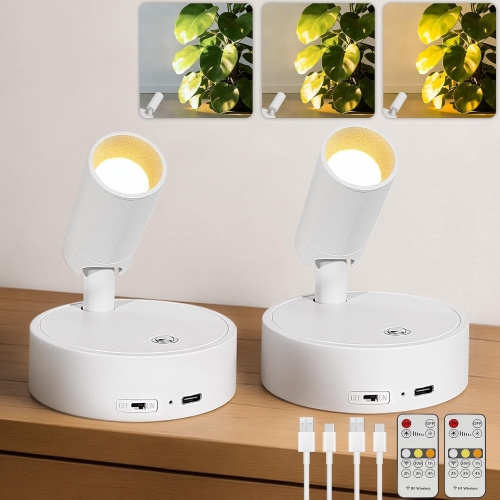
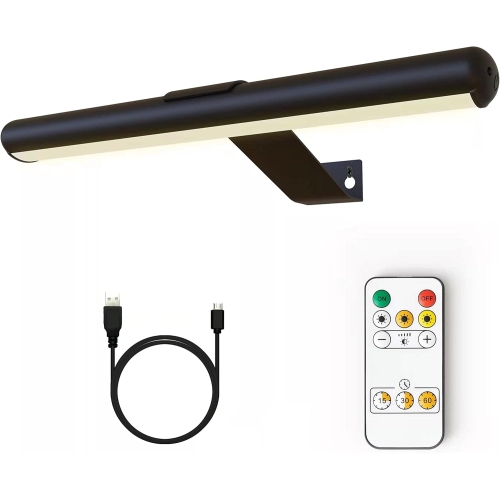
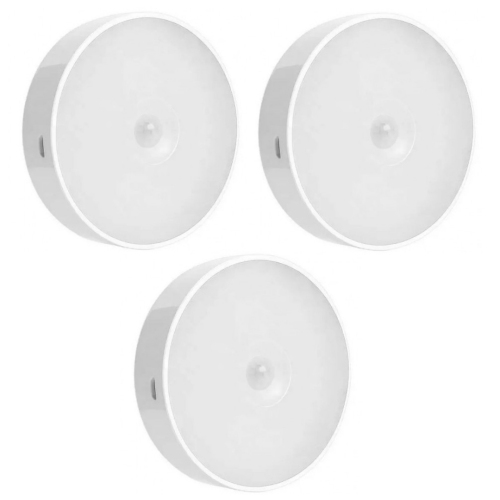
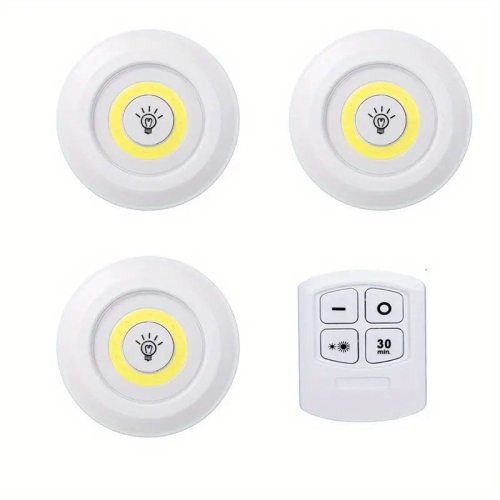

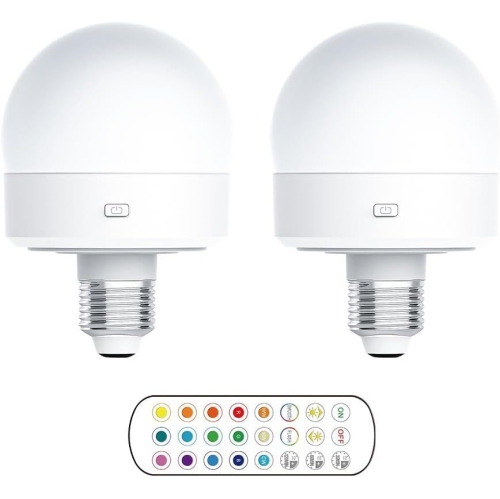
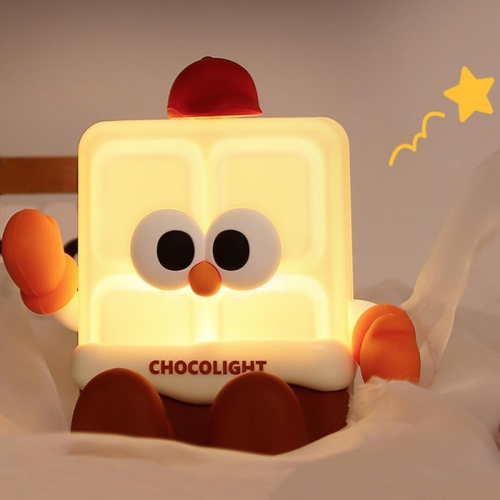
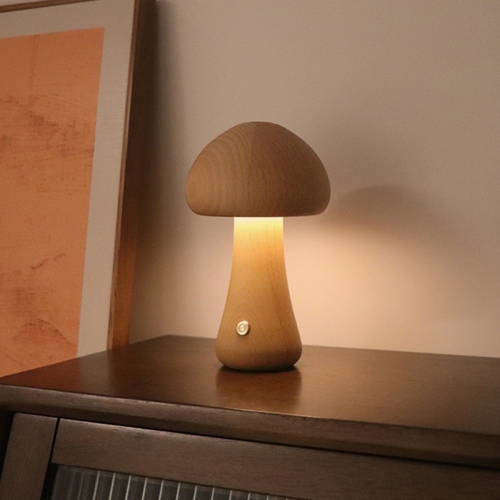

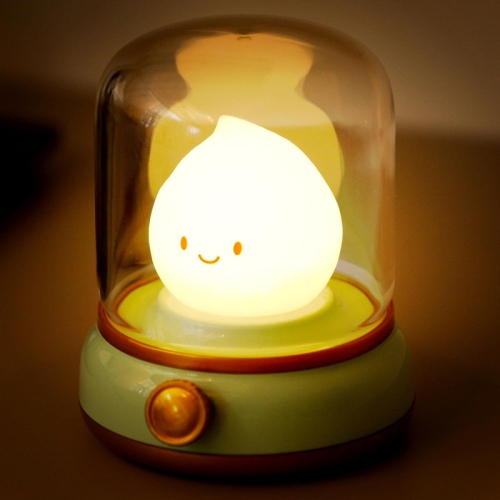
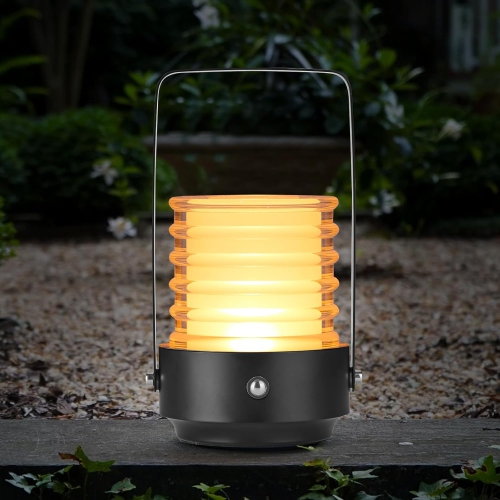
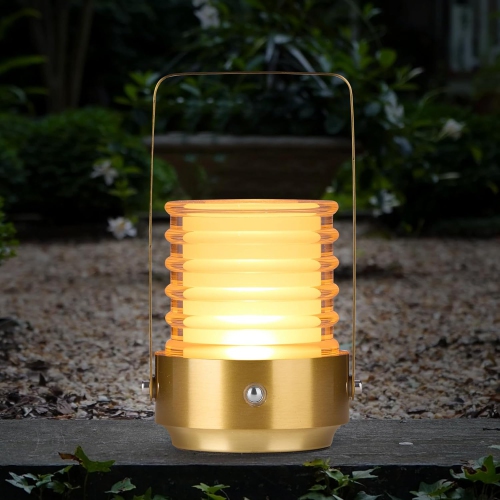


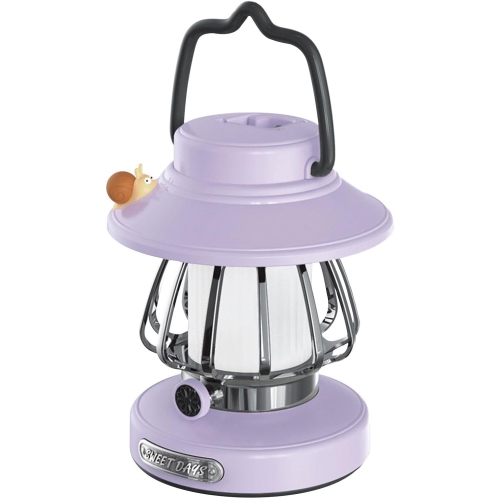
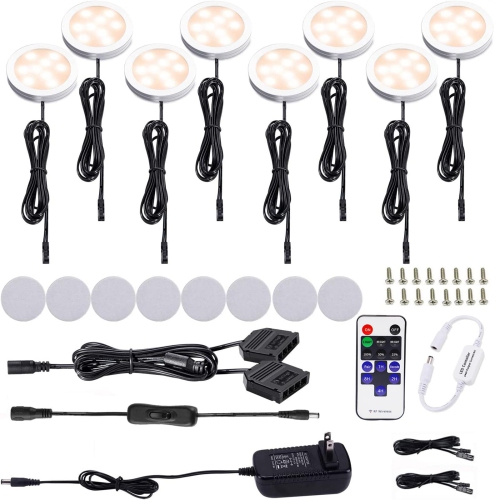
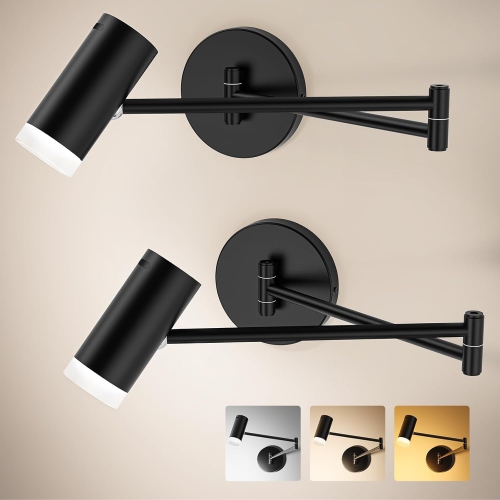
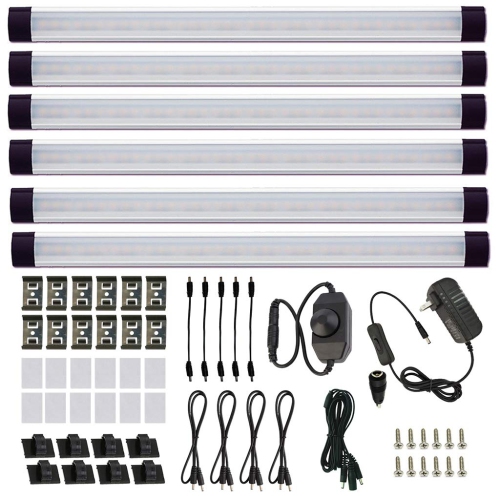
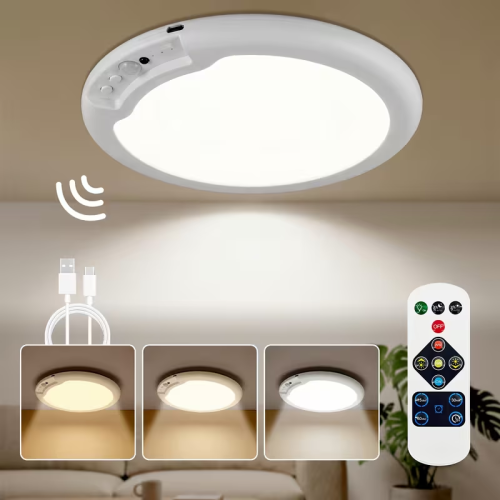
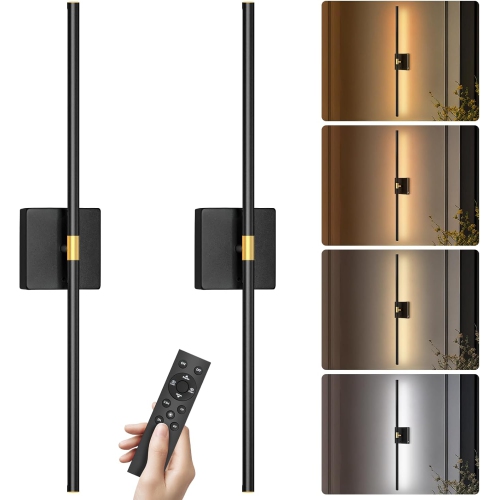
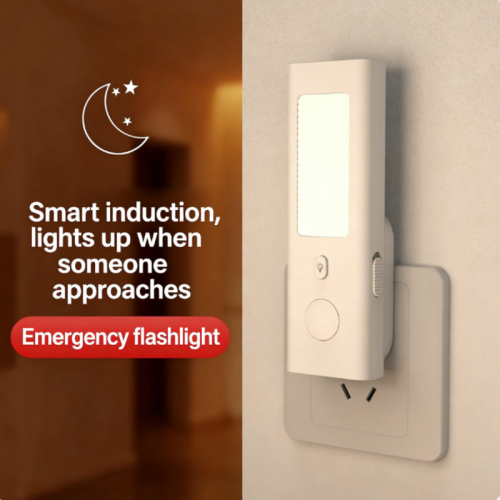
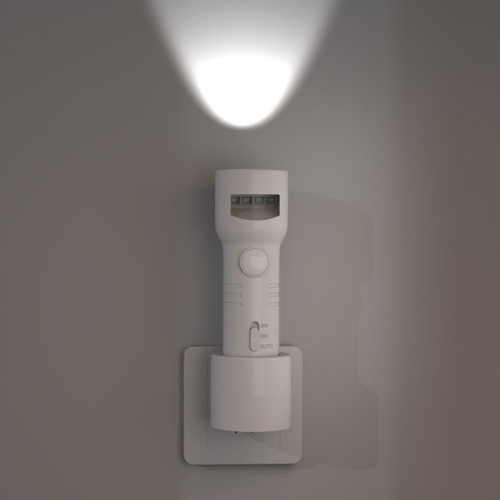
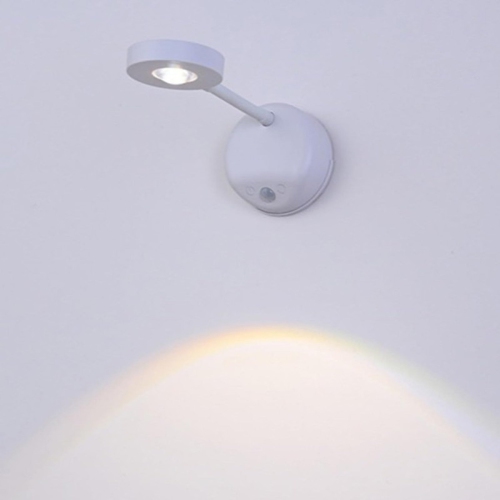
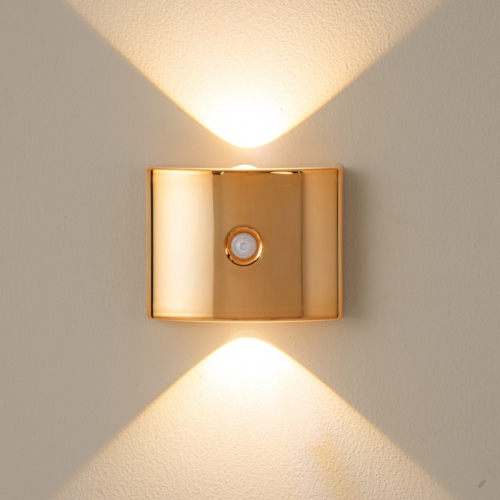
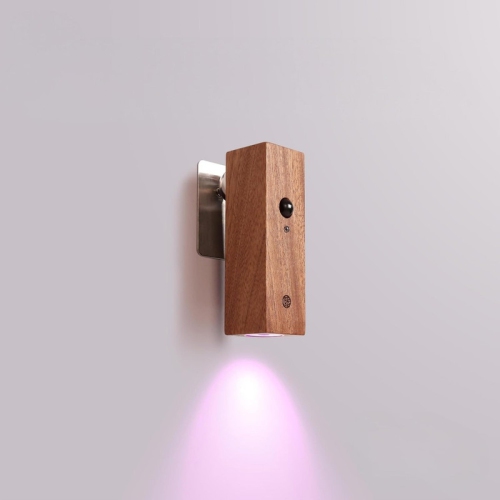
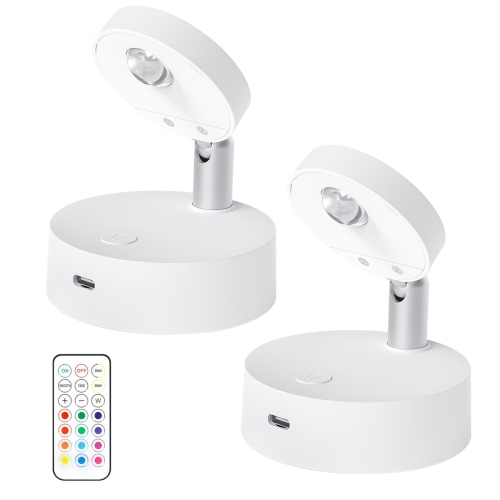
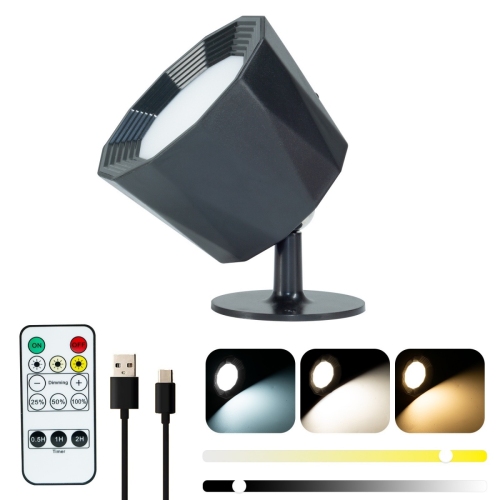
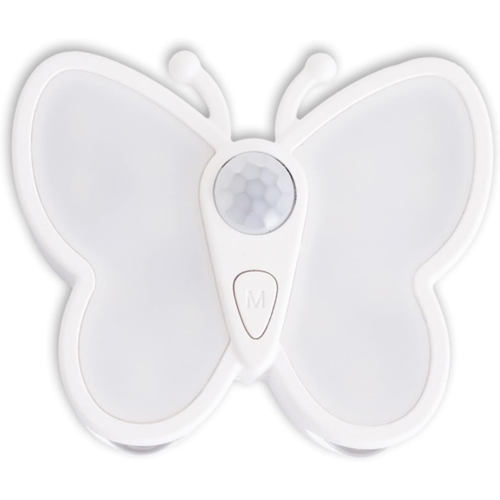
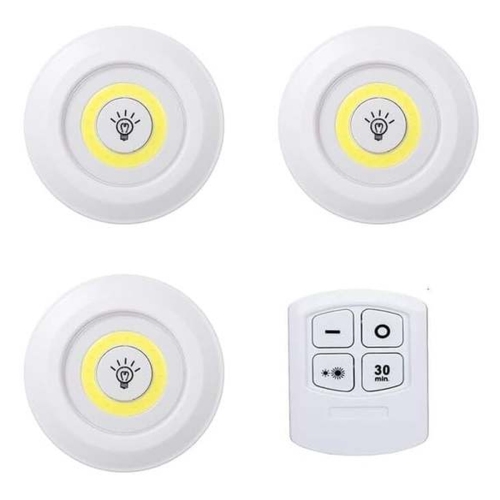
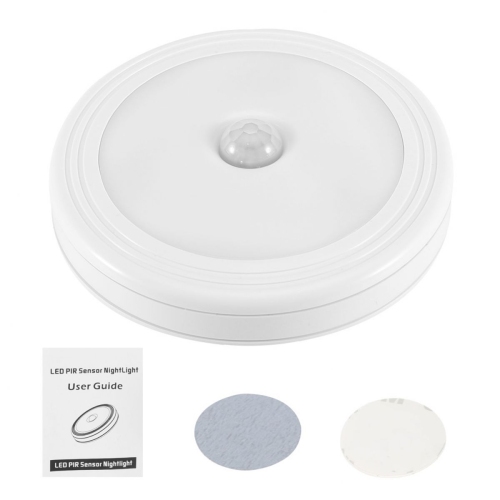
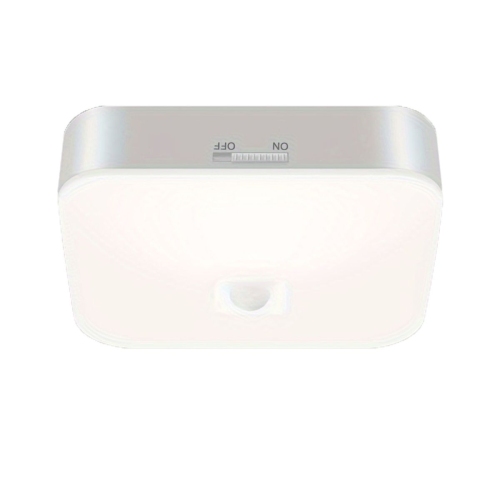
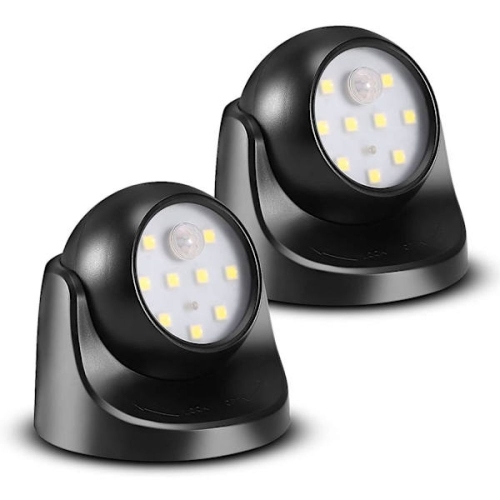
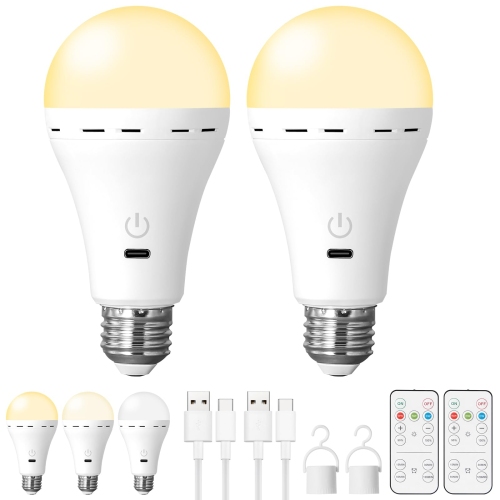
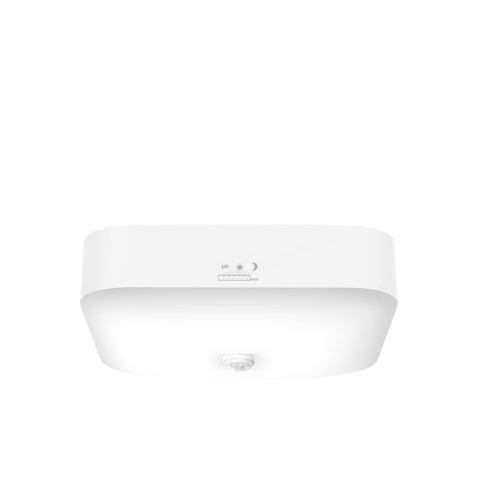

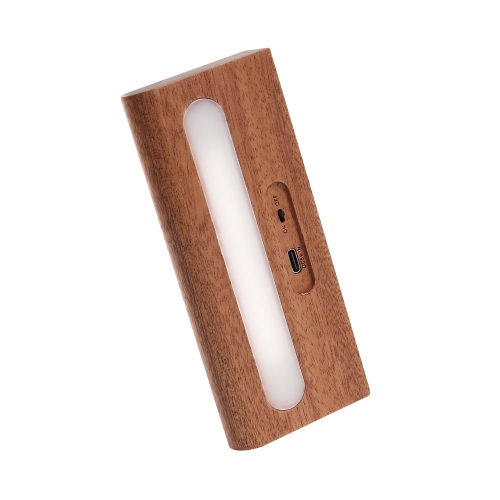
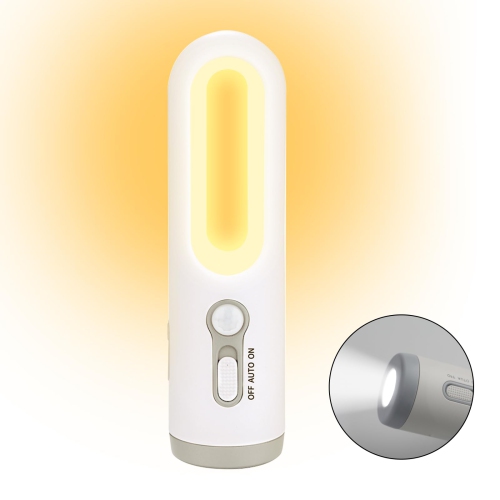
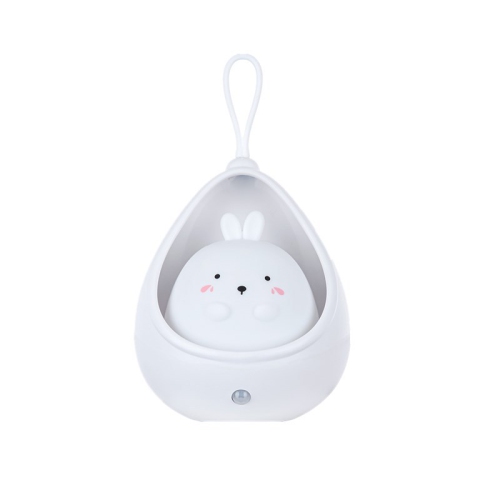
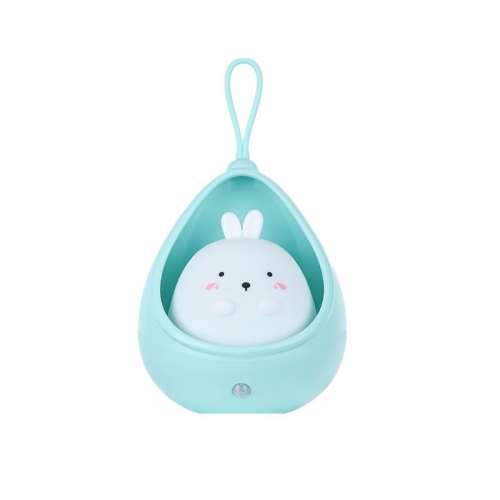
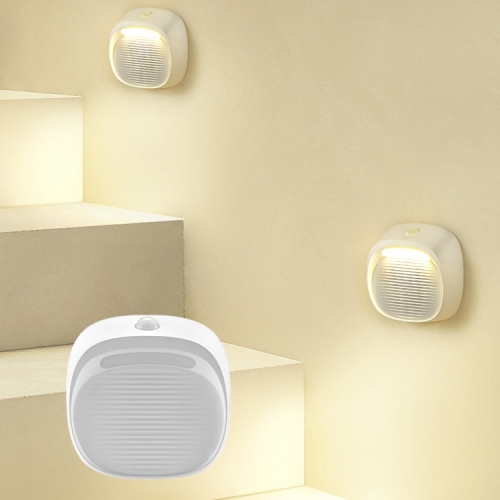
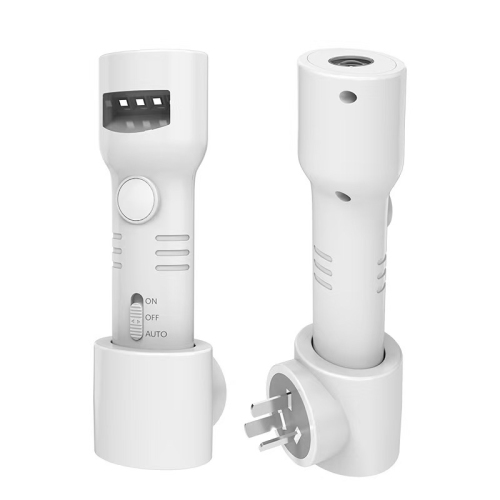
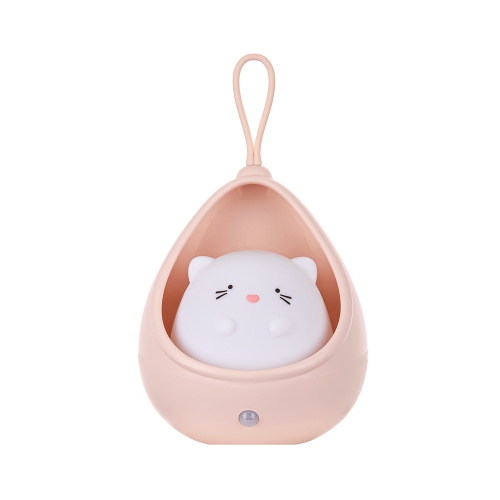
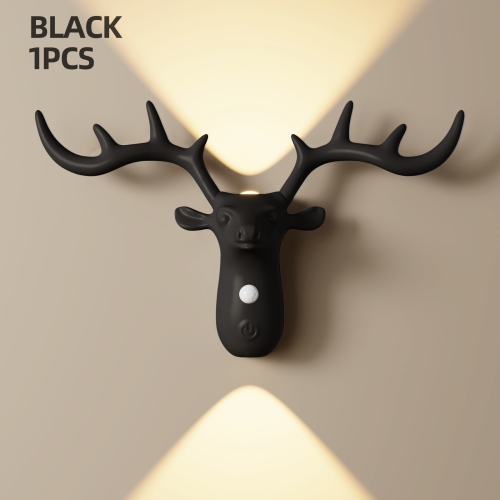
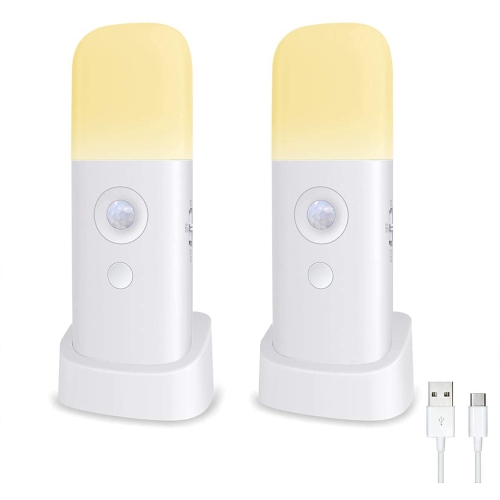
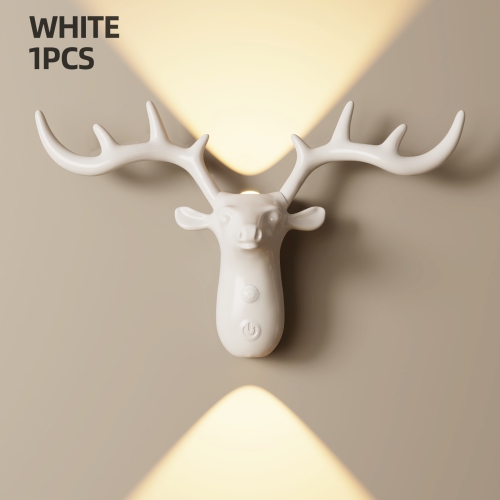
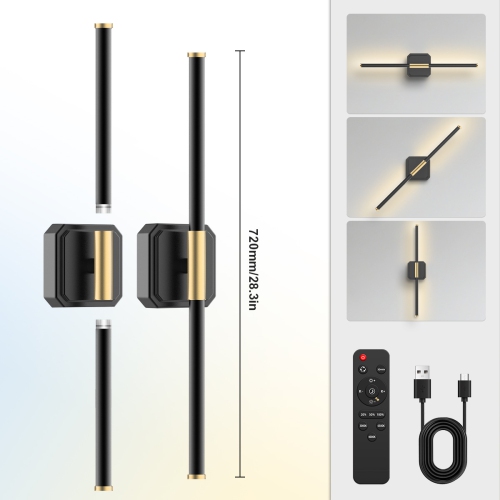
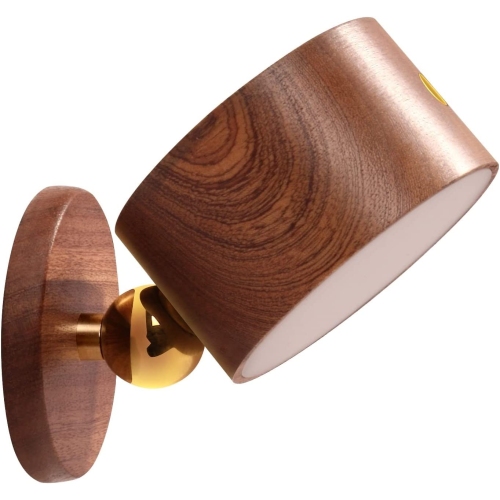
Cordless lighting that reveals what’s tucked away on shelves
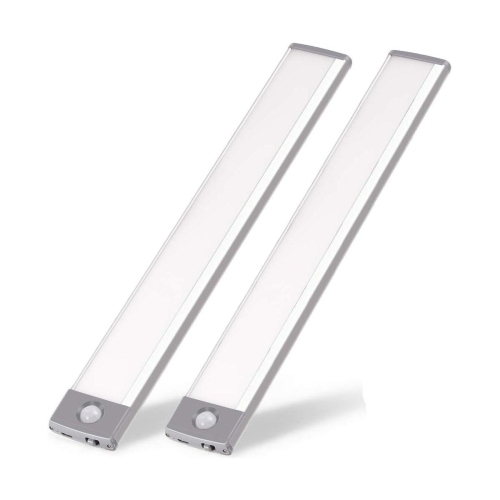
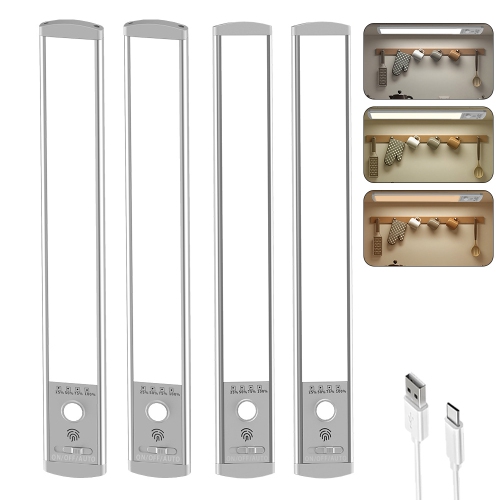
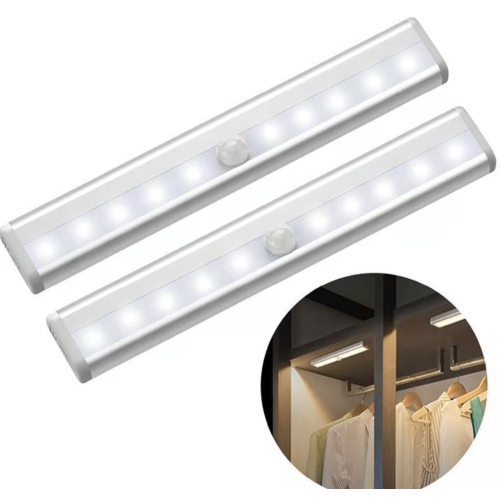
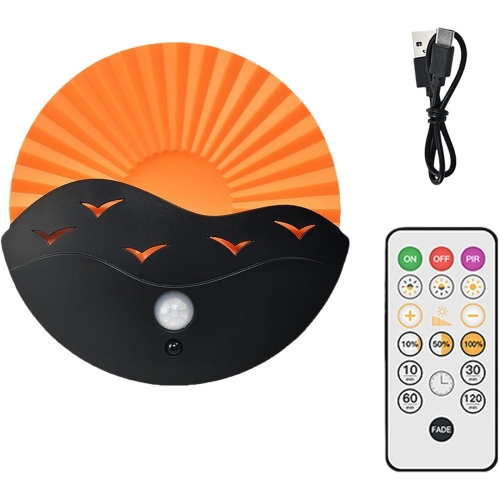
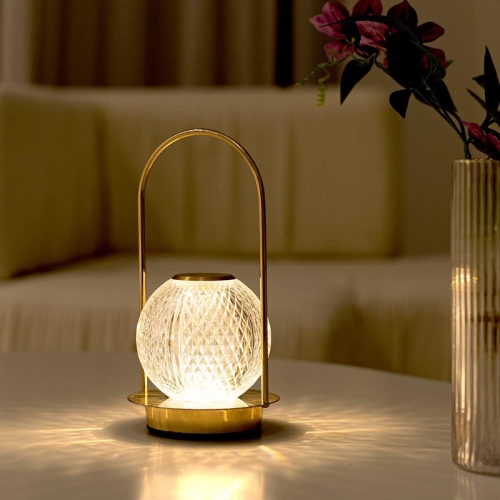
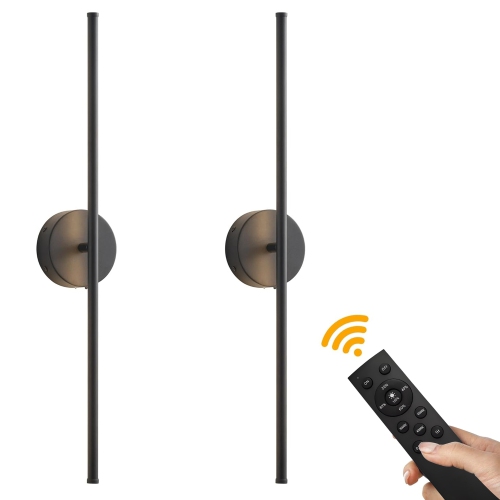
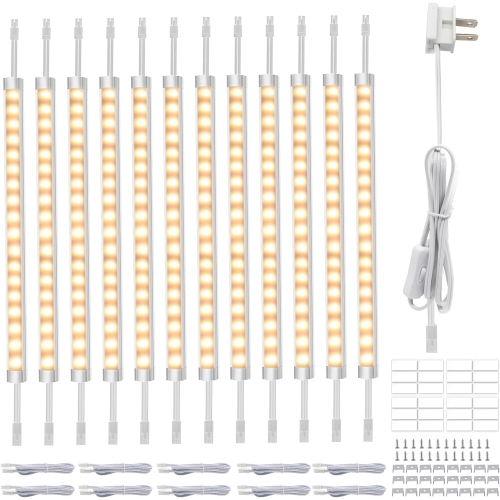
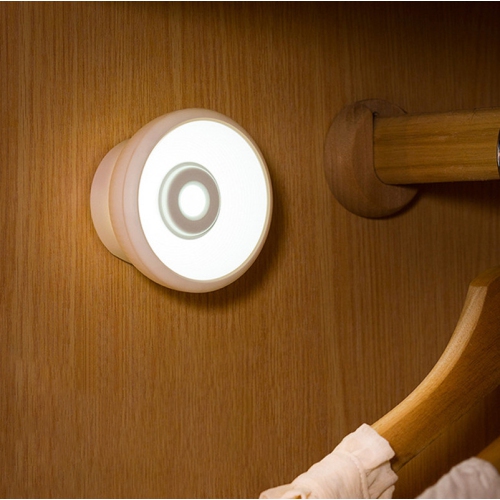
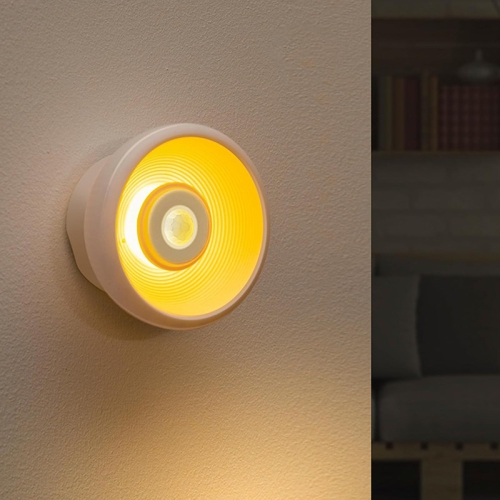
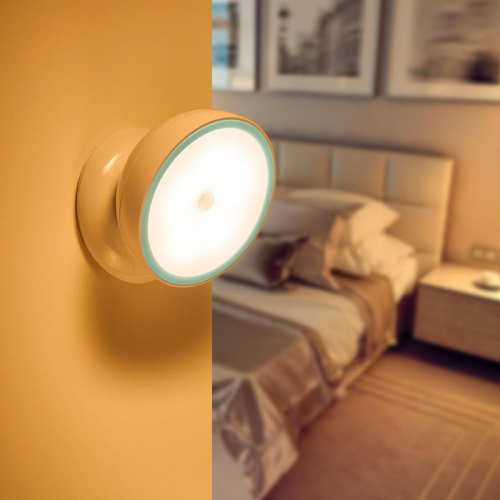
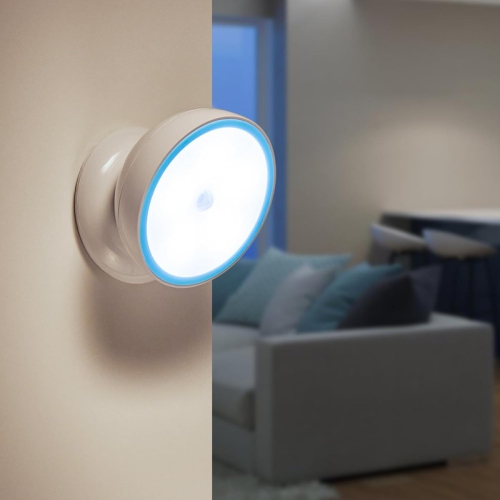
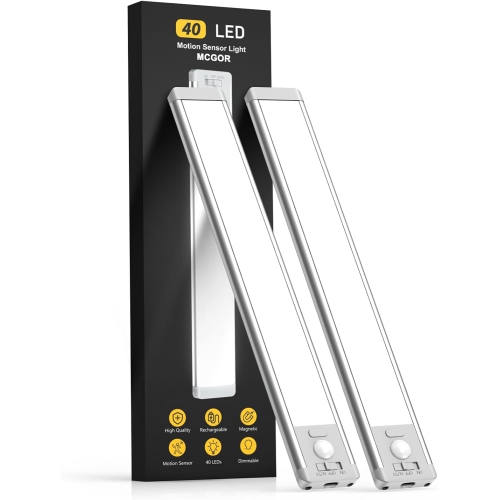
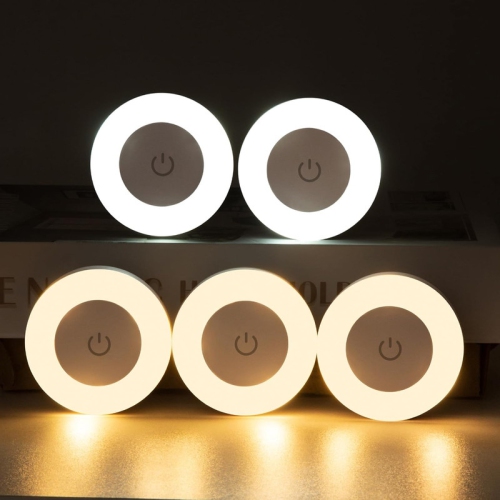
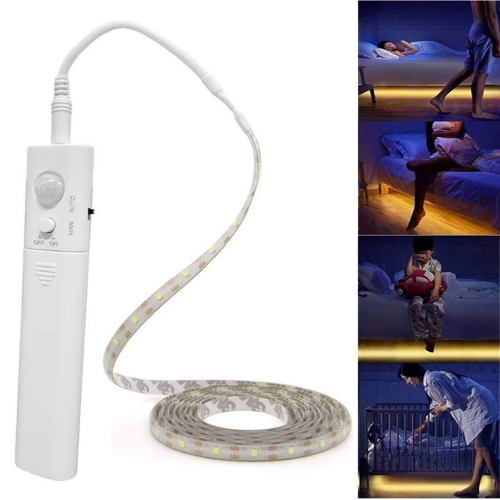
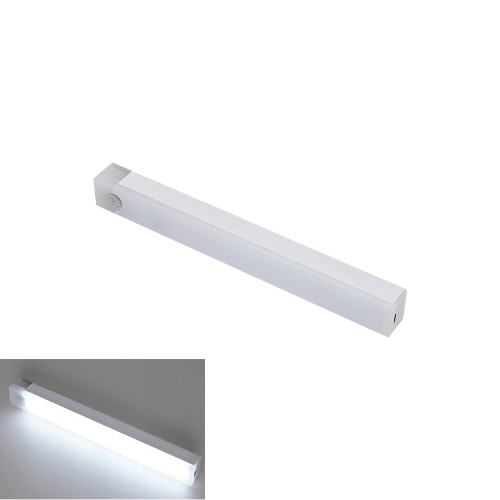
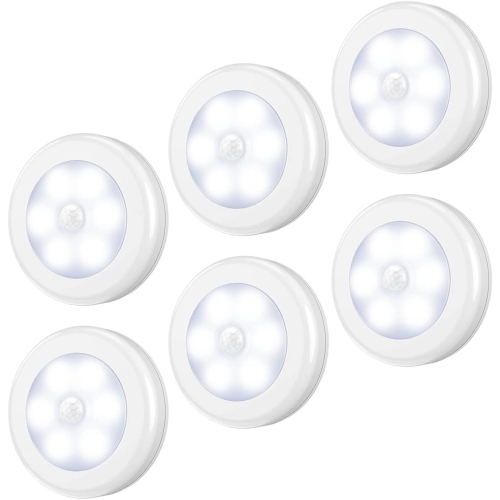
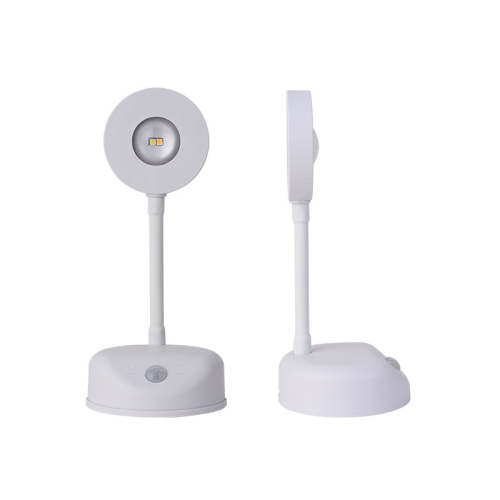
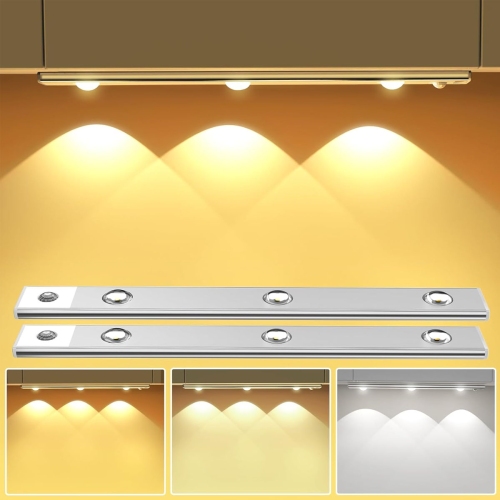
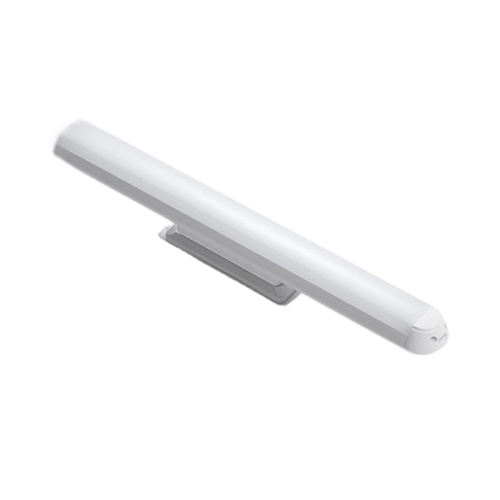
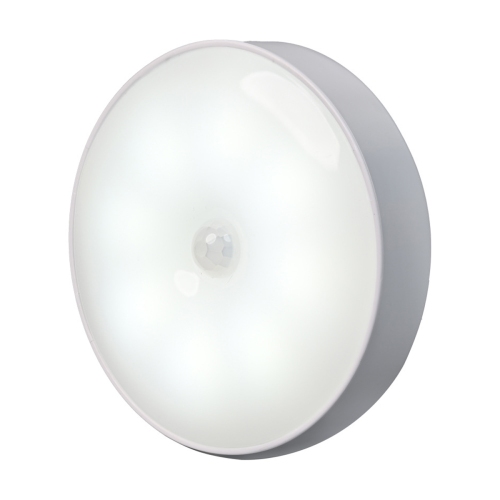
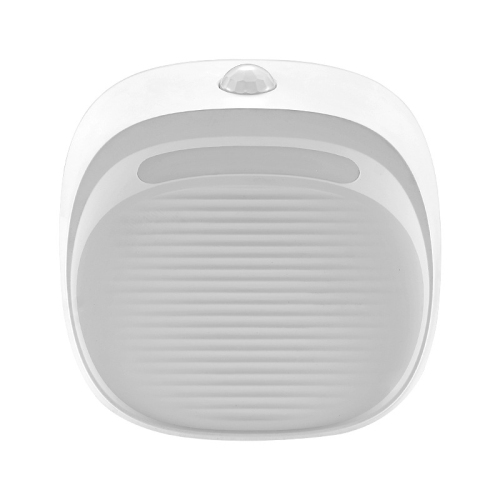
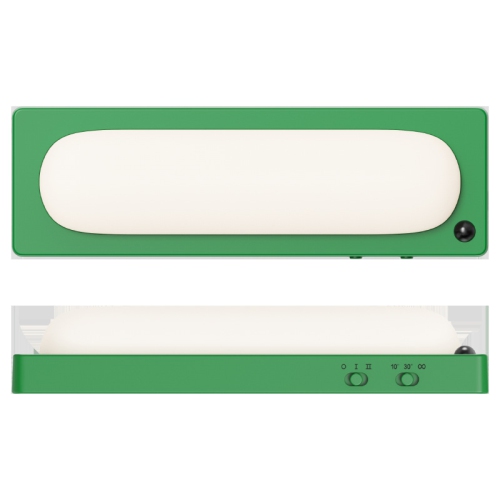
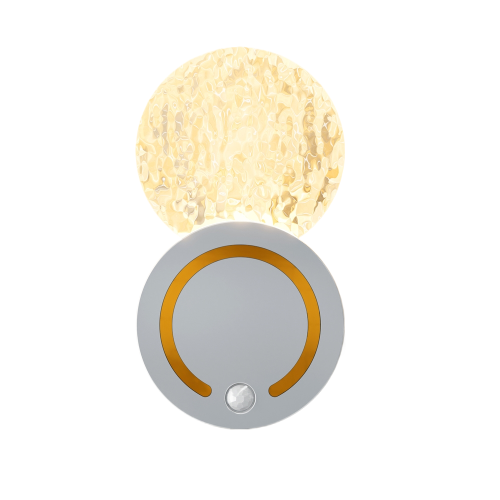
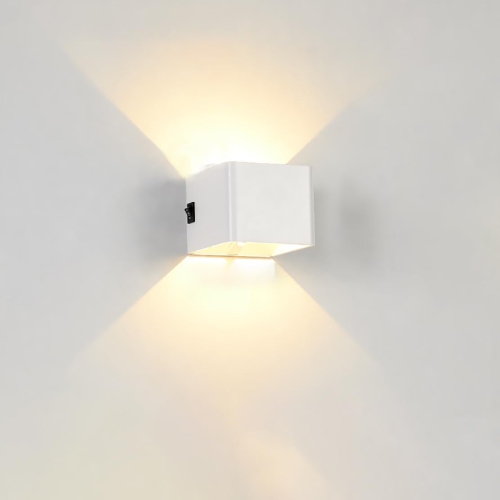
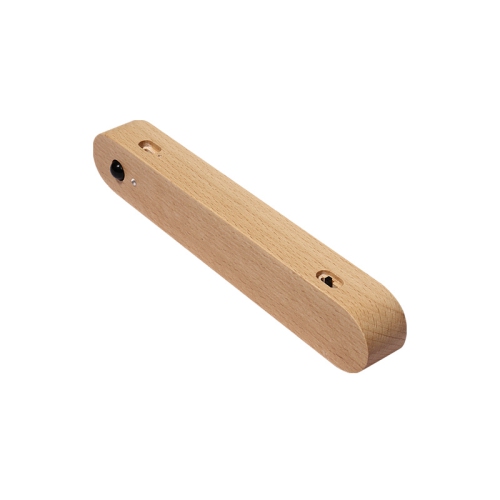
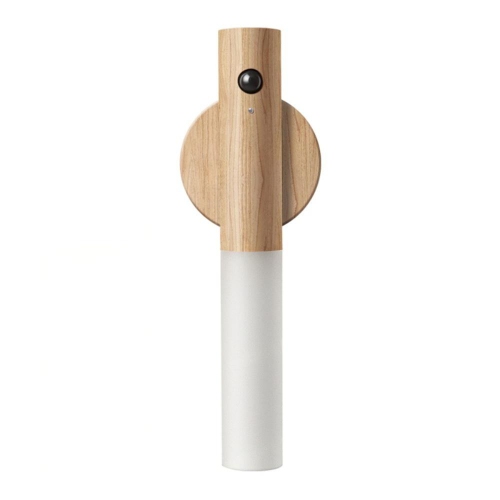
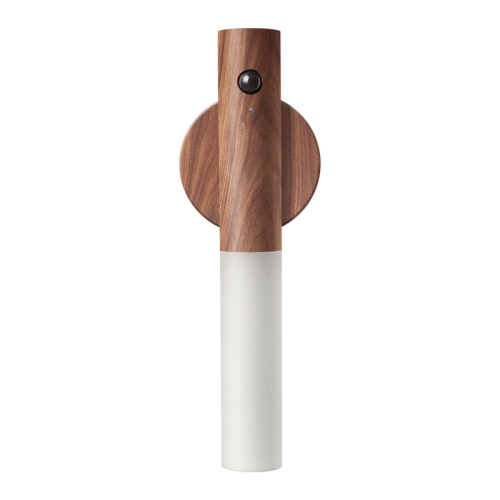
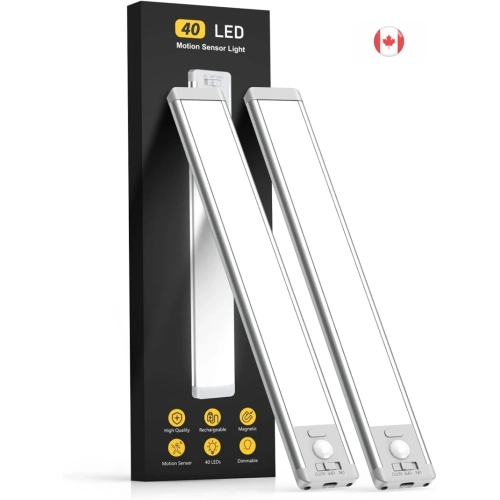
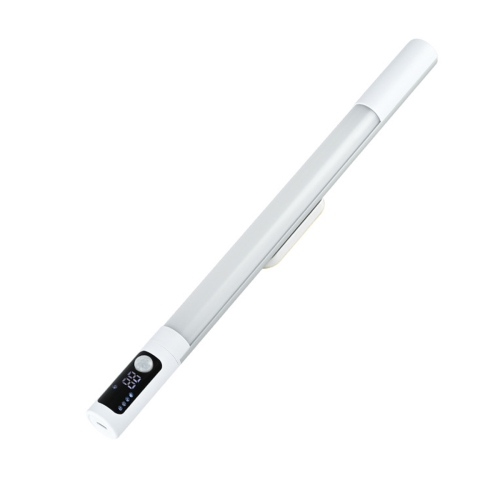
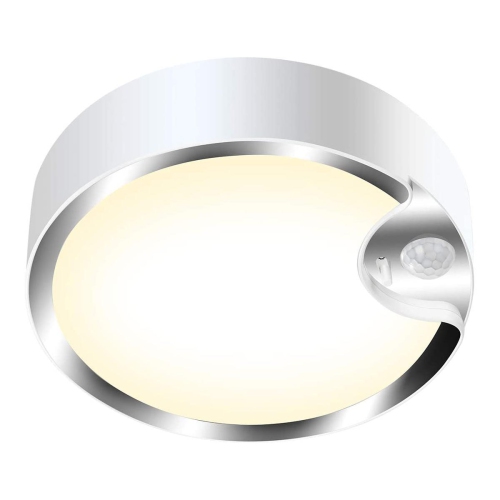
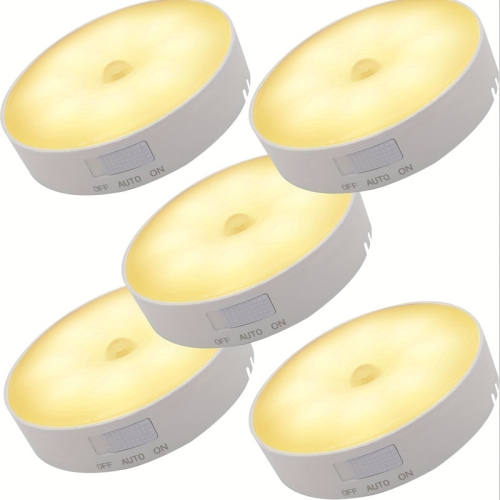
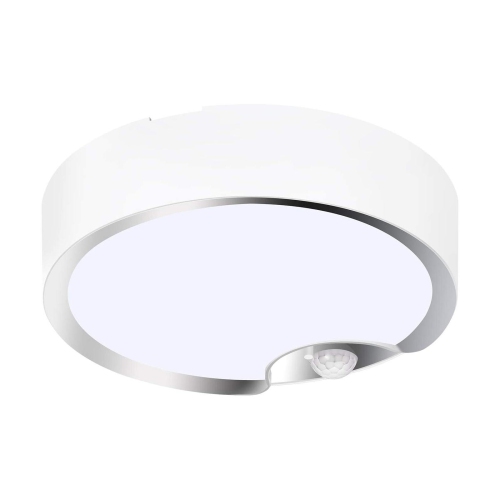
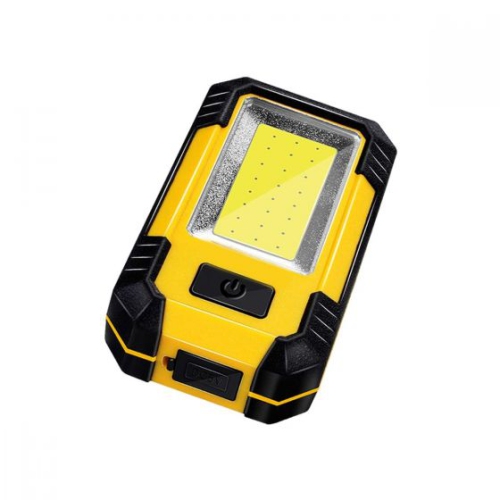
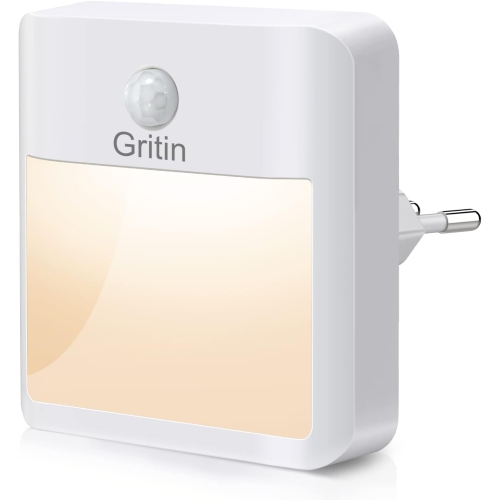
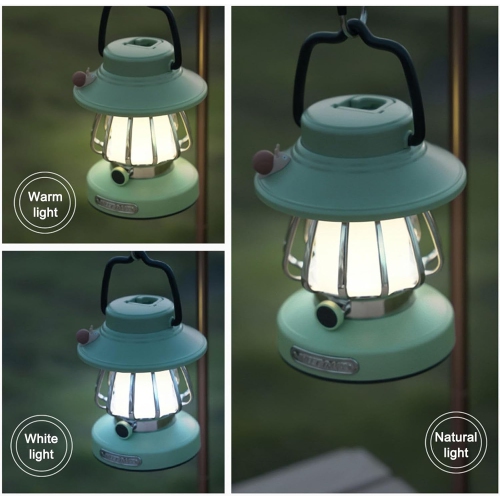
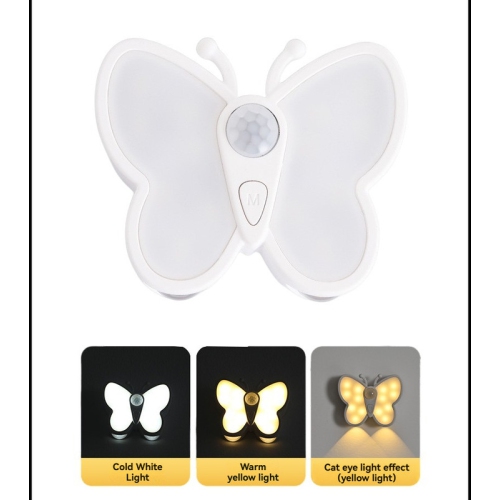
Rechargeable closet lights provide cordless illumination for wardrobes, cupboards, and storage spaces where a nearby outlet or hardwired fixture is not practical. They use a built-in rechargeable battery to power LEDs, with charging methods, controls, and mounting options that vary by design. Many offer motion activation, while others use a button, touch control, or a combination of settings. Inside a crowded hall closet, a light beneath the upper shelf can make the difference between seeing a row of dark shapes and finding the gloves tucked beside a winter hat. In a bedroom wardrobe, illumination near the hanging rail helps reveal shirt colours, folded knitwear, and accessories without relying entirely on light from the room. Long light bars spread illumination across shelves or hanging sections, while compact puck lights suit smaller compartments and focused areas. Flexible light strips can follow a shelf or cabinet edge, provided their installation requirements suit the surface. The most useful shape depends on the space being lit: a single point of light may leave shadows behind stacked linens, whereas a wider light source can cover more of a shelf. Brightness is commonly expressed in lumens, but placement, beam spread, and the colour of the closet interior also affect how clearly contents appear. Pale walls reflect more light than dark wood finishes, and deep shelves can need illumination closer to the front edge to reach the contents below. A diffuser softens the appearance of individual LEDs and can reduce harsh glare when the fixture is near eye level. Warm white light gives bedroom storage a softer appearance, while neutral or cool white light can create a crisper look in utility cupboards. Where distinguishing similar clothing colours matters, colour rendering is worth considering alongside brightness and colour temperature. Dimmable designs offer flexibility for a shared bedroom, with a lower setting for early starts and a brighter setting for sorting laundry or searching the back of a shelf. During the cooler months, that extra visibility is especially useful in entryway storage filled with boots, scarves, and layered outerwear.
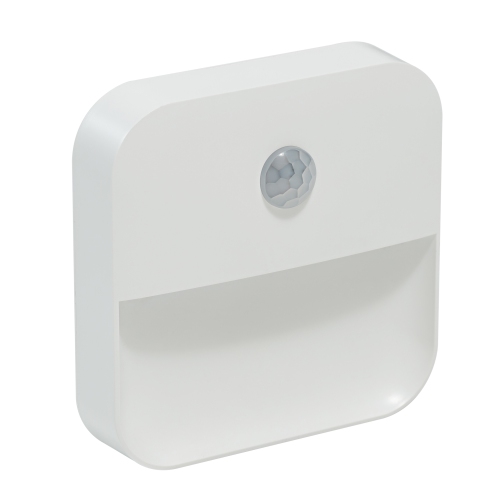
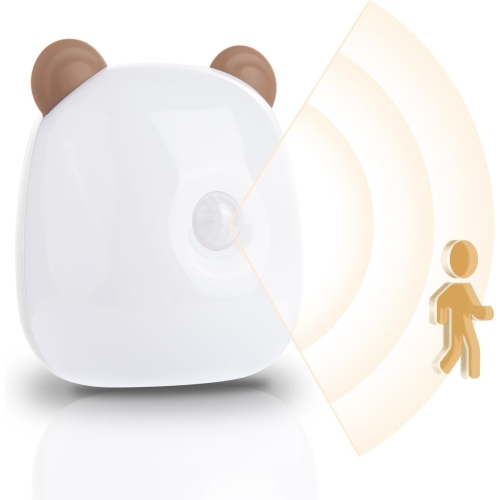
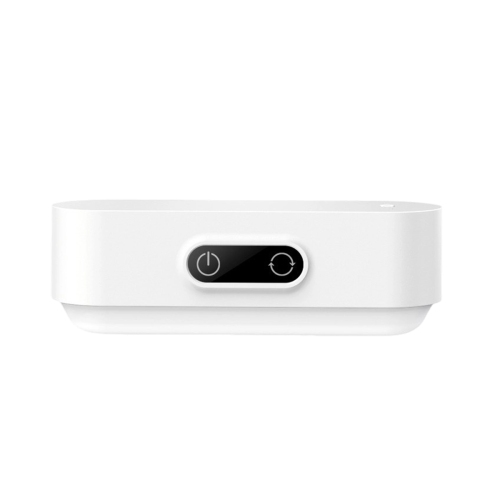
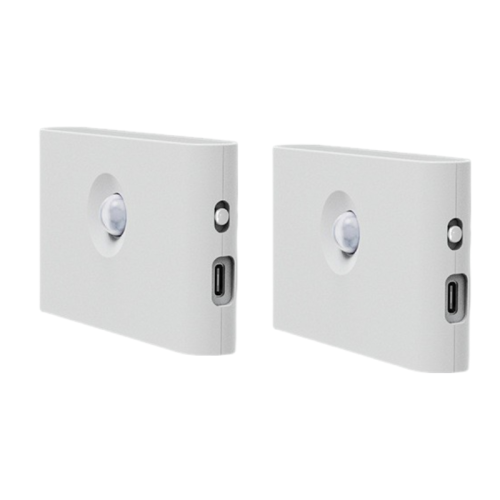
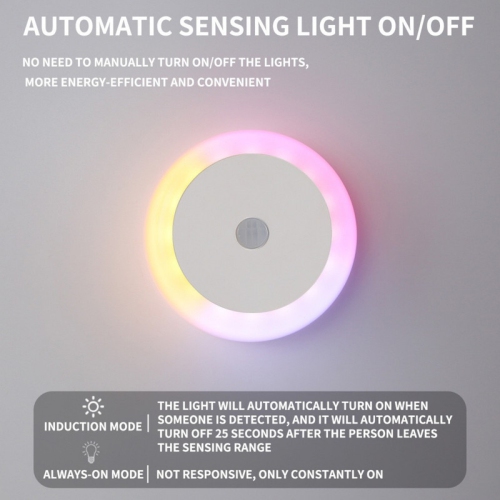
Motion-sensor rechargeable closet lights are particularly convenient when hands are full of towels, laundry, or shopping bags. Sensor behaviour differs between designs: some activate whenever movement is detected, while others only respond when the surrounding area is dark enough. A light-sensitive mode can prevent unnecessary activation in a bright room, but light spilling through an open closet door may also keep it from switching on. Detection range and angle matter as much as the sensor itself. A unit hidden behind a shelf lip or blocked by coats may not detect someone approaching, and a sensor facing an open doorway may trigger whenever someone walks past. Placement with a clear view of the intended approach helps make activation more predictable. Automatic shut-off also varies, so a short timer may suit a quick visit to a linen cupboard better than a lengthy wardrobe sort. An optional constant-on mode can be useful for reorganizing drawers, although continuous use drains the battery faster than brief motion-triggered sessions. Battery life between charges depends on battery capacity, brightness, activation frequency, time spent illuminated, and operating conditions; there is no single runtime that applies to every rechargeable closet light. A fixture used several times each morning and evening will generally need charging more often than one in a rarely opened storage cupboard. Manufacturer runtime figures are most meaningful when considered alongside the settings and test conditions behind them. USB charging is common, but the connector type, cable requirements, and power adapter compatibility differ, and a charging cable does not necessarily mean a wall adapter is included. A charge indicator helps show when the battery needs attention and when charging is complete. Removable fixtures can simplify the routine, allowing the light to be taken to a suitable charging location rather than stretching a cable into the closet. A magnetic attachment or sliding bracket is especially practical when it releases easily without disturbing the mounting base. For everyday use, accessible controls and a straightforward removal method can matter just as much as a slim profile.
Materials, dimensions, and mounting details influence how well rechargeable closet lighting fits into a home over time. Housings commonly use plastic, aluminium, or a combination of materials, often paired with a translucent cover over the LEDs. A slim body can tuck beneath a shelf, but there still needs to be clearance for hangers, sliding doors, storage bins, and fingers reaching for the controls. The charging port should also remain accessible, or the fixture should be easy to remove. Magnetic mounts need a suitable metal surface or an attached mounting plate; they will not grip a wooden shelf on their own. Adhesive-backed plates can offer an installation option without drilling, though their hold depends on the surface finish, cleanliness, texture, and the light's weight. Adhesive should not be assumed to remove without marks, particularly on paint, wallpaper, or delicate finishes. Screw-mounted brackets can provide a more secure attachment where drilling is permitted and the supporting material is appropriate. Renters may prefer removable mounting arrangements, while a busy family coat closet may benefit from a fixture secured against accidental knocks from bags and hangers. Care is generally simple: a soft, dry cloth removes dust from the lens and sensor, while the charging port should stay free of debris. Cleaning liquids should not be sprayed directly onto the fixture, and the manufacturer's charging and care directions take priority. Dry indoor storage is the intended setting for many designs; bathrooms, damp cupboards, and unheated spaces require suitability for those conditions. Fixtures should remain clear of piled fabrics, and charging cables should be kept out of children's reach. These lights can make a practical housewarming gift for someone furnishing a small apartment or improving awkward storage. Where the need extends beyond shelves to gentle bedside illumination, Rechargeable Night Lights serve a related purpose. Closet lighting is most effective when its coverage, controls, and mounting suit the daily task, whether that means finding matching shoes or putting fresh linens away.
Motion-sensor rechargeable closet lights are particularly convenient when hands are full of towels, laundry, or shopping bags. Sensor behaviour differs between designs: some activate whenever movement is detected, while others only respond when the surrounding area is dark enough. A light-sensitive mode can prevent unnecessary activation in a bright room, but light spilling through an open closet door may also keep it from switching on. Detection range and angle matter as much as the sensor itself. A unit hidden behind a shelf lip or blocked by coats may not detect someone approaching, and a sensor facing an open doorway may trigger whenever someone walks past. Placement with a clear view of the intended approach helps make activation more predictable. Automatic shut-off also varies, so a short timer may suit a quick visit to a linen cupboard better than a lengthy wardrobe sort. An optional constant-on mode can be useful for reorganizing drawers, although continuous use drains the battery faster than brief motion-triggered sessions. Battery life between charges depends on battery capacity, brightness, activation frequency, time spent illuminated, and operating conditions; there is no single runtime that applies to every rechargeable closet light. A fixture used several times each morning and evening will generally need charging more often than one in a rarely opened storage cupboard. Manufacturer runtime figures are most meaningful when considered alongside the settings and test conditions behind them. USB charging is common, but the connector type, cable requirements, and power adapter compatibility differ, and a charging cable does not necessarily mean a wall adapter is included. A charge indicator helps show when the battery needs attention and when charging is complete. Removable fixtures can simplify the routine, allowing the light to be taken to a suitable charging location rather than stretching a cable into the closet. A magnetic attachment or sliding bracket is especially practical when it releases easily without disturbing the mounting base. For everyday use, accessible controls and a straightforward removal method can matter just as much as a slim profile.
Materials, dimensions, and mounting details influence how well rechargeable closet lighting fits into a home over time. Housings commonly use plastic, aluminium, or a combination of materials, often paired with a translucent cover over the LEDs. A slim body can tuck beneath a shelf, but there still needs to be clearance for hangers, sliding doors, storage bins, and fingers reaching for the controls. The charging port should also remain accessible, or the fixture should be easy to remove. Magnetic mounts need a suitable metal surface or an attached mounting plate; they will not grip a wooden shelf on their own. Adhesive-backed plates can offer an installation option without drilling, though their hold depends on the surface finish, cleanliness, texture, and the light's weight. Adhesive should not be assumed to remove without marks, particularly on paint, wallpaper, or delicate finishes. Screw-mounted brackets can provide a more secure attachment where drilling is permitted and the supporting material is appropriate. Renters may prefer removable mounting arrangements, while a busy family coat closet may benefit from a fixture secured against accidental knocks from bags and hangers. Care is generally simple: a soft, dry cloth removes dust from the lens and sensor, while the charging port should stay free of debris. Cleaning liquids should not be sprayed directly onto the fixture, and the manufacturer's charging and care directions take priority. Dry indoor storage is the intended setting for many designs; bathrooms, damp cupboards, and unheated spaces require suitability for those conditions. Fixtures should remain clear of piled fabrics, and charging cables should be kept out of children's reach. These lights can make a practical housewarming gift for someone furnishing a small apartment or improving awkward storage. Where the need extends beyond shelves to gentle bedside illumination, Rechargeable Night Lights serve a related purpose. Closet lighting is most effective when its coverage, controls, and mounting suit the daily task, whether that means finding matching shoes or putting fresh linens away.
Top selling and popular products
-
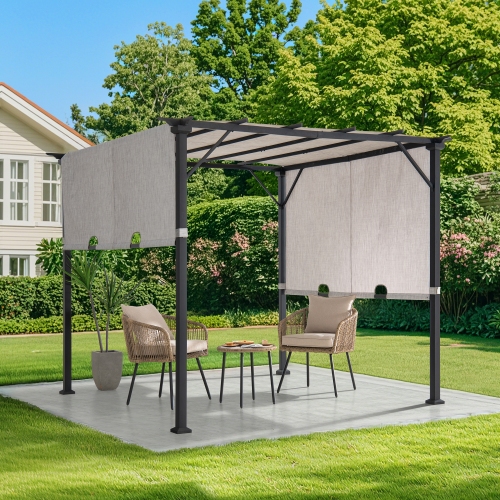 Your price for this item is $274.99
 -
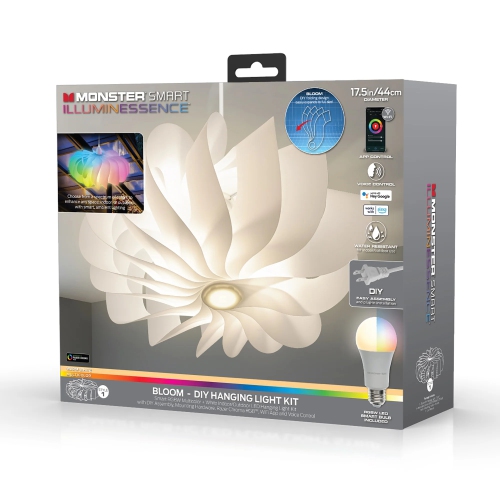 Your price for this item is $49.99
 -
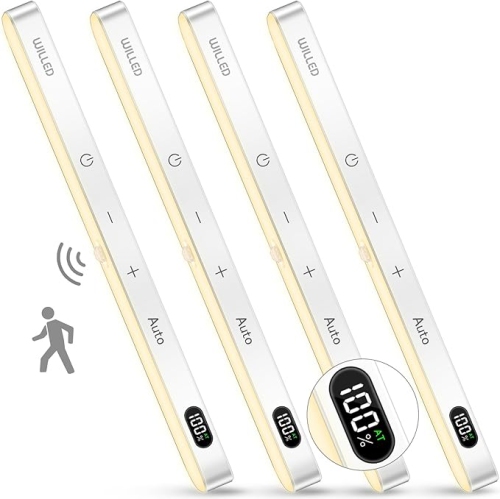 Your price for this item is $48.2
 -
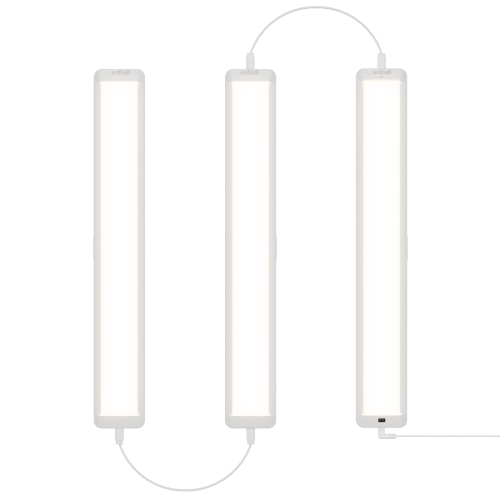 Your price for this item is $89.99
 -
 Your price for this item is $89.99
 -
 Your price for this item is $26.99
 -
 Your price for this item is $370.07
 -
 Your price for this item is $99.99
Discover more categories related to Rechargeable Closet Lights

Top Collections:
Pokemon Centers, Kindle Devices, Best Budget Office Chairs, Apple iPhones 16, Best Laptops for Writers, iPhone 15 Apple, Canon G7X Cameras, Refurbished Apple Laptops, Alarm Clock, Motorola Razr Phones
Some products may be subject to Environmental Handling Fees
(EHF) depending on your province.
Learn more about EHFs.