Recliners Canada
Transform your living space into a haven of comfort and style with our diverse selection of recliners. Whether you're seeking a cozy spot to unwind after a long day or an elegant addition to your home decor, our range offers something for every taste and preference. Explore various designs that blend functionality with aesthetics, ensuring you find the perfect match for your lifestyle. With options to suit both contemporary and classic interiors, these recliners promise to elevate your relaxation experience while enhancing the ambiance of any room. Discover the ultimate in seating luxury today, and make every moment at home truly special.
Sort
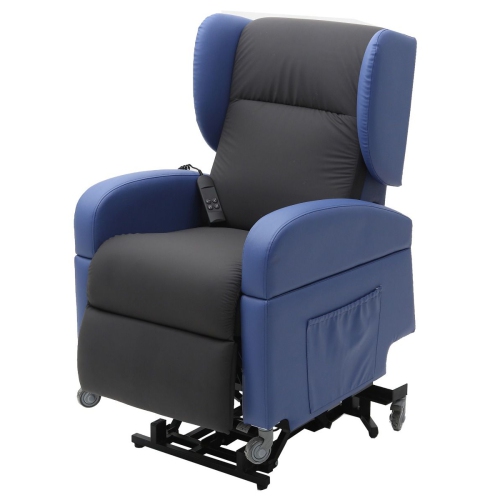
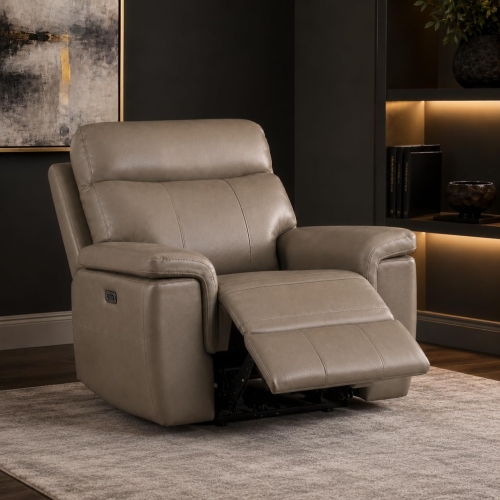

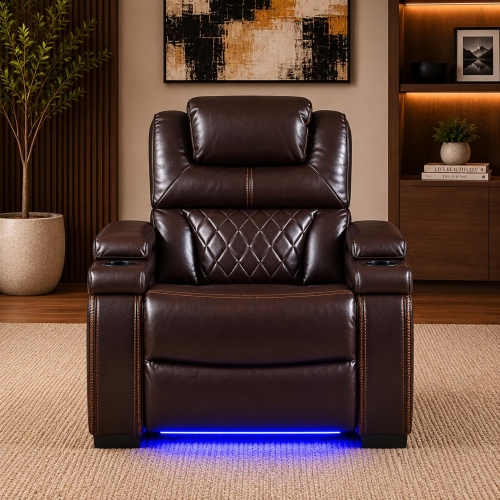
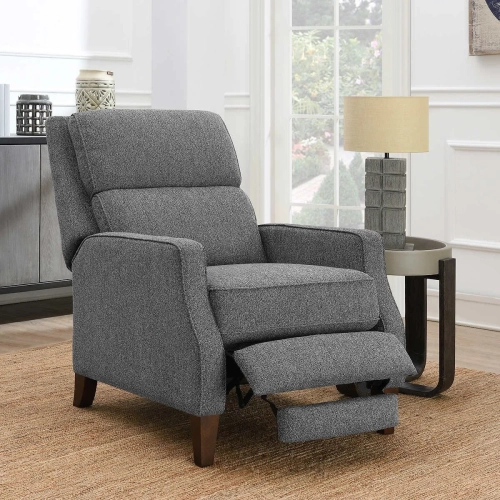
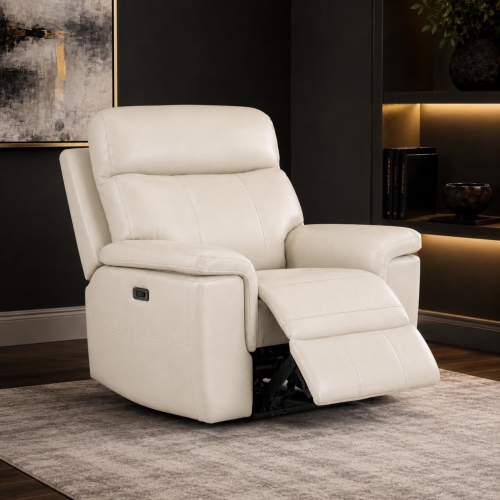
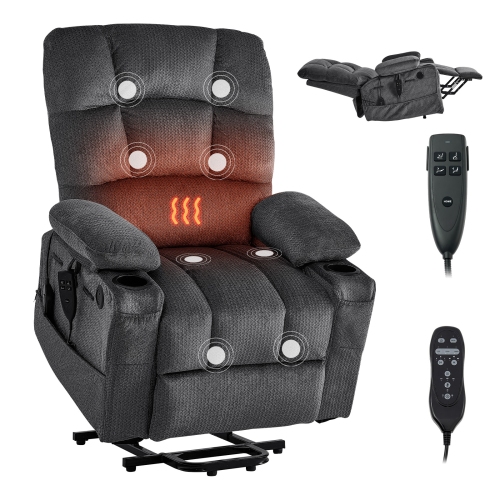
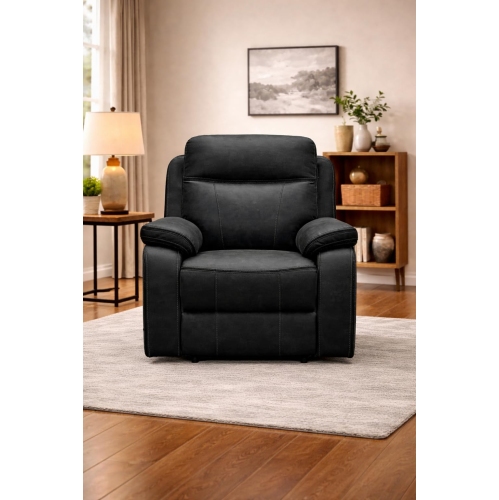
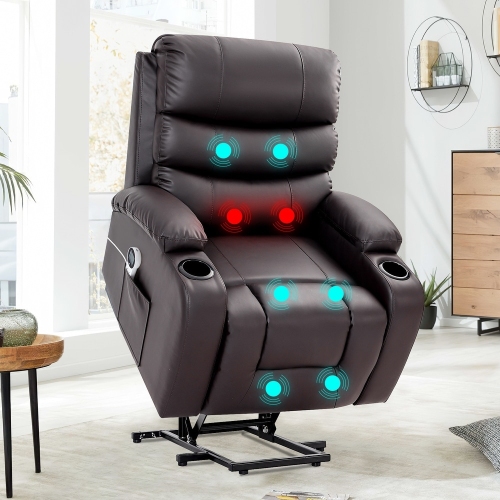
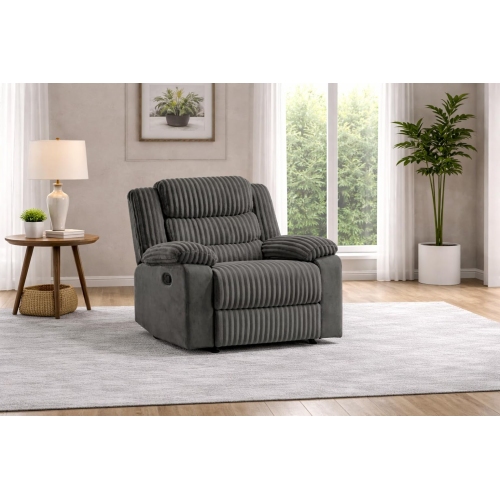
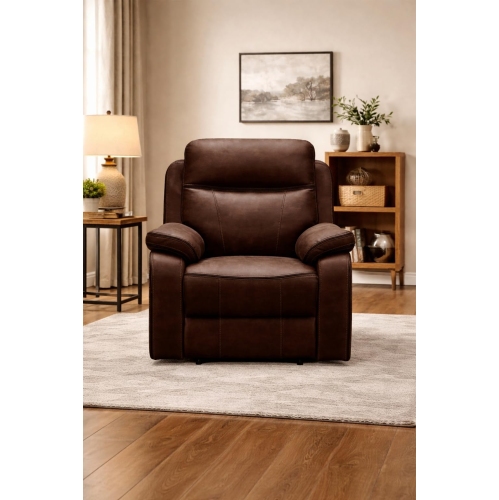

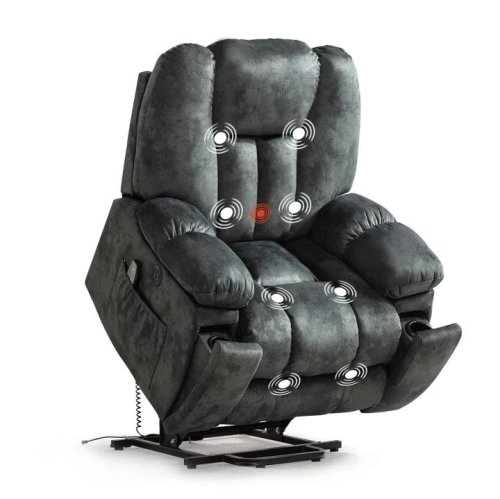

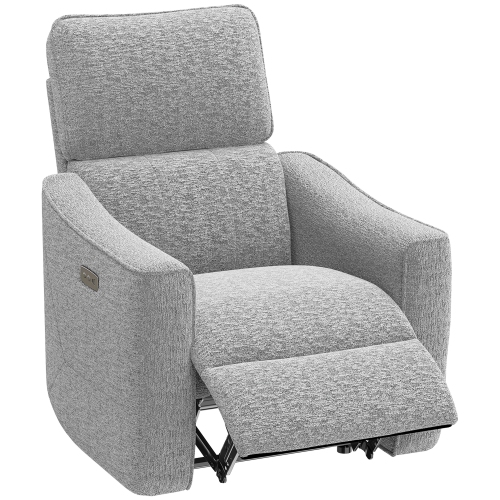
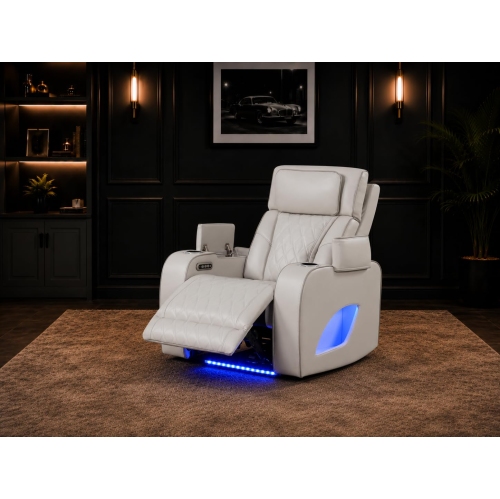
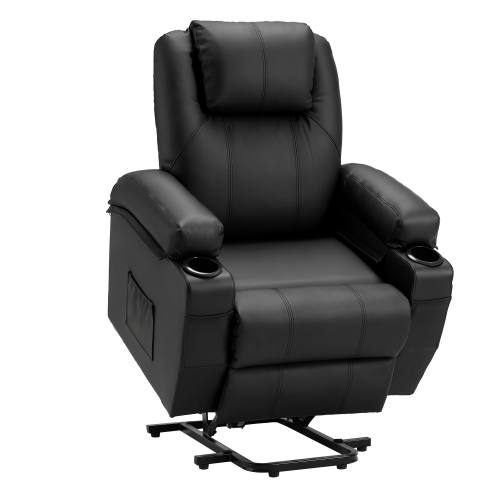
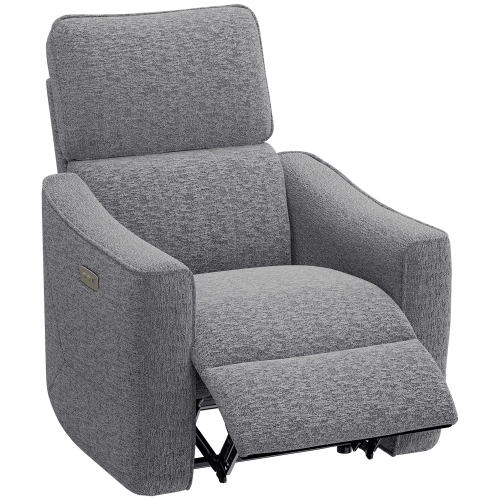
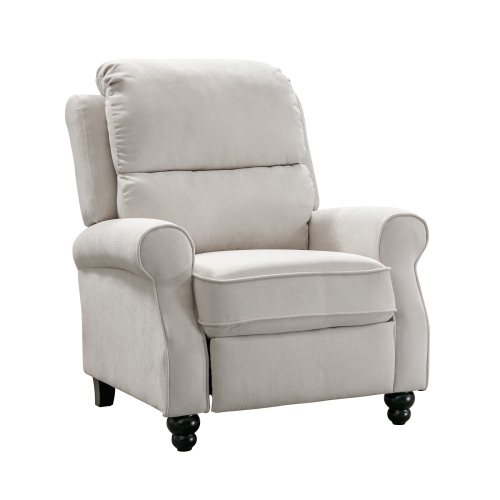
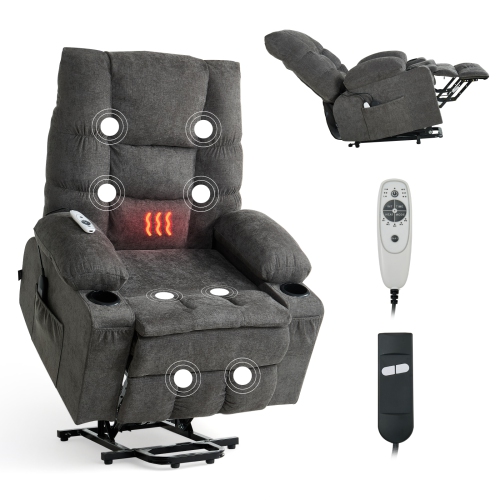
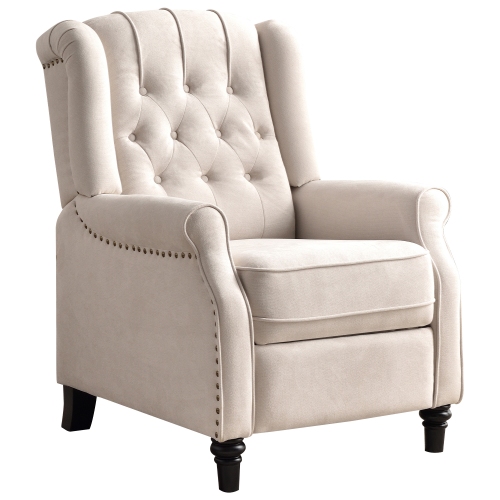

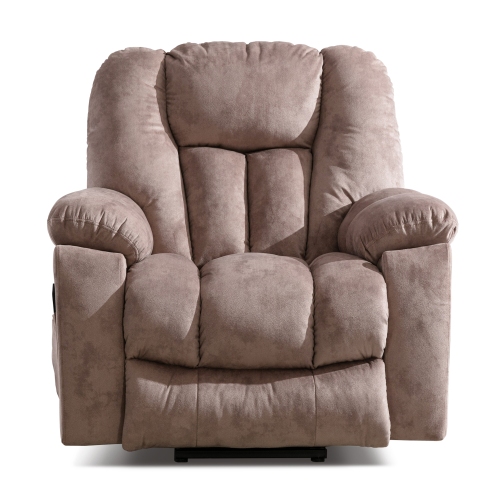
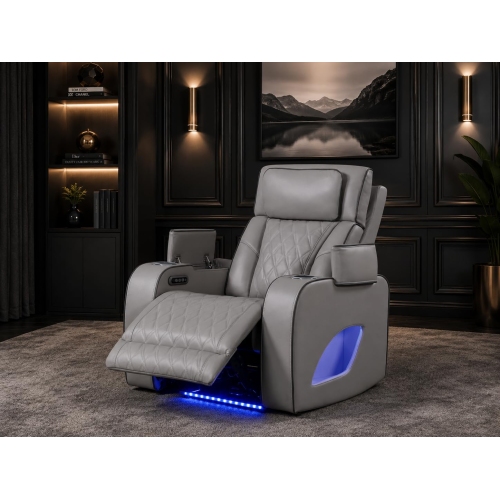
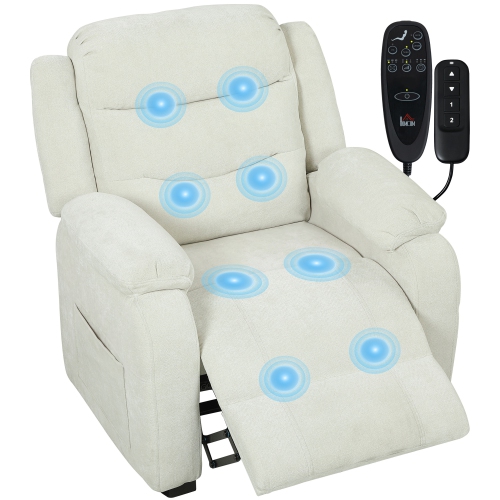
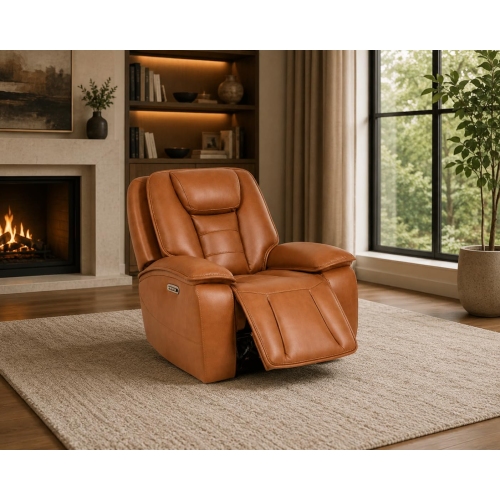
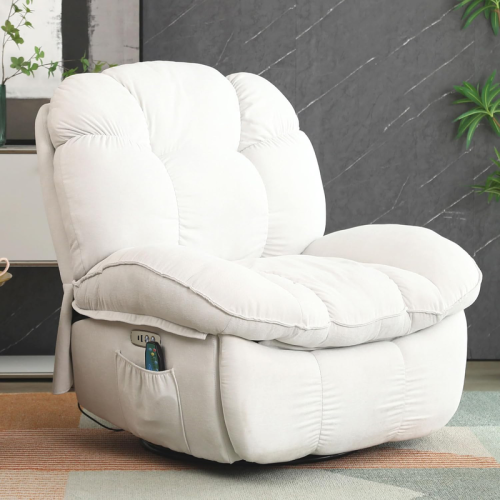
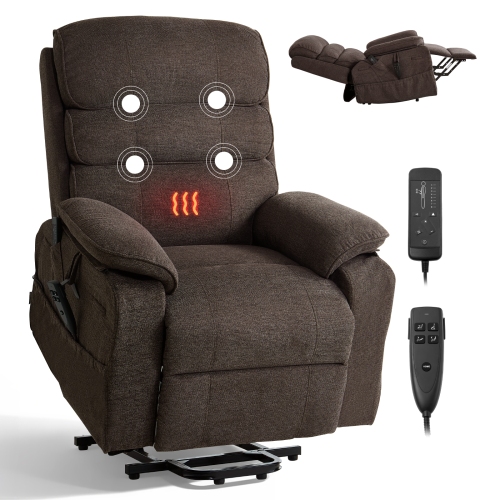
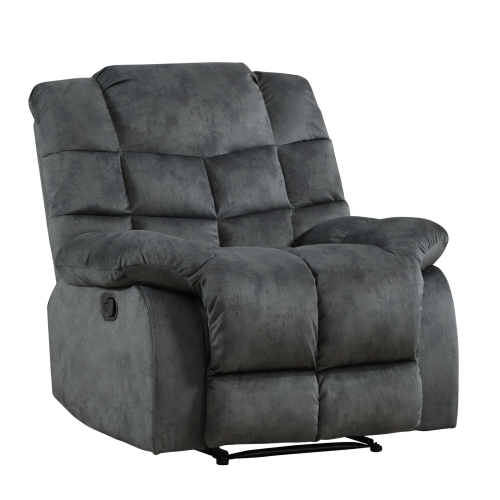
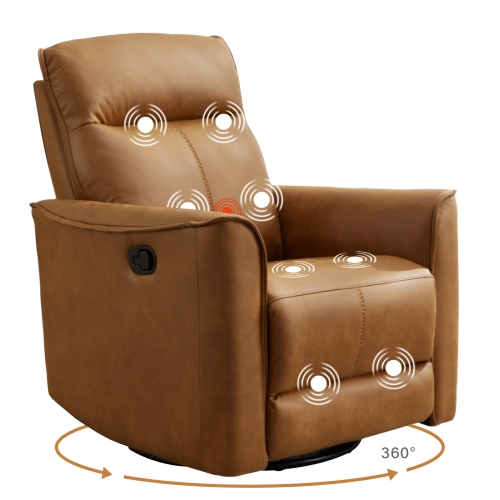

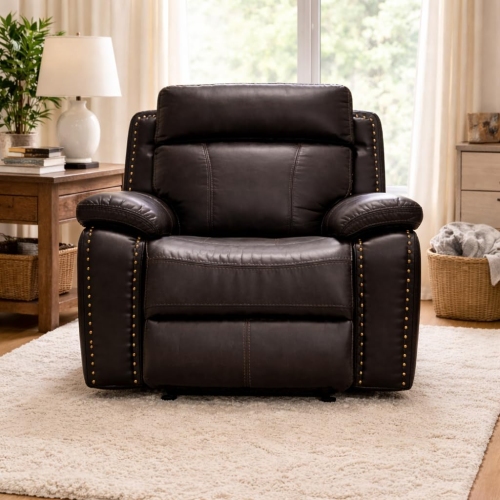
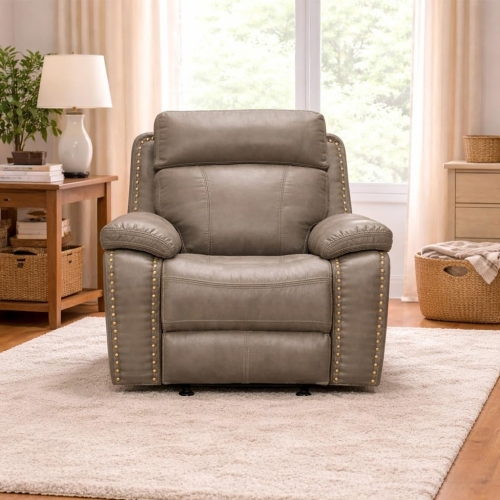

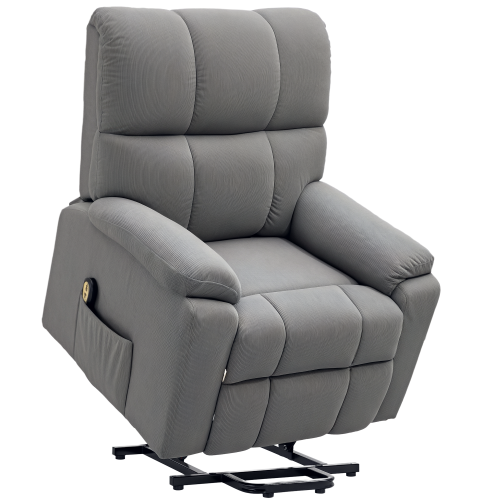
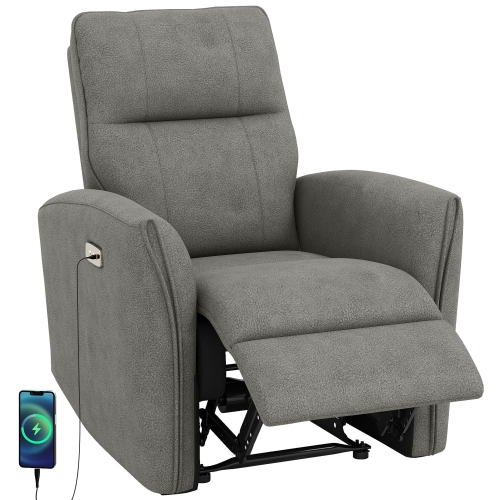
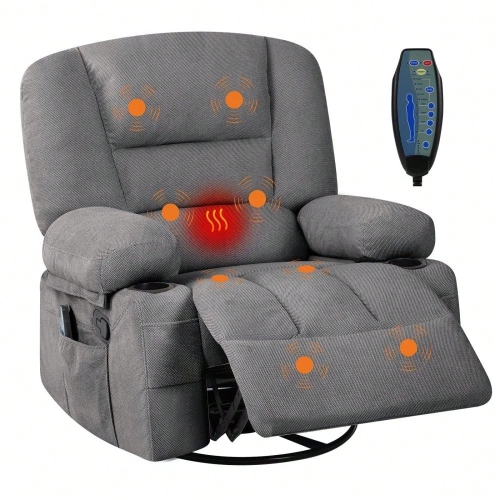
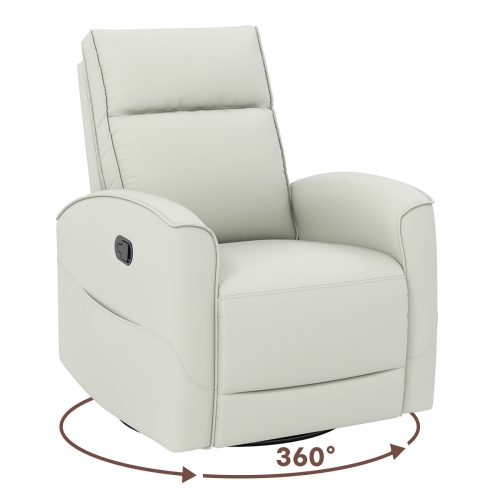
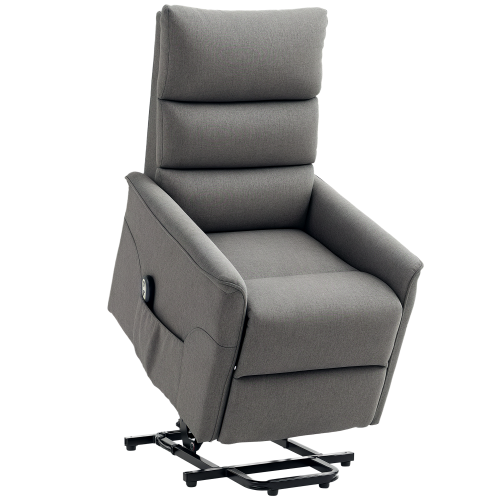


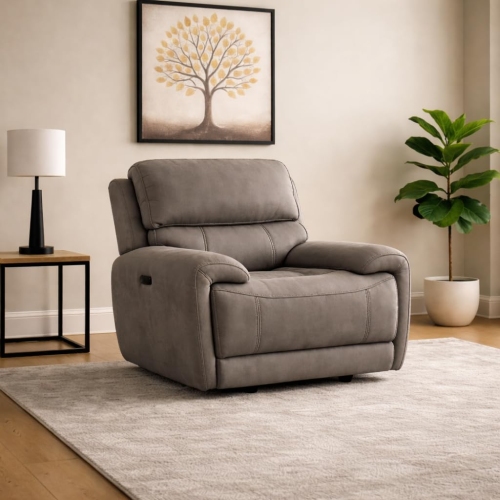
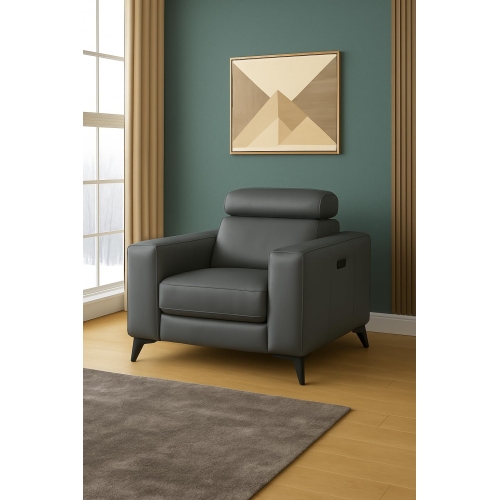

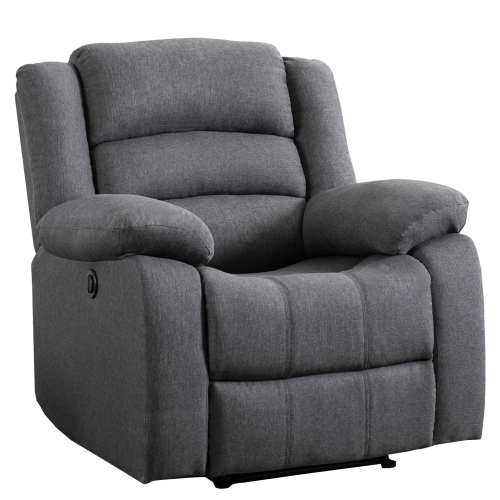

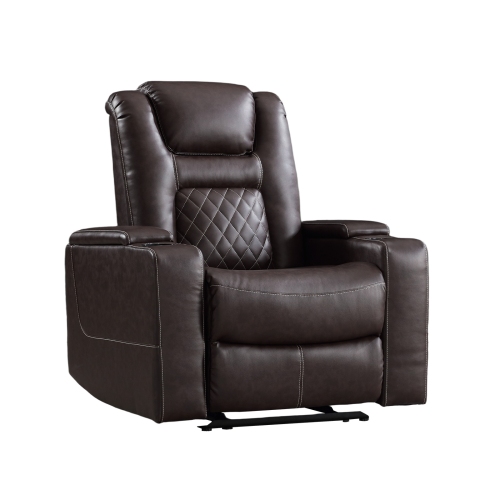
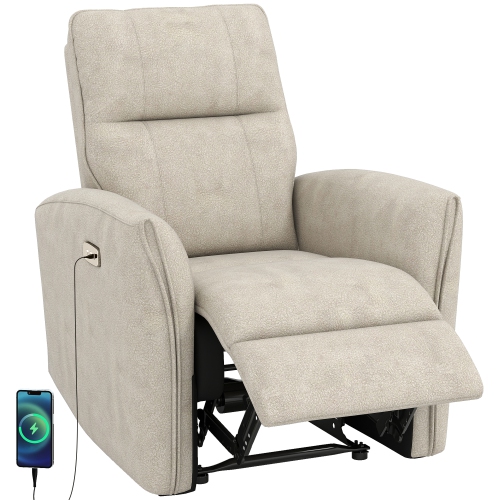
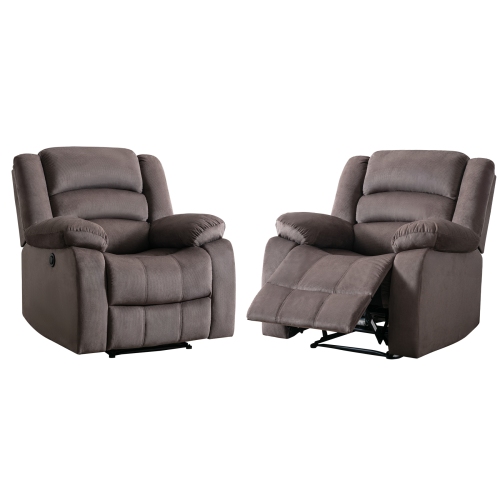
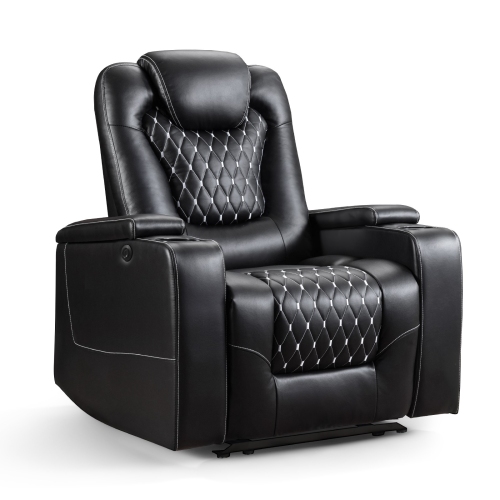
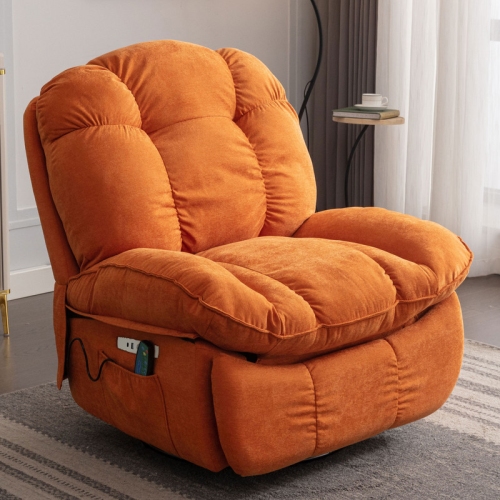
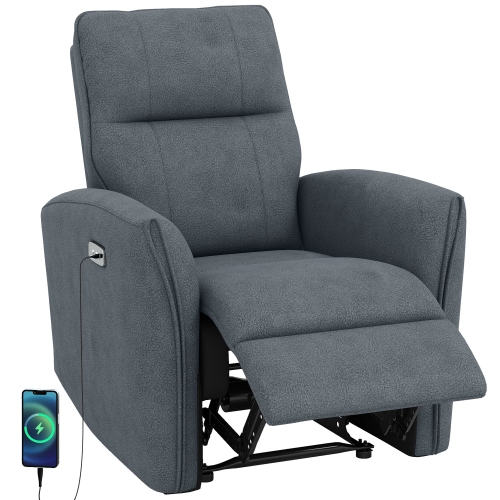
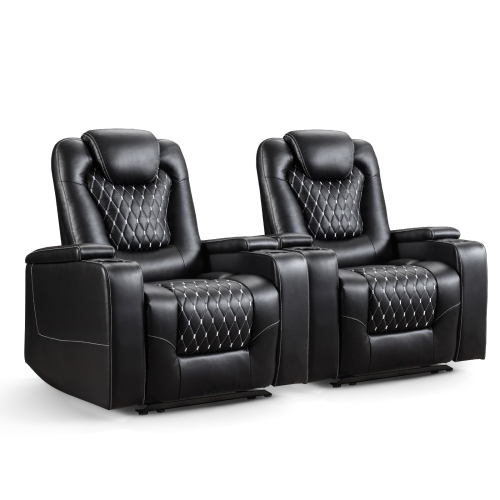


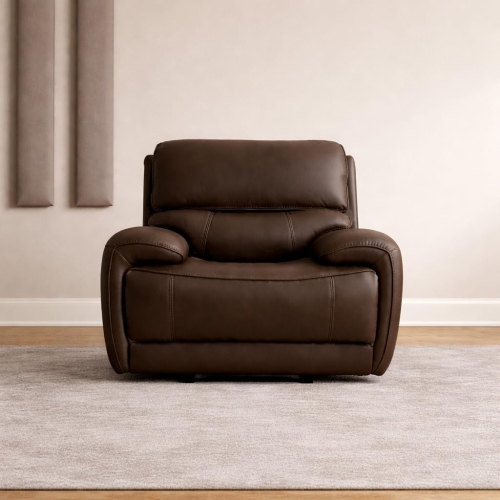














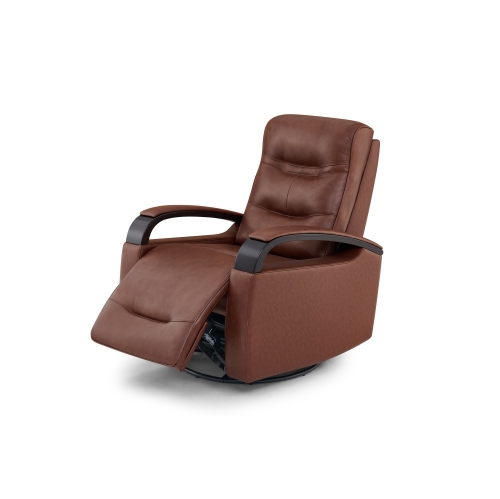


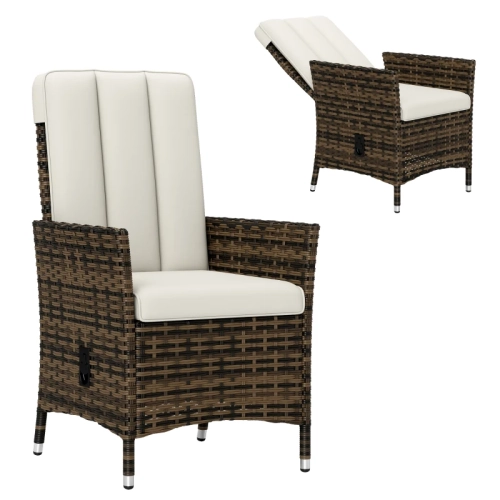
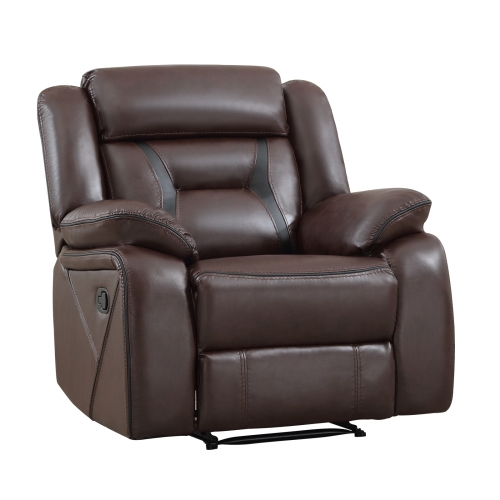


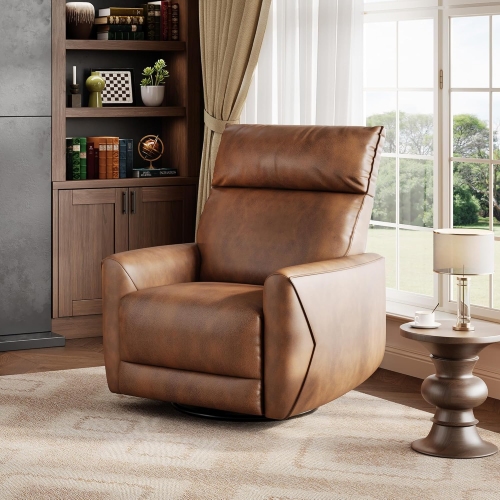


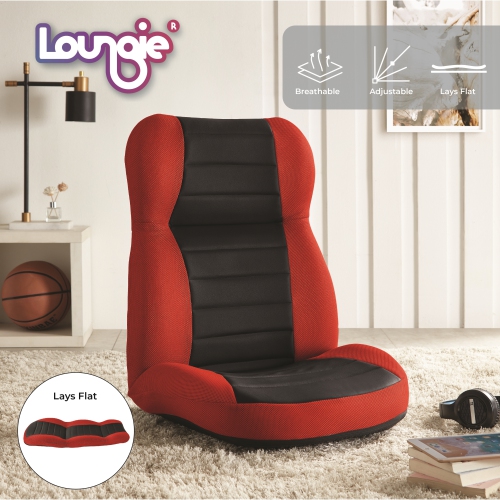


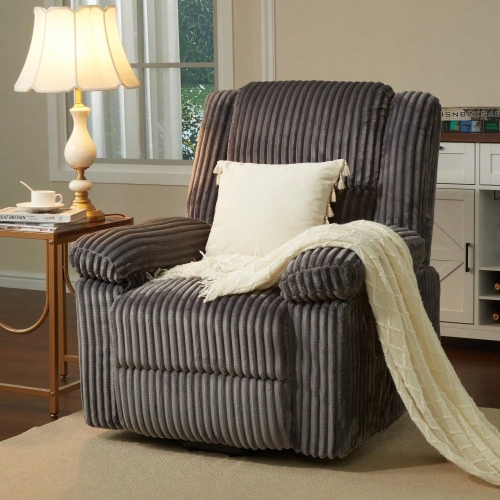

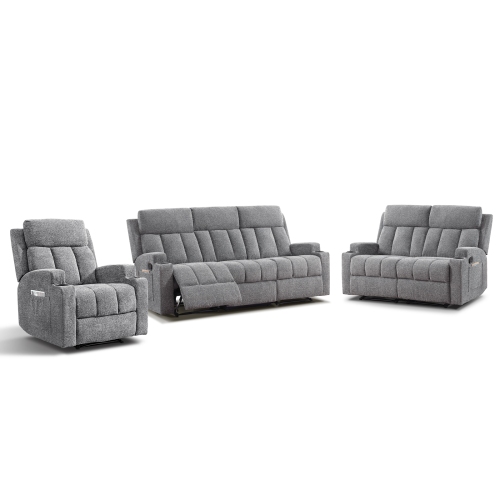

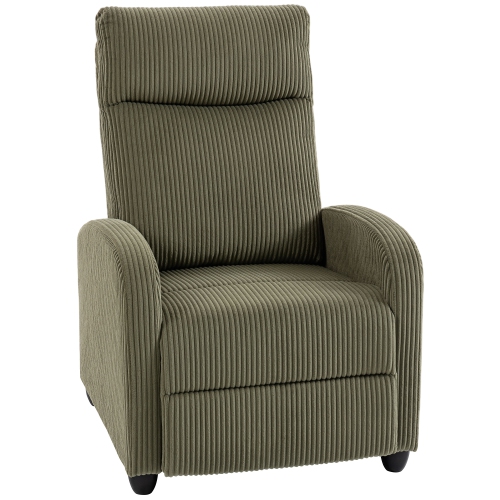
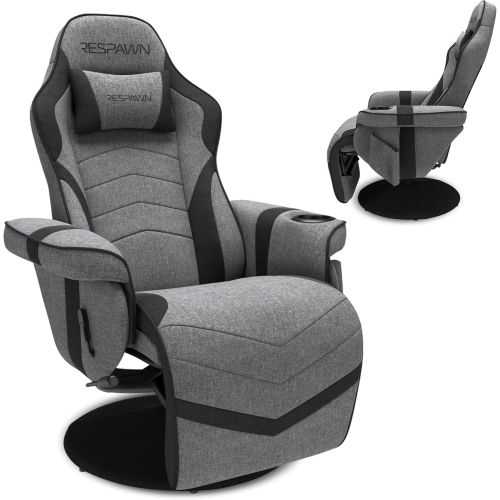
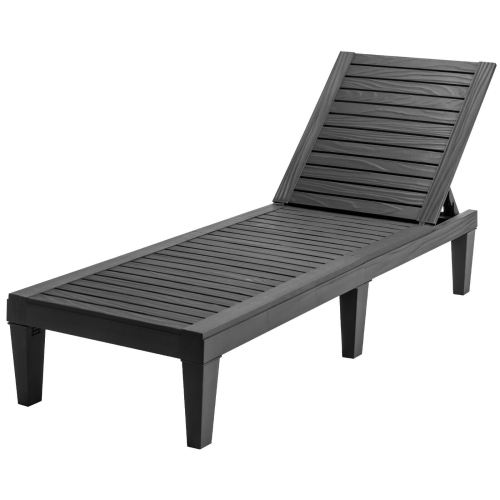
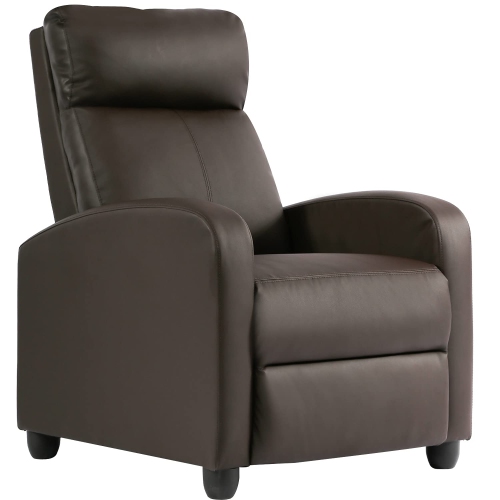


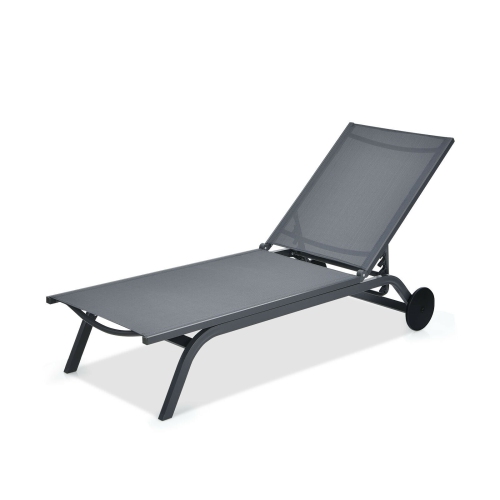

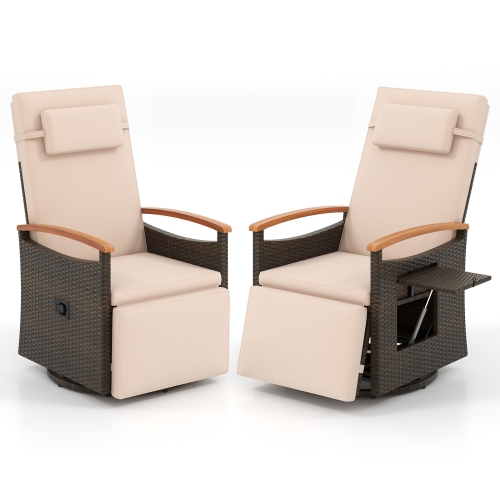
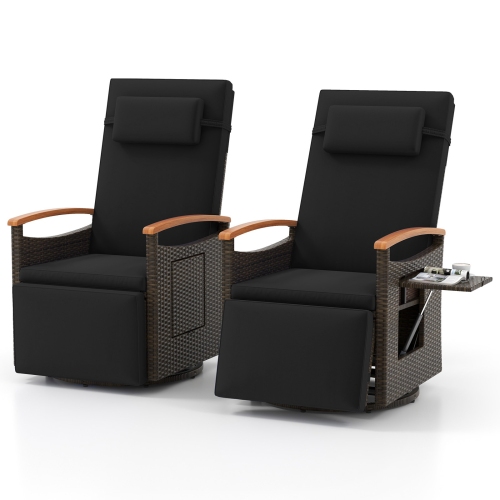

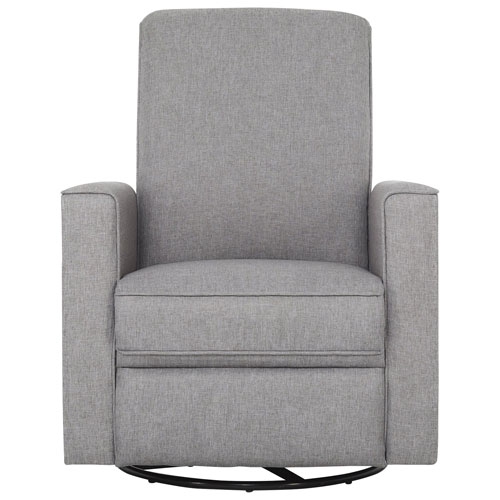


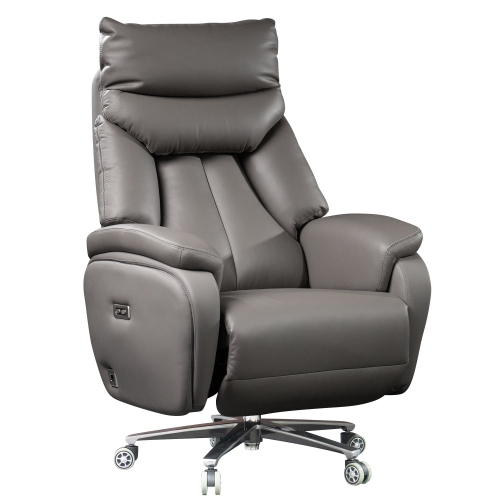

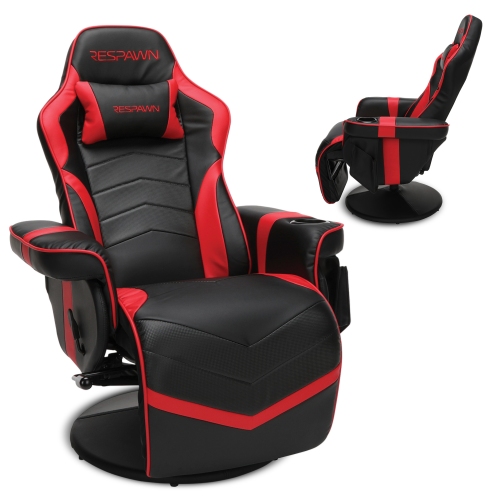

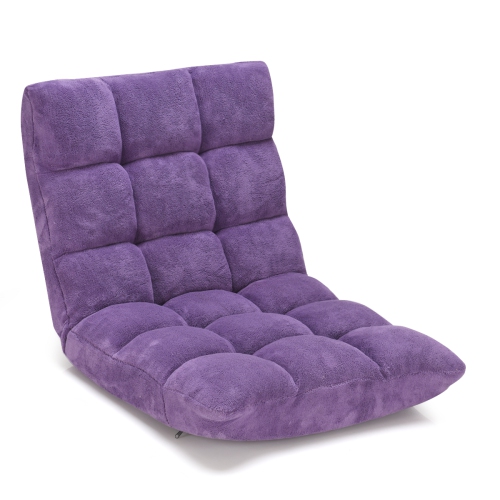
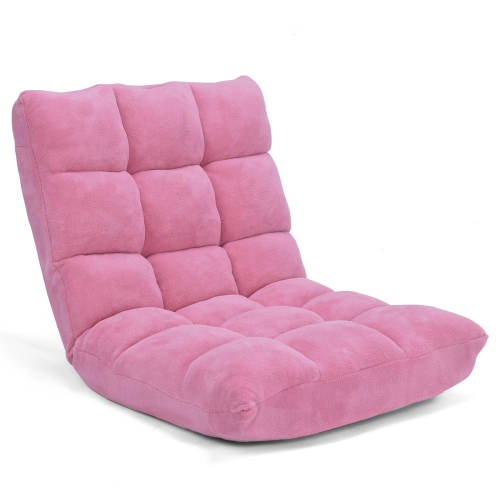




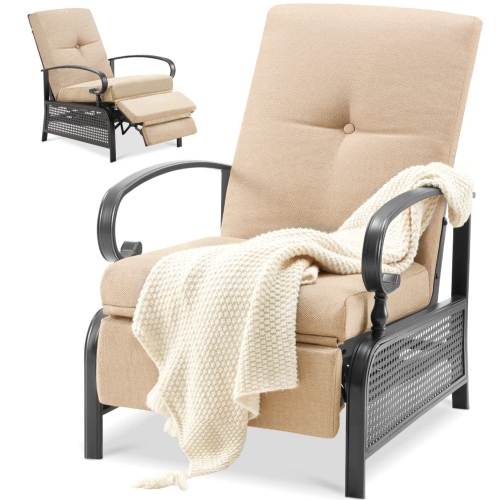


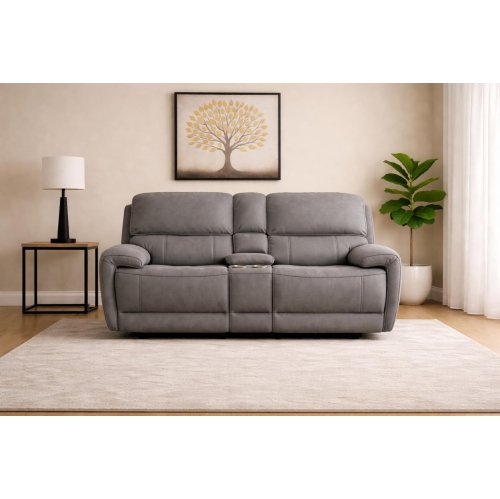
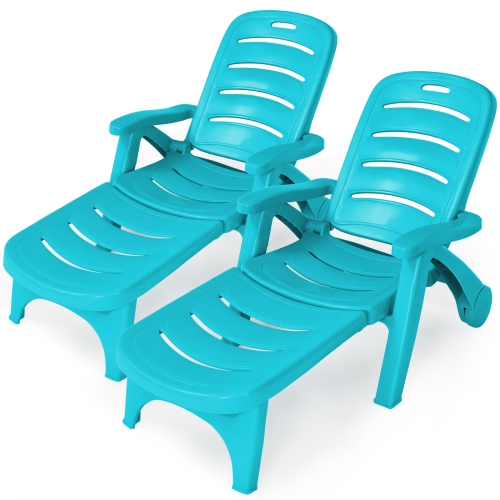
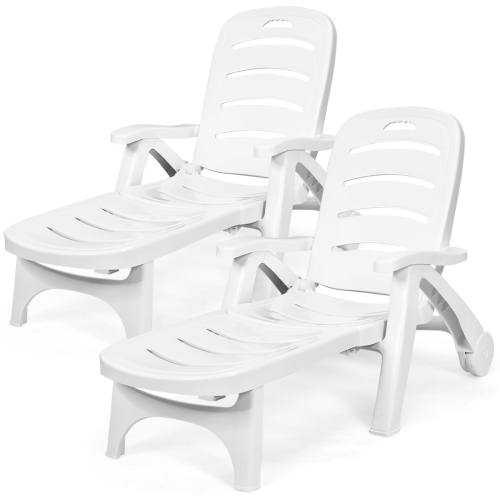


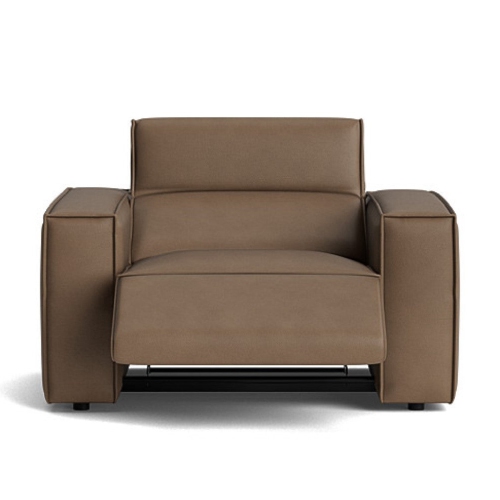
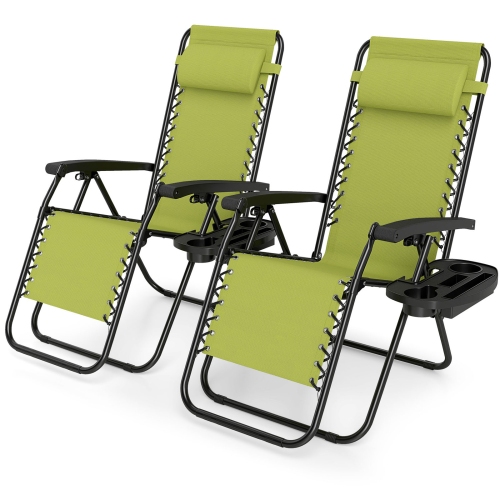


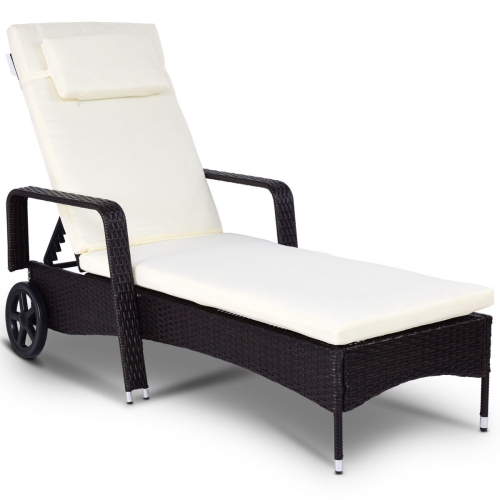

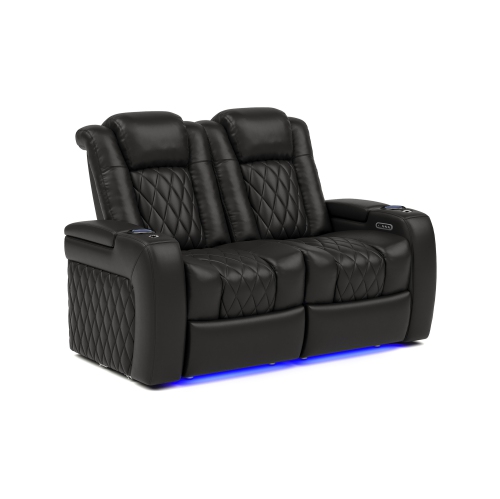


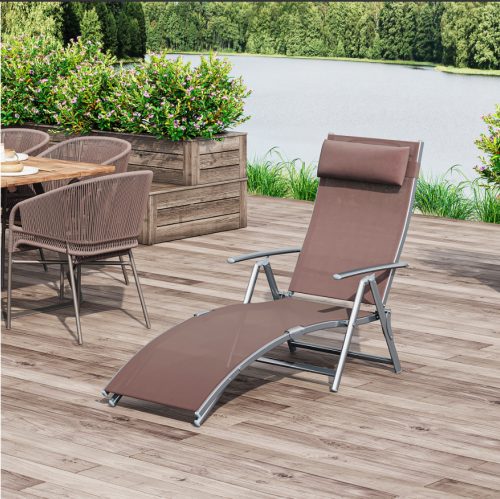
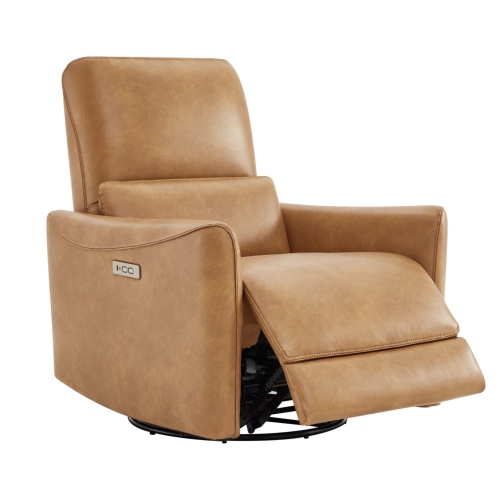


There’s more to recliner comfort than soft cushions
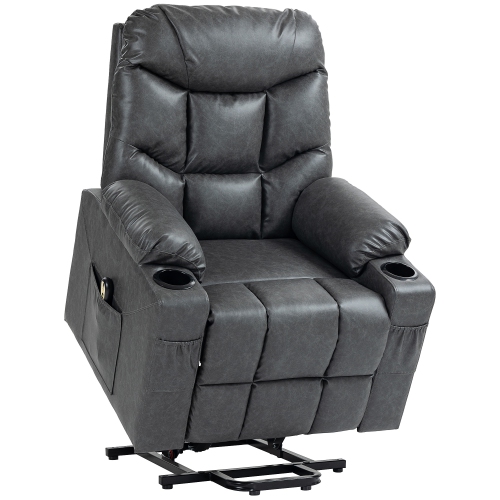
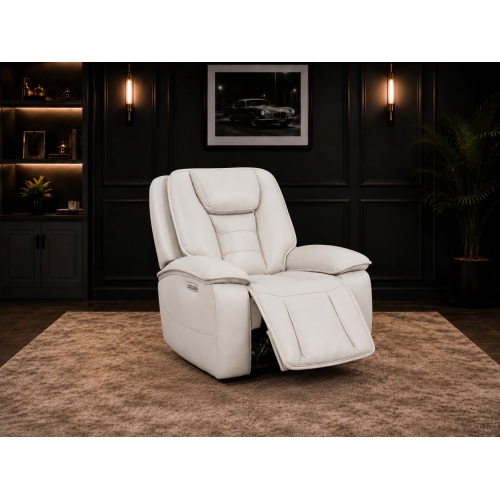
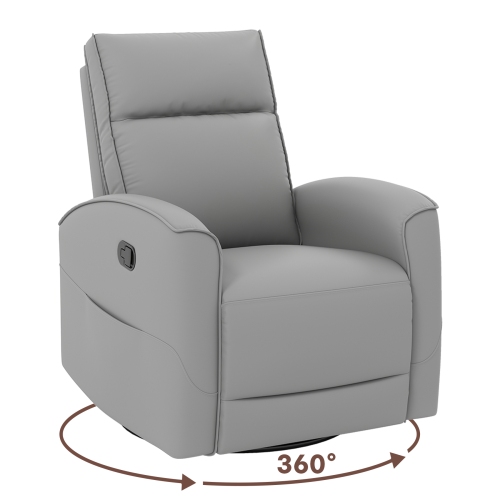
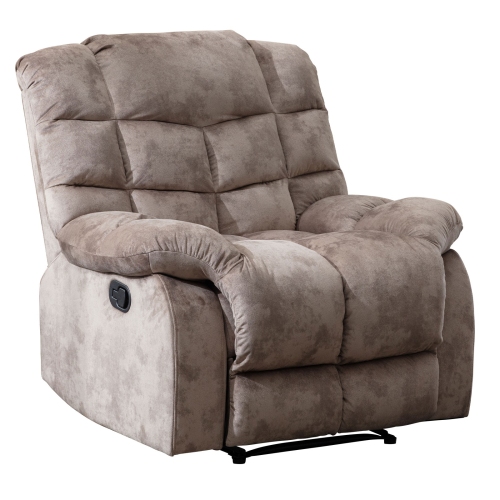
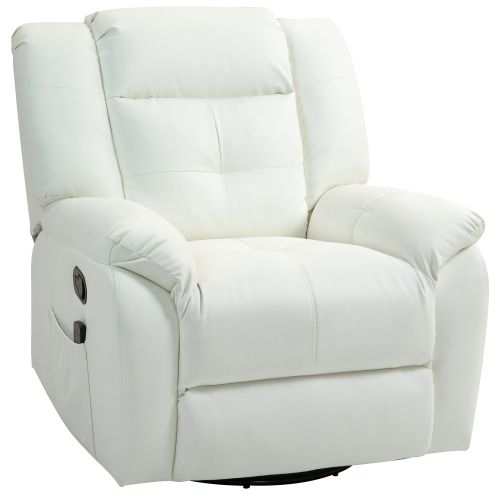
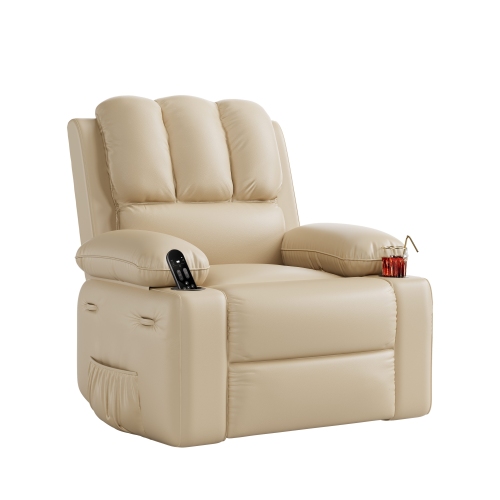
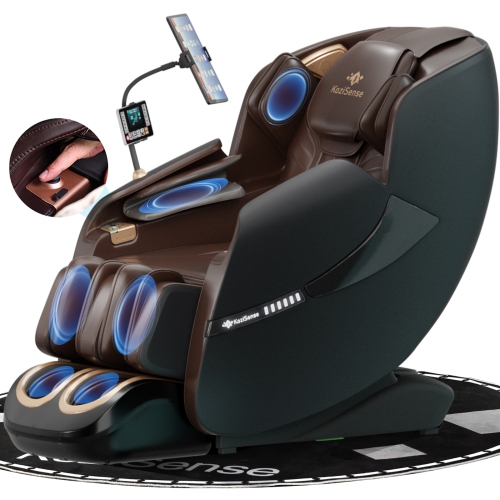
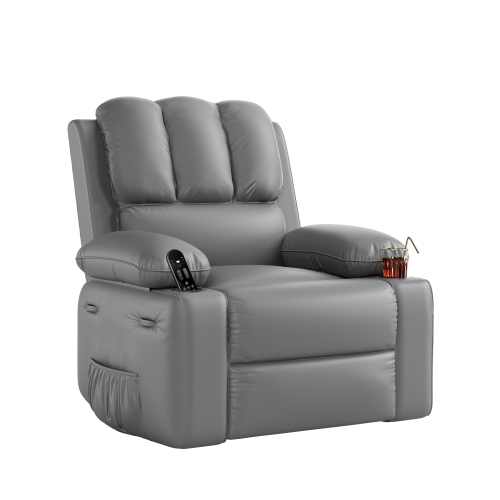
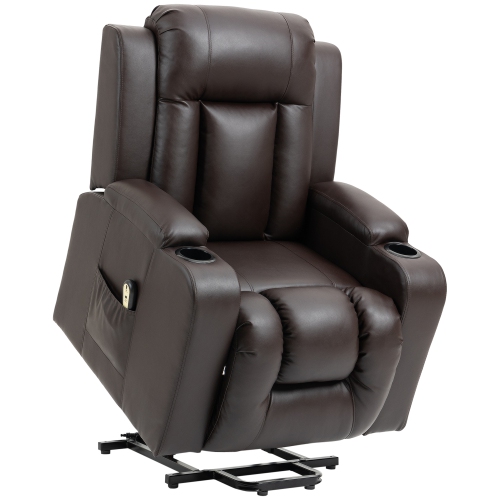
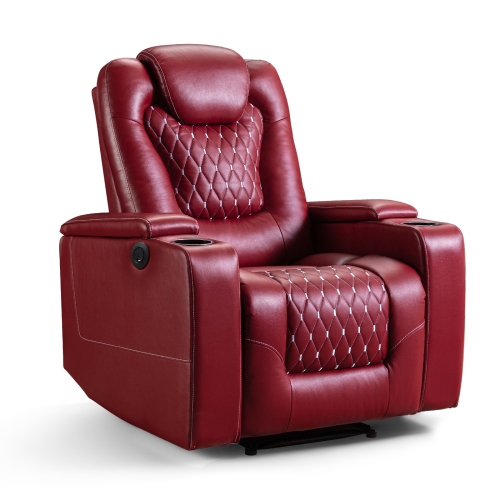
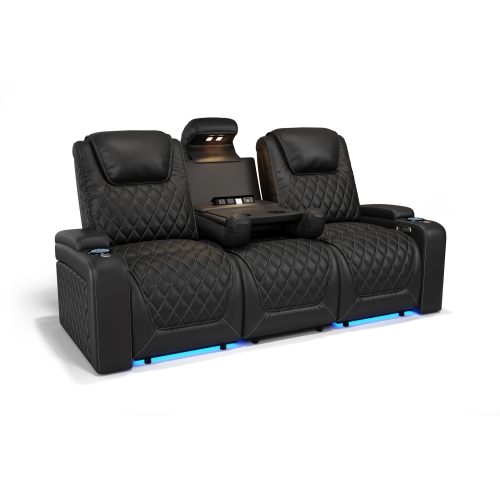
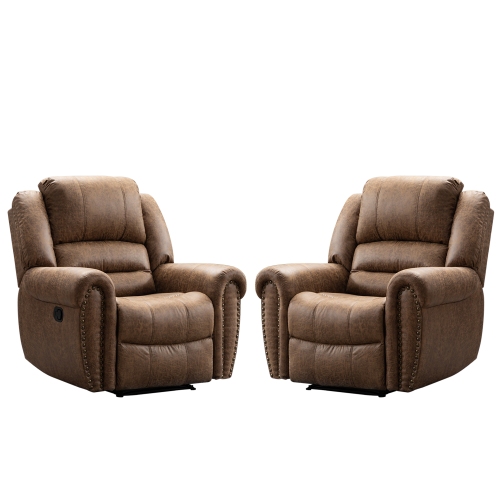
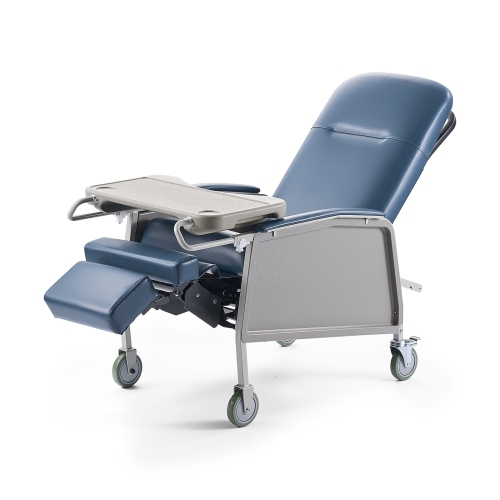
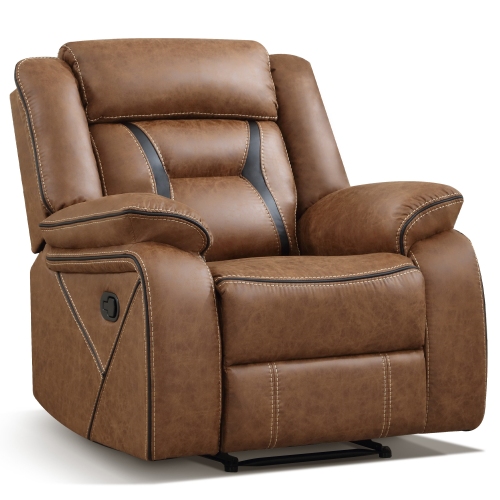
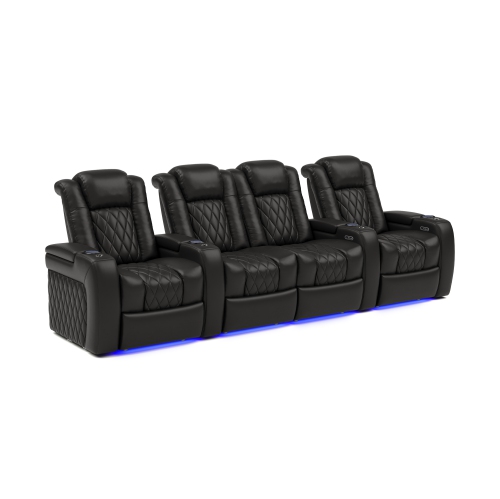
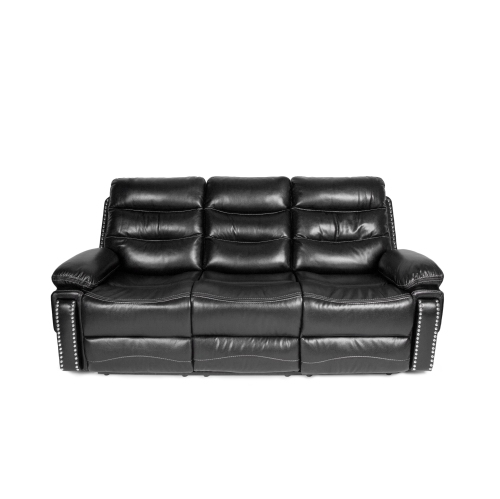
Recliners combine an everyday armchair with an adjustable backrest and footrest, creating a place to read, watch a film, or stretch out after a busy day. Recliner chairs in Canada include manual, power, wall-hugger, rocker, glider, and power lift designs, with upholstery choices ranging from woven fabric to leather and leather-look materials. Each type suits a different way of relaxing. Manual recliners typically use a lever, handle, or pushback action to change position, while power recliners use motorized controls for more gradual adjustment. Some power designs allow the backrest and footrest to move independently, which can be useful when one person prefers upright seating with raised legs and another enjoys a deeper recline. Wall-hugger mechanisms are designed to reduce the clearance needed behind the chair, although the required distance varies by design and still needs to be checked. Rocker recliners provide a rocking motion, while gliders move back and forth along a track; whether that motion remains active when reclined depends on the mechanism. Power lift recliners raise and tilt the seat forward to assist with getting into or out of the chair. Their suitability depends on the individual’s mobility, balance, and ability to operate the controls safely. Beyond the mechanism, comfort comes down to how the chair fits its user. In an upright position, feet should rest comfortably on the floor, the seat edge should not press firmly behind the knees, and the backrest should provide support without forcing the shoulders forward. A deep seat may feel inviting for a taller person but leave someone shorter reaching for the floor. Armrest height matters when holding a book or using a tablet, and a headrest should support a relaxed position rather than push the chin towards the chest. Cushion feel is equally personal: a soft seat allows more sinking in, while a firmer cushion can make repositioning easier. The best fit balances that first comfortable impression with how the chair feels through a full television episode or an extended reading session.
A recliner’s place in the room involves more than its upright footprint. The extended footrest and lowered backrest need enough room to move freely without meeting a coffee table, wall, curtain, or neighbouring chair. In a condo living room, a compact frame or wall-hugger mechanism can make the layout easier to manage, but neither removes the need to measure the full reclining space. Doorways, hallways, stair turns, and elevator dimensions also affect whether a chair can reach its intended spot. Some designs have removable backrests that can simplify moving, although this should be confirmed rather than assumed. Power seating needs access to a suitable electrical outlet, with cords positioned away from walking routes and moving parts. A reading lamp and side table are most useful when they remain within comfortable reach in the positions used most often. Visually, slim arms and exposed legs can give a recliner a lighter presence, while broad arms, a tall back, and deep cushioning create a more substantial silhouette. A mix of recliners and seating styles from Lounge Chairs Canada can give a living room distinct places for reading, conversation, and stretching out. Upholstery helps connect those pieces. Smooth leather brings a defined surface and develops wear patterns that vary with its finish and use. Some leathers show natural markings, while more heavily finished surfaces have a more uniform appearance. Leather-look upholstery has its own cleaning requirements and wear characteristics, so its composition matters as much as its appearance. Woven fabrics introduce texture, and microfibre can provide a soft, closely textured surface. Neither a fabric name nor a colour alone establishes stain resistance or durability; the upholstery specifications and care directions provide a clearer picture. Mid-tone colours and textured patterns may make everyday marks less noticeable, while pale, smooth finishes can show them more readily. In homes with pets, claw snagging, shedding, and ease of cleaning deserve particular attention.
Long-term satisfaction also depends on the parts beneath the upholstery. Frame construction, reinforced joints, cushion quality, suspension, and the reclining mechanism all contribute to how a chair handles repeated use. A recliner used every evening will experience a different pattern of wear from one reserved for occasional visitors. Consistent movement, secure armrests, and cushions that recover their shape are useful qualities, while upholstery seams should sit neatly without excessive pulling. For power recliners, clearly labelled controls and an accessible placement can be more valuable than extra functions that rarely get used. Built-in USB ports, adjustable headrests, heat, or massage may add convenience where included, but they do not replace a supportive seat or a suitable fit. Everyday care starts with the upholstery manufacturer’s directions. Regular vacuuming with an appropriate attachment helps remove crumbs and grit from seams and cushion gaps, while prompt blotting can limit the spread of spills. Cleaning codes matter because some fabrics permit water-based cleaning and others require different treatment. Leather cleaners and conditioners should only be used when suitable for the particular finish; an unsuitable treatment can change the surface’s appearance. Abrasive tools, excessive moisture, and unapproved cleaning products can damage upholstery or nearby components. Moving parts need clear space, so children and pets should stay away from the footrest and mechanism during operation. The footrest is intended to support legs, not serve as an extra seat, and electrical components should be handled according to the care instructions. In a shared household, a recliner may serve a reader in the afternoon, someone watching sports in the evening, and a guest who appreciates an adjustable seat. For someone receiving one as a gift, personal measurements, preferred controls, and room layout matter more than choosing by appearance alone. A chair that supports familiar routines, fits through the doorway, and remains straightforward to care for is more likely to become a well-used part of the home.
Top selling and popular products
-
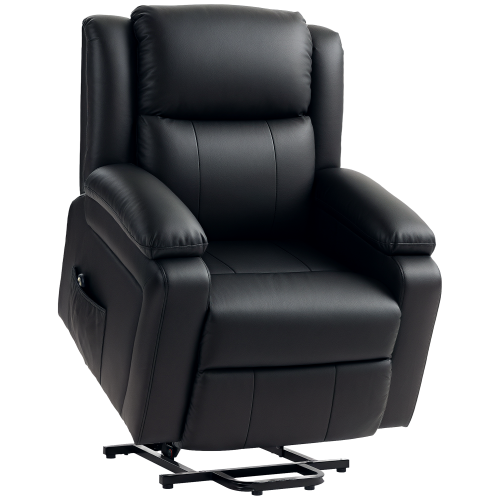 Your price for this item is $465.99
-
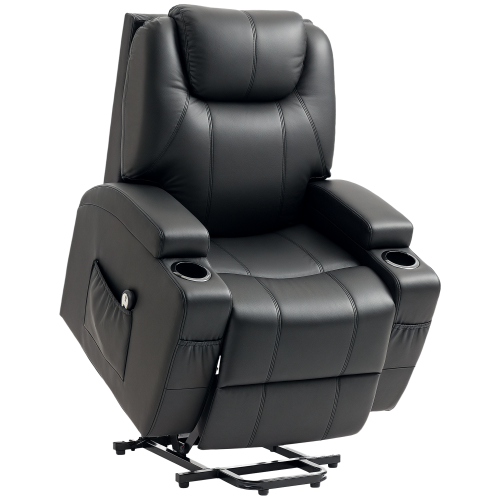 Your price for this item is $559.99
-
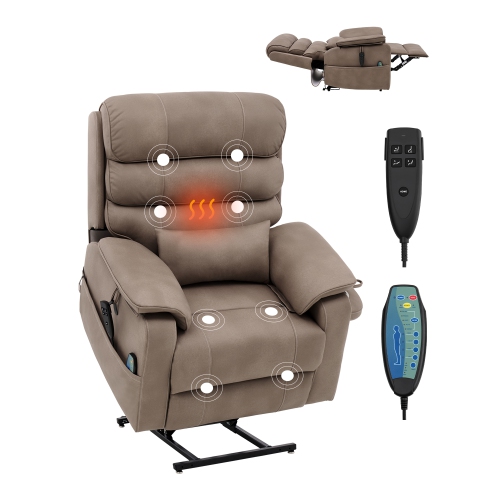 Your price for this item is $770.86
-
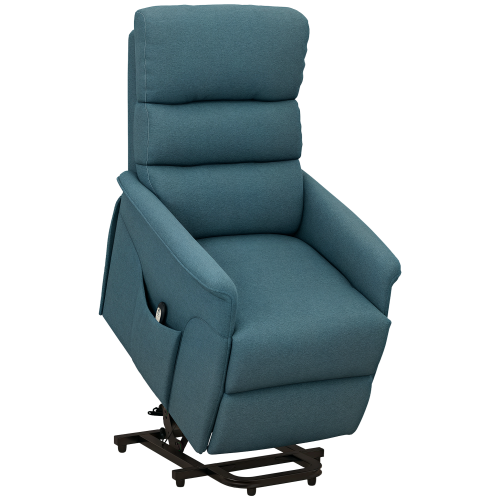 Your price for this item is $449.99
-
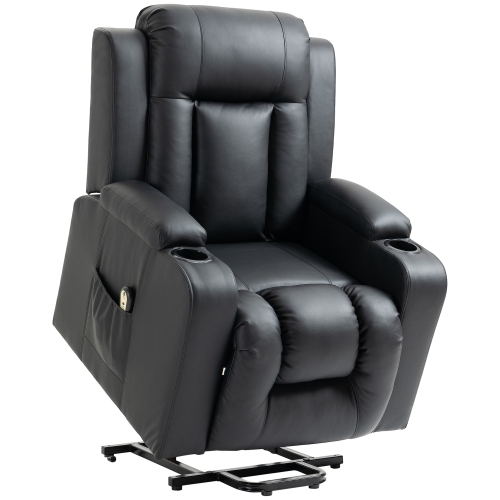 Your price for this item is $549.99
-
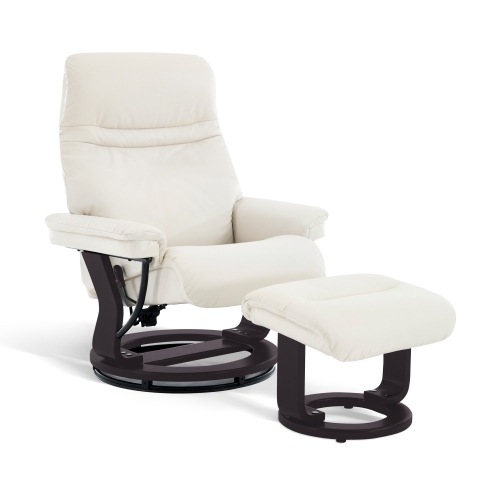 Your price for this item is $1449.99
-
 Your price for this item is $374.99
-
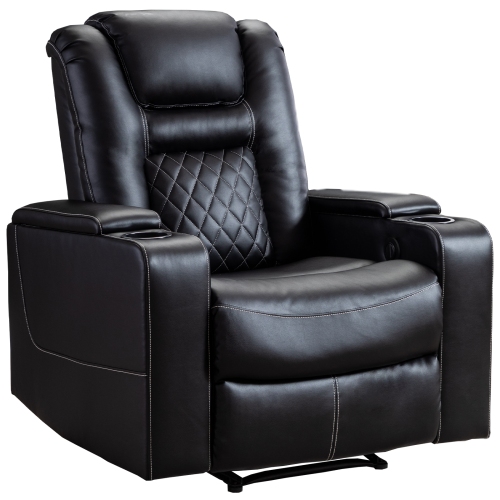 Your price for this item is $489.99
Discover more categories related to Recliners Canada
Top Collections:
Pokemon Centers, Kindle Devices, Best Budget Office Chairs, Canon G7X Cameras, Apple iPhones 16, Samsung Galaxy Phones, Refurbished Apple Laptops, Laptops for Students, iPhone 15 Apple, Budget Smartphones
Some products may be subject to Environmental Handling Fees
(EHF) depending on your province.
Learn more about EHFs.