Red Rocking Chairs
A red rocking chair is a great way to add a touch of color, style and comfort to your home. They are known for their calming and relaxing effect, making them excellent for a bedroom or living room. They are also available in a variety of styles, so you can find one that fits your home’s décor.
Sort

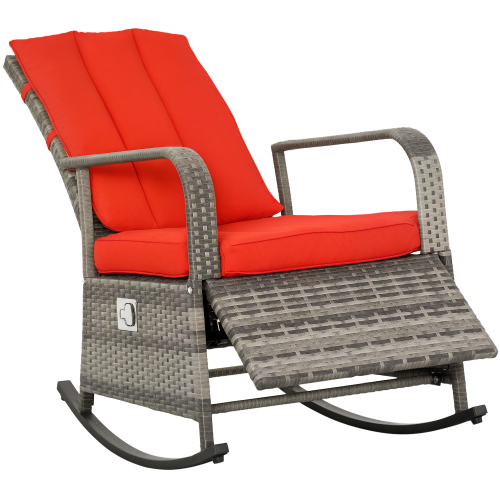

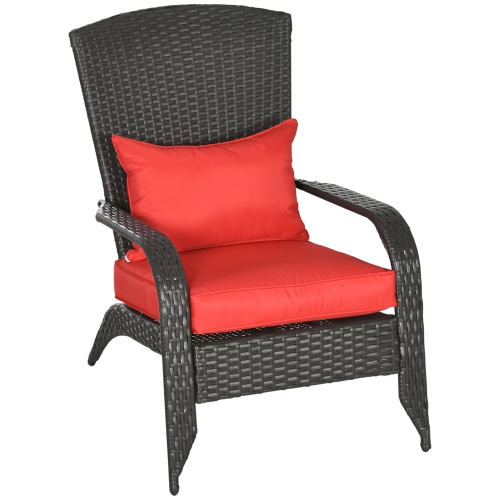
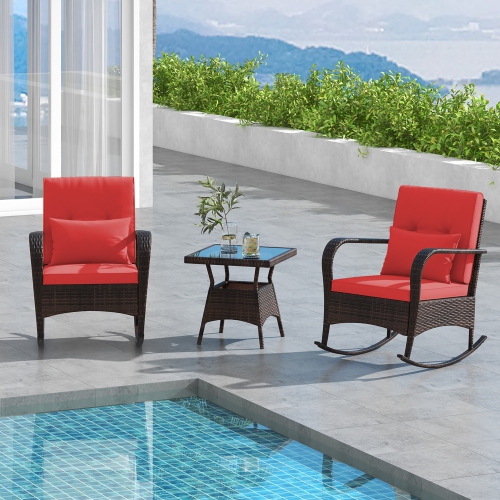
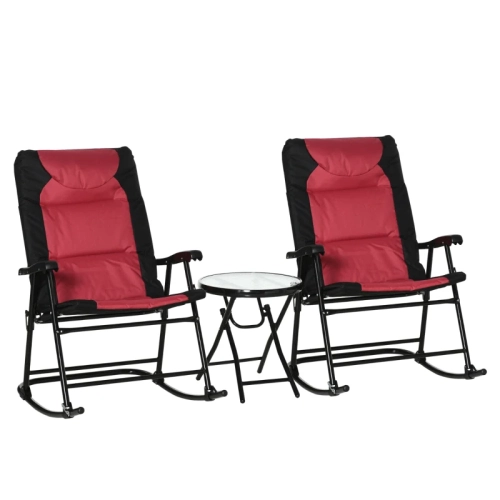

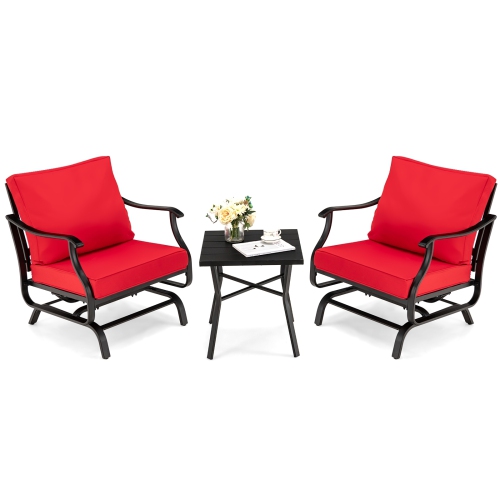
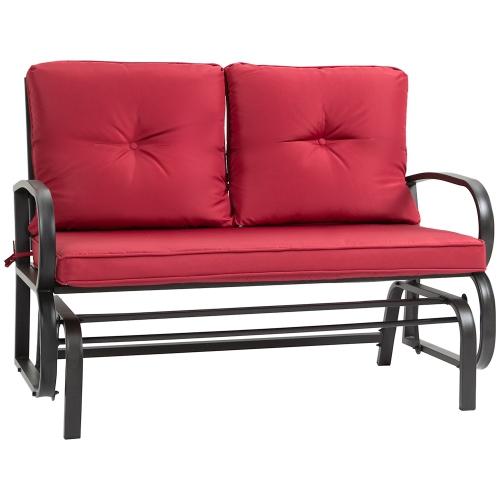
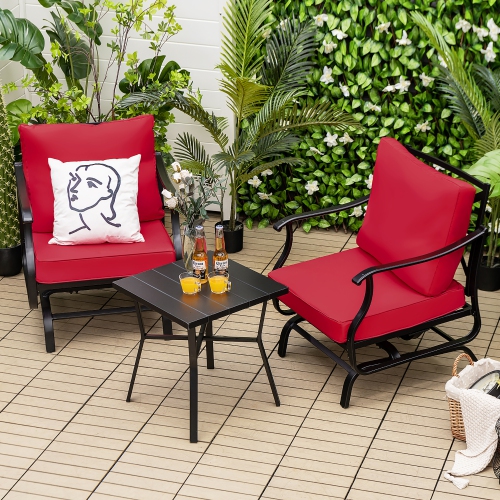
There’s more to a comfortable rocker than its colour
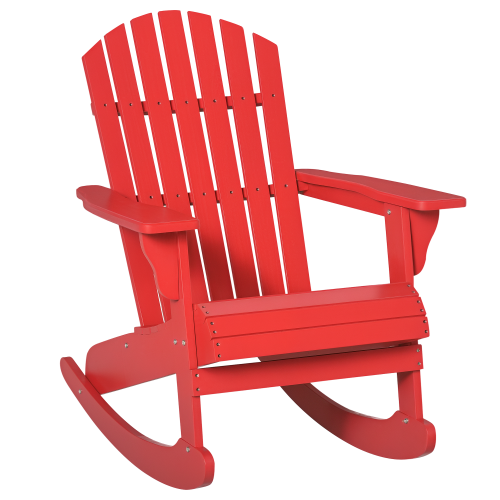
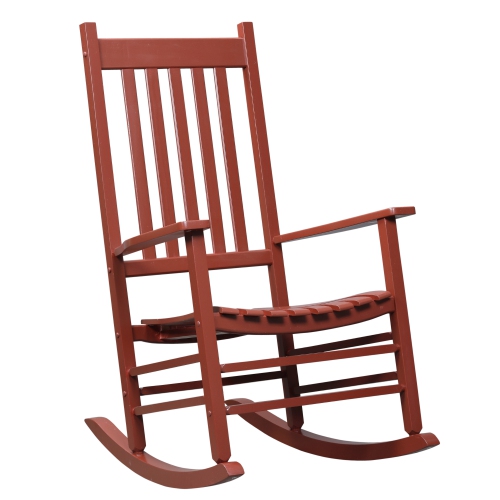
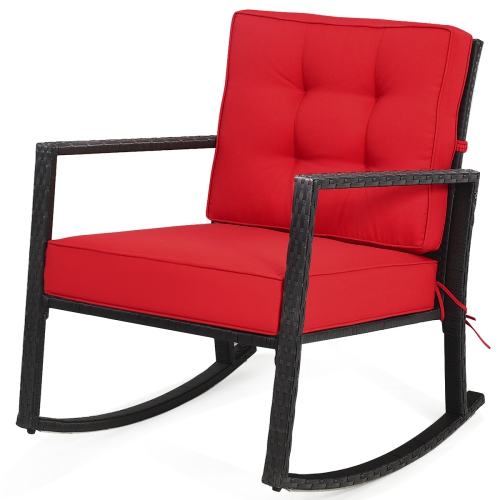
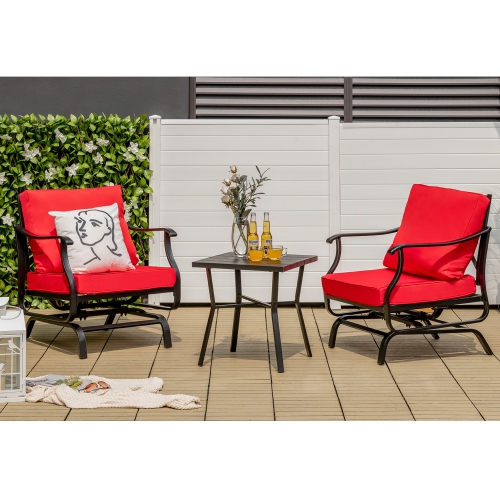
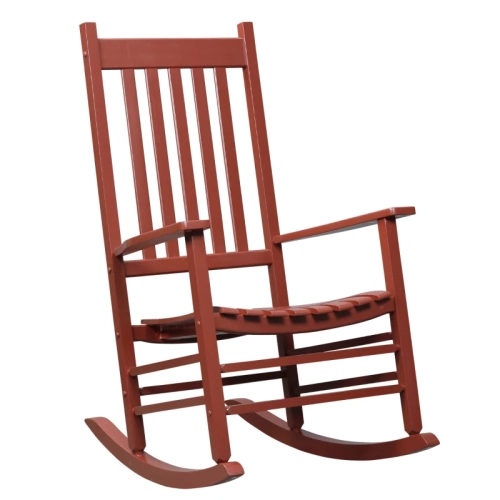
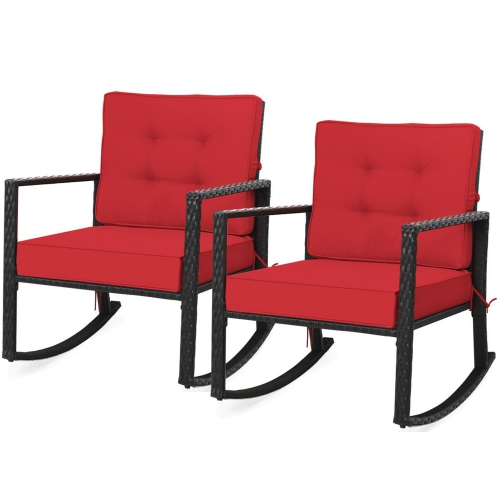
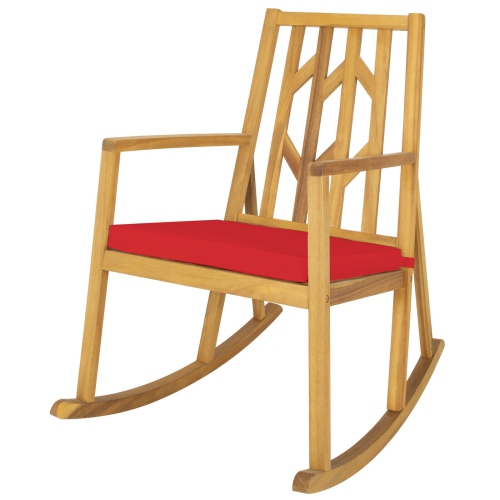
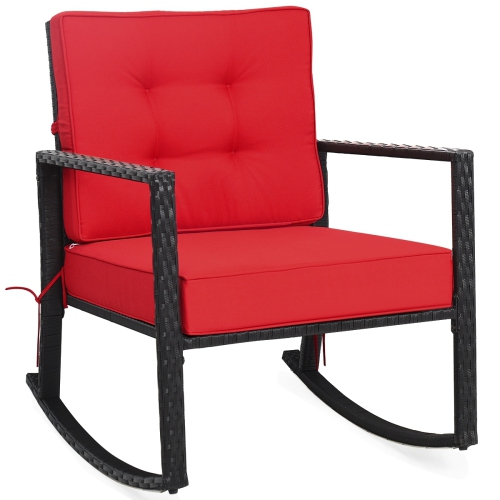
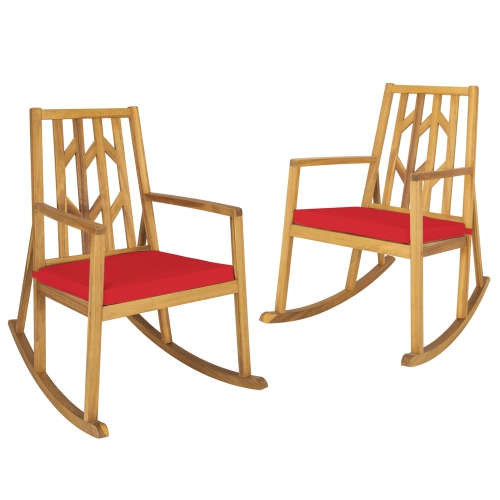
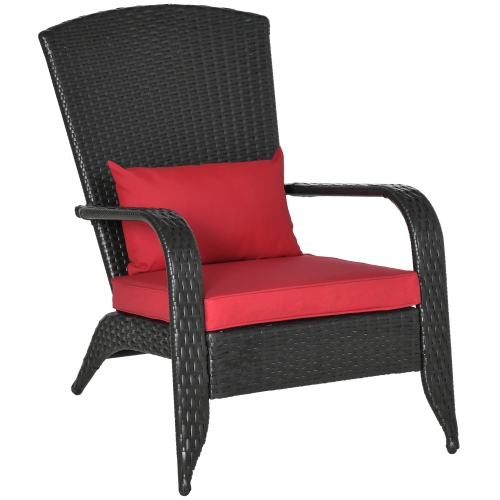
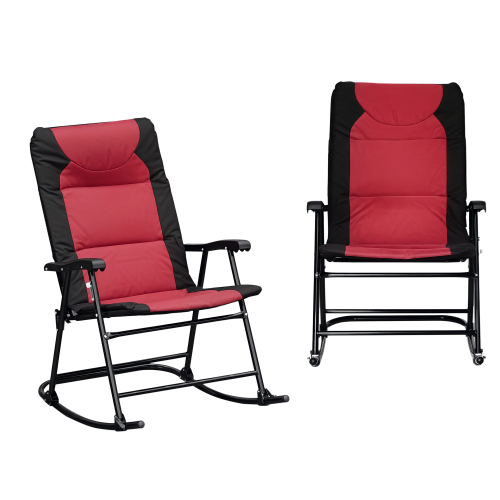
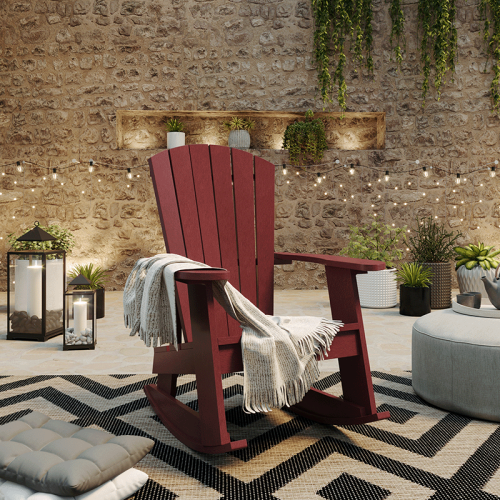
Red rocking chairs combine a familiar back-and-forth motion with a colour that can make a seating area feel warm, lively, or quietly traditional. The theme covers several furniture styles, from upright wooden porch rockers with slatted backs to low-slung Adirondack-style chairs and upholstered seating intended for indoor use. Their shared feature is a rocking base, usually formed by two curved runners, while the seat shape, back angle, armrests, and materials determine how each chair feels in everyday use. A bright red finish creates a crisp contrast against pale siding or a light-coloured wall; deeper wine and burgundy shades sit comfortably alongside brick, dark wood, and neutral fabrics. Red also works as a single accent in a reading corner or as a repeated colour across a pair of chairs on a covered porch. The shade may look different in daylight than under a warm indoor lamp, and a painted surface reflects light differently from woven upholstery. Beyond colour, the distinction between indoor and outdoor construction matters. An upholstered rocker can bring softness to a living room, bedroom, or nursery, but its fabric and padding should not be assumed suitable for damp conditions. A porch or patio chair needs materials, finishes, and hardware intended for outdoor exposure, even when it sits beneath a roof. For a broader look at seating designed for open-air spaces, Outdoor Rocking Chairs offers a related furniture category. A red rocker can suit someone who enjoys reading beside a window, watching the garden from a sheltered patio, or taking a quiet break after a busy day. It can also make a thoughtful housewarming or retirement gift when the recipient has enough room and enjoys this style of seating. Comfort, space, and the intended setting give the colour its practical foundation: an attractive chair becomes far more useful when its proportions fit both the person and the place where it will be used.
Materials affect the appearance, weight, upkeep, and durability of red rocking chairs. Solid wood brings visible grain and a substantial furniture feel, although wood species differ in hardness and tolerance for moisture. A red painted finish may largely conceal the grain, while a coloured stain can leave more of the wood’s texture visible. Neither treatment makes every wooden chair suitable for year-round outdoor exposure, so the stated use and care requirements remain important. Moisture entering through worn finish, joints, or exposed end grain can contribute to swelling, cracking, or loosening over time. Plastic lumber and moulded resin offer different alternatives, often with surfaces that are straightforward to wipe clean; resistance to fading, brittleness, and temperature changes depends on the material and its formulation. Metal frames can provide a slimmer profile, with protective coatings helping to limit corrosion where the coating remains intact. Frame joints and fasteners deserve attention regardless of the main material, particularly on furniture that moves repeatedly under load. For indoor upholstered rockers, tightly woven fabrics may be useful in a frequently used room, while removable cushion covers can make routine cleaning simpler when their care labels permit washing. Red fabric and painted finishes both benefit from care suited to the surface rather than an aggressive all-purpose treatment. A soft cloth or brush can remove loose dust, and spills are generally easier to address before they settle into seams or dry on the finish. Outdoor cushions need their own weather suitability; a frame intended for patio use does not automatically make every cushion appropriate for rain. During the cooler months, allowing furniture to dry before covering it and following the manufacturer’s storage instructions can help limit trapped moisture. Breathable, properly fitted covers may offer useful protection, but they are not a substitute for indoor storage when that is required. Periodic checks for loose hardware, damaged runners, rough edges, and worn coatings help keep a rocking chair ready for regular use without turning upkeep into a major project.
Fit is especially important with a rocking chair because the seat must feel comfortable both at rest and throughout its movement. Seat height influences how easily a person can sit down and stand up, while seat depth determines whether the backrest provides support without the front edge pressing behind the knees. A shorter person may find a deep seat difficult to settle into, whereas someone taller may prefer more room through the seat and a higher back. An upright rocker often suits conversation, knitting, or reading with a book held close; a reclined Adirondack-style design encourages a more laid-back posture but can take greater effort to rise from. Broad armrests can support the forearms, though they should not be treated as steps or seats. Cushions change the fit as well as the softness, raising the sitting position and sometimes reducing usable seat depth. Secure ties or suitable non-slip backing can help keep a cushion in place, provided they do not interfere with the moving parts. The chair’s overall footprint needs more attention than that of a stationary seat. There should be clear space in front of and behind the runners through the full rocking motion, with additional room to walk past without stepping over them. A level, stable surface supports predictable movement; uneven paving, a thick rug, or a narrow porch can make an otherwise appealing chair a poor match for the location. Indoors, floor protection should be compatible with the runners and flooring without changing the chair’s stability. In homes with young children or pets, keeping hands, paws, toys, and trailing blankets away from the runners is an important everyday precaution. For a nursery, reachable storage for feeding supplies and enough clearance from nearby furniture can make the seating area easier to use, while the chair remains an adult seat rather than an infant sleep space. Checking dimensions, weight capacity, assembly requirements, and care details helps distinguish a chair chosen mainly for its red finish from one that will genuinely suit daily life. The most satisfying choice brings colour, comfortable proportions, and dependable construction together in a spot where there is room to settle in and rock gently.
Materials affect the appearance, weight, upkeep, and durability of red rocking chairs. Solid wood brings visible grain and a substantial furniture feel, although wood species differ in hardness and tolerance for moisture. A red painted finish may largely conceal the grain, while a coloured stain can leave more of the wood’s texture visible. Neither treatment makes every wooden chair suitable for year-round outdoor exposure, so the stated use and care requirements remain important. Moisture entering through worn finish, joints, or exposed end grain can contribute to swelling, cracking, or loosening over time. Plastic lumber and moulded resin offer different alternatives, often with surfaces that are straightforward to wipe clean; resistance to fading, brittleness, and temperature changes depends on the material and its formulation. Metal frames can provide a slimmer profile, with protective coatings helping to limit corrosion where the coating remains intact. Frame joints and fasteners deserve attention regardless of the main material, particularly on furniture that moves repeatedly under load. For indoor upholstered rockers, tightly woven fabrics may be useful in a frequently used room, while removable cushion covers can make routine cleaning simpler when their care labels permit washing. Red fabric and painted finishes both benefit from care suited to the surface rather than an aggressive all-purpose treatment. A soft cloth or brush can remove loose dust, and spills are generally easier to address before they settle into seams or dry on the finish. Outdoor cushions need their own weather suitability; a frame intended for patio use does not automatically make every cushion appropriate for rain. During the cooler months, allowing furniture to dry before covering it and following the manufacturer’s storage instructions can help limit trapped moisture. Breathable, properly fitted covers may offer useful protection, but they are not a substitute for indoor storage when that is required. Periodic checks for loose hardware, damaged runners, rough edges, and worn coatings help keep a rocking chair ready for regular use without turning upkeep into a major project.
Fit is especially important with a rocking chair because the seat must feel comfortable both at rest and throughout its movement. Seat height influences how easily a person can sit down and stand up, while seat depth determines whether the backrest provides support without the front edge pressing behind the knees. A shorter person may find a deep seat difficult to settle into, whereas someone taller may prefer more room through the seat and a higher back. An upright rocker often suits conversation, knitting, or reading with a book held close; a reclined Adirondack-style design encourages a more laid-back posture but can take greater effort to rise from. Broad armrests can support the forearms, though they should not be treated as steps or seats. Cushions change the fit as well as the softness, raising the sitting position and sometimes reducing usable seat depth. Secure ties or suitable non-slip backing can help keep a cushion in place, provided they do not interfere with the moving parts. The chair’s overall footprint needs more attention than that of a stationary seat. There should be clear space in front of and behind the runners through the full rocking motion, with additional room to walk past without stepping over them. A level, stable surface supports predictable movement; uneven paving, a thick rug, or a narrow porch can make an otherwise appealing chair a poor match for the location. Indoors, floor protection should be compatible with the runners and flooring without changing the chair’s stability. In homes with young children or pets, keeping hands, paws, toys, and trailing blankets away from the runners is an important everyday precaution. For a nursery, reachable storage for feeding supplies and enough clearance from nearby furniture can make the seating area easier to use, while the chair remains an adult seat rather than an infant sleep space. Checking dimensions, weight capacity, assembly requirements, and care details helps distinguish a chair chosen mainly for its red finish from one that will genuinely suit daily life. The most satisfying choice brings colour, comfortable proportions, and dependable construction together in a spot where there is room to settle in and rock gently.
Top selling and popular products
-
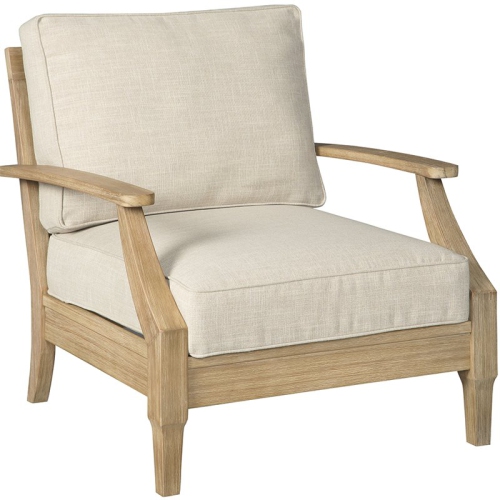 Your price for this item is $1227.67
 -
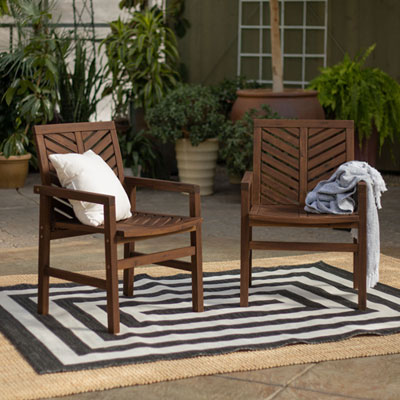 Your price for this item is $604.99
 -
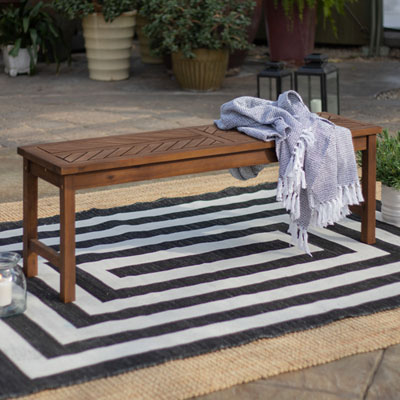 Your price for this item is $371.99
 -
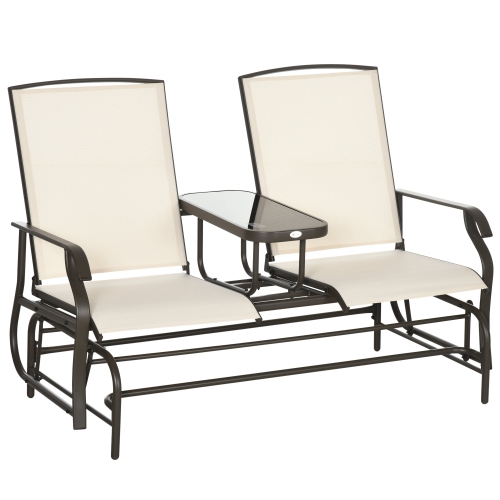 Your price for this item is $189.99
 -
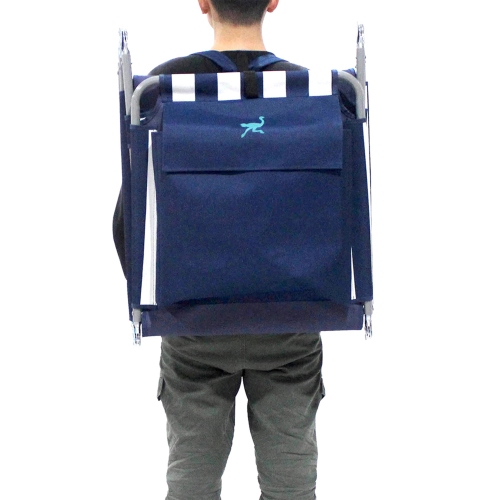 Your price for this item is $204.99
 -
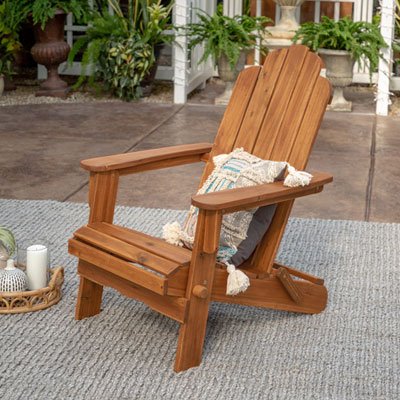 Your price for this item is $461.99
 -
 Your price for this item is $170.99
 -
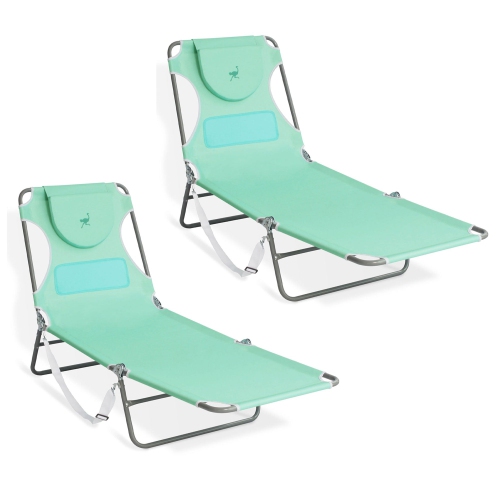 Your price for this item is $392.99
Discover more categories related to Red Rocking Chairs

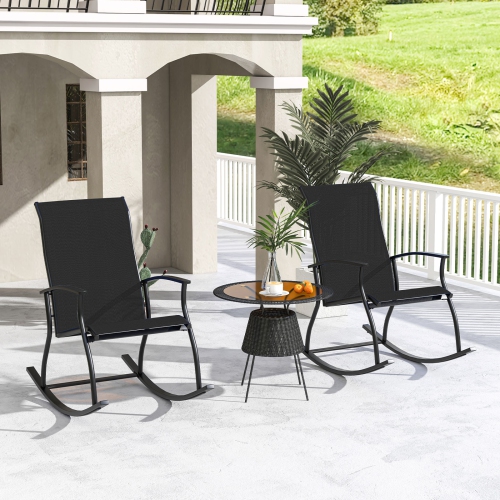
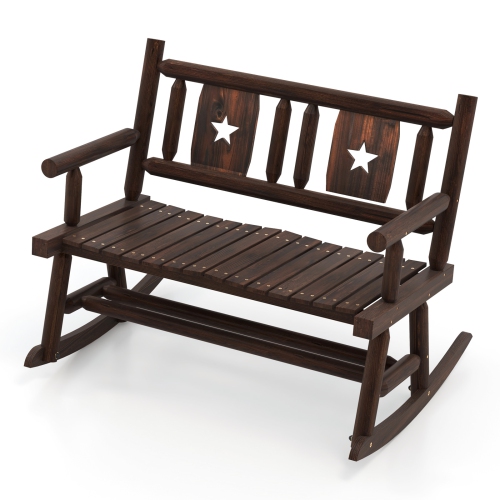
Top Collections:
Pokemon Centers, Kindle Devices, Best Budget Office Chairs, Apple iPhones 16, Best Laptops for Writers, iPhone 15 Apple, Canon G7X Cameras, Refurbished Apple Laptops, Alarm Clock, Motorola Razr Phones
Some products may be subject to Environmental Handling Fees
(EHF) depending on your province.
Learn more about EHFs.