Religious Statues
Explore a diverse selection of religious statues at Best Buy Canada, where tradition meets craftsmanship. These beautifully crafted pieces are designed to inspire and bring a sense of peace and spirituality to any space. Whether you're looking to enhance your personal sanctuary or find a meaningful gift, our collection offers a variety of styles that reflect the rich heritage and artistry of different cultures and faiths. Discover how religious statues can add a touch of serenity and elegance to your home or office environment.
Sort



The meaning behind sacred figures and their placement
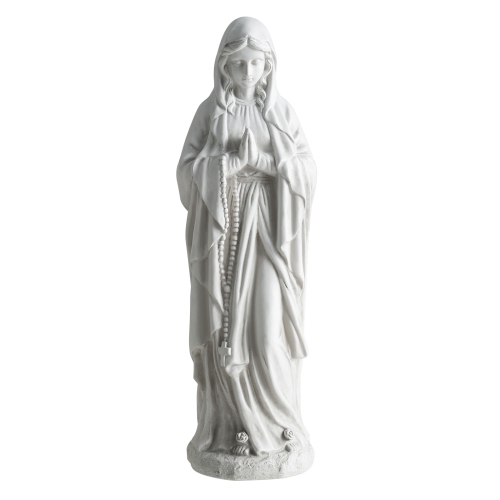
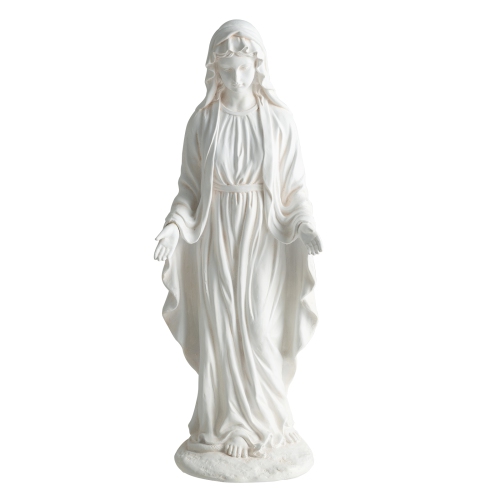
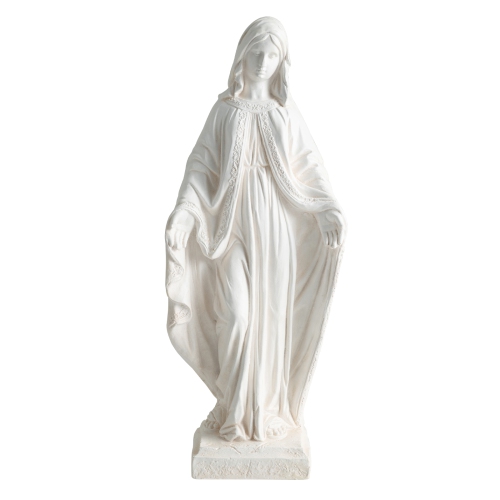
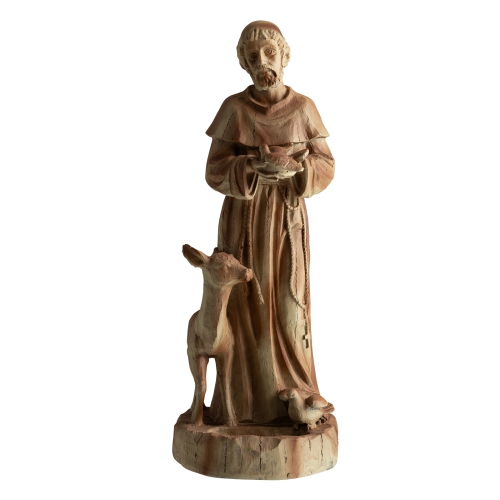
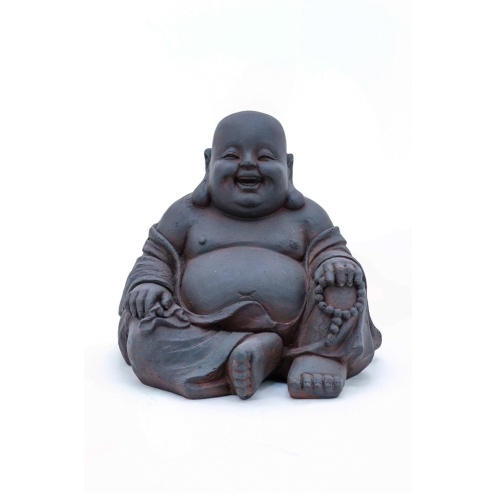
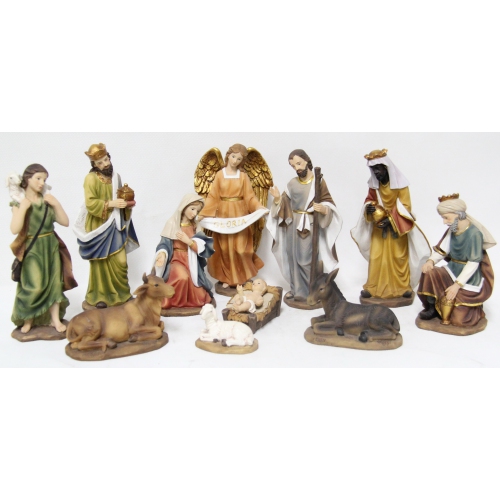
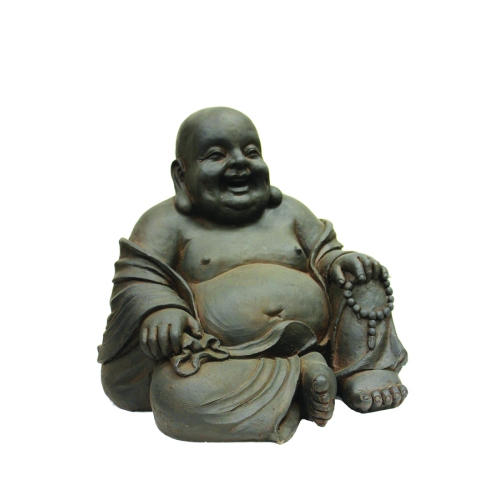
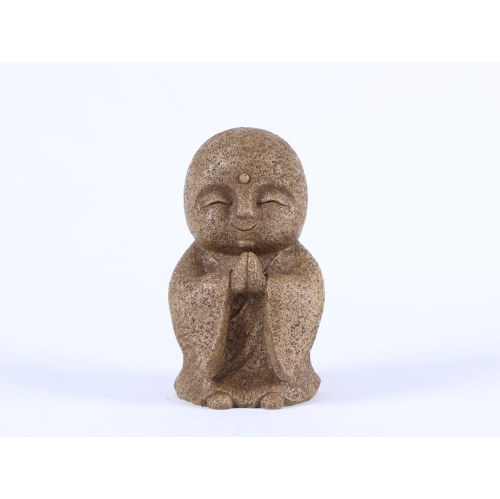
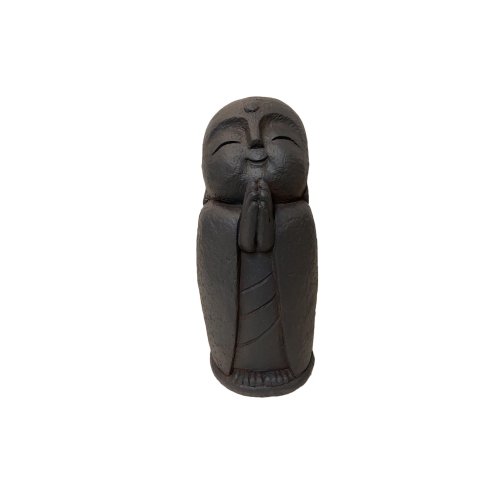
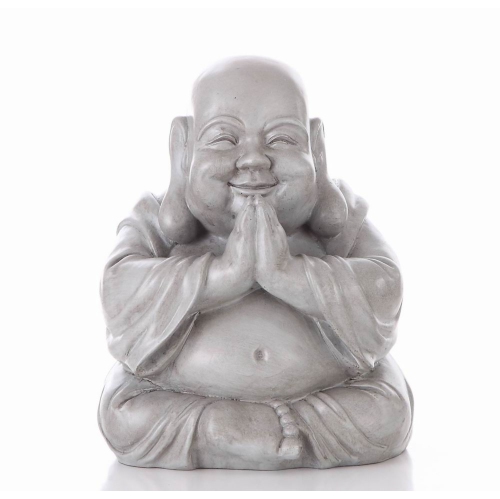
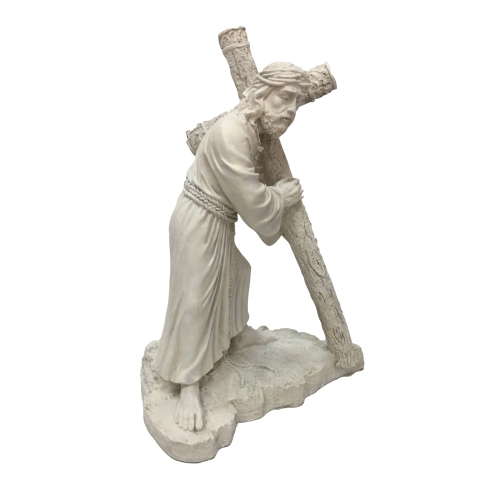
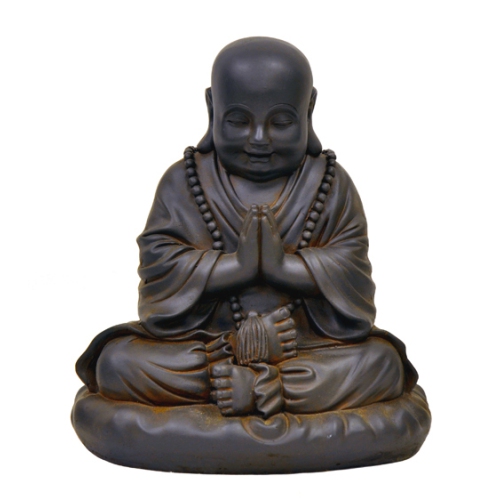
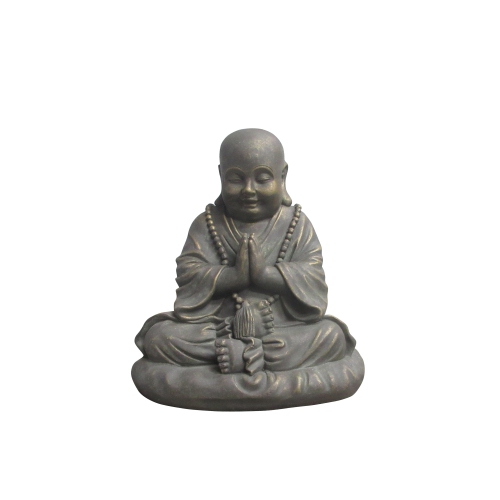
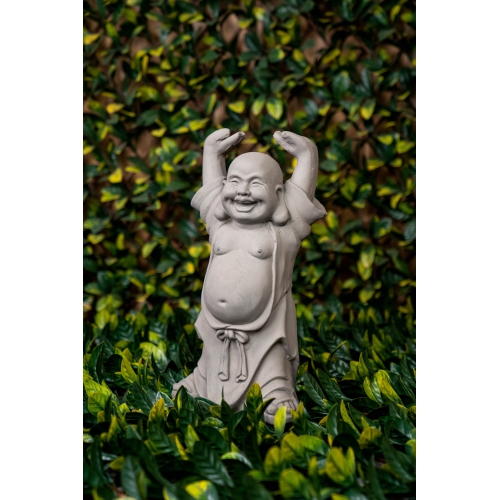
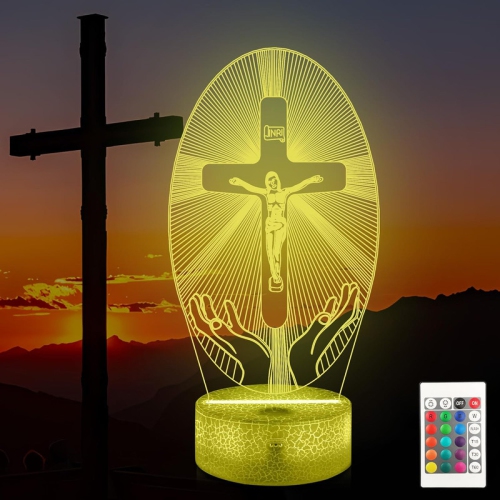
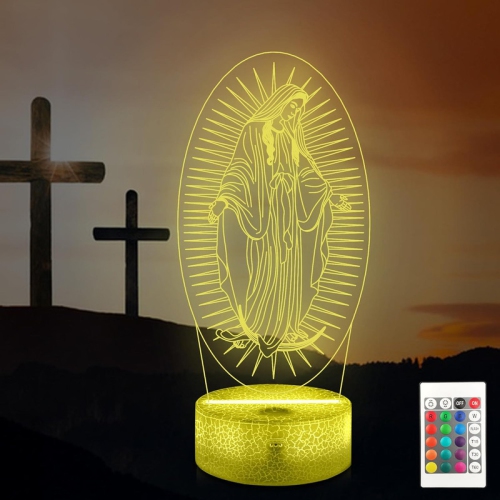
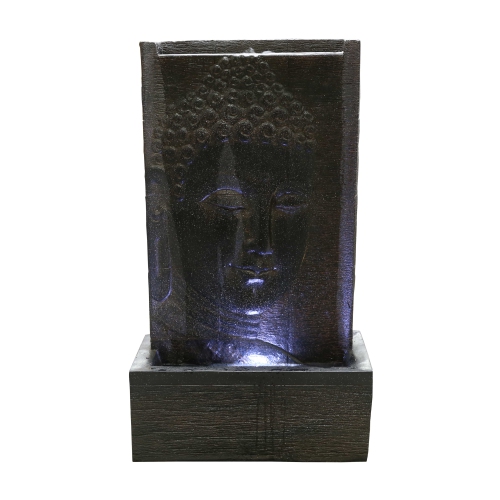
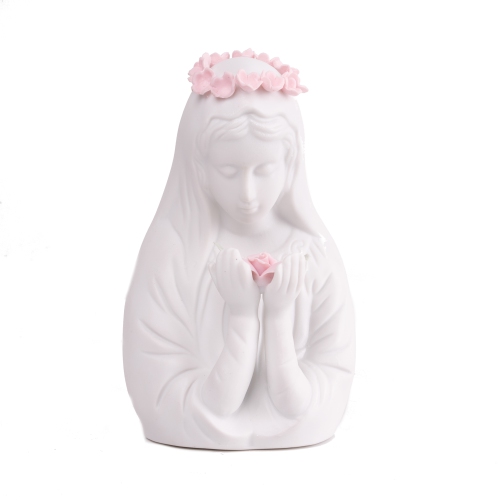
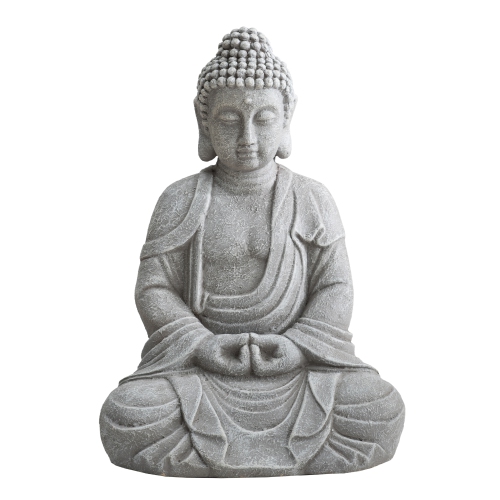
Religious statues are sculpted representations of sacred figures, spiritual teachers, or symbols, used for devotion, remembrance, teaching, and meaningful display. They range from small figures suited to a bedside table to larger sculptures intended for a prayer room, place of worship, or dedicated garden setting. Their significance depends on the tradition and the person using them: a statue may serve as a visual focus for prayer, recall a religious story, honour a revered teacher, or express a connection to family heritage. Christian religious statues often depict Jesus, the Virgin Mary, angels, or saints, with gestures and symbolic objects that help identify the figure. A saint holding a book, for example, may be associated with teaching or sacred writings, while other attributes refer to particular events or virtues. Buddhist statues commonly portray the Buddha or bodhisattvas, with postures and hand gestures carrying meanings that vary by school and cultural context. In Hindu traditions, sculpted forms of deities can have an important role in worship, although the meaning and treatment of a particular image depend on the practice followed. Not every faith uses sacred images, and customs can differ within the same religion, so the subject and its presentation matter as much as its appearance. For a household prayer area, a familiar figure with clearly rendered features may feel more fitting than an elaborate sculpture chosen mainly for its size. In a shared living space, a smaller statue can mark a place for reflection without becoming the room’s dominant feature. Religious sculptures can also connect generations, recalling a family’s place of worship or a devotional image remembered from childhood. Although they may share materials and artistic techniques with Decorative Statues, their sacred associations give the choice of figure, placement, and use particular importance. Understanding those associations helps distinguish a meaningful religious display from an arrangement selected solely for its visual effect.
Materials shape a religious statue’s appearance, weight, texture, and everyday care. Resin can capture fine details such as folds in robes, strands of hair, and facial expressions, making it useful for intricate sculpted forms. Its finish may resemble carved stone, painted wood, or cast metal, so appearance alone does not establish what a statue is made from. Ceramic and porcelain figures can have smooth glazed surfaces or softer unglazed finishes; both need careful handling because narrow details and projecting edges may chip or break. Wood brings visible grain and a carved quality, with differences in tone that can make each piece look slightly different. It generally benefits from gentle dusting and placement away from direct heat or prolonged sunlight. Stone and cast-stone sculptures often have a substantial feel, but their weight requires a suitable supporting surface. Metal figures may have polished, darkened, or deliberately aged finishes, each with different care requirements. A metallic colour does not necessarily mean solid metal, just as a stone-like texture does not establish that a piece is suitable for outdoor display. The stated material, finish, and intended use are more reliable than appearance when assessing durability. For routine cleaning, a soft, dry cloth or a clean, soft-bristled brush can help remove dust from folds and recessed details, provided the care directions allow it. Abrasive cleaners, soaking, and vigorous rubbing can damage painted features, gilded accents, or surface coatings. Lift a statue from its base or main body rather than by a halo, hand, wing, or other projecting detail. In a home with children or pets, a stable base and a position away from busy edges are especially important. A finely detailed figure may suit a quiet display cabinet, while a simpler form with fewer delicate projections may be easier to handle in a frequently used room. Keeping the original protective packaging can also make moving or storing a fragile sculpture less difficult.
Size and proportion determine how comfortably a religious statue fits its intended setting. Height is only one measurement to consider: the base width, depth, and any extended arms or surrounding details affect the space needed. On a narrow mantel or wall shelf, the entire base should rest securely on the surface, with enough clearance to prevent accidental contact. A heavier sculpture needs furniture or shelving capable of supporting its weight, rather than a small ledge chosen only because it looks suitable. For a prayer corner, leave room for any books, beads, or other devotional objects used alongside the statue, rather than crowding them around its base. If candles form part of the practice, keep flames and heat well away from the sculpture and nearby fabrics, following candle safety directions. Eye level and viewing distance also influence the effect: a small face may be easy to appreciate on a desk but difficult to distinguish across a large room. Painted figures can highlight symbolic colours and details, while single-colour finishes draw more attention to silhouette, posture, and expression. Neither approach is inherently more appropriate; the choice depends on religious custom, personal preference, and the surrounding space. Religious statues may be meaningful gifts for a baptism, first communion, confirmation, wedding, house blessing, or another occasion recognized by the recipient’s faith. A figure connected to a patron saint, family devotion, or established spiritual practice can carry a personal significance that a more general gift may not. For someone grieving, a religious image may offer a familiar focus for remembrance, but it is best chosen with knowledge of that person’s beliefs and wishes. Some recipients may wish to have a statue blessed or prepared for worship according to their tradition; that should not be assumed to have happened already. Whether intended for personal devotion, a family home, or a shared religious space, a well-chosen statue brings together an appropriate subject, sound construction, manageable care, and proportions that suit the place where it will be used.
Materials shape a religious statue’s appearance, weight, texture, and everyday care. Resin can capture fine details such as folds in robes, strands of hair, and facial expressions, making it useful for intricate sculpted forms. Its finish may resemble carved stone, painted wood, or cast metal, so appearance alone does not establish what a statue is made from. Ceramic and porcelain figures can have smooth glazed surfaces or softer unglazed finishes; both need careful handling because narrow details and projecting edges may chip or break. Wood brings visible grain and a carved quality, with differences in tone that can make each piece look slightly different. It generally benefits from gentle dusting and placement away from direct heat or prolonged sunlight. Stone and cast-stone sculptures often have a substantial feel, but their weight requires a suitable supporting surface. Metal figures may have polished, darkened, or deliberately aged finishes, each with different care requirements. A metallic colour does not necessarily mean solid metal, just as a stone-like texture does not establish that a piece is suitable for outdoor display. The stated material, finish, and intended use are more reliable than appearance when assessing durability. For routine cleaning, a soft, dry cloth or a clean, soft-bristled brush can help remove dust from folds and recessed details, provided the care directions allow it. Abrasive cleaners, soaking, and vigorous rubbing can damage painted features, gilded accents, or surface coatings. Lift a statue from its base or main body rather than by a halo, hand, wing, or other projecting detail. In a home with children or pets, a stable base and a position away from busy edges are especially important. A finely detailed figure may suit a quiet display cabinet, while a simpler form with fewer delicate projections may be easier to handle in a frequently used room. Keeping the original protective packaging can also make moving or storing a fragile sculpture less difficult.
Size and proportion determine how comfortably a religious statue fits its intended setting. Height is only one measurement to consider: the base width, depth, and any extended arms or surrounding details affect the space needed. On a narrow mantel or wall shelf, the entire base should rest securely on the surface, with enough clearance to prevent accidental contact. A heavier sculpture needs furniture or shelving capable of supporting its weight, rather than a small ledge chosen only because it looks suitable. For a prayer corner, leave room for any books, beads, or other devotional objects used alongside the statue, rather than crowding them around its base. If candles form part of the practice, keep flames and heat well away from the sculpture and nearby fabrics, following candle safety directions. Eye level and viewing distance also influence the effect: a small face may be easy to appreciate on a desk but difficult to distinguish across a large room. Painted figures can highlight symbolic colours and details, while single-colour finishes draw more attention to silhouette, posture, and expression. Neither approach is inherently more appropriate; the choice depends on religious custom, personal preference, and the surrounding space. Religious statues may be meaningful gifts for a baptism, first communion, confirmation, wedding, house blessing, or another occasion recognized by the recipient’s faith. A figure connected to a patron saint, family devotion, or established spiritual practice can carry a personal significance that a more general gift may not. For someone grieving, a religious image may offer a familiar focus for remembrance, but it is best chosen with knowledge of that person’s beliefs and wishes. Some recipients may wish to have a statue blessed or prepared for worship according to their tradition; that should not be assumed to have happened already. Whether intended for personal devotion, a family home, or a shared religious space, a well-chosen statue brings together an appropriate subject, sound construction, manageable care, and proportions that suit the place where it will be used.
Top selling and popular products
-
 Your price for this item is $74.99
 -
 Your price for this item is $99.99
 -
 Your price for this item is $77.99
 -
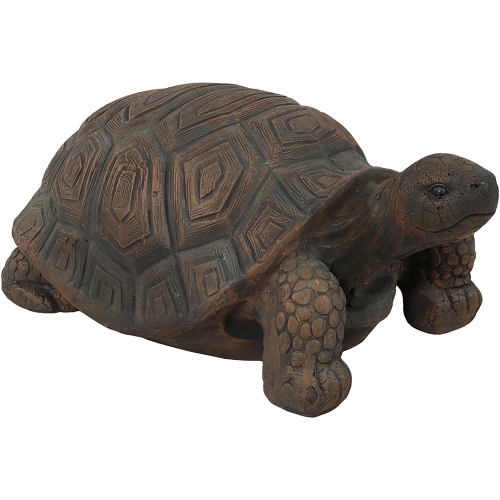 Your price for this item is $217.05
 -
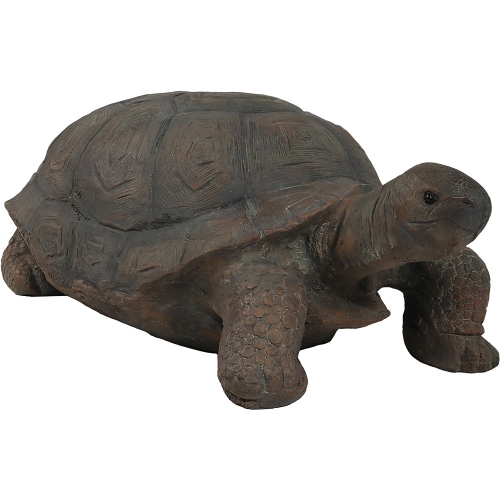 Your price for this item is $340.25
 -
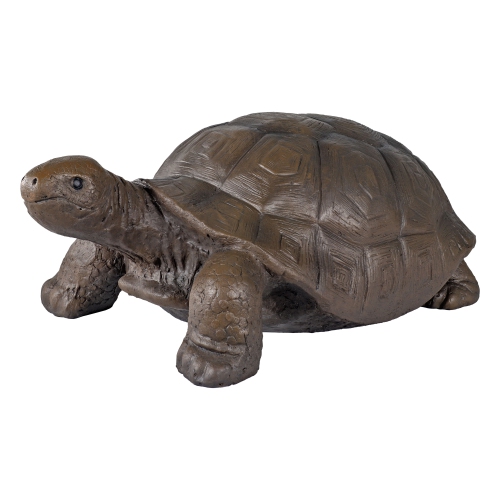 Your price for this item is $340.25
 -
 Your price for this item is $90.65
 -
 Your price for this item is $124.25
Discover more categories related to Religious Statues
Top Collections:
Pokemon Centers, Kindle Devices, Best Budget Office Chairs, Apple iPhones 16, Best Laptops for Writers, iPhone 15 Apple, Canon G7X Cameras, Refurbished Apple Laptops, Alarm Clock, Motorola Razr Phones
Some products may be subject to Environmental Handling Fees
(EHF) depending on your province.
Learn more about EHFs.