Retail Display Stands
Transform your retail space with our diverse selection of retail display stands, designed to enhance the presentation and accessibility of your products. Whether you're looking to optimize floor space, create eye-catching product arrangements, or simply elevate the shopping experience for your customers, these versatile stands offer a solution for every need. With options that cater to various styles and store layouts, you'll find the perfect fit to showcase your merchandise effectively and attractively. Explore our collection to discover how retail display stands can make a significant impact on both aesthetics and functionality in your store environment.
Sort




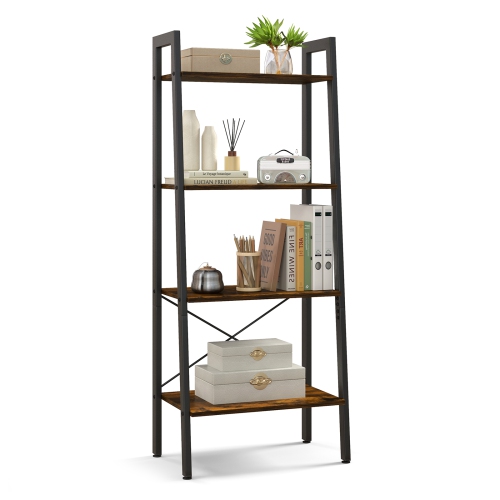
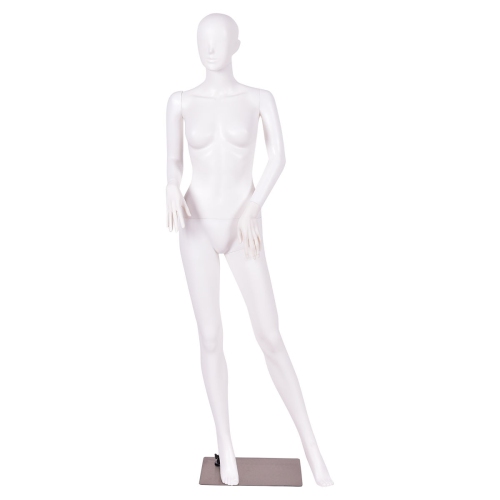
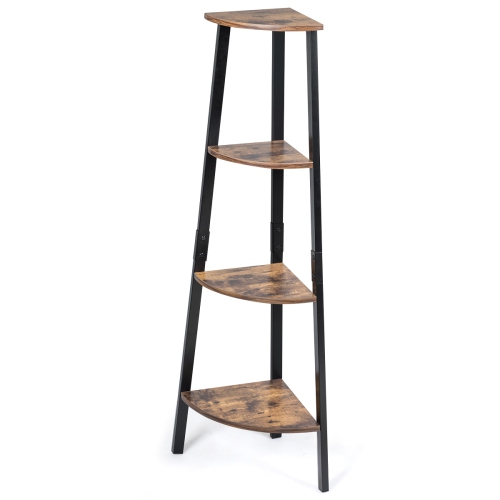
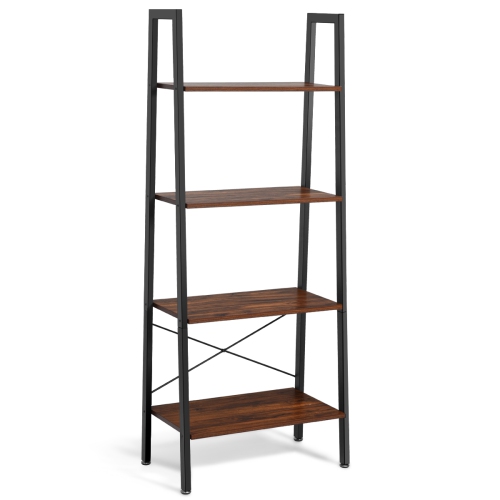

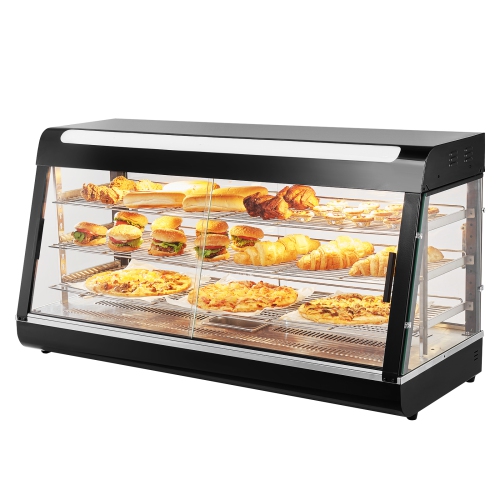
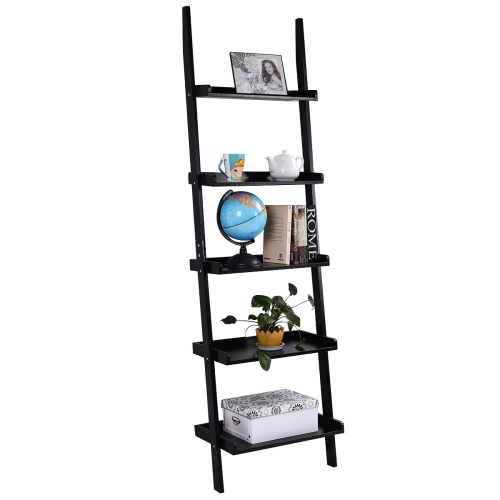

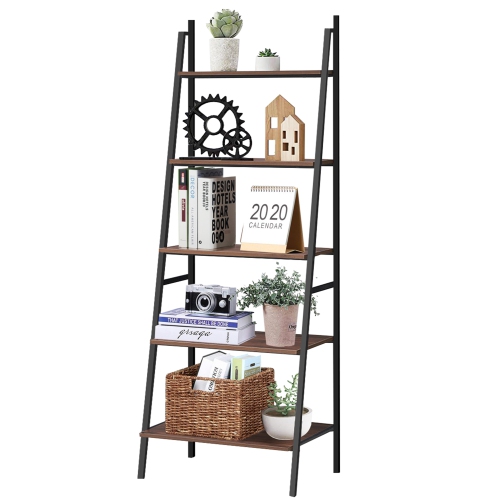
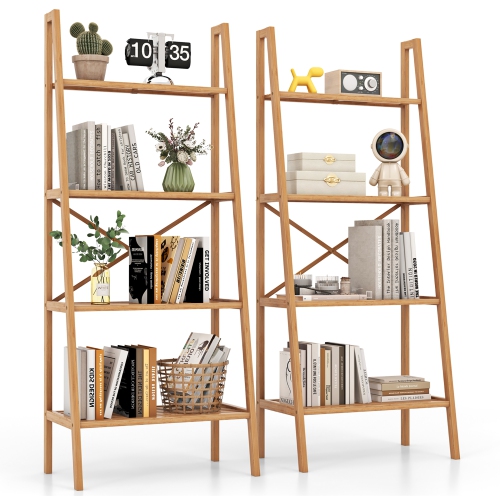
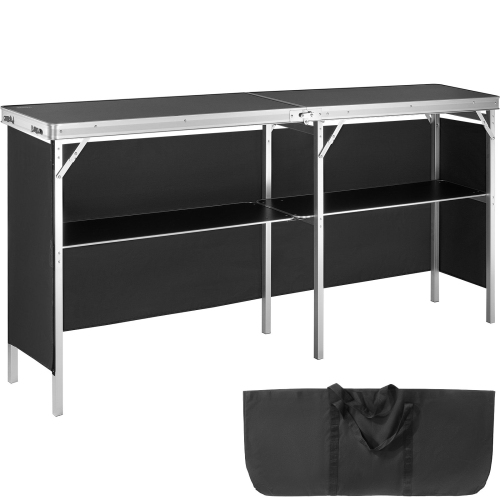
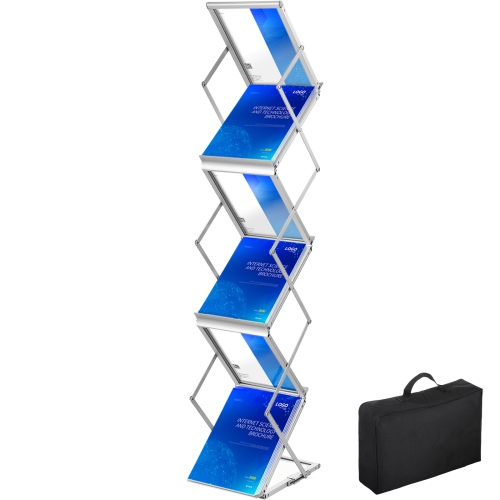
Smart use of height puts merchandise in view
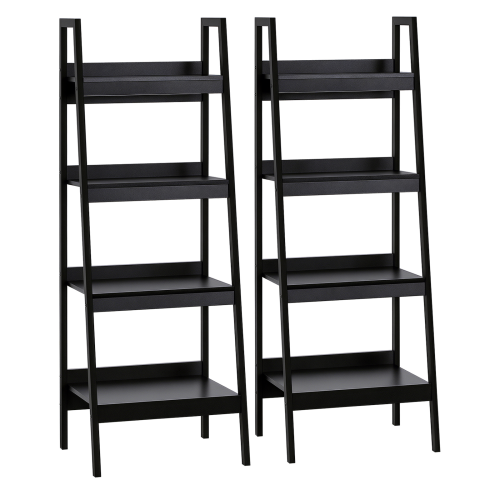
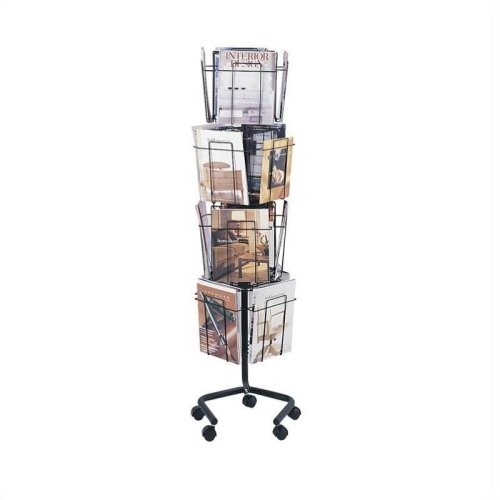
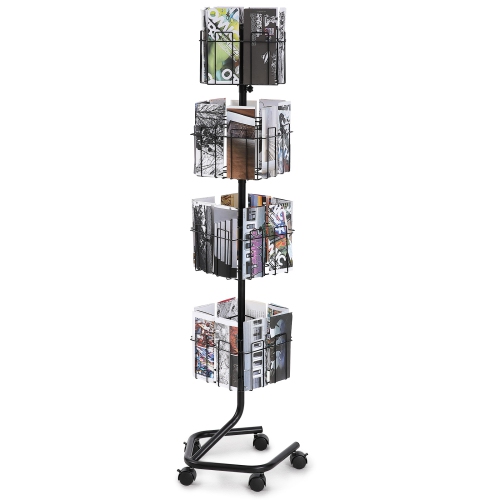
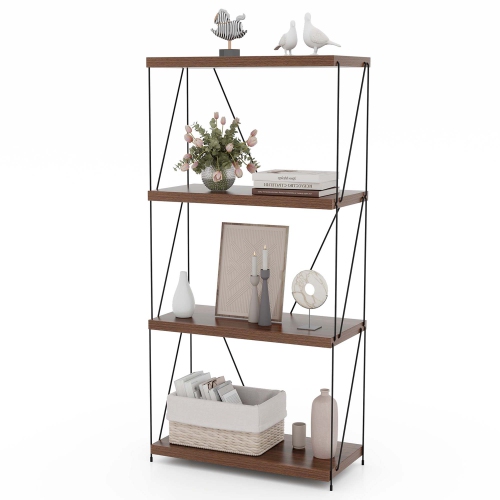
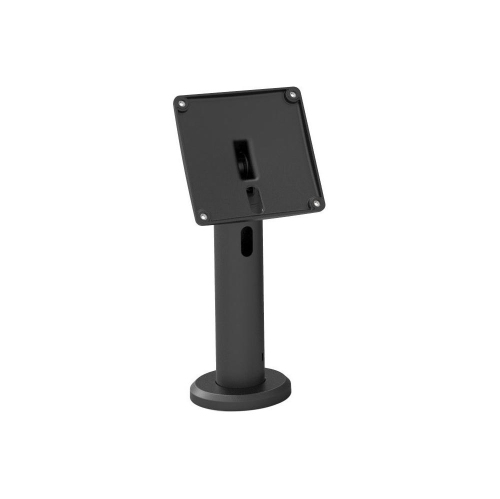
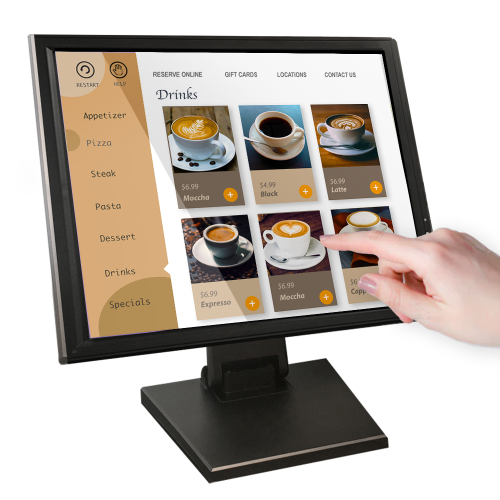
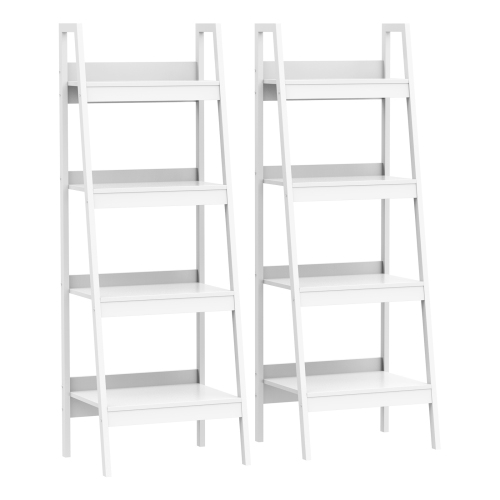
Retail display stands give merchandise a clear place in a shop, showroom, reception area, or market booth, helping people see what is on offer without having to search through a crowded surface. A well-proportioned stand brings smaller pieces into view, keeps related merchandise together, and adds useful height to an otherwise flat presentation. On a service counter, a compact tiered display can leave room for transactions while making its contents easy to browse. Along a wall, a taller floor stand can turn a narrow section of space into a defined display area without requiring built-in shelving. The right shape depends as much on how people approach the display as on what it holds. An open-sided design allows browsing from several directions, while a forward-facing layout suits a position against a wall or beside a reception desk. Stepped shelves help prevent the front row from hiding the rows behind it, and angled surfaces can make printed covers or labels easier to read. For businesses presenting reading material, Magazine Display Stands provide a related format designed around visible covers and organized browsing. Retail display stands also serve independent makers, gallery operators, salon owners, and exhibitors who need a presentation that feels deliberate rather than improvised. Their usefulness extends beyond appearance: defined spaces make it easier to return handled merchandise to its proper place and maintain a tidy arrangement throughout a busy day. A stand near a checkout needs to work within a smaller footprint, whereas a central display may need a finished appearance on every side. In either setting, enough open space around the contents helps individual shapes, colours, and details remain visible. The overall effect should support the merchandise, whether that means a quiet, neutral backdrop or a more substantial fixture that anchors a section of the room. Consistent spacing and manageable display heights can make a modest arrangement feel considered without filling every available surface.
Materials influence both the look of retail display stands and how they hold up to repeated handling. Metal frames can provide a slim profile with useful structural support, although actual capacity depends on the construction, joints, and stated load limits rather than the material alone. Powder-coated finishes offer a uniform appearance, while exposed metallic finishes can complement glass counters and other modern fixtures. Clear acrylic keeps visual attention on the contents and allows light to pass through the display, making it useful where a solid structure would feel heavy. It can still show fingerprints, fine scratches, and dust, so its appearance depends on suitable cleaning and careful handling. Wood adds visible grain and a warmer character, while wood-based panels offer a range of finishes that can coordinate with existing cabinetry. For those panels, sealed edges and intact surface coverings matter, particularly where routine wiping is part of daily care. Glass shelves can create an open appearance, but shelf specifications, edge protection, and secure supports deserve attention wherever people will be reaching across them. Fit involves more than matching the stand’s outer dimensions to a free corner. Shelf depth needs to accommodate the displayed merchandise without awkward overhang, and the clearance between tiers should allow someone to lift an object out without knocking the shelf above. Hooks, pockets, and dividers also need suitable spacing for their intended contents. A broad base may improve stability, but it takes up floor space that should be included when planning the layout. Adjustable shelves can accommodate different heights, provided they are properly seated and used within the stated limits. Rotating designs need clearance for their full sweep, not just the dimensions of their base. Where a stand has castors, the wheel type, locking mechanism, and permitted use affect how practical it will be on a particular floor. A fixture that moves easily for cleaning still needs to remain secure while people browse. Rounded edges, sound connections, and a level resting position contribute to a display that feels dependable during everyday use.
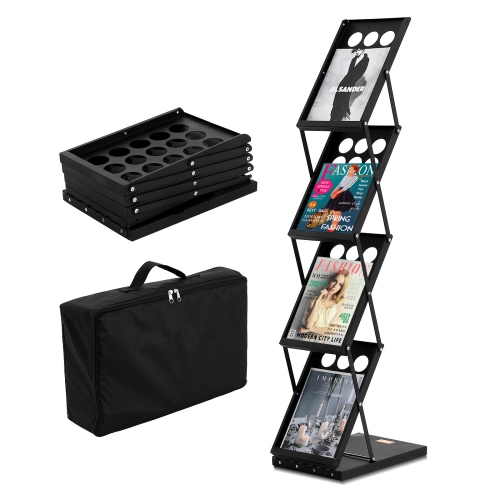
The demands of a permanent shop fixture differ from those of a display that travels between venues. In a fixed location, matching nearby counters, maintaining clear sightlines, and allowing straightforward cleaning may take priority. For a maker carrying a display into an exhibition hall, packed dimensions, manageable weight, and repeatable assembly can matter just as much as its appearance when set up. Folding or knock-down construction can simplify transport, though hinges, fasteners, and removable supports need to remain secure after repeated use. Parts that fit neatly into a protective carrying arrangement are less likely to rub against finished surfaces on the journey. Once positioned, a stand should leave doorways, aisles, and accessible routes clear, with enough room for people using mobility aids to move past and approach the display. Frequently handled merchandise is generally more comfortable to browse when it does not require deep bending or a long reach. Placing heavier contents on lower levels can support a more balanced arrangement, but it does not replace following the stand’s loading and anchoring requirements. Tall or narrow fixtures may require anti-tip measures, depending on their design and installation instructions. Routine care helps preserve both presentation and function: dust gathers at shelf corners, fingerprints collect along front edges, and loose fittings can develop where a fixture is regularly moved. A soft cloth and a cleaner approved for the surface are usually a better starting point than an abrasive pad or a strong general-purpose solution. Excess moisture should not sit along panel seams, and clear plastics may need a cleaning method that avoids clouding or fine surface marks. Periodic checks of shelf supports, feet, wheels, and fasteners help catch wear before it interferes with use. A stand that is easy to wipe down, straightforward to rearrange, and appropriately sized for its contents is easier to keep looking intentional. Across a small boutique, a shared reception space, or a temporary booth, those practical details allow the display to remain a useful part of the room rather than an obstacle within it.
Materials influence both the look of retail display stands and how they hold up to repeated handling. Metal frames can provide a slim profile with useful structural support, although actual capacity depends on the construction, joints, and stated load limits rather than the material alone. Powder-coated finishes offer a uniform appearance, while exposed metallic finishes can complement glass counters and other modern fixtures. Clear acrylic keeps visual attention on the contents and allows light to pass through the display, making it useful where a solid structure would feel heavy. It can still show fingerprints, fine scratches, and dust, so its appearance depends on suitable cleaning and careful handling. Wood adds visible grain and a warmer character, while wood-based panels offer a range of finishes that can coordinate with existing cabinetry. For those panels, sealed edges and intact surface coverings matter, particularly where routine wiping is part of daily care. Glass shelves can create an open appearance, but shelf specifications, edge protection, and secure supports deserve attention wherever people will be reaching across them. Fit involves more than matching the stand’s outer dimensions to a free corner. Shelf depth needs to accommodate the displayed merchandise without awkward overhang, and the clearance between tiers should allow someone to lift an object out without knocking the shelf above. Hooks, pockets, and dividers also need suitable spacing for their intended contents. A broad base may improve stability, but it takes up floor space that should be included when planning the layout. Adjustable shelves can accommodate different heights, provided they are properly seated and used within the stated limits. Rotating designs need clearance for their full sweep, not just the dimensions of their base. Where a stand has castors, the wheel type, locking mechanism, and permitted use affect how practical it will be on a particular floor. A fixture that moves easily for cleaning still needs to remain secure while people browse. Rounded edges, sound connections, and a level resting position contribute to a display that feels dependable during everyday use.
The demands of a permanent shop fixture differ from those of a display that travels between venues. In a fixed location, matching nearby counters, maintaining clear sightlines, and allowing straightforward cleaning may take priority. For a maker carrying a display into an exhibition hall, packed dimensions, manageable weight, and repeatable assembly can matter just as much as its appearance when set up. Folding or knock-down construction can simplify transport, though hinges, fasteners, and removable supports need to remain secure after repeated use. Parts that fit neatly into a protective carrying arrangement are less likely to rub against finished surfaces on the journey. Once positioned, a stand should leave doorways, aisles, and accessible routes clear, with enough room for people using mobility aids to move past and approach the display. Frequently handled merchandise is generally more comfortable to browse when it does not require deep bending or a long reach. Placing heavier contents on lower levels can support a more balanced arrangement, but it does not replace following the stand’s loading and anchoring requirements. Tall or narrow fixtures may require anti-tip measures, depending on their design and installation instructions. Routine care helps preserve both presentation and function: dust gathers at shelf corners, fingerprints collect along front edges, and loose fittings can develop where a fixture is regularly moved. A soft cloth and a cleaner approved for the surface are usually a better starting point than an abrasive pad or a strong general-purpose solution. Excess moisture should not sit along panel seams, and clear plastics may need a cleaning method that avoids clouding or fine surface marks. Periodic checks of shelf supports, feet, wheels, and fasteners help catch wear before it interferes with use. A stand that is easy to wipe down, straightforward to rearrange, and appropriately sized for its contents is easier to keep looking intentional. Across a small boutique, a shared reception space, or a temporary booth, those practical details allow the display to remain a useful part of the room rather than an obstacle within it.
Top selling and popular products
-
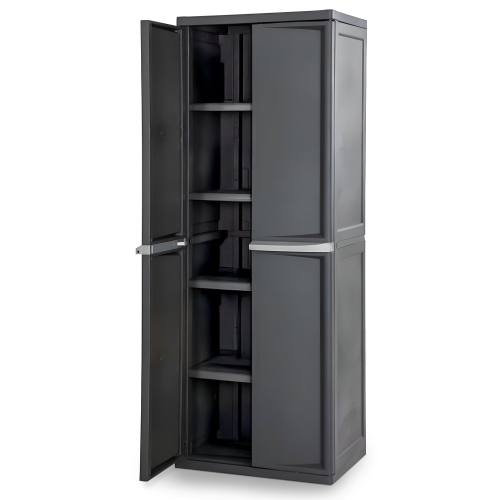 Your price for this item is $772.99
 -
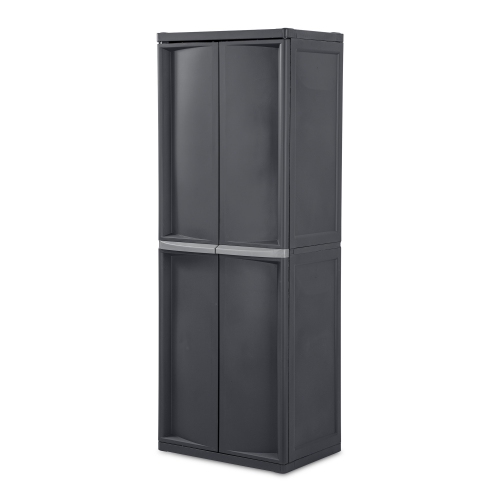 Your price for this item is $1522.99
 -
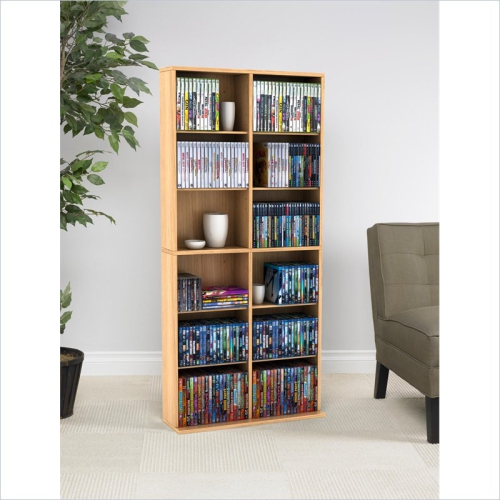 Your price for this item is $234.68
 -
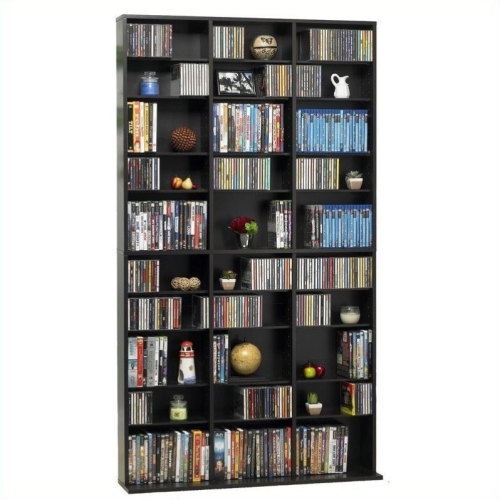 Your price for this item is $365.38
 -
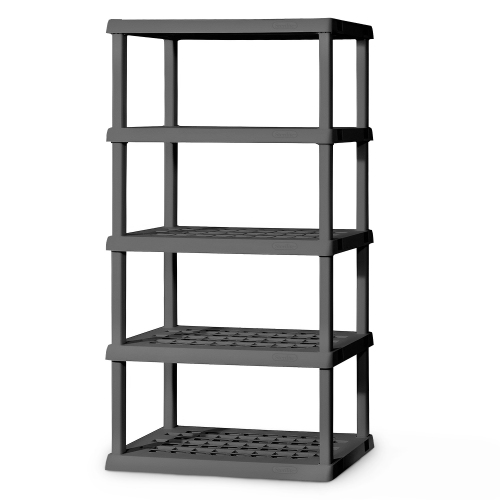 Your price for this item is $468.99
 -
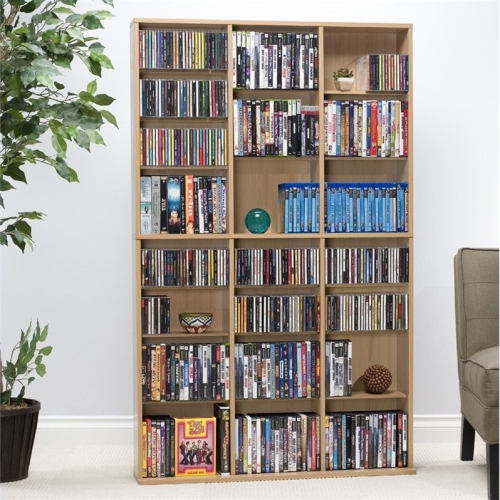 Your price for this item is $295.84
 -
 Your price for this item is $999.77
 -
 Your price for this item is $998.43
Discover more categories related to Retail Display Stands

Top Collections:
Pokemon Centers, Kindle Devices, Best Budget Office Chairs, Apple iPhones 16, Best Laptops for Writers, iPhone 15 Apple, Canon G7X Cameras, Refurbished Apple Laptops, Alarm Clock, Motorola Razr Phones
Some products may be subject to Environmental Handling Fees
(EHF) depending on your province.
Learn more about EHFs.