Retractable Patio Awnings
Create a stylish and functional outdoor space with retractable patio awnings. These versatile and customizable shade solutions are perfect for adding comfort and style to your patio or deck. Enjoy protection from the sun's harsh rays while enhancing the aesthetic appeal of your outdoor living area. Whether you're looking to create a cozy spot for al fresco dining or simply want to relax in the shade, retractable patio awnings offer a practical and elegant solution for any outdoor space. Explore our range of options to find the perfect fit for your home.
Sort
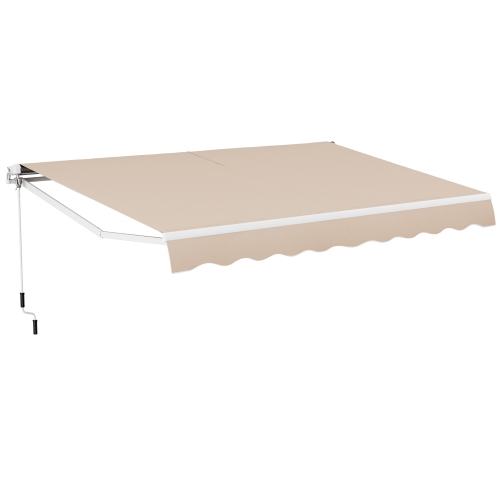
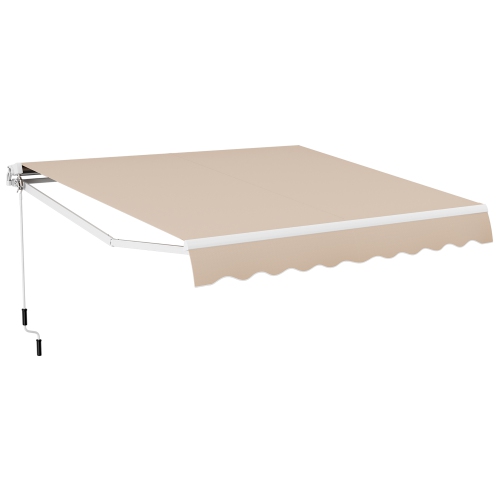
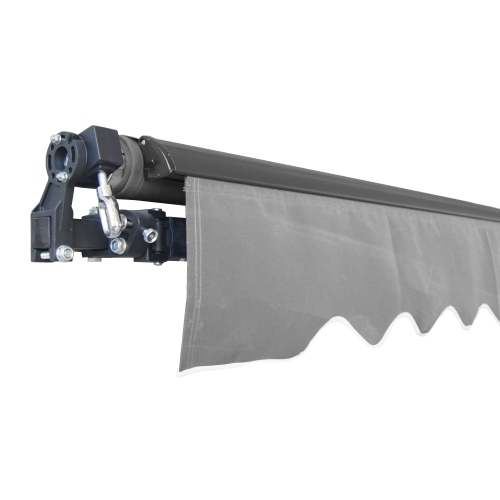
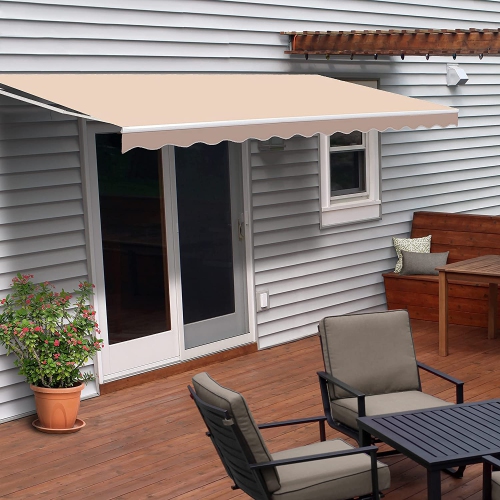
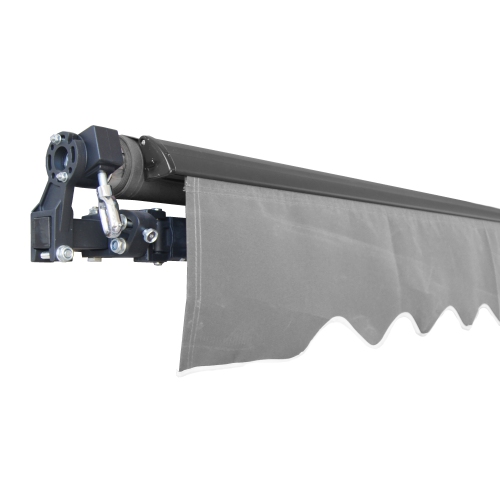
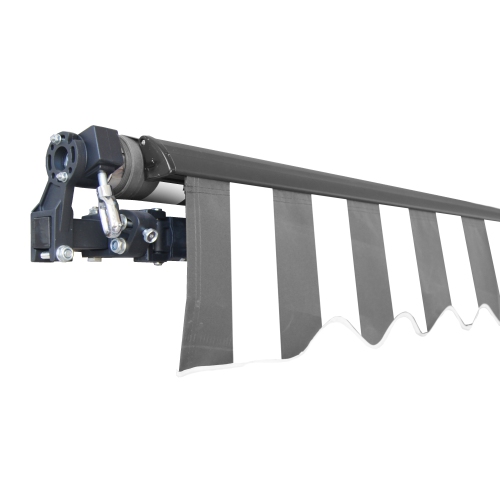
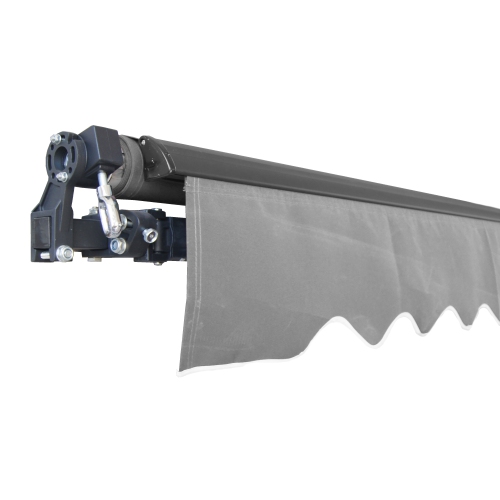
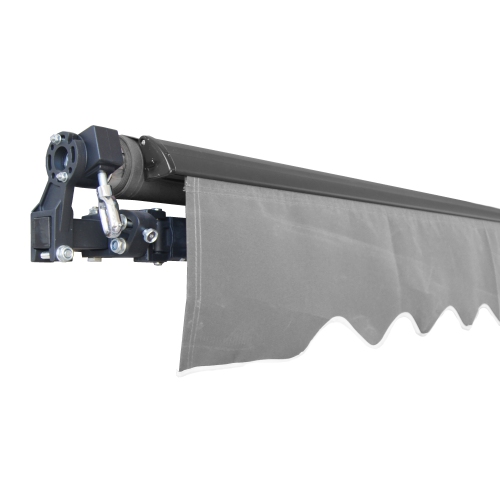
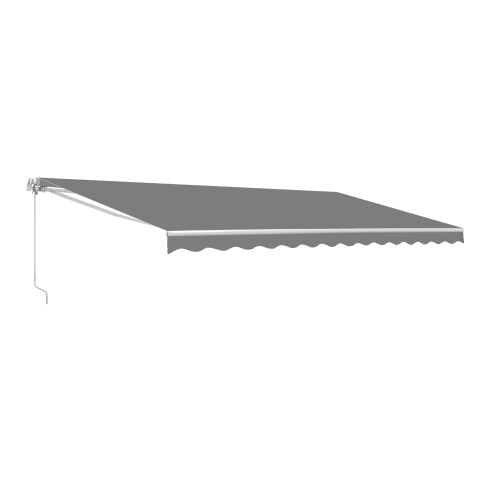
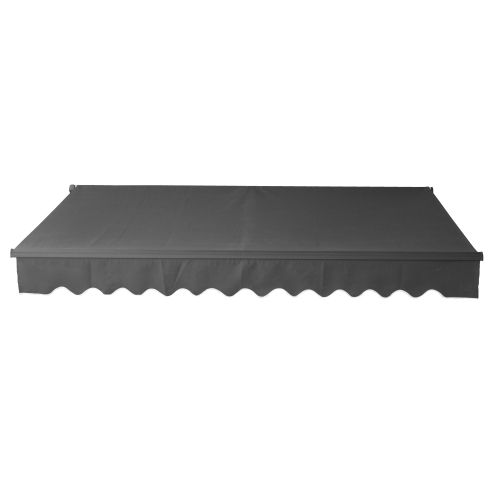
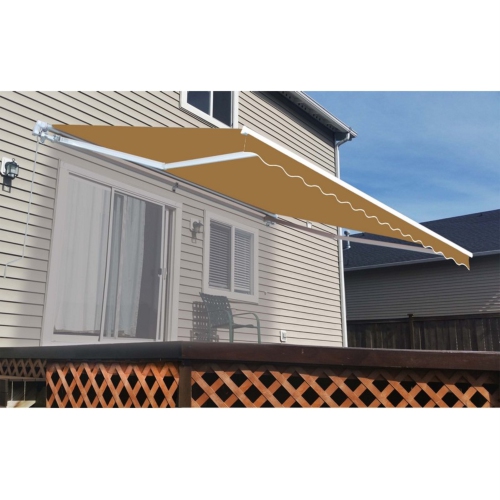
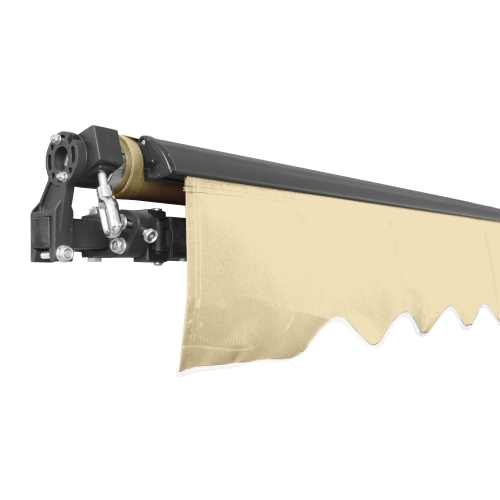
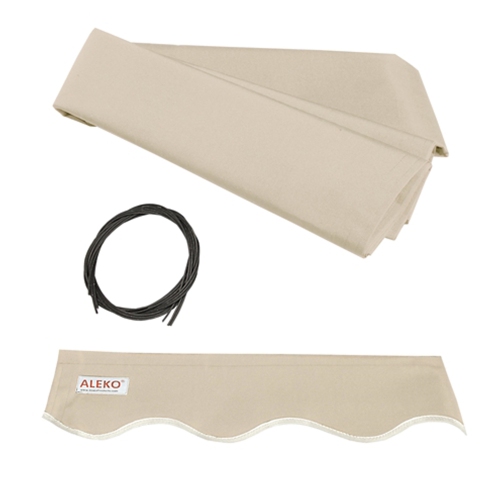
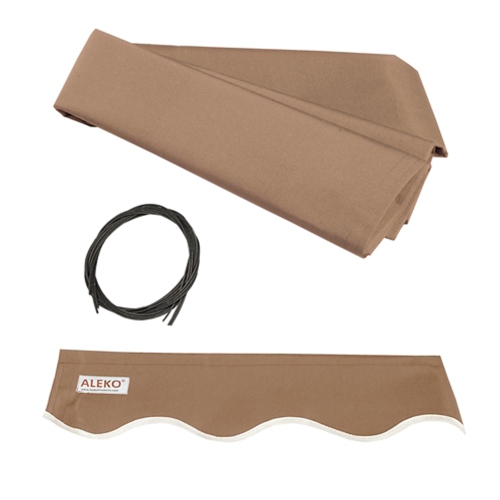
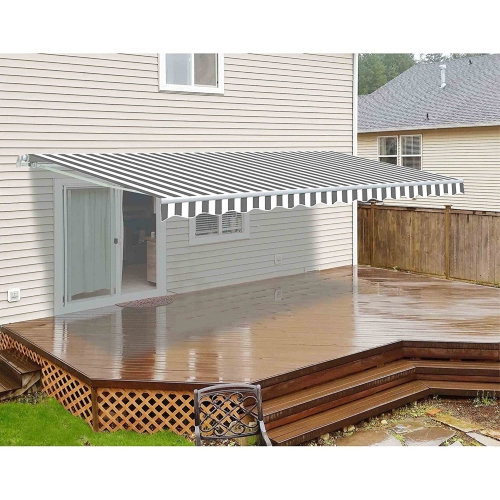
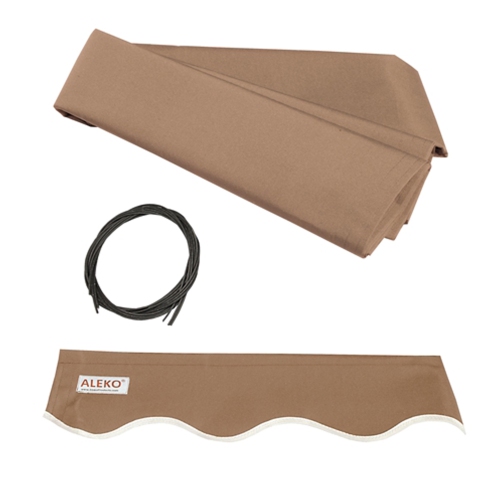
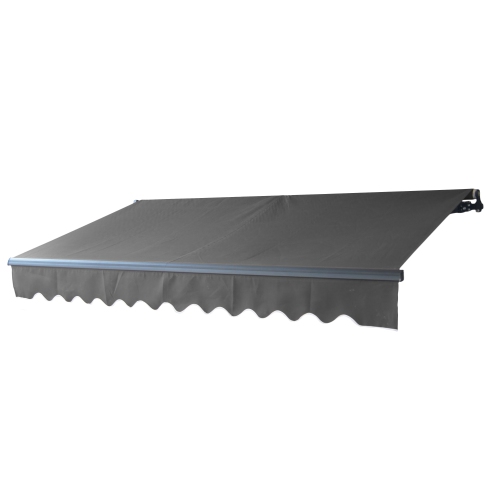

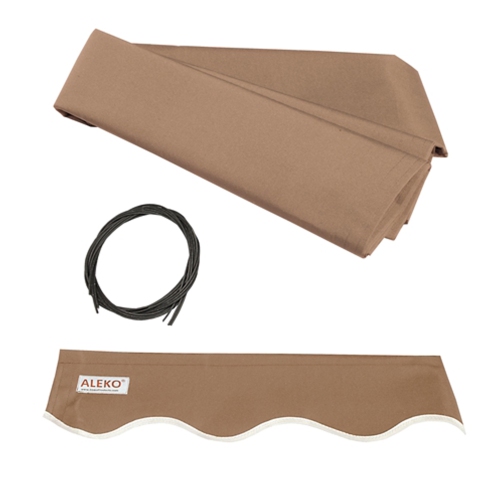
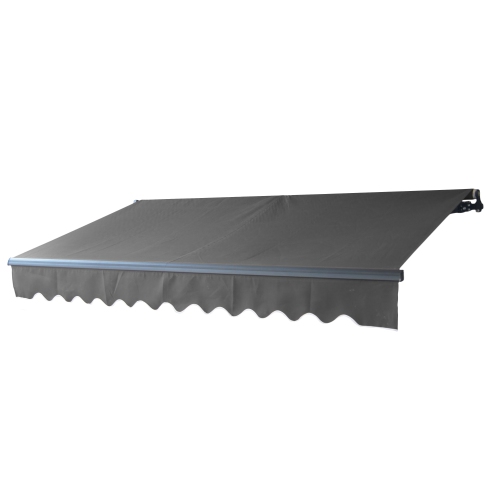
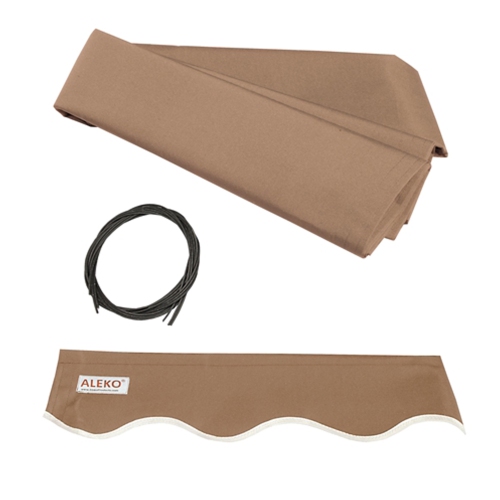
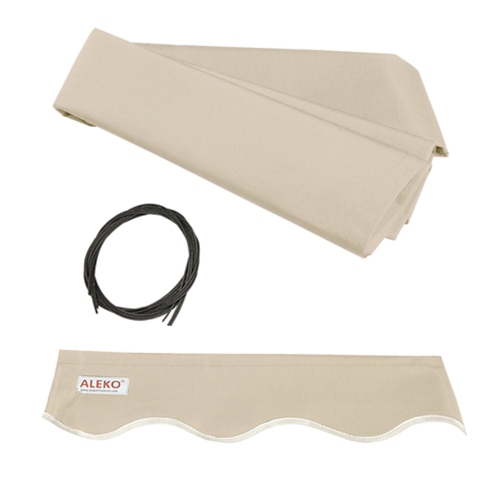
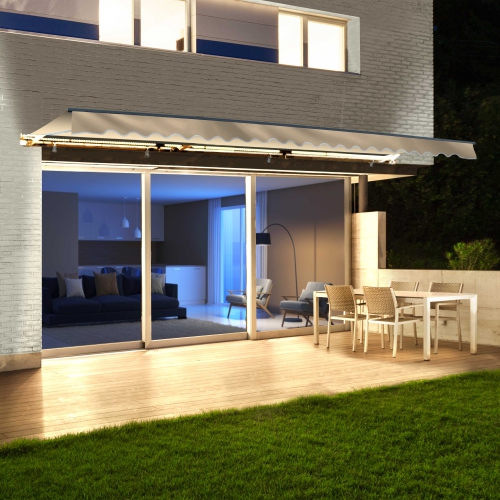
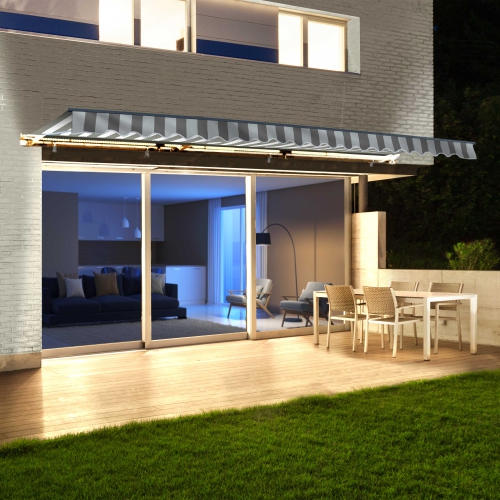
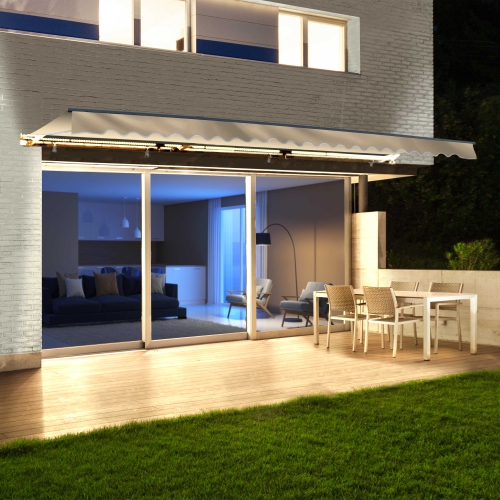
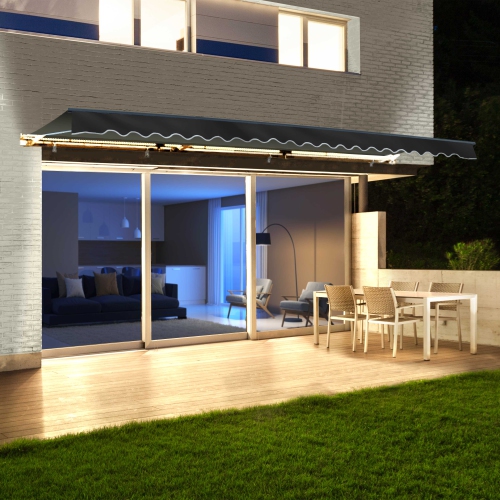
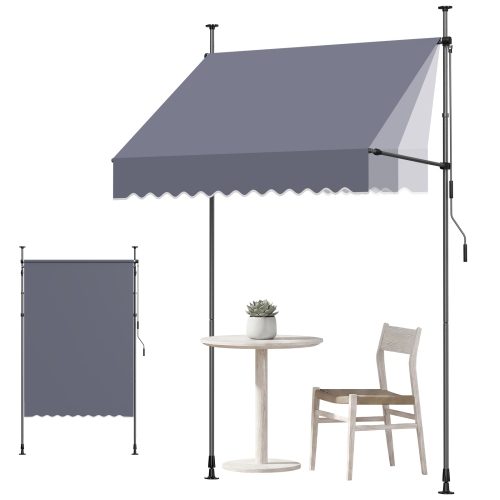
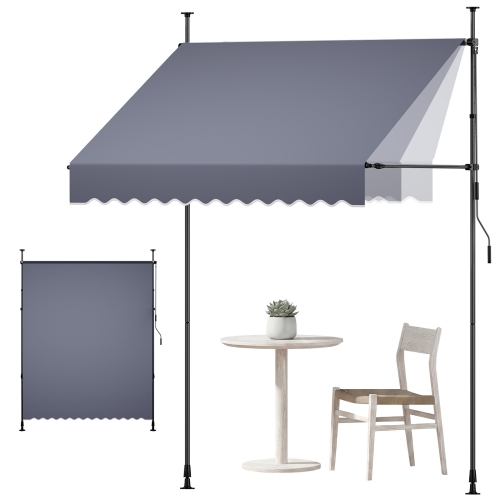
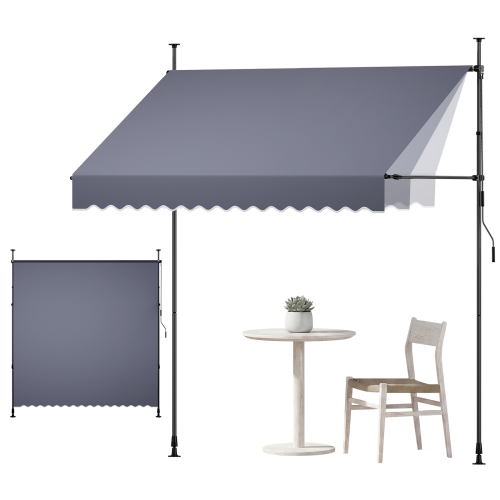
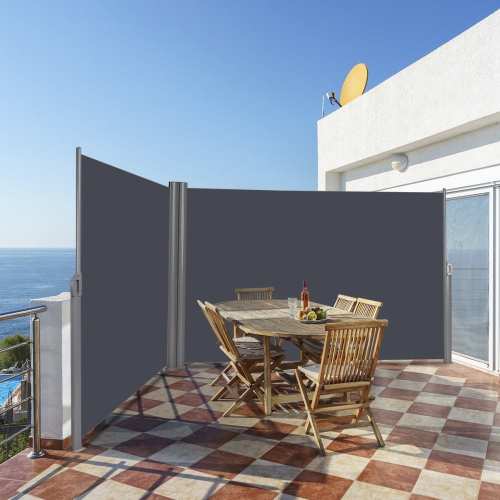
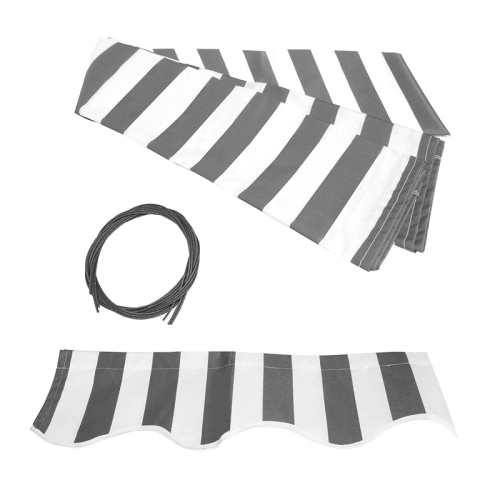
Flexible shade for more comfortable outdoor living
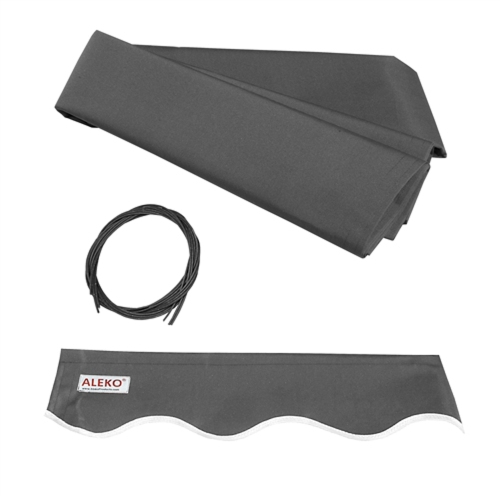
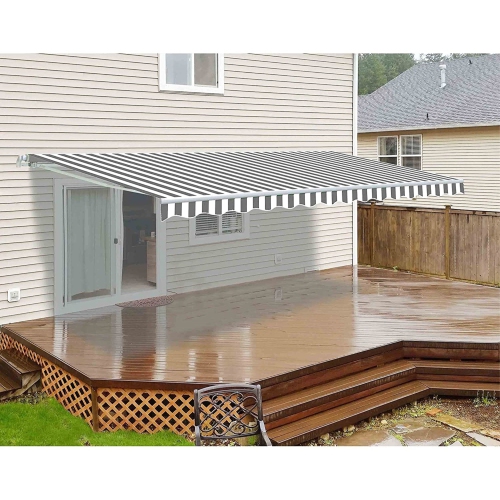
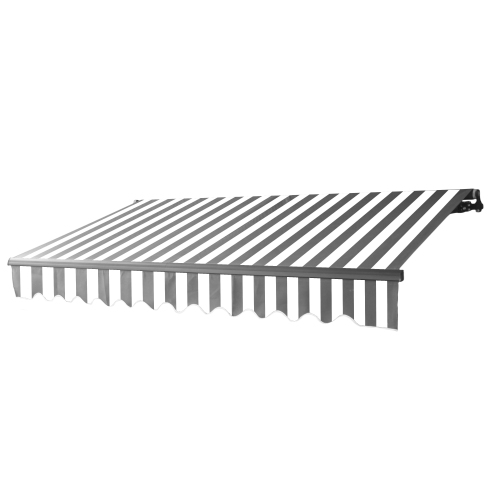
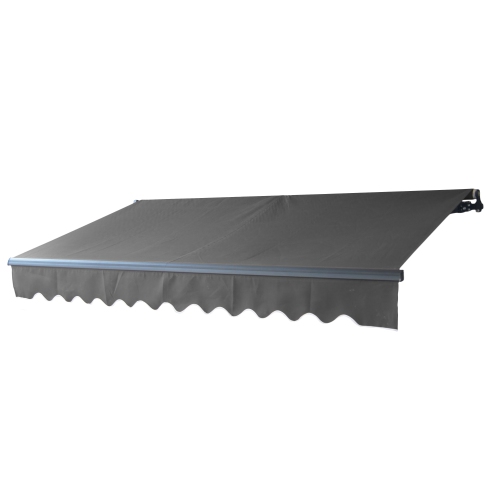
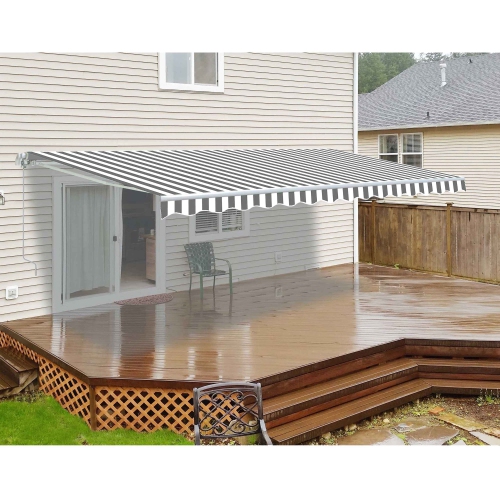
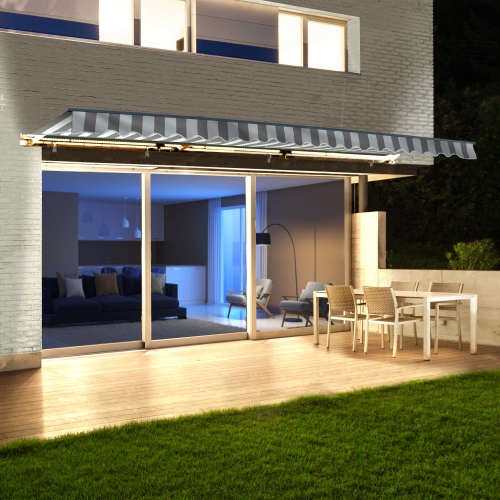
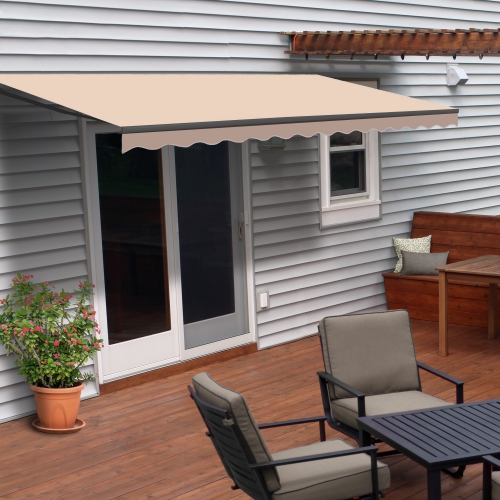
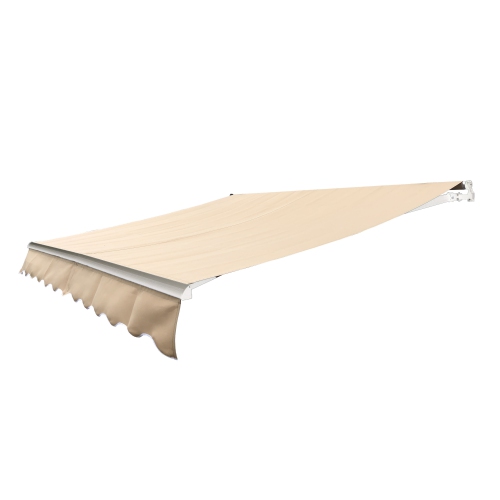
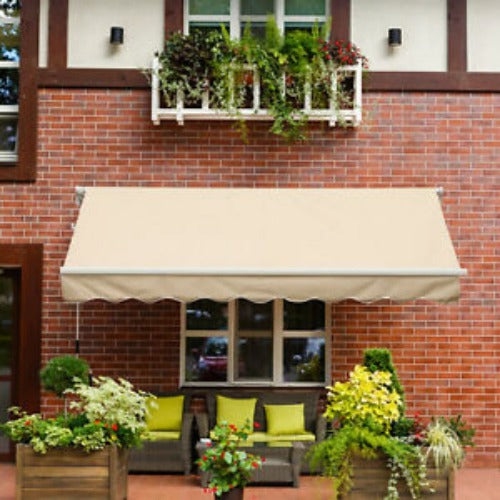
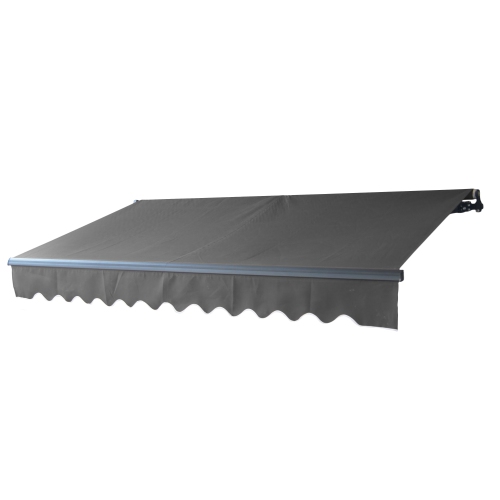
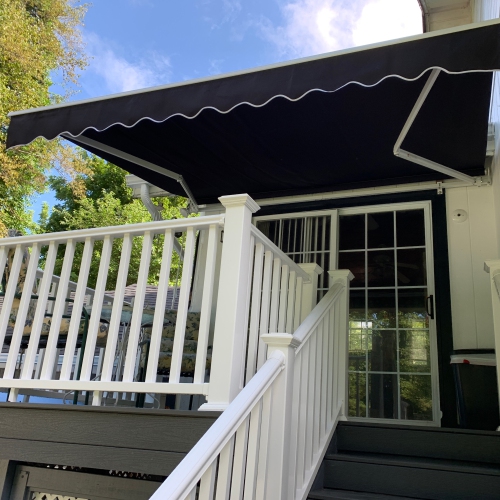
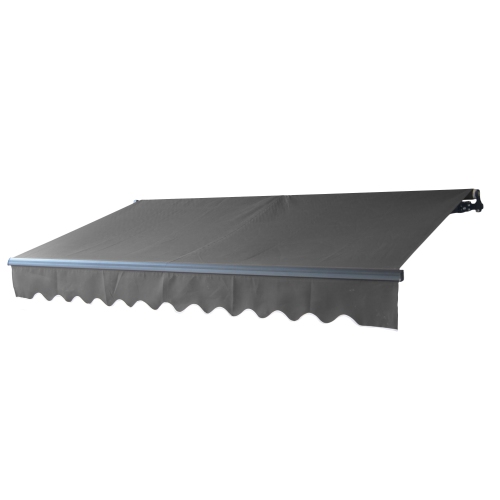
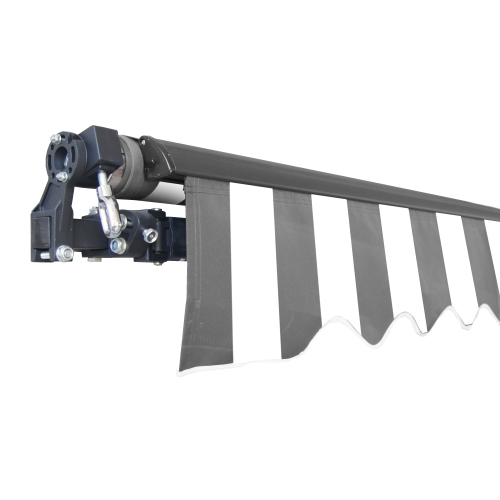
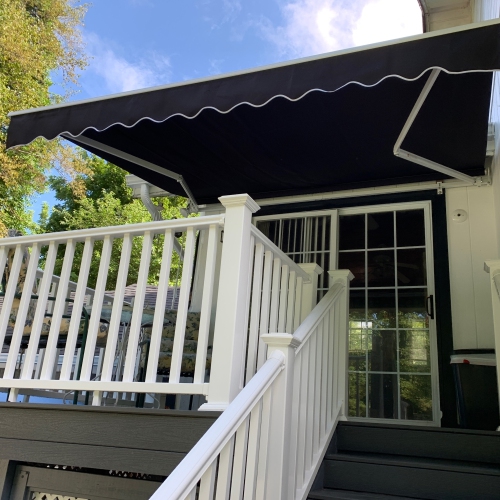
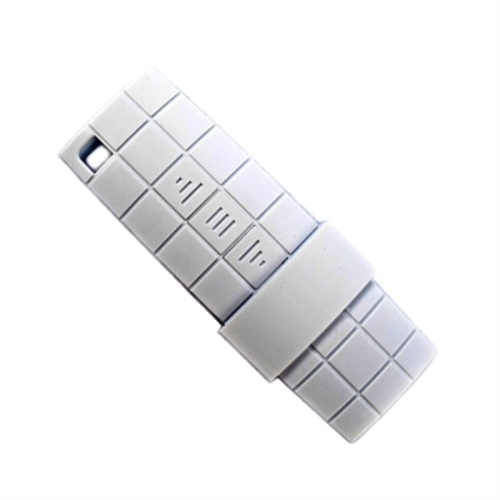
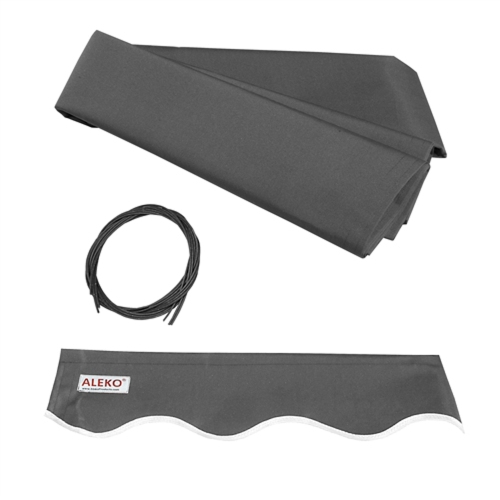
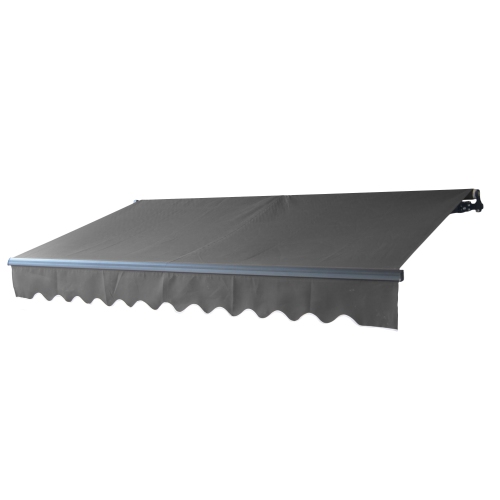
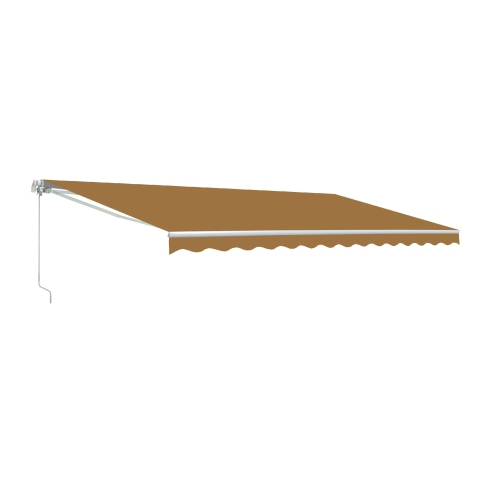
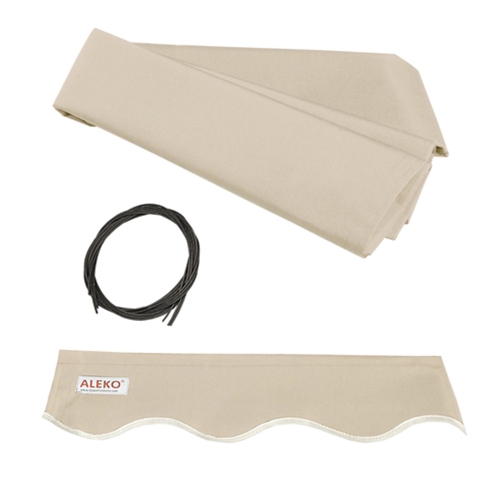
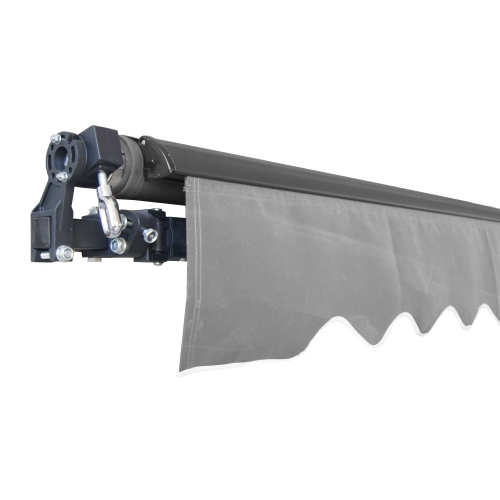
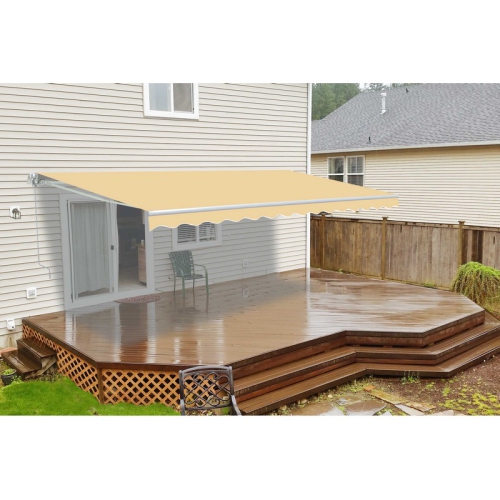
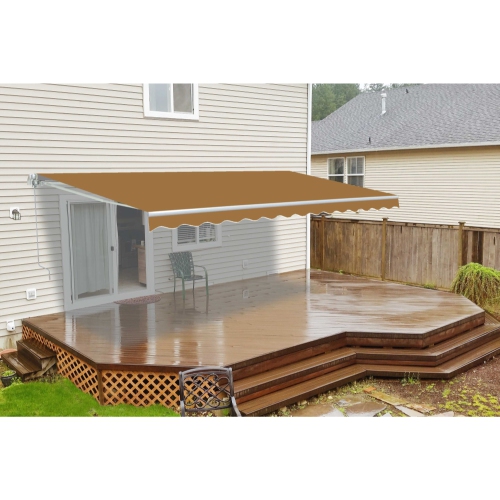
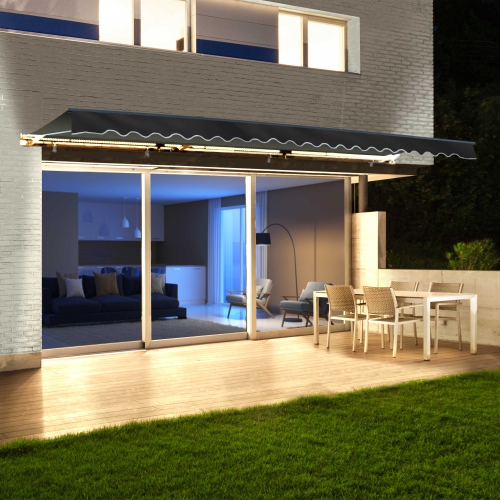
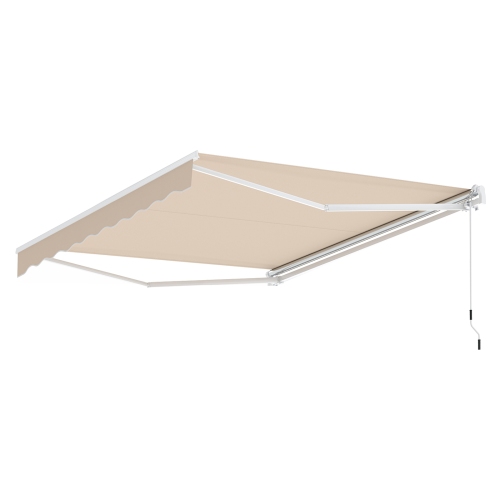
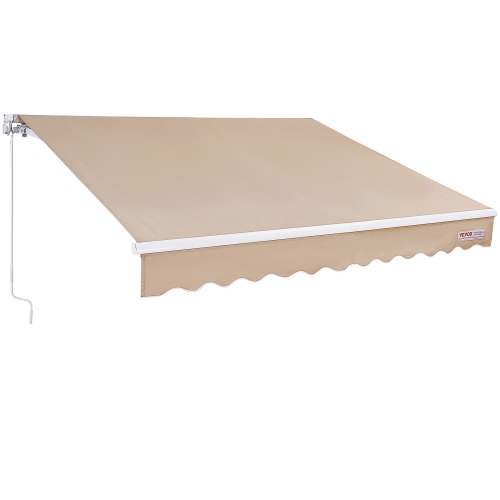
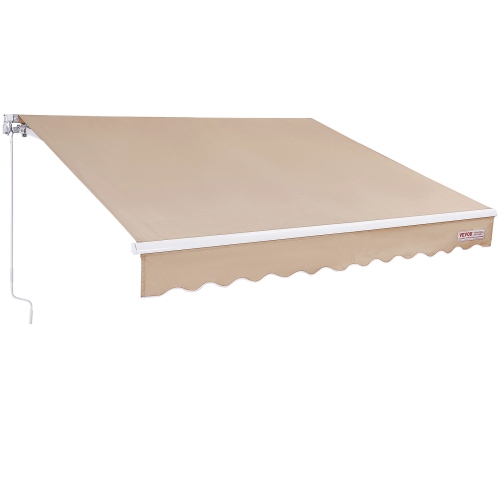
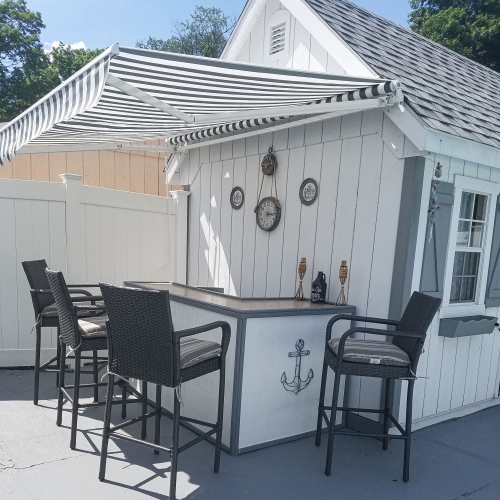
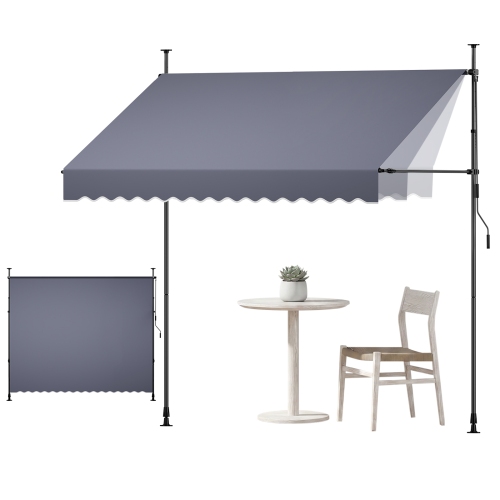
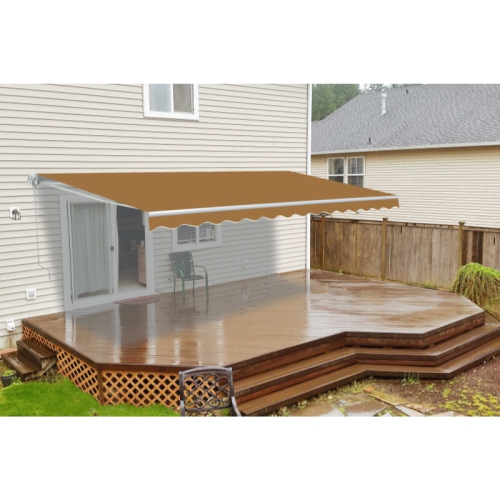
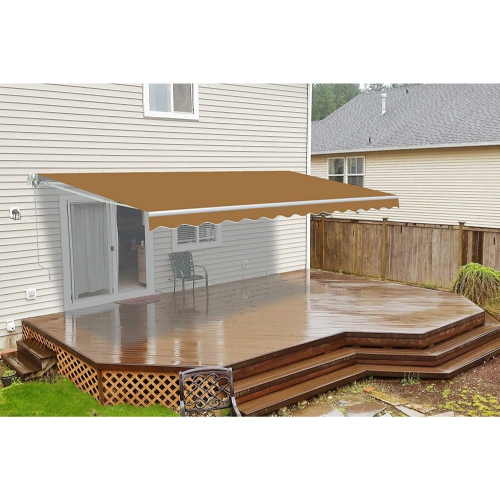
Retractable patio awnings make it easier to enjoy a deck, balcony, terrace, or other outdoor living area with more control over sun and shade. Unlike fixed covers, they can extend when direct sunlight makes a seating area uncomfortable and retract when you want an open view of the sky, more natural light, or improved airflow. They are a practical choice for homeowners who use their patio for morning coffee, outdoor meals, reading, entertaining, or simply relaxing after a long day. Depending on the size and projection, an awning can also shade nearby windows and doors, helping reduce the amount of direct sunlight entering the home during the brighter part of the day. That added flexibility is especially useful during the transition between warmer and cooler weather, when the ideal amount of shade can change from one afternoon to the next. Browse the range of Retractable Awning options to compare formats, sizes, colours, materials, and operating features suited to different outdoor spaces. Manual awnings typically use a hand crank and can be a straightforward choice for smaller patios or occasional use. Motorized awnings offer push-button convenience through a remote control and, on some models, may support smart-home controls or automatic sensors. A manual design can be appealing when simplicity and budget are priorities, while a motorized model may be more comfortable for a large patio, a hard-to-reach installation area, or anyone who prefers not to lean over furniture or reach along a wall to adjust the shade.
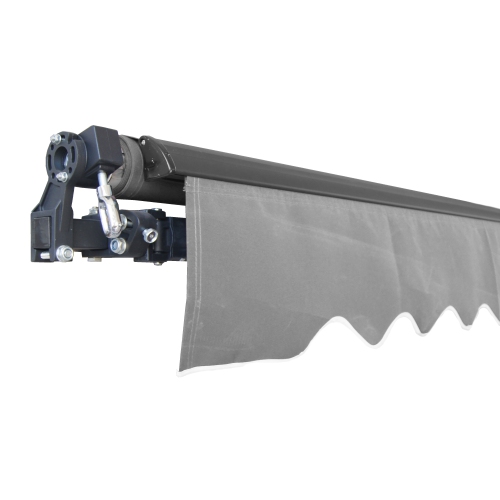
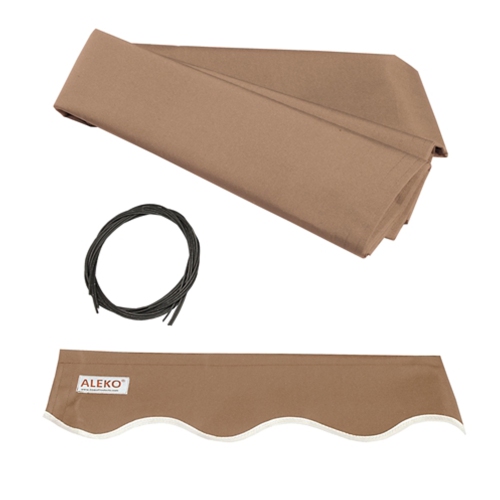
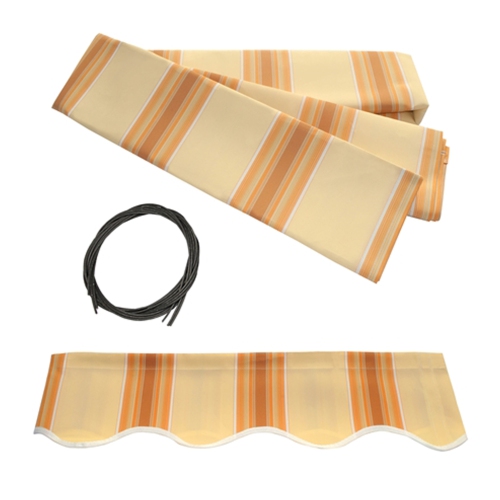
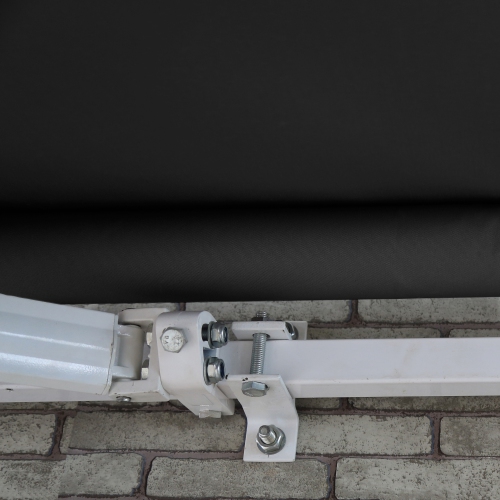
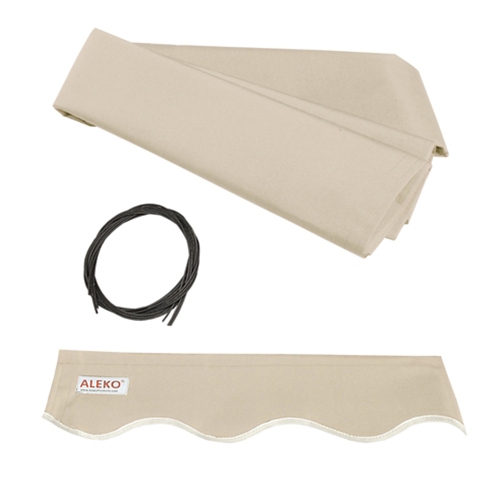
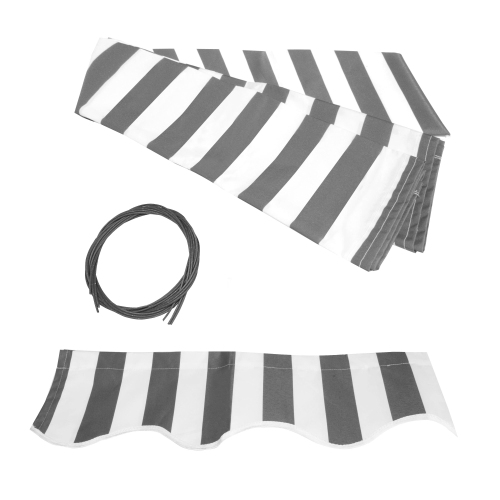
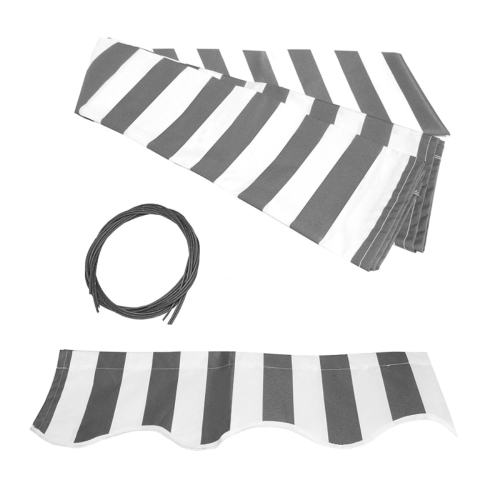
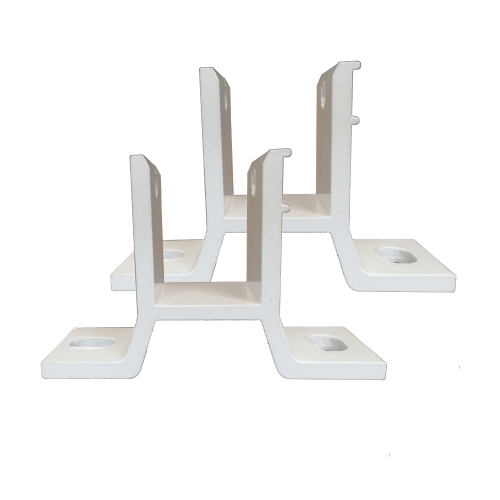
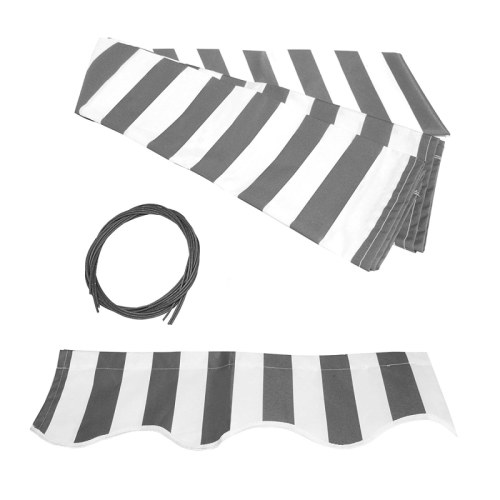
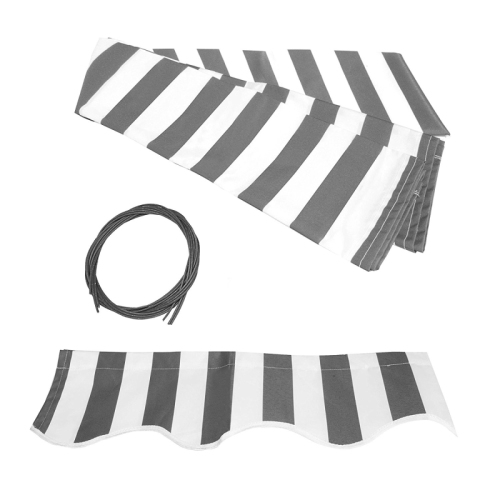
Before choosing an awning, measure carefully rather than relying on an estimate based only on the patio’s floor area. Measure the available wall width, note the location of doors, windows, lights, vents, railings, and other obstacles, then determine how far the awning should project outward to shade the intended seating or dining zone. Check the product specifications for the required mounting clearance and mounting surface, since brick, concrete, siding, stucco, and other wall materials may require different hardware or installation methods. The pitch, or downward angle, also affects how much shade is cast and how rainwater moves away from the wall. A compact awning may suit a balcony or narrow deck, while a wider model with a longer projection can provide more useful coverage over a dining table or conversation set. Fabric construction is another important consideration. Look for outdoor-rated polyester or acrylic fabrics with strong UV protection and a water-resistant or waterproof coating, while also checking how the material is described in the specifications. Colour can influence the look of the home and the brightness beneath the canopy, but practical details such as fade resistance, cleaning instructions, and the ability to replace or maintain fabric components deserve equal attention. A darker fabric may create a more intimate, sheltered feel, whereas a lighter colour can keep the area feeling bright. Frames and support arms should be reviewed for their construction, finish, adjustment options, and compatibility with the intended mounting location. When comparing products, consider the awning’s fully extended and fully retracted dimensions, the crank or motor location, the control method, the power requirements for motorized designs, and whether installation accessories are included. Some homeowners choose professional installation for a wide awning, a high mounting position, or a wall with unusual construction. Others with suitable tools and experience may prefer a do-it-yourself installation kit, provided the instructions, mounting surface, and required assistance are carefully considered.
Retractable awnings are most useful when operated with the weather in mind. They are designed to provide shade and light outdoor coverage, not to serve as a permanent roof or a safe shelter during severe conditions. Follow the manufacturer’s wind and weather guidance, and retract the awning before strong winds, heavy rain, snow, or other conditions that could place stress on the arms, brackets, fabric, or wall. Leaving fabric damp for extended periods can encourage odours or mildew, so allow it to dry fully when conditions permit and follow the recommended cleaning method. A soft brush and mild soap are often more appropriate than abrasive cleaners, but the care instructions for the specific material should always take priority. During the cooler months, retracting, cleaning, and protecting the awning as directed can help keep it ready for the next period of outdoor use. Think about how the space is actually used: a family may want broad shade over a play or dining area, a balcony user may favour a smaller projection, and someone who hosts friends outdoors may value smooth motorized adjustment from a seated position. A retractable awning can also be a thoughtful housewarming or home-improvement gift for someone who has recently created an outdoor seating area, although measurements and mounting requirements make it wise to confirm the space before purchasing. The best match balances coverage, installation conditions, operating convenience, fabric performance, and care requirements. With the right fit, an awning can turn a sun-baked patio into a more comfortable retreat, soften glare through nearby windows, and make outdoor space practical across a broader range of the season.
Before choosing an awning, measure carefully rather than relying on an estimate based only on the patio’s floor area. Measure the available wall width, note the location of doors, windows, lights, vents, railings, and other obstacles, then determine how far the awning should project outward to shade the intended seating or dining zone. Check the product specifications for the required mounting clearance and mounting surface, since brick, concrete, siding, stucco, and other wall materials may require different hardware or installation methods. The pitch, or downward angle, also affects how much shade is cast and how rainwater moves away from the wall. A compact awning may suit a balcony or narrow deck, while a wider model with a longer projection can provide more useful coverage over a dining table or conversation set. Fabric construction is another important consideration. Look for outdoor-rated polyester or acrylic fabrics with strong UV protection and a water-resistant or waterproof coating, while also checking how the material is described in the specifications. Colour can influence the look of the home and the brightness beneath the canopy, but practical details such as fade resistance, cleaning instructions, and the ability to replace or maintain fabric components deserve equal attention. A darker fabric may create a more intimate, sheltered feel, whereas a lighter colour can keep the area feeling bright. Frames and support arms should be reviewed for their construction, finish, adjustment options, and compatibility with the intended mounting location. When comparing products, consider the awning’s fully extended and fully retracted dimensions, the crank or motor location, the control method, the power requirements for motorized designs, and whether installation accessories are included. Some homeowners choose professional installation for a wide awning, a high mounting position, or a wall with unusual construction. Others with suitable tools and experience may prefer a do-it-yourself installation kit, provided the instructions, mounting surface, and required assistance are carefully considered.
Retractable awnings are most useful when operated with the weather in mind. They are designed to provide shade and light outdoor coverage, not to serve as a permanent roof or a safe shelter during severe conditions. Follow the manufacturer’s wind and weather guidance, and retract the awning before strong winds, heavy rain, snow, or other conditions that could place stress on the arms, brackets, fabric, or wall. Leaving fabric damp for extended periods can encourage odours or mildew, so allow it to dry fully when conditions permit and follow the recommended cleaning method. A soft brush and mild soap are often more appropriate than abrasive cleaners, but the care instructions for the specific material should always take priority. During the cooler months, retracting, cleaning, and protecting the awning as directed can help keep it ready for the next period of outdoor use. Think about how the space is actually used: a family may want broad shade over a play or dining area, a balcony user may favour a smaller projection, and someone who hosts friends outdoors may value smooth motorized adjustment from a seated position. A retractable awning can also be a thoughtful housewarming or home-improvement gift for someone who has recently created an outdoor seating area, although measurements and mounting requirements make it wise to confirm the space before purchasing. The best match balances coverage, installation conditions, operating convenience, fabric performance, and care requirements. With the right fit, an awning can turn a sun-baked patio into a more comfortable retreat, soften glare through nearby windows, and make outdoor space practical across a broader range of the season.
Top selling and popular products
-
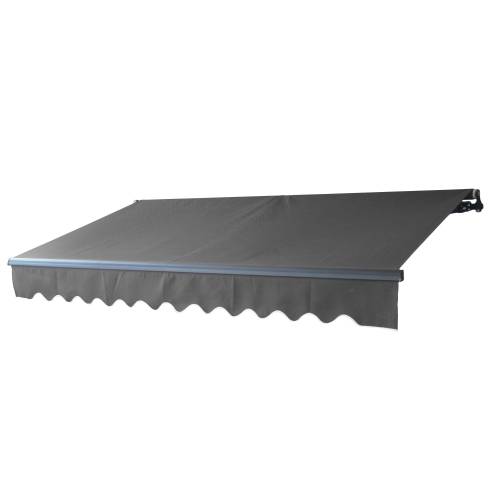 Your price for this item is $819
 -
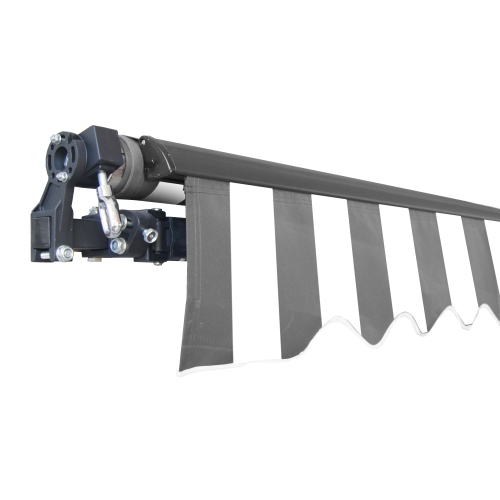 Your price for this item is $625
 -
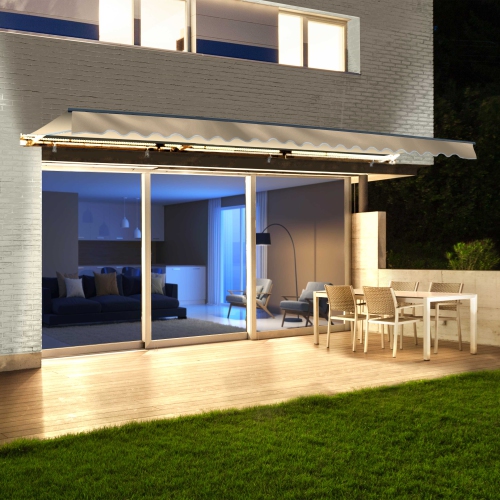 Your price for this item is $1029
 -
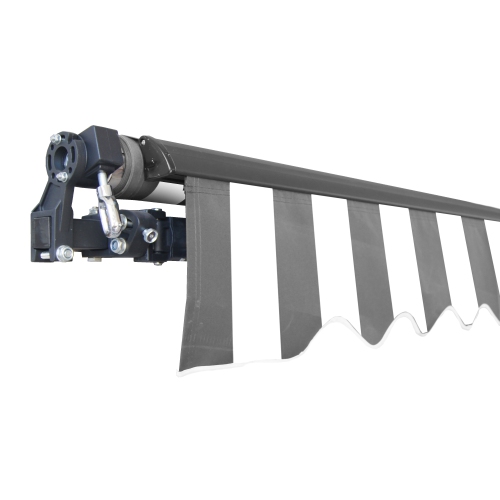 Your price for this item is $819
 -
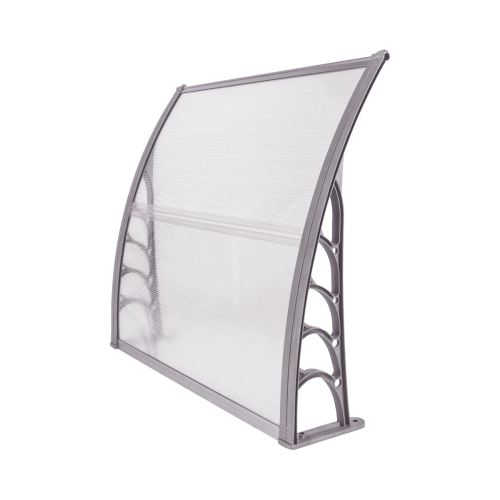 Your price for this item is $68.99
 -
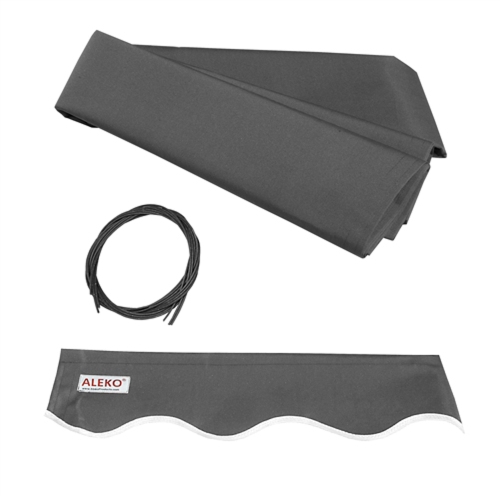 Your price for this item is $176
 -
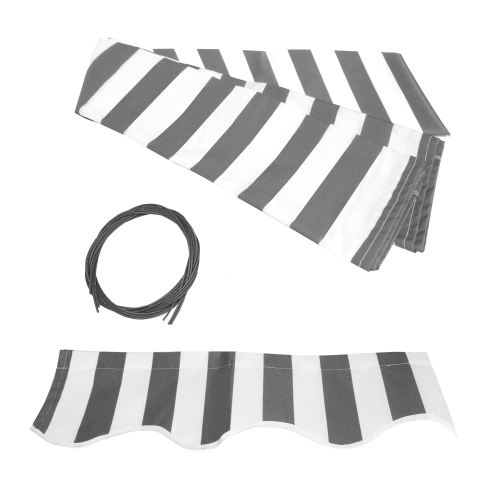 Your price for this item is $749
 -
 Your price for this item is $321.99
Discover more categories related to Retractable Patio Awnings
Top Collections:
Pokemon Centers, Kindle Devices, Best Budget Office Chairs, Apple iPhones 16, Best Laptops for Writers, iPhone 15 Apple, Canon G7X Cameras, Refurbished Apple Laptops, Alarm Clock, Motorola Razr Phones
Some products may be subject to Environmental Handling Fees
(EHF) depending on your province.
Learn more about EHFs.