Rfid Trifold Wallets
Protect your personal information in style with Rfid trifold wallets. Designed with your security in mind, these wallets feature Rfid-blocking technology that keeps your credit card and identification information safe from unauthorized scanning. Here are some great options available.
Sort
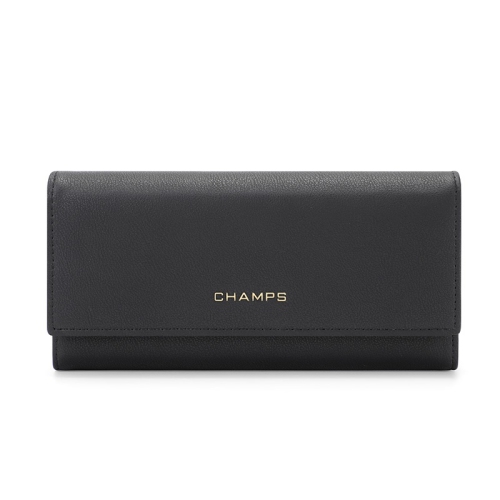
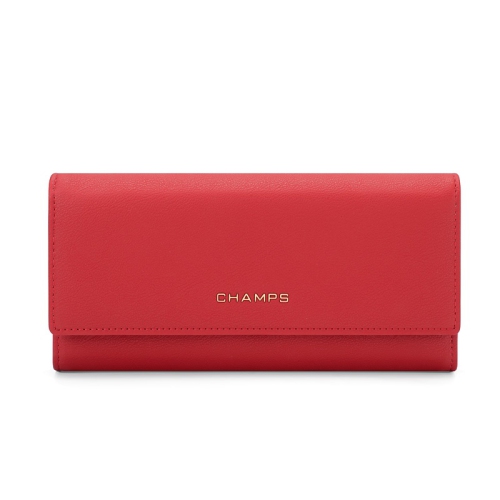
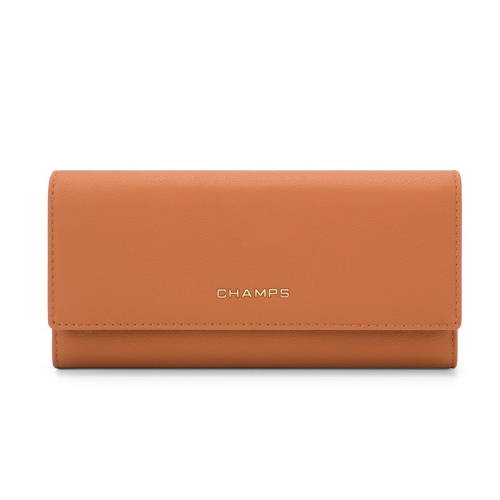
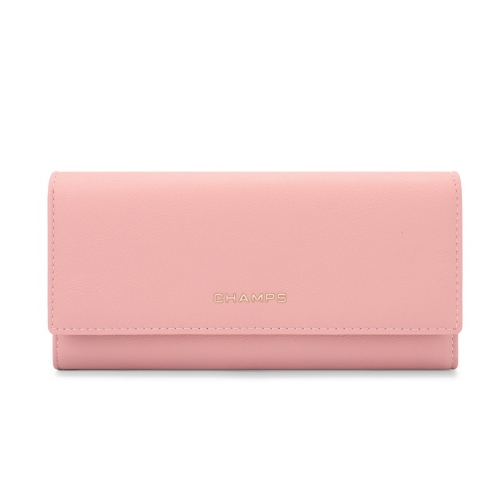
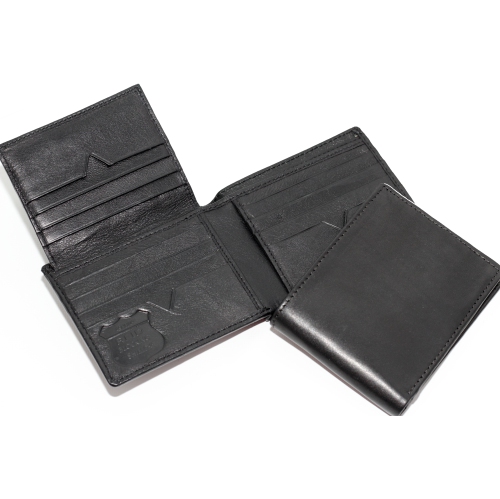

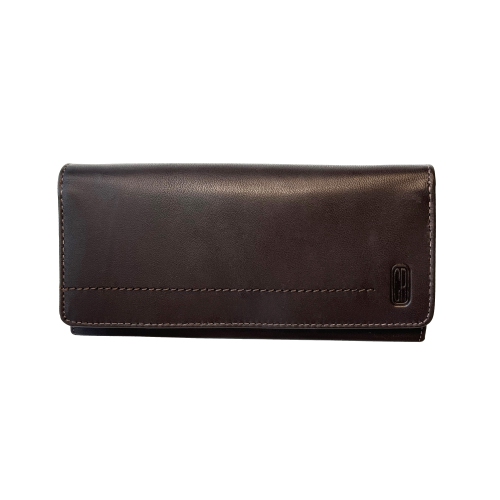
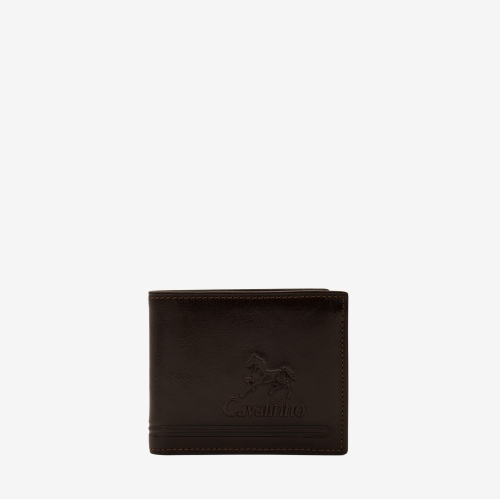
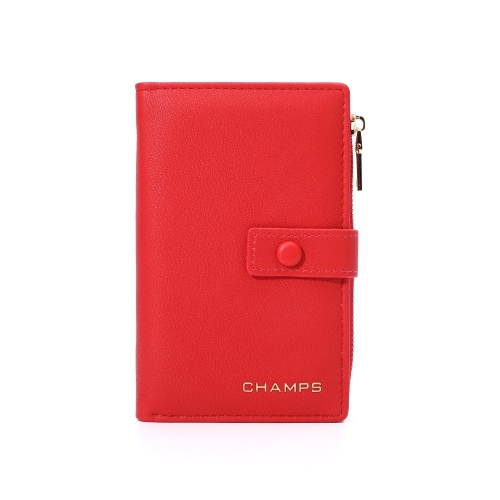

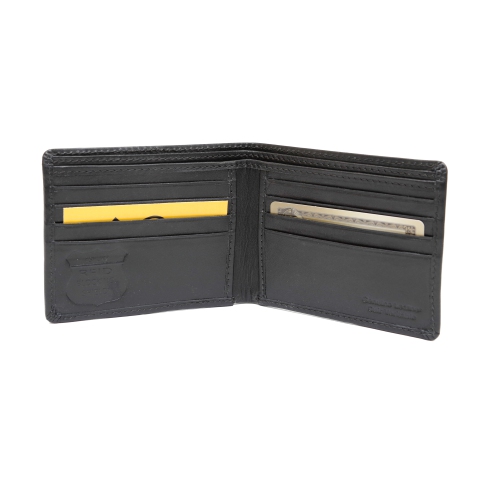

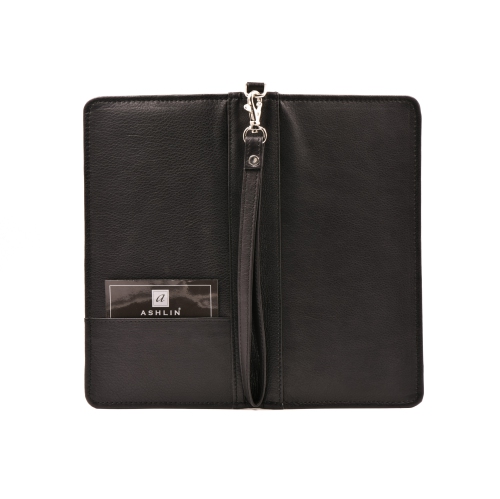
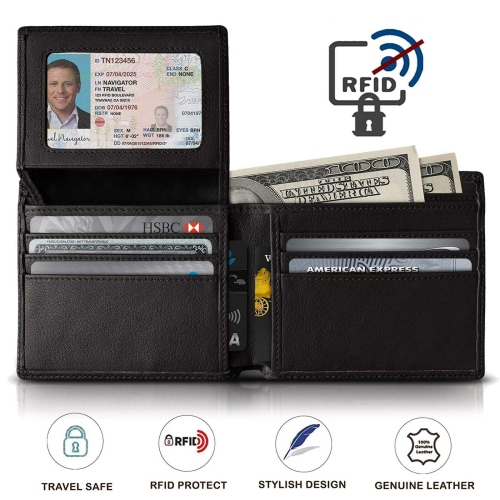
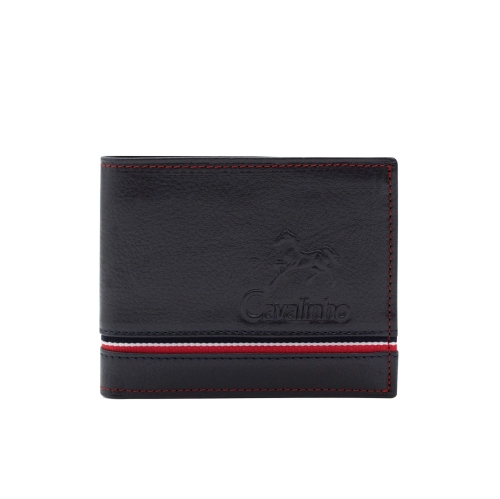
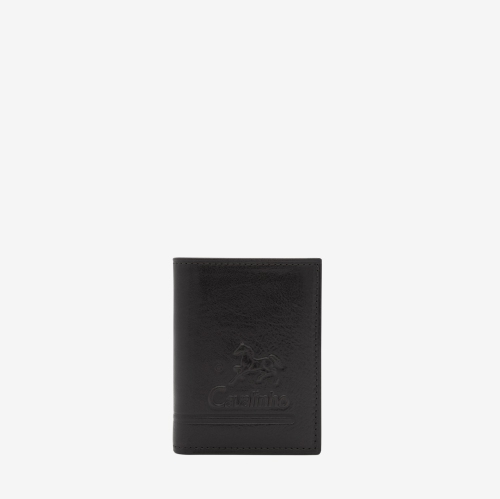
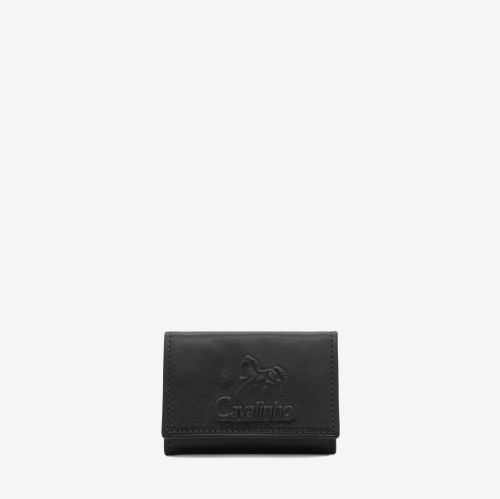
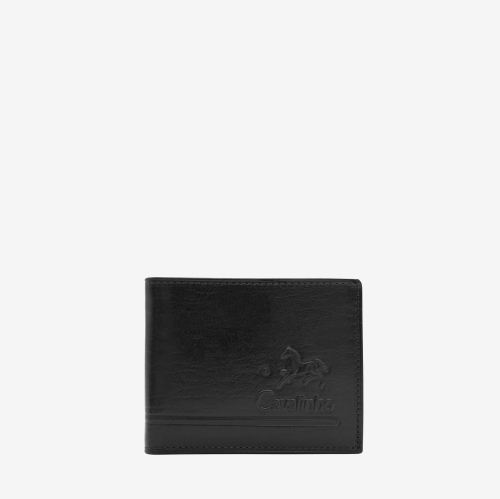
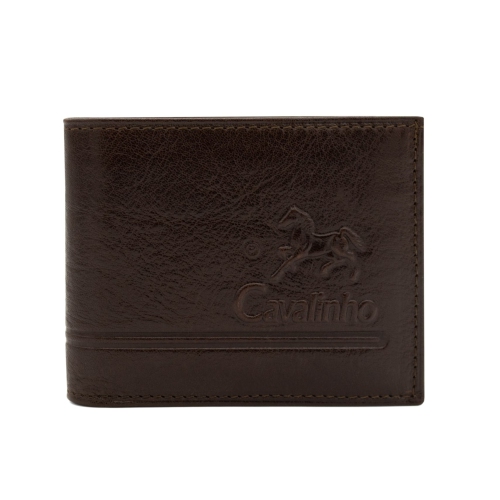
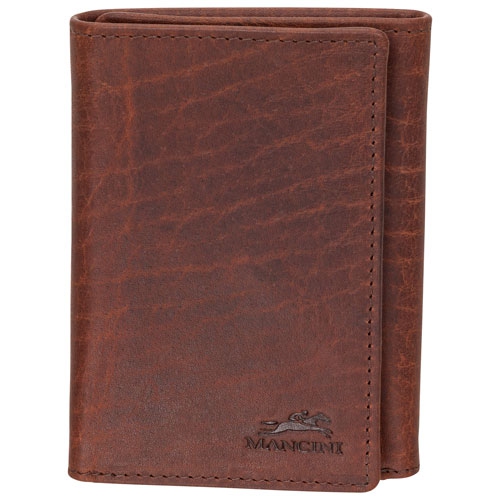
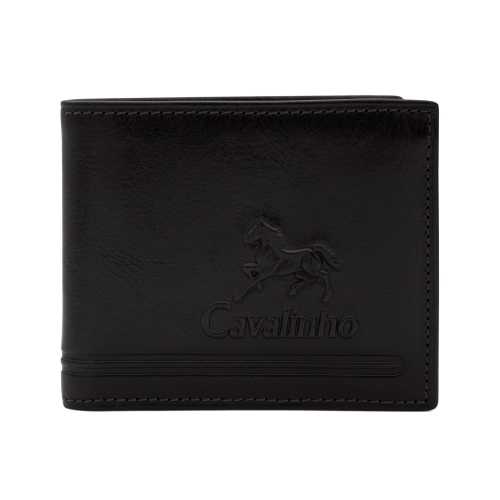
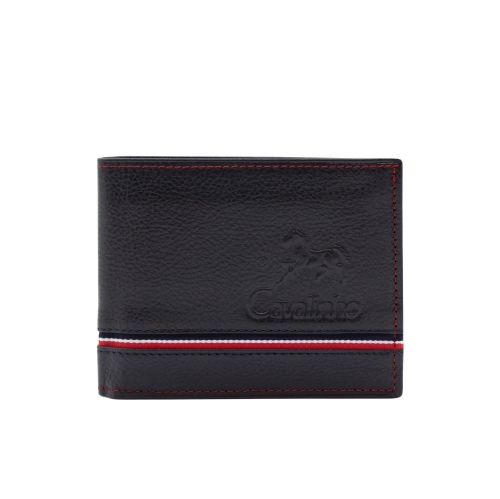
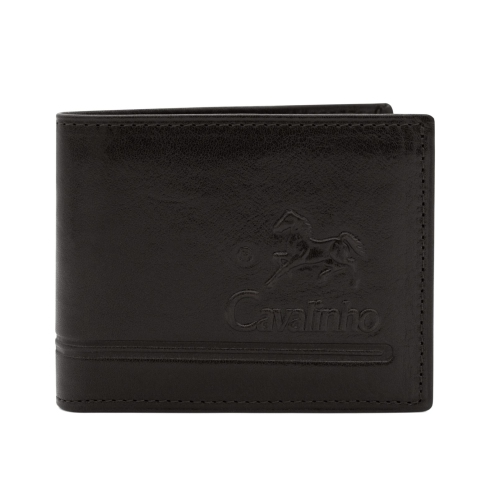
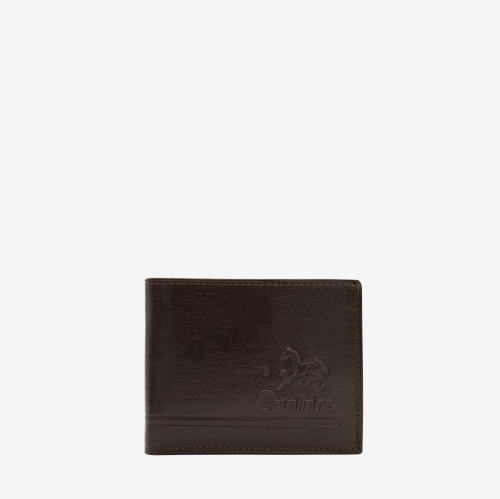
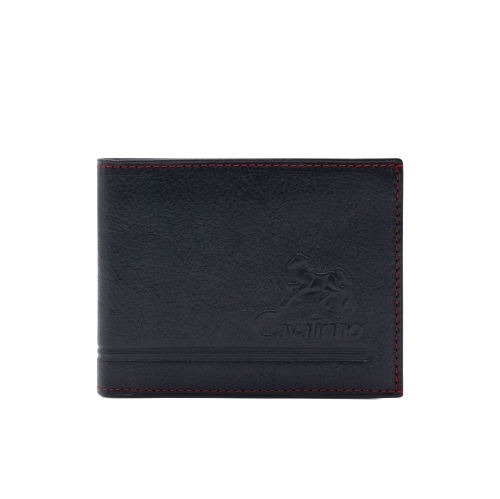
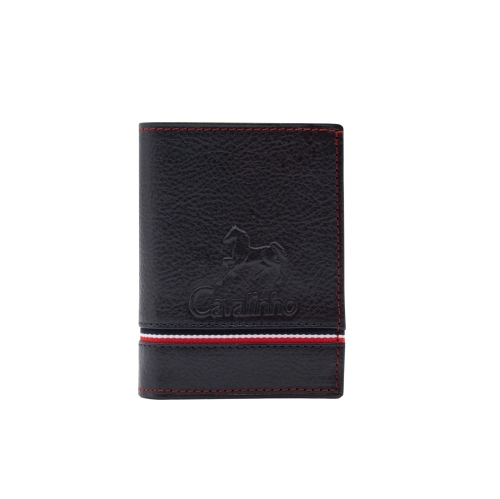
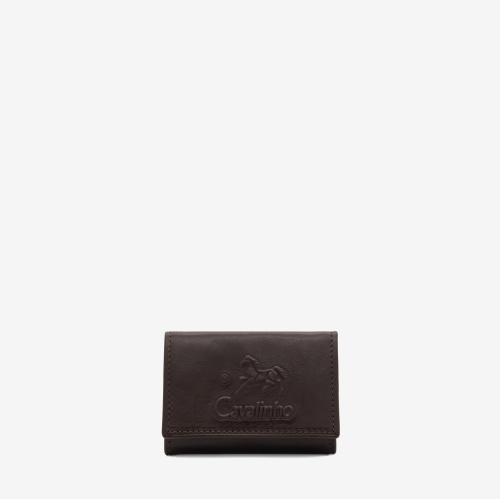

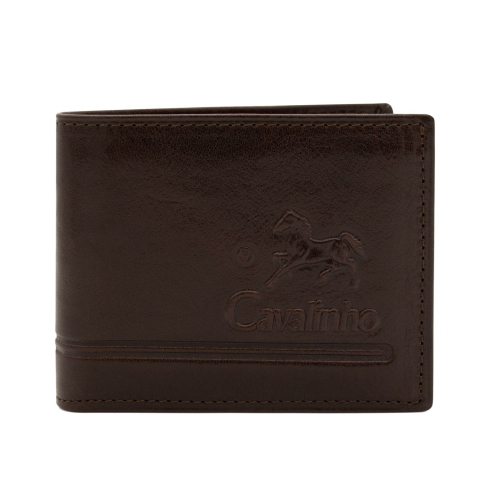
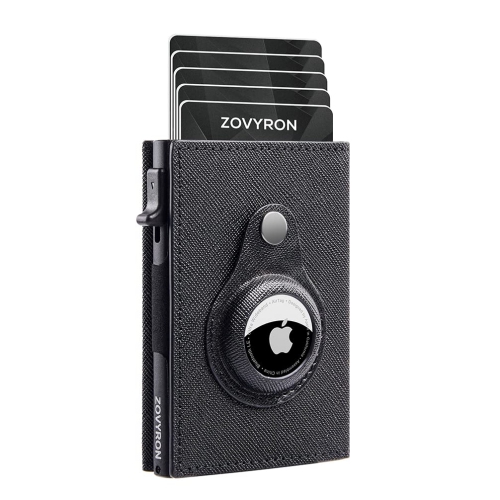

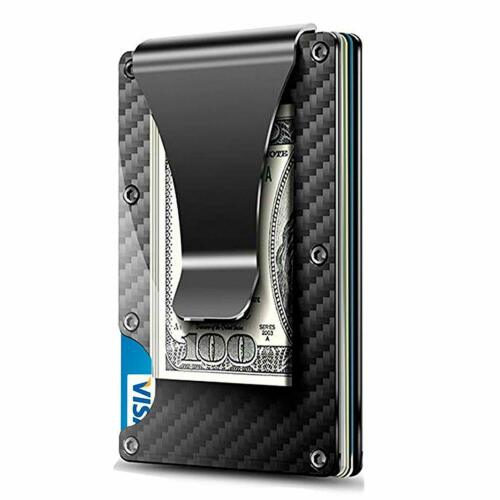
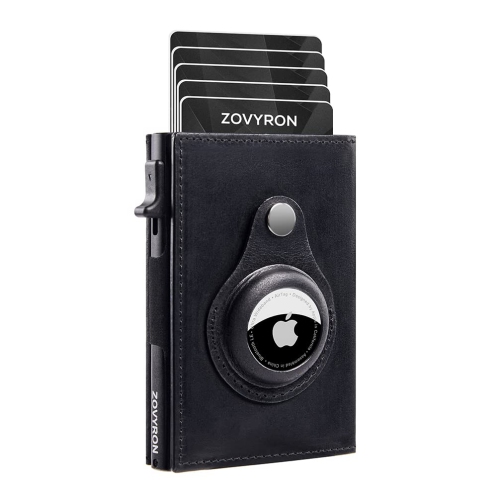
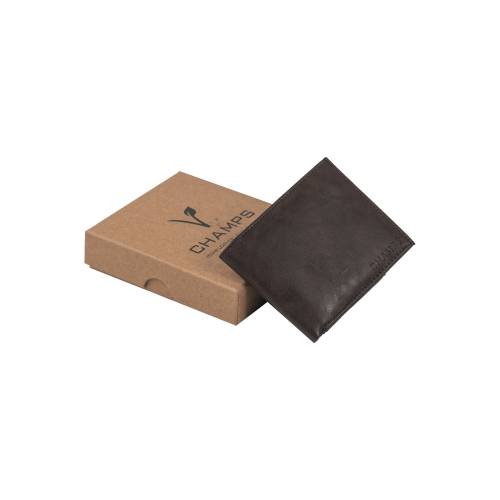
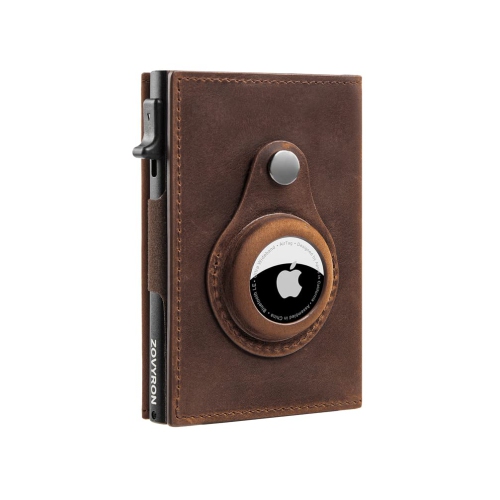
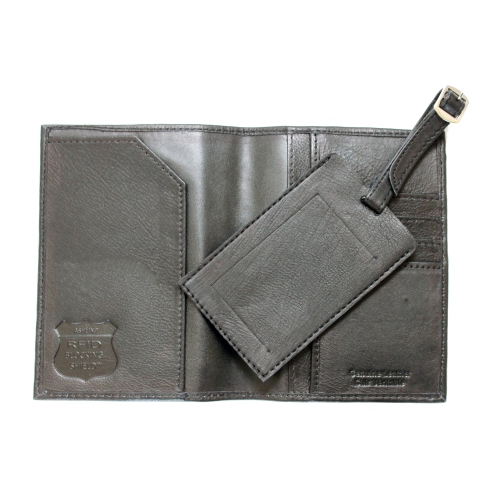
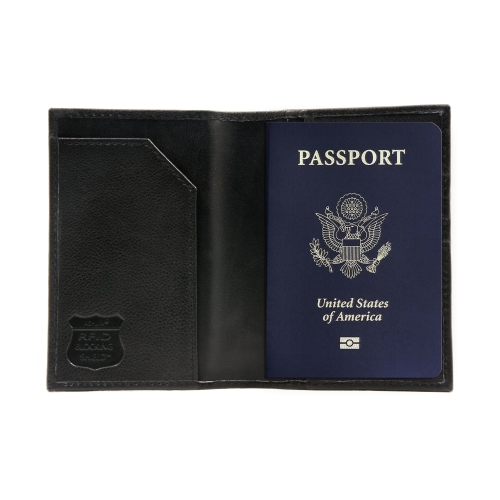
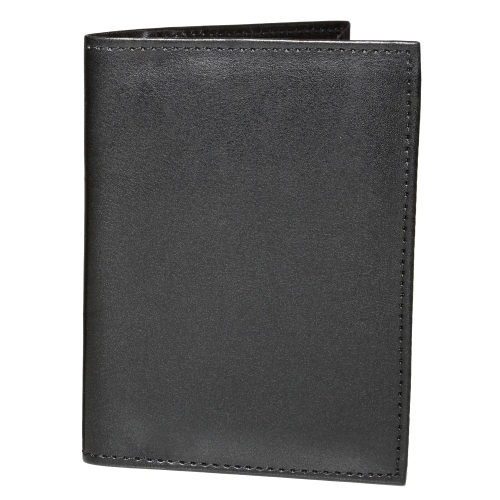
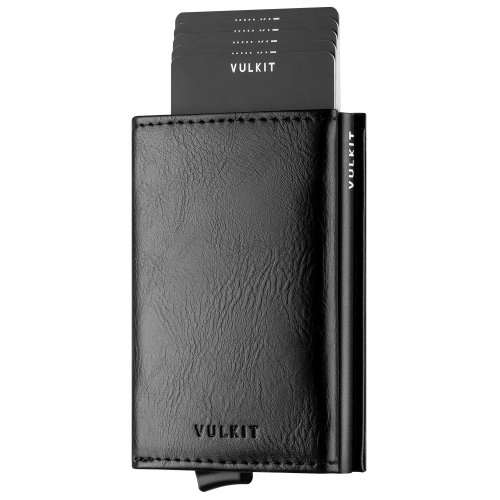
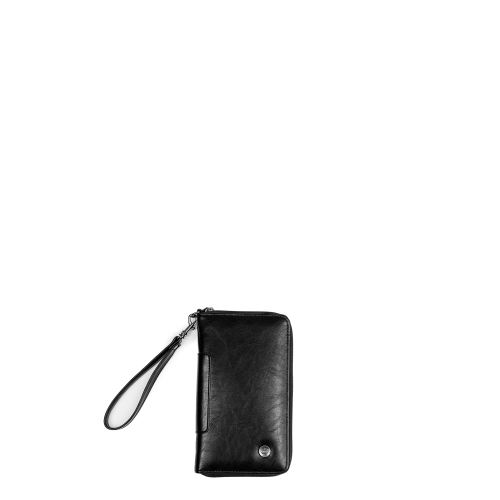
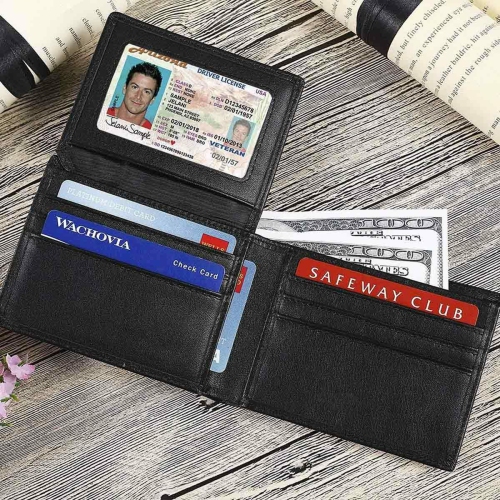
How card shielding fits into everyday wallet organization
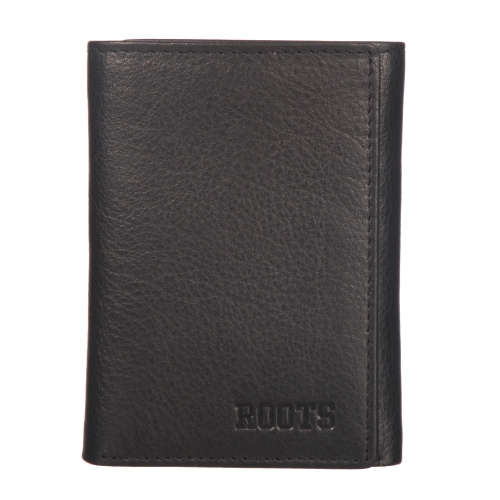
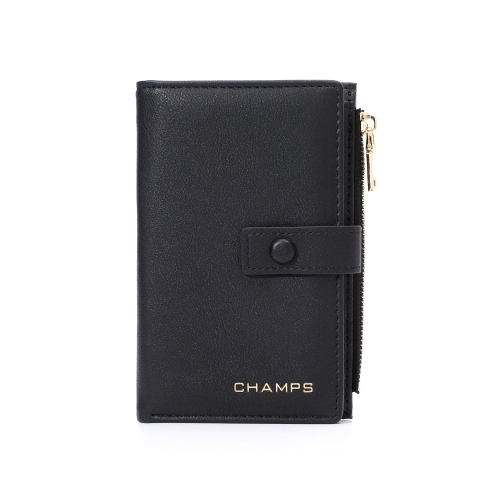
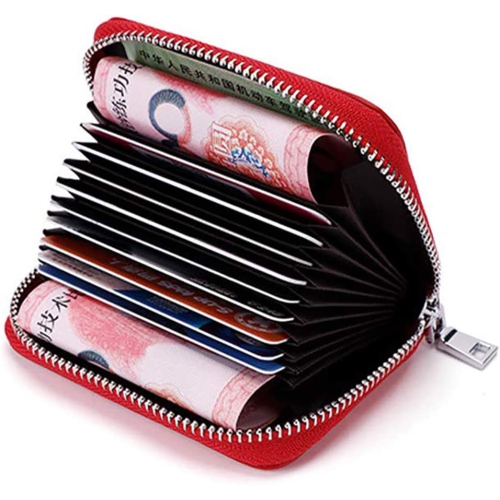
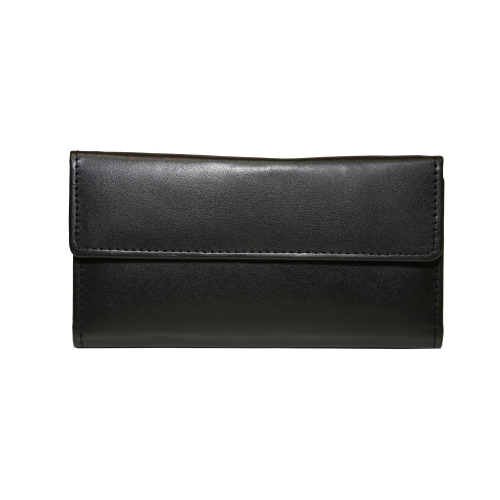
RFID trifold wallets combine a three-panel folding design with a shielding layer intended to limit radio-frequency communication with compatible cards stored inside. RFID stands for radio-frequency identification, a technology used in many contactless payment cards and some identification or access cards. The wallet’s protective material helps interfere with those signals when the cards are properly enclosed, while the trifold layout provides separate places for cards, cash, and identification. Many RFID-blocking wallets are designed for the 13.56 MHz frequency used by contactless payment cards, but protection varies by construction and stated specifications. A wallet described as RFID-blocking should not be assumed to shield every type of access badge, transit pass, or identification document. This feature also does not protect against online fraud, a lost card, or someone seeing printed card details; its role is limited to compatible wireless signals. For everyday use, the appeal is the combination of this added feature and familiar pocket-sized organization. Three sections fold over one another to create a relatively narrow shape, often with several card slots, a full-length bill compartment, and an identification window. Depending on the layout, additional slip pockets can separate receipts from frequently used cards, while a divided bill section can keep different currencies apart when travelling. An identification window makes a licence easier to locate, although identification may still need to be removed for inspection. Because a trifold stacks its panels and contents, it can feel thicker than a bifold with a similar number of cards. That trade-off often suits someone who values distinct storage spaces more than the thinnest possible profile. A commuter carrying payment cards, a driver’s licence, and a few membership cards may appreciate having a consistent place for each. Someone who regularly carries cash may prefer a bill compartment that holds Canadian banknotes without requiring an extra fold. The most useful capacity is not necessarily the largest: it is enough room for daily essentials without stretching the pockets or preventing the wallet from closing naturally.
Materials and construction influence how an RFID trifold wallet feels in the hand, sits in a pocket, and holds up to repeated opening. Leather offers a traditional appearance and can gradually soften with handling, while its finish affects both texture and the visibility of scuffs. Full-grain leather generally retains more of the hide’s natural surface character; top-grain leather has been processed to create a more uniform finish. Neither label alone guarantees how well a finished wallet will wear, since leather thickness, stitching, lining, and edge treatment also matter. Smooth leather may suit someone who prefers a clean, understated look, while a pebbled texture can make small marks less noticeable. Nylon and polyester wallets offer a different feel, often with a lighter construction and a more casual appearance. Their durability depends on the fabric, seams, and closure, rather than the material name alone. Synthetic leather can provide a leather-like finish, although resistance to peeling and cracking varies. Inside any of these materials, neatly stitched card pockets and a securely attached lining help the wallet withstand the repeated motion of sliding cards in and out. Edges should feel comfortable rather than sharp or bulky, particularly where the folded panels meet. Closure style changes the experience, too: an open-fold design avoids fastening hardware, a snap holds the panels together, and a hook-and-loop closure provides a familiar option for casual use. Fasteners can add thickness, and a closure that feels strained when the wallet is filled may indicate that the contents exceed its practical capacity. Care is usually straightforward but should follow the material’s instructions. Leather generally benefits from gentle wiping and, where appropriate, a compatible leather conditioner tested on an inconspicuous area. Fabric and synthetic surfaces may permit spot cleaning with a lightly damp cloth, but soaking or machine washing can damage linings, adhesives, and protective layers. Letting a damp wallet dry naturally away from direct heat helps preserve its shape. Removing unnecessary receipts and expired cards also reduces pressure on the seams and folds.
Fit is easiest to understand in the context of where the wallet will be carried and what needs to come out of it during the day. Closed dimensions describe the wallet’s footprint, but its loaded thickness determines much of its comfort. A narrow trifold may slip easily into a jacket pocket yet feel substantial in fitted trousers once every slot is filled. A bag compartment offers more flexibility, although the wallet should still be easy to grasp without catching its corners on nearby belongings. Card-slot arrangement matters as much as the total count: clearly separated openings make frequently used cards easier to find, while tight stacking can require more searching at a checkout. A slot count also does not mean every pocket can comfortably hold multiple cards. Keeping each pocket within its intended capacity helps maintain a secure fit over time. For contactless payments, removing the payment card from a shielded section allows it to communicate with the terminal; expecting it to work through an RFID-blocking wallet defeats the purpose of that section. Access cards may likewise need to be removed, depending on their technology and the wallet’s shielding. Those small practical details help distinguish a wallet that suits a daily routine from one that merely has an appealing layout. Shoppers comparing familiar three-panel styles can also explore Mens Trifold Wallets, with attention to the dimensions, interior organization, and protection features described for each design. RFID trifold wallets can make thoughtful gifts for adults who prefer carrying physical cards and cash, whether for a birthday, graduation, or another personal milestone. The recipient’s existing habits offer useful clues: a well-used bill compartment suggests cash storage matters, while a crowded card section points to a need for better separation rather than simply more bulk. Colour, texture, and closure preferences make the gift feel personal, but comfortable proportions and accessible pockets are what make it useful every day.
Materials and construction influence how an RFID trifold wallet feels in the hand, sits in a pocket, and holds up to repeated opening. Leather offers a traditional appearance and can gradually soften with handling, while its finish affects both texture and the visibility of scuffs. Full-grain leather generally retains more of the hide’s natural surface character; top-grain leather has been processed to create a more uniform finish. Neither label alone guarantees how well a finished wallet will wear, since leather thickness, stitching, lining, and edge treatment also matter. Smooth leather may suit someone who prefers a clean, understated look, while a pebbled texture can make small marks less noticeable. Nylon and polyester wallets offer a different feel, often with a lighter construction and a more casual appearance. Their durability depends on the fabric, seams, and closure, rather than the material name alone. Synthetic leather can provide a leather-like finish, although resistance to peeling and cracking varies. Inside any of these materials, neatly stitched card pockets and a securely attached lining help the wallet withstand the repeated motion of sliding cards in and out. Edges should feel comfortable rather than sharp or bulky, particularly where the folded panels meet. Closure style changes the experience, too: an open-fold design avoids fastening hardware, a snap holds the panels together, and a hook-and-loop closure provides a familiar option for casual use. Fasteners can add thickness, and a closure that feels strained when the wallet is filled may indicate that the contents exceed its practical capacity. Care is usually straightforward but should follow the material’s instructions. Leather generally benefits from gentle wiping and, where appropriate, a compatible leather conditioner tested on an inconspicuous area. Fabric and synthetic surfaces may permit spot cleaning with a lightly damp cloth, but soaking or machine washing can damage linings, adhesives, and protective layers. Letting a damp wallet dry naturally away from direct heat helps preserve its shape. Removing unnecessary receipts and expired cards also reduces pressure on the seams and folds.
Fit is easiest to understand in the context of where the wallet will be carried and what needs to come out of it during the day. Closed dimensions describe the wallet’s footprint, but its loaded thickness determines much of its comfort. A narrow trifold may slip easily into a jacket pocket yet feel substantial in fitted trousers once every slot is filled. A bag compartment offers more flexibility, although the wallet should still be easy to grasp without catching its corners on nearby belongings. Card-slot arrangement matters as much as the total count: clearly separated openings make frequently used cards easier to find, while tight stacking can require more searching at a checkout. A slot count also does not mean every pocket can comfortably hold multiple cards. Keeping each pocket within its intended capacity helps maintain a secure fit over time. For contactless payments, removing the payment card from a shielded section allows it to communicate with the terminal; expecting it to work through an RFID-blocking wallet defeats the purpose of that section. Access cards may likewise need to be removed, depending on their technology and the wallet’s shielding. Those small practical details help distinguish a wallet that suits a daily routine from one that merely has an appealing layout. Shoppers comparing familiar three-panel styles can also explore Mens Trifold Wallets, with attention to the dimensions, interior organization, and protection features described for each design. RFID trifold wallets can make thoughtful gifts for adults who prefer carrying physical cards and cash, whether for a birthday, graduation, or another personal milestone. The recipient’s existing habits offer useful clues: a well-used bill compartment suggests cash storage matters, while a crowded card section points to a need for better separation rather than simply more bulk. Colour, texture, and closure preferences make the gift feel personal, but comfortable proportions and accessible pockets are what make it useful every day.
Top selling and popular products
-
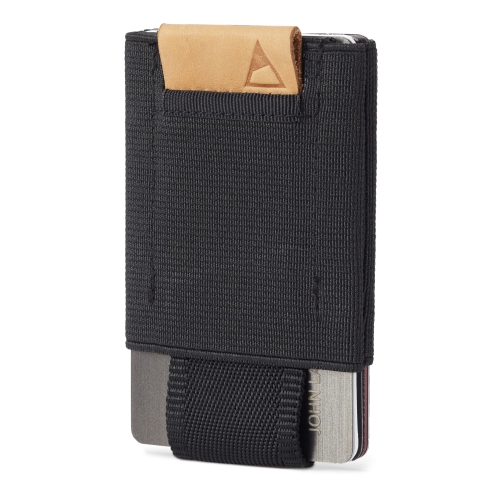 Your price for this item is $39.99
 -
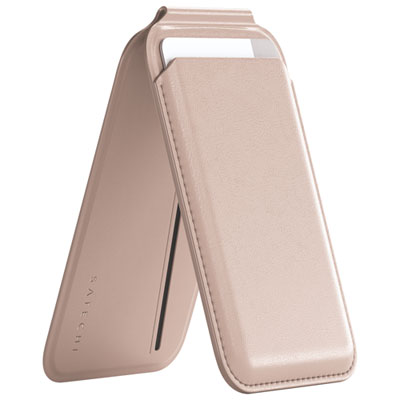 Your price for this item is $59.99
 -
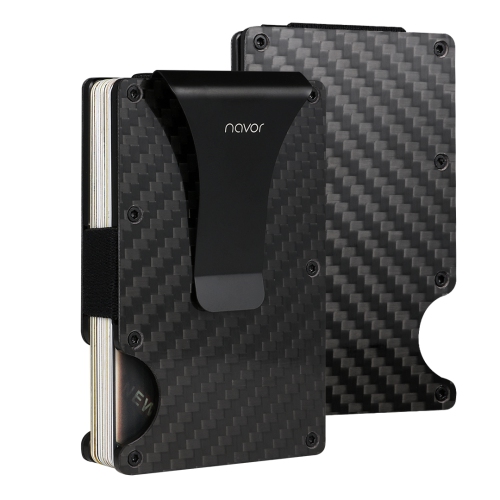 Your price for this item is $19.95
 -
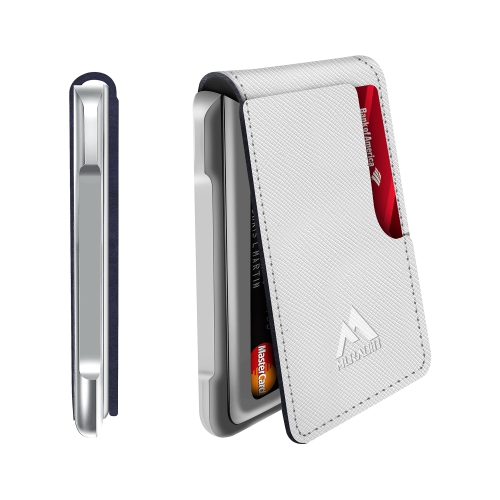 Your price for this item is $49.99
 -
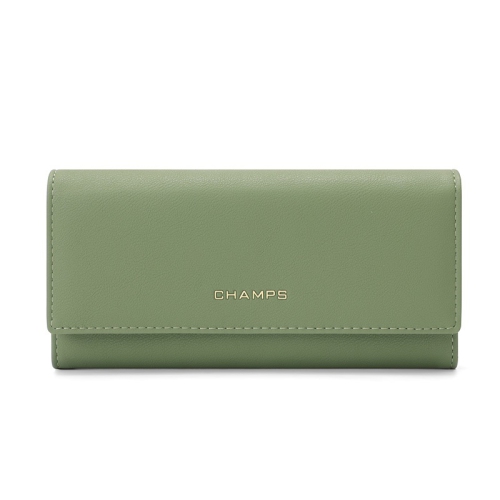 Your price for this item is $47.99
 -
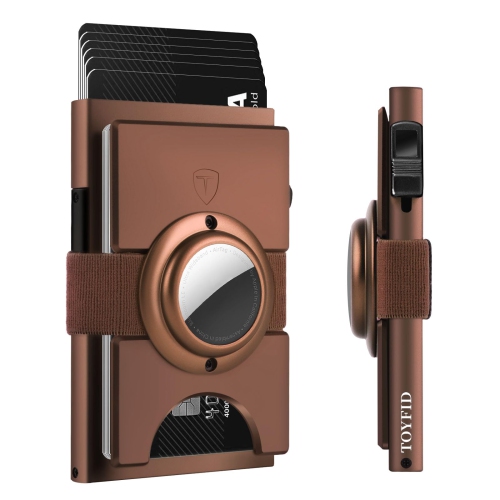 Your price for this item is $46.96
 -
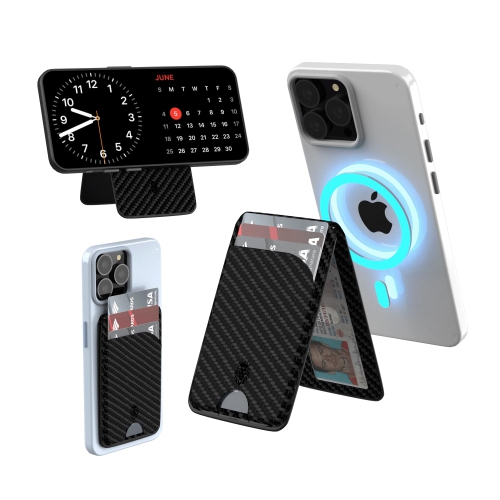 Your price for this item is $49.99
 -
 Your price for this item is $49.99
Discover more categories related to Rfid Trifold Wallets
Top Collections:
Pokemon Centers, Kindle Devices, Best Budget Office Chairs, Apple iPhones 16, Best Laptops for Writers, iPhone 15 Apple, Canon G7X Cameras, Refurbished Apple Laptops, Alarm Clock, Motorola Razr Phones
Some products may be subject to Environmental Handling Fees
(EHF) depending on your province.
Learn more about EHFs.