Round Aluminum Outdoor Dining Tables
Create the perfect gathering spot for outdoor meals with these round aluminum outdoor dining tables. Crafted from durable materials, these stylish tables combine functionality and aesthetics to enhance almost any outdoor space. Whether you're hosting a backyard barbecue or enjoying a casual dinner under the stars, these versatile pieces of furniture provide ample seating and a sleek design that complements almost any outdoor decor. Explore our wide selection of options to find the perfect match for your patio or deck.
Sort
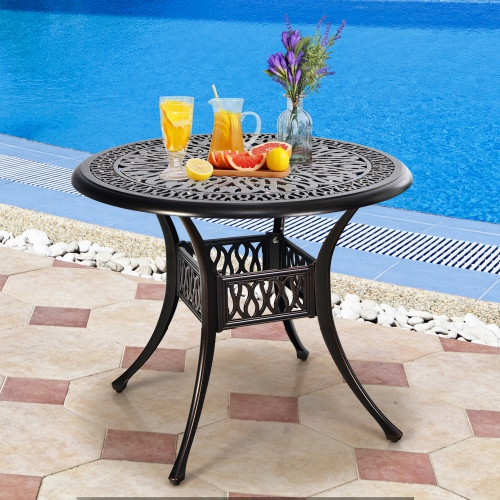

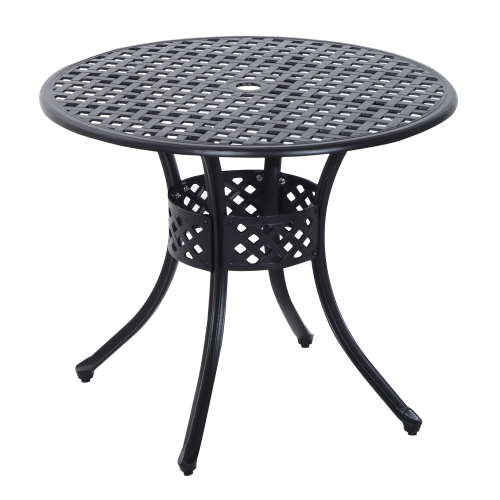
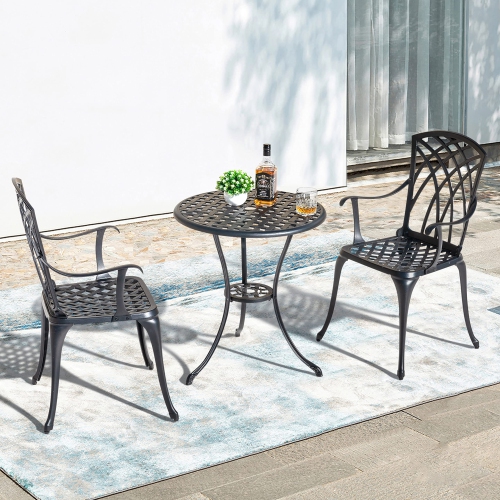
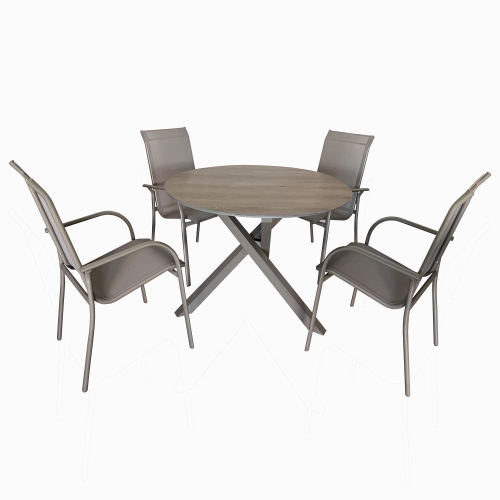
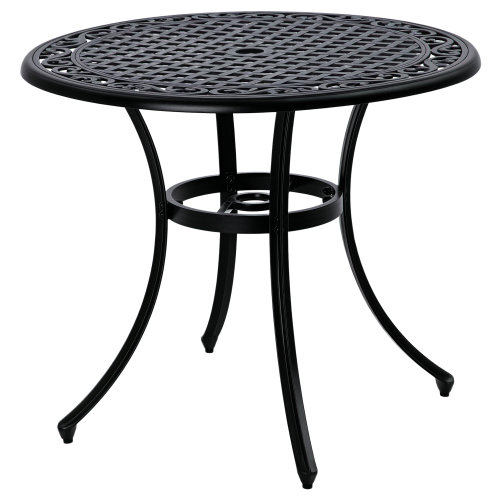
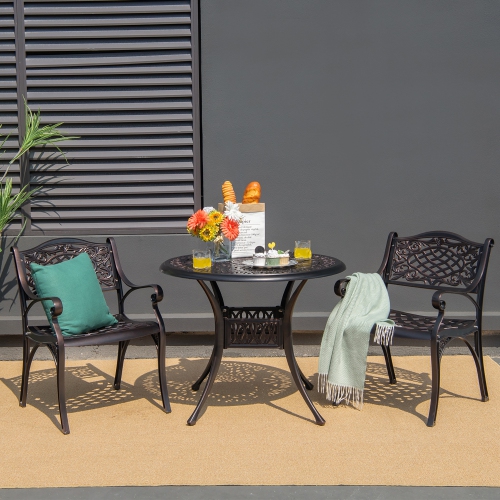
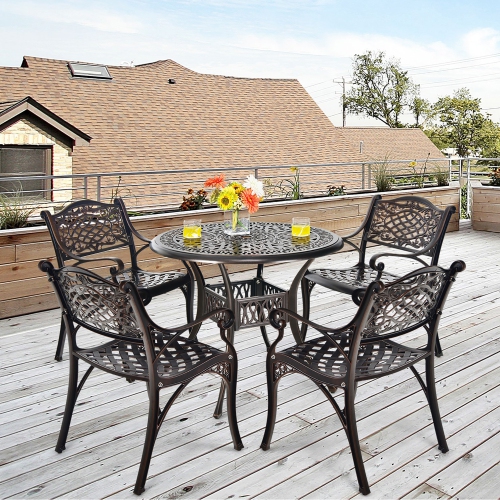

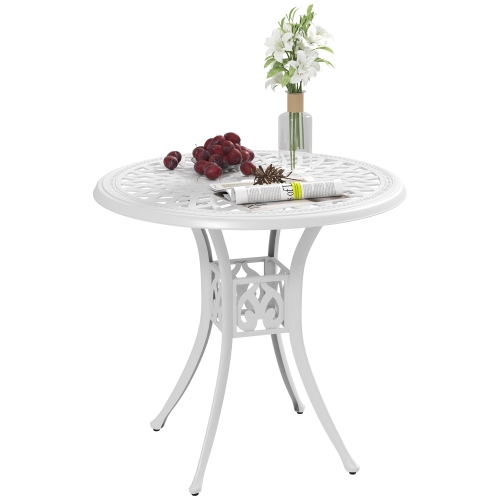
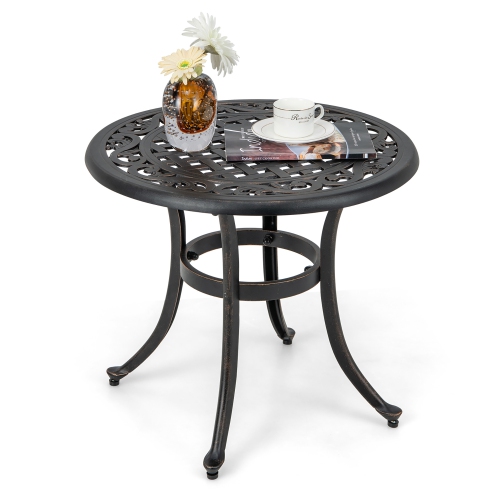
A circular table puts conversation at the centre
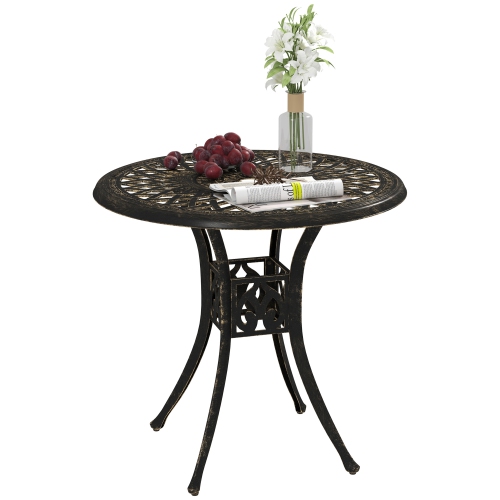
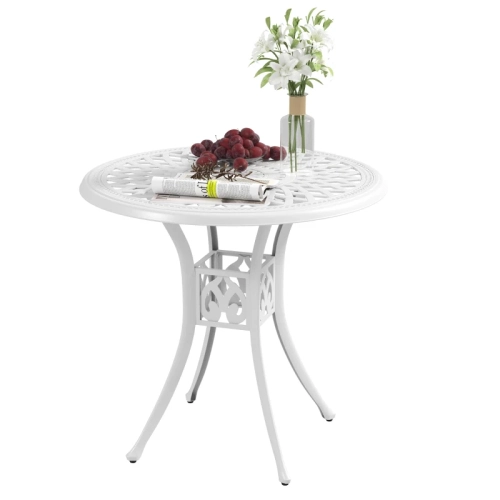
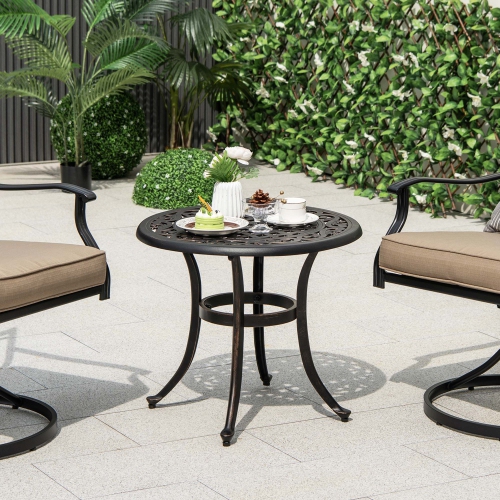
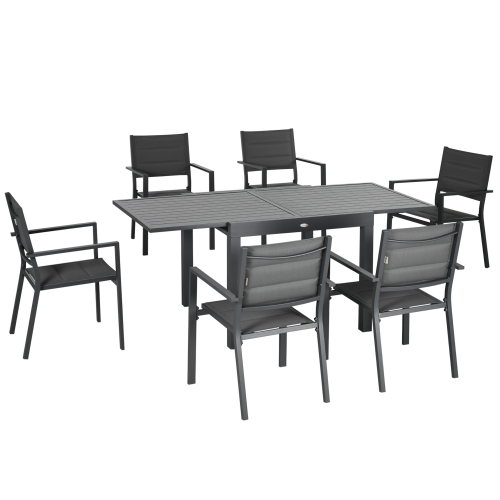
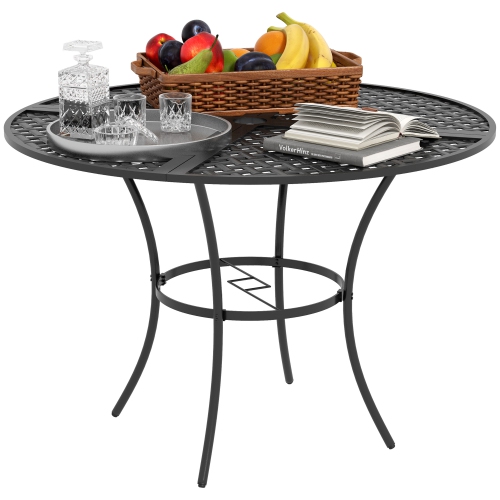
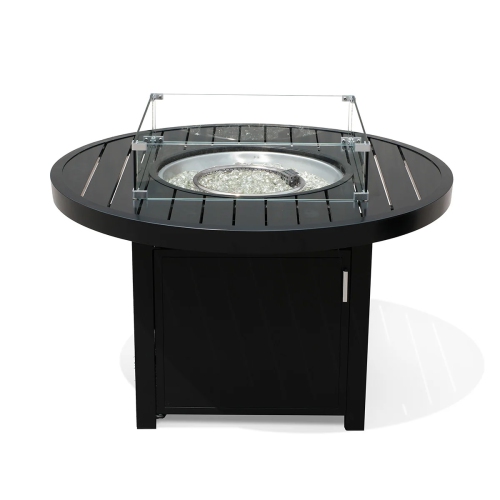
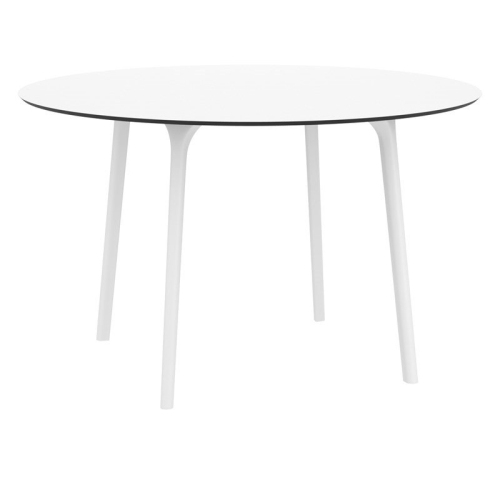
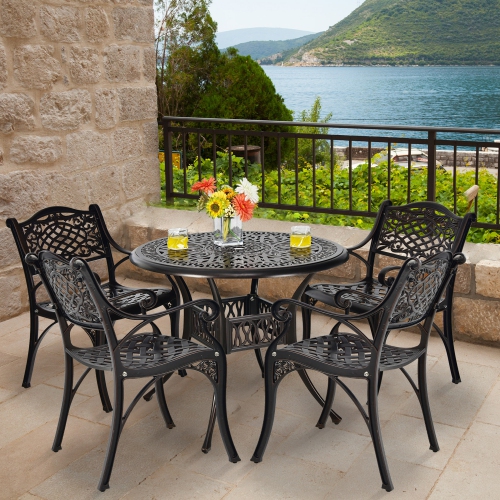
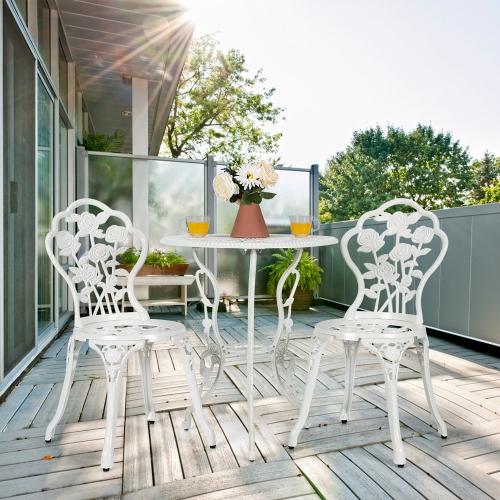
Round aluminum outdoor dining tables create a shared centre for meals on patios, decks, and garden terraces, combining a circular surface with a metal frame suited to outdoor use. The round shape keeps everyone facing inward, making conversation comfortable over breakfast, a family lunch, or an evening meal with friends. Without corners projecting into a walkway, these tables can also make a compact seating area easier to move around, although chairs still need enough room to pull out. Aluminum is valued for its relatively low weight and resistance to the reddish rust associated with iron and steel. That makes many aluminum tables easier to reposition than similarly sized tables made from heavier metals, whether the seating arrangement changes for guests or the table needs to move into storage. The material is not entirely maintenance-free: finishes, fasteners, construction quality, and exposure all affect how a table holds up. Within the broader category of round aluminum patio tables, dining-height designs provide the proportions needed for seated meals rather than the lower surface of a lounge or coffee table. Their appearance ranges from simple frames with smooth tops to cast aluminum designs with latticework, curved legs, and patterned borders. A dark finish can sit comfortably beside woven chairs and stone paving, while a lighter finish offers a softer contrast against wood decking. Openwork surfaces give a table visual lightness and allow rainwater to pass through; solid surfaces provide more continuous support for plates, serving dishes, and smaller objects. Neither style determines comfort on its own. The useful dining space, leg placement, chair fit, and finish texture all contribute to how naturally the table becomes part of everyday outdoor meals. For a household that enjoys taking coffee outside or sharing dinner away from the kitchen, those practical details matter as much as the silhouette.
Size and fit shape the experience of using a round outdoor dining table. A diameter of roughly 30 to 36 inches often suits two people, while a table around 42 to 48 inches commonly accommodates four, depending on chair width and the base design. Larger diameters can provide space for additional diners, but seating capacity should be checked against the table’s stated dimensions rather than judged from a photograph. A pair of mugs and breakfast plates takes less room than four full place settings with a salad bowl in the middle. The centre of a round table is useful shared space, though an umbrella pole or oversized serving tray can reduce the area available for food. Dining-height tables are commonly about 28 to 30 inches high; the relationship between the tabletop, its underside, and the chair seat is more important than height alone. Chairs with arms need clearance beneath the apron if they are meant to tuck in, and a thick rim or low brace may limit knee space. A pedestal base can leave more flexibility around the edge, while a four-legged base may create distinct seating positions. On a narrow balcony, allowing approximately 36 inches between the table edge and a wall or railing helps provide room to move chairs, with additional space useful where people need to walk behind seated diners. Door swings, barbecue access, and the route back indoors also belong in that footprint. A table should rest fully on a firm, level surface rather than straddle a step or the edge of a deck. Adjustable feet, where included, can help address minor unevenness in paving. For couples, smaller households, and families furnishing a defined outdoor dining area, the best fit is a table that supports the usual meal comfortably without making every trip past it feel cramped.
Construction and care determine how well an aluminum dining table handles repeated outdoor use. Cast aluminum allows detailed shapes and substantial-looking bases, while tubular aluminum construction often produces a lighter frame with simpler lines. Neither construction method guarantees strength by itself; well-fitted joints, secure connections, balanced proportions, and the stated weight capacity remain important. Powder-coated finishes add colour and a protective surface, but dragging chairs against the legs or sliding rough pottery across the top can leave marks. Placemats and heat-resistant trivets help protect the finish, particularly beneath hot serving dishes, and a smooth-backed tray can make carrying condiments easier without scraping the tabletop. Routine cleaning generally calls for a soft cloth, mild soap, and water, followed by rinsing and drying as directed by the manufacturer. Abrasive pads, harsh cleaners, and pressure washing may damage some finishes or force water into joints. Lattice tops benefit from attention around the openings, where crumbs and debris can collect, while solid tops may need wiping after rain to remove standing water. Aluminum itself does not develop iron rust, but it can corrode, and steel hardware may need separate attention if its protective coating is damaged. Periodic checks for loose bolts, worn feet, and chipped finishes help keep the table steady and comfortable to use. An umbrella opening adds flexibility for shade, provided its diameter matches the pole and the umbrella has a suitable separate base; the table should not be treated as the sole support. Lightweight furniture and open umbrellas also need particular care in windy locations. During prolonged periods without use, a properly fitted, ventilated cover or sheltered storage can reduce exposure to moisture and debris. Removing accumulated snow and avoiding trapped water are especially relevant where freezing conditions occur, subject to the table’s care instructions. These small habits help preserve the finish and moving clearance around the base, so the dining area remains ready for anything from a quiet meal for two to an unhurried gathering with family.
Size and fit shape the experience of using a round outdoor dining table. A diameter of roughly 30 to 36 inches often suits two people, while a table around 42 to 48 inches commonly accommodates four, depending on chair width and the base design. Larger diameters can provide space for additional diners, but seating capacity should be checked against the table’s stated dimensions rather than judged from a photograph. A pair of mugs and breakfast plates takes less room than four full place settings with a salad bowl in the middle. The centre of a round table is useful shared space, though an umbrella pole or oversized serving tray can reduce the area available for food. Dining-height tables are commonly about 28 to 30 inches high; the relationship between the tabletop, its underside, and the chair seat is more important than height alone. Chairs with arms need clearance beneath the apron if they are meant to tuck in, and a thick rim or low brace may limit knee space. A pedestal base can leave more flexibility around the edge, while a four-legged base may create distinct seating positions. On a narrow balcony, allowing approximately 36 inches between the table edge and a wall or railing helps provide room to move chairs, with additional space useful where people need to walk behind seated diners. Door swings, barbecue access, and the route back indoors also belong in that footprint. A table should rest fully on a firm, level surface rather than straddle a step or the edge of a deck. Adjustable feet, where included, can help address minor unevenness in paving. For couples, smaller households, and families furnishing a defined outdoor dining area, the best fit is a table that supports the usual meal comfortably without making every trip past it feel cramped.
Construction and care determine how well an aluminum dining table handles repeated outdoor use. Cast aluminum allows detailed shapes and substantial-looking bases, while tubular aluminum construction often produces a lighter frame with simpler lines. Neither construction method guarantees strength by itself; well-fitted joints, secure connections, balanced proportions, and the stated weight capacity remain important. Powder-coated finishes add colour and a protective surface, but dragging chairs against the legs or sliding rough pottery across the top can leave marks. Placemats and heat-resistant trivets help protect the finish, particularly beneath hot serving dishes, and a smooth-backed tray can make carrying condiments easier without scraping the tabletop. Routine cleaning generally calls for a soft cloth, mild soap, and water, followed by rinsing and drying as directed by the manufacturer. Abrasive pads, harsh cleaners, and pressure washing may damage some finishes or force water into joints. Lattice tops benefit from attention around the openings, where crumbs and debris can collect, while solid tops may need wiping after rain to remove standing water. Aluminum itself does not develop iron rust, but it can corrode, and steel hardware may need separate attention if its protective coating is damaged. Periodic checks for loose bolts, worn feet, and chipped finishes help keep the table steady and comfortable to use. An umbrella opening adds flexibility for shade, provided its diameter matches the pole and the umbrella has a suitable separate base; the table should not be treated as the sole support. Lightweight furniture and open umbrellas also need particular care in windy locations. During prolonged periods without use, a properly fitted, ventilated cover or sheltered storage can reduce exposure to moisture and debris. Removing accumulated snow and avoiding trapped water are especially relevant where freezing conditions occur, subject to the table’s care instructions. These small habits help preserve the finish and moving clearance around the base, so the dining area remains ready for anything from a quiet meal for two to an unhurried gathering with family.
Top selling and popular products
-
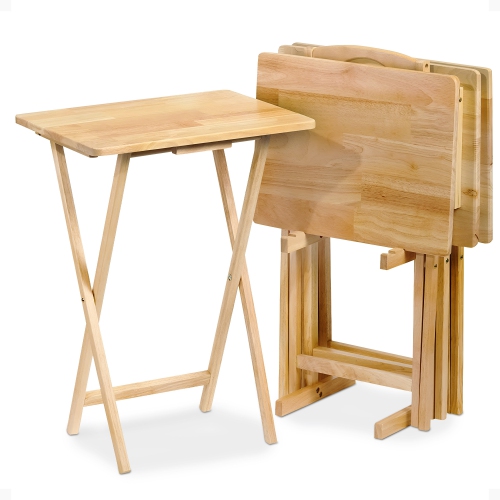 Your price for this item is $162.99
 -
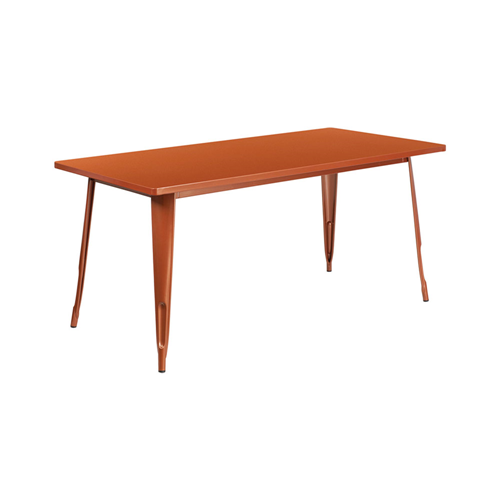 Your price for this item is $516.69
 -
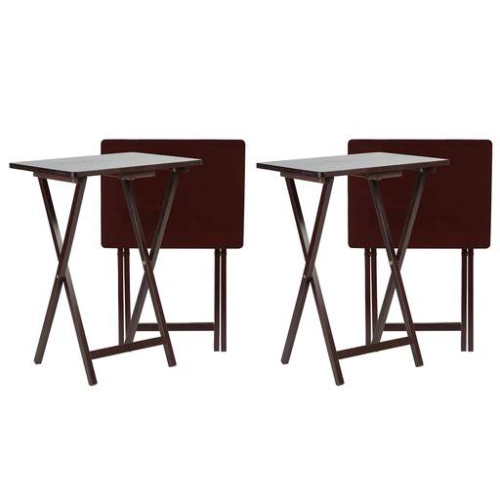 Your price for this item is $210.99
 -
 Your price for this item is $115.99
 -
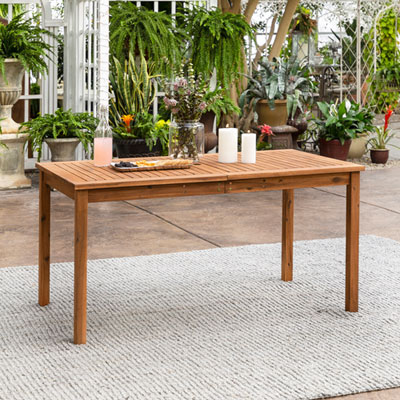 Your price for this item is $550.99
 -
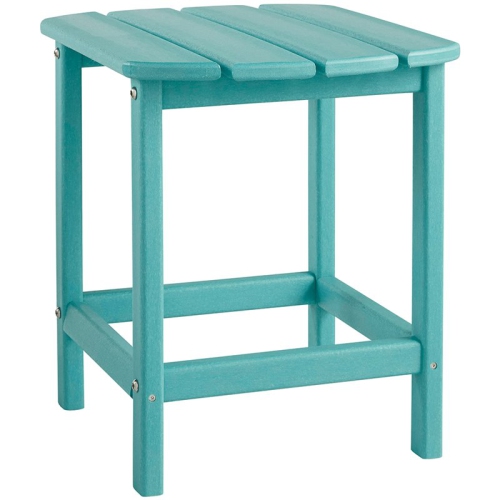 Your price for this item is $301.07
 -
 Your price for this item is $149
 -
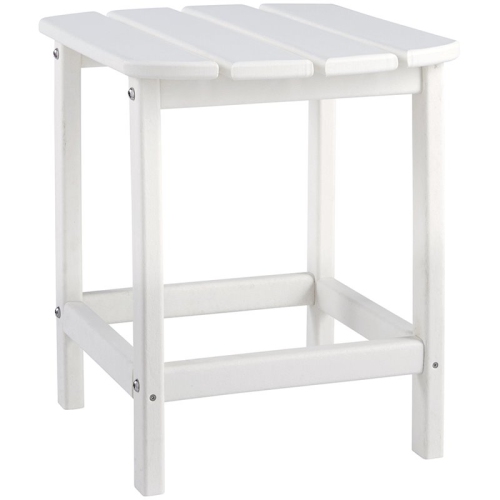 Your price for this item is $301.14
Discover more categories related to Round Aluminum Outdoor Dining Tables
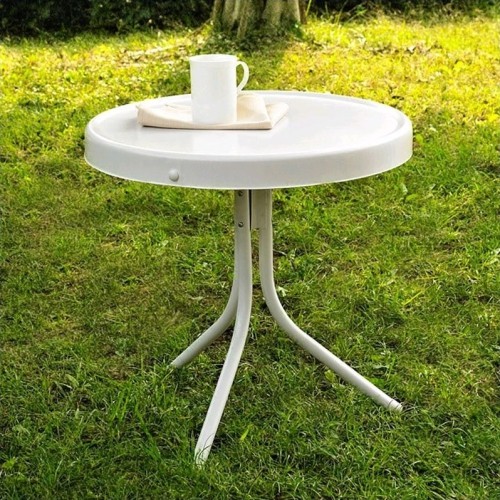
Top Collections:
Pokemon Centers, Kindle Devices, Best Budget Office Chairs, Apple iPhones 16, Best Laptops for Writers, iPhone 15 Apple, Canon G7X Cameras, Refurbished Apple Laptops, Alarm Clock, Motorola Razr Phones
Some products may be subject to Environmental Handling Fees
(EHF) depending on your province.
Learn more about EHFs.