Rubber Doormats
Enhance your home's entrance with the practicality and style of rubber doormats. Perfect for keeping dirt and moisture at bay, these durable mats are designed to withstand heavy foot traffic while adding a touch of elegance to any doorway. Whether you're looking for something simple and functional or a design that complements your home's aesthetic, our selection of rubber doormats offers a variety of options to suit your needs. Explore the perfect balance of form and function as you browse through choices that promise to keep your floors cleaner and safer all year round.
Sort
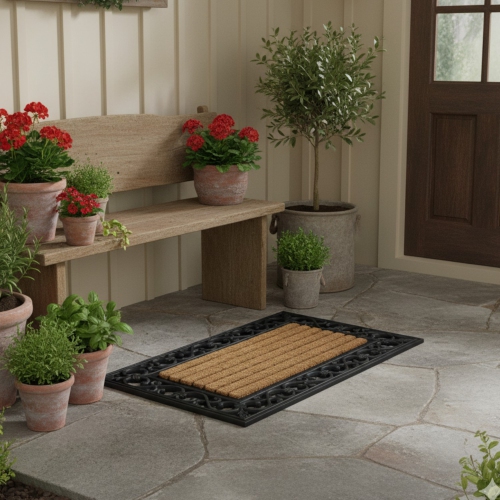
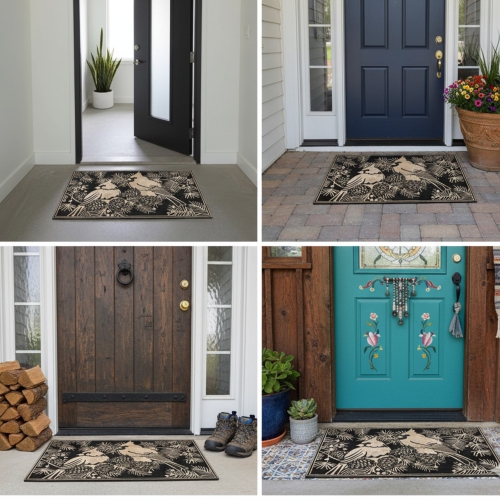
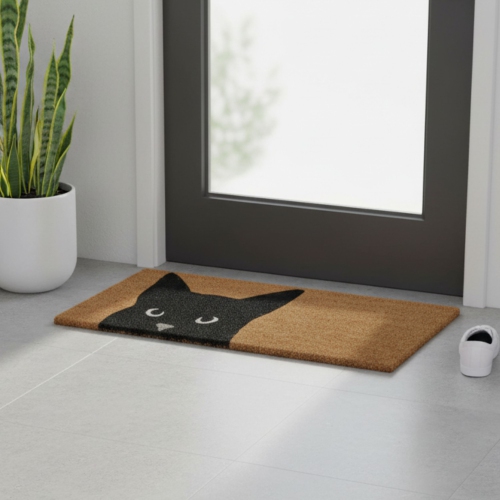
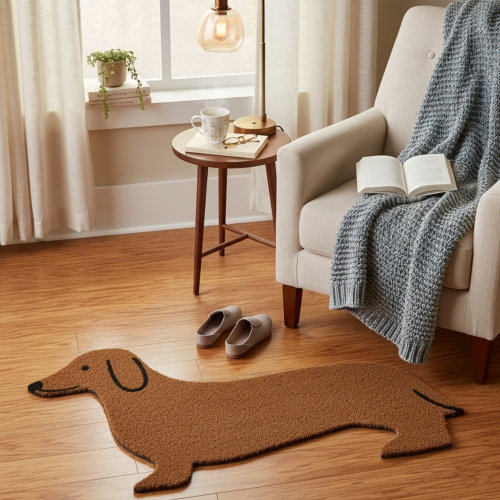
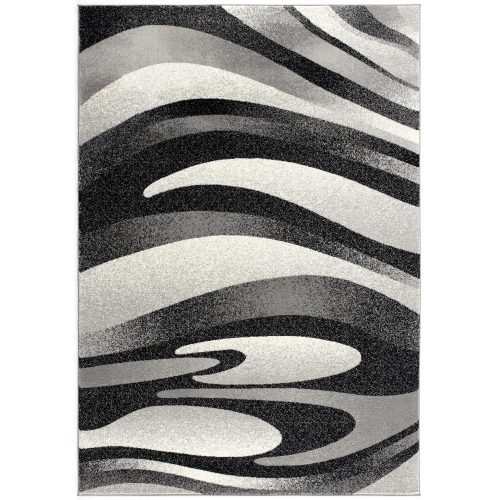
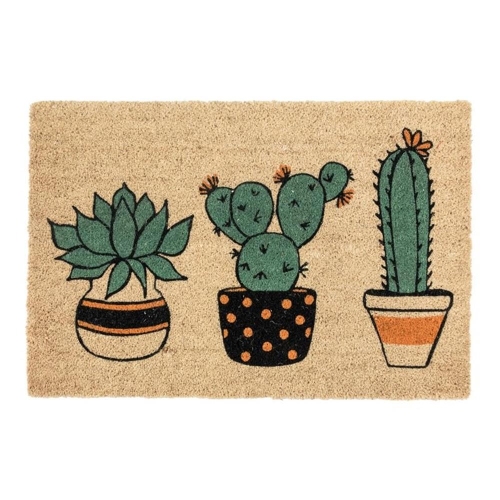
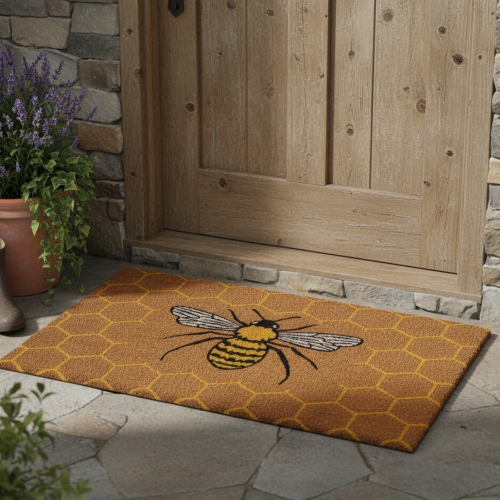

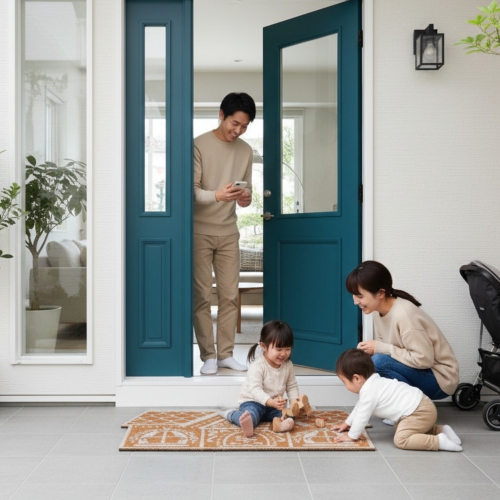
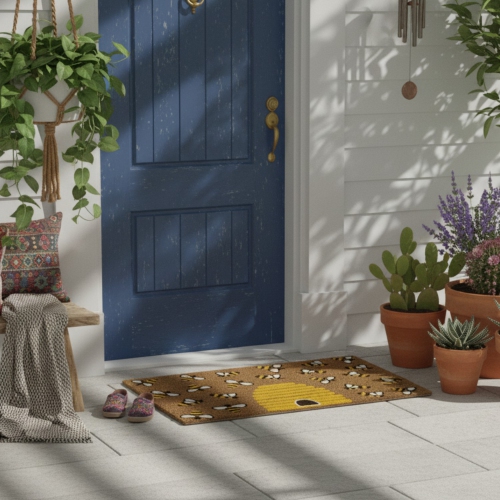
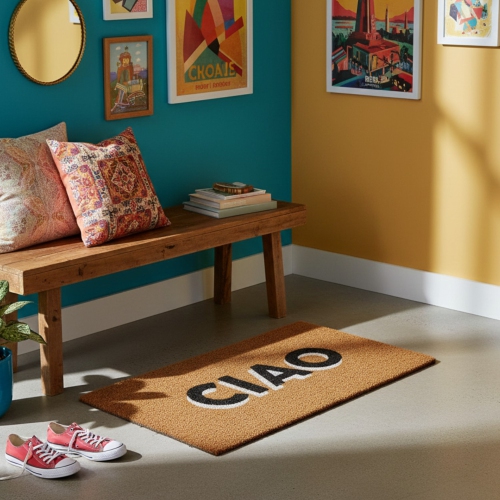
How textured surfaces help stop dirt at the door
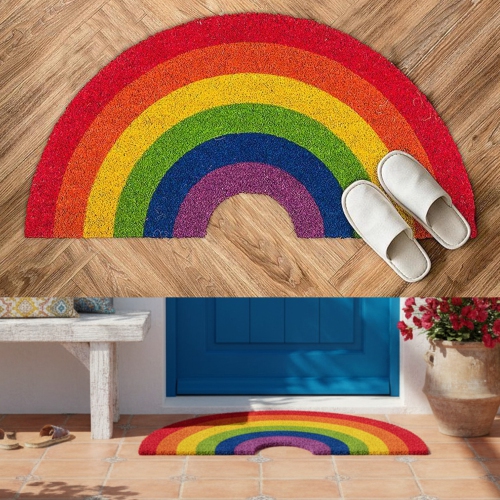
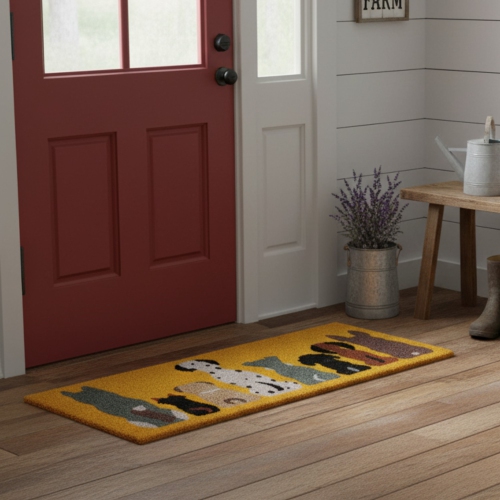
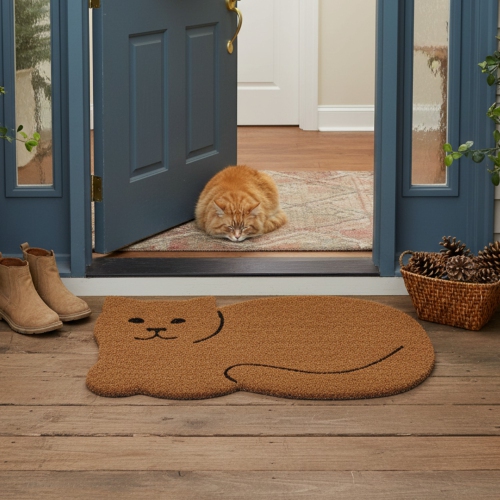
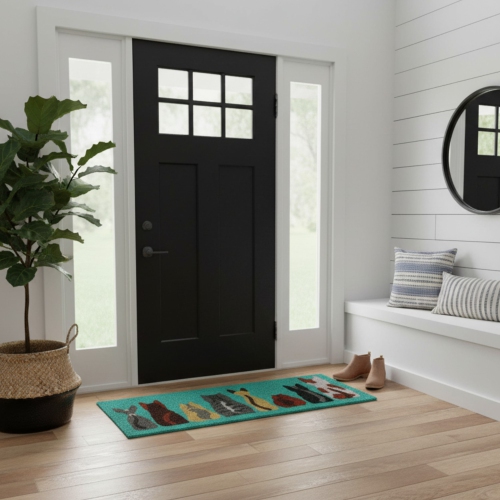
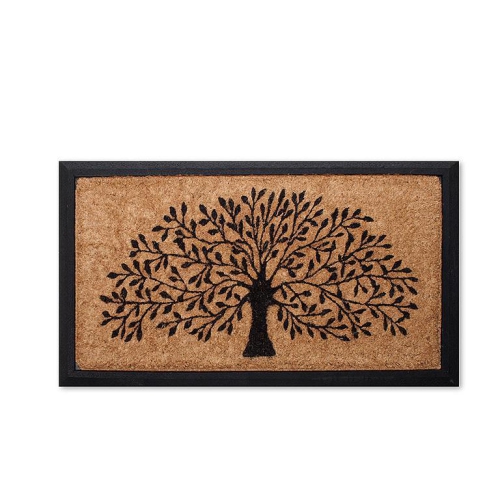
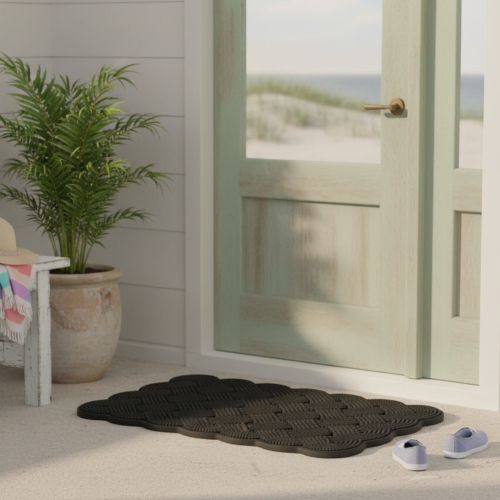
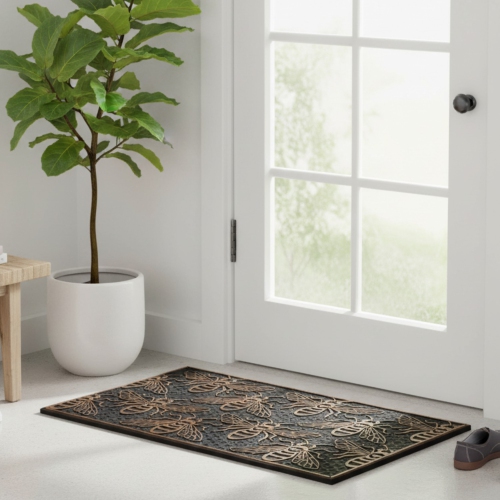
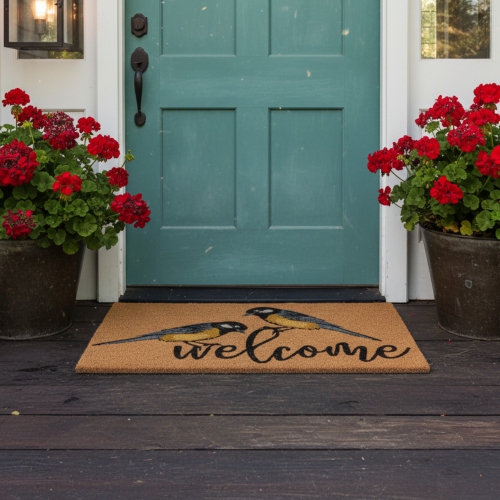
Rubber doormats give everyday entrances a practical landing place for shoes, helping keep grit and dirt closer to the doorway rather than spread across the floor. Their appeal lies in a combination of weight, flexibility, and a textured surface that can loosen debris from shoe soles. At a busy front entrance, that might mean catching gravel from trainers before it reaches a hallway; beside a garage door, it can mean giving work boots a dedicated place to pause. Different constructions suit different routines. Solid rubber mats often have raised ribs, small nubs, or patterned channels that create contact with the tread of a shoe. Openwork designs allow loose debris to fall through, keeping some of it below the walking surface until the mat is lifted for cleaning. Rubber-backed doormats combine a backing layer with another surface material, such as coir or synthetic pile, so they can feel and perform differently from mats made entirely from rubber. Coir provides a coarse scraping texture, while certain textile surfaces can help capture finer particles and absorb moisture when their construction is designed for it. Rubber itself is generally not absorbent, making the distinction between scraping and drying worth noting. A rubber scraper near the entrance and an appropriate absorbent mat farther inside can serve different purposes without asking one surface to do everything. Appearance also matters in a space seen several times a day. A simple border, a geometric pattern, or an understated openwork design can sit comfortably beside tile, wood-look flooring, or a painted door. Dark colours tend to make tracked-in dirt less obvious, although pale dust and lint may still stand out. The most useful choice balances that visual fit with the amount of foot traffic, the kinds of footwear passing through, and how easily the entrance can be kept tidy. For a household with children, pets, or frequent visitors, those everyday details often matter more than an elaborate design.
Size and placement determine how comfortably a rubber doormat fits into an entrance. A mat should offer enough space for someone to place both feet on it and wipe their soles without stepping immediately onto the surrounding floor. Comparing the mat’s width with the doorway is a useful starting point, but the whole approach to the door matters too. A narrow apartment vestibule, a double-door entrance, and a side doorway beside a shoe rack each leave a different amount of usable floor space. The door’s swing needs particular attention: a thick mat or a raised border can catch beneath a low door, bunch up, or prevent it from opening freely. Overall thickness, including any textured face and edging, is more helpful than judging depth from a photograph. Low-profile edges can make the transition between surfaces less abrupt, though placement still needs to account for anyone using a walker, wheelchair, or pushchair. The mat should lie flat without curled corners and should not obstruct a threshold, stair landing, or shared passage. Its backing also needs to suit the surface beneath it. Some rubber compounds can mark or discolour certain flooring finishes, including some vinyl and sealed surfaces, so compatibility with the flooring manufacturer’s guidance is important. A heavy mat or textured underside may help limit movement, but neither guarantees that it will stay put on every floor. Dust, residue, and trapped moisture can affect contact underneath, making a clean, dry supporting surface part of a sensible setup. Intended placement is another useful distinction: an indoor mat is not automatically suitable for an uncovered exterior doorway, and a robust-looking design is not necessarily rated for commercial traffic. For spaces extending beyond the threshold, rubber rugs may offer different dimensions and coverage; doormats are typically focused on the compact area where people enter and wipe their feet. Keeping that purpose in mind helps prevent a small entrance mat from being expected to protect an entire mudroom or utility area.
Care requirements depend on both the rubber compound and anything attached to it. Many all-rubber doormats can be shaken out, brushed, or rinsed when the manufacturer permits, while layered designs may need a gentler approach to protect fibres, printed details, adhesives, or backing. Deep grooves and openwork patterns can hold grit in places that are easy to miss with a quick sweep. Lifting the mat to clean underneath is just as important as cleaning its top, particularly where fine particles could rub against a finished floor. After washing, allowing both the mat and the surface beneath it to dry before putting it back helps avoid trapping moisture. Strong solvents, abrasive tools, and concentrated cleaning agents can damage some compounds or decorative finishes; mild soap is an option only where the care directions allow it. Machine washing should never be assumed, even for a mat that bends easily. Over time, curled edges, cracks, a separating backing, or worn-down scraping texture can signal that a mat is no longer working as intended. Durability comes from an appropriate match between construction and use, not weight alone. A lightly used side entrance may place fewer demands on a mat than a doorway crossed repeatedly by a large household, and a shop or office entrance may call for a design specifically intended for heavier traffic. Comfort underfoot can also influence the choice, especially near an entry bench where people change shoes, although a doormat should not be mistaken for a standing mat designed to provide prolonged cushioning. For pet owners, a surface that releases hair easily can simplify cleanup; for families, a pattern without deep pockets may be easier to clear of crumbs and small stones. A rubber doormat can also make a practical housewarming gift when the recipient’s doorway measurements, flooring, and style are known. Whether it serves a compact flat or a well-used family entrance, its value is in making a familiar routine simpler: a firm place to wipe shoes, a defined stopping point at the door, and less loose debris carried into the rooms beyond.
Size and placement determine how comfortably a rubber doormat fits into an entrance. A mat should offer enough space for someone to place both feet on it and wipe their soles without stepping immediately onto the surrounding floor. Comparing the mat’s width with the doorway is a useful starting point, but the whole approach to the door matters too. A narrow apartment vestibule, a double-door entrance, and a side doorway beside a shoe rack each leave a different amount of usable floor space. The door’s swing needs particular attention: a thick mat or a raised border can catch beneath a low door, bunch up, or prevent it from opening freely. Overall thickness, including any textured face and edging, is more helpful than judging depth from a photograph. Low-profile edges can make the transition between surfaces less abrupt, though placement still needs to account for anyone using a walker, wheelchair, or pushchair. The mat should lie flat without curled corners and should not obstruct a threshold, stair landing, or shared passage. Its backing also needs to suit the surface beneath it. Some rubber compounds can mark or discolour certain flooring finishes, including some vinyl and sealed surfaces, so compatibility with the flooring manufacturer’s guidance is important. A heavy mat or textured underside may help limit movement, but neither guarantees that it will stay put on every floor. Dust, residue, and trapped moisture can affect contact underneath, making a clean, dry supporting surface part of a sensible setup. Intended placement is another useful distinction: an indoor mat is not automatically suitable for an uncovered exterior doorway, and a robust-looking design is not necessarily rated for commercial traffic. For spaces extending beyond the threshold, rubber rugs may offer different dimensions and coverage; doormats are typically focused on the compact area where people enter and wipe their feet. Keeping that purpose in mind helps prevent a small entrance mat from being expected to protect an entire mudroom or utility area.
Care requirements depend on both the rubber compound and anything attached to it. Many all-rubber doormats can be shaken out, brushed, or rinsed when the manufacturer permits, while layered designs may need a gentler approach to protect fibres, printed details, adhesives, or backing. Deep grooves and openwork patterns can hold grit in places that are easy to miss with a quick sweep. Lifting the mat to clean underneath is just as important as cleaning its top, particularly where fine particles could rub against a finished floor. After washing, allowing both the mat and the surface beneath it to dry before putting it back helps avoid trapping moisture. Strong solvents, abrasive tools, and concentrated cleaning agents can damage some compounds or decorative finishes; mild soap is an option only where the care directions allow it. Machine washing should never be assumed, even for a mat that bends easily. Over time, curled edges, cracks, a separating backing, or worn-down scraping texture can signal that a mat is no longer working as intended. Durability comes from an appropriate match between construction and use, not weight alone. A lightly used side entrance may place fewer demands on a mat than a doorway crossed repeatedly by a large household, and a shop or office entrance may call for a design specifically intended for heavier traffic. Comfort underfoot can also influence the choice, especially near an entry bench where people change shoes, although a doormat should not be mistaken for a standing mat designed to provide prolonged cushioning. For pet owners, a surface that releases hair easily can simplify cleanup; for families, a pattern without deep pockets may be easier to clear of crumbs and small stones. A rubber doormat can also make a practical housewarming gift when the recipient’s doorway measurements, flooring, and style are known. Whether it serves a compact flat or a well-used family entrance, its value is in making a familiar routine simpler: a firm place to wipe shoes, a defined stopping point at the door, and less loose debris carried into the rooms beyond.
Top selling and popular products
-
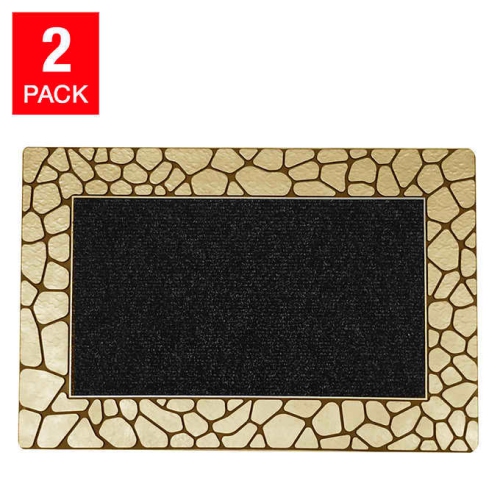 Your price for this item is $69.99
 -
 Your price for this item is $5.99
 -
 Your price for this item is $39.45
 -
 Your price for this item is $40.96
 -
 Your price for this item is $24.99
 -
 Your price for this item is $90.99
 -
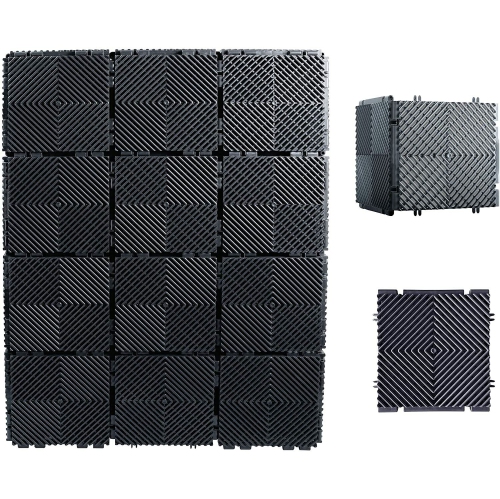 Your price for this item is $109.95
 -
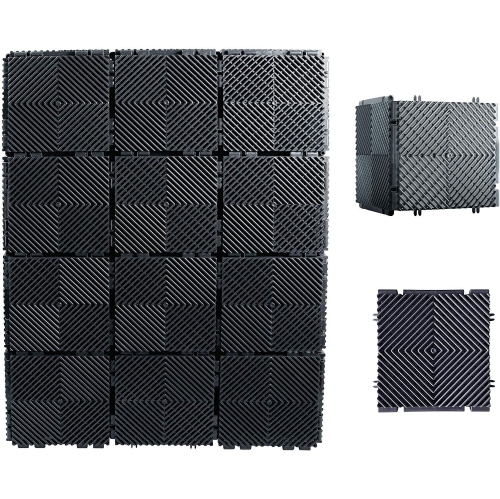 Your price for this item is $139.95
Discover more categories related to Rubber Doormats
Top Collections:
Pokemon Centers, Kindle Devices, Best Budget Office Chairs, Apple iPhones 16, Best Laptops for Writers, iPhone 15 Apple, Canon G7X Cameras, Refurbished Apple Laptops, Alarm Clock, Motorola Razr Phones
Some products may be subject to Environmental Handling Fees
(EHF) depending on your province.
Learn more about EHFs.