Rustic Bed Frames
Rustic bed frames are a timeless and stylish choice for the bedroom. Combining the warmth of natural wood with classic design elements, rustic bed frames can create a cozy and inviting atmosphere in almost any space. They are available in a variety of sizes and styles, making it easy to find one that fits your bedroom’s aesthetic. Here are some of the best options available.
Sort





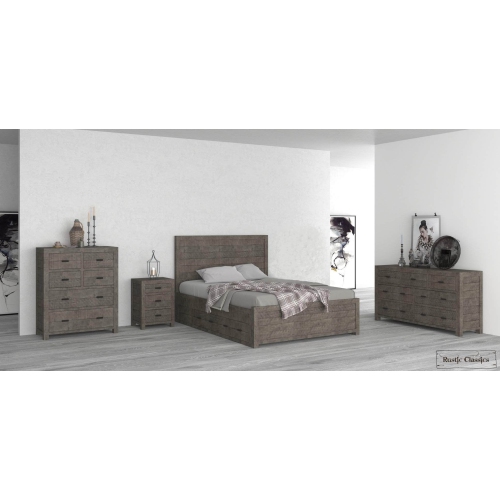
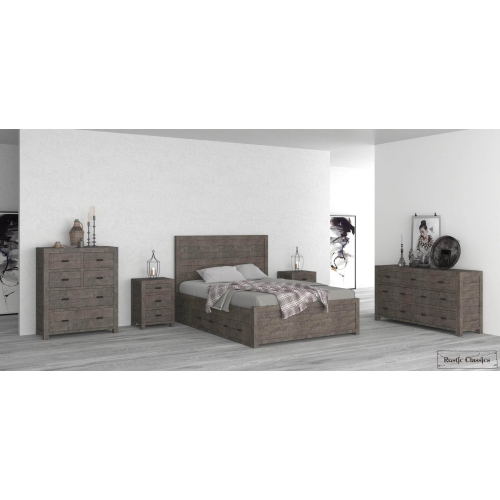


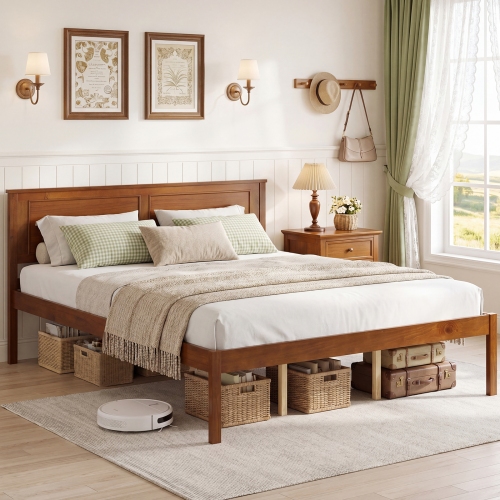
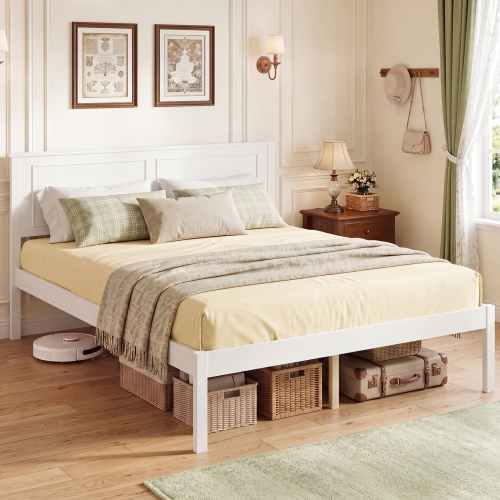

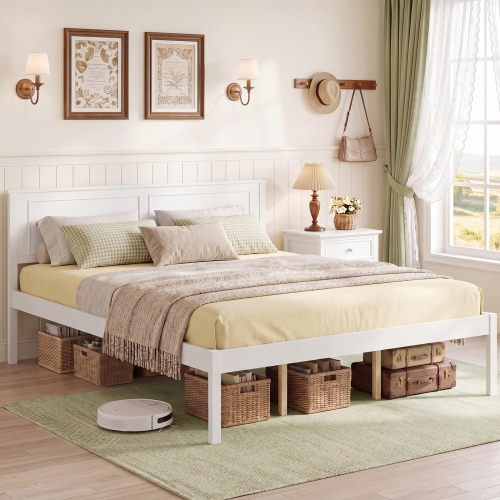
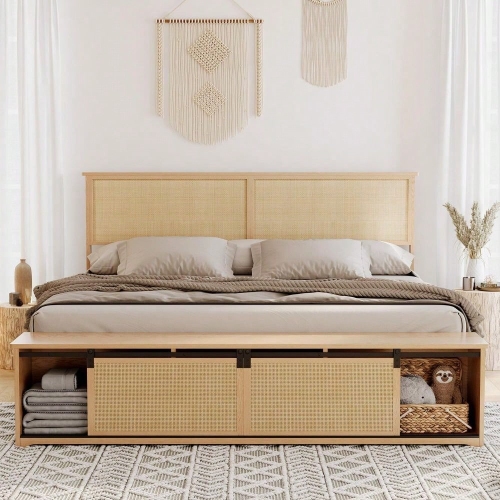
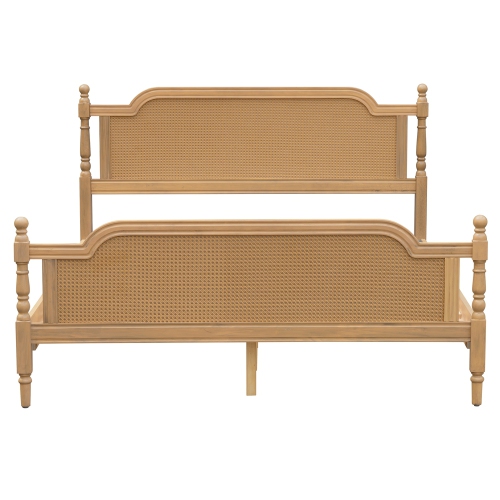
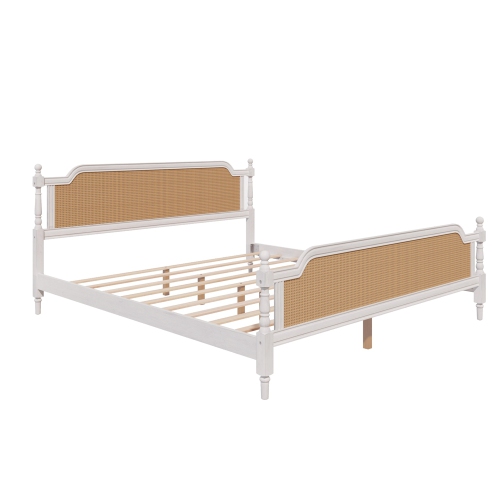
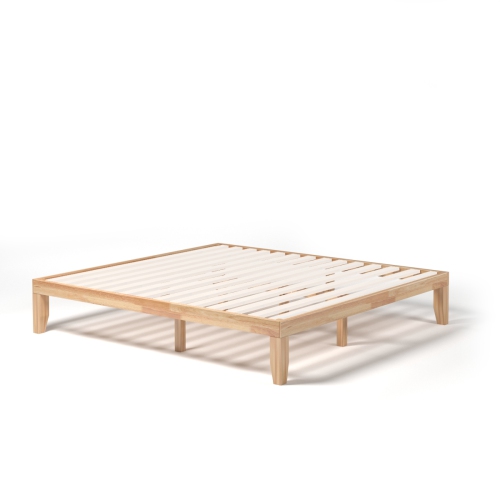
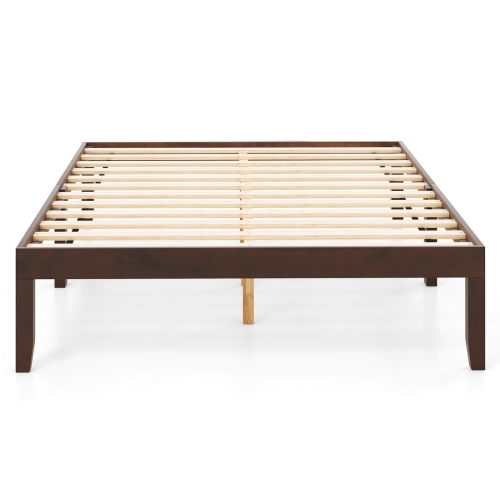
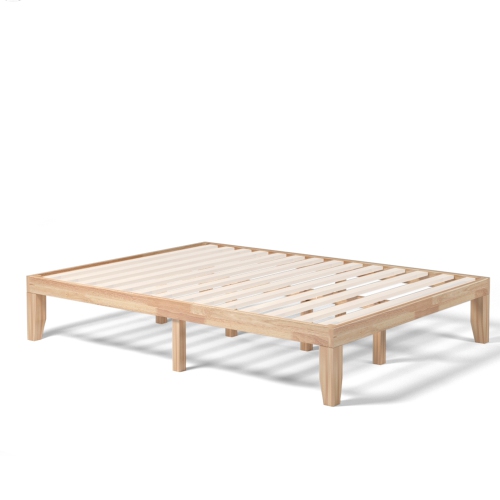

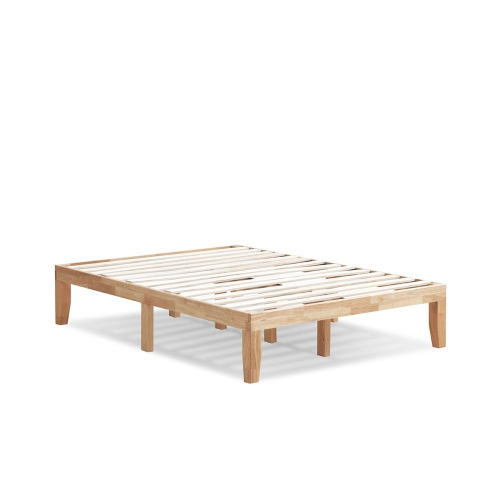

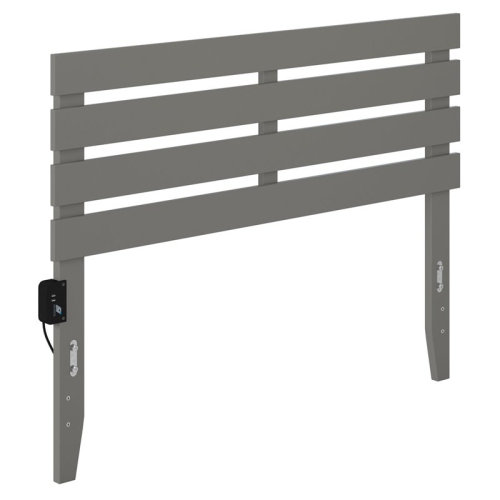
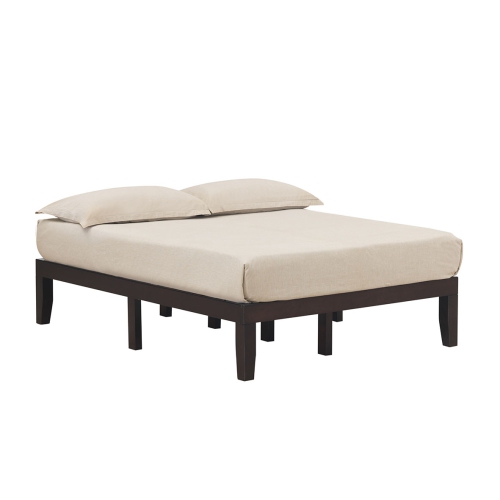
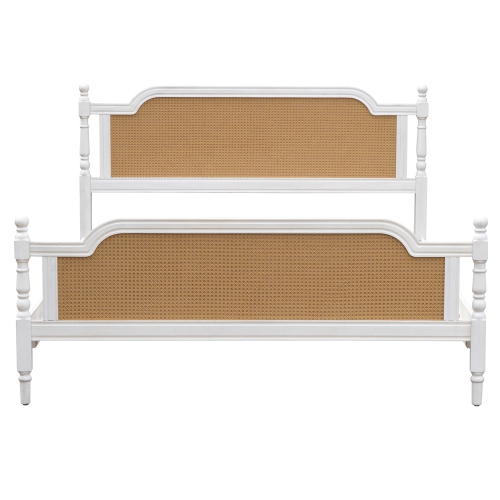
Wood grain tells only part of a bed’s story
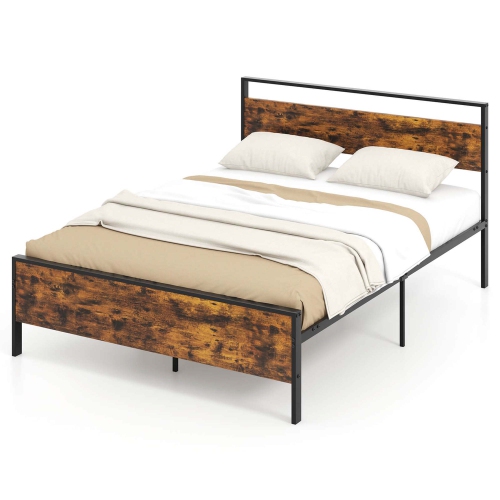
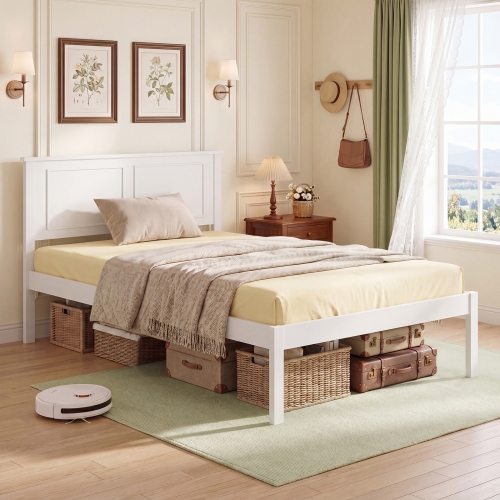
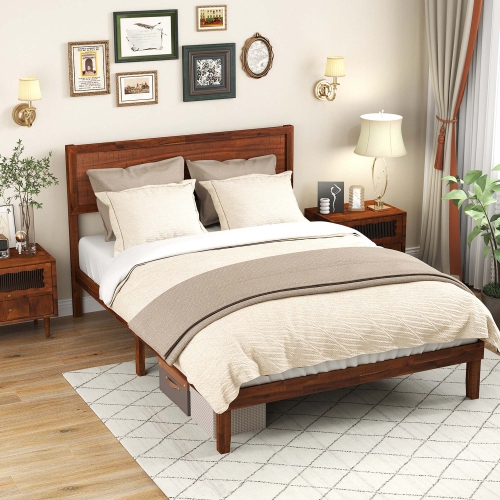
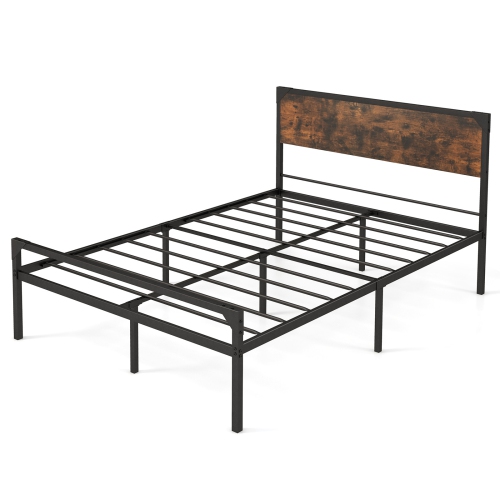
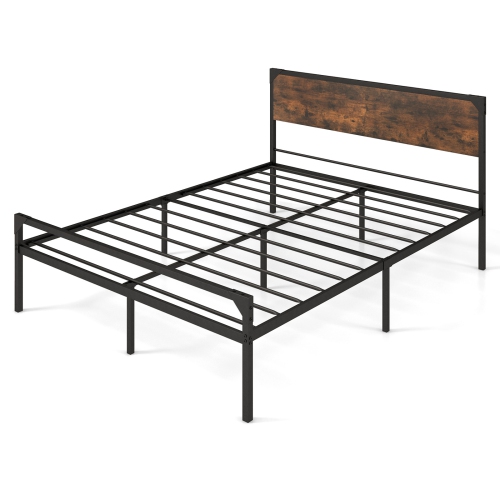
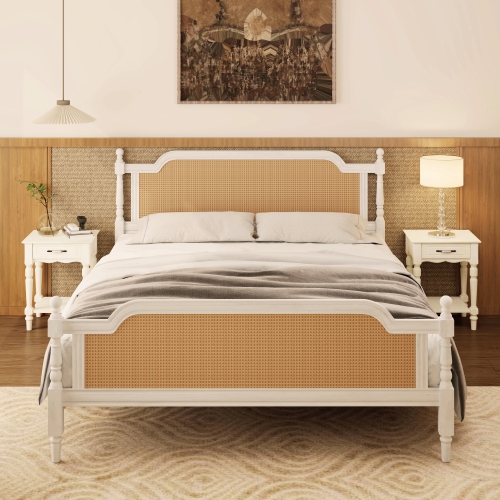
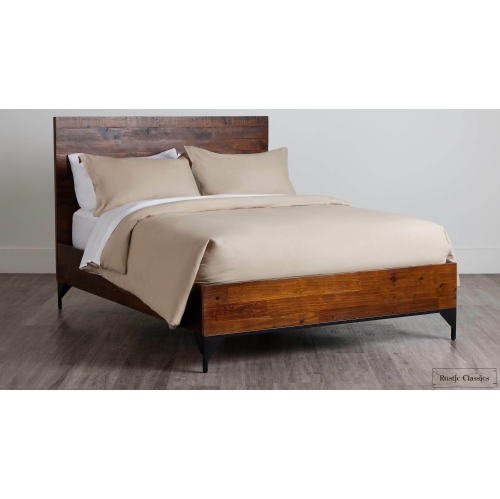
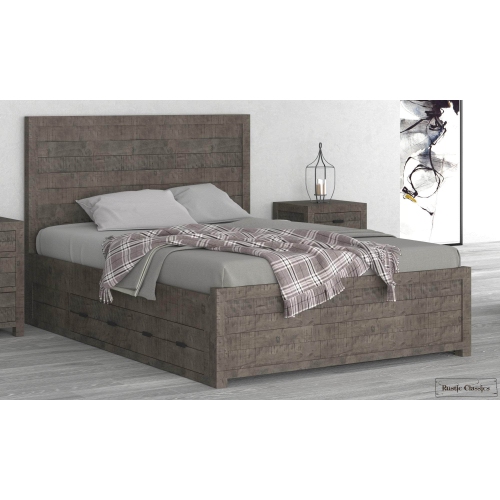
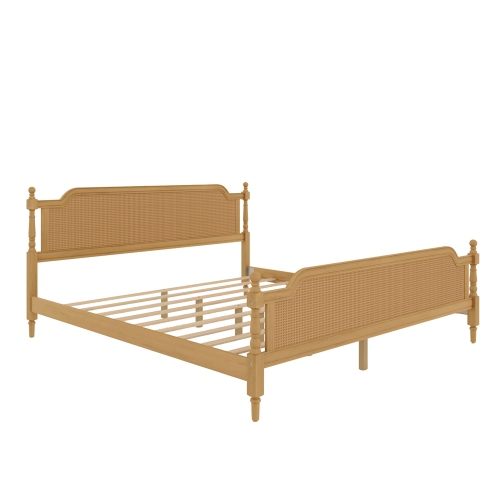
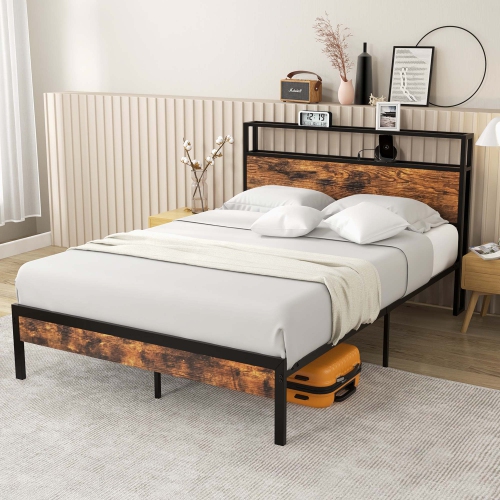
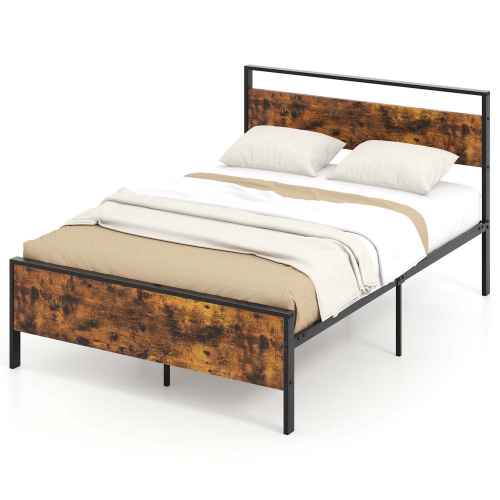
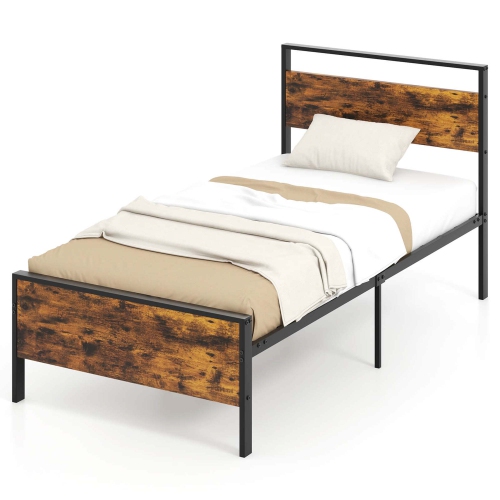
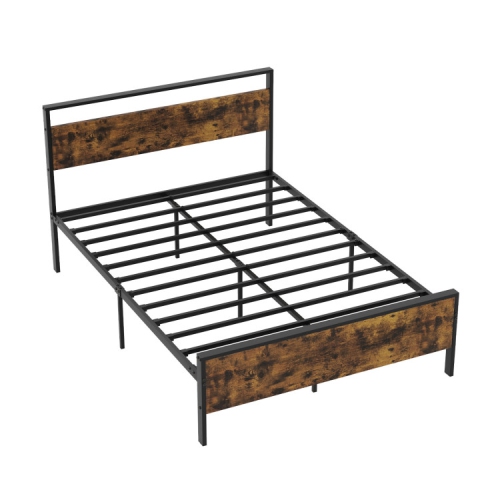
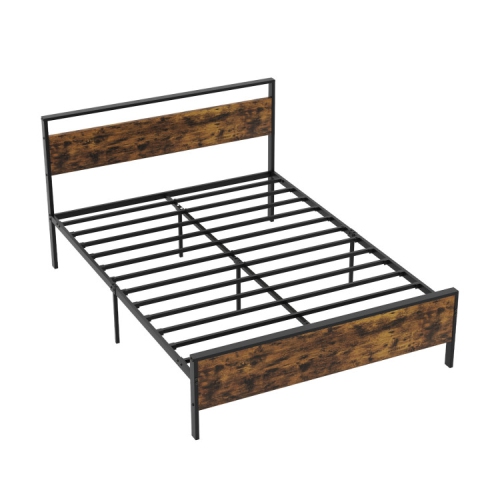
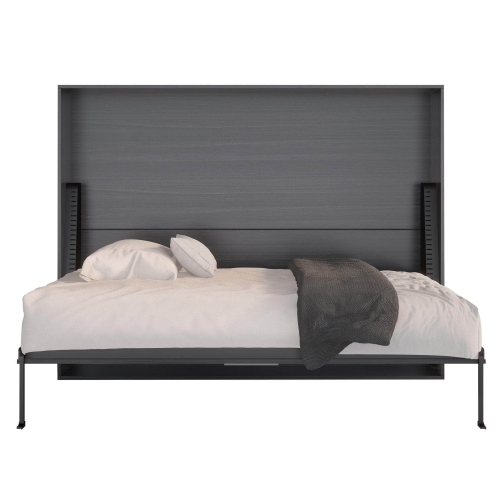
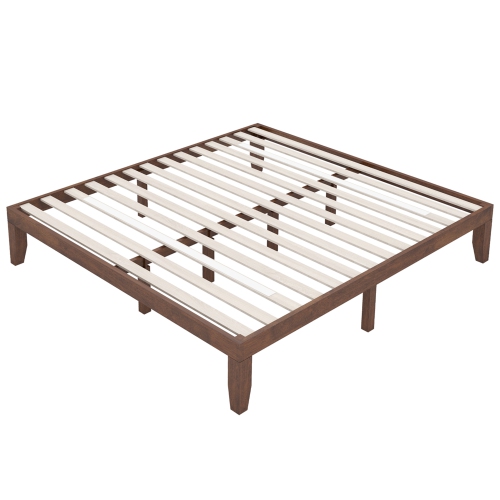
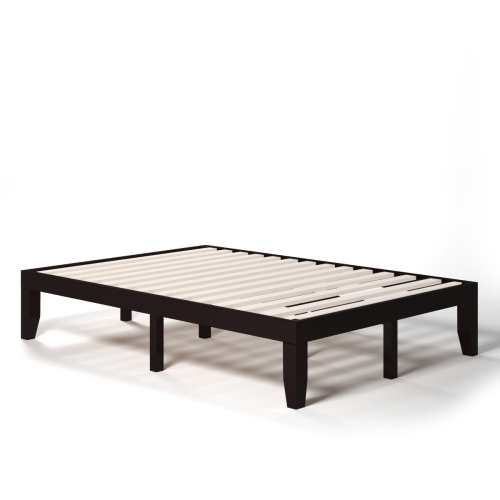
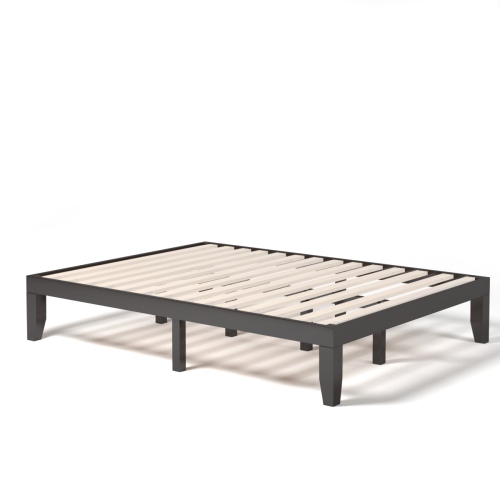
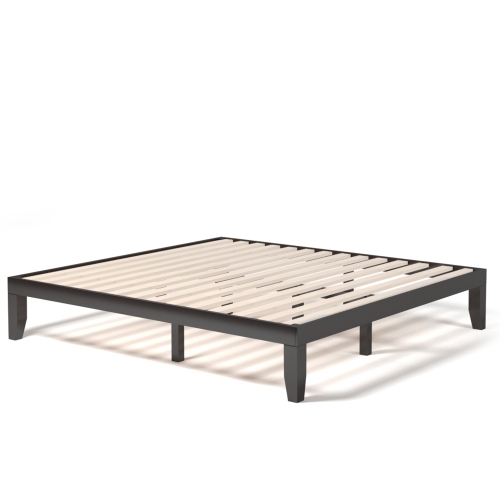
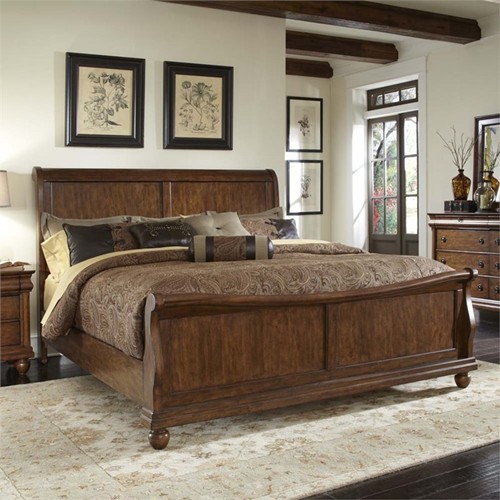
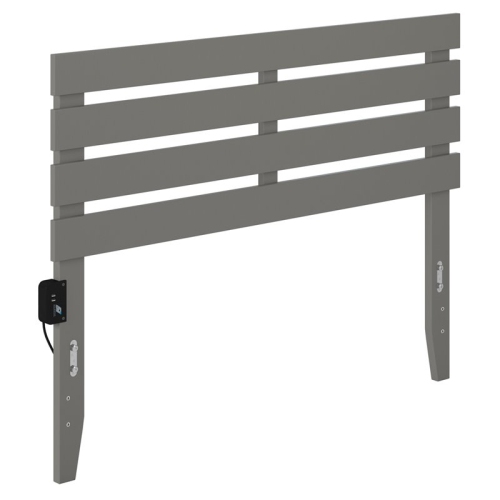
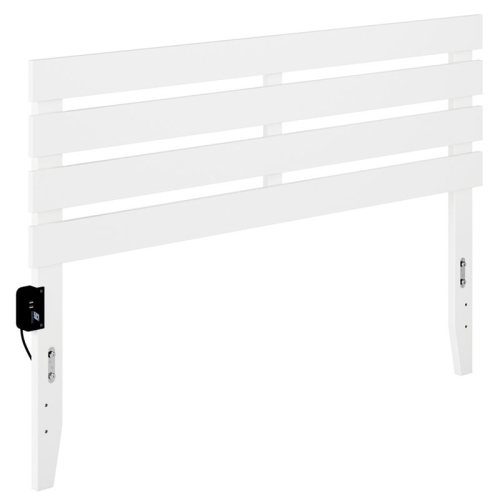
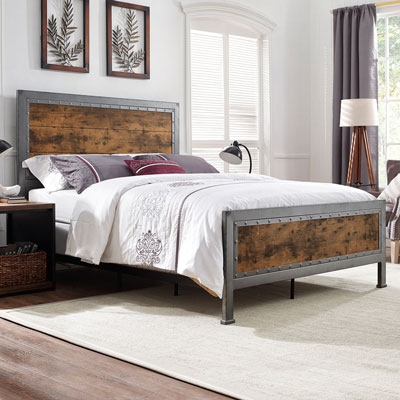
Rustic bed frames are bedroom furnishings defined by visible wood grain, textured finishes, substantial shapes, and details that bring a warm, lived-in character to the room. The style ranges from chunky timber-inspired frames and rounded log designs to simpler platforms that pair wood-look panels with dark metal legs. A rustic frame can feel at home in a country cottage, a farmhouse-style bedroom, or a city apartment where natural textures soften clean-lined furniture. Materials play a large part in both the appearance and everyday feel of the bed. Solid wood often features variations in grain and knots, so broad headboard panels can have a distinct character rather than a perfectly uniform surface. Pine tends to offer a softer grain pattern and is more prone to dents, while hardwoods such as oak typically provide a denser surface with a more pronounced grain. Engineered wood can create a consistent finish, with performance depending on the panel construction, surface treatment, and quality of the connections. Wood veneer provides a thin layer of real wood over a supporting core; wood-look laminates achieve their appearance through a printed surface. These differences matter when comparing the texture, weight, and care requirements of a frame. Metal accents add contrast and can give rustic styling a more industrial edge, particularly when a dark steel headboard outline sits against warm brown panels. For a gentler look, pale wood tones, lightly brushed finishes, and simple slatted headboards pair easily with cream bedding and woven textiles. Deeper brown finishes and thick posts create a stronger visual anchor, especially in rooms with generous floor space. Distressed finishes are intended to show variation, but the surfaces that touch bedding should still be smooth enough to avoid snagging sheets or blankets. Rustic describes the appearance of a bed frame, not a single construction method, so two frames with a similar finish can differ considerably in their materials, support systems, and maintenance needs.
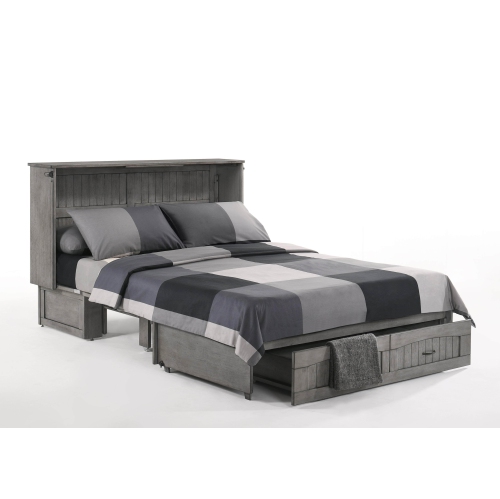
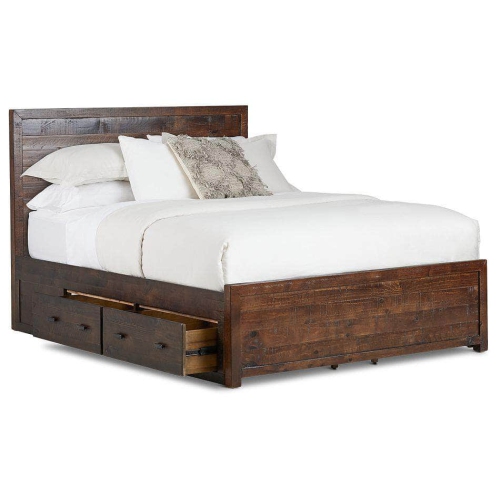
The right fit involves more than matching a rustic bed frame to a twin, full/double, queen, or king mattress. The frame’s outside dimensions determine how comfortably it sits in the room, and thick posts, projecting ledges, or a substantial footboard can extend well beyond the mattress footprint. In a compact bedroom, a low-profile platform with an open foot end can leave a clearer walking route and make the space feel less crowded. A tall headboard creates a stronger focal point, but its placement matters beneath a sloped ceiling or near a window. Mattress thickness also changes the proportions: a deep mattress may cover much of a shorter headboard, while a thinner mattress can leave a larger visible gap above the sleeping surface. Overall bed height affects daily comfort, whether someone prefers an easy sitting position when putting on socks or a lower bed that keeps the room visually open. Support requirements deserve equal attention. Some platform frames are designed to hold a mattress directly on slats, while other constructions require a compatible foundation or box spring. Slat spacing, centre support, and stated weight capacity should suit the mattress manufacturer’s requirements and the intended load. A rustic appearance alone does not indicate strength; secure joints, well-fitted hardware, and properly supported rails are more useful signs of dependable construction. Storage designs bring another layer of practicality. Under-bed drawers can hold spare sheets or folded clothing, but they need enough clearance to open without hitting a bedside table or wall. Open space beneath a raised frame can accommodate suitable storage bins and make floor cleaning easier. Headboards with shelves can keep a book or glasses within reach, although shelf depth and placement influence how comfortably someone can sit against pillows. For shared bedrooms, access from both sides often makes everyday routines easier. Doorways, stair turns, and assembly space also matter, particularly when moving large headboard sections into an older home or an upstairs room. Checking those measurements alongside the assembled dimensions helps avoid a frame that suits the mattress but overwhelms the space around it.
Rustic bed frames suit primary bedrooms, guest rooms, cottage bedrooms, and growing children’s rooms when the size and construction match the intended use. Their textured appearance works especially well in spaces that need warmth without elaborate ornamentation. A broad wooden headboard can give a sparsely furnished guest room a welcoming centrepiece, while a wood-and-metal frame can connect darker lighting fixtures with softer bedding in a shared bedroom. For someone furnishing a first home, a straightforward silhouette leaves room for changing tastes: striped cotton sheets, a quilt, or a thick knitted throw can each shift the mood without replacing the main furniture. During the cooler months, layered bedding brings out the contrast between soft fabric and the firm lines of the frame. Coordinating pieces do not have to match exactly. A bedside table in a related wood tone, a lamp with a simple metal base, and personal photographs displayed in Rustic Photo Frames can tie the room together without making every surface look identical. Everyday care helps preserve that character. Dust settles in grooves, around bolt heads, and along horizontal headboard rails, where a soft cloth or a gentle vacuum brush attachment can reach it without scraping the finish. Spills should be wiped promptly, and cleaning products should suit the manufacturer’s directions rather than the appearance of the wood alone. A distressed surface is not necessarily unfinished, and harsh cleaners or abrasive pads can damage its protective coating. Solid wood can respond to changes in indoor humidity, so keeping the bed away from direct heat sources and avoiding large swings in room conditions can help limit movement. Hardware may need periodic checking, particularly after a move or if a new squeak develops. Lifting the frame rather than dragging it helps protect joints and flooring. Felt pads beneath suitable feet can add floor protection, provided they do not interfere with stability. With materials, dimensions, and support suited to the room, a rustic bed frame offers a comfortable foundation for everyday sleeping and a distinctive backdrop for the personal details that make a bedroom feel settled.
The right fit involves more than matching a rustic bed frame to a twin, full/double, queen, or king mattress. The frame’s outside dimensions determine how comfortably it sits in the room, and thick posts, projecting ledges, or a substantial footboard can extend well beyond the mattress footprint. In a compact bedroom, a low-profile platform with an open foot end can leave a clearer walking route and make the space feel less crowded. A tall headboard creates a stronger focal point, but its placement matters beneath a sloped ceiling or near a window. Mattress thickness also changes the proportions: a deep mattress may cover much of a shorter headboard, while a thinner mattress can leave a larger visible gap above the sleeping surface. Overall bed height affects daily comfort, whether someone prefers an easy sitting position when putting on socks or a lower bed that keeps the room visually open. Support requirements deserve equal attention. Some platform frames are designed to hold a mattress directly on slats, while other constructions require a compatible foundation or box spring. Slat spacing, centre support, and stated weight capacity should suit the mattress manufacturer’s requirements and the intended load. A rustic appearance alone does not indicate strength; secure joints, well-fitted hardware, and properly supported rails are more useful signs of dependable construction. Storage designs bring another layer of practicality. Under-bed drawers can hold spare sheets or folded clothing, but they need enough clearance to open without hitting a bedside table or wall. Open space beneath a raised frame can accommodate suitable storage bins and make floor cleaning easier. Headboards with shelves can keep a book or glasses within reach, although shelf depth and placement influence how comfortably someone can sit against pillows. For shared bedrooms, access from both sides often makes everyday routines easier. Doorways, stair turns, and assembly space also matter, particularly when moving large headboard sections into an older home or an upstairs room. Checking those measurements alongside the assembled dimensions helps avoid a frame that suits the mattress but overwhelms the space around it.
Rustic bed frames suit primary bedrooms, guest rooms, cottage bedrooms, and growing children’s rooms when the size and construction match the intended use. Their textured appearance works especially well in spaces that need warmth without elaborate ornamentation. A broad wooden headboard can give a sparsely furnished guest room a welcoming centrepiece, while a wood-and-metal frame can connect darker lighting fixtures with softer bedding in a shared bedroom. For someone furnishing a first home, a straightforward silhouette leaves room for changing tastes: striped cotton sheets, a quilt, or a thick knitted throw can each shift the mood without replacing the main furniture. During the cooler months, layered bedding brings out the contrast between soft fabric and the firm lines of the frame. Coordinating pieces do not have to match exactly. A bedside table in a related wood tone, a lamp with a simple metal base, and personal photographs displayed in Rustic Photo Frames can tie the room together without making every surface look identical. Everyday care helps preserve that character. Dust settles in grooves, around bolt heads, and along horizontal headboard rails, where a soft cloth or a gentle vacuum brush attachment can reach it without scraping the finish. Spills should be wiped promptly, and cleaning products should suit the manufacturer’s directions rather than the appearance of the wood alone. A distressed surface is not necessarily unfinished, and harsh cleaners or abrasive pads can damage its protective coating. Solid wood can respond to changes in indoor humidity, so keeping the bed away from direct heat sources and avoiding large swings in room conditions can help limit movement. Hardware may need periodic checking, particularly after a move or if a new squeak develops. Lifting the frame rather than dragging it helps protect joints and flooring. Felt pads beneath suitable feet can add floor protection, provided they do not interfere with stability. With materials, dimensions, and support suited to the room, a rustic bed frame offers a comfortable foundation for everyday sleeping and a distinctive backdrop for the personal details that make a bedroom feel settled.
Top selling and popular products
-
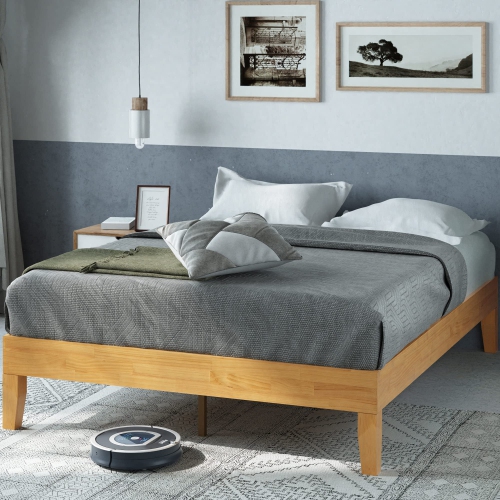 Your price for this item is $493.52
 -
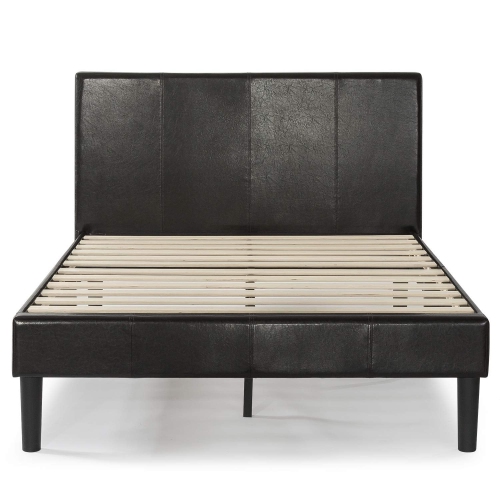 Your price for this item is $611.85
 -
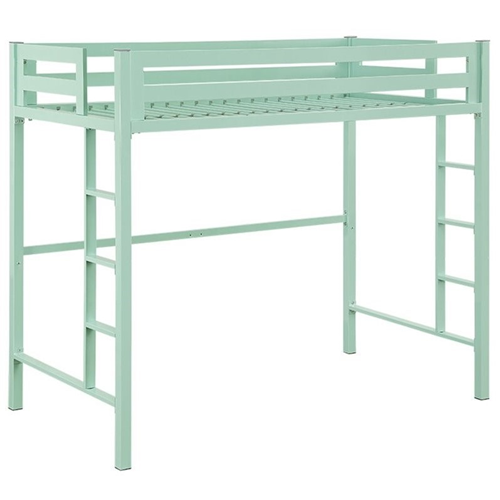 Your price for this item is $824.18
 -
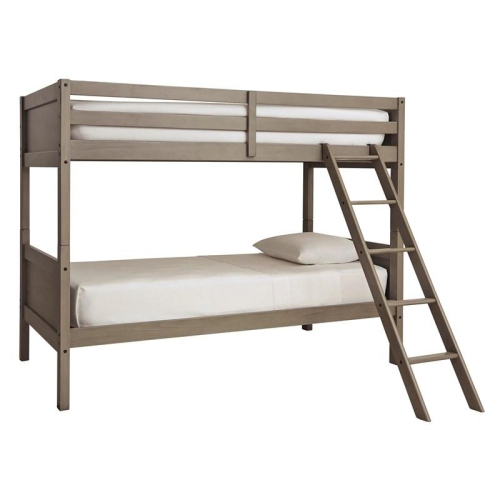 Your price for this item is $799.99
 -
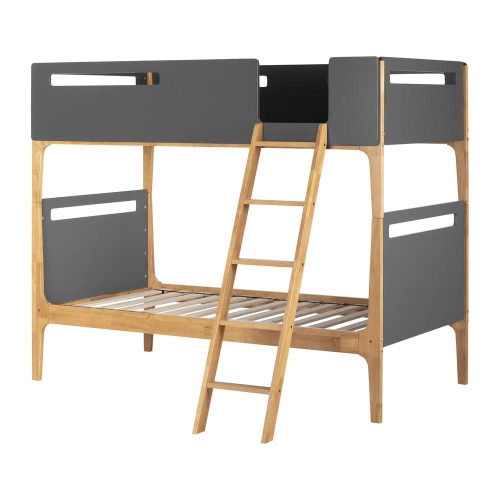 Your price for this item is $985.42
 -
 Your price for this item is $157.99
 -
 Your price for this item is $862.99
 -
 Your price for this item is $3519.99
Discover more categories related to Rustic Bed Frames

Top Collections:
Pokemon Centers, Kindle Devices, Best Budget Office Chairs, Apple iPhones 16, Best Laptops for Writers, iPhone 15 Apple, Canon G7X Cameras, Refurbished Apple Laptops, Alarm Clock, Motorola Razr Phones
Some products may be subject to Environmental Handling Fees
(EHF) depending on your province.
Learn more about EHFs.