Rustic Pendant Lights
Add a touch of rustic charm to your home with our collection of pendant lights. These stunning fixtures effortlessly blend vintage-inspired design with modern functionality, creating a warm and inviting ambiance in any space. Whether you're looking to illuminate your kitchen island, dining area, or entryway, our range of rustic pendant lights offers a variety of styles and finishes to suit your personal taste and decor. With their timeless appeal and eye-catching details, these lights are sure to become a focal point in any room.
Sort
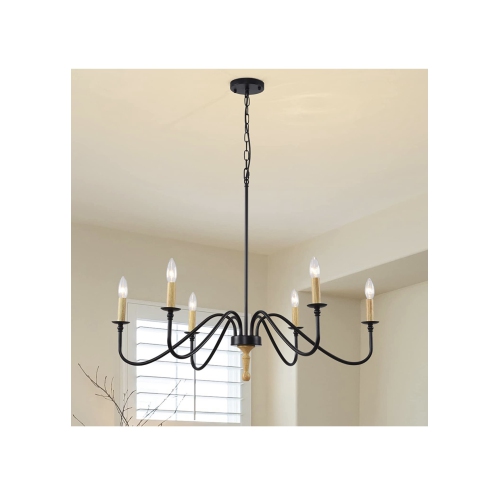
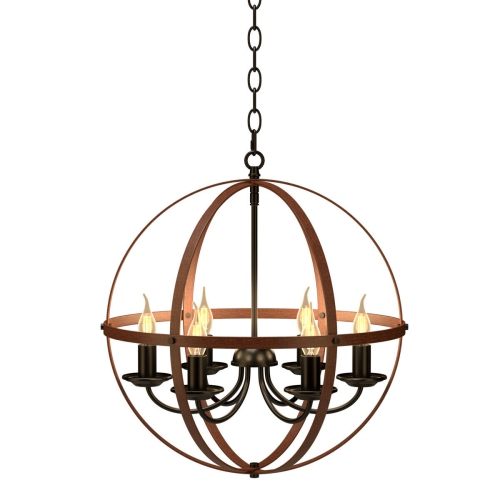
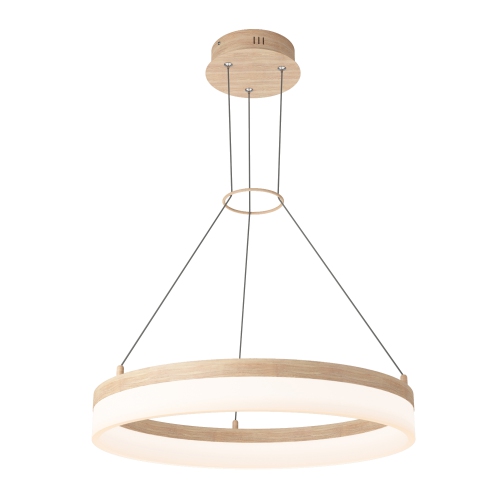
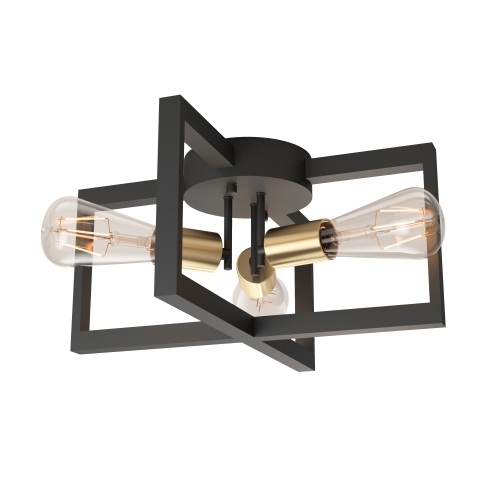
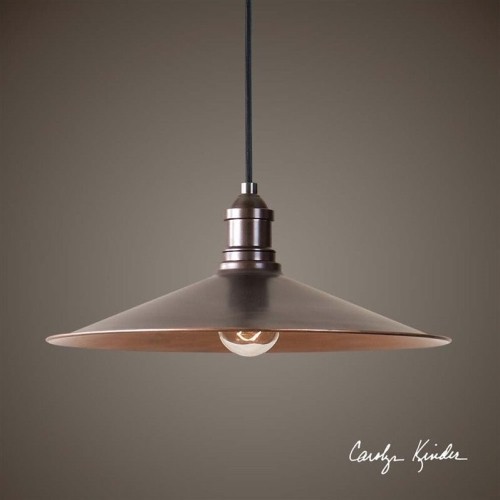
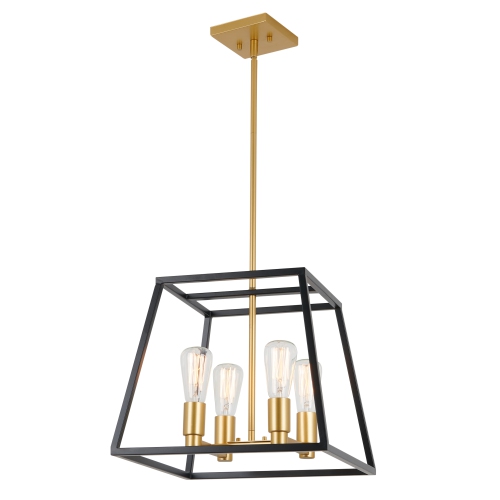
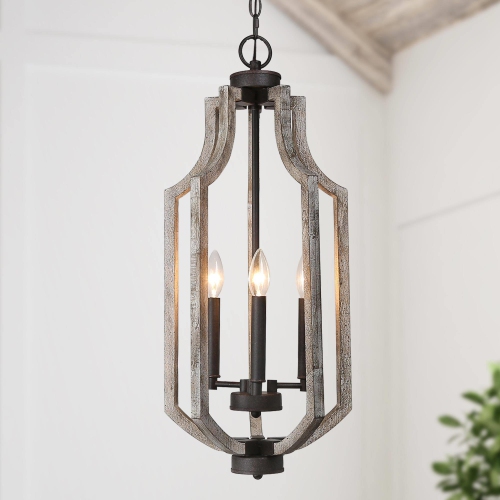
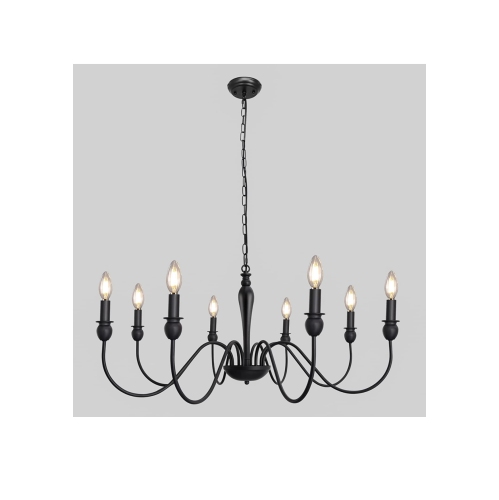
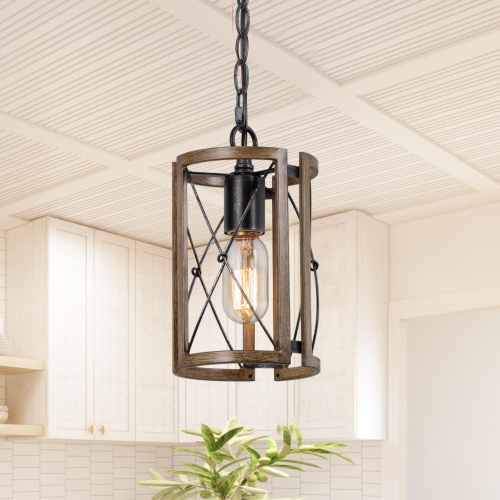
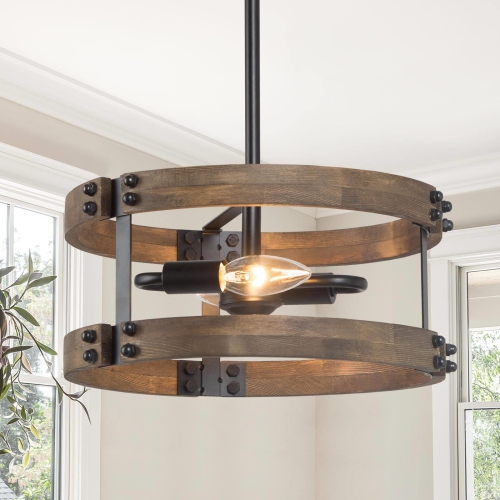
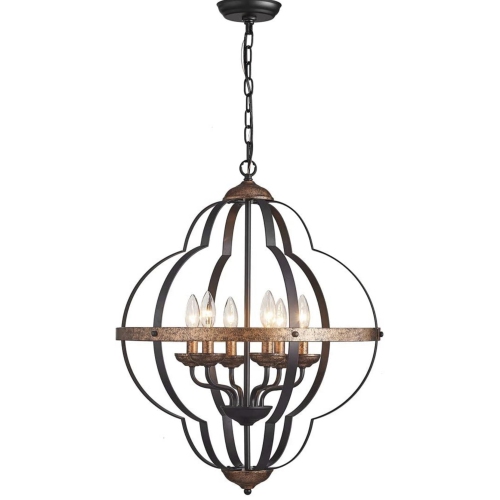
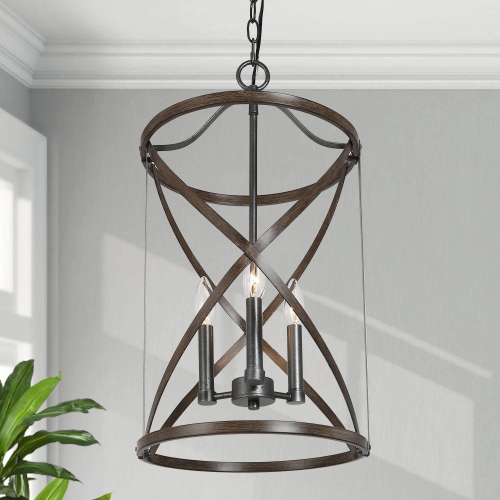
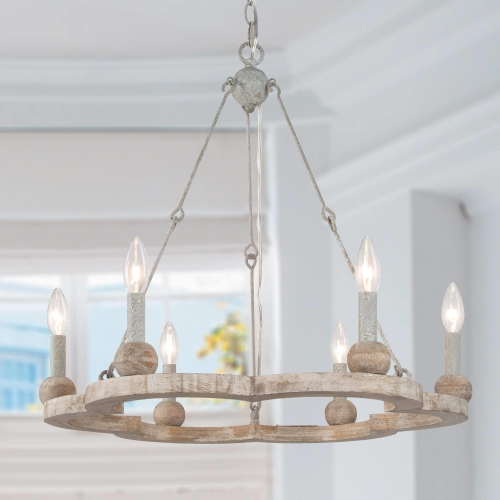
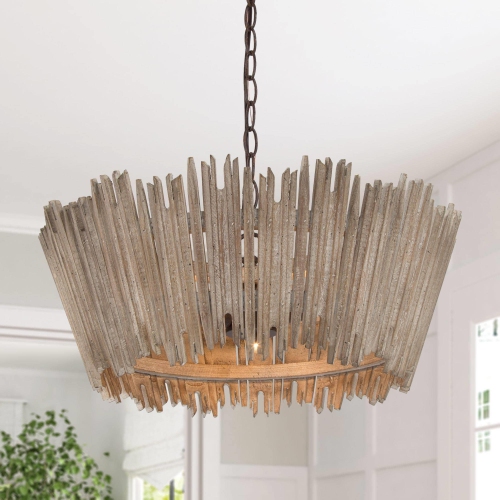
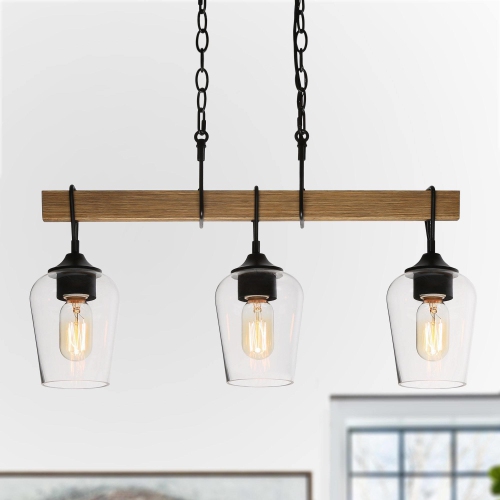
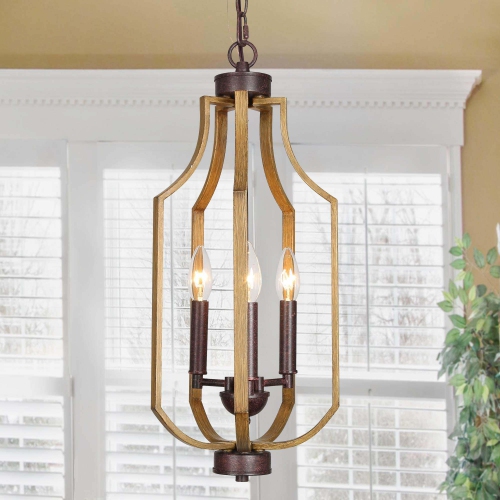
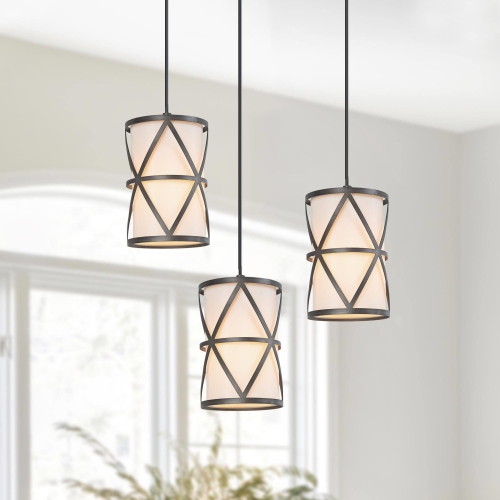
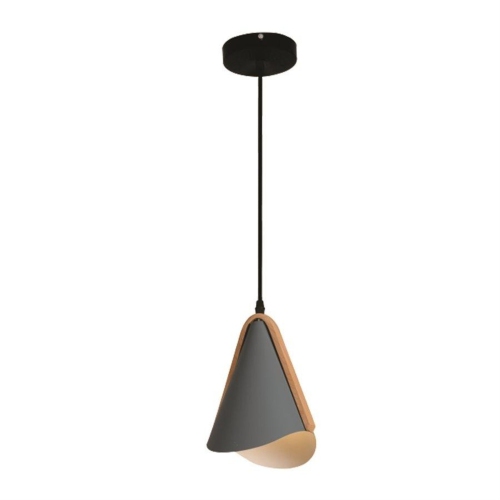
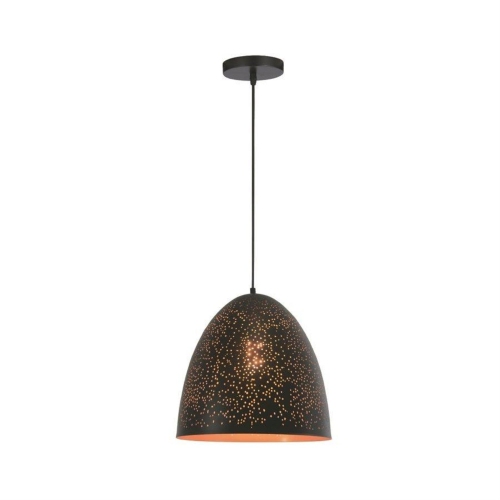
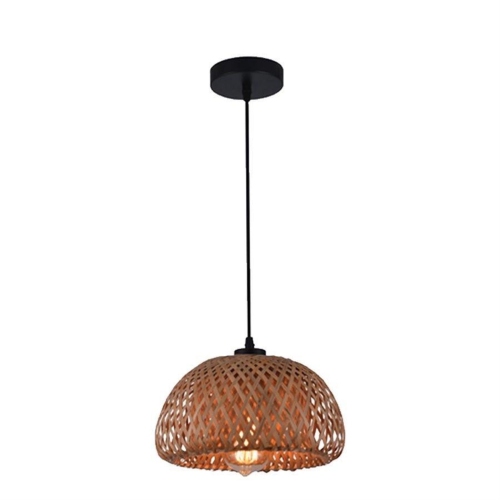
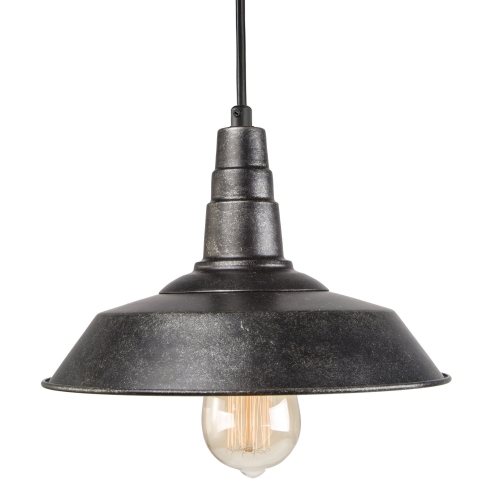
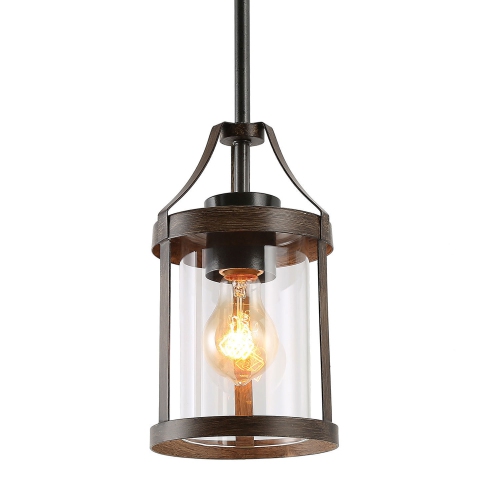
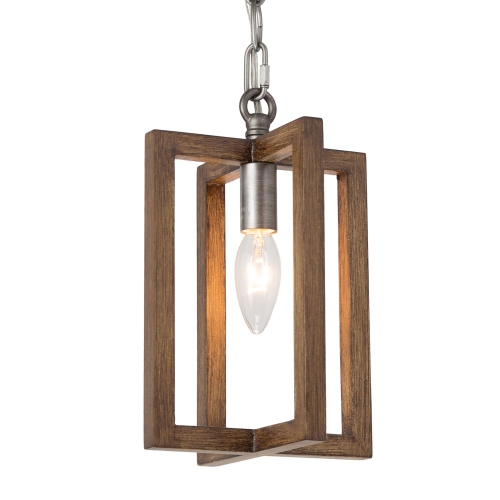
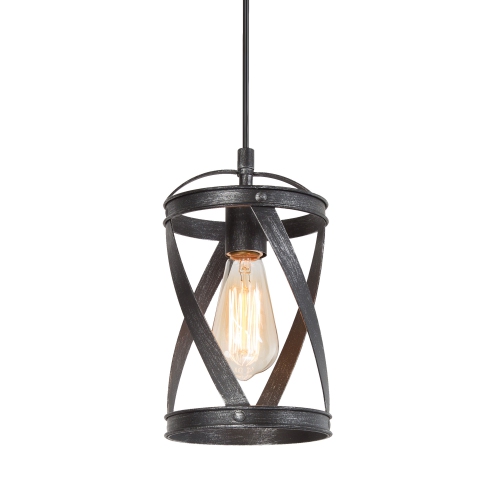
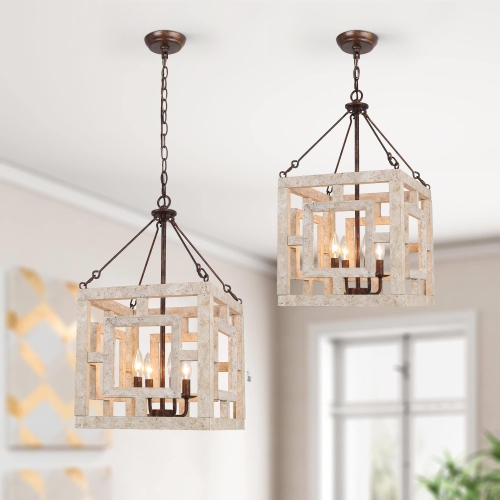
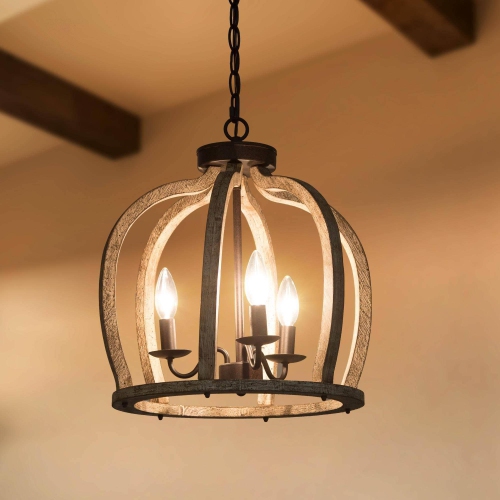
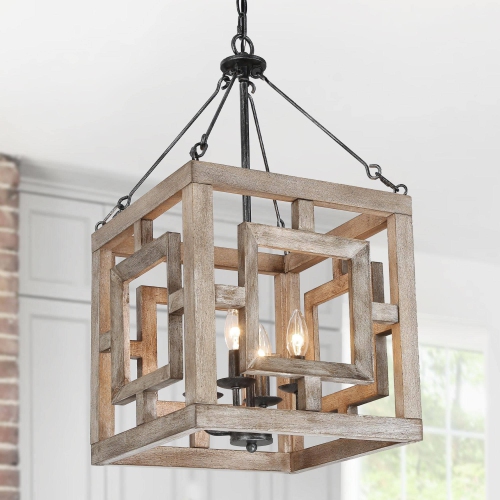
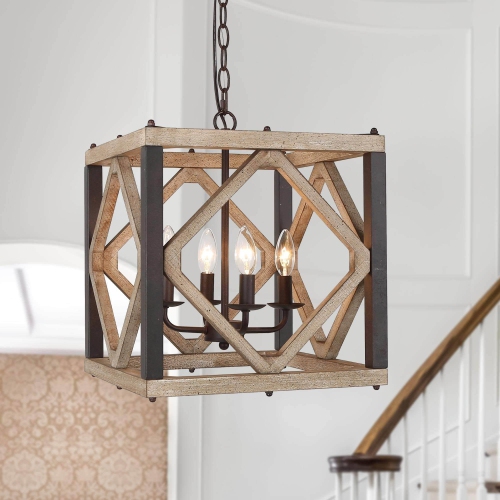
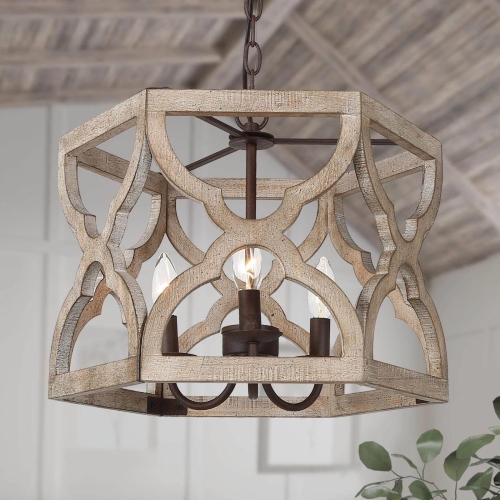
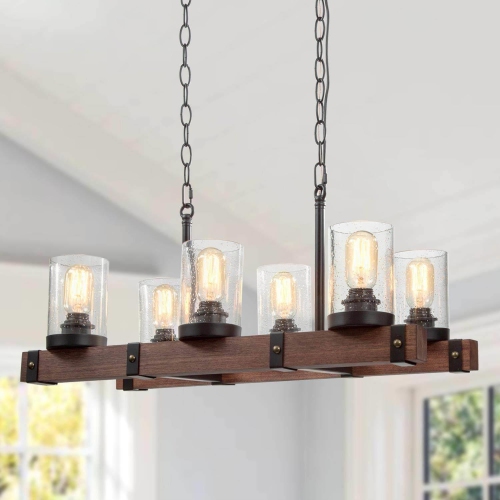
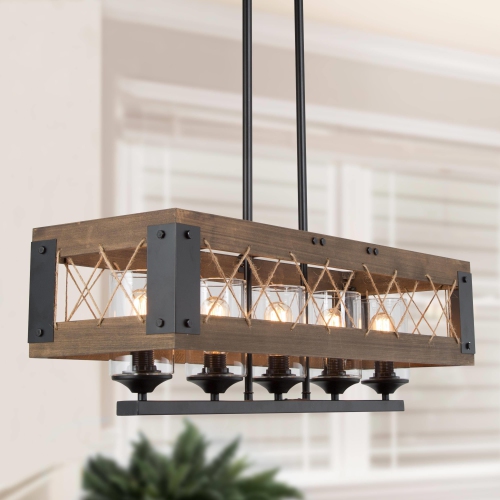
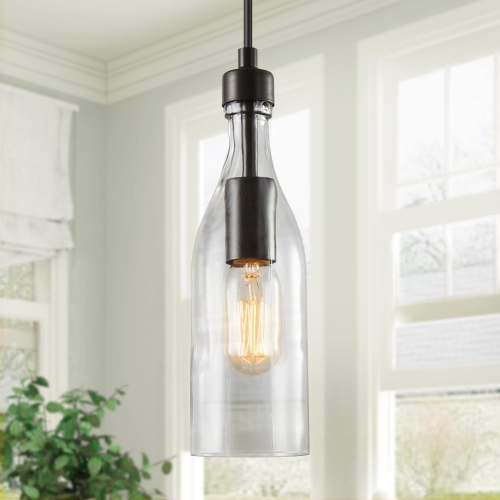
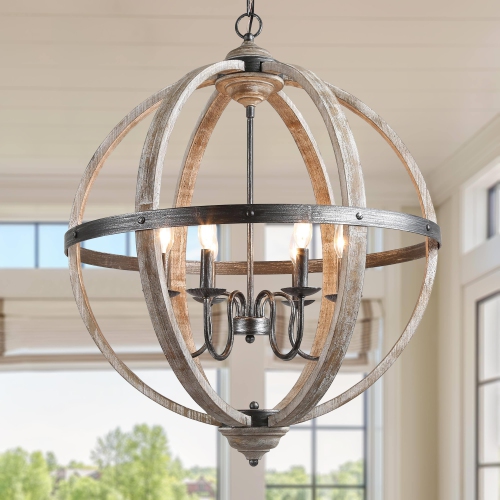
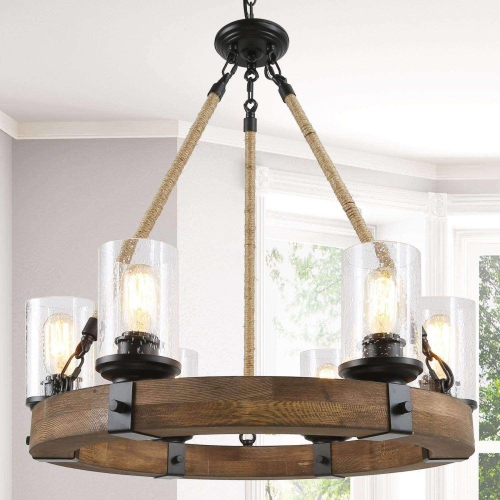
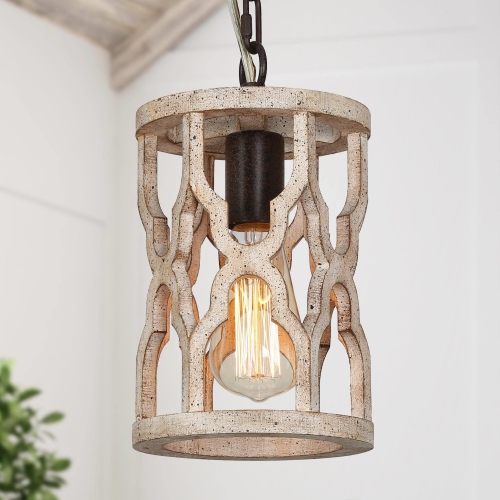
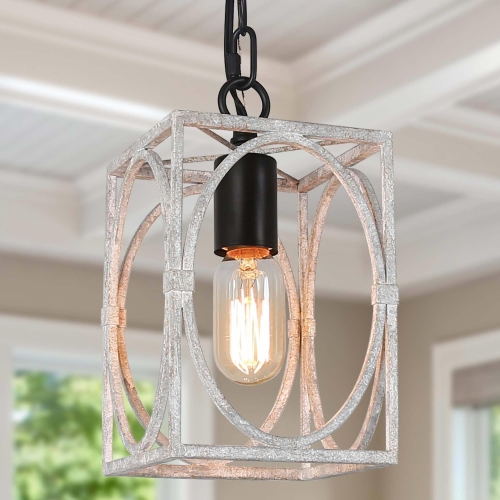
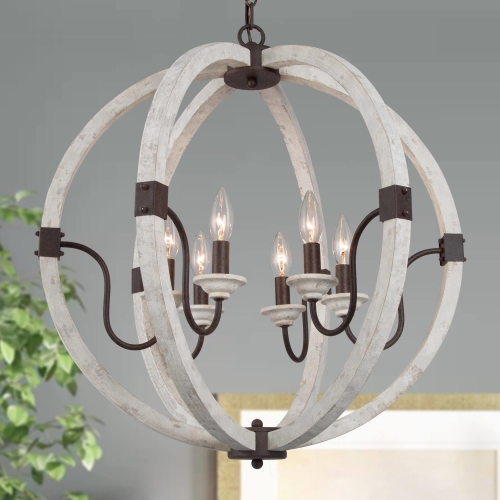
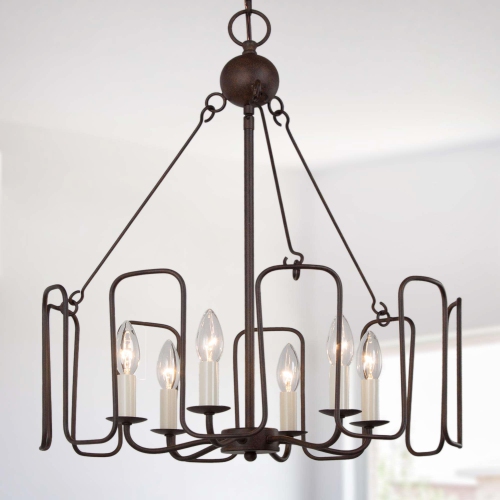
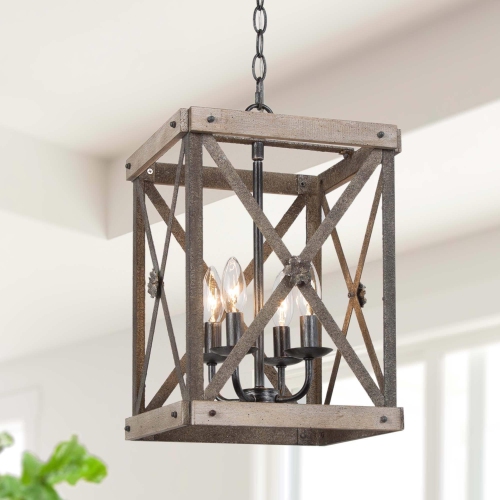
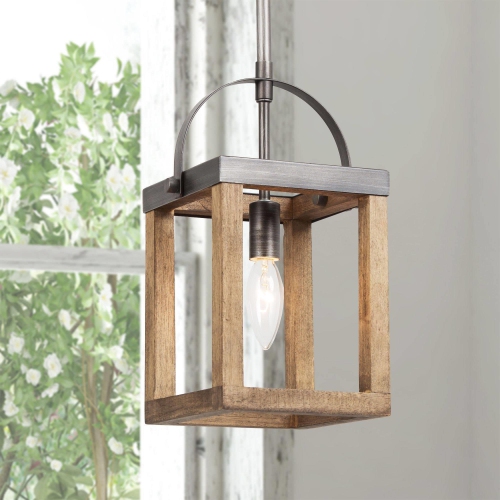
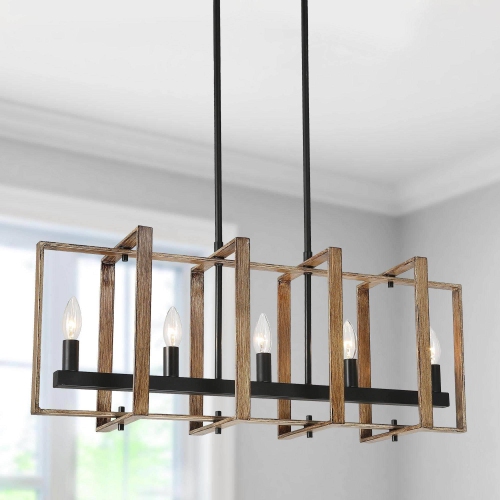
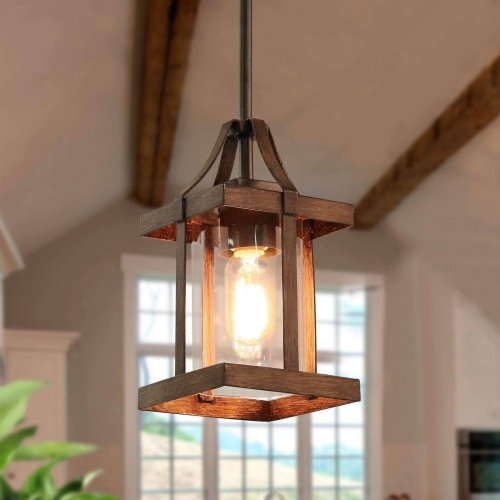

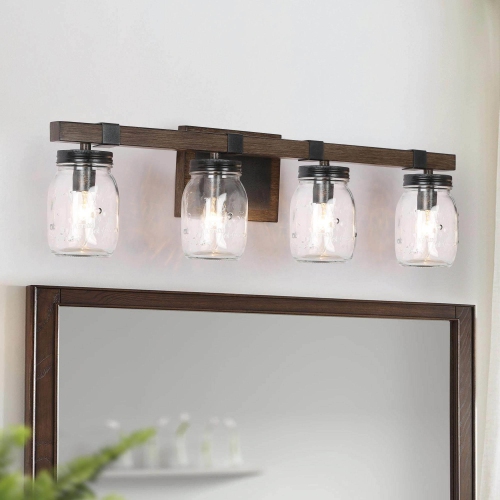
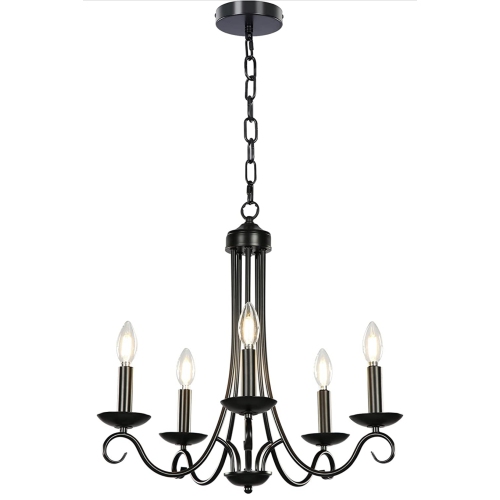
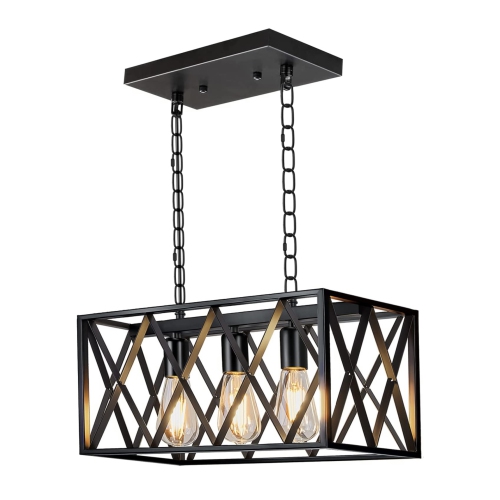
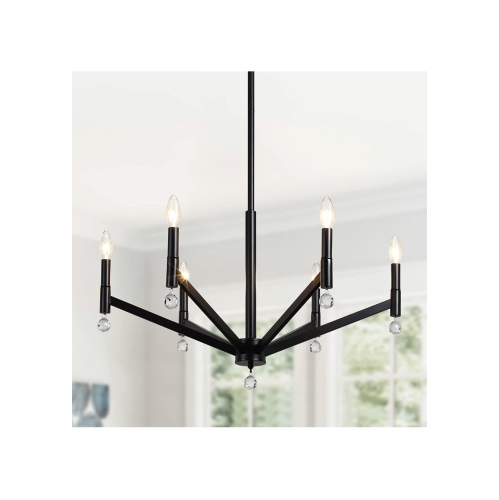
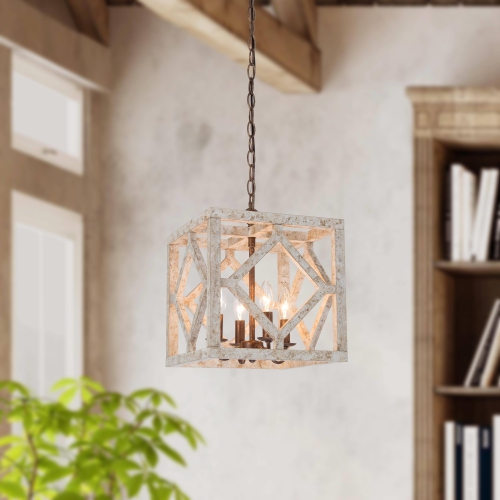
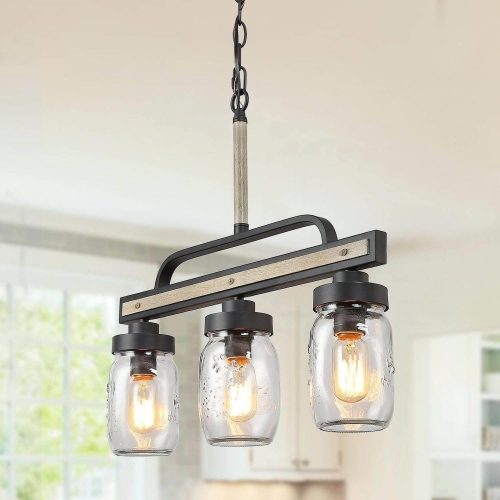
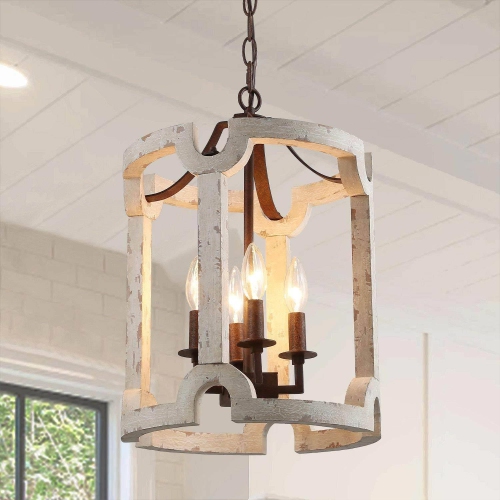
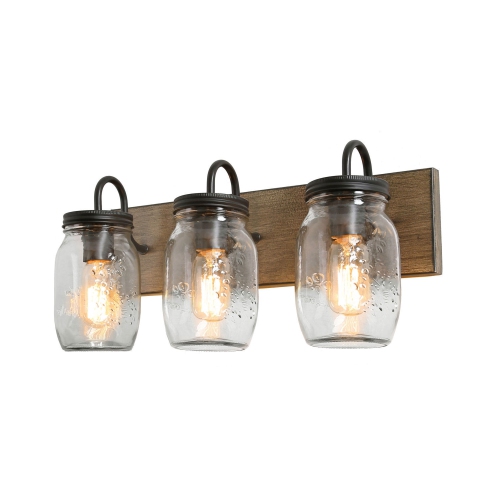
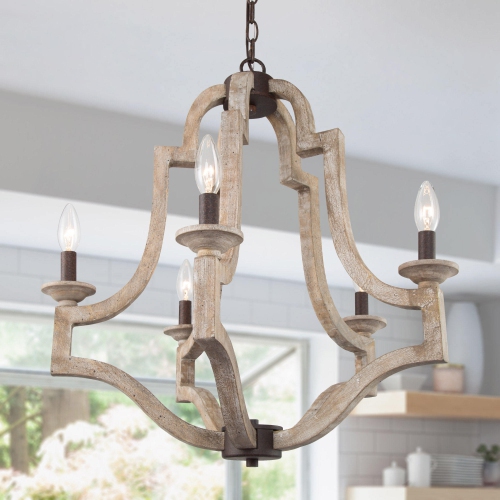
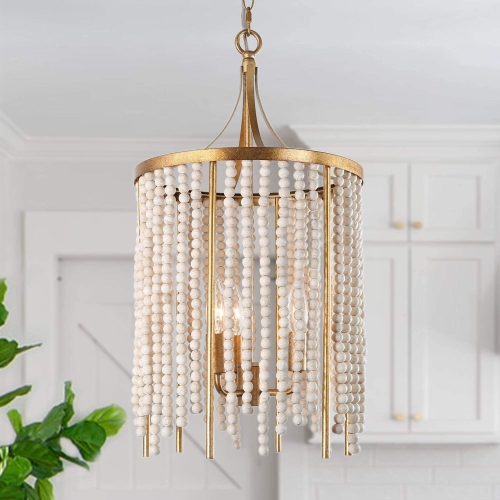
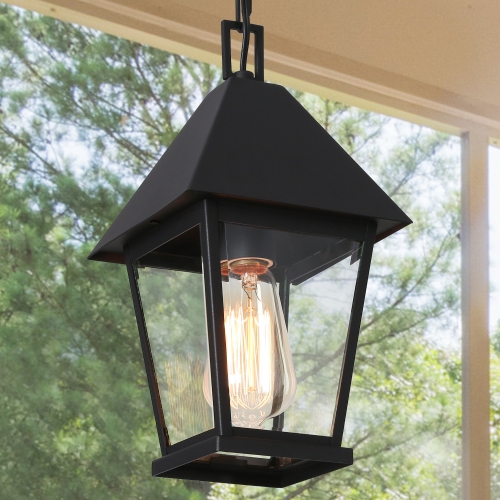
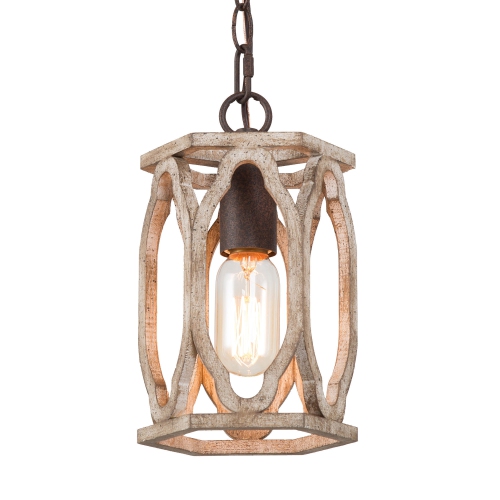
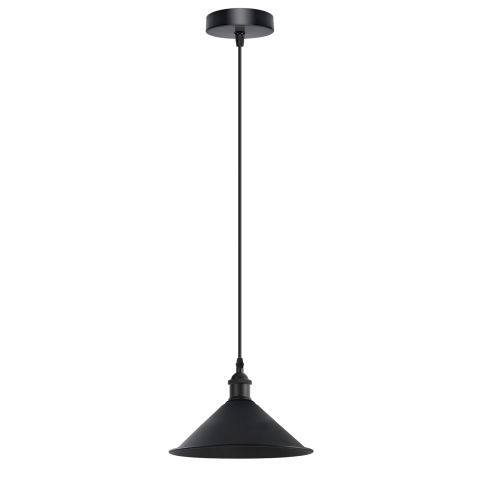
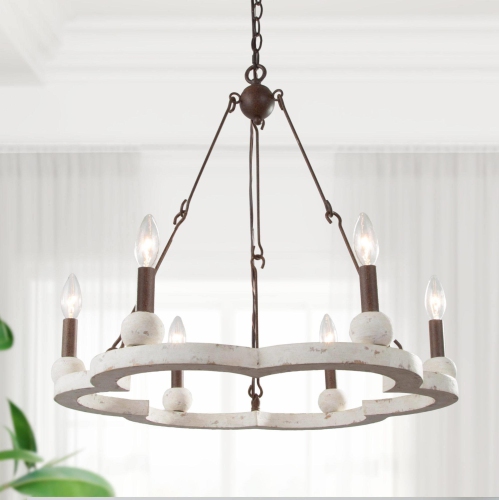
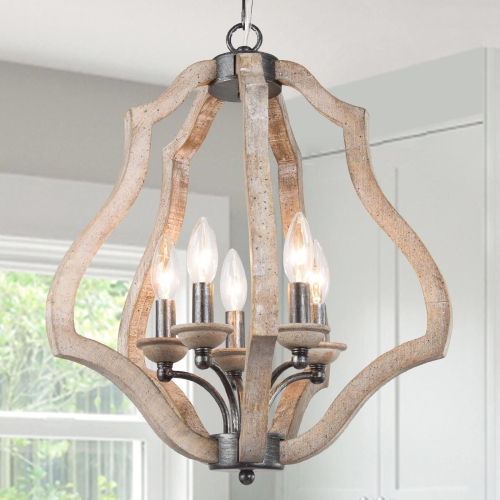
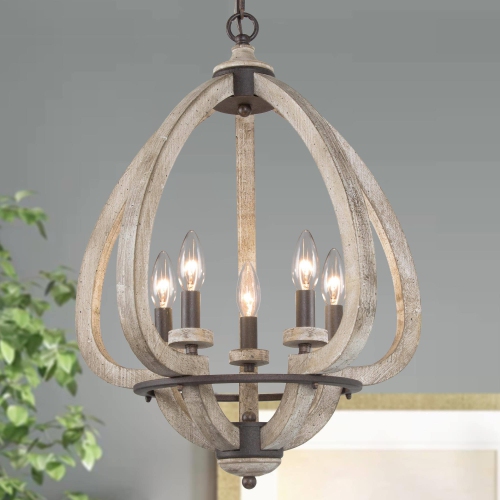
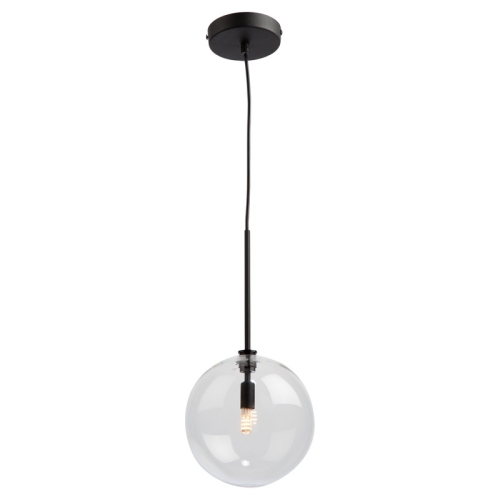
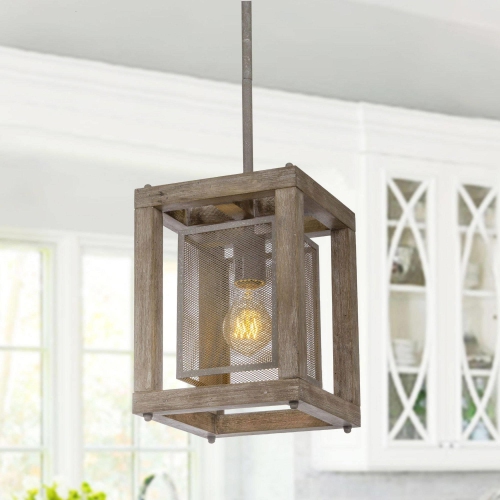

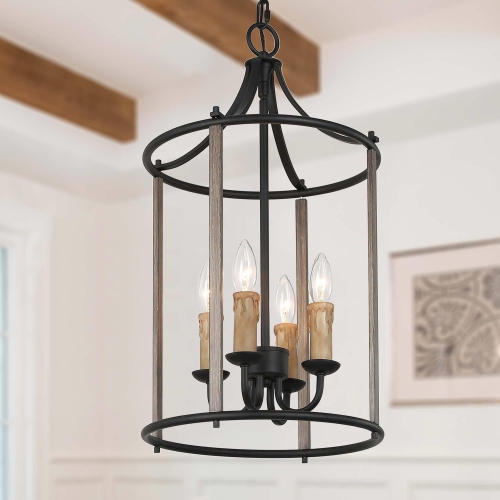
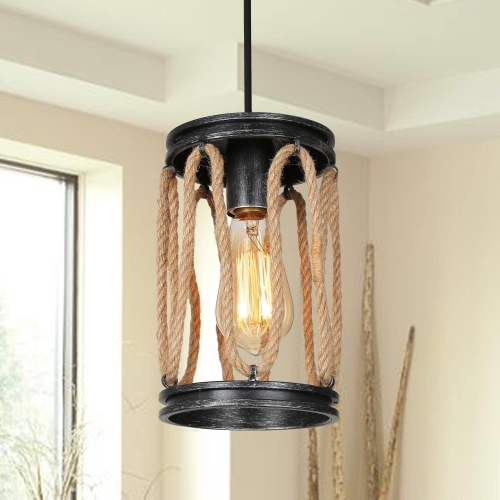
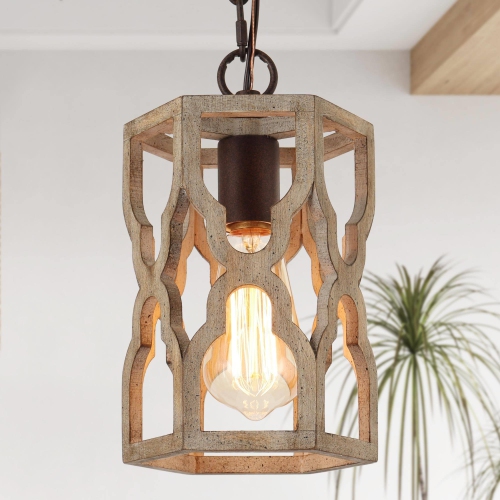
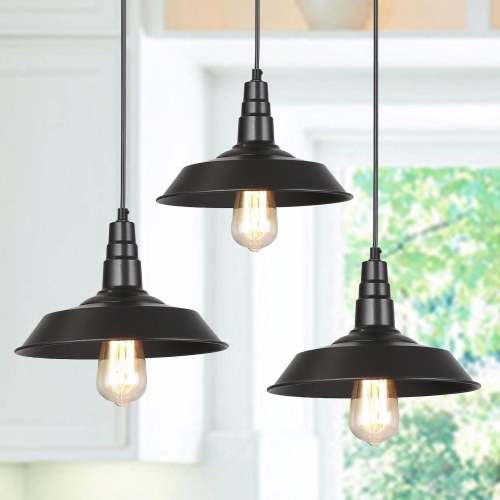
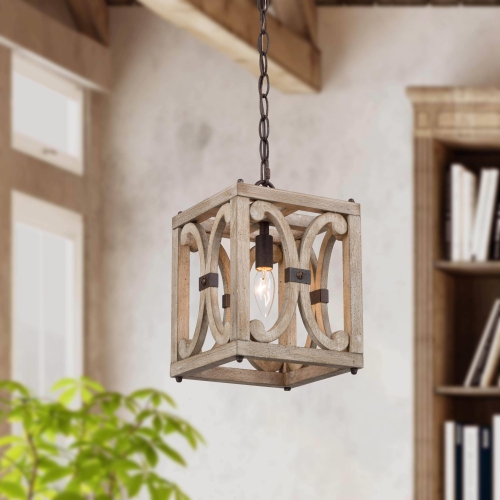
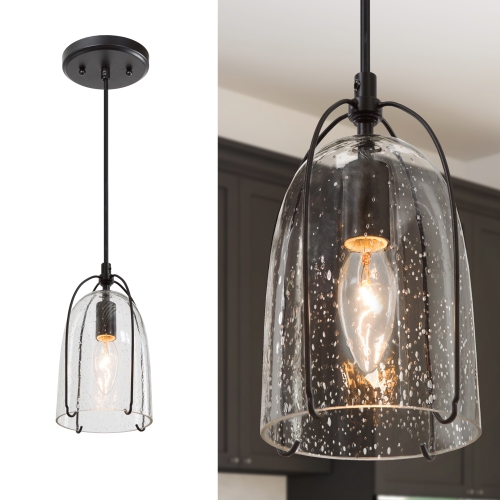
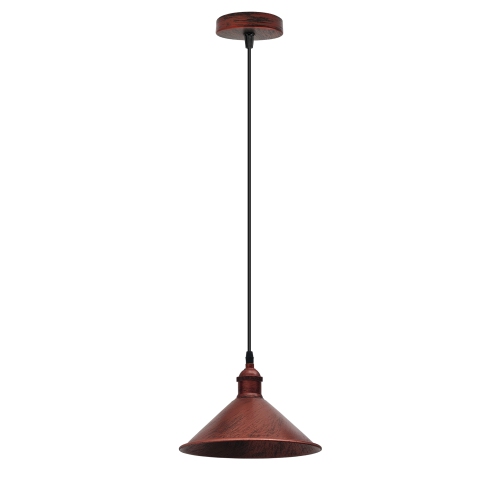
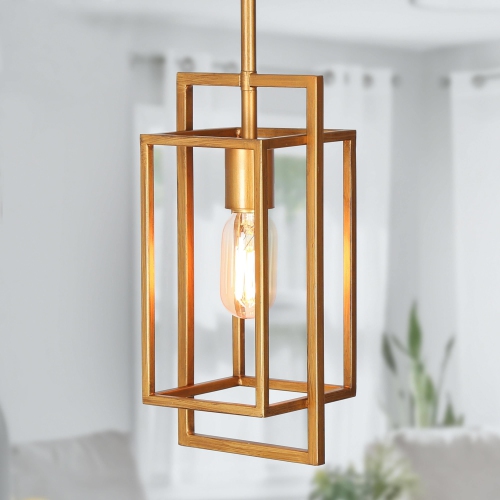

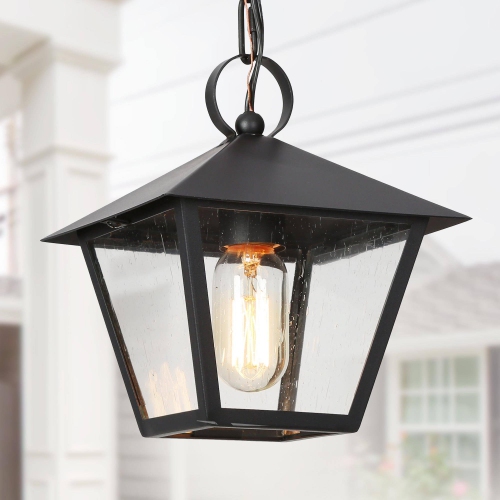
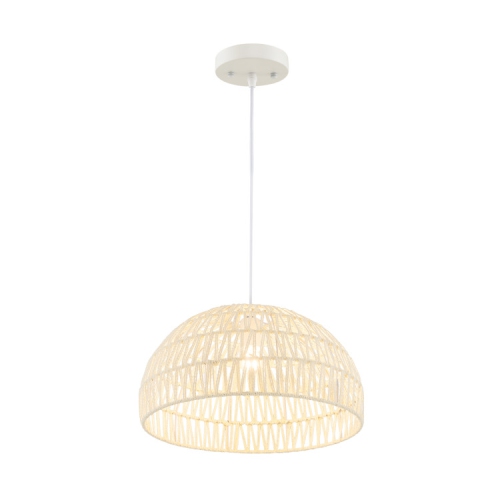
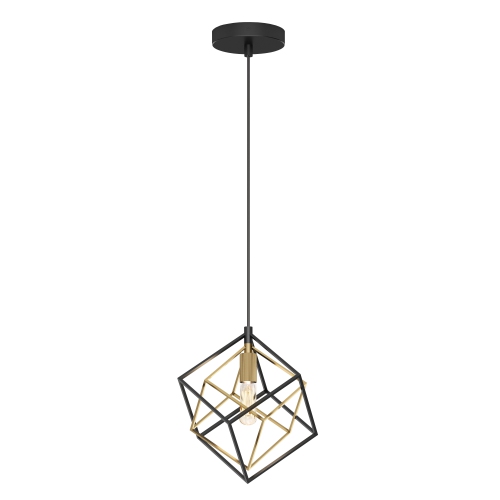
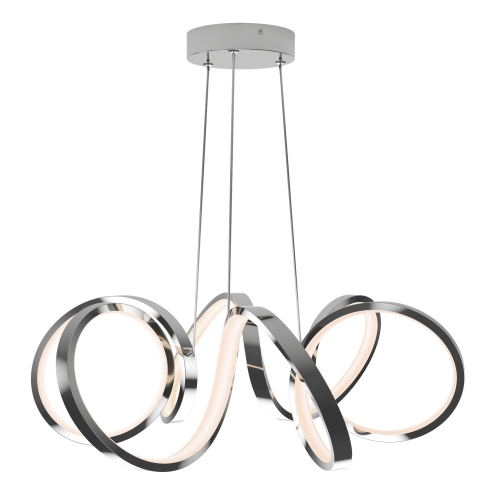
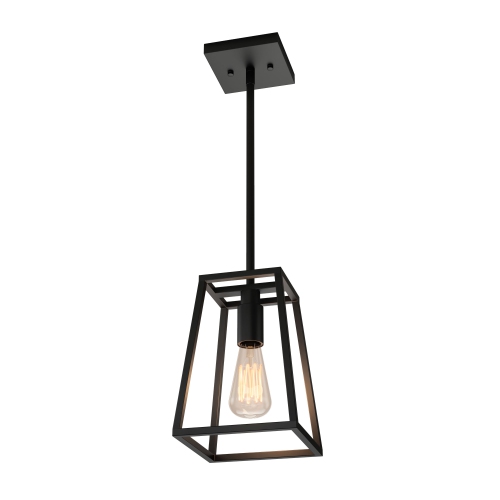
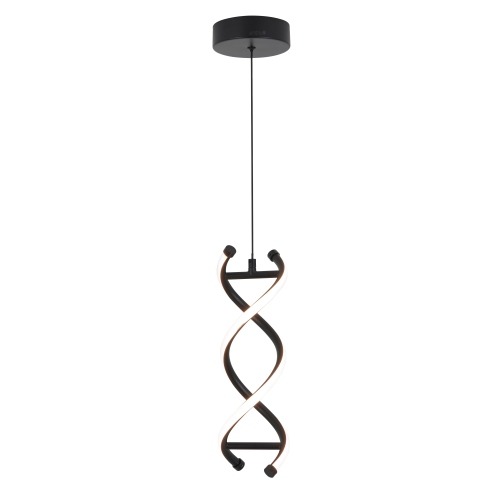
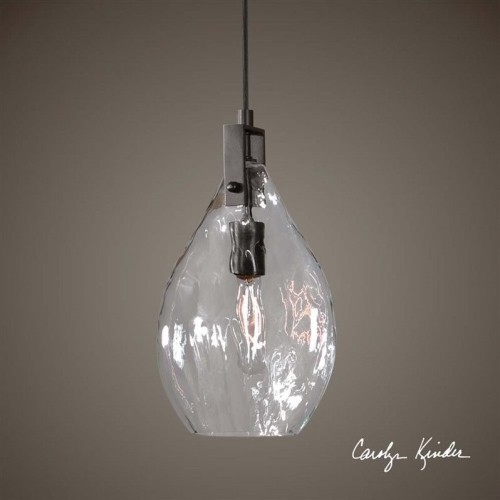

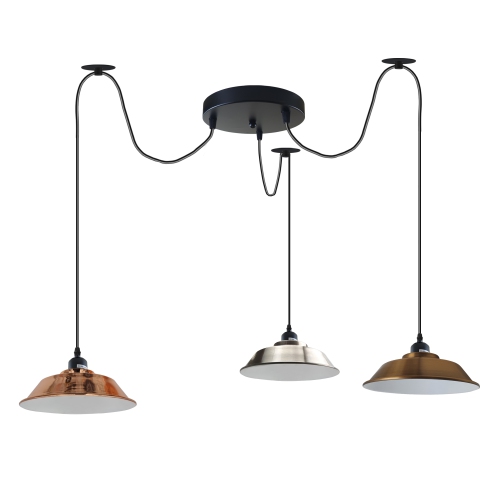
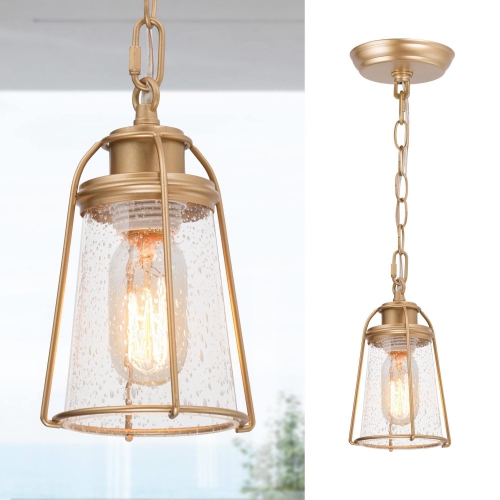
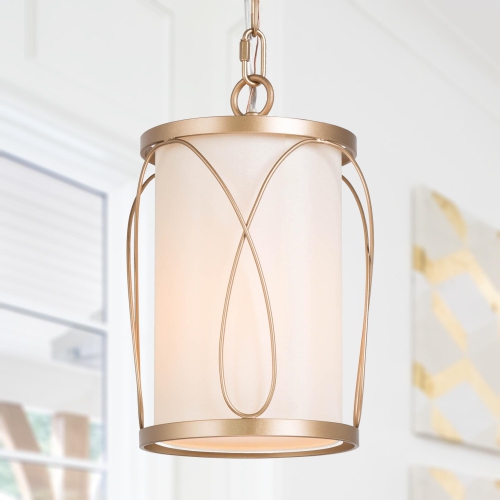
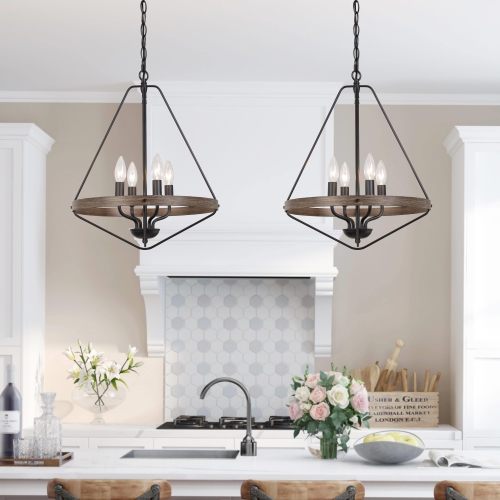
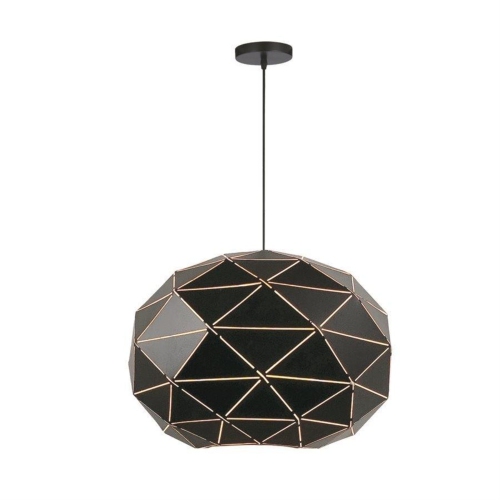
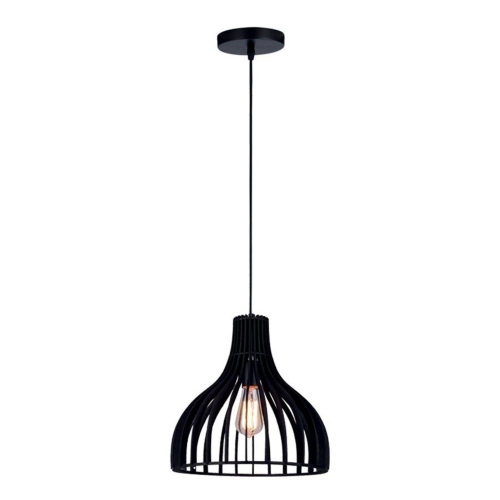
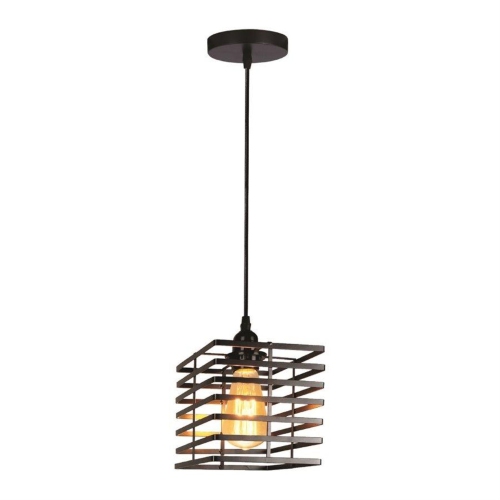
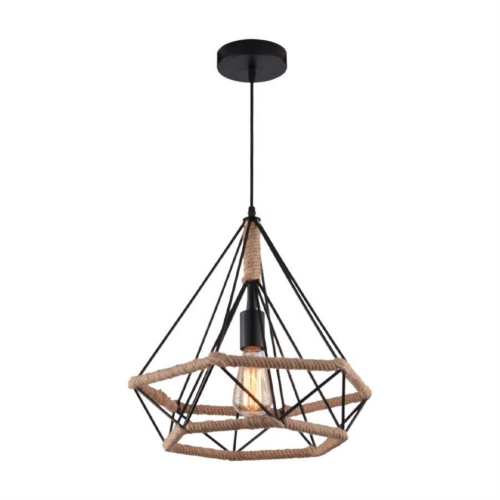
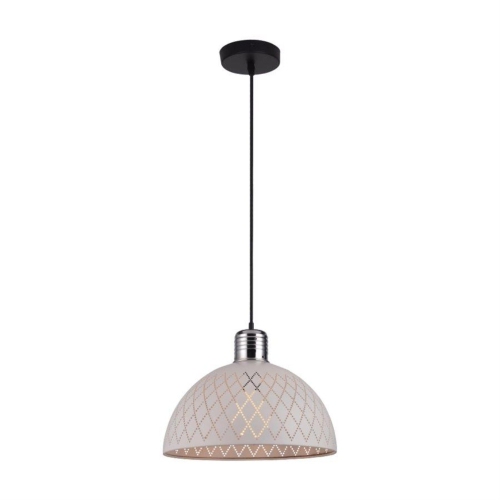
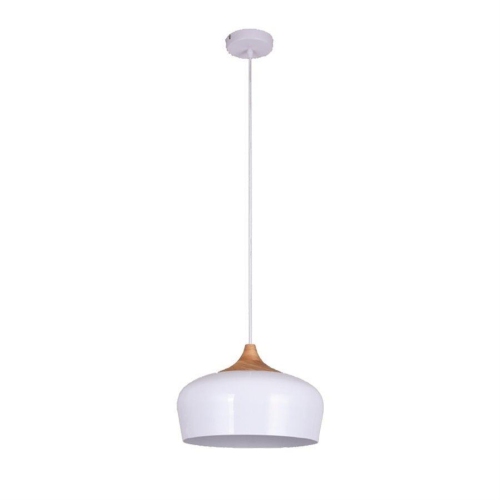
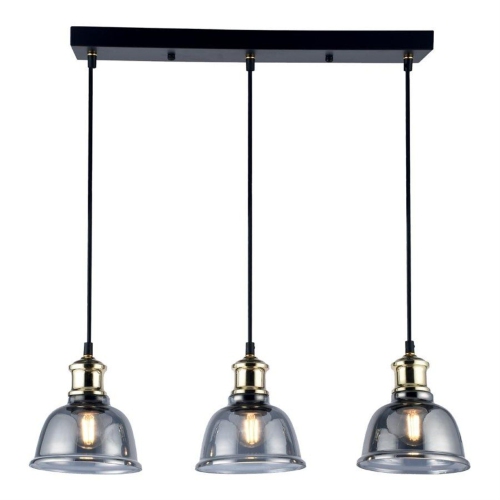
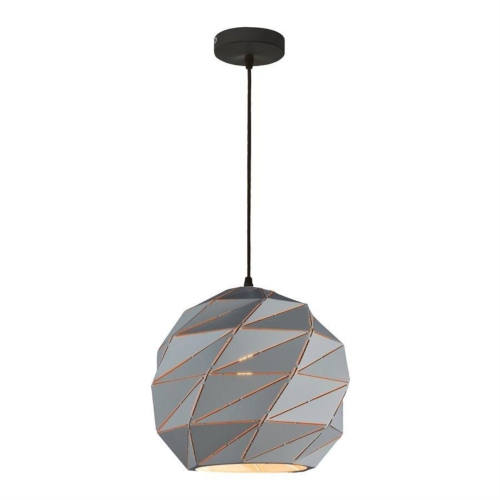
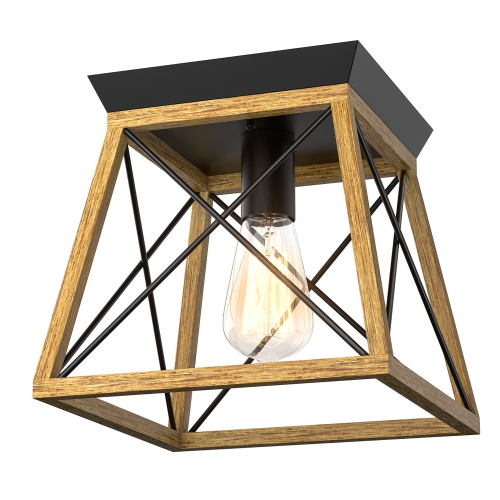
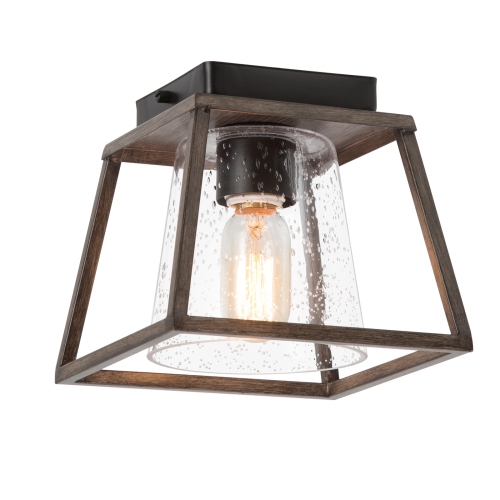
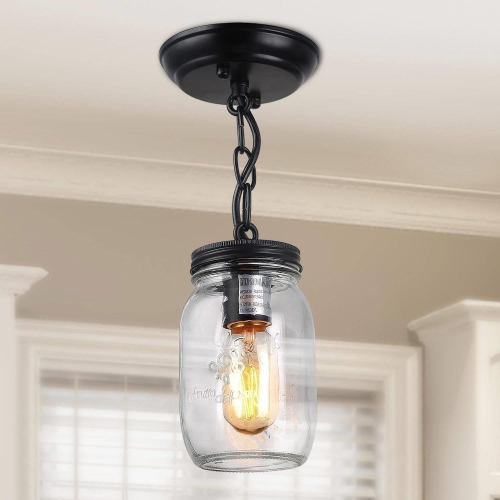
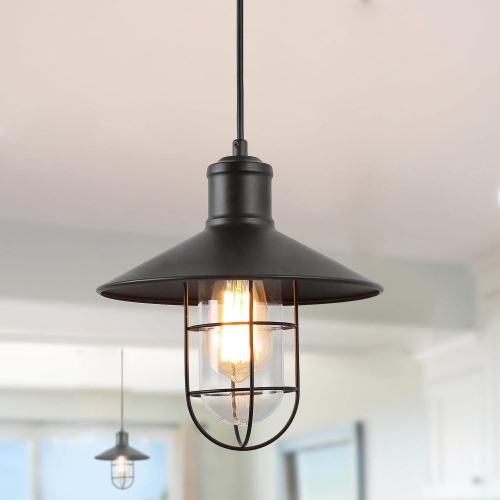
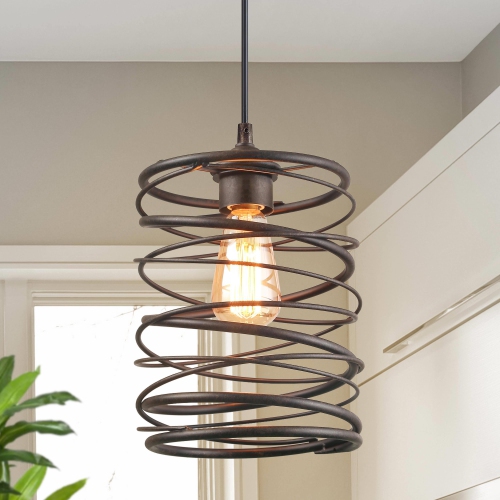
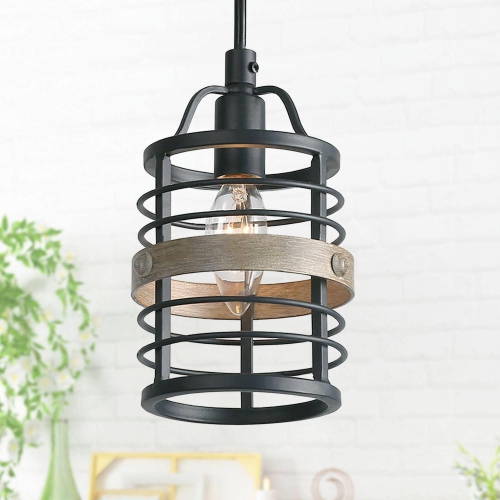
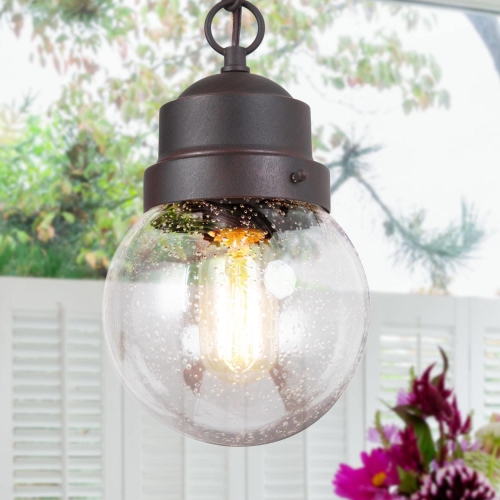
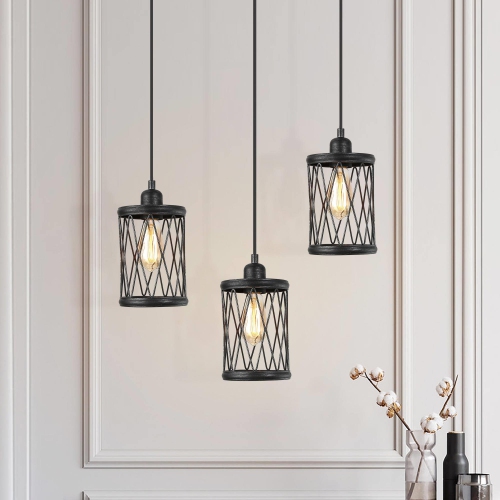
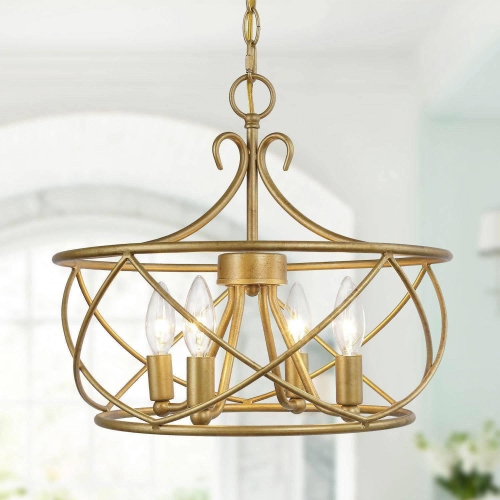

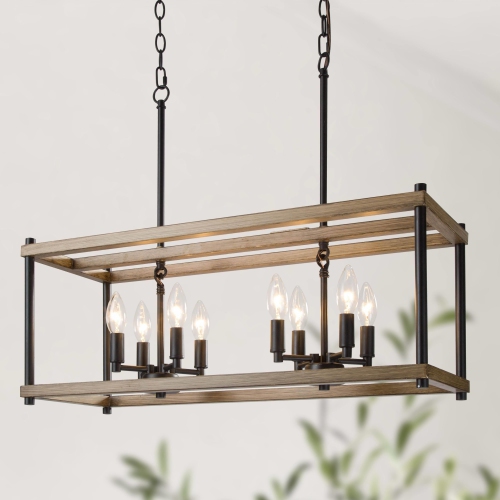
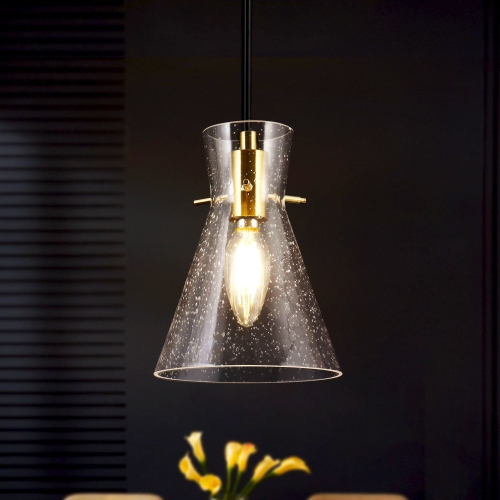
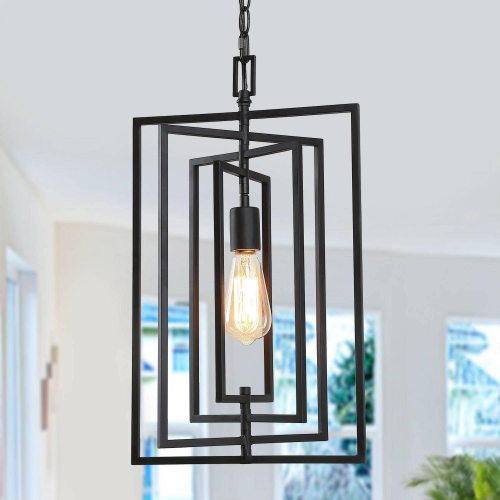
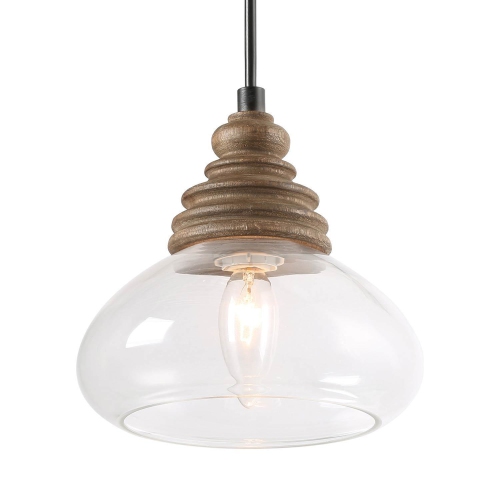

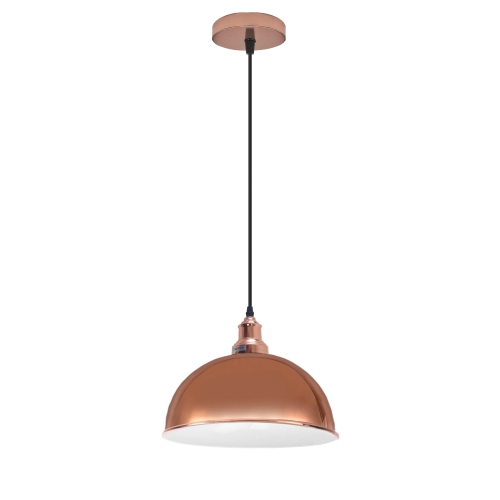
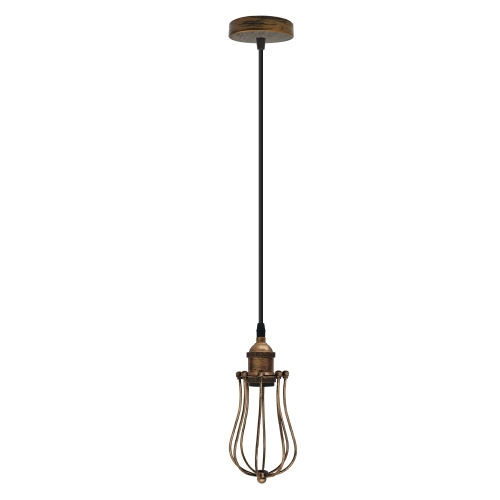
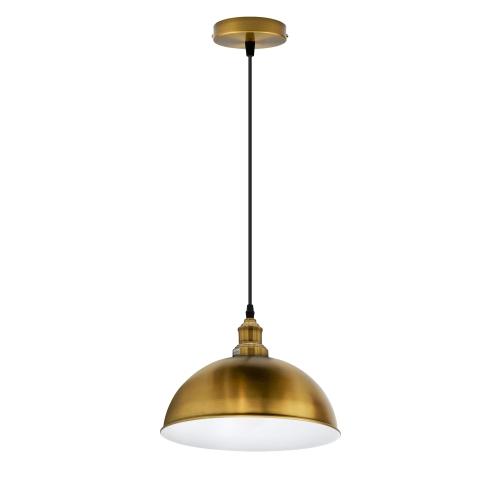
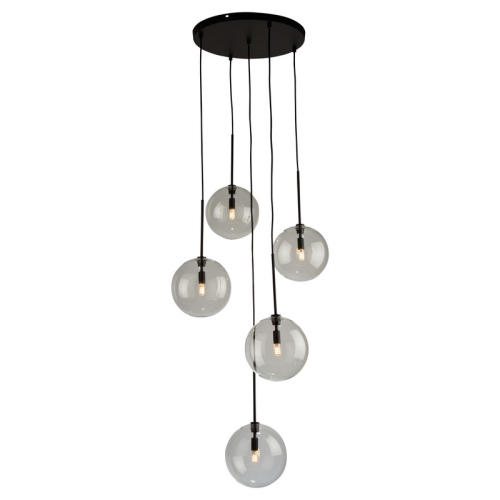
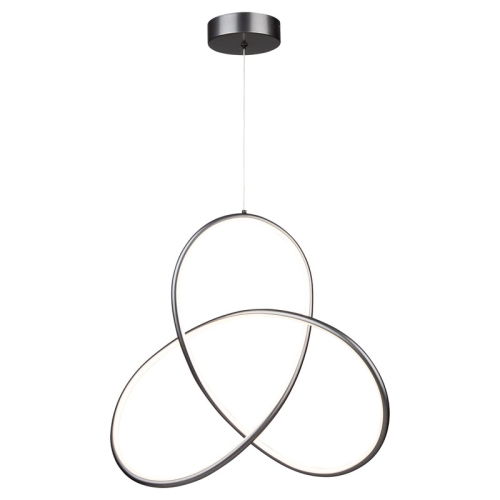
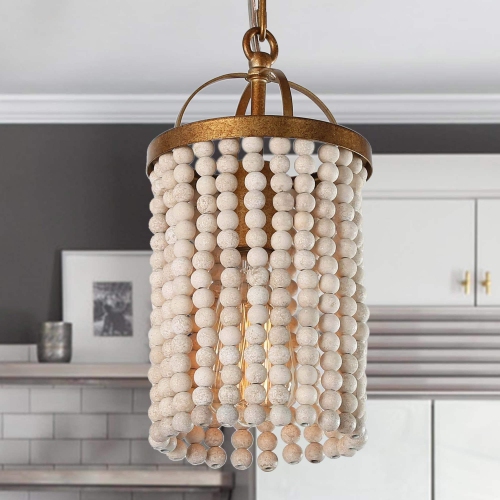
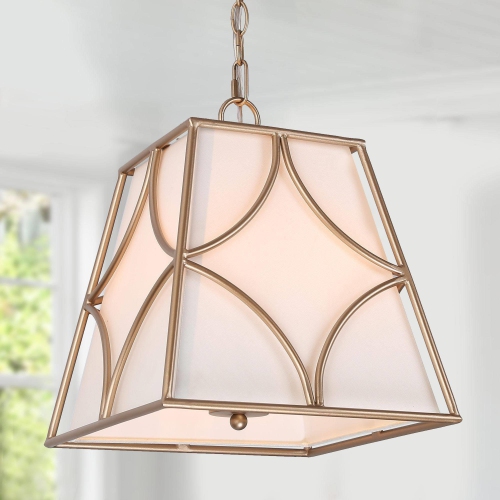
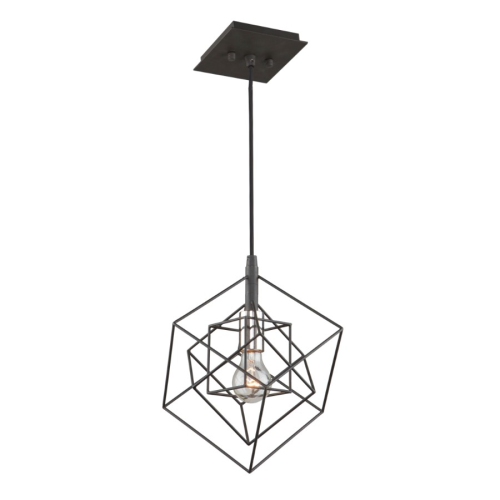
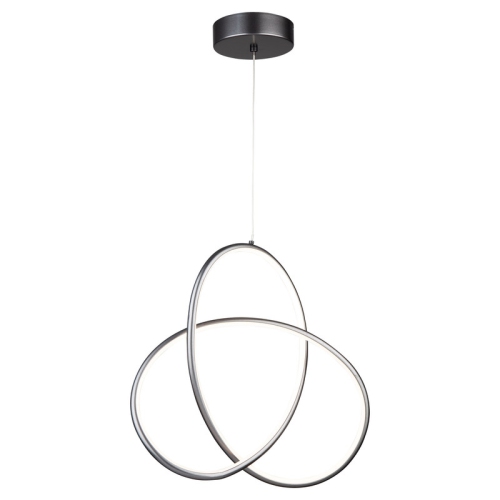
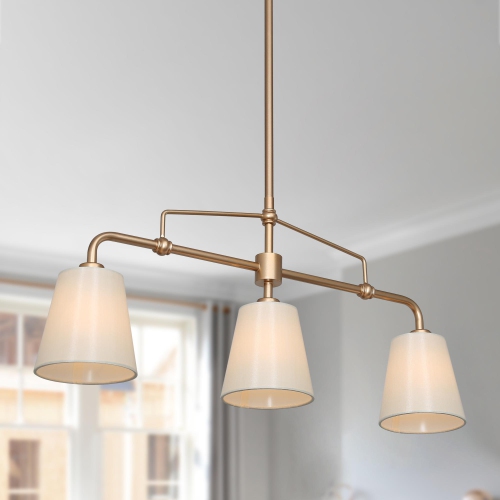
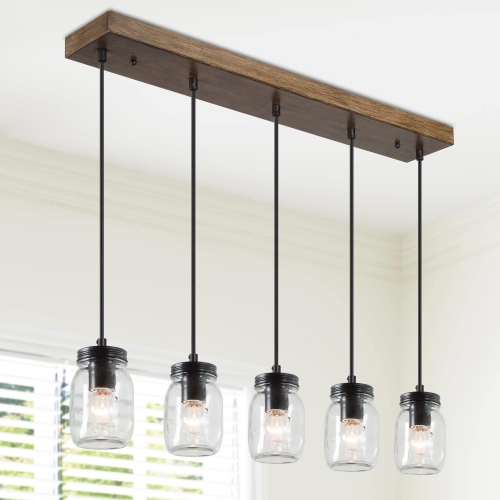
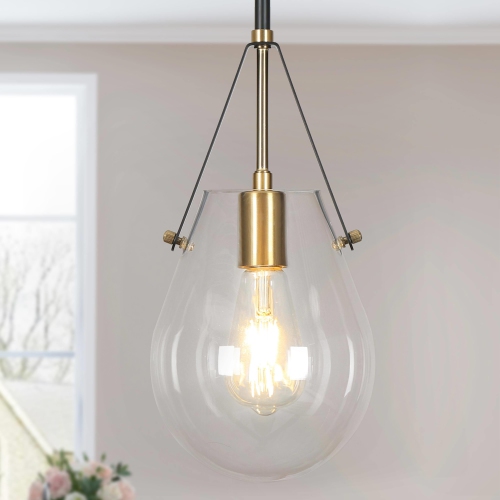
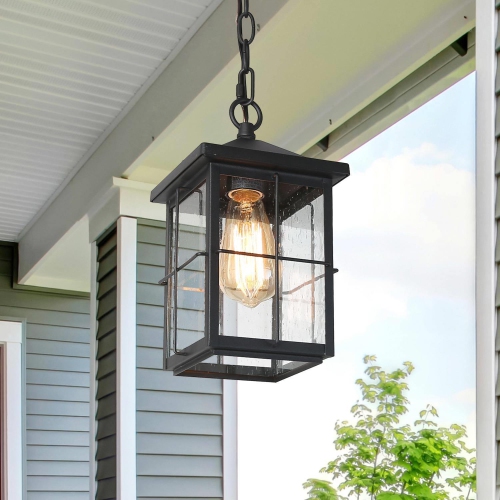
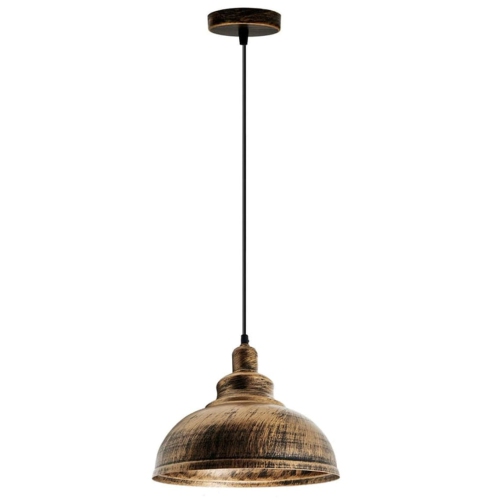
Wood grain and aged finishes add warmth overhead
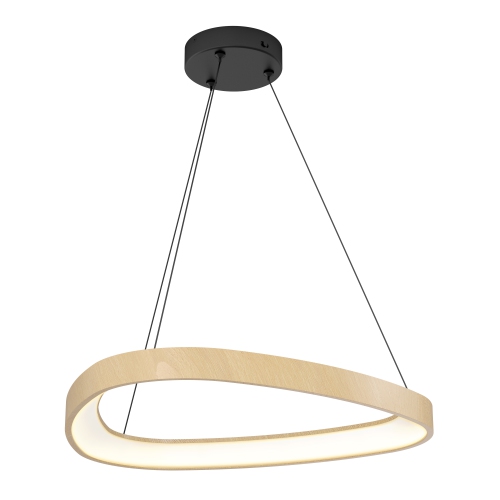
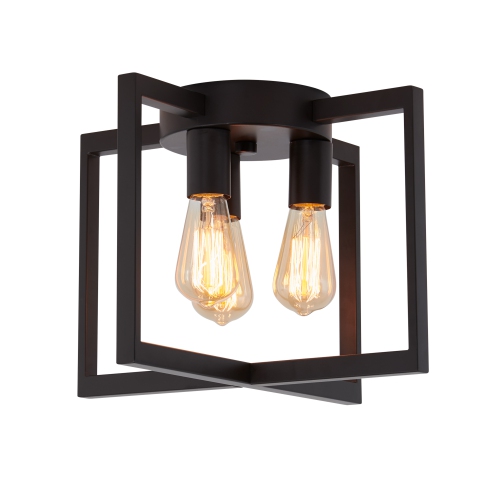
Rustic pendant lights bring texture and a sense of warmth to rooms that might otherwise feel defined by smooth counters, flat cabinetry, and clean architectural lines. Suspended above a dining table, kitchen island, or entryway, they create a focal point while keeping the floor and surrounding surfaces clear. The rustic look draws much of its character from familiar materials: wood with visible grain, metal with a brushed or aged finish, and glass that softens or reveals the bulb within. Some designs lean towards a country cottage feel, with turned details and lantern-like frames, while others pair dark metal cages with simple wooden accents for a more industrial appearance. A restrained silhouette can sit comfortably in a modern home, adding contrast without making the room feel heavily themed. In a cabin or a home with exposed beams, a more substantial fixture can echo the architecture and feel like a natural part of the space. Finish matters as much as shape. Dark bronze tones can complement warm wood cabinetry, matte black can connect with window frames or cabinet pulls, and lighter wood accents can keep a smaller room from feeling visually crowded. Seeded or textured glass introduces subtle variation when the light is on, while clear glass gives the bulb a more visible role in the overall design. These details make rustic pendants suitable for a range of interiors, from an open-plan family kitchen to a quiet reading corner with a side table. For a closely related look, Farmhouse Pendant Lights offer another way to explore familiar country-inspired forms. The distinction is often in the details: rustic designs tend to highlight rugged texture and aged finishes, while farmhouse styling can feel lighter and more tailored, though the two frequently overlap. Neither approach requires every furnishing to match; repeating one finish or material elsewhere in the room is often enough to create a thoughtful connection.
The best fit depends on both the dimensions of the room and what happens beneath the light. Over a kitchen island, a row of smaller rustic pendant lights can define individual work areas and create a steady visual rhythm. A larger pendant or a linear arrangement can suit a long dining table, bringing the lighting into proportion with the furniture rather than leaving a small shade adrift overhead. Width is only part of that balance. An open metal frame can have a generous footprint without blocking much of the view, while a solid shade of the same size can feel more substantial. This becomes especially noticeable in an open-plan space, where pendants may sit between the kitchen and living area. Hanging height should preserve sightlines across the room, leave comfortable clearance, and place useful light on the surface below. An adjustable chain, cord, or downrod can help accommodate different ceiling heights, but the permitted adjustment range varies by fixture. Sloped ceilings also call for a compatible canopy or mounting arrangement rather than an assumption that any pendant will hang correctly. In an entryway or other walking route, headroom and door clearance deserve particular attention. Above a table, the fixture can sit lower because the furniture keeps people from walking directly beneath it, provided it does not interrupt conversation or shine into seated guests’ eyes. Shade construction influences intended use, too. An opaque metal shade directs much of its light downwards, making it useful over a counter or small table. Glass shades and open frames usually spread more light into the surrounding area, though exposed bulbs can cause glare from certain angles. Pendants work particularly well as one layer of a room’s lighting, alongside ceiling lights, under-cabinet lighting, or lamps. That combination supports everything from preparing dinner to a relaxed evening at the table, without asking a single overhead fixture to do every job.
Bulb choice helps determine whether a rustic pendant feels inviting or harsh once installed. Warm-white light, often around 2700 K to 3000 K, tends to complement wood grain, amber glass, and brown or bronze finishes. A cooler light can change how those same materials appear, so matching colour temperature across neighbouring fixtures helps an open space feel consistent. Where the bulb is visible, its shape and finish are part of the appearance: clear filament-style bulbs emphasize the exposed-light look, while frosted bulbs can soften the brightness of the light source. Socket type, bulb dimensions, and the fixture’s maximum permitted wattage all need to match the manufacturer’s requirements. Brightness is measured in lumens, so wattage alone is not a reliable way to compare how much light different bulbs provide. Dimming can make a dining area more flexible, but the bulb, fixture, and dimmer must be compatible; an integrated LED pendant also needs to be identified as dimmable if that feature matters. Practical upkeep is worth considering alongside appearance. Open frames and simple shades are generally easier to reach for dusting, while detailed cages, grooves, and textured glass take more attention. With the power off and the fixture cool, a soft cloth is a useful starting point for routine cleaning, followed by any material-specific directions supplied by the manufacturer. Abrasive cleaners can damage finishes, and wood accents should not be soaked. In a kitchen, a pendant positioned away from heavy steam and cooking splatter will usually be easier to keep clean. Durability depends on sound construction, secure fittings, and a finish suited to the setting, not simply on a fixture’s distressed appearance. Bathrooms, covered outdoor areas, and other moisture-prone locations require the appropriate location rating. For hardwired lighting, installation by a qualified electrician helps address mounting, wiring, and local electrical requirements. With those practical details settled, rustic pendant lights can provide a lasting focal point for everyday meals, busy mornings, and quiet evenings during the cooler months.
The best fit depends on both the dimensions of the room and what happens beneath the light. Over a kitchen island, a row of smaller rustic pendant lights can define individual work areas and create a steady visual rhythm. A larger pendant or a linear arrangement can suit a long dining table, bringing the lighting into proportion with the furniture rather than leaving a small shade adrift overhead. Width is only part of that balance. An open metal frame can have a generous footprint without blocking much of the view, while a solid shade of the same size can feel more substantial. This becomes especially noticeable in an open-plan space, where pendants may sit between the kitchen and living area. Hanging height should preserve sightlines across the room, leave comfortable clearance, and place useful light on the surface below. An adjustable chain, cord, or downrod can help accommodate different ceiling heights, but the permitted adjustment range varies by fixture. Sloped ceilings also call for a compatible canopy or mounting arrangement rather than an assumption that any pendant will hang correctly. In an entryway or other walking route, headroom and door clearance deserve particular attention. Above a table, the fixture can sit lower because the furniture keeps people from walking directly beneath it, provided it does not interrupt conversation or shine into seated guests’ eyes. Shade construction influences intended use, too. An opaque metal shade directs much of its light downwards, making it useful over a counter or small table. Glass shades and open frames usually spread more light into the surrounding area, though exposed bulbs can cause glare from certain angles. Pendants work particularly well as one layer of a room’s lighting, alongside ceiling lights, under-cabinet lighting, or lamps. That combination supports everything from preparing dinner to a relaxed evening at the table, without asking a single overhead fixture to do every job.
Bulb choice helps determine whether a rustic pendant feels inviting or harsh once installed. Warm-white light, often around 2700 K to 3000 K, tends to complement wood grain, amber glass, and brown or bronze finishes. A cooler light can change how those same materials appear, so matching colour temperature across neighbouring fixtures helps an open space feel consistent. Where the bulb is visible, its shape and finish are part of the appearance: clear filament-style bulbs emphasize the exposed-light look, while frosted bulbs can soften the brightness of the light source. Socket type, bulb dimensions, and the fixture’s maximum permitted wattage all need to match the manufacturer’s requirements. Brightness is measured in lumens, so wattage alone is not a reliable way to compare how much light different bulbs provide. Dimming can make a dining area more flexible, but the bulb, fixture, and dimmer must be compatible; an integrated LED pendant also needs to be identified as dimmable if that feature matters. Practical upkeep is worth considering alongside appearance. Open frames and simple shades are generally easier to reach for dusting, while detailed cages, grooves, and textured glass take more attention. With the power off and the fixture cool, a soft cloth is a useful starting point for routine cleaning, followed by any material-specific directions supplied by the manufacturer. Abrasive cleaners can damage finishes, and wood accents should not be soaked. In a kitchen, a pendant positioned away from heavy steam and cooking splatter will usually be easier to keep clean. Durability depends on sound construction, secure fittings, and a finish suited to the setting, not simply on a fixture’s distressed appearance. Bathrooms, covered outdoor areas, and other moisture-prone locations require the appropriate location rating. For hardwired lighting, installation by a qualified electrician helps address mounting, wiring, and local electrical requirements. With those practical details settled, rustic pendant lights can provide a lasting focal point for everyday meals, busy mornings, and quiet evenings during the cooler months.
Top selling and popular products
-
 Your price for this item is $49.95
 -
 Your price for this item is $386.99
 -
 Your price for this item is $187.99
 -
 Your price for this item is $287.99
 -
 Your price for this item is $161.99
 -
 Your price for this item is $299
 -
 Your price for this item is $177.99
 -
 Your price for this item is $166.99
Discover more categories related to Rustic Pendant Lights
Top Collections:
Pokemon Centers, Budget 4K TVs, Best Budget Office Chairs, Kindle Devices, Canon G7X Cameras, Apple iPhones 16, iPhone 15 Apple, Laptops for Business Work, Xiaomi Phones, Flip Phones
Some products may be subject to Environmental Handling Fees
(EHF) depending on your province.
Learn more about EHFs.