Salle a Manger Moderne
Transform your home with a Salle a Manger Moderne that brings contemporary flair and inviting style to every meal. Whether you’re hosting family gatherings or enjoying quiet dinners, a modern dining room creates the perfect setting for memorable moments. Explore a curated selection of furnishings and accents designed to complement any décor, making it easy to achieve a sleek, sophisticated look in your dining space. Elevate everyday dining with pieces that blend comfort and elegance in your Salle a Manger Moderne.
Sort
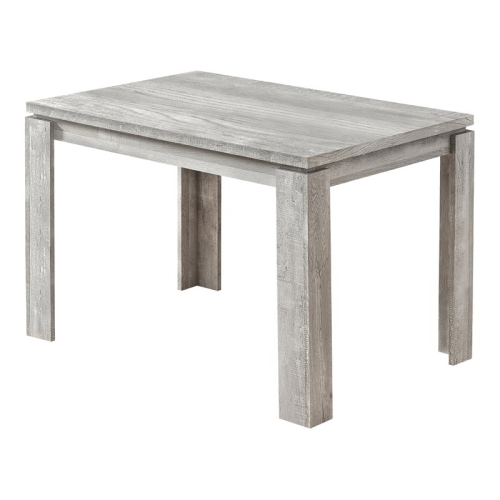
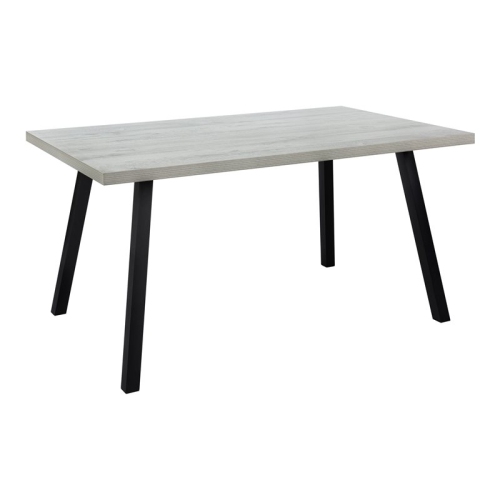
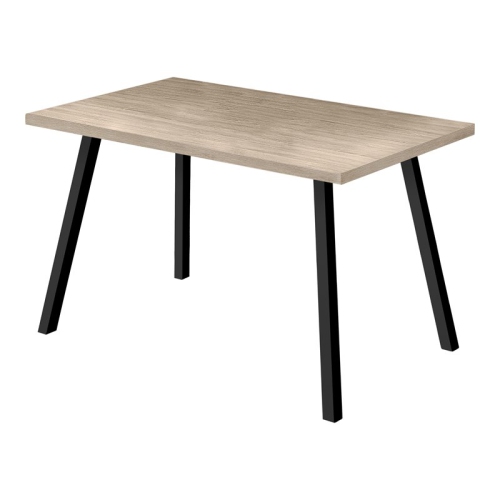
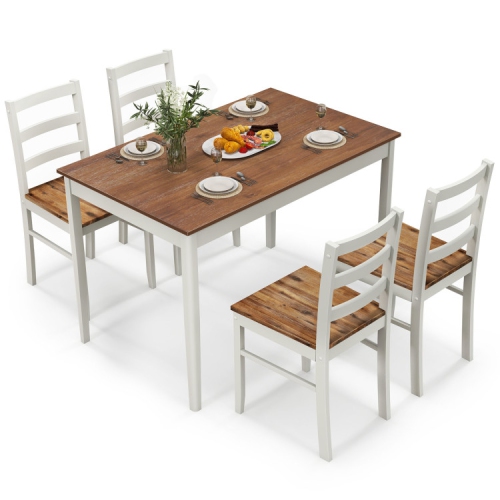
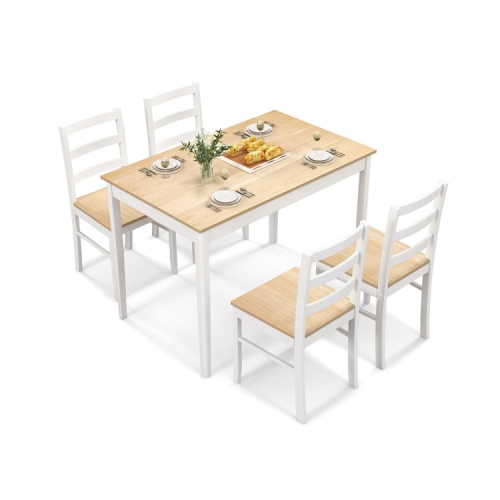
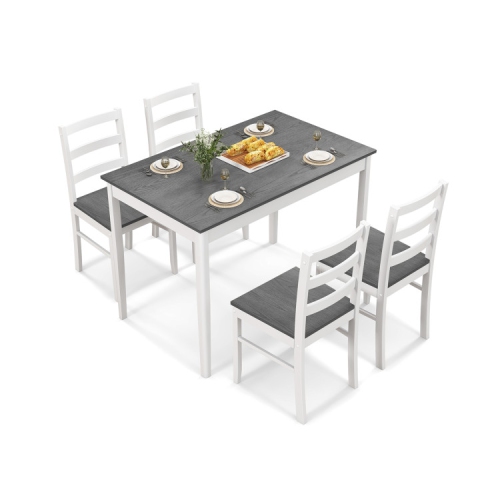
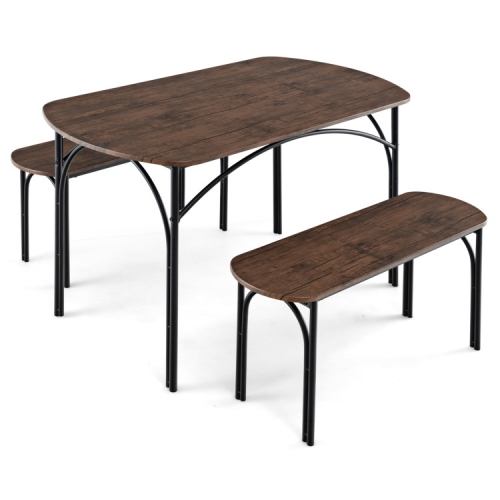
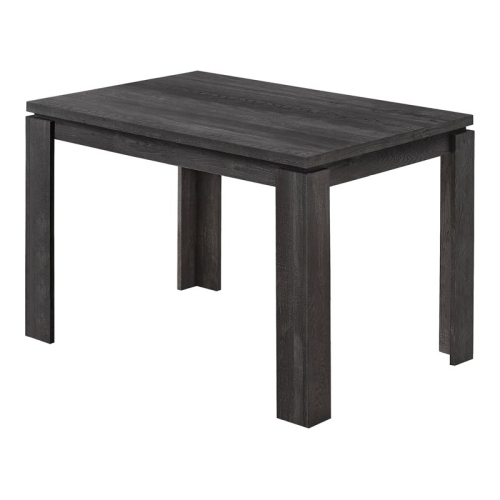
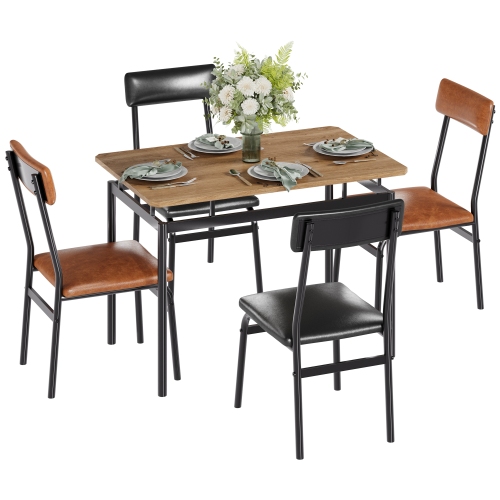
Clean lines with room for conversation and comfort
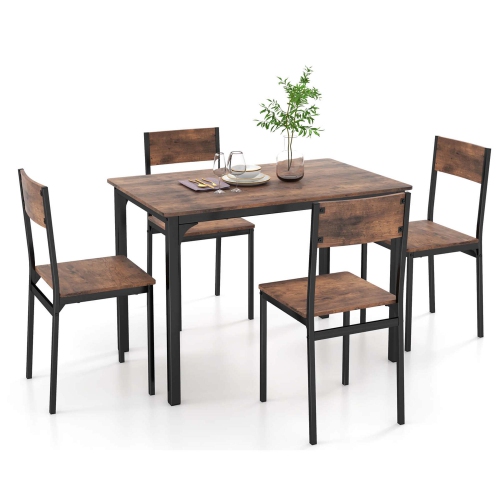
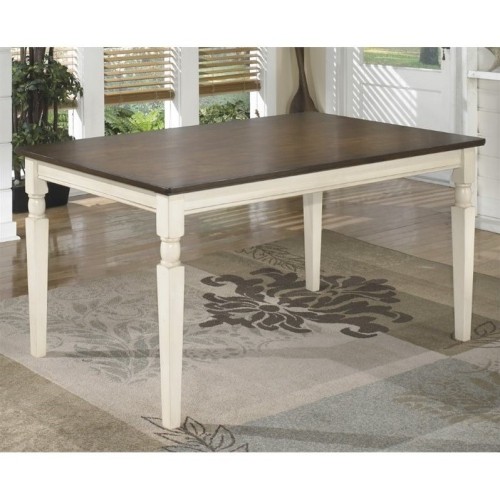
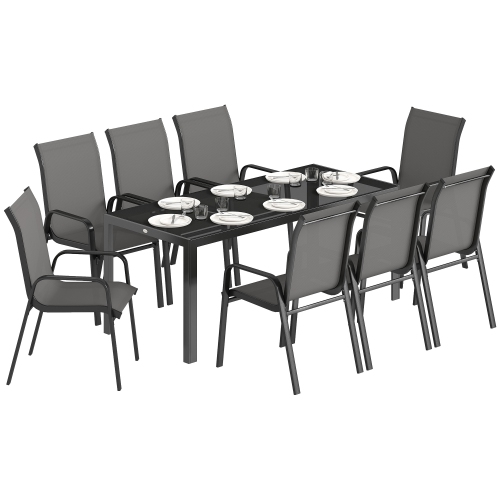
A modern dining room brings together clean lines, comfortable seating, and furniture that makes everyday meals feel as considered as special gatherings. The look is defined less by a single colour or material than by balanced proportions, uncluttered surfaces, and a layout that leaves room for conversation and movement. Modern dining room furniture can feel warm and inviting, with natural wood grain, softly curved chair backs, and textured upholstery offsetting the crisp edges of glass or metal. A pale wood table with neutral seating creates a relaxed setting, while darker finishes and sculptural bases give the space a more pronounced architectural character. At the centre of the arrangement, dining tables establish both the visual focus and the way the room functions. Round tops lend themselves to conversation and can soften the angles of a compact dining nook. Rectangular tables often suit longer rooms and shared living spaces, while oval shapes offer an elongated surface with gentler corners. Square tables can create a balanced arrangement in similarly proportioned rooms, particularly for smaller households. Extendable designs add flexibility for people whose dining needs change between quiet weekday suppers and meals with visiting family. Their usefulness depends on more than the expanded tabletop: the room also needs space for extra chairs and a clear route around seated guests. In a condo, a slim frame or open base can help maintain a lighter visual footprint without making the dining area feel separate from the rest of the home. In a larger room, a substantial table can anchor the space and give surrounding furniture a clear point of reference. The most comfortable arrangements account for daily habits, whether that means two people lingering over breakfast, children spreading out homework before dinner, or friends sharing serving dishes during the cooler months. A modern setting can support all of these moments without feeling formal or sparse.
Materials shape the appearance, feel, and long-term care of modern dining furniture. Solid wood brings variation in grain and tone, along with a surface that may develop small marks through regular use. Its response to moisture and changes in indoor humidity makes prompt spill cleanup and sensible placement away from direct heat important. Wood veneer offers a real wood surface over a supporting core, often with a consistent grain pattern; durability depends on the construction, finish, and treatment of exposed edges. Neither material is automatically maintenance-free, and protective pads under serving pieces help limit wear. Tempered glass gives a table an open appearance and allows a distinctive base to remain visible, although fingerprints and smudges tend to show readily. Glass still needs protection from impacts, especially around its edges, and cleaning products should suit the manufacturer's recommendations. Ceramic tabletops can offer a crisp, contemporary finish, but their resistance to heat, staining, and scratching varies by construction, so trivets and placemats remain useful. Natural marble has distinctive veining and a substantial presence, with care requirements that may include sealing and protection from acidic spills. Metal bases introduce slender lines or bold geometric shapes, while their finish affects how easily scuffs and fingerprints show. Seating adds another layer of texture and practicality. Upholstered dining chairs can make longer meals more comfortable, particularly when the seat cushioning and back support suit the person using them. Woven fabrics feel soft and add visual depth, though cleaning methods vary and some textures can hold crumbs. Faux leather often allows straightforward wiping, but harsh cleaners and prolonged direct sunlight may damage certain finishes. Wood or moulded seats offer a firmer feel and fewer upholstered surfaces to maintain. For busy households, securely attached upholstery, stable frames, and well-finished joints matter as much as appearance. Furniture that feels steady when someone sits down, shifts position, or reaches across the table is better suited to the rhythm of daily dining than a design chosen on looks alone.
Fit is what turns an attractive group of dining furniture into a room that feels easy to use. Table dimensions need to work with the chairs, nearby walls, and the paths people take between the kitchen and living area. Around 90 cm of clearance between the table edge and a wall or other furniture is a useful starting point for moving chairs, with more room helpful along a busy walkway or behind occupied seats. Chair width, arm height, and the position of table legs also affect how many people can sit comfortably; a generous tabletop does not necessarily mean every position has unobstructed legroom. Pedestal bases can reduce interference from corner legs, although the size and shape of the base still influence foot space. Armchairs offer support and a more enveloping feel, but they need enough clearance to slide beneath the table if a tucked-in arrangement is important. Benches can create a streamlined edge and may fit underneath a compatible table, though moving in and out is different from using individual chairs. Coordinated dining sets give the room a unified appearance, while a mix of complementary finishes can feel more personal when seat heights and proportions remain compatible. Sideboards and buffets extend the room's usefulness by keeping dishes, table linens, and serving pieces close at hand. Shallow storage can be especially practical where floor space is limited, provided drawers and doors have room to open. Above the table, well-positioned lighting helps define the dining area without adding more furniture: a shaded or diffused fixture can make faces and food easier to see without an exposed bulb dominating the view. A low centrepiece leaves sightlines open, and a suitably sized rug can add softness if chairs remain supported when pulled back. These details suit first apartments, growing households, and homes where the dining room serves several purposes throughout the day. With comfortable proportions and materials matched to everyday use, a modern dining space can feel polished enough for company and welcoming enough for an ordinary evening meal.
Materials shape the appearance, feel, and long-term care of modern dining furniture. Solid wood brings variation in grain and tone, along with a surface that may develop small marks through regular use. Its response to moisture and changes in indoor humidity makes prompt spill cleanup and sensible placement away from direct heat important. Wood veneer offers a real wood surface over a supporting core, often with a consistent grain pattern; durability depends on the construction, finish, and treatment of exposed edges. Neither material is automatically maintenance-free, and protective pads under serving pieces help limit wear. Tempered glass gives a table an open appearance and allows a distinctive base to remain visible, although fingerprints and smudges tend to show readily. Glass still needs protection from impacts, especially around its edges, and cleaning products should suit the manufacturer's recommendations. Ceramic tabletops can offer a crisp, contemporary finish, but their resistance to heat, staining, and scratching varies by construction, so trivets and placemats remain useful. Natural marble has distinctive veining and a substantial presence, with care requirements that may include sealing and protection from acidic spills. Metal bases introduce slender lines or bold geometric shapes, while their finish affects how easily scuffs and fingerprints show. Seating adds another layer of texture and practicality. Upholstered dining chairs can make longer meals more comfortable, particularly when the seat cushioning and back support suit the person using them. Woven fabrics feel soft and add visual depth, though cleaning methods vary and some textures can hold crumbs. Faux leather often allows straightforward wiping, but harsh cleaners and prolonged direct sunlight may damage certain finishes. Wood or moulded seats offer a firmer feel and fewer upholstered surfaces to maintain. For busy households, securely attached upholstery, stable frames, and well-finished joints matter as much as appearance. Furniture that feels steady when someone sits down, shifts position, or reaches across the table is better suited to the rhythm of daily dining than a design chosen on looks alone.
Fit is what turns an attractive group of dining furniture into a room that feels easy to use. Table dimensions need to work with the chairs, nearby walls, and the paths people take between the kitchen and living area. Around 90 cm of clearance between the table edge and a wall or other furniture is a useful starting point for moving chairs, with more room helpful along a busy walkway or behind occupied seats. Chair width, arm height, and the position of table legs also affect how many people can sit comfortably; a generous tabletop does not necessarily mean every position has unobstructed legroom. Pedestal bases can reduce interference from corner legs, although the size and shape of the base still influence foot space. Armchairs offer support and a more enveloping feel, but they need enough clearance to slide beneath the table if a tucked-in arrangement is important. Benches can create a streamlined edge and may fit underneath a compatible table, though moving in and out is different from using individual chairs. Coordinated dining sets give the room a unified appearance, while a mix of complementary finishes can feel more personal when seat heights and proportions remain compatible. Sideboards and buffets extend the room's usefulness by keeping dishes, table linens, and serving pieces close at hand. Shallow storage can be especially practical where floor space is limited, provided drawers and doors have room to open. Above the table, well-positioned lighting helps define the dining area without adding more furniture: a shaded or diffused fixture can make faces and food easier to see without an exposed bulb dominating the view. A low centrepiece leaves sightlines open, and a suitably sized rug can add softness if chairs remain supported when pulled back. These details suit first apartments, growing households, and homes where the dining room serves several purposes throughout the day. With comfortable proportions and materials matched to everyday use, a modern dining space can feel polished enough for company and welcoming enough for an ordinary evening meal.
Top selling and popular products
-
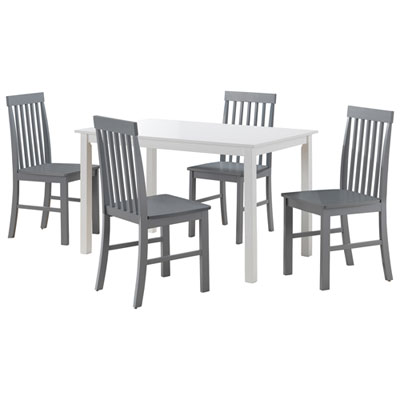 Your price for this item is $872.99
 -
 Your price for this item is $198.99
 -
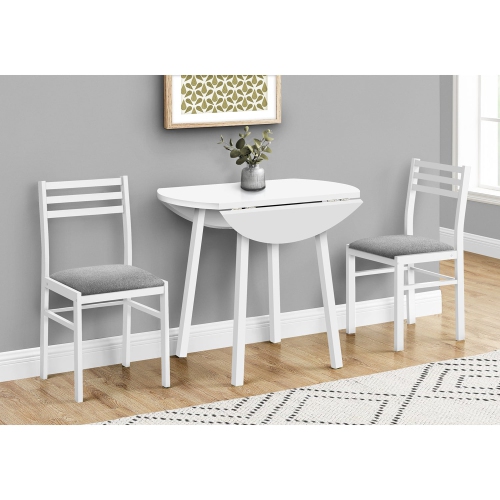 Your price for this item is $219.97
 -
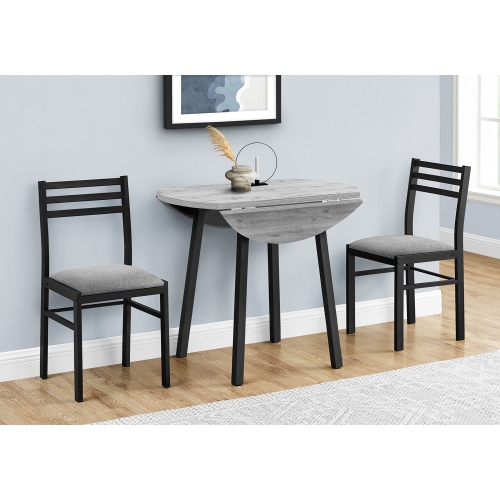 Your price for this item is $219.97
 -
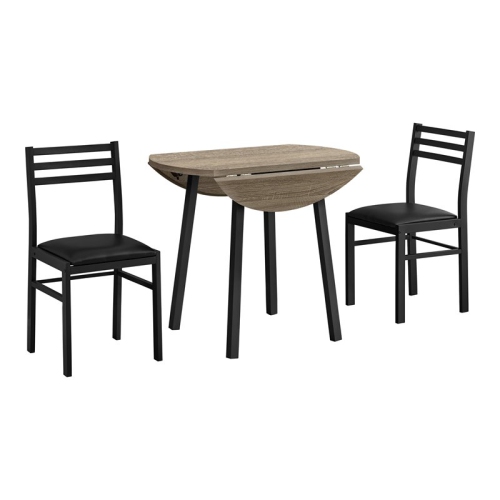 Your price for this item is $219.97
 -
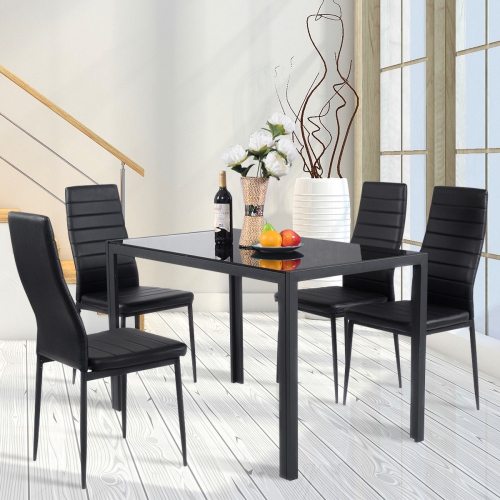 Your price for this item is $325.99
 -
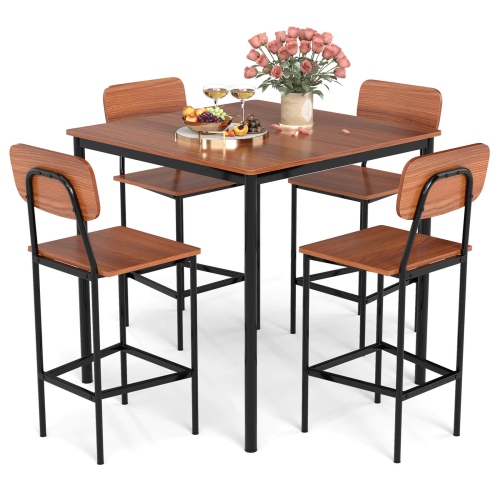 Your price for this item is $265.99
 -
 Your price for this item is $236.99
Discover more categories related to Salle a Manger Moderne
Top Collections:
Pokemon Centers, Kindle Devices, Apple iPhones 16, Samsung Galaxy Phones, Canon G7X Cameras, iPhone 15 Apple, Flip Phones, Apple Wired Earphones, Best Budget Office Chairs, Refurbished Apple Laptops
Some products may be subject to Environmental Handling Fees
(EHF) depending on your province.
Learn more about EHFs.