Sauce Pans
Looking to upgrade your kitchen cookware collection? Our selection of sauce pans offers a variety of sizes and materials to suit all your cooking needs. From stainless steel to non-stick options, these versatile sauce pans are perfect for simmering sauces, boiling pasta, or whipping up a delicious soup. Whether you're a seasoned chef or just starting out in the kitchen, these sauce pans are essential for every home cook. Browse our range and find the perfect addition to your culinary arsenal today!
Sort

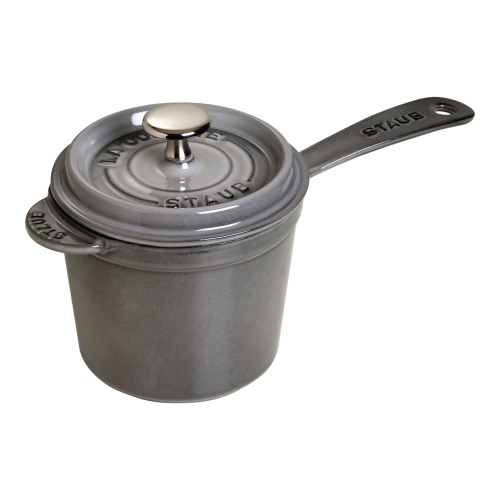


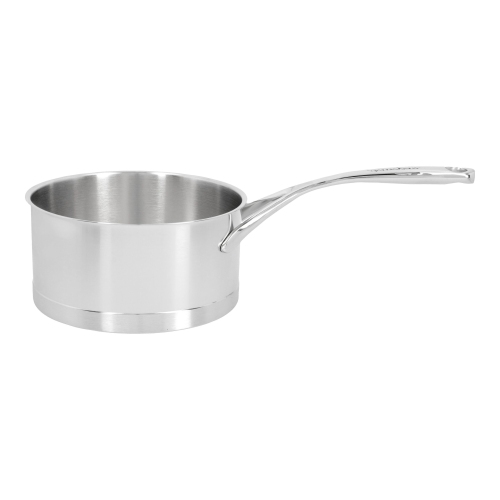


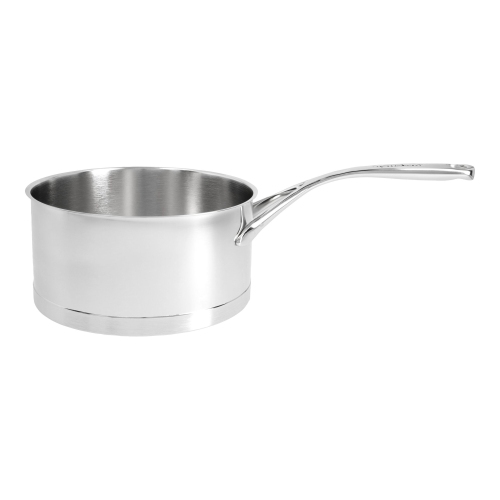


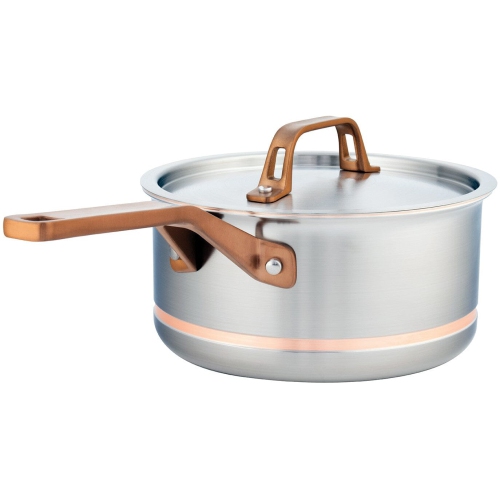


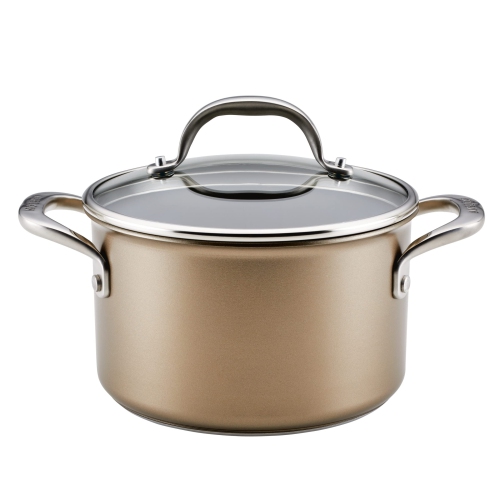


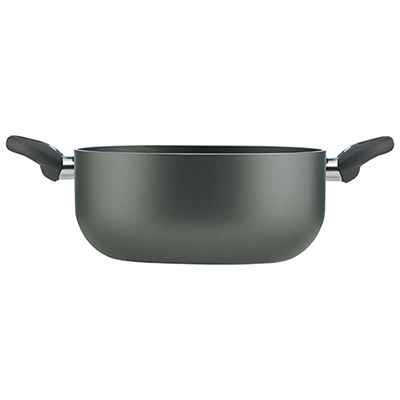


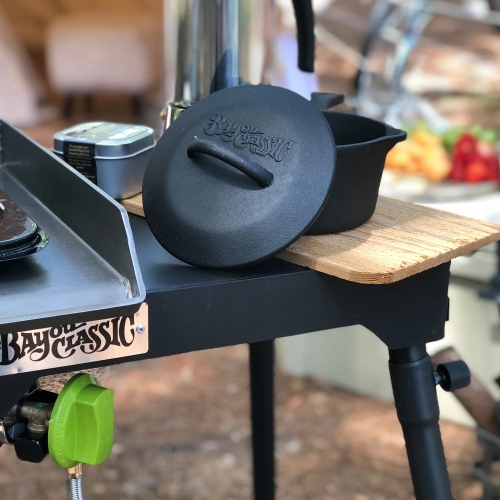


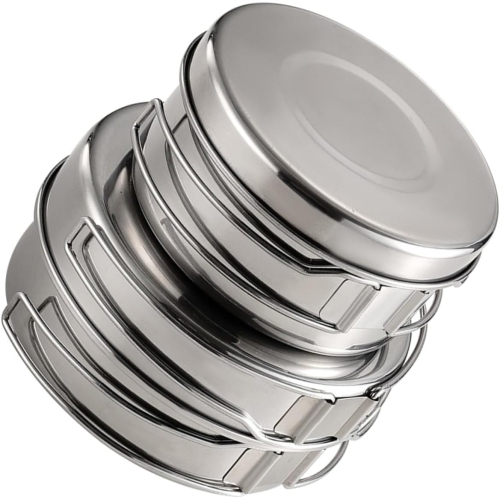


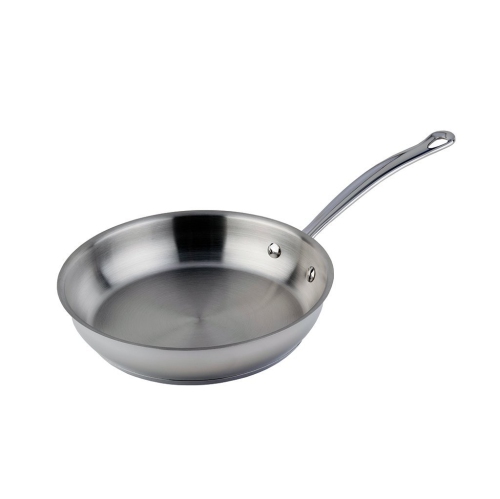


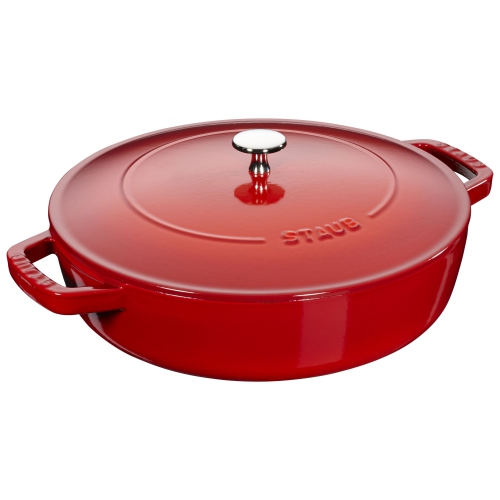


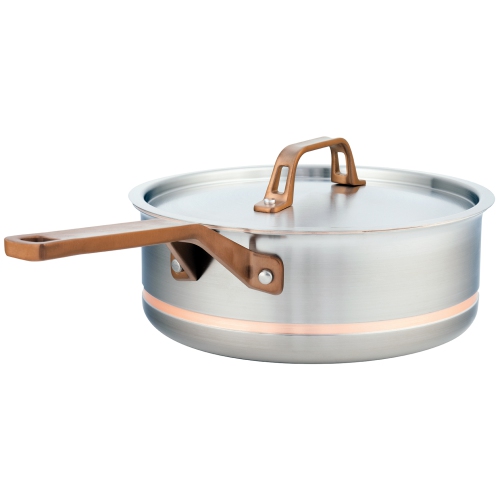
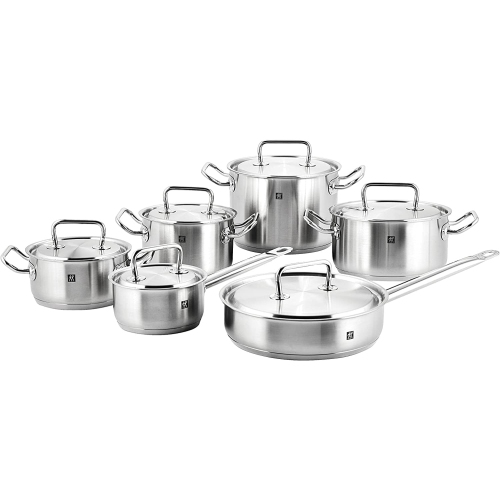
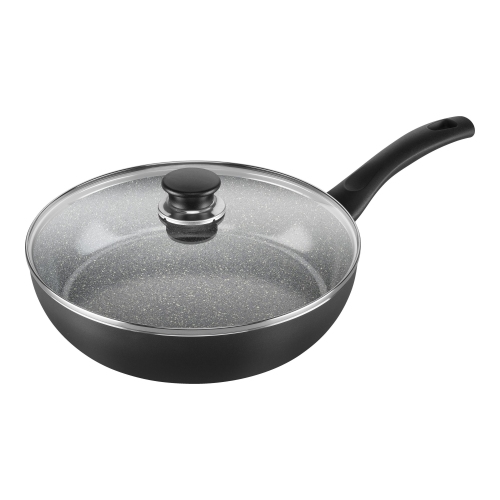


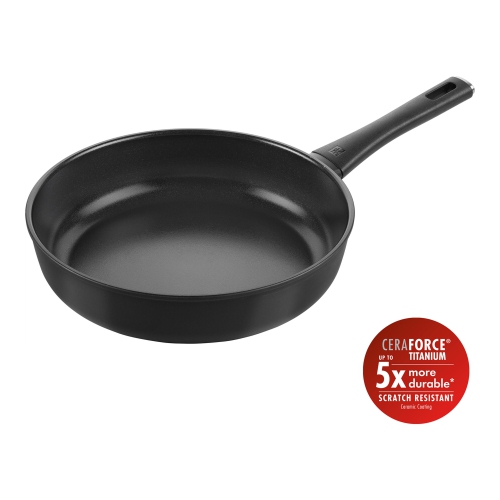


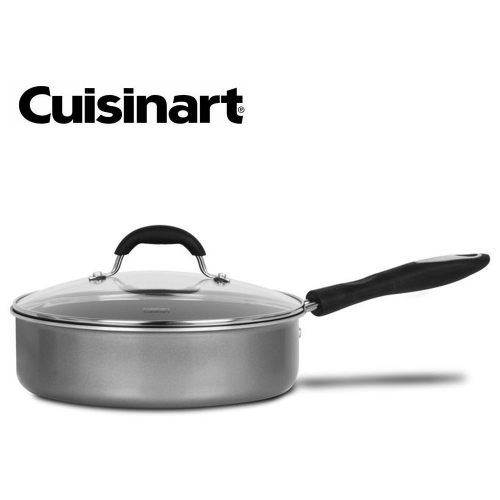


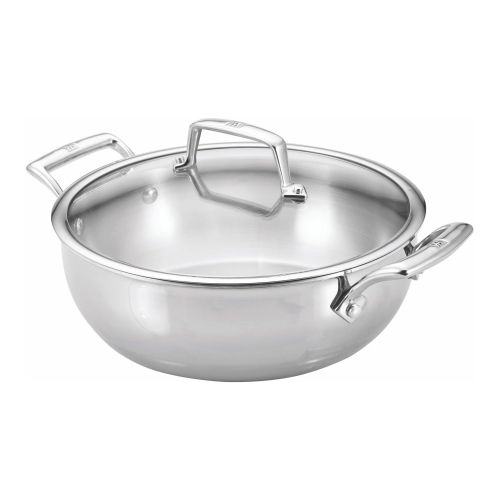


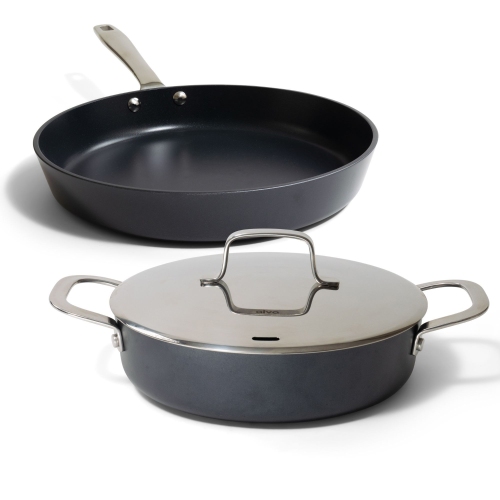


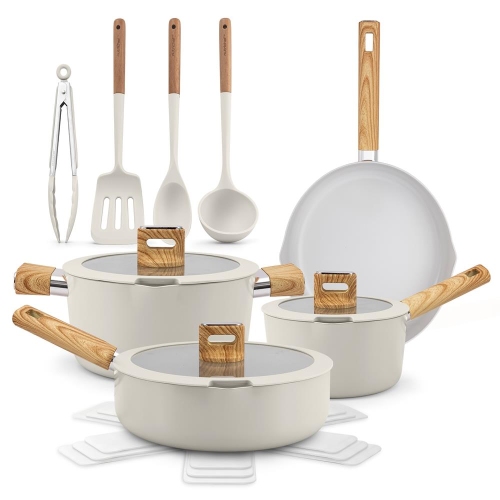


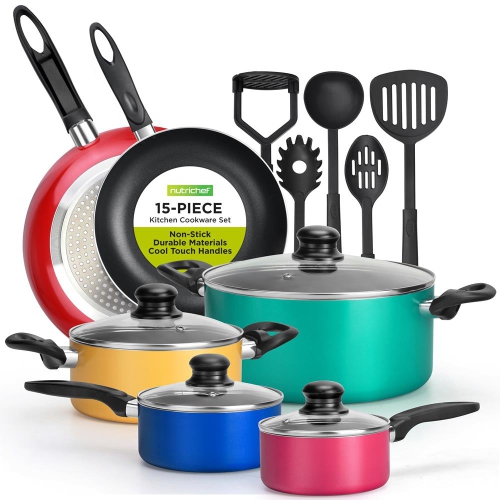

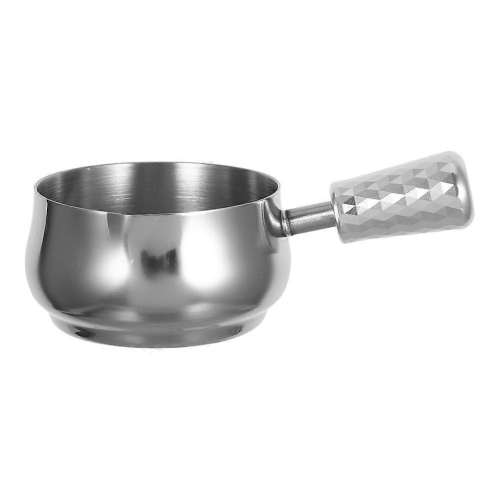


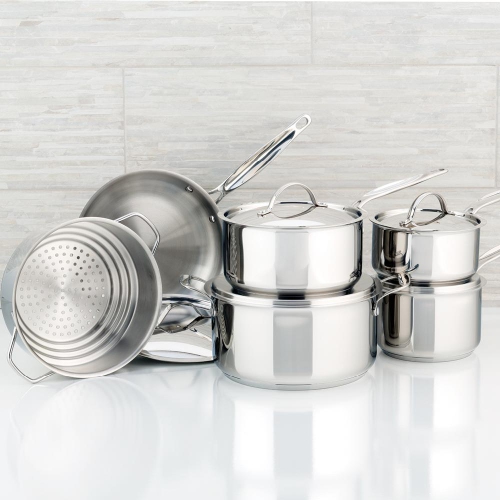


The everyday pan behind smooth sauces and gentle simmers
Sauce pans are deep, round cooking pots with tall sides, a flat base, and a long handle, made for tasks that call for controlled heating and easy stirring. Their shape holds liquids comfortably, limits splashes, and leaves room for ingredients to move as they simmer. From oatmeal and soft-boiled eggs to rice, gravy, and a small batch of tomato sauce, a saucepan earns its place through everyday use rather than a single specialty. Compared with a frying pan, its higher walls contain more liquid and expose less surface area to evaporation. A lid helps retain moisture when cooking grains or bringing water to a boil, while cooking uncovered allows sauces to thicken as liquid evaporates. Capacity makes a noticeable difference to how a pan fits into a kitchen routine. A small saucepan of about 1 to 2 litres suits melting butter, warming milk, preparing a serving of porridge, or reheating sauce without spreading it thinly across a large base. Sizes around 3 to 4 litres provide more room for soup, potatoes, or side dishes for several people. The listed capacity usually describes the pan’s total volume, so some space should remain above the food for stirring and bubbling. A compact pan can be especially useful for someone cooking alone, while a household preparing several dishes at once may benefit from different sizes working side by side. Shape matters alongside capacity: a wider saucepan offers more room for whisking and tends to reduce liquids faster than a narrower pan holding the same amount. Taller sides are useful for containing liquids, although milk, pasta water, and other foaming foods still need attention to avoid boiling over. For a smooth cheese sauce or custard, a comfortable handle and an interior that a whisk can reach easily can matter just as much as the amount the pan holds.
Materials and construction influence how a saucepan heats, how quickly it responds to adjustments, and which utensils and cooking methods suit it. Stainless steel is valued for its durable, non-reactive cooking surface, making it a practical choice for tomato sauces, lemon-based mixtures, and other acidic ingredients. Because stainless steel alone does not spread heat particularly well, many sauce pans combine it with aluminum or copper layers. A bonded base distributes heat across the bottom, while fully clad construction extends those layers through the sides, helping heat travel more evenly around the pan. Neither construction removes the need for stirring, particularly with thick mixtures that can catch on the bottom. For cooks who favour lighter cookware and responsive heating, an aluminum saucepan can be a useful option. Aluminum conducts heat well, and its relatively low weight makes lifting and pouring more manageable. Bare aluminum can react with acidic foods, so the interior finish is worth noting; anodized surfaces and suitable coatings change how the cooking surface performs and how it should be cared for. Copper also responds quickly to changes in heat, offering close control for delicate sauces, but it generally needs a suitable interior lining and more attention to exterior care. Non-stick interiors can simplify cleanup after porridge, thick sauces, or other foods that cling to the surface, provided the cookware is used within its stated heat limits. Coating type and manufacturer directions determine which utensils and cleaning methods are appropriate. Stovetop compatibility is equally important. Induction cooking requires a compatible magnetic base; aluminum and copper pans need an additional suitable base to work on induction. Compatibility should be confirmed from the cookware specifications rather than assumed from its appearance. For glass and ceramic cooktops, a smooth, flat base helps the pan sit securely, while the base diameter should match the cooking zone reasonably closely. On a gas burner, flames should remain beneath the base rather than extending up the sides.
Details that seem small on a shelf often become important when a saucepan is full. A secure handle with enough room for a comfortable grip helps with stirring, moving, and pouring, while a helper handle can make a larger pan easier to support with both hands. Metal handles may become hot during use, especially near a flame or inside an oven, so a protective mitt should remain close at hand. Oven suitability depends on the whole assembly, including the handle, lid, and coating, with the lowest stated temperature limit governing use. A well-fitting lid is useful for rice and gentle simmering, while a glass lid allows a look inside without releasing steam each time. Pouring lips can help direct a stream of gravy or warm milk, and internal measurement markings offer a convenient reference for everyday cooking. Rounded interior corners are easier to sweep with a spoon or spatula than tight angles, particularly when stirring a thick sauce. Storage also deserves consideration: the long handle needs space in a cupboard, and protective separators can reduce scratching when pans are nested. Daily care helps preserve both the cooking surface and the pan’s shape. Allowing cookware to cool before washing reduces the risk of warping from sudden temperature changes, and warm water with mild dish soap is often enough for routine cleanup. Stuck-on food is generally easier to remove after soaking than after forceful scraping. Non-stick surfaces call for gentle tools and non-abrasive cleaning, while stainless steel can tolerate different cleaning methods according to its care instructions. Dishwasher suitability varies by material, coating, and handle construction, so it is not a feature to assume. For a first apartment, a shared household, or a housewarming gift, a well-matched saucepan offers practical value through frequent use. The most useful choice is one that suits the recipient’s stovetop, usual portions, lifting comfort, and approach to cleaning, whether it is destined for morning oatmeal or a carefully whisked sauce served alongside dinner.
Top selling and popular products
-
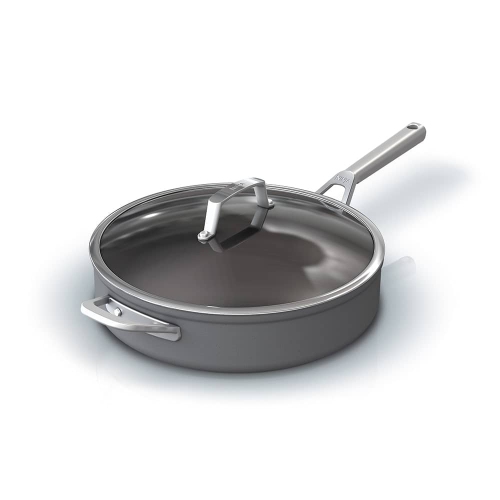 Your price for this item is $247.98
-
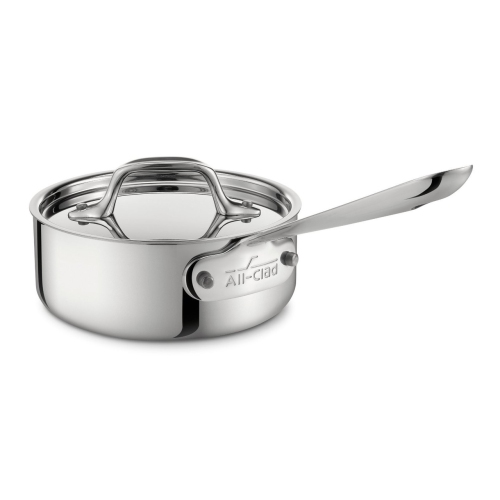 Your price for this item is $345.65
-
 Your price for this item is $321.99
-
 Your price for this item is $89.99
-
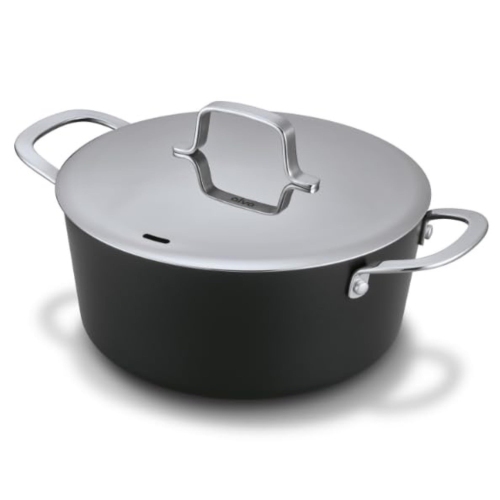 Your price for this item is $229
-
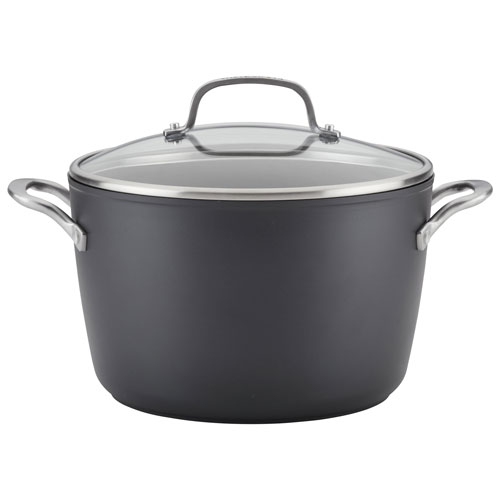 Your price for this item is $119.99
-
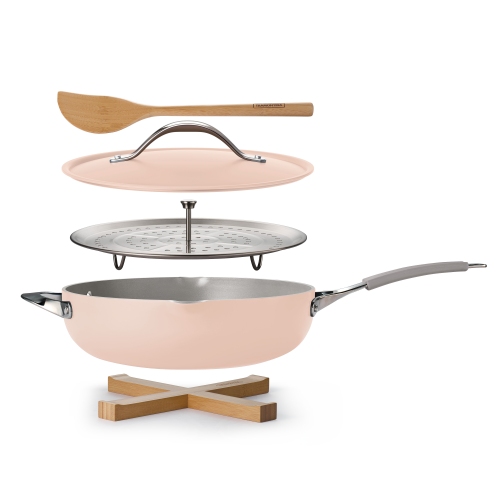 Your price for this item is $144.57
-
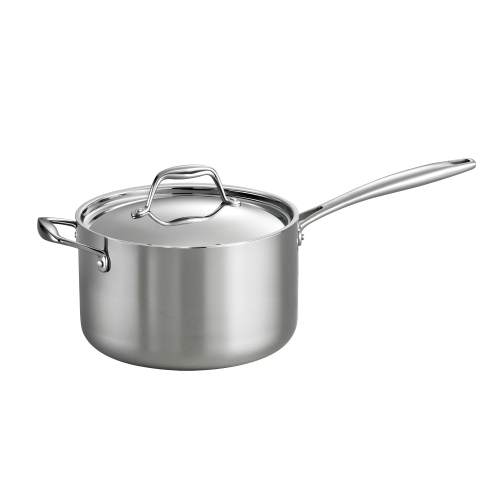 Your price for this item is $113.63
Discover more categories related to Sauce Pans
Top Collections:
Pokemon Centers, Kindle Devices, Best Budget Office Chairs, Canon G7X Cameras, Apple iPhones 16, Samsung Galaxy Phones, Refurbished Apple Laptops, Laptops for Students, iPhone 15 Apple, Budget Smartphones
Some products may be subject to Environmental Handling Fees
(EHF) depending on your province.
Learn more about EHFs.