Scie Oscillante
Scie oscillante is an essential tool for tackling a wide range of renovation and repair projects with precision and ease. Perfect for both professionals and DIY enthusiasts, these versatile tools are designed to handle cutting, sanding, scraping, and more across various materials. Explore our selection of scie oscillante to find the ideal option for your next project, ensuring efficient and accurate results every time.
Sort
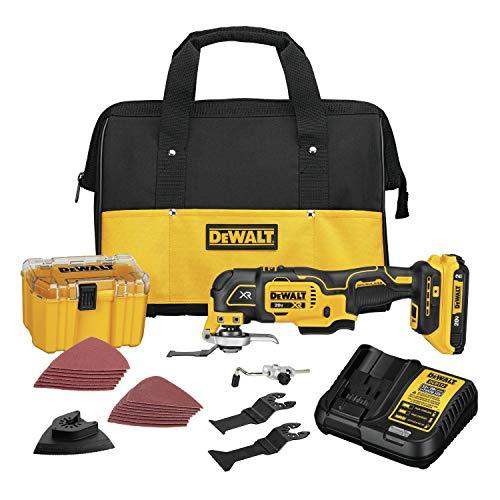
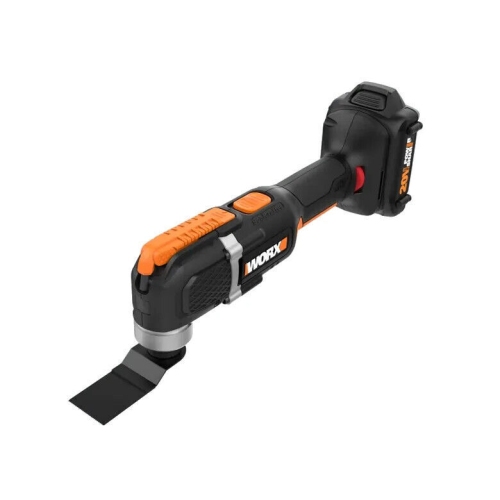
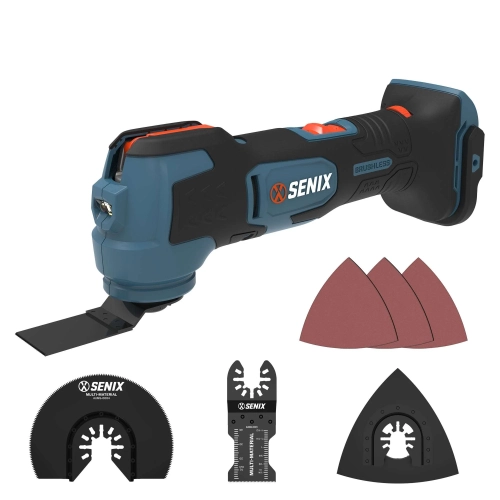
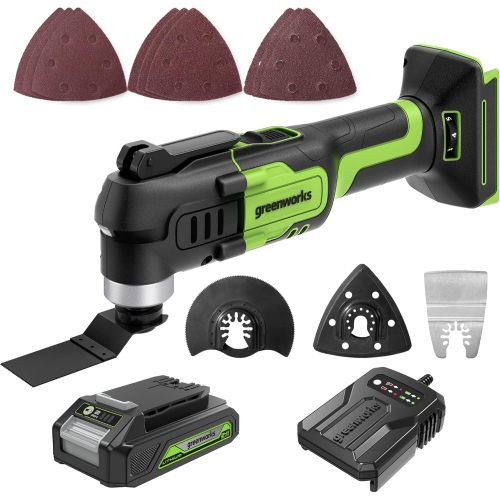
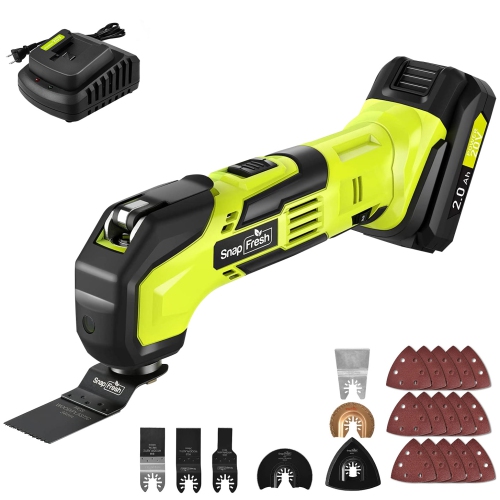

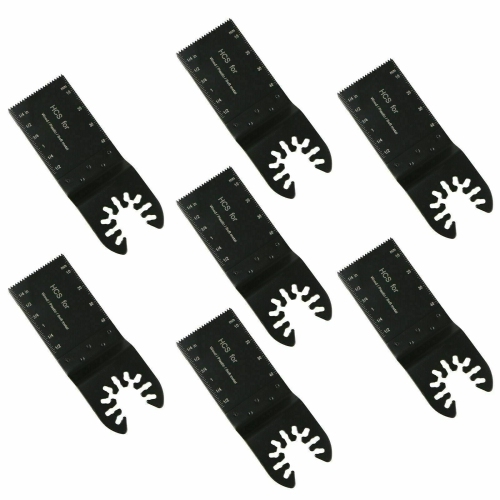
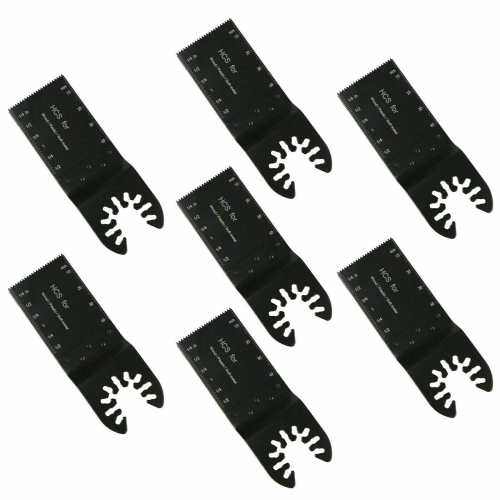
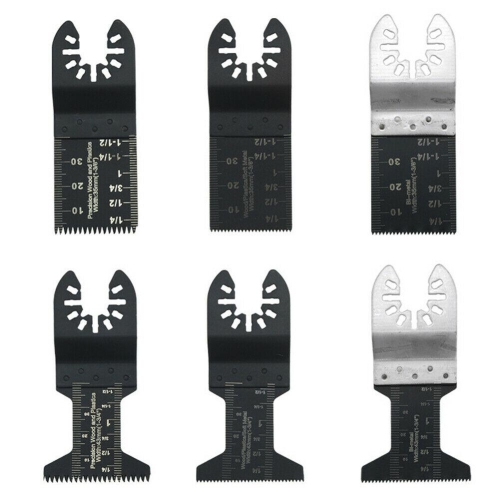
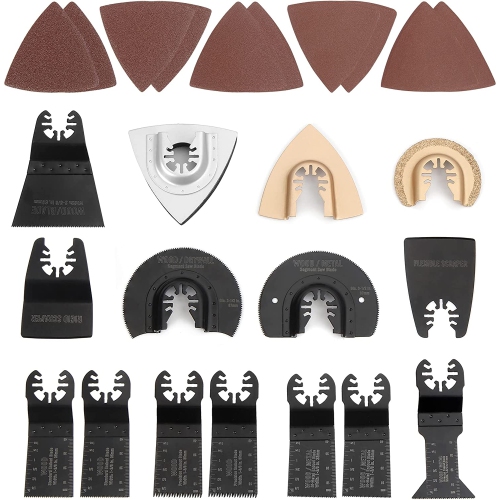
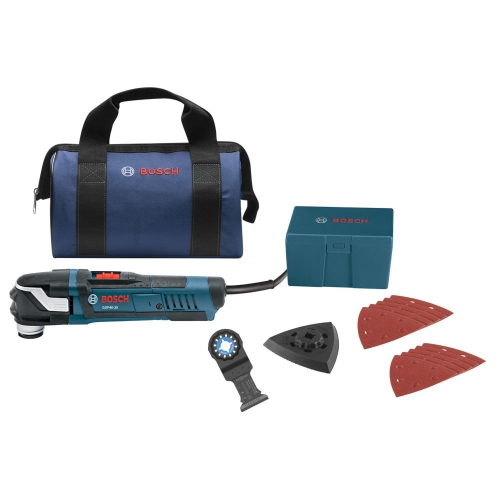
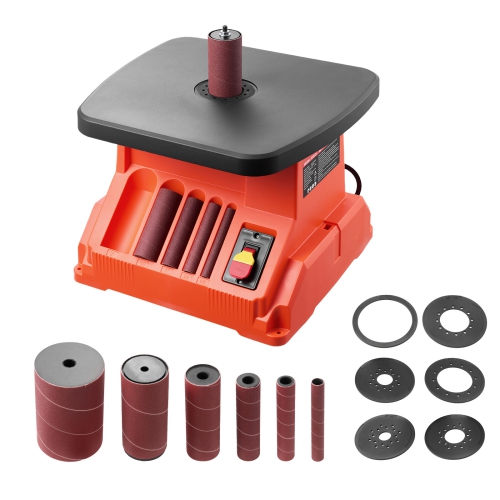
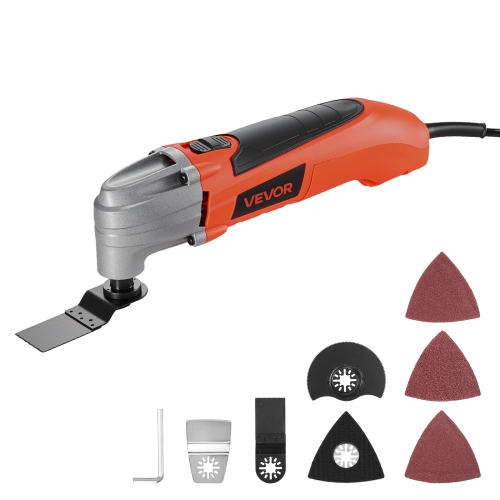
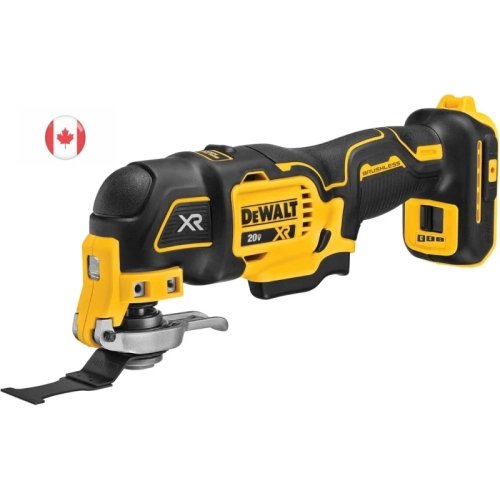
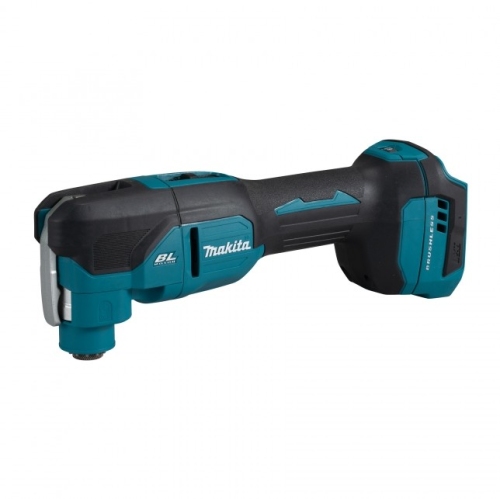
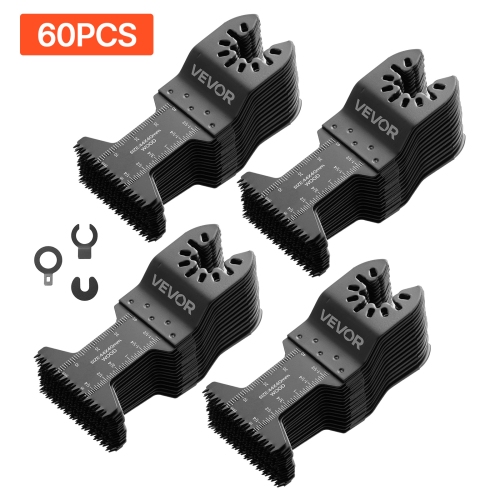
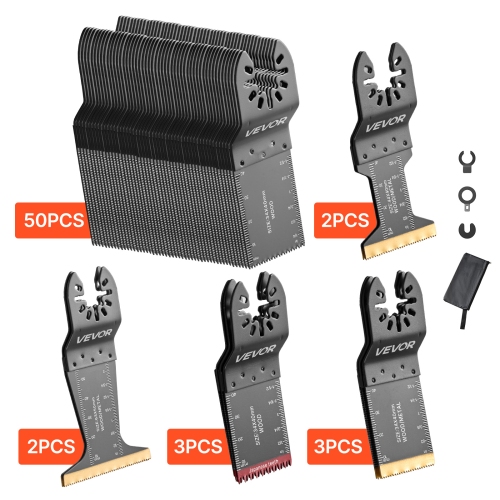
One tool for precise cuts, scraping, sanding, and repairs
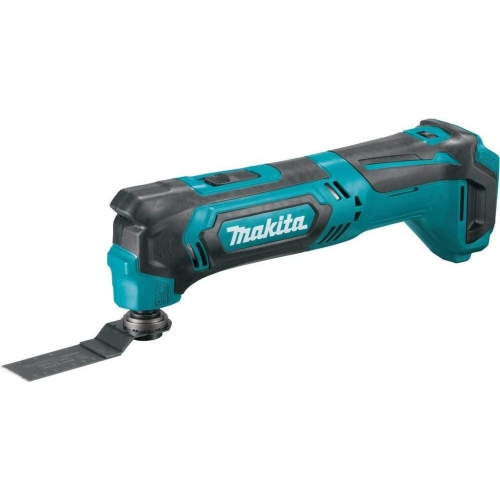
An oscillating saw, also called an oscillating multi-tool, is a practical addition to a home workshop because it handles the detailed jobs that can be awkward with a larger saw. Instead of spinning like a circular saw or reciprocating like a standard reciprocating saw, its blade moves back and forth through a small arc, often around 2.8° to 3.2°. This controlled movement gives you a good balance of precision and power, particularly when working close to walls, floors, trim, cabinets, or other finished surfaces. With the right attachment, an oscillating saw can make plunge cuts in drywall, wood flooring, plywood, and other materials without first drilling a starting hole. It can also make flush cuts beneath door casings, baseboards, and other fixed obstructions where a conventional saw may not fit. During the cooler months, it can be especially useful for indoor repairs, renovations, and finishing work, from opening a wall for a new electrical box to trimming a piece of flooring so it slips neatly around a door frame. It is also a handy tool for careful repair work because the compact head and narrow blade make it easier to see the cutting line and control the depth. For many homeowners, the value comes from having one tool ready for a broad range of small but time-consuming tasks rather than bringing out several larger tools for each individual job.
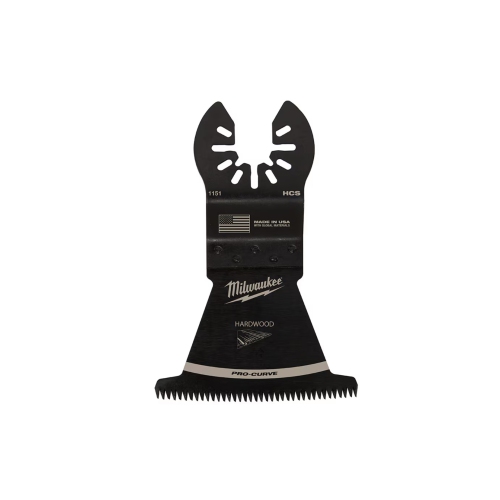
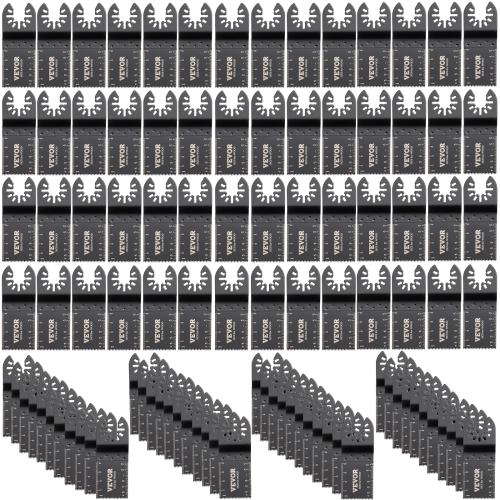
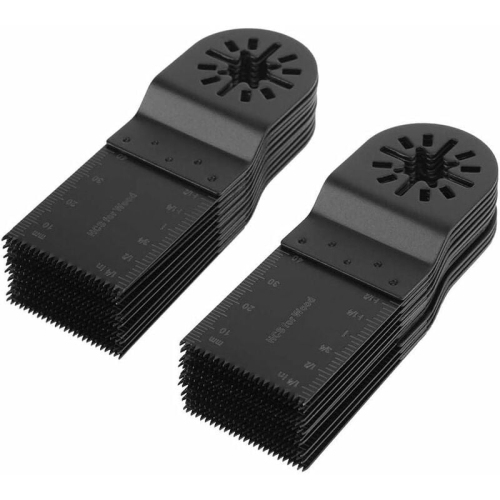
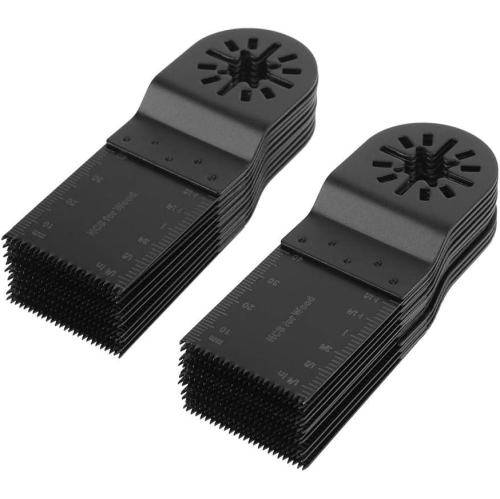
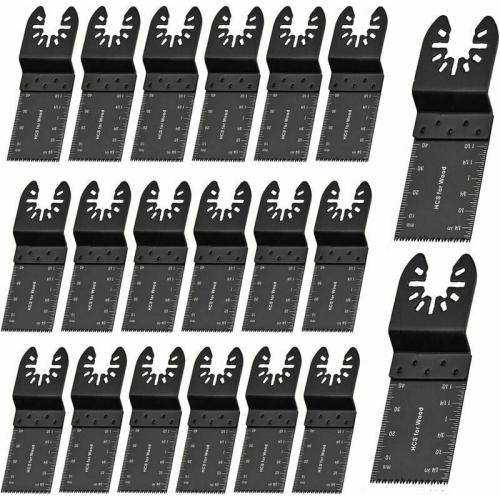
The attachment system is one of the most important features to consider when choosing an oscillating saw. Blades designed for wood are useful for trimming, cutting openings, and shaping common building materials, while bi-metal or metal-cutting blades are better suited to nails, screws, thin sheet metal, and other tougher materials. A scraper attachment can lift old adhesive, caulk, paint, flooring residue, and other stubborn deposits; a grout-removal blade can help clear damaged joints between tiles; and a triangular sanding pad can reach into corners that a rectangular sander cannot. Before buying extra accessories, check the tool’s mounting system and the type of work you expect to do. Universal accessories can make it easier to build a versatile collection over time, and Universal Fit Oscillating Tool Blades can be a useful place to compare compatible cutting options. Blade width, tooth pattern, material rating, and cutting depth all affect performance. A narrow blade is convenient for detailed work and tight openings, while a wider blade can help create a steadier line across a larger surface. Variable speed is another helpful feature, allowing a slower setting for delicate materials or controlled scraping and a faster setting for efficient cutting. If you already own other cordless tools, a bare-tool model may be a practical choice when it uses batteries and chargers you have on hand. A kit that includes a battery and charger can be more convenient for a first-time buyer, a new homeowner, or someone assembling a basic workshop. Corded models provide continuous power for longer projects, while cordless models offer greater freedom when working in a stairwell, unfinished room, garage, or other location where a power outlet is not close by.
An oscillating saw can be useful for experienced renovators, weekend DIYers, maintenance professionals, and anyone who takes pride in tidy repairs. It is often the tool that stays within reach after the main construction is complete, helping with the final details that give a project a finished appearance. A homeowner replacing flooring may use it to undercut door trim so the new boards slide underneath instead of stopping around the casing. Someone updating a bathroom may use a grout blade to remove worn material before regrouting, while a cabinet installer may rely on a plunge cut to create a clean opening for plumbing or wiring. It can also assist with cutting through drywall for a receptacle box, removing a damaged section of trim, trimming shims, or scraping away old flooring adhesive. For safe and consistent results, secure the workpiece whenever possible, select an attachment made for the material, and let the blade do the cutting rather than forcing the tool. Keep both hands positioned according to the manufacturer’s instructions, wear eye and hearing protection, and be especially careful when cutting into walls or floors where wiring, pipes, fasteners, or hidden supports may be present. A dust mask can be helpful when sanding or removing old materials, and allowing the blade to cool between demanding cuts can extend its useful life. For a gift, an oscillating saw can be a thoughtful choice for a new homeowner, a hobby woodworker, or someone preparing for a renovation, particularly when paired with a useful assortment of blades and sanding accessories. The compact size is easy to store, the range of applications is broad, and the tool can earn its place quickly through the small repairs and precise finishing jobs that come up throughout the year.
The attachment system is one of the most important features to consider when choosing an oscillating saw. Blades designed for wood are useful for trimming, cutting openings, and shaping common building materials, while bi-metal or metal-cutting blades are better suited to nails, screws, thin sheet metal, and other tougher materials. A scraper attachment can lift old adhesive, caulk, paint, flooring residue, and other stubborn deposits; a grout-removal blade can help clear damaged joints between tiles; and a triangular sanding pad can reach into corners that a rectangular sander cannot. Before buying extra accessories, check the tool’s mounting system and the type of work you expect to do. Universal accessories can make it easier to build a versatile collection over time, and Universal Fit Oscillating Tool Blades can be a useful place to compare compatible cutting options. Blade width, tooth pattern, material rating, and cutting depth all affect performance. A narrow blade is convenient for detailed work and tight openings, while a wider blade can help create a steadier line across a larger surface. Variable speed is another helpful feature, allowing a slower setting for delicate materials or controlled scraping and a faster setting for efficient cutting. If you already own other cordless tools, a bare-tool model may be a practical choice when it uses batteries and chargers you have on hand. A kit that includes a battery and charger can be more convenient for a first-time buyer, a new homeowner, or someone assembling a basic workshop. Corded models provide continuous power for longer projects, while cordless models offer greater freedom when working in a stairwell, unfinished room, garage, or other location where a power outlet is not close by.
An oscillating saw can be useful for experienced renovators, weekend DIYers, maintenance professionals, and anyone who takes pride in tidy repairs. It is often the tool that stays within reach after the main construction is complete, helping with the final details that give a project a finished appearance. A homeowner replacing flooring may use it to undercut door trim so the new boards slide underneath instead of stopping around the casing. Someone updating a bathroom may use a grout blade to remove worn material before regrouting, while a cabinet installer may rely on a plunge cut to create a clean opening for plumbing or wiring. It can also assist with cutting through drywall for a receptacle box, removing a damaged section of trim, trimming shims, or scraping away old flooring adhesive. For safe and consistent results, secure the workpiece whenever possible, select an attachment made for the material, and let the blade do the cutting rather than forcing the tool. Keep both hands positioned according to the manufacturer’s instructions, wear eye and hearing protection, and be especially careful when cutting into walls or floors where wiring, pipes, fasteners, or hidden supports may be present. A dust mask can be helpful when sanding or removing old materials, and allowing the blade to cool between demanding cuts can extend its useful life. For a gift, an oscillating saw can be a thoughtful choice for a new homeowner, a hobby woodworker, or someone preparing for a renovation, particularly when paired with a useful assortment of blades and sanding accessories. The compact size is easy to store, the range of applications is broad, and the tool can earn its place quickly through the small repairs and precise finishing jobs that come up throughout the year.
Top selling and popular products
-
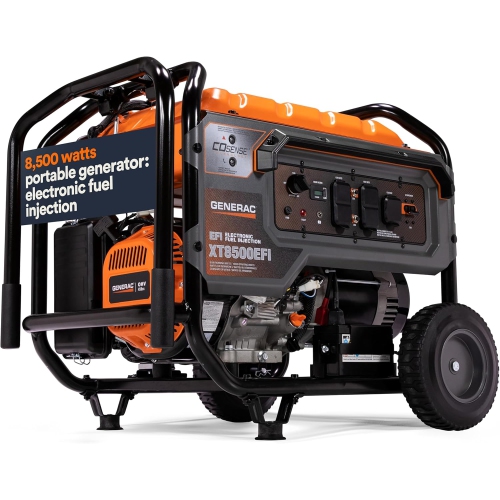 Your price for this item is $3000
 -
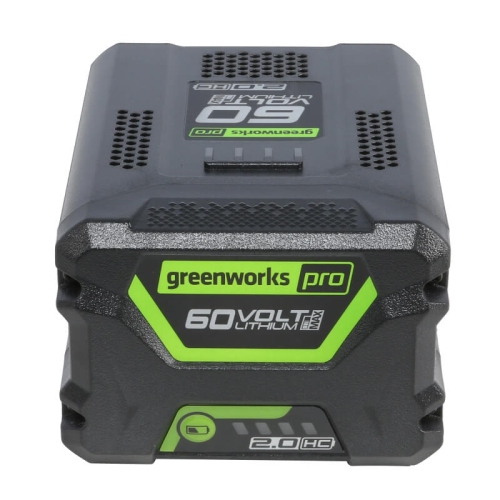 Your price for this item is $124.45
 -
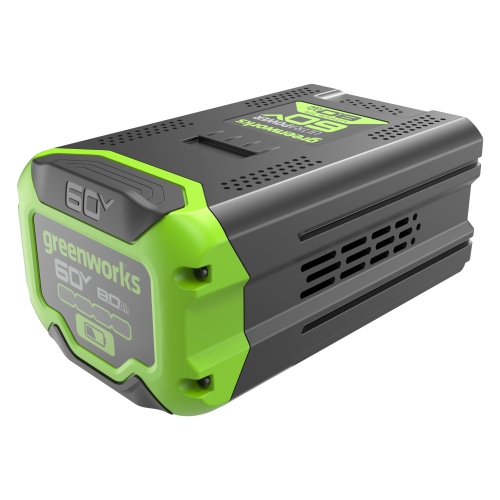 Your price for this item is $329.99
 -
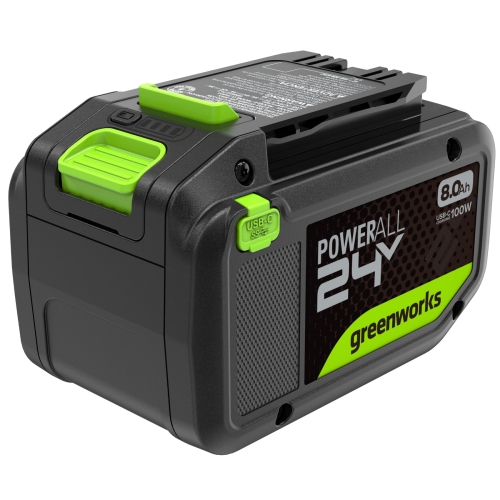 Your price for this item is $139.99
 -
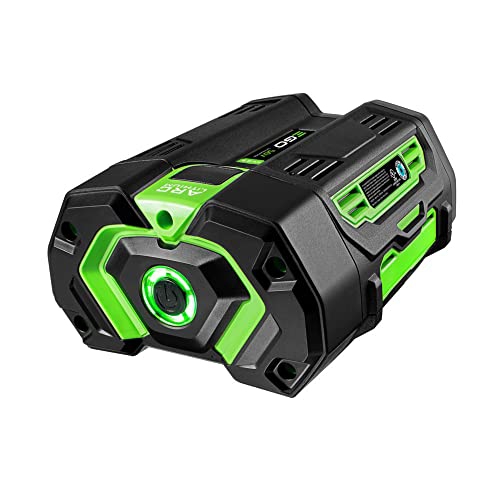 Your price for this item is $264
 -
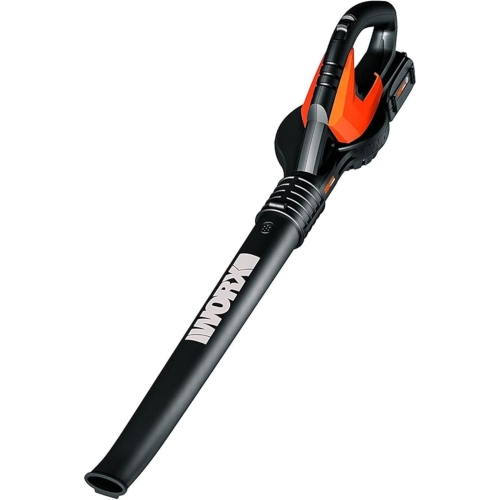 Your price for this item is $217.55
 -
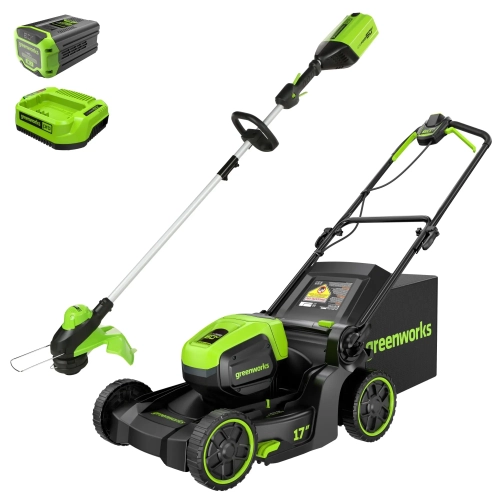 Your price for this item is $739.99
 -
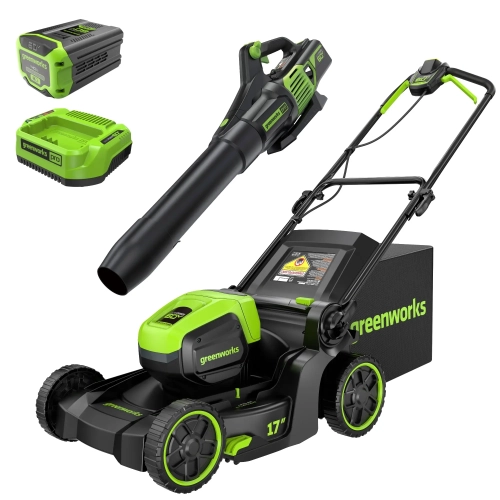 Your price for this item is $599.99
Discover more categories related to Scie Oscillante
Top Collections:
Pokemon Centers, Kindle Devices, Best Budget Office Chairs, Apple iPhones 16, Best Laptops for Writers, iPhone 15 Apple, Canon G7X Cameras, Refurbished Apple Laptops, Alarm Clock, Motorola Razr Phones
Some products may be subject to Environmental Handling Fees
(EHF) depending on your province.
Learn more about EHFs.