Security Flashlights
Stay safe and prepared with these security flashlights. Whether you're an outdoor enthusiast, a night owl, or simply want to have a reliable source of light in case of emergencies, this range of security flashlights is designed to meet your needs. From powerful LED beams that can illuminate even the darkest corners to compact and portable options that fit perfectly in your pocket, we have the perfect flashlight for every situation.
Sort

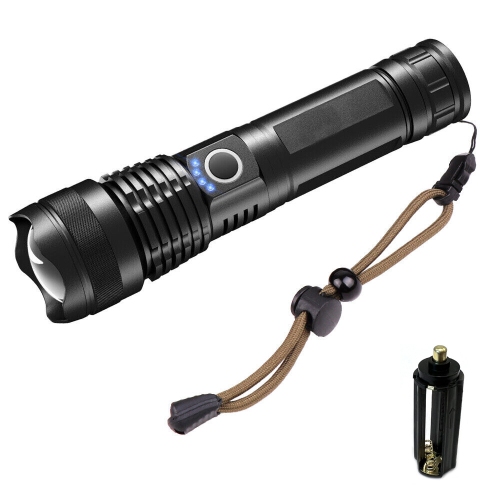
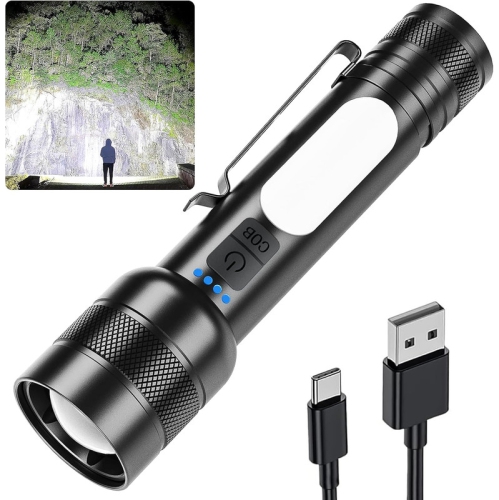
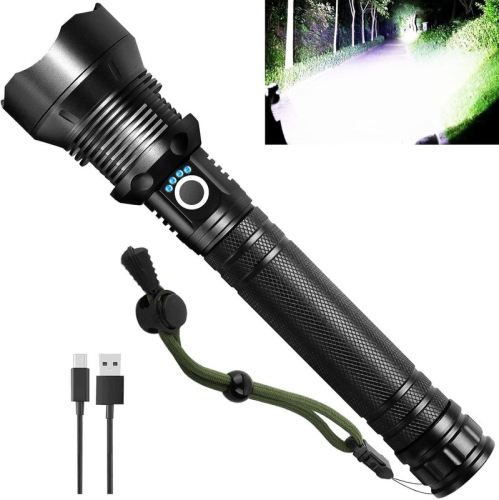
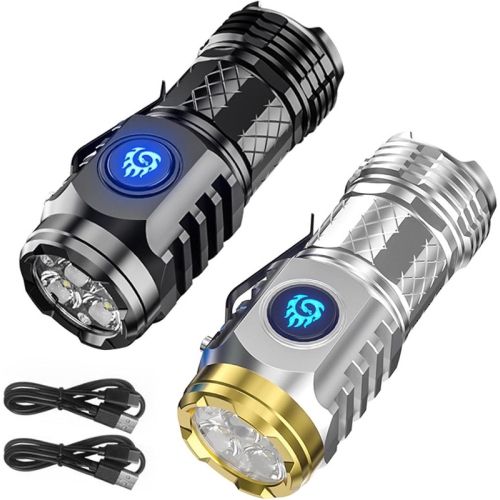
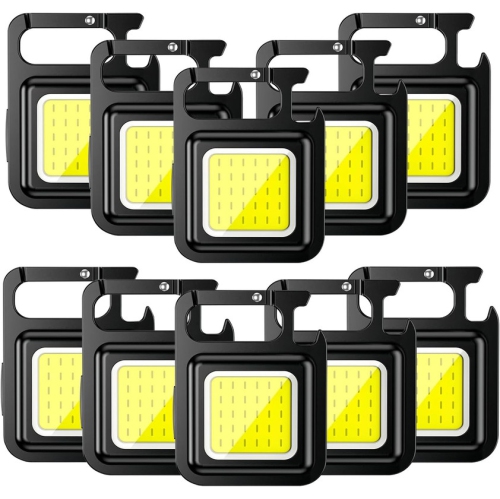
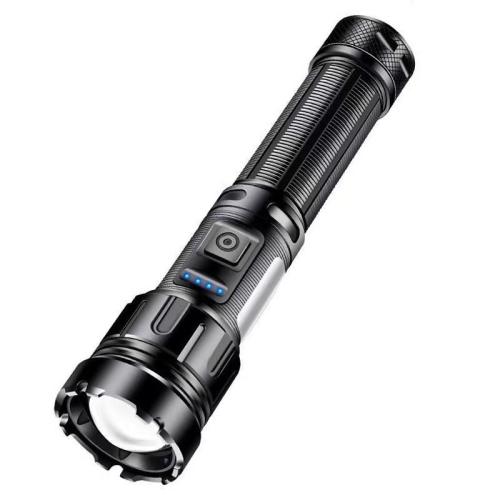
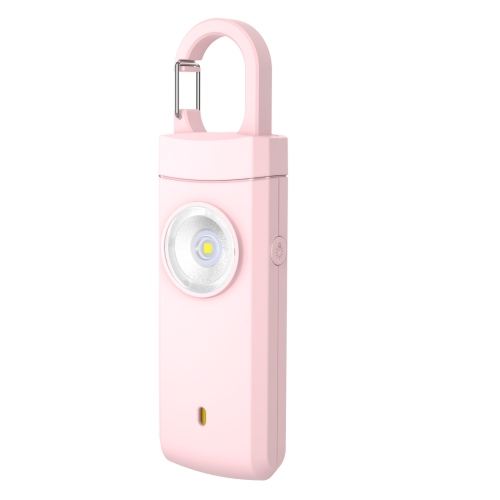
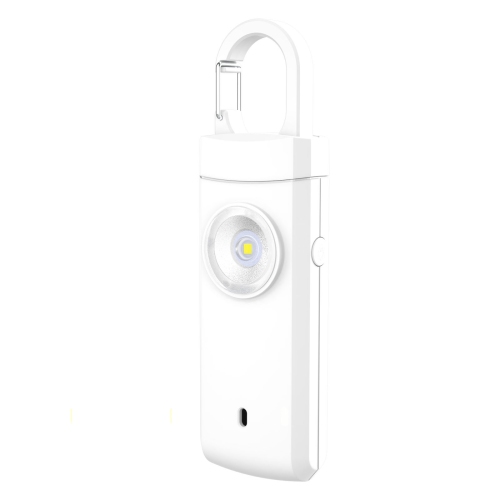
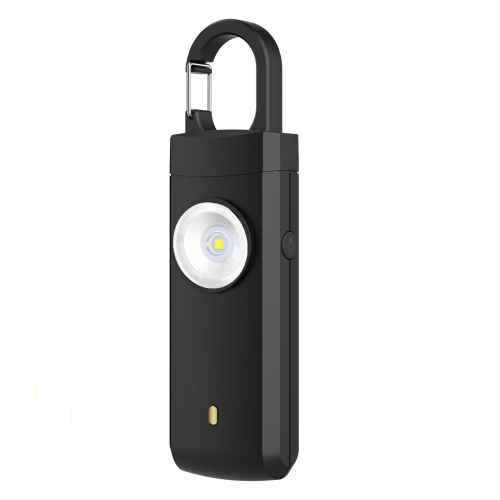

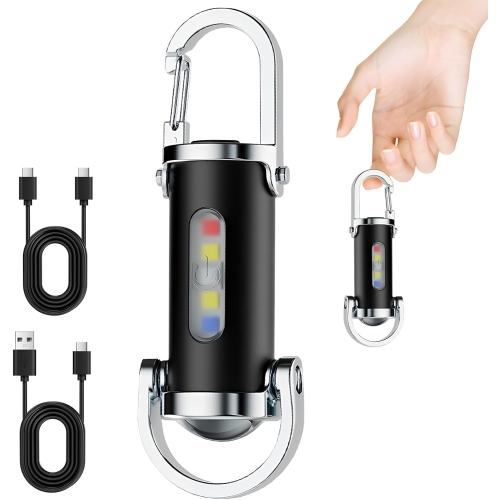
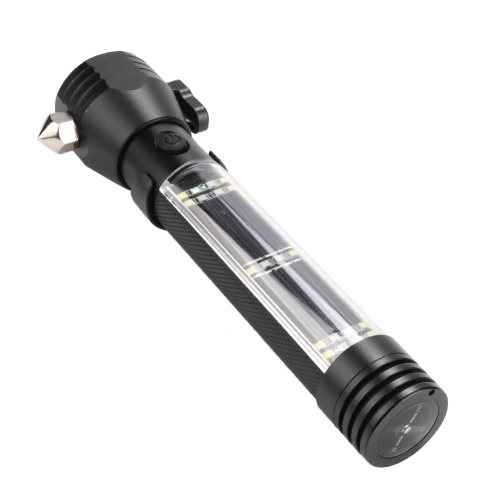
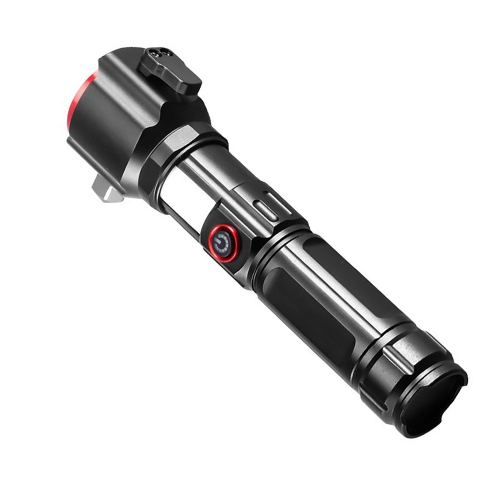
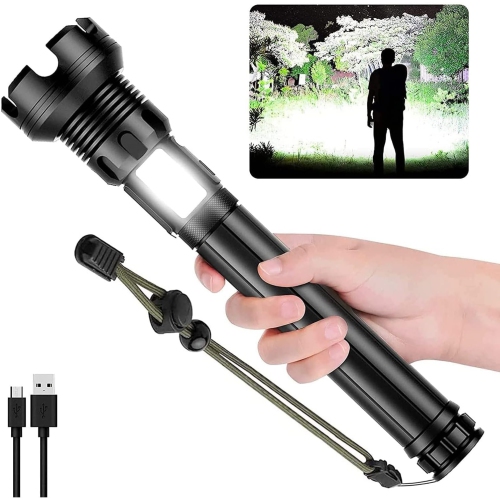
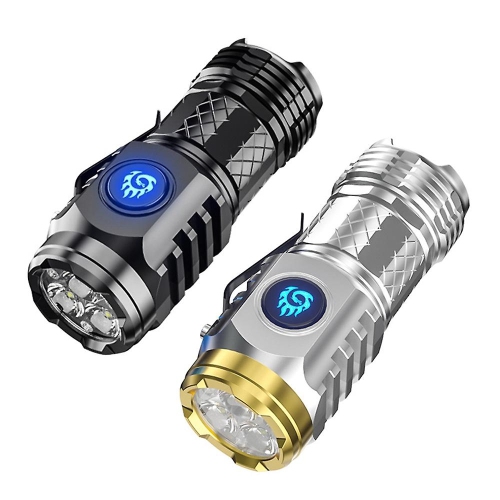
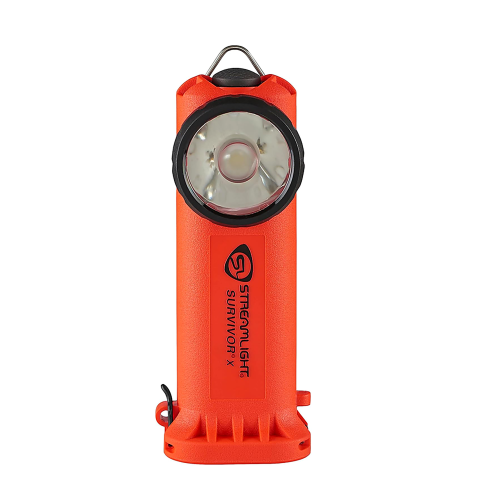
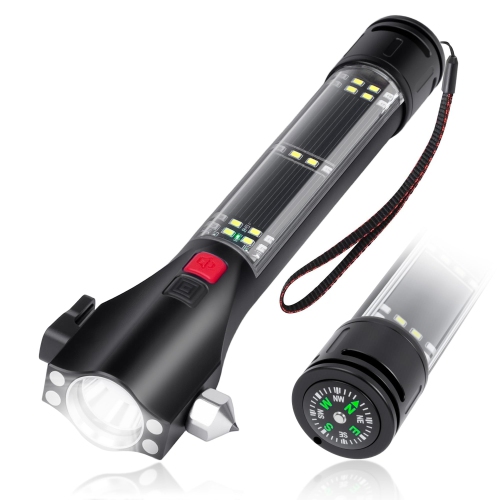
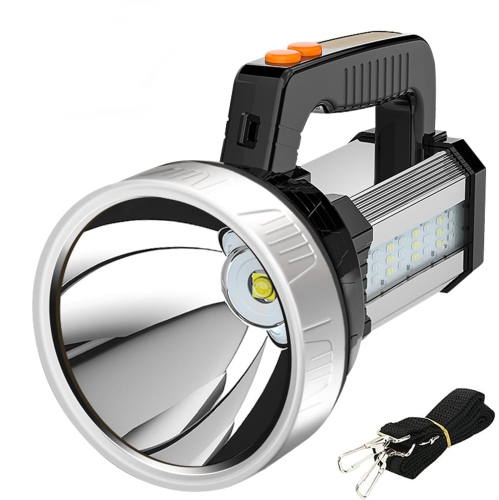
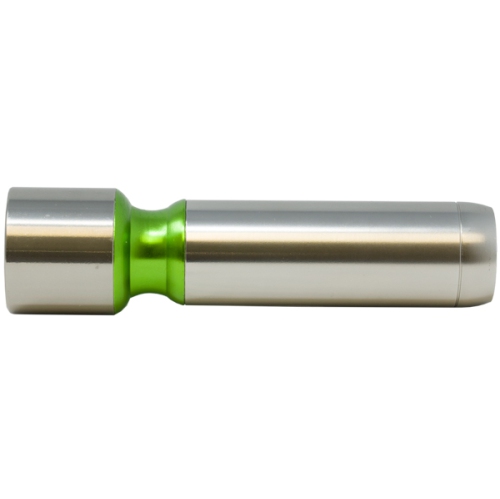
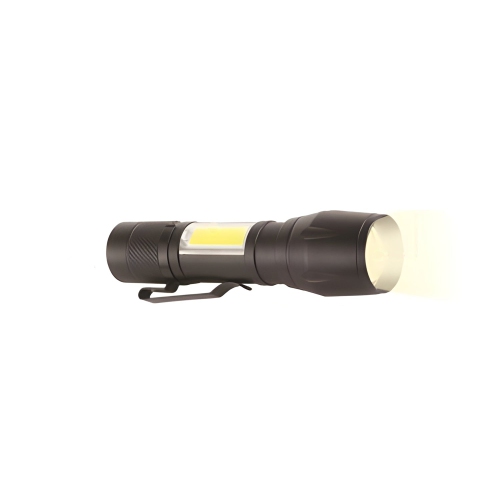
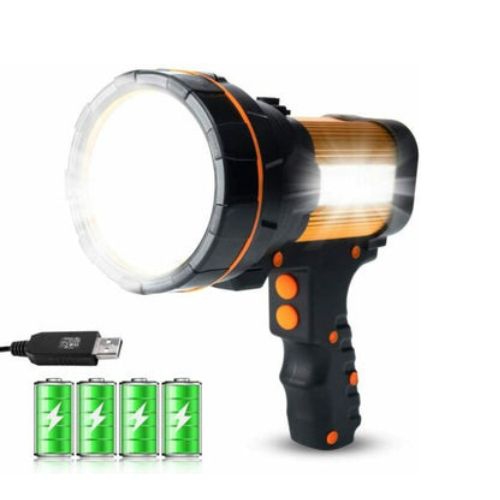
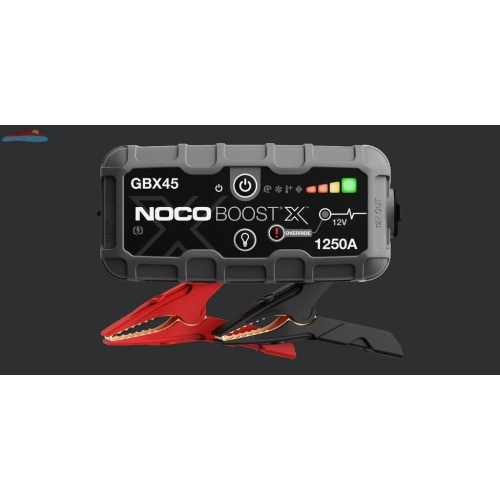
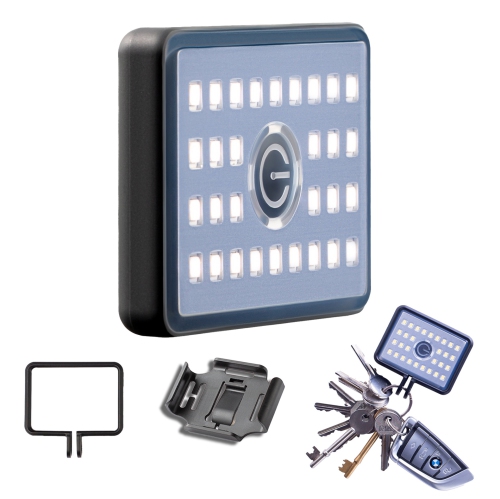
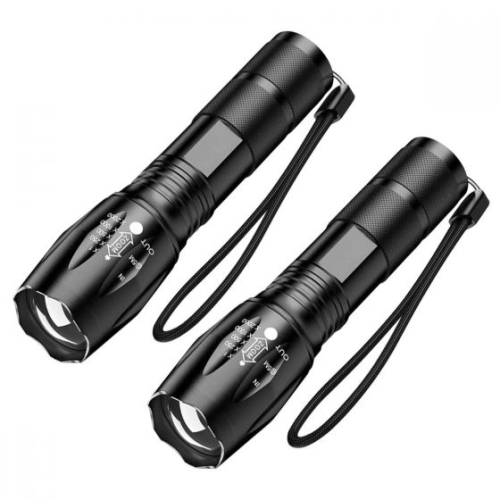
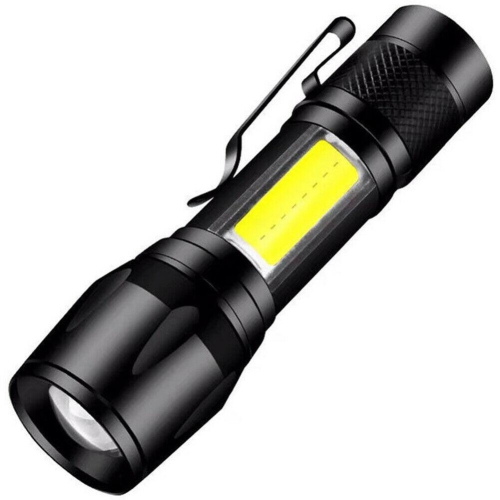
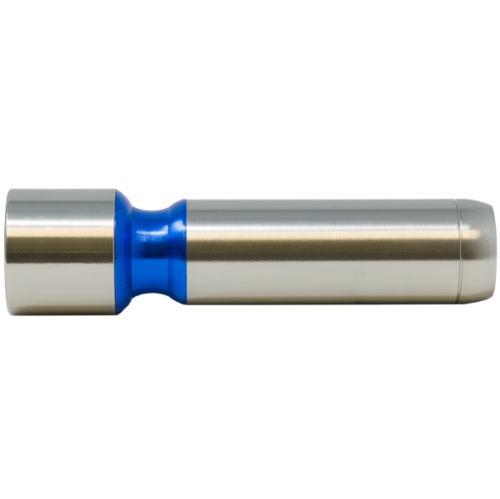
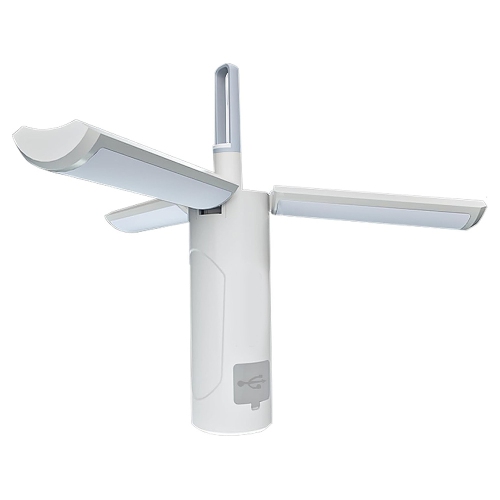
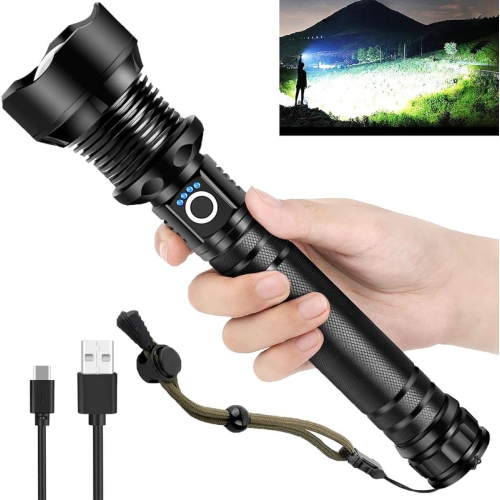
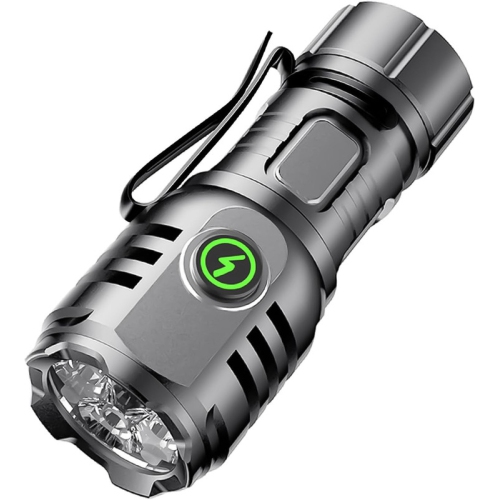
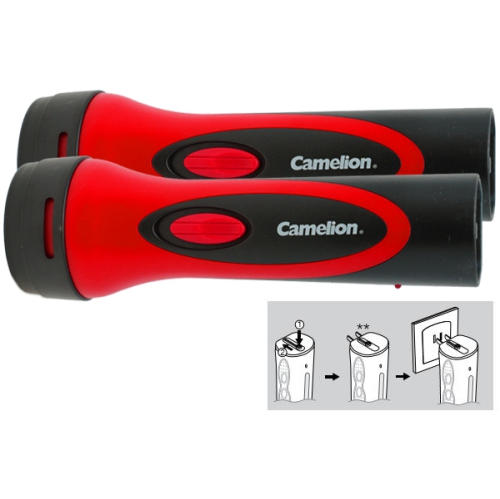
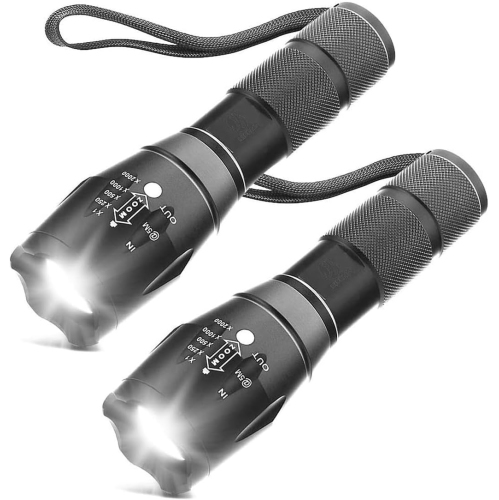
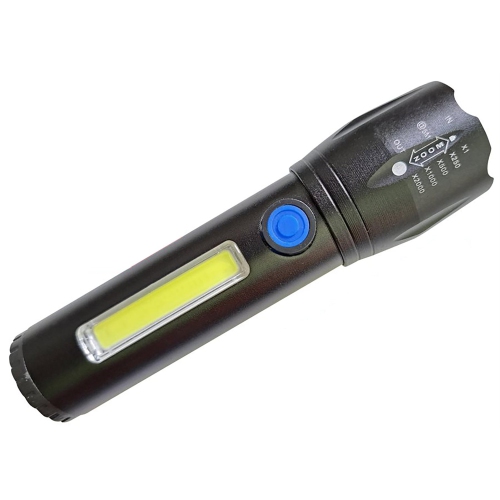
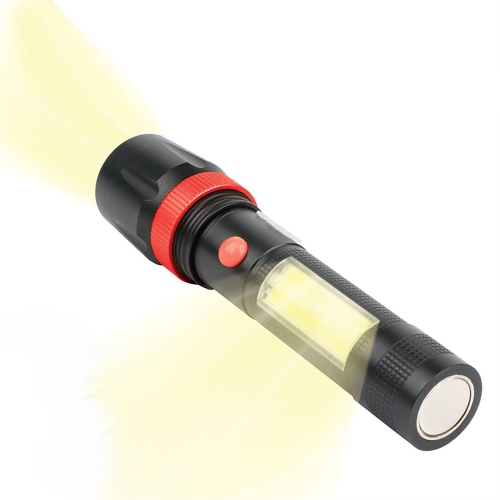
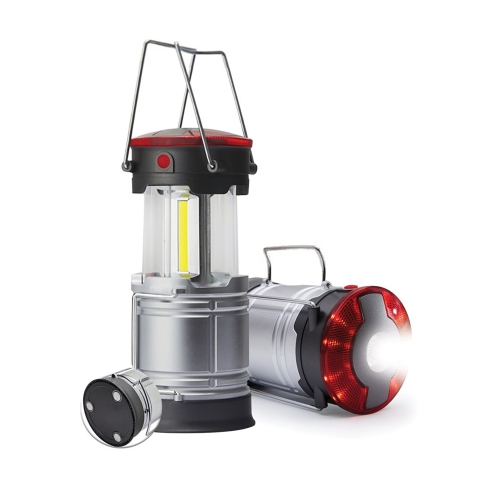
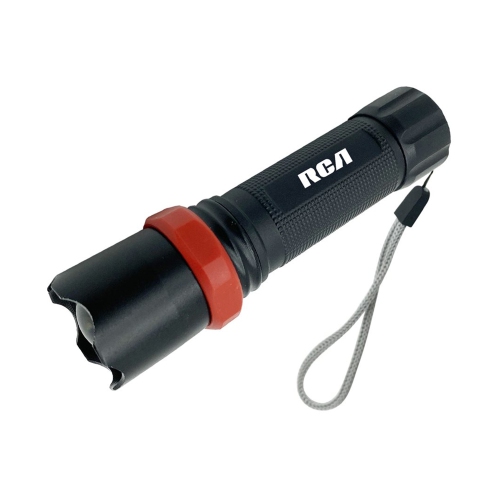
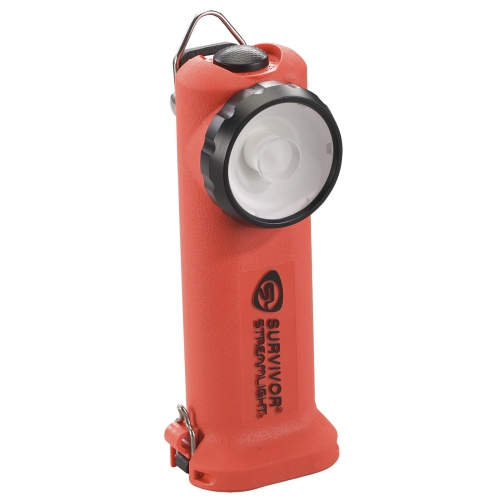
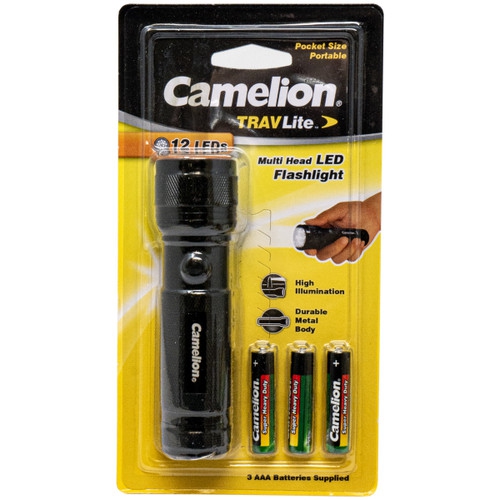
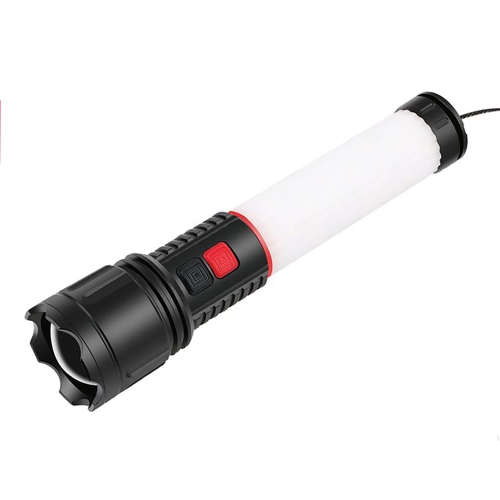
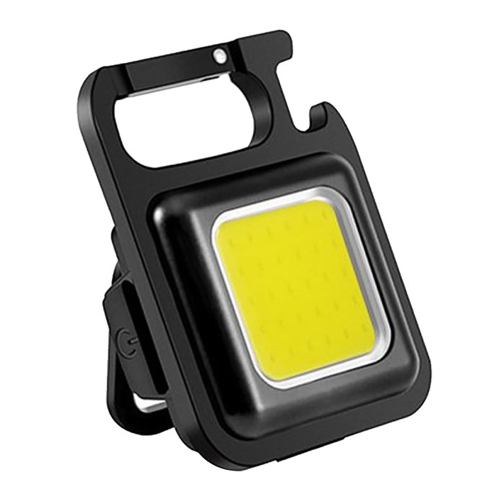
Reliable light for security checks goes beyond lumens
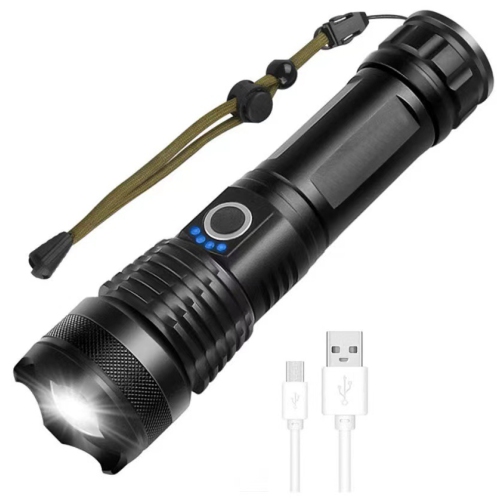
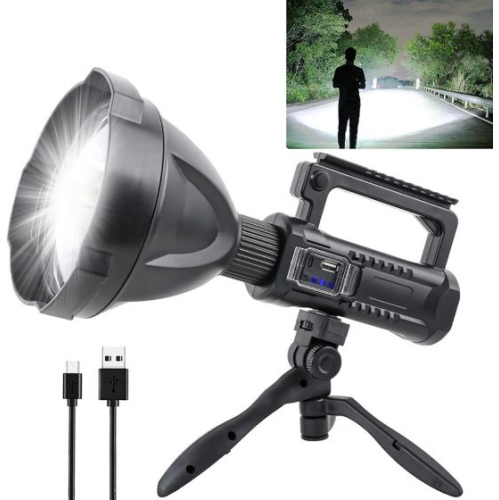
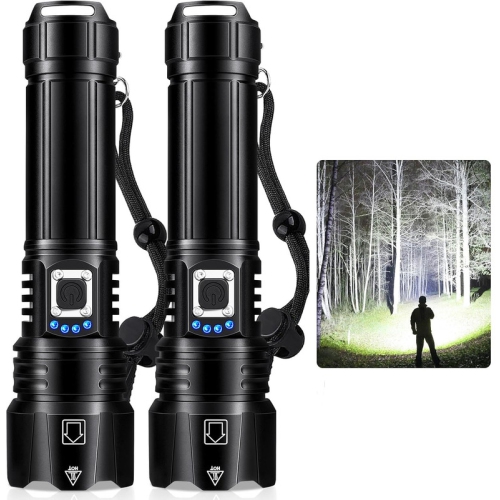
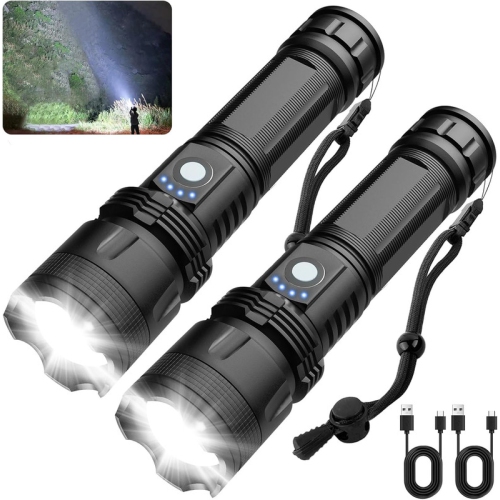
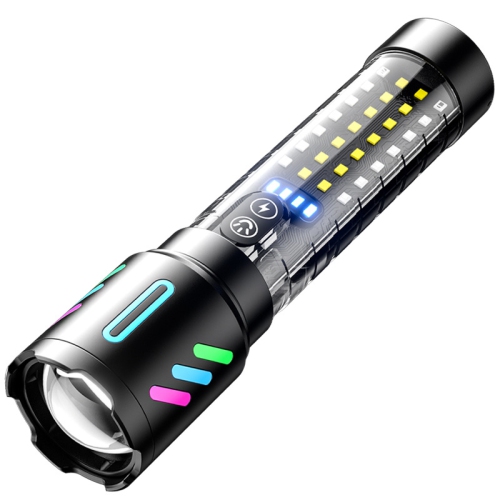
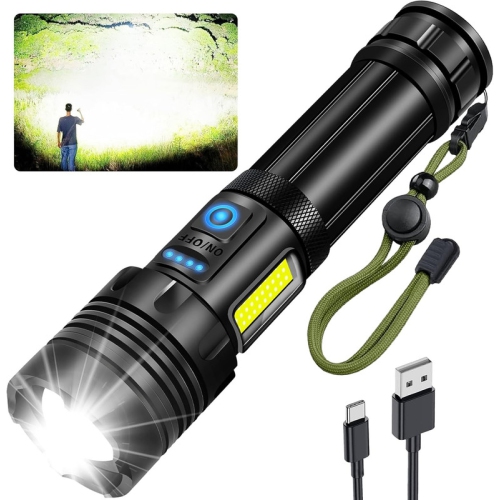
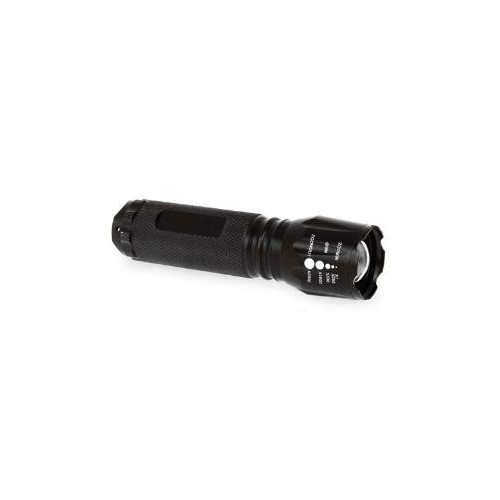
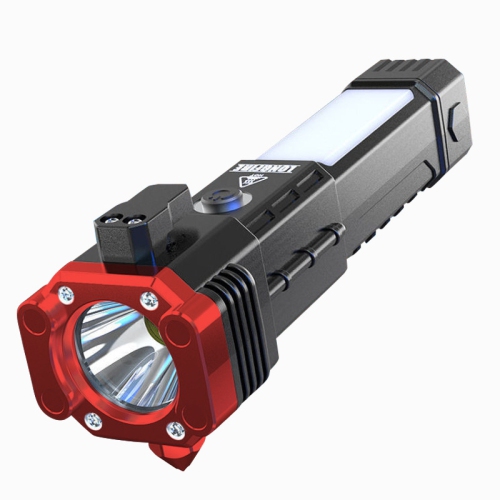
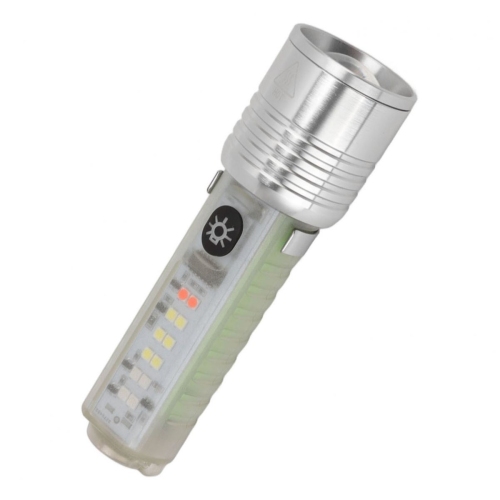
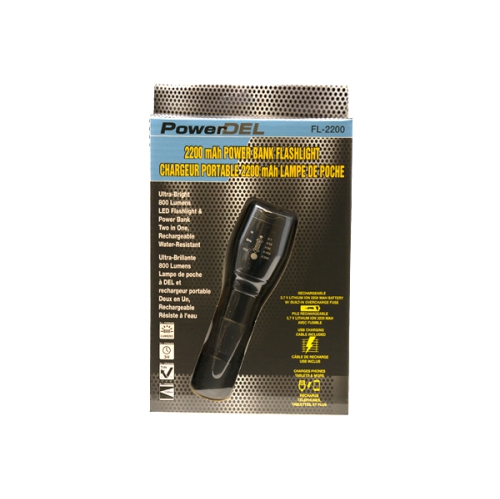
Security flashlights provide portable, directed light for checking entrances, patrolling properties, inspecting dim spaces, and moving through buildings when fixed lighting is limited. They suit security personnel, building caretakers, maintenance teams, and anyone who wants a dependable light close at hand for household checks or unexpected power interruptions. Their value comes from a balance of usable brightness, manageable size, straightforward controls, and dependable construction—not simply the highest lumen figure. Outputs around 500 to 1,000 lumens can be useful for general checks, while lights with higher settings, including 1,000 to 3,000 lumens, offer additional illumination for larger spaces. Those figures are useful comparison points rather than a requirement for every task: a lower setting may be more comfortable when reading a door number, checking a lock, or examining a utility panel at close range. Lumens describe total light output, whereas candela indicates beam intensity in a particular direction. That distinction helps explain why two flashlights with similar lumen ratings can perform differently across a parking area or along a narrow corridor. A concentrated beam makes distant details easier to pick out, while a broad flood illuminates more of the space immediately ahead. A beam with a defined centre and useful spill can support both distance viewing and awareness of nearby steps or obstacles. Adjustable focus offers another way to change coverage, although beam quality and mechanical design vary. Light colour also affects the viewing experience; a neutral-looking beam can make surfaces appear more natural, and higher colour rendering can help distinguish wire colours or read colour-coded labels. For routine security use, a clear, even beam without distracting dark rings may be more useful than a dramatic brightness claim. The intended setting matters most: checking a storage room, walking a building perimeter, and inspecting the space beneath a stairwell place different demands on beam shape, reach, and comfortable close-up visibility.
Construction and handling shape how a security flashlight feels over an entire shift or during repeated use at home. Anodized aluminum is a common body material because it combines relatively low weight with a sturdy housing, while well-made polymer bodies offer a different balance of weight, grip, and resistance to surface wear. Neither material alone proves durability; the quality of the lens, switches, seals, threads, and battery compartment also matters. Published impact-resistance specifications are more informative than an aggressive-looking exterior, and water-ingress ratings should be read separately from drop-test claims. An IPX4 rating, for example, indicates resistance to splashing water, not protection against immersion or a particular fall height. For shoppers comparing more rugged designs, Heavy Duty Flashlights offer a related category where body construction and handling deserve close attention. A secure grip is especially useful when one hand is occupied with keys, a radio, or an access card. Textured barrels, balanced weight, and a shape that resists rolling can make a light easier to manage without adding unnecessary bulk. Fit includes both the hand and the carrying method: a compact light may sit comfortably in a pocket, while a larger body may be better suited to a belt holster or a designated storage spot. Pocket clips, lanyard attachments, and holsters should hold the light securely without obstructing access to its controls. Tail switches can support quick, one-handed activation, and some provide momentary light with a partial press. Side switches may make brightness changes easier with a relaxed grip, though their placement affects how readily they can be found by touch. For frequent checks, predictable operation is valuable. Direct access to a practical working level can be more useful than cycling through several modes, and mode memory is helpful only when the remembered setting suits the next task. A lockout function can reduce accidental activation in a pocket or bag, where an unnoticed high-output light may become hot.
Power supply and runtime determine whether a security flashlight fits a daily routine as well as it fits the hand. Rechargeable flashlights are convenient for frequent use when there is a reliable place to charge them between shifts, and USB-C charging can simplify cable management when that connection is supported. Replaceable batteries offer a different advantage: a depleted set can be exchanged without waiting for a charging cycle. Some designs accept more than one approved battery type, but compatibility must be confirmed in the manufacturer's specifications; similar-looking cells are not necessarily interchangeable. Battery indicators make it easier to plan charging, while protected charging ports and securely closing battery compartments support dependable everyday handling. Runtime figures need context because a light's maximum setting may be available only briefly before output decreases to manage heat or battery use. A longer published runtime does not necessarily mean the flashlight maintains its initial brightness throughout that period. Where supplied, output graphs and runtime measurements at individual settings give a clearer picture of sustained performance. A moderate mode that lasts through repeated rounds may be more practical than a very bright setting used in short bursts. For household readiness, an easy-to-find storage location and a regular function check help keep the flashlight useful when needed. Care is generally straightforward: wipe away dirt with a soft cloth, keep the lens clean, inspect seals for damage, and follow the manufacturer's directions for cleaning contacts or lubricating threads. Charging should take place with compatible equipment, and damaged or swollen batteries should not remain in use. A flashlight intended for a caretaker, a new homeowner, or someone who regularly checks a workshop can also make a practical gift when its controls and carrying style match the recipient's habits. Across these uses, the strongest fit is a light that is comfortable to carry, simple to operate, and capable of maintaining useful illumination. Security flashlights support observation and safer movement; they complement sound security practices rather than replacing locks, fixed lighting, alarms, or professional procedures.
Construction and handling shape how a security flashlight feels over an entire shift or during repeated use at home. Anodized aluminum is a common body material because it combines relatively low weight with a sturdy housing, while well-made polymer bodies offer a different balance of weight, grip, and resistance to surface wear. Neither material alone proves durability; the quality of the lens, switches, seals, threads, and battery compartment also matters. Published impact-resistance specifications are more informative than an aggressive-looking exterior, and water-ingress ratings should be read separately from drop-test claims. An IPX4 rating, for example, indicates resistance to splashing water, not protection against immersion or a particular fall height. For shoppers comparing more rugged designs, Heavy Duty Flashlights offer a related category where body construction and handling deserve close attention. A secure grip is especially useful when one hand is occupied with keys, a radio, or an access card. Textured barrels, balanced weight, and a shape that resists rolling can make a light easier to manage without adding unnecessary bulk. Fit includes both the hand and the carrying method: a compact light may sit comfortably in a pocket, while a larger body may be better suited to a belt holster or a designated storage spot. Pocket clips, lanyard attachments, and holsters should hold the light securely without obstructing access to its controls. Tail switches can support quick, one-handed activation, and some provide momentary light with a partial press. Side switches may make brightness changes easier with a relaxed grip, though their placement affects how readily they can be found by touch. For frequent checks, predictable operation is valuable. Direct access to a practical working level can be more useful than cycling through several modes, and mode memory is helpful only when the remembered setting suits the next task. A lockout function can reduce accidental activation in a pocket or bag, where an unnoticed high-output light may become hot.
Power supply and runtime determine whether a security flashlight fits a daily routine as well as it fits the hand. Rechargeable flashlights are convenient for frequent use when there is a reliable place to charge them between shifts, and USB-C charging can simplify cable management when that connection is supported. Replaceable batteries offer a different advantage: a depleted set can be exchanged without waiting for a charging cycle. Some designs accept more than one approved battery type, but compatibility must be confirmed in the manufacturer's specifications; similar-looking cells are not necessarily interchangeable. Battery indicators make it easier to plan charging, while protected charging ports and securely closing battery compartments support dependable everyday handling. Runtime figures need context because a light's maximum setting may be available only briefly before output decreases to manage heat or battery use. A longer published runtime does not necessarily mean the flashlight maintains its initial brightness throughout that period. Where supplied, output graphs and runtime measurements at individual settings give a clearer picture of sustained performance. A moderate mode that lasts through repeated rounds may be more practical than a very bright setting used in short bursts. For household readiness, an easy-to-find storage location and a regular function check help keep the flashlight useful when needed. Care is generally straightforward: wipe away dirt with a soft cloth, keep the lens clean, inspect seals for damage, and follow the manufacturer's directions for cleaning contacts or lubricating threads. Charging should take place with compatible equipment, and damaged or swollen batteries should not remain in use. A flashlight intended for a caretaker, a new homeowner, or someone who regularly checks a workshop can also make a practical gift when its controls and carrying style match the recipient's habits. Across these uses, the strongest fit is a light that is comfortable to carry, simple to operate, and capable of maintaining useful illumination. Security flashlights support observation and safer movement; they complement sound security practices rather than replacing locks, fixed lighting, alarms, or professional procedures.
Top selling and popular products
-
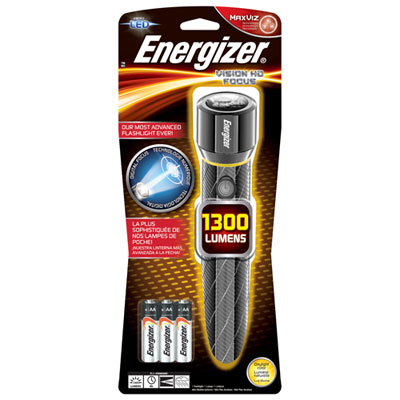 Your price for this item is $19.97
 -
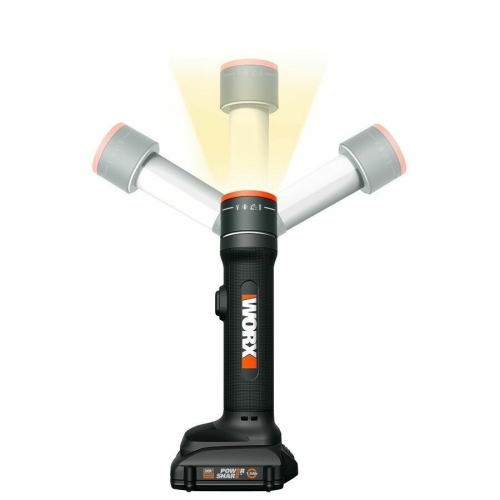 Your price for this item is $129.99
 -
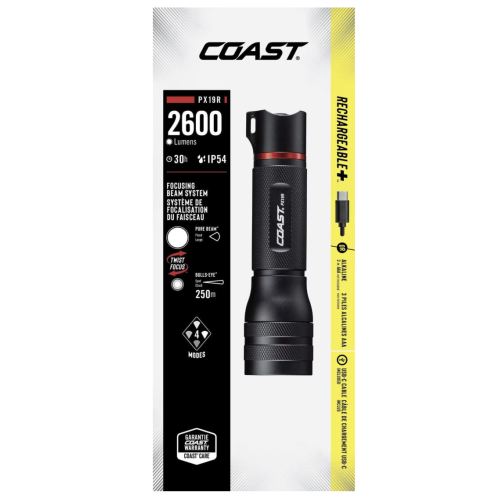 Your price for this item is $39.99
 -
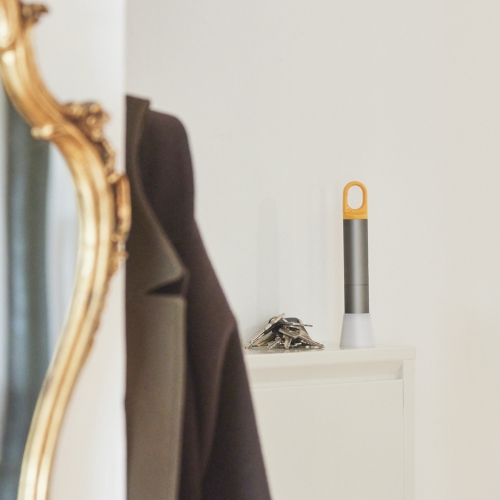 Your price for this item is $51.99
 -
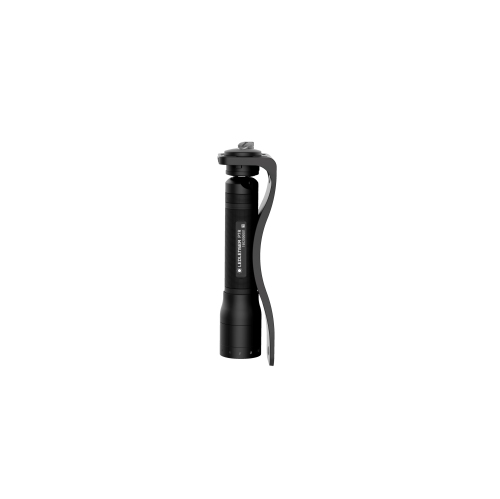 Your price for this item is $107.99
 -
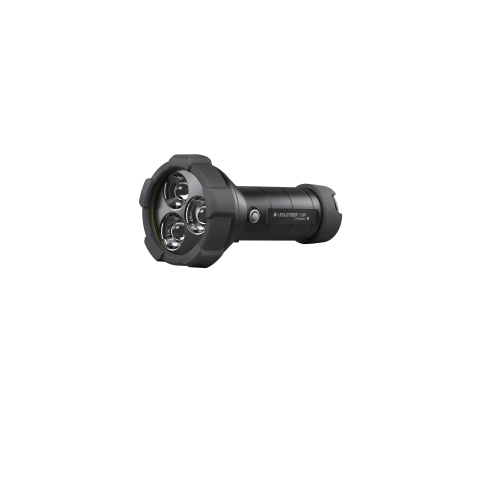 Your price for this item is $287.93
 -
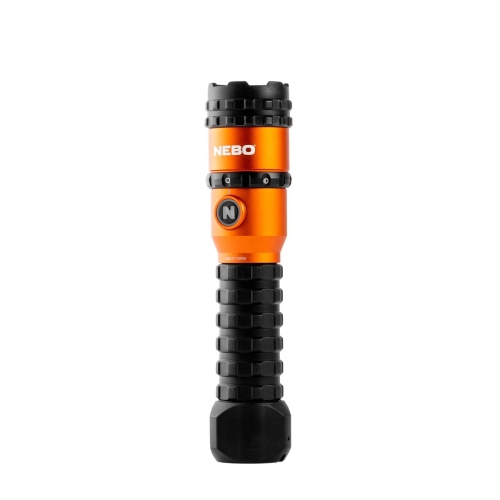 Your price for this item is $124.99
 -
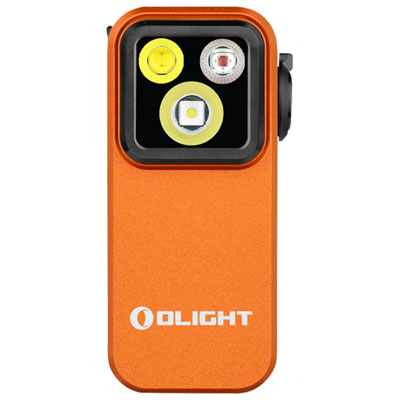 Your price for this item is $49.99
Discover more categories related to Security Flashlights
Top Collections:
Pokemon Centers, Kindle Devices, Best Budget Office Chairs, Apple iPhones 16, Best Laptops for Writers, iPhone 15 Apple, Canon G7X Cameras, Refurbished Apple Laptops, Alarm Clock, Motorola Razr Phones
Some products may be subject to Environmental Handling Fees
(EHF) depending on your province.
Learn more about EHFs.